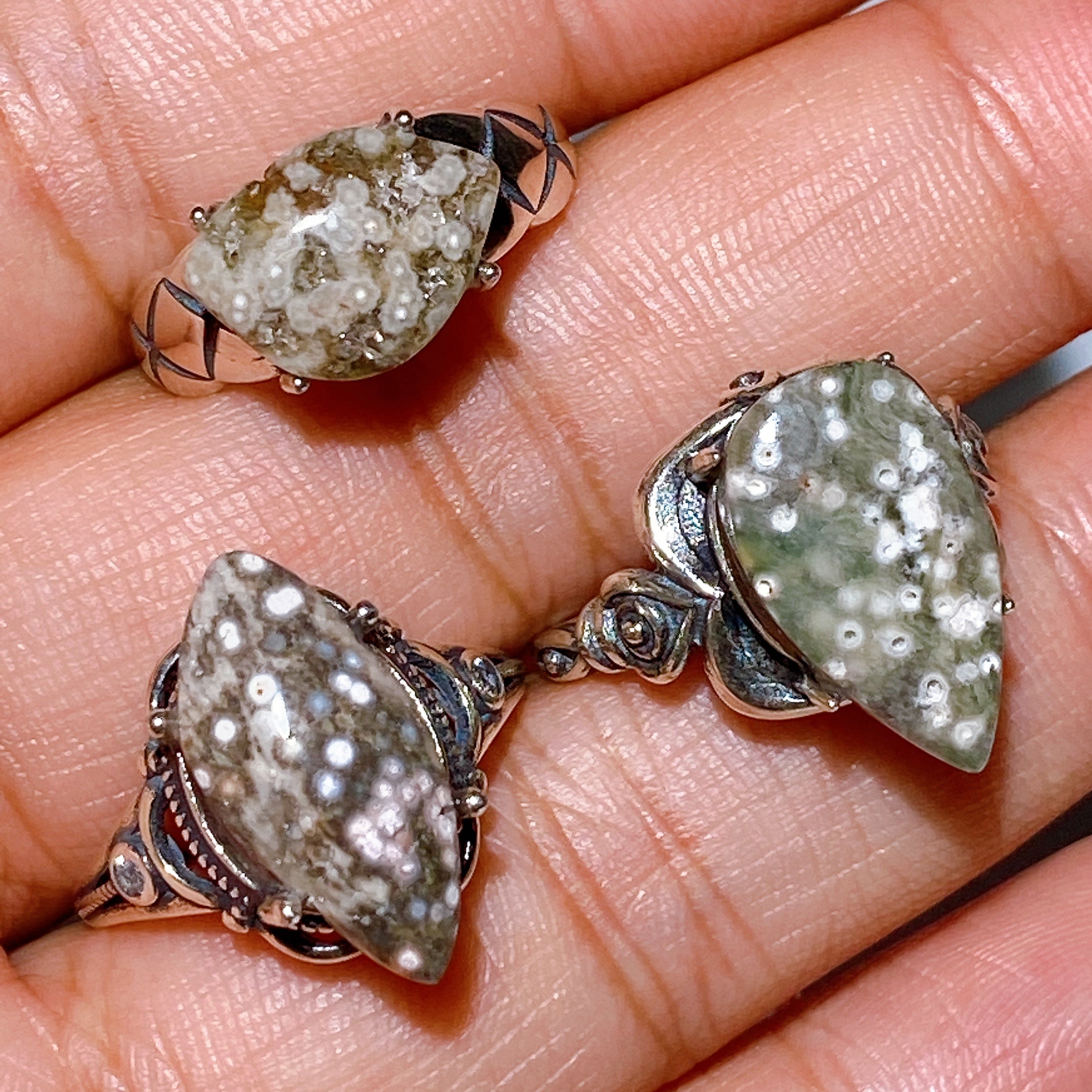
For collectors and spiritual practitioners alike, few stones hold the mystique and historical weight of Old Stock Ocean Jasper. Mined from the remote cliffs of Madagascar, this rare orbicular stone is renowned not just for its stunning patterns, but for the finite nature of its existence. Among the most sought-after varieties today is the elusive 7th Vein Ocean Jasper, a material that represents one of the final chapters in the original Marovato deposit saga. Unlike commercially available modern jasper, these veins tell a story of discovery, depletion, and geological wonder.
Whether you are a seasoned gem enthusiast looking to distinguish between the types of Ocean Jasper or a healer seeking the stone's profound "calling" energy, understanding the lineage of these veins is crucial. In this guide, we will explore the history of the 1st through 7th veins, specifically focusing on how to identify the rare characteristics of the 7th Vein Ocean Jasper and why "Old Stock" remains the gold standard in the crystal world.
The Legend of Old Stock Ocean Jasper
To understand the value of 7th Vein Ocean Jasper, one must first grasp the history of the stone itself. Ocean Jasper, scientifically known as Orbicular Jasper, is a mineral mostly found in the northwestern coast of Madagascar. The term "Old Stock" specifically refers to the material mined from the original deposits in Marovato, which were discovered along the shoreline and could often only be accessed at low tide.
These deposits were not a single massive mine but a series of "veins" discovered chronologically over several years. As one vein was depleted, miners would search for and eventually find the next. This creates a distinct timeline where each vein—from the 1st Vein Ocean Jasper to the 8th—has unique visual characteristics, color palettes, and orb structures. Because these veins are now completely mined out, possessing a piece of Old Stock Ocean Jasper is like holding a piece of extinct geological history.
Chronicles of the Earth: 1st to 4th Veins
The early veins set the standard for what collectors consider "classic" Ocean Jasper. The 1st Vein Ocean Jasper, discovered around 1999-2000, is famous for its large, translucent florets and soft pink, green, and white hues. It established the stone's reputation for high-quality translucency and distinct distinct orbs.
Following this, the 2nd vein introduced more opaque and saturated colors, often featuring bright reds and yellows. By the time the 3rd and 4th veins were excavated, the diversity of the stone had expanded to include complex "bullseye" patterns and a wider range of background colors. These early veins are incredibly difficult to find on the market today and command high prices due to their scarcity.

The Middle Era: 5th and 6th Veins
As mining progressed, the characteristics of the stone shifted. The 5th vein is often recognized by its specific color palette, frequently showcasing greens and reds with a more brecciated (fragmented) look compared to the smooth florets of the 1st vein. It remains a favorite for those who appreciate complex, chaotic patterns.
The 6th Vein Ocean Jasper marked a significant moment in the timeline. It is characterized by an abundance of silver and black metallic inclusions (often hematite or pyrite) mixed with semi-translucent grayish-green backgrounds. The orbs in the 6th vein are often smaller and more "dotted" than the large florets of the earlier years. Understanding the 6th vein is essential because it directly preceded the discovery of the 7th, and collectors often compare the two to determine authenticity.
Unveiling the 7th Vein Ocean Jasper
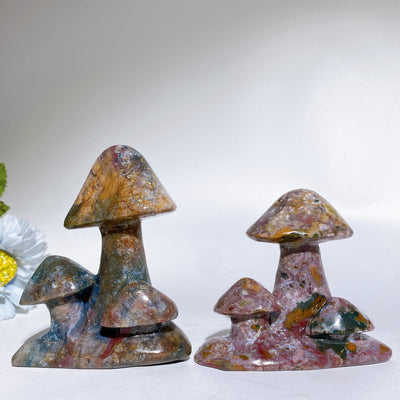
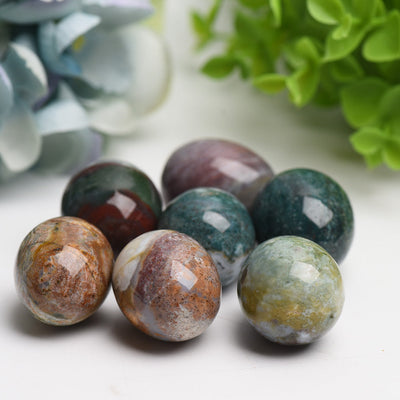
The 7th Vein Ocean Jasper was discovered later in the Marovato mining timeline and has developed a cult following among enthusiasts. While it shares some geological DNA with its predecessors, the 7th vein is distinct in its appearance and energy. Geologically, it is often identified by a dominance of green and brown hues, frequently accompanied by bands of translucent agate that separate the layers of jasper.
What makes 7th Vein Ocean Jasper particularly special is its "dendritic" behavior and the unique formation of its orbs. Unlike the clear, isolated eyes of the 1st vein, the 7th vein often features orbs that cluster together in "clouds" floating within translucent chalcedony. This creates a depth and 3D effect that is mesmerizing to behold. For more on the geological formation of these orbicular structures, resources like Mindat.org provide excellent mineralogical data.

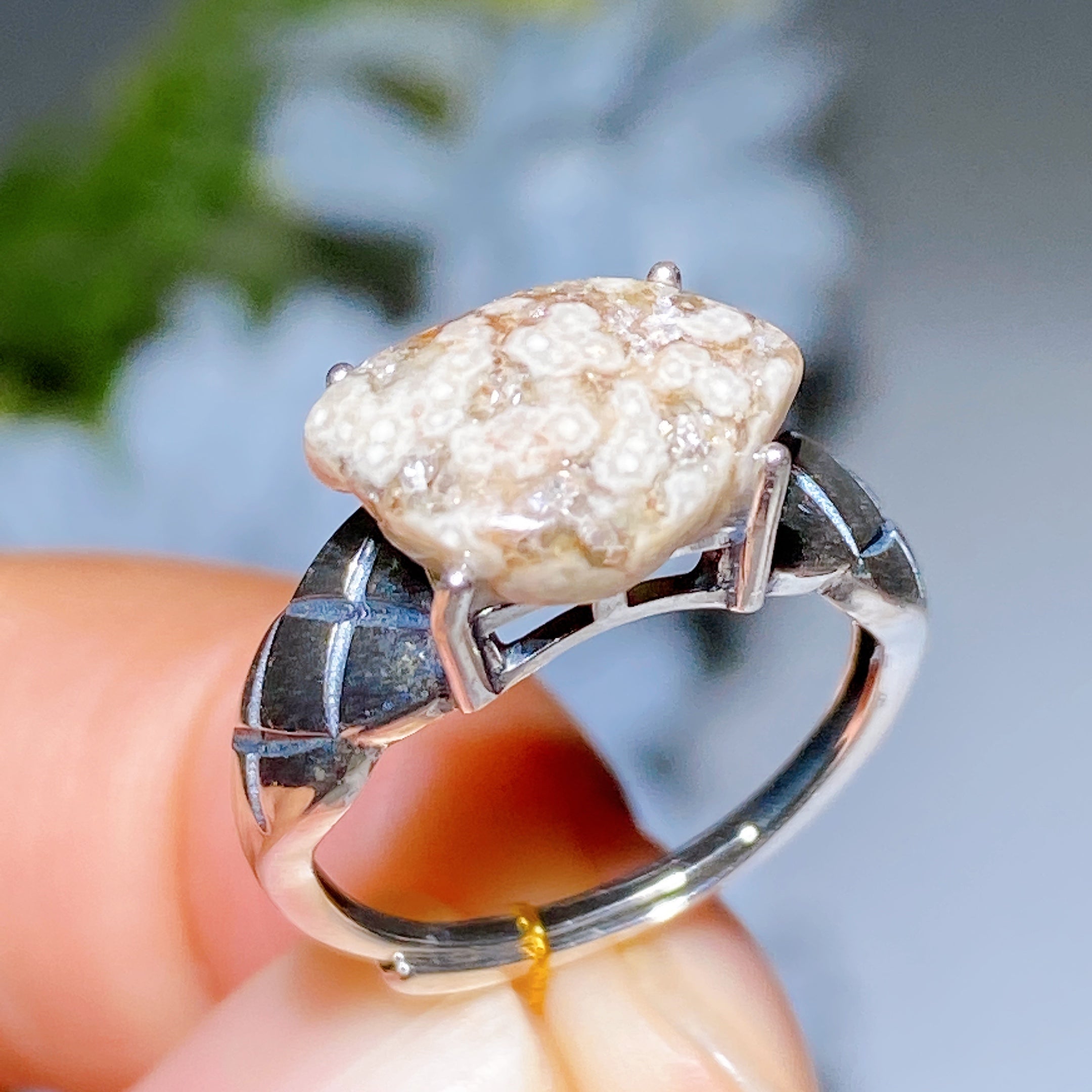
Adjustable Ocean Jasper Ring in Sterling Silver for Healing
$29.90 $39.90
Wear a piece of Ocean Jasper history with this adjustable ring, perfect for energy alignment and collector appeal.
Explore ProductThe energy of the 7th vein is said to be deeply connected to nature and grounding, likely due to its earthy color palette. Spiritual practitioners often seek out this specific vein to aid in connecting with the rhythms of the earth and for facilitating deep emotional healing.

Identifying Ocean Jasper Veins for Collectors
Identifying rare Ocean Jasper veins can be challenging, even for experienced buyers. The market is flooded with "New Ocean Jasper" (mined inland at Kabamby), which, while beautiful, lacks the rarity and distinct orbicular definition of the Old Stock. Here are key indicators to look for when identifying Old Stock Ocean Jasper veins:
- Translucency: Early veins (1st, 2nd, and some 7th) often possess high translucency when held up to light. Modern inland jasper is typically more opaque.
- Orb Definition: Old Stock typically features distinct, concentric circles (eyes). If the patterns are smeared or undefined, it may be a lower-grade or newer material.
- Color Palette: The 7th vein specifically leans towards deep forest greens, creamy whites, and translucent tans. If you see bright, neon pinks and greens without translucency, it is likely from a different deposit.

For collectors, the provenance is everything. Sourcing from reputable dealers who can trace the stone back to the Marovato years is essential. Due to the limited supply, prices for high-quality slabs, spheres, and carvings of Old Stock have risen steadily, making them not just spiritual tools but investment pieces.
Rare Ocean Jasper Carvings

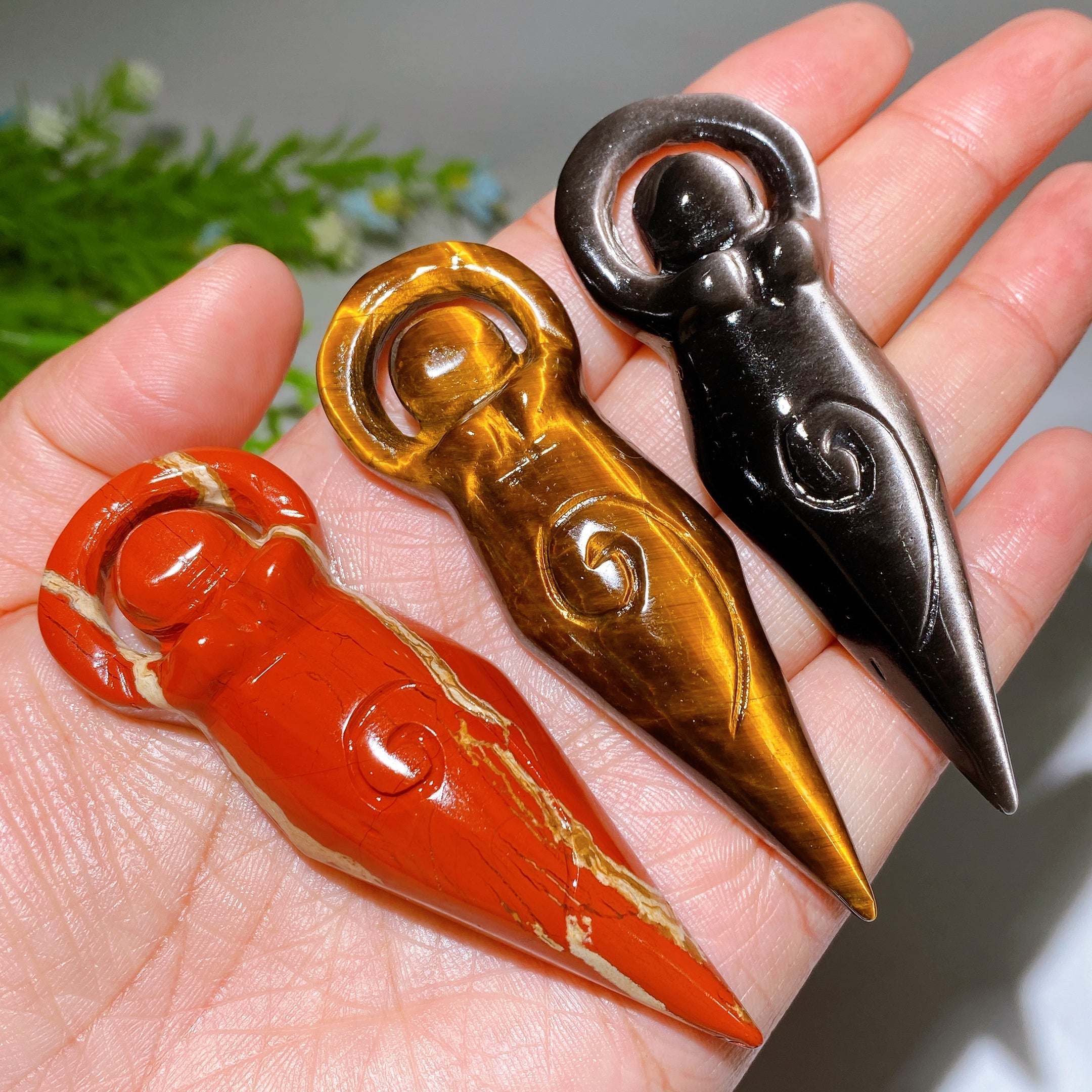
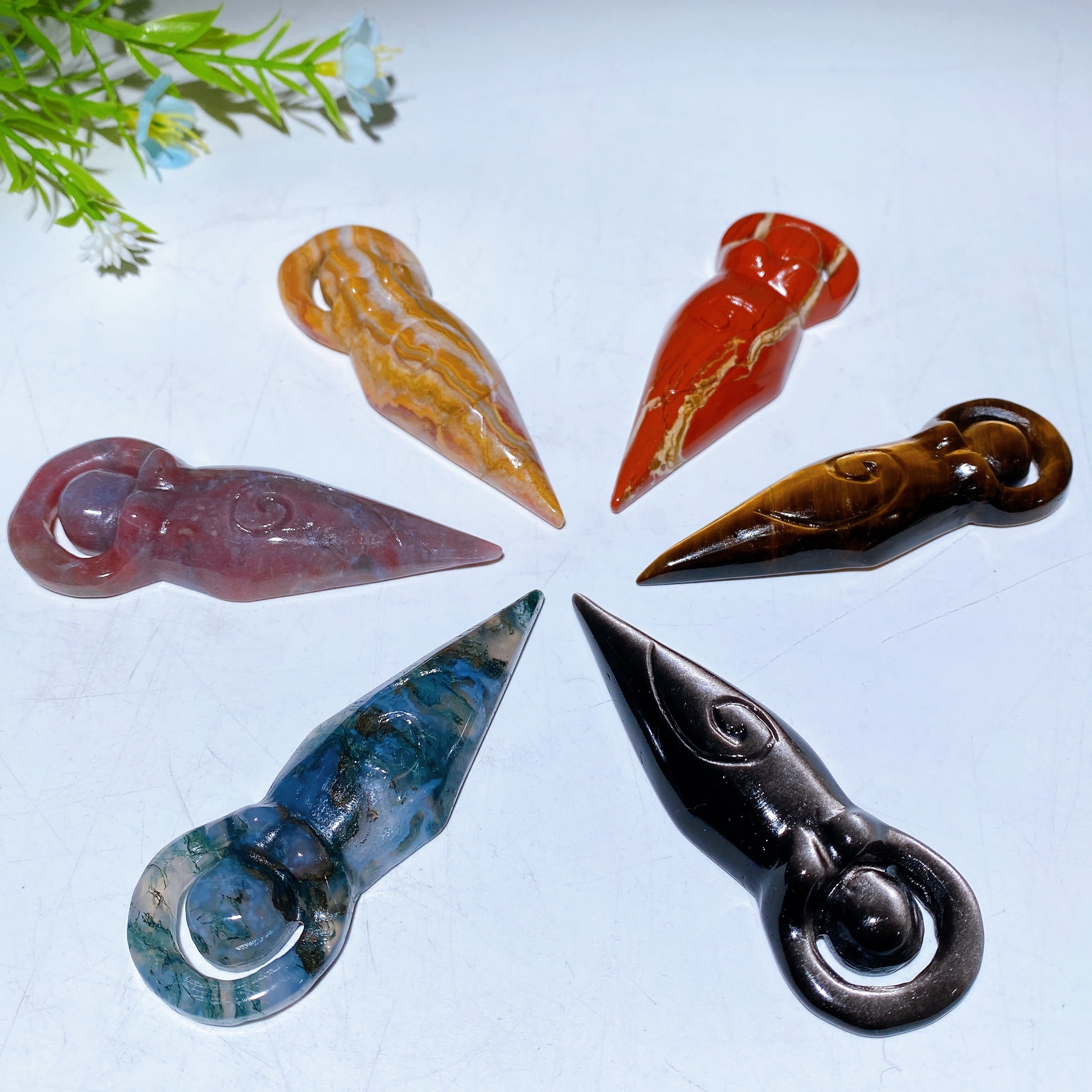
3.2" Crystal Goddess Figurine Carving in Polished Stones
$49.90
$79.90
Celebrate divine femininity and ocean jasper's unique energy with this elegant goddess figurine in rare orbicular stone. Learn more ➔

4-inch Crystal Raven Skull with Wings Carving
$49.90
$79.90
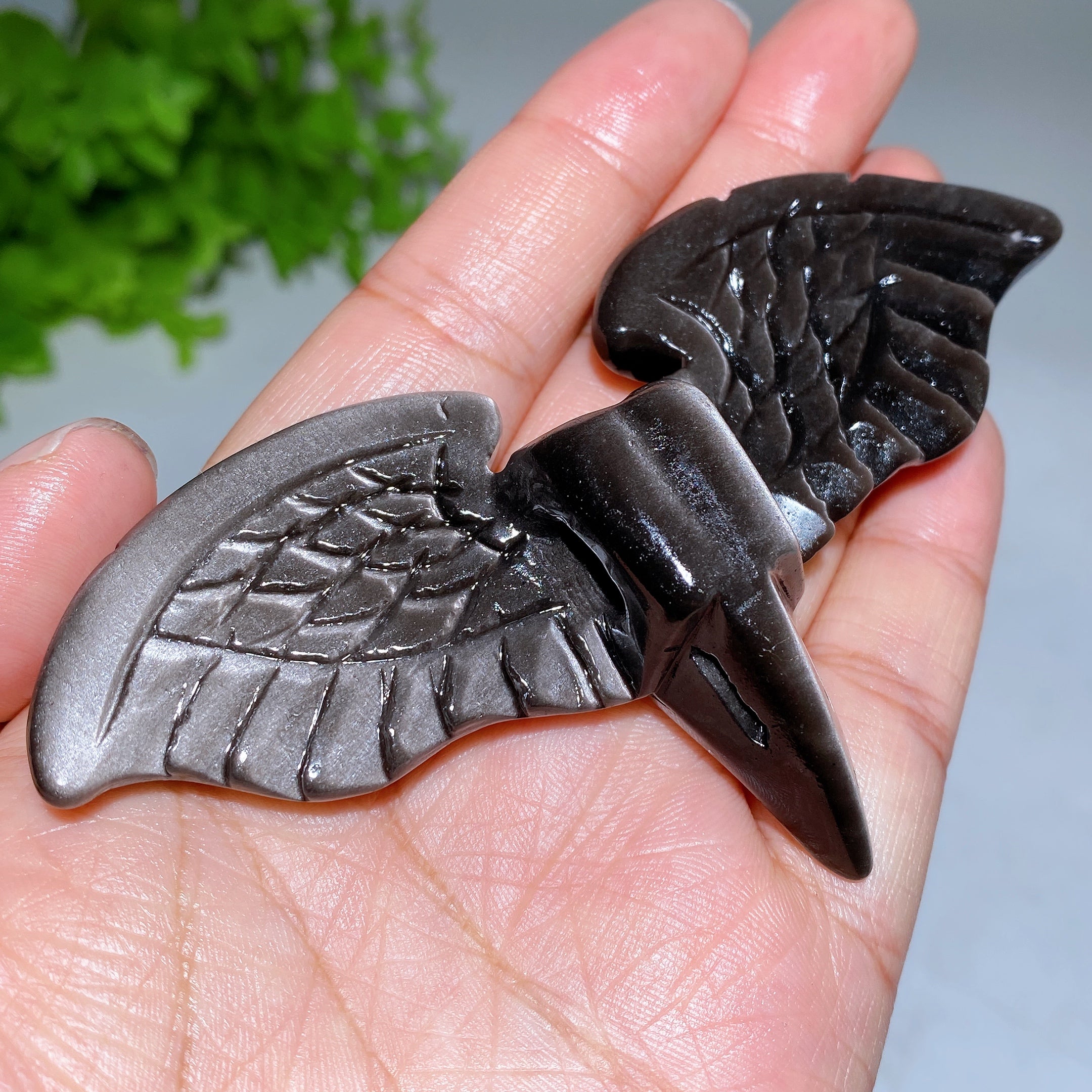
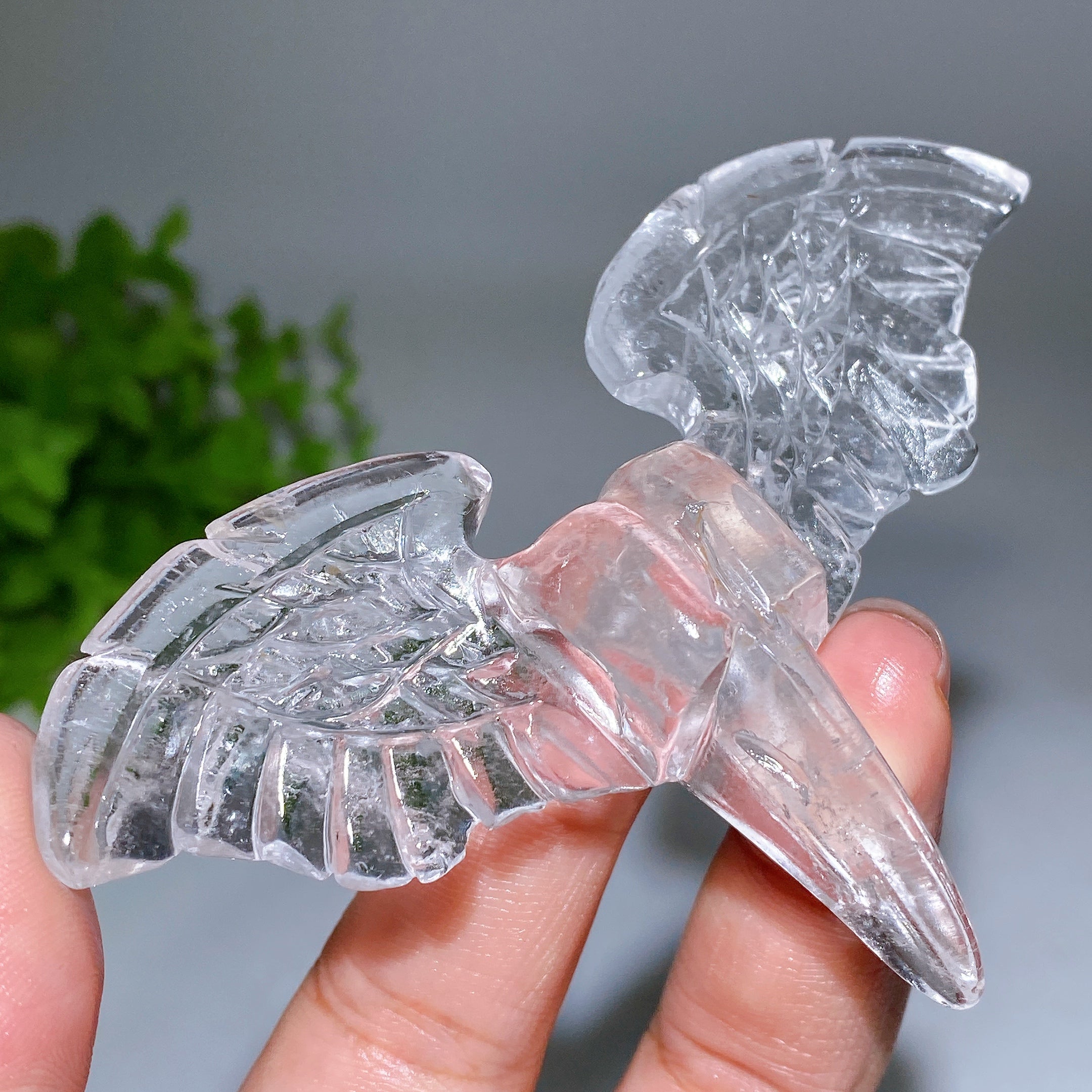
Harness the wisdom and mystique of rare Ocean Jasper in this hand-carved raven skull, ideal for collectors and meditation. Learn more ➔
Conclusion
The journey through the veins of Ocean Jasper is a journey through time. From the floral translucency of the 1st vein to the earthy, grounding depth of 7th Vein Ocean Jasper, these stones offer a unique connection to the geological history of Madagascar. While the mines at Marovato may be silent today, the legacy of these stones lives on in the collections of those lucky enough to care for them. Whether you are drawn to the stone for its aesthetic rarity or its ability to soothe the spirit, acquiring a piece of Old Stock is an investment in natural beauty that can never be replicated.
Frequently Asked Questions about Old Stock Ocean Jasper
7th Vein Ocean Jasper is a specific variety of Orbicular Jasper mined in Madagascar from one of the later deposits in the Marovato area. It is characterized by deep green and brown colors, translucency, and unique floating orb patterns, distinct from earlier veins.
Identifying veins requires looking at color palettes, orb size, and translucency. For example, 1st vein is known for pink/white florets and high translucency, while 7th vein leans towards earthy greens and browns with agate banding.
Old Stock Ocean Jasper is valuable because the original mines (veins 1-8) in Marovato are completely depleted. The unique patterns and quality of these early finds are not found in currently mined material, making them rare collector's items.
The 6th vein often features grayish-green backgrounds with metallic inclusions and smaller dotted orbs. In contrast, the 7th vein is warmer, featuring more browns, greens, and larger, cloud-like orb clusters suspended in translucent chalcedony.
The 1st through 7th veins were all found in the Marovato region on the northwestern coast of Madagascar. These deposits were located near the shoreline, often requiring mining at low tide.