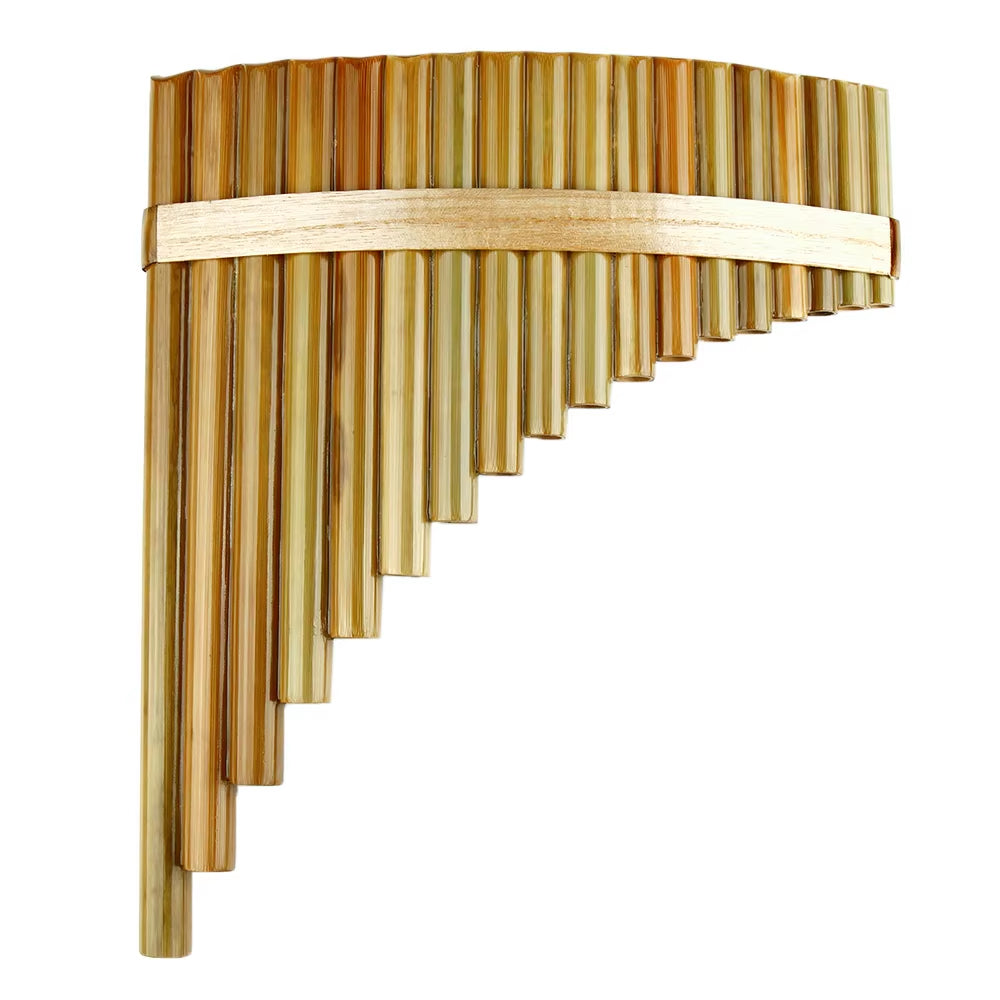
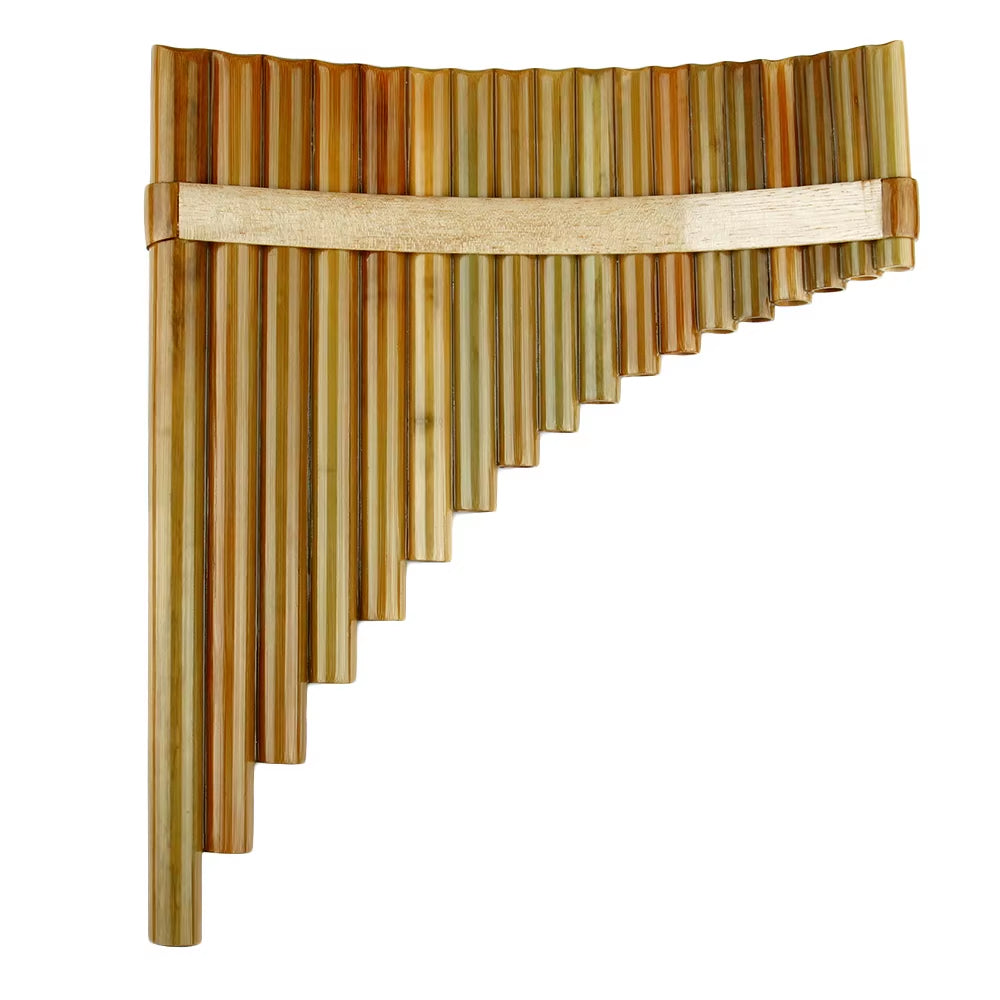
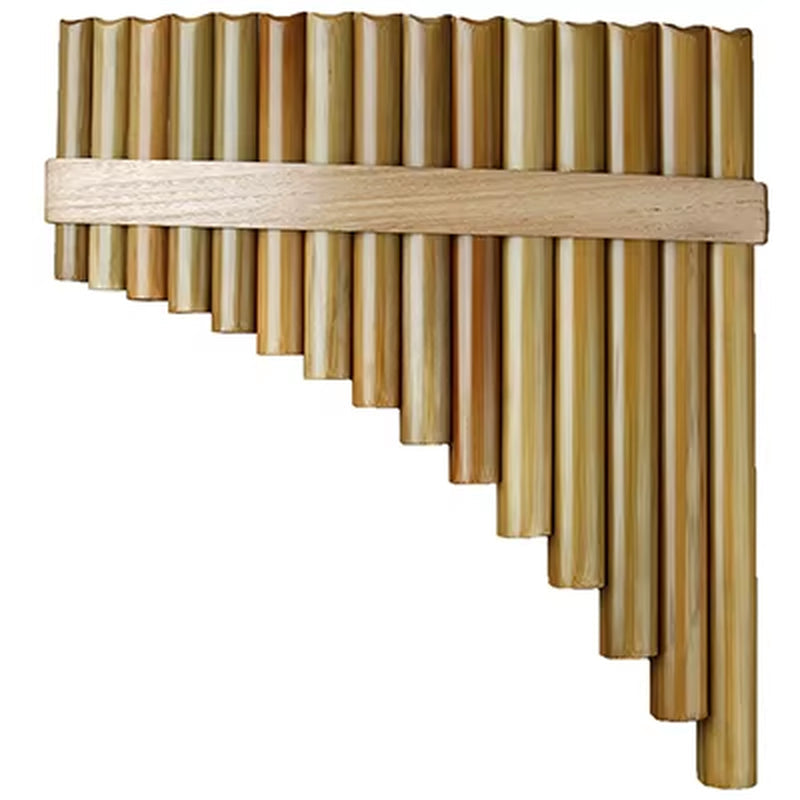
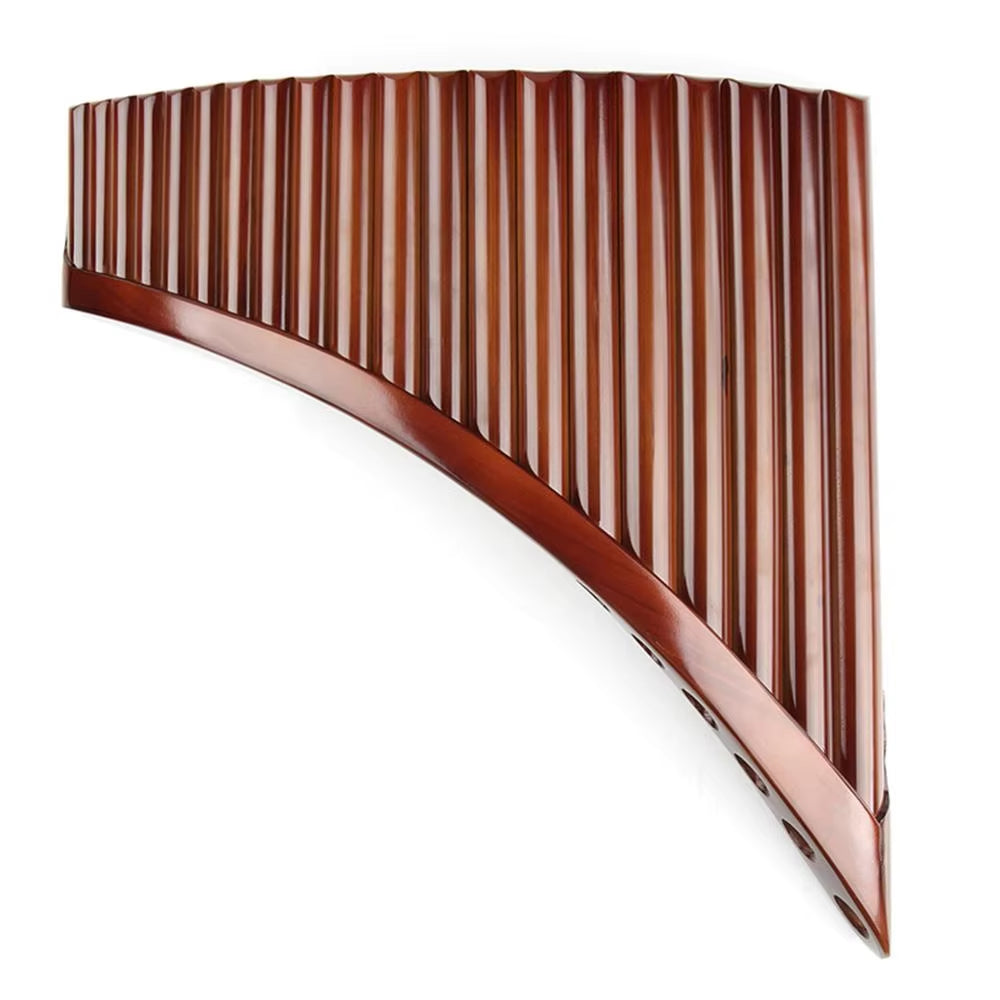
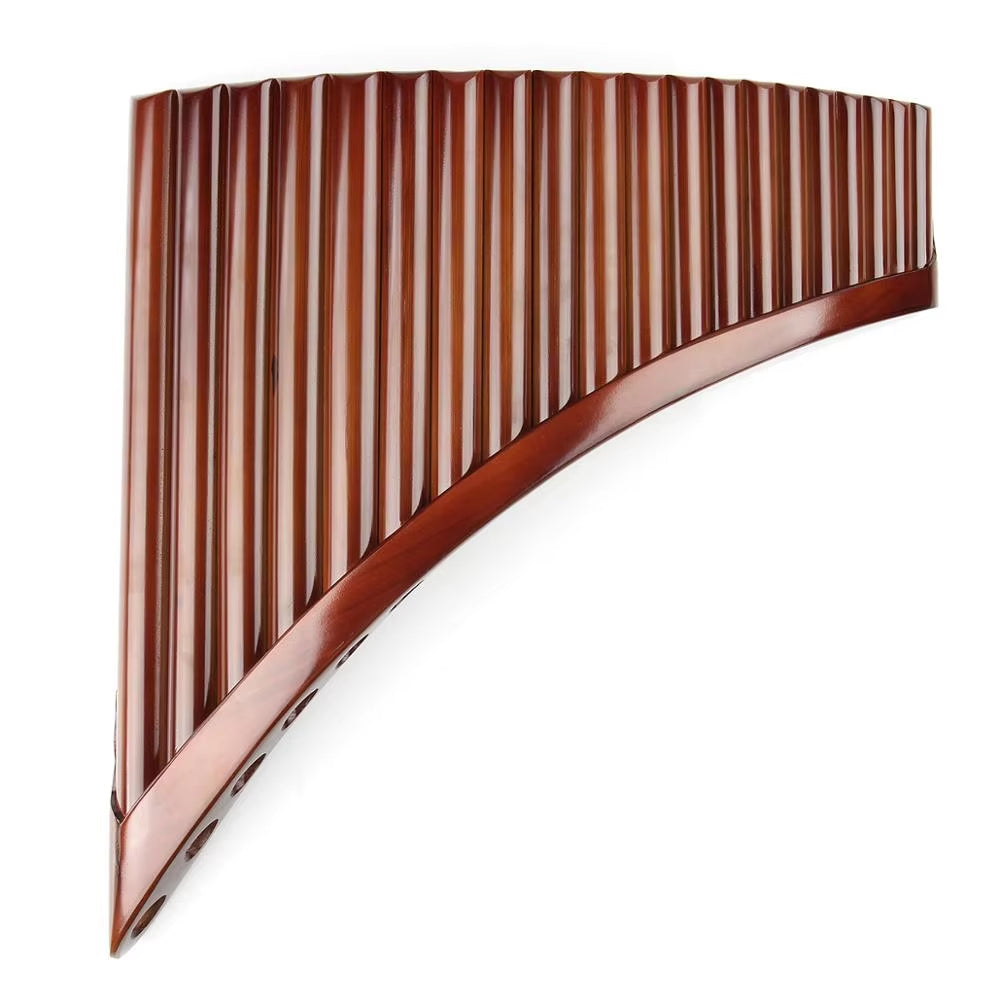
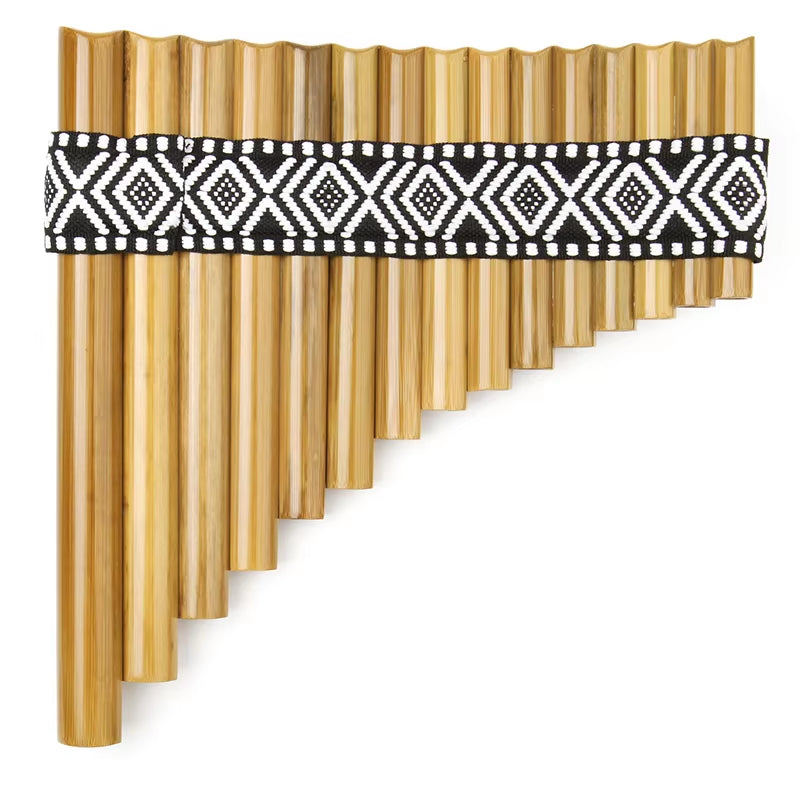
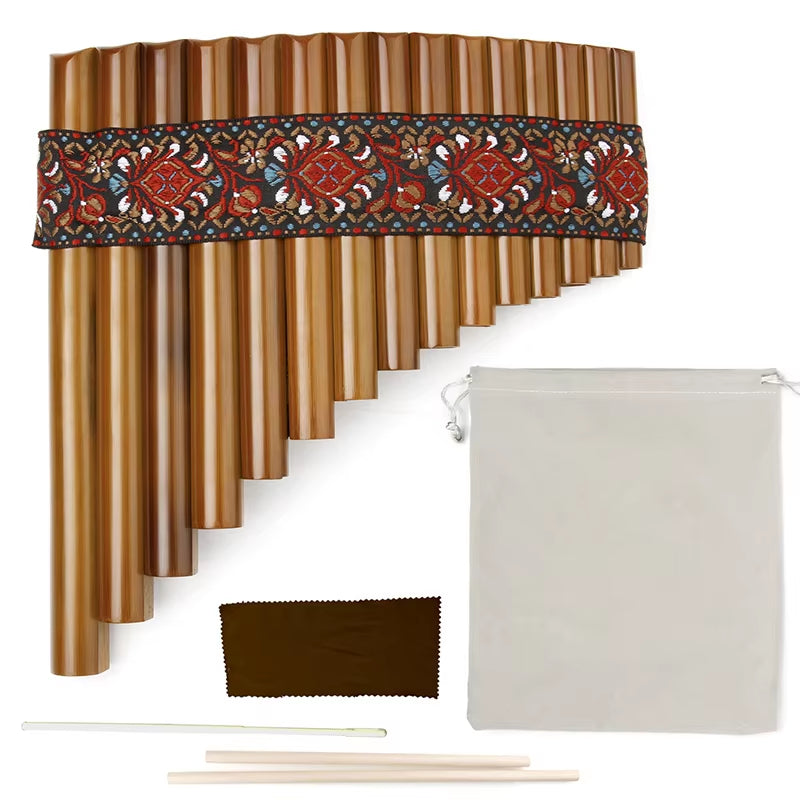
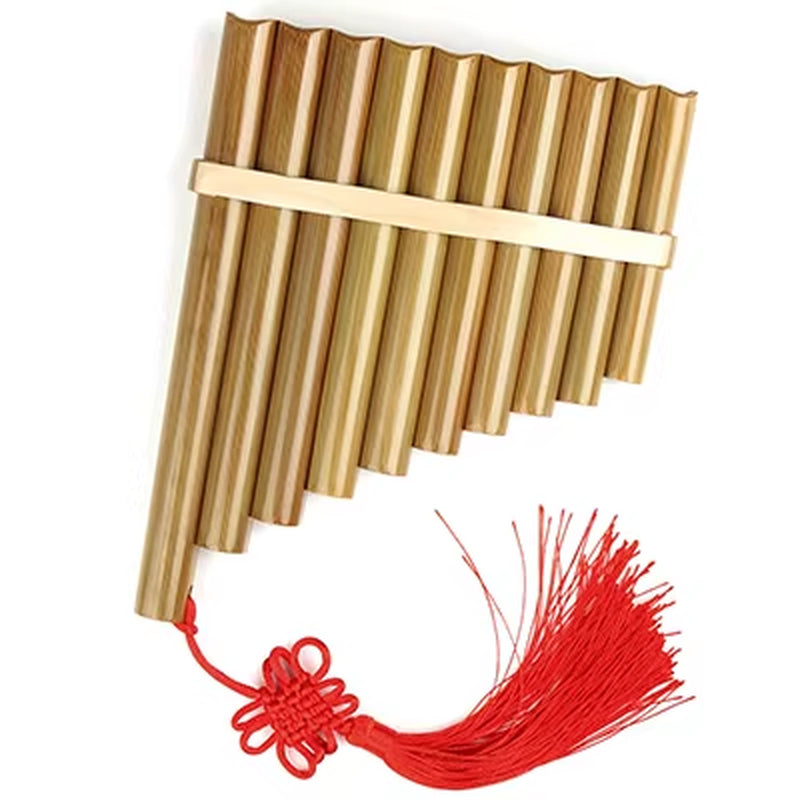
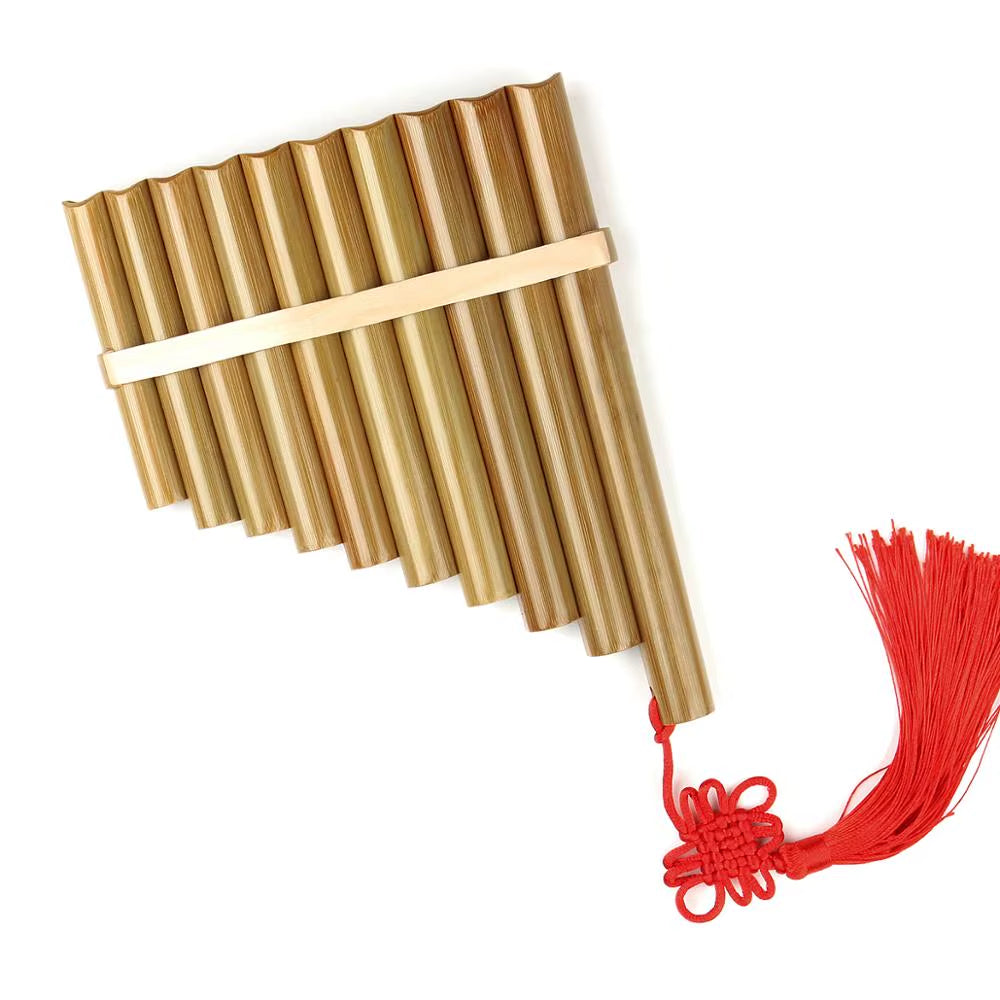
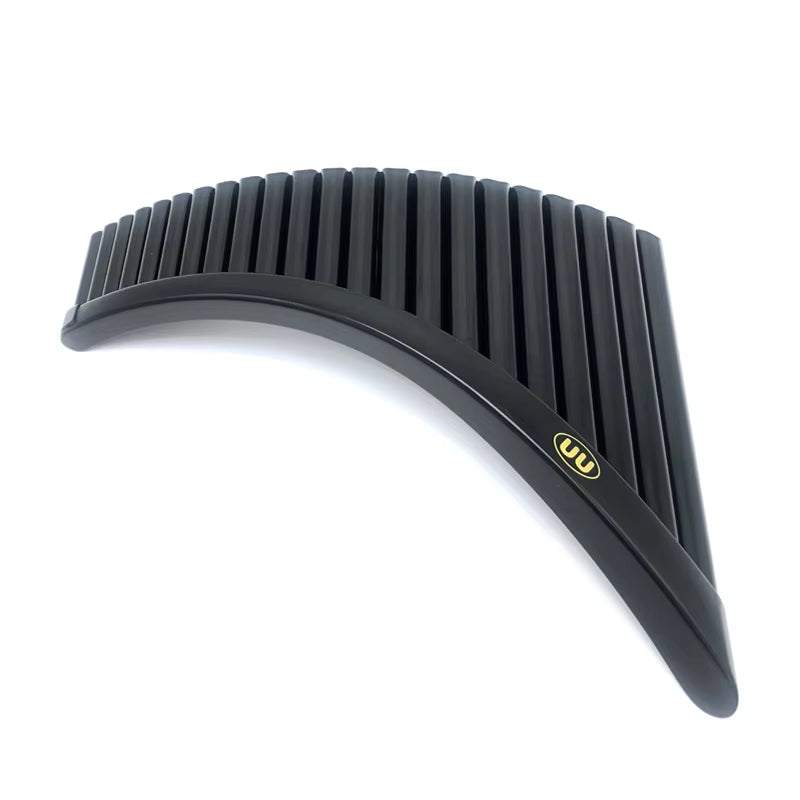
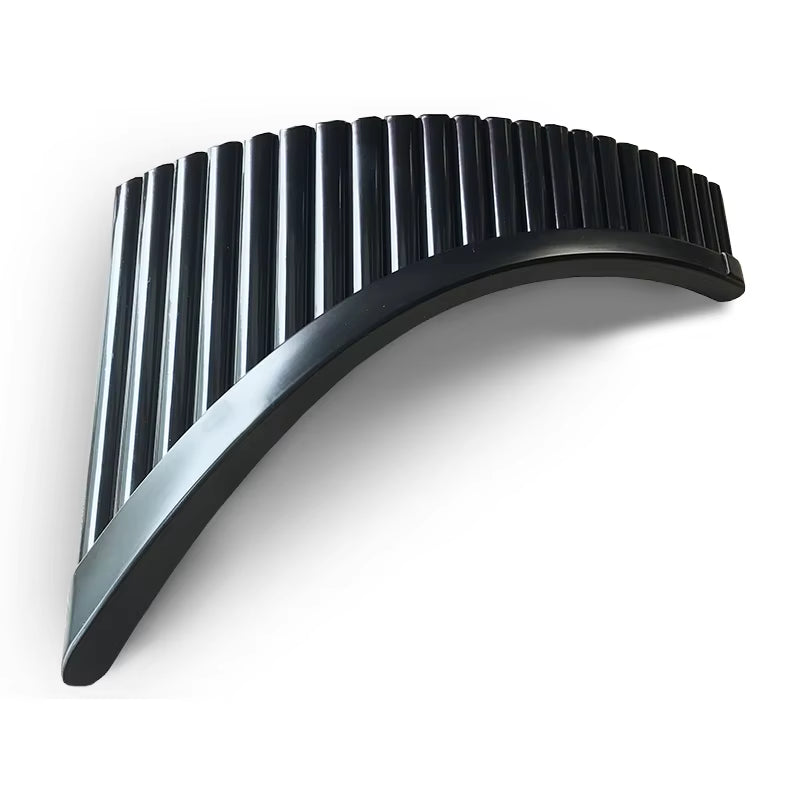
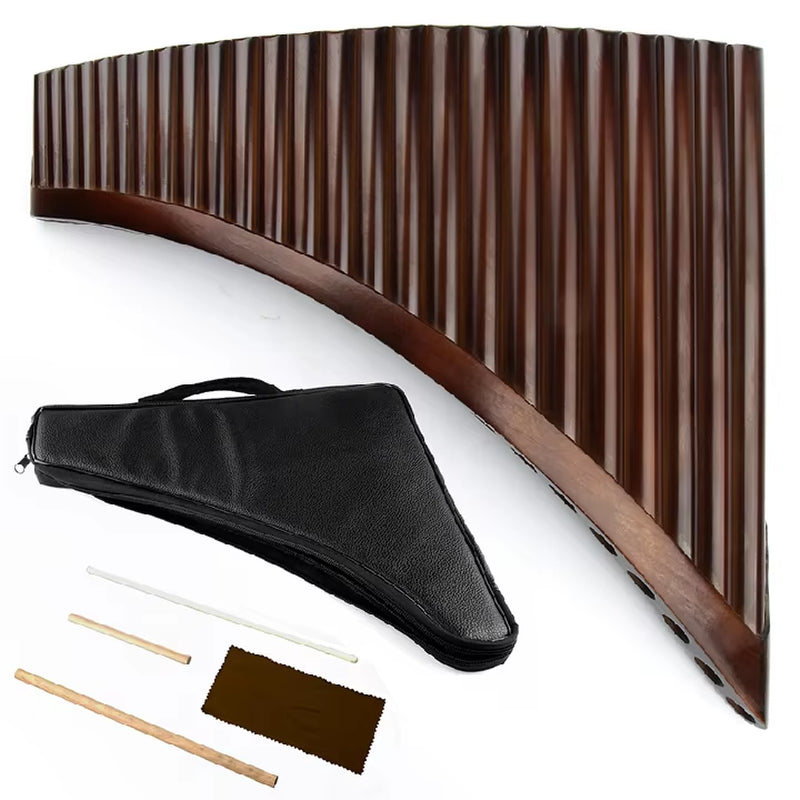
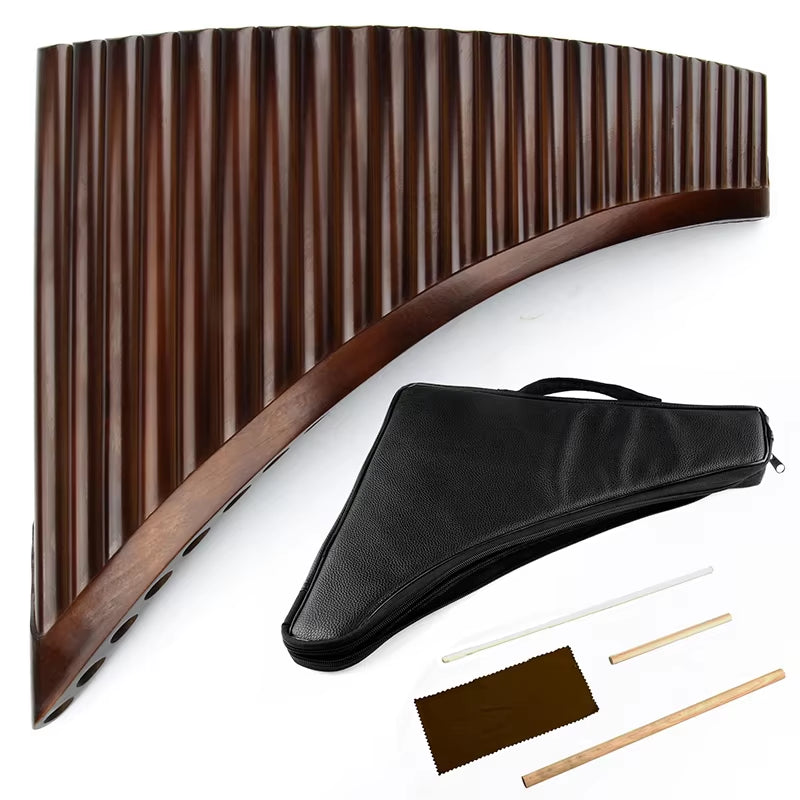
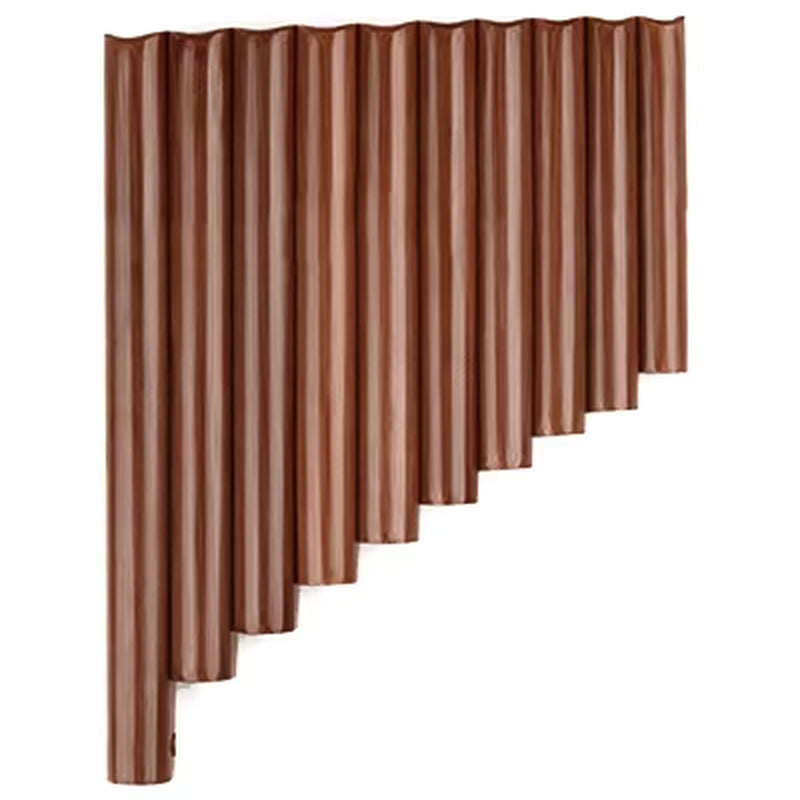
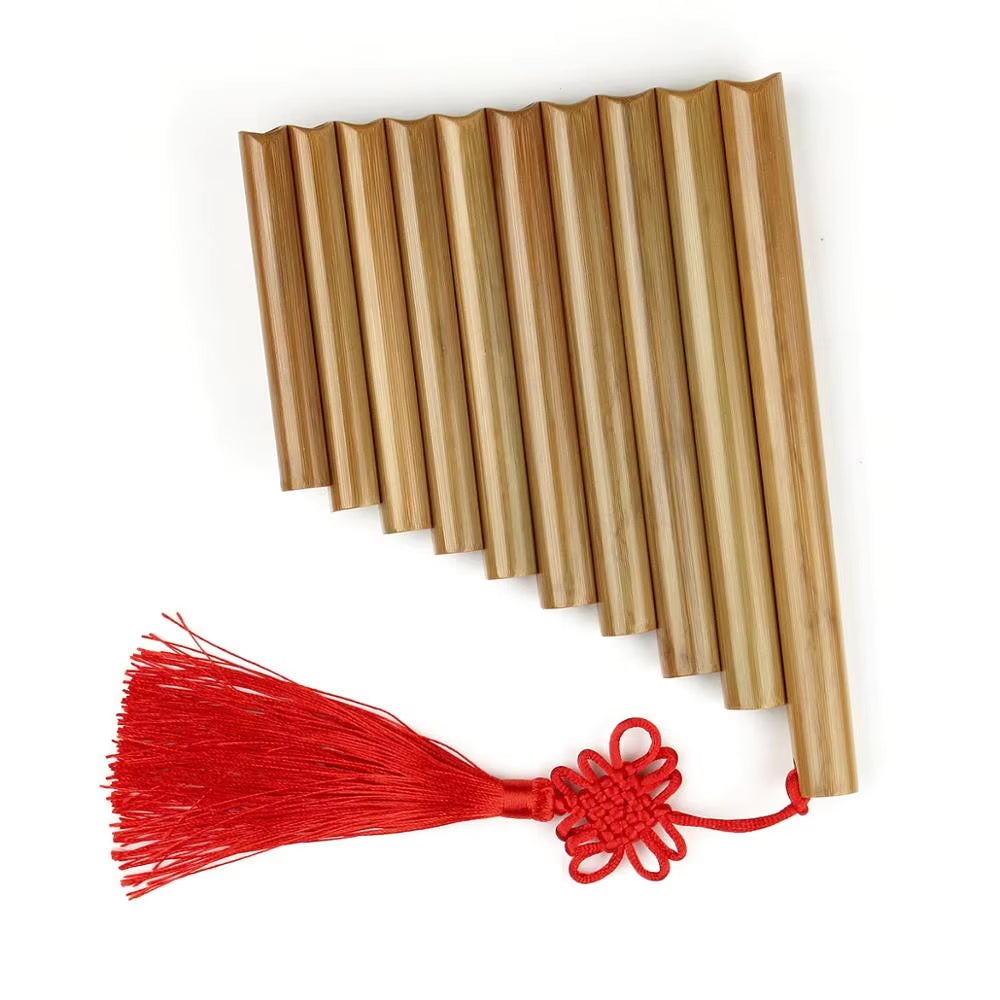
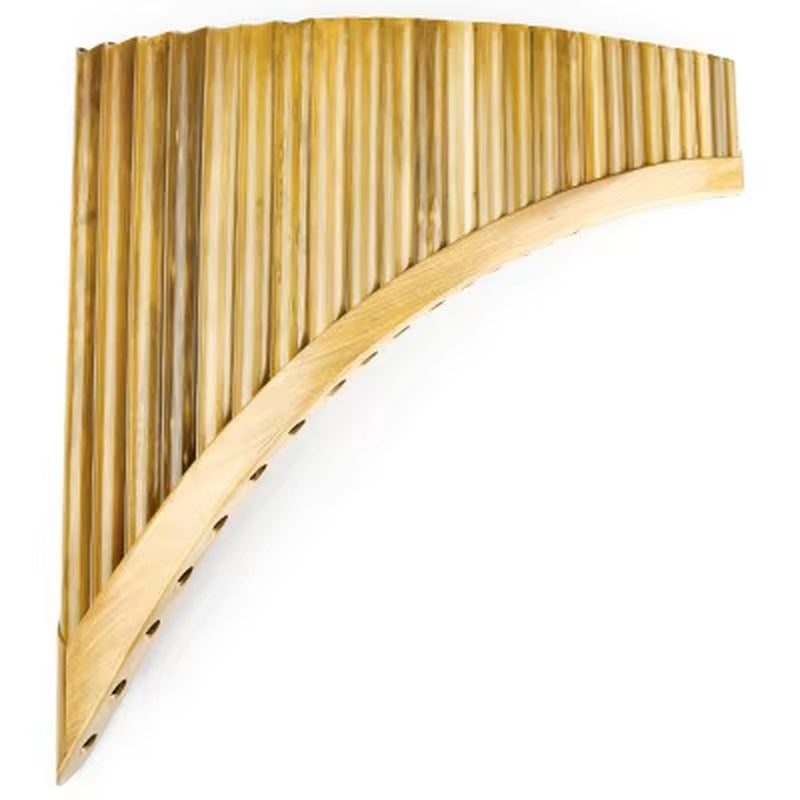
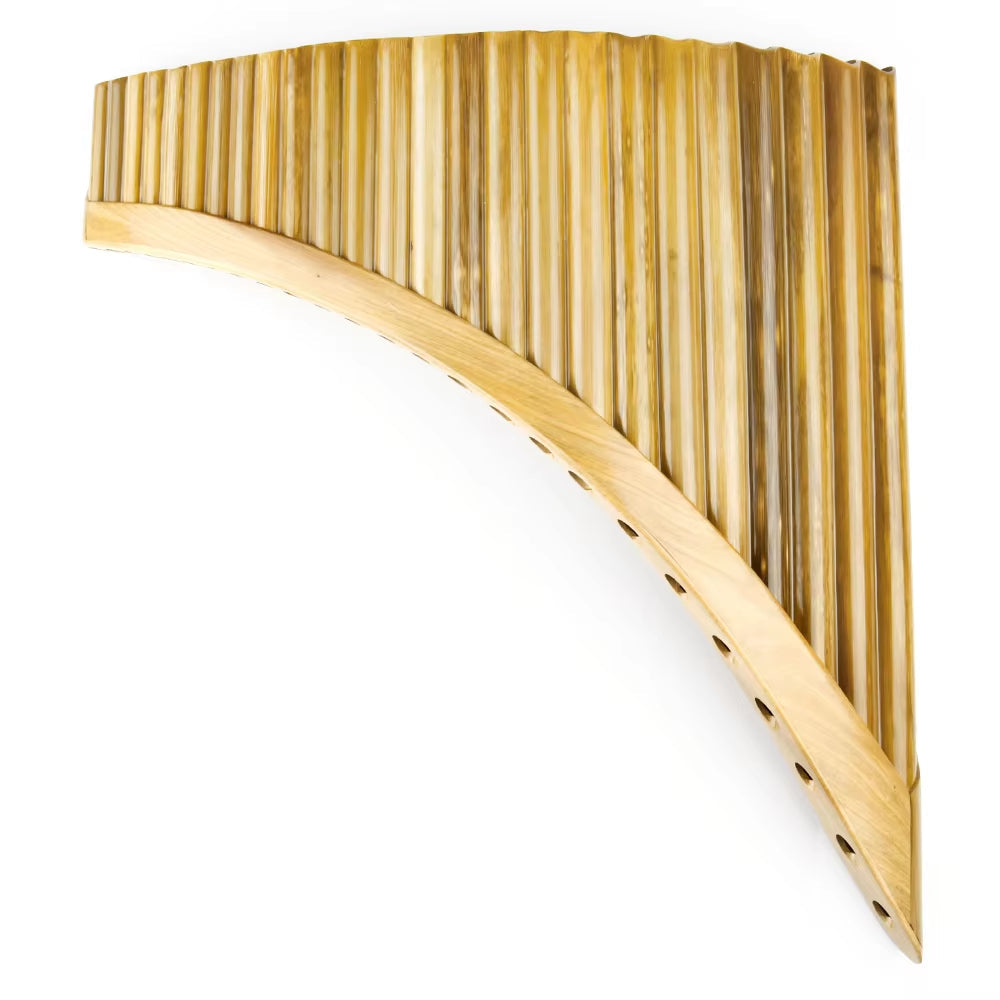
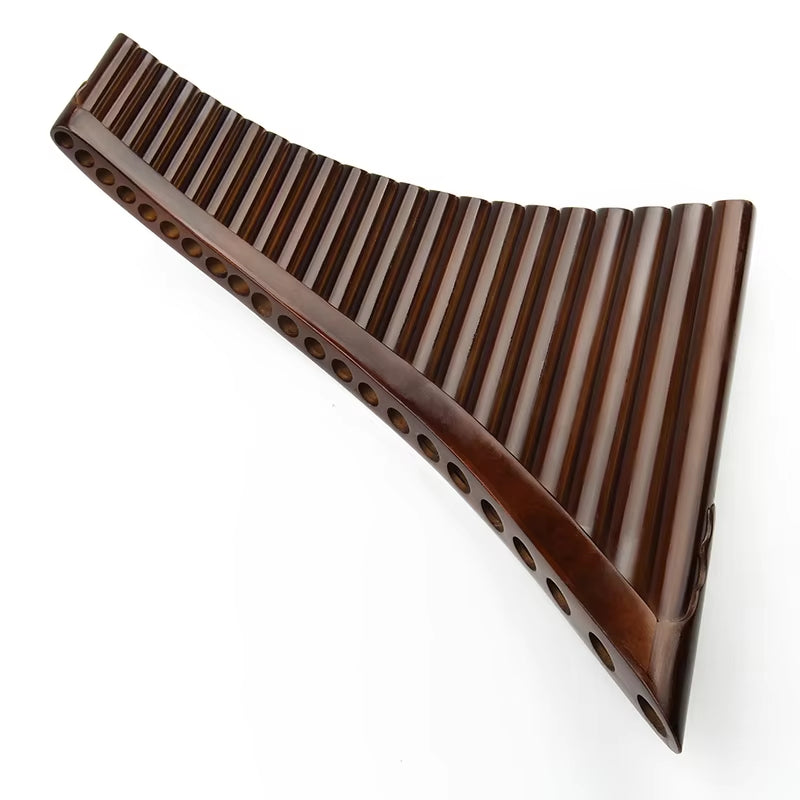
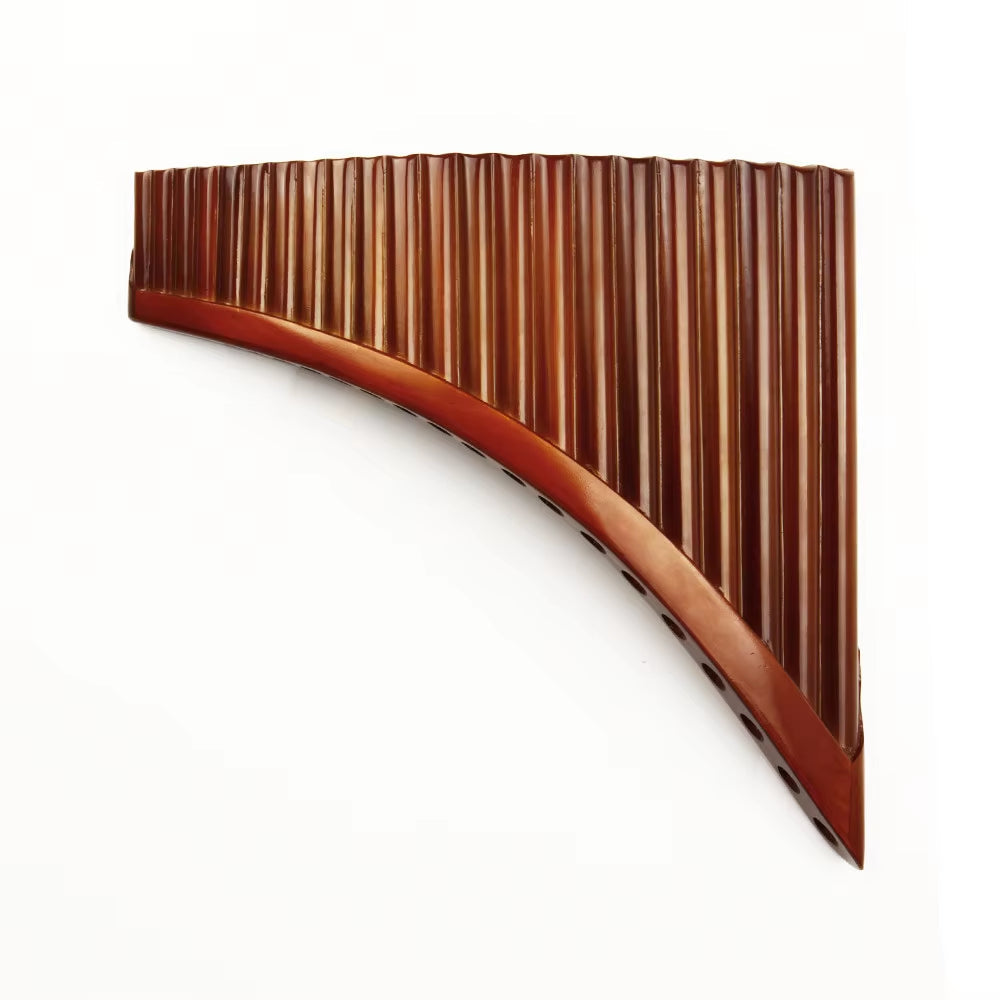
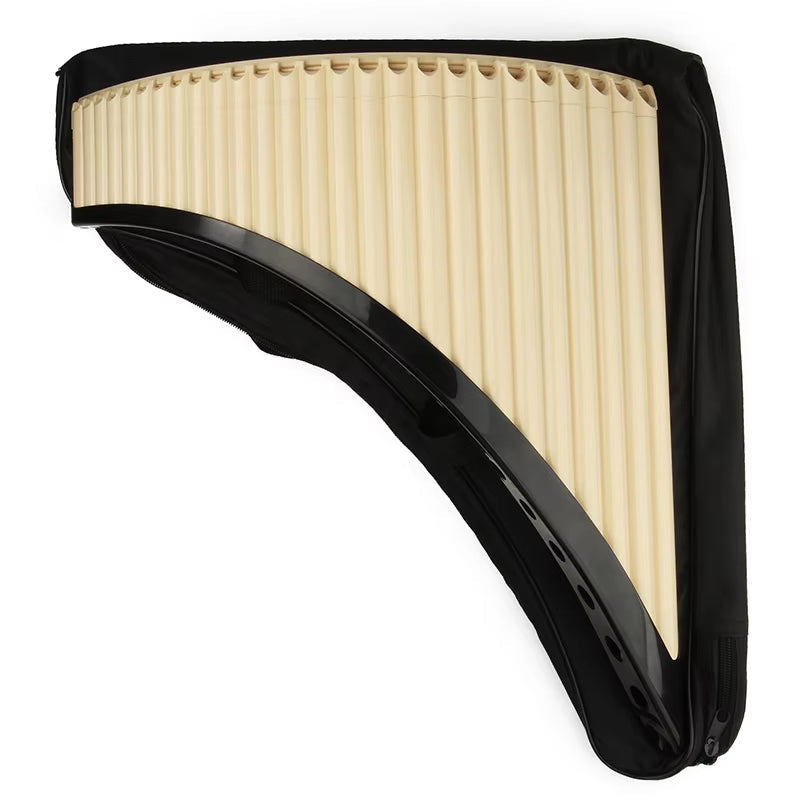
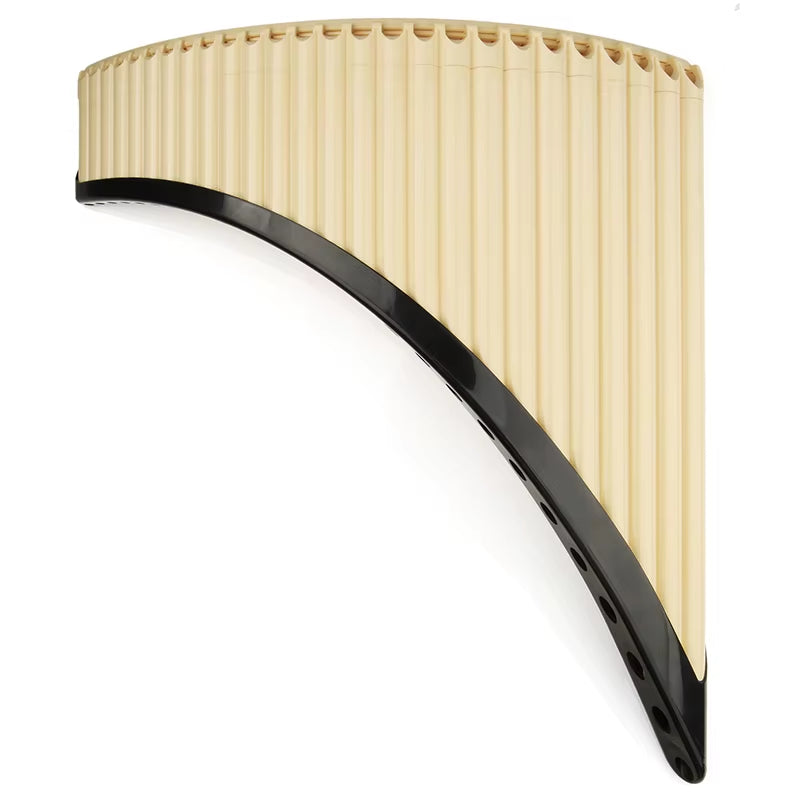
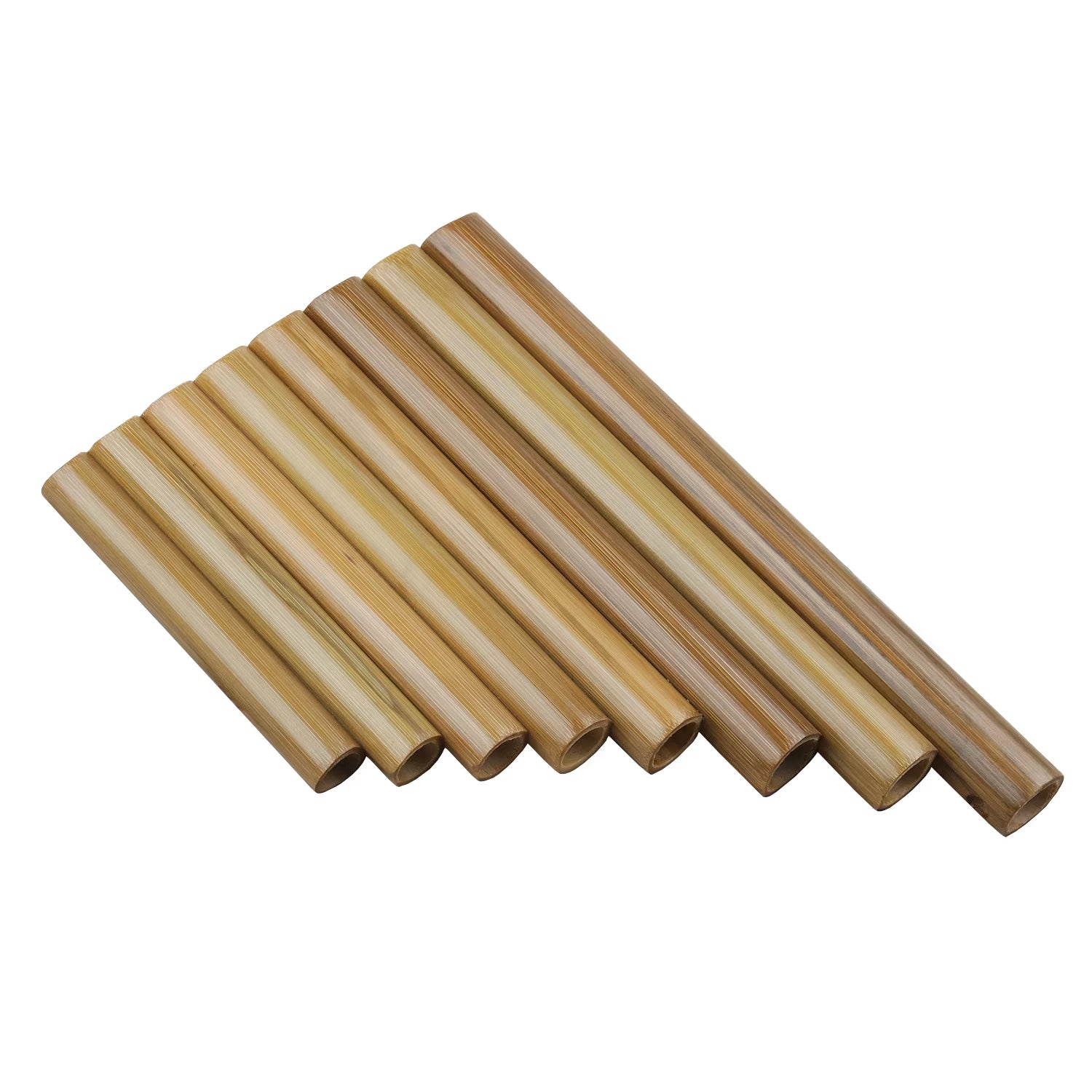
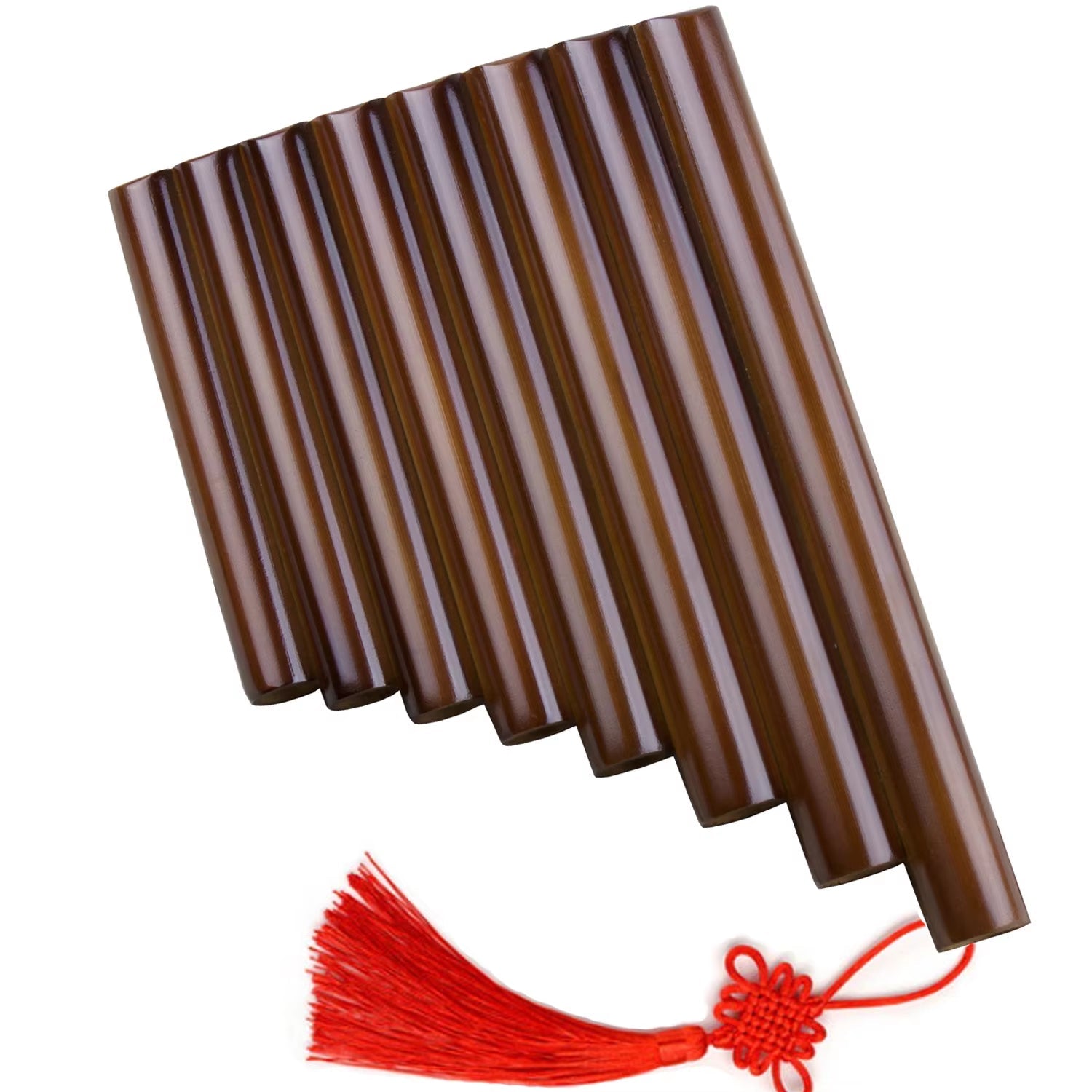
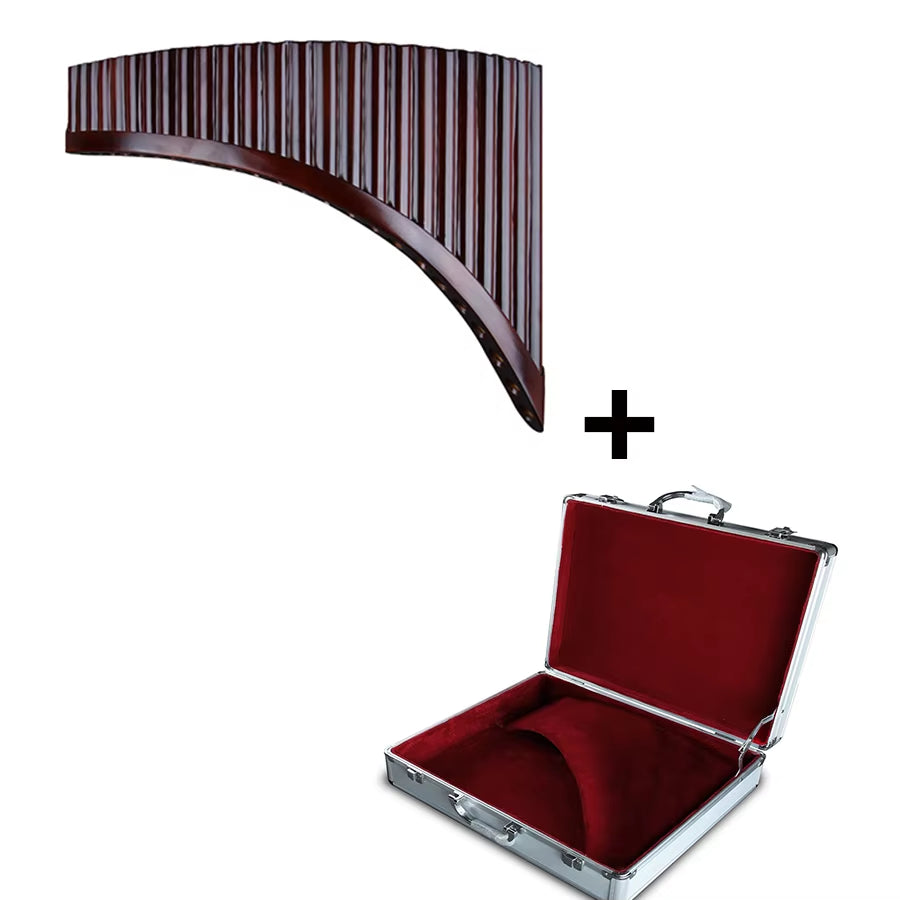
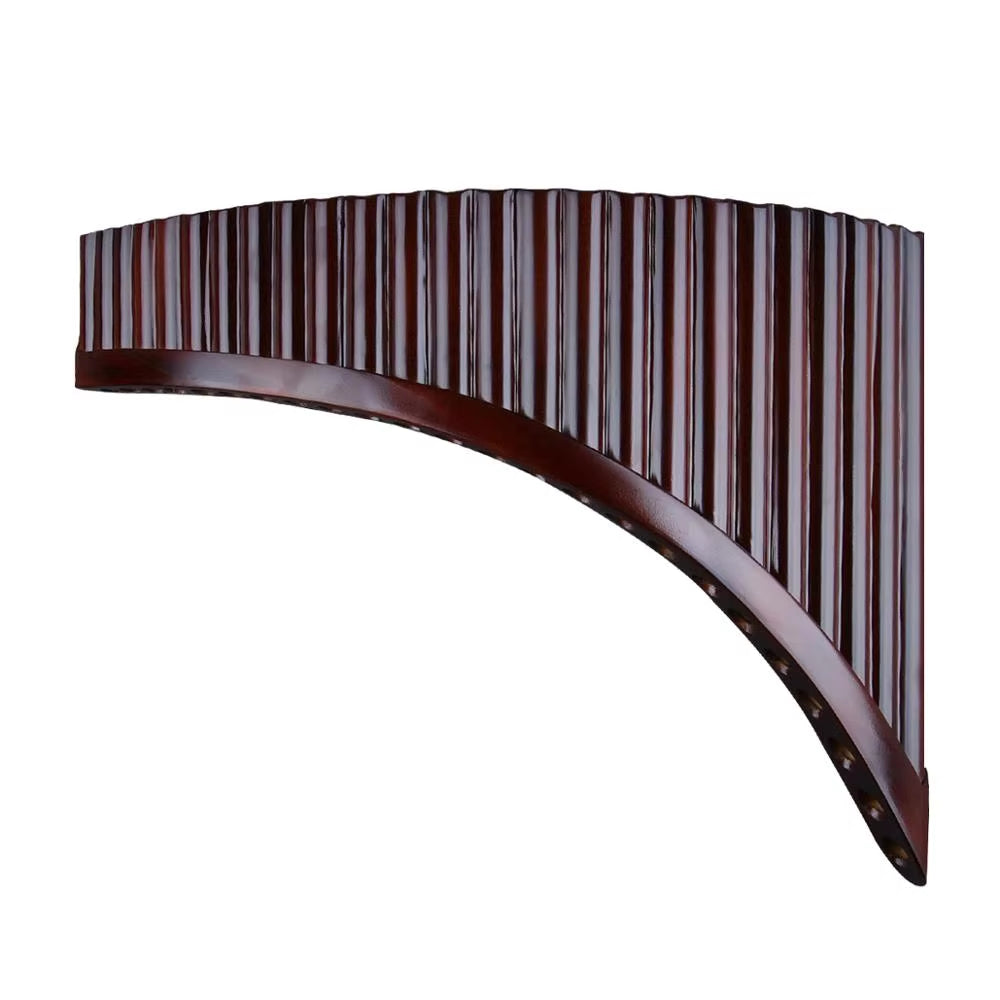
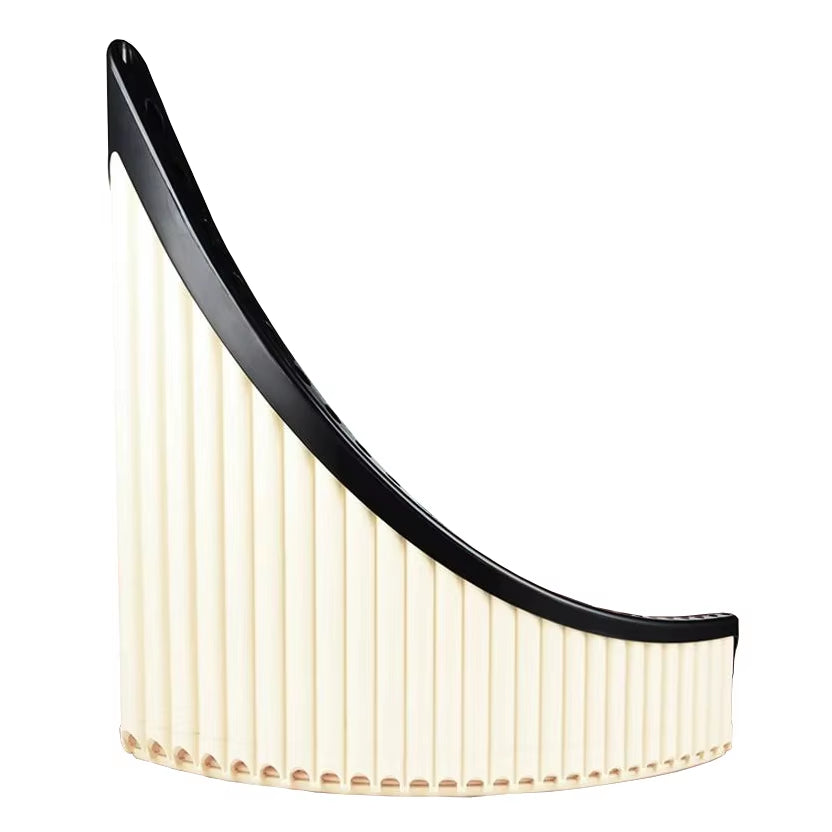
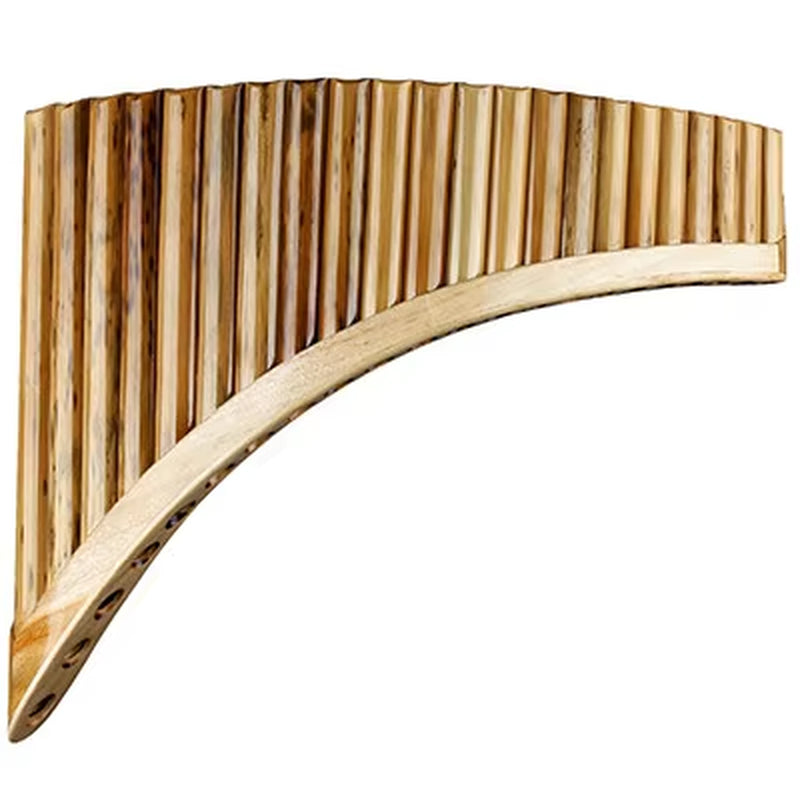
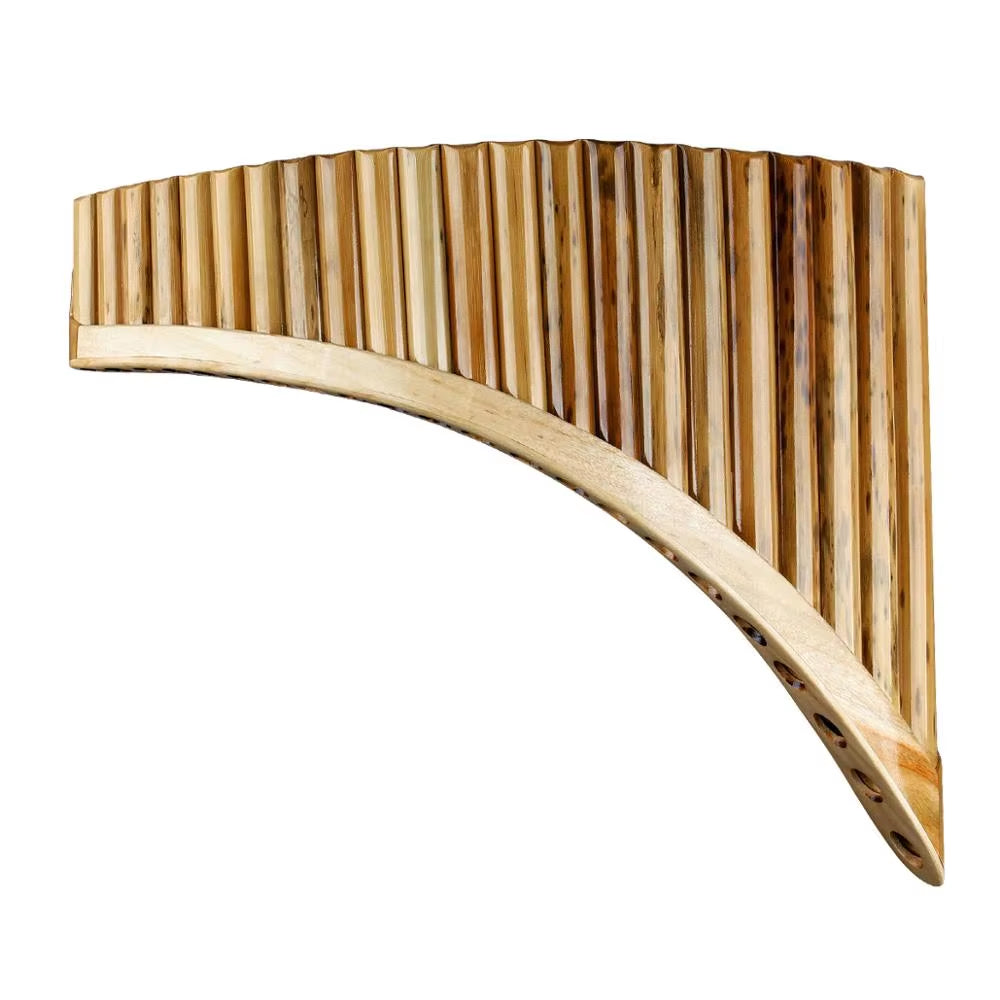
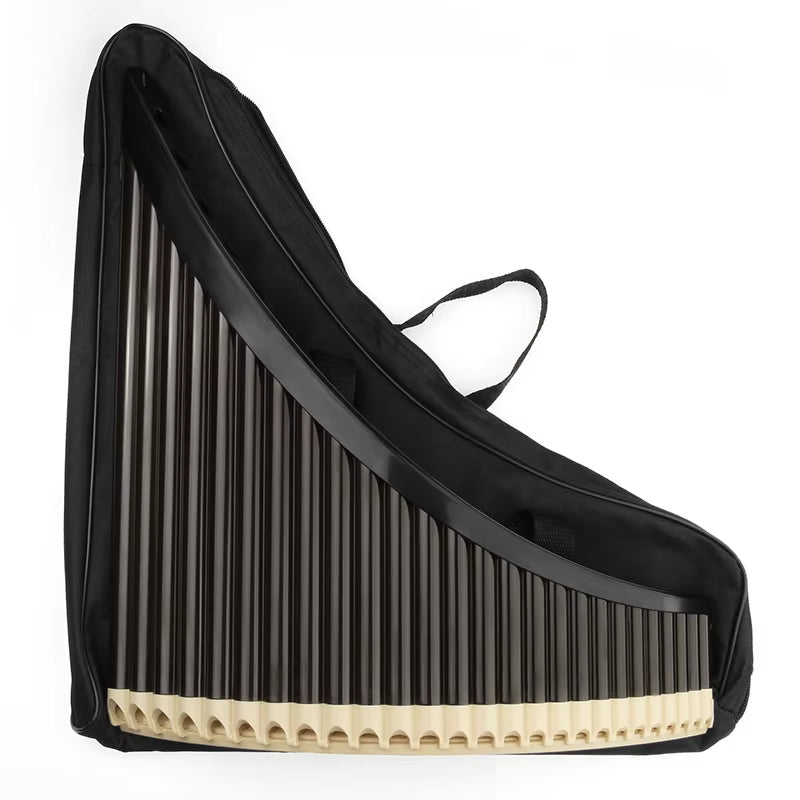
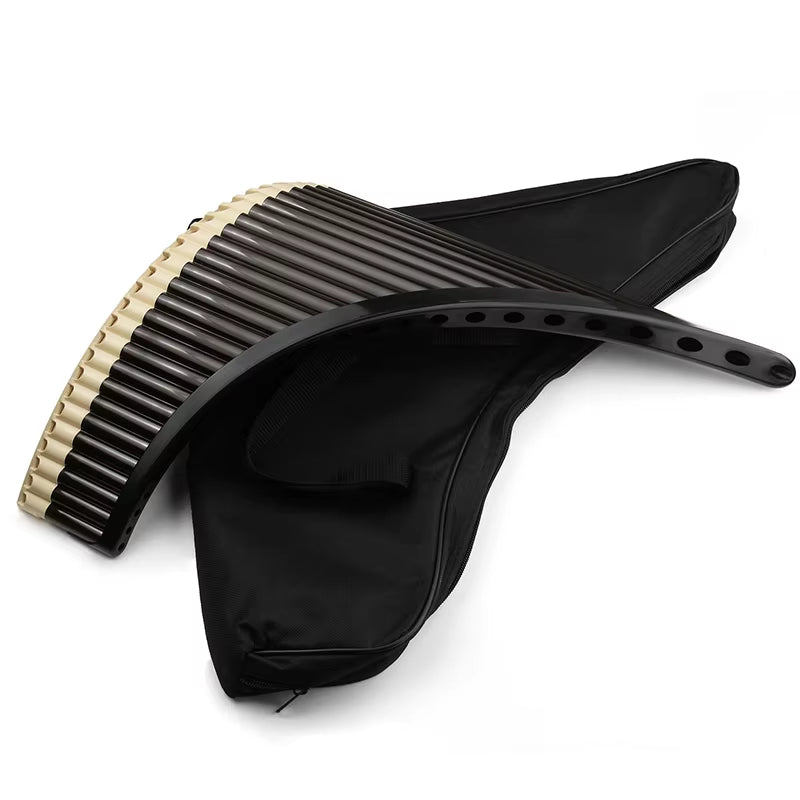
Looking for pan flutes for sale? Our collection features handcrafted pan flute instruments in bamboo, wood, and ABS resin — from affordable 8-pipe beginner models to professional 25-pipe concert instruments. The pan pipe flute, also called panpipes or syrinx, is one of the oldest wind instruments in human history, with archaeological evidence dating back over 6,000 years across South America, Eastern Europe, and Asia. Each pan flute in our catalog is tuned and inspected before shipping, so whether you are picking up your first pan pipe or adding a Romanian nai to a professional toolkit, you will receive an instrument ready to play out of the box.
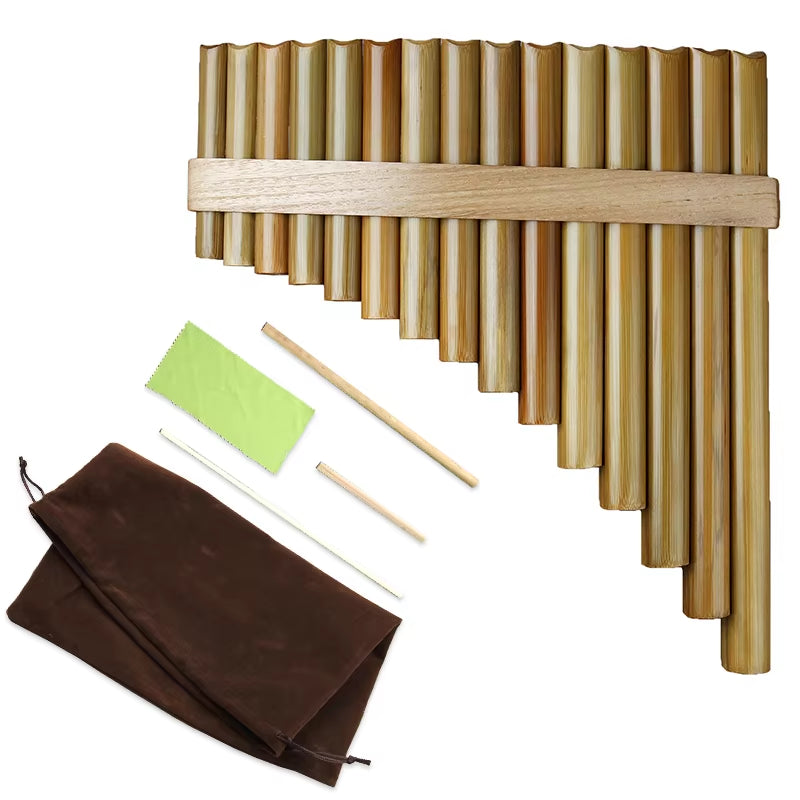
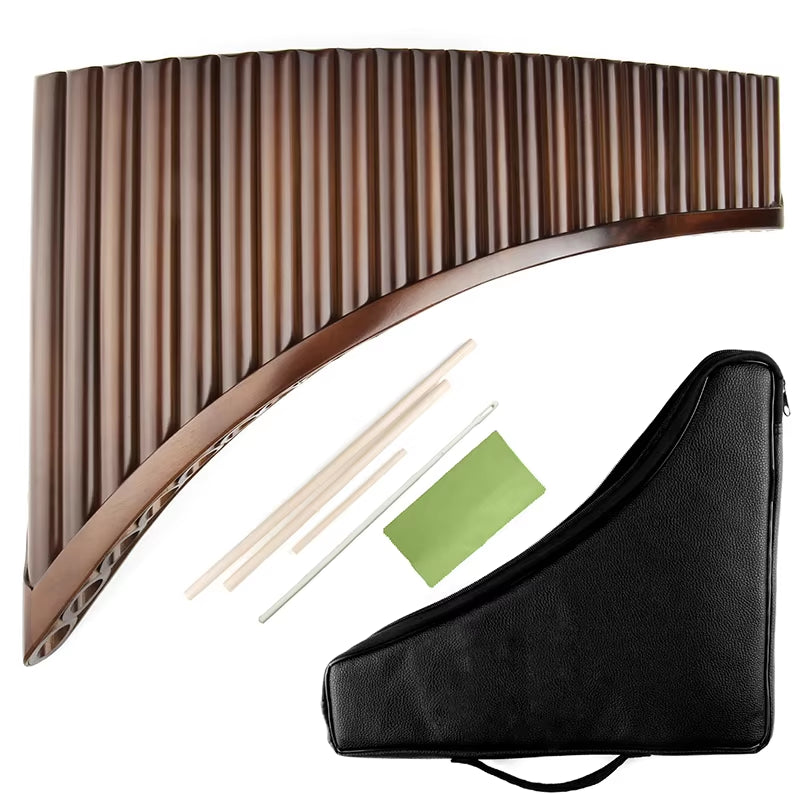
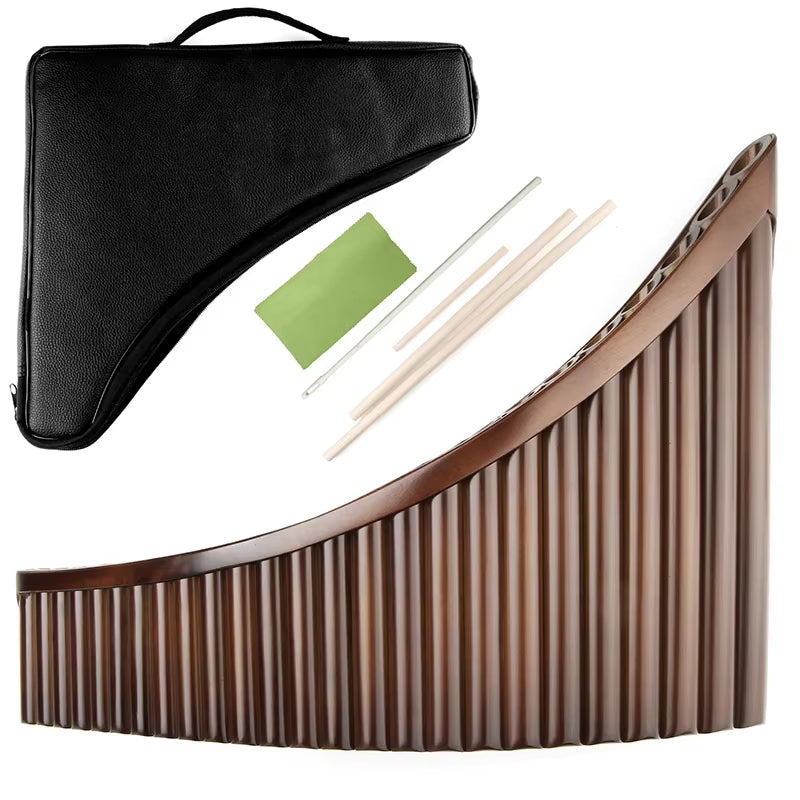
Our bamboo pan flute range starts at $26.90 for a beginner DIY kit and extends to $949 for an expert hand-painted folk art instrument with 22 pipes. Most models ship in the key of G major — the standard tuning for pan flute music worldwide — though we also stock B, C, D, and F key instruments for players who need specific ranges. Every pan flute includes a protective case or bag, and our multi-pipe professional models come with adjustable tuning corks for fine pitch control.
Whether you want to learn how to play a pan flute as a meditative hobby, incorporate pan pipe music into sound healing sessions, or perform Andean and Romanian folk repertoire on stage, this collection covers every skill level and budget. Browse below to find the right pan flute instrument for your musical journey.
How to Choose the Right Pan Flute: Pipes, Materials, and Keys
Selecting a pan flute depends on three main factors: the number of pipes, the material the instrument is made from, and the key it is tuned to. Understanding how these elements interact will help you find an instrument that matches your playing goals and experience level.
Selecting a Pan Pipe by Pipe Count
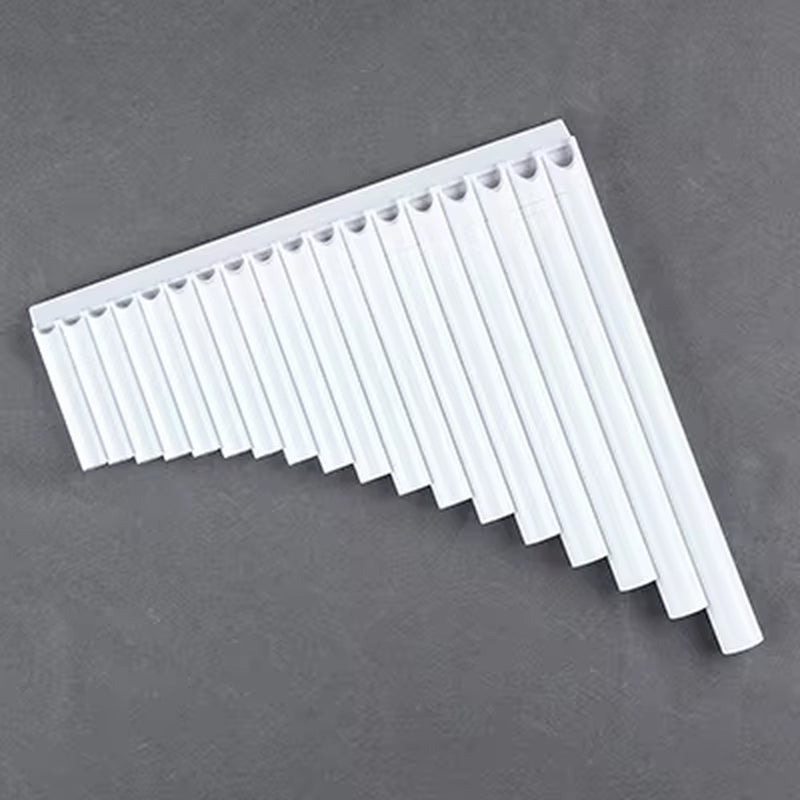
Beginner pan flutes typically feature 8 to 15 pipes. An 8-pipe model covers a single octave in a pentatonic scale, which is enough to play simple folk melodies and learn basic embouchure technique. A 15-pipe pan flute in G major spans two full octaves and handles most traditional Andean and Romanian folk pieces. This is the sweet spot for new players who want room to grow without being overwhelmed by too many tubes.
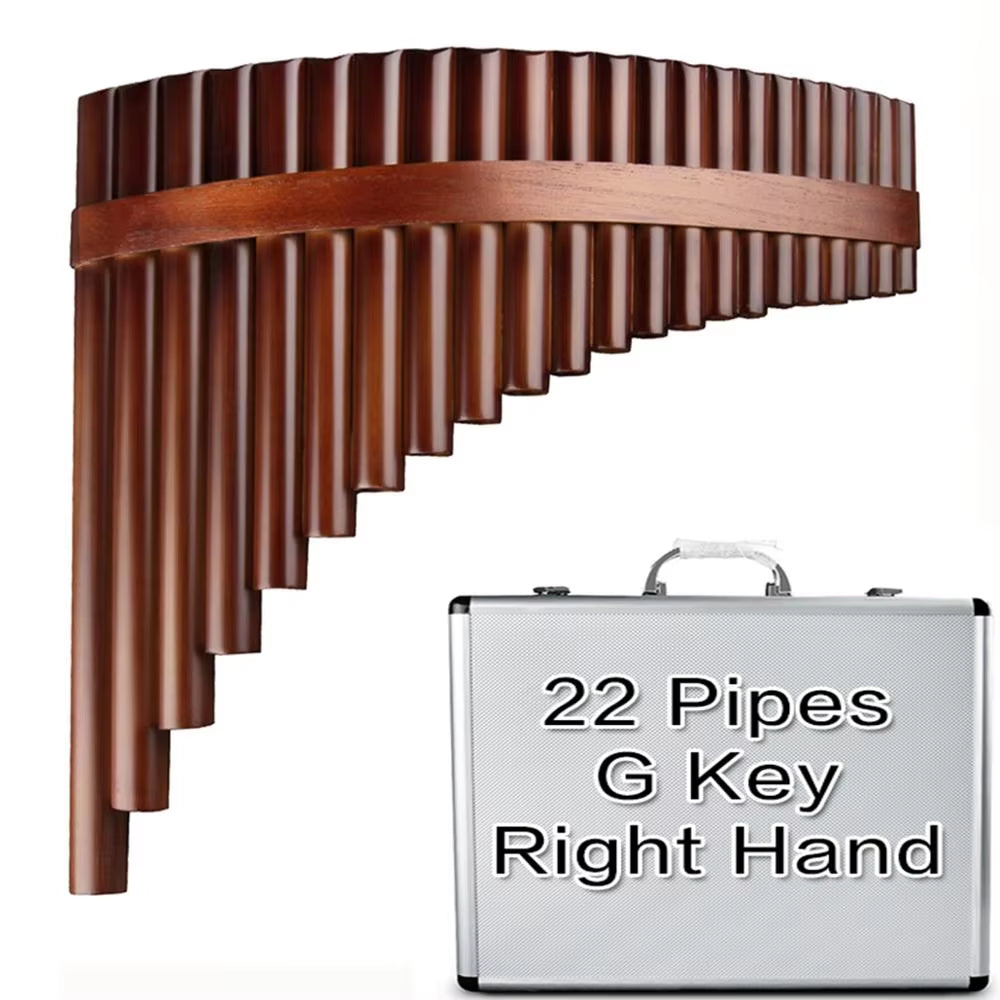
Intermediate players often move to 18-pipe instruments, which add low bass notes that fill out arrangements for solo performance. Professional pan flutes range from 22 to 26 pipes and cover three or more octaves, allowing chromatic passages and key changes during concert performance. Our 22-pipe G key models are the most popular choice among experienced players, while our 26-pipe ABS instruments in C and D keys are built for classical and ensemble work.
Pipe Count
Octave Range
Skill Level
Best For
Price Range
8 pipes
1 octave
Beginner
Learning embouchure, simple melodies
$26 – $49
15 pipes
2 octaves
Beginner–Intermediate
Folk music, personal practice
$36 – $89
18 pipes
2.5 octaves
Intermediate
Solo performance, expanded repertoire
$44 – $159
22 pipes
3 octaves
Advanced
Concert performance, professional use
$139 – $949
25–26 pipes
3.5+ octaves
Professional
Classical, ensemble, chromatic passages
$269 – $399
Bamboo, Wood, or ABS: Comparing Pan Flute Materials
Bamboo pan flutes are the traditional choice and produce the warm, breathy tone associated with Andean and Romanian folk music. Bamboo resonates naturally, responds well to soft dynamics, and is lightweight enough to hold for extended playing sessions. Most of our bamboo models use aged, kiln-dried bamboo tubes bound with wood frames, leather lacing, or wax seals. The tradeoff is that bamboo is sensitive to humidity and temperature changes — storing it in its case when not in use extends its lifespan significantly.
Wooden pan flutes combine bamboo tubes with hardwood frames and bases, adding visual refinement and structural stability. Wood-framed instruments often include adjustable tuning corks inside each pipe, letting players fine-tune individual notes. These models sit in the mid to upper price range and suit players who perform regularly.
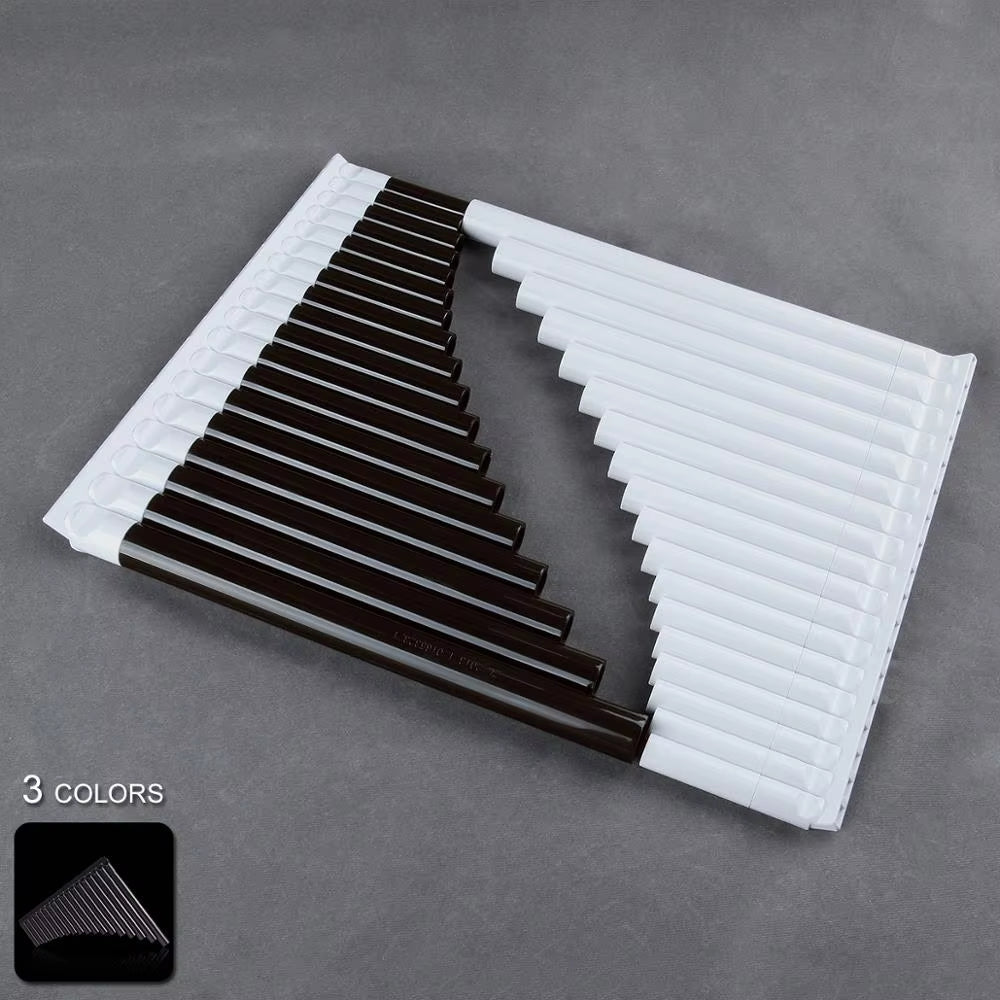
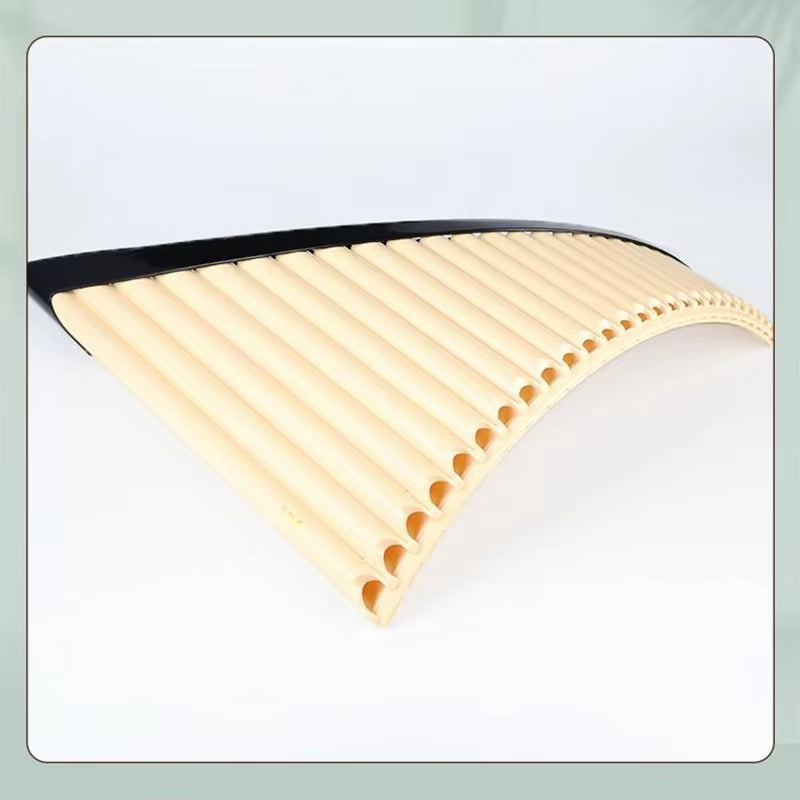
ABS resin pan flutes are the most durable and weather-resistant option. ABS plastic does not crack, warp, or absorb moisture, making it ideal for outdoor performance, travel, and classroom use. Our ABS models range from 13 to 26 pipes and offer consistent intonation across temperature changes. While ABS produces a slightly brighter, more focused tone than bamboo, many professional players use ABS instruments for touring precisely because of their reliability.
Pan Flute Traditions from the Andes to Eastern Europe
The pan flute holds a unique place in world music because it developed independently on multiple continents. South American, European, and Asian cultures all arrived at the same basic design — a row of closed tubes in graduated lengths — and each tradition shaped the instrument into something distinct.
South American Pan Pipes: The Siku, Antara, and Zampoña
In the Andes, the pan pipe has been a ceremonial and communal instrument for thousands of years. The siku (also spelled sicu) is a double-row pan pipe played in pairs: one player holds the ira row and the other holds the arca row, and they alternate notes to create a melody together. This interlocking technique, called trenzado, reflects the Andean philosophy of reciprocity and community. The antara is a single-row variant common in Peru, while the zampoña refers to larger bass pan pipes used in Peruvian pan pipe ensembles. Today, Andean pan pipe bands perform worldwide, blending traditional pentatonic melodies with modern arrangements.
The Romanian Nai and European Pan Pipe Heritage
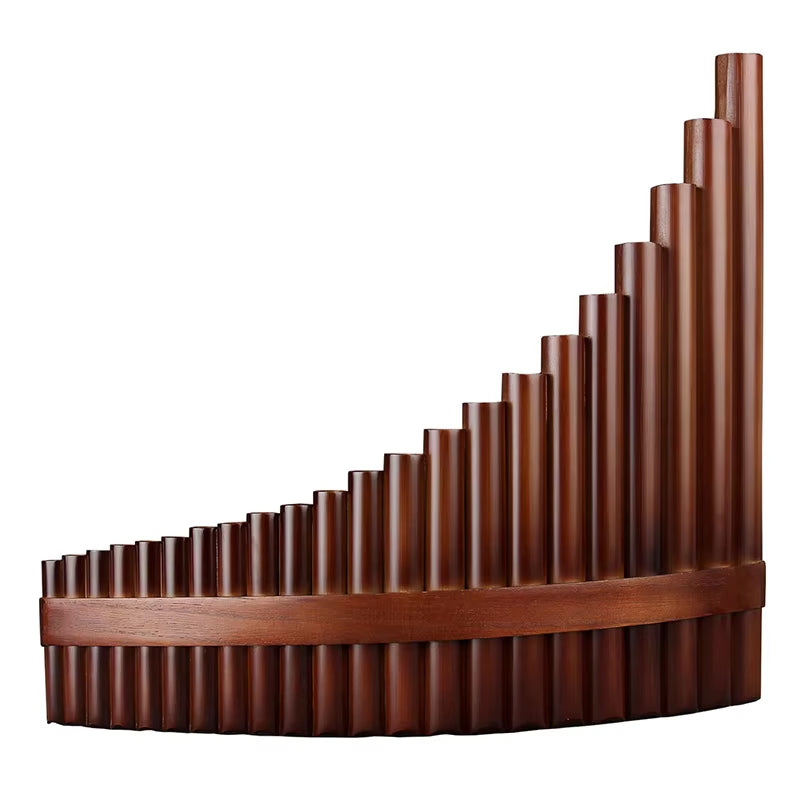
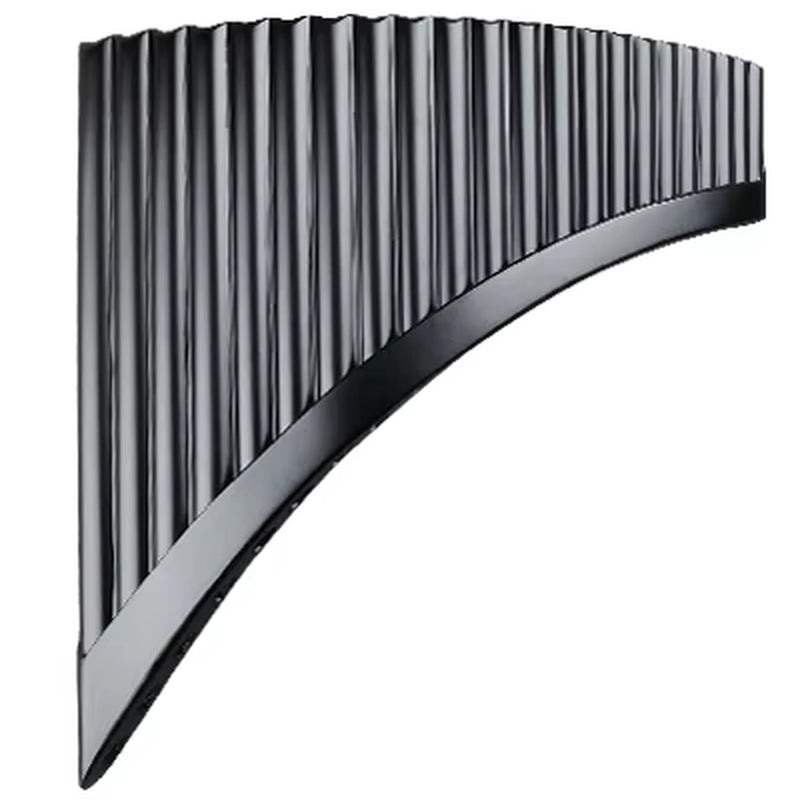
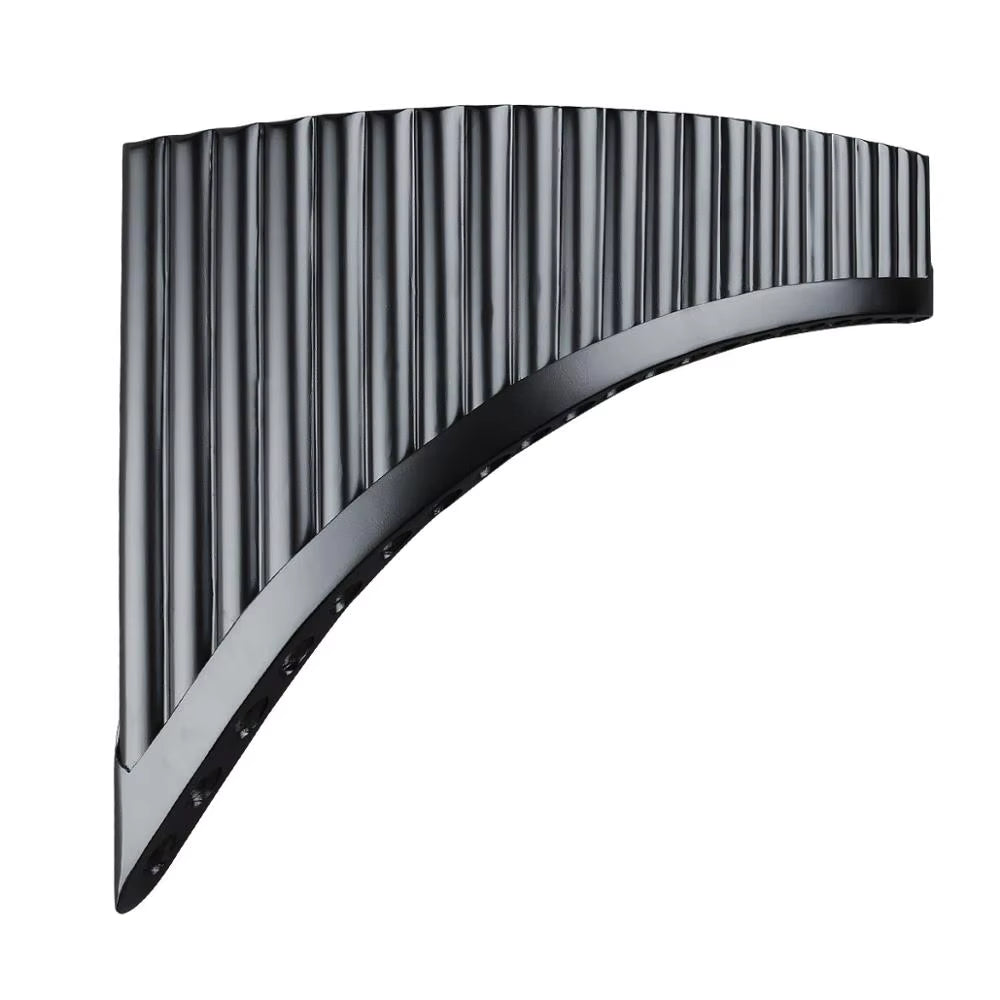
In Eastern Europe, the Romanian pan flute — called the nai — evolved into one of the most technically demanding wind instruments in the classical tradition. Unlike Andean pan pipes, the nai is curved in an arc shape, allowing the player to tilt across tubes rapidly for legato passages and ornamental trills. The nai typically has 20 to 25 tubes tuned chromatically, covering a full three-octave range. Gheorghe Zamfir, widely recognized as the world's foremost pan flute virtuoso, brought the Romanian nai to global audiences through recordings and film scores, demonstrating that the pan flute instrument is capable of the same expressive range as any orchestral woodwind.
Beyond South America and Europe, variations of the pan pipe appear in Melanesian, Chinese, and African musical traditions. The instrument's universality speaks to its elegant simplicity: blow across the open end of a tube, and the air column vibrates at a pitch determined by the tube's length.
Playing the Pan Flute: Sound Production and Technique
The pan flute produces sound when the player directs a focused stream of air across the open top of each tube. The air splits at the tube's edge, setting up a standing wave inside the closed pipe. Longer tubes produce lower pitches and shorter tubes produce higher pitches — the same acoustic principle behind pipe organs. Unlike a transverse flute, the pan flute requires no finger holes; instead, the player slides the instrument horizontally across their lower lip to move between notes.
For beginners learning to play pan flute, the most important skill is developing a consistent embouchure — the shape and angle of the lips and airstream. A common mistake is blowing too hard, which forces the tube into an overtone and produces a shrill, off-pitch sound. Gentle, steady airflow with slight lip adjustments controls both volume and tone color. Most players can produce clear single notes within minutes and play simple scales within a few practice sessions.
Advanced technique includes vibrato (created by subtle jaw or diaphragm movement), staccato articulation (using tongue stops), and glissando (sliding smoothly between adjacent tubes). The Romanian nai tradition also uses a rapid head movement called trémolo to produce its signature shimmering sound. All of these techniques develop naturally with regular practice and are covered in our guide to playing the pan flute.
Explore More Flutes and Pan Pipe Resources
If the pan flute resonates with you, explore our other wind instrument collections and in-depth guides:
Frequently Asked Questions About Pan Flutes and Pan Pipes
The pan flute is one of the most accessible wind instruments for beginners. Unlike a recorder or transverse flute, it requires no complex fingering — you simply blow across the top of each tube while sliding the instrument left or right to change notes. Most new players can produce clear tones within their first session and play simple melodies within a week of regular practice. The main learning curve is developing a consistent embouchure (lip position) and controlling air pressure to stay in the fundamental pitch rather than jumping to overtones. Starting with an 8 or 15-pipe beginner pan flute in G major keeps things manageable while you build technique.
For most beginners, a 15-pipe bamboo pan flute in the key of G major is the best starting point. Fifteen pipes cover two full octaves, which is enough to play folk melodies, practice scales, and explore different musical styles without feeling limited. G major is the standard tuning used in most pan flute sheet music and tutorials, so learning materials will match your instrument. If budget is the primary concern, our 8-pipe bamboo DIY kit at $26.90 is a low-risk way to try the instrument before committing to a larger model. Avoid starting with 22+ pipe professional instruments — the wider tube spread makes it harder to develop accurate muscle memory.
There is no functional difference — pan flute, panpipes, pan pipe, and syrinx all refer to the same family of instruments: a set of closed tubes in graduated lengths that produce sound when you blow across their open tops. The name "pan flute" comes from the Greek god Pan, who according to mythology fashioned the first instrument from reeds. "Panpipes" is the more common term in British English, while "pan flute" is standard in American English. Regional variants have their own names: siku and zampoña in the Andes, nai in Romania, and paixiao in China. Regardless of the name, the acoustic principle is identical across all variations.
Pan flutes range from 5 to 30 or more pipes, depending on the tradition and intended use. Beginner instruments typically have 8 to 15 pipes covering one to two octaves. Intermediate models with 18 pipes span about two and a half octaves and suit solo folk performance. Professional pan flutes, especially the Romanian nai, often have 22 to 25 pipes for a full three-octave chromatic range. Our largest models feature 26 pipes in the key of C or D, designed for classical repertoire and ensemble playing. More pipes means a wider pitch range but also a physically wider instrument, which requires more practiced lateral movement to navigate accurately.
Traditional pan flutes are made from bamboo, which produces a warm, airy tone prized in Andean and Romanian folk music. Bamboo is lightweight, naturally resonant, and has been the primary pan flute material for thousands of years. Some instruments use hardwood tubes (typically maple, cherry, or ebony) for a denser, more focused sound with stronger projection. Modern manufacturers also produce pan flutes from ABS resin, a durable plastic that resists moisture, temperature changes, and physical impact — making ABS models ideal for travel, outdoor performance, and educational settings. Many instruments combine materials, using bamboo tubes with wooden frames, leather bindings, and wax or cork stoppers for tuning.
Gheorghe Zamfir, born in 1941 in Găești, Romania, is widely regarded as the greatest pan flute player in history and is often called "the King of the Pan Flute." Zamfir mastered the Romanian nai and recorded over 200 albums spanning classical, folk, and popular genres. His recordings have appeared in numerous film and television soundtracks, introducing the pan flute to mainstream audiences worldwide. Other notable players include Simion Stanciu "Syrinx" (classical pan flute), Damian Luca (Romanian folk), and Leo Rojas (modern Andean). The instrument continues to gain popularity as a solo concert instrument and a tool for relaxation and meditation music.
Proper care depends on the material. For bamboo pan flutes, wipe the tubes dry with a soft cloth after each playing session to remove moisture from condensation. Store the instrument horizontally in its case, away from direct sunlight, heating vents, and extreme humidity — bamboo can crack or warp if exposed to rapid temperature changes. Never submerge bamboo in water. For instruments with wax-sealed tubes, a light application of beeswax or furniture wax once or twice a year helps maintain the seal. ABS resin pan flutes require almost no maintenance — wash them with mild soap and water as needed. For all pan flutes, check tuning corks periodically and adjust them if notes drift flat or sharp over time.
Treat yourself to a relaxing moment
With our best instruments. Handcrafted from the finest materials.
Created by healing enthousiasts
We know your needs because we use our products too. We are the first users.
Money-back guarantee
You have 60 days to return your order if it doesn't fit (you'll love it anyway).
100% secured payments
So you can remain in deep peace until you receive your order.