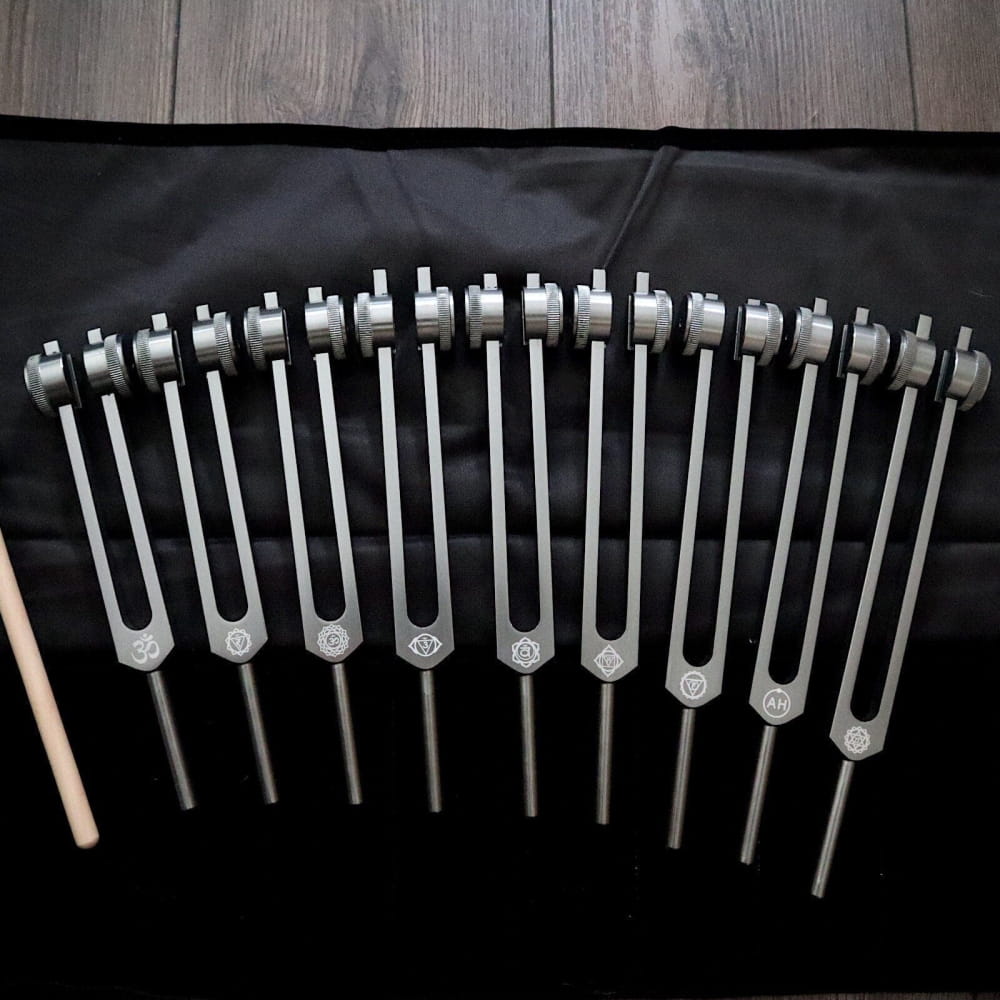
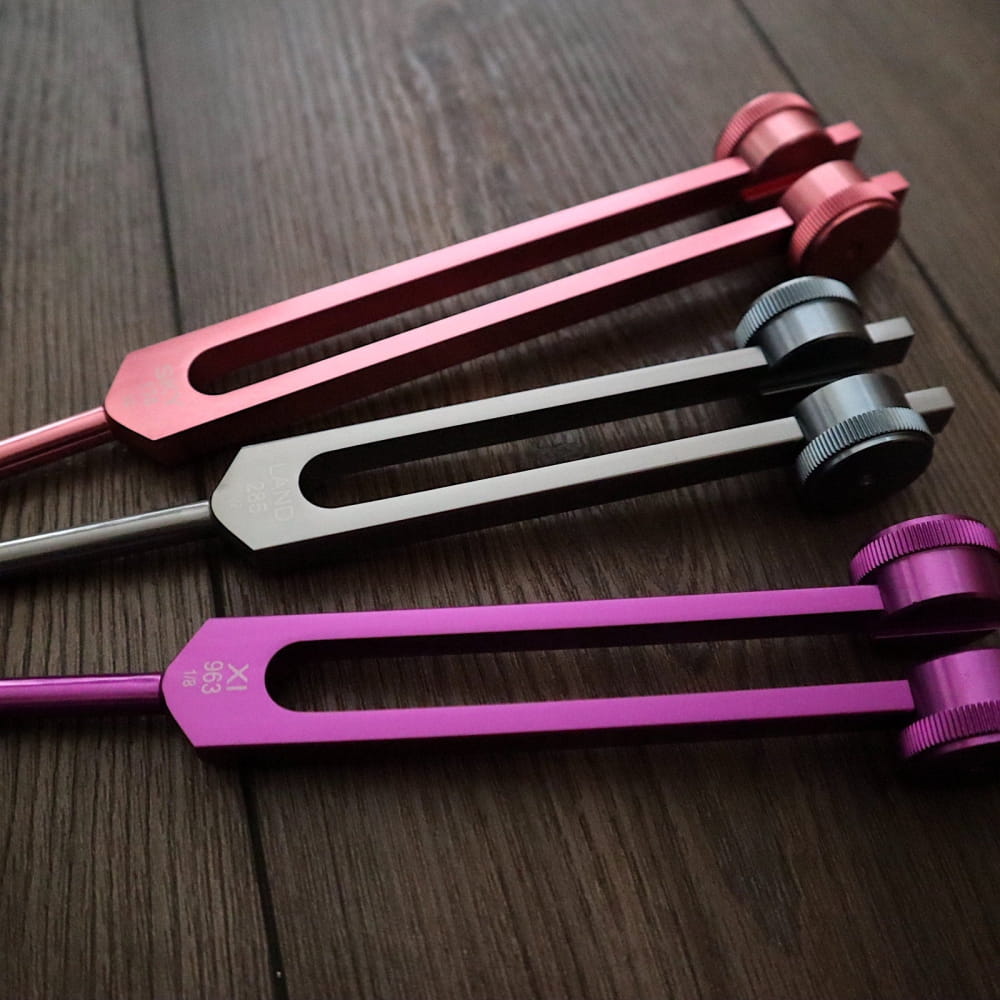
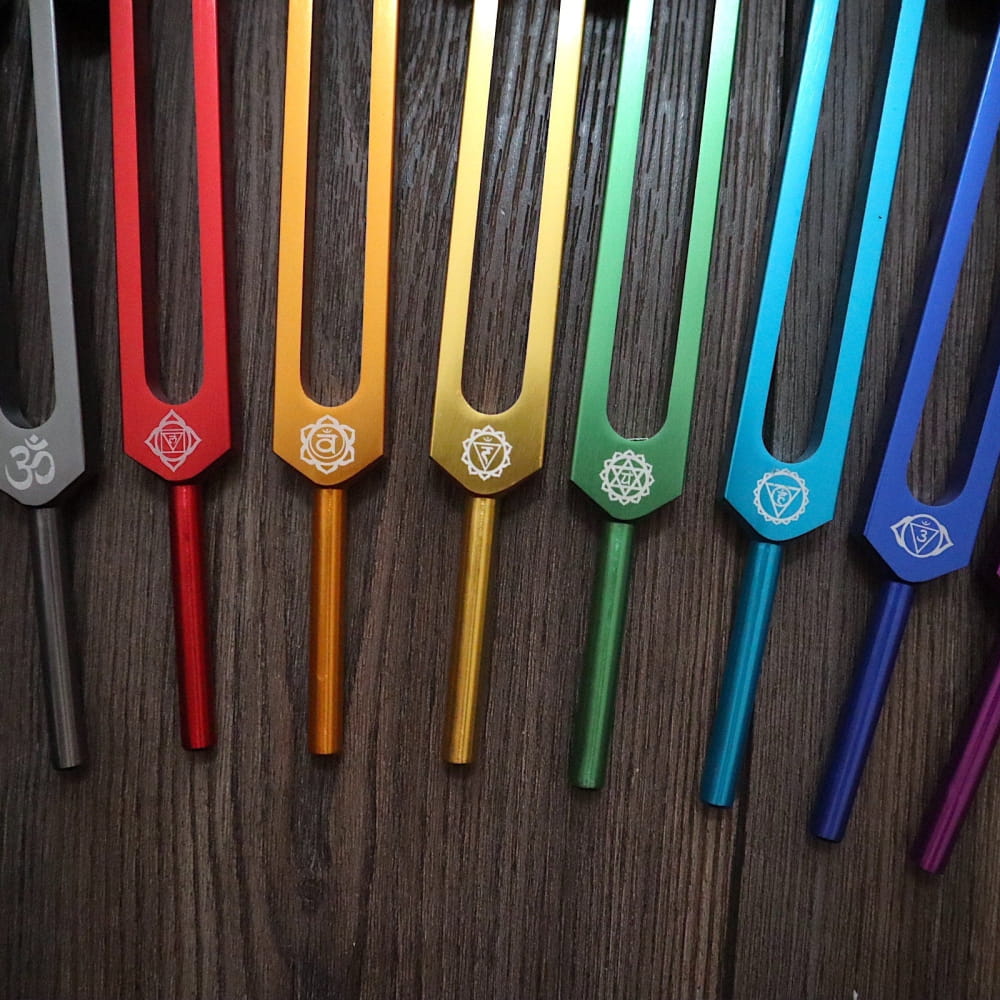
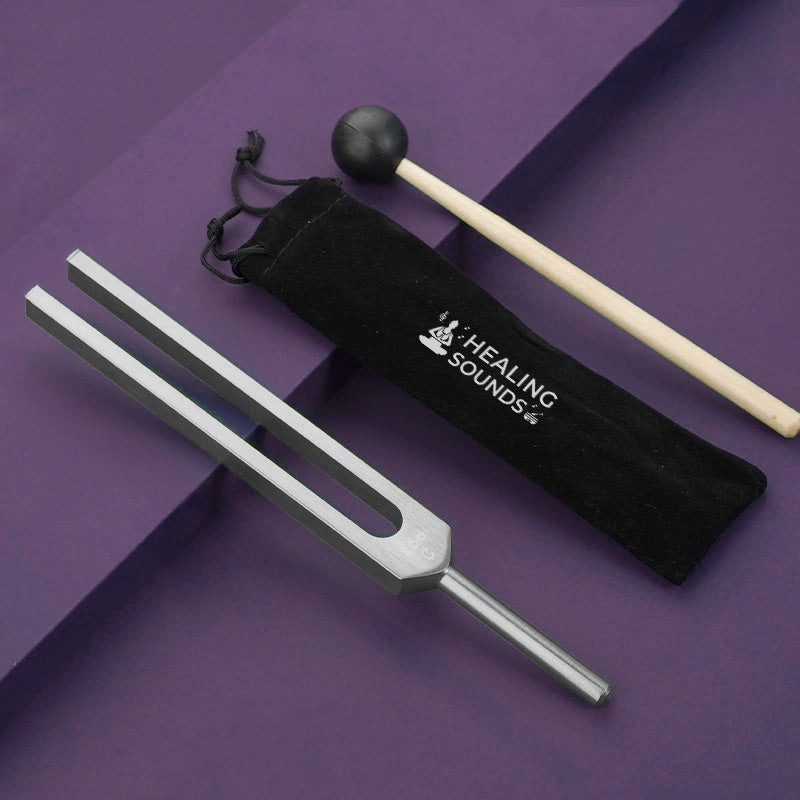
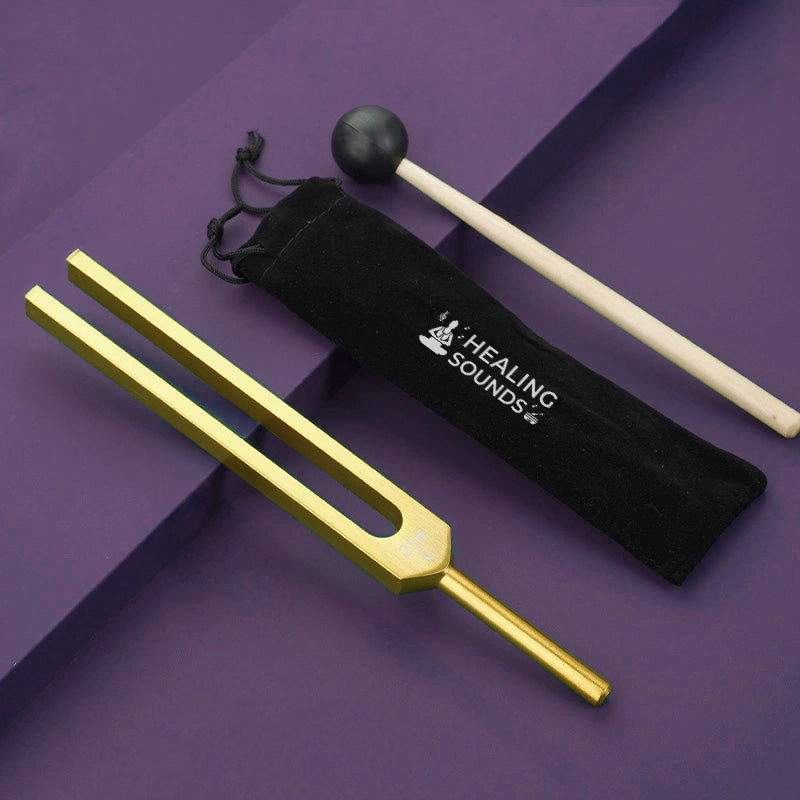
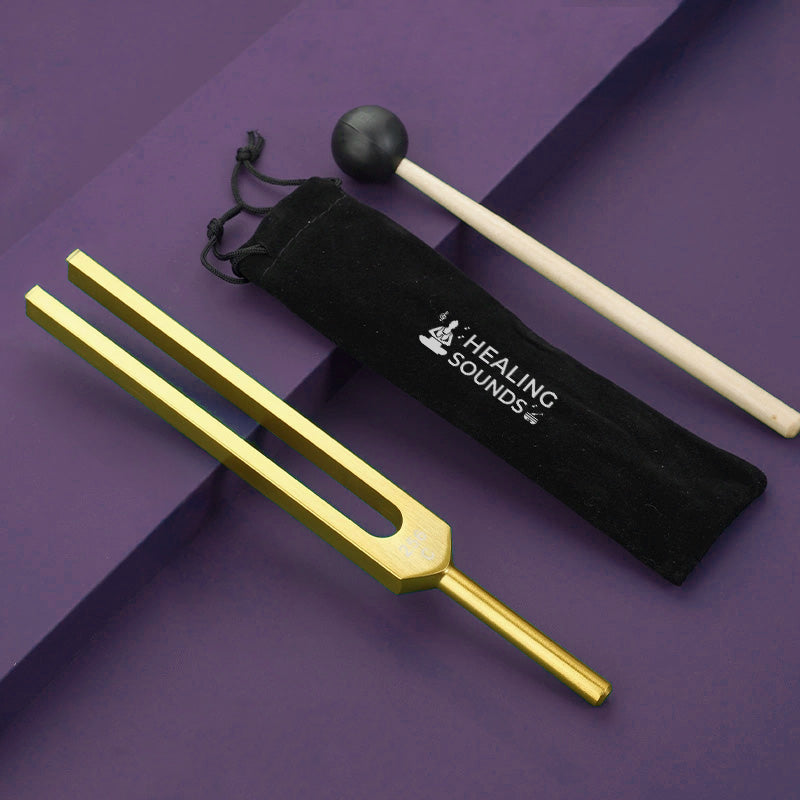
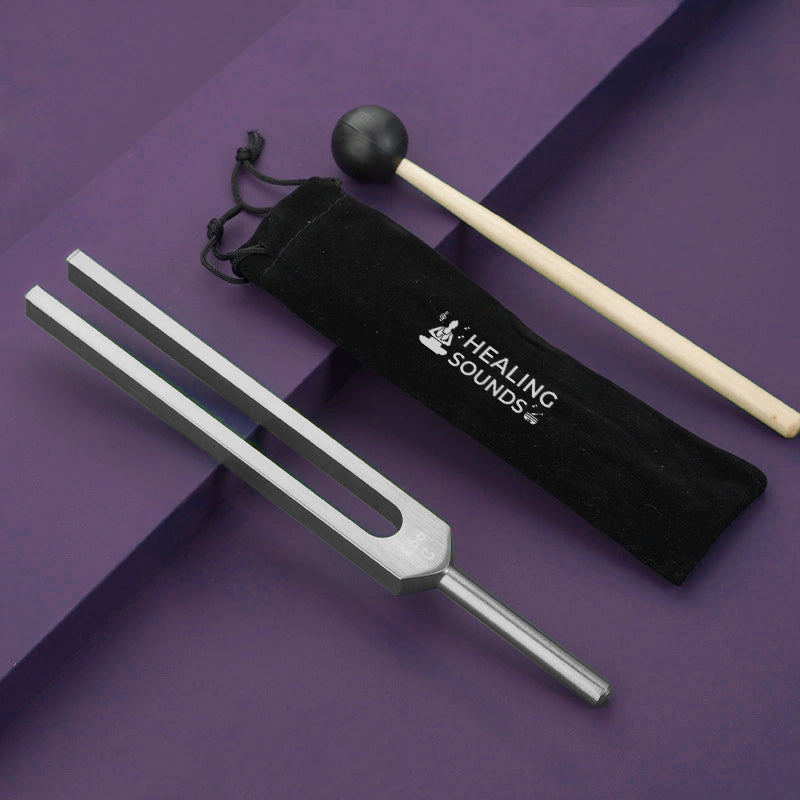
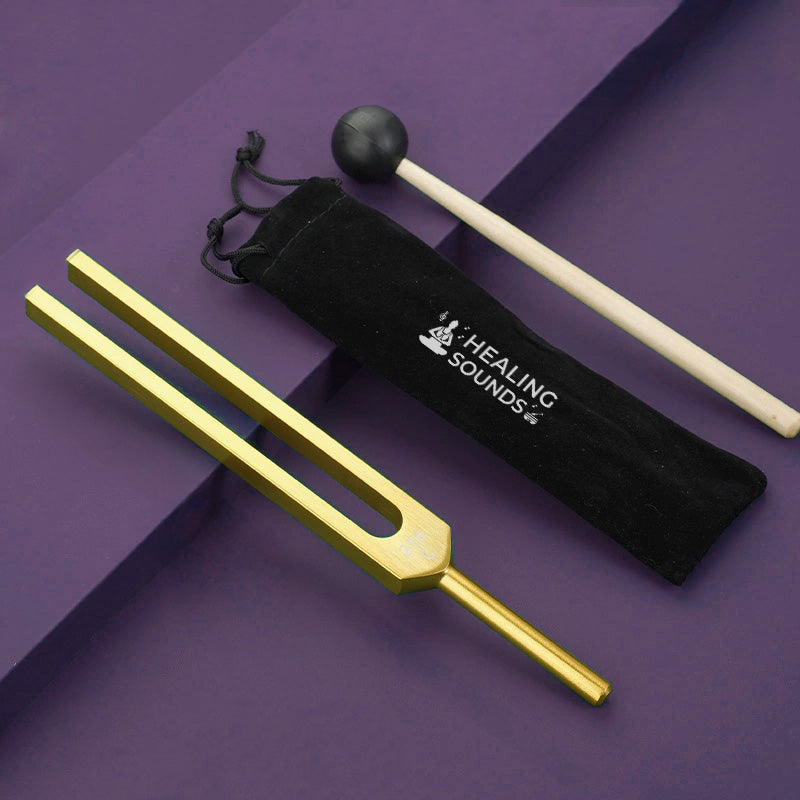
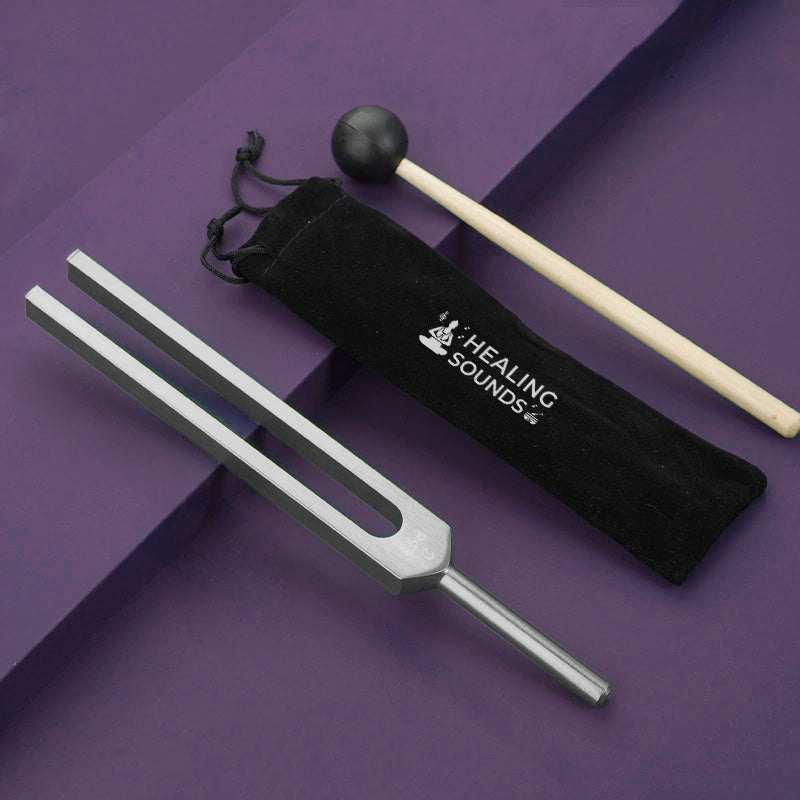
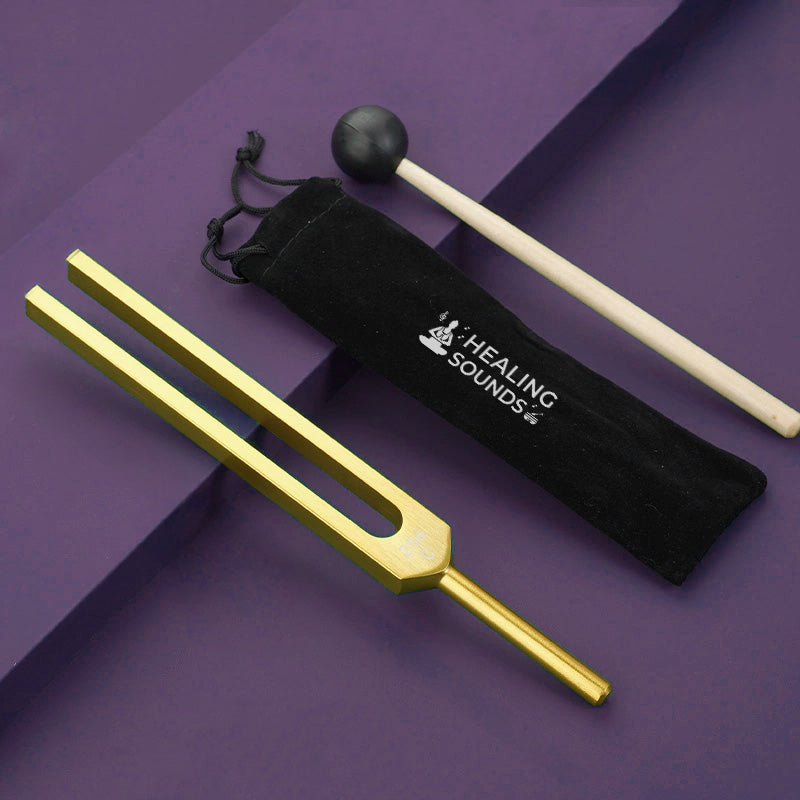
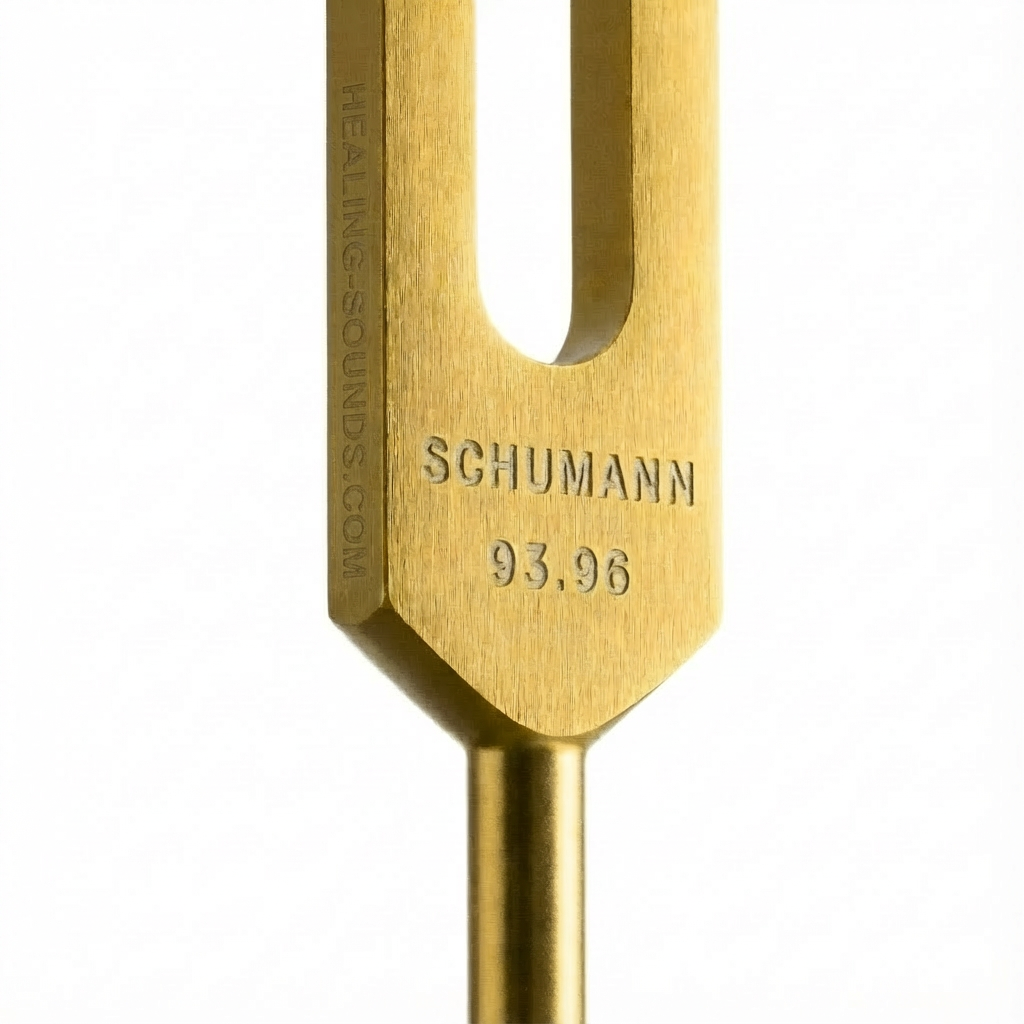
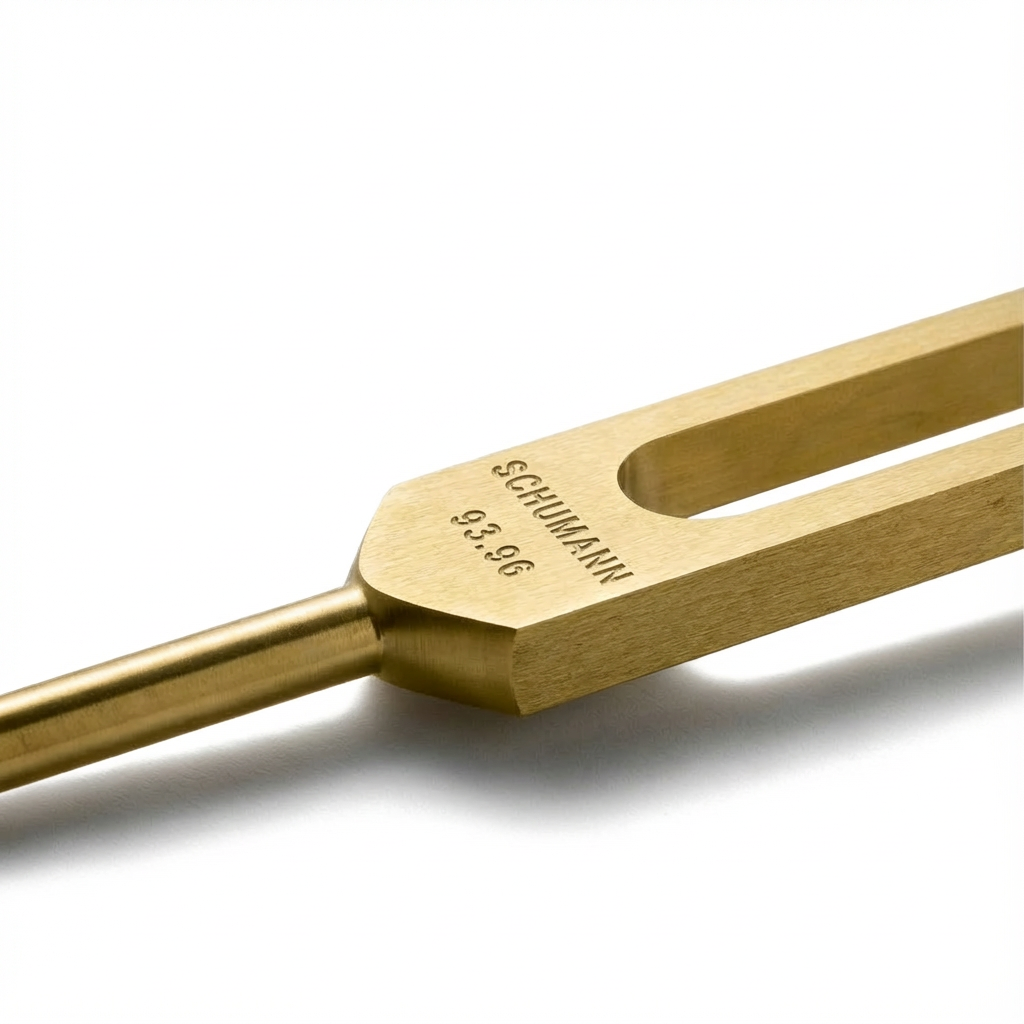
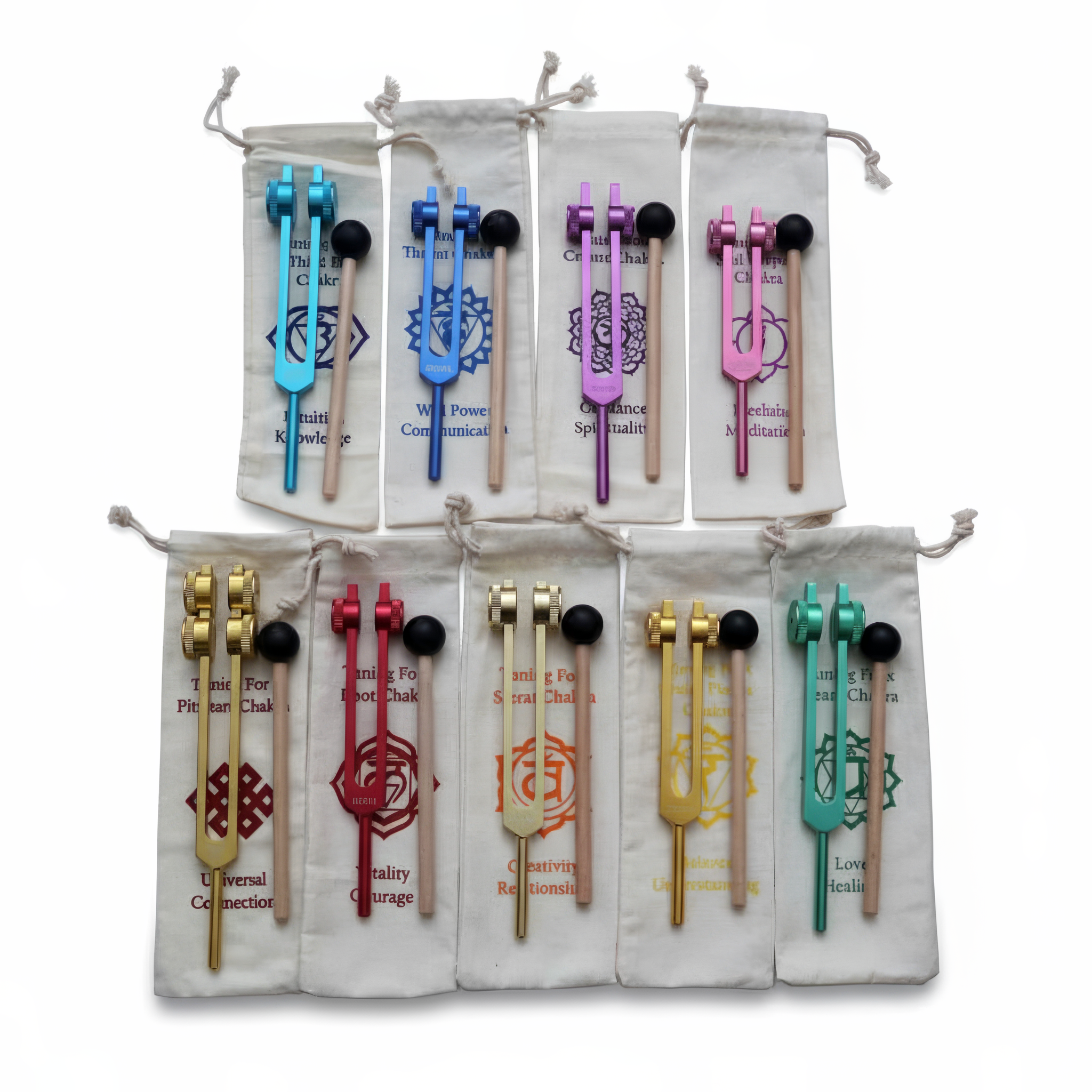
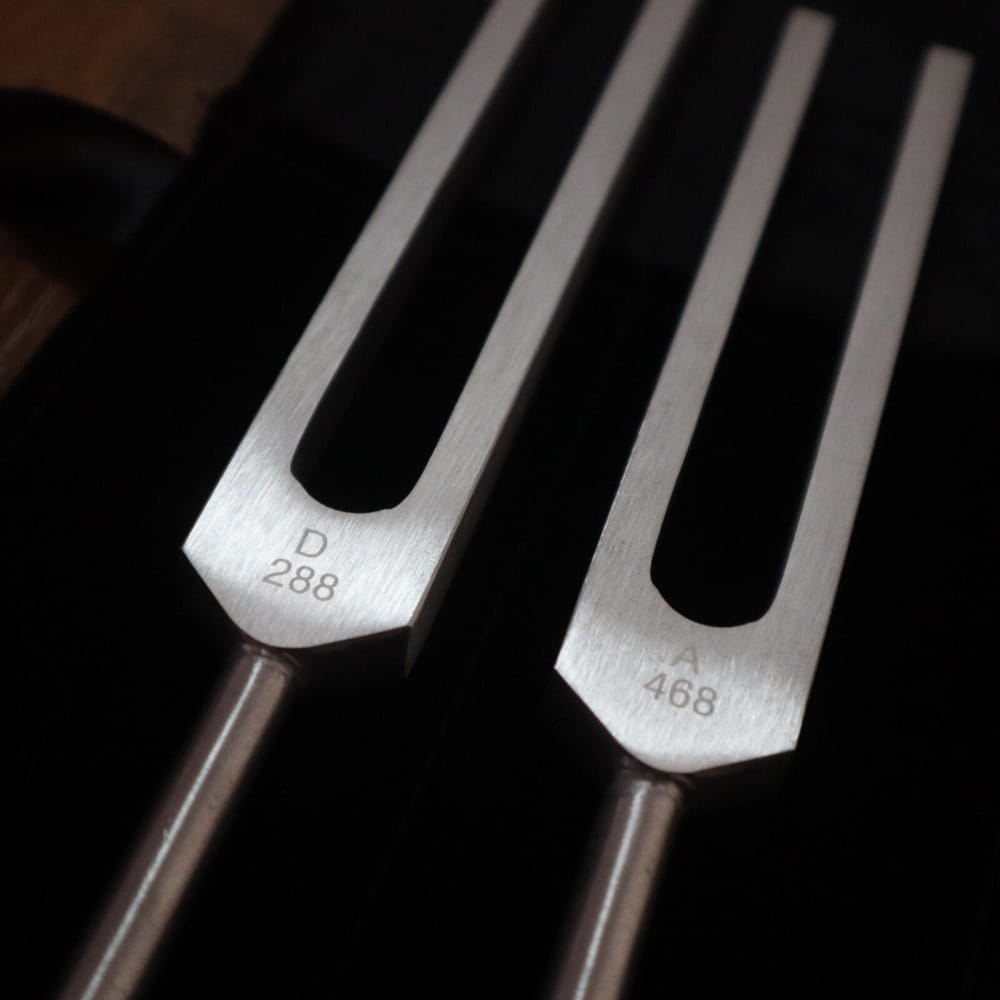
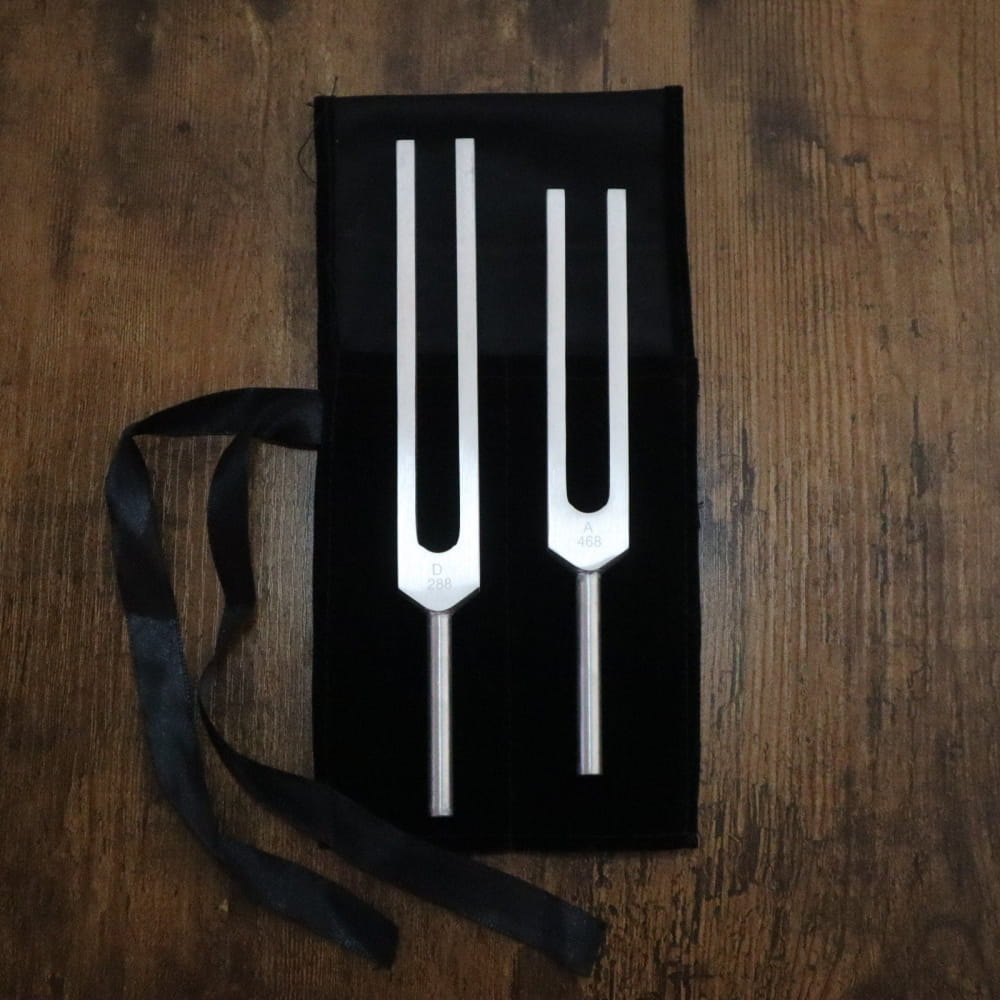
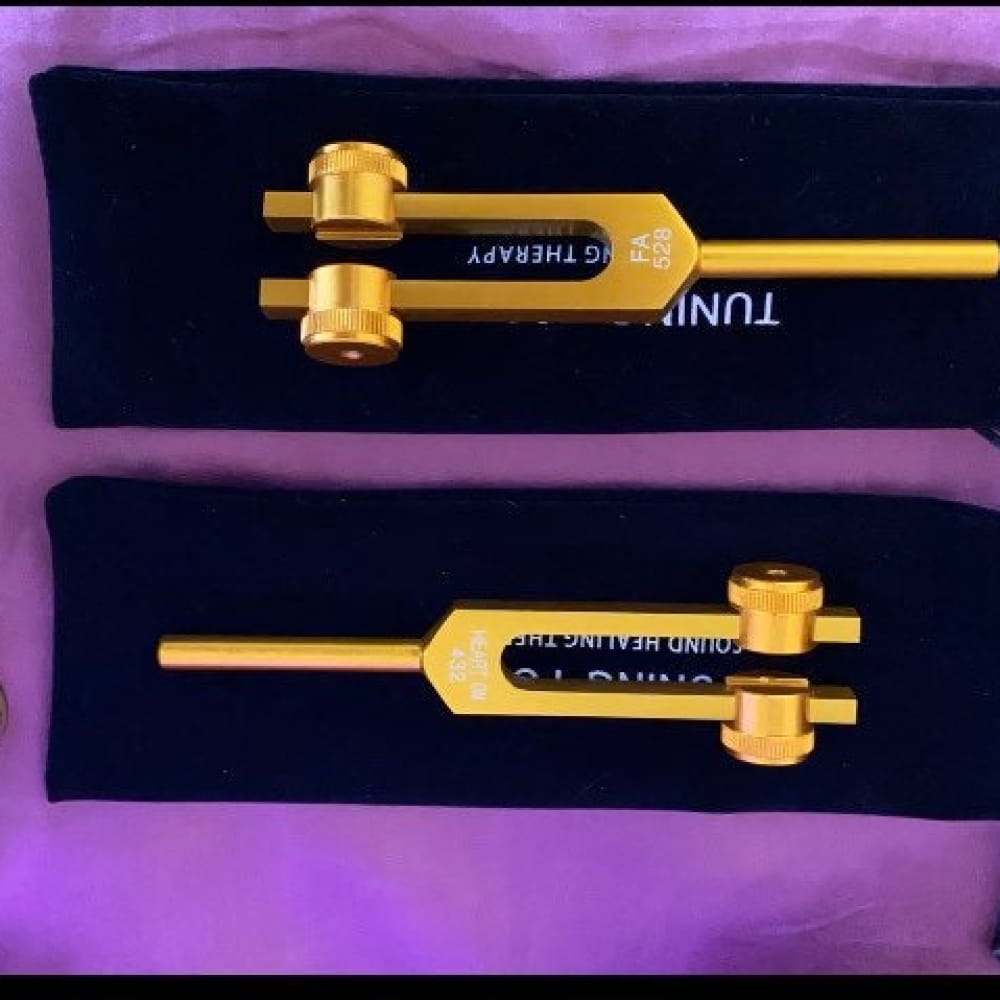
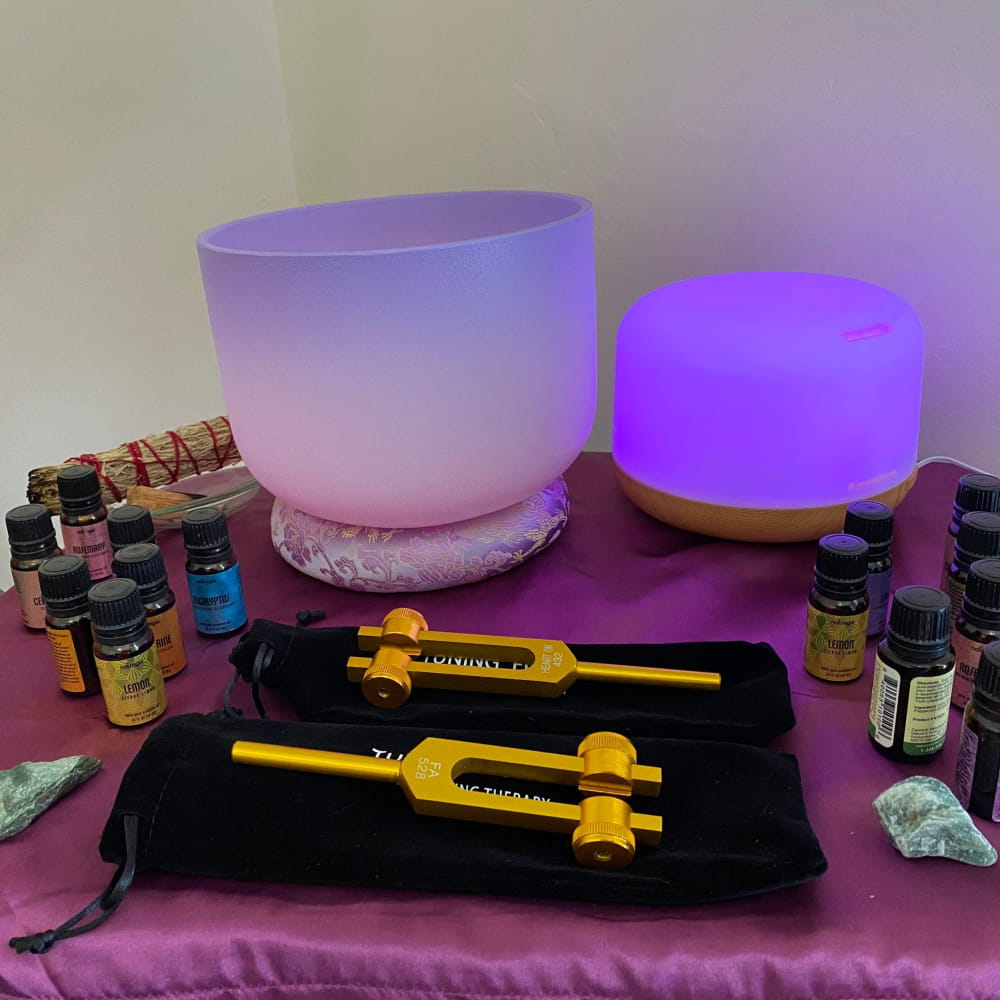
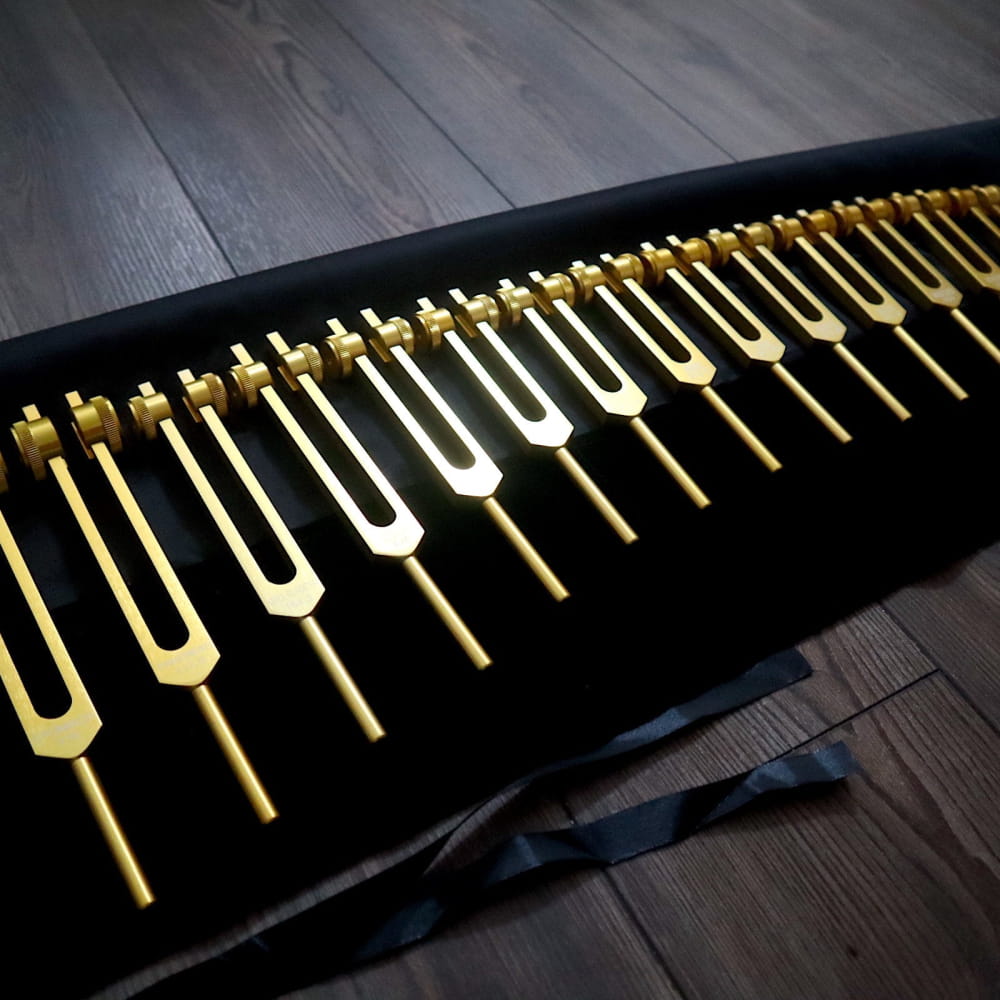
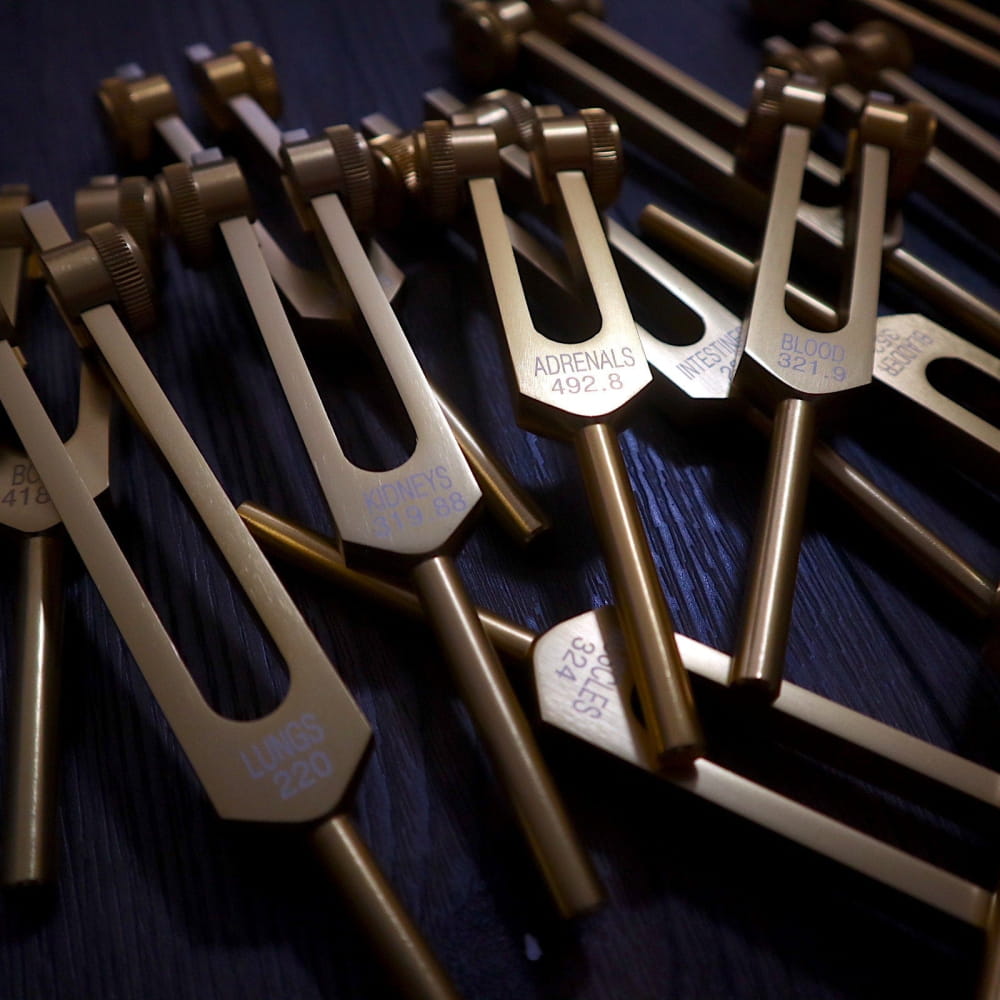
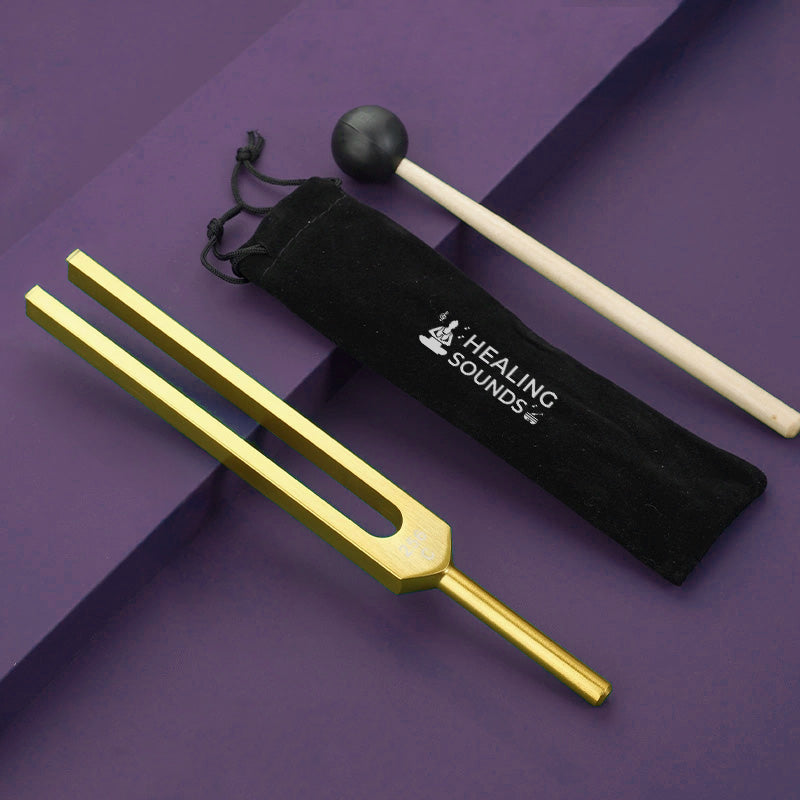
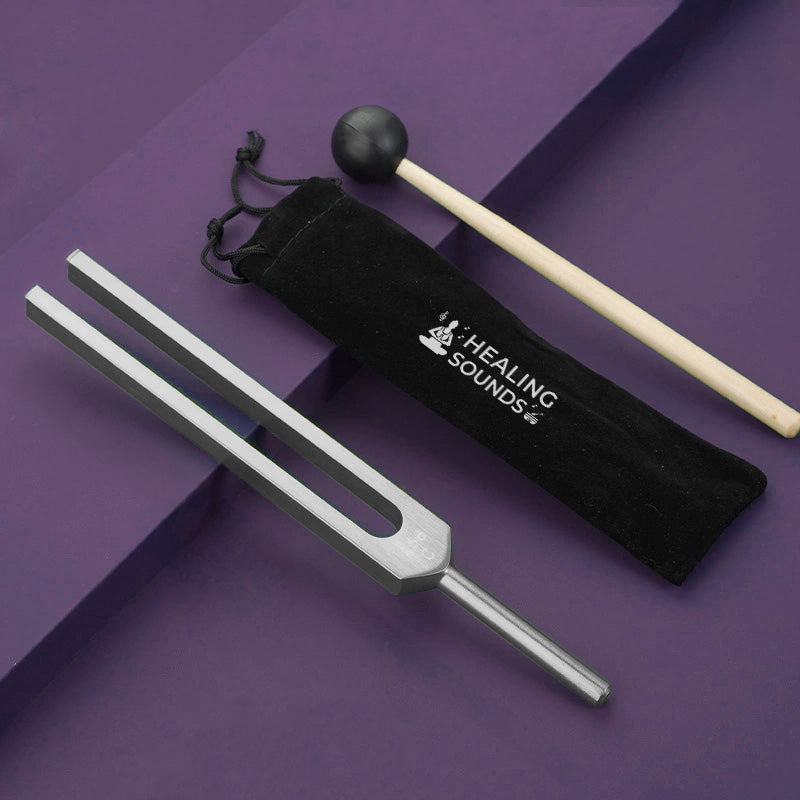
Tuning forks are precision-crafted instruments used across sound therapy, clinical assessment, energy work and personal wellness. Whether you are a sound healing practitioner, a medical professional, a music therapist or a beginner exploring vibrational wellness for the first time, the right tuning fork can transform your practice. Healing Sounds offers the largest selection of professional-grade tuning forks for healing, including weighted tuning forks, unweighted tuning forks, solfeggio tuning forks, chakra tuning forks, medical tuning forks and specialty instruments like biofield tuning forks, crystal tuning forks and giant tuning forks.
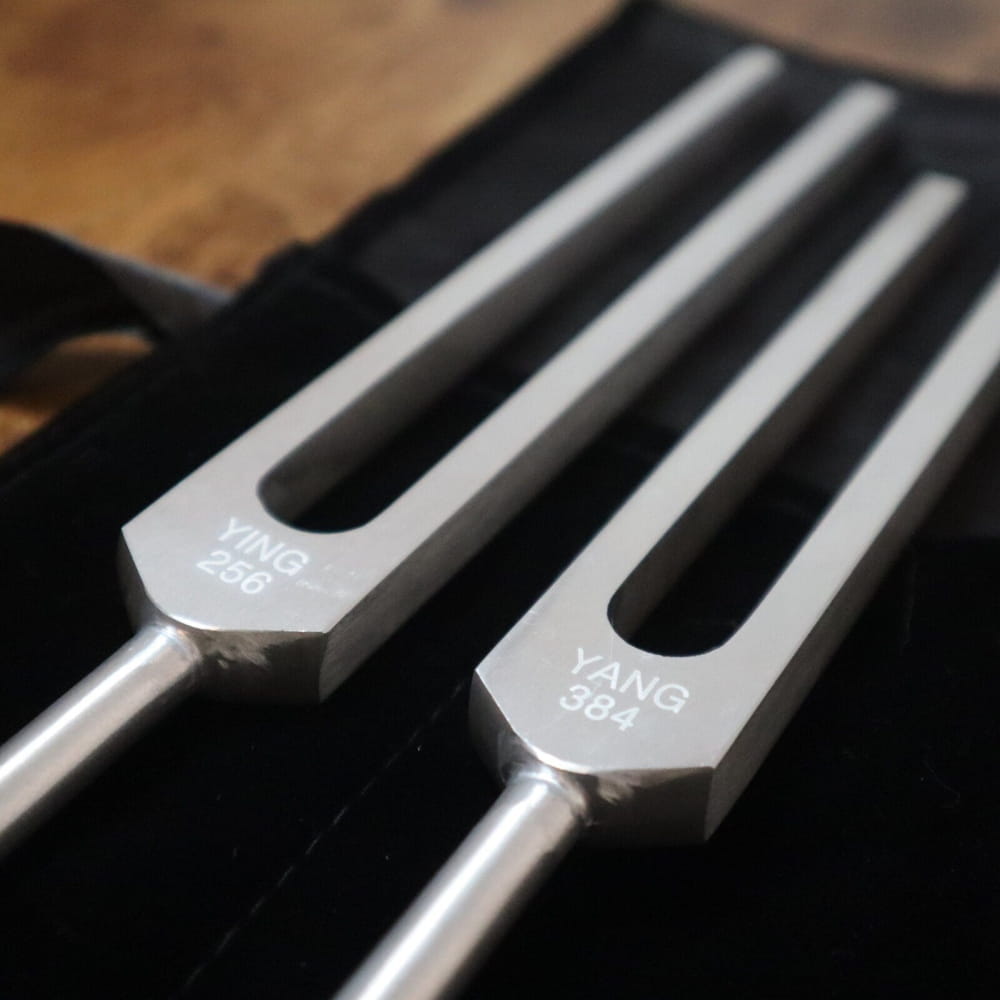
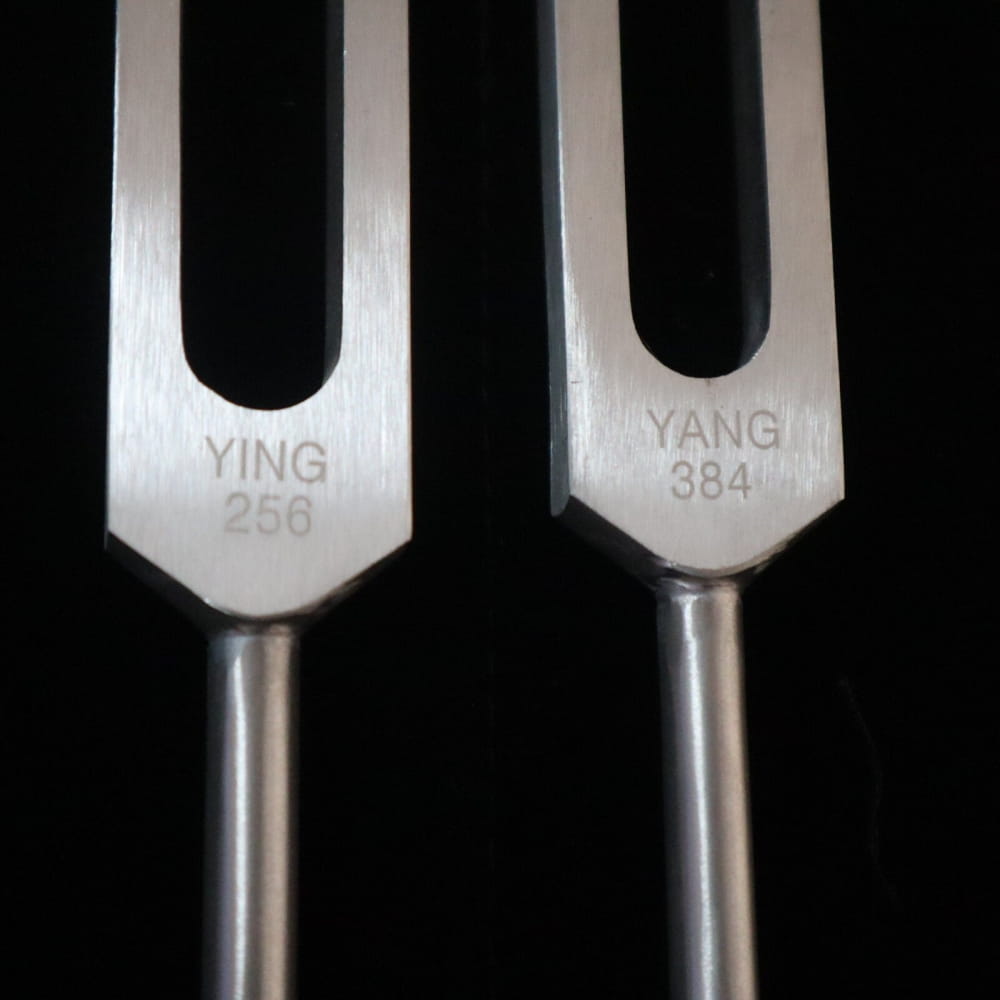
Every tuning fork in our collection is CNC-machined from a single block of premium aluminum alloy, computer-verified for frequency accuracy to within +/-0.25 Hz and laser-engraved with its frequency for easy identification. This level of precision matters because even small frequency deviations can affect the quality of a sound healing session or the accuracy of a clinical test. With over 13,741 customers served and a 4.7 out of 5 star rating, our tuning forks are trusted by practitioners, therapists and healthcare professionals worldwide.
Weighted vs Unweighted Tuning Forks: Which Type Do You Need?
The most important decision when choosing a tuning fork is whether you need a weighted or unweighted model. Each type serves a distinct purpose and understanding the difference will help you select the right tool for your practice.
How Weighted Tuning Forks Work
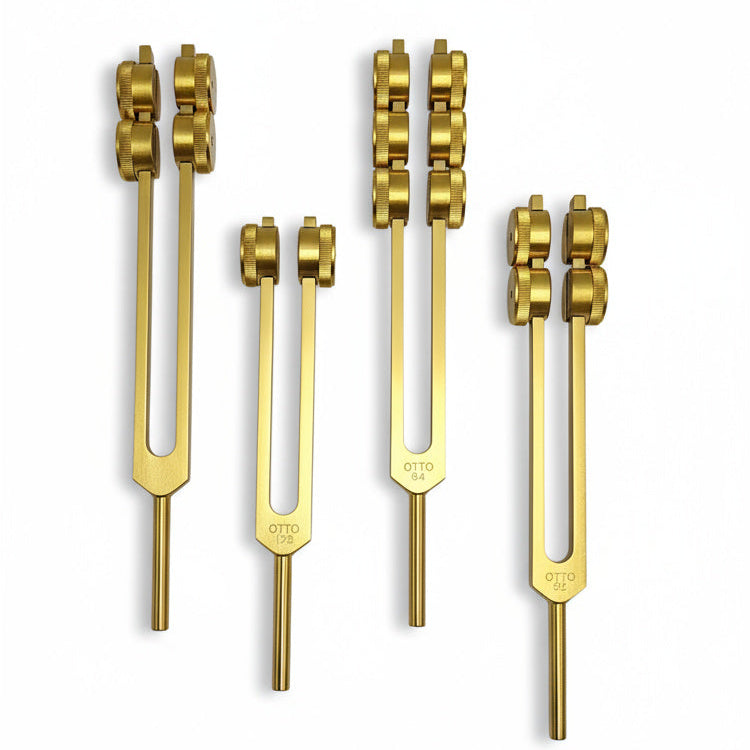
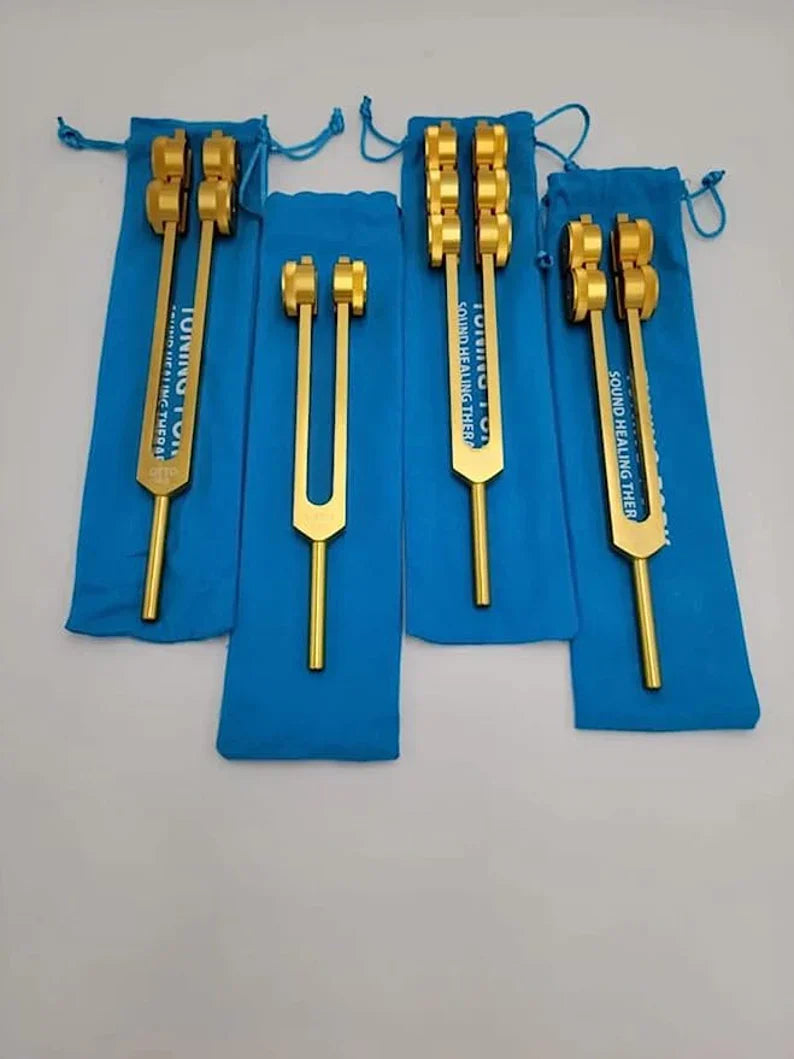
Weighted tuning forks have metal weights attached to the ends of their prongs. These weights increase the amplitude of the vibration while lowering the pitch. When activated, a weighted fork produces a strong, palpable vibration that can be felt through direct contact with the body. This makes weighted tuning forks the preferred choice for physical healing, pain relief, muscle relaxation and vibration therapy. Practitioners place the stem of a vibrating weighted fork directly on bones, joints, muscles, acupressure points and meridians. The most popular weighted tuning forks are the Otto tuners (32 Hz, 48 Hz, 64 Hz and 128 Hz), which are widely used in both clinical and therapeutic settings. Browse our full weighted tuning forks collection.
How Unweighted Tuning Forks Work
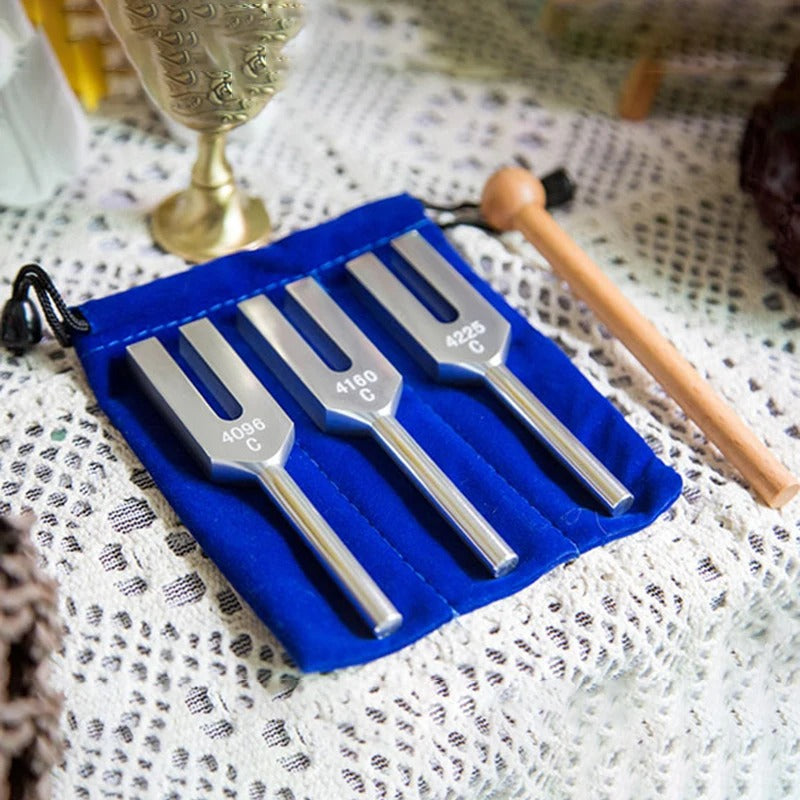
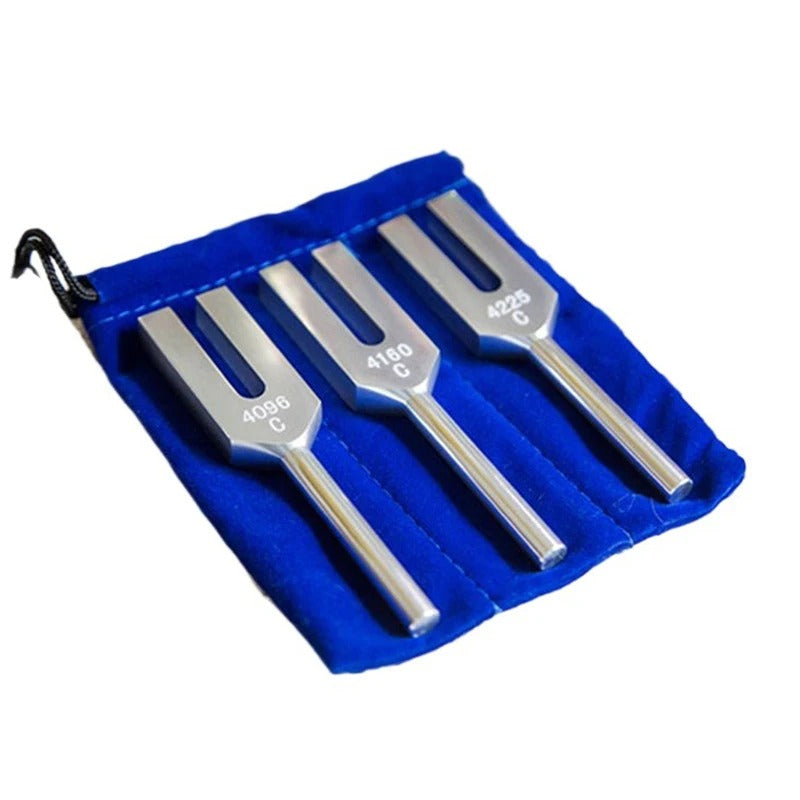
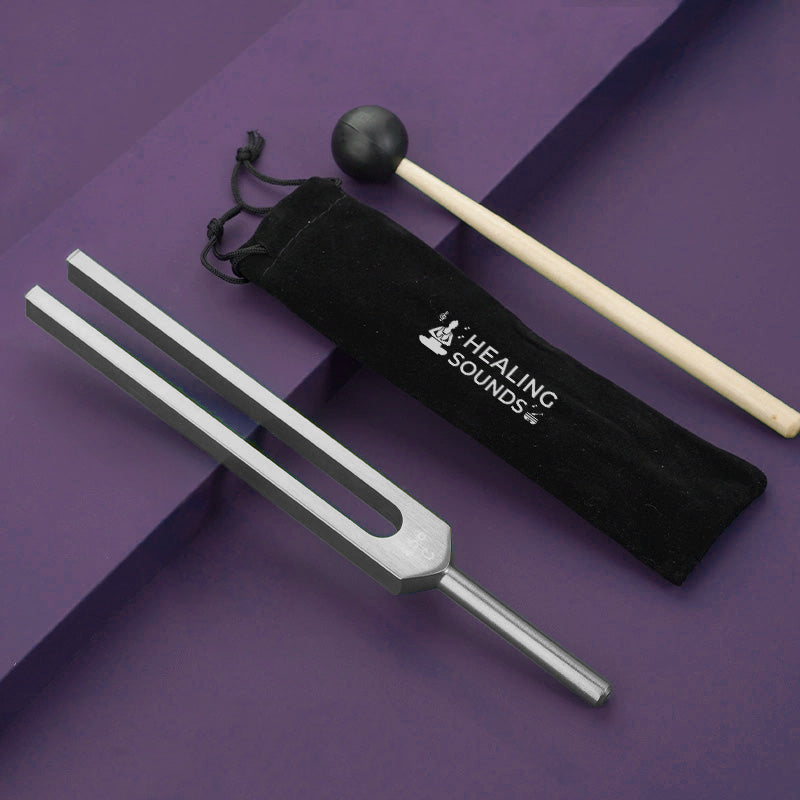
Unweighted tuning forks have plain prongs with no added weights. They vibrate at higher frequencies and produce a clearer, more audible tone with longer sustain. Unweighted forks are primarily used near the ears and around the body's energy field rather than placed directly on the skin. They are the standard choice for sound therapy, chakra balancing, biofield tuning, meditation and auditory healing work. Solfeggio tuning forks, chakra tuning forks and angel tuners (4096 Hz, 4160 Hz, 4225 Hz) are all unweighted designs.
Feature
Weighted Tuning Forks
Unweighted Tuning Forks
Vibration
Strong, palpable, felt through touch
Subtle, primarily audible
Application
On the body (bones, joints, muscles)
Near the ears, around energy field
Sound
Lower pitch, shorter sustain
Higher pitch, longer sustain
Best for
Pain relief, muscle therapy, clinical use
Sound healing, chakra work, meditation
Popular types
Otto tuners (32-128 Hz)
Solfeggio, chakra, angel tuners
Tuning Fork Categories: Find the Right Collection for Your Practice
Our catalog is organized into specialized collections so you can quickly find the best tuning forks for your specific needs.
Solfeggio Tuning Forks (9 Frequencies)
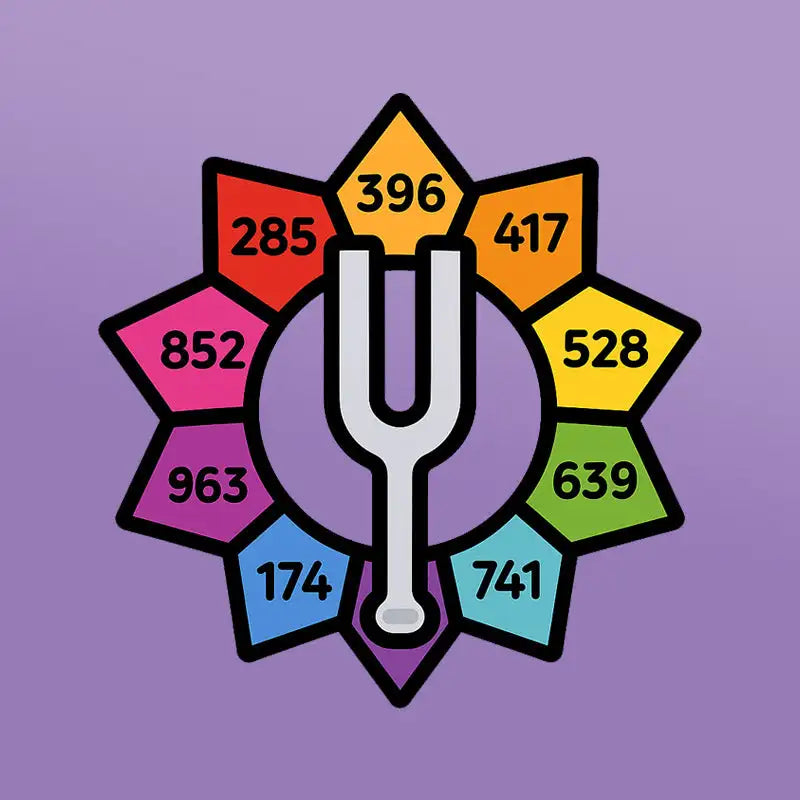
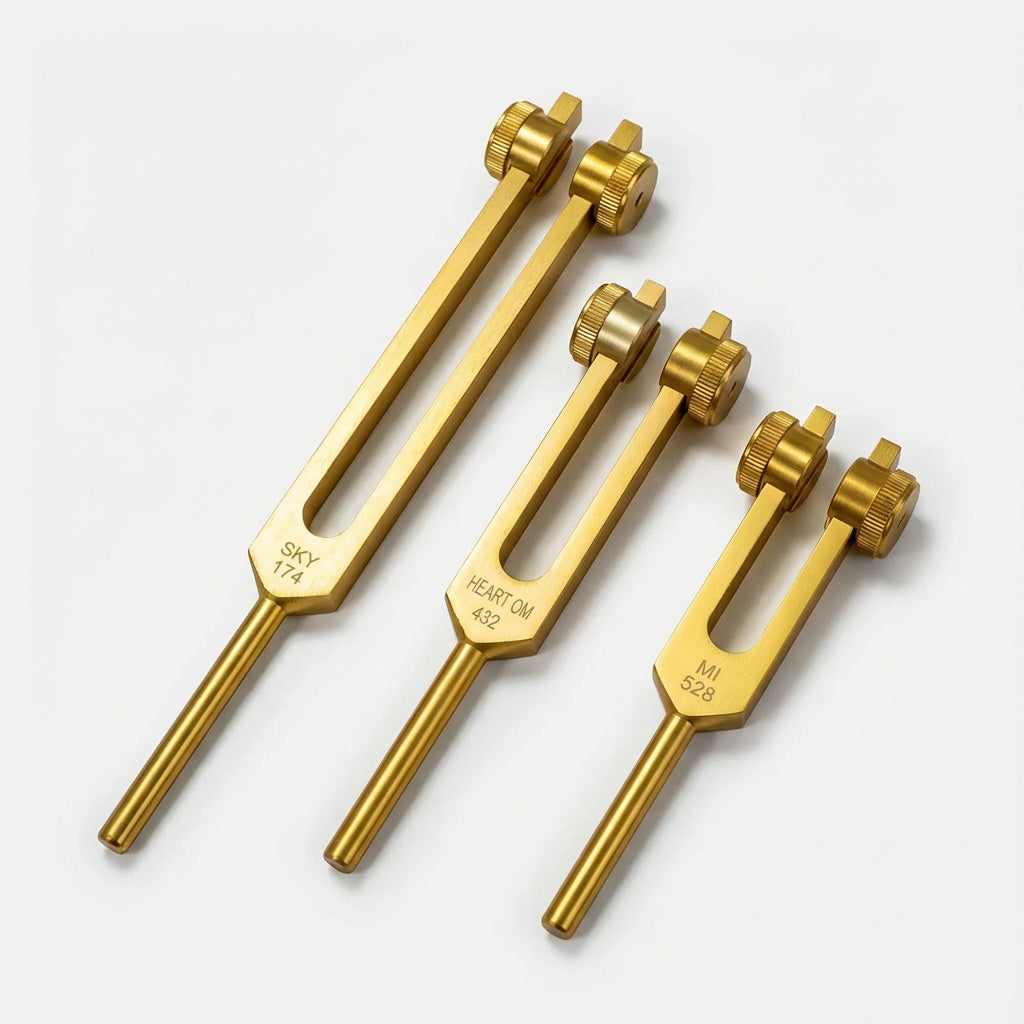
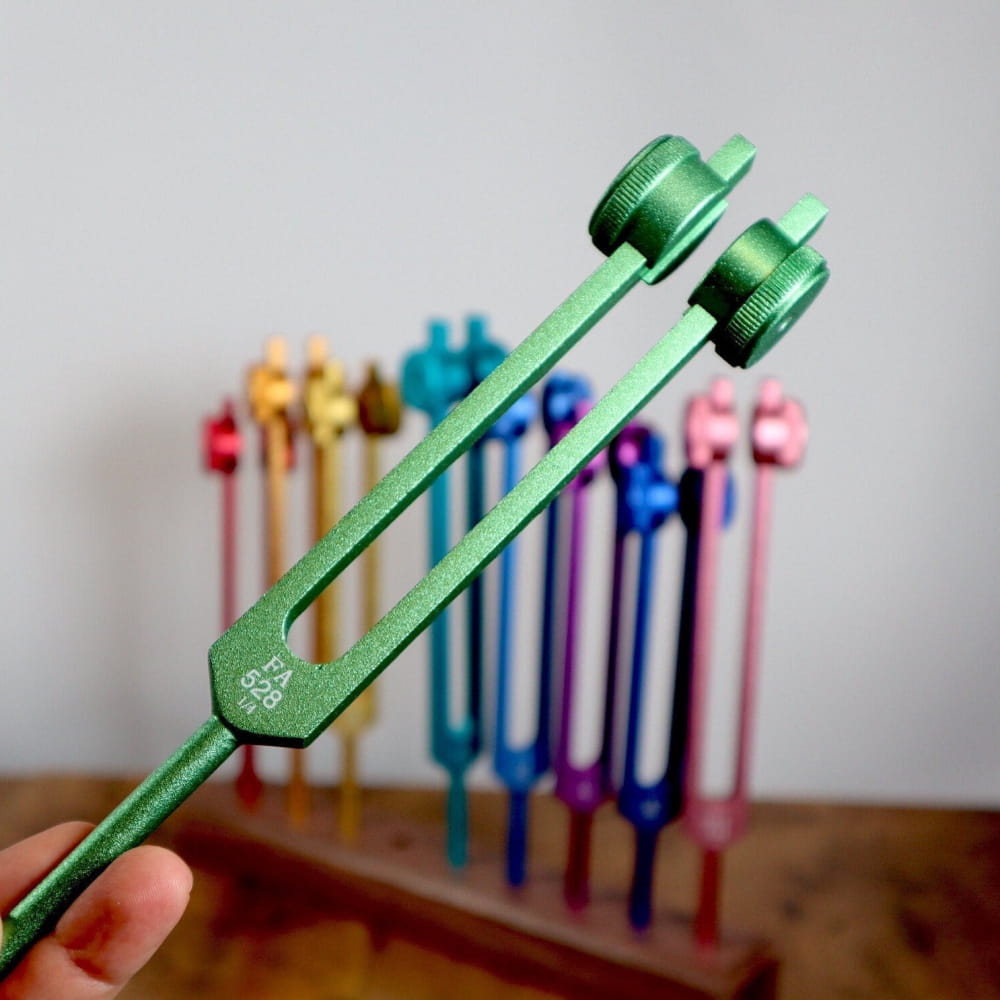
Solfeggio tuning forks are tuned to the nine ancient frequencies: 174 Hz, 285 Hz, 396 Hz, 417 Hz, 528 Hz, 639 Hz, 741 Hz, 852 Hz and 963 Hz. Each frequency is associated with a specific intention in sound healing traditions. The 528 Hz tuning fork, often called the "Love frequency," is the most popular single solfeggio fork. Available individually or as a complete solfeggio tuning fork set.
Chakra Tuning Forks (7 Planetary Frequencies)
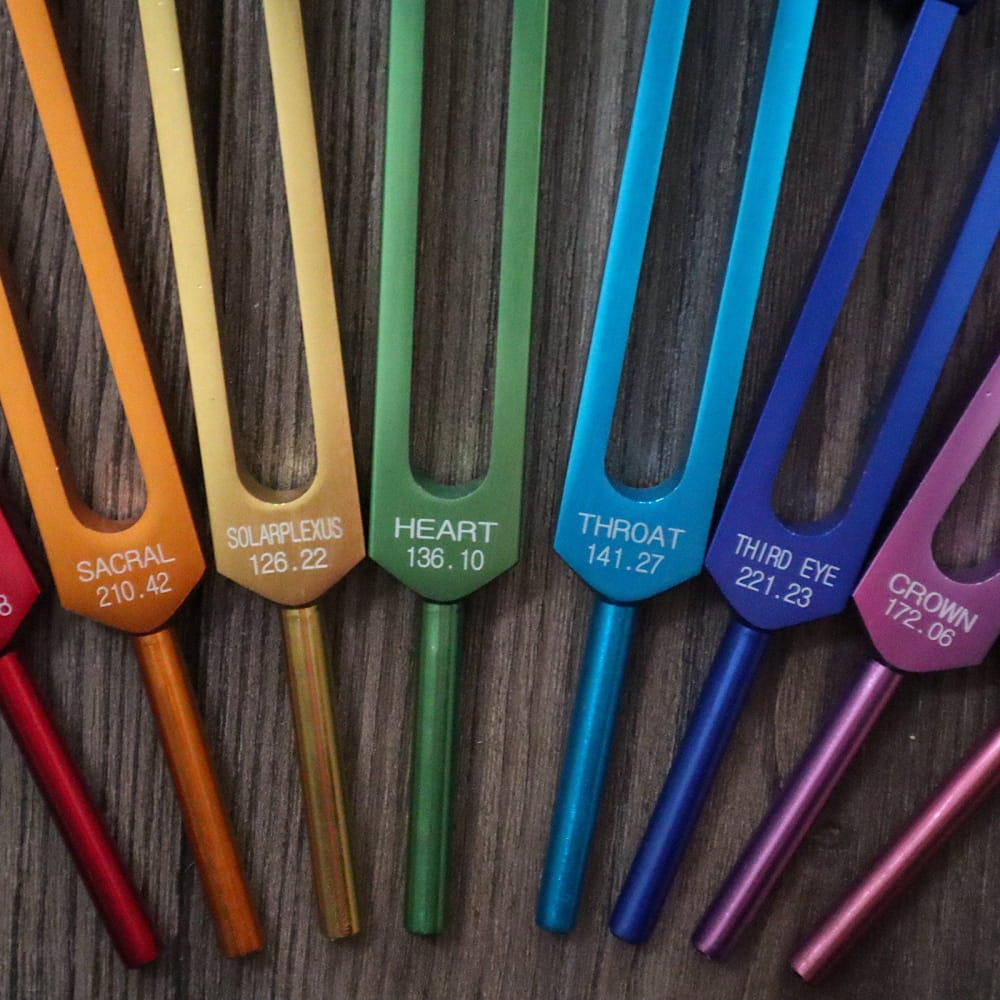
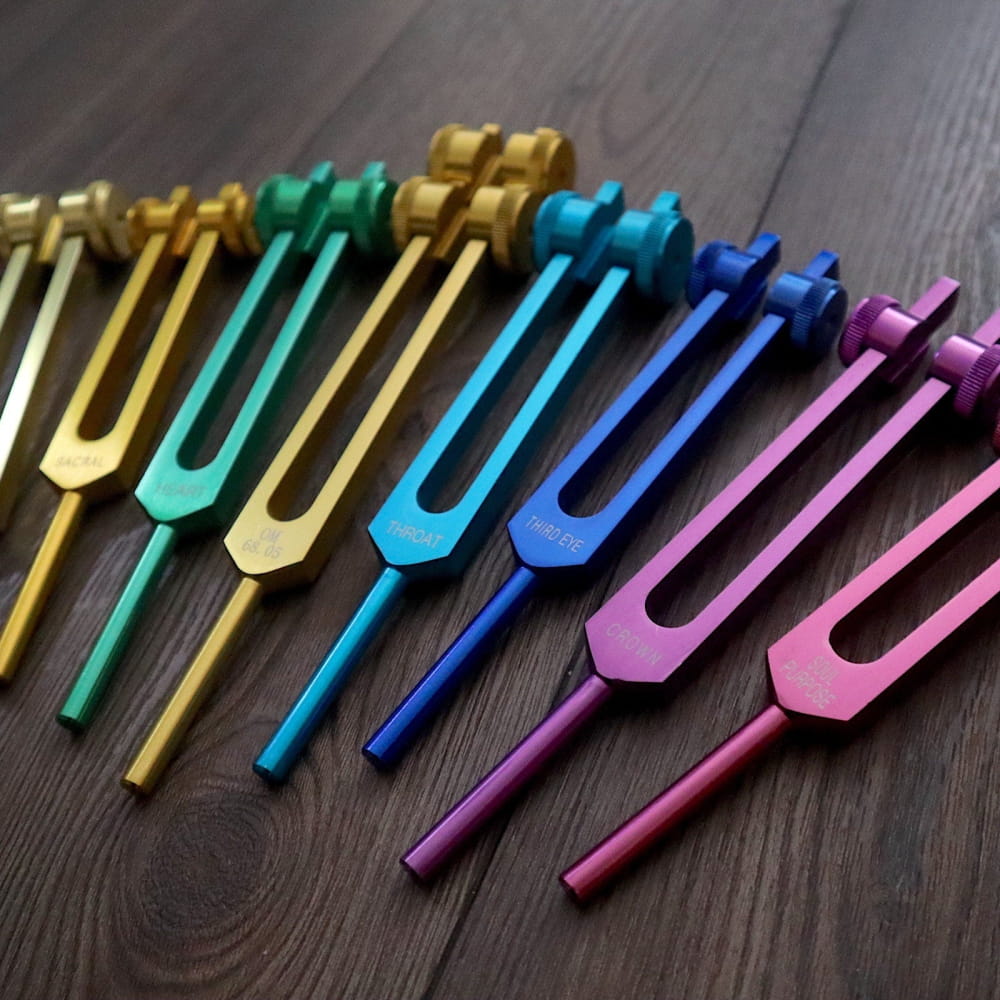
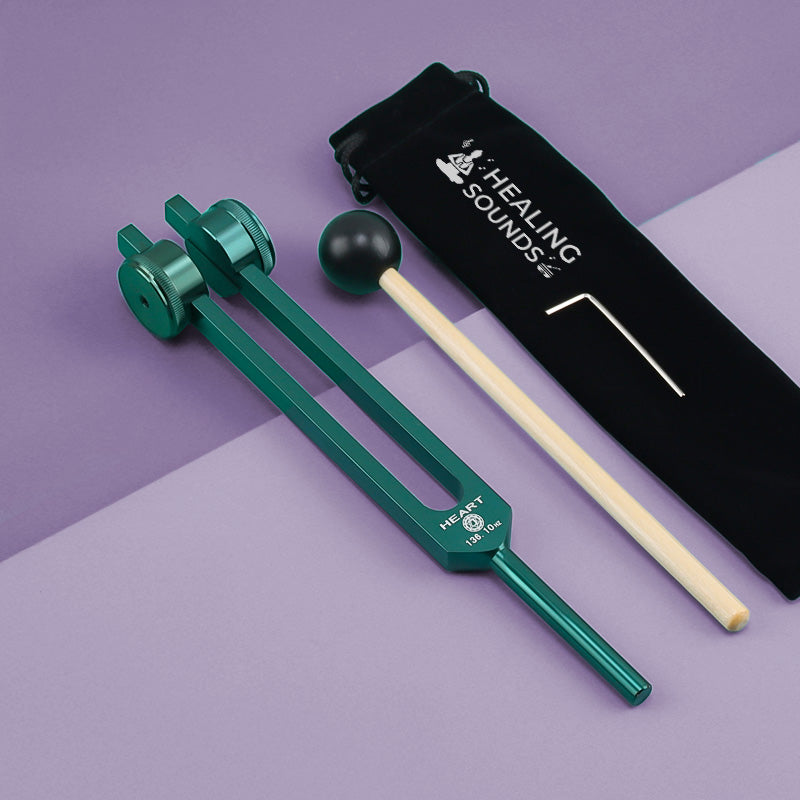
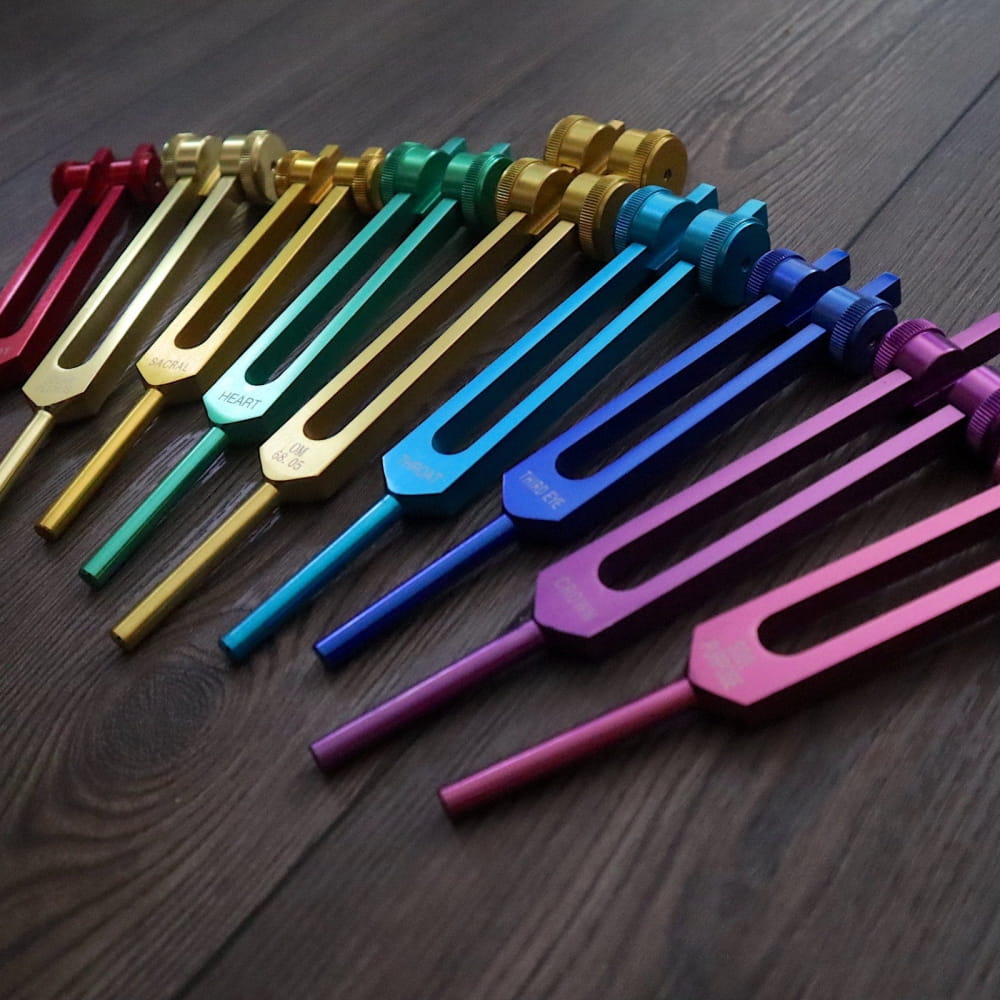
Chakra tuning forks are tuned to planetary frequencies calculated by Hans Cousto's cosmic octave formula. The seven chakra frequencies are: Root 194.18 Hz, Sacral 210.42 Hz, Solar Plexus 126.22 Hz, Heart 136.10 Hz (OM), Throat 141.27 Hz, Third Eye 221.23 Hz and Crown 172.06 Hz. These forks are used for energy balancing and chakra alignment. Explore our chakra tuning forks.
Medical and Clinical Tuning Forks
Medical tuning forks are used by neurologists, audiologists, orthopedic specialists and general practitioners for diagnostic assessment. The 128 Hz tuning fork is the clinical standard for testing vibration sense in peripheral neuropathy screening, while the 256 Hz tuning fork is used for Weber and Rinne hearing tests. Our clinical-grade forks meet the precision requirements of medical practice. See our medical tuning forks collection.
Biofield and Sonic Slider Tuning Forks
Biofield tuning forks are specialized weighted forks designed for biofield tuning therapy, a practice that uses vibration to detect and correct imbalances in the body's electromagnetic field. The sonic slider is a popular weighted biofield tool. Browse our biofield tuning forks.
How Practitioners Use Tuning Forks in Sound Therapy Sessions
Sound therapy with tuning forks follows several established techniques depending on the type of fork and the goal of the session.
Body Contact Technique (Weighted Forks)
Strike the weighted fork against a rubber activator or hockey puck, then immediately place the stem on the target area. Common placements include vertebrae along the spine, the sternum, knee joints, hip bones, acupressure points and the soles of the feet. The vibration travels through bone and connective tissue, reaching deep structures that surface-level massage cannot access. A typical weighted tuning fork session lasts 15 to 30 minutes. Many practitioners of tuning forks for healing combine multiple frequencies in a single session for comprehensive treatment.
Sound Field Technique (Unweighted Forks)
Activate the unweighted fork by striking it or pinching and releasing the prongs. Hold the vibrating fork near the client's ears, around the head, or sweep it through the energy field surrounding the body. This technique is central to chakra balancing, biofield tuning and meditation facilitation. The sustained tone of an unweighted fork can last 15 to 30 seconds, allowing the practitioner to move it through multiple energy centers in a single activation.
Interval Technique (Two-Fork Method)
Strike two forks simultaneously and hold one near each ear. The brain processes the two slightly different frequencies, creating an interval that many practitioners use for deep relaxation and mental clarity. Popular intervals include the perfect fifth (C and G) and the body tuners combination (C 256 Hz and G 384 Hz).
The Science and History Behind Tuning Fork Frequencies
Tuning forks were invented in 1711 by John Shore, a trumpeter in the court of King George I. Originally designed as a pitch reference for musicians, the tuning fork's pure sine wave tone made it the most accurate portable frequency standard available for over two centuries. Medical professionals adopted tuning forks in the 19th century for hearing tests and neurological examinations -- applications that continue in clinical practice today.
The therapeutic use of tuning forks for healing expanded significantly in the late 20th century as practitioners began exploring how specific frequencies interact with the body's tissues, energy systems and biofield. Today, sound healing is practiced in wellness centers, integrative health clinics, yoga studios, spas and private therapy offices worldwide. While research into vibrational therapy continues to develop, practitioners consistently report that clients experience deep relaxation, reduced muscle tension, improved mood and enhanced well-being after tuning fork sessions.
The 128 Hz frequency remains the most studied tuning fork frequency in medical literature, with documented use in neurological assessment dating back over a century. In the sound therapy space, the solfeggio frequencies and planetary frequencies form the foundation of most practitioner protocols.
Explore Related Sound Healing Collections
Healing Sounds carries a complete range of sound healing instruments and accessories to support your practice:
Tuning Fork Sets -- curated kits for beginners and professionals, including chakra, solfeggio and weighted sets
Weighted Tuning Forks -- Otto tuners and weighted forks for body contact therapy and pain relief
Chakra Tuning Forks -- planetary-frequency forks for energy balancing and chakra alignment
When a tuning fork is placed on the body, its vibrations travel through bone, muscle and connective tissue. Weighted tuning forks are designed for direct body contact -- practitioners place the vibrating stem on bones, joints, acupressure points and muscles to deliver focused vibration therapy. This can help promote relaxation, reduce muscle tension and support the body's natural recovery processes. Unweighted forks are used near the ears and around the energy field to create calming tones that aid meditation and stress relief.
Tuning forks serve multiple purposes across different fields. In sound therapy, they are used for relaxation, chakra balancing, biofield work and emotional wellness. In medical settings, neurologists use the 128 Hz tuning fork to test vibration sense, audiologists use 256 Hz and 512 Hz forks for hearing assessments (Weber and Rinne tests), and orthopedic specialists use them to help identify stress fractures. Musicians use tuning forks as a pitch reference, and educators use them to demonstrate acoustic principles.
Some sound therapy practitioners apply weighted tuning forks near the vagus nerve pathways, such as behind the ears (mastoid bone) or along the sides of the neck. The vagus nerve plays a central role in the body's parasympathetic nervous system, which governs rest and relaxation responses. While clinical research on tuning fork vagus nerve stimulation is still emerging, many practitioners report that clients experience deep relaxation, slower breathing and a sense of calm when vibration is applied to these areas. The 128 Hz Otto tuner is the most commonly used fork for this application.
The best tuning forks for healing depend on your practice focus. For body-based therapy and pain relief, the 128 Hz Otto tuner (weighted) is the most versatile starting point. For chakra balancing, a set of seven chakra tuning forks covers all energy centers. For broad sound healing work, the solfeggio tuning fork set (nine frequencies from 174 Hz to 963 Hz) offers the widest range. Beginners often start with a weighted and unweighted set that includes both body contact and sound field instruments. Visit our tuning forks for healing collection for curated recommendations.
Tuning fork therapy is generally considered safe for most people, but caution is advised in certain situations. Avoid placing weighted tuning forks directly on areas with open wounds, acute inflammation, recent fractures, implanted medical devices (pacemakers, metal implants near the application site) or tumors. Pregnant women should consult their healthcare provider before receiving vibration therapy on the abdomen or lower back. People with severe epilepsy should proceed cautiously with any strong sensory stimulation. When in doubt, consult a qualified healthcare professional before beginning a tuning fork practice.
A typical tuning fork session lasts between 15 and 60 minutes, depending on the technique and the number of frequencies used. A focused session using a single weighted tuning fork on a specific area might last 15 to 20 minutes. A full-body sound healing session using multiple forks across all seven chakras can take 45 to 60 minutes. For personal self-care, even 5 to 10 minutes with a single fork can provide noticeable relaxation. Beginners should start with shorter sessions and gradually increase duration as they become comfortable with the sensations.
Filters (0)
High-Quality Tuning Forks Collection
Discover premium tuning forks for perfect sound calibration.
Enhance Your Sound Experience
Achieve precise tonal quality with our tuning forks.
Recently viewed
Treat yourself to a relaxing moment
With our best instruments. Handcrafted from the finest materials.
Created by healing enthousiasts
We know your needs because we use our products too. We are the first users.
Money-back guarantee
You have 60 days to return your order if it doesn't fit (you'll love it anyway).
100% secured payments
So you can remain in deep peace until you receive your order.