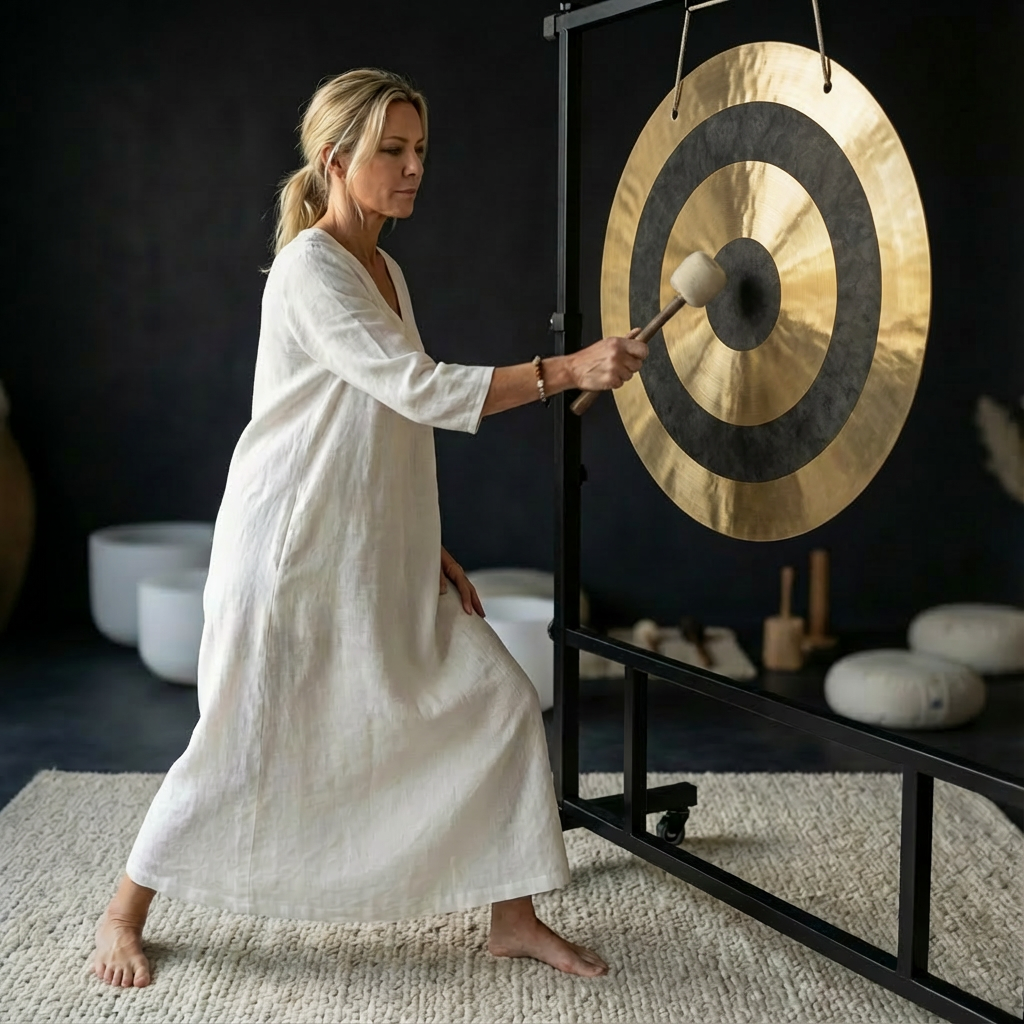
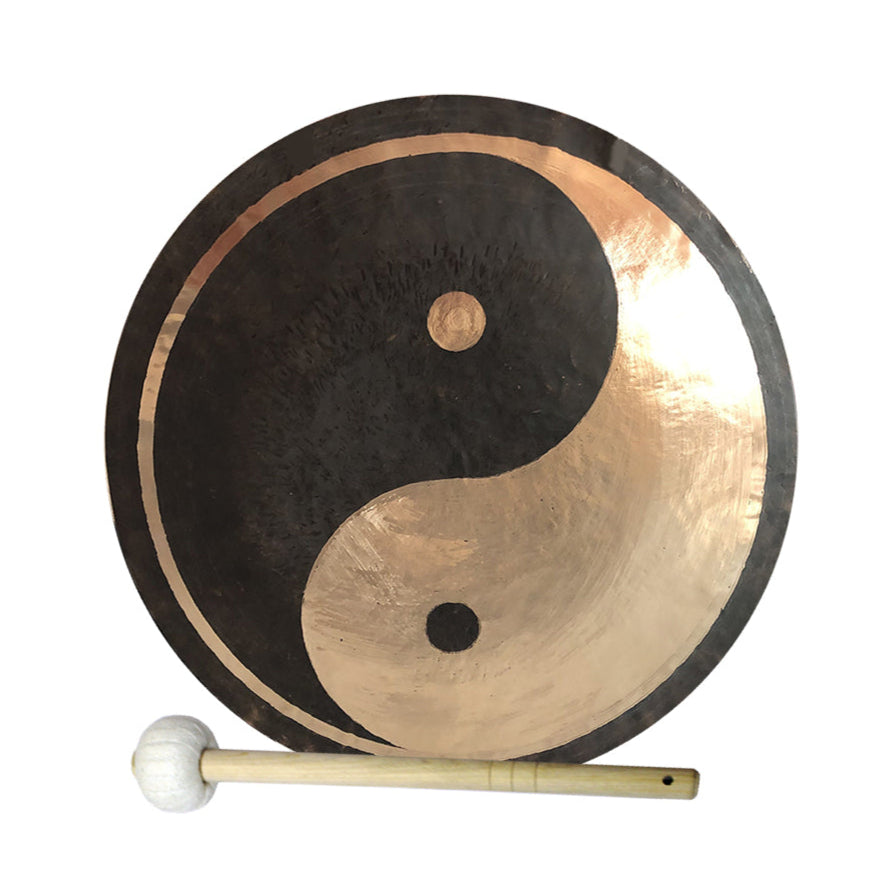
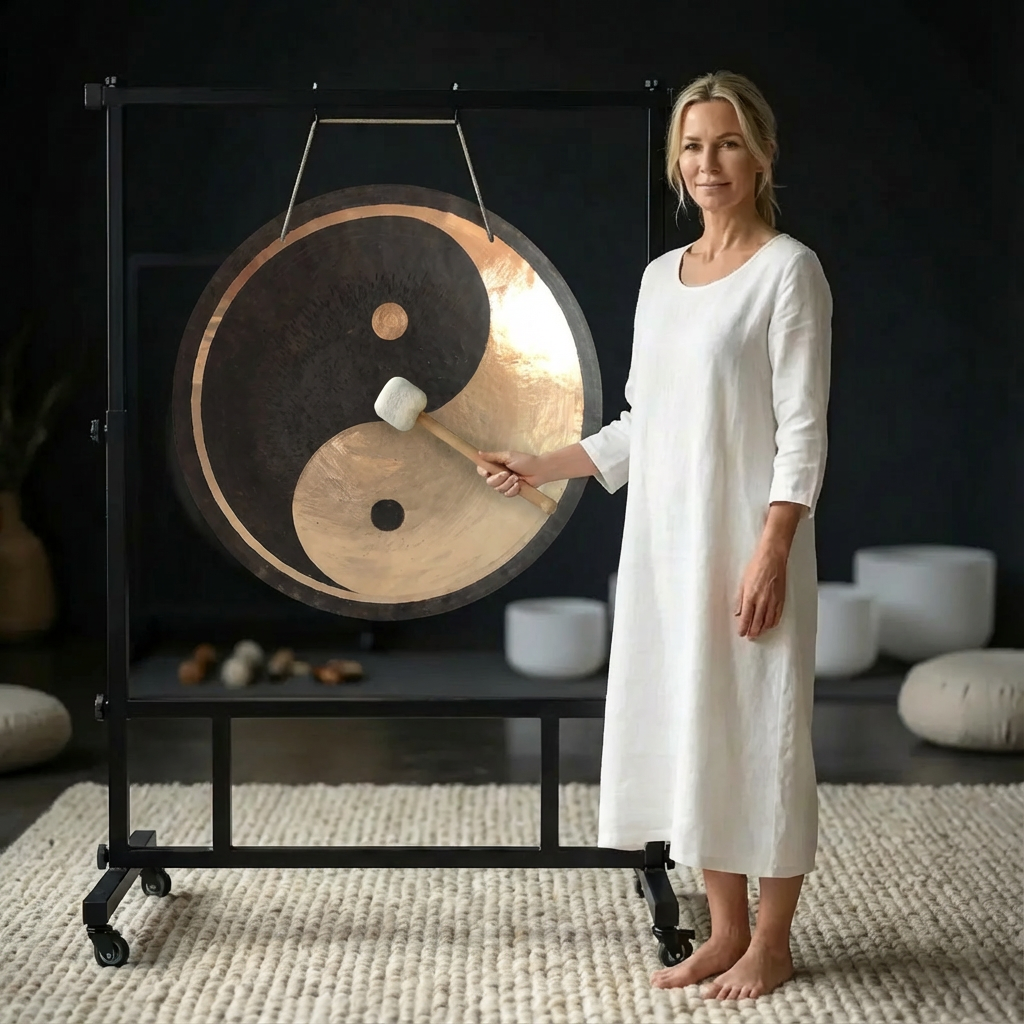
The Chinese gong is among the oldest and most powerful instruments in human history. Known in Mandarin as 锣 (luó), the gong has been central to Chinese culture for over 4,000 years — appearing in royal courts, Buddhist temples, military processions, traditional opera, and village ceremonies. Today, authentic Chinese gongs are prized worldwide by sound healing practitioners, orchestral percussionists, meditation teachers, and collectors who value their rich acoustic complexity and cultural depth.
At Healing Sounds, our Chinese gong collection brings together every major gong style rooted in the Chinese tradition. From the deep, resonant Chau gong to the bright, explosive wind gong and the focused, bell-like nipple gong, each instrument is hand-hammered from B20 bronze (80% copper, 20% tin) using techniques passed down through generations of artisans. Whether you are building your first sound bath setup or expanding a professional collection, you will find the right Chinese gong here.
Types of Chinese Gongs
The Chinese gong tradition encompasses several distinct styles, each with its own construction, sound profile, and musical role. Understanding these differences is essential to choosing the right instrument for your practice.
Chau Gong (锣)
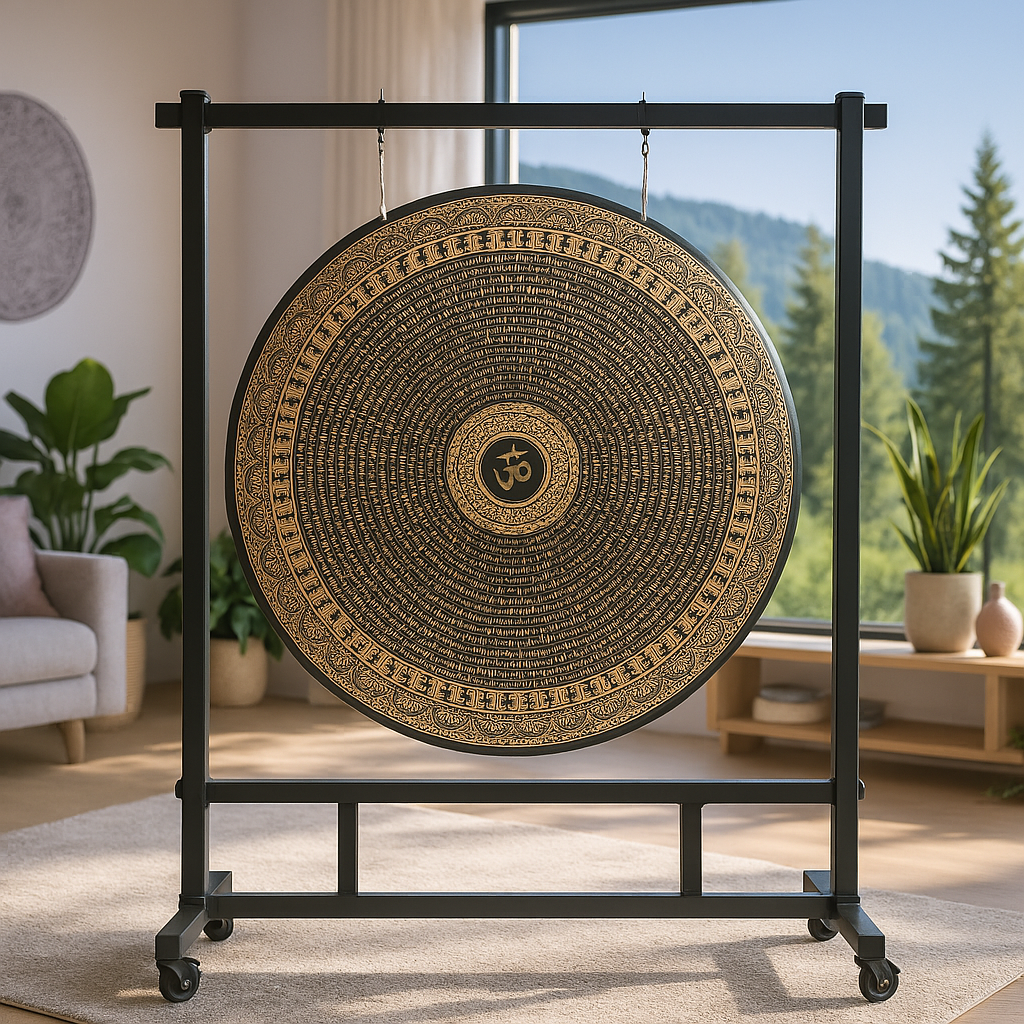
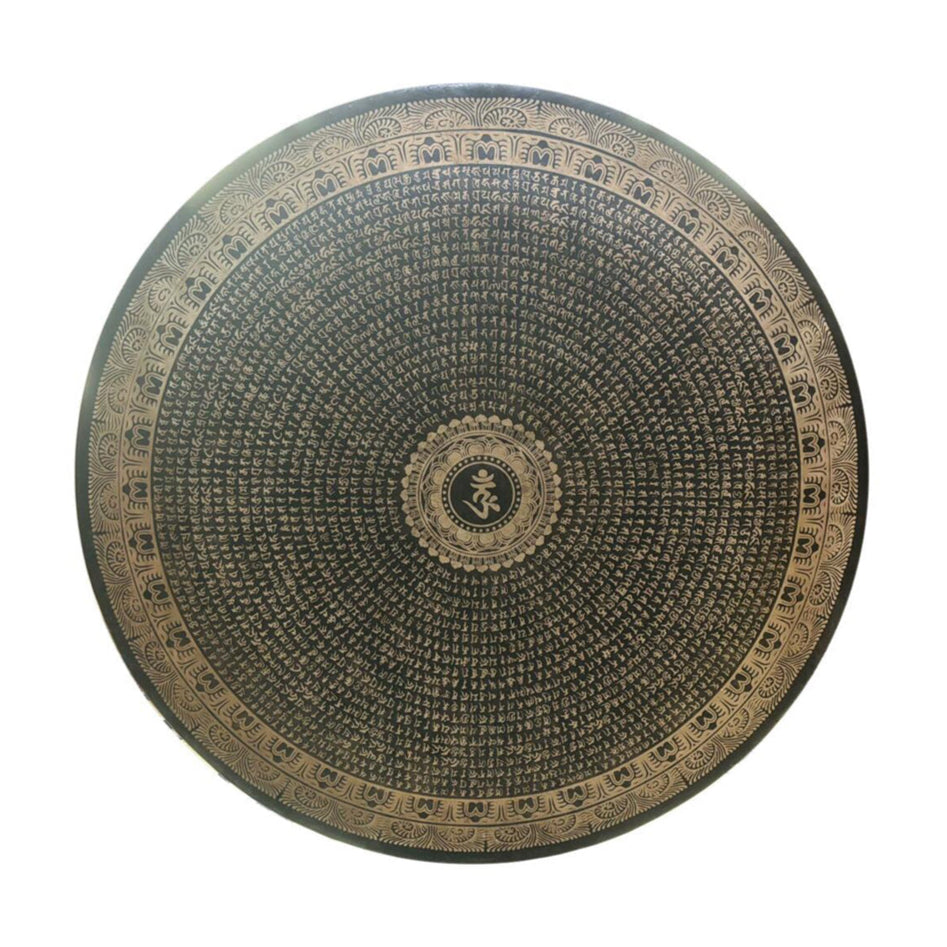
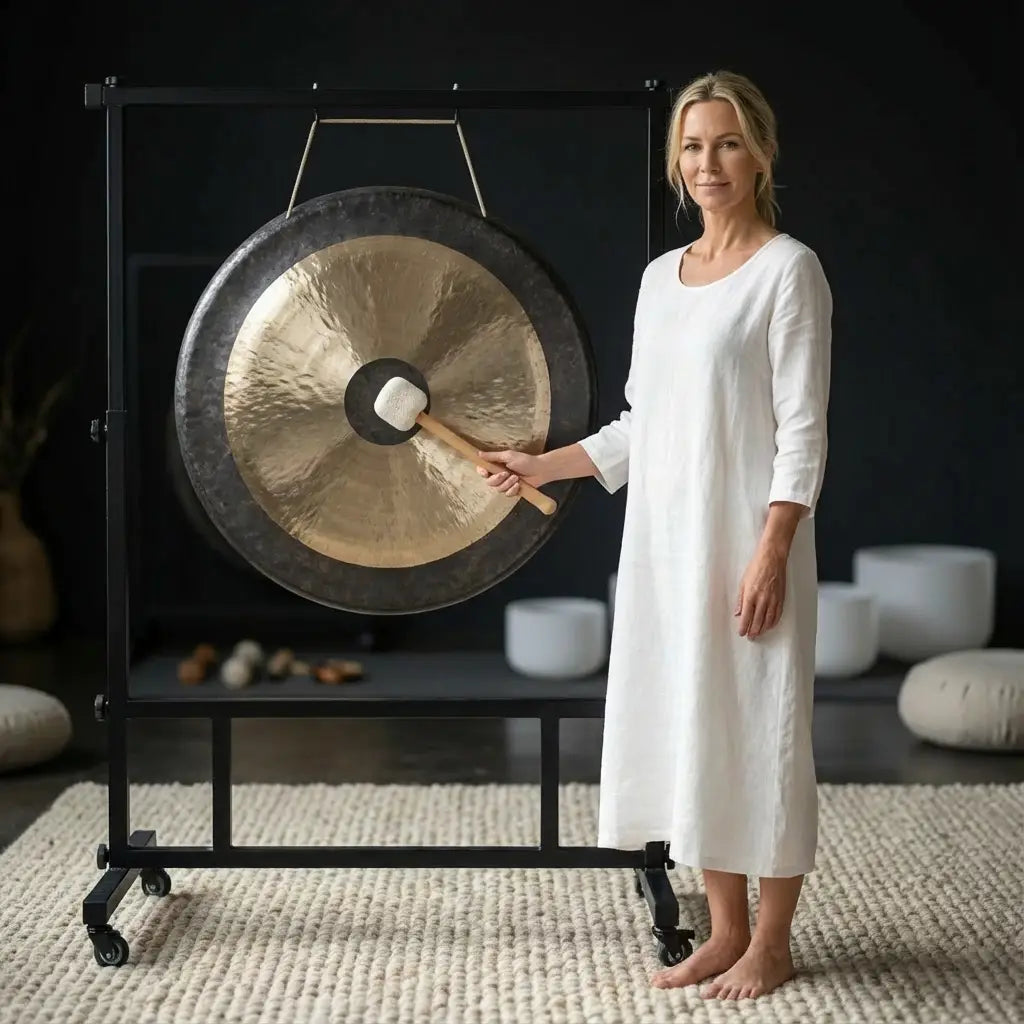
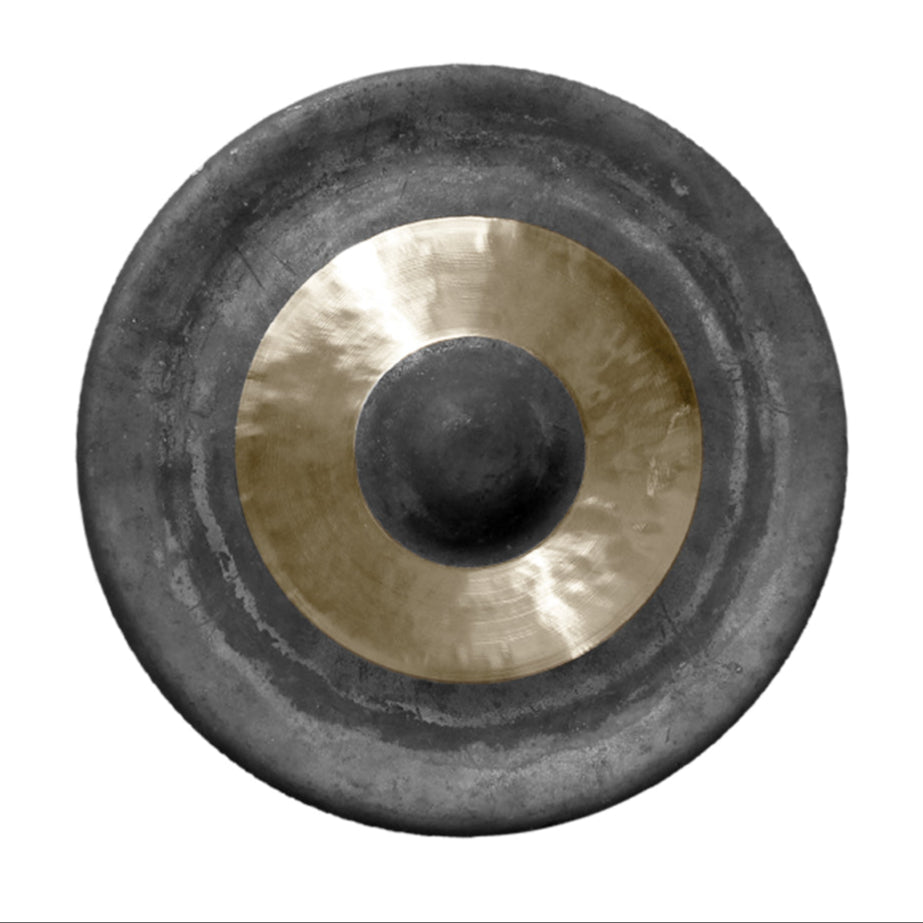
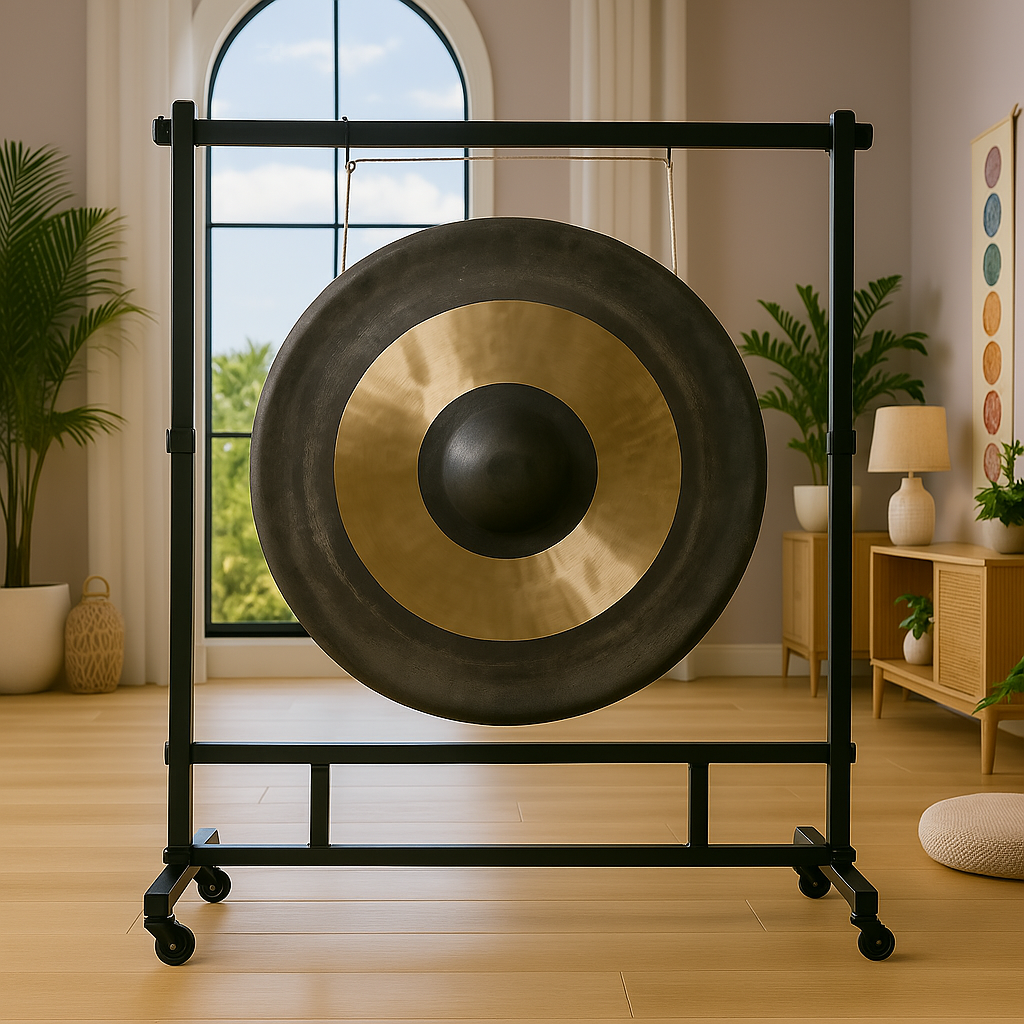
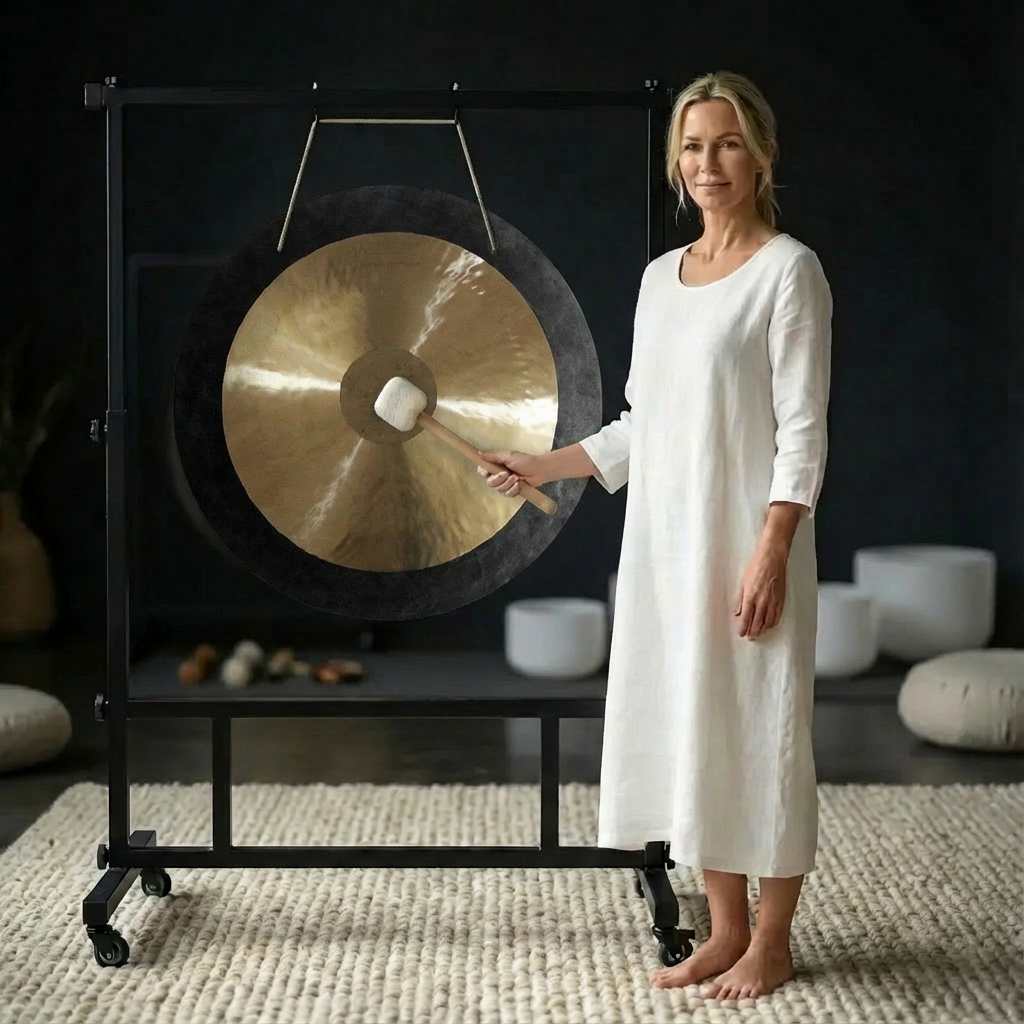
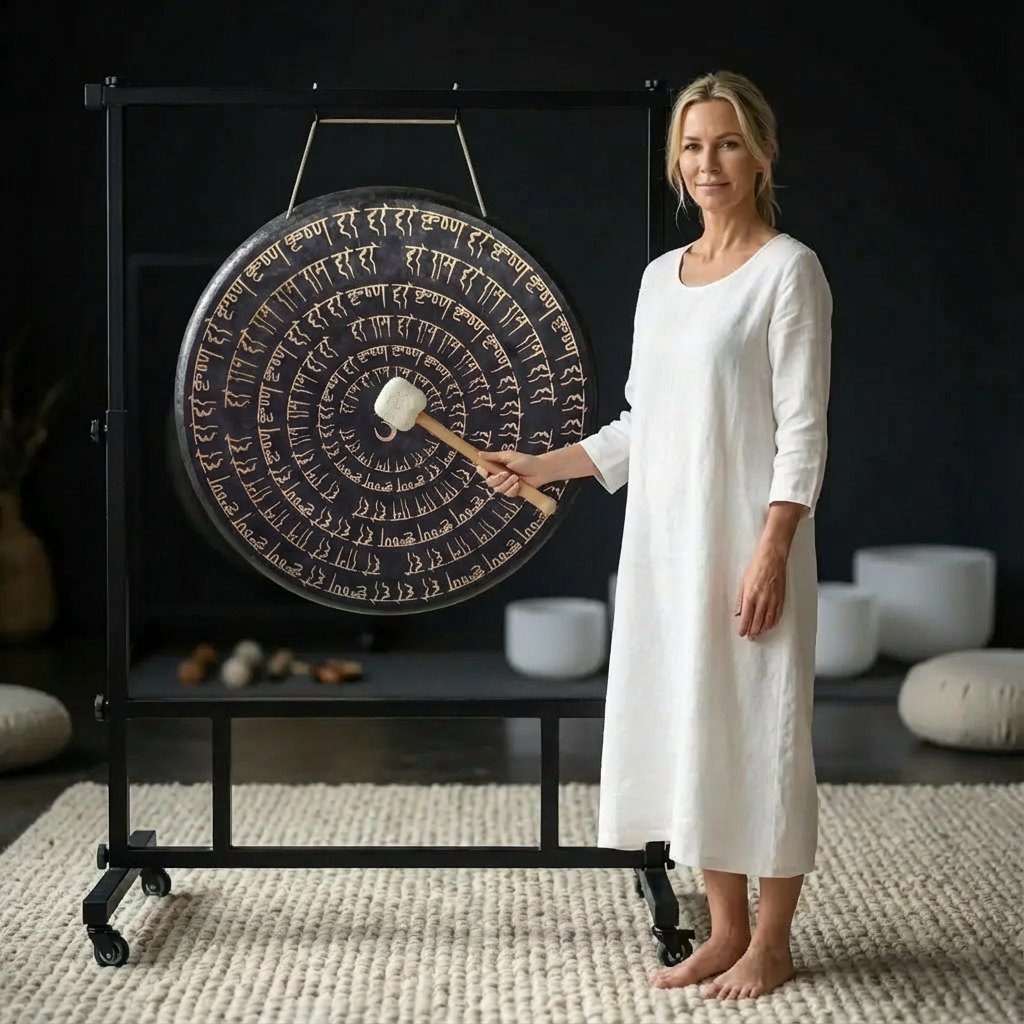
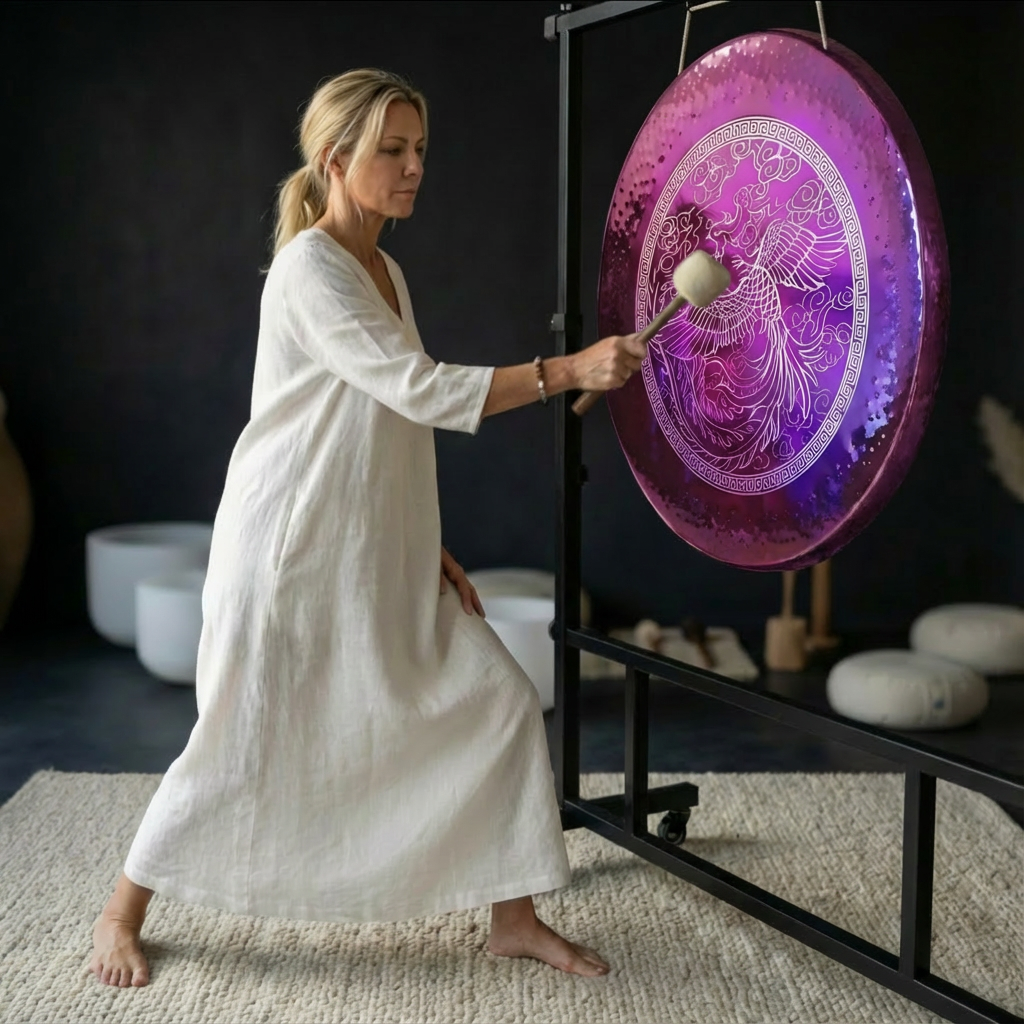
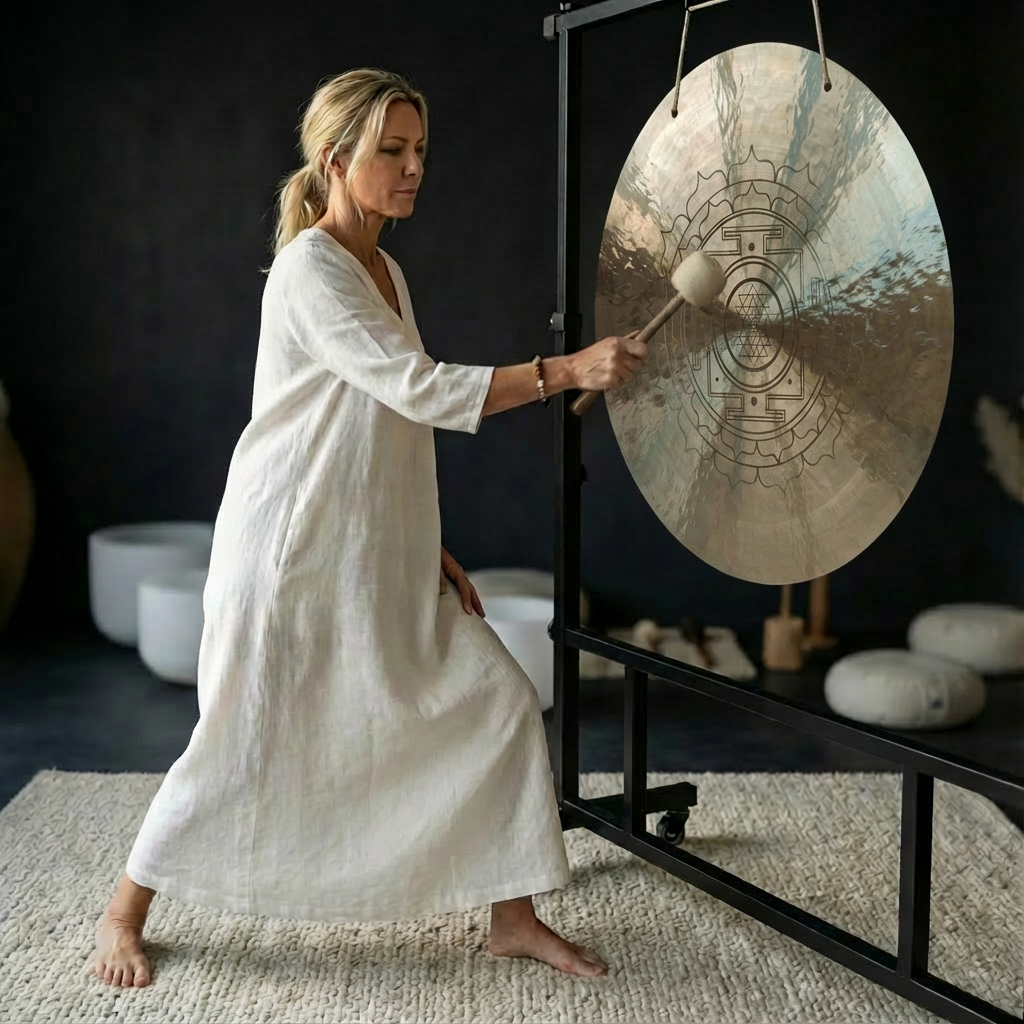
The Chau gong is the most recognized Chinese gong in the world. Sometimes referred to as a tam-tam in Western orchestral terminology, it features a turned (flanged) rim with a slightly upturned edge. This rim design helps contain the vibrations within the body of the gong, producing deep, complex tones with extraordinarily long sustain. When played softly, a Chau gong whispers with shimmering overtones. When struck with full force, it builds into an immense, enveloping wall of sound that fills the entire room.
Chau gongs range from small 6-inch meditation gongs to massive 60-inch instruments used in professional sound bath settings. The 24-inch to 32-inch range is the most popular for sound healing practitioners, offering a powerful yet manageable instrument with a full tonal spectrum. Chau gongs are the foundational instrument in most gong collections.
Wind Gong (风锣 — Fēng Luó)
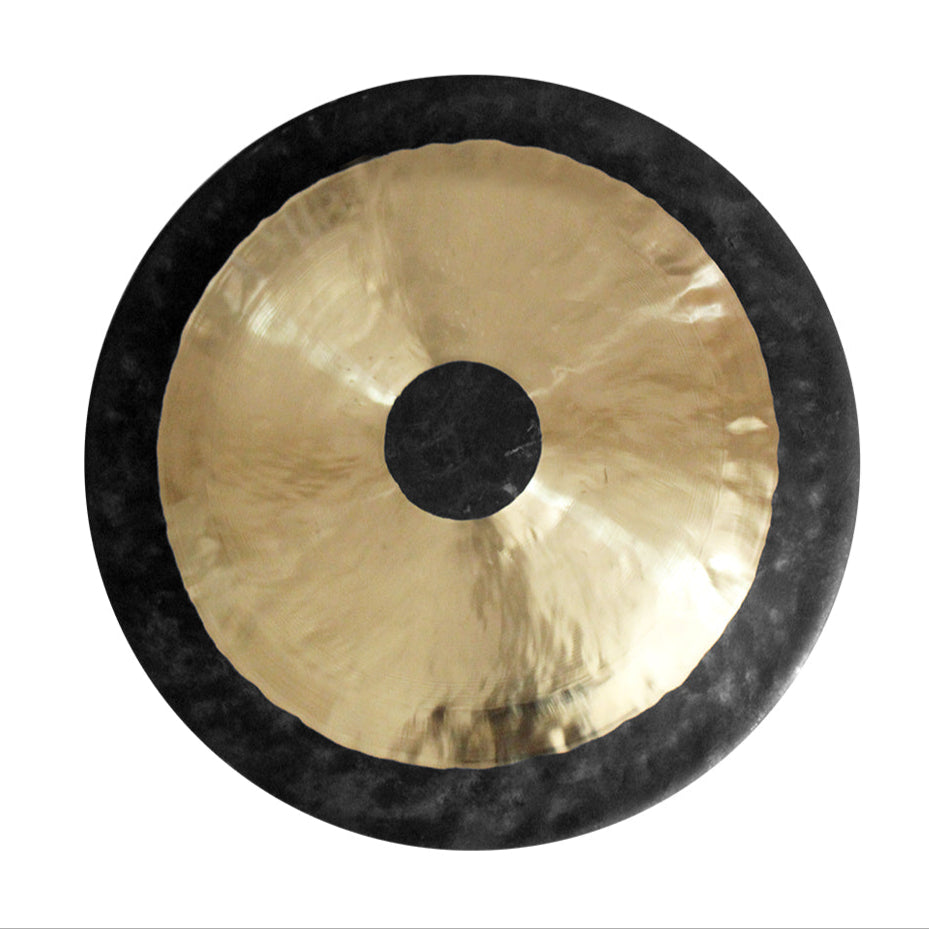
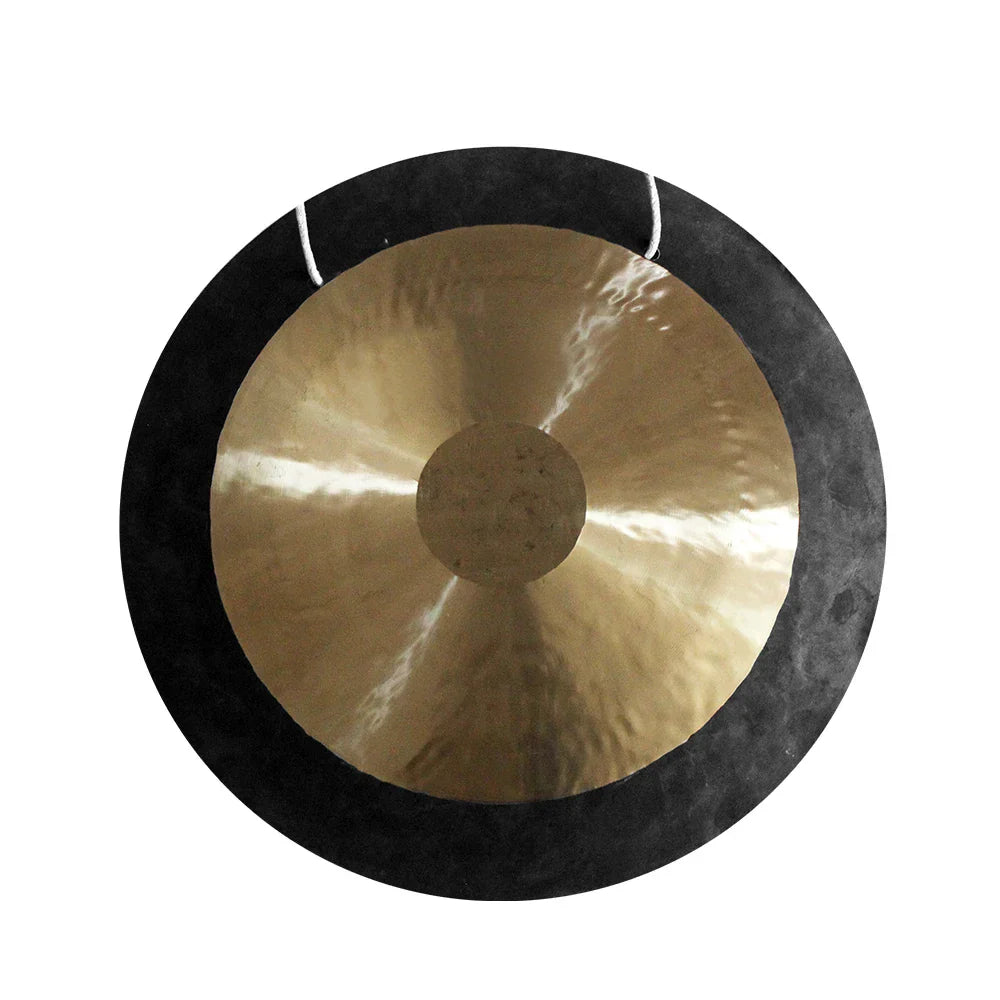
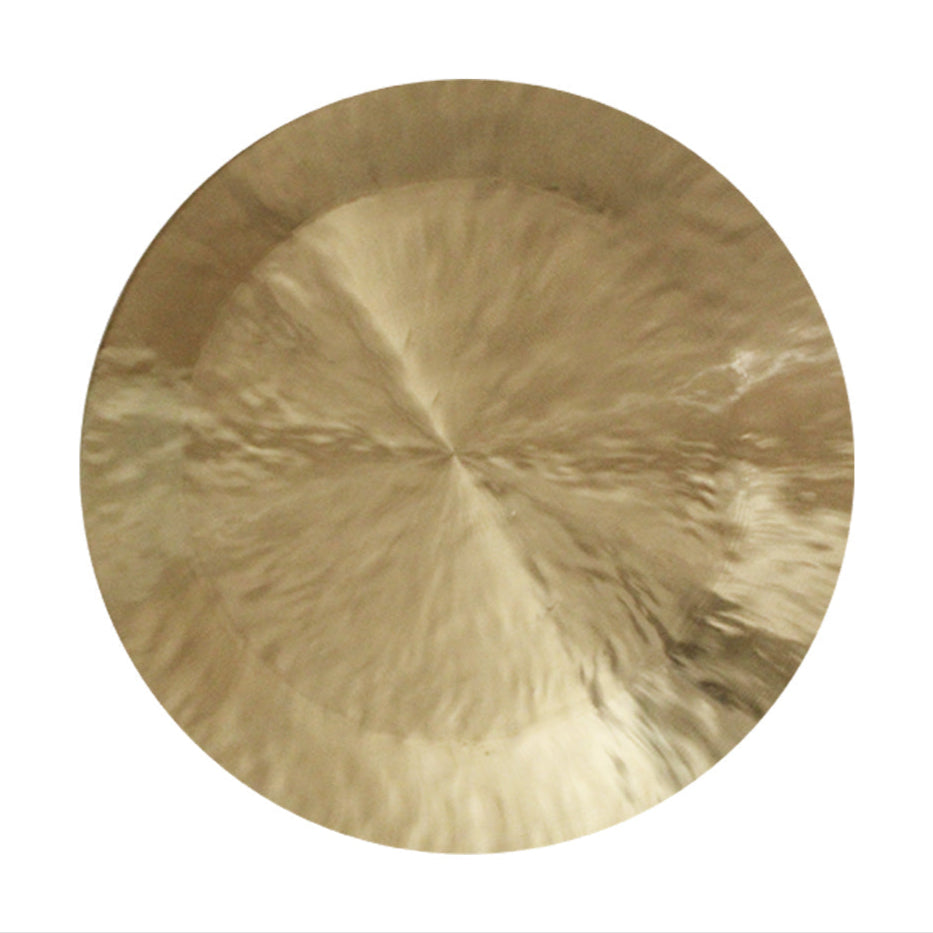
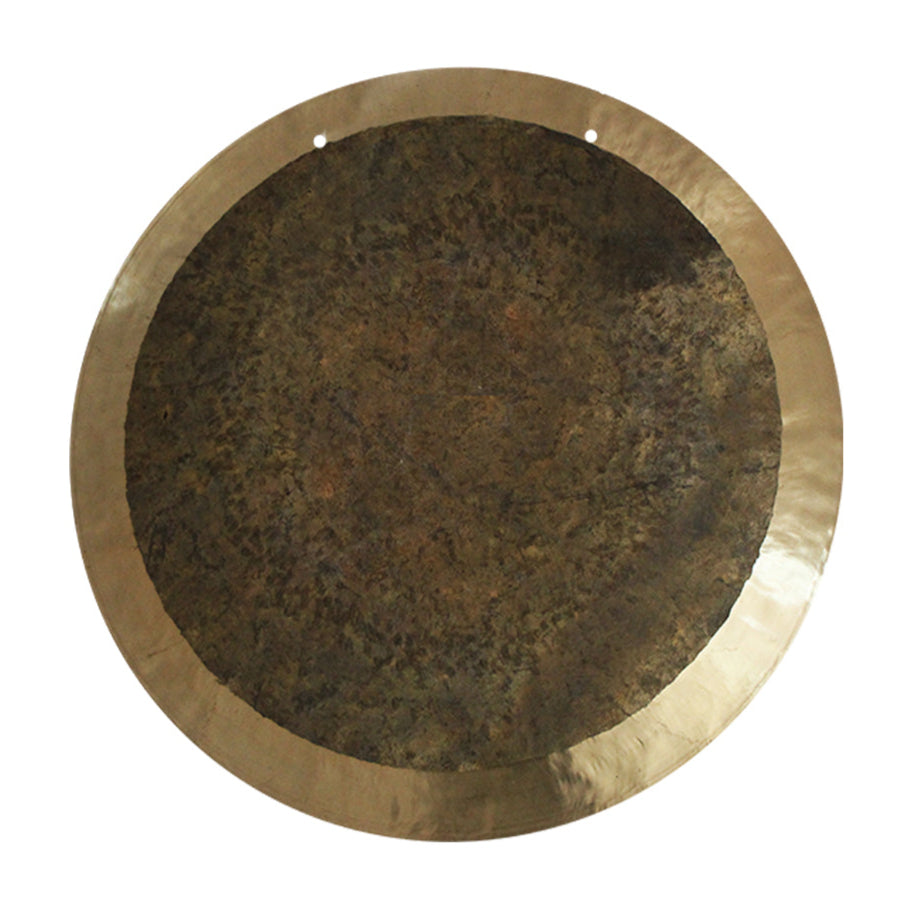
The wind gong, also called a feng gong, is the opposite of a Chau gong in many respects. It has a completely flat profile with no rim and an unlathed, raw surface. When struck, it produces a brilliant, explosive crash that decays quickly — reminiscent of a gust of wind, which is how it got its name. Wind gongs excel at energy clearing, dramatic accents, and dynamic contrast in multi-gong setups.
Because of their flat construction, wind gongs respond instantly to touch. A light tap produces a bright shimmer, while a strong strike unleashes a powerful burst that cuts through any sound environment. Their short sustain and explosive character make them ideal companions to the slow, building tones of Chau gongs.
Nipple Gong (包锣 — Bāo Luó)
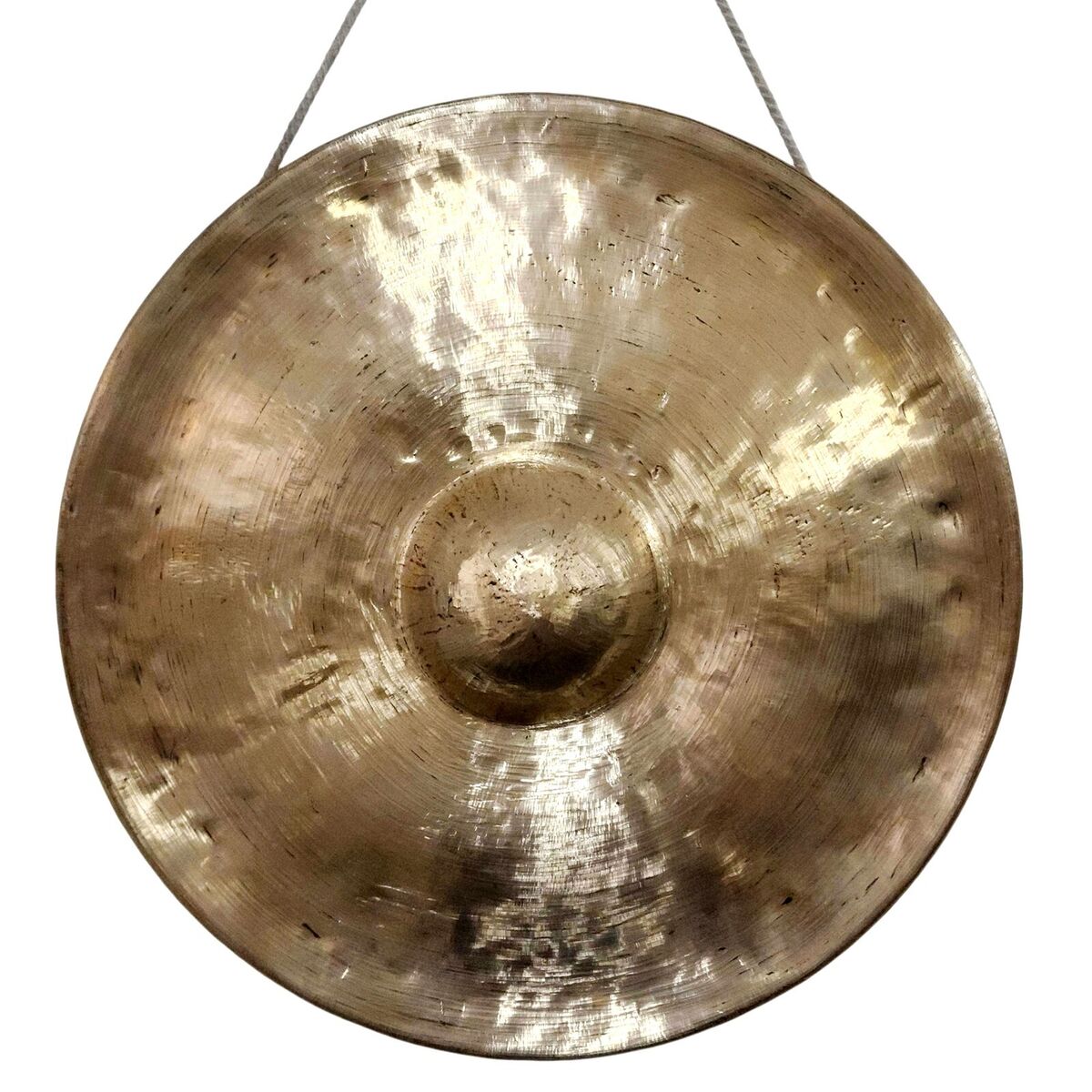
The nipple gong, also known as a bao gong, boss gong, or Java gong, features a raised knob (boss) at its center. This boss acts as a focal point for vibration, producing a clear, bell-like pitch with excellent tonal definition. Unlike the wash of sound from a Chau gong or the crash of a wind gong, nipple gongs deliver a focused, musical note that makes them perfect for melodic work and tuned sets.
In traditional Chinese and Southeast Asian ensembles, nipple gongs are often played in graduated sets called gamelan-style configurations. In modern sound healing, they are used for targeted chakra work, pitched meditation, and creating harmonic structures. Their clarity and definite pitch make them especially appealing to practitioners who work with specific tonal frequencies.
Planetary Gong
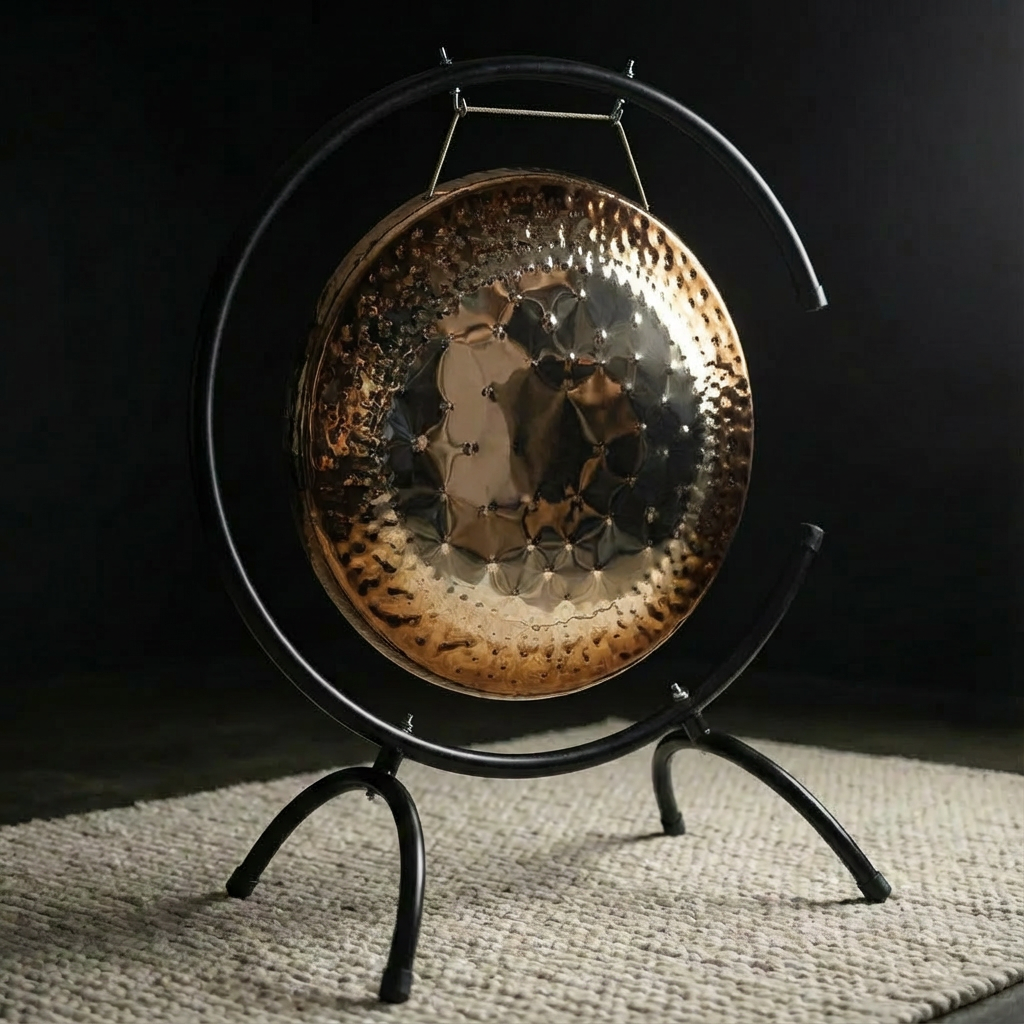
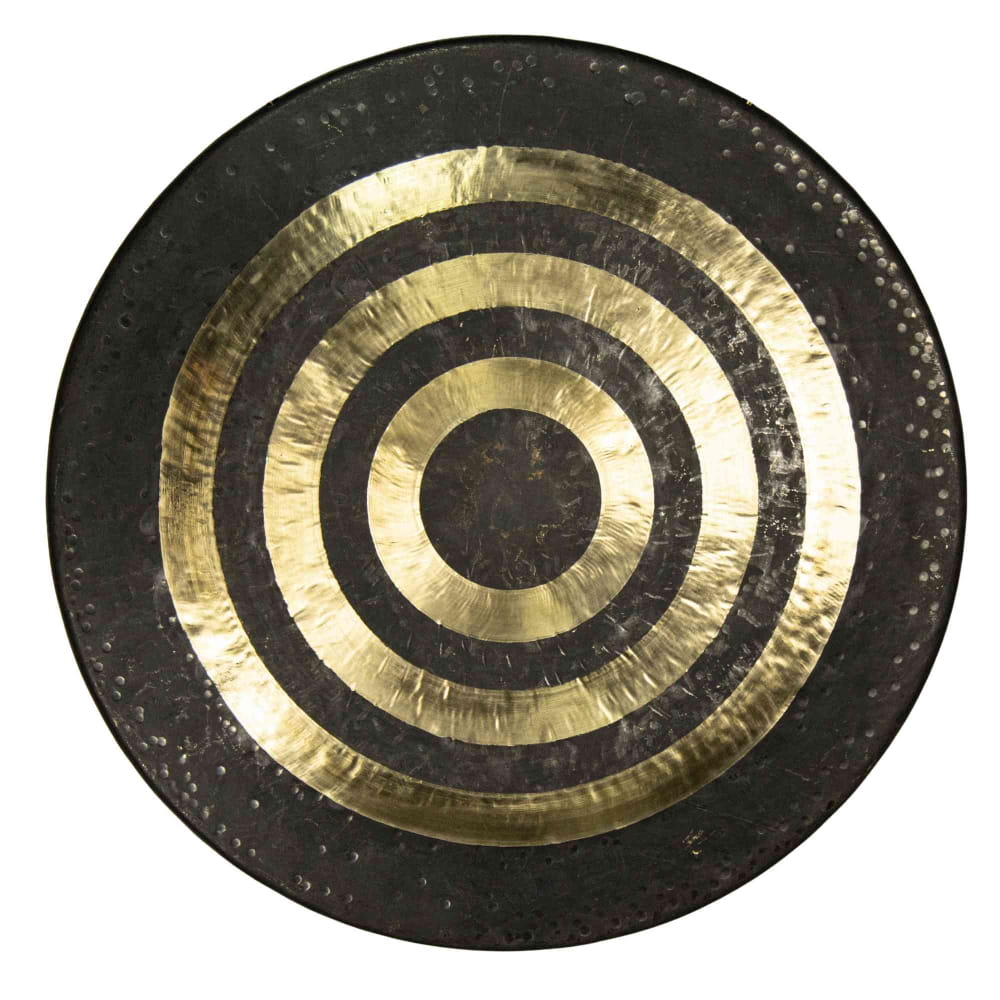
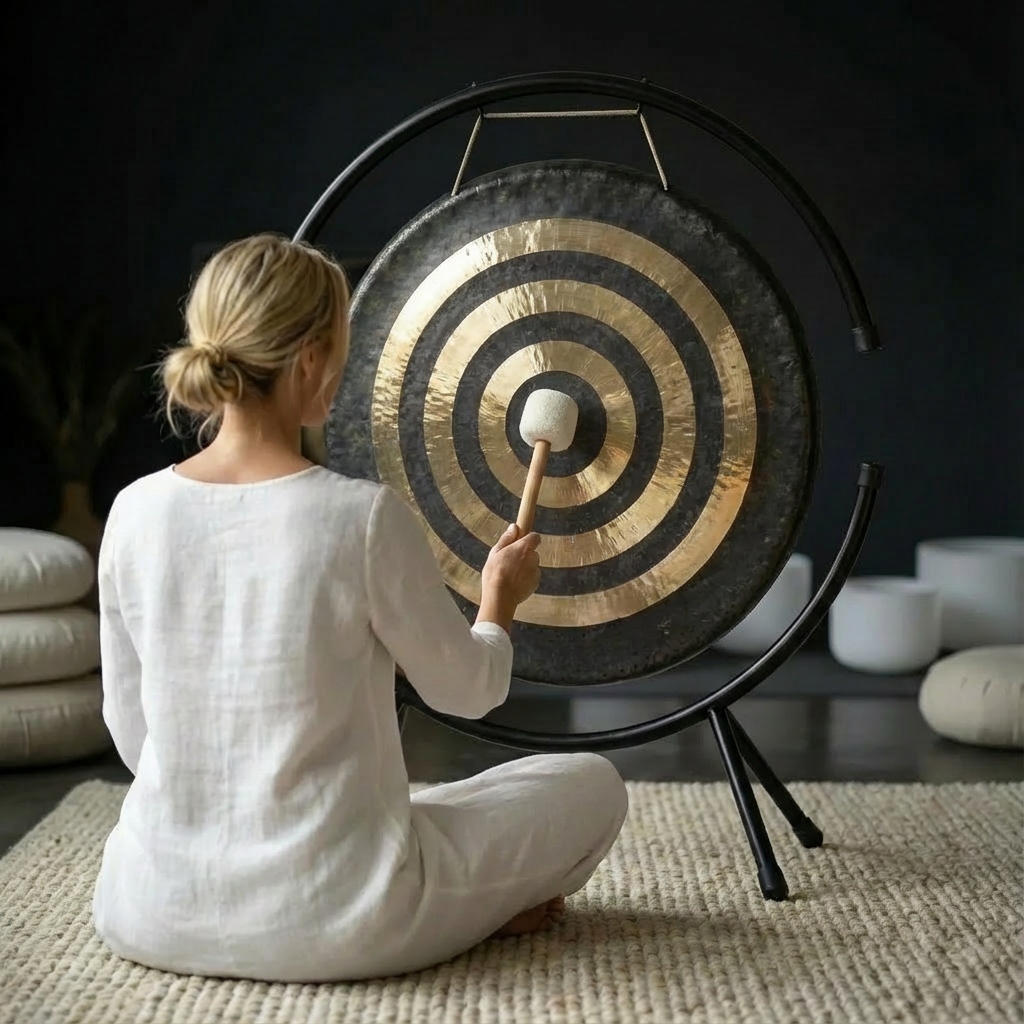
Planetary gongs are tuned to specific frequencies based on the orbital calculations of celestial bodies, as determined by Swiss mathematician Hans Cousto. Each planetary gong corresponds to a planet, the Sun, or the Moon, and its frequency is believed to resonate with different aspects of the human experience — from grounding (Earth) to emotional depth (Moon) to creative expression (Venus). While planetary gongs are a modern development rather than an ancient Chinese tradition, they are crafted using the same B20 bronze hand-hammering techniques.
Mirror Gong
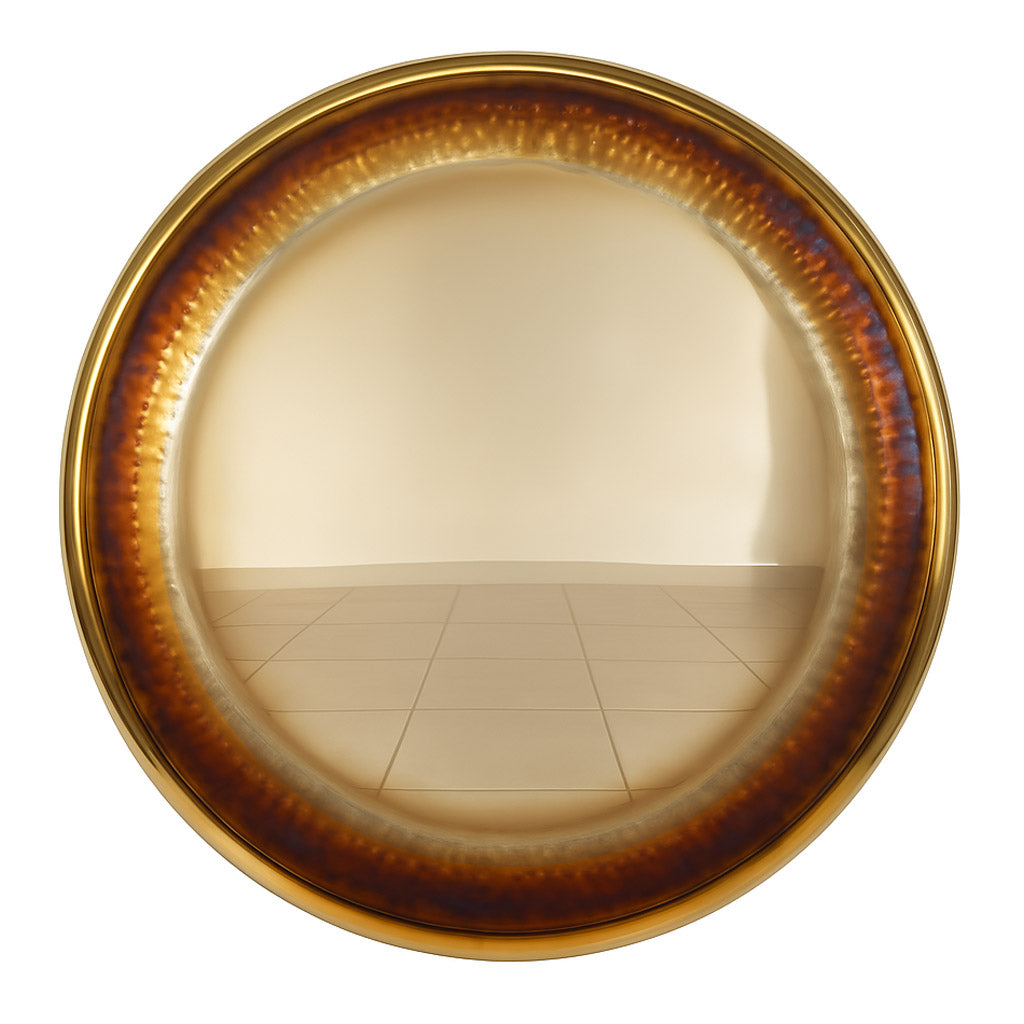
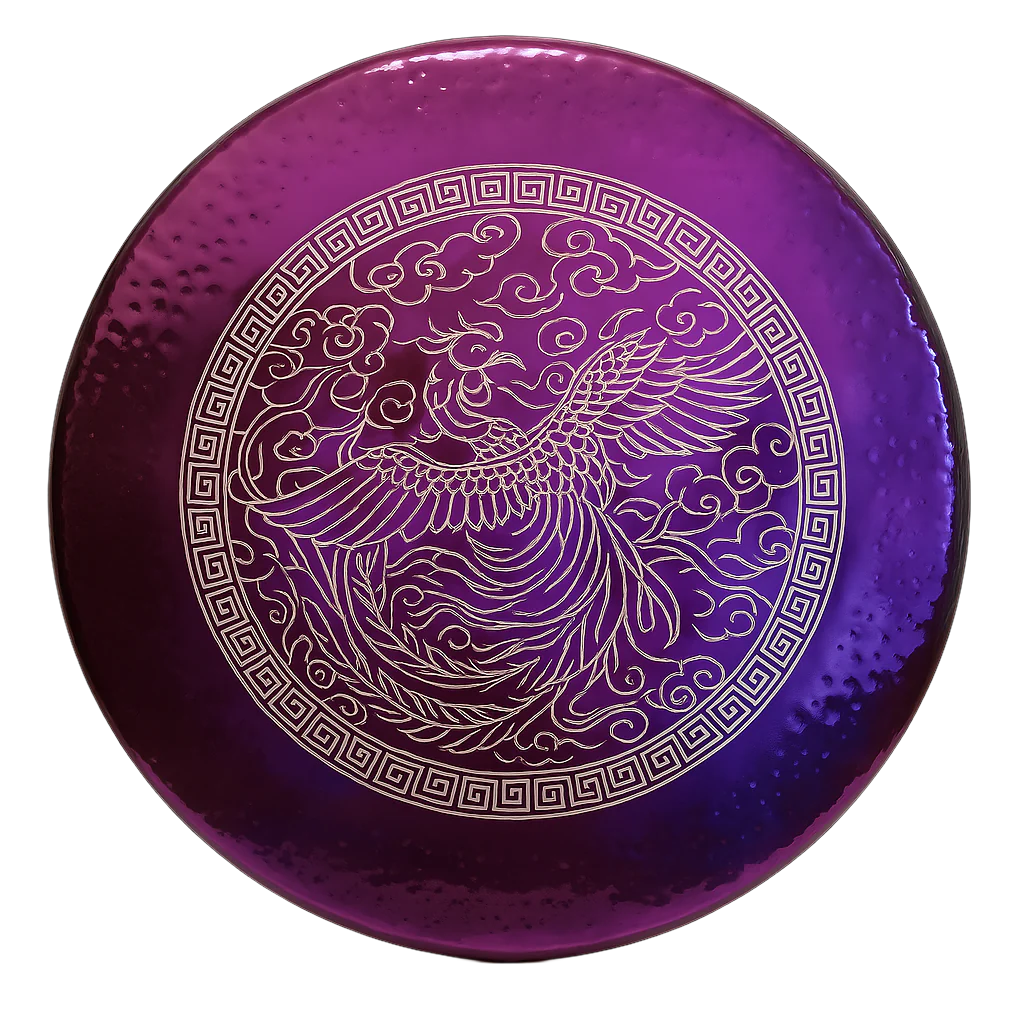
Mirror gongs are crafted from nickel silver alloy rather than B20 bronze, and are polished to a brilliant reflective surface. They produce a brighter, more focused tone with a faster attack compared to bronze gongs. The nickel silver material makes them a premium option with a higher price point, and their visual impact makes them a striking addition to any healing space.
Comparison of Chinese Gong Types
Feature
Chau Gong
Wind Gong
Nipple Gong
Mirror Gong
Rim
Turned/flanged
None (flat edge)
Flat or slightly turned
Varies by style
Center
Flat or slight rise
Flat
Raised boss (knob)
Flat, polished
Tone
Deep, complex, building
Bright, explosive, shimmering
Focused, bell-like, pitched
Bright, clear, crystalline
Sustain
Very long
Short to medium
Clear, even ring
Clean, balanced decay
Attack
Gradual build
Immediate, explosive
Quick, bell-like
Fast, bright
Primary Use
Sound baths, orchestra
Energy clearing, accents
Meditation, gamelan, opera
Upper chakra work, visual focus
Material
B20 bronze
B20 bronze
B20 bronze
Nickel silver alloy
Overtones
Dense, layered wash
Scattered, bright
Defined, musical
Shimmering, separated
Cultural Significance of the Chinese Gong
In Chinese culture, the gong (锣) holds deep symbolic meaning that spans millennia. Traditionally associated with strength, authority, and the ability to dispel negative energy, gongs were used to mark the beginning of ceremonies, announce the arrival of officials, accompany martial arts demonstrations, and signal the passage of time. The resonant sound of a gong was believed to carry prayers and intentions into the spiritual realm, making it a sacred instrument in Taoist and Buddhist rituals alike.
The phrase "ming luó kāi dào" (鸣锣开道) — meaning "sound the gong to clear the path" — reflects the gong's historical role as a signal of authority and procession. Court officials used gong strikes to announce their arrival and command respect. In temples, gongs marked the transition between meditation periods and called monks to prayer. This deeply ingrained cultural significance is part of what makes Chinese gongs so meaningful in modern healing contexts: they carry thousands of years of intentional, transformative use.
In traditional Chinese opera (京剧 — jīngjù), sets of gongs provide rhythmic accompaniment and dramatic emphasis. The distinct tones of different gong types signal changes in mood, pace, and character. Specific patterns of gong strikes communicate emotions and plot developments to the audience. This centuries-old tradition of using gongs as communicative instruments laid the groundwork for their modern use in sound therapy and meditative practice.
Chinese Gongs in Modern Sound Healing
Today, Chinese gongs are among the most sought-after instruments in the sound healing community. Their appeal lies in the combination of rich acoustic properties and deep cultural heritage:
Full-spectrum sound — Chinese gongs, especially Chau gongs, produce frequencies across the entire audible range (20 Hz to 20,000 Hz), interacting with the body's energy field at multiple levels simultaneously.
Chakra resonance — Different gong sizes and types correspond to different energy centers, allowing practitioners to target specific chakras during a session. Larger gongs resonate with the root and sacral chakras, while smaller gongs and mirror gongs address the upper energy centers.
Emotional processing — The complex, evolving sound of a Chinese gong creates a sonic environment where emotional material can surface and be released safely. The sustained vibrations bypass the analytical mind and access deeper layers of held tension and feeling.
Brainwave entrainment — The rhythmic vibrations of sustained gong playing guide the brain from active beta states (14–30 Hz) into relaxed alpha (8–14 Hz) and deep theta (4–8 Hz) states, the same frequencies associated with meditation and REM sleep.
Physical vibration therapy — Sound waves from large gongs are felt physically, not just heard. Participants in gong baths frequently report sensations of warmth, tingling, and muscular release as the vibrations penetrate the body.
Building a Chinese Gong Collection
Many practitioners build a collection over time, layering different tonal textures to create increasingly rich and nuanced sound baths. Here is a recommended progression based on common professional practice:
Start with a Chau gong (24–28 inches) as your foundational sound bath instrument. This provides the deep, sustained tones that form the backbone of any gong session and is the most versatile single gong you can own.
Add a wind gong (22–26 inches) for dynamic contrast and energy clearing. The explosive, bright quality of a wind gong adds dramatic punctuation and helps shift stagnant energy during a session.
Include a nipple gong or tuned set for focused, pitched tones in meditation work. The bell-like clarity of nipple gongs anchors attention and adds melodic structure to your soundscape.
Explore planetary tunings for frequency-specific therapy. Planetary gongs allow you to work with intention-specific frequencies tied to celestial correspondences, adding a therapeutic dimension beyond pure tone.
Consider a mirror gong for upper chakra work and visual impact. The bright nickel silver tone complements bronze gongs beautifully, and the reflective surface creates a focal point for visual meditation.
Choosing the Right Chinese Gong Size
Chinese gongs come in a wide range of sizes, and the right choice depends on your playing context, available space, and intended use. Here is our comprehensive size guide with pricing to help you choose:
Size Range
Price Range
Sound Character
Best For
6" – 12"
–
High-pitched, delicate, fast response
Personal meditation, desk accent, children, travel
14" – 22"
–
Balanced tone with developing overtones
Home practice, yoga classes, small therapy rooms
24" – 28"
–
Full, rich fundamental with complex harmonics
Professional healing sessions, workshops, studios
30" – 36"
–
Deep, powerful, room-filling resonance
Large group sound baths, retreat centers, concerts
38" – 44"
– ,200
Massive tonal depth, felt as much as heard
Professional sound bath practitioners, performance venues
48" – 60"+
,600 – ,000
Extraordinary sub-bass, full-body vibration
Master practitioners, large venues, statement installations
For most beginners, a 24-inch Chau gong offers the best balance of depth, playability, and value. It is large enough to produce genuinely therapeutic tones yet manageable for home use. Professional sound bath facilitators often work with 30-inch to 40-inch instruments as their primary gongs, supported by smaller accent gongs of various types.
Materials and Craftsmanship
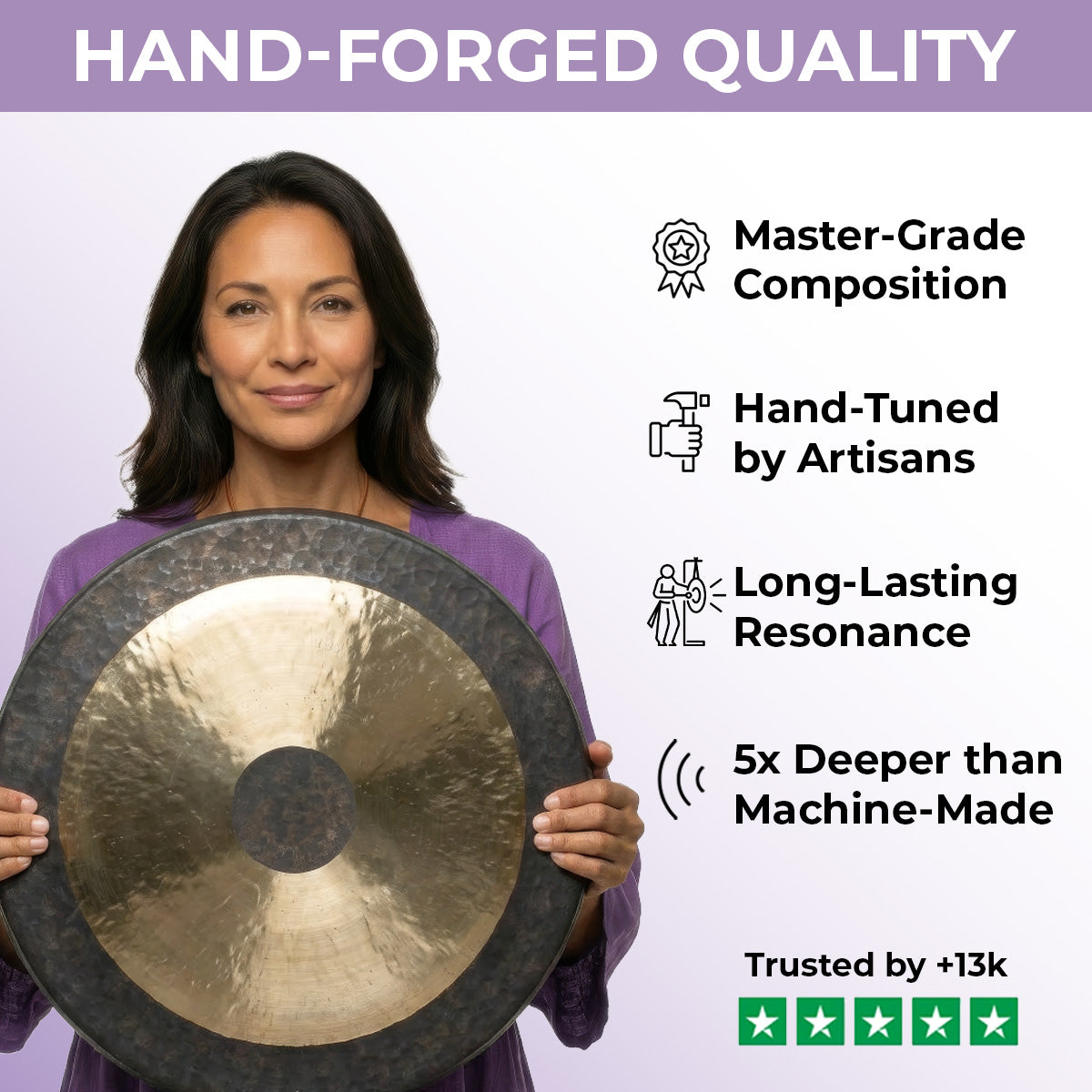
Authentic Chinese gongs are made from B20 bronze, an alloy of approximately 80% copper and 20% tin. This specific composition has been valued in instrument making for centuries because of its exceptional resonance, warmth, and harmonic richness. The B20 formula is the same alloy used in premium cymbals and bells around the world — it is the gold standard for struck metal instruments.
The hand-hammering process is what transforms a flat bronze disc into a musical instrument with voice and character. Skilled artisans shape the metal through thousands of individual hammer strikes, creating the precise thickness variations that give each gong its unique tonal fingerprint. The center, the playing surface, the rim — each zone is hammered to a specific thickness that determines how the metal vibrates. Machine-made gongs cannot replicate this acoustic complexity because automated processes produce uniform thickness, resulting in a one-dimensional sound.
Some specialty Chinese gongs, particularly mirror gongs, are crafted in nickel silver alloy (a blend of copper, nickel, and zinc). This denser material produces a brighter tone with a faster attack and different harmonic characteristics. Nickel silver gongs carry a premium price point due to material cost and the additional precision required in the lathing and polishing process.
What Is Included with Every Gong
Every Chinese gong from Healing Sounds ships with a carefully curated accessory package at no extra cost:
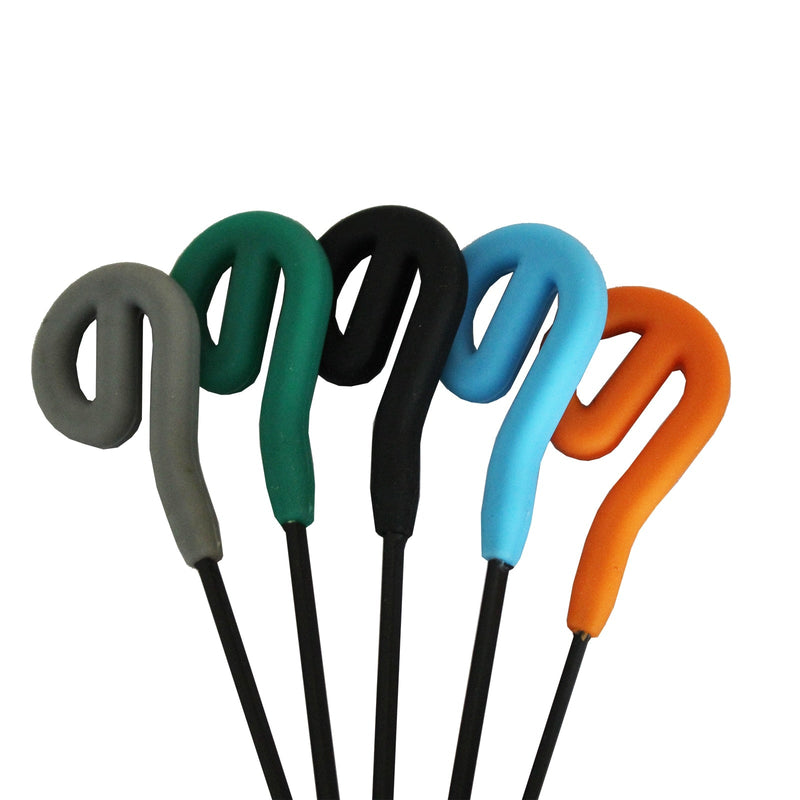
Felt mallet — A size-matched felt striking mallet designed to produce warm, full tones from your specific gong without damaging the surface.
528 Hz tuning fork — Known as the "Love Frequency," this tuning fork is used for pre-session attunement, chakra work, and as a standalone healing tool.
Tibetan bracelet — A handcrafted bracelet symbolizing your connection to the healing arts tradition.
Healing Sounds Mastery Guide — Our comprehensive guide covering gong playing techniques, warm-up routines, sound bath facilitation, and care instructions.
Caring for Your Chinese Gong
Proper care ensures your Chinese gong retains its beauty and acoustic quality for a lifetime:
Cleaning: Wipe your gong with a soft, dry cloth after each session to remove oils and fingerprints. For deeper cleaning, use a small amount of bronze-safe metal polish applied with a microfiber cloth. Avoid abrasive cleaners or steel wool.
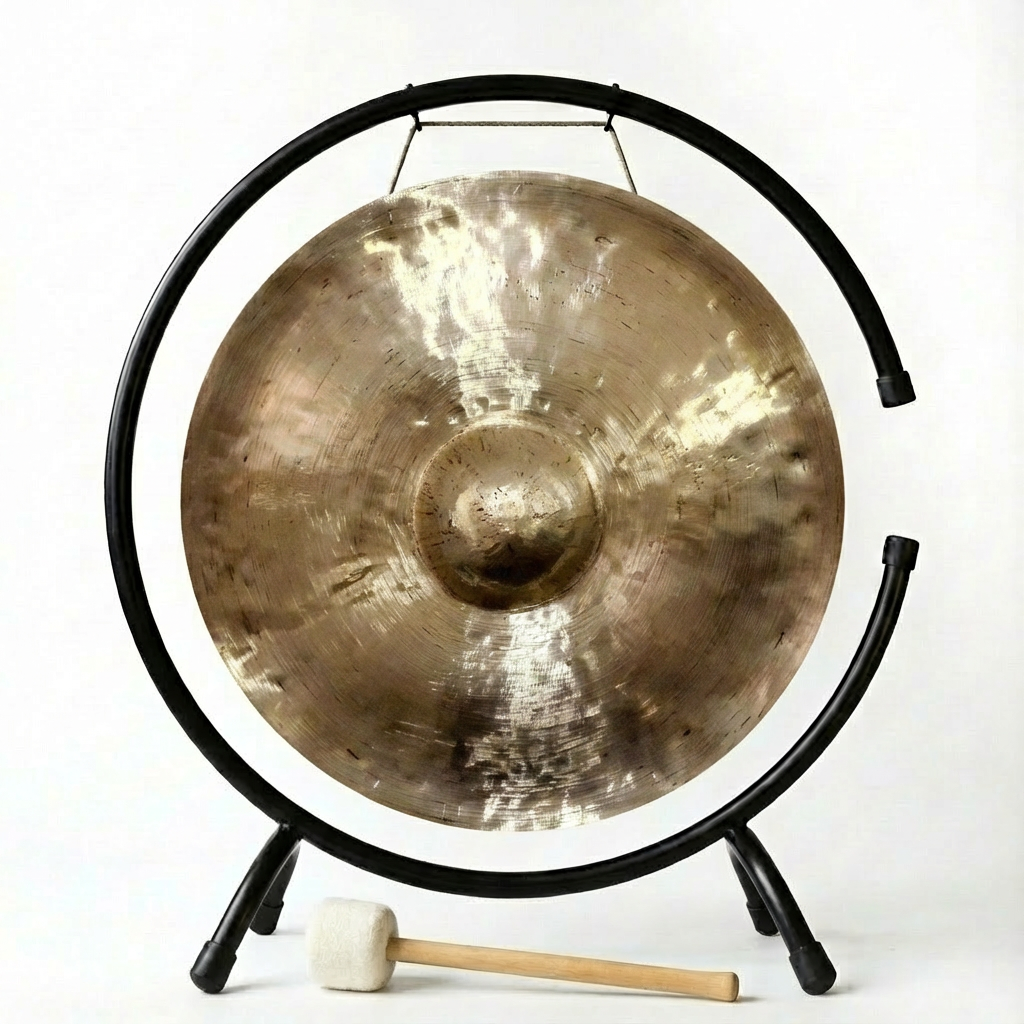
Storage: Store your gong on a secure gong stand or hang it from a sturdy hook. If transporting, use a padded gong bag to prevent dents and scratches.
Environment: Keep your gong in a dry, temperature-stable environment. Extreme humidity can accelerate patina development on bronze gongs, and temperature swings can affect tuning.
Patina: Over time, B20 bronze gongs develop a natural patina (greenish tint). This is normal and does not affect sound quality. Many players prefer the patina as it adds character. If you prefer the original appearance, periodic polishing restores the shine.
Explore Our Full Collection
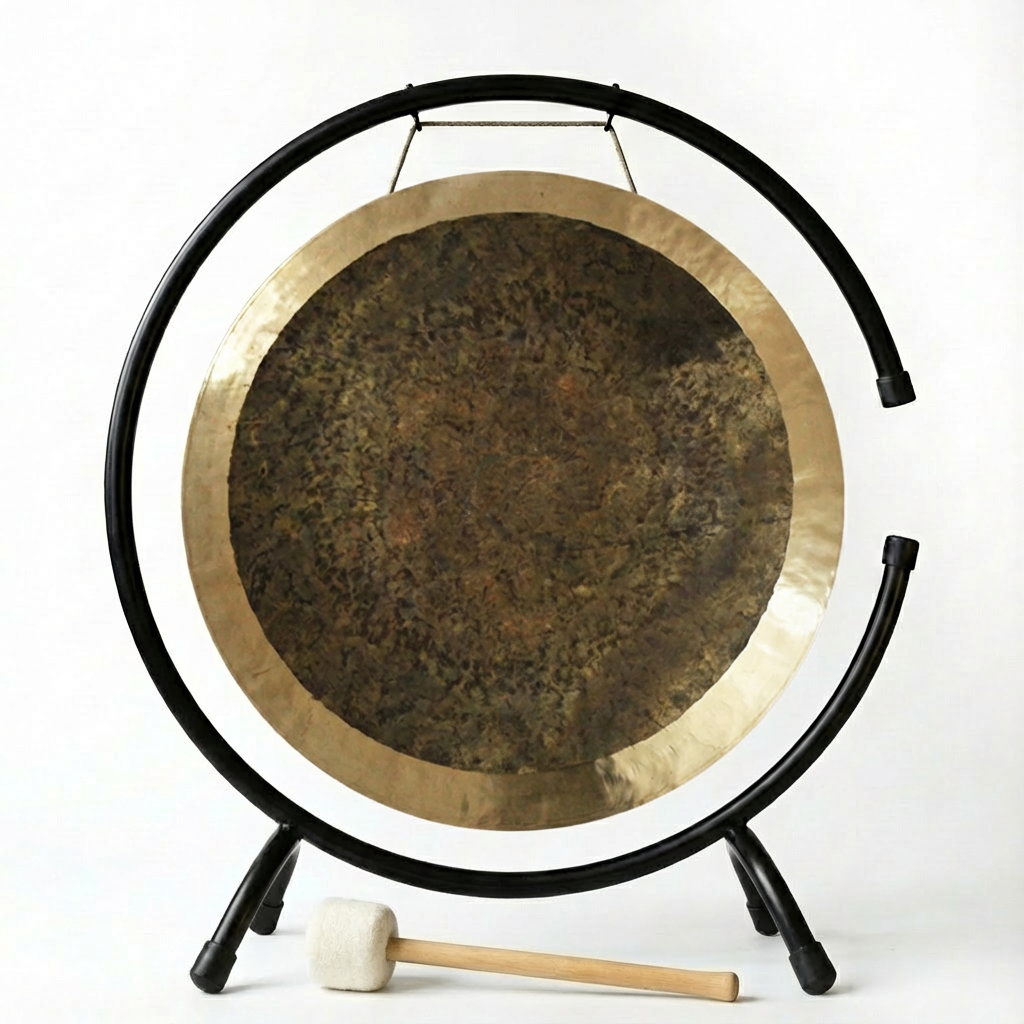
This Chinese gong collection is part of our complete gong instruments catalog. Browse individual styles for focused selection: Chau gongs for deep, foundational tones, wind gongs for bright, explosive energy, and nipple gongs for focused, melodic clarity. Ready-to-play options are available in our gongs with stand bundles, and you can find support equipment in our gong stands and holders and felt gong mallets sections.
Why Choose Healing Sounds
We specialize in authentic Chinese gongs hand-hammered by skilled artisans following traditional techniques refined over generations. Every instrument in our collection is individually inspected for tonal quality, visual integrity, and craftsmanship before it reaches our store. Our customers include professional sound therapists, yoga studios, meditation centers, orchestral percussionists, and musicians who value authentic instruments over mass-produced alternatives. With our 60-Day "Love Your Gong" Guarantee, you can explore your new instrument risk-free. We also offer flexible payment through Afterpay, Klarna, and ZIP, so you can invest in the right gong without financial strain.
Frequently Asked Questions About Chinese Gongs
In Chinese, the gong is called 锣 (luó). The three main types of Chinese gongs are the Chau gong (also called tam-tam), the wind gong (风锣, fēng luó), and the nipple gong (包锣, bāo luó, also known as a boss gong). Each has its own distinct name, construction method, and sound characteristics. In Western usage, "Chinese gong" typically refers to any gong crafted in the Chinese tradition, regardless of specific type.
Gongs serve multiple purposes across different contexts. In sound healing, they promote deep relaxation, stress reduction, and energetic balancing through vibrational therapy. In traditional Chinese culture, they mark ceremonies, signal authority, ward off negative energy, and accompany performances and rituals. In Western orchestral music, they provide dramatic tonal color and punctuation. In meditation, they quiet the mind and deepen awareness. The gong's broad frequency range — spanning the entire audible spectrum on large instruments — makes it one of the most versatile therapeutic and musical instruments in existence.
Gong vibrations produce measurable physical effects: they can lower blood pressure, reduce heart rate, decrease cortisol (stress hormone) levels, and relax muscular tension throughout the body. The sound waves also influence brainwave patterns, encouraging a shift from alert beta states (14–30 Hz) into relaxed alpha (8–14 Hz) and deep theta (4–8 Hz) states. Large gongs produce low-frequency vibrations that are felt physically in the chest, abdomen, and limbs, not just heard. Many gong bath participants report sensations of floating, warmth, tingling, emotional release, and profound stillness.
The Chau gong is the most popular and versatile choice for sound healing. Its deep fundamental tone, rich overtone complexity, and long sustain create an enveloping sound bath experience. A 24–32 inch Chau gong is the recommended starting point for most practitioners. For frequency-specific therapy, planetary gongs tuned to Cousto frequencies target specific energetic intentions. Wind gongs excel at energy clearing and dynamic contrast. Many professional healers build collections combining multiple types to create varied, multi-layered therapeutic soundscapes tailored to their clients' needs.
Spiritually, the gong is considered a transformative instrument across many traditions. Its vibrations are believed to clear stagnant energy from the body and environment, open energetic pathways, and facilitate shifts in consciousness. In Chinese tradition, the gong's sound carries prayers and intentions into the spiritual realm. In Kundalini yoga, the gong is called "the sound of creativity" and is used to reset the electromagnetic field of the body. Across healing modalities, the gong helps practitioners access deeper states of awareness, release deeply held emotional patterns, and reconnect with their inner self.
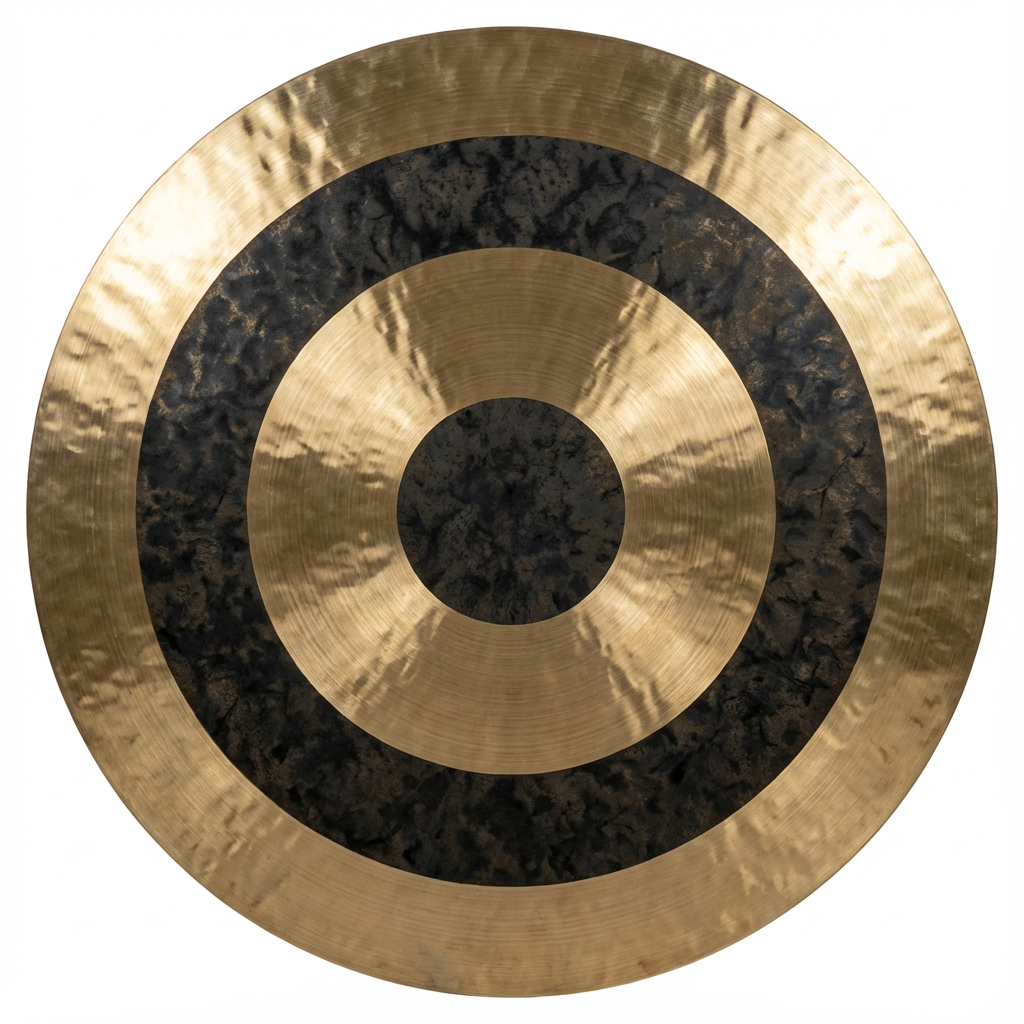
Different strike zones on a gong produce different tonal qualities. The center produces the deepest, most fundamental tone with the fullest resonance. Striking off-center (about one-third of the way from center to rim) introduces more overtones and brighter harmonics. Playing near the rim creates the brightest, most metallic sounds with the shortest sustain. For nipple gongs specifically, the raised boss (center knob) is the primary strike point for the clearest, most focused pitch. Most experienced practitioners explore all zones during a session, moving their mallet across the gong's surface to create evolving, layered soundscapes with shifting tonal colors.
Yes. Clinical observations and EEG studies suggest that gong sounds promote brainwave entrainment, guiding the brain from beta (active, analytical, 14–30 Hz) into alpha (relaxed, aware, 8–14 Hz) and theta (deep meditation, near-sleep, 4–8 Hz) states. This neurological shift is the mechanism behind the deep relaxation, vivid imagery, and meditative states reported during gong baths. The effect is cumulative: regular gong meditation practice may improve stress resilience, sleep quality, and the ability to access relaxed states more quickly over time.
Warming up a gong by gently rubbing a mallet in slow circles across its surface (or making very light strikes) before a session allows the metal to begin vibrating gradually. This activates the gong's full harmonic potential, "waking up" the overtone series so that when you play at full intensity, the sound is richer, more responsive, and more nuanced. A cold gong struck hard immediately may produce a harsher, less complex tone because the metal has not been acoustically primed. Professional players typically spend 2–5 minutes warming their gong before a session, treating it as an essential part of the ritual rather than a shortcut to skip.
Unique Gong Collection
Discover stunning gongs for powerful sound therapy.
Elevate Your Sound Experience
Achieve deep resonance with our expertly crafted gongs.
Treat yourself to a relaxing moment
With our best instruments. Handcrafted from the finest materials.
Created by healing enthousiasts
We know your needs because we use our products too. We are the first users.
Money-back guarantee
You have 60 days to return your order if it doesn't fit (you'll love it anyway).
100% secured payments
So you can remain in deep peace until you receive your order.