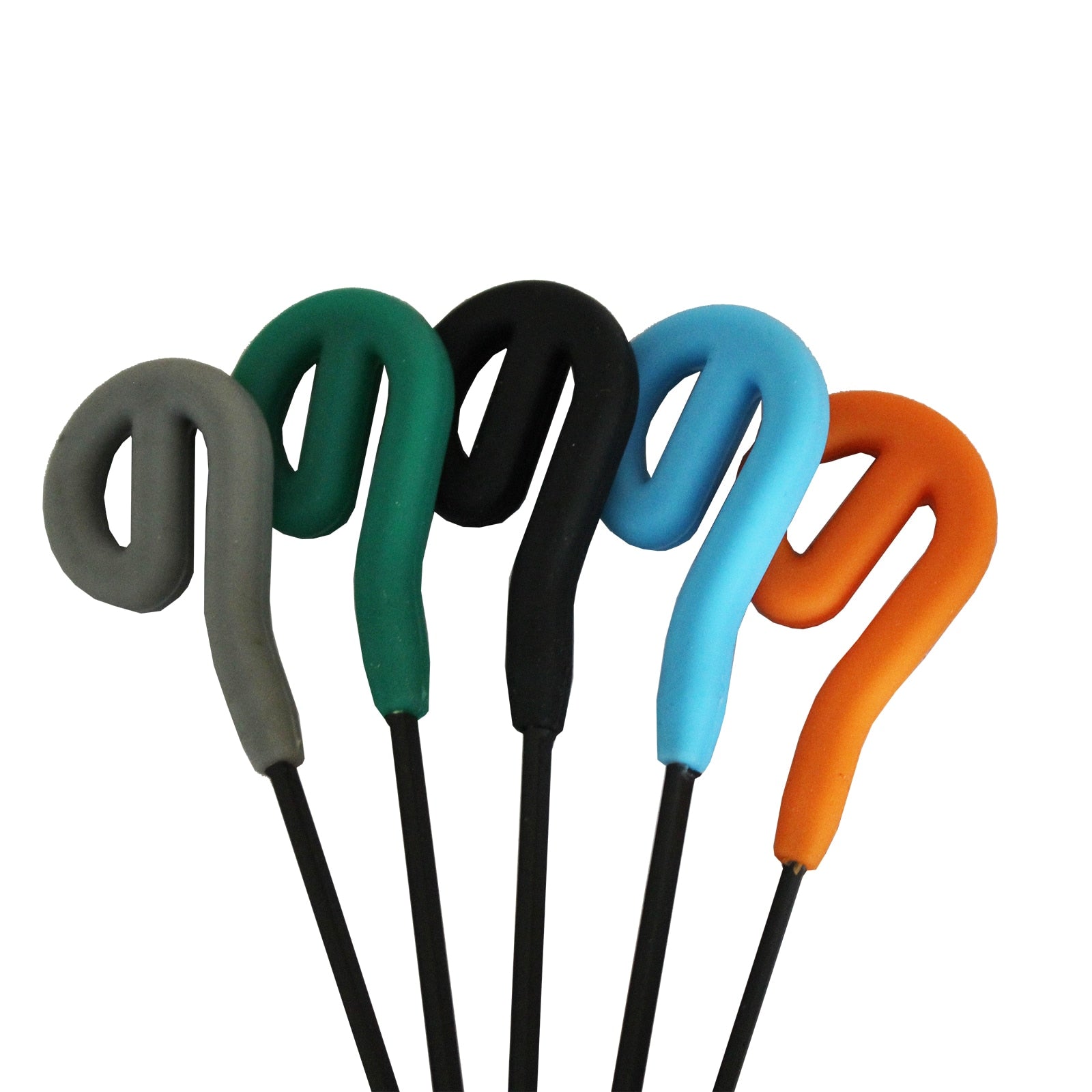
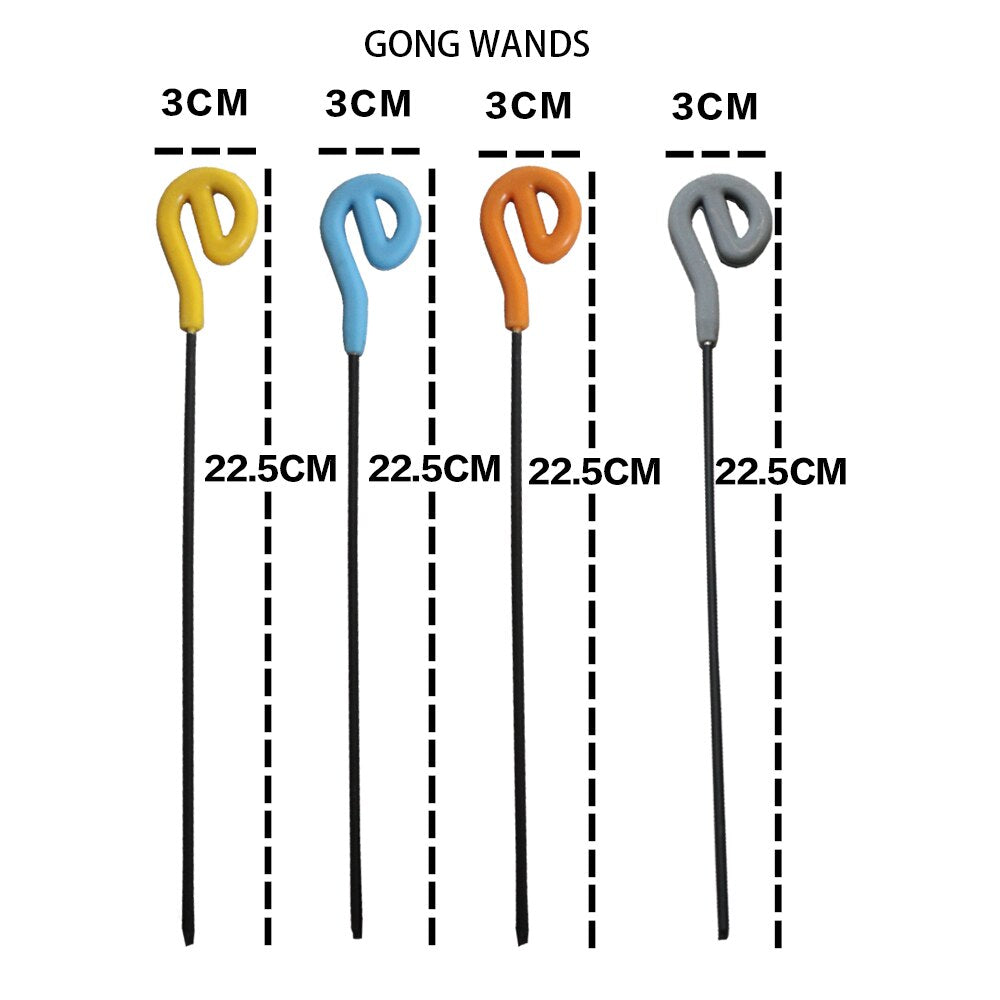
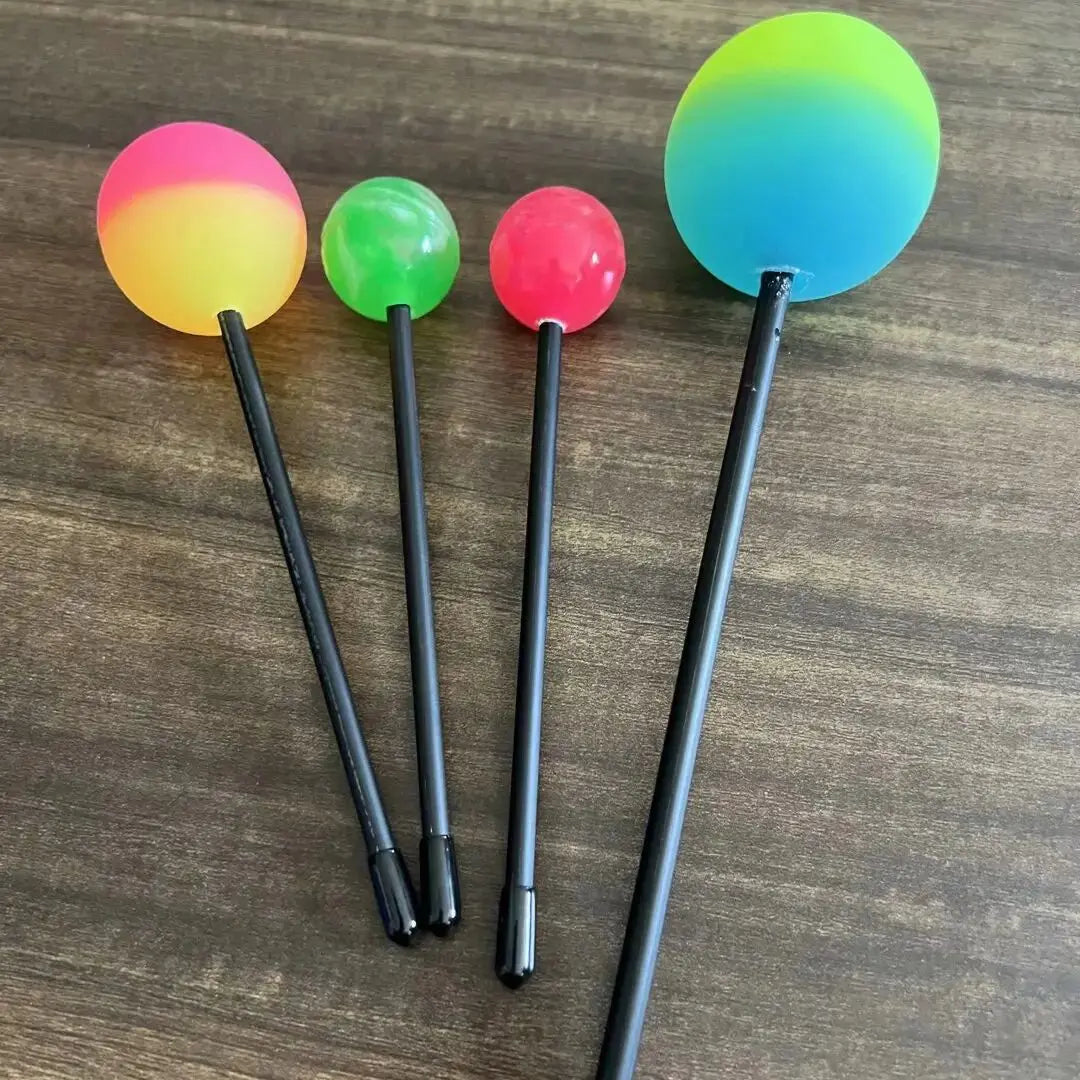
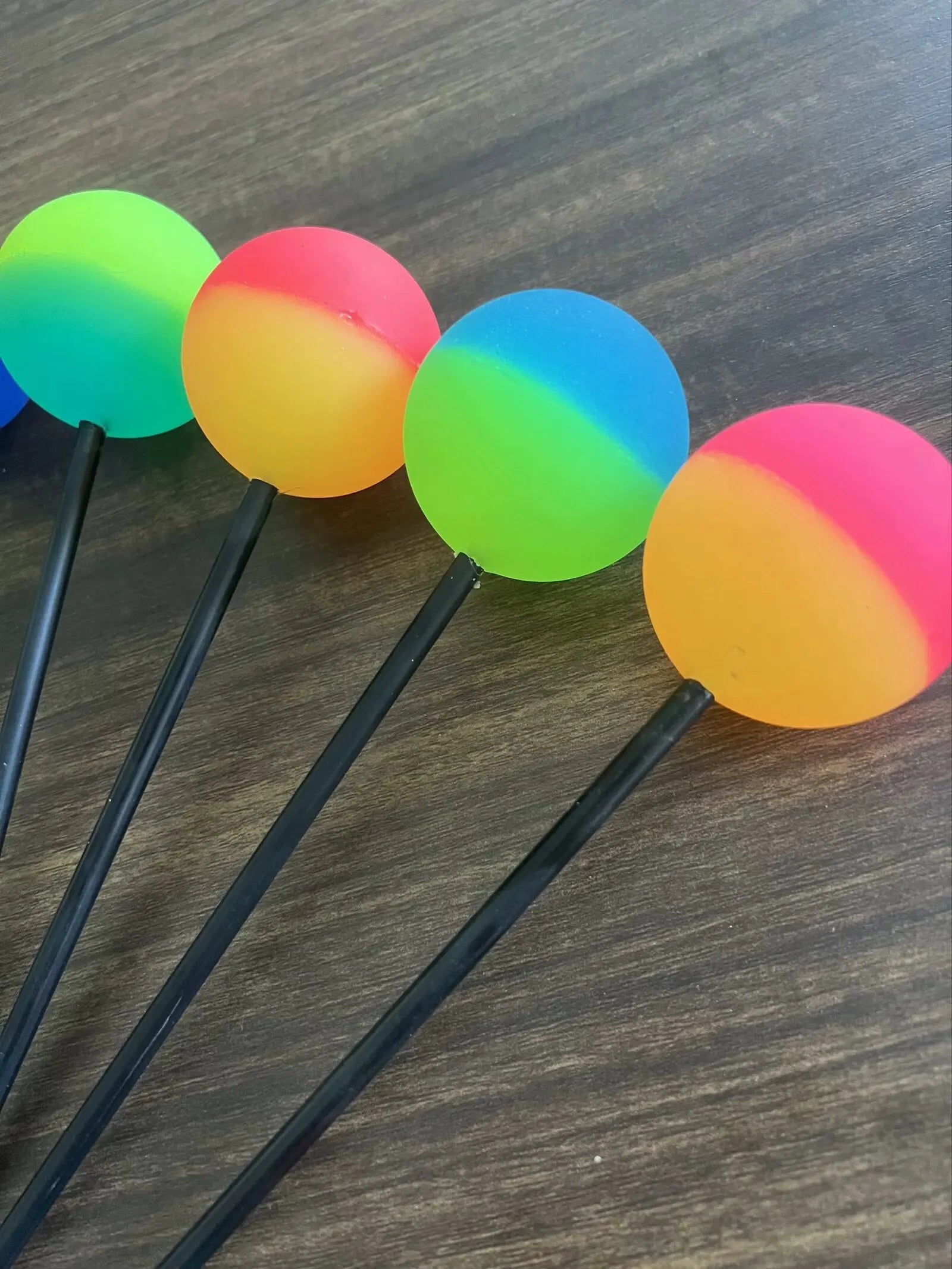
The right felt gong mallet transforms the way your gong sounds. A well-chosen mallet draws out deep, warm fundamental tones and rich overtones from your instrument, while the wrong one can produce harsh, thin strikes that fall short of the gong's potential. Our collection of felt gong mallets covers every playing style and gong size — from soft, heavy strikers for deep meditation work to firm friction mallets for sustained singing tones.
Every mallet we carry is built for the demands of regular sound healing practice. Dense felt cores wrapped in high-quality wool or synthetic felt deliver consistent, controlled strikes session after session. Whether you are outfitting a professional sound bath practice or choosing your first mallet for a new gong, this collection has the right tool for your instrument and your intention.
Types of Gong Mallets
Understanding the different felt gong mallet types helps you choose the right tool for your playing style and the sound you want to create:
Striking Mallets (Beaters)
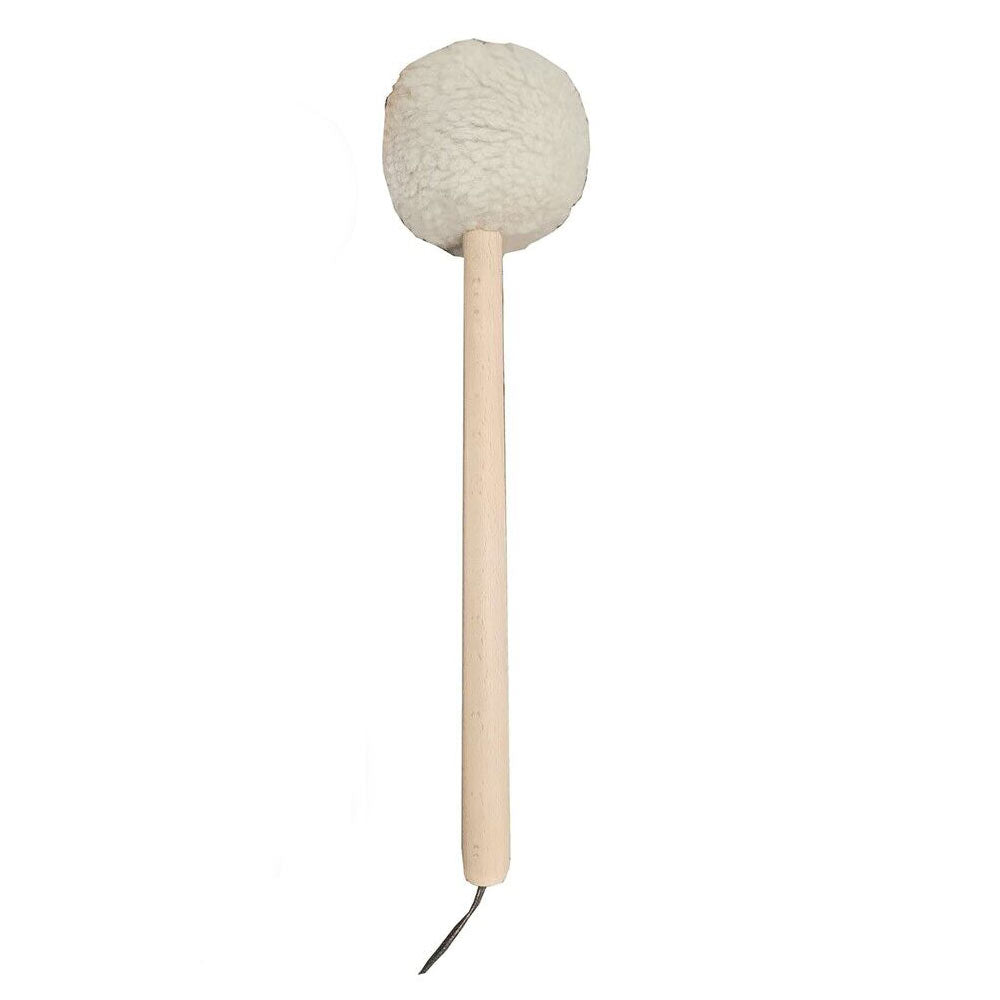
Striking mallets are the standard tool for playing gongs. They feature a round felt head mounted on a wooden or fiberglass handle. When swung against the gong face, the felt head compresses on impact and releases, producing a clear, resonant strike. The softness and density of the felt determine the tone quality — softer felt yields warmer, rounder tones; denser felt produces more articulation and attack.
Friction Mallets (Flumi / Rubbing Mallets)
Friction mallets are designed to be pressed against the gong's surface and moved in slow, circular motions. This creates a continuous, singing tone that builds in intensity as the gong resonates. Friction mallets typically have a flat or slightly rounded felt surface and a longer handle for leverage. They are essential for practitioners who want to create sustained, evolving soundscapes without repeated strikes.
Warming Mallets
Warming mallets are large, very soft mallets used to gently activate the gong before a session. By lightly rubbing or tapping the gong surface, they bring the metal to life without producing loud strikes. Warming up your gong this way allows it to respond more fully and produce richer harmonics when you begin playing in earnest.
Comparing Mallet Types
Mallet Type
Technique
Sound Produced
Best For
Striking (soft felt)
Swing and strike
Deep, warm, round tone
Meditation, gentle sound baths
Striking (medium felt)
Swing and strike
Balanced tone with overtones
General sound healing, workshops
Striking (firm felt)
Swing and strike
Bright, articulate, punchy
Accents, dynamic moments, concerts
Friction
Press and rub in circles
Continuous singing tone
Sustained soundscapes, deep work
Warming
Light rub or gentle tap
Subtle activation
Pre-session gong warm-up
Choosing the Right Mallet Size
The size of your felt gong mallet should match the size of your gong. A mallet that is too small will not move enough air to activate the gong's full voice. A mallet that is too large can overwhelm a small gong and make volume control difficult.
Mallet Size Guide
Gong Size
Recommended Mallet Head Diameter
Mallet Weight
Notes
8" - 14"
2" - 3"
Light (4-8 oz)
Small, controlled strokes. Tabletop gongs.
16" - 22"
3" - 4"
Medium (8-14 oz)
Versatile all-purpose size for most practitioners.
24" - 30"
4" - 5"
Medium-heavy (14-22 oz)
Professional sound bath work. Let the weight do the work.
32" - 40"+
5" - 7"
Heavy (22-36 oz)
Large gongs need mass to move. Momentum over force.
General rule: The mallet head diameter should be roughly 1/4 to 1/3 of your gong's diameter. This ratio provides the best balance between tonal depth and control.
How to Use a Gong Mallet
Proper mallet technique makes a significant difference in the sound you produce and the longevity of both your mallet and your gong.
Striking Technique
Grip: Hold the handle loosely, about 2/3 of the way down from the head. A relaxed grip allows the mallet to bounce naturally off the gong, producing a cleaner tone.
Contact point: Strike at or near the center of the gong for the deepest fundamental tone. Move toward the rim for brighter overtones.
Let gravity work: Swing from the shoulder, not the wrist. Let the weight of the mallet head do the work rather than forcing the strike. This produces a fuller, more controlled sound.
Follow through: Allow the mallet to bounce away from the gong surface after contact. Holding the mallet against the gong after striking dampens the vibration and cuts the sustain short.
Friction Technique
Angle: Press the mallet flat against the gong surface at a slight angle.
Pressure: Apply firm, consistent pressure. Too light and the mallet slides without engaging the metal; too heavy and it drags without producing tone.
Speed: Move slowly in a circular or arc pattern. The tone builds gradually as the gong begins to resonate with the friction.
Patience: Friction playing takes practice. Start with larger gongs (24 inches+) where the surface area makes it easier to establish a sustained tone.
Caring for Your Felt Gong Mallets
Storage: Store mallets upright or hanging, with the felt head free from contact with hard surfaces. Never rest them head-down on the floor.
Cleaning: Brush the felt surface gently with a soft brush to remove dust and fiber buildup. For deeper cleaning, use a lint roller or lightly damp cloth and allow the felt to dry completely before use.
Felt wear: Over time, the striking surface will develop a slight indentation from repeated use. This is normal. Rotate the mallet slightly between sessions to distribute wear evenly across the felt surface.
Handle care: Wooden handles can dry out in low-humidity environments. A light application of linseed oil once a year keeps wood handles in good condition.
Replacement: When the felt becomes excessively compressed, hardened, or uneven, the tone quality will decline. At that point, it is time for a new mallet — worn felt cannot be effectively restored.
Building Your Mallet Collection
Most serious practitioners keep multiple mallets on hand to vary their sound palette during sessions:
Essential pair: One soft striking mallet for warm, meditative tones and one medium mallet for fuller, more dynamic playing.
Add a friction mallet: Opens up an entirely different dimension of sound — continuous, singing tones that build and evolve.
Consider size variety: If you play gongs of different sizes, keep mallets sized for each one rather than using a single mallet for everything.
Warming mallet: A large, very soft mallet dedicated to pre-session warm-up ensures your gong is always ready to perform at its best.
Explore Related Collections
Our mallets are designed to pair with every gong in our gong instruments collection. If you need a stand for your gong, browse our gong stands and holders. Looking for a complete setup? Our gongs with stand sets bundle everything you need to start playing immediately.
Why Choose Healing Sounds
We select mallets that match the quality of our hand-hammered gongs. Each mallet in our collection is tested for balance, felt density, and tonal response to ensure it produces the warm, rich sound that sound healing demands. A great gong deserves a great mallet — and we make sure every mallet we offer meets that standard.
Frequently Asked Questions About Felt Gong Mallets
The best mallet depends on your gong size and playing style. For most sound healing work, a soft to medium felt striking mallet produces the warmest, most therapeutic tones. For dynamic sessions with varied intensity, a medium-firm mallet gives more control. For sustained, singing tones, a friction mallet is essential. Most professional practitioners use 2-3 different mallets per session.
A felt gong hammer, also called a felt gong mallet or beater, is a striking tool with a dense felt head mounted on a wooden or fiberglass handle. The felt wrapping produces warm, round tones when it contacts the gong surface — much softer and more musical than a bare wood or rubber striker. Felt mallets are the standard tool for gong playing in sound therapy, meditation, and orchestral settings.
As a general rule, your mallet head diameter should be roughly 1/4 to 1/3 of your gong's diameter. A 24-inch gong works well with a 4-5 inch mallet head. Smaller gongs (under 16 inches) need lighter mallets with 2-3 inch heads for proper control. Larger gongs (32 inches+) benefit from heavy mallets with 5-7 inch heads that provide the mass needed to fully activate the instrument.
A striking mallet is swung against the gong to produce individual, resonant strikes. A friction mallet is pressed against the gong surface and rubbed in slow circles, creating a continuous singing tone that builds in intensity. Striking mallets have round felt heads, while friction mallets typically have flat or slightly curved felt surfaces. Both are essential tools for a complete sound healing practice.
Brush the felt surface gently with a soft brush or lint roller to remove dust and accumulated fibers. For more thorough cleaning, use a slightly damp cloth and allow the felt to dry completely before playing. Avoid submerging the felt in water or using harsh cleaning products, as these can break down the felt fibers and affect the mallet's tonal quality.
Hold the handle loosely, about two-thirds of the way down from the felt head. Your grip should be relaxed enough to allow the mallet to bounce naturally off the gong after striking — a tight grip dampens the rebound and produces a thinner tone. Swing from the shoulder for full strokes, using the weight of the mallet head rather than wrist force to control the strike intensity.
Unique Gong Collection
Discover stunning gongs for powerful sound therapy.
Elevate Your Sound Experience
Achieve deep resonance with our expertly crafted gongs.
Treat yourself to a relaxing moment
With our best instruments. Handcrafted from the finest materials.
Created by healing enthousiasts
We know your needs because we use our products too. We are the first users.
Money-back guarantee
You have 60 days to return your order if it doesn't fit (you'll love it anyway).
100% secured payments
So you can remain in deep peace until you receive your order.