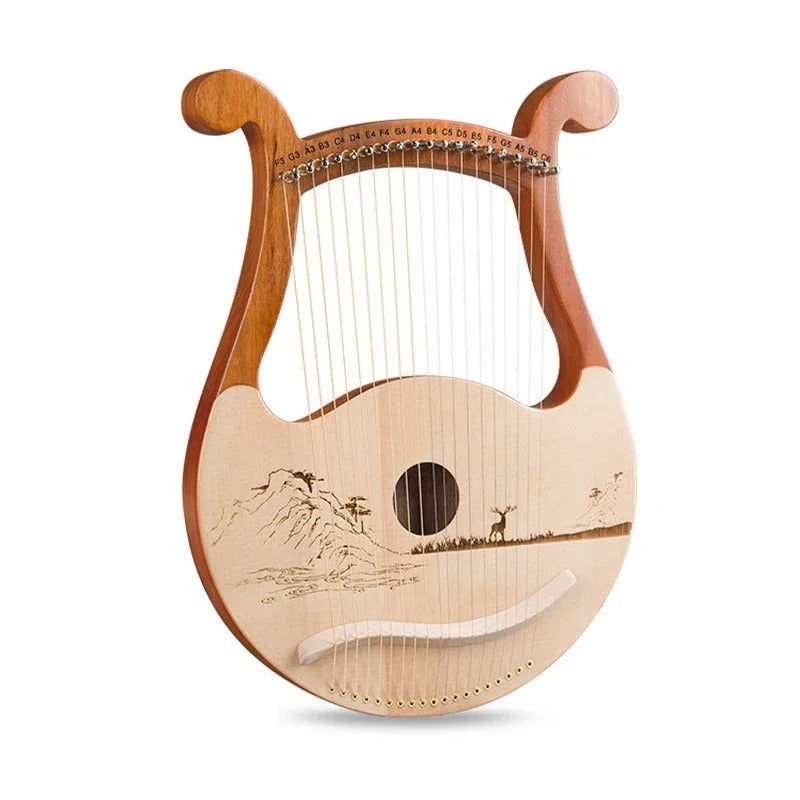
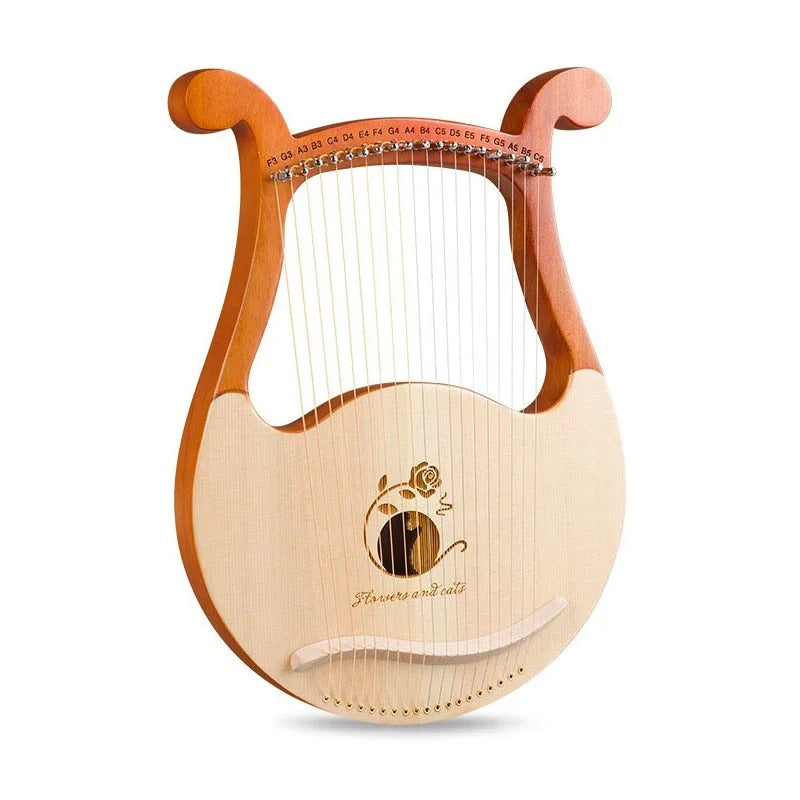
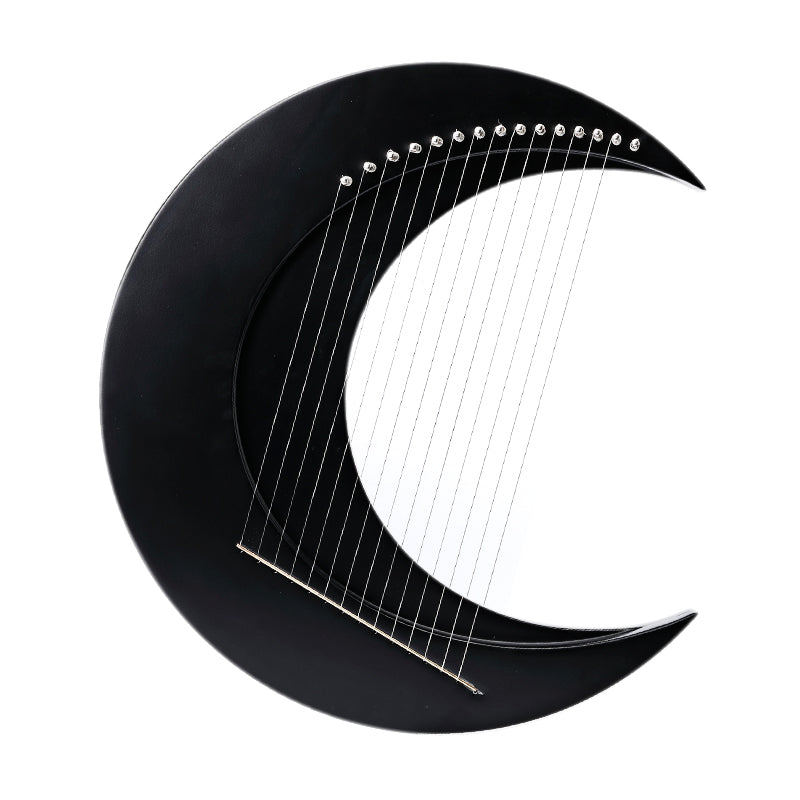
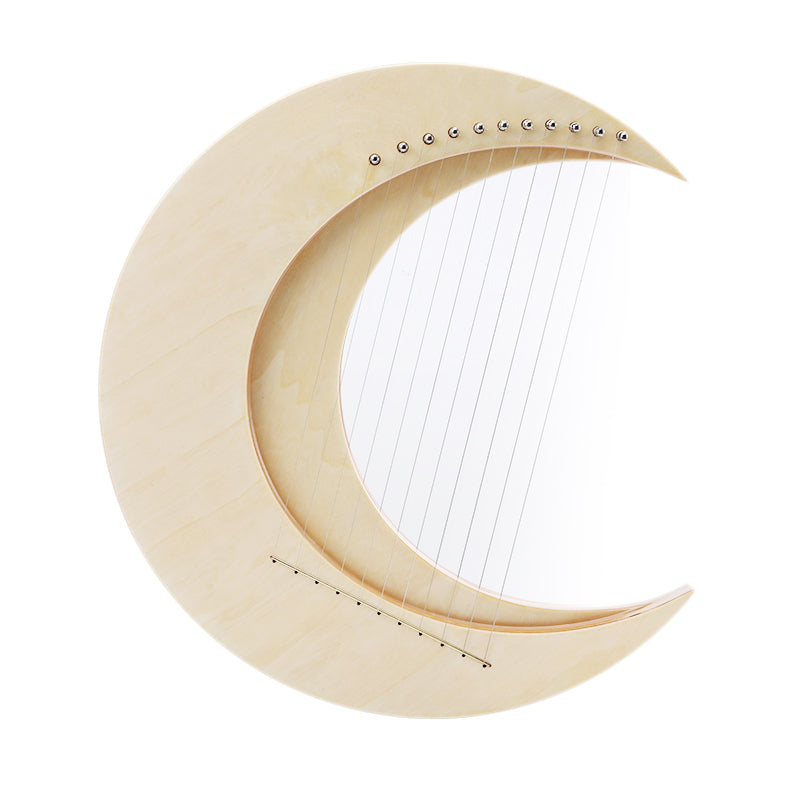
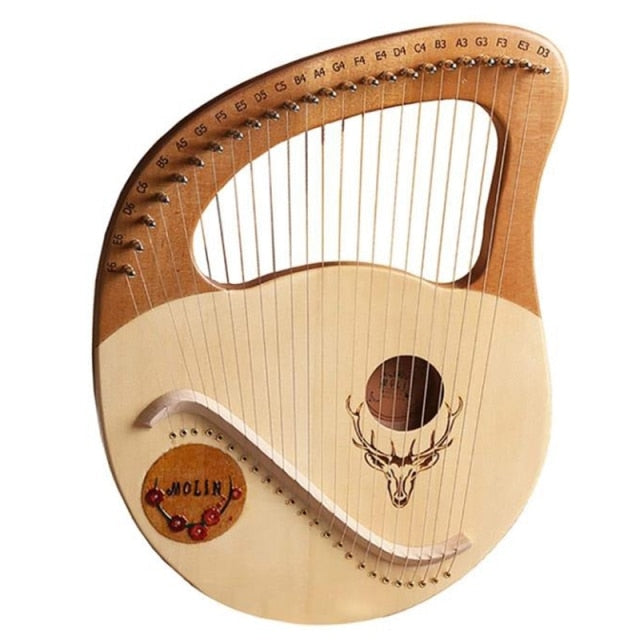
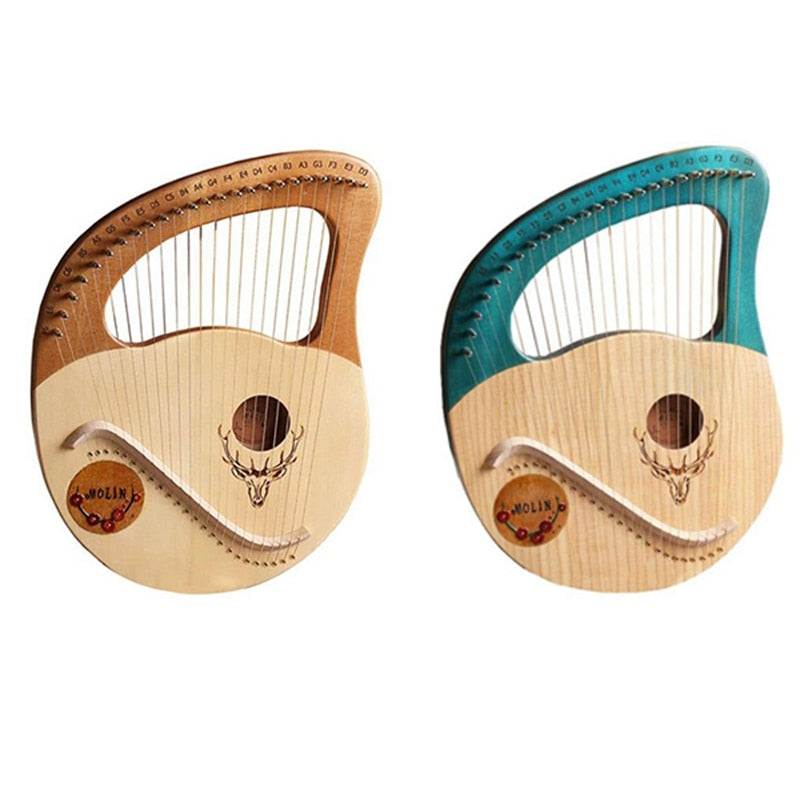
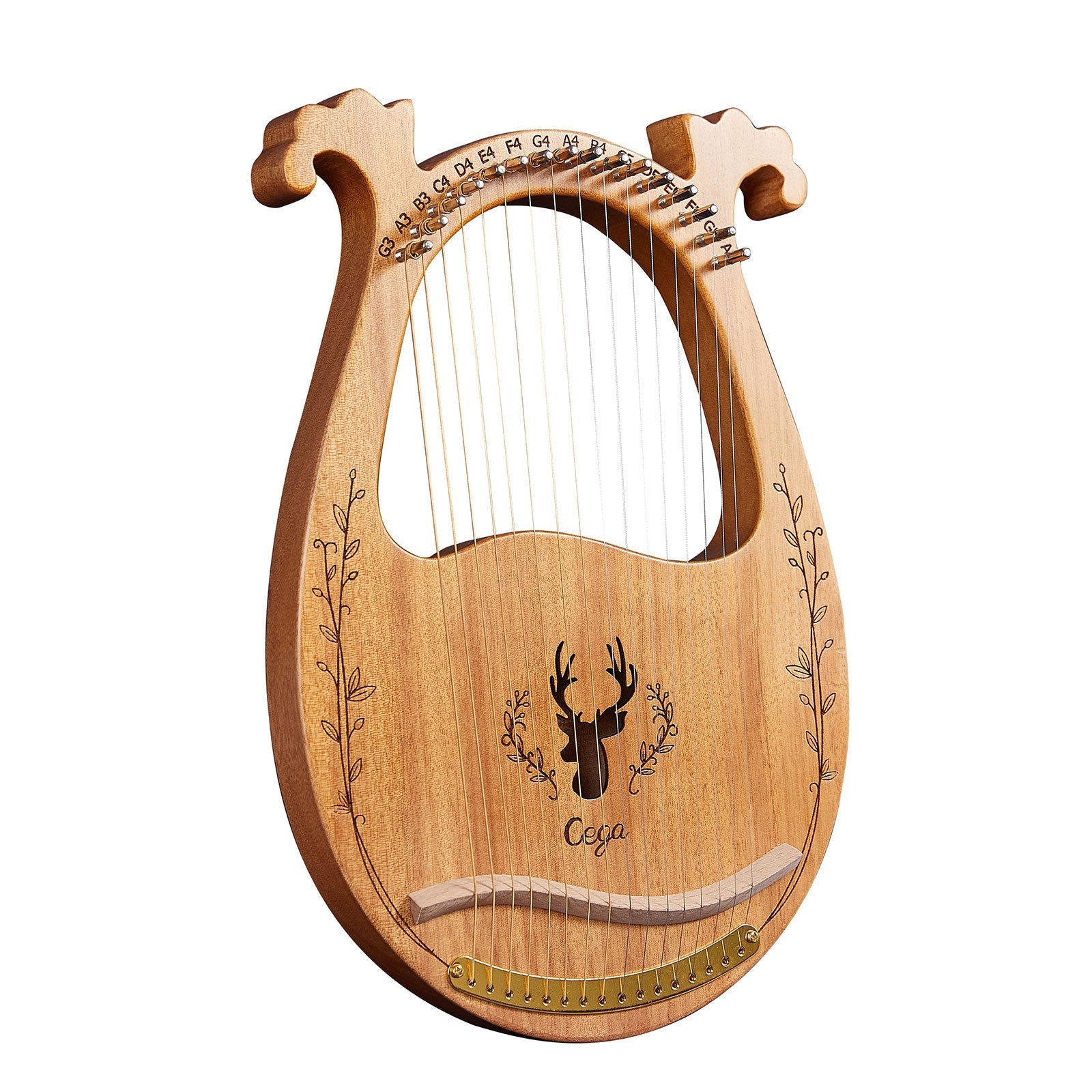
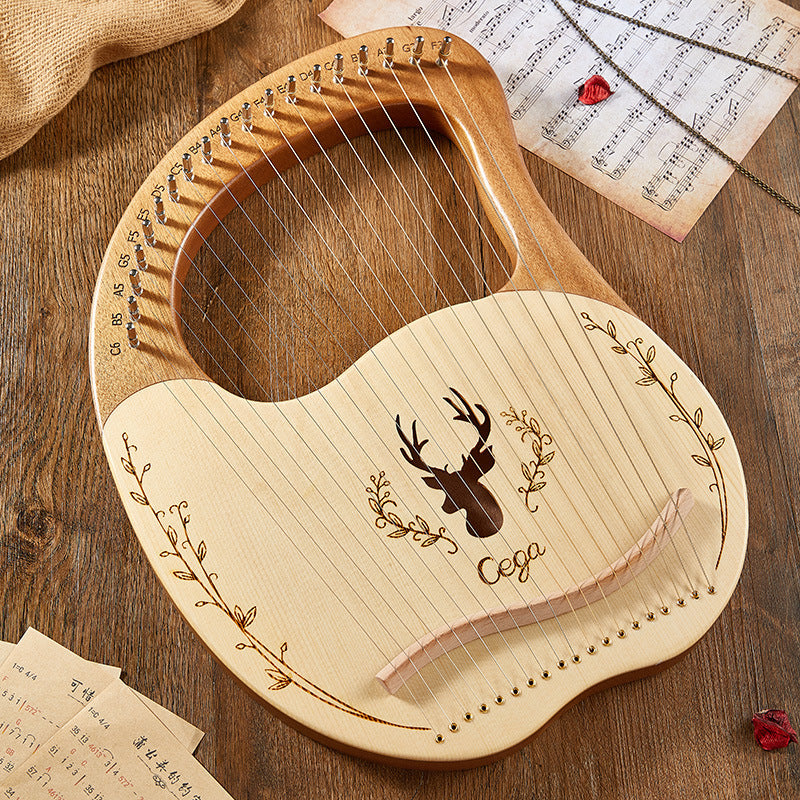
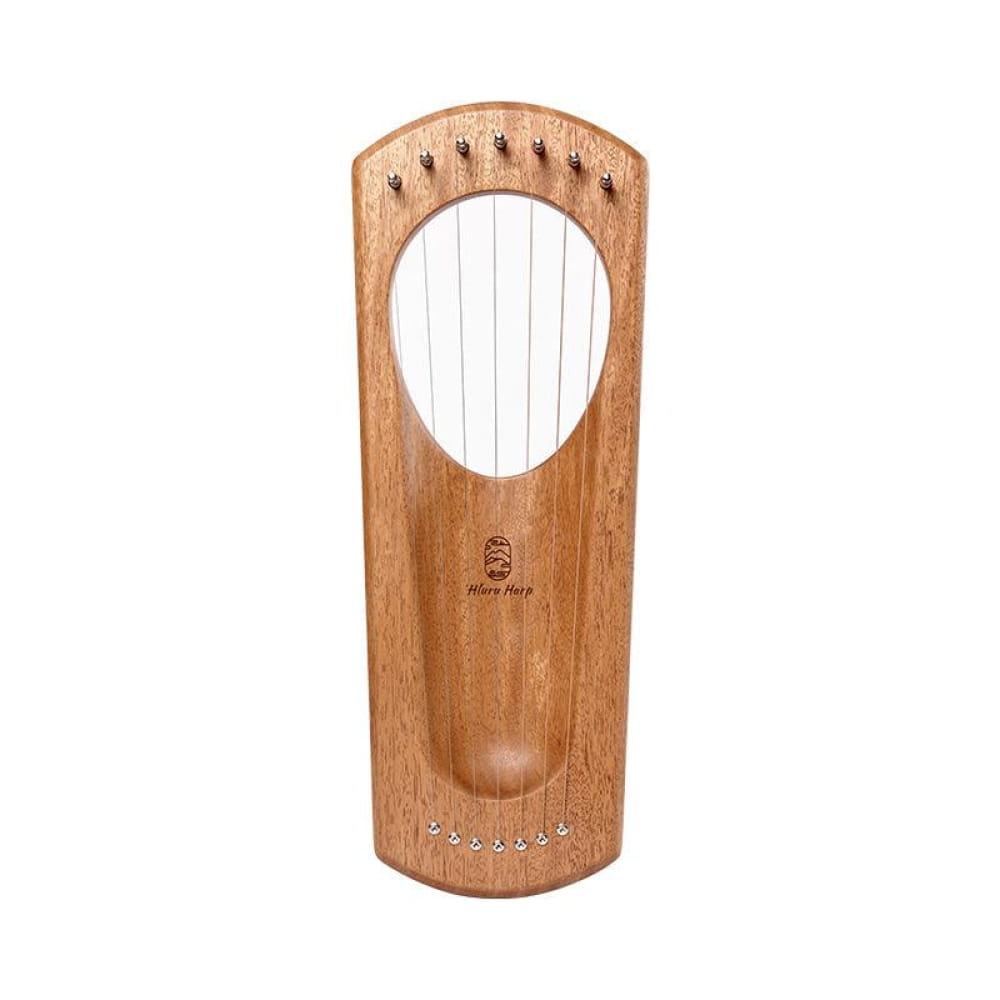
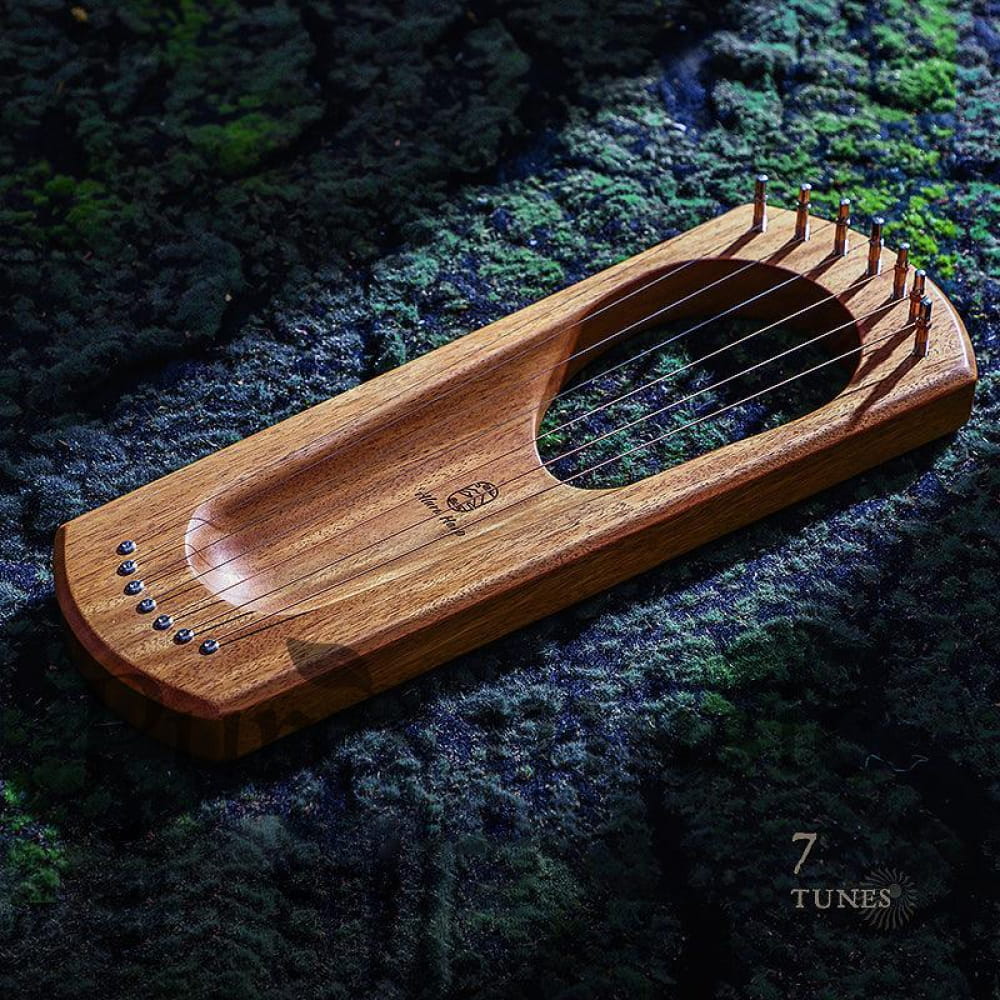
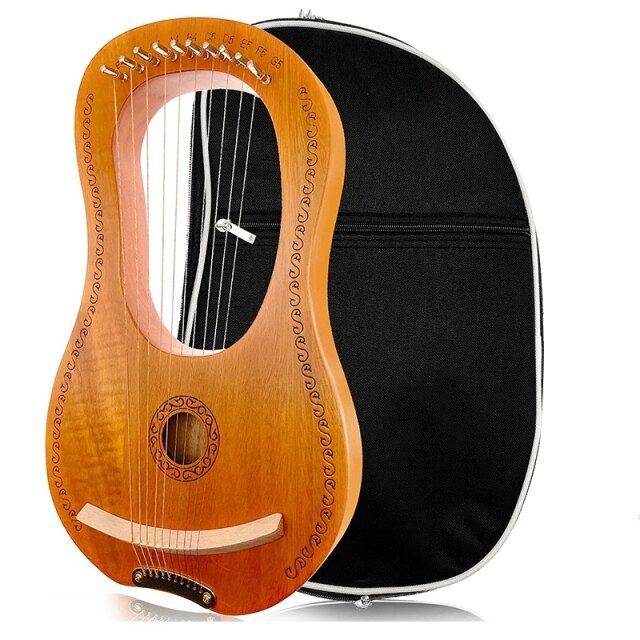
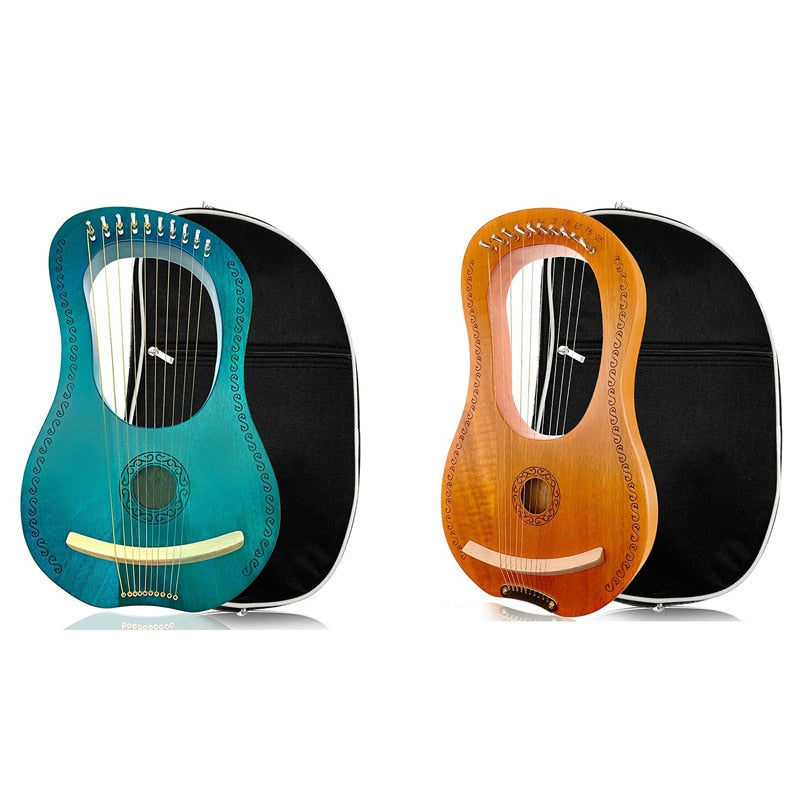
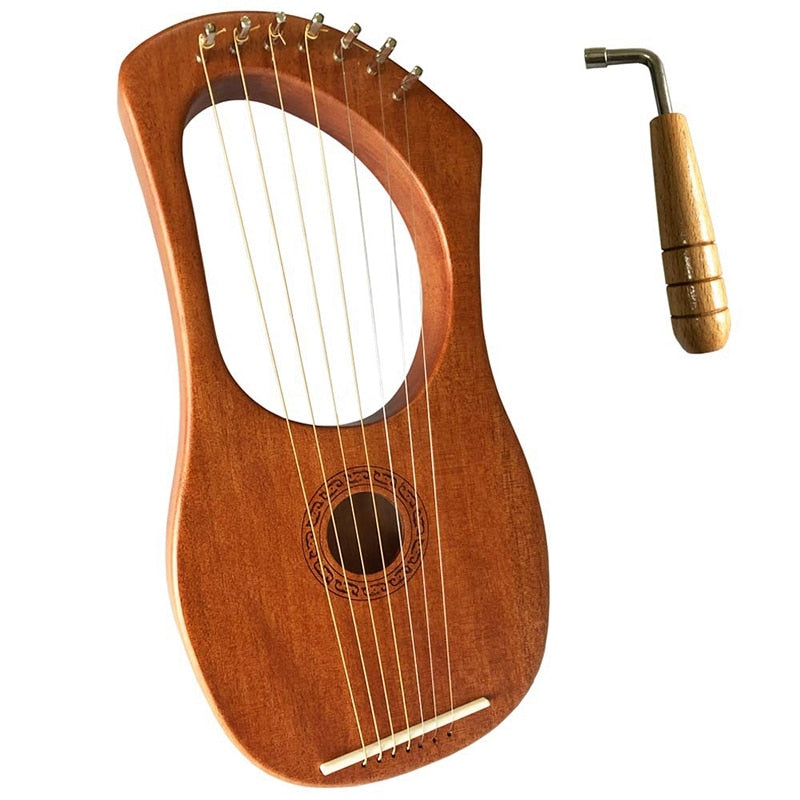
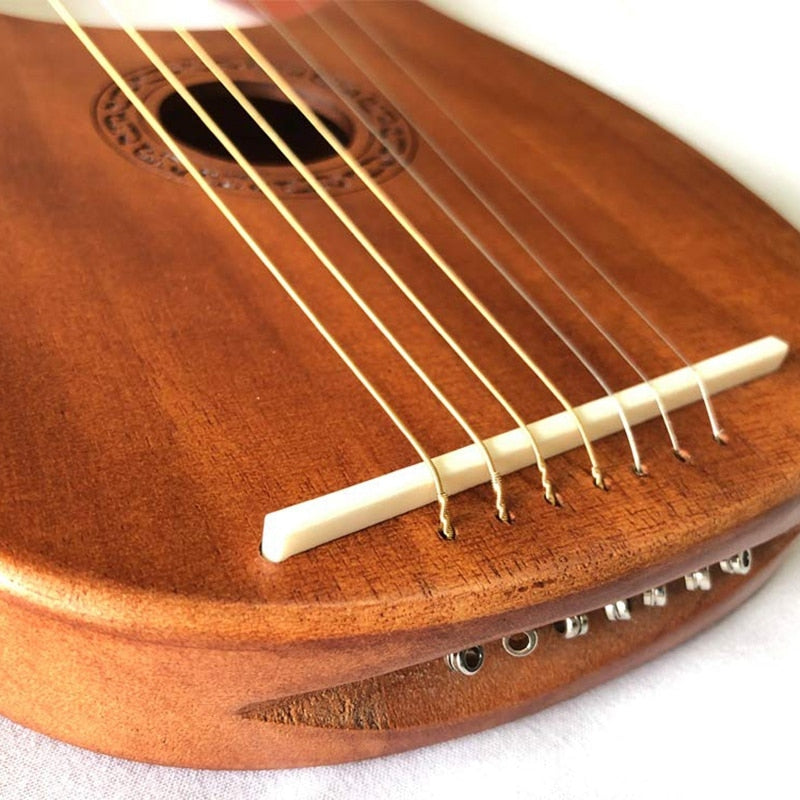
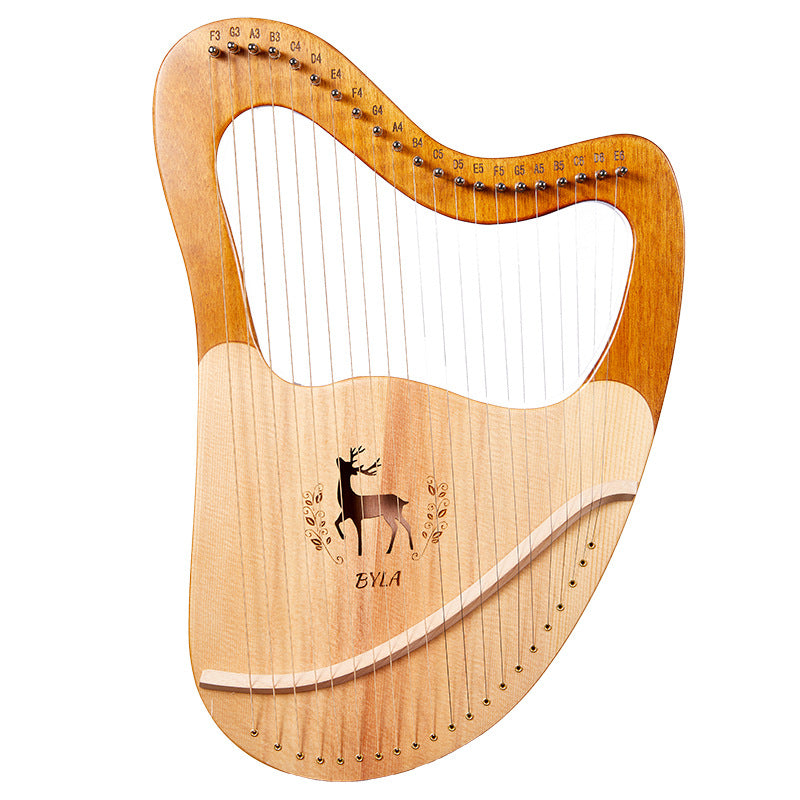
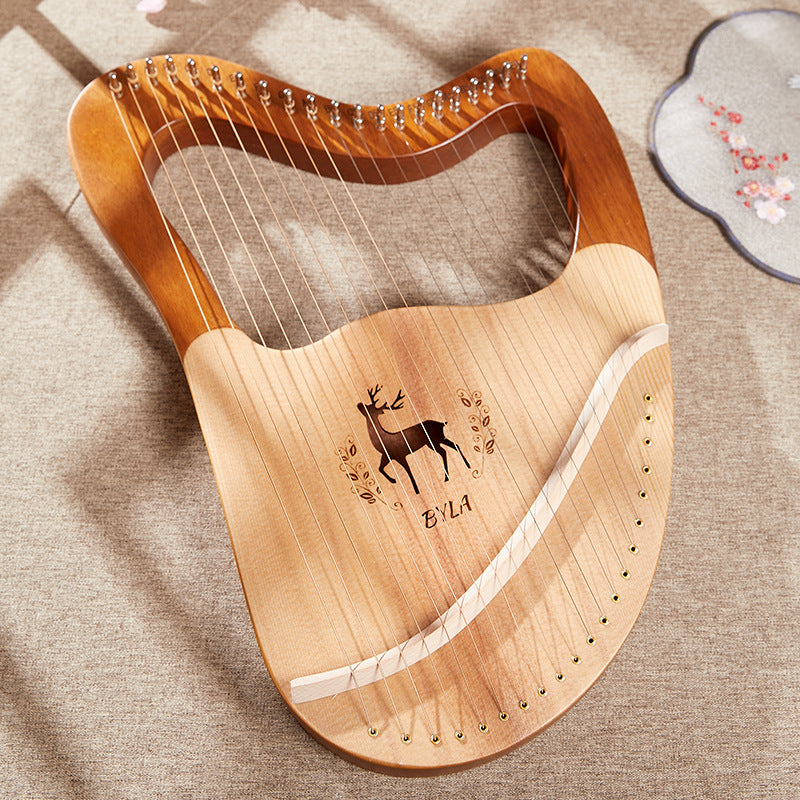
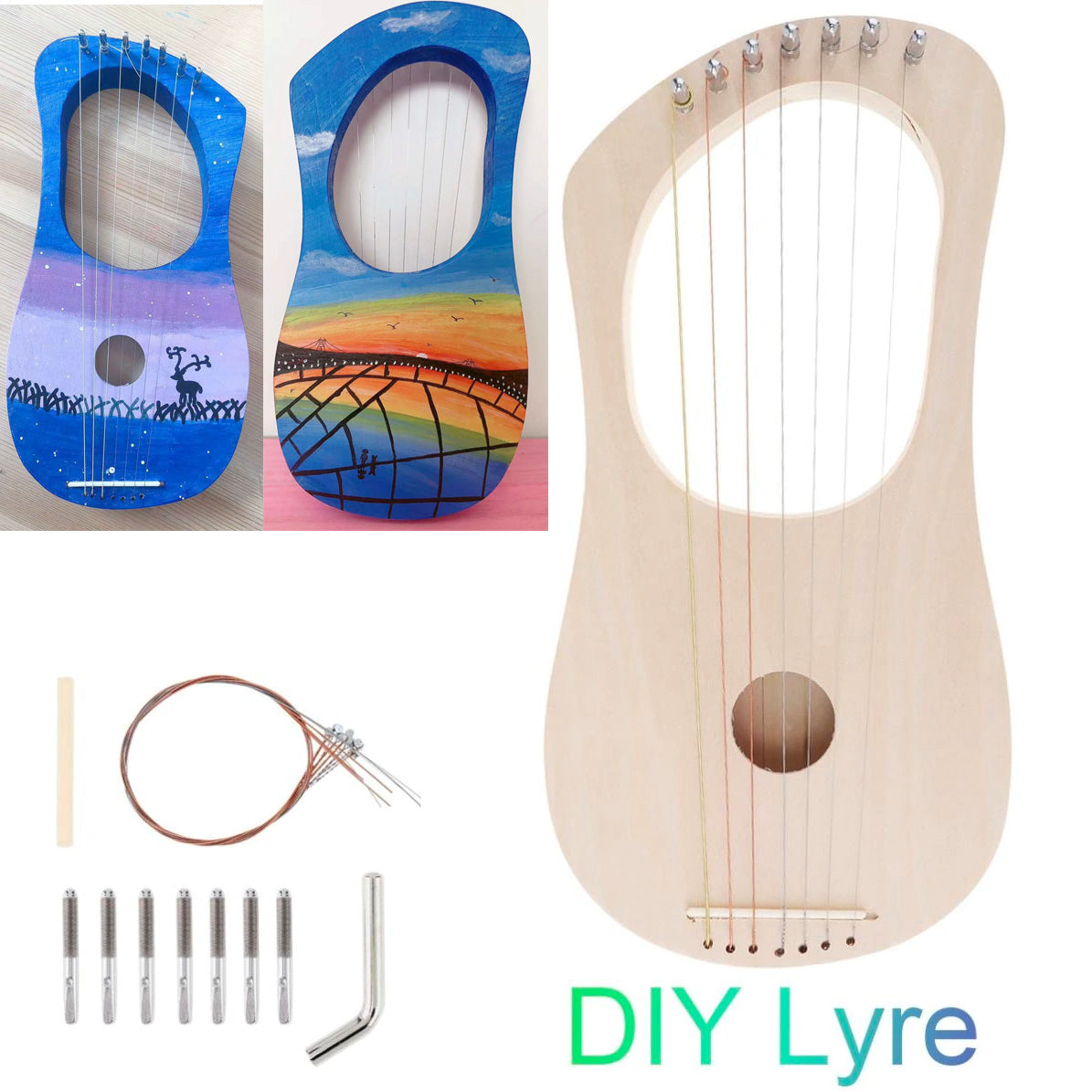
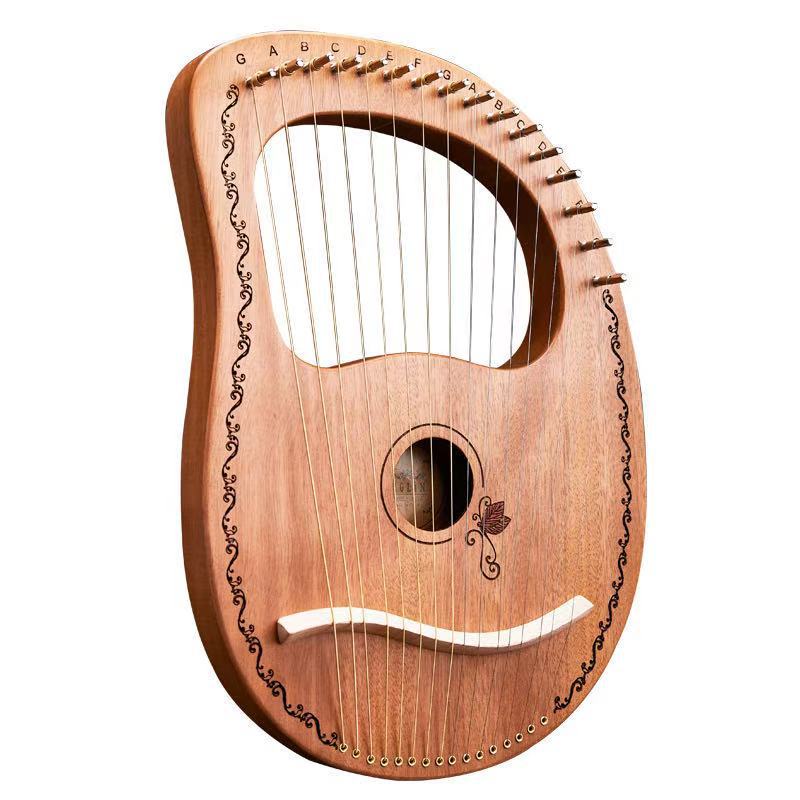
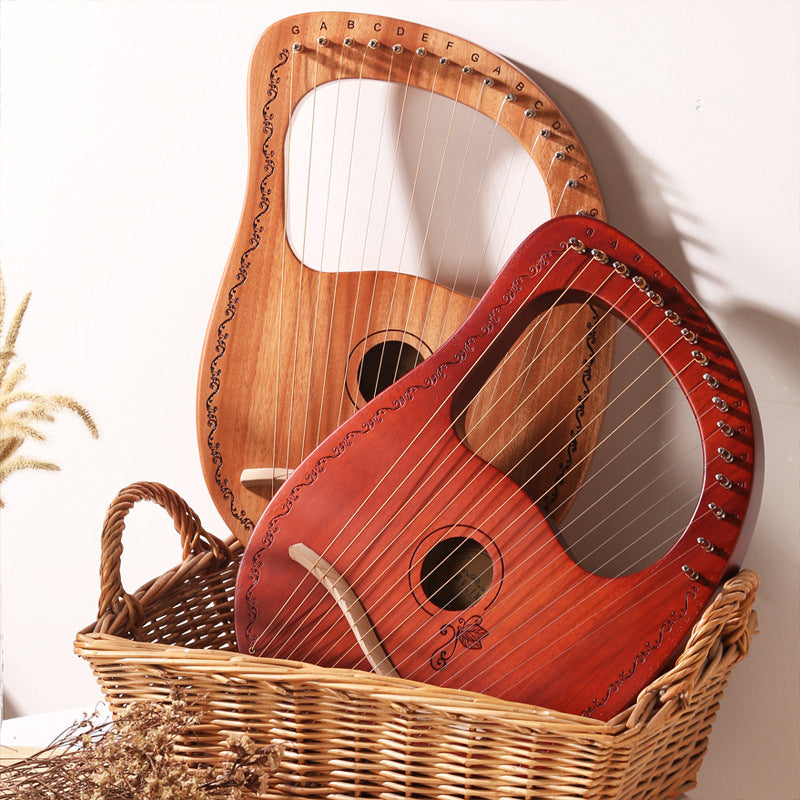
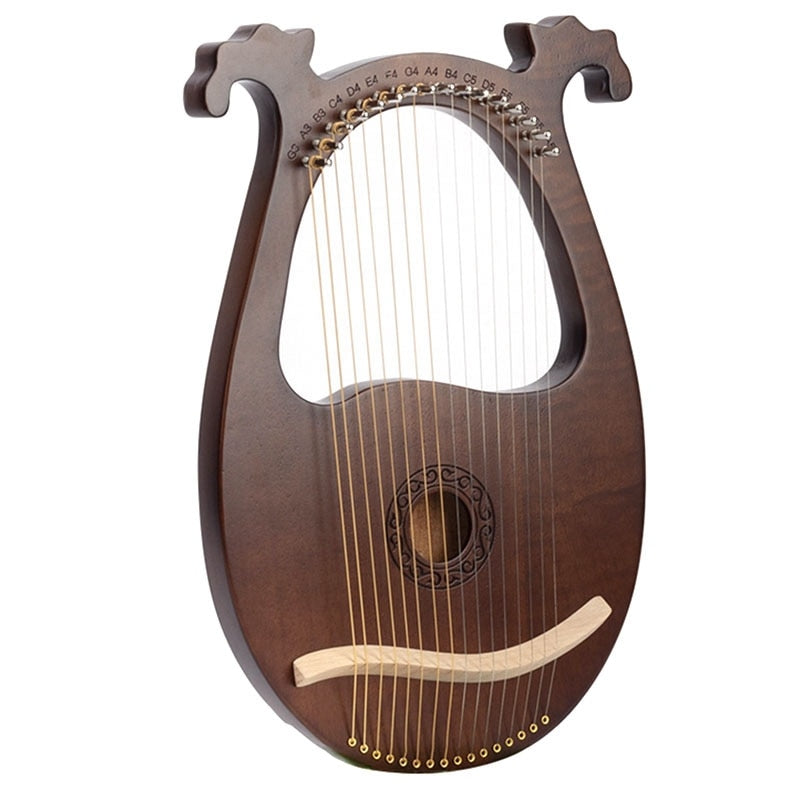
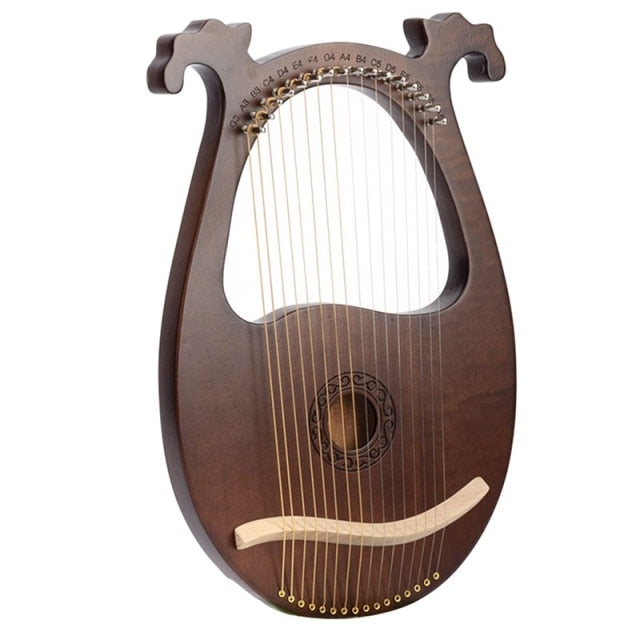
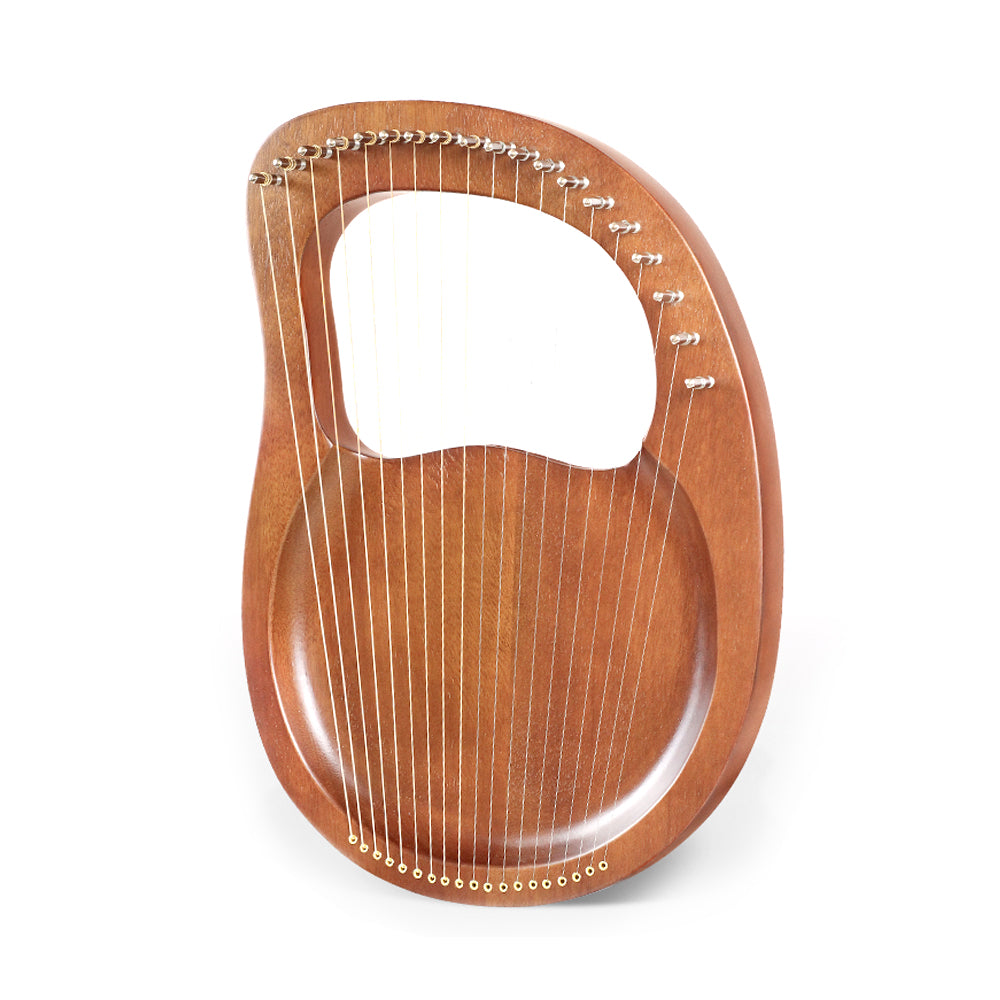
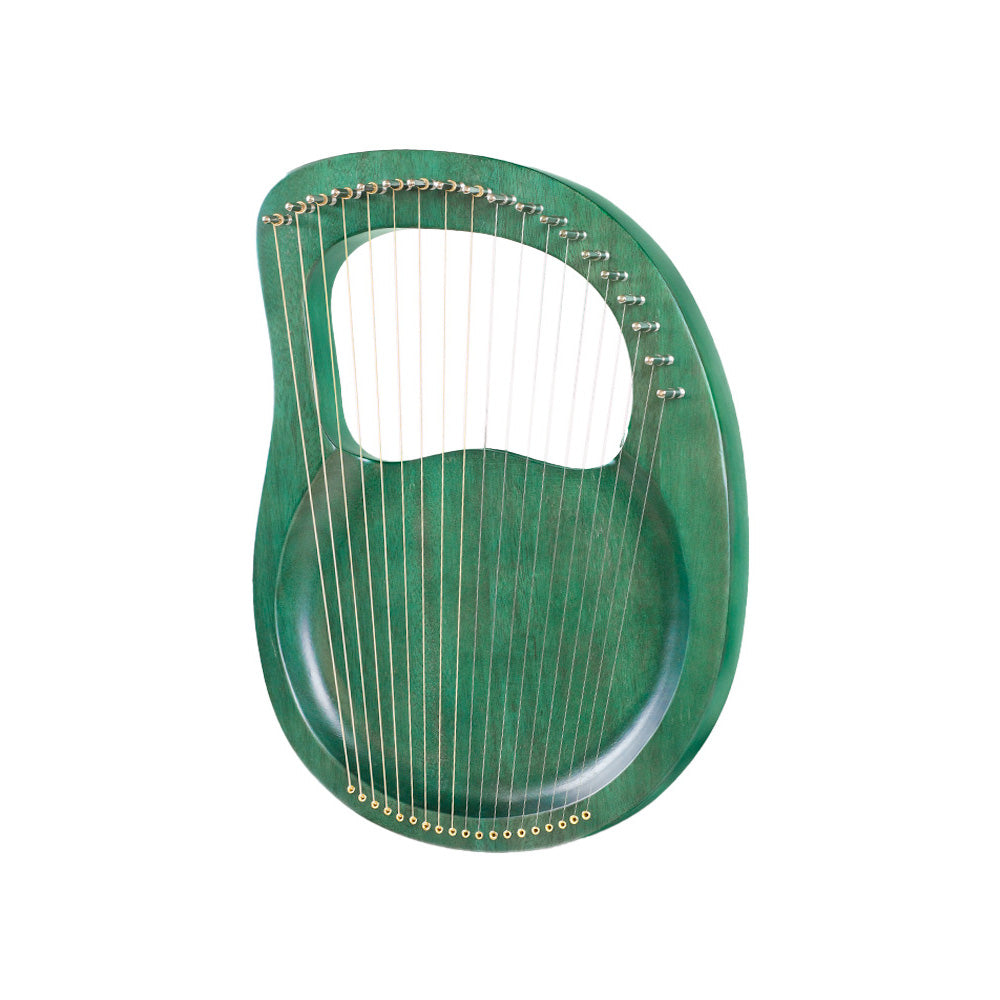
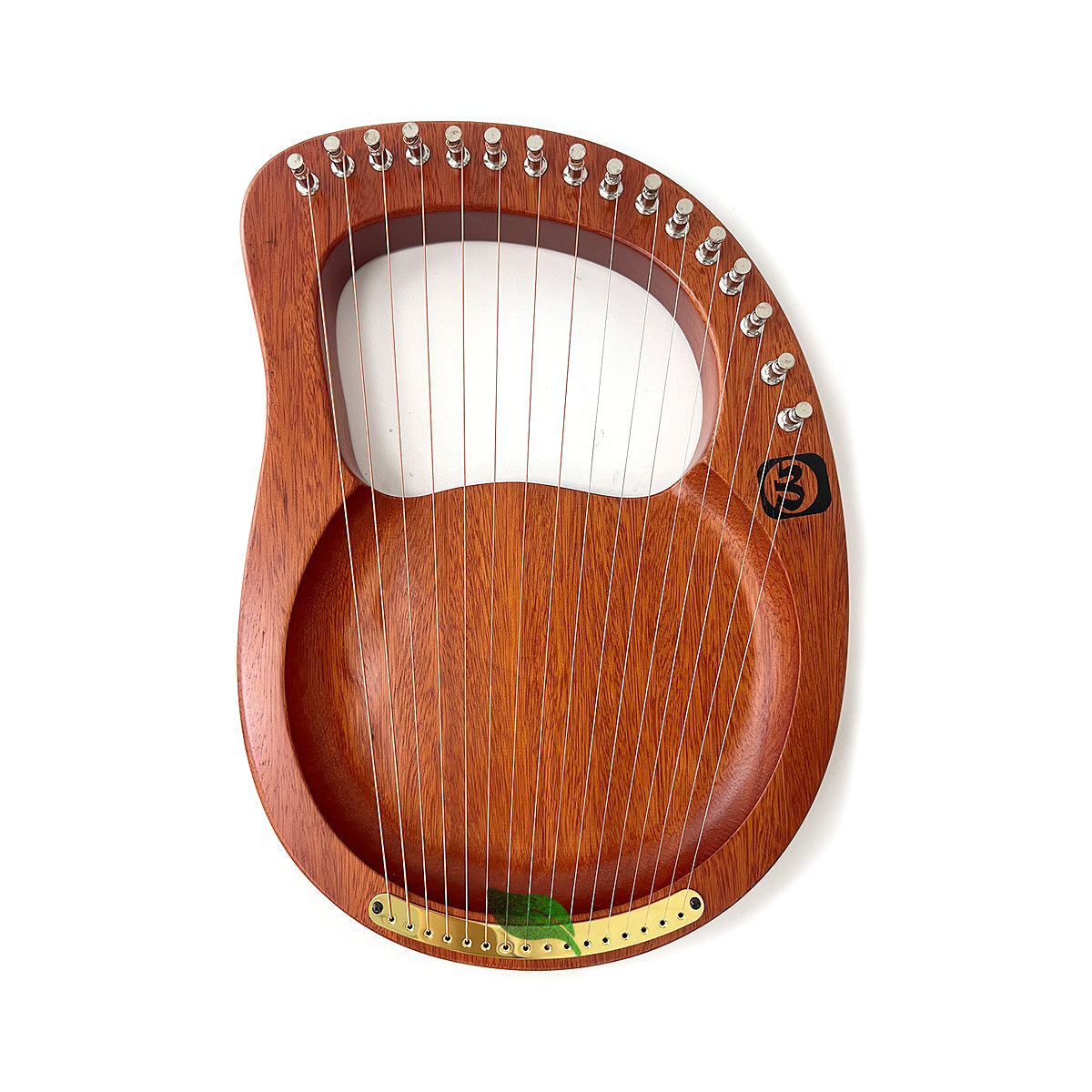
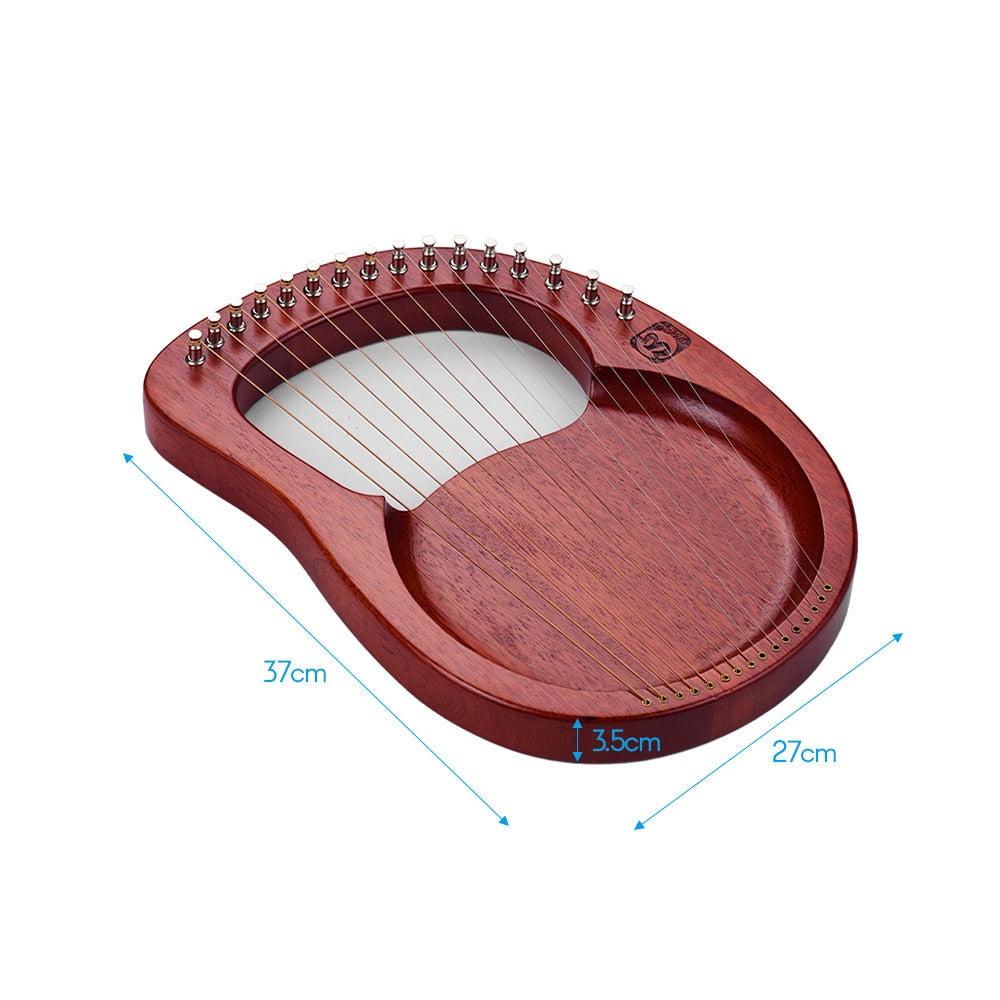
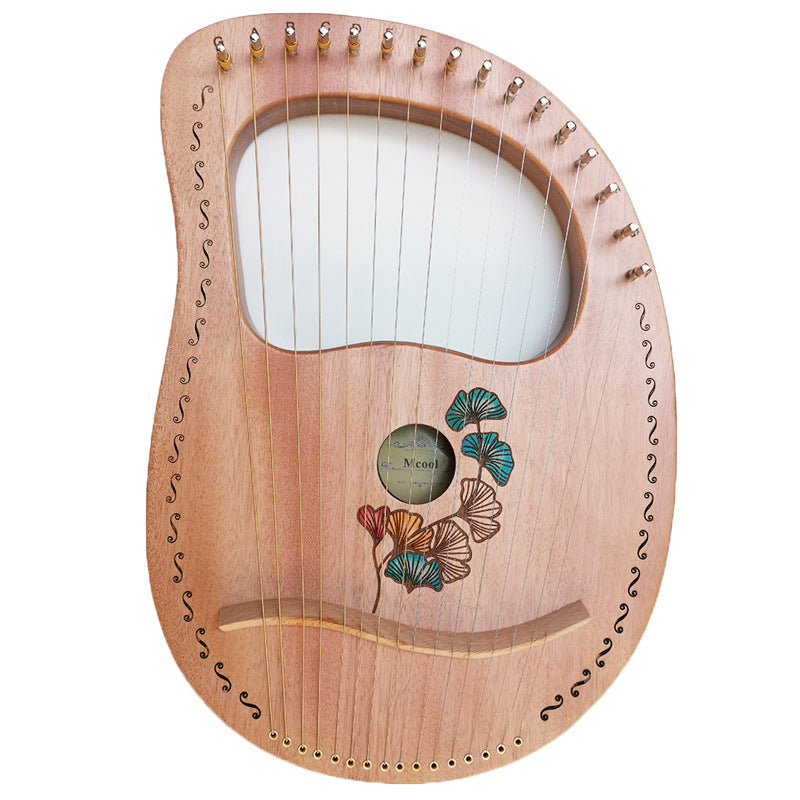
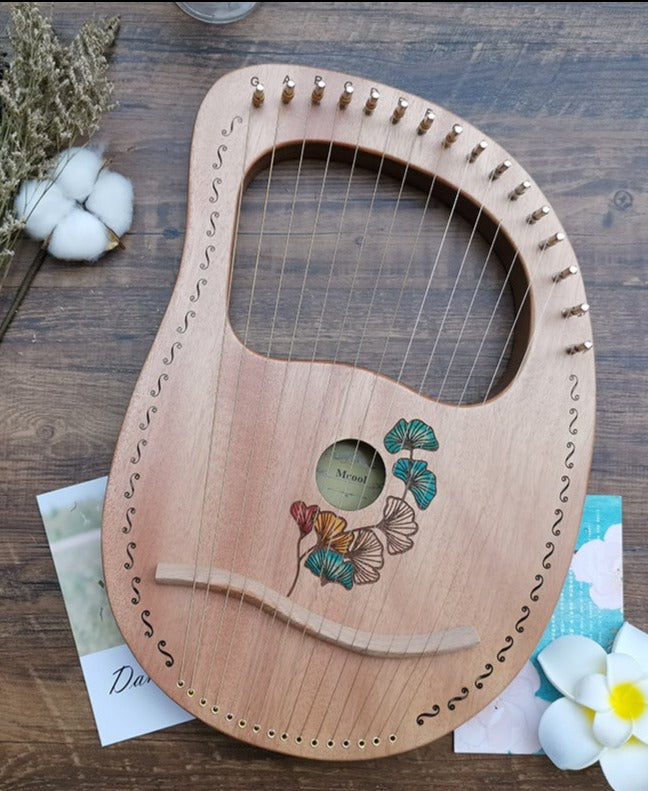
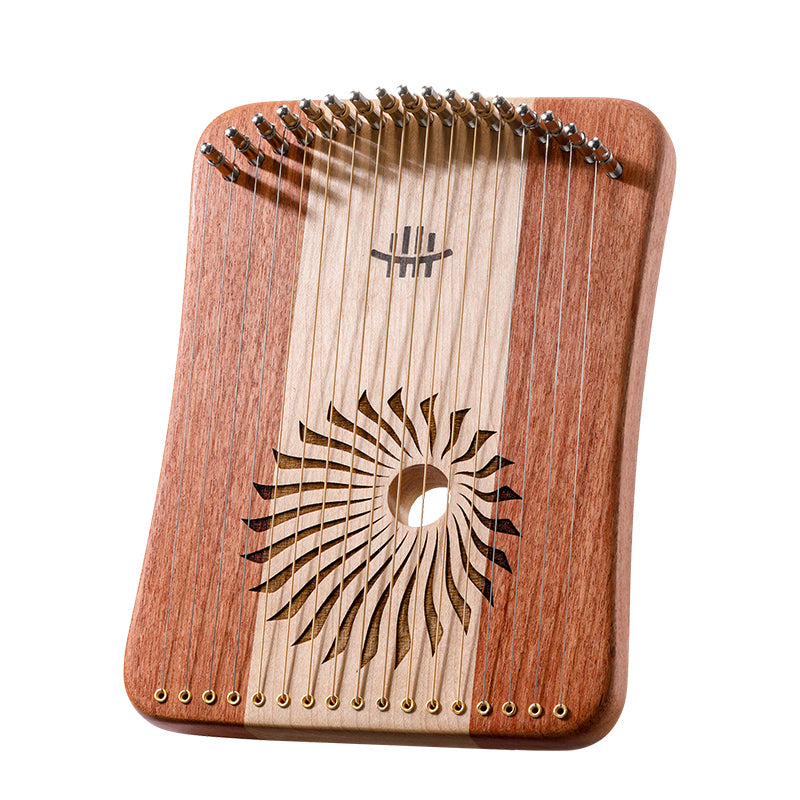
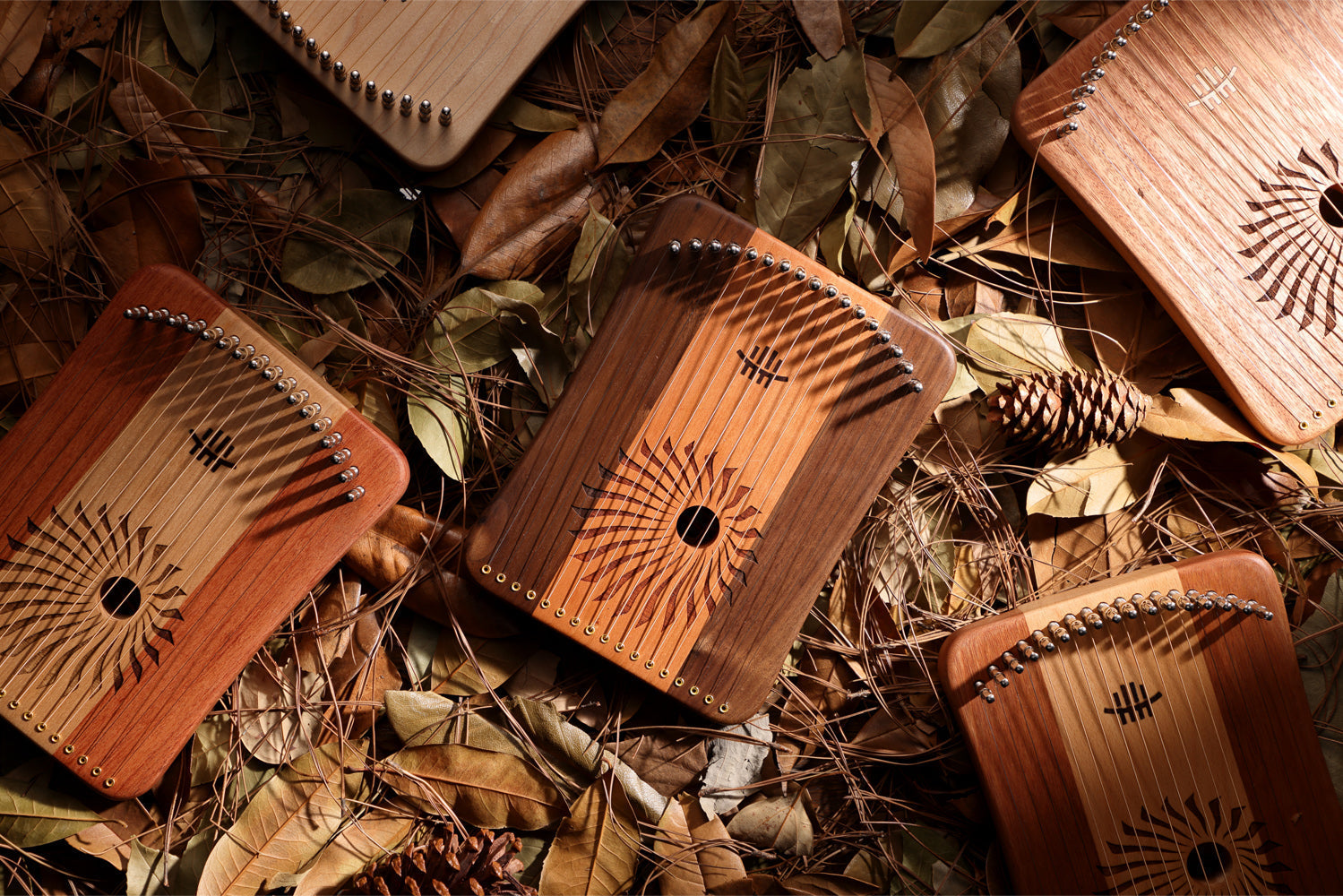
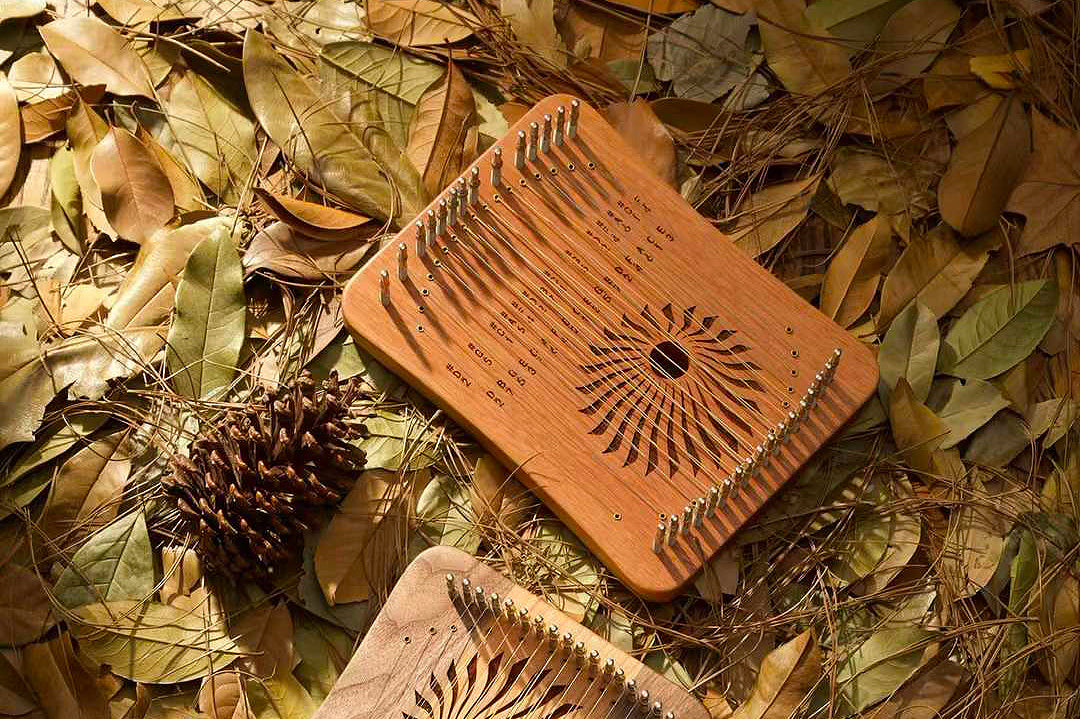
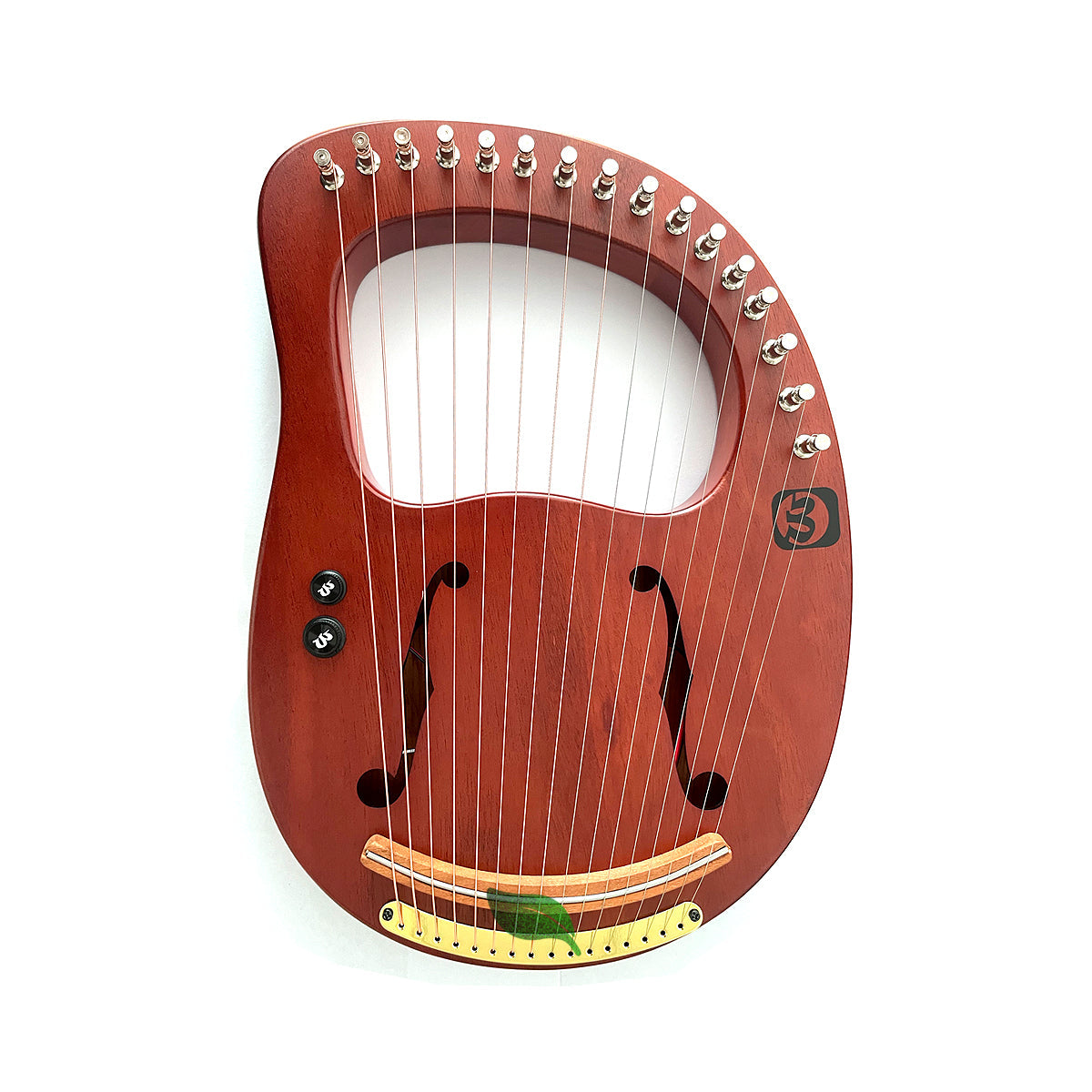
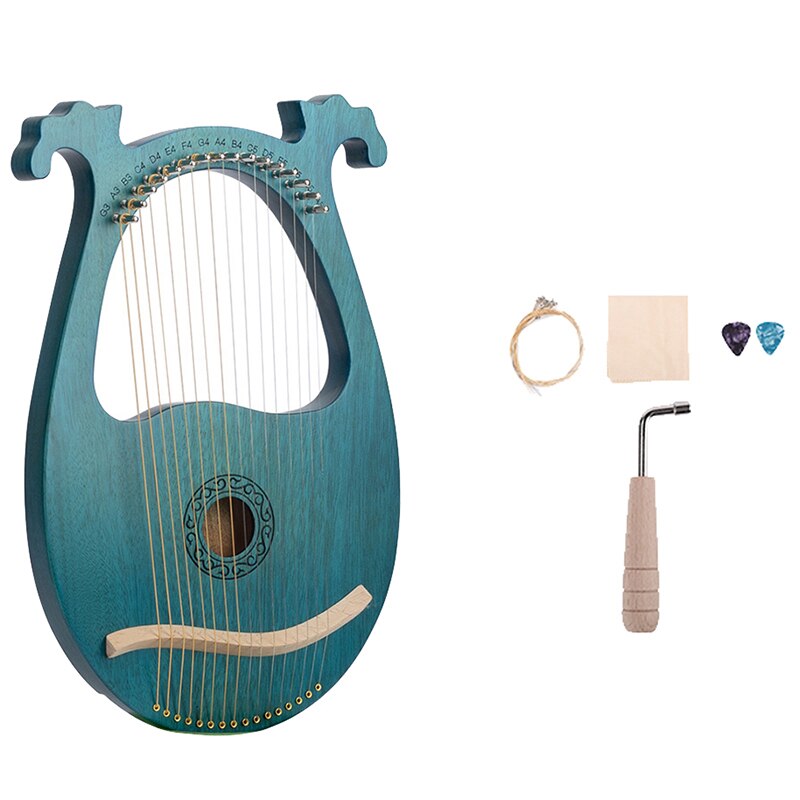
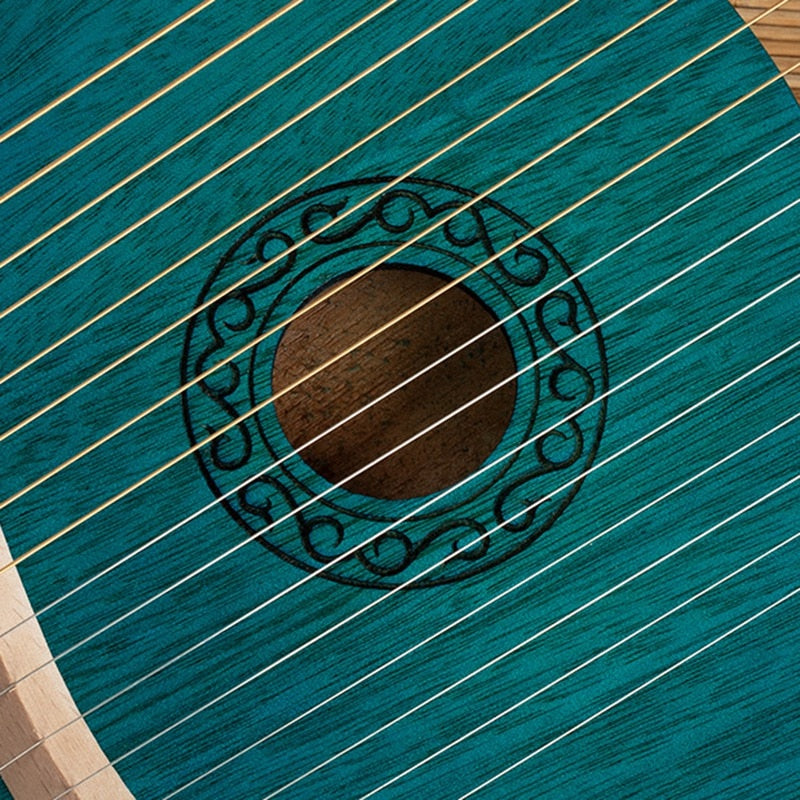
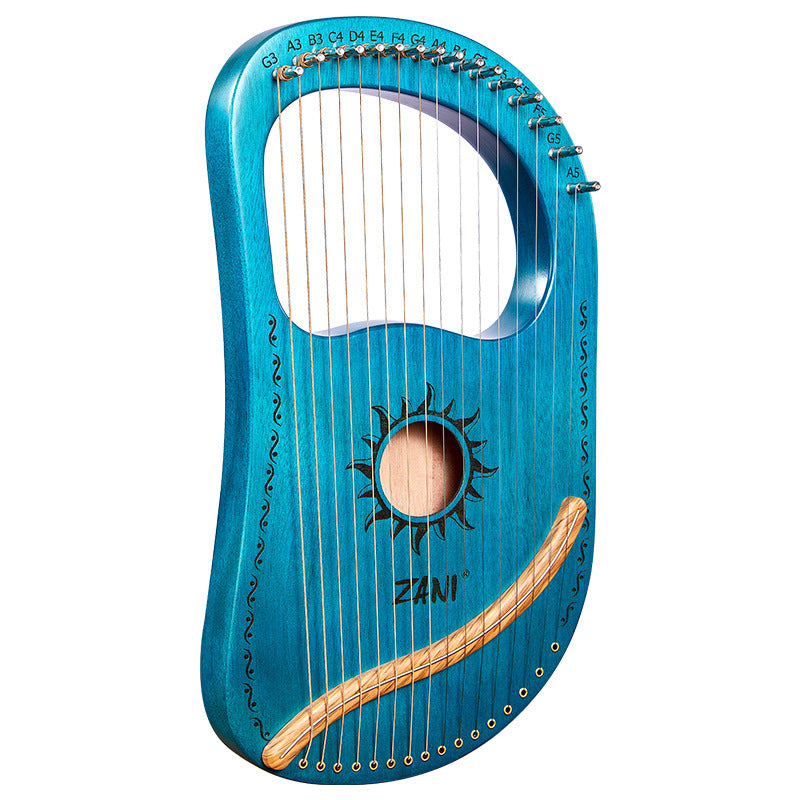
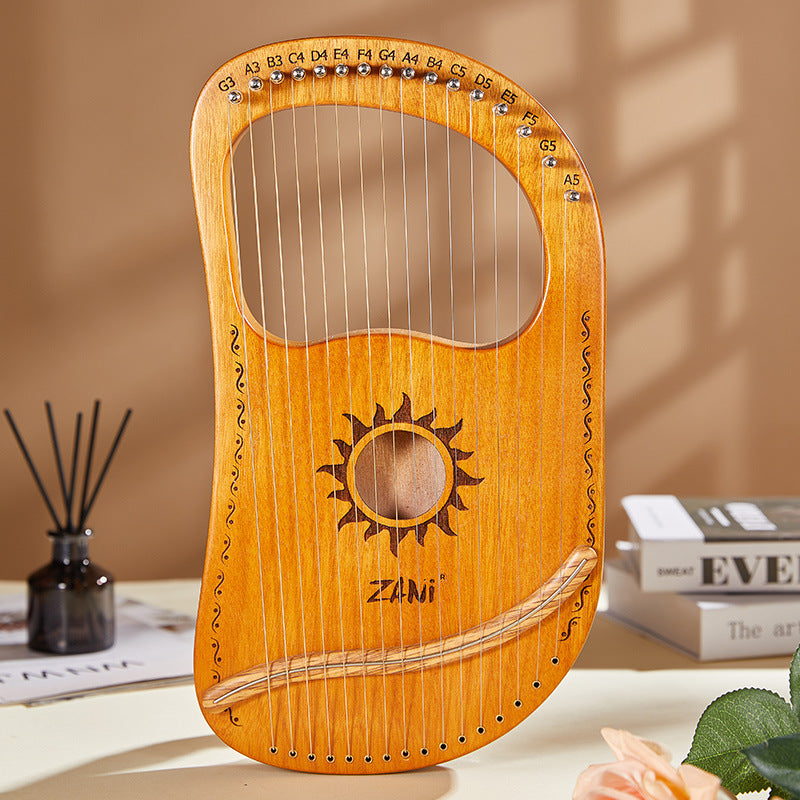
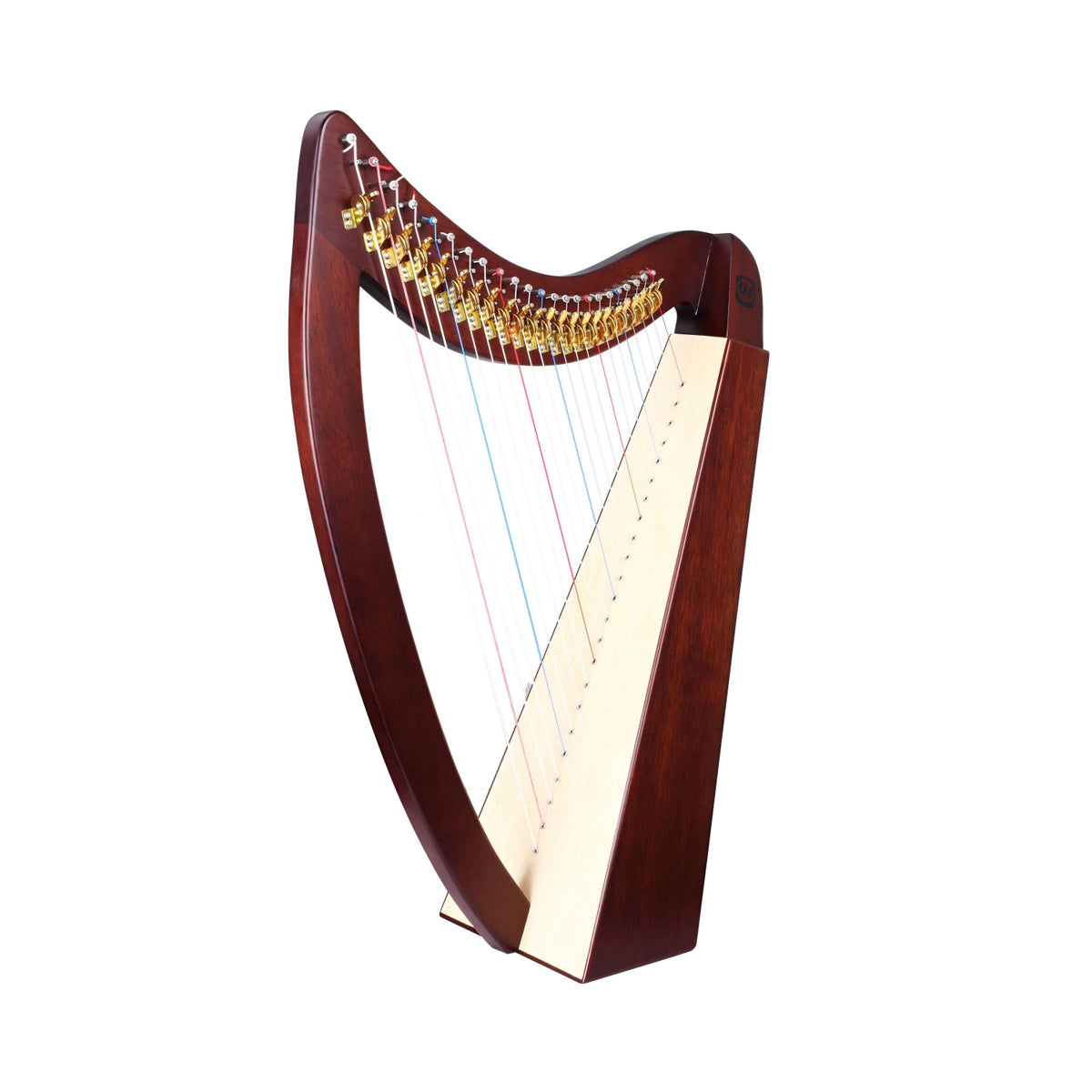
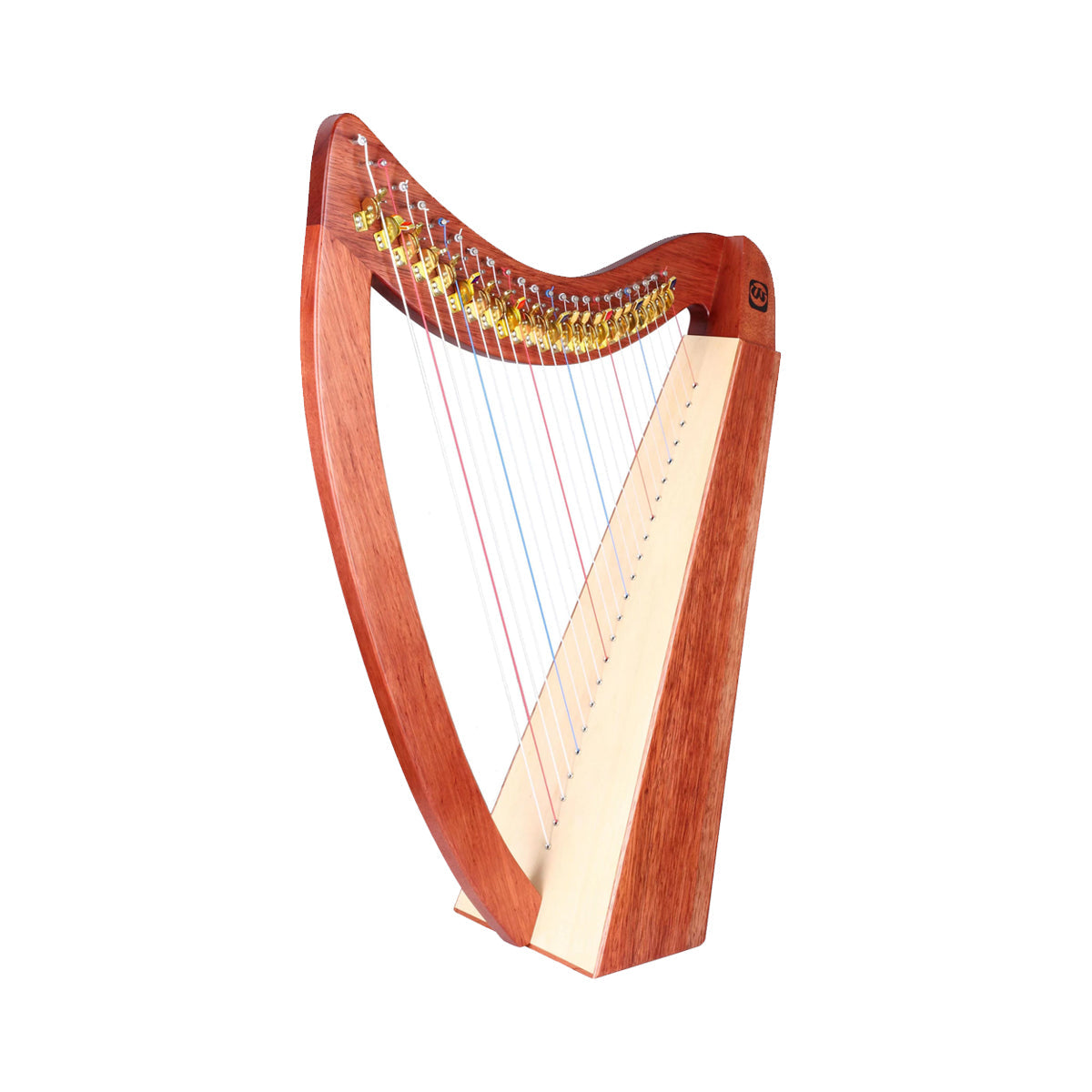
The lyre harp is one of humanity's oldest and most beloved stringed instruments, cherished for thousands of years for its ethereal, soothing sound. At Healing Sounds, we offer a curated collection of lyre harp instruments ranging from 7 to 31 strings, crafted from premium tonewoods like mahogany, rosewood, and sandalwood. Whether you are a complete beginner looking for your first lyre, a sound healing practitioner expanding your toolkit, or a musician seeking a portable and inspiring instrument, our lyre harps are designed to meet your needs.
Often described as a small harp or mini harp, the lyre is compact enough to hold in your lap, yet produces rich, resonant tones that fill a room. Its gentle vibrations make it an ideal companion for meditation, sound baths, yoga sessions, and personal relaxation. With no formal training required to begin playing, the lyre harp has become one of the most accessible and rewarding instruments for people of all ages and skill levels.
What Makes Lyre Harps Special?
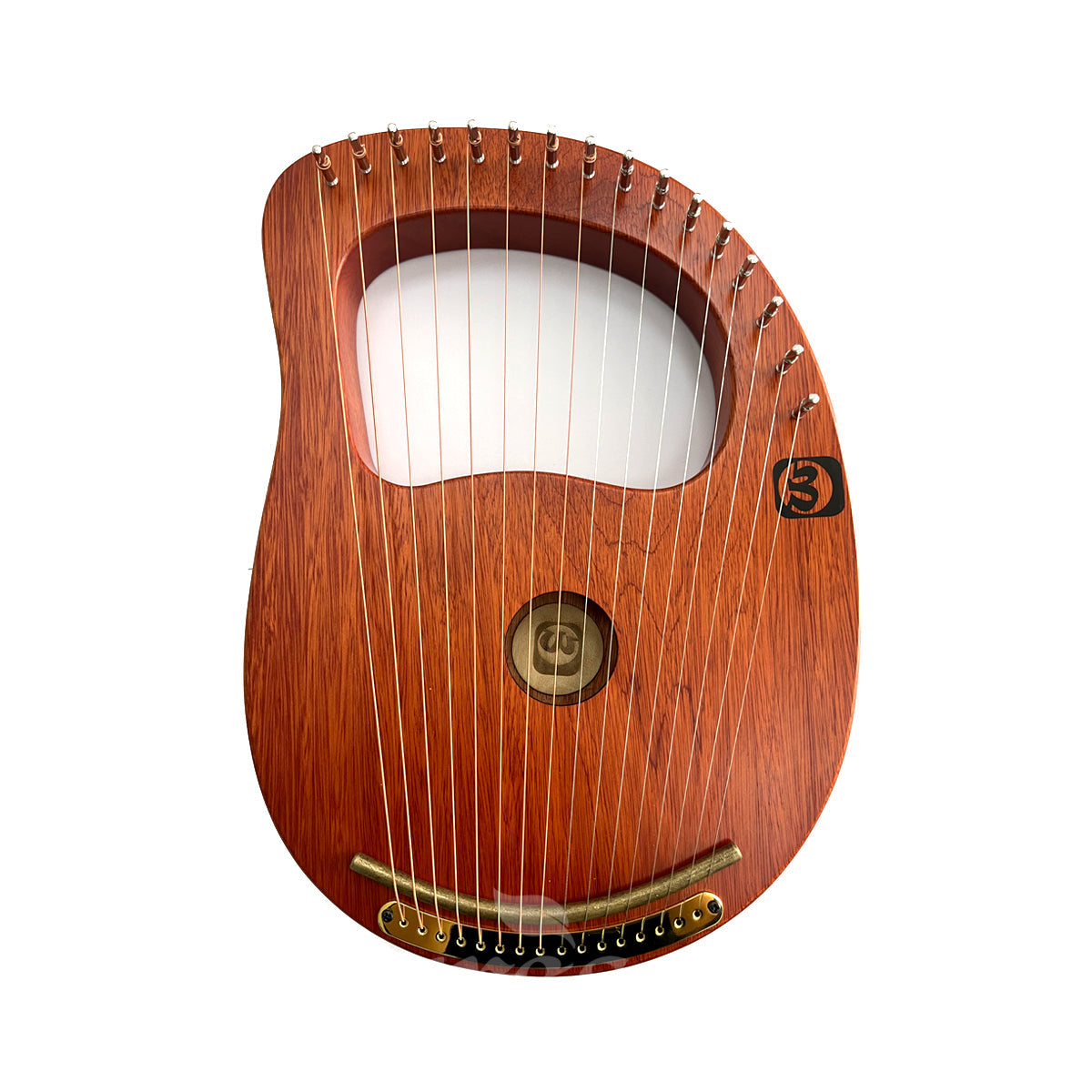
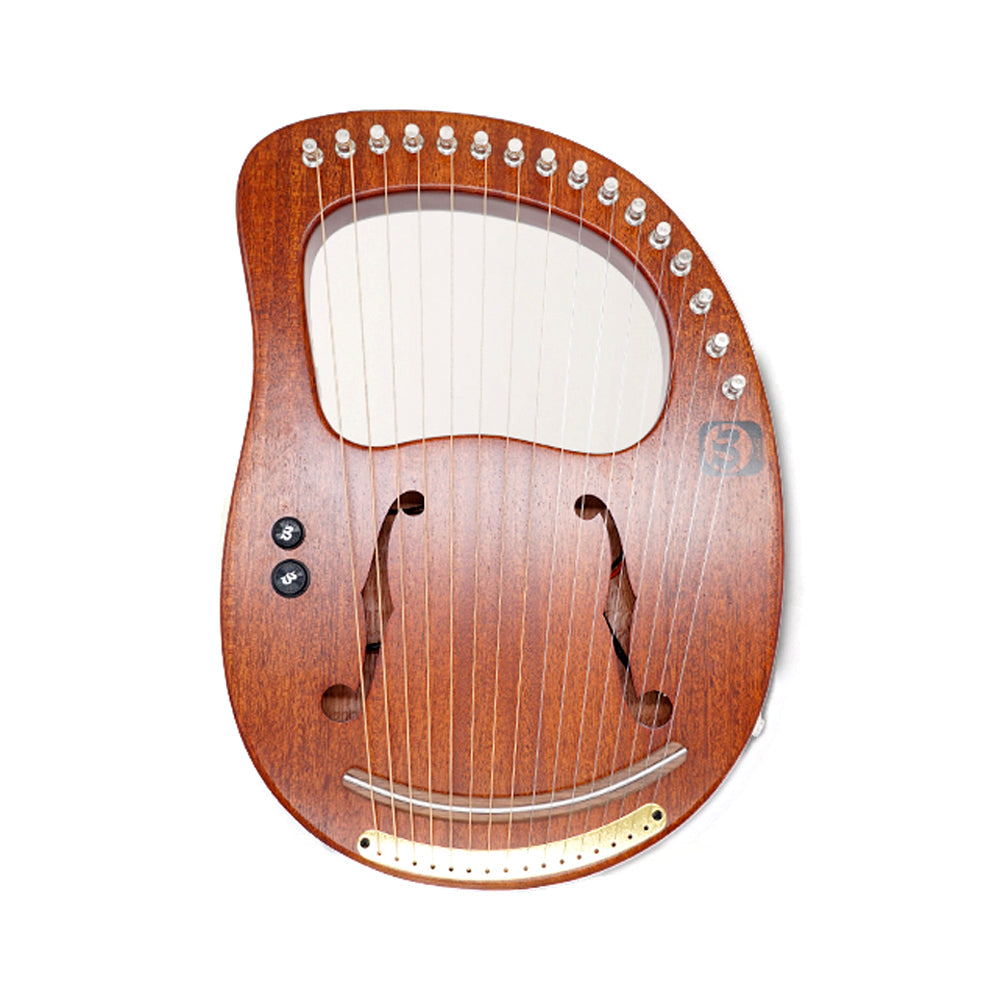
Unlike larger pedal harps or lever harps, lyre harps feature a lightweight, open frame with strings that run parallel between two arms. This design, rooted in ancient Greek and Celtic tradition, allows the player to pluck strings from both sides of the instrument, creating a uniquely immersive playing experience. The open frame also lets sound project freely in all directions, producing a warm, enveloping tone that is ideal for therapeutic and meditative settings.
Our collection includes lyre harps with 7, 8, 10, 11, 15, 16, 17, 19, 21, 23, 24, 27, and 31 strings, each offering different tonal ranges and musical possibilities. Smaller models with 7 to 10 strings are typically tuned to a pentatonic scale where every note harmonizes naturally, meaning there are no wrong notes. This makes them exceptionally beginner-friendly and perfect for intuitive, freeform playing. Larger models from 16 to 31 strings offer full diatonic or even chromatic ranges, allowing experienced players to perform complete melodies and more complex compositions.
The strings themselves come in two main types: steel strings for bright, clear resonance with long sustain, and nylon strings for a softer, warmer tone that is gentler on the fingertips. Both types produce the characteristic ethereal sound that has made the lyre instrument a favorite among sound healers, meditation guides, and musicians worldwide.
Ancient Origins, Modern Benefits
The lyre traces its origins back over 5,000 years to ancient Mesopotamia, Greece, and Egypt. In ancient Greece, the lyre was the instrument of Apollo, god of music and healing, and was used by physicians to promote recovery and emotional balance in patients. The legendary musician Orpheus was said to have charmed all of nature with his lyre playing, and the instrument held a central role in education, ceremony, and therapeutic practice throughout the ancient world.
Today, modern research supports what the ancients intuitively understood. Playing or listening to a lyre harp stimulates alpha brain waves, the frequency range associated with deep relaxation, reduced anxiety, and improved focus. The gentle, overtone-rich vibrations of a lyre encourage the nervous system to shift from a stress response into a state of calm awareness. This makes the lyre harp an increasingly popular tool in sound therapy, music therapy, Reiki sessions, and holistic wellness practices. Many of our customers integrate their lyre into daily routines for stress relief, emotional processing, and mindful meditation.
Choosing the Perfect Lyre Harp
Selecting the right lyre harp depends on your goals, experience level, and the sound character you prefer. Below we break down the key factors to help you find your ideal lyre instrument.
Lyre Harps by String Count
The number of strings determines the range of notes available and the complexity of music you can play. Here is a guide to help you choose:
Most popular - covers popular songs, ideal for hobbyists and sound therapy
17-19 strings
Diatonic+
~2.5 octaves
Intermediate players seeking wider range, music therapists
21-24 strings
Chromatic available
~3 octaves
Advanced players, professional sound healers, performers
27-31 strings
Full chromatic
3+ octaves
Near-full harp range, lever options, serious musicians
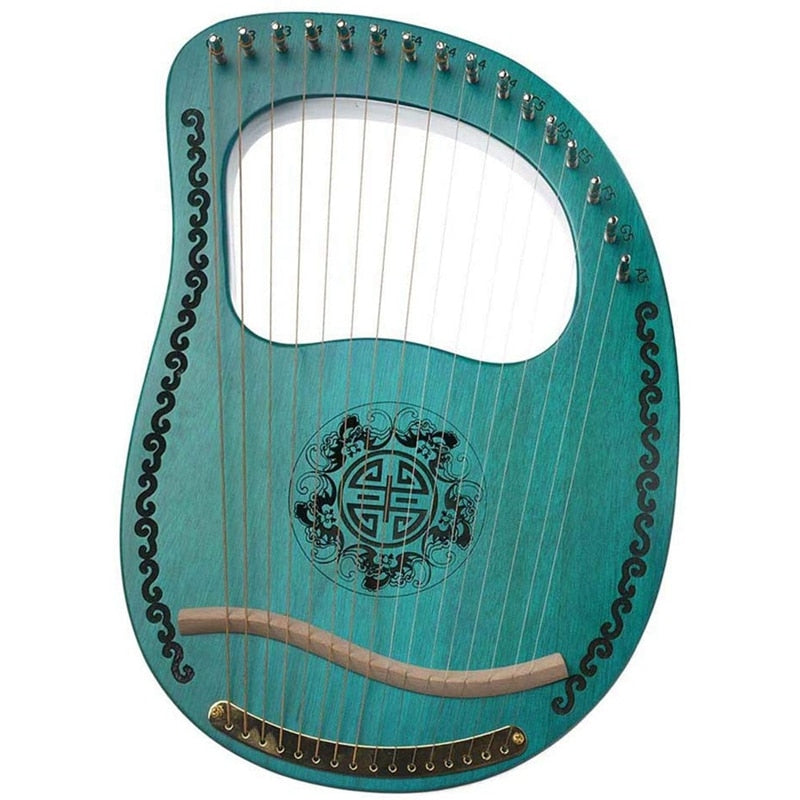
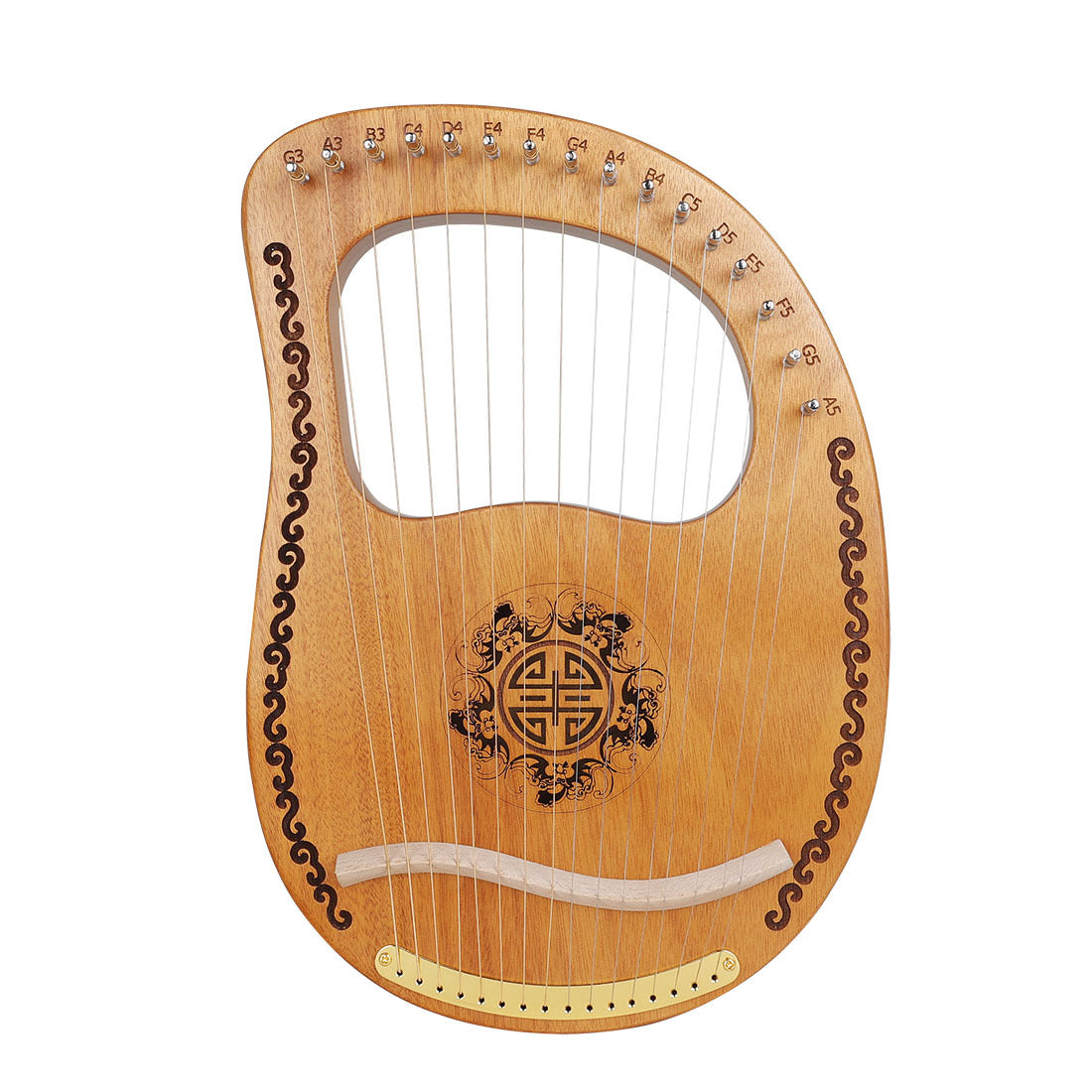
If you are a beginner or buying a lyre harp for a child, a 7 to 10 string model is the ideal starting point. The 16 string lyre harp is the most popular configuration overall, offering enough range to play most popular songs while remaining easy to learn. For sound healing practitioners who need broader tonal options, our 19 to 31 string models provide the depth and versatility required for professional sessions.
Wood Types and Tonal Character
The tonewood used in a lyre harp significantly affects its sound, resonance, and aesthetic appeal. Our collection features instruments crafted from a variety of carefully selected woods:
Mahogany - The most popular choice. Produces warm, full-bodied tones with rich mid-range resonance. Excellent all-around tonewood for both playing and sound therapy.
Rosewood - Delivers bright, articulate sound with exceptional sustain. Visually striking with deep grain patterns. A premium choice for discerning players.
Sandalwood - Produces warm, mellow tones with a subtle sweetness. Naturally aromatic, adding a sensory dimension to your playing experience.
Maple - Offers bright, clear, and cutting tones. Ideal for players who prefer crisp articulation and visual clarity.
Walnut - Darker, deeper tones with a premium look. A favorite for players who enjoy a richer, more grounded sound.
Okoume - Similar warmth to mahogany at a more accessible price point. Lightweight and resonant.
Spruce - Bright and responsive with excellent projection. Commonly used as a soundboard wood in higher-end models.
Lyre Harp Designs and Styles
Beyond string count and wood type, the shape and design of a lyre harp influence both its visual appeal and acoustic properties. Our collection includes several distinctive styles:
Celtic lyre harps - Classic curved arm design inspired by Irish and Scottish tradition. Elegant lines with warm, traditional character.
Anglo-Saxon lyres - Historically inspired box-frame design. Deeper resonance due to enclosed body. Popular with medieval music enthusiasts.
Triangular lyres - Modern, space-efficient design with clean geometric lines. Great for wall display when not in use.
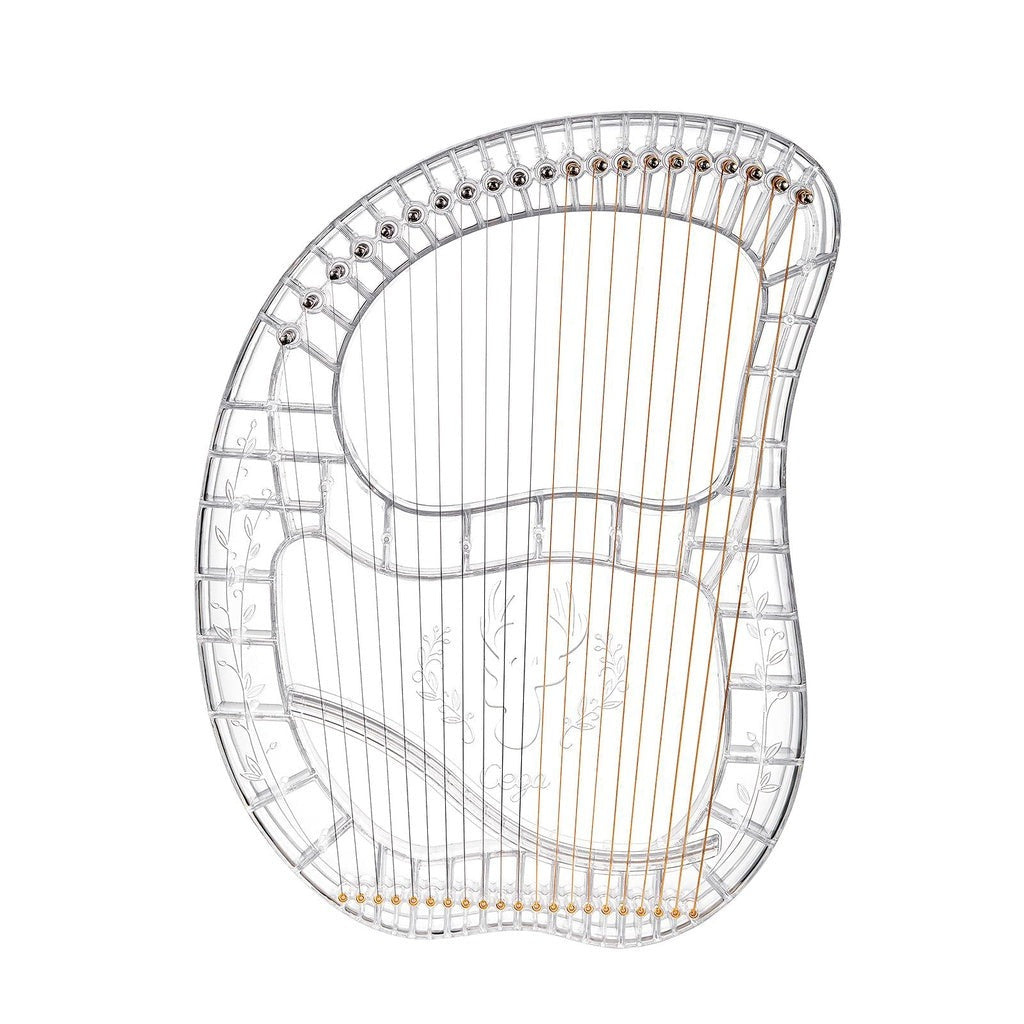
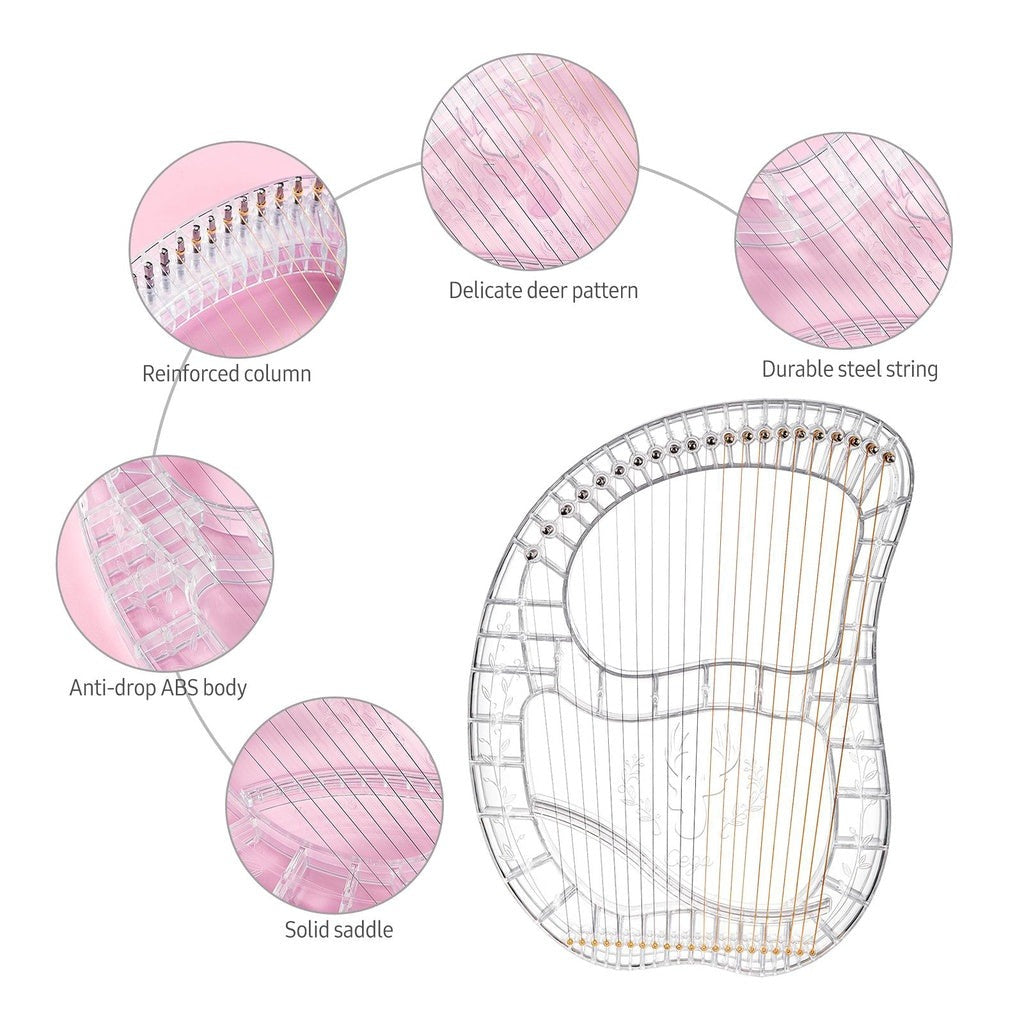
Rounded and deer-shaped lyres - Artistic, nature-inspired designs that double as decorative pieces. The deer shape is especially popular as a meaningful gift.
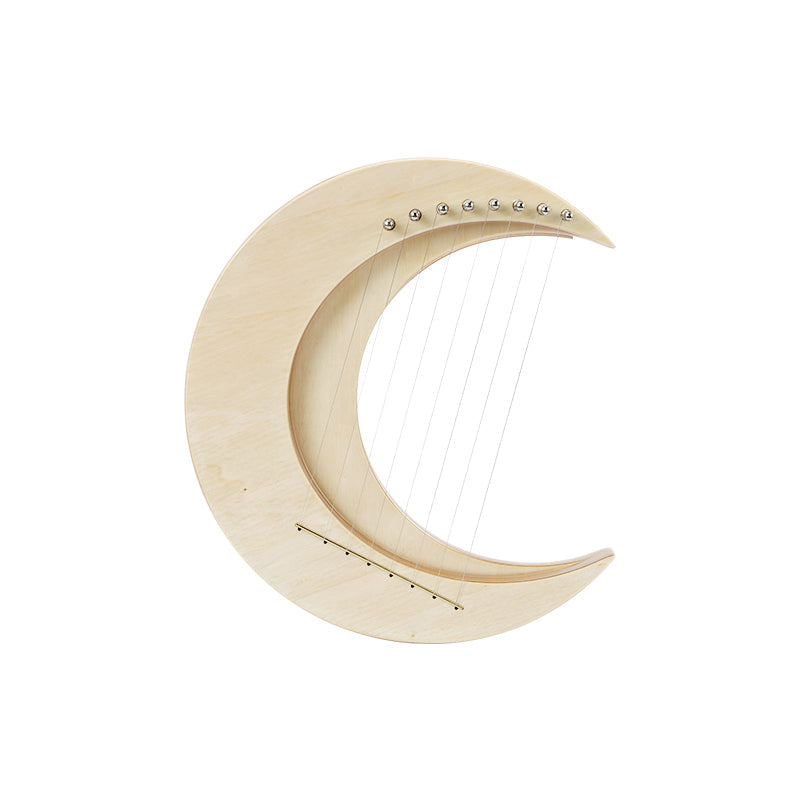
Moon and angel lyres - Ornamental designs that blend musicality with spiritual symbolism. Beautiful for sacred spaces, meditation rooms, and yoga studios.
Why Invest in a Lyre Harp?
Beyond its musical charm, a lyre harp serves as a powerful tool for emotional healing and mindfulness practice. Research shows that playing stringed instruments lowers cortisol levels and activates the parasympathetic nervous system, promoting deep relaxation. The act of plucking strings engages both hands and focuses the mind, fostering patience, presence, and creative flow.
A lyre harp is also remarkably versatile. Use it for personal meditation, integrate it into your yoga or Reiki practice, play it for children at bedtime, bring it to outdoor gatherings, or simply display it as a stunning piece of handcrafted artistry. Unlike many instruments that require years of practice before they sound pleasant, a lyre harp rewards you from the very first session.
How to Play a Lyre Harp for Beginners
Starting your lyre harp journey is easier than you might think. The lyre is widely regarded as one of the most beginner-friendly stringed instruments available. If you have never played music before, a pentatonic 7-string model lets you create beautiful, harmonious sounds from the very first moment, because every note naturally complements every other note.
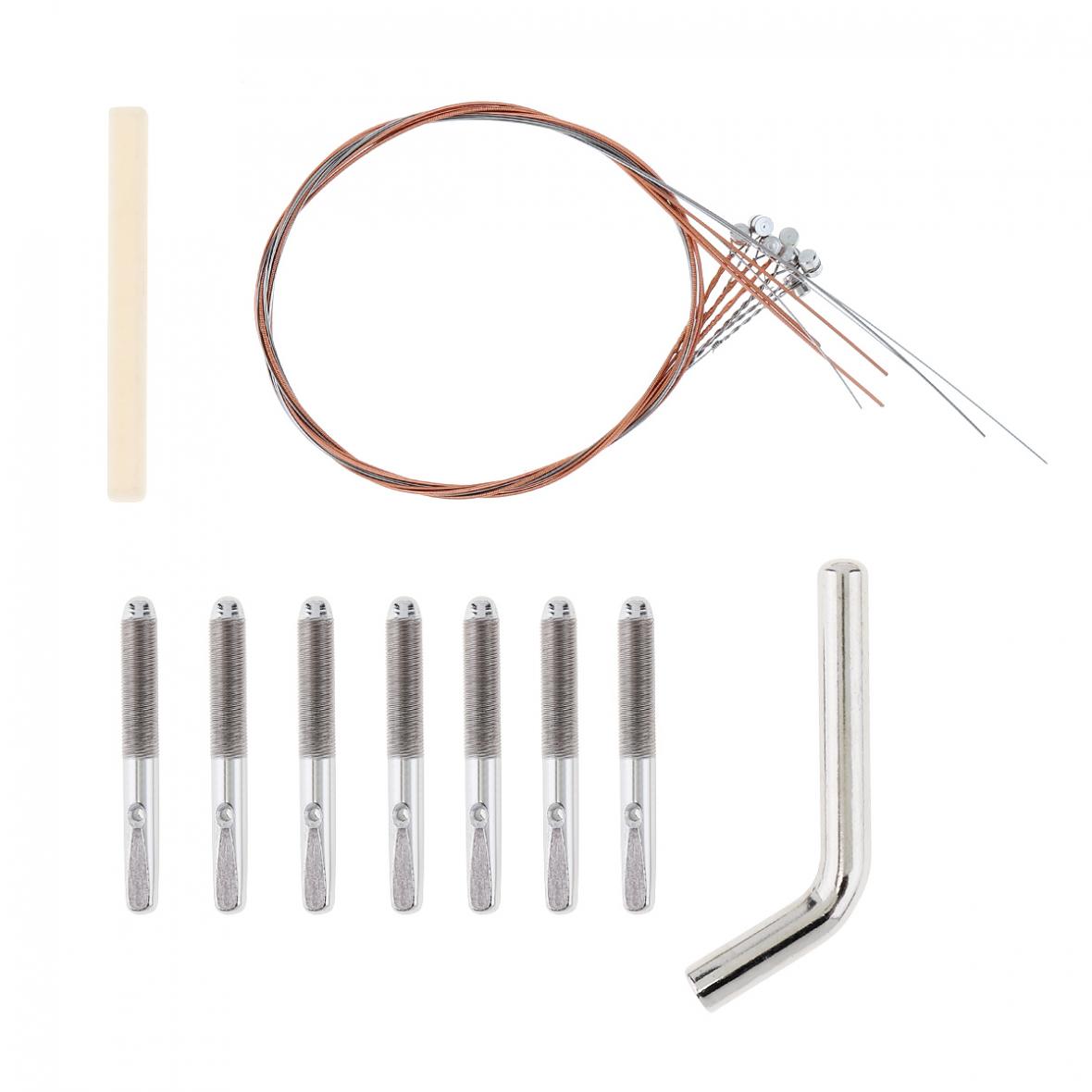
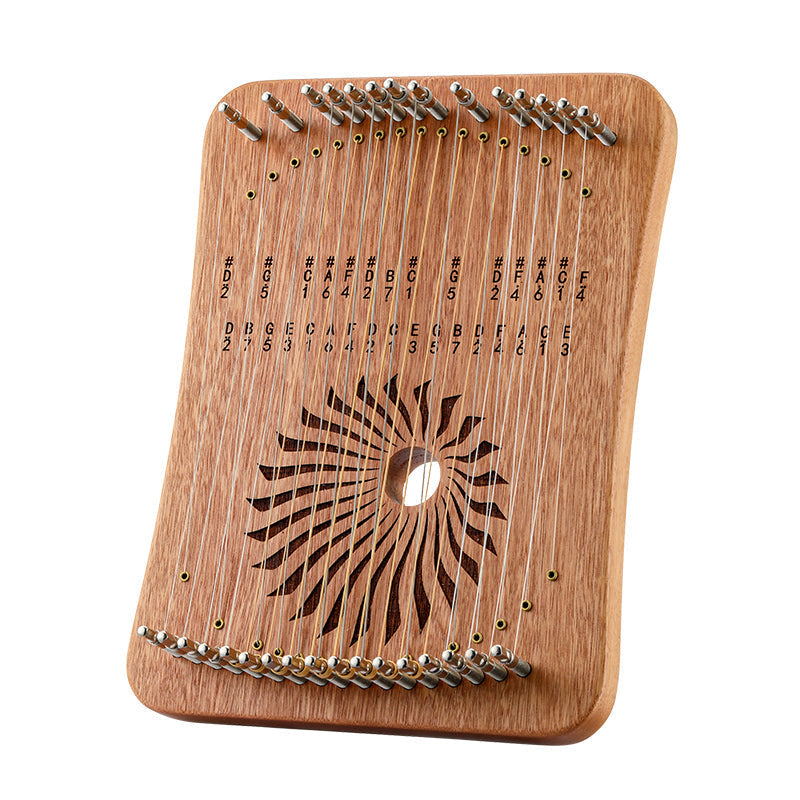
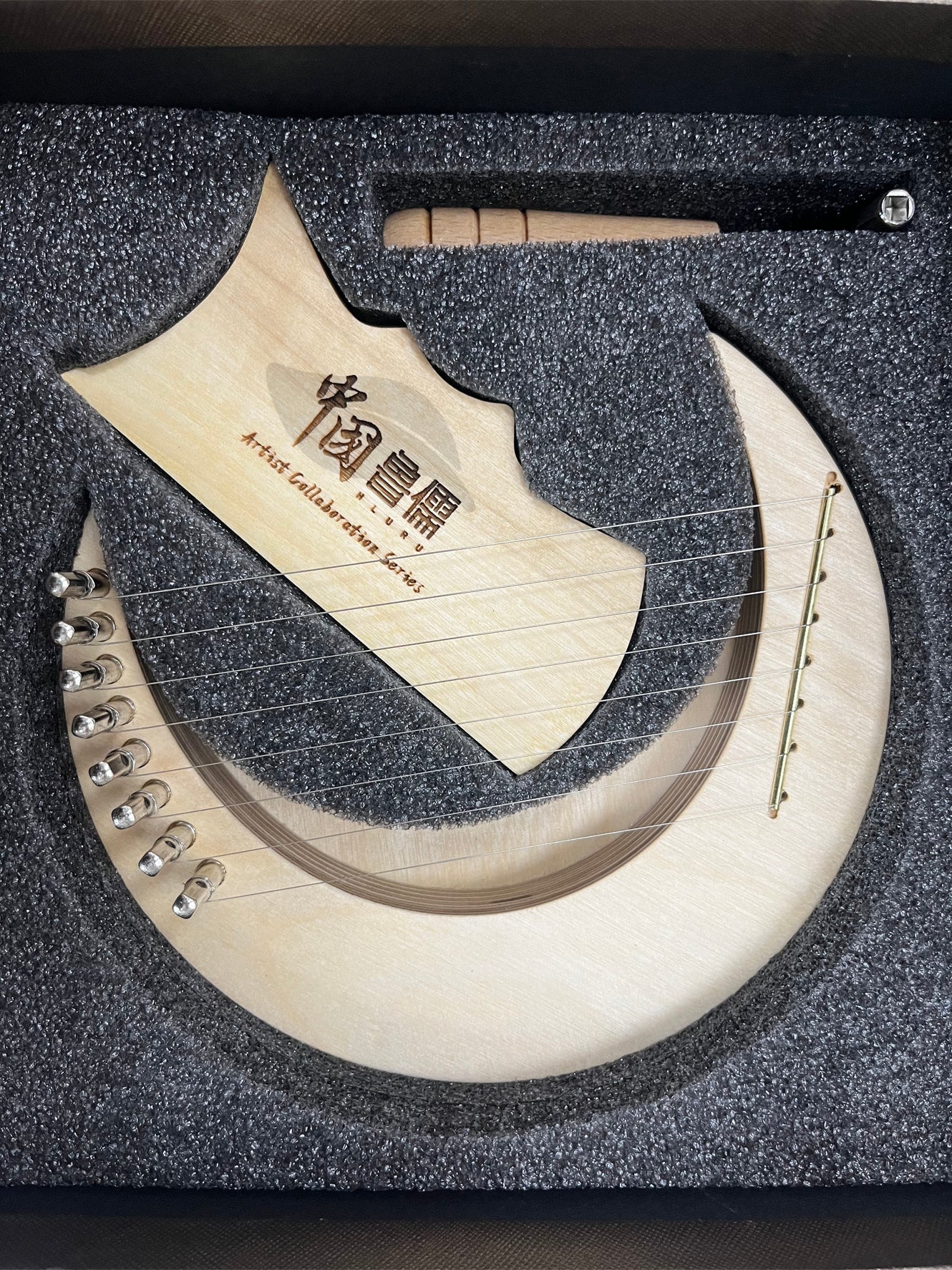
To get started, tune your lyre using the included tuning wrench and a digital tuner app on your phone. Most lyres arrive tuned to C major or a pentatonic subset. Once tuned, simply run your fingers across the strings and explore the sounds. You can follow along with free YouTube tutorials, use numbered tablature, or let your intuition guide you into freeform improvisation. Many beginners find they can play simple melodies within their first day.
For players with some musical background, transitioning to a 16-string or 19-string lyre opens up the full diatonic scale, allowing you to play popular songs, Celtic folk tunes, fantasy soundtrack covers, and original compositions. Piano players will find the note layout familiar, and guitarists appreciate the similar finger-picking technique with a completely different tonal palette.
Maintaining Your Lyre Harp
Preserve your lyre harp's sound quality and beauty with a few simple care practices. Store your instrument in a room with moderate humidity (ideally 40-60%) and avoid leaving it in direct sunlight or near heat sources that could warp the wood. Wipe the strings with a dry cloth after each playing session to remove oils and extend their life. Steel strings typically last 6-12 months depending on use, while nylon strings may last longer but can lose brightness over time. Use a soft cloth to polish the wood body occasionally, maintaining its natural luster.
Lyre Harps in Sound Healing and Meditation
The lyre harp holds a unique position in the world of sound therapy. Its overtone-rich frequencies create a sonic environment that supports deep relaxation, emotional release, and energetic balance. Sound healing practitioners use lyre harps alongside singing bowls, tongue drums, and gongs to create immersive sound bath experiences.
The lyre's frequencies are particularly effective for working with the heart and throat chakras, which respond to the instrument's mid-range and upper register notes. Many practitioners also use specific tunings to target individual energy centers during one-on-one healing sessions. The portable size of the lyre makes it easy to bring to clients, retreats, and outdoor ceremony spaces, and its gentle volume level creates an intimate sonic atmosphere that larger instruments cannot replicate.
For personal use, playing a lyre before sleep helps calm the mind and prepare the body for rest. Incorporating lyre music into your morning meditation sets a peaceful tone for the day. The instrument integrates beautifully into yoga practice, breathwork sessions, and journaling rituals. If you already work with crystal singing harps or other sound healing instruments, adding a lyre harp brings a new dimension of organic, string-based resonance to your practice.
Explore Our Lyre Harp Collection
At Healing Sounds, every lyre harp for sale in our collection is carefully selected for exceptional craftsmanship, tonal quality, and durability. We offer lyre instruments from 7 to 31 strings, in a range of premium tonewoods and designs to suit every player and every purpose. Each instrument arrives with a tuning wrench, spare strings, and a carrying bag so you can begin playing immediately.
Whether you are looking for a beginner lyre to start your musical journey, a 16-string lyre harp for playing your favorite songs, or a professional 24-string lever lyre for advanced sound healing work, you will find the right instrument here. Browse our full selection below and discover the lyre harp that resonates with you.
Why Choose Healing Sounds
For over a decade, Healing Sounds has been a trusted source for high-quality sound healing instruments. Every lyre harp in our collection is inspected for build quality, tuning stability, and tonal character before being offered to our customers. We combine the warmth of handcrafted instruments with the reliability of professional-grade materials, ensuring that your lyre sounds as beautiful on day one thousand as it does on day one. Our team of musicians and sound healing practitioners is here to help you choose the right instrument for your unique journey.
Frequently Asked Questions About Lyre Harps
A harp has strings that run perpendicular to the soundboard and are attached directly to it, while a lyre has strings that run parallel between two arms connected by a crossbar, with the strings free of the soundboard. This open-frame design gives the lyre its distinctive shape and allows sound to project in all directions. Modern lyre harps combine elements of both traditions, with a compact body and open string configuration that produces the ethereal, resonant tones the instrument is known for. Lyres are significantly smaller and more portable than traditional harps, making them ideal for travel and personal use.
No, the lyre harp is widely considered one of the easiest stringed instruments to learn. Models with 7 strings tuned to a pentatonic scale are especially beginner-friendly because every note harmonizes naturally with every other note, meaning there are no wrong combinations. You can create beautiful music from your very first session without any prior musical experience. Even larger diatonic models with 16 or more strings are intuitive to play, and many beginners learn simple melodies within their first few days.
Yes, most people find the lyre significantly easier to learn than guitar. There are no chords to memorize, no frets to press, and no complex hand positions required. You simply pluck individual strings with your fingertips. The lyre also has fewer strings than a guitar, making the note layout easier to understand. Additionally, pentatonic-tuned lyres eliminate dissonance entirely, so everything you play sounds pleasant. For people who tried guitar and found it frustrating, the lyre harp offers a rewarding and much more accessible path into making music.
Yes, you can adapt piano sheet music for lyre harp, though with some limitations. Since a lyre typically covers one to three octaves depending on string count, you will need to select the melody line or a simplified arrangement that fits within your instrument's range. Many lyre players use numbered notation or tablature rather than traditional sheet music, which makes learning songs faster. A 16-string lyre covers roughly two octaves in C major, which is sufficient for most popular melodies. Free lyre tablature for hundreds of songs is available online and on YouTube.
For absolute beginners with no musical experience, we recommend starting with a 7-string or 10-string pentatonic lyre. These models are compact, affordable, and designed so that every note sounds harmonious. If you want more range to play recognizable songs, a 16-string lyre harp is the most popular choice among beginners and hobbyists alike. It provides a full two-octave C major scale, which is enough to play most popular melodies, folk tunes, and fantasy soundtrack covers. Consider mahogany for its warm, forgiving tone or okoume for a lightweight, budget-friendly option.
Yes. The gentle vibrations and overtone-rich sound of a lyre harp promote relaxation by slowing heart rate, lowering cortisol levels, and activating the parasympathetic nervous system. Research in music therapy consistently shows that playing or listening to stringed instruments reduces symptoms of anxiety and stress. Many of our customers report that incorporating lyre playing into their daily routine has become their most effective mindfulness practice, helping them transition out of stressful mental states and into a sense of calm presence.
Absolutely. Smaller lyre harps with 7 to 10 strings are perfect for children aged 5 and up. The strings are easy to pluck, the instrument is lightweight enough for small hands, and pentatonic tuning means every note sounds pleasant, building confidence from the first session. Playing the lyre develops fine motor skills, ear training, patience, and creative expression. Many parents choose lyre harps as a child's first instrument because they are far less frustrating than violin or guitar for young beginners.
Tune your lyre harp before each playing session using a chromatic tuner or a free tuner app on your phone. New strings stretch significantly during the first one to two weeks and may need retuning several times per session until they stabilize. Temperature and humidity changes also affect string tension, so instruments stored in variable environments may need more frequent tuning. Once strings are fully settled, most quality lyre harps hold their tuning well between sessions.
Treat yourself to a relaxing moment
With our best instruments. Handcrafted from the finest materials.
Created by healing enthousiasts
We know your needs because we use our products too. We are the first users.
Money-back guarantee
You have 60 days to return your order if it doesn't fit (you'll love it anyway).
100% secured payments
So you can remain in deep peace until you receive your order.