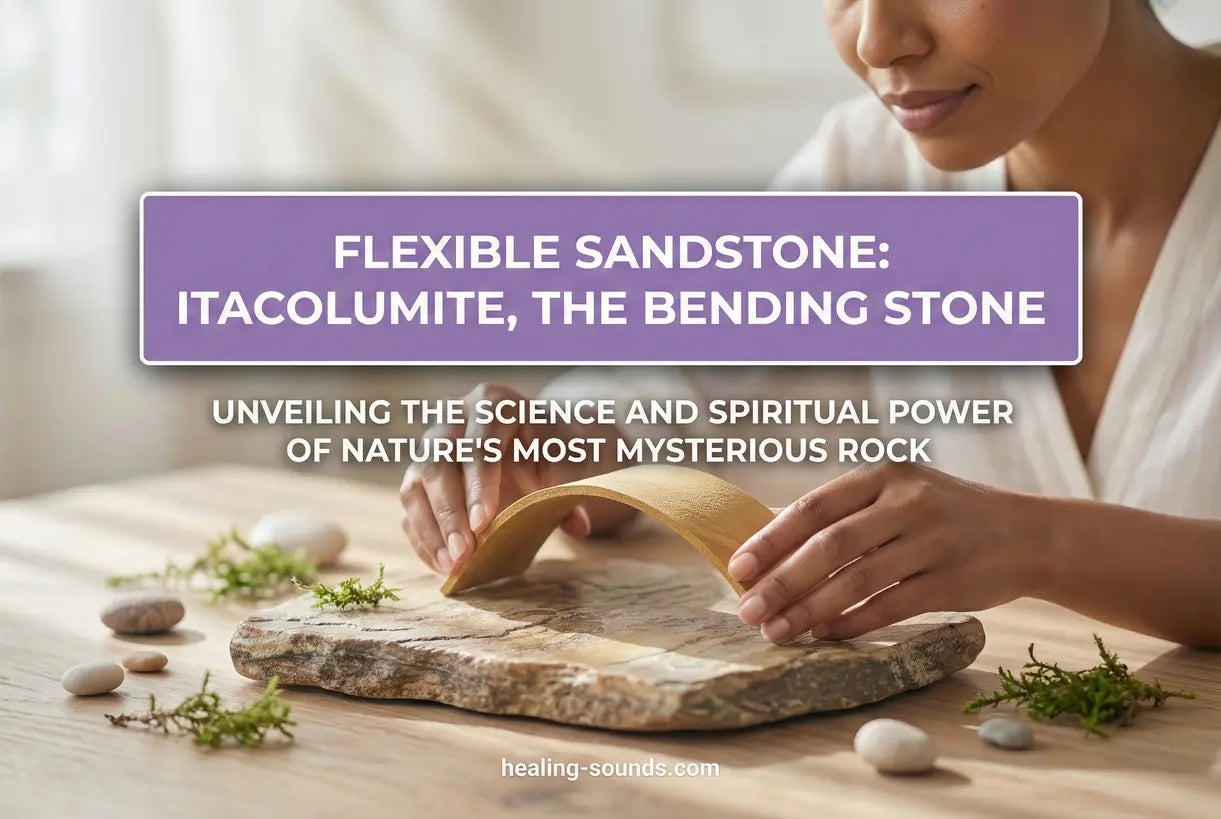
Imagine holding a solid slab of rock, applying a little pressure, and watching it gently curve under your fingers. This isn't a magic trick; it is the geological wonder of flexible sandstone. Known scientifically as Itacolumite, this rare mineral defies our standard understanding of stones as rigid and unyielding objects. For the spiritually inclined and geology enthusiasts alike, the "bending stone" offers a fascinating bridge between the physical laws of earth and the metaphysical concepts of adaptability.
While most crystals and minerals are celebrated for their hardness and permanence, flexible sandstone teaches us the power of resilience through movement. Whether you are a collector searching for unique sandstone properties or a seeker looking for a totem of flexibility, understanding the mystery behind Itacolumite opens a door to nature's hidden marvels. In this guide, we explore the science, the history, and the spiritual significance of this extraordinary stone.
What is Flexible Sandstone (Itacolumite)?
Itacolumite is a naturally occurring, yellow-to-brown sandstone that possesses a unique property: flexibility. When cut into thin slabs, this stone can be bent significantly without fracturing. It derives its name from Itacolumi, a mountain in Minas Gerais, Brazil, where it was first discovered and described by Europeans. Unlike standard sandstone, which is brittle, flexible sandstone feels almost like a heavy, gritty piece of leather or wood when flexed.
The existence of a bending stone challenges our perception of the mineral kingdom. It is composed primarily of quartz grains, but its internal structure allows for movement that is virtually unheard of in other silicate rocks. This rarity makes it a prized specimen for museums, universities, and private collectors who value the intersection of geological science and natural beauty.

The Science Behind the Bend: How It Works
The question on everyone's mind is simple: How can a rock bend? The secret lies in the microscopic arrangement of its particles. In typical sandstone, the quartz grains are cemented tightly together by silica or calcium carbonate, creating a rigid structure. In flexible sandstone, however, the bond is different.
Geologists have found that the quartz grains in Itacolumite are irregular and interlocking, somewhat like a ball-and-socket joint or the pieces of a 3D puzzle. Over millions of years, the cementing material between these grains may have dissolved or weathered away, leaving the interlocking grains free to shift slightly against one another. This "play" between the grains allows the stone to flex under its own weight or when pressure is applied.

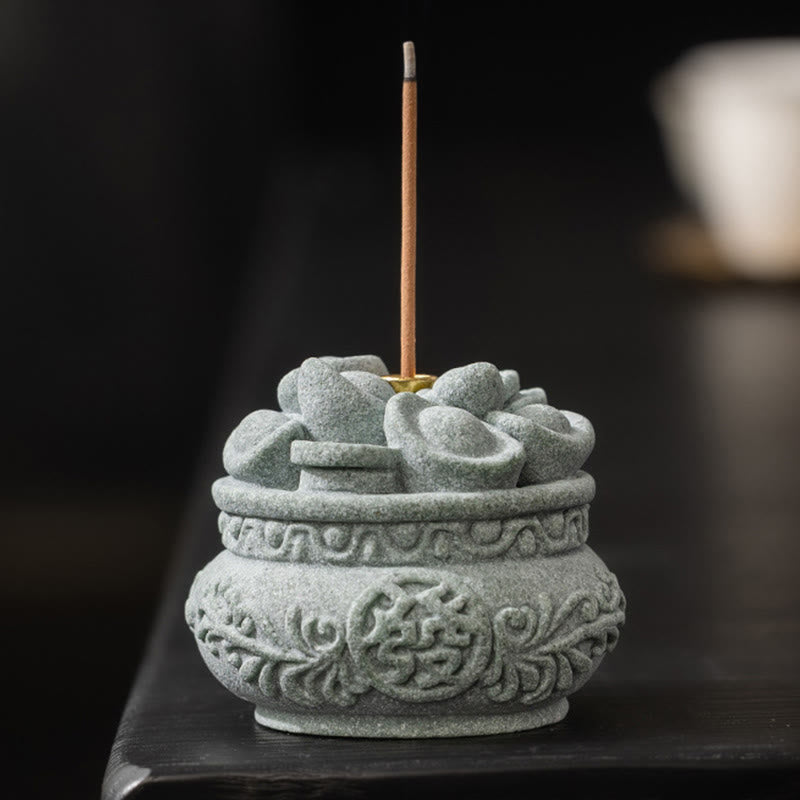
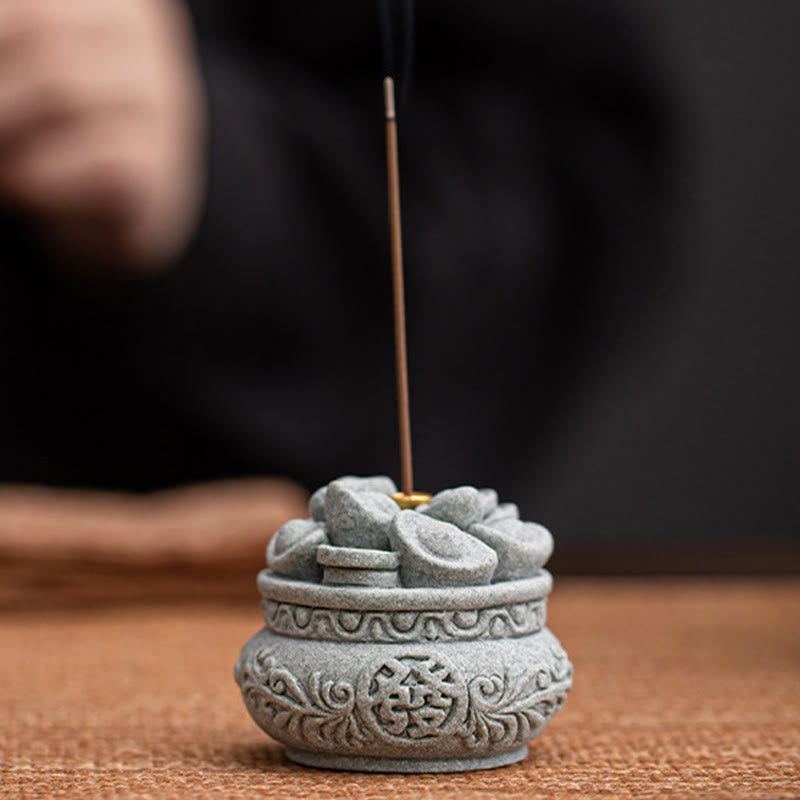
Green Sandstone Fu Incense Burner | Prosperity Desk Decor
$48.90 $69.90
Invite positive energy with this green sandstone incense burner—blend prosperity rituals and flexible sandstone’s earth energy.
Explore ProductWhere is Flexible Sandstone Found?
While the most famous deposits are in the Itacolumi mountains of Brazil, flexible sandstone is not exclusive to South America. Significant deposits have been found in specific regions of India (specifically Haryana and Madhya Pradesh) and even in the United States, notably in North Carolina. These locations share a geological history of metamorphism that allowed these unique sedimentary rocks to form.
Because finding high-quality, flexible specimens is difficult, Itacolumite remains a rarity in the commercial market. Authentic pieces are often kept in raw slab forms to demonstrate their bending ability, rather than being tumbled or polished into jewelry like other sandstone crystals.
Metaphysical Properties and Spiritual Meaning
In the realm of crystal healing and spiritual symbolism, flexible sandstone is a powerful teacher. Its primary energy is one of adaptability. Just as the stone bends without breaking, it encourages us to remain flexible in our thoughts and actions when facing life's pressures. It serves as a tangible reminder that rigidity often leads to fractures, while flexibility ensures survival and longevity.
Working with the energy of sandstone, in general, is known for its grounding properties. It connects us to the Earth and the ancient wisdom of the soil. However, the "bending stone" adds a layer of resilience. It is an excellent talisman for those going through major life transitions, helping to navigate change with grace rather than resistance.

Spiritual Benefits of Sandstone:
- Grounding: Anchors volatile emotions and promotes stability.
- Creativity: Sandstone is often associated with the Sacral Chakra, fueling creative adaptation.
- Clarity: Helps in filtering out "mental noise," much like sand filters water.
Uses of Flexible Sandstone in Daily Life
While you won't typically find Itacolumite in standard jewelry due to its granular texture and rarity, its cousins in the sandstone family—like Blue Sandstone or Green Sandstone—are popular in spiritual accessories. True flexible sandstone is primarily used as a meditation tool or a desk companion. Placing a piece on your altar or workspace can serve as a focal point for contemplation on the nature of reality and matter.
For collectors, it is a conversation starter that bridges the gap between science and spirit. Handling the stone requires mindfulness; it demands that you treat it with respect, reinforcing the practice of gentle touch and intentional interaction with the physical world.

Wearable Sandstone Energy

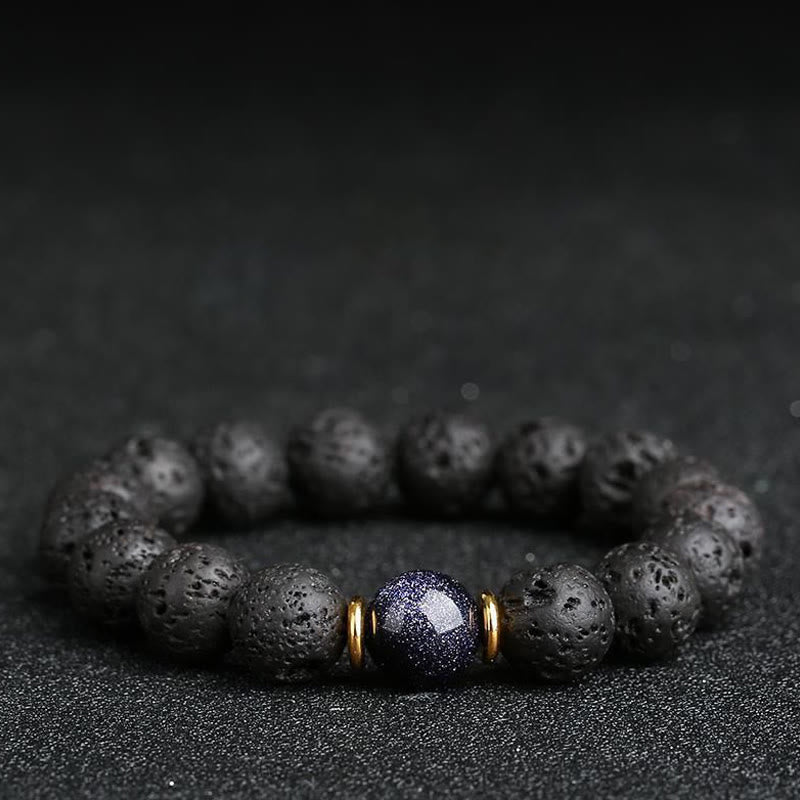
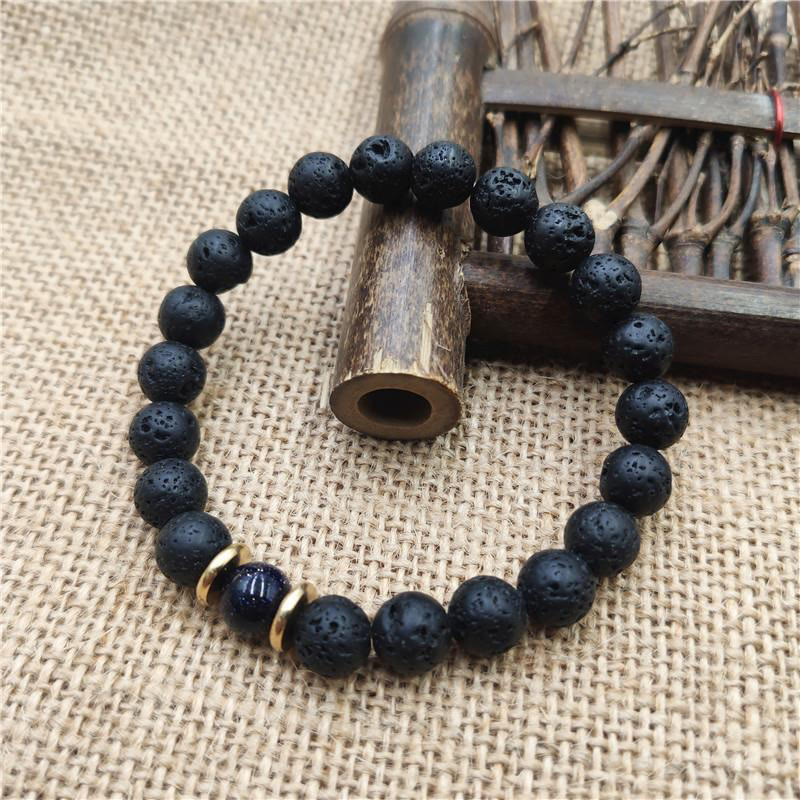
8mm Blue Sandstone Lava Rock Spiritual Bracelet
$24.90
$35.90
Wear the mystical energy of sandstone and lava rock for grounding, cosmic inspiration, and mindful flexibility every day. Learn more ➔

Unisex Yak Bone Dzi Bead Turquoise Protection Bracelet
$199.90
$289.90
Harness ancient protection and spiritual strength with beads featuring blue sandstone, revered for unique, adaptable energies. Learn more ➔
Conclusion
Flexible sandstone is more than just a geological oddity; it is a profound symbol of the strength found in yielding. Whether you are fascinated by the unique interlocking grains of Itacolumite or drawn to the grounding metaphysical properties of sandstone, this mineral reminds us that flexibility is a virtue. By incorporating the energy of the bending stone into your life—whether through raw specimens or sandstone-inspired jewelry—you invite a spirit of resilience and grounded adaptability into your daily journey.
Frequently Asked Questions about Flexible Sandstone
Flexible sandstone, also known as Itacolumite, is a rare type of porous yellow sandstone that can bend when cut into thin strips. It is composed of interlocking quartz grains that allow for slight movement without breaking the stone.
It bends due to its unique internal structure. The quartz grains are irregularly shaped and interlocked like a puzzle, with void spaces between them. This allows the grains to shift slightly against each other when pressure is applied, creating flexibility.
Historically, it was used as a construction material for fireplace mantels and roof tiles in Brazil due to its heat resistance. Today, it is primarily used as a geological specimen for collectors, educational demonstrations, and as a spiritual symbol of adaptability.
The most famous deposits are found in Minas Gerais, Brazil, near Pico do Itacolomi. It is also found in localized areas in India (Haryana and Madhya Pradesh) and the United States (North Carolina).
It is called the bending stone because thin slabs of the rock will visibly bend under their own weight or when manipulated by hand, defying the common expectation that stone is rigid and brittle.