For centuries, the deep, celestial blue of Lapis Lazuli has captivated the human spirit, bridging the gap between the physical and the divine. When integrated into Lapis Lazuli Native American jewelry, this ancient gemstone takes on a profound new significance, blending Old World mysticism with New World artistry. For the spiritually inclined woman, these pieces are more than mere adornment; they are talismans of wisdom, history, and connection to the elemental forces of nature.
While Turquoise is the stone most famously associated with indigenous craftsmanship of the American Southwest, Lapis Lazuli has carved out its own revered niche. Its rich indigo hue, often flecked with golden pyrite, complements the iconic sterling silver settings found in Navajo, Zuni, and Hopi traditions. In this guide, we explore the unique styles, deep symbolism, and artisan techniques that define Lapis Lazuli Native American jewelry, helping you find a piece that resonates with your personal journey.
The Journey of Lapis Lazuli in Indigenous Art
Unlike Turquoise, which is mined extensively in the American Southwest, Lapis Lazuli has historically been a stone of trade, journeying from distant lands—primarily Afghanistan and later the Andes—to reach Native American artisans. This history of trade imbues the stone with a sense of connection and universality. In indigenous cultures, blue stones are often linked to the sky (Father Sky) and water, two critical life-giving elements.
- Sky Connection: Represents the vastness of the universe and spiritual depth.
- Water Symbolism: Signifies life, purification, and emotional flow.
- Trade Value: Historically prized as a high-value trade item alongside shells and coral.
The adoption of Lapis Lazuli into Native American jewelry styles demonstrates the adaptability and artistic vision of these craftsmen. By incorporating this vibrant blue stone, artisans created a striking contrast against the warm red of coral or the lighter blue of turquoise, expanding the palette of their storytelling.

Distinctive Styles and Techniques
When searching for authentic Lapis Lazuli Native American jewelry, you will encounter several distinct techniques that showcase the stone's beauty in different ways. Understanding these styles helps in appreciating the skill required to create each piece.
Silverwork and Cabochons
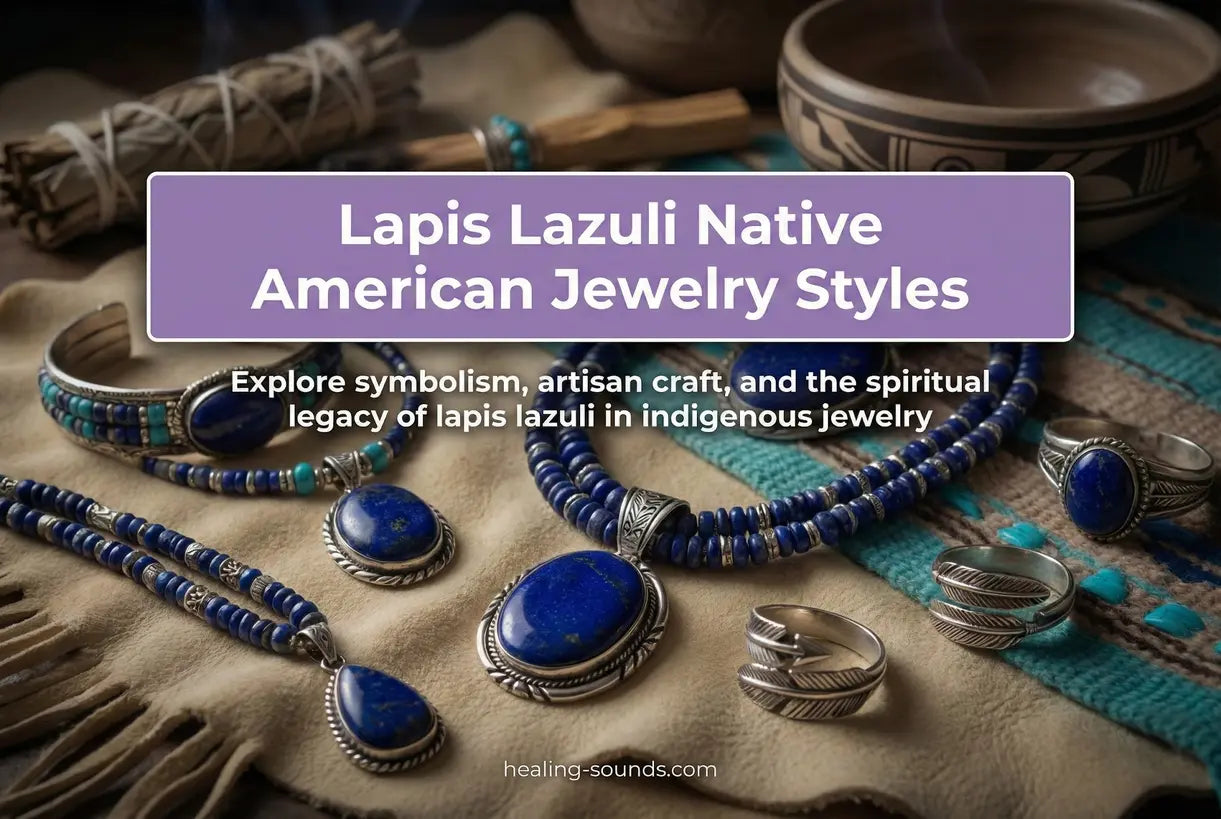
The Navajo (Diné) are renowned for their intricate silverwork. In these pieces, large, polished Lapis Lazuli cabochons are often set in heavy sterling silver bezels. The silver is frequently stamped with traditional motifs or decorated with applied silver leaves and flowers. The deep blue of the Lapis provides a stunning, modern contrast to the oxidized silver, creating a look that is both bold and timeless.
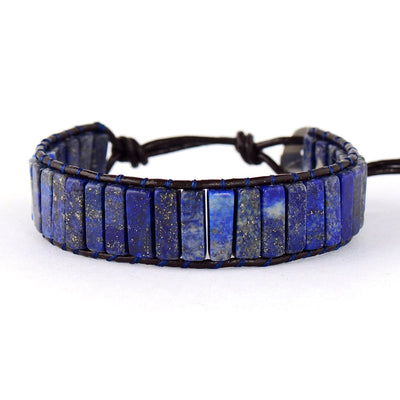
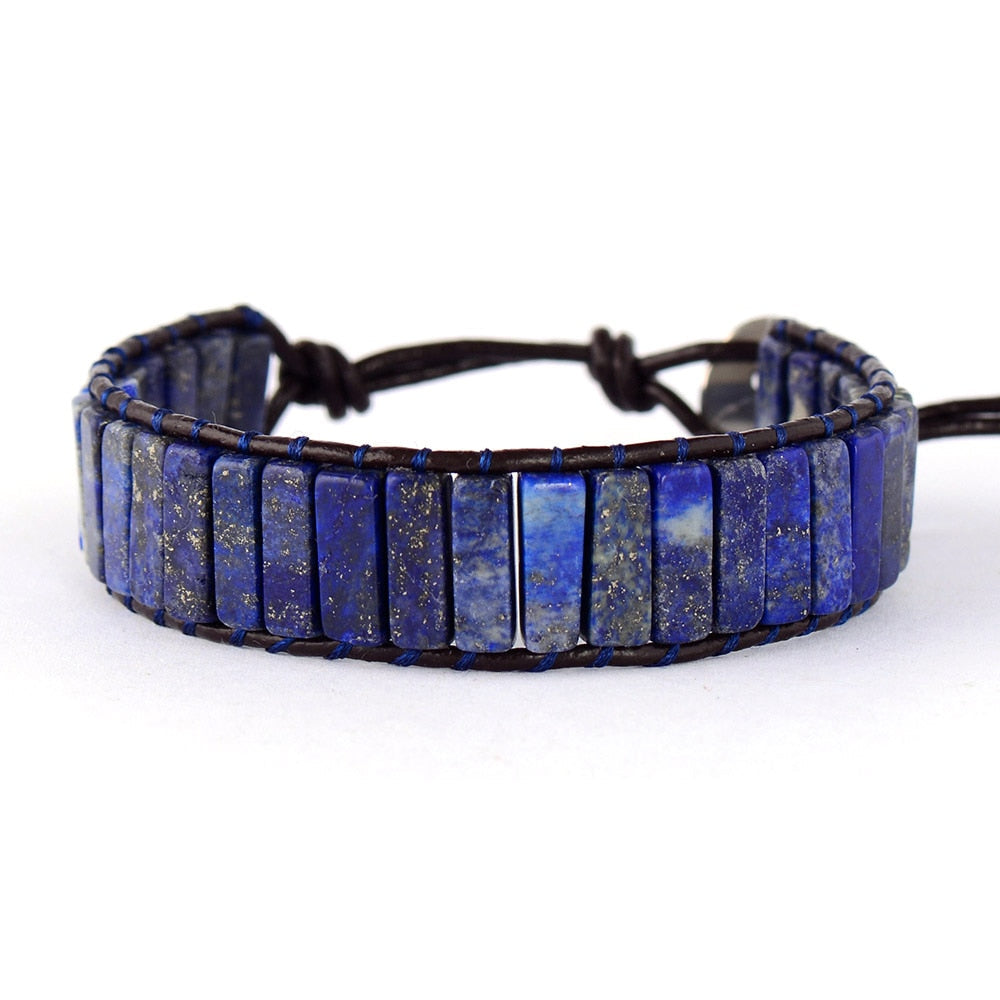
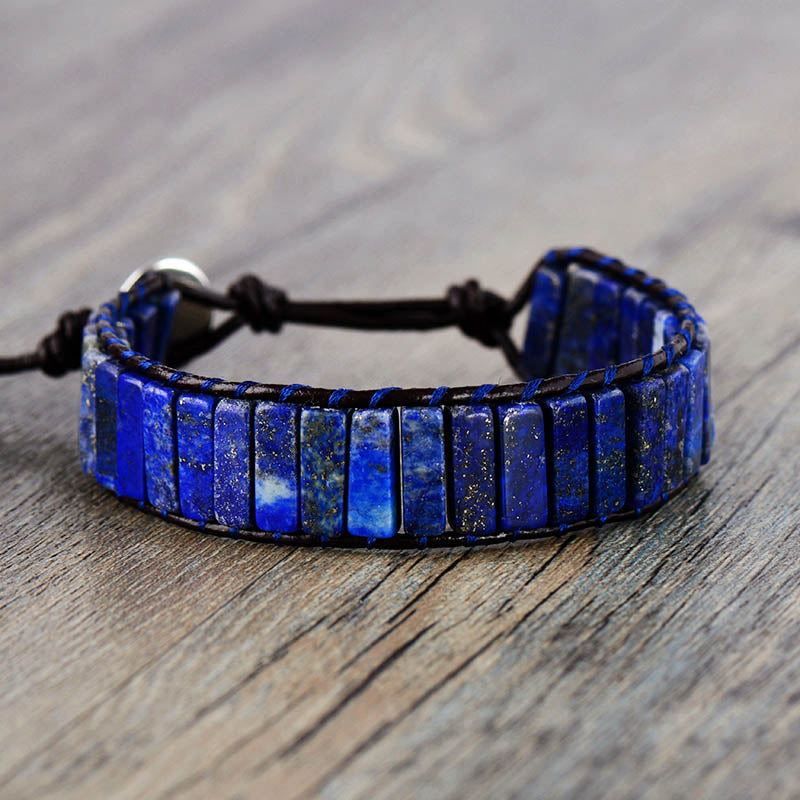
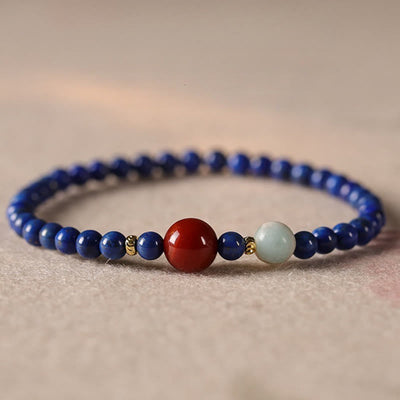
Lapis Lazuli Royalty & Enlightenment Bracelet
$39.99 $49.99
Wear this artisan lapis lazuli bracelet to channel indigenous wisdom and timeless Native American jewelry traditions.
Explore ProductIntricate Inlay Work
The Zuni and Hopi peoples are celebrated for their exquisite stone-to-stone and channel inlay techniques. Here, Lapis Lazuli is cut into precise geometric shapes and set flush against other gemstones like Turquoise, Coral, and Jet. This technique allows for the creation of intricate mosaics and pictorial designs, often depicting Kachinas, sun faces, or geometric patterns representing rain and crops.
In Lapis Lazuli artisan jewelry utilizing inlay, the lack of metal barriers between stones (in stone-to-stone inlay) creates a seamless flow of color. The indigo of the Lapis adds a depth of shadow and mystery that lighter stones cannot achieve, grounding the design.
Beadwork and Nuggets
Santo Domingo (Kewa) Pueblo artisans are famous for their heishi beadwork. While traditionally made from shell and turquoise, modern iterations frequently incorporate Lapis Lazuli. These necklaces feature strands of disc-shaped beads, ground smooth by hand, offering a fluid, liquid-like drape. Rough Lapis nuggets are also popular for a more organic, earthy aesthetic that emphasizes the raw power of the stone.
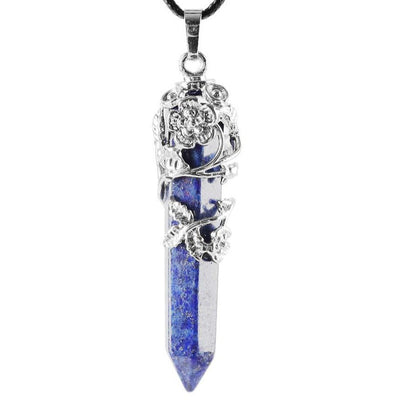
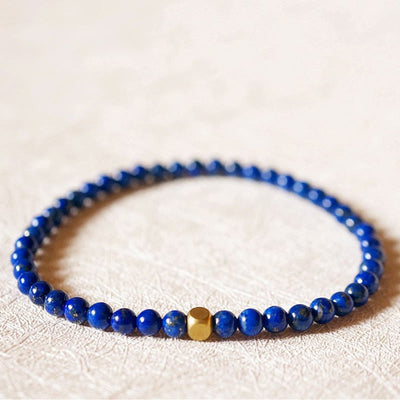
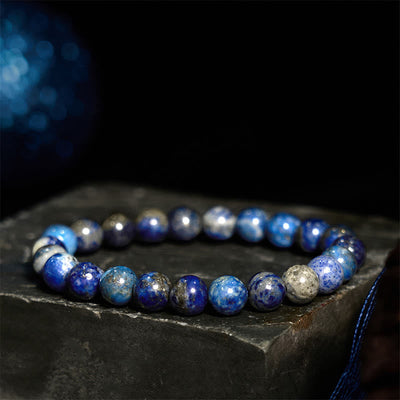
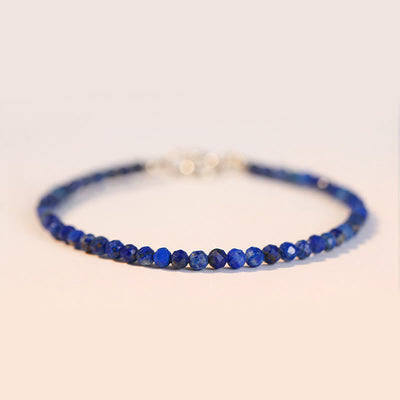
Symbolism and Spiritual Connection
For the wearer, the appeal of Lapis Lazuli symbolism goes beyond aesthetics. Known globally as the "Stone of Wisdom," Lapis resonates deeply with the Throat Chakra and the Third Eye, facilitating truth, clarity, and spiritual enlightenment. In the context of Native American beliefs, wearing blue stones is often a prayer for rain, health, and protection.

Integrating Lapis Lazuli jewelry styles into your life can serve as a daily reminder of your own inner wisdom. The stone encourages self-awareness and the expression of one's truth, aligning perfectly with the storytelling tradition of indigenous art—where every symbol tells a truth about the world.
Contemporary Adaptations
Today, contemporary Native American artists are pushing boundaries, blending ancestral techniques with modern design sensibilities. You might find handmade Lapis Lazuli jewelry that pairs the stone with gold instead of silver, or uses it in minimalist settings that appeal to modern fashion while honoring traditional roots.
Enhance Your Spiritual Practice

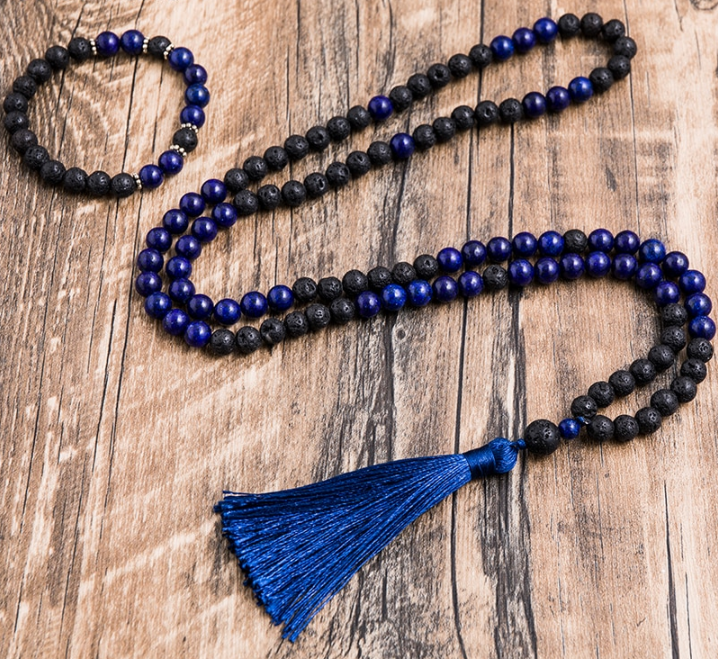
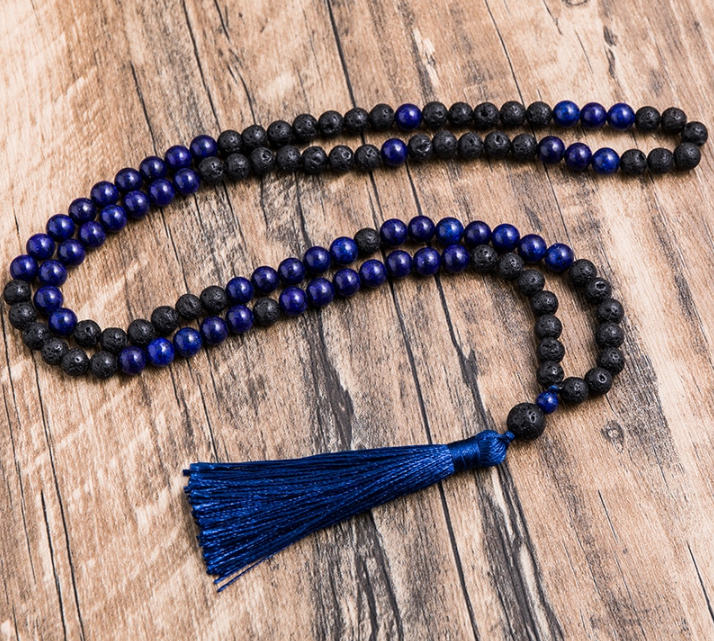
Wisdom of The Ages Lapis Lazuli Accessory Set
$59.99
$79.99
Honor tradition with this lapis lazuli jewelry and 108 mala set—perfect for deepening your cultural and spiritual connection. Learn more ➔
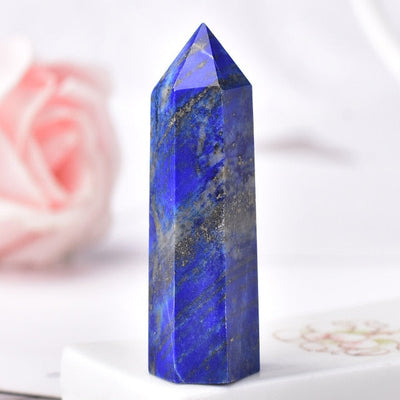
Lapis Lazuli Wisdom and Protection Tower
$29.99
$39.99
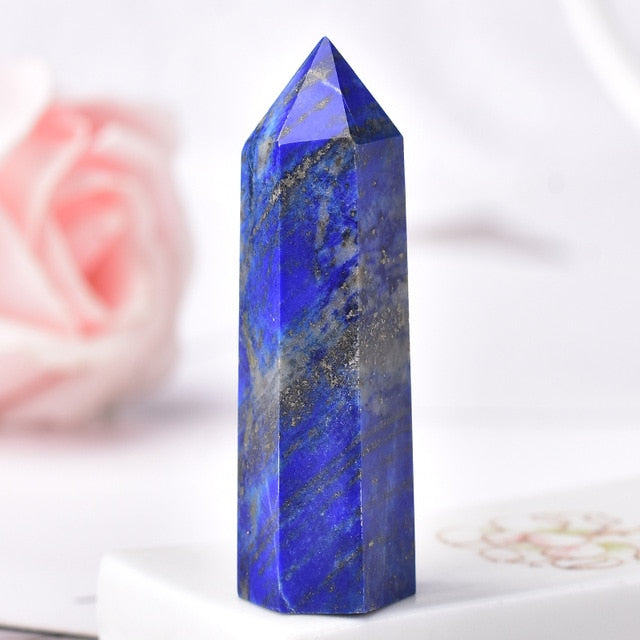
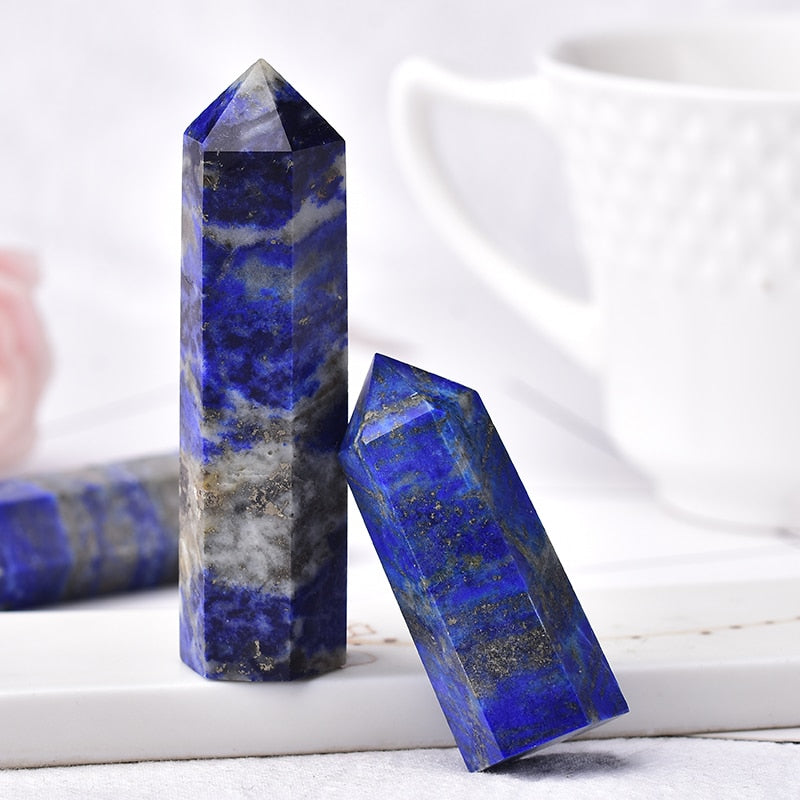
Decorate your space with this lapis lazuli tower—a symbol of clarity and protection inspired by indigenous rituals. Learn more ➔
Identifying Authentic Quality
Because of its popularity, the market can be flooded with dyed imitations. Authentic Native American jewelry featuring Lapis Lazuli will typically use high-grade stones. Look for pyrite inclusions—the small golden flecks found naturally in Lapis. A stone that is too perfectly uniform in color without any variation may be dyed howlite or a synthetic composite.
Furthermore, examine the metalwork. Authentic pieces are usually stamped with "Sterling" or ".925" and often carry the artisan's hallmark (signature). Supporting authentic indigenous artists not only ensures you receive a high-quality piece but also helps preserve these vital cultural traditions.

Conclusion
Whether you are drawn to the intricate inlay of the Zuni, the bold silverwork of the Navajo, or the rhythmic beadwork of the Santo Domingo Pueblo, Lapis Lazuli Native American jewelry offers a timeless connection to spirit and earth. These pieces are not just accessories; they are wearable art that carries the wisdom of the ages. By choosing authentic Lapis Lazuli styles, you honor a rich heritage while inviting clarity, protection, and beauty into your own life.
Frequently Asked Questions about Lapis Lazuli Native American Jewelry
In Native American jewelry, Lapis Lazuli is often valued for its deep blue color, which symbolizes the sky and water—elements essential for life and spiritual connection. It is frequently used to complement turquoise and coral, representing balance and the beauty of the natural world.
Historically, Lapis Lazuli was acquired through extensive trade networks connecting North American tribes with sources in South America (the Andes) and even indirectly from Afghanistan via European traders. Today, artisans source high-quality stones from gem dealers to ensure authenticity and durability in their work.
Common styles include Navajo sterling silver settings with large cabochons, Zuni channel inlay where Lapis is fitted with other stones like turquoise and jet to create geometric mosaics, and Santo Domingo heishi bead necklaces that incorporate Lapis discs or nuggets.
Lapis Lazuli generally symbolizes wisdom, truth, and spiritual insight. In the context of indigenous symbolism related to color, its dark blue hue is deeply connected to the night sky, water, and the north direction, embodying protection and the flow of life.
Lapis Lazuli is a relatively soft and porous stone. To care for it, avoid ultrasonic cleaners, hot water, and harsh chemicals. Clean your jewelry gently with a soft, dry cloth or a damp cloth with mild soap, drying it immediately to preserve the stone's luster and silver setting.