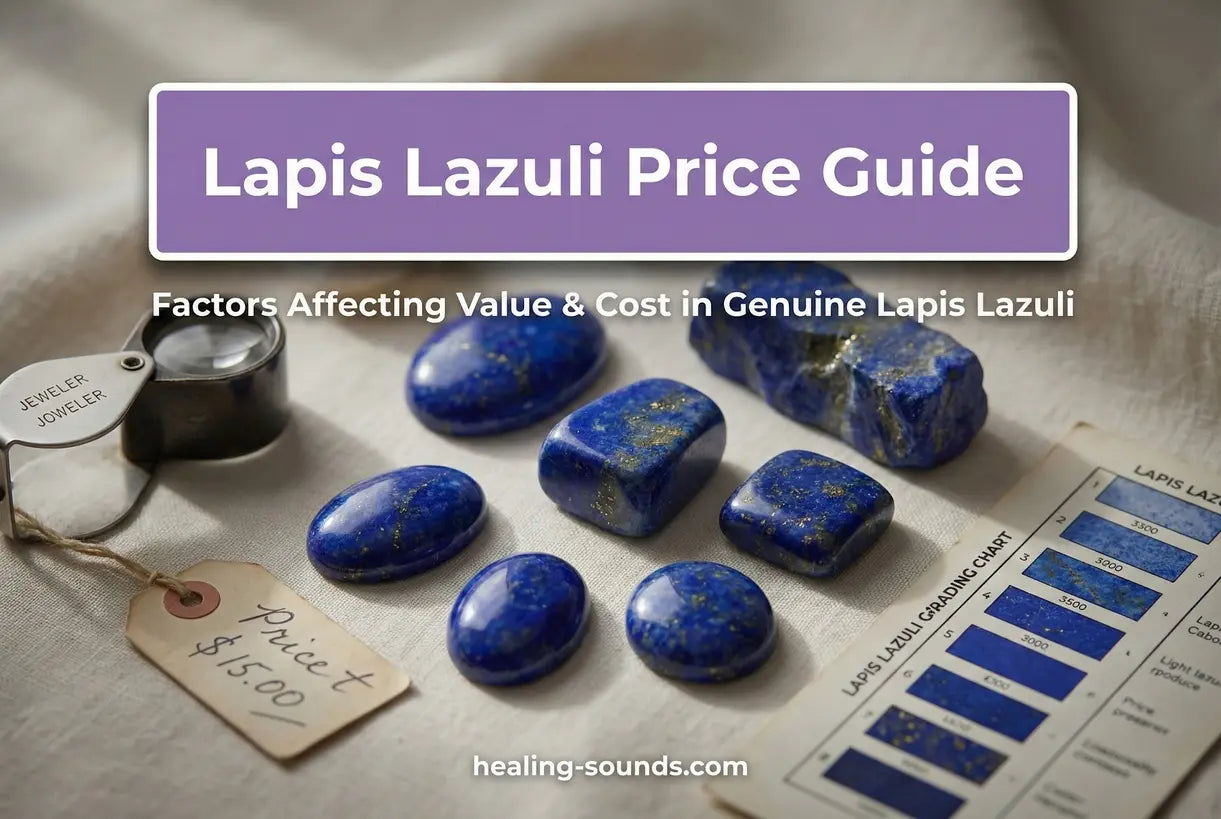
For centuries, the deep celestial blue of Lapis Lazuli has captivated royalty, artists, and spiritual seekers alike. If you are looking to add this stone of wisdom and truth to your collection, understanding the current Lapis Lazuli Price is the first step toward making an informed investment. Whether you are drawn to a polished tumble stone for meditation or a majestic centerpiece for your home, knowing what drives the cost ensures you acquire a piece that resonates with both your spirit and your budget.
Navigating the gemstone market can be complex, as prices fluctuate based on origin, quality, and craftsmanship. This guide breaks down the essential lapis lazuli value factors, helping you distinguish between high-grade specimens and affordable alternatives. By learning to identify genuine lapis lazuli versus dyed imitations, you can shop with confidence, ensuring that the stone you bring into your healing space carries the authentic energy you seek.
What Factors Determine Lapis Lazuli Price?
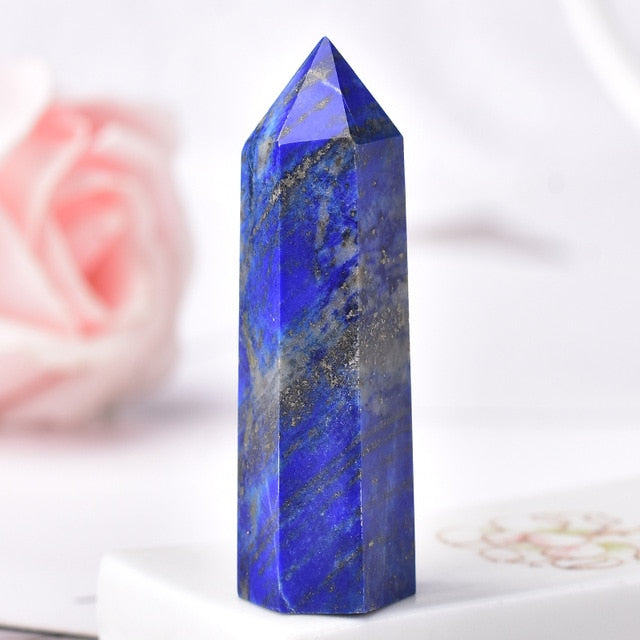
The lapis lazuli cost is not arbitrary; it is determined by a specific set of gemological characteristics. Unlike transparent gemstones where clarity is paramount, Lapis Lazuli is valued for its opaque, intense color and unique inclusions. The most desirable stones exhibit a rich, uniform royal blue, often described as "Afghan" or "Persian" blue, referring to the historic mines in Afghanistan which still produce the world's finest specimens.
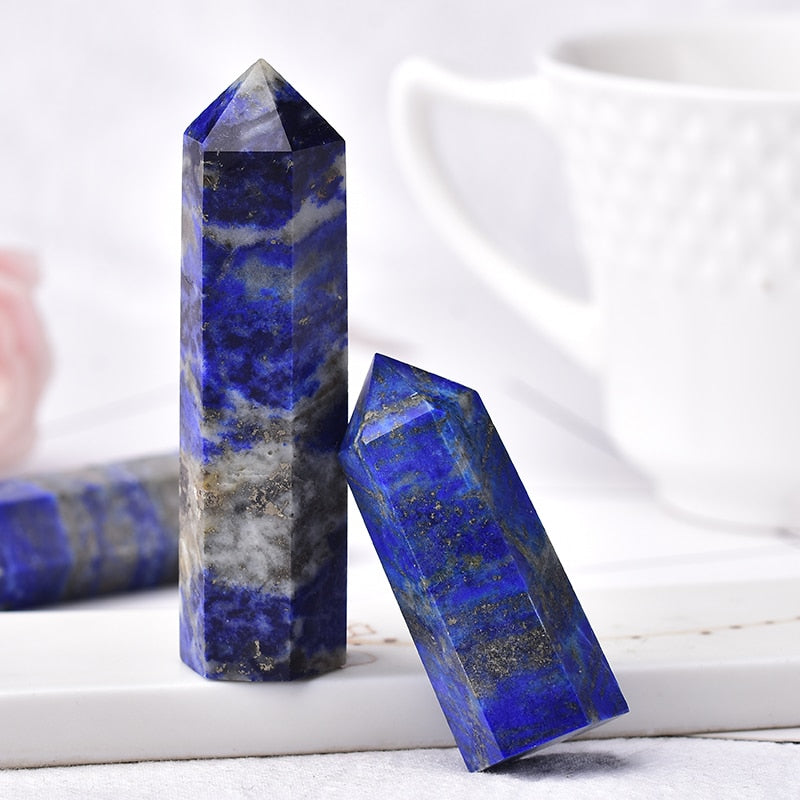
Secondary to color is the presence of other minerals. Lapis is a rock composed mainly of Lazurite, but it often contains Calcite (white streaks) and Pyrite (gold flecks). While excessive white calcite can lower the lapis lazuli value, a delicate dusting of golden pyrite is often prized by collectors as it resembles stars in a night sky. However, too much pyrite can make the stone appear dull or greenish, negatively impacting the price.
- Color: Deep, intense royal blue commands the highest price.
- Impurities: White calcite streaks generally lower value; gold pyrite flecks can enhance it if balanced.
- Origin: Stones from the Sar-i-Sang mines in Afghanistan are typically the most valuable.
Understanding these nuances helps explain why two seemingly similar stones can have vastly different price tags. A piece that is virtually free of white calcite and possesses a saturated violet-blue hue represents the pinnacle of quality.

Identifying Genuine vs. Fake Lapis Lazuli
As the demand for this ancient stone grows, so does the prevalence of imitations. Knowing how to tell if a stone is authentic lapis lazuli is crucial for avoiding overpayment. Synthetic versions or lower-grade stones (like sodalite or dyed magnesite) are often sold as high-quality Lapis. A key indicator of a fake is color uniformity; natural Lapis Lazuli rarely has a completely flat, perfect color without any variation or inclusions.
Another test involves looking for evidence of dye. Genuine lapis lazuli is a robust rock, whereas dyed imitations may fade or show color concentrations in cracks. When you buy lapis lazuli, especially at a higher price point, ensure you are purchasing from reputable sources that guarantee authenticity. Real Lapis feels cold to the touch and has a distinct weight, while plastic imitations will feel lighter and warmer.
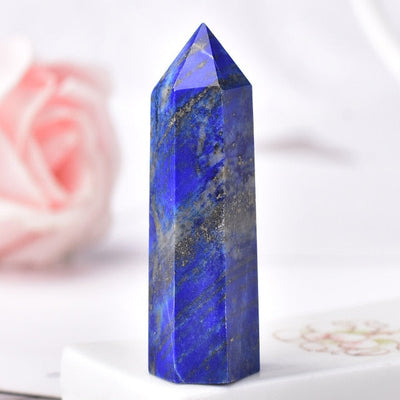
Lapis Lazuli Wisdom and Protection Tower
$29.99 $39.99
Explore the value of genuine Lapis Lazuli with this striking tower—perfect for mindful spaces on any budget.
Explore ProductLapis Lazuli Value by Grade
The lapis lazuli gemstone cost varies significantly by grade. In the trade, you might encounter terms like "AAA Grade," which refers to top-tier stones with intense indigo color and minimal calcite. These are investment-grade pieces. Mid-range stones, often used in affordable jewelry or carvings, may show more white mottling or a lighter denim blue shade. These are still beautiful and carry the stone's energetic properties but are more accessible for the average buyer.
Commercial-grade Lapis, which contains significant amounts of white calcite or grey rock, is the most affordable. While it may not have the visual punch of the top grades, it makes the lapis lazuli cost manageable for larger decorative items or beginning collectors. For detailed grading standards, organizations like the Gemological Institute of America (GIA) provide extensive resources on what constitutes quality in colored gemstones.

The Impact of Treatments
It is common for lower-grade Lapis to be dyed or waxed to improve its color and luster. While this makes the stone look better, treated stones should cost significantly less than untreated natural ones. Always ask if a stone has been treated, as this directly affects the lapis lazuli value. An untreated stone with natural royal blue color is a rare find and is priced accordingly.
Investment and Care: Is Lapis Lazuli Worth It?
Investing in Lapis Lazuli is not just a financial decision but a spiritual one. The stone is revered for opening the Third Eye chakra and enhancing intellectual ability. When you pay a premium for high-quality Lapis, you are paying for the purity of the material and the craftsmanship involved in cutting or carving it. Intricate carvings or perfectly spherical beads result in significant material loss during production, which drives up the price per carat.
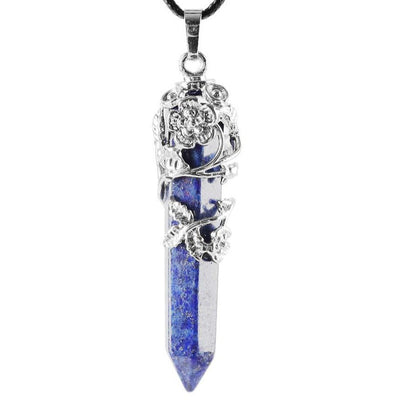
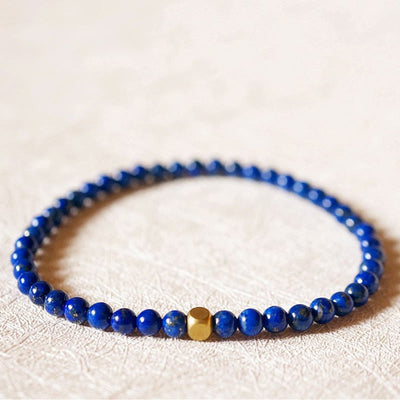
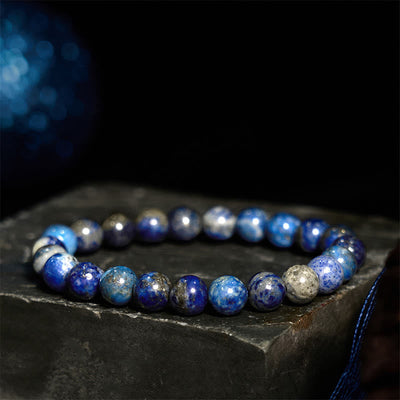
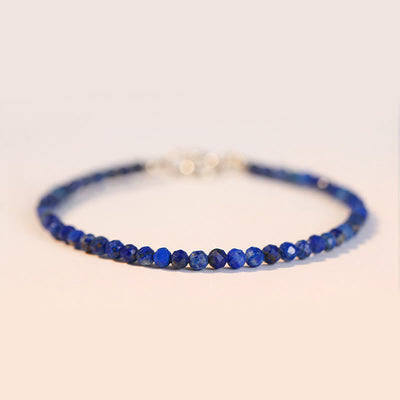
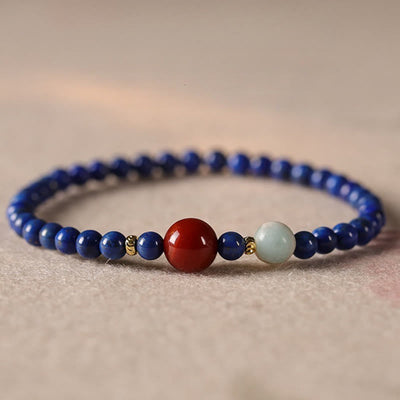
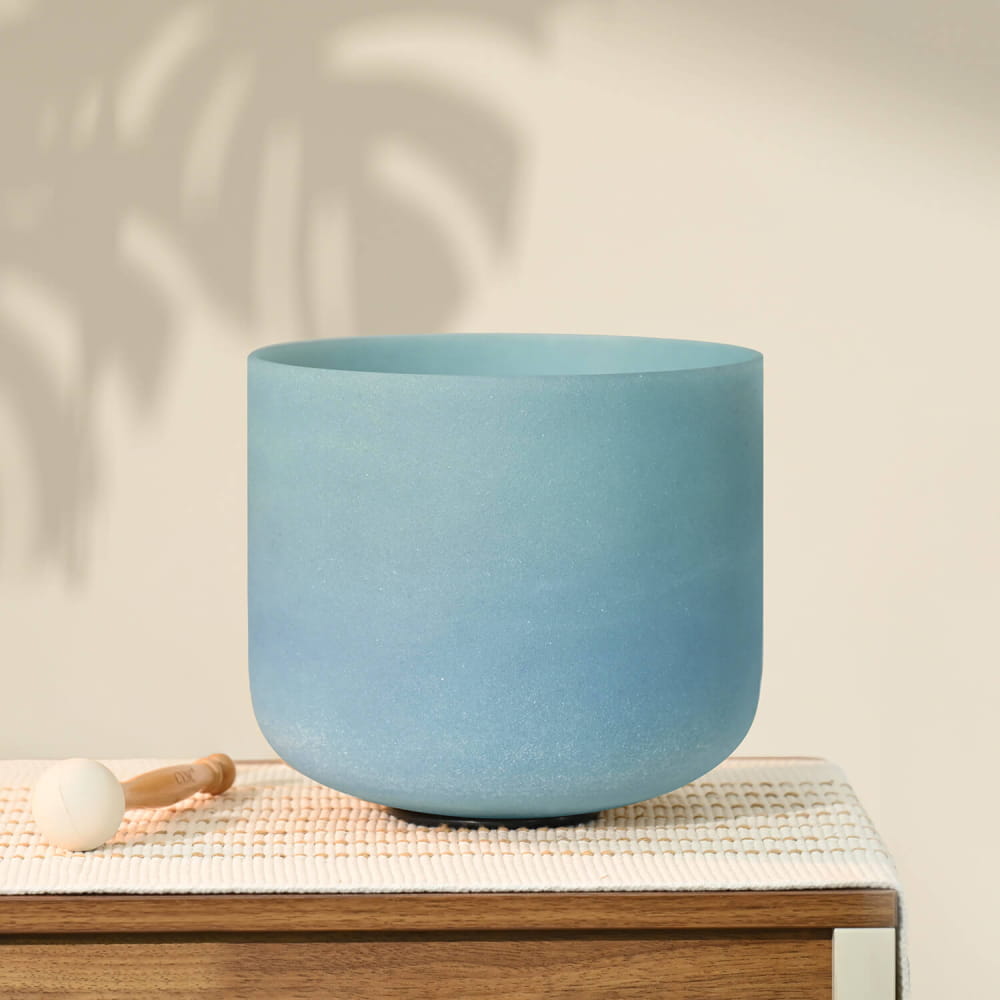
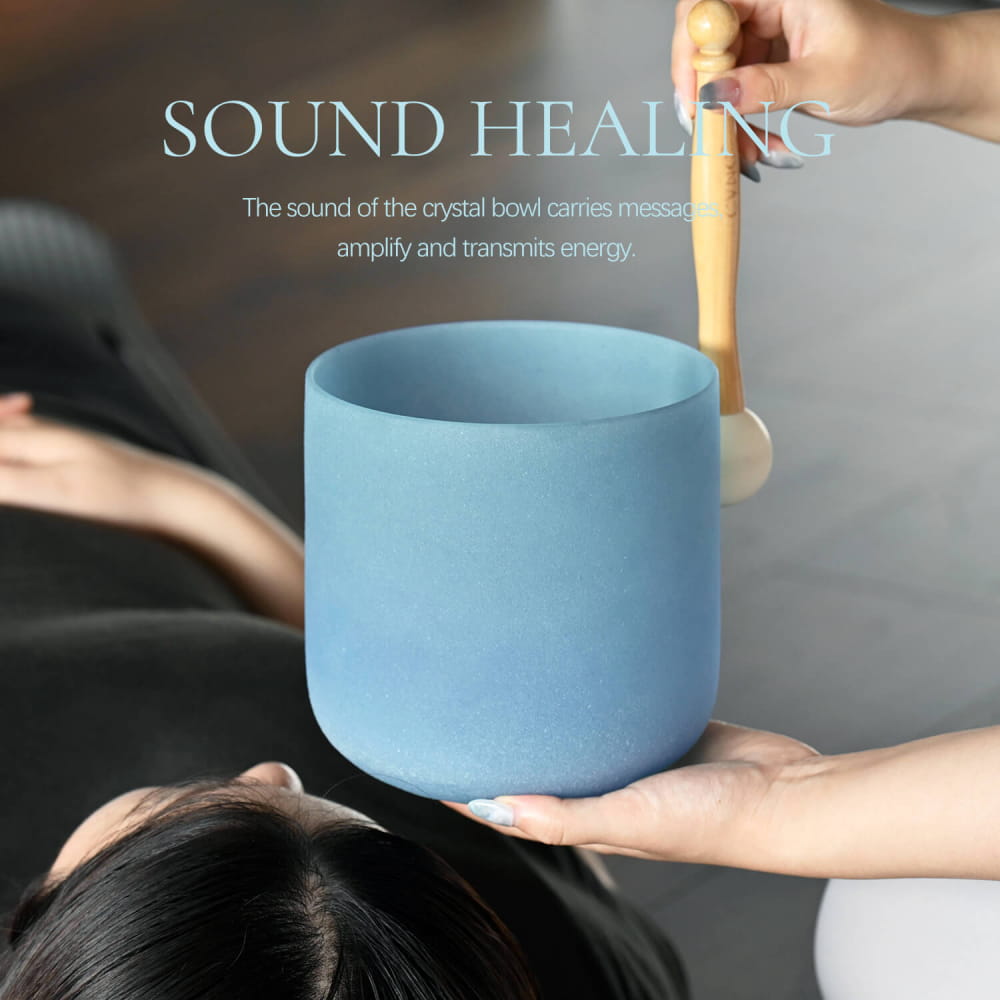
For those interested in holistic tools, the value extends beyond aesthetics. Items like orgone pyramids or singing bowls incorporate Lapis for its vibrational qualities. Here, the lapis lazuli price reflects both the gemstone material and the specialized labor required to create a functional sound healing or energy tool.
Authentic Lapis Lazuli Collection
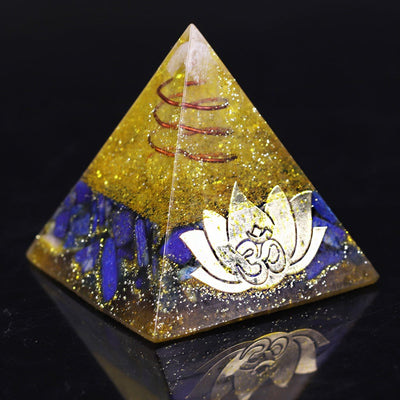
Lapis Lazuli Orgone Pyramid with Wisdom Symbolism
$49.99
$59.99
Embrace authenticity and price insight with this handcrafted orgone pyramid, ideal for holistic energy seekers. Learn more ➔
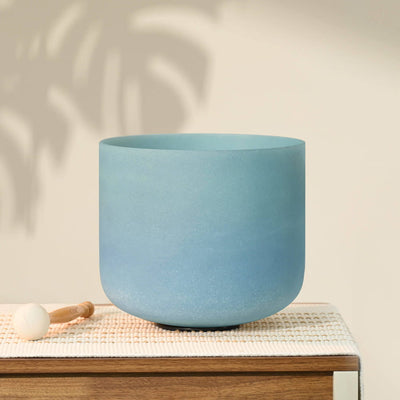
8 Inch G Note Lapis Lazuli Gemstone Fusion Singing Bowl
$349.99
$419.99
Discover premium Lapis Lazuli craftsmanship with this fusion singing bowl, showcasing unique value and rich hues. Learn more ➔

Buying Advice for Every Budget
Whether you are seeking a museum-quality specimen or a simple worry stone, the market offers options for every budget. To ensure you receive fair value, compare stones under natural light to see their true color and texture. For significant purchases, requesting a certificate of authenticity or buying from established dealers is recommended. You can read more about gemstone valuation standards at the International Gem Society.
In conclusion, the Lapis Lazuli price is a reflection of the stone's beauty, history, and rarity. By focusing on color intensity, understanding the role of inclusions like pyrite and calcite, and verifying authenticity, you can make a purchase that holds both its monetary and spiritual value. Whether chosen for its stunning aesthetic or its powerful healing properties, a genuine piece of Lapis Lazuli is a timeless treasure worth the investment.
Frequently Asked Questions about Lapis Lazuli Price
The price is primarily determined by color (deep, uniform blue is best), the absence of white calcite streaks, the presence of tasteful gold pyrite flecks, and the stone's origin, with Afghan Lapis being the most prized.
Real Lapis Lazuli feels cold to the touch and often has gold pyrite specks. Fakes may look too uniform, feel warm (plastic), or show dye residue when wiped with acetone. Genuine stones also have a unique, non-uniform texture.
The most valuable Lapis Lazuli comes from the Sar-i-Sang mines in the Badakhshan province of Afghanistan. These mines have been producing top-quality stones for thousands of years. Other sources like Chile or Russia typically produce lighter or lower-grade material.
Color is the most critical value factor. An intense, dark, violetish-blue is the most expensive. Lighter denim blue or stones with too much green or grey are less valuable. Uniformity of color across the stone also commands a higher price.
Yes, lower grades of genuine Lapis Lazuli, often characterized by lighter blue color or visible white calcite streaks, are quite affordable. Tumbled stones and smaller raw pieces are excellent budget-friendly options for enjoying the stone's energy.