
Imagine cracking open a dull, grey nodule found on a beach, only to reveal a shimmering, golden ammonite inside. This isn't a fairy tale; it is the fascinating reality of a pyritized fossil. These natural wonders occur when the biological remains of ancient life are preserved not in stone, but in iron pyrite, commonly known as "Fool's Gold." The result is a spectacular specimen that bridges the gap between paleontology and mineralogy, captivating collectors and scientists alike.
For those curious about earth science or drawn to the metaphysical energy of crystals, understanding pyritized meaning and formation offers a glimpse into a rare geological event. In this guide, we will explore exactly how these golden fossils form, where they are found, and the unique properties they hold.
What Does Pyritized Mean?
The term pyritized refers to a specific type of fossilization where the original organic material of an organism—or the hard parts like shells and bones—is replaced by or coated with pyrite (iron disulfide, FeS2). Unlike standard fossilization, which typically involves silica or calcite, pyritization turns the remnants of ancient life into a metallic, golden sculpture.
This process creates fossils with a distinct metallic luster. When you hold a pyritized specimen, it feels heavier than a standard fossil due to the iron content. While ammonites are the most famous examples, many other organisms, including crinoids, trilobites, and even soft-bodied creatures, can undergo this transformation.
- Key Characteristic: A metallic, golden, or brassy luster.
- Chemical Composition: Iron Disulfide (FeS2).
- Rarity: Requires very specific, oxygen-poor environments to form.
Because pyrite is chemically unstable in humid environments, these fossils require special care. However, their beauty makes them highly prized. They are not just records of life; they are natural jewels created by the earth's chemistry.

How Do Fossils Become Pyritized?
The fossil formation process involving pyrite is known as pyritization. It is a race against time and decay. For an organism to become pyritized, it must be buried rapidly in marine sediments that are rich in organic matter but very low in oxygen (anoxic conditions).
In these oxygen-starved environments, bacteria play a crucial role. As anaerobic bacteria decay the organic material of the buried organism, they reduce the sulfate present in the seawater into sulfide. This sulfide then reacts with dissolved iron in the sediment to form crystals of pyrite. This reaction often happens so precisely that the pyrite fills the cellular spaces of the organism, preserving fine details that would otherwise be lost.
The result is a fossil with pyrite replacing its original structure. This can happen in two main ways: replacement (where the shell mineral is swapped for pyrite) or permineralization (where pyrite fills the pores).

I Am Protected Iron Pyrite & Black Obsidian Bracelet for Protection
$24.90 $35.90
Experience the energy of pyrite and obsidian with this bracelet for grounding, protection, and historical Earth connection.
Explore ProductThe Role of Chemistry in Fossilization
The delicate balance required for pyritization explains why these fossils are relatively rare compared to other types. If there is too much oxygen, the bacteria will decompose the organism too quickly for pyrite to form. If there isn't enough iron, the chemical reaction stalls. This unique geochemical window is what makes a pyritized fossil such a significant geological find.

What Do Pyritized Fossils Reveal About Earth's History?
Scientists value pyrite fossils not just for their shine, but for the data they preserve. Because pyrite can form rapidly and precipitate directly onto soft tissues, pyritization is responsible for some of the most detailed fossils in the paleontological record.
For example, in the famous Beecher's Trilobite Bed in New York, pyritization preserved the delicate legs and antennae of trilobites—features that are almost never fossilized in standard conditions. By studying how does pyritization occur in specific layers of rock, geologists can also reconstruct ancient ocean conditions, specifically identifying periods when the oceans were depleted of oxygen.




Where Are Pyritized Fossils Commonly Found?
While pyritization can occur globally, certain locations are world-renowned for their high-quality fossilized pyrite specimens.
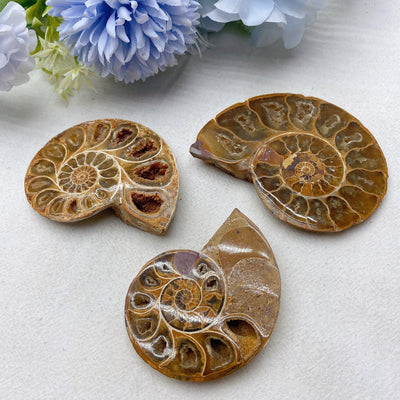
- The Jurassic Coast, UK: Famous for pyritized ammonites, particularly around Lyme Regis and Charmouth. These are often found inside limestone nodules.
- Germany: The Holzmaden shale is famous for pyritized ammonites that stand out beautifully against dark slate backgrounds.
- USA: Localities in Ohio and New York are known for pyritized brachiopods and the aforementioned trilobites.
- Russia: The Volga River region produces spectacular large ammonites with iridescent pyrite shells.
Collectors hunting for these treasures often look for "fool's gold" glinting in sedimentary rock layers, particularly shales and mudstones formed in ancient, stagnant seabeds.
Metaphysical & Healing Properties
Beyond the science, many people are drawn to pyritized fossils for their energetic properties. In crystal healing, Pyrite is known as a stone of abundance, protection, and vitality. When combined with the ancient energy of a fossil, the metaphysical meaning deepens.
A pyritized fossil acts as a bridge between the grounding energy of the Earth (the fossil) and the fiery, active energy of the sun (the pyrite). It is often used to:
- Ground excess energy: Helping to stabilize emotions and anxiety.
- Boost vitality: The iron content is associated with physical strength and endurance.
- Connect to ancestry: Fossils represent the deep past and the continuity of life.
- Attract prosperity: Pyrite is traditionally a stone of wealth and manifestation.
Placing a pyritized specimen in a workspace or study can inspire focus and determination, blending the structured energy of the mineral world with the organic flow of life.

Connect with Ancient Earth Energy

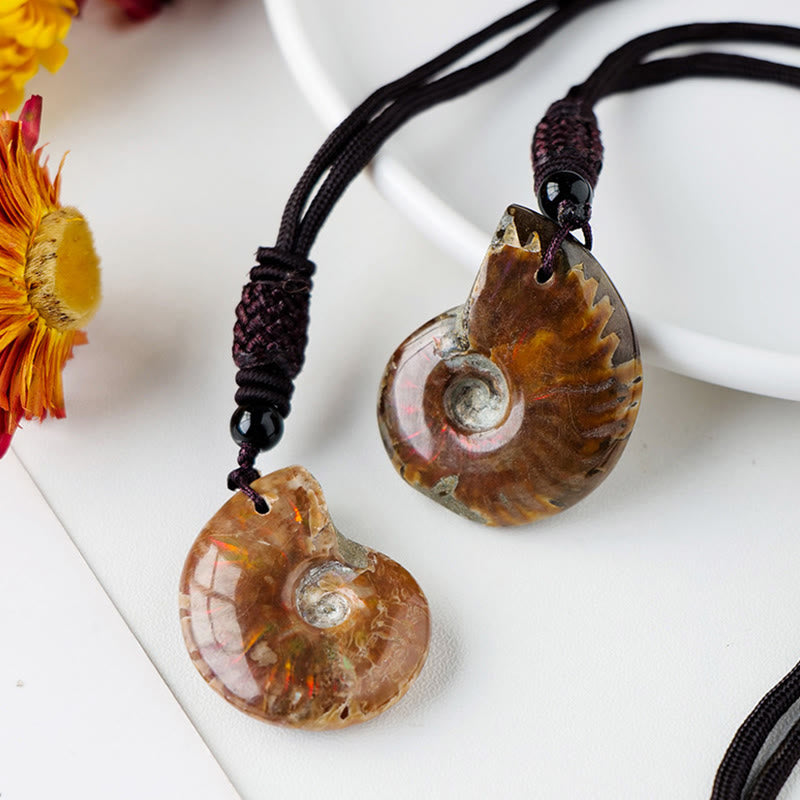
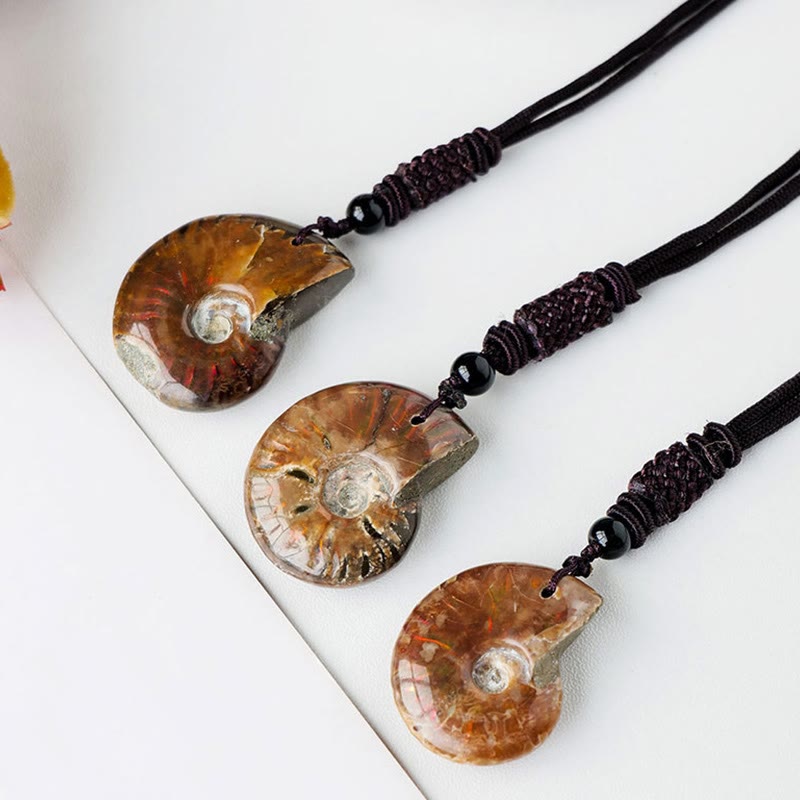
Natural Ammonite Meditation Necklace Pendant for Healing
$25.90
$37.90
Wear a real ammonite fossil pendant—connect with ancient life and the earth’s cycles, perfect for fossil and crystal lovers. Learn more ➔

Tap into ancient fossil energy with fossil coral beads that inspire self-confidence, transformation, and a sense of history. Learn more ➔
Conclusion
From the depths of ancient anoxic seas to modern display cabinets, pyritized fossils tell a remarkable story of chemistry and preservation. They remind us that nature is the ultimate artist, capable of turning organic decay into golden treasure. Whether you are a dedicated rockhound scouring the coastline for "Fool's Gold" fossils or a spiritual seeker looking for grounding energy, these specimens offer a tangible connection to Earth's mysterious history.
Exploring the world of pyrite and fossils invites us to appreciate the complex processes that shape our planet. If you are captivated by the blend of history and healing energy, consider adding a piece of this ancient magic to your collection.
Frequently Asked Questions about Pyritized Fossils
Pyritized fossils are ancient organic remains that have been preserved through replacement or coating by iron pyrite (FeS2). This gives the fossil a metallic, gold-like appearance while retaining the shape and detail of the original organism.
They form in low-oxygen marine environments where bacteria decompose organic matter. This decay produces sulfide, which reacts with dissolved iron in the water to form pyrite crystals within the pores or structure of the organism.
Pyrite is significant because it can precipitate rapidly, often preserving soft tissues and delicate structures (like legs or antennae) in three dimensions that would otherwise decompose and disappear in standard fossilization processes.
They are commonly found in areas with ancient marine shale deposits. Notable locations include the Jurassic Coast in the UK (Lyme Regis), the Holzmaden shales in Germany, and various sites in New York and Ohio in the USA.
They provide valuable data about ancient ocean chemistry, specifically pointing to periods of anoxia (low oxygen). Furthermore, because they often preserve soft parts, they offer a more complete picture of the anatomy of extinct species.