For gemstone enthusiasts and spiritual practitioners alike, few stones hold the mystical allure of Lapis Lazuli. Known as the "Stone of Wisdom," its deep celestial blue has captivated humanity for thousands of years. However, its popularity has also flooded the market with imitations, making the quest for real lapis lazuli more challenging than ever. Whether you are a jewelry buyer seeking a statement piece or a wellness seeker looking to harness its throat chakra properties, ensuring you have a genuine stone is paramount.
Knowing how to identify real lapis lazuli protects not only your investment but also the energetic integrity of your collection. From synthetic dyes to reconstituted resin, fakes are becoming increasingly sophisticated. This guide will walk you through the essential visual cues and physical tests to determine lapis lazuli authenticity, empowering you to distinguish a genuine lapis stone from a mere imitation.
Understanding the Composition of Authentic Lapis Lazuli
To spot a fake, you must first understand what makes the real stone unique. Unlike many other gemstones, Lapis Lazuli is a rock, not a mineral. It is an aggregate composed primarily of three distinct minerals:
- Lazurite: The component responsible for the signature intense blue color.
- Calcite: Appears as white streaks or cloudy patches within the stone.
- Pyrite: Manifests as metallic gold flecks, often resembling stars in a night sky.
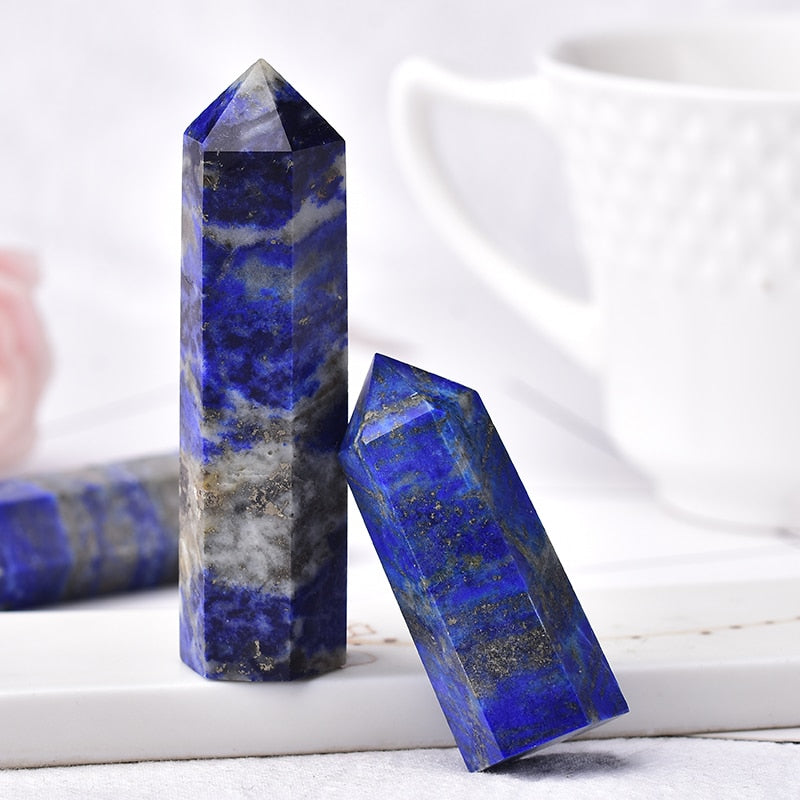
The presence and interplay of these three elements are the first indicators of a genuine lapis stone. A stone that is too uniform in color or lacks these natural imperfections is often a red flag.

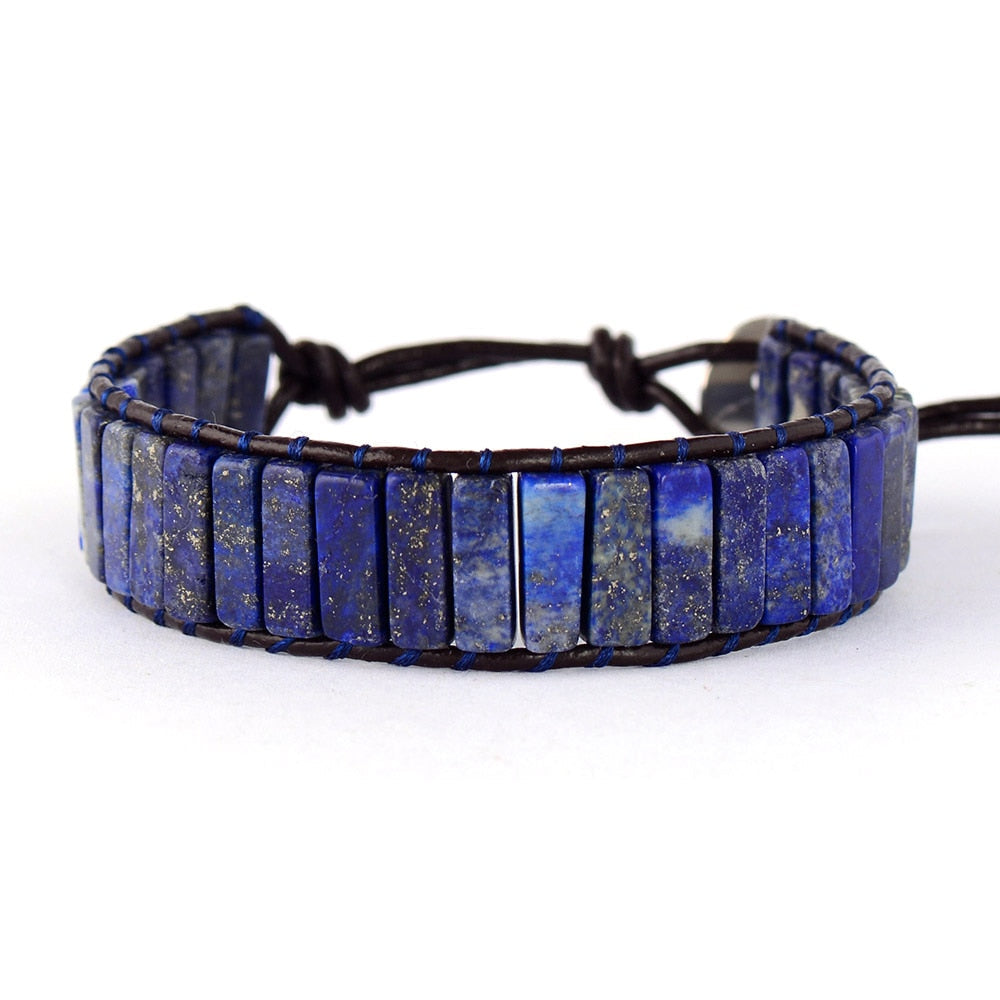
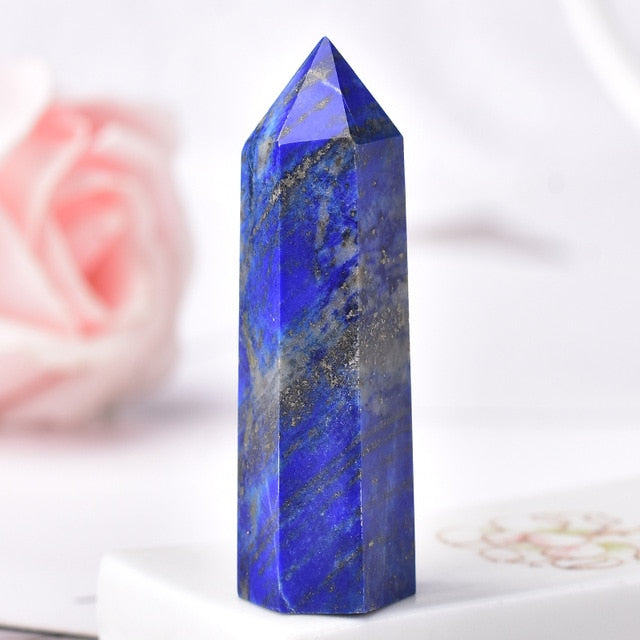
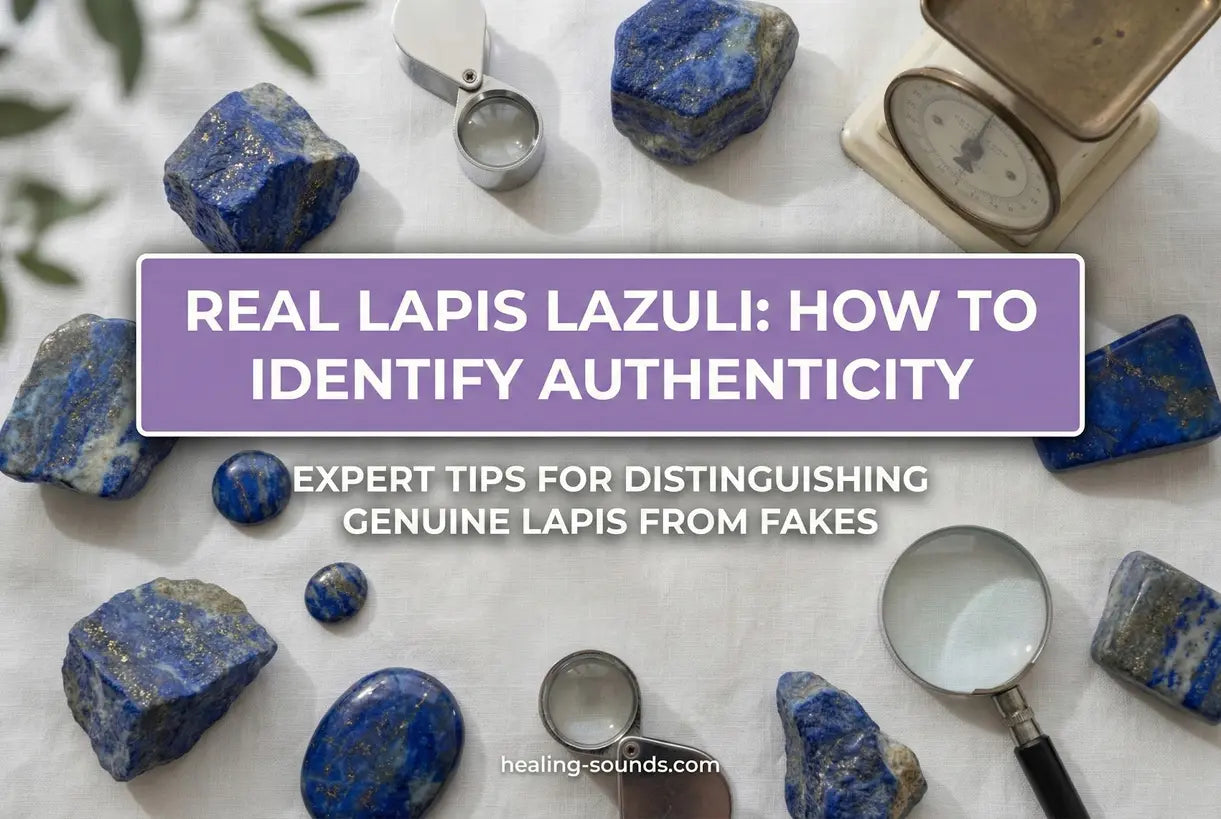
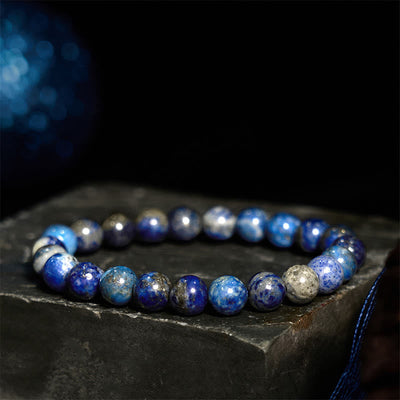
In the image above, notice the chaotic yet natural distribution of the golden pyrite and the subtle variations in the blue hue. This natural texture is the fingerprint of authentic lapis lazuli.
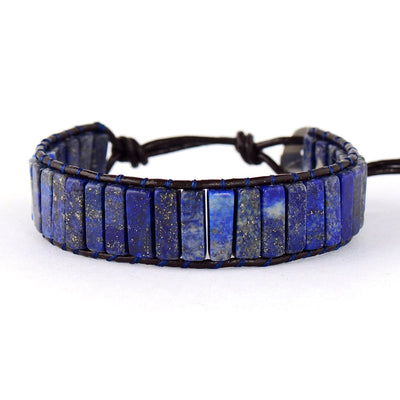
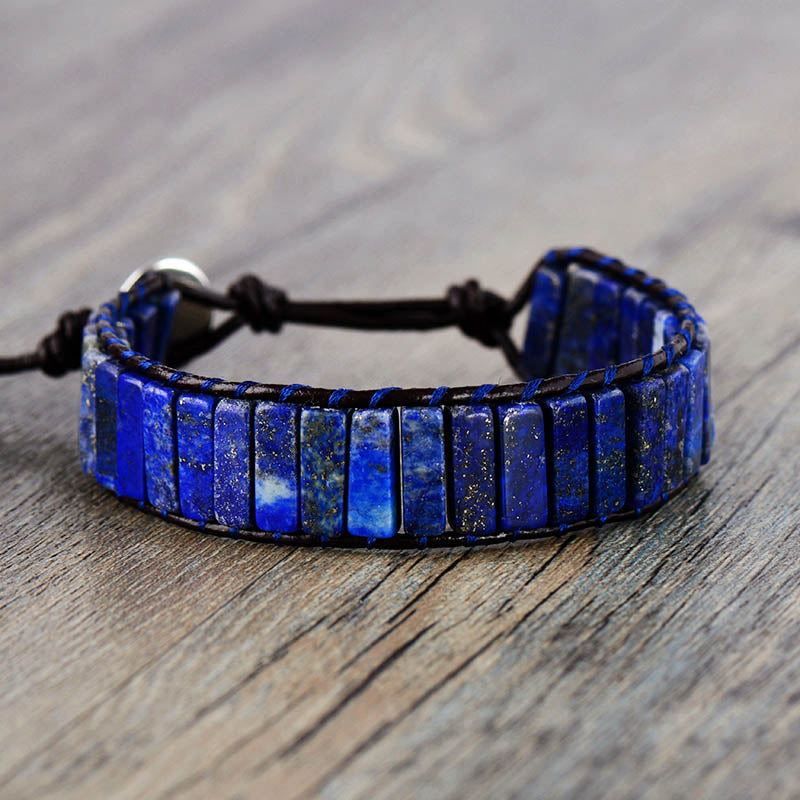
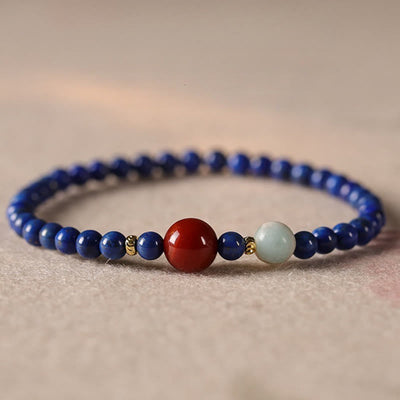
Lapis Lazuli Royalty & Enlightenment Bracelet
$39.99 $49.99
Adorn your wrist with authentic lapis lazuli—ensure genuine energy and beauty in every piece you select.
Explore ProductVisual Inspection: The "Eye Test" for Lapis Lazuli Authenticity
The most effective way to screen for fake lapis lazuli identification often requires nothing more than a keen eye and perhaps a magnifying glass. Natural formation processes are rarely perfect, whereas factory-produced imitations often look "too good to be true."
1. Color Uniformity
Real lapis lazuli is rarely a solid, flat blue. It typically exhibits swirls, patches, and varying depths of ultramarine. If the stone you are inspecting is a perfectly uniform, matte blue without any variation, it is likely synthetic or a piece of sodalite that has been dyed.
2. The Pyrite Factor
Golden specks of Pyrite are a hallmark of high-quality Lapis. However, counterfeiters know this. In fake stones, "pyrite" is often simulated using gold glitter or metallic paint. Under magnification, natural Pyrite appears as irregular, embedded grains with a metallic luster. Fake specks often look flat, round, or are sitting on the surface of the stone rather than being part of it.
3. White Calcite Veins
While high-grade Lapis (often from Afghanistan) is prized for having less Calcite, most affordable genuine pieces will show some white veining. Fakes made of resin or glass usually lack these natural white inclusions entirely.
Physical Tests: How to Identify Real Lapis Lazuli
If visual inspection isn't conclusive, there are safe physical tests you can perform to verify lapis lazuli authenticity. These tests help distinguish natural stone from dyed imposters.
The Acetone or Alcohol Test
Many fake stones are actually lower-grade minerals (like Howlite or Magnesite) dyed blue. To test this, dip a cotton swab in acetone (nail polish remover) or rubbing alcohol and wipe a small, inconspicuous area of the stone.
- Real Lapis Lazuli: The swab will remain clean. Lazurite is a stable mineral and does not bleed color.
- Fake/Dyed Lapis: You will likely see blue residue on the cotton swab, indicating the presence of artificial dye.
Temperature and Feel
Natural gemstones are cool to the touch and warm up slowly when held. Plastic or resin imitations will feel room temperature or warm immediately. Additionally, real lapis lazuli has a substantial weight to it, while plastic fakes feel uncharacteristically light. Glass fakes might feel heavy but will fail the visual bubble test.
For a visual demonstration of these testing methods, watch the guide below.
Common Imitations to Avoid
When searching for natural vs synthetic lapis lazuli, it helps to know exactly what is being sold as the real deal. The most common imitators include:
- Sodalite: A natural blue stone that is cheaper. It is often darker and has more white streaks but lacks the golden Pyrite inclusions of Lapis.
- Reconstituted Lapis: Made by grinding up low-quality Lapis dust and binding it with resin and blue dye. It feels like plastic and looks unnaturally uniform.
- Dyed Jasper or Howlite: White stones dyed blue. These fail the acetone test immediately.
Below is a helpful infographic summarizing the key differences to help you on your next purchase.

Why Authenticity Matters for Energetic Work
For those using crystals for healing, authentic lapis lazuli jewelry is about more than aesthetics; it is about vibration. In crystal healing traditions, the specific mineral composition of Lapis Lazuli is believed to activate the Third Eye and Throat chakras, facilitating truth and intuition. Synthetic materials like glass or plastic do not possess a crystalline structure and therefore lack these energetic properties.
According to the Gemological Institute of America (GIA), Lapis Lazuli has been prized since antiquity not just for its beauty, but for its physical rarity and unique formation. Using a fake stone in meditation may not provide the grounding or clarifying effects you seek.
Enhance Your Collection with Genuine Lapis
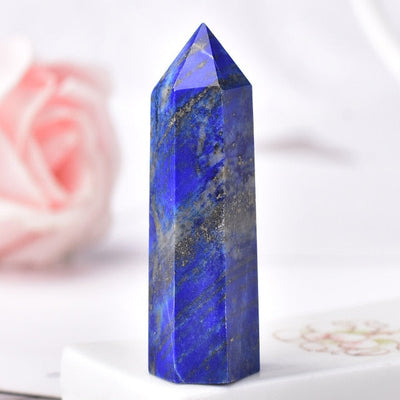
Lapis Lazuli Wisdom and Protection Tower
$29.99
$39.99
Experience the energy of real lapis lazuli with this polished tower, perfect for collection or authenticity inspection. Learn more ➔

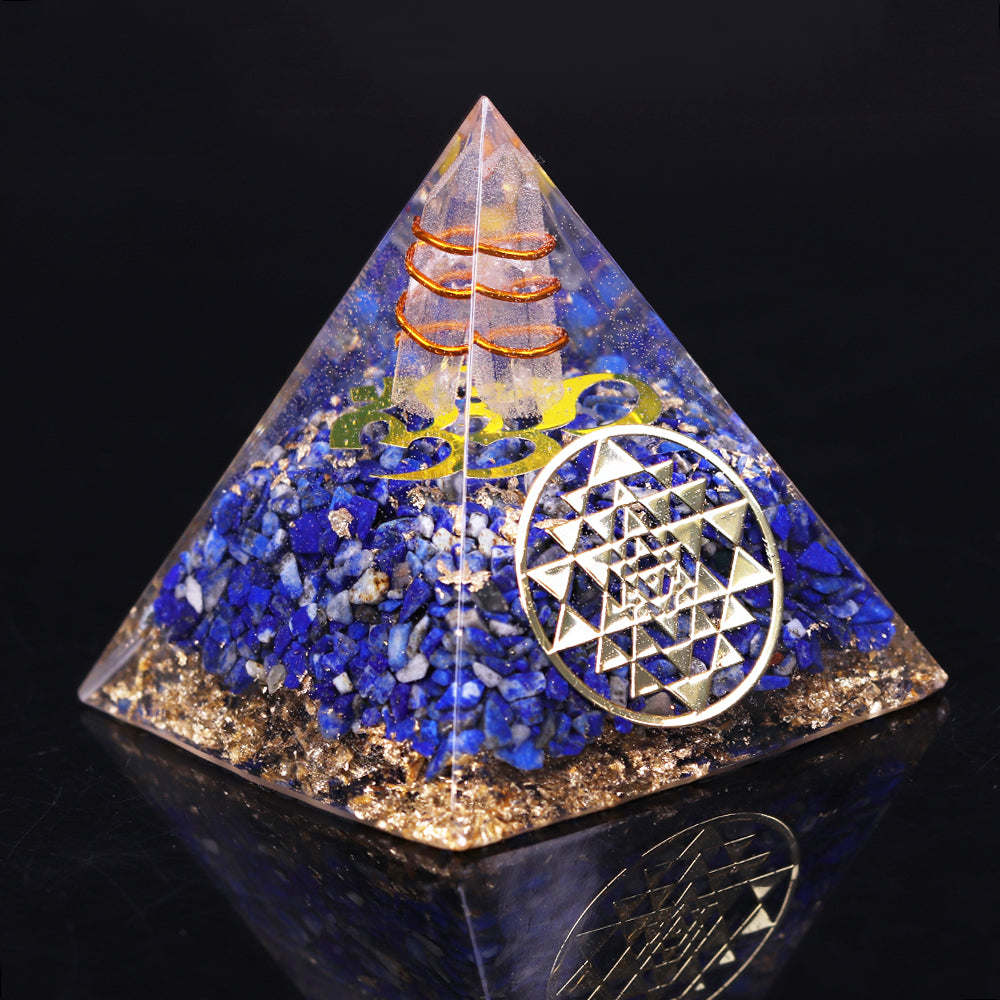
Protection and Prosperity Orgonite Pyramid
$49.99
$59.99
Showcase authentic lapis in your space—our orgone pyramid fuses genuine lapis lazuli with mindful craftsmanship. Learn more ➔
Where to Buy and Final Inspection Tips
When shopping for real lapis lazuli tests suggest that price is a significant indicator. If a necklace claims to be high-grade Lapis but is sold for an unbelievably low price, it is almost certainly a fake. Authentic stones, especially those with rich blue coloring and minimal grey calcite, command a higher market value.
Always inspect the stone in natural light if possible. Artificial lighting can mask the subtle differences between dye and natural pigmentation. Look for reputable sellers who are transparent about the origin of their stones, often sourcing from regions like Afghanistan, Chile, or Russia.

Conclusion
Identifying real lapis lazuli requires a mix of knowledge and observation. By checking for the presence of irregular Pyrite, testing for coolness to the touch, and ensuring the color isn't artificially uniform, you can confidently distinguish genuine lapis stone from cheap imitations. Whether you wear it for its striking royal blue beauty or its reputed ability to enhance wisdom and truth, investing in authenticity ensures you receive the full value and energy this ancient stone has to offer.
Frequently Asked Questions about Lapis Lazuli Authenticity
You can tell if Lapis Lazuli is real by looking for natural imperfections. Real stones have golden Pyrite flecks that are irregular in shape and white Calcite streaks. It should feel cold to the touch and substantial in weight. Uniform color without any variation often indicates a fake.
Common signs of fakes include a perfectly uniform dark blue color, air bubbles (indicating glass), gold glitter flakes instead of metallic Pyrite, and a warm plastic feel. If the stone fades or releases blue color when wiped with acetone, it is dyed.
The most effective test is the acetone wipe test. Rub a small area with nail polish remover; if blue dye comes off, it's fake. A visual inspection under magnification can also reveal natural grain versus synthetic smoothness.
Real Lapis Lazuli is significantly more valuable than its imitations. High-quality natural Lapis is priced by weight and color quality, while fakes made of glass, resin, or dyed Howlite are extremely cheap and hold no intrinsic investment value.
Yes, genuine Lapis Lazuli almost always contains inclusions of Pyrite, which appear as metallic gold or brassy flecks. However, the absence of Pyrite doesn't automatically mean it's fake, as some rare high-grade varieties have very little, but the presence of fake-looking glitter is a sign of an imitation.