
For gemstone collectors and spiritual enthusiasts alike, understanding the true topaz price is essential before making a purchase. Whether you are drawn to the stone for its vibrational energy or its stunning clarity, navigating the market can be complex. The cost of this gemstone varies wildly depending on its color, origin, and treatment, ranging from very affordable options to high-value investment pieces.
In this comprehensive guide, we will explore the factors that influence topaz value, break down the topaz carat cost across different varieties, and analyze its potential as a tangible asset. By the end of this article, you will have a clear understanding of the price of topaz and how to make a smart, authentic purchase.
What Determines the Price of Topaz?
Like many precious stones, the topaz market value is not determined by a single factor. While carat weight plays a role, the most significant driver of price is undoubtedly color. However, clarity, cut, and treatment history also heavily influence the final tag.
Key Valuation Factors
- Color: The most critical factor; Imperial Topaz (pink/orange) commands the highest prices, while treated blue is abundant and affordable.
- Clarity: Topaz is generally "eye-clean." Visible inclusions significantly lower the value.
- Cut: Poor cutting can dull the stone's brilliance, reducing its worth regardless of the raw material's quality.
Understanding these elements helps in estimating how much is topaz worth. A massive blue topaz might cost less than a small, intensely colored pink topaz due to the rarity of the natural color.

Topaz Price Per Carat by Color
When researching topaz gemstone price factors, you will quickly find that "Topaz" is a broad category. The market is effectively split between the common, treated varieties and the rare, natural precious varieties.
Blue Topaz Value
Blue topaz is the most common jewelry stone, but it is almost always treated (irradiated and heated) to achieve its color. Because it can be mass-produced, the blue topaz price per carat is relatively low. It is an excellent entry-level gemstone for jewelry lovers.
- Swiss Blue & London Blue: These deeper shades fetch slightly higher prices, often ranging from $5 to $30 per carat depending on the cut and size.
- Sky Blue: The lightest shade is usually the most affordable, often under $5 per carat in wholesale markets.
Imperial and Precious Topaz
On the other end of the spectrum lies Imperial Topaz. Sourced primarily from Brazil, this variety exhibits rich golden-orange to pinkish-red hues. It is rare and typically untreated.
- Golden/Yellow Topaz: Prices can range from $50 to several hundred dollars per carat.
- Pink/Red Imperial Topaz: The rarest form. High-quality stones can command topaz carat cost figures from $1,000 to over $3,500, rivaling fine sapphires.

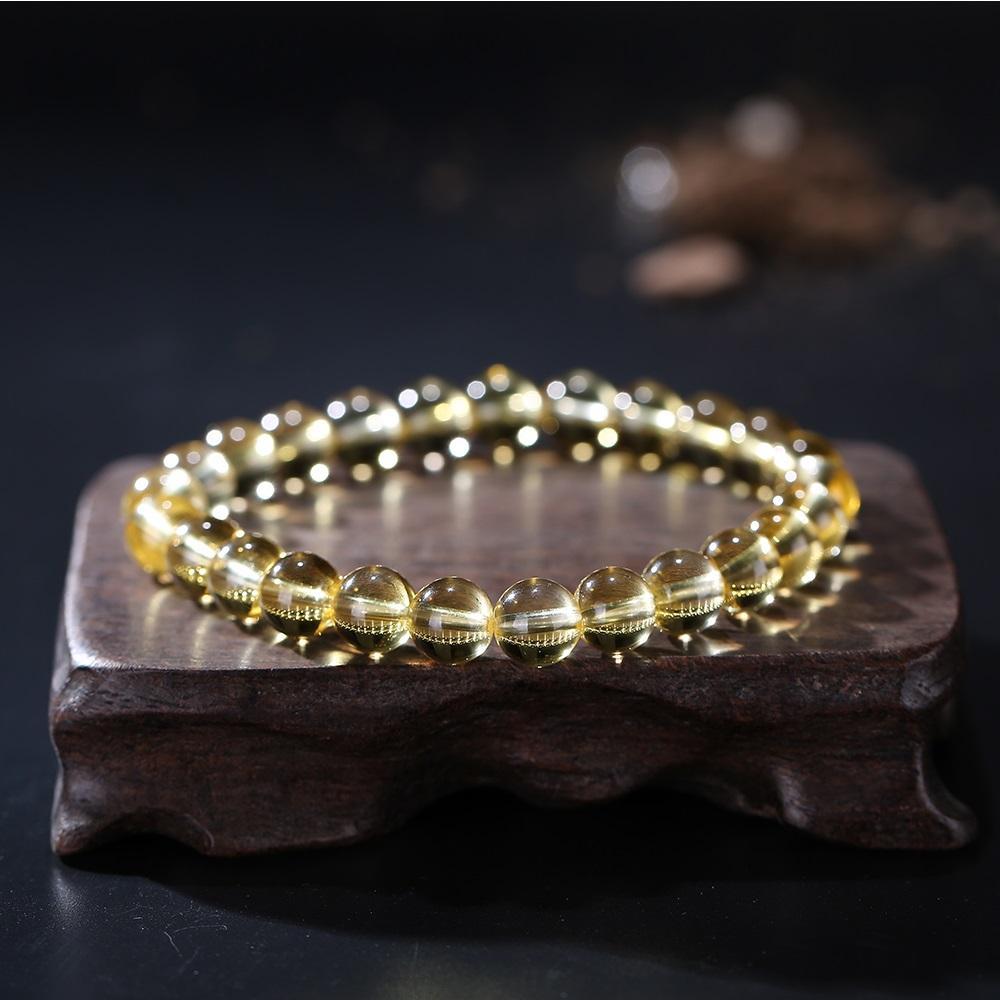
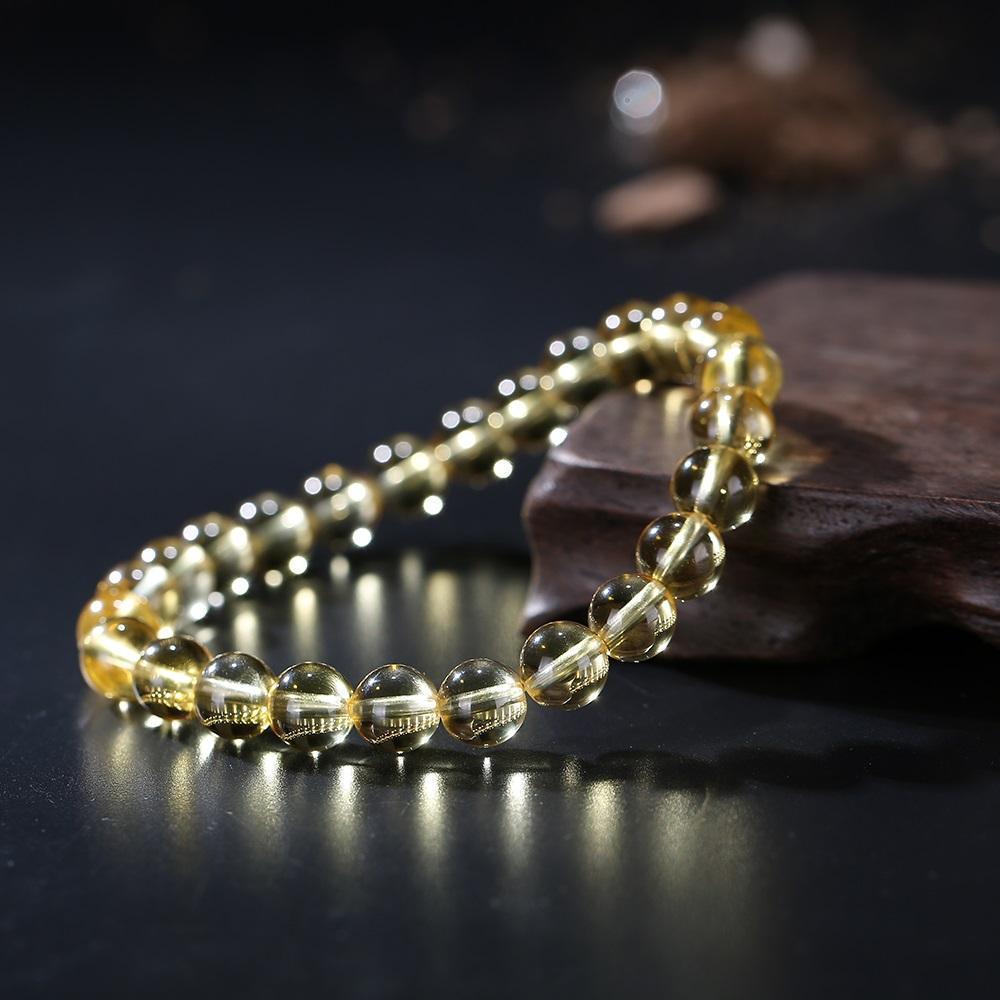
Topaz Bracelet - Enhance Intuition and Calm
$79.99 $99.99
Discover the calming and intuitive energy of high-quality topaz in this elegant bracelet—ideal for value-focused collectors.
Explore ProductTreatments and Their Impact on Value
A crucial aspect of determining topaz value is identifying treatments. Natural color is always worth more than treated color. For instance, colorless topaz is often abundant and cheap, but after radiation treatment, it becomes the popular blue topaz found in most jewelry stores.
For investment purposes, collectors seek stones with natural color. A certificate from a reputable lab like the GIA (Gemological Institute of America) can confirm whether a stone's color is natural, which is vital for high-end purchases.
Is Topaz a Good Investment?
Many collectors ask, "Is topaz a good investment gemstone?" The answer depends entirely on the type of topaz you acquire. Standard blue topaz generally does not appreciate significantly because the supply is chemically manufactured from abundant colorless material.
However, topaz investment in fine quality Imperial Topaz or rare natural pink topaz has shown historical stability and growth. These stones are finite resources. As mines in Ouro Preto, Brazil, yield fewer high-quality stones, the pink and imperial topaz value tends to rise. For the serious investor, focusing on untreated, highly saturated stones is the only viable strategy.

When considering an investment, look for stones with excellent clarity and vivid saturation. A washed-out color, even if natural, will not hold value as well as a vibrant gem.
Practical Buying Tips for Authentic Topaz
Whether you are buying for spiritual healing or financial portfolio diversification, ensuring authenticity is key. The market is flooded with glass imitations and synthetic stones that mimic the price of topaz without holding any real value.
Check the Clarity
Topaz is a Type I gemstone, meaning it should be virtually free of inclusions visible to the naked eye. If a stone looks heavily included or "milky," its price should be significantly lower.
Compare Market Prices
Be wary of deals that seem too good to be true, especially for "Imperial" topaz. If a stone is labeled as Imperial Topaz but is priced under $50 per carat, it is likely either a mislabeled Citrine or a highly treated stone. Comparing the topaz market value across different sellers can give you a baseline for fair pricing.

Topaz Collections for Collectors

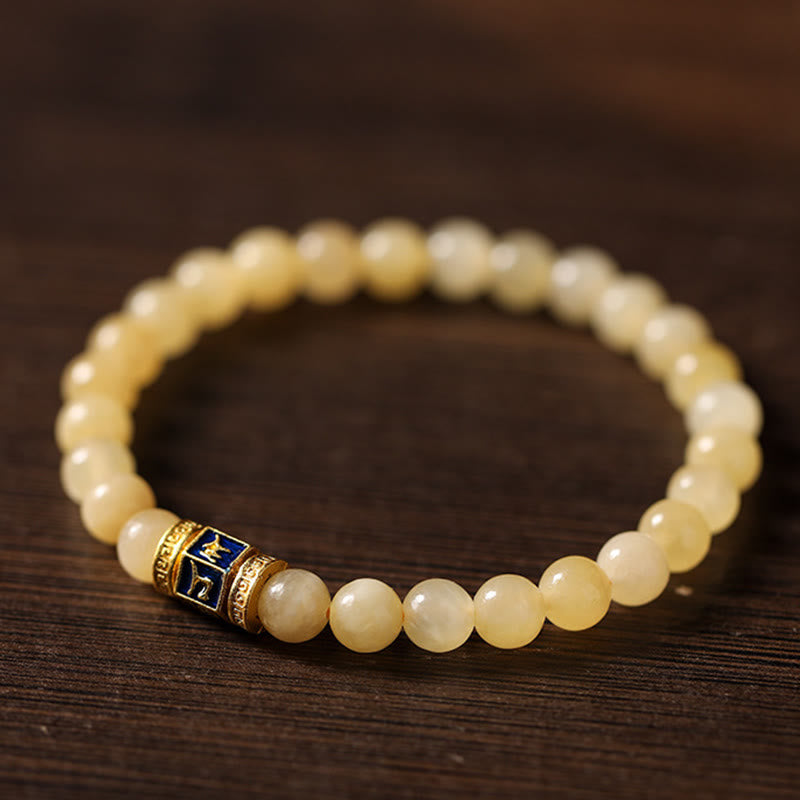
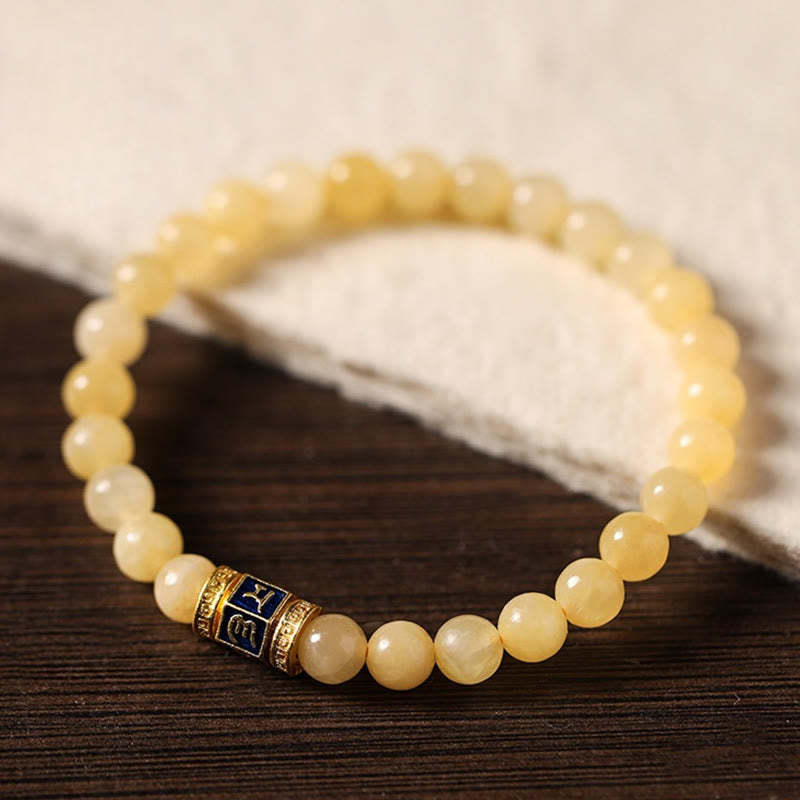
6mm Topaz Om Mani Padme Hum Bracelet
$24.90
$35.90
Own a meaningful spiritual accessory handcrafted from natural topaz, highlighting both beauty and gemstone investment. Learn more ➔

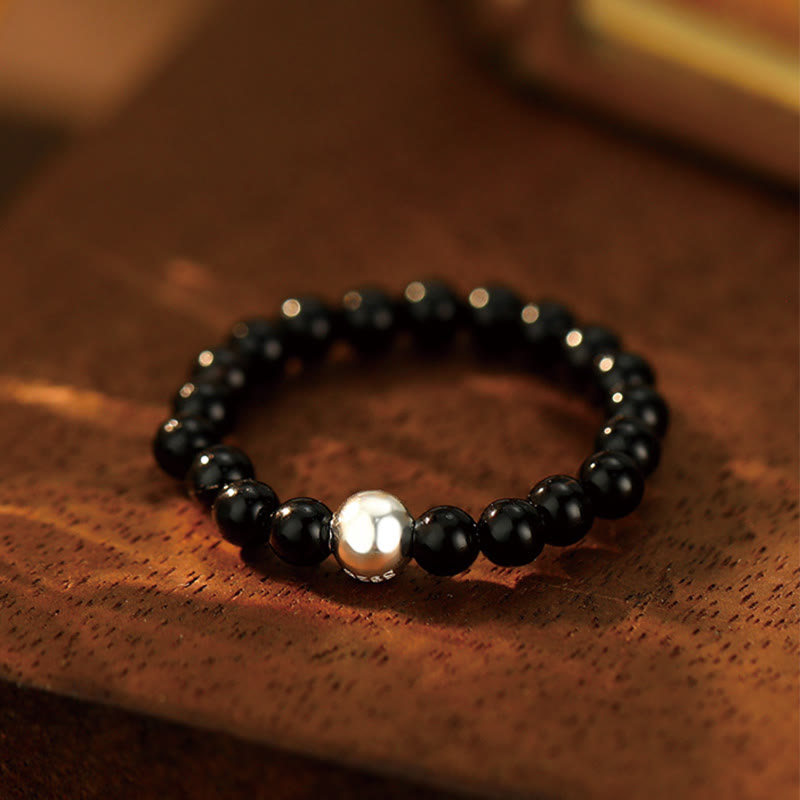
White Jade Black Onyx Crystal Bead Elastic Ring
$24.90
$35.90
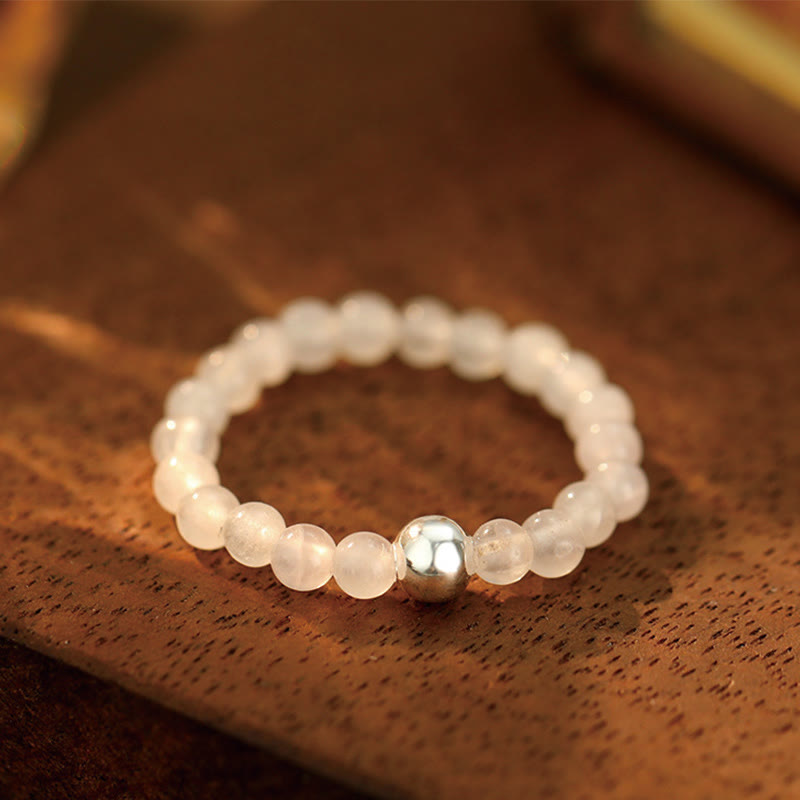
Experience the versatile allure of topaz with this elegant, adjustable ring—perfect for stacking or starting your gem collection. Learn more ➔
Conclusion
The topaz price landscape is diverse, offering options for every budget. From the accessible beauty of treated blue topaz to the high-investment potential of rare Imperial stones, understanding the nuances of topaz value empowers you to buy with confidence.
Whether you are seeking a gemstone to enhance your vibration or looking to diversify your assets with tangible goods, always prioritize transparency, color quality, and reputable sourcing. By doing so, you ensure that your topaz remains a treasured part of your collection for years to come.
Frequently Asked Questions about Topaz Prices
The worth varies drastically by color. Common treated blue topaz can cost $1 to $25 per carat, while rare Imperial Topaz can range from $500 to over $3,000 per carat for high-quality red or pinkish-orange stones.
Color is the primary factor; natural red and pink are most valuable. Other factors include clarity (lack of inclusions), cut quality, carat weight, and whether the stone has been treated or is natural.
Generally, blue topaz is affordable and not considered a high-value investment stone because it is usually produced by treating abundant colorless topaz. However, large, well-cut "London Blue" or "Swiss Blue" stones still have market value as beautiful jewelry pieces.
Imperial Topaz, specifically those with a deep reddish-orange or pure pink color, is the most expensive and sought-after variety. These are rare and primarily sourced from specific mines in Brazil.
Yes, but only specific types. High-quality, untreated Imperial Topaz is considered a good investment due to its rarity and historical appreciation. Standard blue topaz is not typically purchased for investment purposes.