For centuries, turquoise jewelry has been cherished not just for its captivating sea-green and sky-blue hues, but for its profound connection to protection, wisdom, and spiritual grounding. Whether you are drawn to it for its aesthetic beauty or its metaphysical properties, the demand for this "fallen sky stone" is timeless. However, this popularity has led to a market saturated with imitations. For the conscious buyer, distinguishing between real turquoise jewelry and synthetic counterparts is essential to ensure you are investing in a piece that holds true value and energetic resonance.
Navigating the world of gemstones can be overwhelming. You might find yourself asking, "Is this stone genuine, or is it just dyed plastic?" This comprehensive guide is designed to empower you. We will explore the nuances of authentic turquoise jewelry, breakdown the differences between natural, stabilized, and fake stones, and provide you with practical tips on buying turquoise jewelry with confidence.
The Spectrum of Authenticity: What is Real Turquoise?
To understand what you are buying, it is crucial to define what "real" actually means in the context of turquoise. The terminology can be confusing, as there are legitimate treatments accepted in the industry, and then there are outright fakes.
Natural Turquoise is the rarest form. It is mined, cut, and polished without any chemical enhancements. Because it is porous and relatively soft, high-quality natural turquoise is incredibly expensive and rare in standard jewelry.
Stabilized Turquoise constitutes the majority of authentic turquoise jewelry found on the market today. This is genuine turquoise stone that has been impregnated with a clear epoxy resin to harden the stone and preserve its color. This process allows the jewelry to be durable enough for daily wear while maintaining the stone's natural beauty and energetic properties.
On the other end of the spectrum is fake turquoise. This is often dyed Howlite (a white stone with gray veins), plastic, or resin. These materials carry none of the vibrational frequencies of the copper and aluminum-rich phosphate that makes up true turquoise.

How to Tell if Turquoise is Real: Visual and Physical Clues
When you are looking to buying turquoise jewelry, you don't always need a gemological lab. There are several visual indicators that can help you determine if a piece is likely real turquoise jewelry or an imitation.
1. The Color Consistency
Authentic turquoise is rarely uniform in color. It usually has variations in hue, ranging from powder blue to apple green within the same stone. If a stone is a perfectly flat, uniform blue with no variation, it is likely dyed plastic or resin. Even high-grade sleeping beauty turquoise (known for its lack of matrix) has a depth to its color that plastic cannot mimic.
2. The Matrix Test
The "matrix" is the web-like inclusions of host rock (often limonite or sandstone) found within the turquoise. In authentic turquoise jewelry, this matrix is irregular and uneven. If you run your fingernail across the stone, you should feel the texture of the matrix—fissures and natural divots. In fake stones, the matrix is often painted on or smooth to the touch.

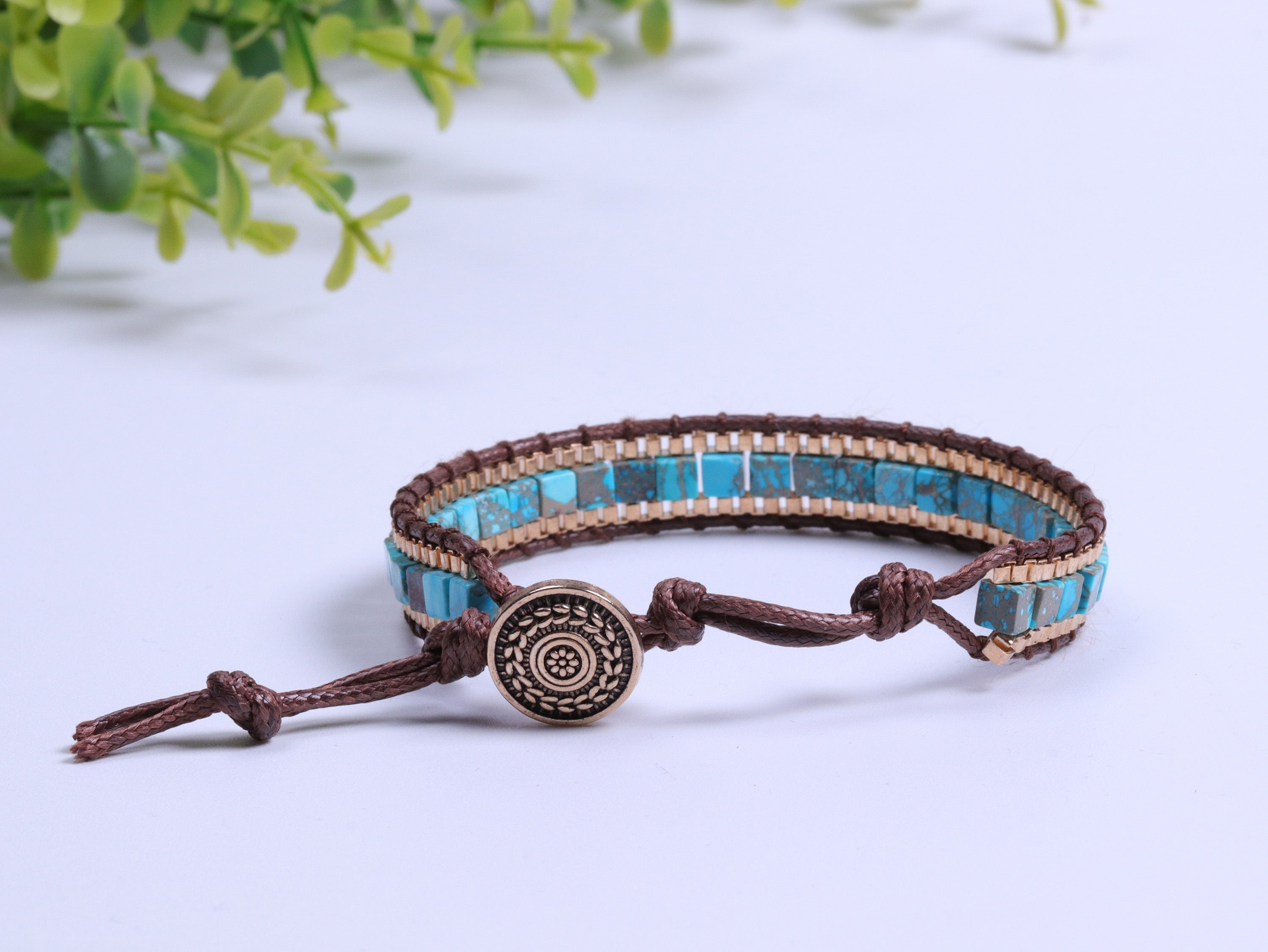
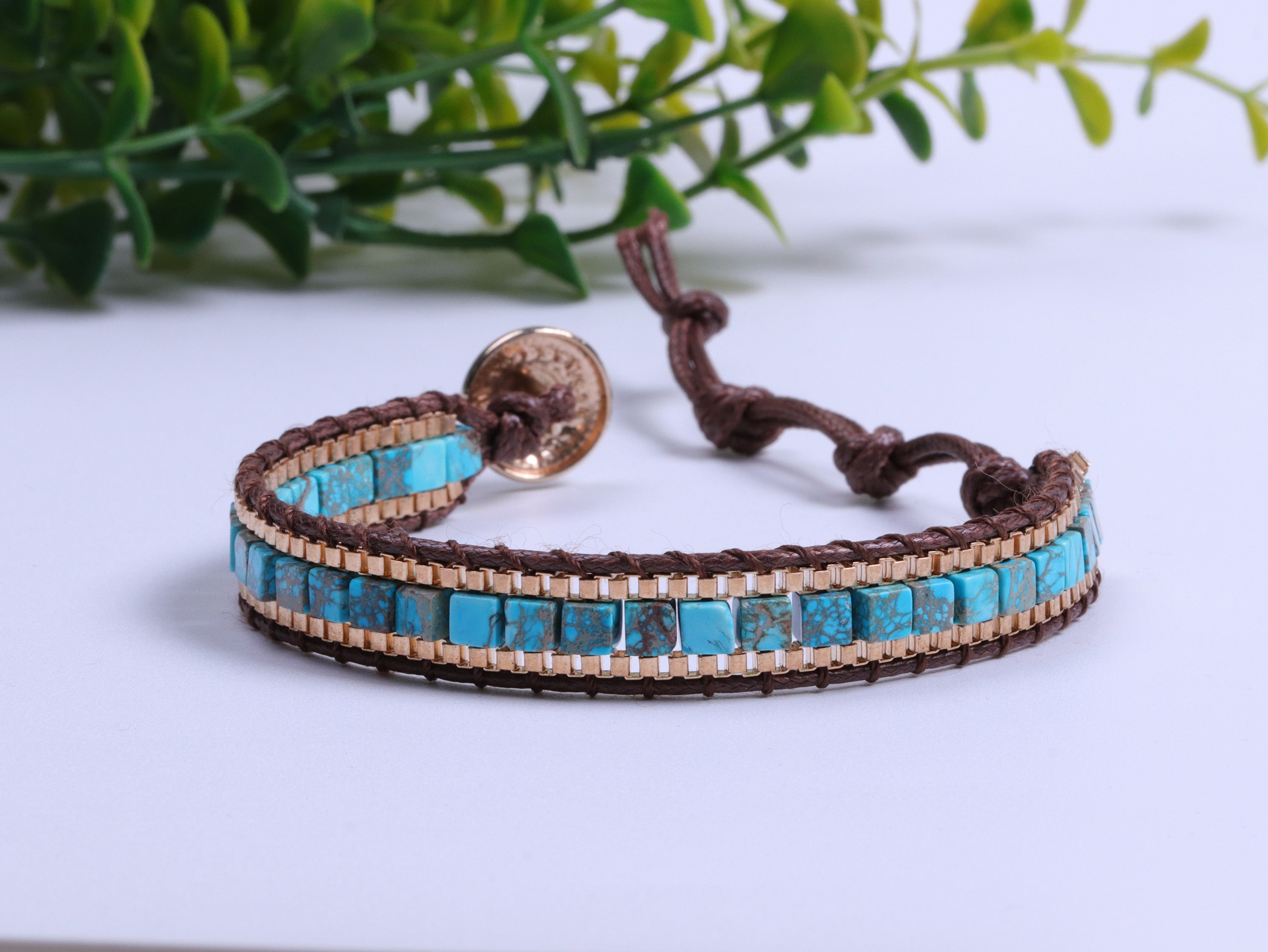
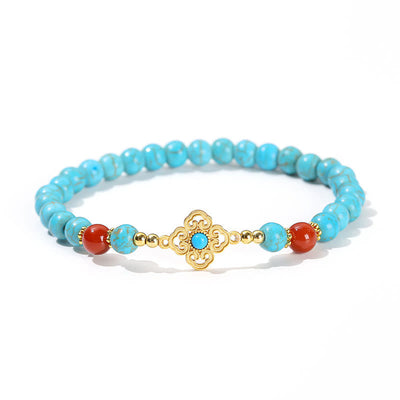
Turquoise Bracelet for Strength and Protection
$39.99 $49.99
Adorn your wrist with this natural turquoise bracelet, designed for both style and authentic, protective energies.
Explore Product3. Price and Origin
If the deal seems too good to be true, it probably is. Real turquoise jewelry holds value due to the complexity of mining and processing. Be wary of "authentic" pieces sold at incredibly low price points. Additionally, reputable sellers should be able to tell you the general origin of the stone or at least disclose if it is stabilized.

Understanding these physical traits is the first step in learning how to tell if turquoise is real. For a deeper dive into gemstone identification, organizations like the Gemological Institute of America (GIA) offer extensive resources on gem properties.


The Energetic Difference: Why Authenticity Matters
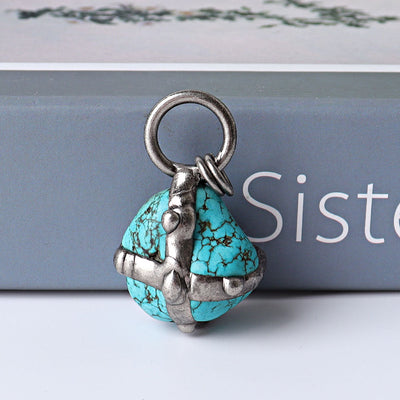
For our community of wellness seekers, the distinction between real and fake goes beyond aesthetics; it is about energy. Turquoise is a master healer, historically used for throat chakra balancing and protection against negative energies. Authentic turquoise jewelry carries the earth energy of its formation—copper for conduction and water for flow.
Synthetic stones act as energetic "dead weight." While they may look pretty, they cannot support your intention for grounding or protection in the same way a natural stone can. When selecting items for your spiritual practice, such as orgonite pyramids or meditation jewelry, ensuring the presence of real gemstones is paramount for the tool's efficacy.
Enhance Your Space with Authentic Energy

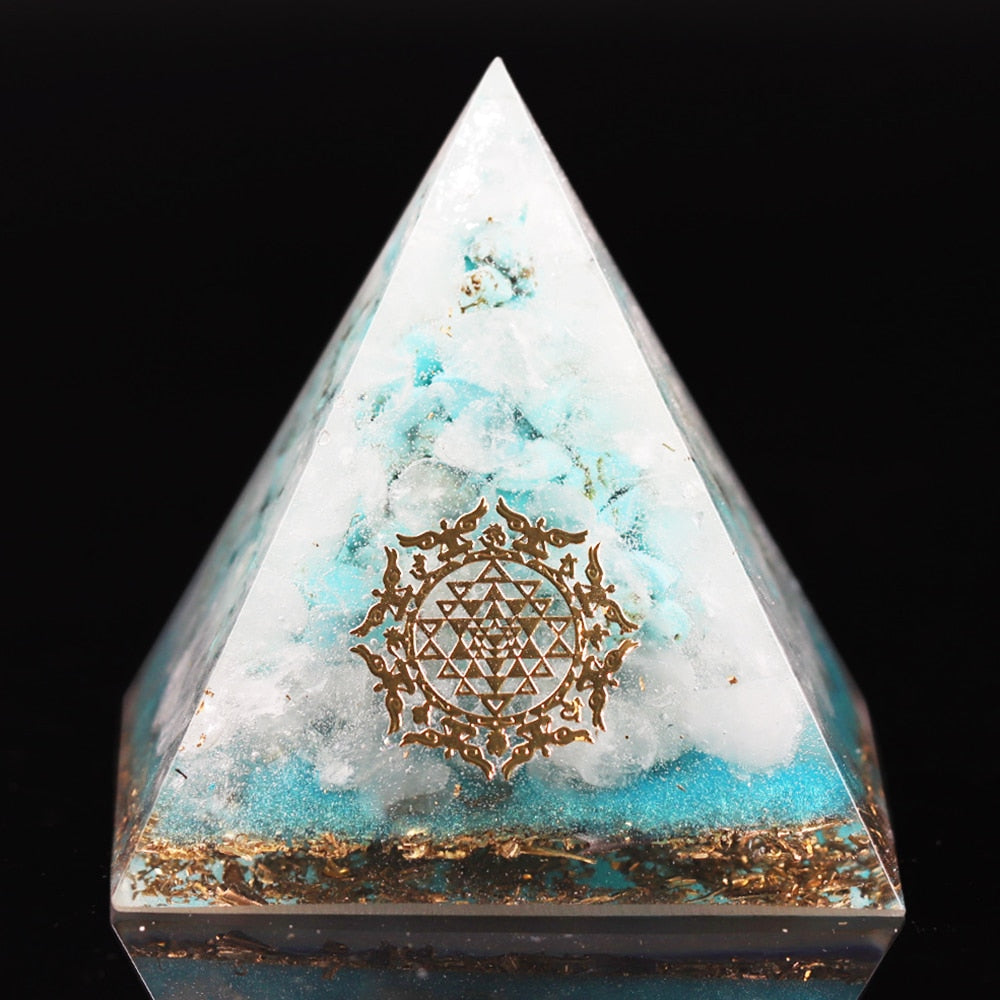
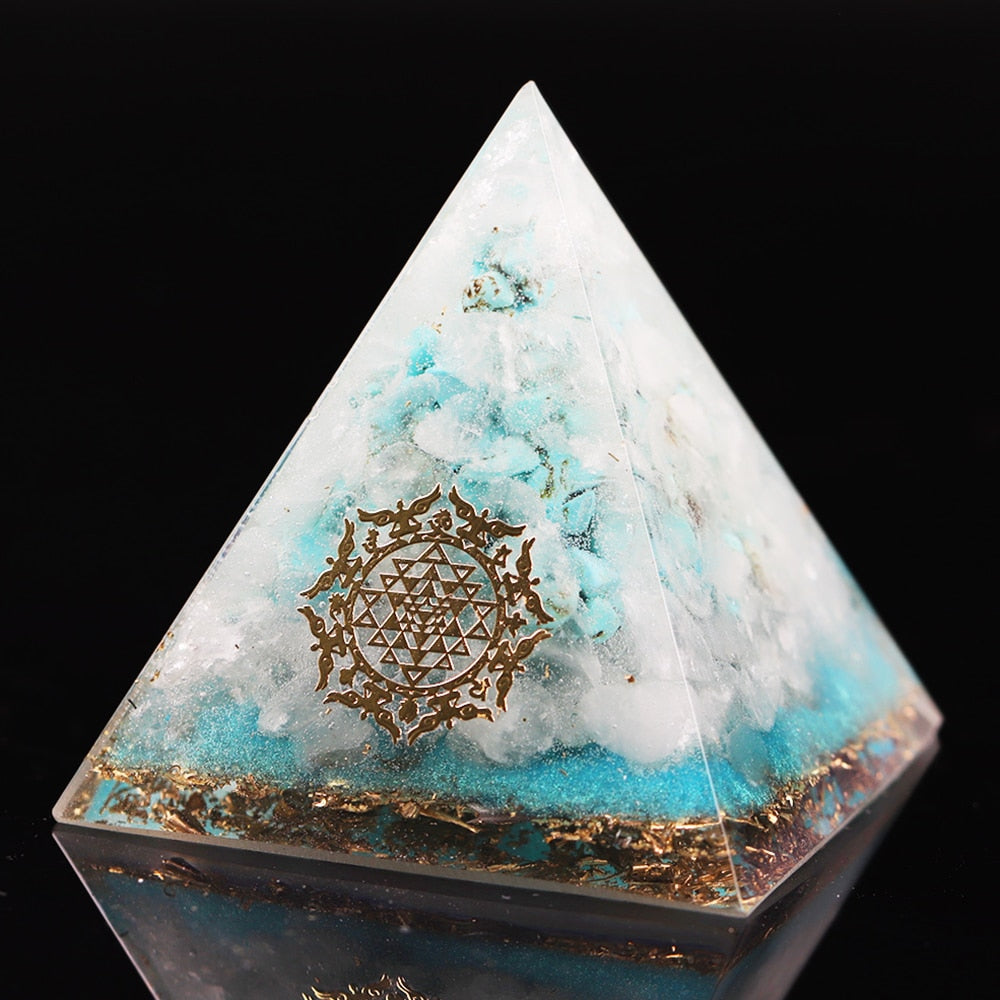
Higher Love Orgonite Pyramid with Turquoise Crystal
$59.99
$79.99
Bring the purifying and protective qualities of real turquoise to your space with this orgonite pyramid centerpiece. Learn more ➔

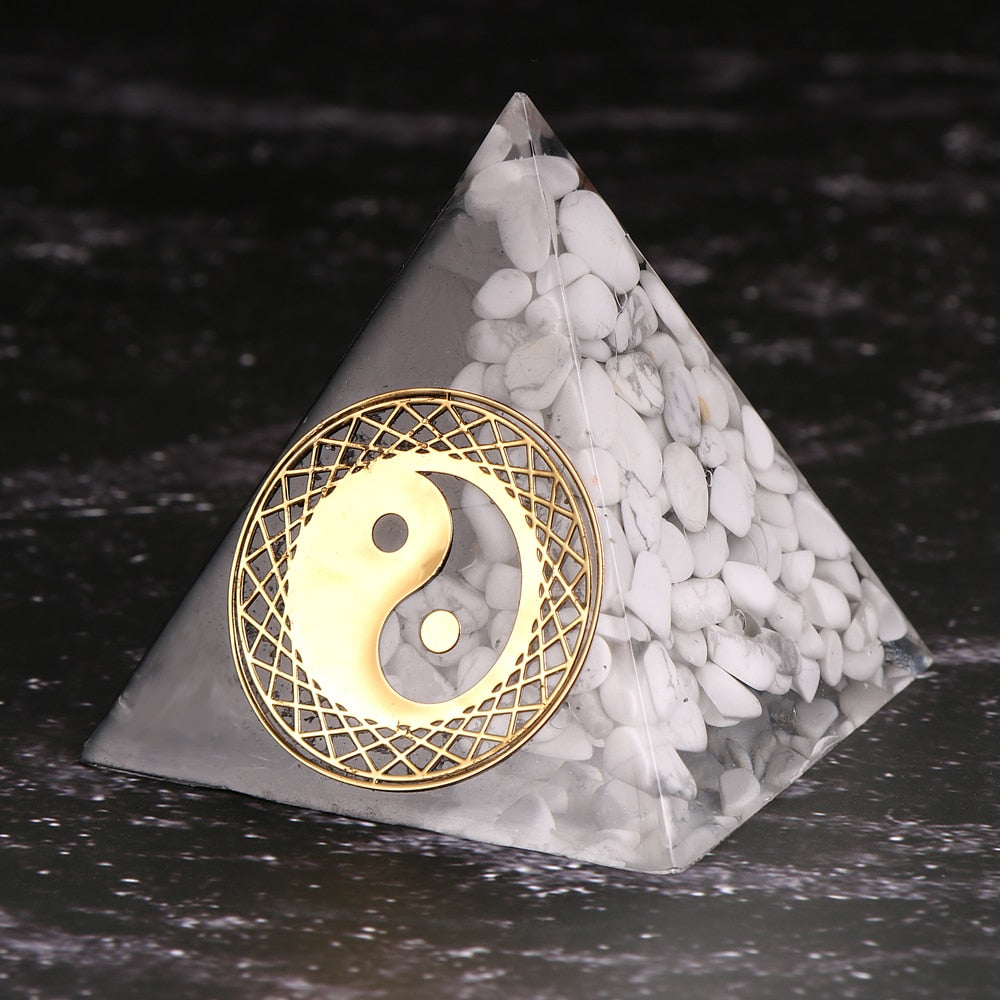
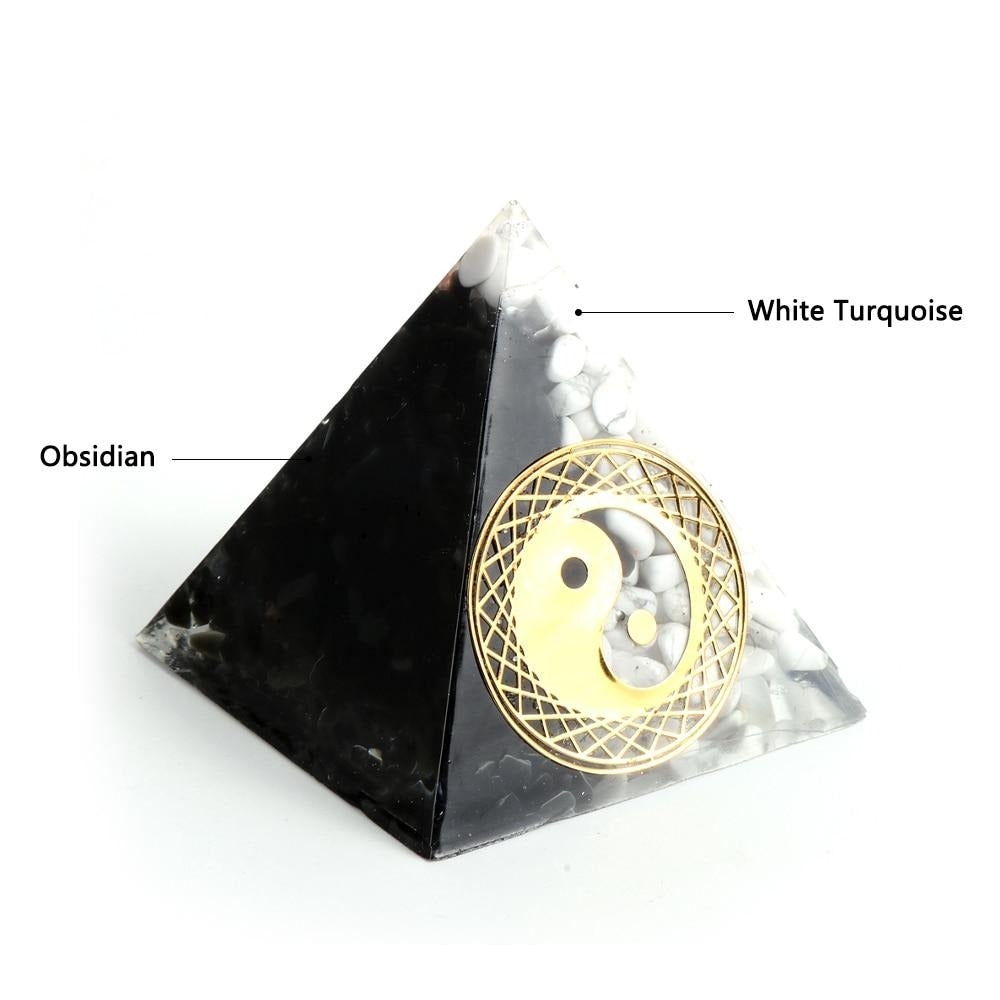
Yin Yang Orgonite Pyramid for Balance and Harmony
$59.99
$79.99
Explore the symbolism and authenticity of turquoise with this unique Yin Yang orgonite pyramid for mindful living. Learn more ➔
Smart Shopping: Where to Find Genuine Pieces
When you are ready to make a purchase, prioritize transparency. Look for detailed product descriptions that specify if the stone is "natural," "stabilized," or "composite." Avoid listings that use vague terms like "turquoise color" or "faux turquoise" if you are seeking the real deal.
Examine the seller's reputation. Do they specialize in crystals and wellness, or is it a fast-fashion outlet? Specialized boutiques are more likely to curate real turquoise jewelry because their customer base values the metaphysical properties of the stones. Taking the time to observe the piece, ask questions, and trust your intuition is a vital part of the selection process.

Conclusion
Investing in turquoise jewelry is an investment in both style and spirit. By understanding the differences between natural, stabilized, and fake stones, you can navigate the market with clarity. Remember to look for the irregular matrix, feel the stone's texture, and trust reputable sources that value transparency. Whether you wear it for its striking blue hues or its protective energy, ensuring your turquoise is authentic allows you to fully embrace the ancient wisdom this stone has to offer.
Frequently Asked Questions about Turquoise Jewelry
You can often tell if turquoise is real by checking for color variations and an uneven texture. Real turquoise usually has a non-uniform color and a matrix (veins) that you can feel with your fingernail. Fake turquoise is often dyed plastic or Howlite, appearing too smooth and uniform in color.
"Real" typically refers to natural turquoise taken from the earth. "Authentic" often encompasses both natural and stabilized turquoise (real stone treated for durability). Both are genuine stone, unlike "fake" turquoise which is imitation material like dyed plastic or reconstituted dust.
Authentic turquoise is valuable due to its scarcity and the complex mining process required to extract it. High-quality natural turquoise is becoming increasingly rare as mines deplete, making genuine pieces a significant investment compared to mass-produced synthetic alternatives.
A simple home test is the fingernail test: if you run your nail over the matrix (dark veins), it should catch on the irregularities of a real stone. You can also inspect it with a magnifying glass for small blue dye piles in the cracks, which indicates a fake dyed stone.
Look for reputable sellers who disclose treatments (like stabilization). Check for natural imperfections in color and texture, avoid prices that seem impossibly low for the size of the stone, and ask about the stone's origin if possible.