We all carry invisible weights. Whether stemming from past trauma, daily stress, or deep-seated grief, these burdens can cloud our daily lives, affecting our relationships and our sense of self. Emotional healing is the process of acknowledging, allowing, hunting, and releasing these painful emotions and memories. It is not about "fixing" yourself because you are broken, but rather about peeling back the layers of conditioning and pain to reveal the wholeness that has always been there.
For many, the path to recovery involves more than just psychological understanding; it requires a holistic approach. Spiritual emotional healing bridges the gap between the mind and the spirit, offering a deeper sense of peace and connection. In this guide, we will explore the stages of healing, practical tools to support your emotional recovery, and how to integrate these practices into your life for lasting well-being.
What Is Emotional Healing?
At its core, emotional healing is the ability to take control of your painful thoughts, feelings, and emotions so that they do not interfere with your present moments. It involves accepting all painful life experiences and negative emotional reactions rather than ignoring or repressing them. This process allows you to assemble the broken parts of your psyche and create a stronger, more resilient version of yourself.
While traditional therapy often focuses on the cognitive aspects of trauma, spiritual emotional healing looks at the energetic imprint these wounds leave behind. It suggests that our emotions are energy in motion (e-motion), and when this flow is blocked by trauma, it can manifest as physical or mental dis-ease. Clearing these blockages is essential for true emotional recovery.

Signs You Are Ready for Emotional Recovery
Recognizing the need for healing is the first and often most difficult step. Many of us function on "autopilot," suppressing difficult feelings to get through the day. However, untreated emotional wounds often surface in subtle ways. You might find yourself reacting disproportionately to small events, feeling a persistent sense of numbness, or experiencing unexplained physical fatigue.
- Persistent Irritability: Snapping at loved ones or feeling constantly on edge.
- Emotional Numbness: Difficulty feeling joy or sadness; a sense of being disconnected.
- Repetitive Patterns: Finding yourself in the same types of toxic relationships or situations.
- Physical Symptoms: Chronic tension, headaches, or fatigue with no medical cause.
The Stages of Emotional Healing
The journey of emotional recovery is rarely linear. It often moves in spirals, where you may revisit old wounds with a new perspective. While different experts propose various models, such as the "5 stages of grief" or the "7 steps of healing," the core progression generally involves moving from unawareness to acceptance, and finally to integration.
Understanding the stages of emotional healing can help you be more patient with yourself. Initially, there may be denial or resistance. As you open up, you might experience a period of chaotic release—intense crying or anger. This is a healthy sign that the "dam" is breaking. Eventually, you reach a stage of meaning-making, where the pain transforms into wisdom.

Integrating Spiritual Practices into Therapy
Emotional healing therapy effectively combines modern psychological insights with ancient spiritual wisdom. Practices such as mindfulness, meditation, and energy work can accelerate the healing process by calming the nervous system and creating a safe space for emotions to surface.
Renowned spiritual teachers often emphasize the power of "presence" in healing pain bodies. By observing your emotions without judgment, you disidentify from them, reducing their power over you. This shift from "I am sad" to "I am experiencing sadness" is a profound leap in spiritual emotional healing.
Practical Tools for Your Healing Journey
Incorporating tangible tools can provide support when the internal work feels overwhelming. Many find comfort in the tactile energy of crystals or the grounding practice of wearing intention-based jewelry. For instance, Rose Quartz is widely revered in the holistic community as a stone of unconditional love, helping to soothe the heart chakra during times of emotional recovery.

Using these tools isn't about magic; it's about mindfulness. Wearing a symbol of peace or holding a calming stone serves as a constant physical reminder of your intention to heal. It anchors you in the present moment, which is the only place where true healing can occur.

8mm Pink Crystal Color Change Pixiu Warmth Bracelet
$27.90 $39.90
Nurture emotional healing with this rose quartz bracelet, designed for gentle self-love and calming your heart during recovery.
Explore ProductCreating a Sanctuary for Reflection
To facilitate deep emotional healing, it is vital to have a safe space—both physically and mentally. This could be a corner of a room dedicated to meditation, journaling, or quiet contemplation. Journaling is particularly effective as it externalizes your internal dialogue, helping to untangle complex feelings and track the stages of emotional healing you are moving through.
Surround this space with items that bring you peace, such as soft lighting, candles, or comforting scents. According to research on expressive writing, the act of putting feelings into words can significantly reduce stress and improve immune function.

Supporting Your Growth with Intention
As you progress, you may find that certain objects or rituals help maintain your new energetic balance. Whether it is a daily gratitude practice or wearing jewelry that symbolizes balance and compassion, these small acts reinforce your commitment to self-care.
Enhance Your Practice with These Tools

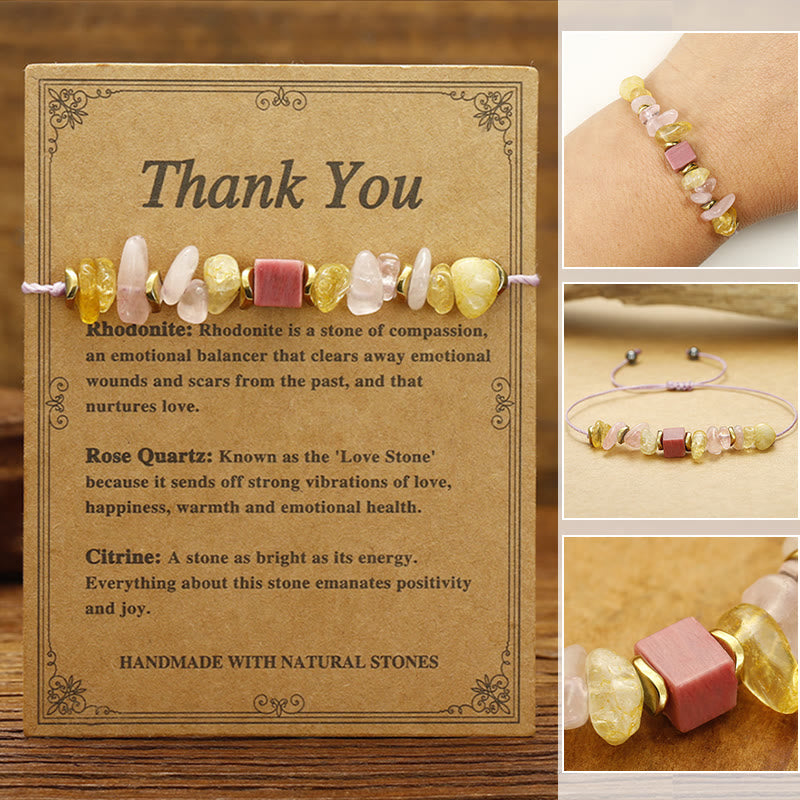
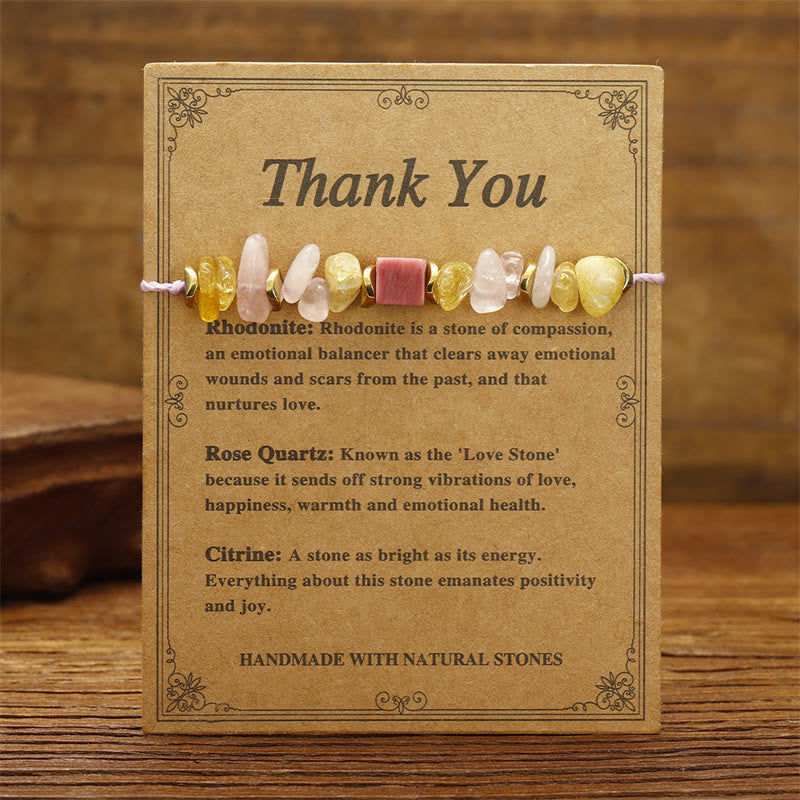
Rose Quartz Citrine Rhodonite Thank You Bracelet 14-24cm
$24.90
$35.90
Foster gratitude and emotional healing with this triple-stone bracelet, symbolizing compassion, balance, and gentle renewal. Learn more ➔

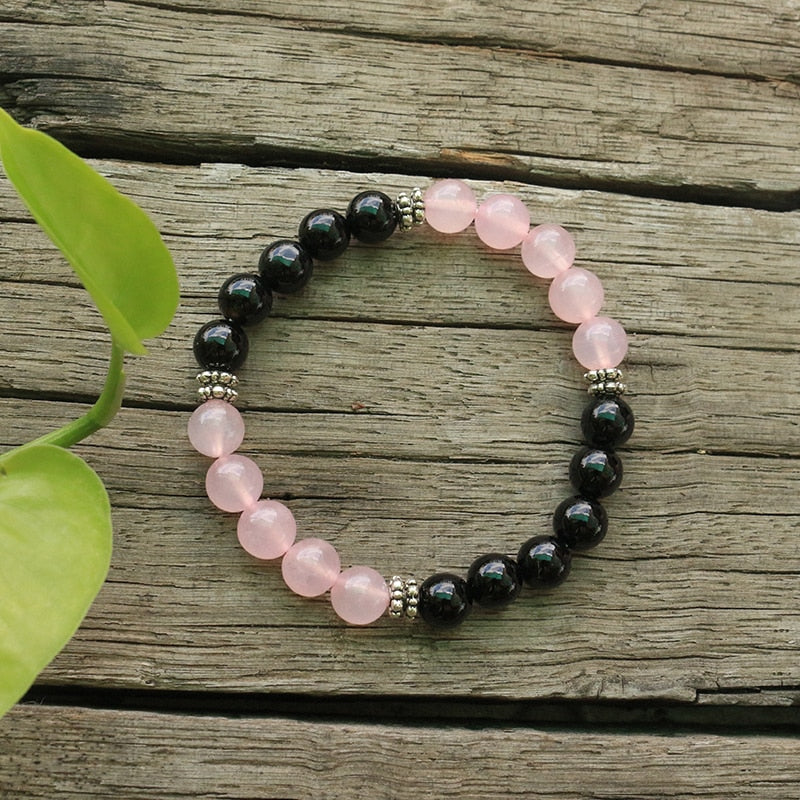
Peaceful Harmony Onyx and Rose Quartz Bracelet
$49.99
$59.99
Wear this onyx and rose quartz bracelet to invite emotional balance and serenity while navigating your healing journey. Learn more ➔
Conclusion
Emotional healing is a courageous act of self-love. It requires patience, compassion, and the willingness to face discomfort in exchange for freedom. By understanding the stages of healing and utilizing tools that resonate with your spirit—be it therapy, meditation, or supportive crystals—you pave the way for a lighter, more joyful existence. Remember, you do not have to walk this path alone; every step you take towards spiritual emotional healing brings you closer to the peace you deserve.
Frequently Asked Questions about Emotional Healing
While models vary, the 7 steps often include: Awareness, Acceptance, Grief, Release, Reintegration, Transformation, and Empowerment. This progression moves you from recognizing the pain to using it as a source of strength.
Similar to the stages of grief, the 5 stages of emotional healing are generally: Denial, Anger, Bargaining, Depression, and Acceptance. Understanding these can help you navigate the fluctuating emotions of recovery.
The "best" method is subjective, but a combination of professional therapy (like CBT or somatic therapy), spiritual practices (meditation, mindfulness), and self-care routines (journaling, exercise) yields the most comprehensive results.
It often feels like a release of tension or weight. You may feel lighter, more present, and less reactive to triggers that used to upset you deeply. It brings a sense of inner quiet and emotional resilience.
There is no set timeline for emotional recovery. It depends on the depth of the trauma and the resources available. For some, it takes months; for others, it is a lifelong journey of growth and deepening self-awareness.