






No Wrong Notes

Stress Relief

Deepens Meditation

Premium Tuning


Getting Started
Yes - this is exactly who tongue drums are designed for. The secret is the pentatonic scale: every note harmonizes with every other note, so there are literally no wrong combinations. You'll create beautiful, meditative melodies from your very first session.
Unlike traditional instruments that require months of practice before producing pleasant sounds, you'll experience immediate musical gratification. Simply strike any tongue in any order - it all sounds good.
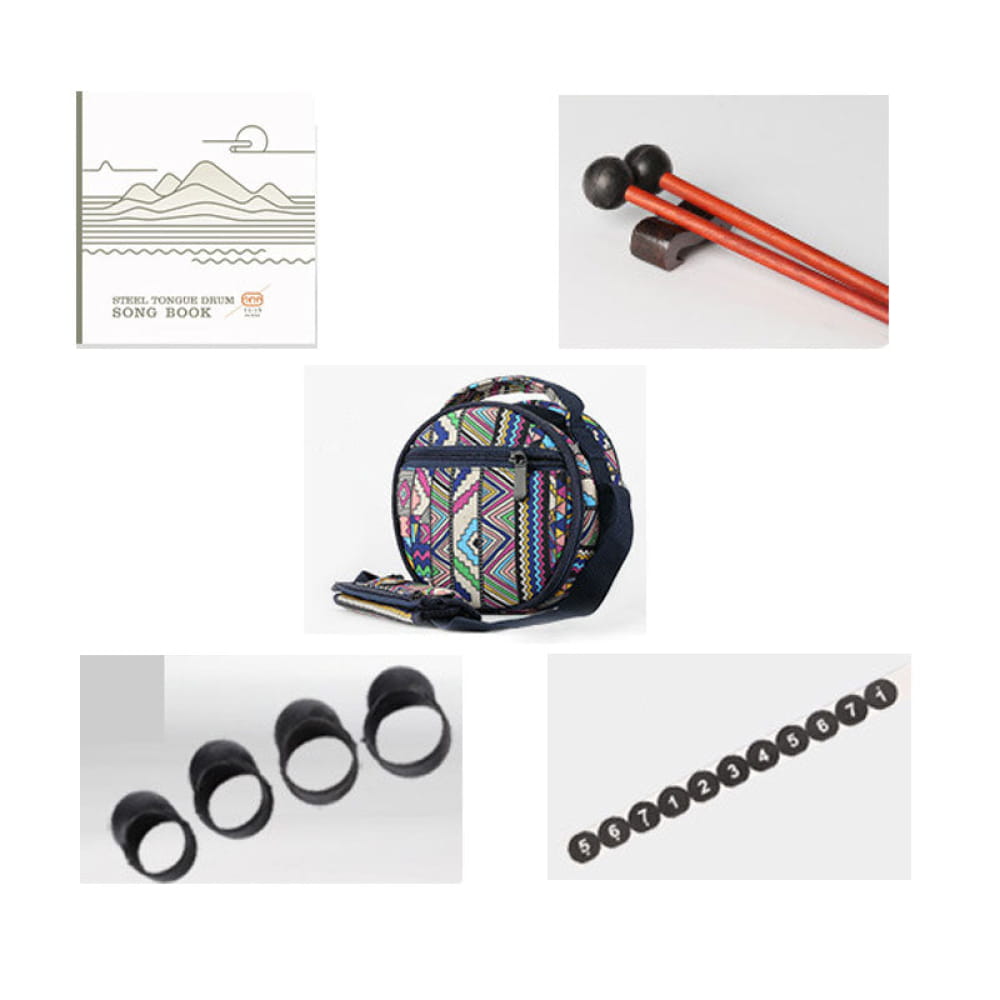
What you get: the drum, mallets, finger picks (optional playing method), music book with songs, and carrying bag. Everything needed to start playing today.
People use tongue drums for various purposes:
- Daily stress relief – A 10-minute session after work to decompress and reset
- Meditation enhancement – The sustained tones provide a perfect focal point for mindfulness practice
- Yoga sessions – Use during Savasana or as transitional sounds between poses
- Creative expression – Improvise melodies without needing music theory knowledge
- Sound healing – The specific frequencies (432Hz or 440Hz) support therapeutic applications
- Sleep ritual – Gentle playing before bed signals your nervous system to wind down
Quality tongue drums produce sustained resonance of 8-15+ seconds depending on the note and striking technique. This extended sustain is what creates that signature ethereal, meditative quality.
Cheap drums typically sustain only 2-4 seconds with a "tinny" quality - one of the most common complaints about budget instruments.
The sustain allows notes to overlap and blend naturally, creating rich harmonic textures even when playing simple patterns.
Both work beautifully - each creates a different character:
Mallets:
- Clearer, more defined tones
- Longer sustain
- Easier for beginners
- Better for melodic playing and songs
Hands/Fingers:
- Warmer, softer tones
- More intimate feel
- Faster playing possible
- Better for rhythmic patterns
Most players use mallets initially, then develop hand technique over time. Many alternate between both during a single session for tonal variety.
Sound Quality & Authenticity
Price reflects fundamental quality distinctions:
Budget drums ($30-70):
- Thin steel that produces "tinny" metallic sound
- Poor sustain (notes die quickly)
- Often out of tune or inconsistent tuning between notes
- Generic "alphabet soup" brands with no quality control
Quality drums (this one):
- Proper steel thickness for rich resonance
- Precise tuning that stays stable
- 8-15+ second sustain
- Consistent tone across all notes
The "Handpan Envy" reality: Many buyers want handpan sound ($1,500-3,000) on a tongue drum budget. Quality tongue drums deliver surprisingly close tonal characteristics at a fraction of the cost - but only if properly made.
Consider: Cheap drums often disappoint and get abandoned. A quality instrument becomes a lasting daily practice tool.
Yes. Quality tongue drums maintain stable tuning for years under normal use. The notes are cut into the steel itself - unlike stringed instruments, there's no tension to adjust.
What can affect tuning:
- Extreme temperature changes (leaving in hot car or freezing conditions)
- Physical damage (dropping, denting)
- Striking with inappropriate objects (hard metal, etc.)
Under normal indoor use with proper mallets, tuning remains consistent indefinitely. If you notice pitch drift, it typically indicates the drum was exposed to temperature extremes - allow it to return to room temperature before playing.
Choosing The Right Drum
Scales determine the emotional character of your melodies:
D Major / C Major:
- Bright, happy, uplifting
- Familiar Western sound
- Great for joyful, energizing sessions
D Minor:
- Contemplative, introspective
- Deeper emotional resonance
- Popular for meditation
Pentatonic scales (most common):
- The "no wrong notes" scales
- Every combination sounds harmonious
- Best for beginners and improvisation
Akebono / Japanese scales:
- Exotic, meditative quality
- Eastern aesthetic
- Very popular for relaxation
First drum recommendation: D Major pentatonic or C Major pentatonic - versatile, uplifting, and universally appealing.
More notes = more range, but also more complexity:
8 notes:
- Simpler, more focused
- Easier to learn
- Sufficient for meditation and basic melodies
- More portable
11-13 notes:
- Full octave+ range
- More melodic possibilities
- Can play more complex songs
- Slightly larger instrument
15+ notes:
- Maximum range
- For serious musicians
- Can be overwhelming for beginners
Starting out? 11 notes offers the best balance - enough range for interesting melodies without being overwhelming.
Start with your primary intention:
- Pure meditation/relaxation → Any pentatonic scale, 8-11 notes, 432Hz optional
- Creative music-making → 11-13 notes, major or minor scale based on preferred mood
- Yoga/sound healing practice → Consider chakra-aligned scales or 432Hz tuning
When in doubt:
- D Major pentatonic, 11 notes, standard tuning
- This is the most versatile, universally appealing configuration
- You can always add drums in different scales later
Remember: There's no wrong choice among quality instruments. The "best" drum is the one you'll actually play regularly.
Usage & Technique
MALLET TECHNIQUE:
- Hold mallet loosely between thumb and first two fingers
- Strike the center of each tongue (not the edge)
- Use a relaxed wrist motion - let the mallet bounce naturally
- Don't press down after striking (this dampens the sound)
FINGER TECHNIQUE:
- Use fingertips or finger pads
- Strike with a gentle flicking motion
- Keep fingers relaxed
- Experiment with different fingers for different tones
Pro tips:
- Softer strikes produce warmer tones with longer sustain
- Harder strikes create brighter, more pronounced notes
- Let notes ring and overlap for richer sound
- Start slowly - speed comes naturally with practice
Both. The included music book contains songs arranged specifically for your drum's scale. Many popular melodies translate beautifully to tongue drum.
For learning songs:
- Start with the included songbook
- YouTube has thousands of tongue drum tutorials
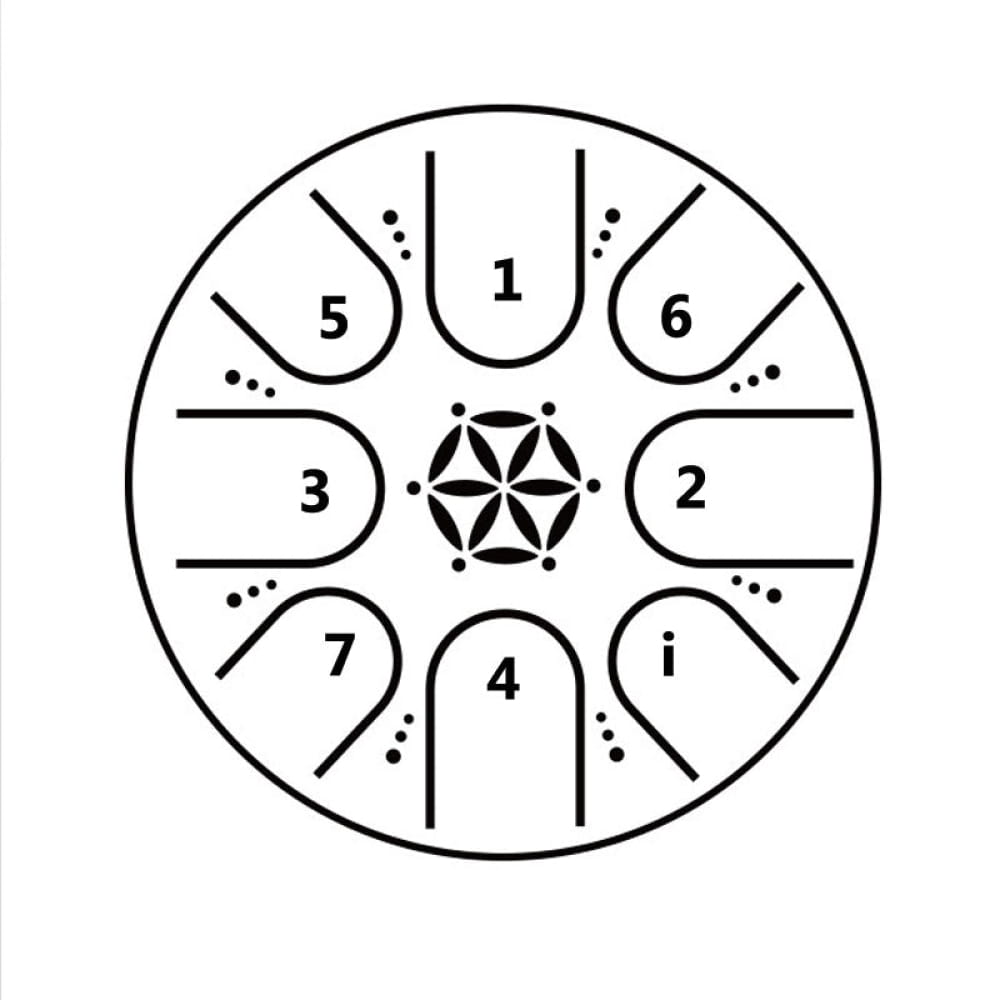
- Number notation (1-2-3 instead of musical notes) makes learning easy
- No music reading ability required
For improvisation:
- The pentatonic scale makes every combination sound good
- Simply play what feels right
- Follow patterns or play randomly - both work
- Most therapeutic benefits come from improvisation, not perfection
Tongue drums produce moderate volume - louder than a kalimba but quieter than most percussion instruments.
Volume characteristics:
- Clearly audible throughout a room
- Generally won't penetrate walls significantly
- Apartment-friendly at normal playing levels
- Can be played softer for late-night sessions
For shared spaces:
- Use lighter mallets or fingers for quieter tones
- Play during reasonable hours
- Place on a soft surface (carpet, cushion) to reduce resonance transfer
Most family members grow to appreciate the calming sounds - it's far less intrusive than practicing guitar or drums.
Comparison & Compatibility
Tongue drums and handpans are often confused but have distinct characteristics:
Tongue Drums:
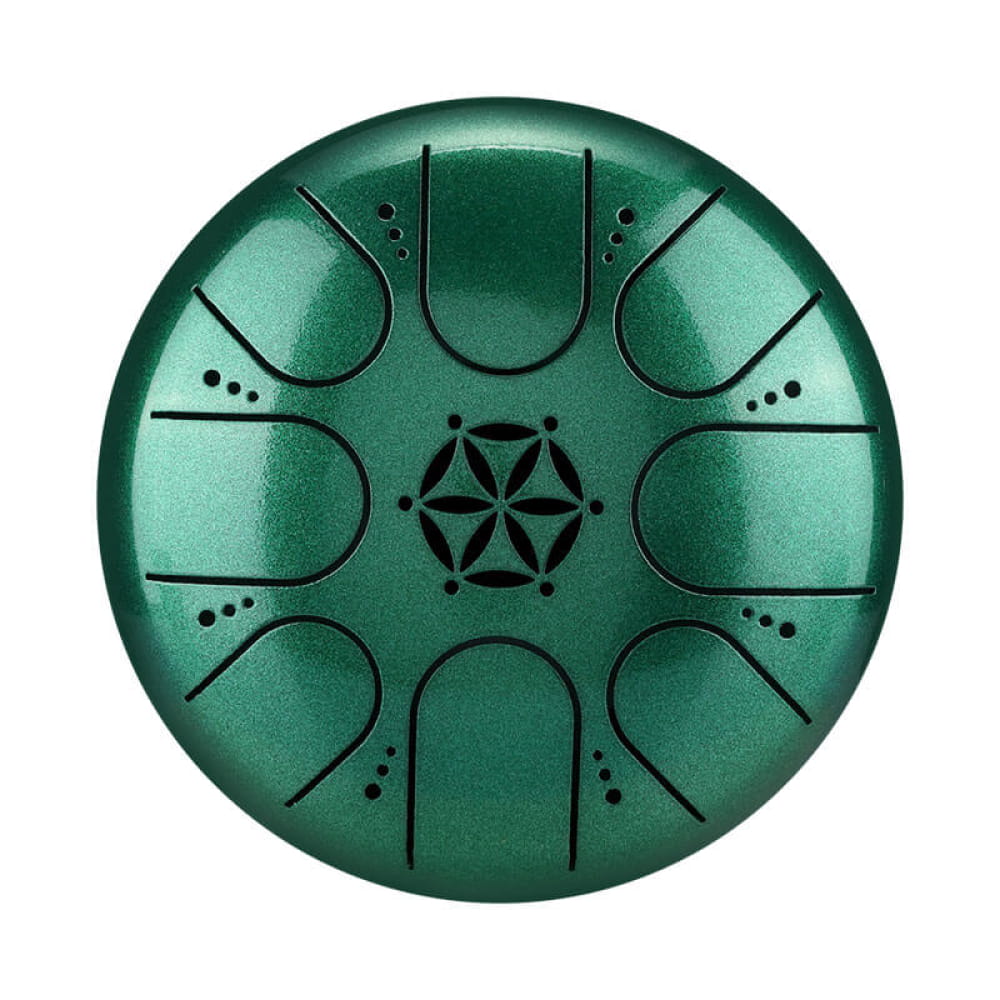
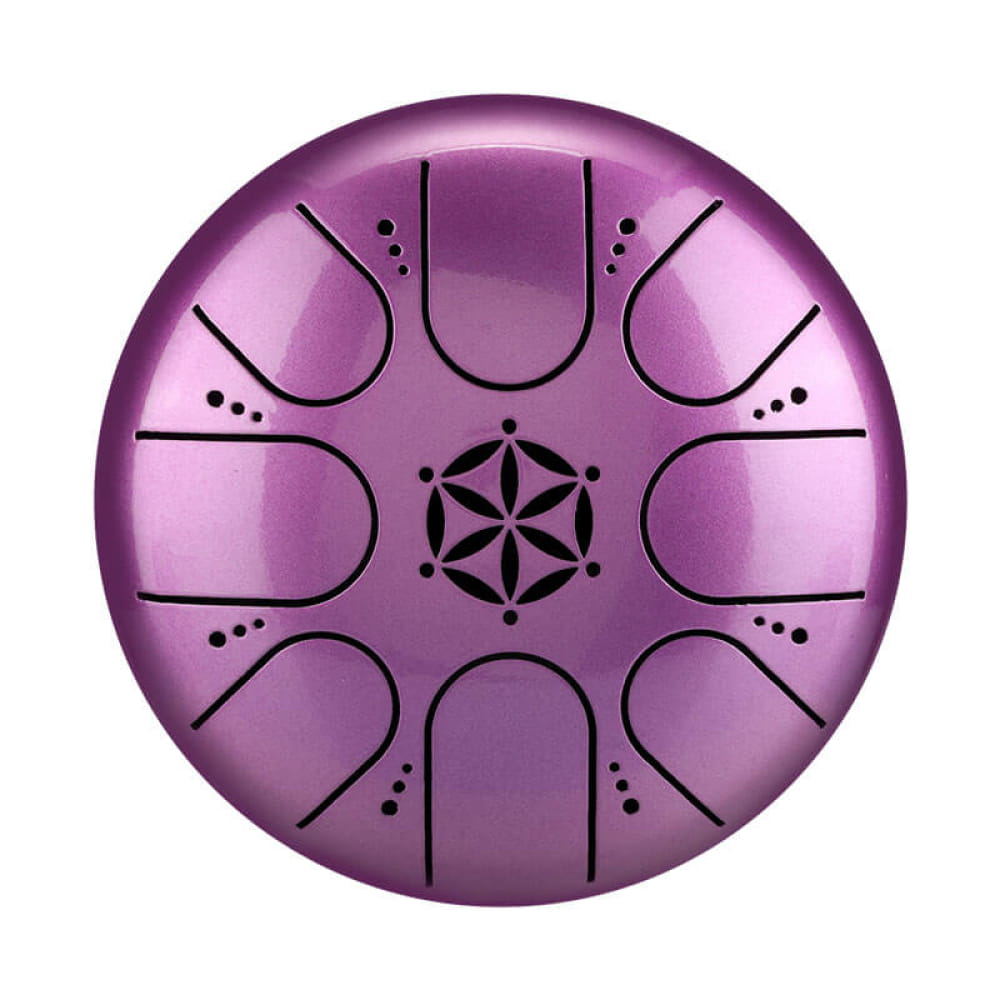
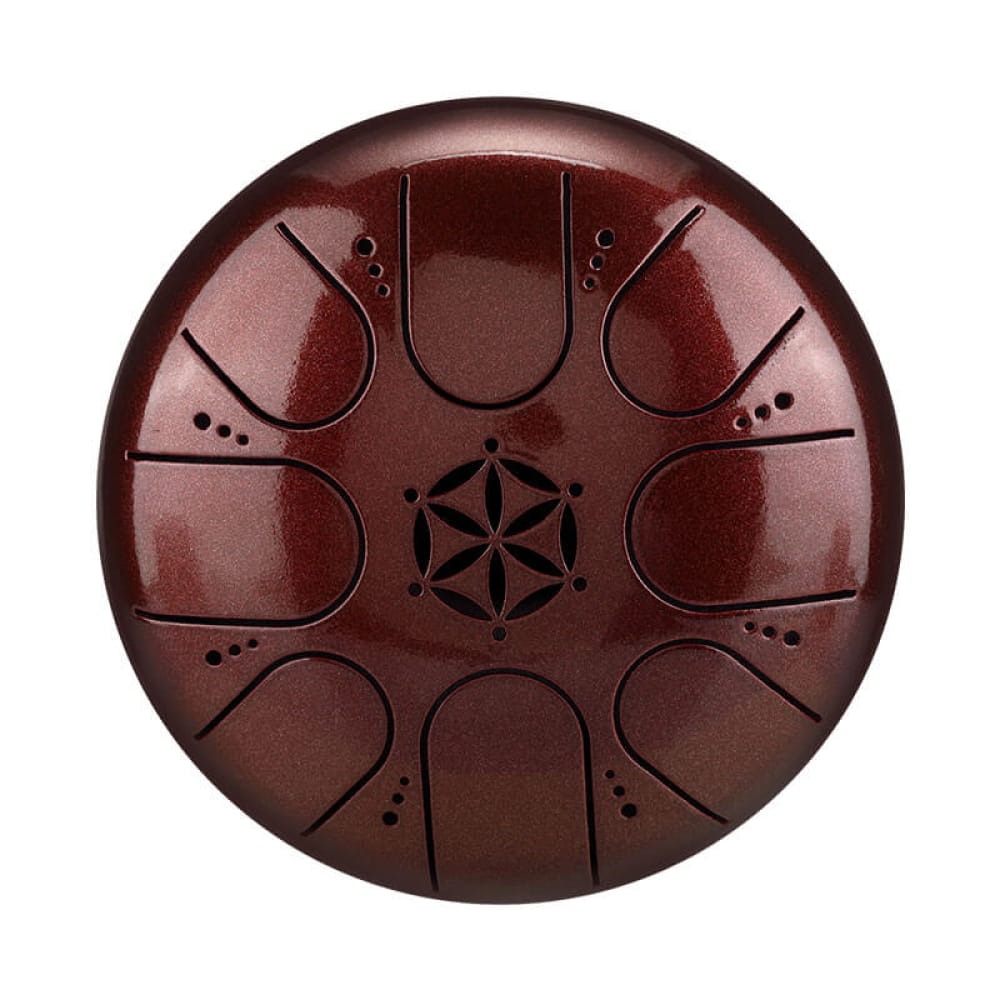
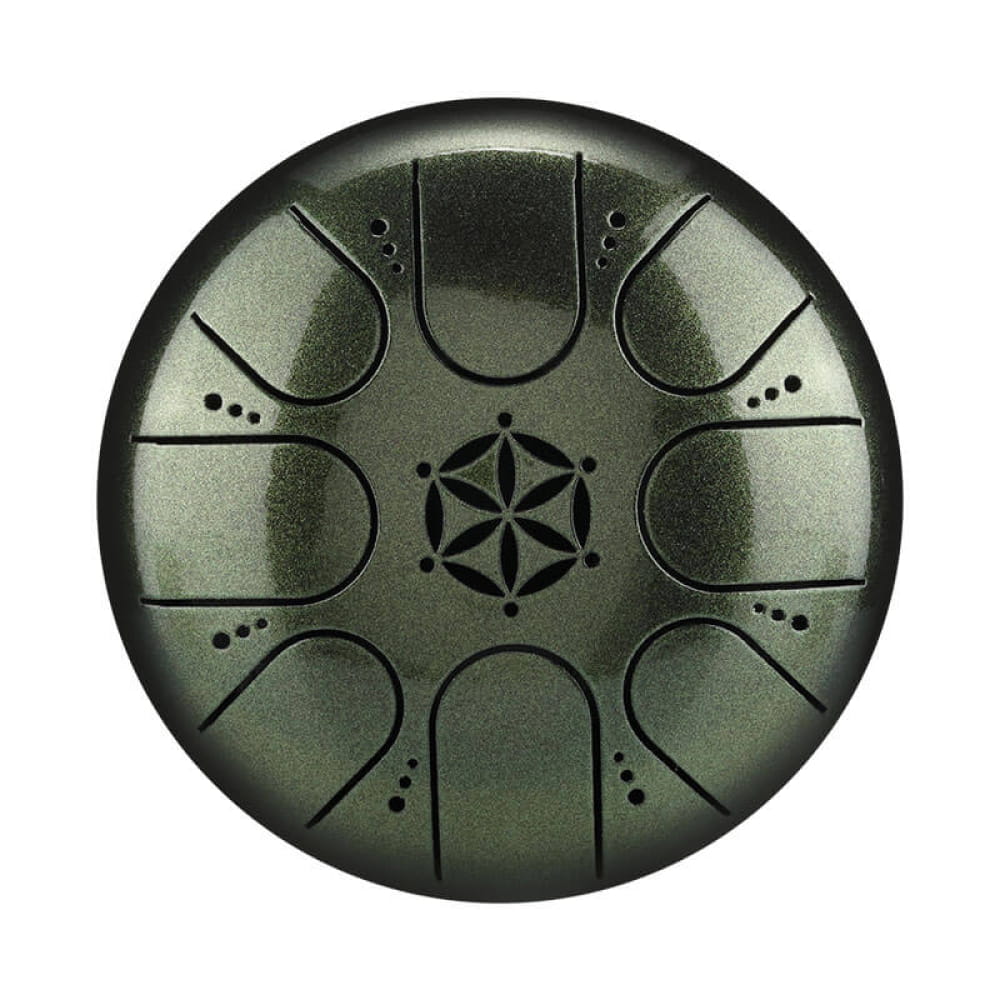
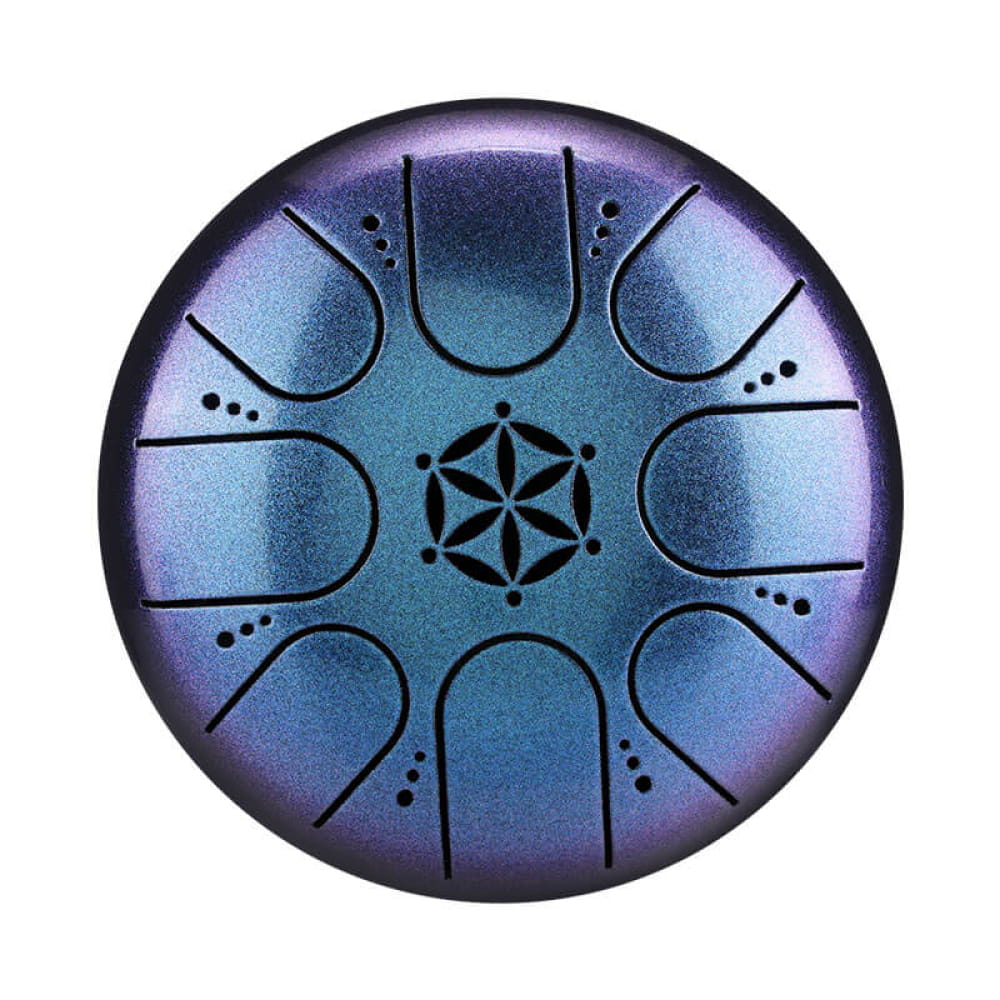
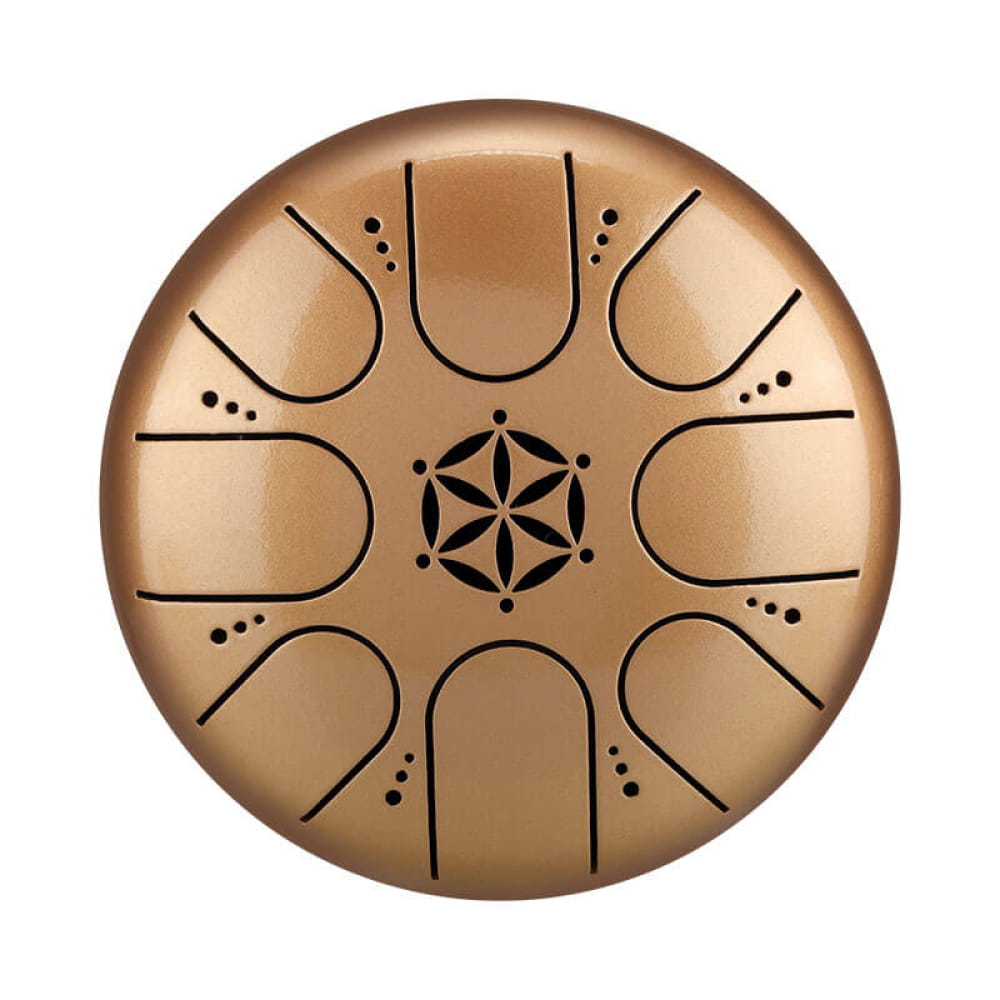
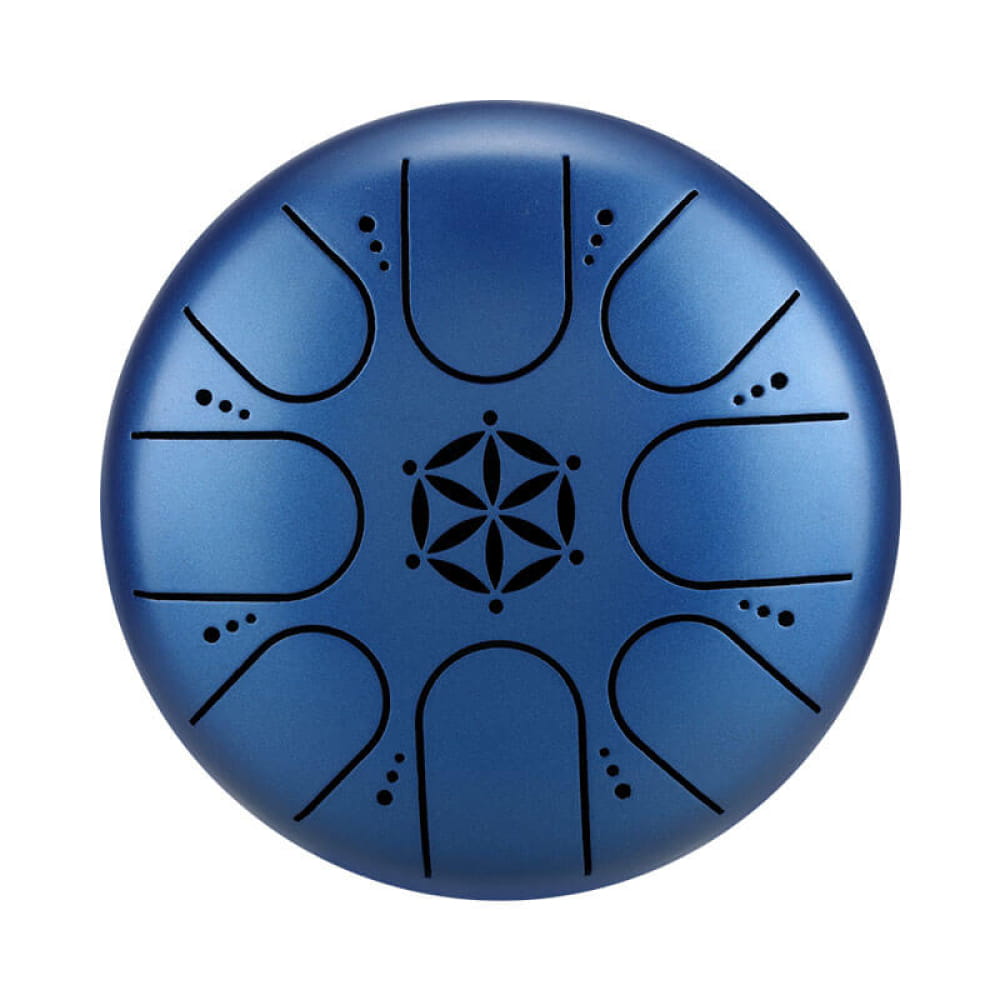
- Notes cut into the surface (visible tongues)
- Price range: $80-500
- More compact and portable
- Easier for beginners
- Clear, bell-like tones
- Less dynamic range
Handpans:
- Dimpled surface (no visible tongues)
- Price range: $1,500-3,500+
- Larger, more delicate
- Steeper learning curve
- Warmer, more complex overtones
- Greater dynamic expression
The honest assessment: Quality tongue drums deliver 70-80% of the handpan experience at 10-20% of the cost. For meditation and personal practice, most people find tongue drums completely satisfying.
Tongue drums complement other healing instruments beautifully:
- With singing bowls: Alternate between sustained bowl tones and melodic drum patterns - creates layered soundscapes
- With kalimba: Similar playing concept but different tonal character - tongue drums provide deeper, more resonant foundation
- With guitar/ukulele: Choose 440Hz tuning for compatibility - tongue drums add ethereal textures to accompaniment
- With recorded music: The sustained, ambient quality blends rather than competes
Key principle: Tongue drums fill a unique sonic space - they're melodic (unlike singing bowls) but more ambient than traditional instruments.
Care & Maintenance
Regular maintenance:
- Wipe with a soft, dry cloth after playing (removes oils from hands)
- Store in the included bag when not in use
- Keep in a stable, room-temperature environment
Avoid:
- Extreme temperatures (hot cars, freezing garages)
- High humidity or direct water contact
- Striking with hard metal objects
- Dropping or impacts
If finish dulls: Light application of instrument polish restores luster.
With basic care, your tongue drum will maintain its sound and appearance for decades.
Steel tongue drums are remarkably robust compared to many musical instruments:
- No strings to break
- No delicate mechanisms
- Solid steel construction
- Travel-friendly
What can cause damage:
- Significant drops or impacts (can dent and affect tuning)
- Striking with inappropriate objects
- Extreme temperature exposure
Under normal use, these drums last essentially indefinitely. The steel doesn't wear out from playing - it's the same principle as a bell that rings for centuries.
Practical Questions
Each steel tongue drum undergoes quality inspection to ensure proper tuning and finish before shipping.
- Processing time: 2 to 7 business days
- Delivery time: 5 to 12 business days
- Shipping: Free worldwide
You'll receive real-time tracking updates from production to delivery.
Hassle-Free Returns
Not satisfied? You have 30 days to return your tongue drum. Your satisfaction is our priority.
Your tongue drum arrives as a complete kit:
- Steel tongue drum - The instrument itself
- Pair of mallets - Rubber-tipped for optimal tone
- Finger picks - For hand-playing technique
- Music book - Songs in number notation
- Carrying bag - For storage and transport
- Note stickers - Optional learning aid (removable)
Everything needed to start playing immediately - no additional purchases required.
Yes, we offer a variety of tongue drums in different scales, sizes, and tunings. Explore our full collection to find the perfect match for your needs.