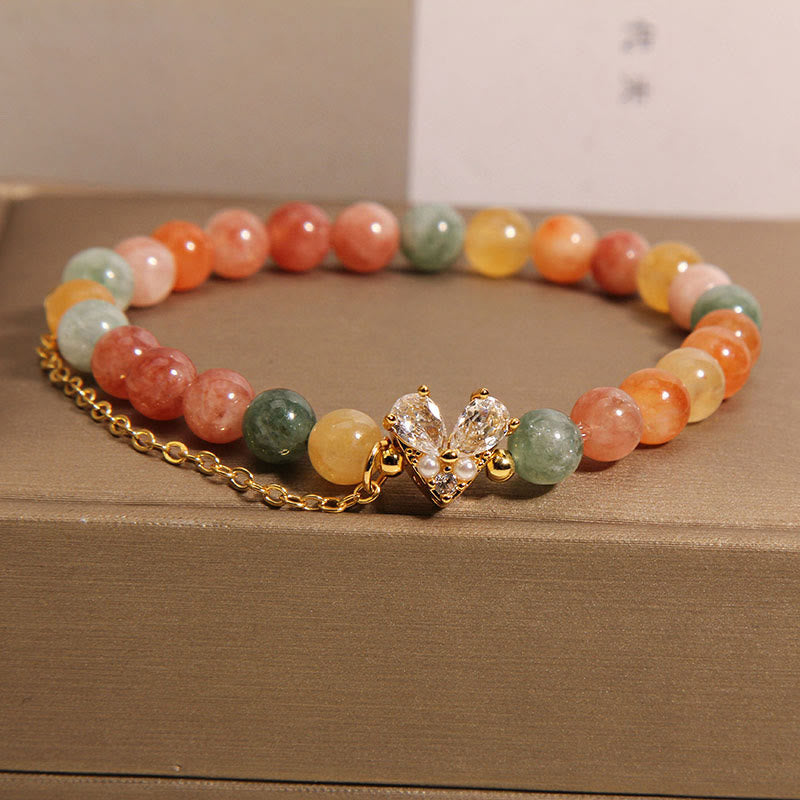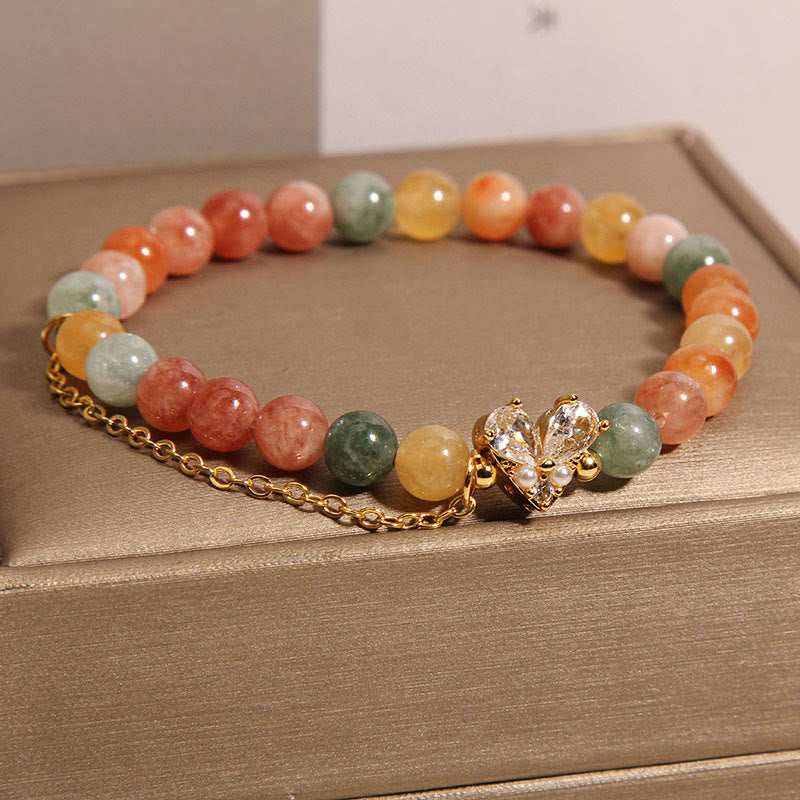
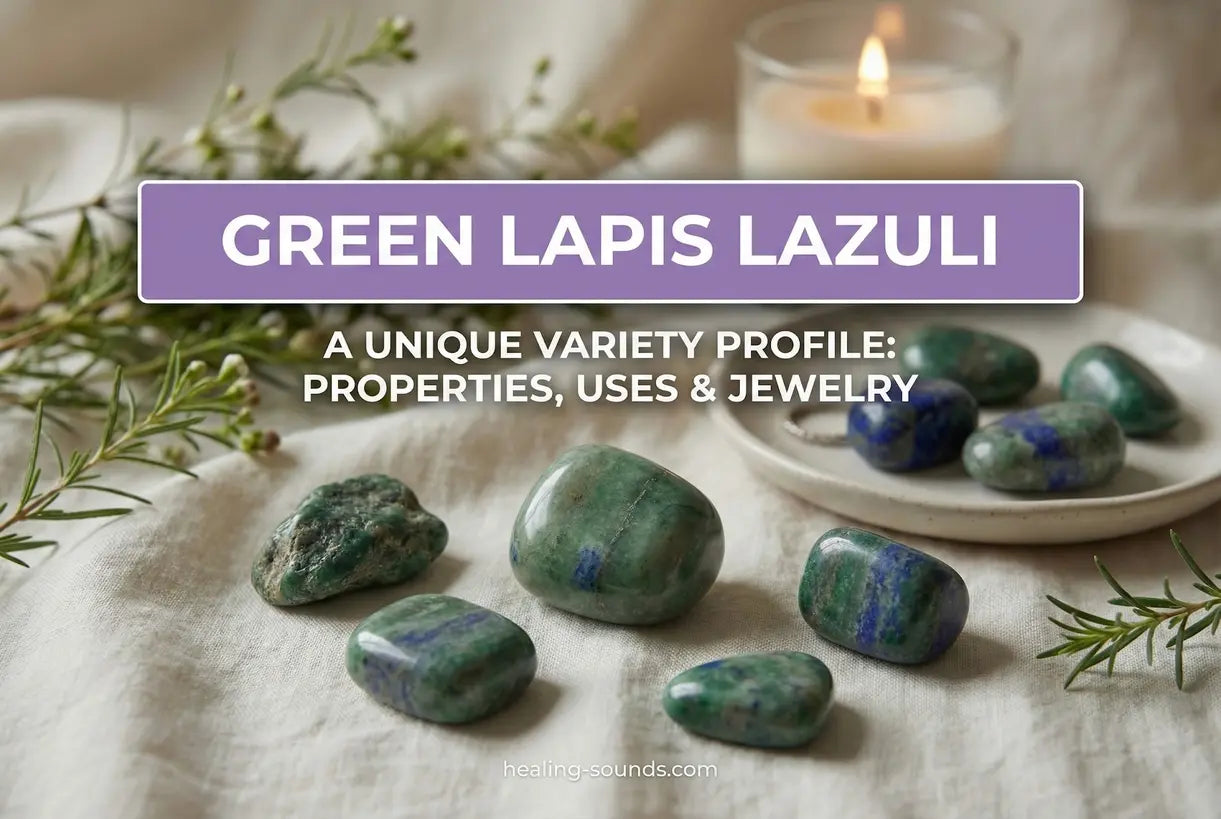
While the deep, celestial blue of classic Lapis Lazuli has captivated humanity for millennia, a lesser-known but equally intriguing variety exists: Green Lapis Lazuli. Often overshadowed by its famous azure cousin, this unique gemstone offers an earthier aesthetic and a distinct vibrational signature that appeals to collectors and crystal healers alike. For those drawn to the mysteries of the mineral kingdom, exploring the green variation of this ancient stone reveals a fascinating blend of history, geology, and metaphysics.
In this profile, we will delve into the specific green lapis lazuli properties that set it apart. We will explore its geological formation, decipher its meaning in crystal healing, and determine how to distinguish natural specimens from treated ones. Whether you are looking for unique green lapis lazuli jewelry or simply wish to expand your gemstone knowledge, understanding this verdant stone opens new doors to wellness and style.
What is Green Lapis Lazuli?
Lapis Lazuli is technically a rock, not a mineral, meaning it is an aggregate of several different minerals. The primary component that gives Lapis its iconic blue color is lazurite. However, the presence of other minerals within the stone's matrix can significantly alter its appearance. Green Lapis Lazuli is often the result of a mineral admixture where the blue lazurite is mingled with or overpowered by other components such as diopside, epidote, or specific types of sodalite that lean towards greenish hues.
Unlike the highly prized "royal blue" stones mined in Afghanistan, green varieties are often found in other localities, such as the Ovalle mines in Chile or certain deposits in Russia near Lake Baikal. These stones present a spectrum ranging from a pale, sea-foam turquoise to a deep, mossy olive, frequently punctuated by the golden glint of pyrite and white streaks of calcite. This variety is sometimes referred to in the trade as "Chilean Lapis" when it exhibits a lighter, greener tone compared to the Afghan standard.
Green Lapis Lazuli Properties vs. Blue Lapis
The primary difference between the two lies in their energetic focus and chakra alignment. Traditional blue Lapis Lazuli is the stone of the Third Eye and Throat chakras, revered for stimulating wisdom, truth, and intellectual capability. It connects the physical mind to the celestial realm.
In contrast, the green lapis stone bridges the gap between the mind and the heart. The introduction of green—the color of the Heart Chakra—softens the stone's energy, making it more grounding and emotionally accessible. It retains the wisdom-enhancing qualities of Lapis but filters them through a lens of emotional growth and earthly connection. This makes it an excellent companion for those who feel "too in their head" and need to ground their insights into practical, heart-centered action.
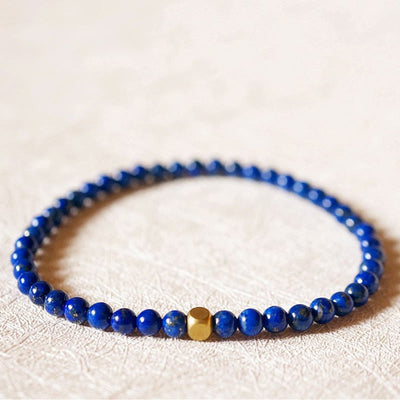
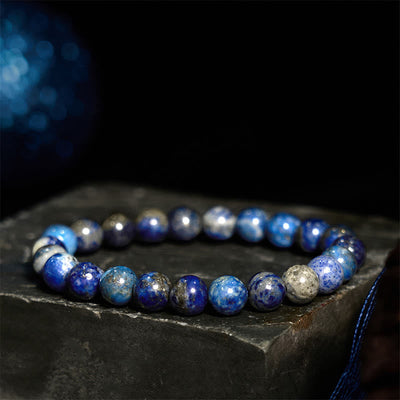
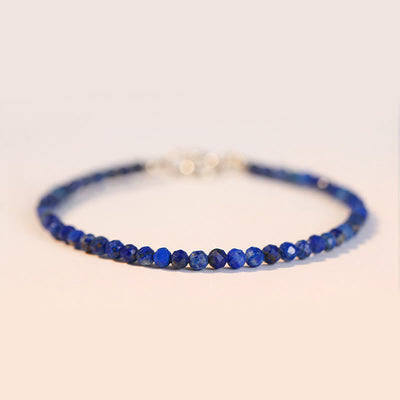
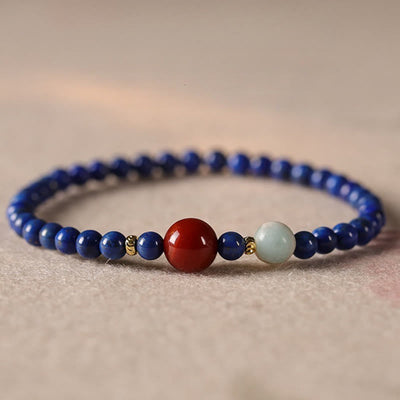
- Chakra Association: Heart Chakra and Throat Chakra synergy.
- Key Energy: Emotional grounding, practical wisdom, and connection to nature.
- Appearance: Mottled greens, teals, and olives mixed with blue, white, and gold pyrite inclusions.

Metaphysical Meaning and Benefits
The lapis lazuli meaning takes on a new dimension with the green variety. It is often viewed as a stone of "growth wisdom." While blue lapis helps you see the truth, green lapis helps you live the truth in your daily environment. It encourages the wearer to embrace their unique path, fostering a sense of inner peace that comes from aligning one's intellect with their emotional needs.
Healers often use green lapis lazuli uses for stress relief and emotional healing. Its connection to earthier minerals provides a stabilizing influence, helping to calm a racing mind. It is believed to assist in resolving emotional blockages, allowing for a freer flow of communication—both with others and with oneself. For those interested in mineralogy and healing, the presence of copper-based minerals (often associated with green stones) adds an element of conductivity and balance to the stone's profile.

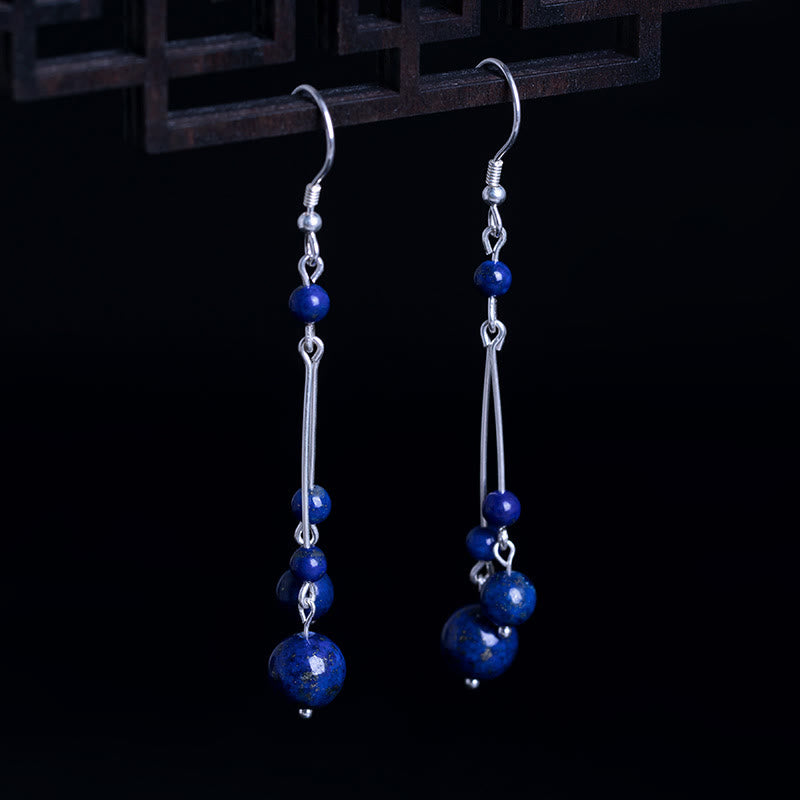
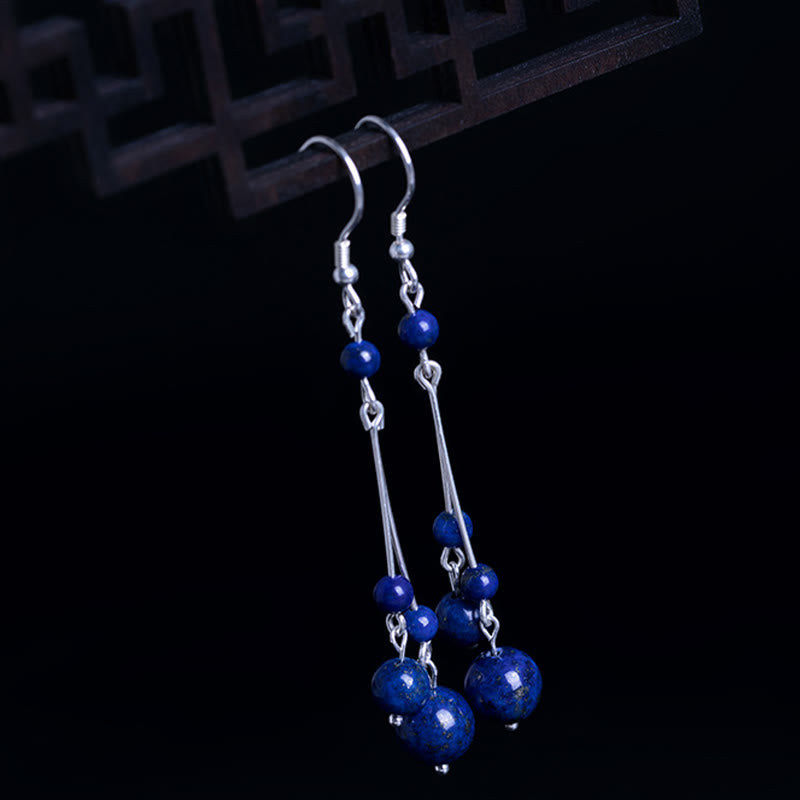
Lazurite Sterling Silver Serenity Drop Earrings
$27.90 $39.90
Elevate your style and connect with lapis lazuli's energy using these beautiful sterling silver drop earrings.
Explore ProductIs Green Lapis Natural or Enhanced?
One of the most common questions regarding varieties of lapis lazuli concerns authenticity. Is the green color natural? The answer is nuanced. Yes, naturally occurring green lapis exists, particularly from Chile and Russia, where the geological conditions favor the formation of green minerals alongside lazurite. These stones are natural and untreated, displaying a complex, mottled texture.
However, the market also contains dyed stones. Low-grade white calcite or pale jasper is sometimes dyed green or blue-green and sold as "green lapis." To identify genuine green lapis lazuli, look for inclusions. A natural stone will usually show specks of pyrite (fool's gold) and veins of white calcite. The color should not look uniform or saturated like plastic; it should have the organic, uneven look characteristic of a natural aggregate rock. Authentic specimens offer a unique, raw beauty that synthetic imitations cannot replicate.

Uses in Jewelry and Healing Practices
Because of its unique coloration, green lapis lazuli jewelry is a striking alternative to traditional styles. It pairs exceptionally well with silver, which highlights the cool tones of the stone, or copper, which accentuates its earthy green hues. Artisans often cut these stones into cabochons or beads to showcase the intricate patterns of pyrite and calcite inclusions.
In crystal grids and healing layouts, green lapis is often placed on the Heart Chakra to clear emotional congestion. It can also be paired with other green stones like Malachite or Green Aventurine to amplify the energy of growth and abundance. Using green lapis in meditation can help facilitate a connection with nature spirits and ground spiritual downloads into physical reality.
Enhance Your Crystal Collection

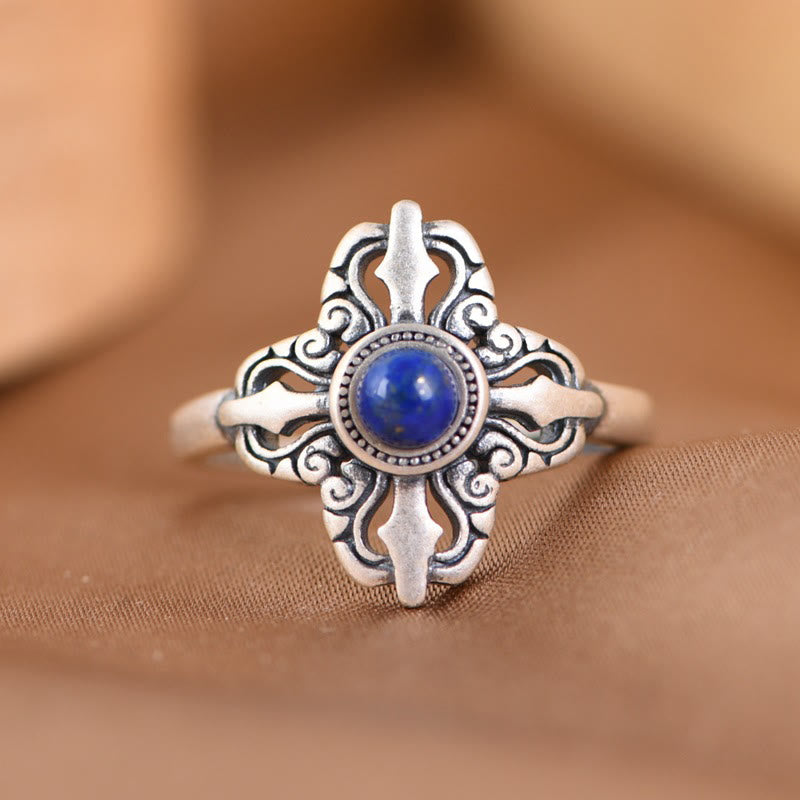
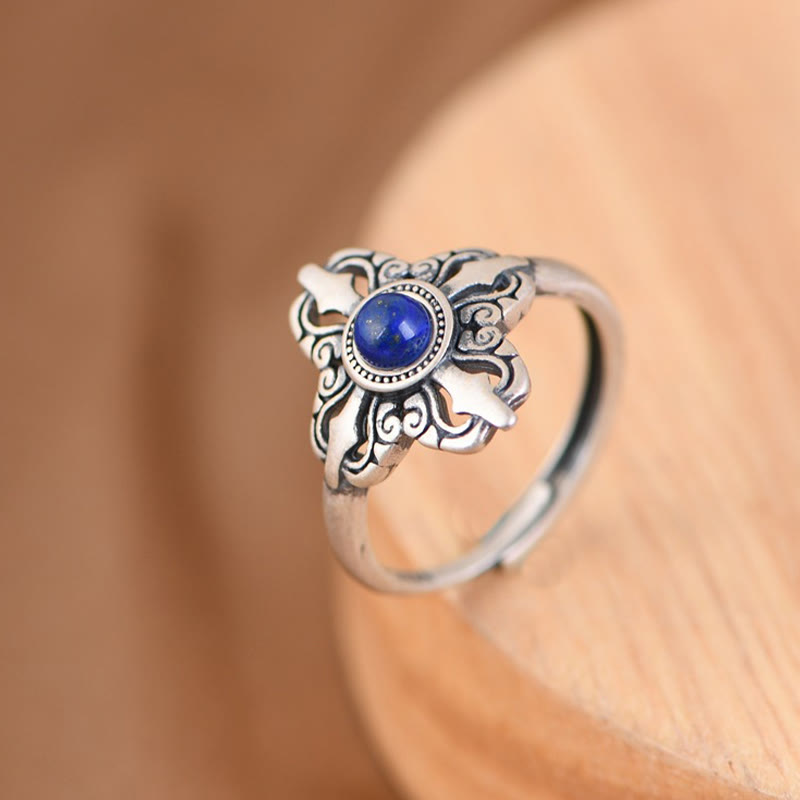
Enhance spiritual balance and access lapis wisdom with this adjustable sterling silver lazurite ring. Learn more ➔

Citrine Green Crystal Prosperity Bracelet 14-16cm Wrist
$24.90
$35.90
Embrace abundance and calming green crystal energy with this prosperity bracelet, ideal for crystal enthusiasts. Learn more ➔

Conclusion
Green Lapis Lazuli is more than just a mineralogical curiosity; it is a beautiful testament to the complexity of nature. Offering a harmonious blend of wisdom and emotional grounding, it serves as a powerful tool for those seeking to balance their head and heart. Whether worn as jewelry or kept as a meditation stone, its unique vibrations bring a refreshing perspective to the ancient legacy of Lapis Lazuli.
By understanding the nuances of green lapis lazuli properties, you can make informed choices when selecting stones that resonate with your personal energy. We invite you to explore our collection and discover the serene, earthy power of this remarkable gemstone for yourself.
Frequently Asked Questions about Green Lapis Lazuli
Green Lapis Lazuli is a variety of Lapis Lazuli rock that contains a higher mixture of secondary minerals like diopside, epidote, or sodalite, giving it a greenish hue rather than the traditional royal blue. It is often found in Chile or Russia.
Geologically, it contains different ratios of minerals. Metaphysically, blue Lapis focuses on the Third Eye and intellectual wisdom, while green Lapis resonates more with the Heart Chakra, promoting emotional grounding and practical growth.
It is believed to possess properties of emotional healing, stress relief, and "growth wisdom." It helps ground spiritual insights into physical reality and balances communication with empathy.
Both exist. Natural green lapis comes from specific mines (like in Chile) and has a mottled, earthy appearance with pyrite inclusions. Dyed stones often look unnaturally uniform. Authenticity can usually be checked by examining the stone's texture and inclusions.
It is popular in artisan and bohemian jewelry styles, often set in silver or copper to complement its earthy tones. It is usually cut into cabochons or beads to display its unique matrix and pyrite flecks.