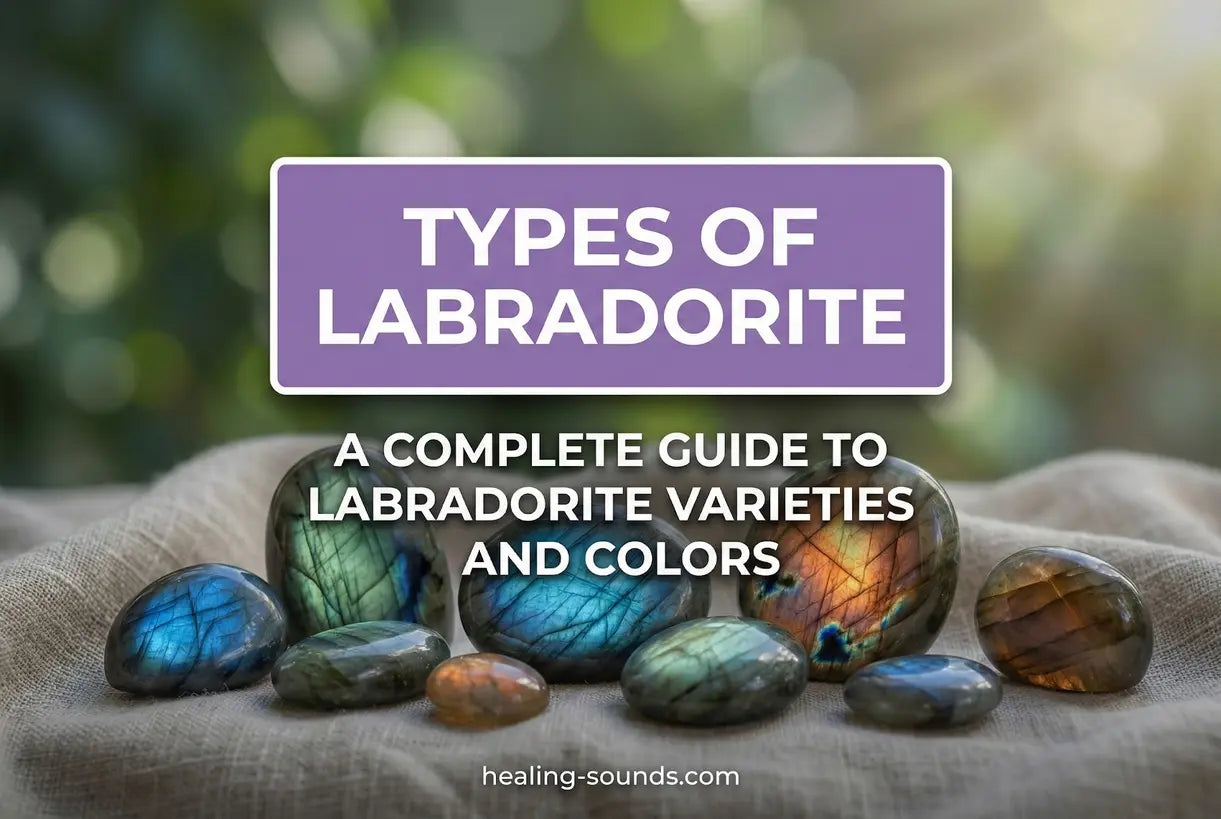
Labradorite is often celebrated as the "Stone of Magic," a crystal that seems to hold the Northern Lights captured within its mineral structure. For spiritual seekers and crystal enthusiasts, the allure of this feldspar mineral lies in its labradorescence—the dazzling optical phenomenon that creates flashes of blue, green, gold, and sometimes violet. However, many collectors are unaware that there are several distinct labradorite types, each possessing unique visual characteristics and energetic vibrations.
While the classic dark grey stone with blue flashes is the most recognized, the world of types of labradorite is surprisingly vast. From the intense spectral colors of Spectrolite to the warm glow of fire labradorite and the earthy tones of brown labradorite, understanding these varieties can deepen your appreciation and help you choose the right stone for your spiritual practice. In this guide, we will explore the different varieties of labradorite, distinguishing between natural formations, trade names, and color variations.

Understanding the Spectrum: Common and Rare Types of Labradorite
The classification of labradorite types is often based on the base color of the stone (the matrix) and the colors of the flash (the labradorescence). While they all belong to the plagioclase feldspar family, the geological conditions during their formation dictate their final appearance.
1. Standard Labradorite
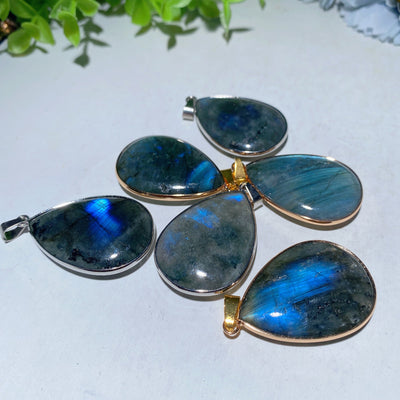
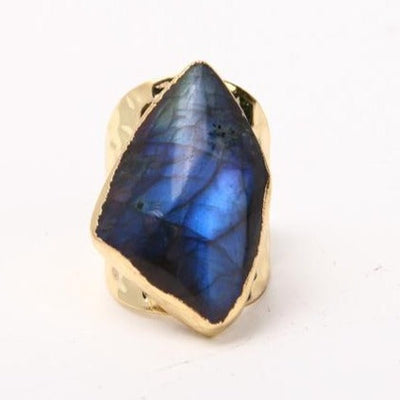
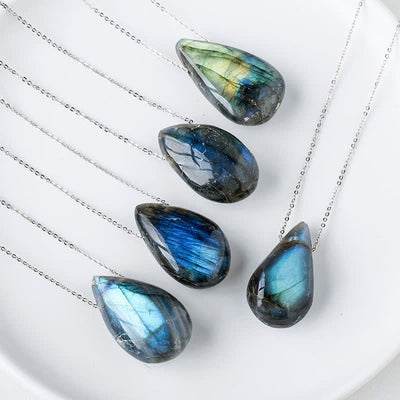
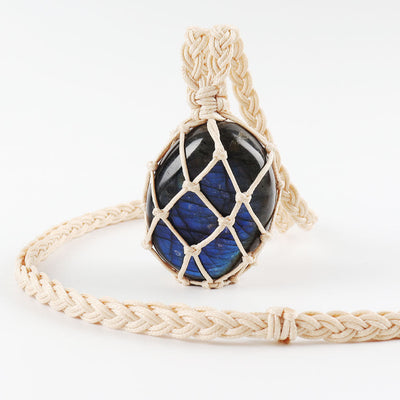
The most common form features a dark grey to black base color. When light hits the stone at specific angles, it reveals flashes of deep blue, turquoise, and green. This is the variety most frequently found in jewelry and polished freeforms. It is revered for its protective aura and ability to shield the aura from negative energies.
2. Spectrolite
Often considered the "high-grade" cousin of standard labradorite, Spectrolite is a semi-precious gem originally found in Finland. What sets Spectrolite apart is its incredibly rich range of colors. Unlike standard labradorite, which often sticks to blues and greens, Spectrolite displays the full color spectrum, including deep reds, oranges, and purples. The base is typically opaque and black, making the colors pop with high contrast. It is a powerful stone for unlocking psychic abilities.
3. Rainbow Labradorite
Similar to Spectrolite but found in other locations (like Madagascar), rainbow labradorite exhibits a wide array of flashy colors. It is highly sought after by collectors who want to see pink, purple, and gold shimmering alongside the traditional blue hues. These labradorite colors represent the unification of all chakras, bringing balance and harmony to the energy body.
Warm and Earthy Variations: Fire, Orange, and Brown
While blue is the frequency most associated with this mineral, the warmer tones are rare and carry a different vibration.
Fire Labradorite and Labradorite Orange
The term fire labradorite is often used to describe stones that display intense flashes of copper, gold, bright orange, and red. These are significantly rarer than their blue counterparts. The fiery energy of a labradorite orange flash connects to the Sacral and Solar Plexus chakras, aiding in creativity, passion, and personal will.
It is important to note that some transparent yellow feldspars are also called "Yellow Labradorite" or Bytownite, which lack the dark matrix but offer amazing clarity. However, when you see a dark stone flash with intense flame-like colors, you are witnessing the unique magic of fire labradorite.

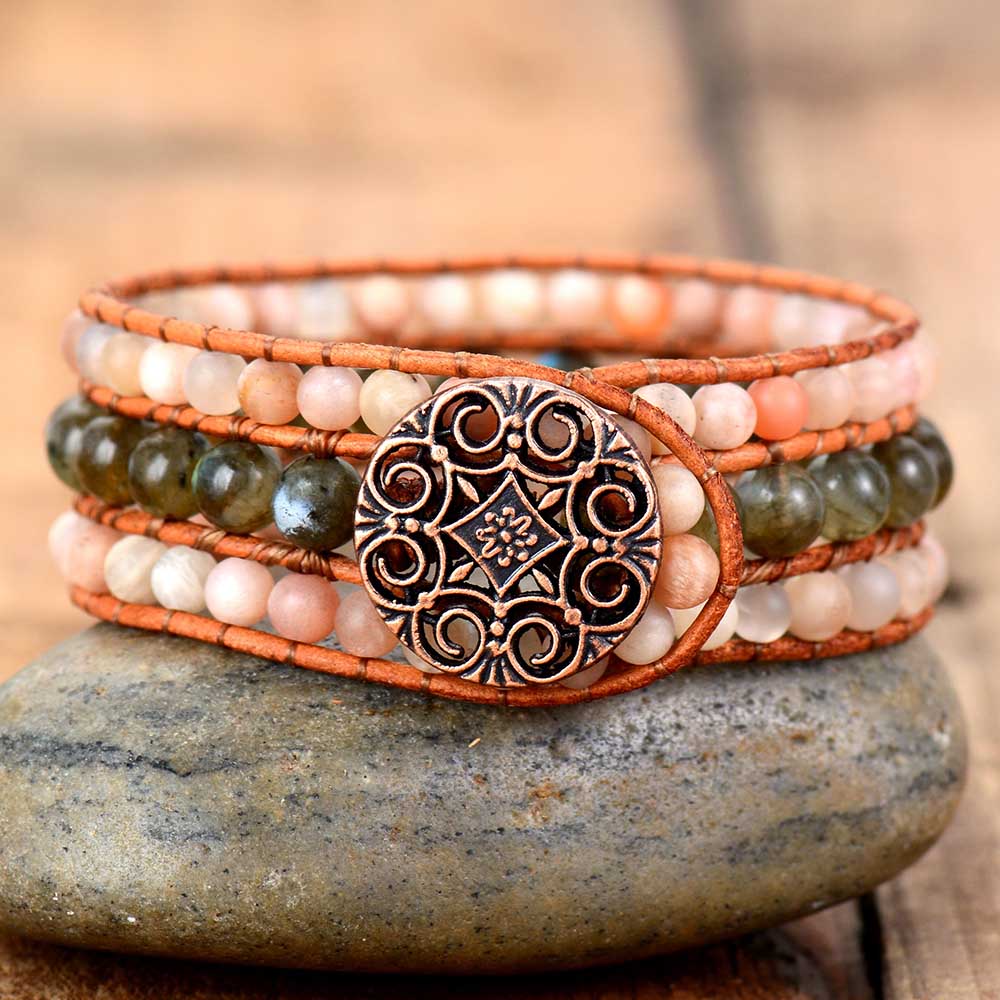
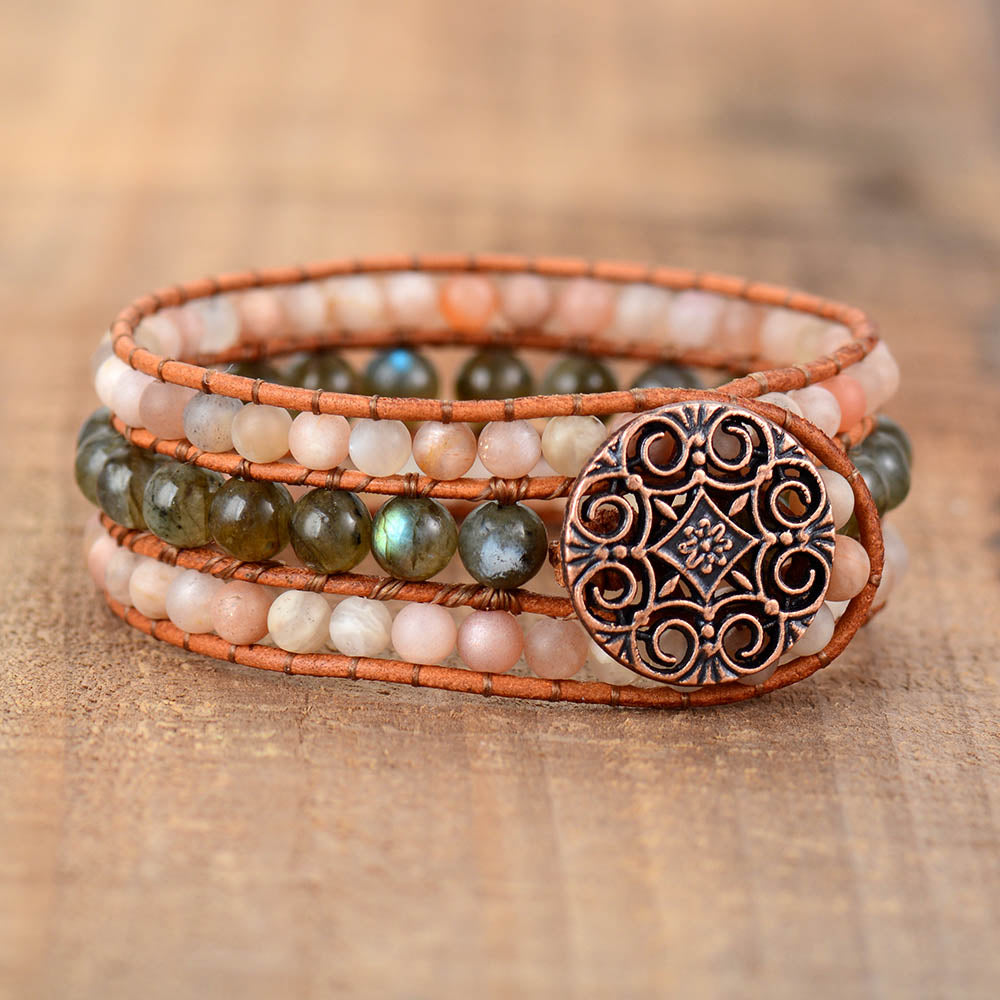
Sunstone & Labradorite Bracelet for Personal Empowerment
$49.99 $59.99
Experience the energy of orange labradorite blends with this vibrant bracelet for inspiration and empowerment.
Explore ProductBrown Labradorite
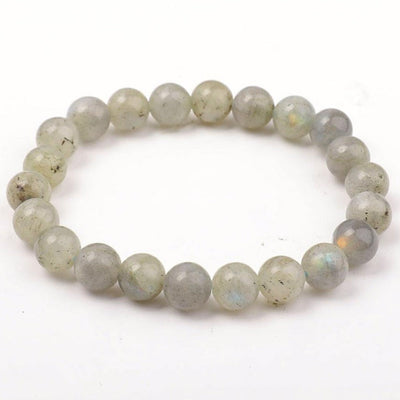
Sometimes, the matrix of the stone is lighter, appearing as a champagne or muddy hue. Brown labradorite is often more translucent than the black varieties. While it may not provide the high-contrast backdrop for the flash, it has a gentle, grounding energy. It is an excellent stone for those who feel "ungrounded" or disconnected from reality while doing spiritual work.

Trade Names and Misconceptions
In the world of types of labradorite stone, there are several trade names that can confuse buyers. Understanding these distinctions ensures you know exactly what variety you are adding to your collection.
- White Labradorite (Rainbow Moonstone): One of the most famous confusions in the crystal world. The stone commercially sold as Rainbow Moonstone is technically a variety of White Labradorite. It shares the same chemical composition but has a white base with blue or multi-colored flashes. It carries the energy of the Goddess and lunar cycles.
- Black Moonstone: Often a form of dark labradorite or a closely related feldspar with a shimmery, silvery adularescence rather than the bold, colorful labradorescence.
- Transparent Labradorite (Bytownite): A pale yellow to golden clear crystal that is often faceted into gemstones. It does not usually have the "schiller" or flash of cabochons but is prized for its clarity and mental enhancing properties.
Metaphysical Properties of Labradorite Blends
The different labradorite blends and colors are not just for visual appeal; they influence the stone's healing properties. While all labradorite is protective, specific colors can fine-tune the energy for your specific needs.
Purple and Pink Flashes: These are among the rarest labradorite colors. They resonate with the Crown and Third Eye chakras, enhancing mysticism and connection to spirit guides. Finding a stone with a distinct purple flash is considered a sign of high spiritual intuition.
Gold and Teal Blends: These colors bridge the gap between intuition (blue/teal) and manifestation (gold). They are excellent for those who want to bring their spiritual insights into physical reality.

Choosing the Right Variety for You
Whether you are drawn to the rare types of labradorite like the fiery orange specimens or the soothing, classic blue stones, the best way to choose is by intuition. Hold the stone or gaze at its image; the flash that captivates you is often the vibration your energy body currently requires.
Unique Crystal Blends for Healing

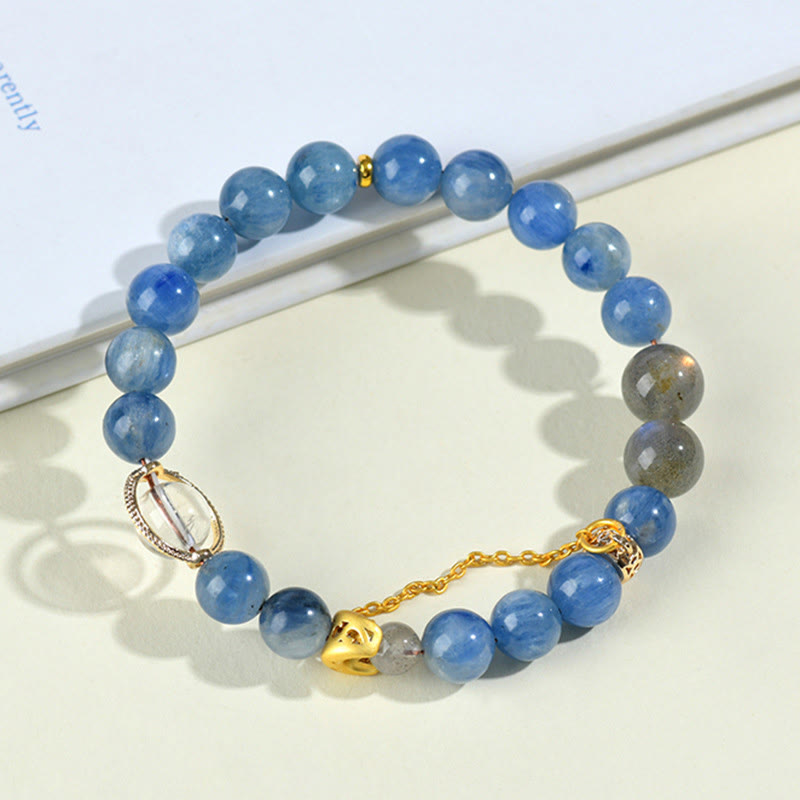
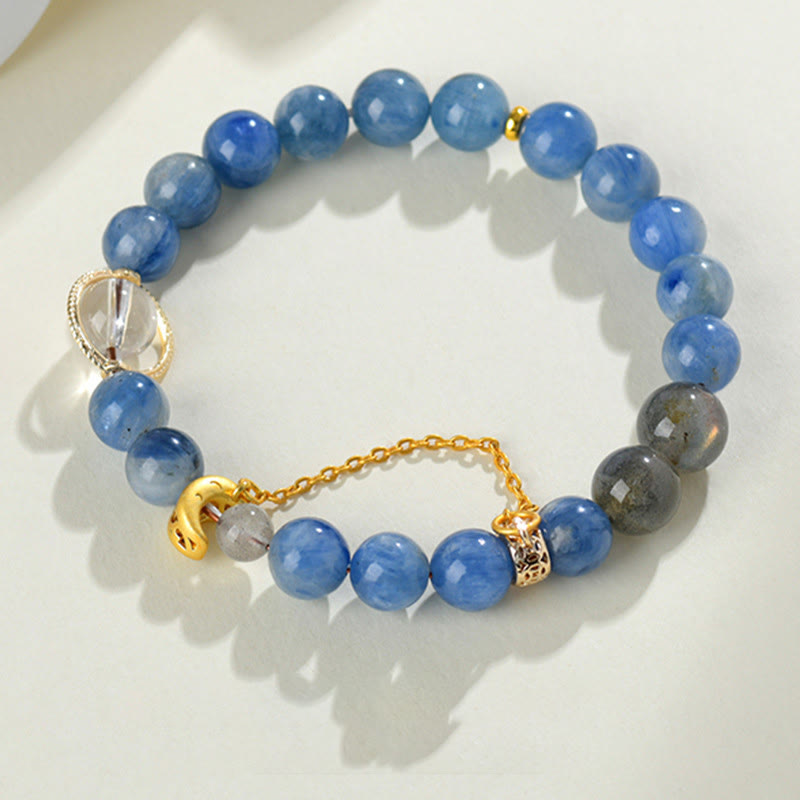
Kyanite Labradorite Crescent Moon Communication Bracelet
$39.90
$57.90
Balance intuition and communication with this unique kyanite and labradorite bracelet—showcasing crystal variety. Learn more ➔

Embrace labradorite’s transformative energy alongside moonstone and aventurine—ideal for hormone balance and healing. Learn more ➔
Conclusion
Exploring the various types of labradorite reveals the incredible diversity of nature. From the protective shields of Spectrolite to the creative spark of fire labradorite, each variety offers a unique pathway for healing and transformation. As you collect these stones, remember that the "best" type is always the one that resonates most deeply with your spirit.
Frequently Asked Questions about Types of Labradorite
The main types include standard Labradorite (blue/green flash), Spectrolite (full spectrum flash from Finland), Rainbow Labradorite (multi-colored), and White Labradorite (commercially known as Rainbow Moonstone). Rarer varieties include transparent Yellow Labradorite (Bytownite) and stones with specific flashes like purple or red.
Deep purple, magenta, and vibrant red are generally considered the rarest colors to find in labradorite flashes. These colors often appear in high-quality Spectrolite or exceptional specimens of Rainbow Labradorite.
Fire labradorite typically refers to specimens that display strong flashes of orange, gold, and copper, resembling flames. It is different from the standard blue variety because it resonates more with the lower chakras (Sacral and Solar Plexus), promoting creativity and will, rather than just intuition.
Yes, labradorite orange flashes are natural. They are caused by the specific thickness of the lamellae within the stone's structure, which diffracts light to produce orange and gold hues. However, always be wary of dyed stones; natural labradorite flash changes as you move the stone, while dye sits on the surface or in cracks.
Generally, all varieties are protective and expand consciousness. Blue varieties enhance communication and intuition (Third Eye/Throat). Golden and orange varieties boost confidence and manifestation (Solar Plexus). White Labradorite (Rainbow Moonstone) enhances divine feminine energy and emotional balance.