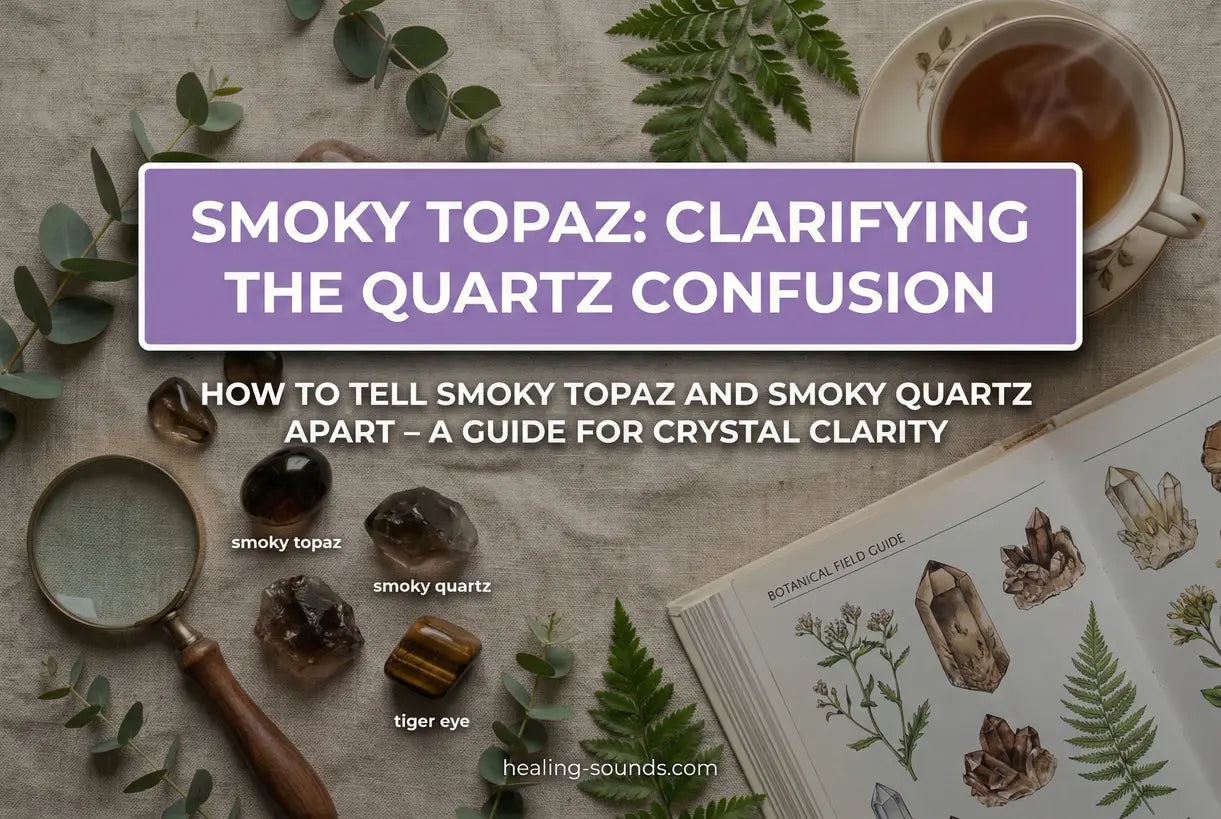
Navigating the world of gemstones can sometimes feel like walking through a hall of mirrors, especially when trade names and mineralogical facts collide. If you have ever encountered a stunning brown gem labeled as smoky topaz, you might be surprised to learn that this name is often a source of debate among collectors. For spiritual enthusiasts seeking authentic tools for their practice, understanding the true nature of the stones you purchase is vital.
The term "smoky topaz" is frequently used in the jewelry market, yet it most often refers to smoky quartz rather than the mineral topaz. This distinction is not just semantic; it affects the stone's hardness, value, and metaphysical properties. In this guide, we will clear the air regarding this confusing terminology, helping you identify what is real, understand the unique energies of these brown gemstones, and ensure your crystal collection is as authentic as your intention.
The Truth Behind the Name: Is Smoky Topaz Real?
To put it simply: the name "smoky topaz" is largely a historical and commercial misnomer. While genuine topaz does exist in various colors, the vast majority of stones sold under this label are actually smoky quartz. Historically, merchants used the term "topaz" to make the abundant quartz variety sound more exotic and valuable. However, distinguishing between the two is crucial for accurate gemstone identification.
Genuine topaz is a silicate mineral of aluminium and fluorine, while quartz is composed of silicon dioxide. They are distinct species with different crystal structures. Knowing this difference protects you from overpaying and ensures you are working with the specific vibrational frequency you desire.

Smoky Topaz vs. Smoky Quartz: Key Differences
While they may look similar to the untrained eye, there are scientific ways to tell them apart. Whether you are a jeweler or a healer, looking at the physical properties is the most reliable method.
1. Hardness and Durability
One of the easiest ways to differentiate them is by the Mohs scale of mineral hardness. Smoky quartz ranks at a 7, which means it is durable but can be scratched by harder substances. Genuine topaz ranks at an 8. This means a real topaz will scratch a piece of quartz, but quartz cannot scratch topaz.
2. Refractive Index and Brilliance
Topaz has a higher refractive index than quartz. This means that when light passes through a genuine topaz gemstone, it bends more, resulting in a higher brilliance and "fire" compared to the softer glow of smoky quartz. If your stone has an intense, glassy shine that seems sharper than your other quartz crystals, it might be genuine topaz.
- Chemical Composition: Quartz is Silicon Dioxide; Topaz is Aluminium Silicate.
- Hardness: Quartz (7); Topaz (8).
- Cleavage: Topaz has perfect cleavage (breaks cleanly); Quartz has no cleavage (fractures like glass).
- Weight: Topaz is denser and heavier than quartz of the same size.
For those deeply invested in the vibrational quality of true topaz, integrating its energy into your meditation practice can be profound. Sound healing tools infused with genuine topaz properties offer a unique way to experience this clarity.

E Note Tea Topaz Gemstone Fusion Crystal Singing Bowl
$379.99 $459.99
Discover the unique clarity of tea topaz with this E Note crystal singing bowl, ideal for meditation and energy alignment.
Explore ProductMetaphysical Properties of Brown Gemstones
Even though "smoky topaz" is often smoky quartz, this does not diminish its spiritual value. Smoky quartz is one of the premier grounding stones in the mineral kingdom. It is deeply connected to the Root Chakra, helping to anchor high vibrational energy into the physical body. It is known for transmuting negative energy and offering protection.
If you do happen to possess genuine brown topaz (often called Sherry Topaz), the energy is slightly different. Topaz is generally associated with manifestation, clarity of intention, and recharging the aura. While smoky quartz is about release and grounding, genuine topaz is often about amplification and alignment.
Understanding these nuances allows you to choose the right stone for your specific healing needs. For trustworthy information on mineral properties, resources like the Gemological Institute of America (GIA) provide excellent scientific data to pair with your metaphysical studies.
Visual Identification Guide
When shopping for brown gemstones, visual cues can help you spot the difference before you even ask about the specific gravity or refractive index. Smoky quartz typically comes in shades of greyish-brown to nearly black (Morion). It often has a cloudy or "smoky" appearance within the crystal lattice.
Genuine brown topaz often has a warmer, golden-orange or reddish-brown hue, closer to the color of sherry wine or amber. It usually exhibits high clarity and a slick, slippery feel due to its crystal structure.

Why the Confusion Persists
The confusion between smoky topaz and quartz persists largely due to tradition and marketing. In the past, gem classification was based primarily on color. Any yellow or brown stone was often categorized as topaz. Today, while we have the science to separate them, the trade name sticks because "Topaz" sounds more prestigious to the average buyer than "Quartz."
To dive deeper into this topic and see these differences in action, watch this helpful explanation:
Enhancing Your Collection with Authentic Stones
Whether you are drawn to the deep grounding of smoky quartz or the golden warmth of tiger eye and topaz, building a collection of brown gemstones adds stability to your energy field. Authentic stones serve as powerful talismans for protection and luck.
When selecting jewelry or healing tools, look for reputable sellers who are transparent about the stone's origin and mineral type. Mixed crystal jewelry can also be a fantastic way to balance different frequencies, allowing you to benefit from the synergy of various stones.
Grounding Essentials for Your Collection

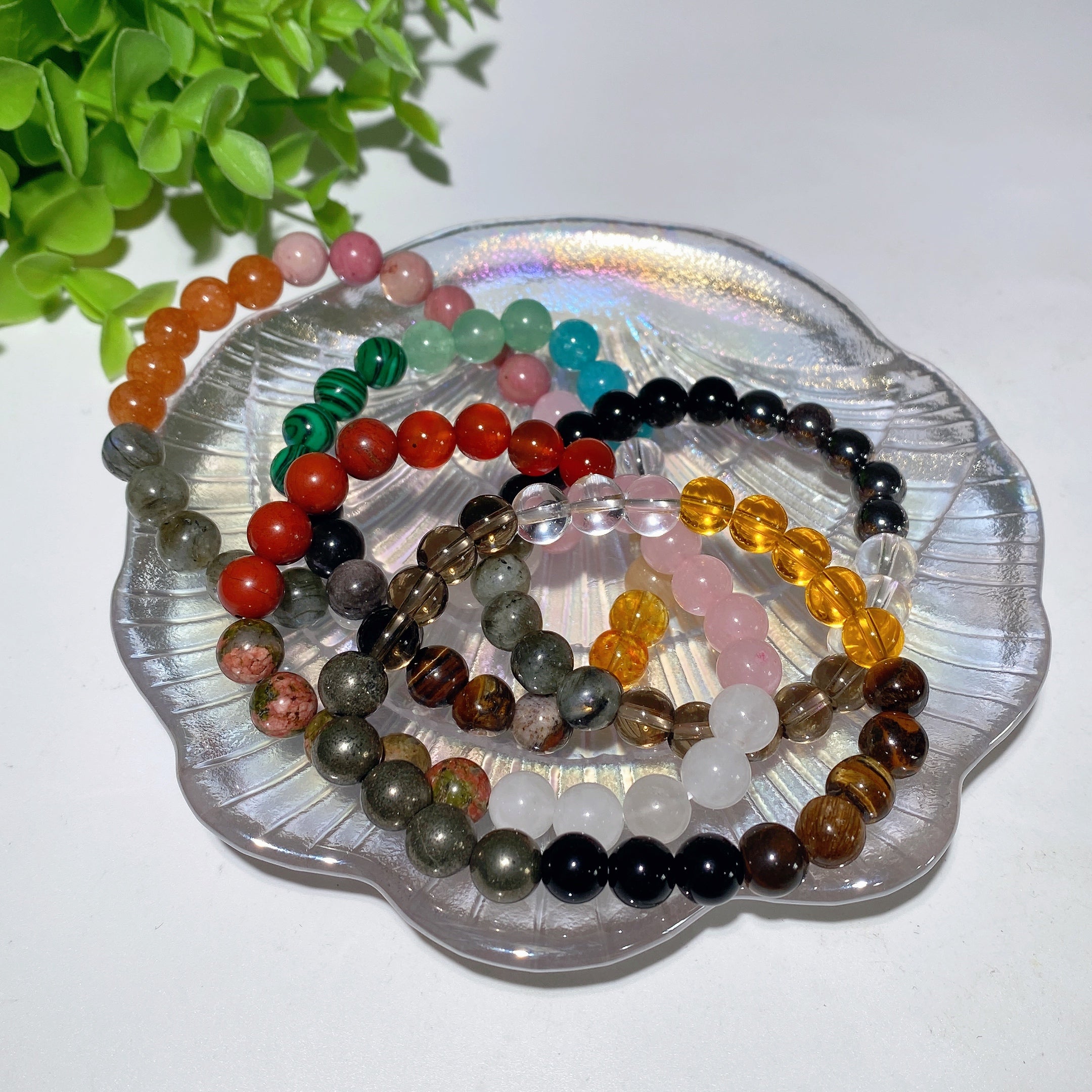
Wear this golden-brown tiger eye bracelet for grounding and to distinguish genuine brown gemstones like smoky topaz. Learn more ➔

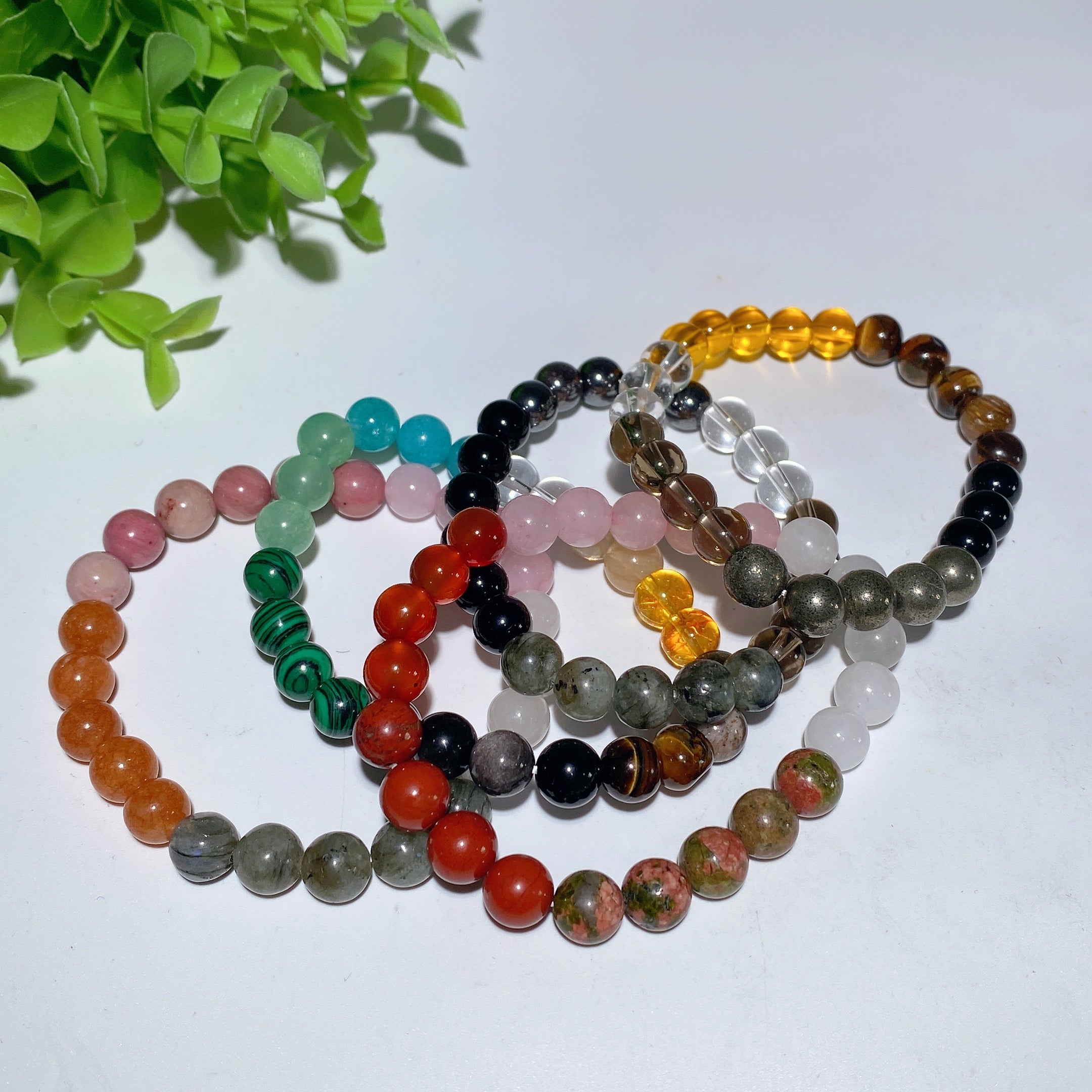
8mm Mixed Crystal Healing Bracelet for Spiritual Balance
$29.90
$38.90
Balance your energies with a blend of stones, perfect for exploring the qualities of smoky topaz and related crystals. Learn more ➔
Study and Care for Your Crystals
Becoming proficient in gemstone identification takes time and observation. Creating a dedicated space to study your crystals can deepen your connection to them. Use a magnifying glass to inspect inclusions; quartz often has liquid inclusions or "tiger stripes," while topaz may show long, tube-like inclusions.
Furthermore, caring for these stones differs. While quartz is generally robust, it can fade in direct sunlight. Topaz is harder but has perfect cleavage, meaning a sharp blow could cause it to split. Always handle your gems with mindfulness.

Conclusion
While the term smoky topaz is widely used, recognizing it as a trade name for smoky quartz empowers you as a buyer and a practitioner. Both genuine topaz and smoky quartz are gifts from the earth with distinct and powerful energies. By understanding the differences in their physical and metaphysical properties, you can curate a collection that truly resonates with your intentions for grounding, clarity, and protection.
Always seek clarity when purchasing, and remember that the value of a stone lies not just in its name, but in the connection you build with it.
Frequently Asked Questions about Smoky Topaz
Smoky topaz is a common trade name often used to describe smoky quartz. While the name suggests it is a variety of topaz, it is mineralogically quartz (silicon dioxide) with a brown to black color.
In the vast majority of commercial cases, yes. The term is a misnomer used to market smoky quartz. However, true brown topaz does exist, but it is chemically and physically distinct from quartz.
Assuming the stone is smoky quartz, it is known for powerful grounding, protection, and transmuting negative energies. It is associated with the Root Chakra. Genuine brown topaz helps with manifestation and recharging the aura.
The most reliable method is hardness testing: Topaz (Mohs 8) will scratch Quartz (Mohs 7). Visually, true topaz has higher brilliance and fire, while smoky quartz has a softer, glassier shine and is often darker.
The name "smoky topaz" is a misnomer when applied to quartz. However, both smoky quartz and brown topaz are natural gemstones created by the earth; they are simply different mineral species.