Have you ever gazed into a deep blue stone that resembles a starry night sky and wondered about the glittering gold specs scattered across its surface? These mesmerizing flecks are the hallmark of Lapis Lazuli Pyrite, a combination that has captivated humanity for thousands of years. While the intense celestial blue of Lapis Lazuli represents wisdom and truth, the golden inclusions add a layer of complexity and power to this ancient gemstone.
Many crystal enthusiasts ask: what exactly are these gold flecks, and do they change the energy of the stone? Far from being mere imperfections, the presence of Pyrite in Lapis Lazuli infuses the crystal with grounding energy and the vibration of abundance. In this article, we will explore the geological origins, the profound Lapis Lazuli spiritual properties, and the unique symbolism behind these golden stars.
What Are the Gold Flecks in Lapis Lazuli?
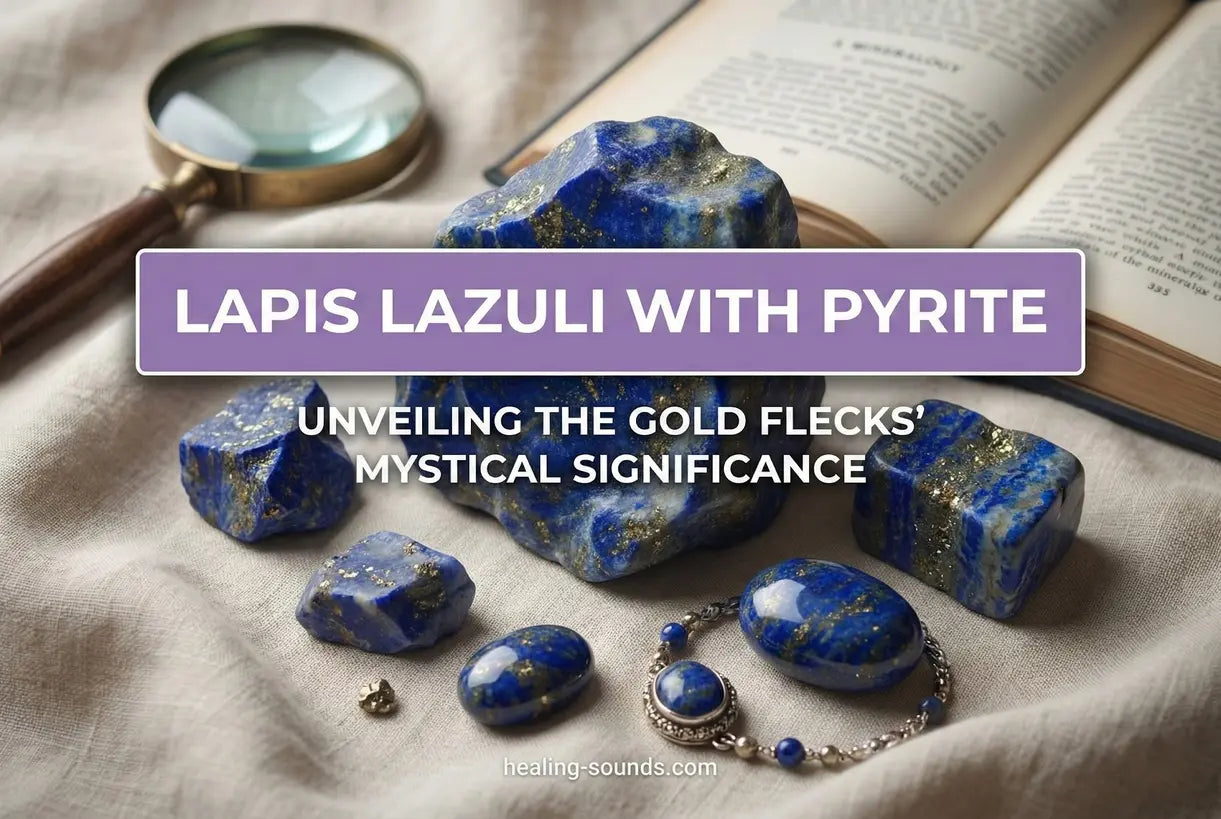
The "gold" you see in authentic Lapis Lazuli is actually a mineral called Pyrite, often known as "Fool's Gold." Lapis Lazuli is not a single mineral but a metamorphic rock composed primarily of Lazurite, Calcite, and Pyrite. While Lazurite provides the signature royal blue color, and Calcite often appears as white streaks, it is the metallic luster of Pyrite that creates the stunning contrast valued by collectors.
Geologically, the presence of Lapis Lazuli gold flecks indicates that the stone is genuine and natural. In high-quality specimens, these inclusions are scattered evenly, resembling distant stars in a dark sky. This specific aesthetic is what distinguishes top-tier Lapis from lower-grade stones that have too much white Calcite or from synthetic imitations that often use gold paint or glitter to mimic the effect.

The Spiritual Meaning of Pyrite in Lapis Lazuli
The combination of these two powerful minerals creates a unique energetic synergy. Lapis Lazuli is traditionally known as the "Stone of Wisdom" and is associated with the Throat and Third Eye Chakras. It encourages self-awareness, inner truth, and clear communication. However, Lapis is a high-vibration spiritual stone that can sometimes feel "heady" or ungrounded.
This is where Pyrite plays a crucial role. Pyrite is a stone of the Solar Plexus Chakra, representing action, vitality, and manifestation. When found within Lapis Lazuli, it acts as an anchor. The Lapis Lazuli meaning shifts from purely intellectual and spiritual wisdom to practical wisdom. It helps bring spiritual insights (Lapis) down into physical reality (Pyrite), allowing you to not just understand your truth, but to live it and manifest it in the real world.

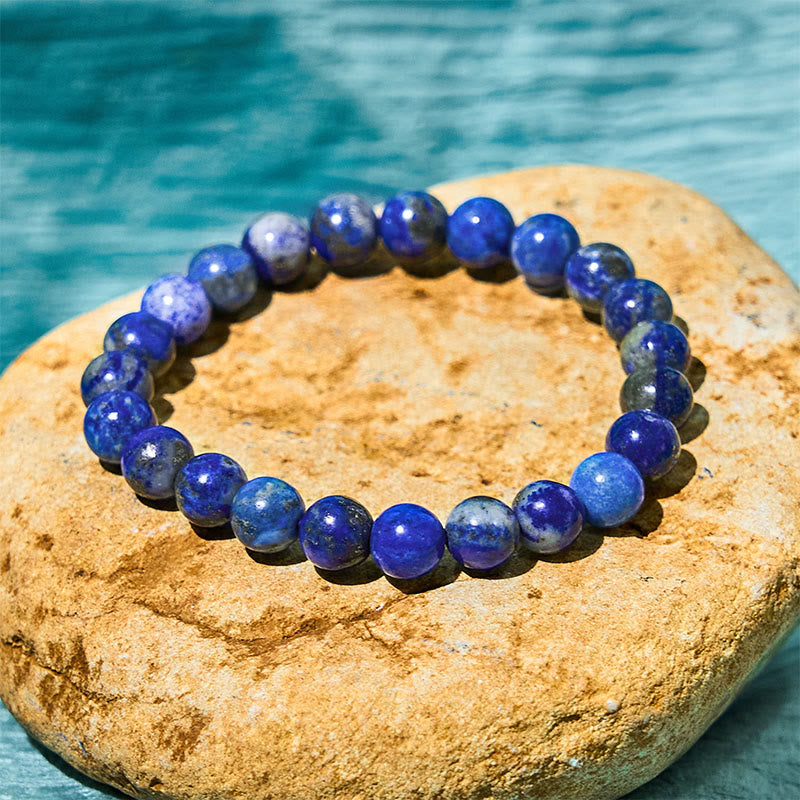
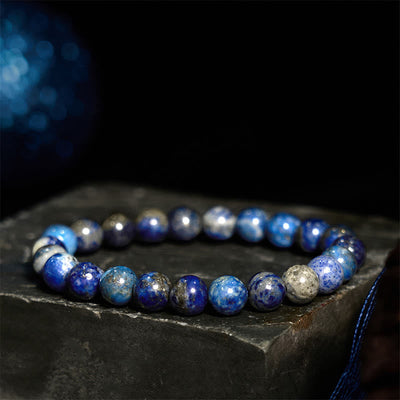
Naturally Mindful 8mm Lazurite Self-Care Bracelet
$24.90 $35.90
Experience the deep blue beauty of genuine Lapis Lazuli with golden pyrite flecks, perfect for spiritual clarity and daily intentions.
Explore ProductSymbolism: The Night Sky and Divine Power
Throughout history, Lapis Lazuli with pyrite inclusions has been revered as a symbol of the heavens. Ancient Egyptians saw the stone as a reflection of the night sky, believing it offered protection in the afterlife. The gold flecks were seen as the stars, representing divine forces watching over humanity. This symbolism is why Lapis was often used in the burial masks of Pharaohs, most notably Tutankhamun.
In modern crystal healing, this symbolism persists. The deep blue represents the vast universe of the mind and spirit, while the gold flecks represent the sparks of divine inspiration and personal power that exist within that vastness. It is a reminder that we are made of stardust and possess the capability to manifest our desires.
How to Identify Authentic Lapis Lazuli
Because Lapis Lazuli is so prized, the market is flooded with imitations. Understanding the nature of the inclusions is key to authentic Lapis Lazuli identification. Here are a few tips to distinguish real stone from fake:
- The Flecks: Natural Pyrite inclusions are irregular in shape and embedded into the stone. If the "gold" looks like perfect glitter flakes or sits on top of the surface like paint, it is likely a fake.
- Temperature: Real stone feels cold to the touch initially, whereas plastic or glass imitations warm up quickly.
- Weight: Lapis Lazuli is a dense rock; it should feel heavier than a plastic bead of the same size.
- Acetone Test: If you rub a cotton swab with acetone (nail polish remover) on the stone and it turns blue, the stone has been dyed. (Note: Some lower-grade natural Lapis is dyed to enhance color, but high-quality Lapis is naturally vivid).

For a deeper dive into mineral properties, you can consult resources like Mindat.org, which offers extensive geological data on Lapis Lazuli and its components.
Does Pyrite Increase the Value?
The value of Lapis Lazuli Pyrite depends on the balance of its composition. The most expensive Lapis Lazuli is often a solid, uniform deep indigo blue with no visible white calcite and very minimal pyrite. However, many collectors and spiritual practitioners specifically prefer stones with a "sprinkling" of pyrite because of its beauty and metaphysical benefits.
Value Tip: While a light dusting of gold flecks is desirable, too much Pyrite can give the stone a dull, greenish, or gray cast, which generally lowers its commercial value. The "perfect" stone strikes a balance—deep blue dominant, with distinct, sparkling stars.
Incorporating Lapis Lazuli Pyrite into Your Life
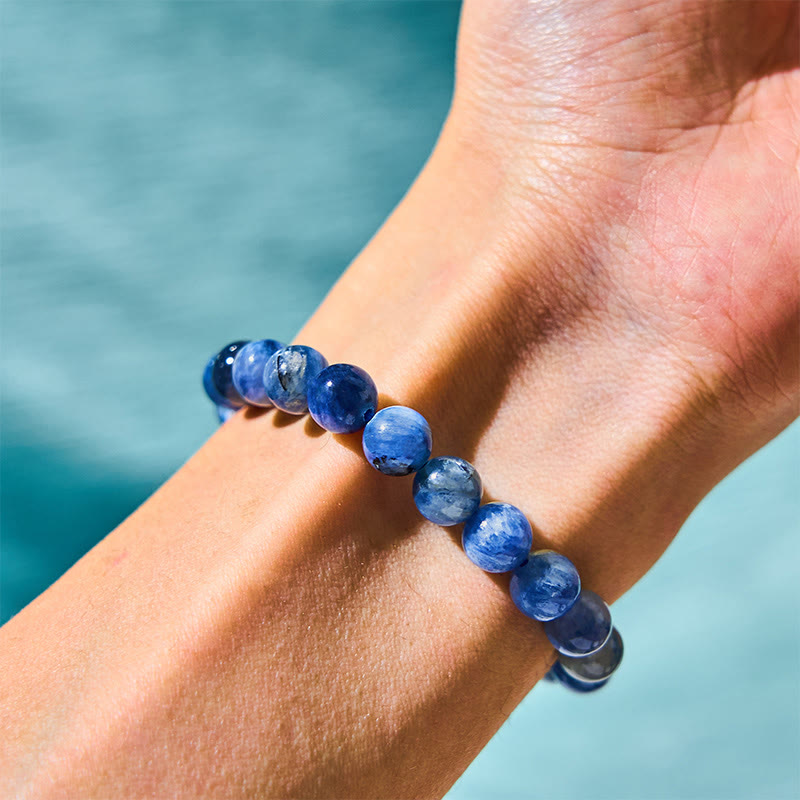
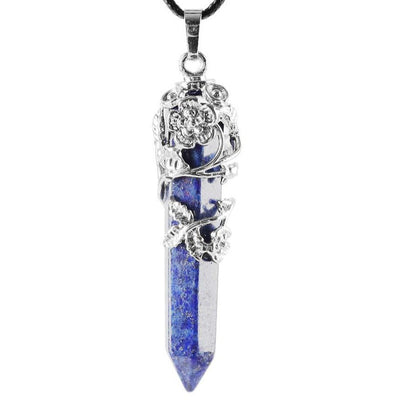
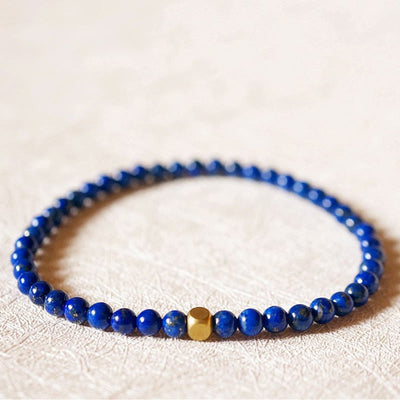
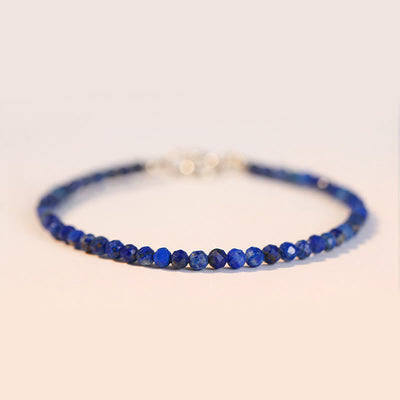
To harness the Lapis Lazuli crystal properties, consider wearing it as jewelry near the Throat Chakra (as a necklace) or on the wrist to keep its energy in your auric field. Meditating with a tumbled stone or a figurine can also help align your energy centers, specifically bridging the gap between your intuition and your willpower.

Crystal Tools for Transformation & Protection

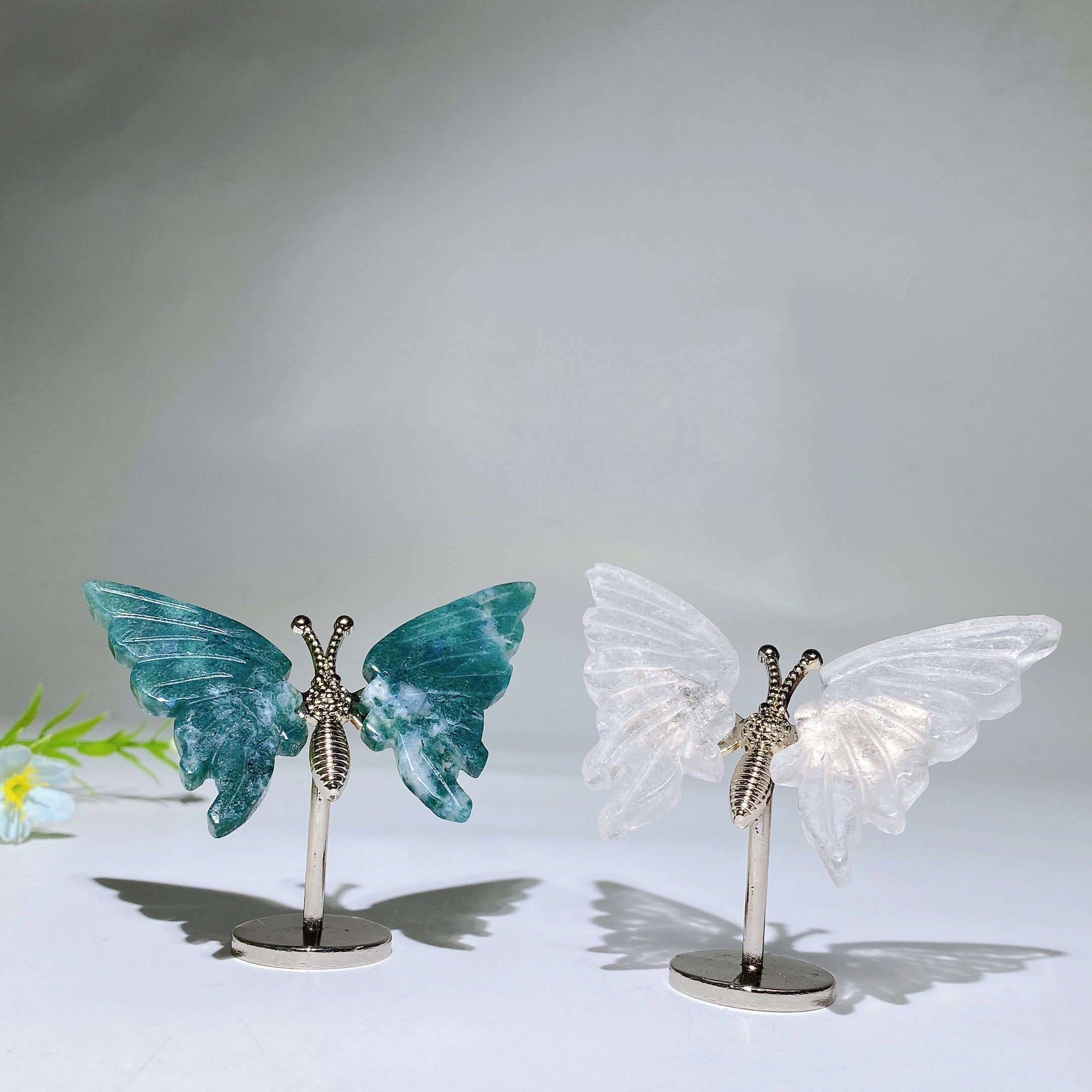
Celebrate transformation with this Lapis Lazuli crystal butterfly, showcasing natural pyrite inclusions and profound symbolic energy. Learn more ➔

Embrace the protective and grounding synergy of pyrite and obsidian, crafted for daily energetic defense and crystal enthusiasts. Learn more ➔
Conclusion
Lapis Lazuli with Pyrite is more than just a beautiful blue stone; it is a geological masterpiece that marries the energies of the sky and the earth. The presence of Pyrite in Lapis Lazuli serves as a glittering reminder of our own potential—grounded yet divine, practical yet wise. Whether you are drawn to it for its Lapis Lazuli symbolism of the starry night or its ability to enhance truth and abundance, this stone remains a timeless treasure for any crystal lover. Embrace the gold flecks, for they are the stars in your personal piece of the universe.
Frequently Asked Questions about Lapis Lazuli Pyrite
When Lapis Lazuli contains pyrite, it signifies the union of wisdom (Lapis) and abundance (Pyrite). Geologically, it proves the stone is natural, as Pyrite is a common inclusion in authentic Lapis Lazuli rocks.
Yes and no. A moderate dusting of gold pyrite flecks is often prized for its aesthetic beauty and resemblance to a starry sky. However, an overwhelming amount of pyrite can lower the value if it dulls the stone's vibrant blue color.
Metaphysically, Lapis Lazuli with gold flecks combines the truth-seeking and communicative properties of the Throat Chakra with the grounding, protective, and manifesting energy of the Solar Plexus Chakra found in Pyrite.
Real pyrite inclusions will be embedded within the stone and appear metallic and irregular. If the gold spots look like uniform glitter, flake off, or appear painted on the surface, they are likely fake.
In jewelry, the gold flecks symbolize divine connection and personal power. Wearing Lapis Lazuli with Pyrite is believed to help the wearer speak their truth with confidence and manifest their intentions into reality.