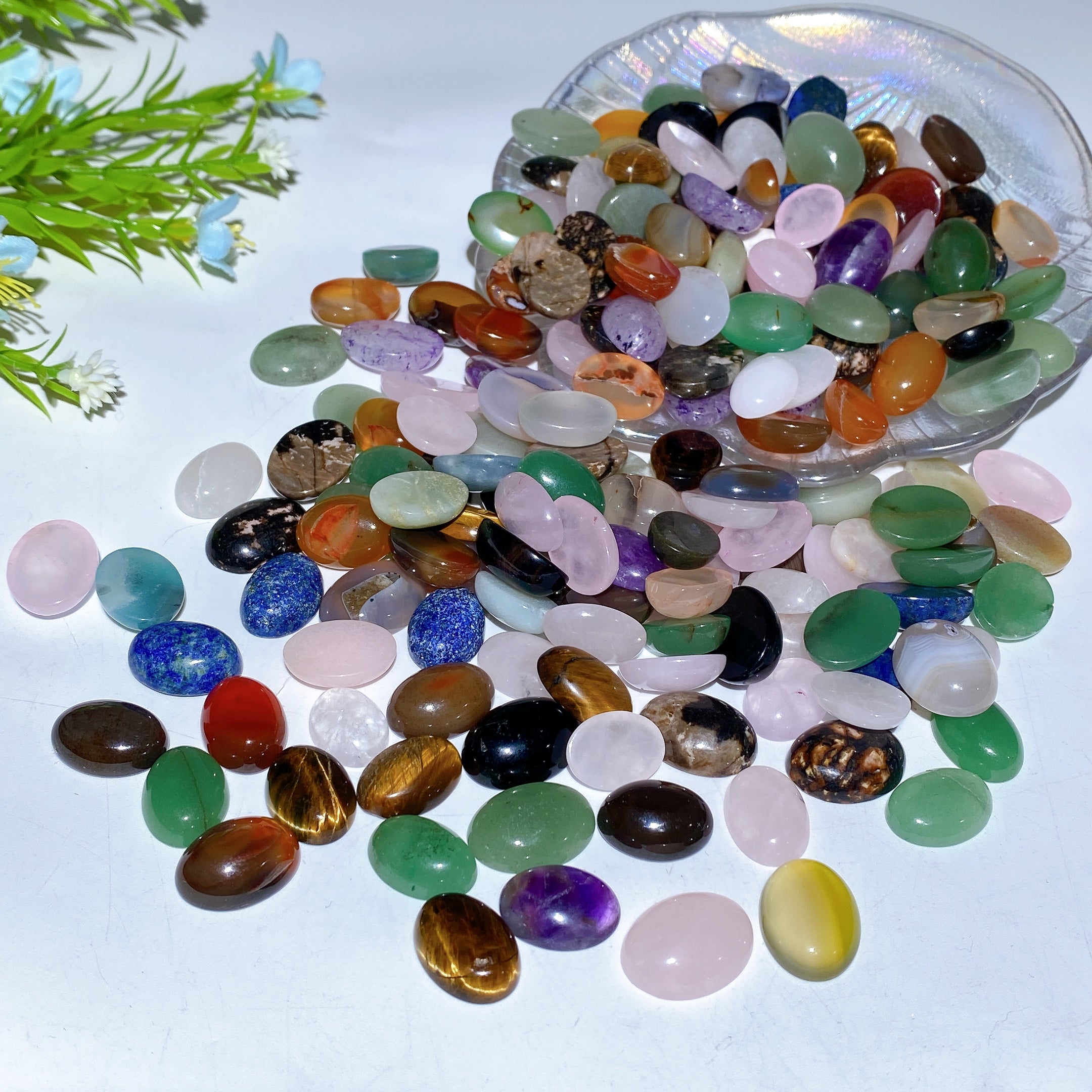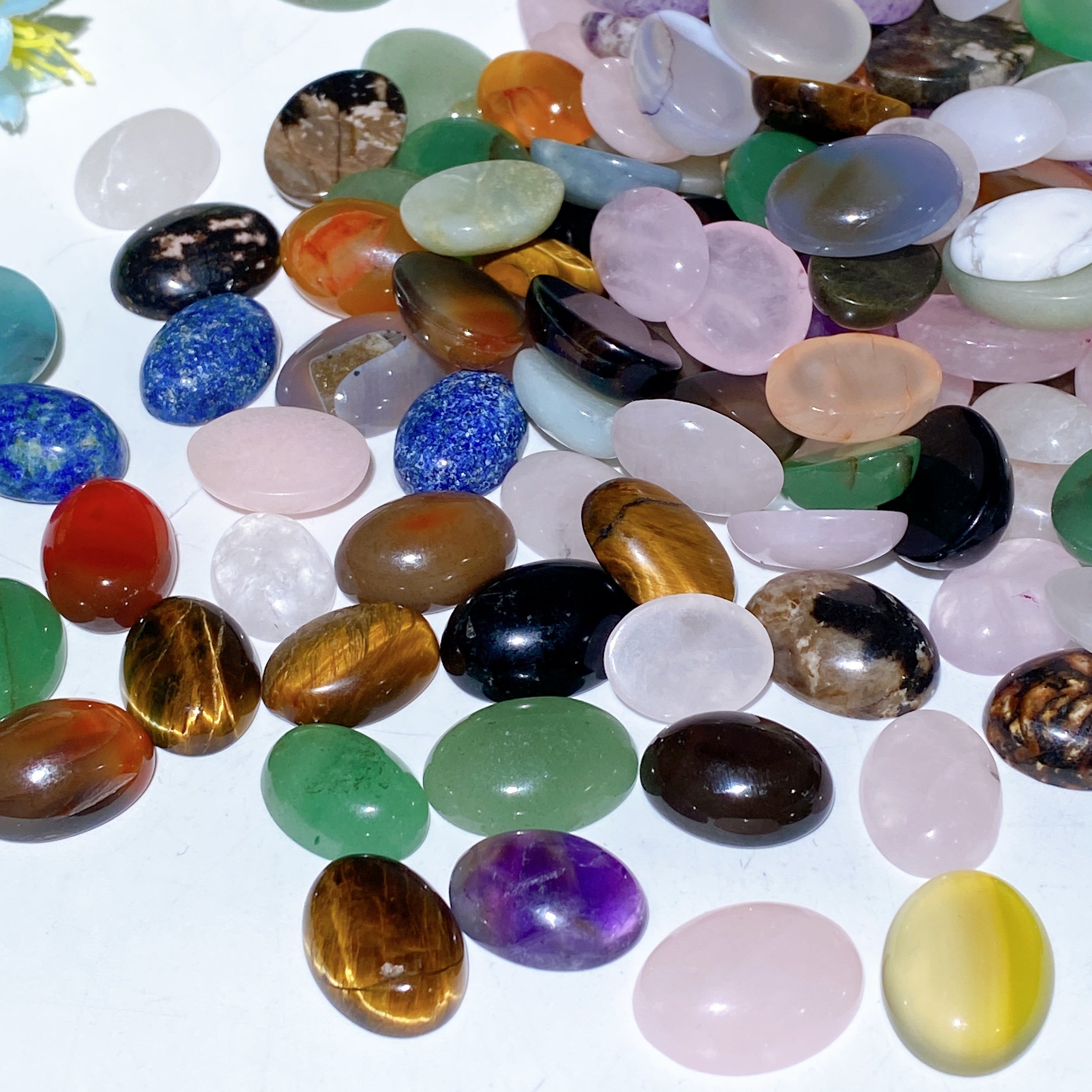

For lapidary enthusiasts and jewelry designers, few gemstones offer the celestial beauty and historical significance of a Lapis Lazuli Cabochon. With its deep, ultramarine blue hue speckled with golden pyrite, this stone has captured human imagination for millennia. Whether you are a seasoned cutter looking to refine your technique or a collector seeking the perfect centerpiece for a new pendant, understanding the nuances of this material is essential.
Working with lapis lazuli for lapidary projects requires a specific set of skills and an eye for quality. Unlike transparent faceted gems, a polished lapis lazuli cabochon relies on surface luster and pattern to convey its beauty. In this guide, we will explore how to select the best rough material, the secrets to cutting and polishing, and how to incorporate these stunning stones into unique lapis cabochon jewelry designs.
What Defines a High-Quality Lapis Lazuli Cabochon?
When selecting a lapis lazuli stone for cabochon cutting, the primary factor is color intensity. The most prized specimens feature a uniform, dark royal blue, often described as "Afghan Blue." However, the distribution of inclusions plays a massive role in the final aesthetic and value of the cabochon.
- Color: Look for a deep, consistent indigo or royal blue without too much gray.
- Pyrite: Small, scattered golden flecks of pyrite are desirable and add to the starry night effect.
- Calcite: Excessive white calcite streaks can lower the value, though some designers appreciate the "denim" look it creates.
A top-tier natural lapis lazuli cabochon should have a smooth texture and take a high polish. Lower grades may be porous or contain too much white calcite, which is softer and undercuts during the polishing process, making it difficult to achieve a mirror finish.

Lapis Lazuli for Lapidary: Cutting and Polishing Tips
Lapis Lazuli is relatively soft, ranking between 5 and 6 on the Mohs hardness scale. This makes it an excellent stone for beginners in lapidary arts, as it shapes quickly. However, its variable composition (a mix of lazurite, calcite, and pyrite) presents unique challenges.
When cutting a blue lapis cabochon, be aware that the pyrite inclusions are harder than the surrounding blue material, while calcite is softer. If you polish too aggressively on a soft wheel, you risk "undercutting," which creates an orange-peel texture where the softer areas wear away faster than the hard pyrite.
To achieve the best results, use a hard felt wheel with cerium oxide or diamond paste for the final polish. Keep the stone cool and wet; lapis can emit a distinct sulfur smell when cut dry, which is unpleasant and potentially harmful if dust is inhaled. Always wear proper respiratory protection.
Designing Jewelry with Lapis Cabochons
Once you have a perfectly polished lapis lazuli, the next step is setting it. The opaque nature of the stone makes it ideal for bezel settings, which protect the edges from chipping. Silver is the traditional metal of choice, as its cool tone contrasts beautifully with the warm gold flecks of pyrite often found in the stone.

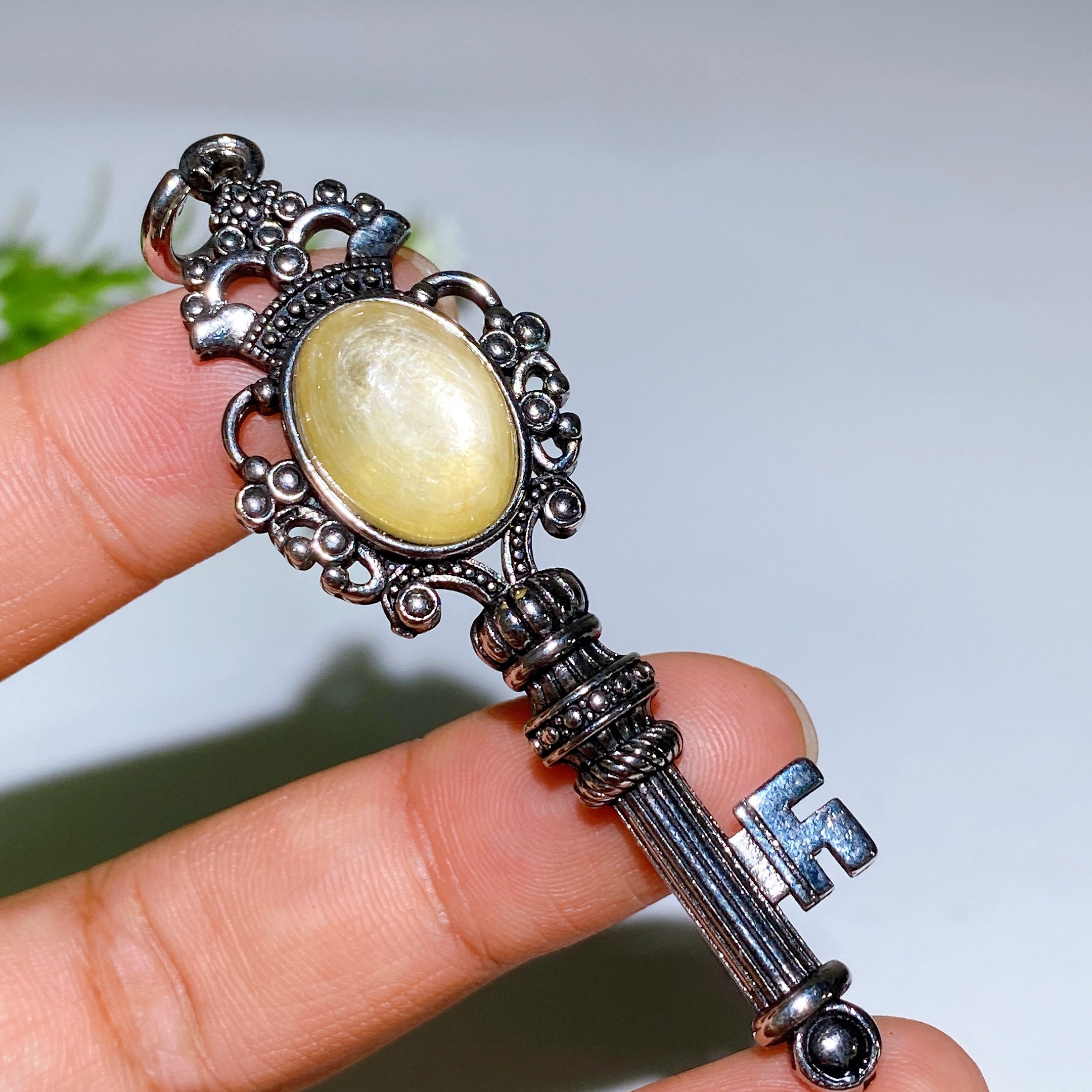
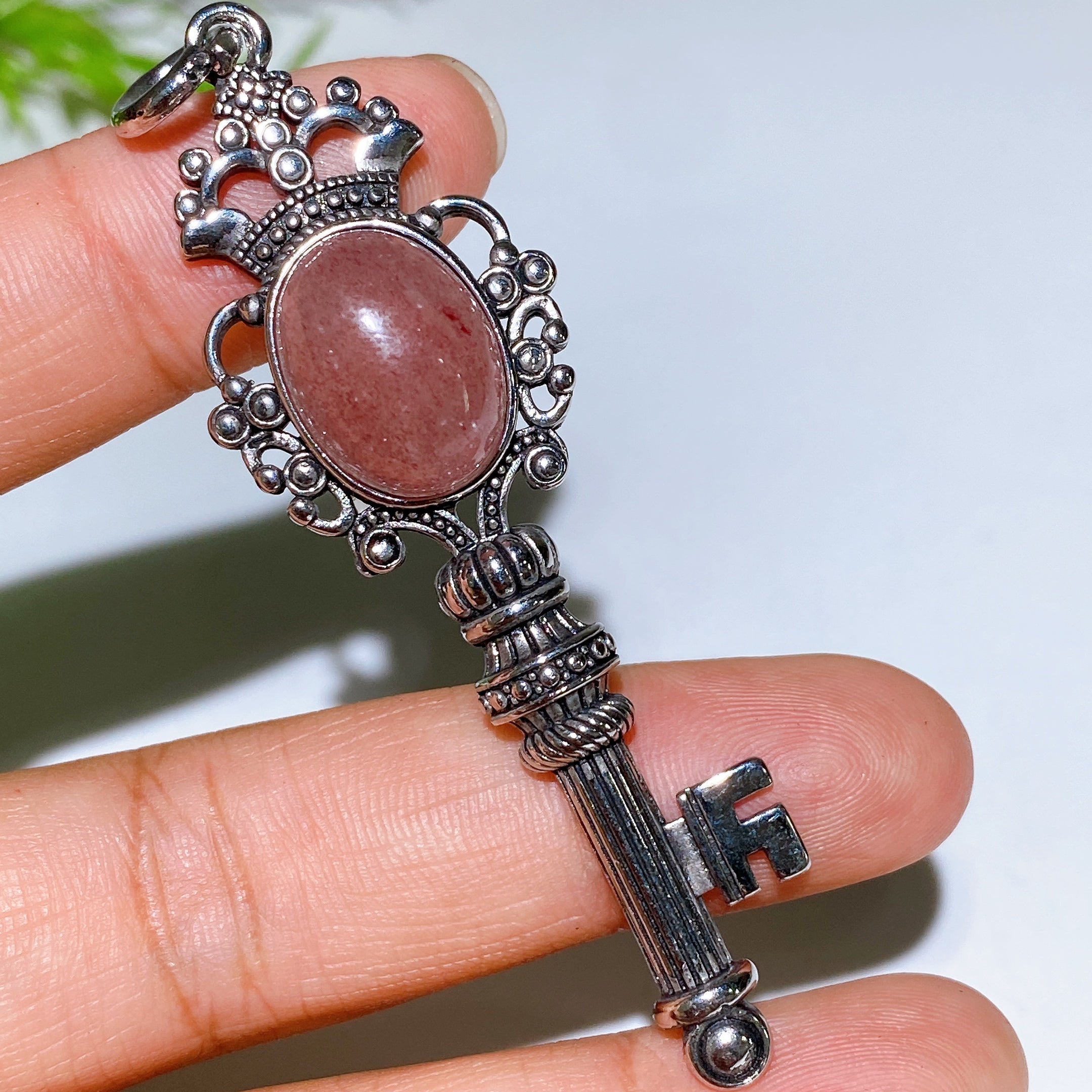
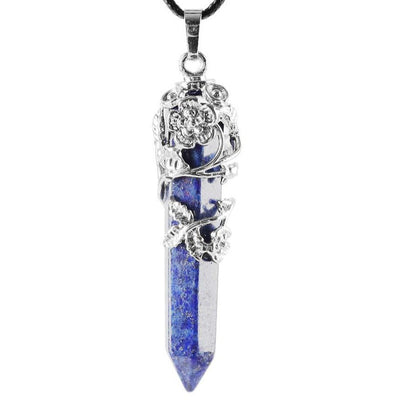
Silver Crystal Key Pendant with Healing Gemstones 65mm
$29.90 $39.90
Unlock spiritual insight with this elegant cabochon pendant, ideal for showcasing Lapis Lazuli creations and healing energies.
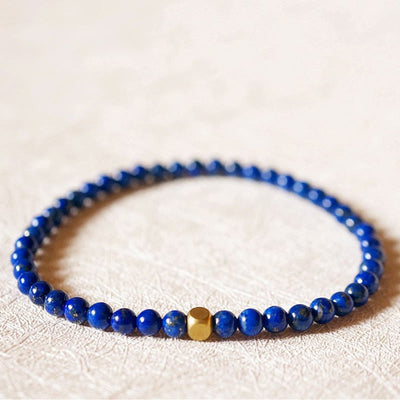
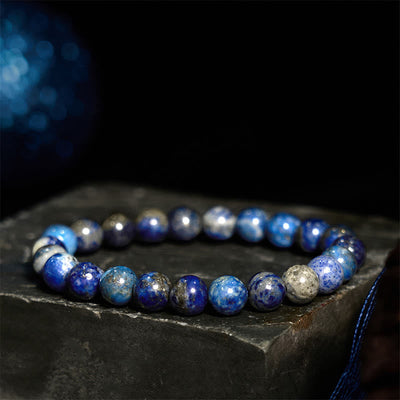
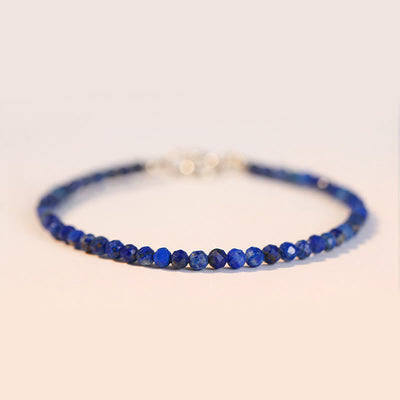
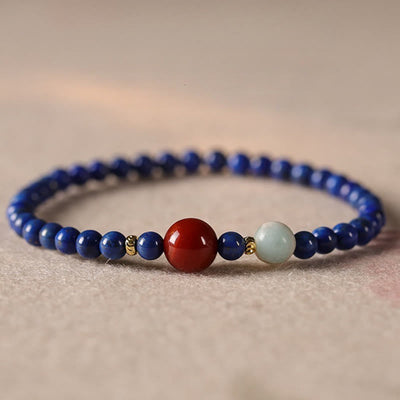
Explore ProductFor those interested in lapis cabochon jewelry, consider pairing the stone with other vibrant gems. Turquoise and coral are historical partners to lapis in Tibetan and Southwestern jewelry styles. However, the deep blue also stands alone magnificently in modern, minimalist designs.

Metaphysical Properties and Uses
Beyond its physical beauty, lapis lazuli cabochon uses extend to the metaphysical realm. It is widely regarded as a stone of truth and wisdom. Crystal healers often use flat cabochons as "worry stones" or place them on the Third Eye chakra to stimulate clarity and intuition.
When creating pieces for healing purposes, ensuring the stone is untreated and natural is vital. Dyeing is a common treatment for lower-grade lapis to enhance the color, but for energy work, a natural lapis lazuli cabochon is preferred to maintain the stone's authentic vibrational frequency.

Expanding Your Lapidary Collection
If you enjoy working with Lapis Lazuli, you might also appreciate other stones that offer bold colors and unique patterns. Experimenting with different materials can refine your cutting skills and expand your design portfolio. Mixing different cabochons allows for creative custom pendants and multi-stone settings.
Complement Your Lapis Collection

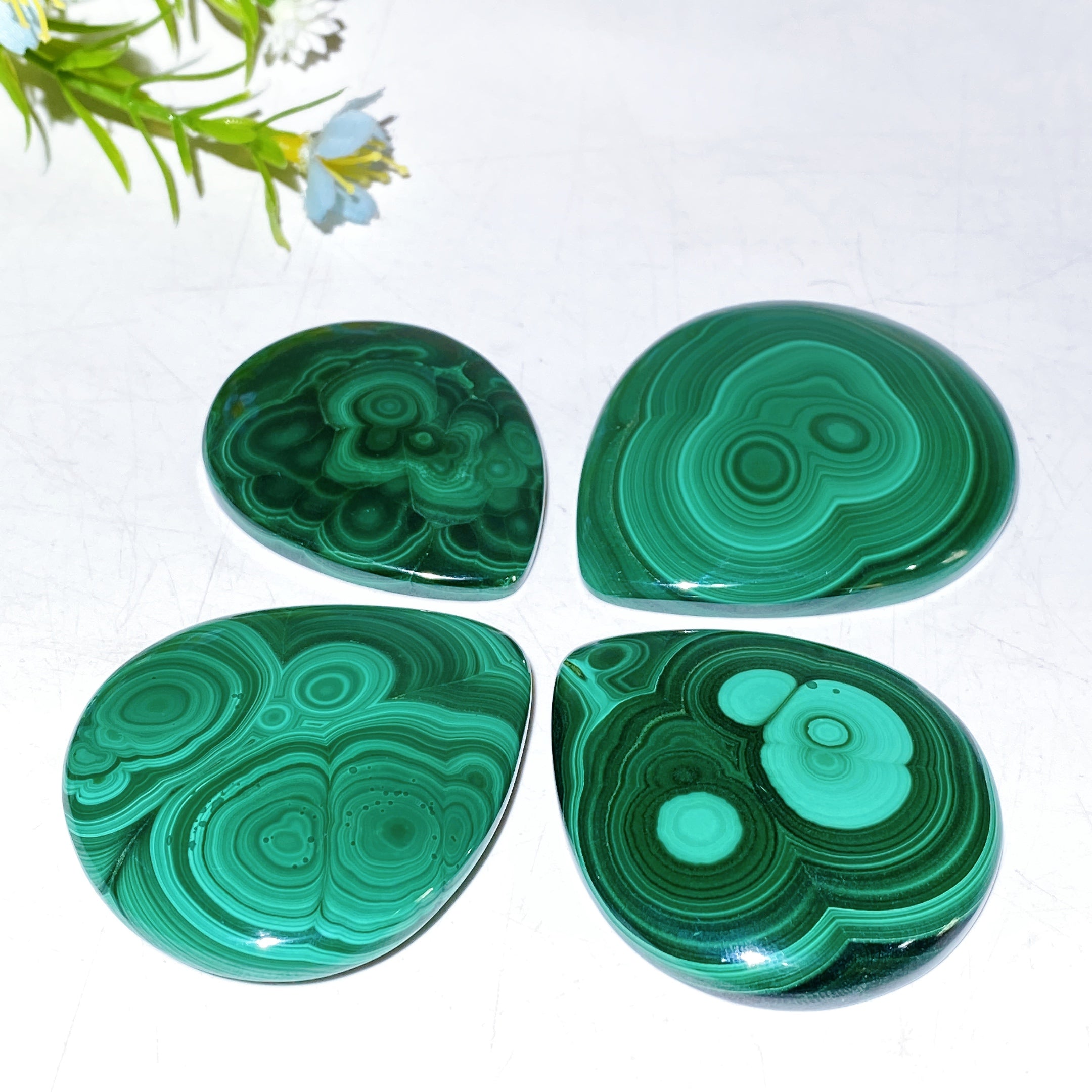
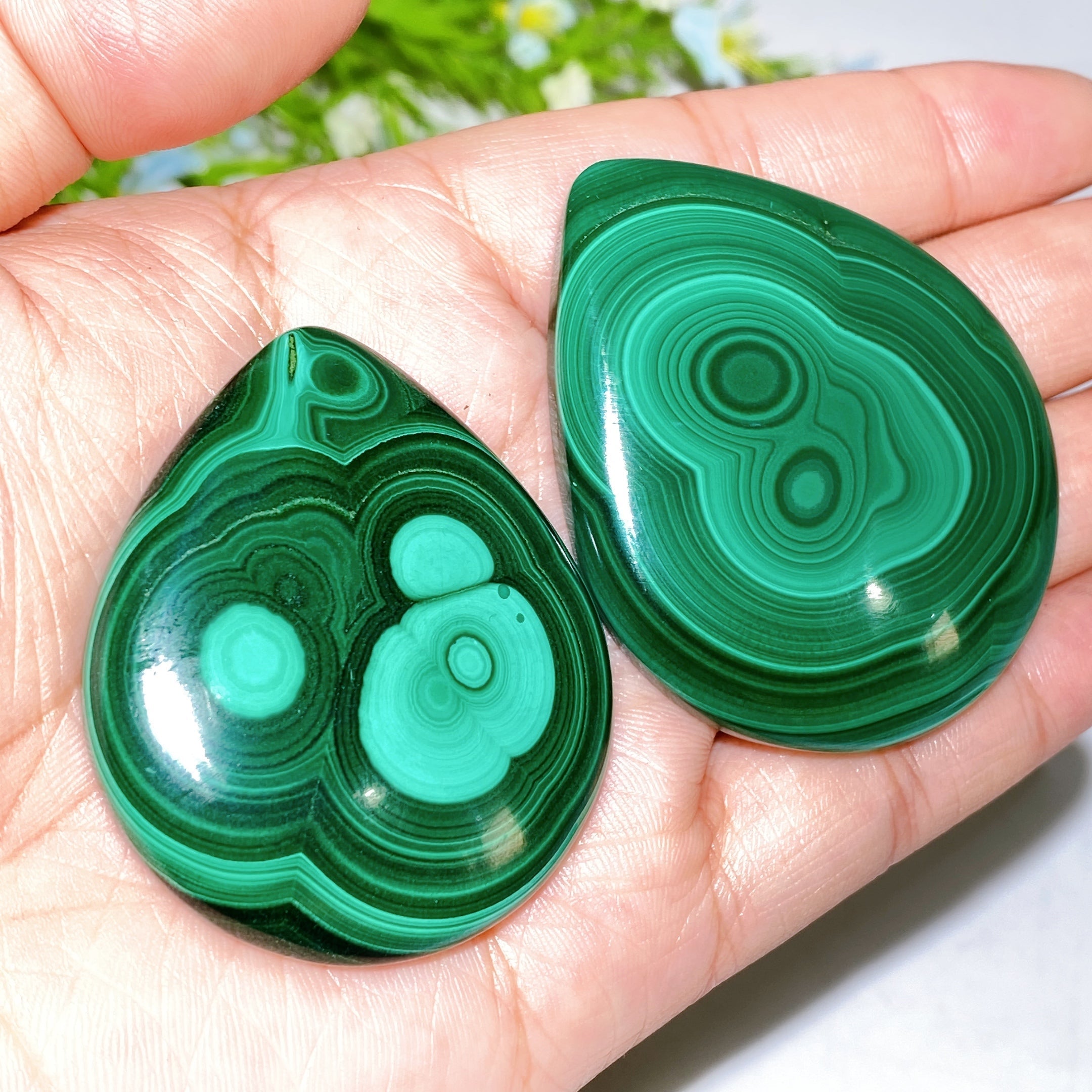
Explore cabochon artistry—add the vivid green of malachite to your lapidary or jewelry designs for a bold color complement. Learn more ➔

15-20mm Mixed Crystal Cabochon for Healing Pendant
$49.90
$79.90
Build your collection of cabochons—this mixed set is perfect for experimenting with custom lapidary pendants and crafts. Learn more ➔
Conclusion
Mastering the art of the Lapis Lazuli Cabochon opens a door to ancient history and modern design. By understanding the material's properties—from the desirable pyrite inclusions to the challenges of polishing softer calcite—you can transform rough stone into a masterpiece. Whether used for personal adornment or spiritual practice, a well-crafted lapis cabochon is a timeless addition to any collection.
Frequently Asked Questions about Lapis Lazuli Cabochons
A Lapis Lazuli cabochon is primarily used in jewelry making, particularly for rings, pendants, and earrings where the stone is set in a bezel. It is also used in meditation and crystal healing practices as a stone of wisdom and truth.
To cut and polish Lapis Lazuli, shape the stone using standard lapidary grinding wheels. Sand through progressively finer grits (up to 3000). For the final polish, use a hard felt wheel with cerium oxide or diamond paste to achieve a glossy finish without undercutting the softer areas.
A high-quality cabochon features a deep, uniform royal blue color. It should have a fine texture and take a good polish. Small, scattered golden pyrite flecks are desirable, while excessive white calcite streaks or gray patches generally lower the quality.
Lapis Lazuli is an excellent choice for lapidary projects because it is relatively soft (Mohs 5-6), allowing it to be shaped easily by beginners. Its rich color and unique patterning provide instant visual appeal, making it a rewarding stone to work with.
Yes, fine-quality Lapis Lazuli cabochons can be quite valuable. Stones with intense blue color and minimal calcite command higher prices. While lower-grade material is affordable and abundant, premium Afghan Lapis remains a sought-after gemstone in the market.