
Carrying the invisible weight of past experiences can feel like navigating life with a heavy anchor. For many, healing emotional trauma is not just a desire but a necessity for reclaiming joy and inner peace. Whether these scars stem from a specific event, long-term stress, or healing childhood emotional neglect, the journey toward recovery is deeply personal and profound. It involves more than just "moving on"; it requires acknowledging the pain, understanding its roots, and gently guiding your nervous system back to a state of safety.
If you feel stuck in patterns of anxiety, numbness, or reactivity, you are not alone. This guide explores the landscape of emotional trauma recovery, offering holistic perspectives and practical strategies to soothe your spirit. We will look at how to nurture your inner child, release stored tension, and use supportive tools to facilitate healing emotional wounds that may have been present for years.

Understanding the Roots: Trauma, Wounds, and Neglect
Emotional trauma is the lasting psychological response to distressing events. Unlike physical injuries, these wounds are often invisible, manifesting as deep-seated fears, insecurities, or a persistent sense of unworthiness. When we talk about healing emotional wounds, we are often addressing the residue of experiences that overwhelmed our ability to cope at the time.
Childhood emotional neglect is a specific type of trauma that is often harder to pinpoint because it is defined by what didn't happen—validation, comfort, or emotional support. Adults recovering from this often struggle with identifying their own needs. Recognizing that your feelings are valid is the first critical step in trauma healing.
- Difficulty regulating emotions or frequent mood swings.
- Persistent feelings of shame, guilt, or emptiness.
- Physical symptoms like chronic fatigue or unexplained tension.
- Difficulty forming or maintaining healthy relationships.
The Connection Between Body and Mind
One of the most important realizations in emotional trauma recovery is that trauma is not just "in your head"—it is stored in the body. Scientific research, such as studies referenced by the American Psychological Association, indicates that the body holds onto the energy of traumatic events, often resulting in a dysregulated nervous system.
To truly heal, we must engage somatic practices that allow this energy to release. This might involve deep breathing, gentle movement like yoga, or simply learning to sit with physical sensations without judgment. By reconnecting with your physical self, you create a safe container for healing emotional trauma.

Using Intuition for Clarity
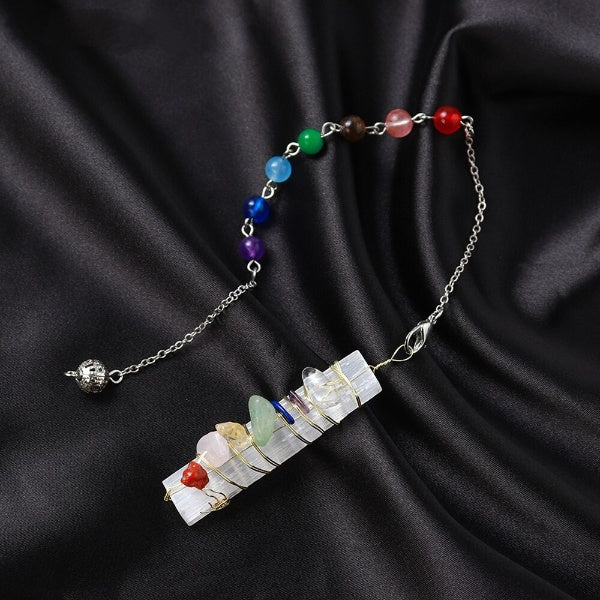
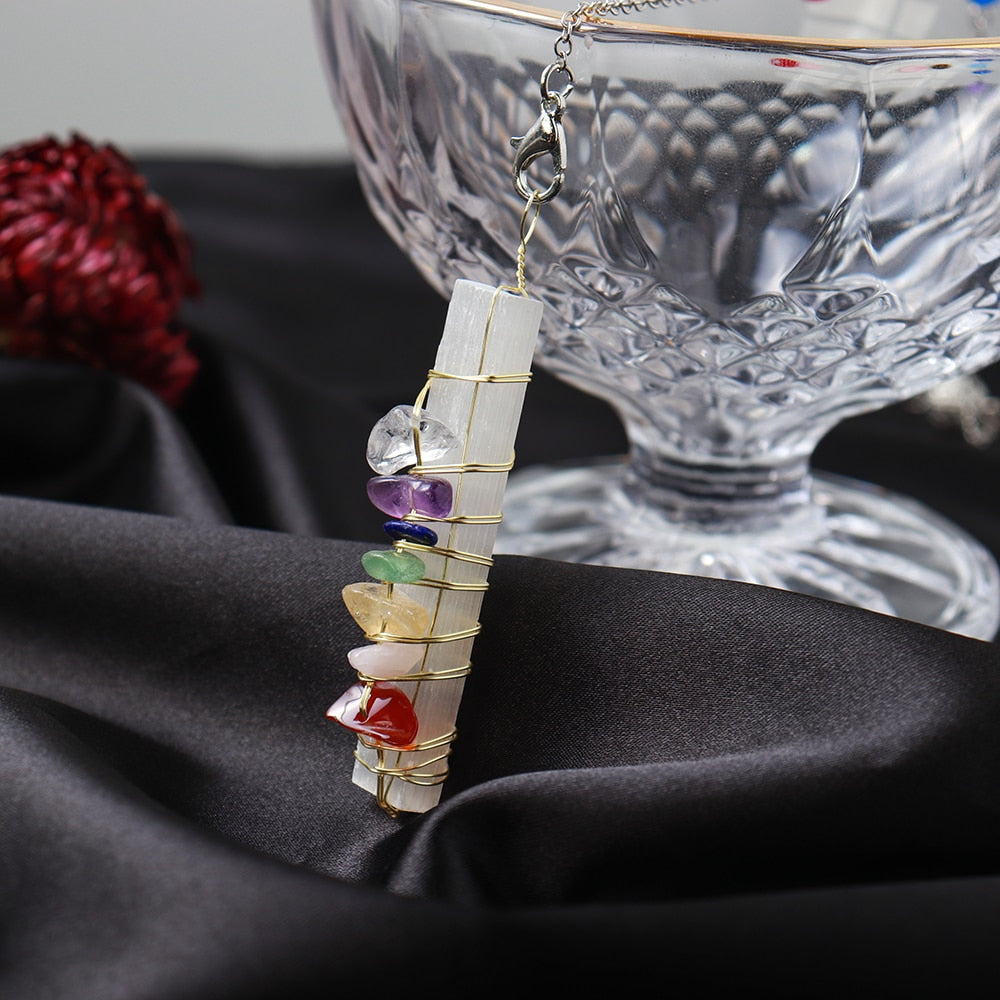
As you reconnect with your body, you may find that your intuition becomes a powerful guide. Many people find that using tools like a pendulum can help bypass the analytical mind and access the subconscious wisdom of the body. This can be particularly helpful when you are trying to identify the root cause of a trigger or seeking clarity on your next step in trauma healing.

7 Chakra Crystal Pendulum with Selenite & Amethyst
$29.99 $39.99
Use this crystal pendulum to support emotional clarity and release during your trauma healing journey.
Explore ProductNavigating the Phases of Healing
Recovery is rarely a straight line. It is a cyclical process that involves peeling back layers of the self. While everyone's journey is unique, understanding the general phases can provide a roadmap when you feel lost. From the initial stage of establishing safety to the deeper work of remembrance and mourning, and finally, reconnection, each phase is vital.
If you are specifically dealing with early life experiences, understanding the dynamics of healing childhood emotional neglect is crucial. It often involves "re-parenting" yourself—learning to give yourself the love, attention, and validation you missed as a child.
Holistic Approaches to Support Your Journey
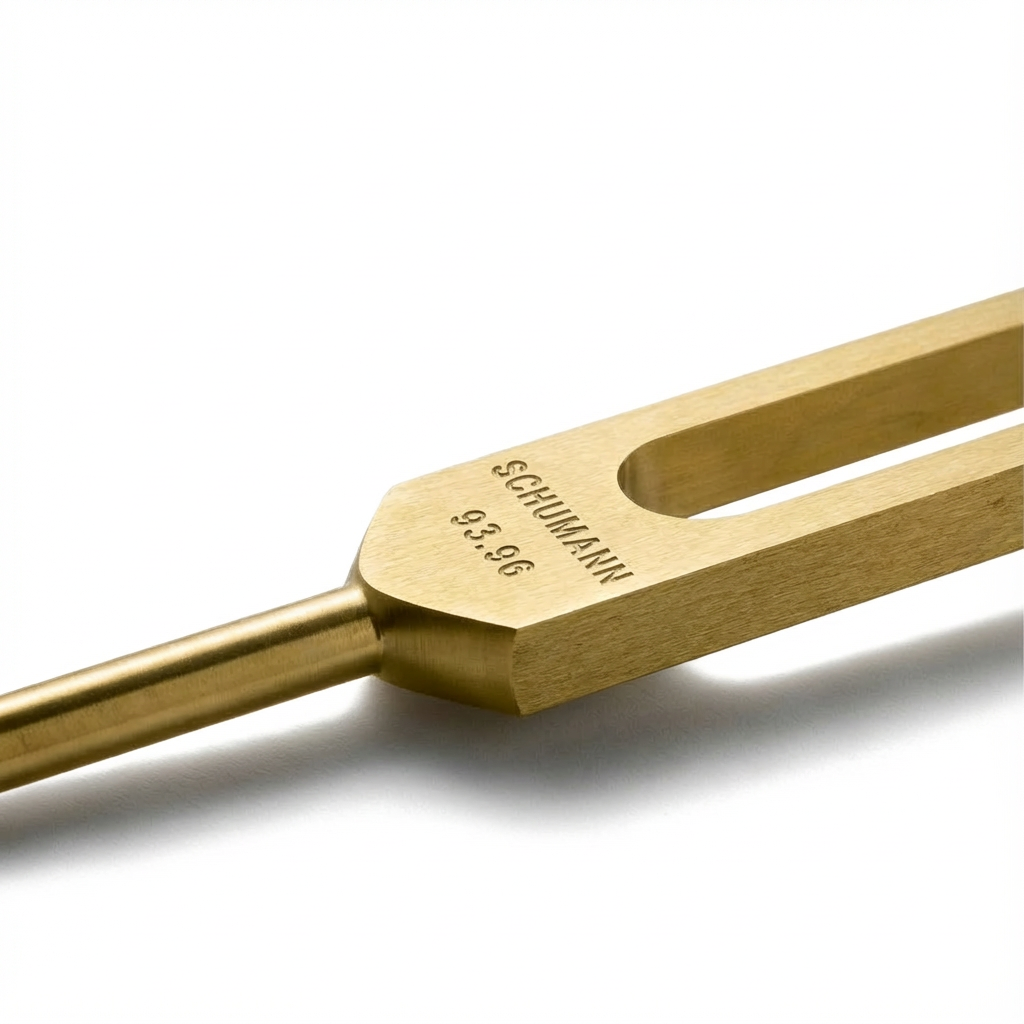
Integrating holistic practices can accelerate healing emotional wounds by addressing the energetic body. Sound healing, for example, uses specific frequencies to restore balance to the nervous system. The Schumann Resonance (often called the Earth's heartbeat) is particularly grounding for those who feel scattered or unsafe due to past trauma.
Similarly, crystals can serve as tangible touchstones for your intention. They can remind you of your commitment to self-love and protection as you navigate the vulnerable waters of emotional trauma recovery.
Creating a Sanctuary for Healing
Your environment plays a significant role in your ability to relax and process emotions. Creating a dedicated space in your home where you feel completely safe can be a game-changer. This doesn't have to be an entire room; a small corner with comfortable cushions, soft lighting, and your favorite healing tools can serve as a refuge when the world feels overwhelming.

In this space, you can practice journaling, meditation, or sound baths. These rituals signal to your brain that it is time to slow down and that it is safe to feel. Consistency in these small acts of self-care builds the resilience needed for deep trauma healing.
Tools for Grounding and Connection

Ground yourself and aid recovery from emotional trauma with resonant earth frequency sound healing. Learn more ➔

Crystal Love Connection Bundle - Gemstone Bracelets Set
$149.99
$189.99
Wear these gemstones to encourage inner strength, connection, and gentle balance as you heal emotional wounds. Learn more ➔
Conclusion: Embracing Your Path to Wholeness
Healing emotional trauma is a courageous act of self-love. It is a declaration that your past does not define your future. By acknowledging your wounds, whether they are recent or stem from childhood, you open the door to a life of greater authenticity and freedom. Remember to be patient with yourself; healing is not a race, but a gentle unfolding.
Incorporating tools like sound healing frequencies and grounding crystals can provide the extra support needed to navigate difficult emotions. Trust in your resilience, and know that every small step you take is a victory in your journey toward wholeness.
Frequently Asked Questions about Healing Emotional Trauma
You don't simply "get rid" of trauma; you process and integrate it. This involves acknowledging the pain, establishing safety, and using therapeutic methods (like therapy, somatic practices, or mindfulness) to release the emotional charge associated with the memories so they no longer control your present life.
While models vary, a common framework includes: 1) Safety and Stabilization, 2) Remembrance and Mourning (processing the memories), 3) Reconnection and Integration (moving back into life), 4) Post-Traumatic Growth, and 5) Maintenance of new healthy patterns.
There is no set timeline for healing. The duration depends on the severity of the trauma, the support system available, and the individual's coping mechanisms. It is a gradual process where symptoms often decrease in intensity over months or years of consistent work.
Emotional trauma is often stored in the fascia (connective tissue) and muscles, particularly in the psoas muscle (hips), the jaw, the shoulders, and the chest. This physical tension is the body's way of "armoring" itself against perceived threats.
Healing childhood wounds involves acknowledging the neglect or abuse, validating your inner child's feelings, and re-parenting yourself with compassion. Therapy, journaling, and connecting with supportive communities are essential for rewriting the internal narratives formed during childhood.