
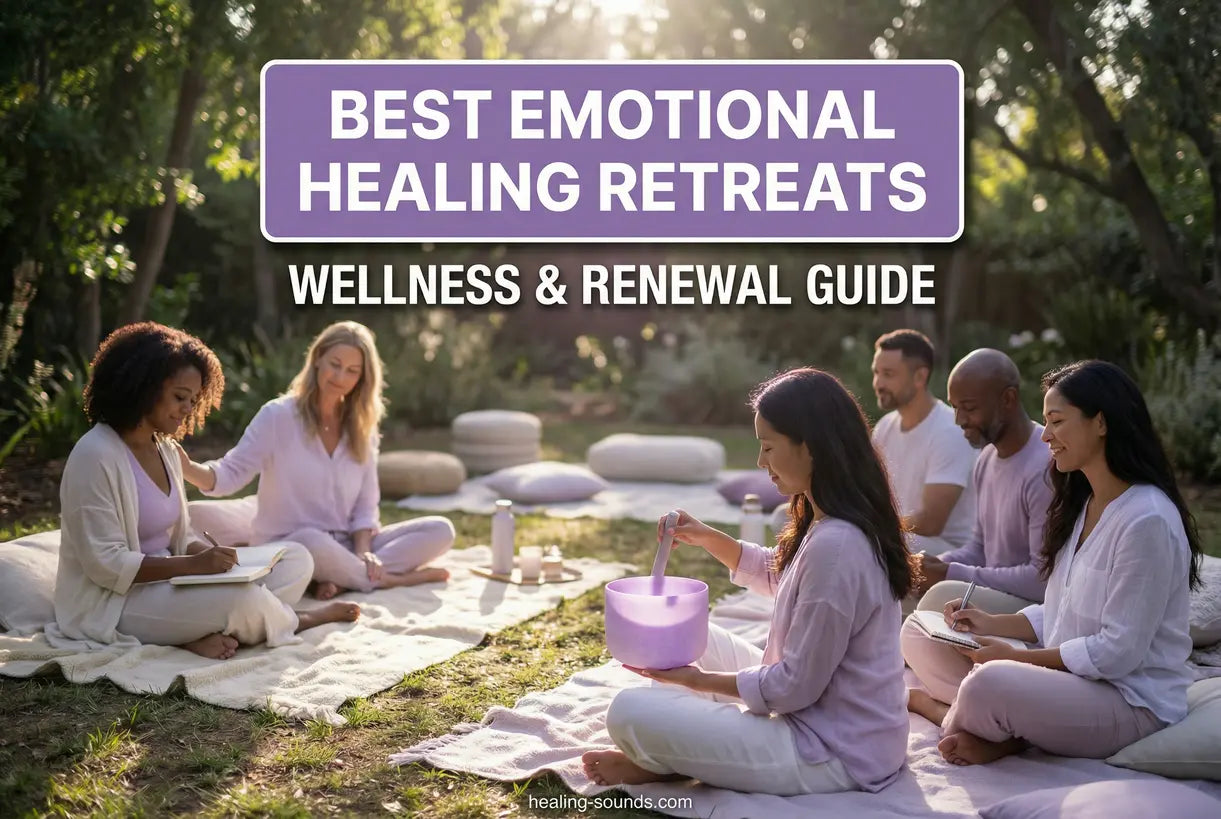
In a fast-paced world where stress and burnout are becoming increasingly common, the need for a sanctuary to pause, reflect, and recover is paramount. Emotional healing retreats offer this vital pause, providing a structured, supportive environment designed to help individuals process deep-seated emotions, recover from trauma, and rediscover a sense of balance. Whether you are navigating a difficult life transition, seeking relief from chronic stress, or simply wanting to deepen your spiritual practice, these retreats provide the tools and space necessary for profound transformation.
Choosing to attend a mental health retreat or a specialized wellness program is an investment in your long-term well-being. Unlike a standard vacation, which offers temporary escape, an emotional retreat focuses on the root causes of distress, utilizing modalities like meditation, sound therapy, and counseling to foster lasting resilience. In this guide, we explore the best practices for selecting a retreat, what to expect during your stay, and how to integrate these healing benefits into your daily life.
What is an Emotional Healing Retreat?
An emotional healing retreat is a specialized getaway focused on psychological and spiritual recovery. Unlike a spa weekend or a sightseeing tour, the primary goal here is internal work. These retreats create a safe container where participants can explore unprocessed emotions, grief, or anxiety under the guidance of experienced facilitators. Activities are curated to bypass the analytical mind and access the heart, facilitating a release that talk therapy alone sometimes cannot achieve.
Many participants arrive seeking a spiritual healing retreat near me or specifically looking for programs that address emotional trauma. These centers often combine modern psychological insights with ancient holistic practices, creating a comprehensive approach to wellness. From silent introspection to group processing circles, the environment is crafted to support vulnerability and renewal.

The Core Benefits of Attending a Wellness Retreat
Why are so many people turning to trauma healing retreats? The answer lies in the immersive nature of the experience. By stepping away from daily triggers and responsibilities, you allow your nervous system to downregulate, moving from a state of "fight or flight" into "rest and digest." This physiological shift is essential for true healing to occur.
Benefits often include a significant reduction in cortisol levels, improved sleep quality, and a clearer sense of life purpose. Furthermore, the community aspect of these retreats cannot be overstated. Being surrounded by like-minded individuals who are also on a path of emotional release validates your experience and reduces feelings of isolation.
Sound healing is frequently a cornerstone of these experiences. The vibrations from instruments like singing bowls can help unlock emotional blockages stored in the body.

B Note Amethyst Gemstone Fusion Crystal Singing Bowl
$349.99 $419.99
Enhance emotional healing at retreats or at home with the soothing resonance of this amethyst crystal singing bowl.
Explore ProductWhat to Expect: Activities and Modalities
If you are wondering what do you do at a healing retreat, the itinerary is usually a blend of structured activity and free time for integration. While every center differs—ranging from Christian emotional healing retreats to secular, science-based programs—there are common threads found in most high-quality retreats.
Typical activities include:
- Guided Meditation and Breathwork: Techniques to calm the mind and access subconscious patterns.
- Somatic Therapy: Physical movements or yoga designed to release trauma stored in the muscles.
- Sound Baths: Immersive sessions using gongs, chimes, and bowls to harmonize the body's frequency.
- Journaling and Reflection: Dedicated time to document breakthroughs and insights.
- Nature Immersion: Healing through connection with the earth, often involving hiking or forest bathing.
To give you a better visual understanding of the atmosphere and experience, watch this insightful video on attending an emotional healing retreat.
Trauma Healing vs. General Wellness Retreats
It is important to distinguish between a general wellness retreat and a specific trauma healing retreat. A wellness retreat might focus on relaxation, spa treatments, and light yoga, which is excellent for decompressing from work stress. However, if you are dealing with unprocessed trauma or deep grief, you require a more specialized environment.
Trauma-focused retreats are staffed by licensed therapists and trauma-informed facilitators. They provide the safety and expertise needed to navigate difficult memories. According to research published by the American Psychological Association, combining somatic practices with psychological support significantly enhances recovery from stress disorders.

When searching for emotional healing retreats near Texas or across the USA, carefully read the curriculum. Look for mentions of "shadow work," "inner child healing," or "trauma recovery" to ensure the program aligns with your depth of need.





Enhancing Your Experience: Preparation and Tools
Preparing for a deep healing retreat involves more than just packing clothes. It involves setting an intention. Ask yourself: What am I ready to release? What do I hope to invite in? Bringing familiar grounding tools can also enhance your sense of safety and continuity during the retreat.
Many participants find that having their own sound healing instruments or meditation accessories helps them integrate the retreat experience into their daily routine once they return home. For example, a rainstick can be a powerful tool for maintaining the state of calm achieved during the retreat.
Essential Companions for Your Retreat Journey

40 Inch Rainstick Instrument for Meditation and Sound Relaxation
$689.90
$1,029.90
Invite calming rain sounds to your healing retreat or meditation with this authentic rainstick for deep relaxation. Learn more ➔

Carry your journal, crystals, and essentials to retreat—this symbolic embroidered backpack is perfect for wellness journeys. Learn more ➔
How to Choose the Best Retreat for You
With so many options available, from emotional trauma healing retreats USA based to international getaways, selection can be overwhelming. Consider the location carefully; nature-based settings often facilitate deeper healing. Additionally, verify the credentials of the facilitators to ensure they are equipped to handle the emotional depth of the work.

Key Questions to Ask Before Booking
- What is the maximum group size? (Smaller groups often allow for more personalized attention).
- Is there aftercare or integration support provided after the retreat ends?
- What is the daily schedule like? Is it intensive or does it allow for rest?
- Are special diets accommodated?
Conclusion: Embarking on Your Healing Journey
Attending one of the many emotional healing retreats available today can mark a pivotal turning point in your life. It is an act of courage to prioritize your mental health and seek the support you need to heal. Whether you connect with sound healing, meditation, or therapy, the skills and insights gained during your retreat will serve as a foundation for a more balanced, resilient future. By equipping yourself with the right mindset and perhaps a few supportive tools, you ensure that the peace you find on retreat follows you home.
Frequently Asked Questions about Emotional Healing Retreats
Yes, for many people, healing retreats are incredibly valuable. They provide a concentrated period of time away from daily stressors to focus entirely on mental and emotional well-being. The combination of professional guidance, community support, and therapeutic activities often leads to breakthroughs that might take months or years to achieve in standard weekly therapy sessions.
An emotional retreat is a structured program designed to help individuals process emotions, heal from trauma, and improve mental health. Unlike a vacation, it involves intentional work through workshops, therapy, meditation, and other healing modalities to address the root causes of emotional pain or burnout.
Healing unprocessed trauma typically requires a safe environment and professional support. Approaches often used at retreats include somatic experiencing (focusing on body sensations), EMDR (Eye Movement Desensitization and Reprocessing), talk therapy, and expressive arts. Retreats offer a safe container to begin this deep work without the distractions of everyday life.
There is no single "best" method, as healing is individual. However, holistic approaches that address the mind, body, and spirit tend to be most effective. This includes combining cognitive therapy with somatic practices like yoga, breathwork, and sound healing. A retreat setting allows you to experiment with these different modalities to find what resonates most with you.
Activities vary by retreat but commonly include daily meditation and yoga, group therapy or sharing circles, sound baths, journaling workshops, and nature excursions. Some retreats also offer one-on-one counseling sessions, nutritional guidance, and ample free time for rest and integration.