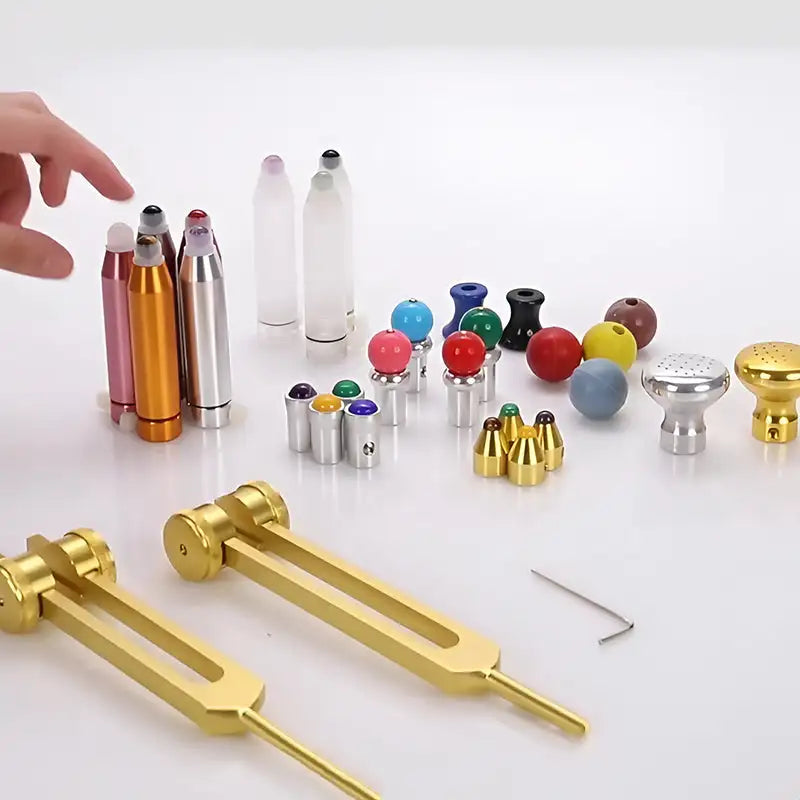
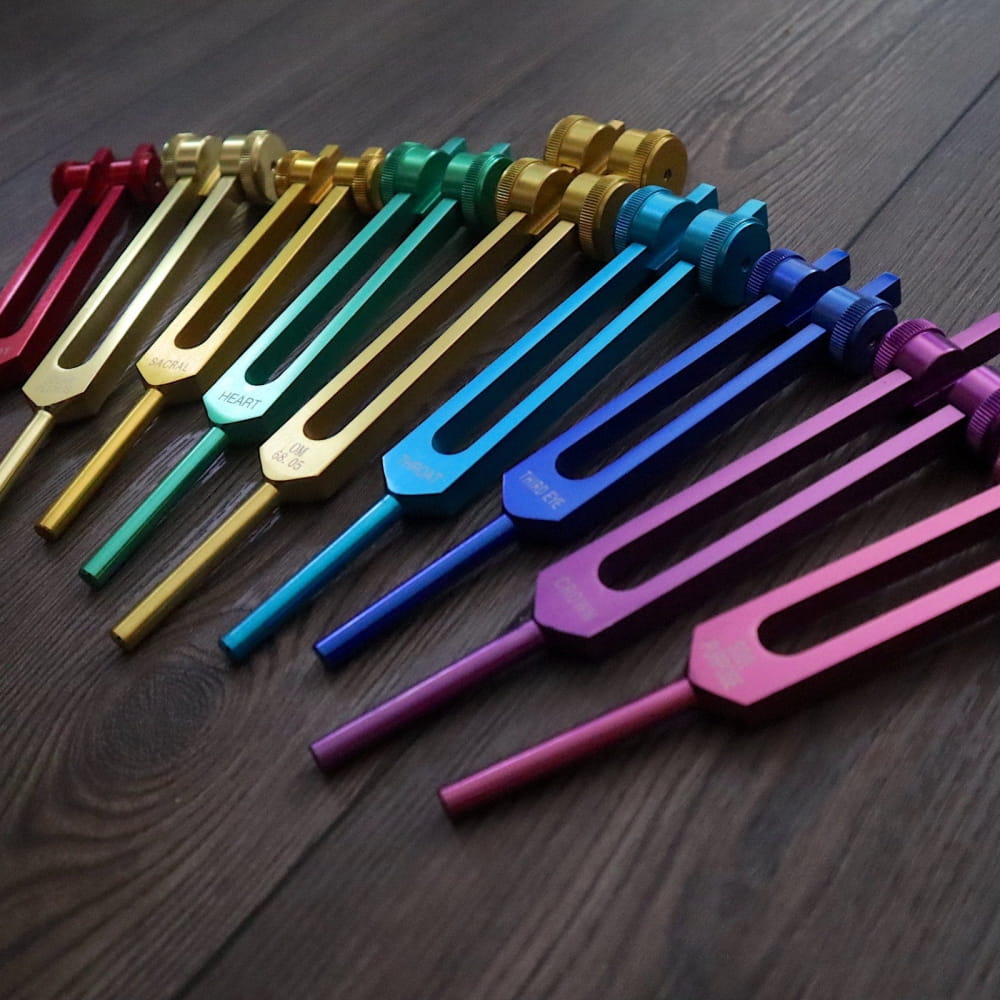
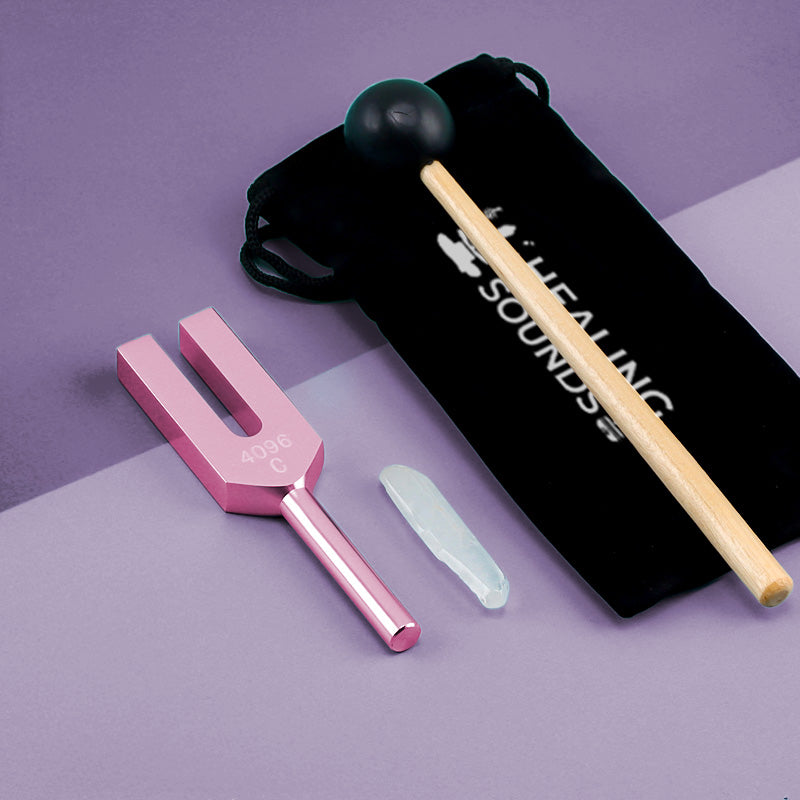
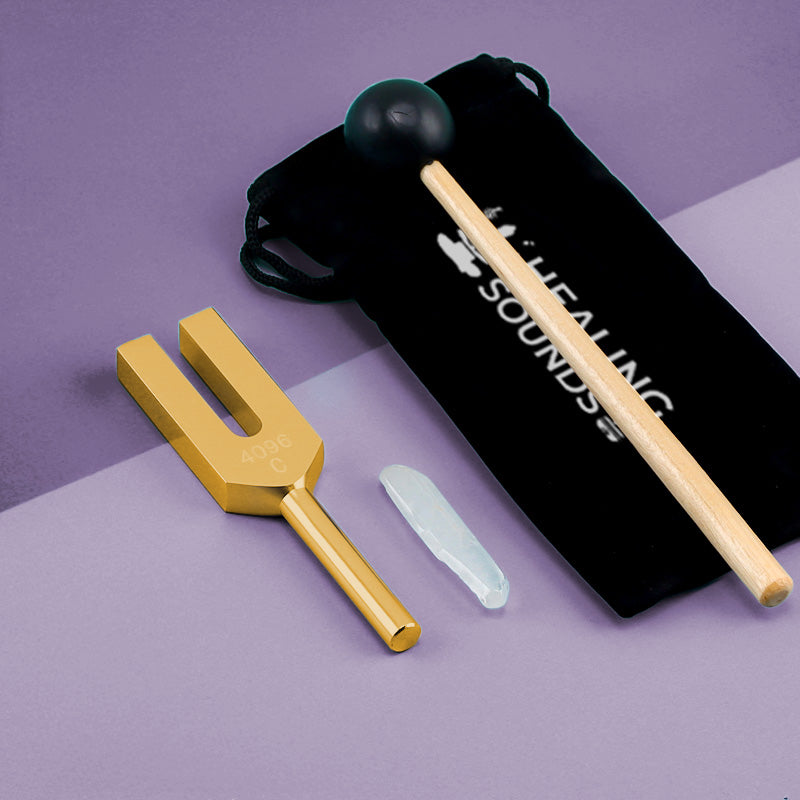
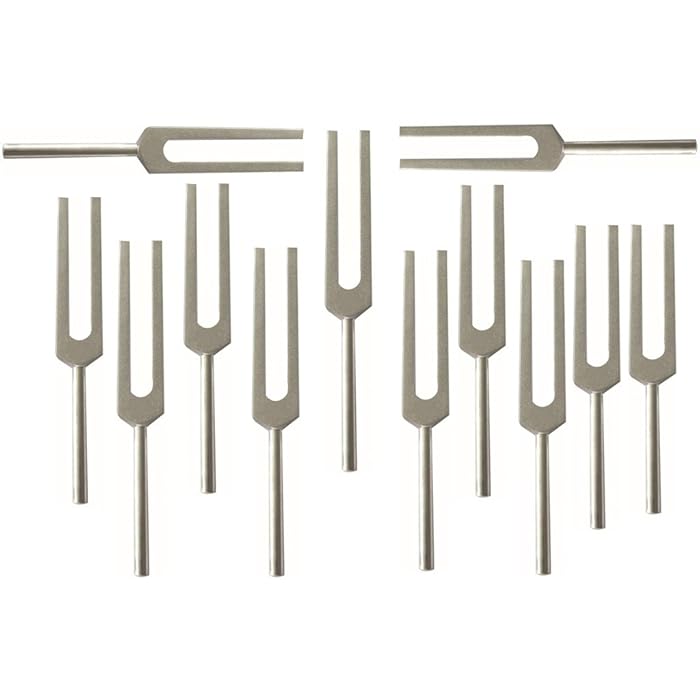
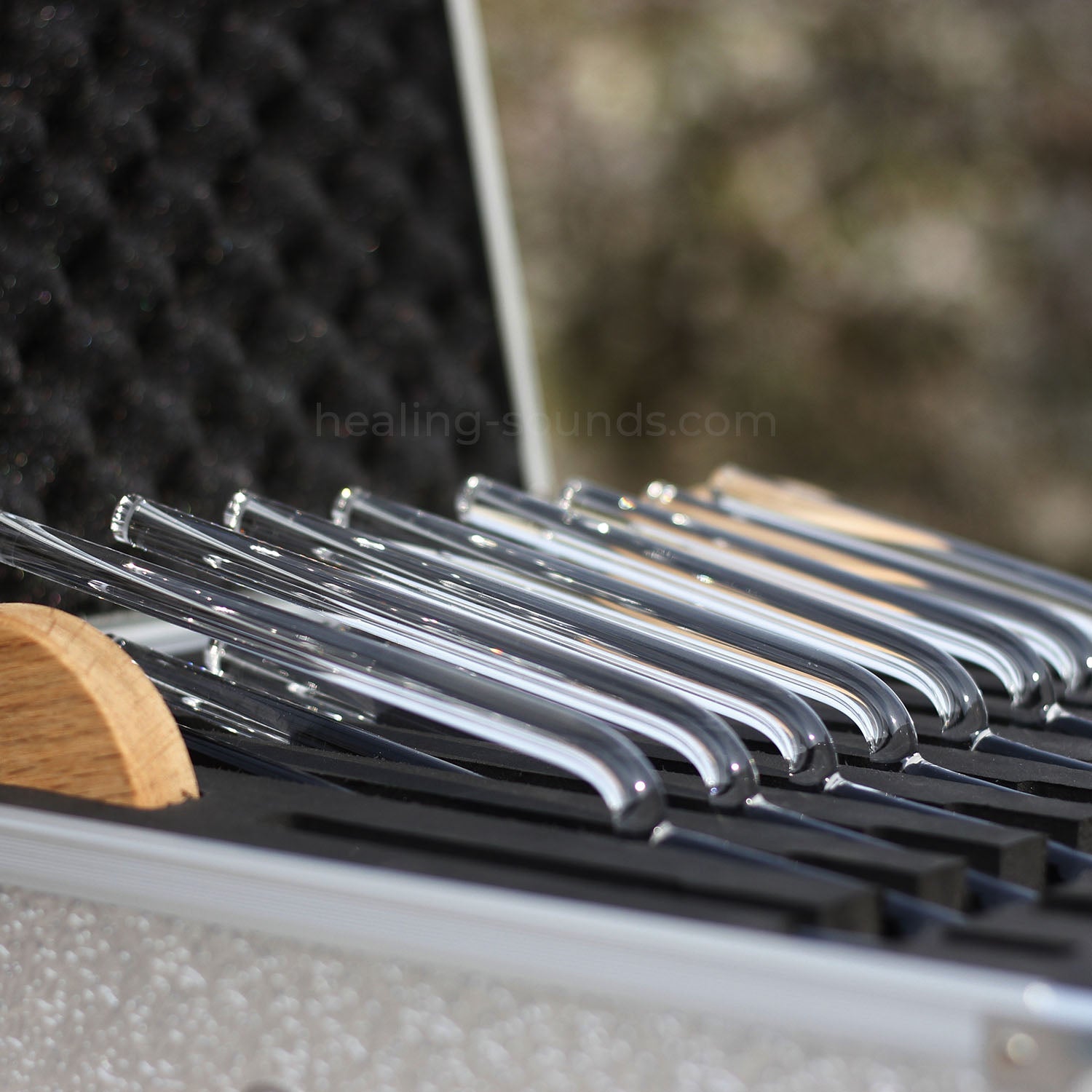
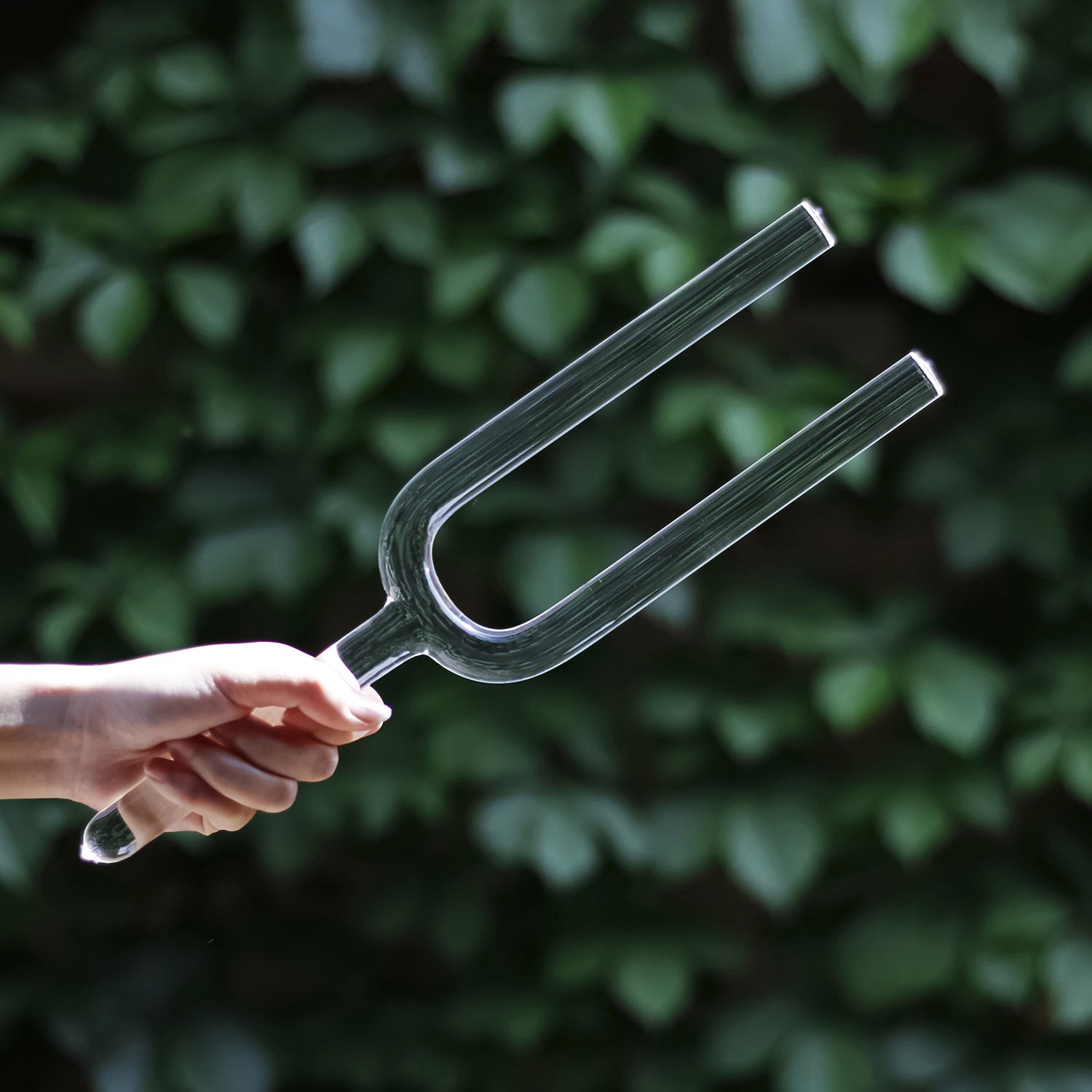
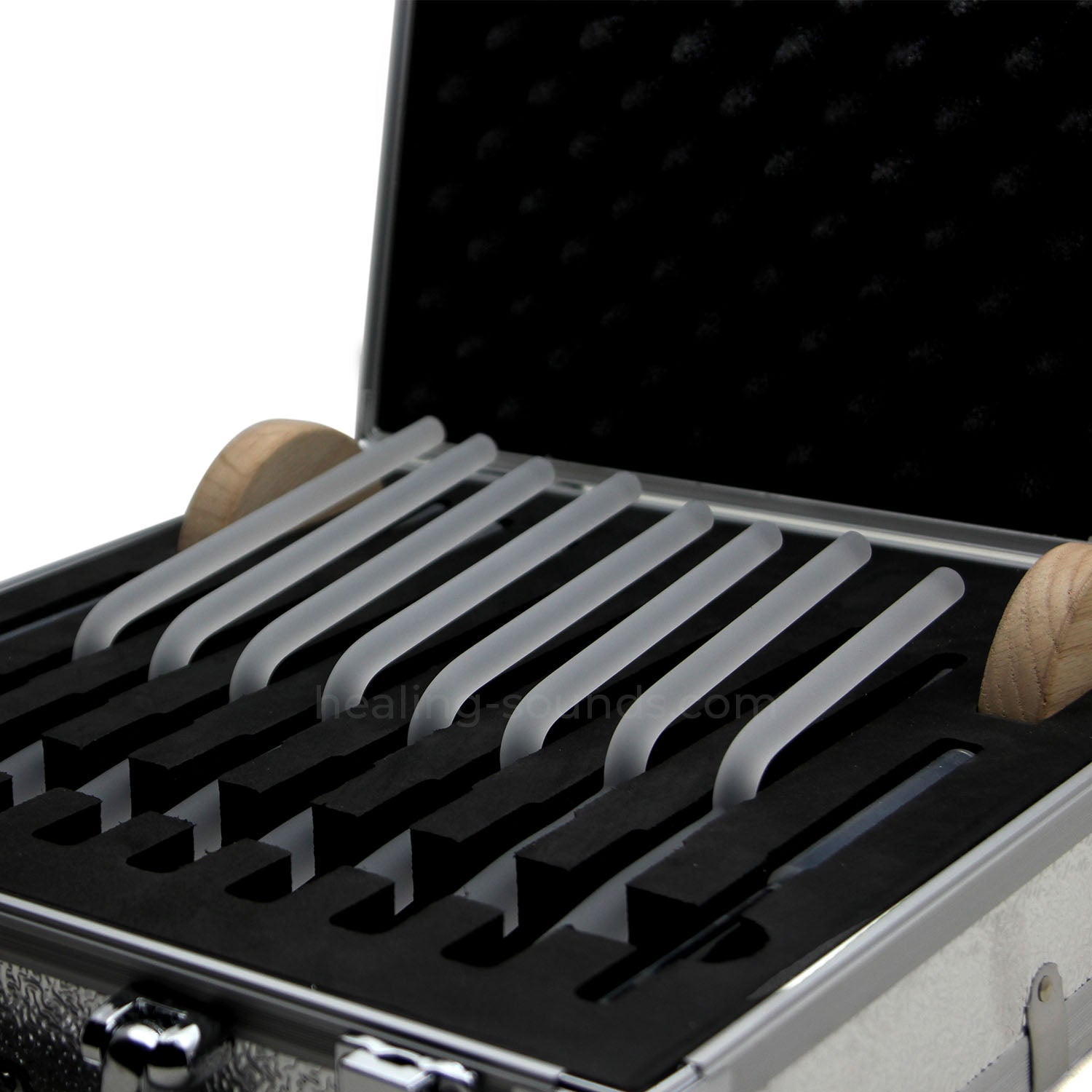
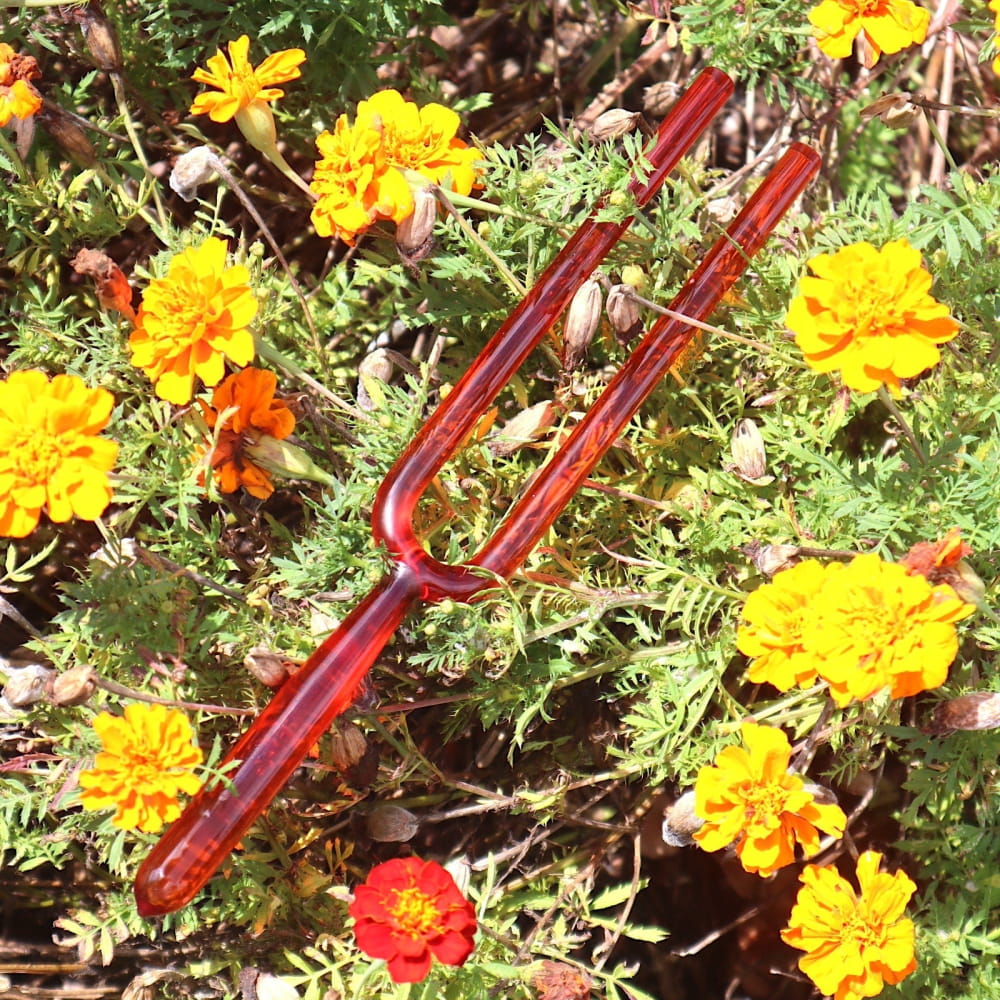
Tuning forks for healing are specialized vibrational instruments designed to promote relaxation, support the body's natural recovery processes and enhance overall well-being through sound therapy. Unlike tuning forks made purely for musical pitch reference or medical diagnosis, healing tuning forks are selected and calibrated for their therapeutic properties -- whether applied directly to the body with weighted tuning forks or used around the energy field with unweighted forks for chakra balancing and biofield work. Every tuning fork for healing in our collection is CNC-machined from premium aluminum alloy, computer-verified to +/-0.25 Hz accuracy and laser-engraved with its frequency.
Whether you are exploring how to use tuning forks for healing for the first time or expanding a professional sound healing practice, this collection brings together our most popular therapeutic forks. You will find weighted tuning forks for healing like the Otto tuners (32, 48, 64 and 128 Hz) for body contact therapy, solfeggio tuning forks for the nine sacred frequencies, chakra tuning forks for energy center alignment, and specialty instruments like the sonic slider and angel tuners. Browse below or read on to learn which tuning forks are best for healing your specific needs.
Choosing the Best Tuning Forks for Your Healing Practice
With dozens of tuning fork frequencies available, selecting the right instruments can feel overwhelming. The key is matching the fork type to your primary healing intention. Here is a practical breakdown of the most popular healing tuning forks and their applications.
Best Tuning Forks for Body-Based Healing
If your practice focuses on physical relaxation, muscle tension relief or pain management, weighted tuning forks are your primary tools. The 128 Hz Otto tuner is the single most versatile weighted tuning fork for healing -- it delivers strong, focused vibration when placed on bones, joints, muscles and acupressure points. The complete Otto tuner set (32, 48, 64 and 128 Hz) provides a range of frequencies for different applications, from deep tissue resonance at 32 Hz to surface-level relaxation at 128 Hz. Explore our full weighted tuning forks collection.
Best Tuning Forks for Chakra and Energy Healing
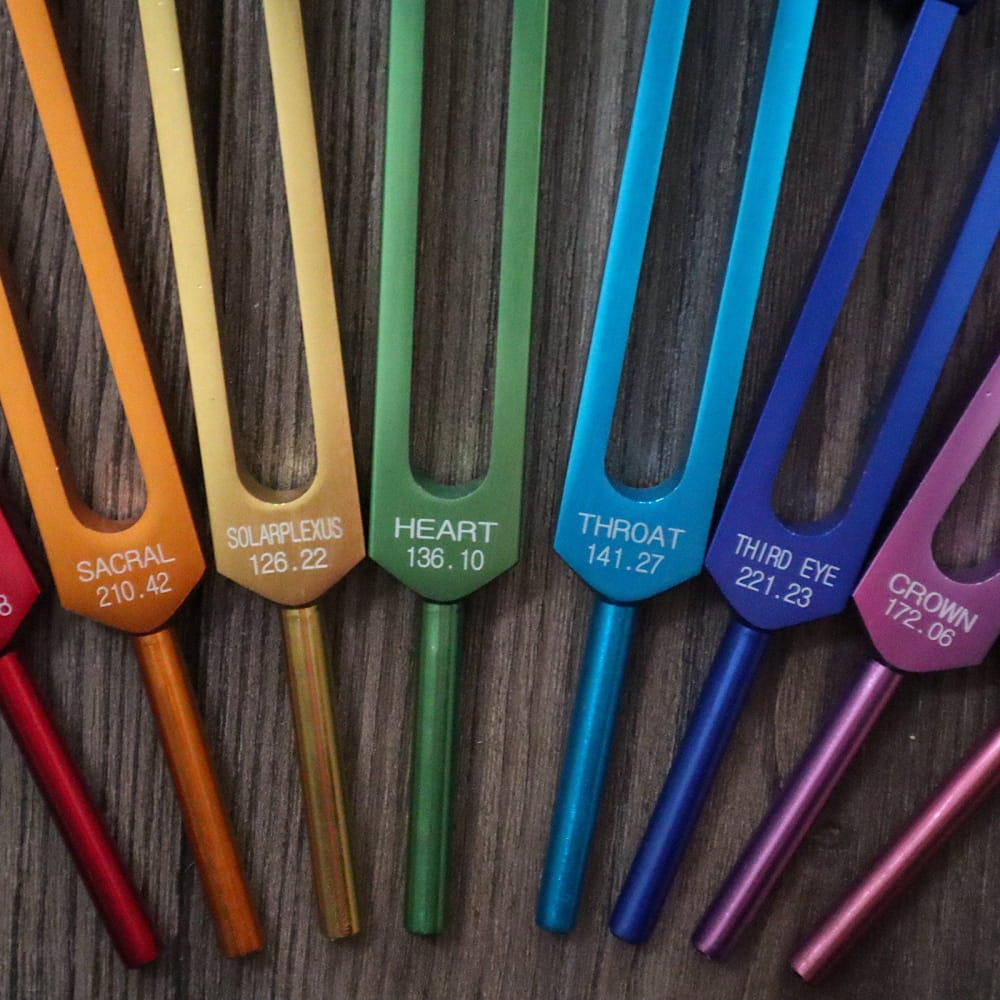
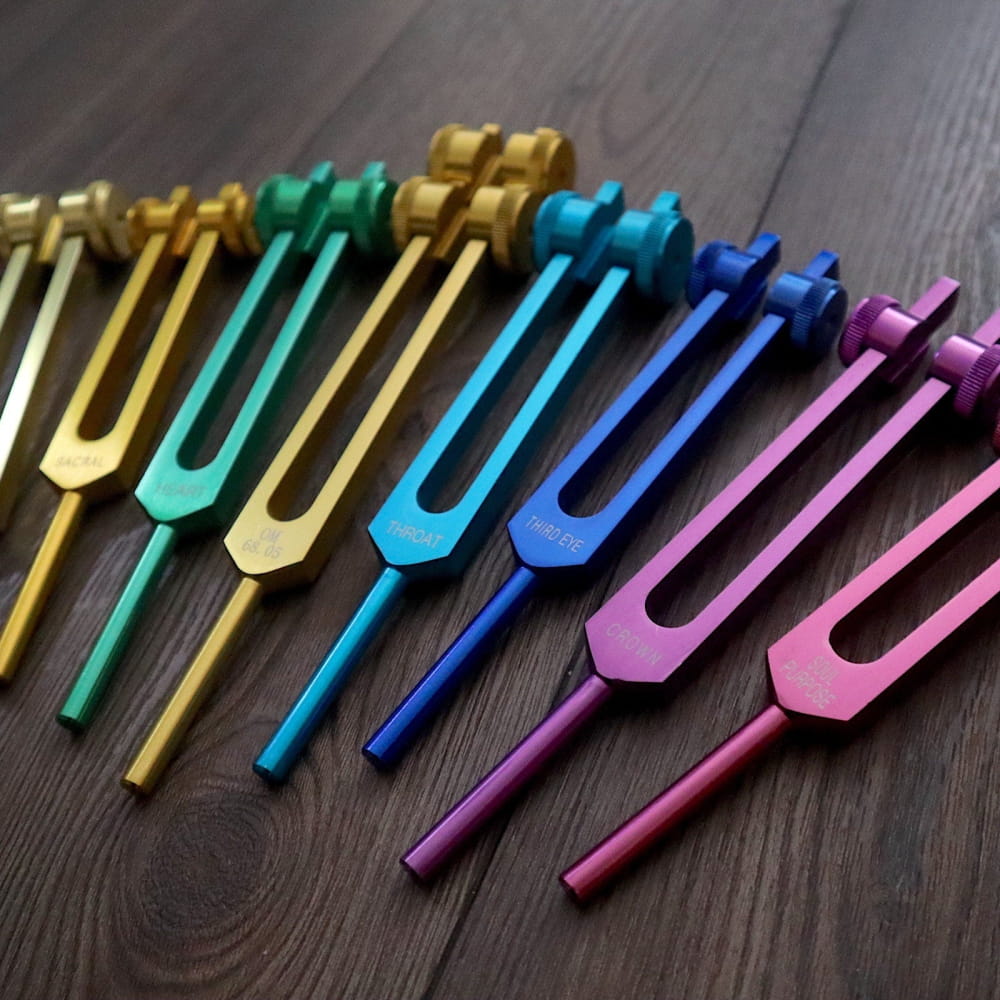
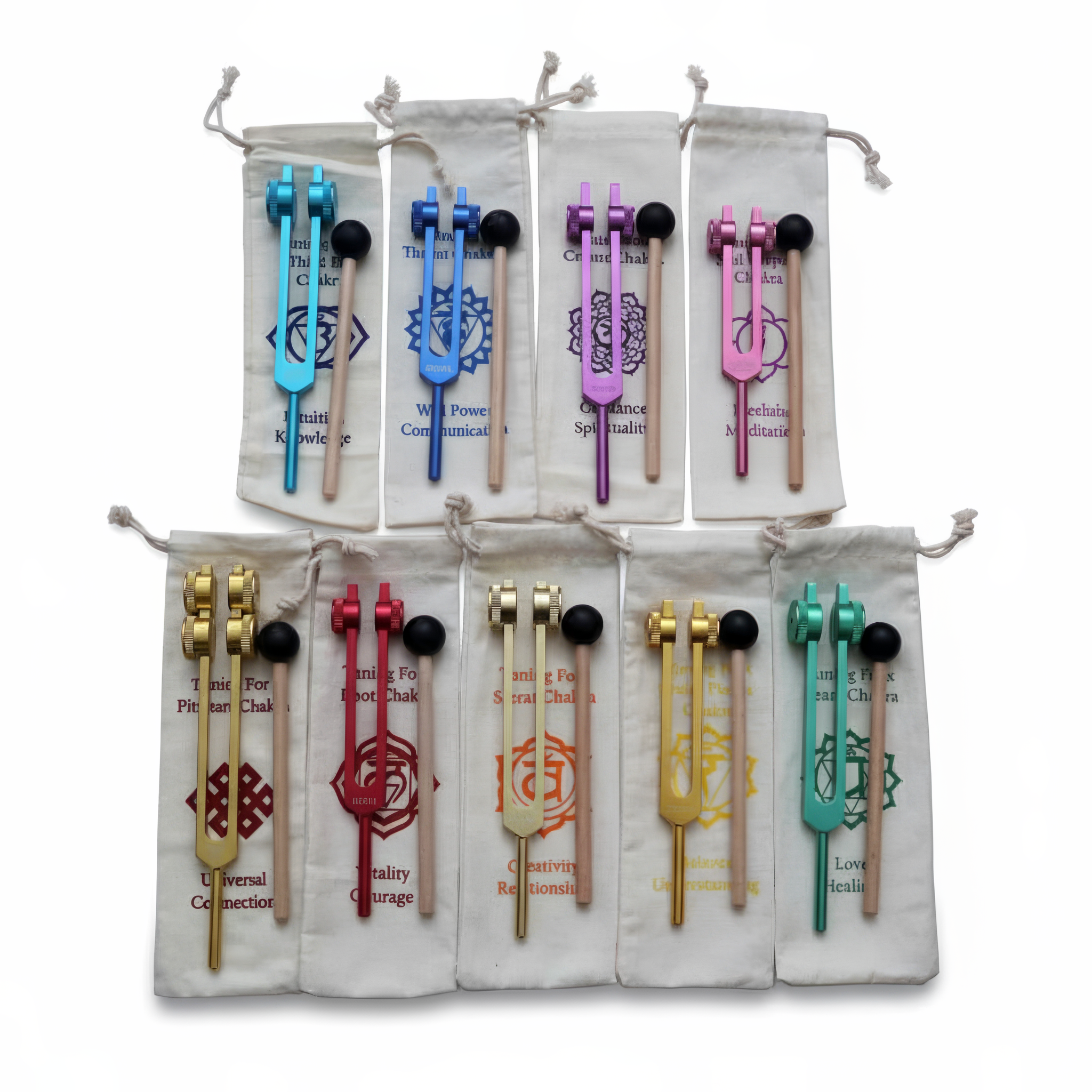
Chakra tuning forks use planetary frequencies calculated from the orbits of celestial bodies (Root 194.18 Hz, Sacral 210.42 Hz, Solar Plexus 126.22 Hz, Heart 136.10 Hz, Throat 141.27 Hz, Third Eye 221.23 Hz, Crown 172.06 Hz). These unweighted forks are played near the body's energy centers to promote chakra balancing and alignment. The Heart chakra fork at 136.10 Hz (the OM frequency) is the most popular single chakra fork. See our chakra tuning forks.
Best Tuning Forks for Sound Therapy Sessions
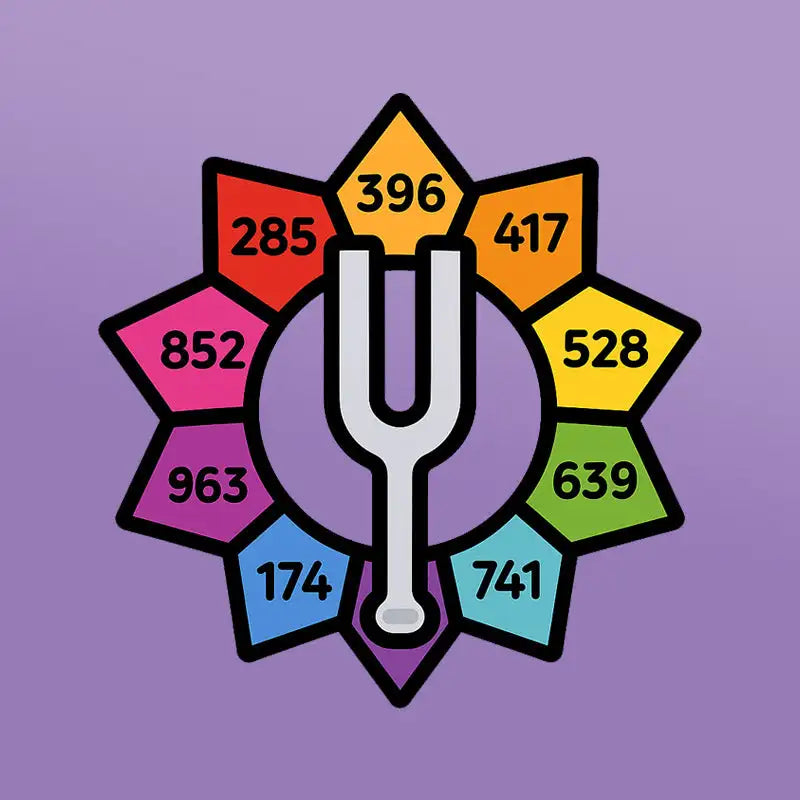
Solfeggio tuning forks cover nine frequencies (174, 285, 396, 417, 528, 639, 741, 852 and 963 Hz), each associated with a specific healing intention. The 528 Hz tuning fork -- often called the "Love frequency" -- is the most popular individual solfeggio fork. A complete solfeggio tuning fork set gives practitioners maximum versatility for diverse sound healing sessions. Browse our solfeggio tuning forks.
Healing Focus
Recommended Forks
Type
Key Frequencies
Pain relief and muscle relaxation
Otto Tuners
Weighted
32, 48, 64, 128 Hz
Chakra balancing
Chakra set
Unweighted
126-221 Hz (7 forks)
Broad sound therapy
Solfeggio set
Unweighted
174-963 Hz (9 forks)
Biofield and energy work
Sonic Slider / Biofield forks
Weighted
93.96 Hz and others
Spiritual and meditation
Angel Tuners / OM fork
Unweighted
4096, 4160, 4225 Hz / 136.10 Hz
Deep relaxation and stress
Body Tuners (C&G)
Unweighted
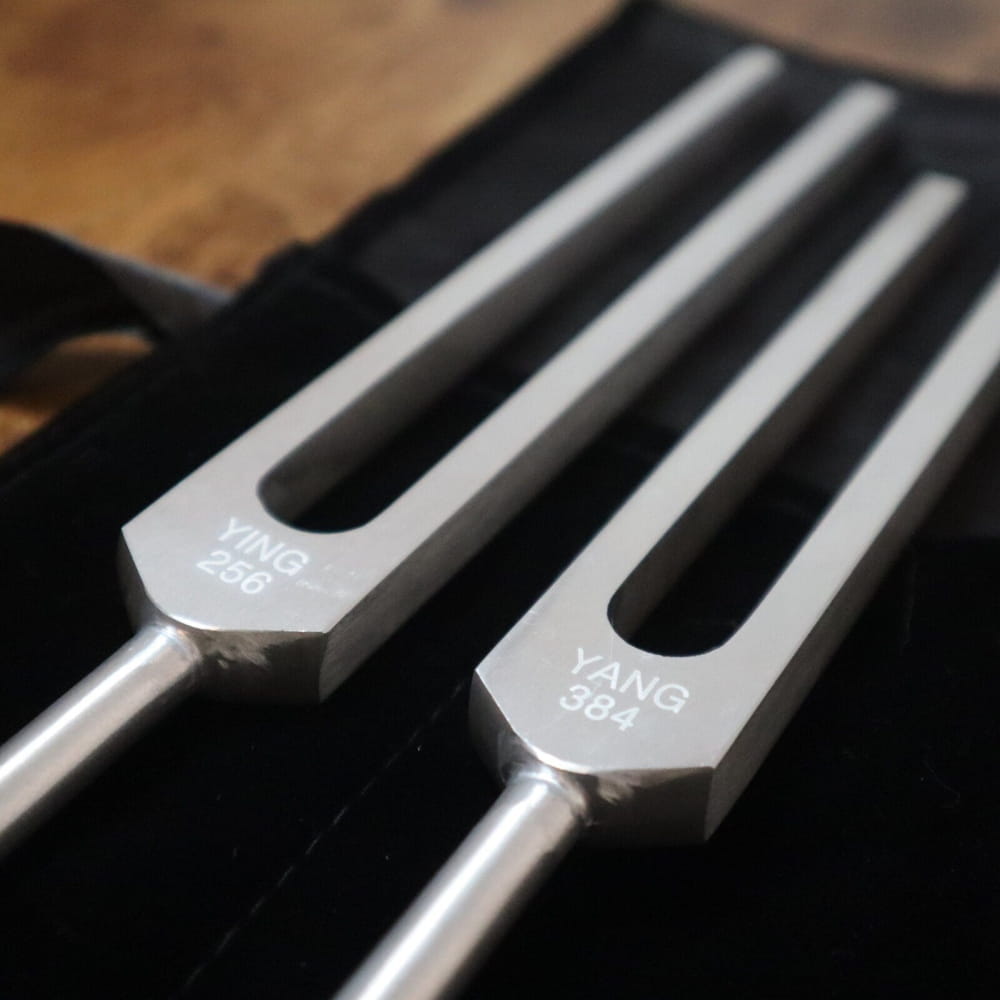
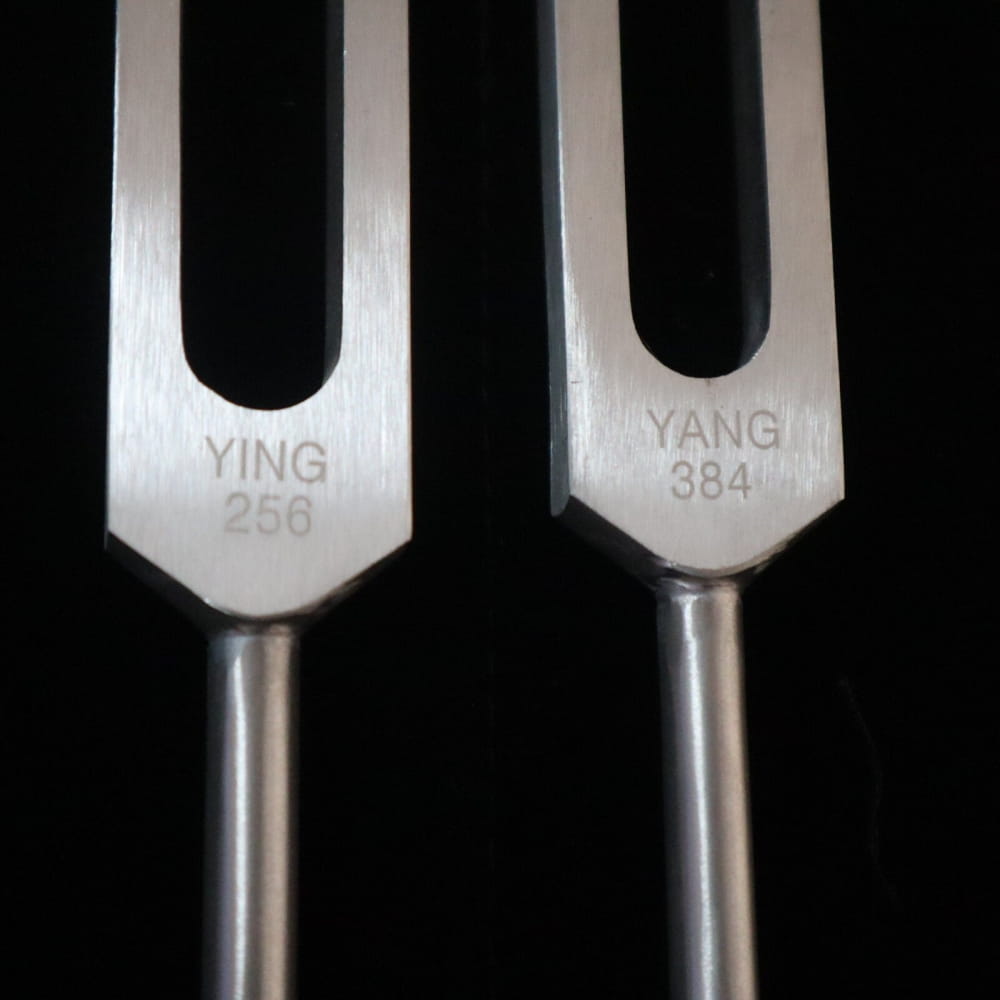
256 Hz + 384 Hz
How to Use Tuning Forks for Healing: Essential Techniques
Learning how to use tuning forks for healing begins with understanding the two fundamental application methods and knowing when to use each one.
Stem-On-Body Placement (Weighted Forks)
Activate the weighted tuning fork by striking it firmly against a rubber activator, hockey puck or the palm of your hand. Immediately place the flat end of the stem on the treatment area. Common placements include:
Joints and bones: knees, hips, shoulders, vertebrae, sternum, feet
Acupressure points: traditional Chinese medicine points along meridians
Reflex zones: soles of the feet, palms of the hands
Hold the fork steady until the vibration naturally fades (typically 8 to 15 seconds for weighted forks). Restrike and reapply as needed. A focused treatment on a single area typically involves 3 to 5 applications. Many practitioners combine multiple weighted tuning forks for healing in a progressive sequence, starting with lower frequencies and moving to higher ones.
Auditory Sound Field Method Using Unweighted Forks
Activate the unweighted fork by striking it against a rubber activator or by pinching and releasing the prongs. Hold the vibrating fork 2 to 6 inches from the body, near the ears, or sweep it slowly through the biofield. This technique is used for chakra balancing, energy clearing, meditation facilitation and creating a calming acoustic environment. The sustained tone of an unweighted fork lasts 15 to 30 seconds per activation, allowing slow, deliberate movement through multiple energy centers.
Two-Fork Interval Method
Strike two complementary forks simultaneously and hold one near each ear. The body tuners pairing (C 256 Hz + G 384 Hz) creates a perfect fifth interval that many practitioners describe as deeply centering. This method is popular for opening and closing healing sessions and for promoting mental clarity and focus.
What Makes a Tuning Fork Effective for Sound Healing
Not all tuning forks are created equal for therapeutic use. The effectiveness of a healing tuning fork depends on several measurable factors.
Frequency accuracy is paramount. A tuning fork that drifts even a few Hz from its target frequency will produce different vibrational effects than intended. All Healing Sounds forks are verified to +/-0.25 Hz, ensuring consistent results across sessions and between replacement forks.
Sustain duration determines how long each activation lasts. Longer sustain means fewer restrikes during a session, allowing practitioners to maintain flow and client relaxation. CNC machining from a single block of aluminum alloy eliminates internal seams and inconsistencies that reduce sustain in cast or welded forks.
Vibration amplitude matters for weighted forks used in body contact therapy. Higher amplitude means the client can feel the vibration more clearly, which is essential for techniques that rely on tactile feedback. Our weighted tuning forks for healing are engineered for maximum amplitude at their target frequency.
Build quality affects durability and tuning stability over time. A well-made tuning fork maintains its calibrated frequency for years of daily professional use. Cheap cast-metal forks can drift in frequency, develop micro-cracks and lose sustain within months.
Where to Place Tuning Forks on the Body for Maximum Benefit
Placement location significantly affects the therapeutic experience. Here are the most common placement areas used by tuning fork healing practitioners:
Spine (C7 to sacrum): Place the weighted fork on individual vertebrae, moving sequentially from neck to tailbone. This is one of the most requested techniques in professional sound therapy sessions.
Feet (soles and toes): The soles contain reflex zones corresponding to major organs and body systems. Many practitioners begin sessions with foot placement.
Sternum: The breastbone acts as a resonant chamber that distributes vibration throughout the chest cavity. Clients often report a sense of opening and release.
Shoulders and neck: Common tension areas where weighted tuning forks can promote muscle relaxation and improved circulation.
Around the head: Unweighted forks held near the temples, forehead and behind the ears create an enveloping sound field for deep relaxation and meditation.
Sound Healing Collections to Explore
Healing Sounds offers the most complete selection of tuning forks for sound healing available anywhere. Browse these related collections to find exactly what your practice needs:
All Tuning Forks -- our complete catalog with every frequency and type
Weighted Tuning Forks -- Otto tuners and weighted forks for pain relief and body therapy
Frequently Asked Questions About Healing Tuning Forks
Tuning forks are widely used in sound therapy and complementary wellness practices around the world. Practitioners and clients consistently report benefits including deep relaxation, reduced muscle tension, improved mood, better sleep and an overall sense of well-being after sessions. Sound therapy is offered in wellness centers, integrative health clinics, yoga studios and spas globally. While scientific research on vibrational therapy continues to develop, the experiential evidence from thousands of practitioners supports tuning forks as effective tools for promoting relaxation and supporting the body's natural balance.
Tuning fork therapy is a form of sound healing that uses calibrated metal forks vibrating at specific frequencies to promote wellness. Weighted tuning forks are placed directly on the body (bones, joints, muscles, acupressure points) to deliver focused vibration. Unweighted forks are held near the ears and swept through the energy field for auditory healing, chakra balancing and meditation support. Sessions typically last 15 to 60 minutes and may use a single fork or a combination of multiple frequencies tailored to the client's needs.
The best tuning fork frequency for healing depends on your specific focus. The 128 Hz Otto tuner (weighted) is the most popular single fork for body-based healing -- it works on joints, muscles and bones. The 528 Hz tuning fork is the most popular solfeggio frequency for general sound healing. The 136.10 Hz OM fork is favored for meditation and spiritual practice. For a comprehensive practice, many practitioners start with a weighted and unweighted tuning fork set that includes both body contact and sound field instruments.
Many sound therapy practitioners use weighted tuning forks for pain relief by placing the vibrating stem directly on areas of discomfort. The 128 Hz Otto tuner is the most commonly used fork for this purpose. Clients frequently report reduced pain intensity, muscle relaxation and improved mobility after sessions. While tuning fork therapy is a complementary practice and not a substitute for medical treatment, it is used alongside conventional care by many integrative health practitioners. The vibration can help release muscle tension and promote blood circulation in the treatment area.
Weighted tuning forks are placed on bony prominences and muscle groups: vertebrae along the spine, sternum, knees, hips, shoulders, feet and acupressure points. The stem of the vibrating fork is pressed firmly against the body so vibrations transfer through tissue. Unweighted tuning forks are held 2 to 6 inches from the body -- near the ears, around the head, or at each chakra point along the midline of the body. Many practitioners follow a systematic protocol, working from the feet upward or from the root chakra to the crown.
Tuning fork therapy is generally safe, but avoid placing weighted tuning forks directly on open wounds, acute inflammation, recent fractures, areas with implanted medical devices (pacemakers, metal implants near the site) or tumors. Pregnant women should consult their healthcare provider before vibration therapy on the abdomen or lower back. Individuals with severe epilepsy should use caution with strong sensory stimulation. As with any complementary therapy, consult a qualified healthcare professional if you have specific medical concerns before beginning a tuning fork healing practice.
Filters (0)
High-Quality Tuning Forks Collection
Discover premium tuning forks for perfect sound calibration.
Enhance Your Sound Experience
Achieve precise tonal quality with our tuning forks.
Recently viewed
Treat yourself to a relaxing moment
With our best instruments. Handcrafted from the finest materials.
Created by healing enthousiasts
We know your needs because we use our products too. We are the first users.
Money-back guarantee
You have 60 days to return your order if it doesn't fit (you'll love it anyway).
100% secured payments
So you can remain in deep peace until you receive your order.