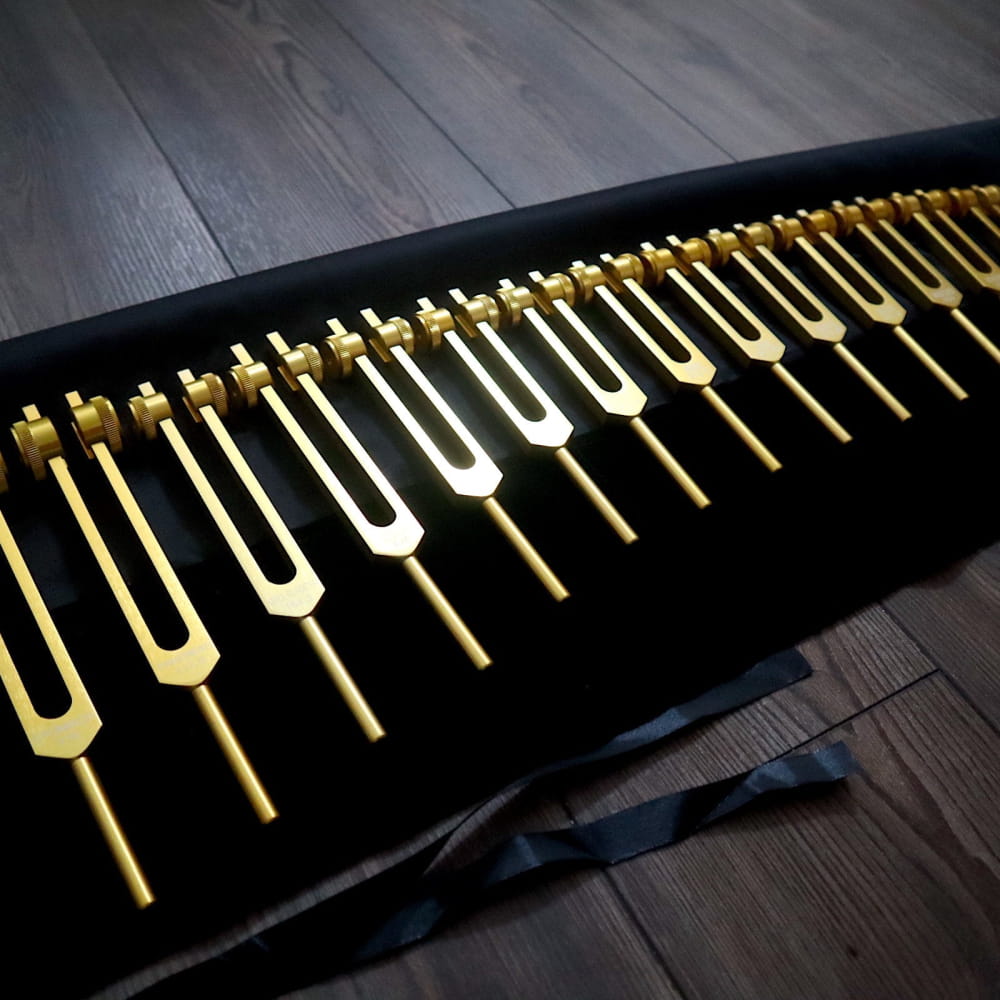
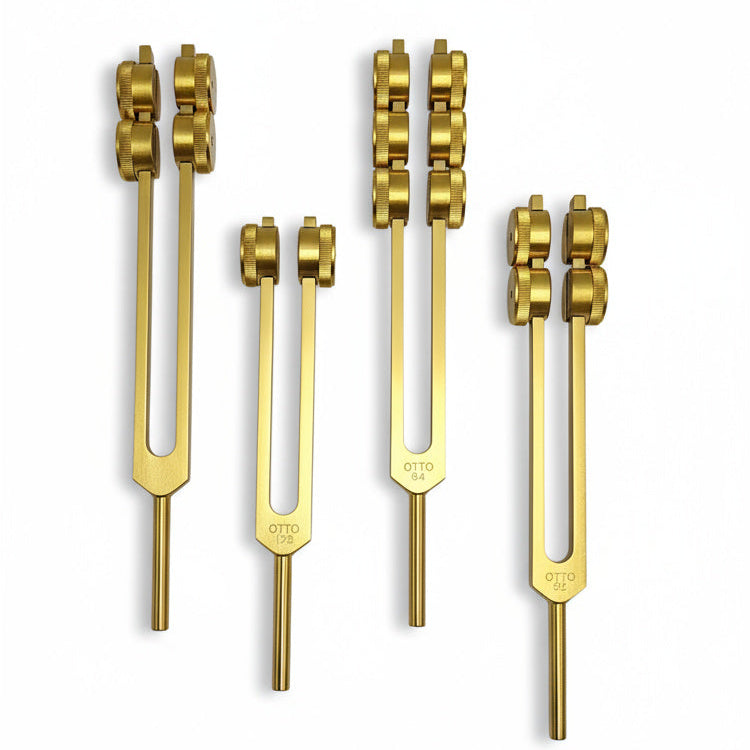
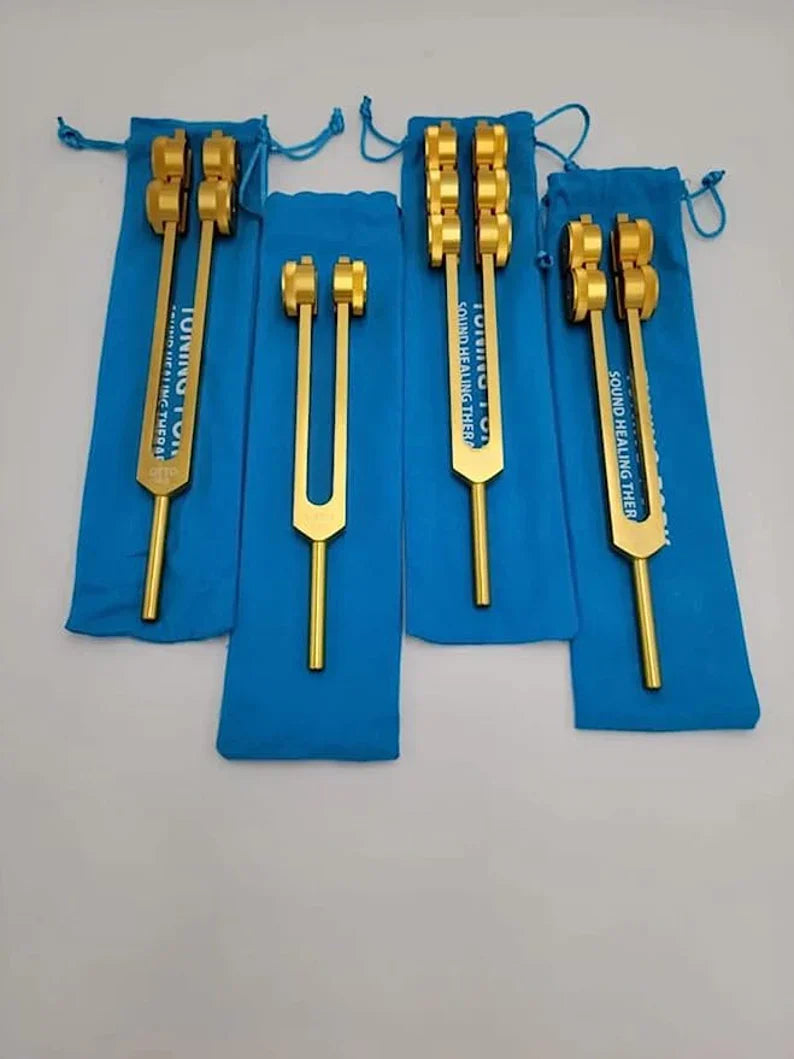
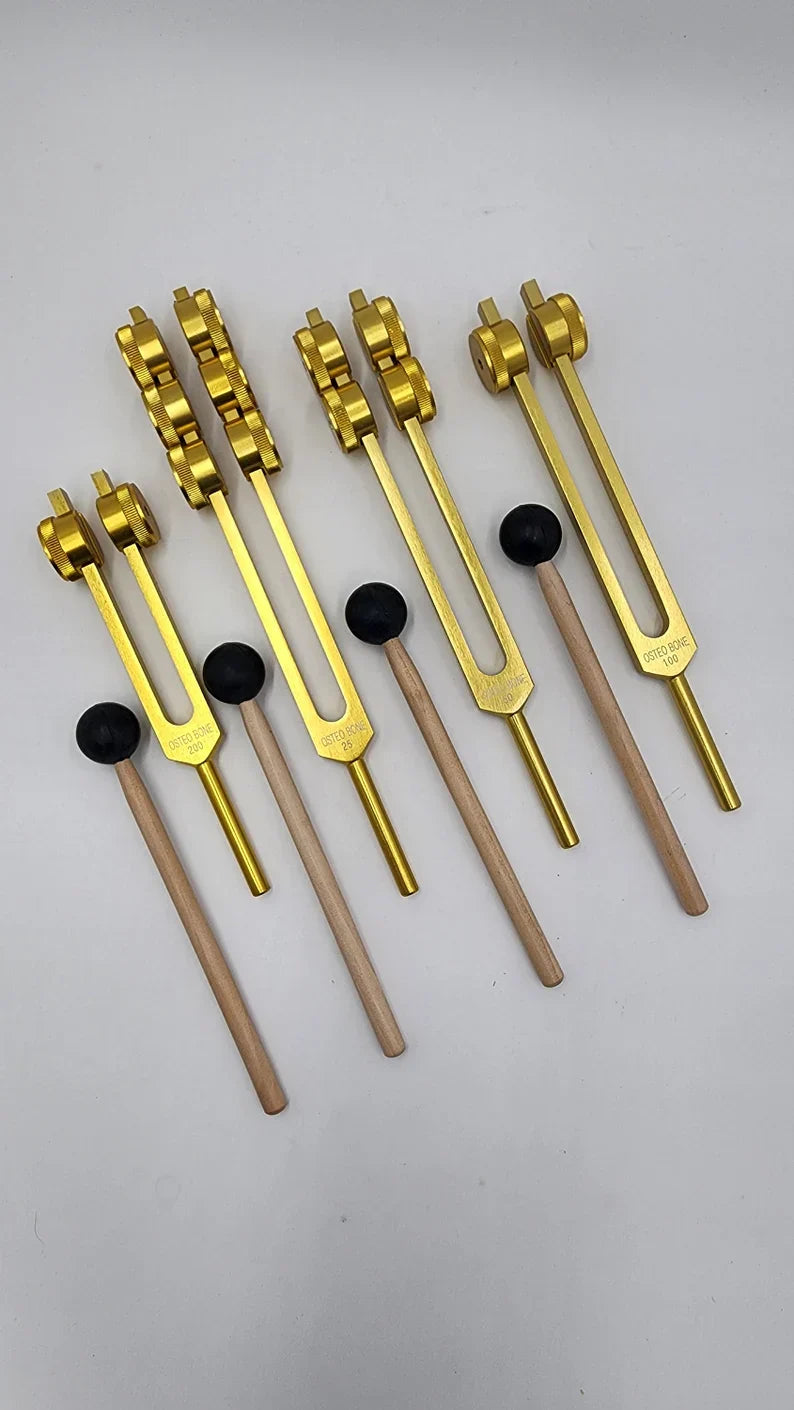
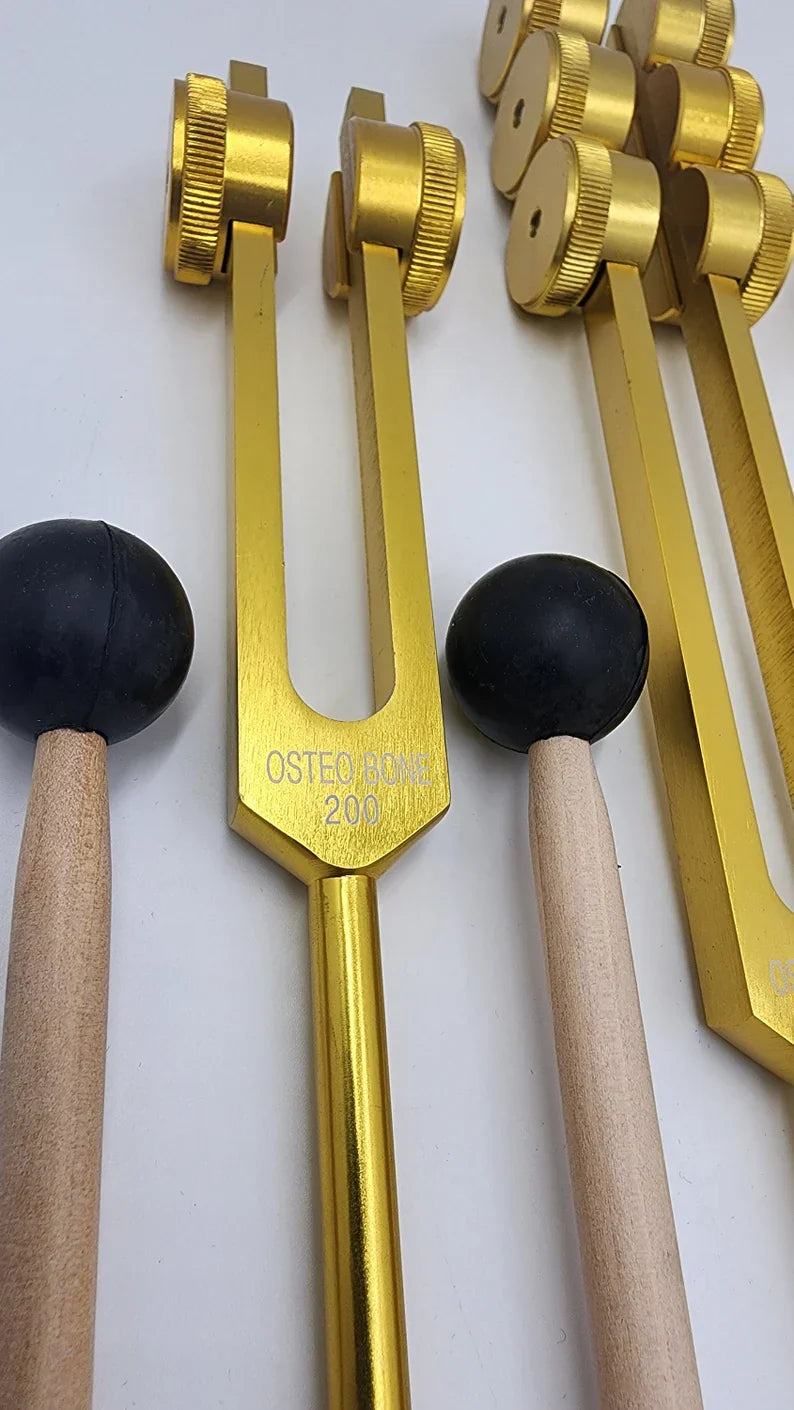
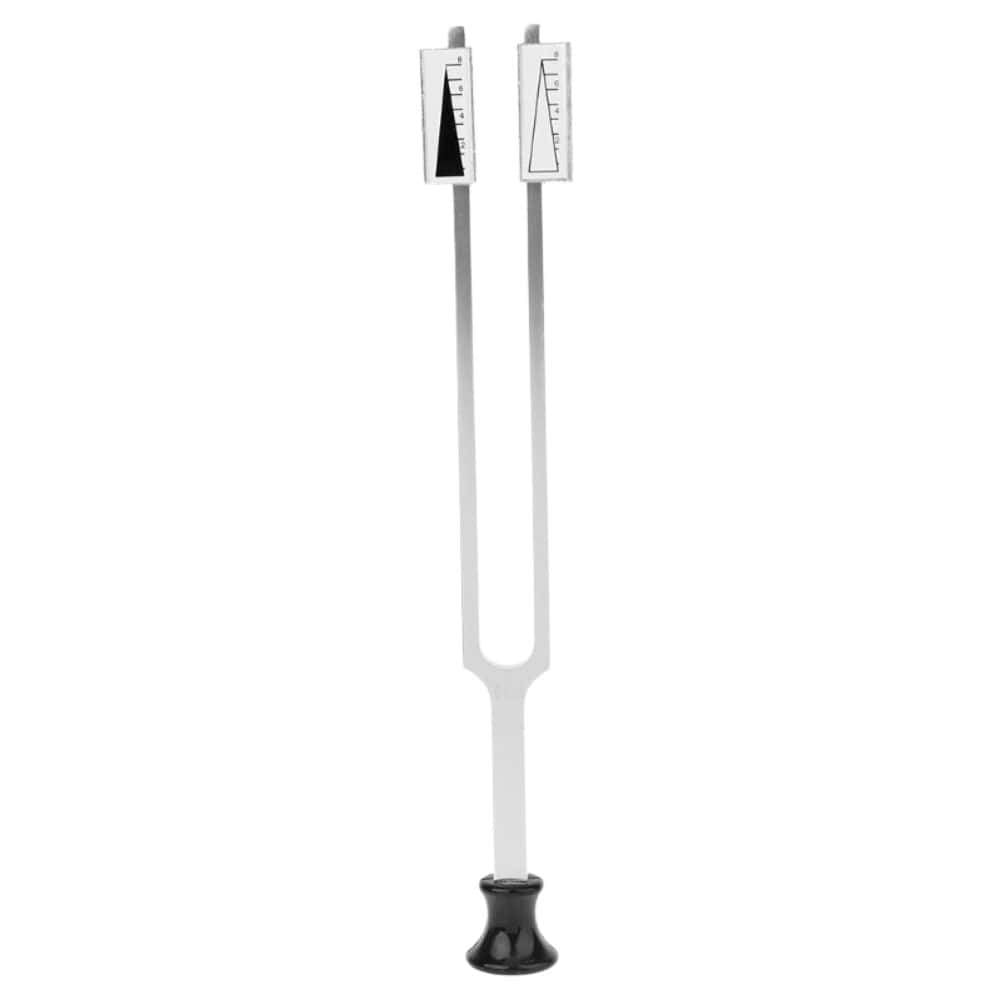
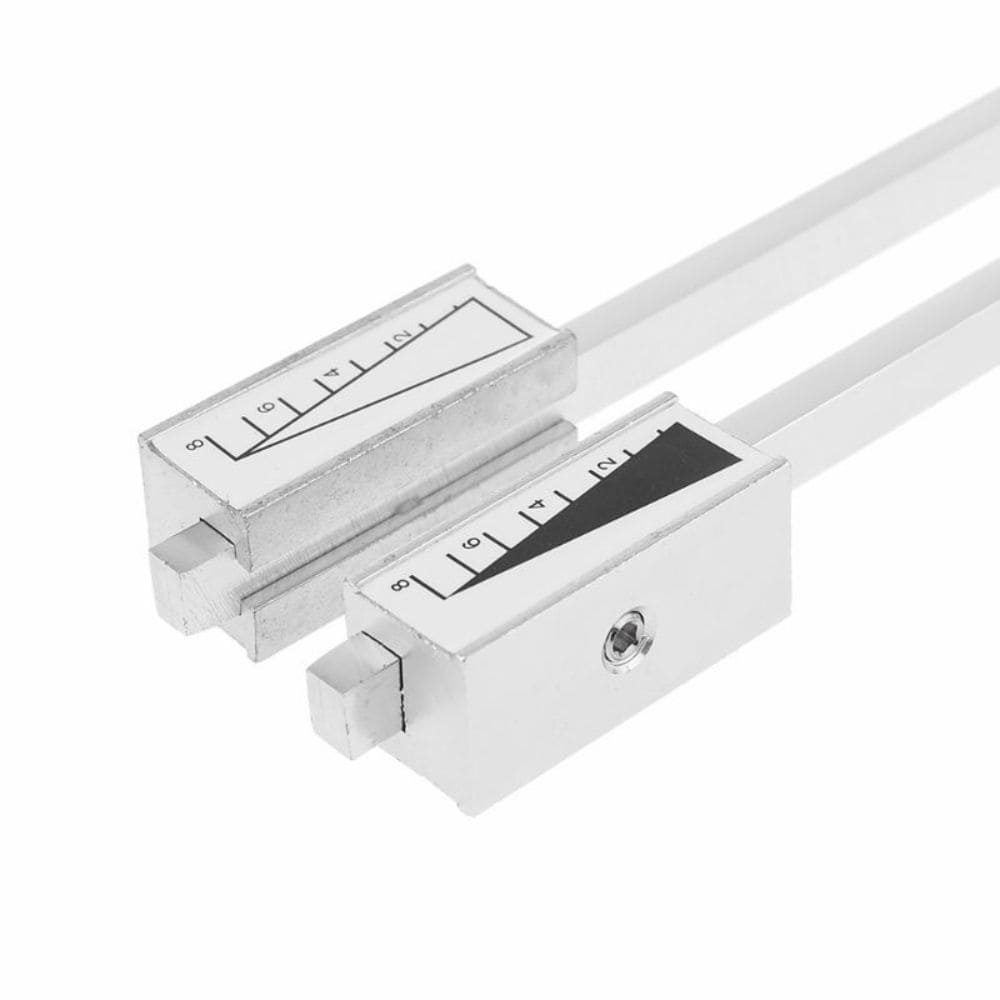
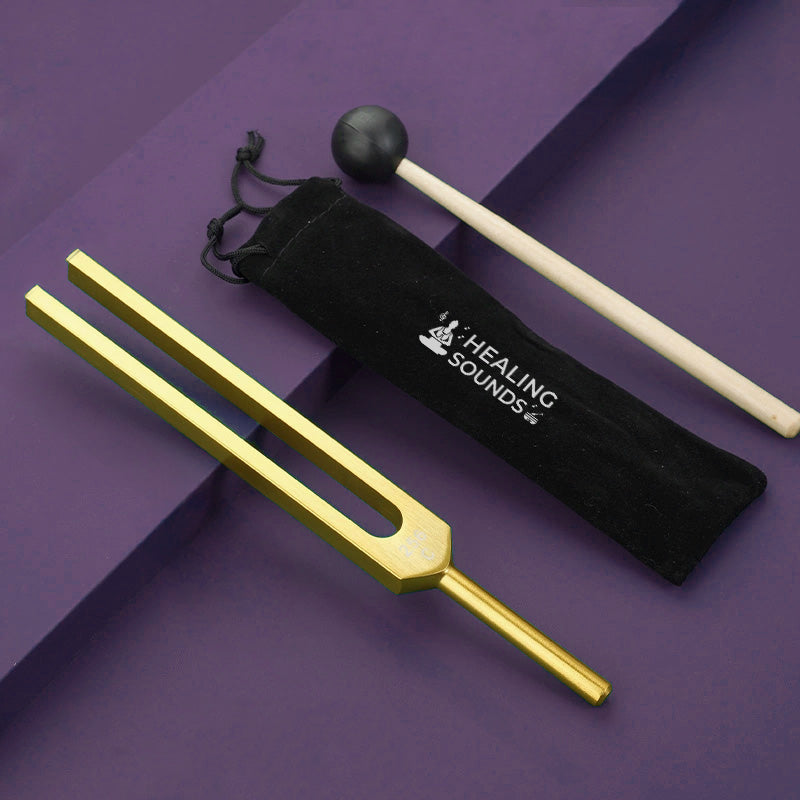
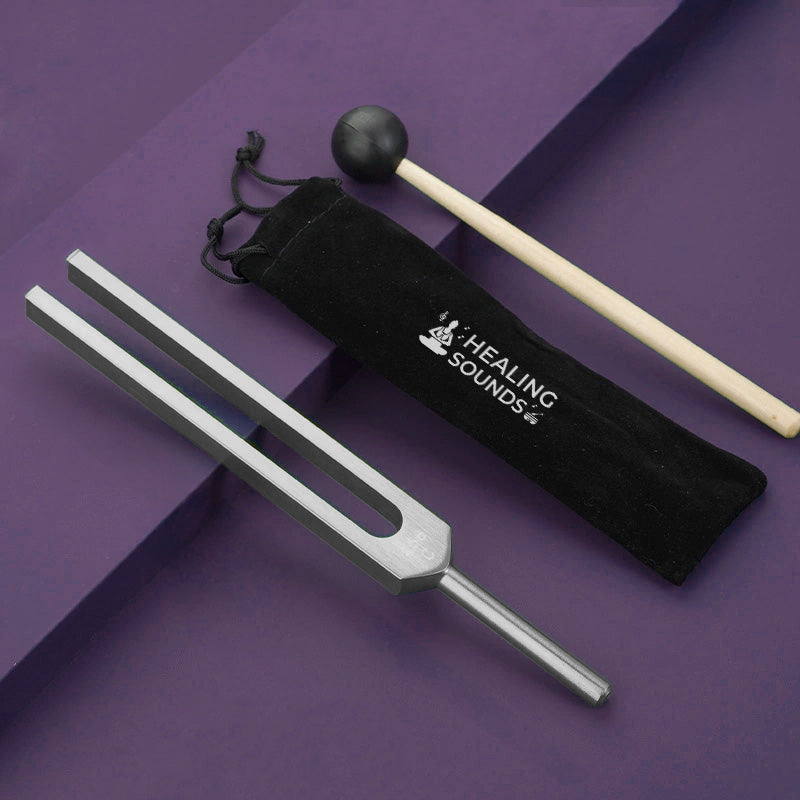
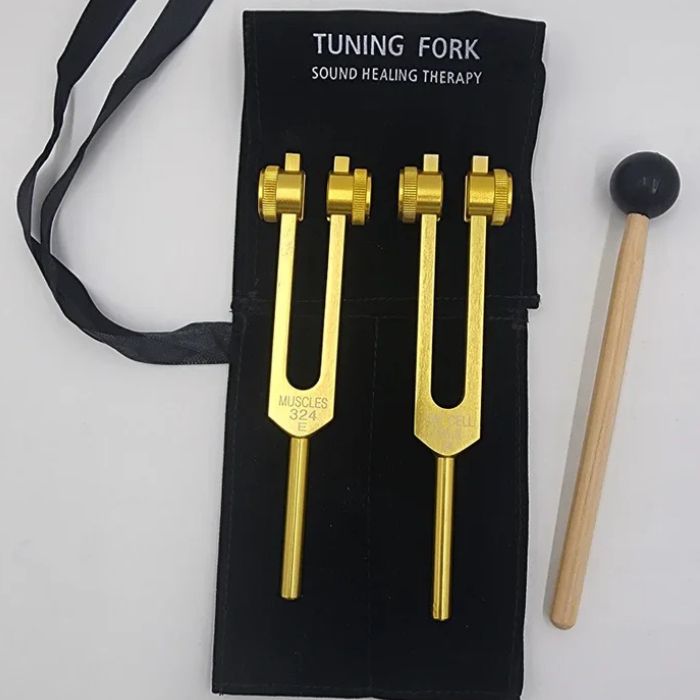
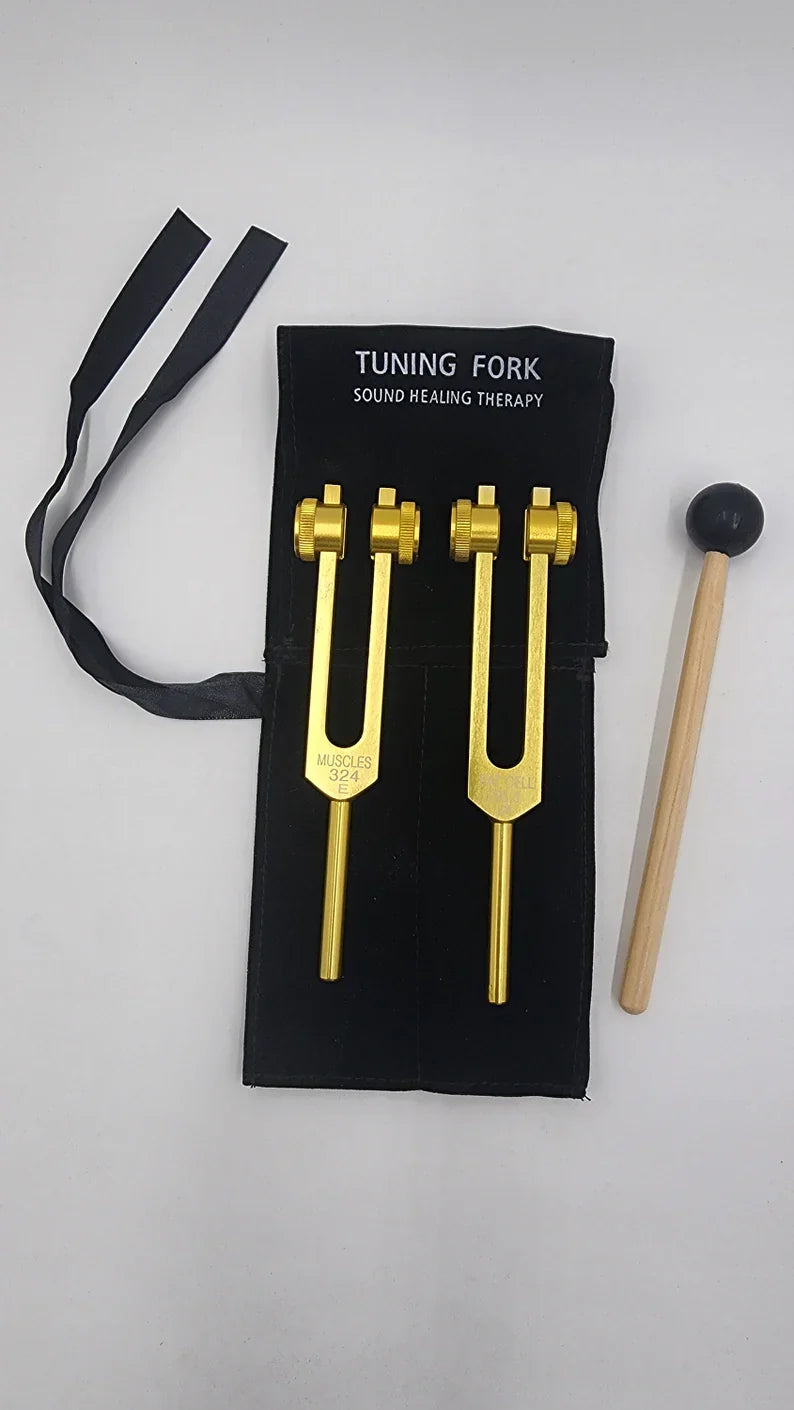
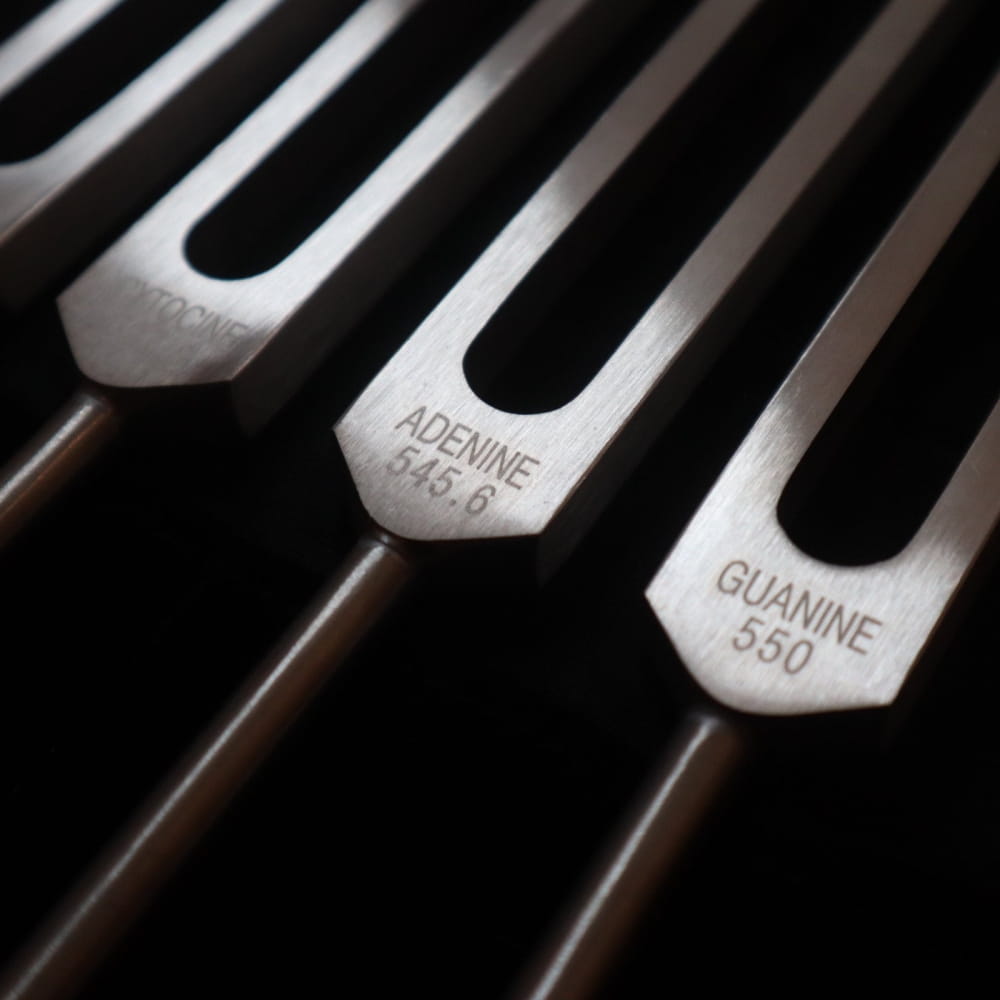
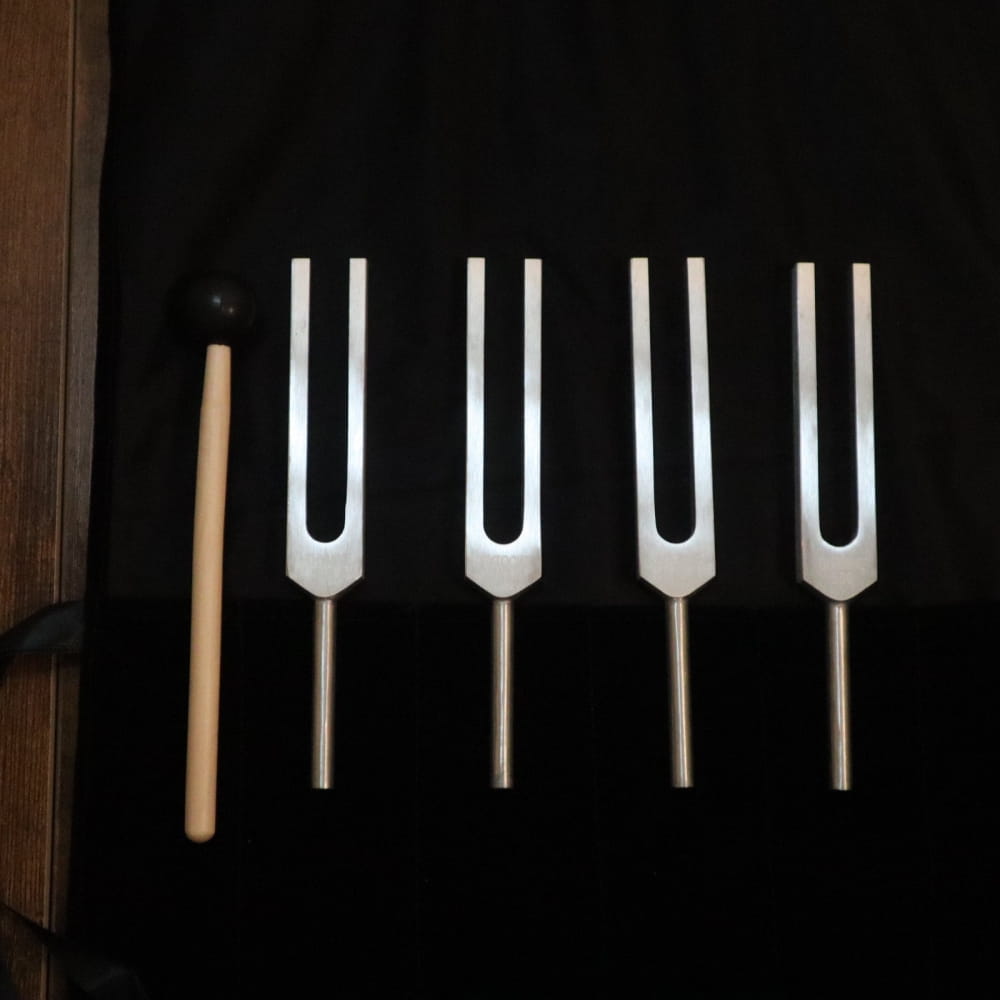
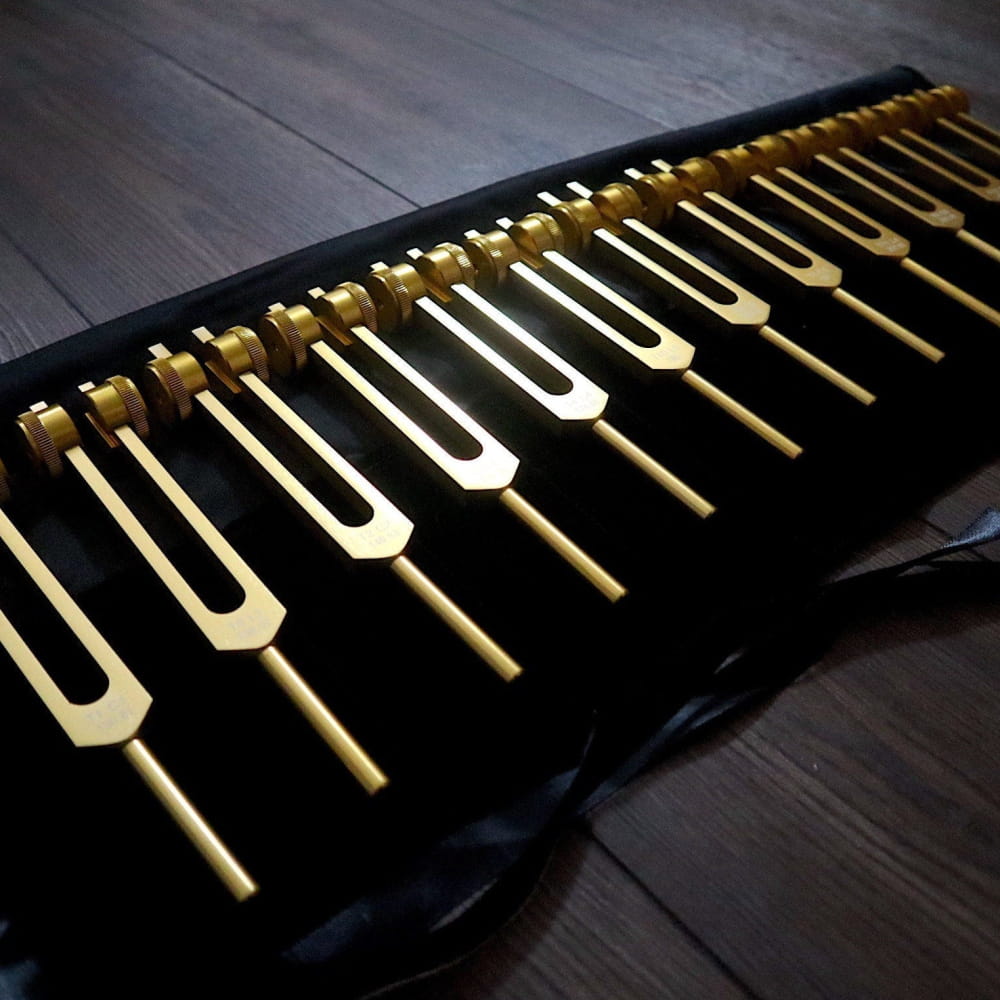
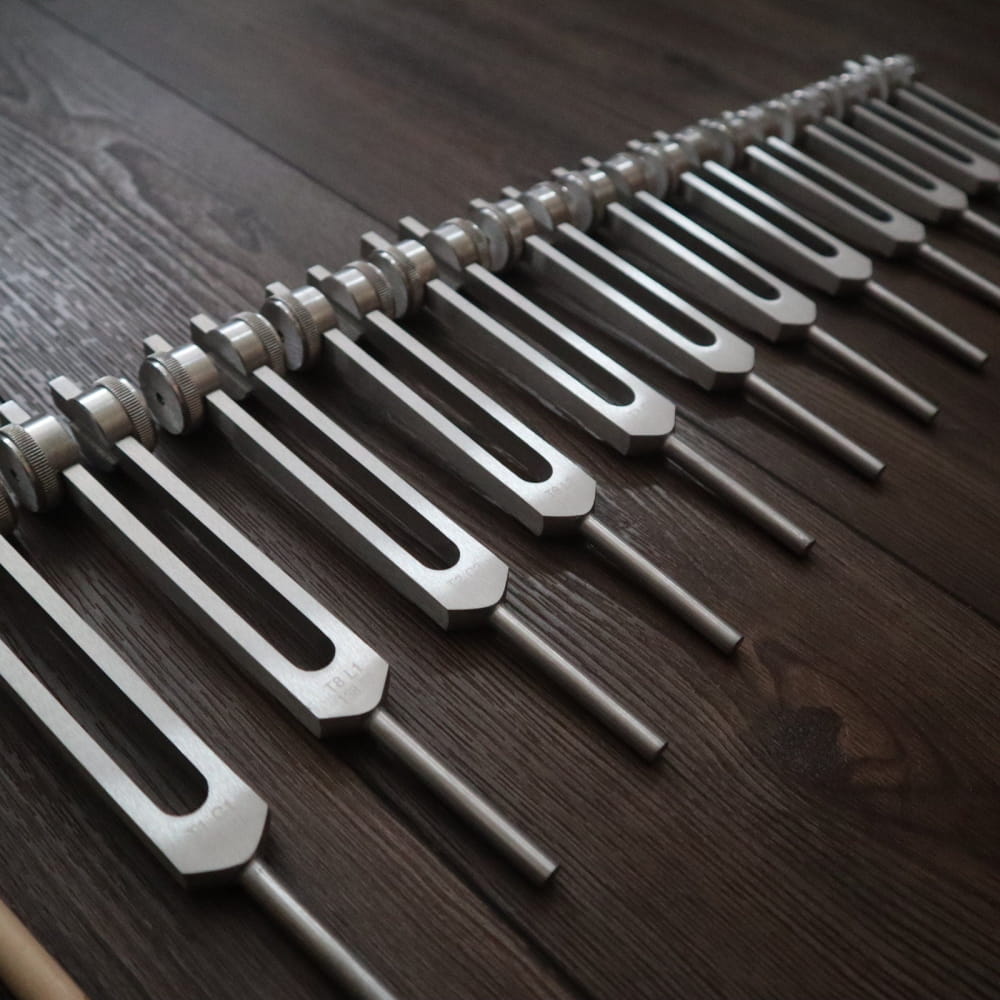
Medical tuning forks are essential diagnostic instruments used by neurologists, audiologists, orthopedic specialists and general practitioners in clinical assessment worldwide. Unlike tuning forks for healing or sound therapy, clinical tuning forks are specifically designed and calibrated for medical examinations including peripheral neuropathy screening, vibration sense testing, hearing assessment and bone conduction evaluation. Every medical tuning fork in our collection is CNC-machined from premium aluminum alloy, computer-verified to within +/-0.25 Hz of its target frequency and laser-engraved for clear identification in clinical environments.
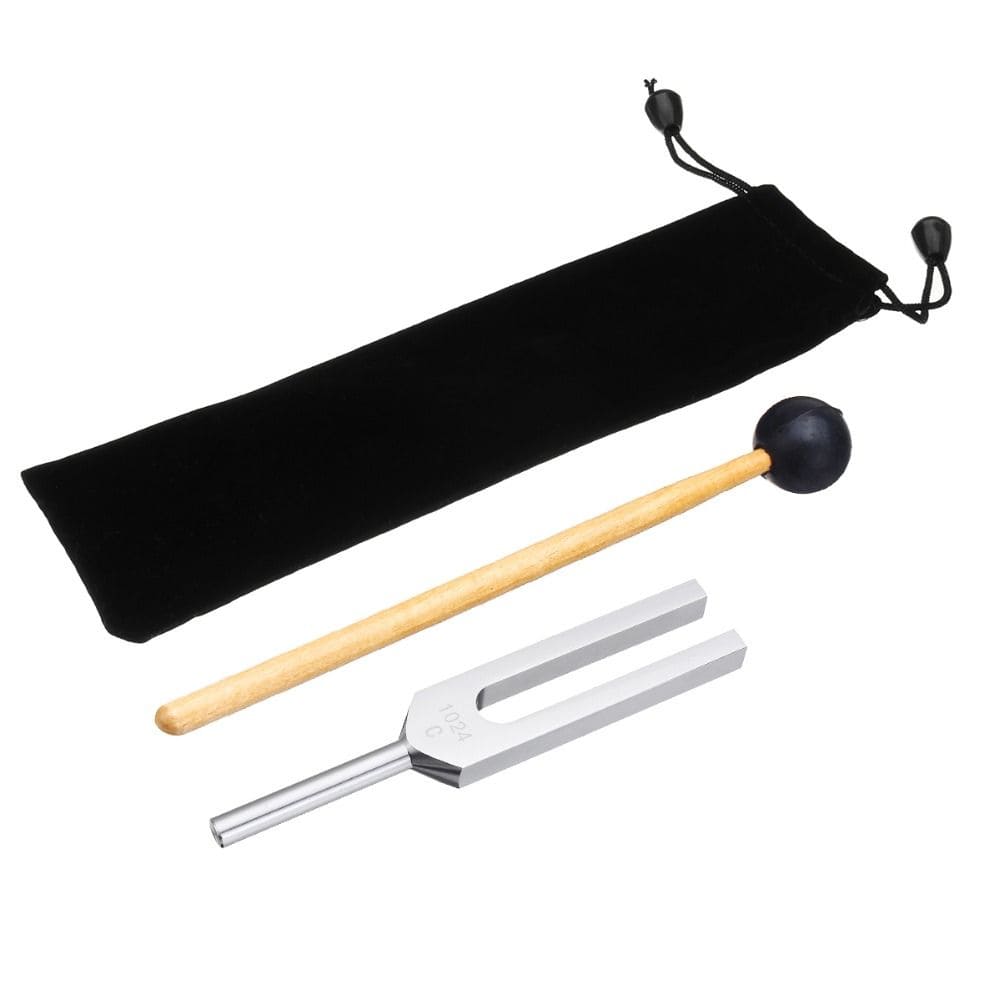
The two most widely used frequencies in medical practice are 128 Hz and 256 Hz. The 128 Hz tuning fork is the gold standard for neurological vibration testing, while the 256 Hz tuning fork is the preferred frequency for Weber and Rinne hearing tests. We also carry 512 Hz and 1024 Hz forks used in advanced audiometric assessment. Whether you are a medical student building your first diagnostic toolkit or an experienced physician replacing worn instruments, our medical tuning forks deliver the precision and durability that clinical practice demands.
Looking for medical tuning fork sets? Our curated tuning fork sets include pre-matched clinical configurations for neurology, audiology and general practice. For individual frequency selection, browse the full collection below.
128 Hz vs 256 Hz Medical Tuning Forks: Clinical Applications Compared
Understanding the difference between the 128 Hz and 256 Hz tuning fork is critical for selecting the right instrument for each clinical scenario. These two frequencies serve fundamentally different diagnostic purposes.
The 128 Hz Tuning Fork in Neurological Examination
The 128 Hz tuning fork is the most important single frequency in neurological assessment. It is used primarily for vibration sense testing, a key component of the peripheral neuropathy examination. The clinician strikes the fork, places the base on a bony prominence (typically the great toe or medial malleolus) and asks the patient when the vibration stops. Reduced vibration perception is an early indicator of peripheral neuropathy, commonly associated with diabetes, vitamin B12 deficiency, alcoholism and other neurological conditions.
The 128 Hz frequency is preferred over higher frequencies for neurological testing because it produces stronger, more easily perceived vibrations that travel efficiently through bone. Its longer vibration duration also gives clinicians more time to complete the assessment without needing to restrike the fork. The 128 Hz medical tuning fork is considered essential equipment in neurology, endocrinology, podiatry and primary care.
The 256 Hz Tuning Fork in Hearing Assessment
The 256 Hz tuning fork is the standard frequency for the Weber test and Rinne test, two bedside hearing examinations that differentiate between conductive and sensorineural hearing loss. In the Weber test, the vibrating fork is placed on the midline of the forehead, and the patient reports whether sound is heard equally in both ears or lateralizes to one side. In the Rinne test, the fork is placed on the mastoid bone (bone conduction) and then held near the ear canal (air conduction) to compare perception pathways.
The 256 Hz frequency is preferred for these tests because it provides an optimal balance between audibility and vibration duration. Higher frequencies (512 Hz, 1024 Hz) produce shorter vibration times that can make testing more difficult, while lower frequencies can be perceived more as vibration than sound, confounding the hearing assessment.
Frequency
Primary Clinical Use
Test Type
Specialty
128 Hz
Vibration sense testing
Peripheral neuropathy screening
Neurology, endocrinology, podiatry
256 Hz
Hearing assessment
Weber test, Rinne test
Audiology, ENT, primary care
512 Hz
Advanced hearing assessment
Weber test, Rinne test (higher sensitivity)
Audiology, ENT
1024 Hz
High-frequency audiometry
Sensorineural hearing evaluation
Audiology
How Physicians Use Medical Tuning Forks in Clinical Settings
Peripheral Neuropathy Screening Protocol
Systematic vibration sense testing with a 128 Hz tuning fork follows a standardized protocol. The clinician first demonstrates the sensation on the patient's wrist or sternum so the patient knows what to expect. The vibrating fork is then placed on the interphalangeal joint of the great toe. The patient indicates when vibration begins and when it stops. If vibration perception is absent distally, the clinician moves proximally to the medial malleolus, then the tibial tuberosity, testing sequentially until vibration is perceived. This proximal migration pattern helps map the extent of neuropathic involvement.
The test is bilateral -- both feet are examined and compared. Significant asymmetry can indicate unilateral nerve compression or focal neuropathy rather than systemic peripheral neuropathy. Medical tuning fork vibration testing remains a first-line clinical tool because it requires no electricity, no calibration equipment and can be performed at the bedside in under two minutes.
Fracture Assessment with Tuning Forks
Some orthopedic and emergency medicine practitioners use tuning forks as an adjunct screening tool when evaluating suspected stress fractures, particularly when imaging is not immediately available. The vibrating fork is placed along the suspected fracture site. Increased pain with tuning fork application compared to the contralateral side may suggest a fracture, though imaging remains the definitive diagnostic standard. This technique is most commonly applied to metatarsal stress fractures in athletes and military personnel.
Selecting the Right Medical Tuning Fork for Your Practice
Choosing the correct clinical tuning fork depends on your specialty, the examinations you perform most frequently and whether you need individual forks or a complete medical tuning fork set.
For neurologists and endocrinologists: The 128 Hz tuning fork is your primary instrument. It is indispensable for diabetic neuropathy screening and general neurological examination. Consider adding a 256 Hz fork if you also perform bedside hearing assessments.
For audiologists and ENT specialists: Start with the 256 Hz tuning fork for Weber and Rinne tests. A set including 512 Hz and 1024 Hz allows for more comprehensive audiometric screening across multiple frequency ranges.
For general practitioners and medical students: A medical tuning fork set with both 128 Hz and 256 Hz covers the most common bedside examinations. This two-fork combination handles both neurological vibration testing and hearing assessment -- the two most frequent tuning fork applications in primary care.
For podiatrists: The 128 Hz tuning fork is essential for diabetic foot examinations and routine peripheral neuropathy screening in at-risk populations. It is one of the most cost-effective screening tools in podiatric practice.
Medical Tuning Forks vs Sound Therapy Tuning Forks
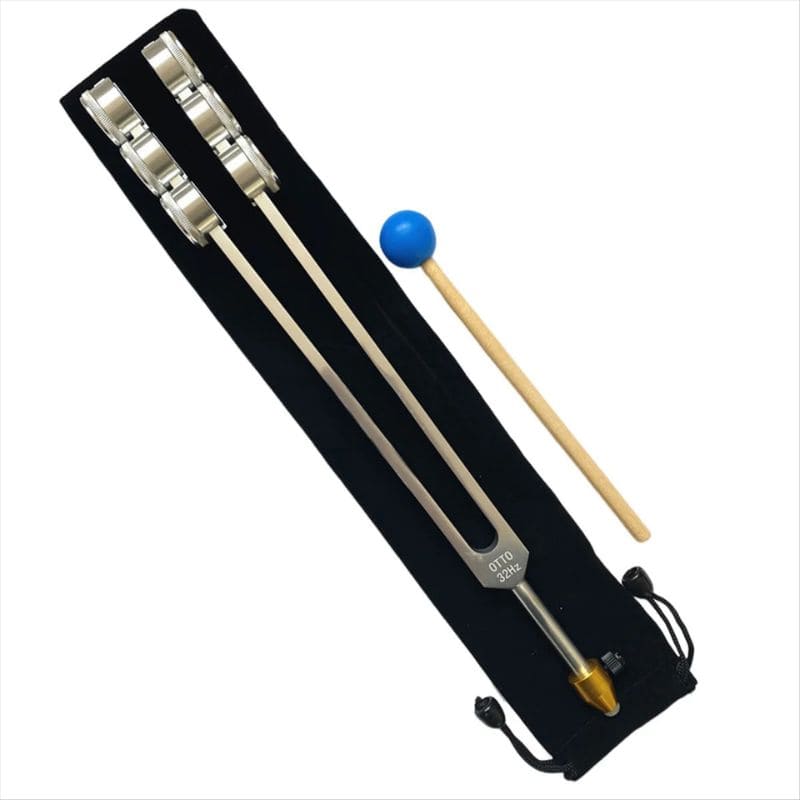
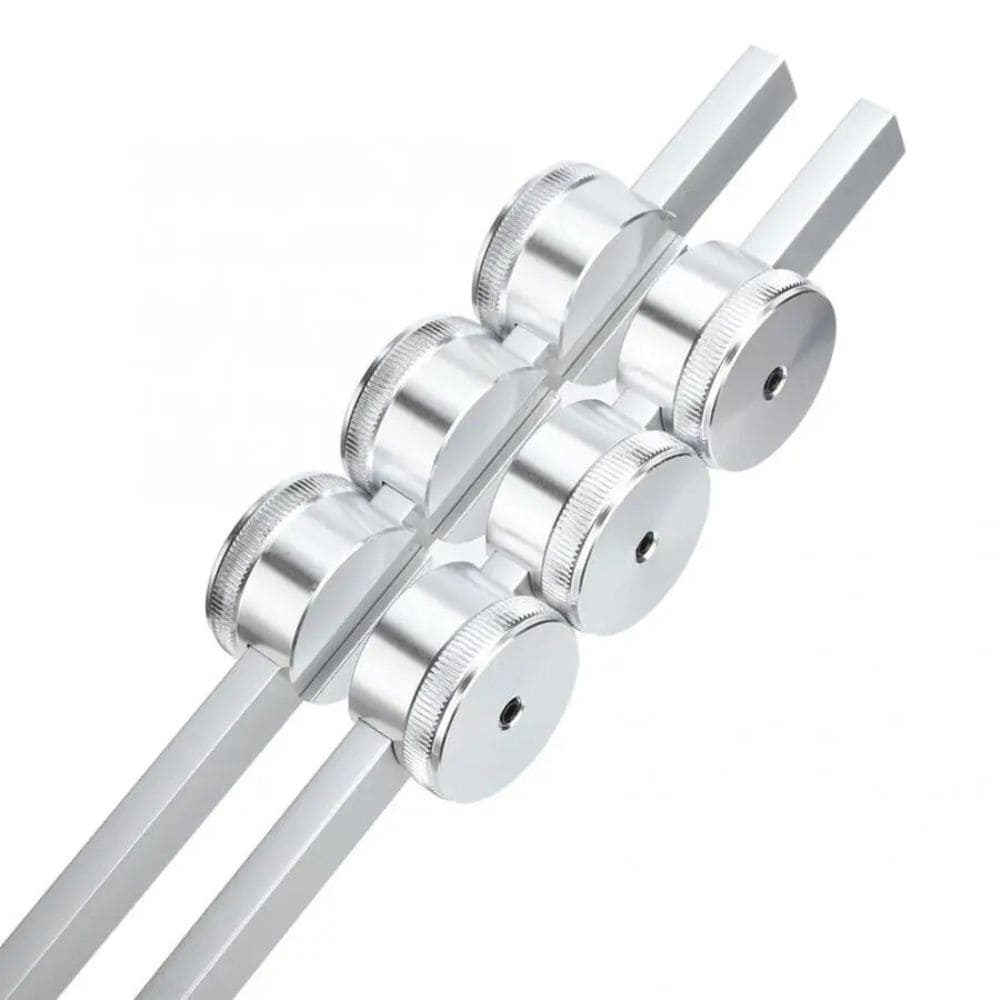
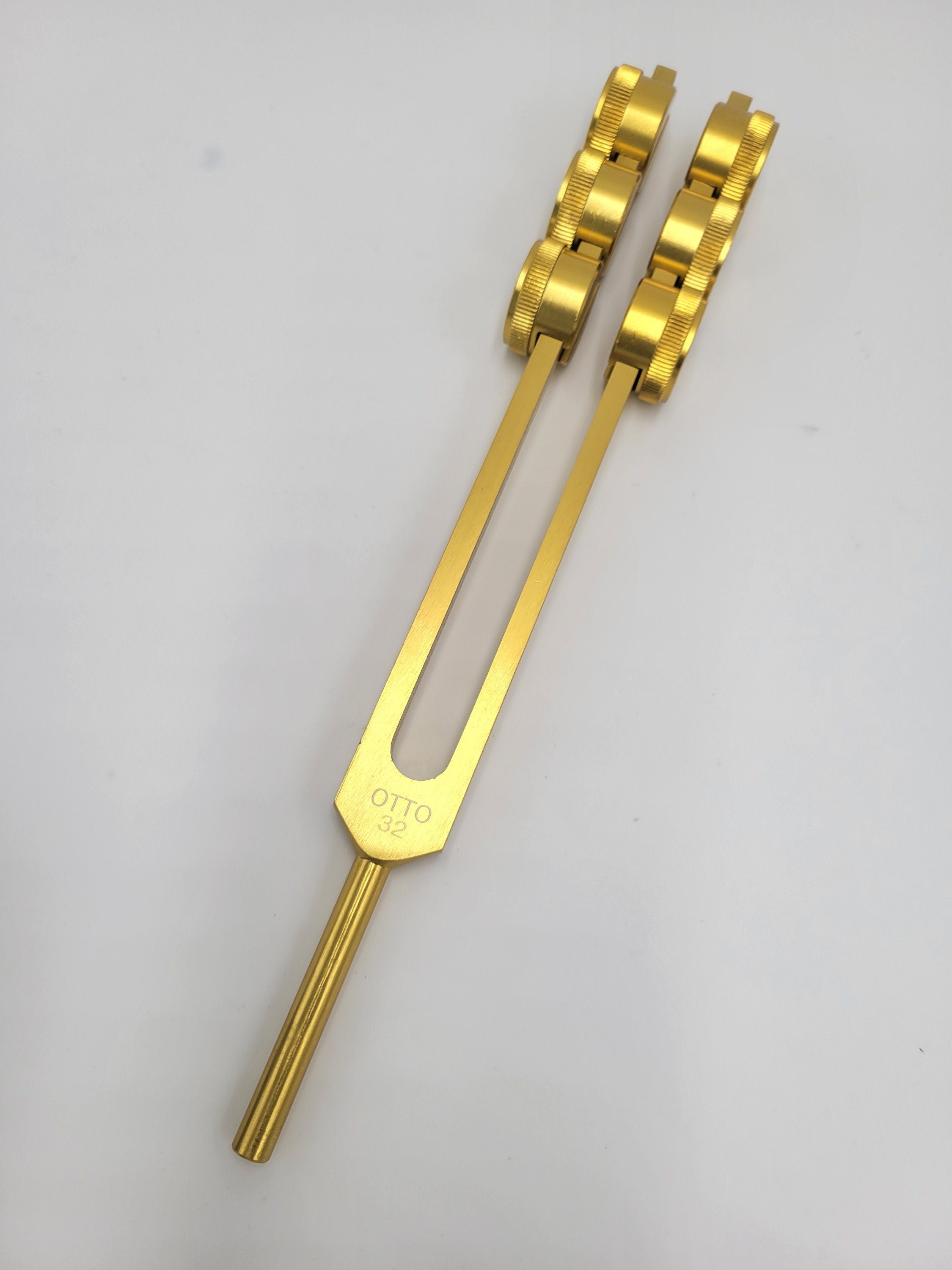
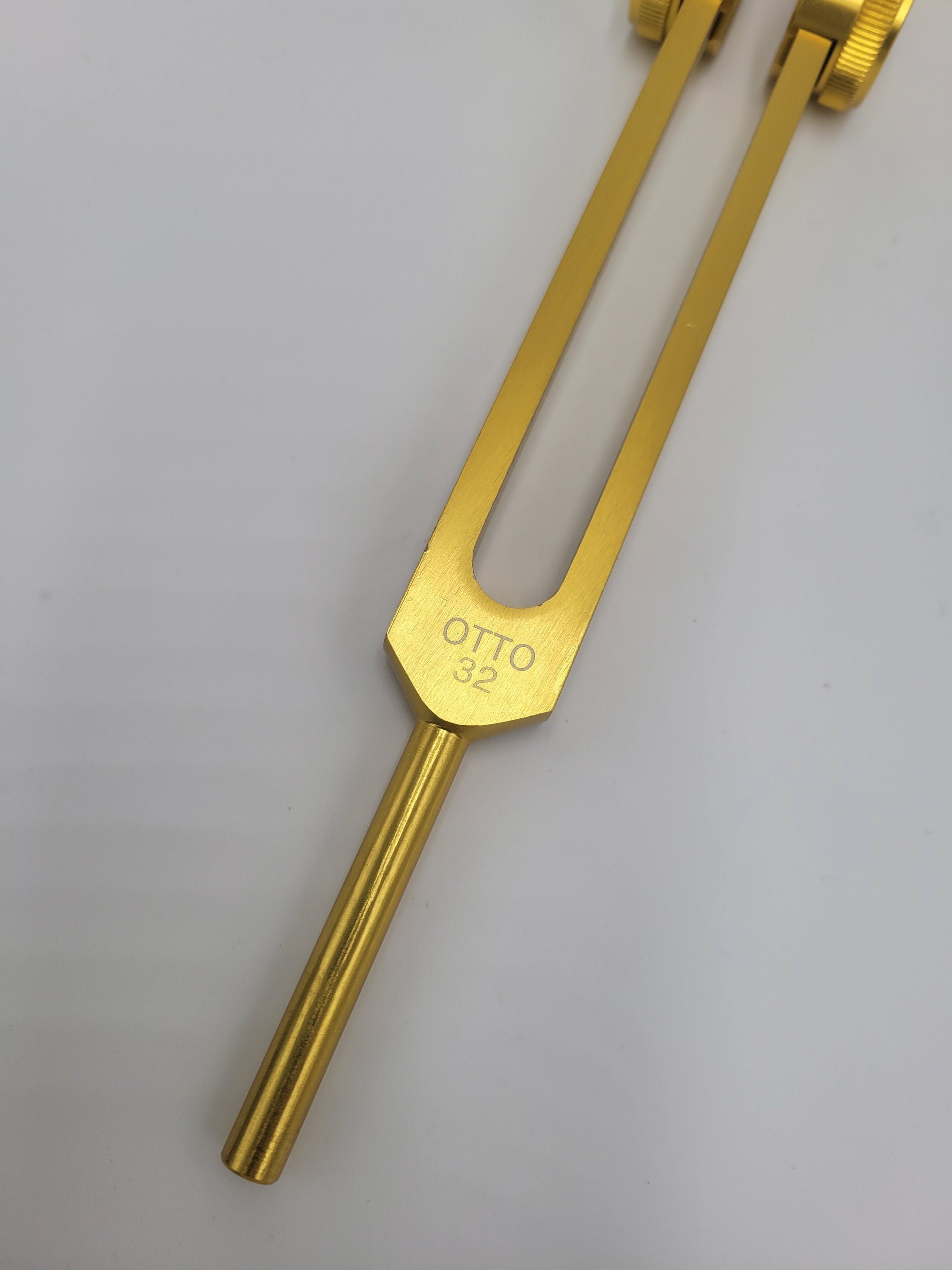
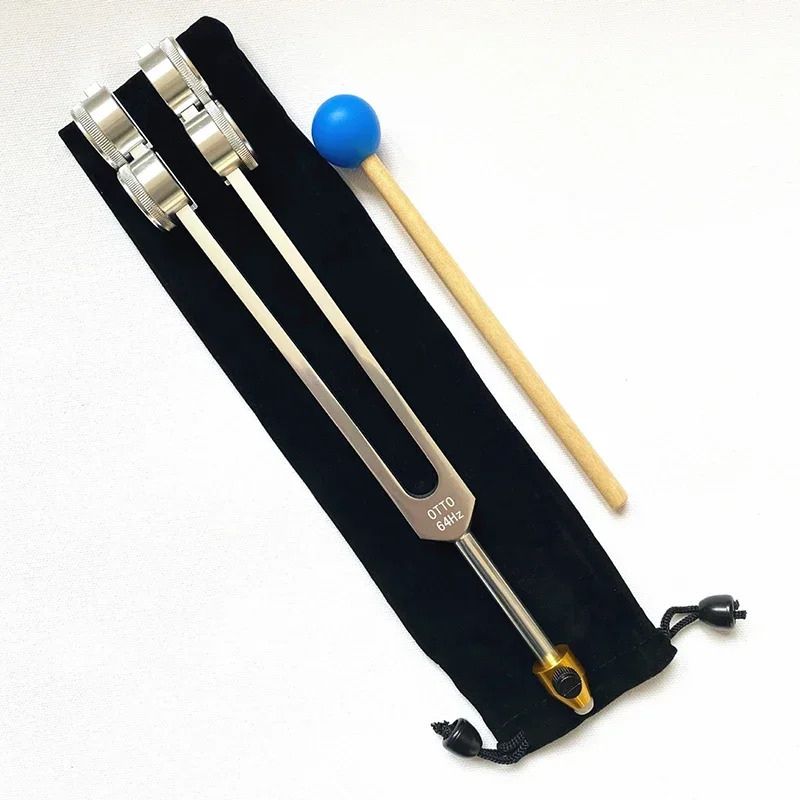
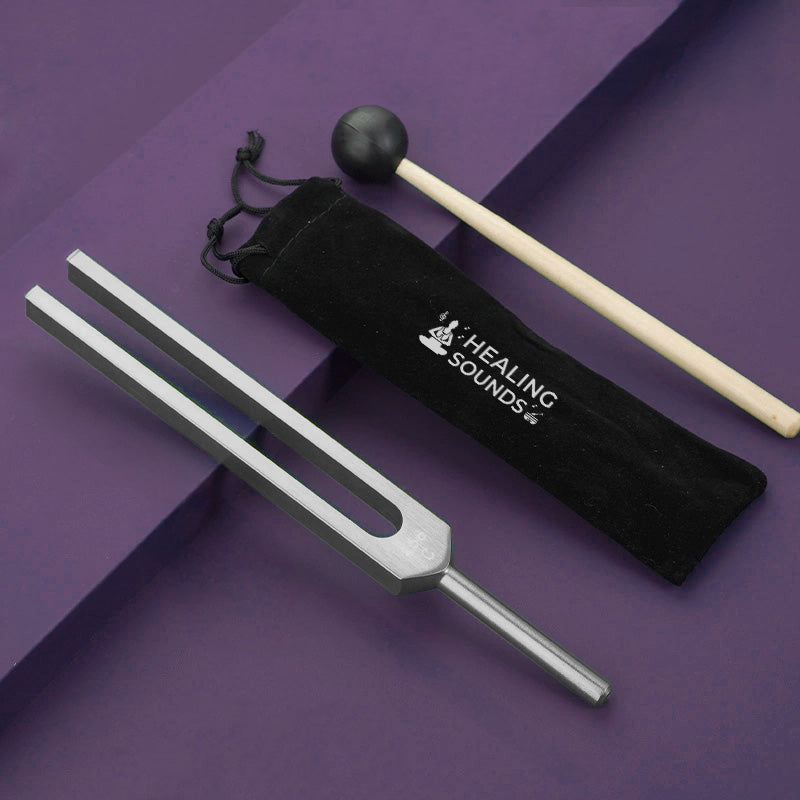
While all our tuning forks share the same precision manufacturing standards, medical tuning forks and healing tuning forks serve different purposes. Clinical forks are selected for their diagnostic utility at specific frequencies verified through decades of medical literature. Sound therapy tuning forks are chosen for their vibrational and tonal qualities in wellness applications. A 128 Hz medical tuning fork and a 128 Hz Otto tuner produce the same frequency, but the weighted Otto tuner is designed for sustained body contact therapy, while the unweighted medical fork is optimized for brief diagnostic application.
Healthcare professionals who practice both clinical medicine and integrative wellness often maintain separate sets for each purpose. Explore our weighted tuning forks and tuning forks for healing collections for therapeutic applications.
Additional Resources for Clinical and Sound Healing Professionals
All Tuning Forks -- browse our complete catalog of over 50 frequencies
Medical Tuning Fork Questions for Healthcare Professionals
Medical tuning forks are used for neurological and audiological assessment. The 128 Hz tuning fork tests vibration sense to screen for peripheral neuropathy, commonly in diabetic patients. The 256 Hz tuning fork is used for Weber and Rinne hearing tests to differentiate conductive from sensorineural hearing loss. Higher frequencies (512 Hz, 1024 Hz) are used in advanced audiometric evaluation. Tuning forks remain standard bedside diagnostic instruments in neurology, audiology, ENT, endocrinology, podiatry and primary care.
The 128 Hz tuning fork is the standard instrument for neurological examination. It is the most widely recommended frequency for vibration sense testing in peripheral neuropathy assessment because it produces strong, easily perceived vibrations that travel efficiently through bone. Most neurology textbooks and clinical guidelines specify the 128 Hz fork for this purpose. Adding a 256 Hz fork allows the neurologist to perform bedside hearing tests as well, making the 128 Hz and 256 Hz combination the most comprehensive two-fork set for neurological practice.
Use the 128 Hz tuning fork for vibration sense testing and peripheral neuropathy screening. Use the 256 Hz tuning fork for Weber and Rinne hearing tests. These are distinct examinations that require different frequencies. The 128 Hz fork vibrates longer and produces stronger tactile vibration for neurological assessment. The 256 Hz fork produces a clearer audible tone at a frequency optimal for differentiating conductive from sensorineural hearing loss. Most clinicians keep both frequencies in their diagnostic kit.
In clinical settings, the physician strikes the tuning fork to activate its vibration and applies it to specific body locations. For neurological assessment, the vibrating 128 Hz fork is placed on bony prominences (great toe, medial malleolus, patella) to test vibration perception. For hearing tests, the 256 Hz fork is placed on the forehead (Weber test) or alternated between the mastoid bone and ear canal (Rinne test). The entire examination typically takes one to two minutes per test and requires no specialized equipment beyond the tuning fork itself.
Doctors most commonly use 128 Hz and 256 Hz tuning forks. The 128 Hz fork is standard for neurological vibration testing and is the most frequently used medical tuning fork across all specialties. The 256 Hz fork is the standard for bedside hearing assessment. Audiologists may also use 512 Hz and 1024 Hz forks for more detailed hearing evaluation. General practitioners and medical students typically start with a 128 Hz and 256 Hz set, which covers the two most common clinical tuning fork examinations.
In standard medical practice, tuning forks are diagnostic instruments, not pain treatment tools. However, in the complementary therapy space, weighted tuning forks such as the 128 Hz Otto tuner are widely used by practitioners for vibration therapy aimed at promoting relaxation and reducing muscle tension. Many sound therapy clients report subjective pain reduction after sessions. If you are interested in therapeutic vibration applications, explore our weighted tuning forks or tuning forks for healing collections.
Filters (0)
High-Quality Tuning Forks Collection
Discover premium tuning forks for perfect sound calibration.
Enhance Your Sound Experience
Achieve precise tonal quality with our tuning forks.
Recently viewed
Treat yourself to a relaxing moment
With our best instruments. Handcrafted from the finest materials.
Created by healing enthousiasts
We know your needs because we use our products too. We are the first users.
Money-back guarantee
You have 60 days to return your order if it doesn't fit (you'll love it anyway).
100% secured payments
So you can remain in deep peace until you receive your order.