
handpan Nitrided steel
3 products
Showing 1 - 3 of 3 products
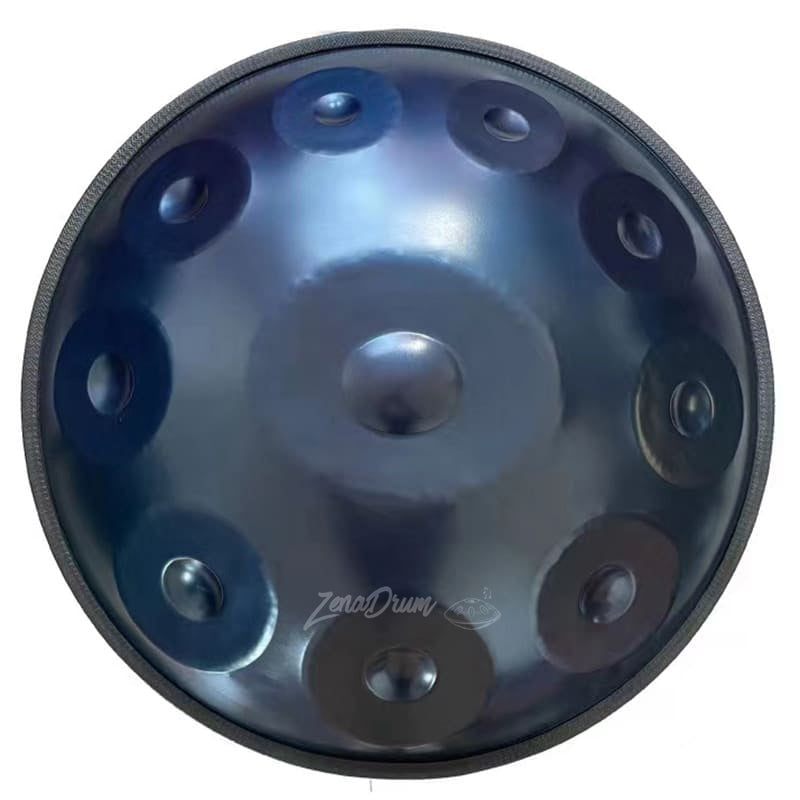
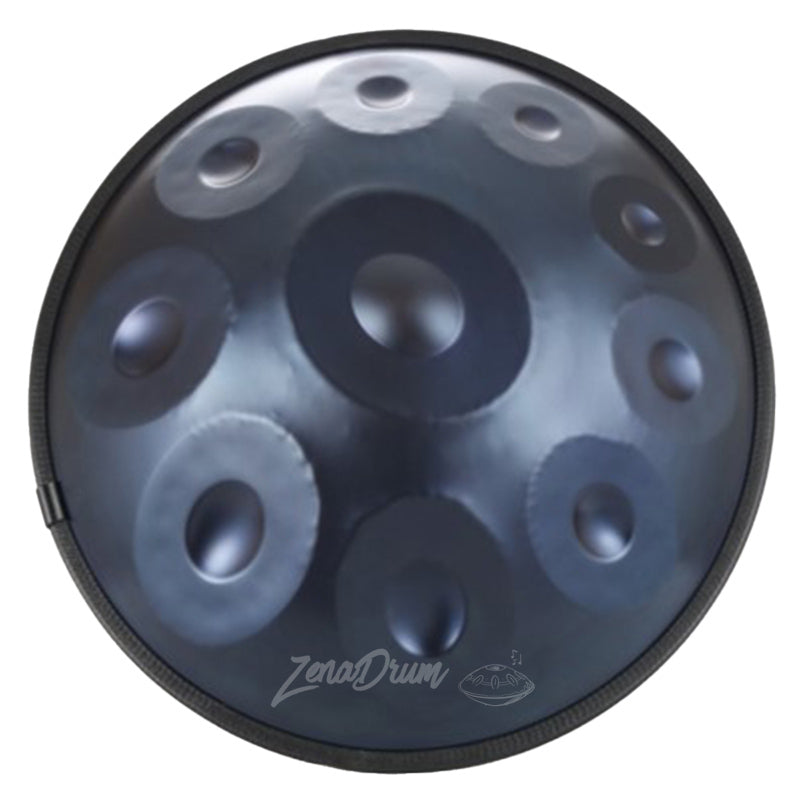
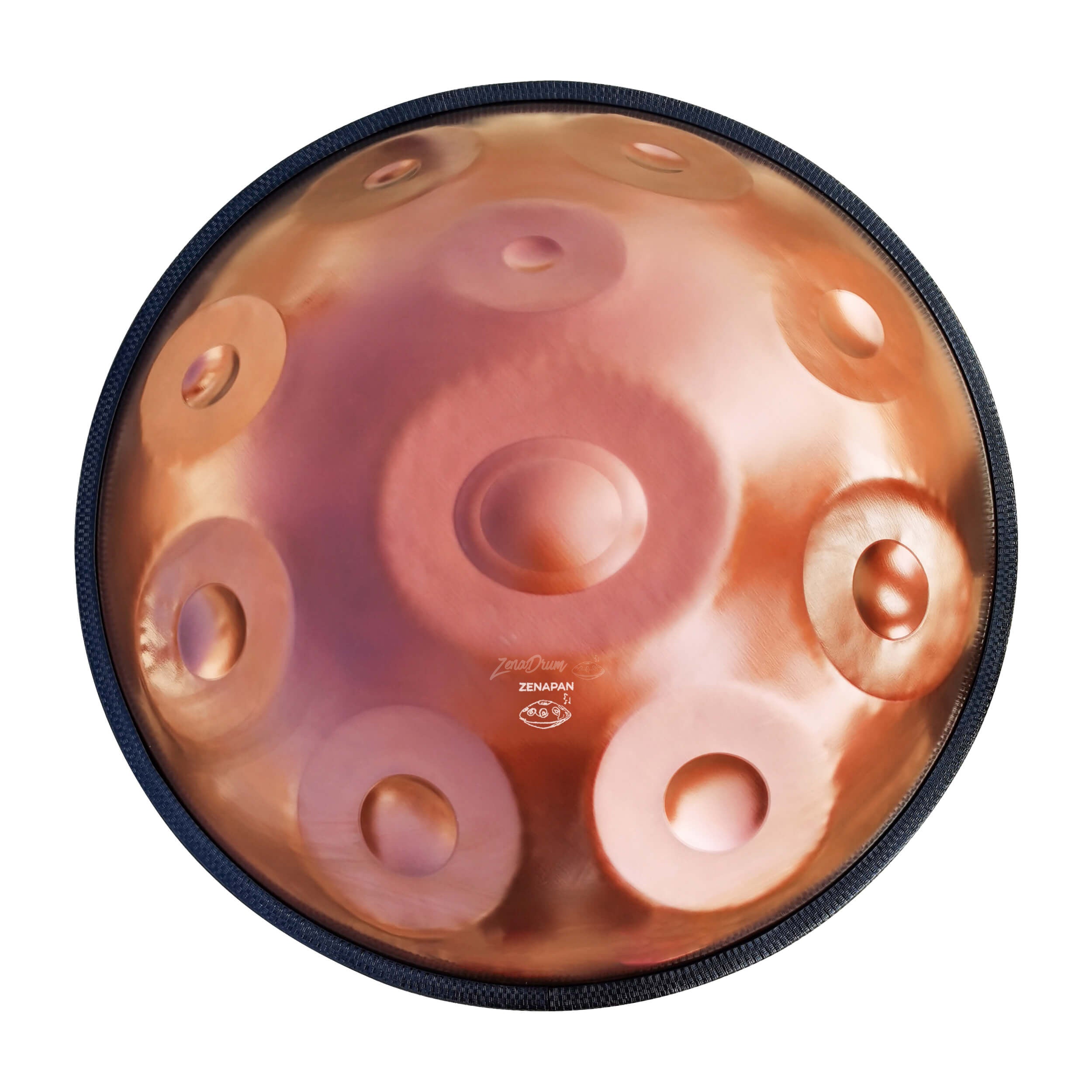
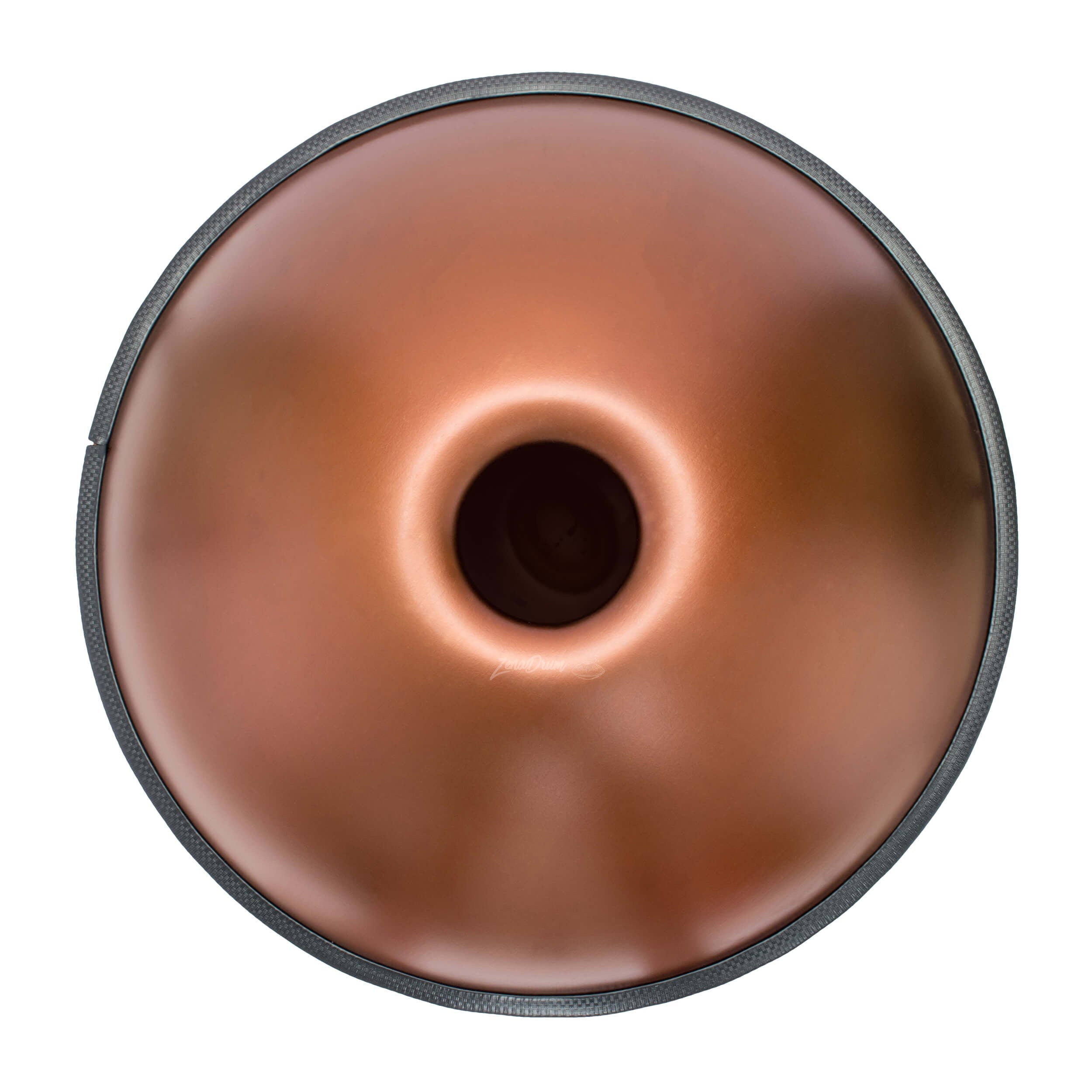
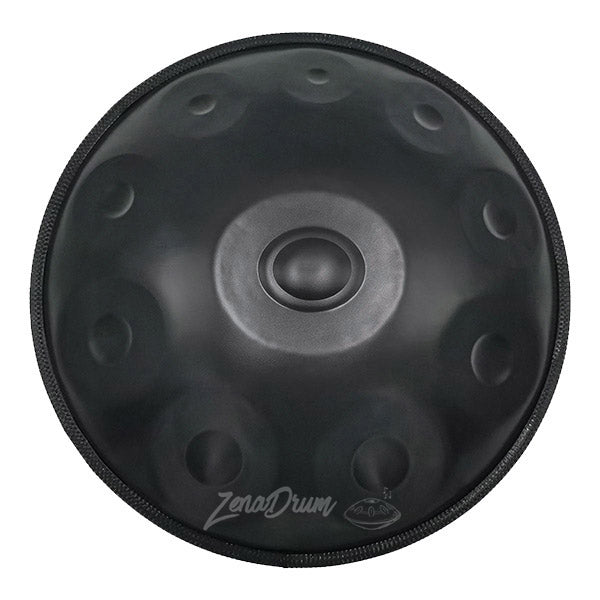
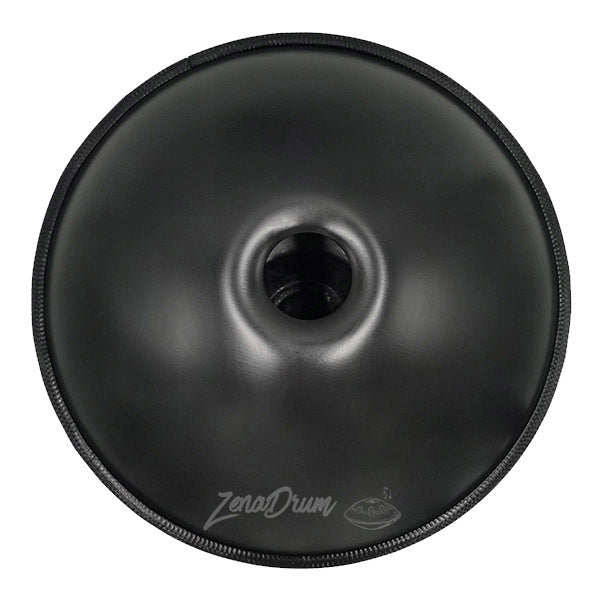
The nitrided steel handpan is the instrument that purists, professional performers, and studio musicians reach for when warmth, expressiveness, and dynamic sensitivity matter most. Our nitrided steel handpan collection features hand-tuned instruments across sought-after scales — including D Minor, Celtic Minor, and Kurd — with note configurations from 9 notes for developing players to 12 notes and beyond for ambitious performers.
Nitrided steel is the original handpan material — the classic choice that defined the instrument's voice before stainless and ember steel entered the market. Through a controlled heat-treatment process called nitriding, raw steel develops a hardened surface layer that enhances acoustic resonance while providing moderate corrosion protection. The result is an instrument with a distinctly warm, organic, and earthy tone that responds to the subtlest variation in finger pressure. Where stainless steel shimmers with bright clarity, nitrided steel whispers with intimate depth.
Search interest in nitrided steel handpans has grown by over 900 percent in the past year as players increasingly seek out specific materials to match their tonal preferences. Whether you are a beginning player drawn to warm sounds or a professional musician who values dynamic control, this guide explains why nitrided steel remains the gold standard for expressive handpan playing. Browse the full handpan collection to compare every material and scale.
The Nitriding Process: How Heat Treatment Creates the Classic Handpan Voice
Nitriding is a thermochemical surface-hardening process used in industrial metalworking for over a century. During nitriding, shaped steel shells are placed inside a sealed furnace flooded with nitrogen-rich gas at temperatures between 500 and 570 degrees Celsius. Nitrogen atoms diffuse into the outer layers of the metal over several hours, creating two distinct zones.
The outermost layer — the compound layer — is extremely hard and only a few micrometers thick. Beneath it lies the diffusion zone, where nitrogen concentration gradually decreases toward the untreated core. This dual-layer architecture is the secret behind the acoustic magic: the hard outer shell provides the rigidity needed for precise pitch definition, while the softer core vibrates freely, generating lush overtones and sustained resonance.
The process also gives nitrided steel its distinctive dark grey or matte black appearance — not a coating but a fundamental change in the steel's molecular structure. For a broader look at how materials evolved alongside the instrument, read our article on handpan origins and evolution.
Tonal Signature of Nitrided Steel: Warmth, Dynamics, and Emotional Depth
The defining qualities of a nitrided steel handpan include:
- Warm, organic tone — Notes have a round, earthy quality that feels intimate and grounding, often described as more vocal or wooden compared to the metallic brightness of stainless steel.
- Medium sustain with complex decay — Each note sings with a natural, human-paced decay. The sustain is shorter than stainless but allows faster passages to remain articulate without notes bleeding together.
- Exceptional dynamic sensitivity — Nitrided steel responds to the lightest fingertip whisper and scales smoothly to full-force strikes, offering an extraordinary range of expression within a single note.
- Focused fundamental with subtle overtones — Overtones add color without overwhelming, making nitrided steel ideal for melodic composition and ensemble playing.
- Rich harmonic warmth — Creates a deeply meditative atmosphere preferred by sound therapists and yoga practitioners for indoor healing sessions.
Nitrided Steel vs Stainless Steel vs Ember Steel: Side-by-Side Material Breakdown
| Property | Nitrided Steel | Stainless Steel | Ember Steel |
|---|---|---|---|
| Tone Character | Warm, organic, earthy | Bright, ceramic-like, shimmering | Balanced warmth with bright overtones |
| Sustain Length | Medium | Longest | Medium-long |
| Dynamic Sensitivity | Highest — extremely responsive | Moderate | Moderate-high |
| Rust Resistance | Moderate — requires regular oiling | Excellent — virtually rust-proof | Good — treated surface protection |
| Maintenance Level | Regular oiling every 2-4 weeks | Minimal — wipe with cloth | Occasional oiling every 4-8 weeks |
| Climate Tolerance | Limited — best for indoor and dry climates | Excellent — handles humidity, salt air | Good — moderate humidity tolerance |
| Best For | Studio, indoor play, purists, professionals | Outdoor play, humid climates, travelers | Versatile all-around use |
| Browse | You are here | Stainless Steel | Ember Steel |
Key takeaway: Nitrided steel is the choice for players who prioritize expressive warmth and dynamic control over weather resistance. If you play primarily indoors and commit to a simple care routine, nitrided steel rewards you with the most emotionally resonant handpan voice available.
Maintenance Essentials: Protecting Your Nitrided Steel Investment
Nitrided steel requires more attentive care than stainless steel, but the routine is straightforward and many players cherish it as a meditative ritual.
- Wipe thoroughly after every session — Use a microfiber cloth to remove sweat, which contains corrosive salt and acids, from every tone field, the Ding, the rim, and the bottom shell.
- Apply protective oil every 2 to 4 weeks — A thin layer of Phoenix oil or food-grade coconut oil creates a hydrophobic barrier. Apply evenly, wait 5 minutes, then buff to a dry finish.
- Oil more frequently in humid climates — Above 60 percent relative humidity, oil every 1 to 2 weeks.
- Store in a padded case with silica gel — Protects against dents and absorbs ambient moisture.
- Avoid temperature extremes — Never leave the instrument in a hot car, direct sunlight, or freezing conditions. Rapid changes cause tuning shifts and condensation.
For the full walkthrough covering all materials, read our handpan care and maintenance guide.
The Ideal Player Profile: Who Benefits Most from Nitrided Steel
- Tone purists and warmth seekers — Nitrided steel delivers the warm, meditative voice more faithfully than any other material.
- Professional performers and recording artists — The exceptional dynamic range lets you whisper and roar within a single phrase. In studio settings, the focused fundamental sits beautifully in a mix.
- Indoor players with a dedicated space — Controlled climate means all the tonal benefits without climate-related risks.
- Sound healers working in private settings — The intimate warmth fills a room without overwhelming it, ideal for one-on-one therapeutic sessions.
- Players who enjoy the care ritual — The oiling process becomes a mindful connection with the instrument.
Still deciding? Our complete handpan guide covers every consideration, and our beginner handpan guide helps newer players navigate both material and scale decisions. For remote purchasing advice, see our guide to buying handpans online.
Scales and Note Configurations That Shine in Nitrided Steel
- D Minor — The melancholic character becomes deeply moving in nitrided steel, perfect for solo meditation and contemplation.
- Celtic Minor — Gains an authentic, ancient resonance, as if channeling centuries of storytelling tradition.
- Kurd — Reveals its full emotional range through nitrided steel's dynamic sensitivity.
- C Major — Even major scales gain depth, with a warm brightness that feels sunny without becoming harsh.
- G Minor — The deep register pairs naturally with nitrided steel's earthy character.
For note count, 9-note and 10-note configurations are the most popular — enough melodic freedom to compose full pieces while maintaining clarity. 12-note models benefit from nitrided steel's medium sustain, which prevents sonic clutter during fast passages. Explore our intermediate handpan collection for instruments that grow with your skills.
Why Sound Healers and Meditation Practitioners Choose Nitrided Steel
Many therapists consider nitrided steel the premier material for indoor sound healing. The warm, grounding tone creates a sonic cocoon that promotes deep relaxation without overstimulating the nervous system. The medium sustain lets practitioners control the sonic environment precisely — each note arrives, resonates, and naturally fades, creating therapeutic silence between phrases.
The dynamic sensitivity lets practitioners match playing intensity to the client's breathing rhythm, gradually softening as relaxation deepens. Explore more in our article on handpan music benefits and insights.
Explore More Handpan Collections
Continue browsing our full range of handpan instruments:
- By Material: Stainless Steel | Nitrided Steel (You Are Here) | Ember Steel
- By Scale: D Minor | G Minor | C Major | Celtic | Kurd
- By Note Count: 9 Notes | 10 Notes | 12 Notes
- By Skill Level: Beginner | Intermediate | Professional
Deepen your handpan knowledge:
- Handpan Drums: A Complete Guide
- Best Handpan for Beginners
- Handpan Care and Maintenance Tips
- Handpan Origins and Evolution
- Handpan Music: Benefits and Insights
Common Questions About Nitrided Steel Handpans
A nitrided steel handpan is an instrument crafted from low-carbon steel that has undergone a nitriding heat treatment. The steel is heated to 500-570 degrees Celsius in a nitrogen-rich atmosphere, causing nitrogen atoms to diffuse into the metal surface. This creates a hardened outer compound layer while preserving a softer, resonant core beneath — producing the warm, organic tone, outstanding dynamic sensitivity, and focused fundamental pitch that define the classic handpan sound. Nitrided steel is the original and most traditional handpan material, favored by players who value expressive warmth and tonal depth above all else.
The two materials deliver fundamentally different experiences. Nitrided steel produces a warmer, earthier tone with the widest dynamic range of any handpan material — it responds to the lightest fingertip touch. Stainless steel delivers a brighter, more metallic tone with longer sustain and virtually zero rust risk. Nitrided requires oiling every 2 to 4 weeks; stainless needs only a dry wipe. Professional studio musicians and sound healers tend to prefer nitrided for emotional depth, while outdoor performers favor stainless for durability. Neither is objectively superior — the right choice depends on your playing environment, tonal preference, and willingness to maintain the instrument. Compare both in our stainless steel collection.
Yes, nitrided steel can develop rust if not properly cared for. The nitriding process creates a hardened surface layer offering some oxidation resistance, but it does not make the steel immune to corrosion like stainless steel's chromium alloying does. Exposure to moisture, sweat, salt air, and high humidity can cause surface oxidation — sometimes within hours in extreme conditions. However, with consistent maintenance — wiping after each session, oiling every 2 to 4 weeks, and storing in a padded case with silica gel — rust is entirely preventable. Minor surface oxidation can be removed with ultra-fine steel wool (grade 0000) and fresh oil without affecting tuning.
Three essential practices keep a nitrided steel handpan in peak condition. First, wipe the entire surface with a clean microfiber cloth after every playing session to remove sweat and moisture. Second, apply a thin, even layer of Phoenix oil or food-grade coconut oil every 2 to 4 weeks — or weekly in humid climates above 60 percent. Use only enough to create a barely-visible film, then buff off excess after 5 minutes. Third, store in a quality padded case with a silica gel packet, away from direct sunlight and temperature extremes. Always wash and dry your hands before playing to minimize corrosive sweat transfer. For the full walkthrough, visit our handpan care guide.
Many professionals consider nitrided steel superior for serious performance and recording. Its unmatched dynamic sensitivity faithfully tracks every nuance in touch, and its warm, harmonically rich tone translates beautifully through microphones and PA systems. The medium sustain also prevents excessive note overlap during fast technical passages, enabling articulate phrasing. However, professionals who perform primarily outdoors or in humid environments sometimes prefer stainless steel for zero-maintenance durability. Many touring musicians own both — nitrided for intimate indoor performances and studio sessions, stainless for outdoor festivals and travel dates.