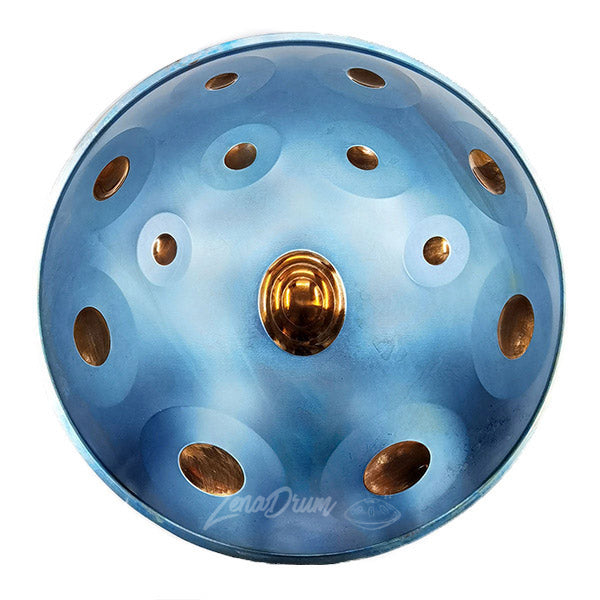
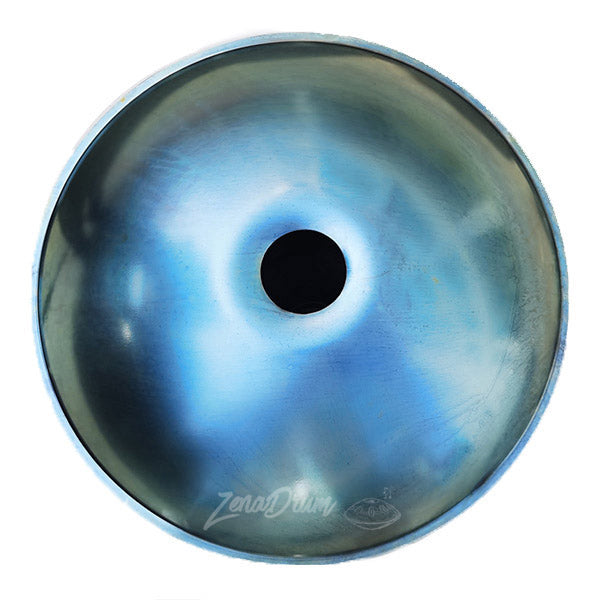
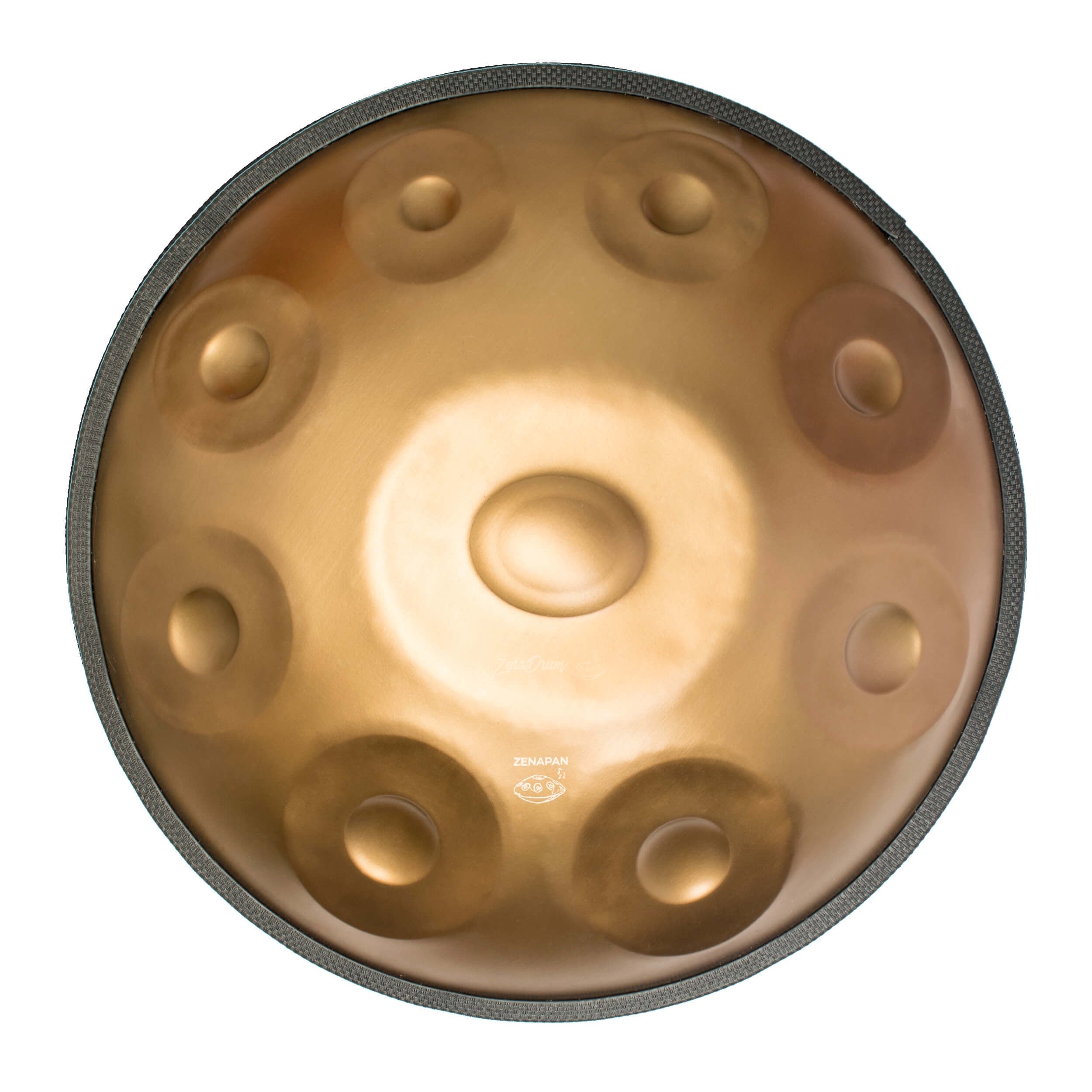
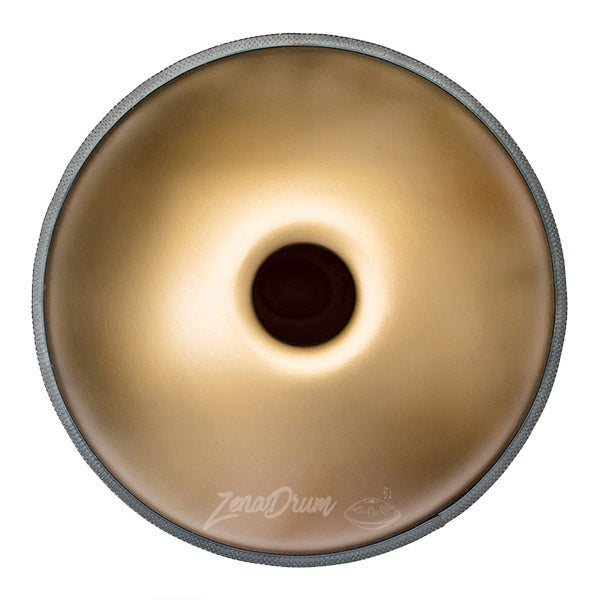
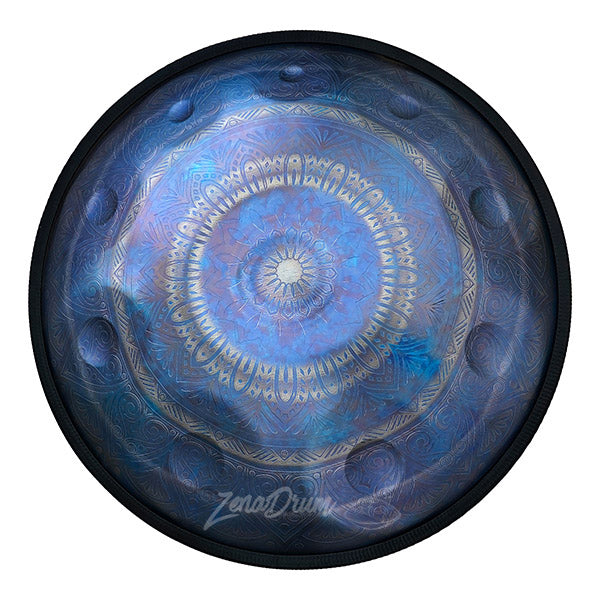
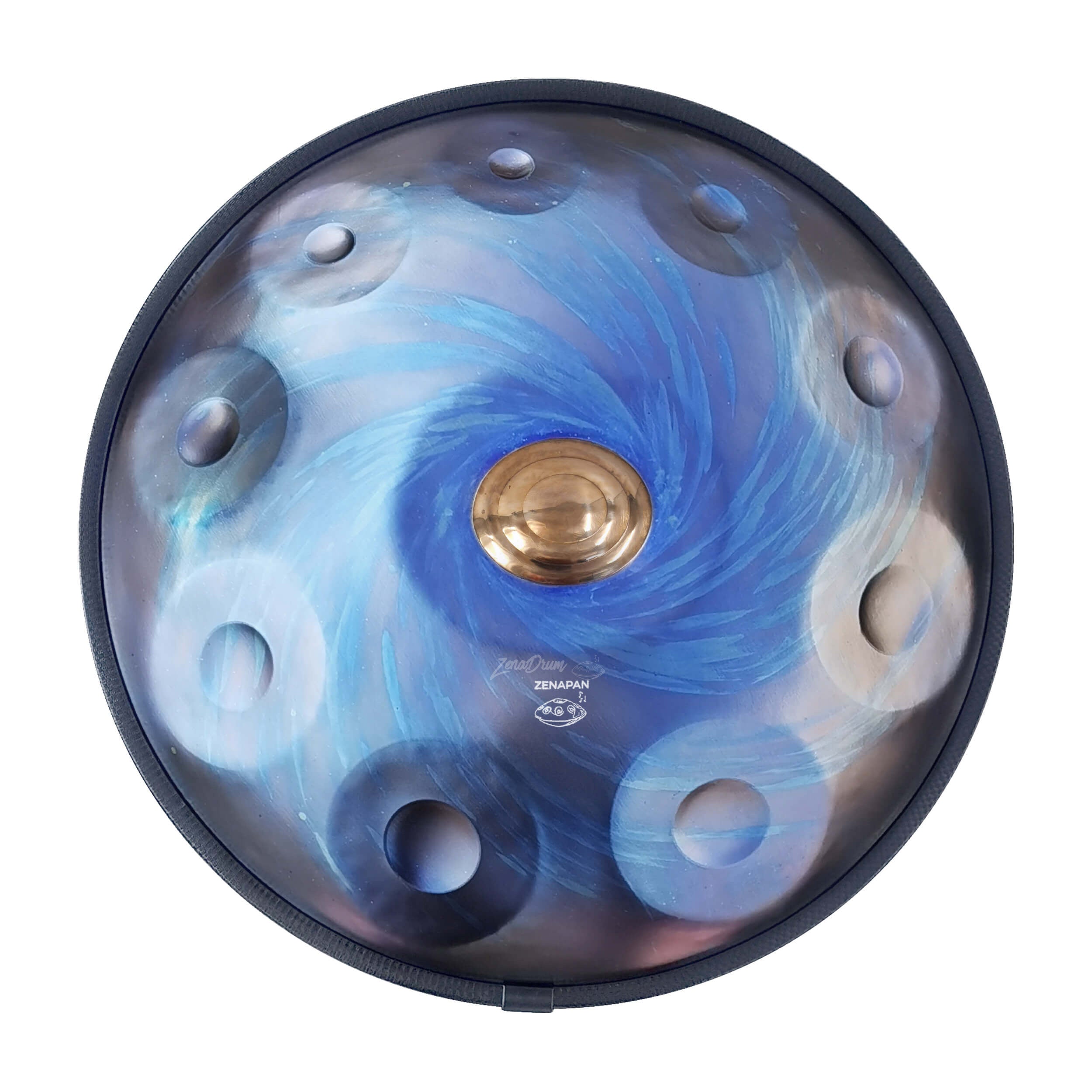
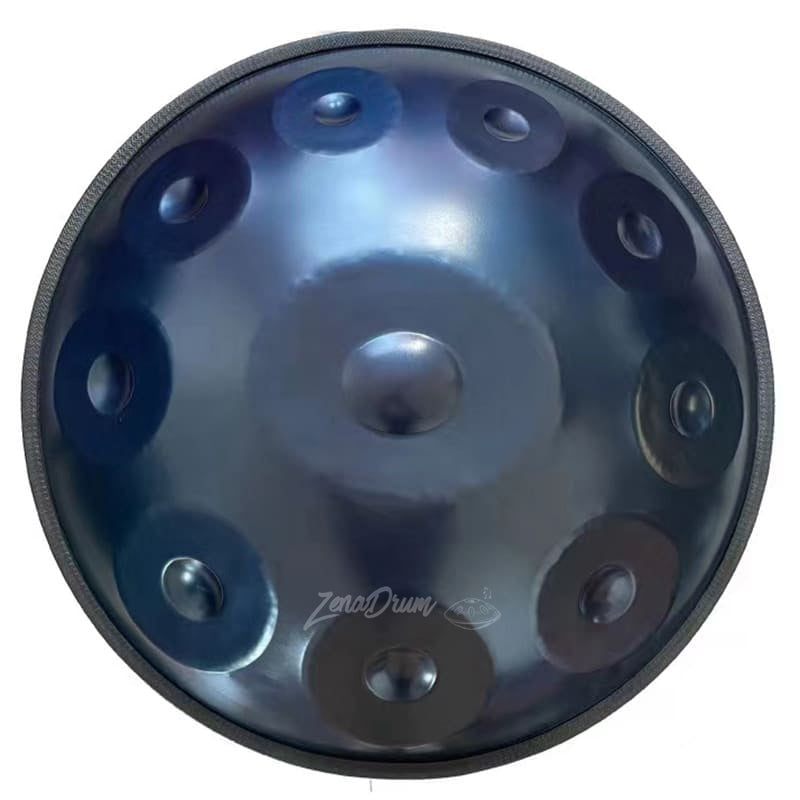
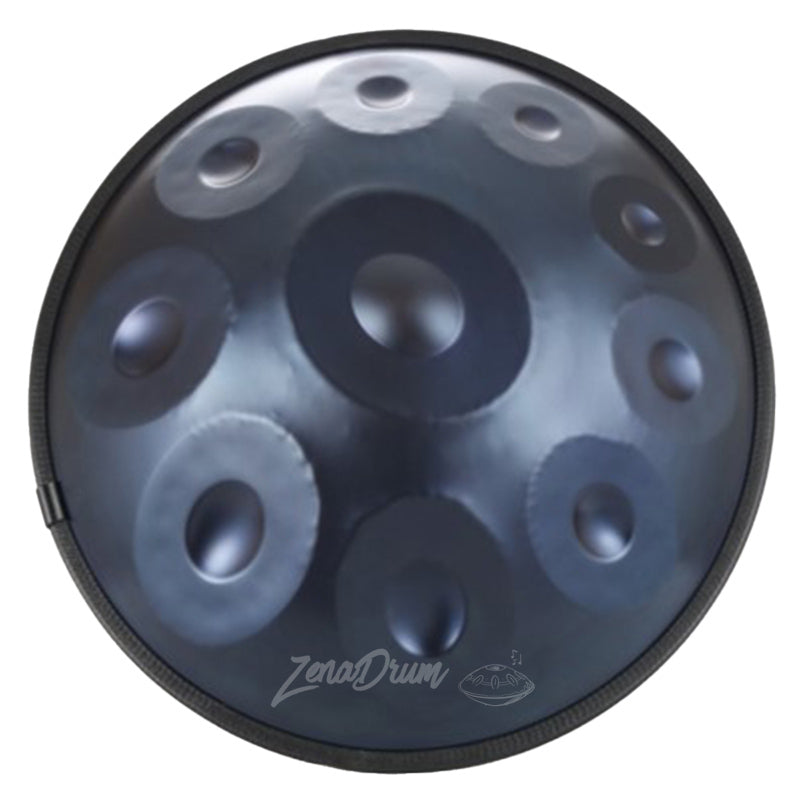
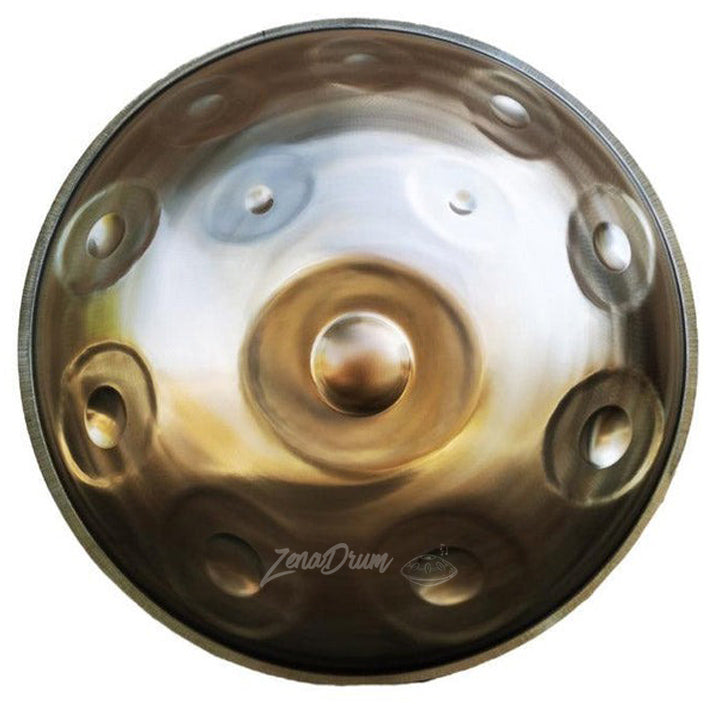
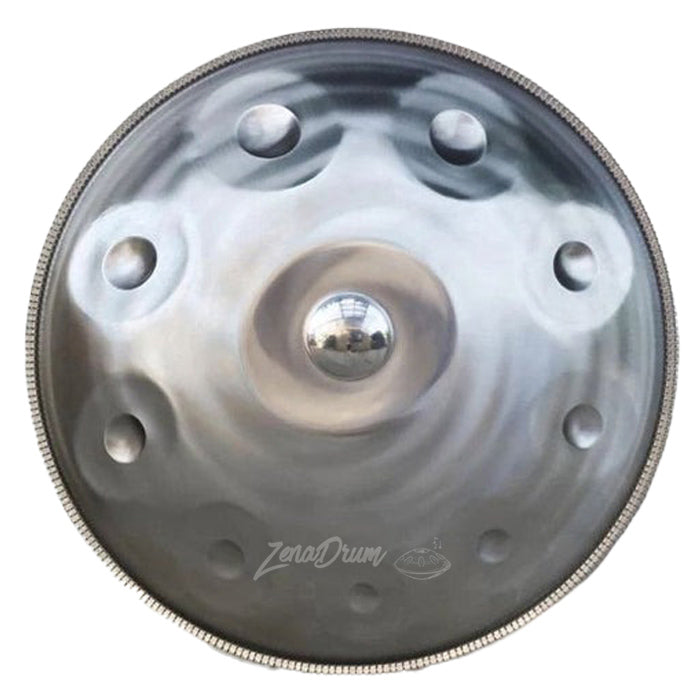
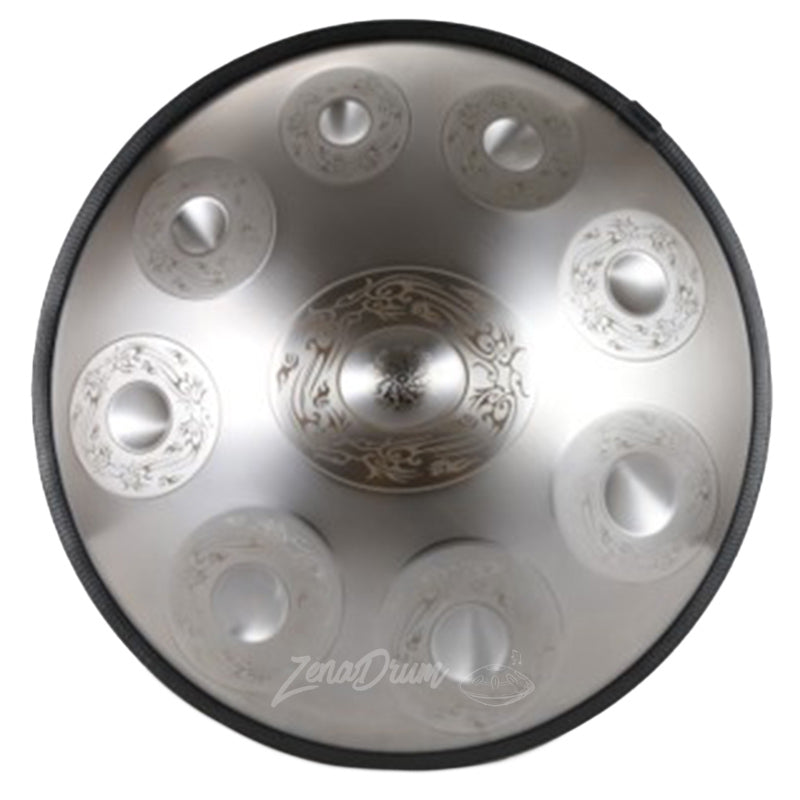
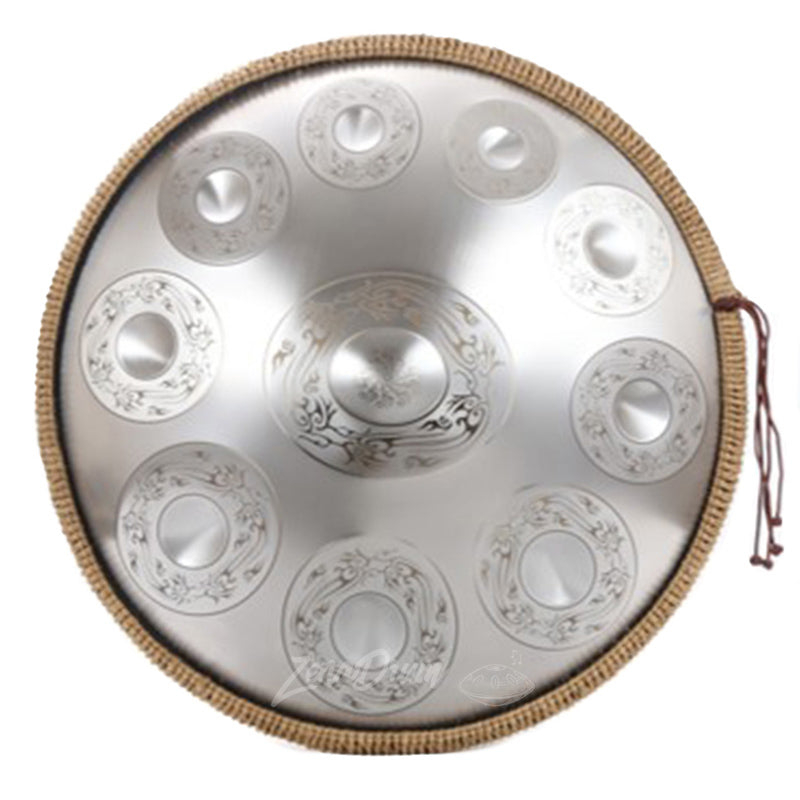
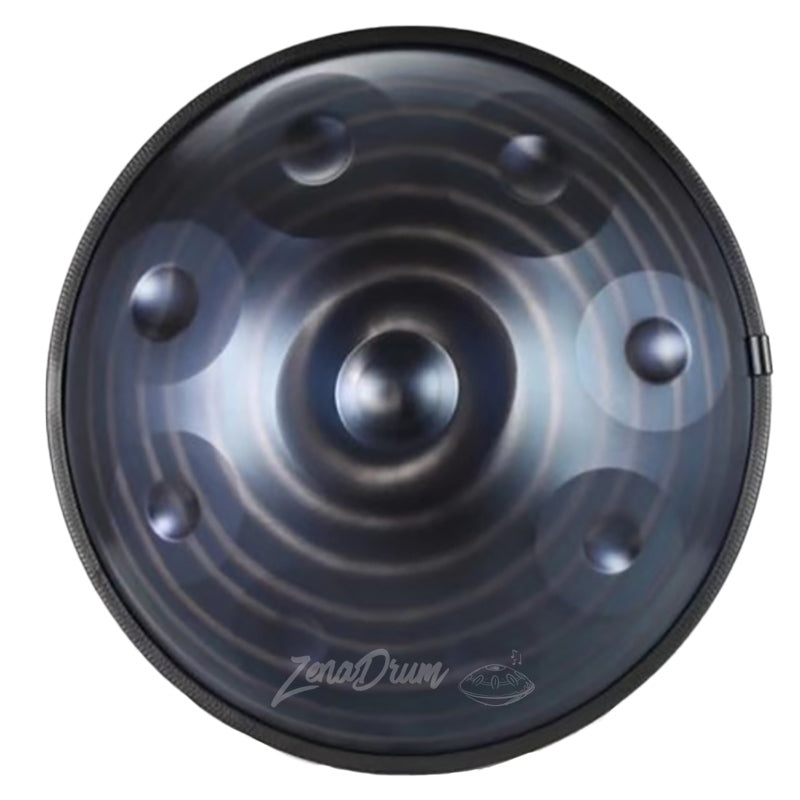
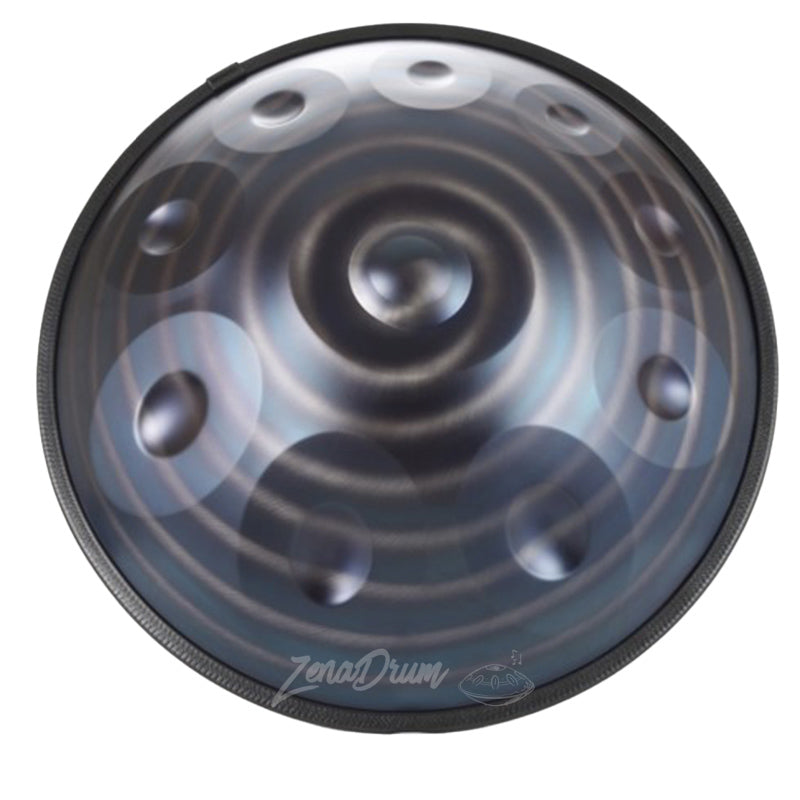
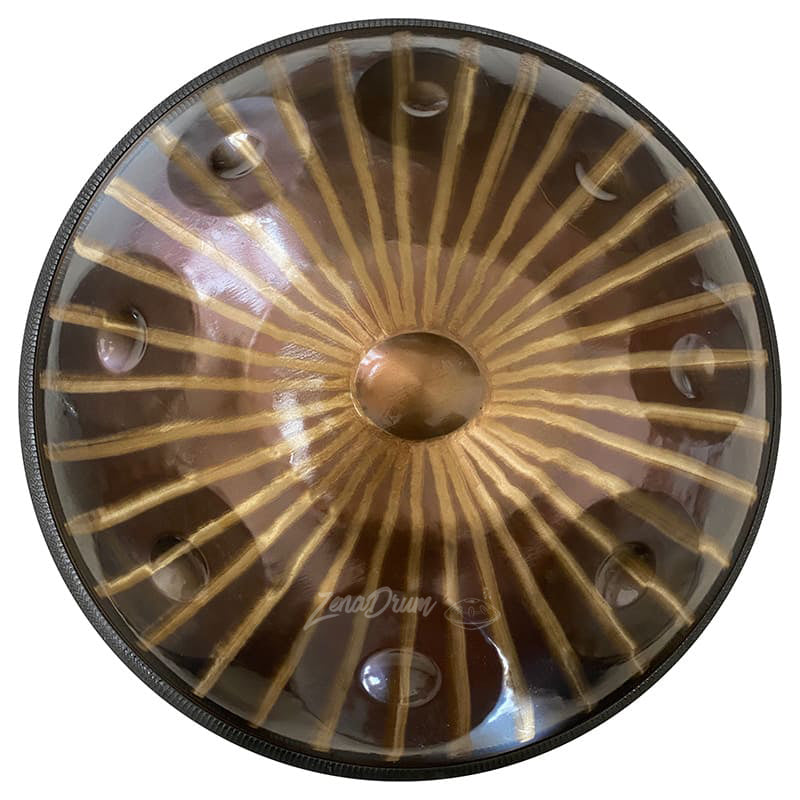
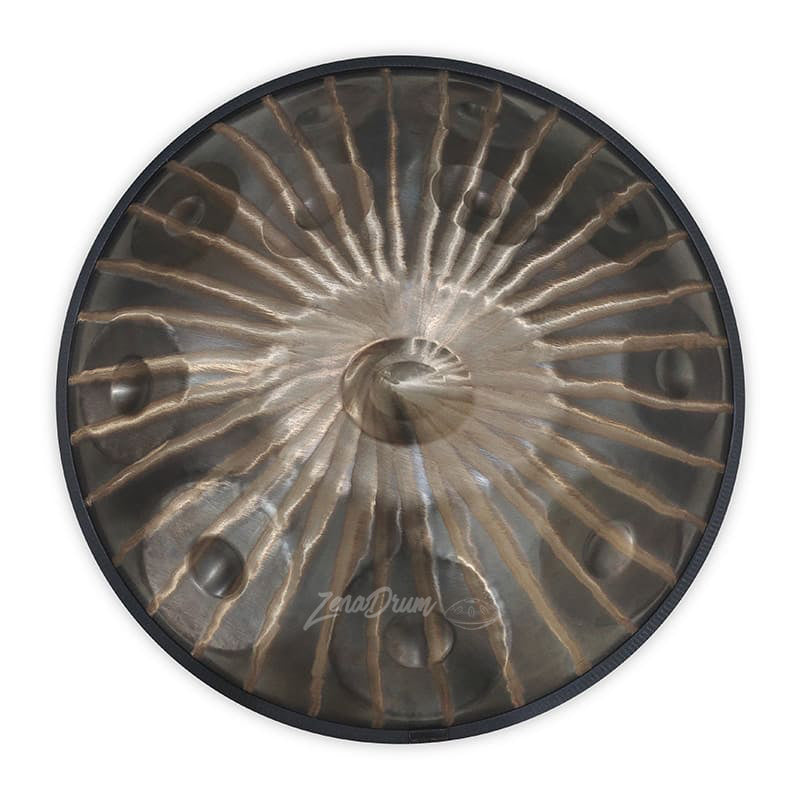
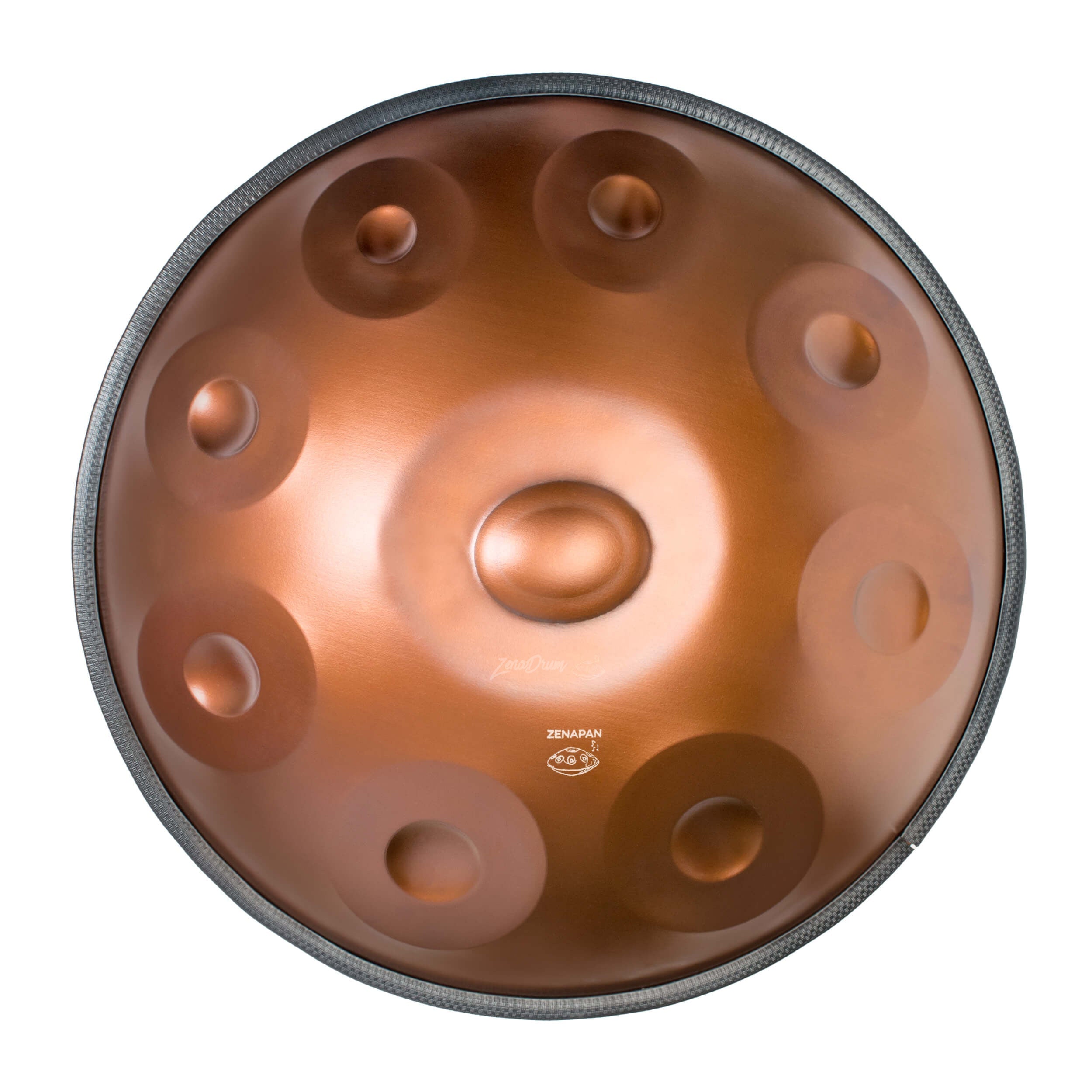
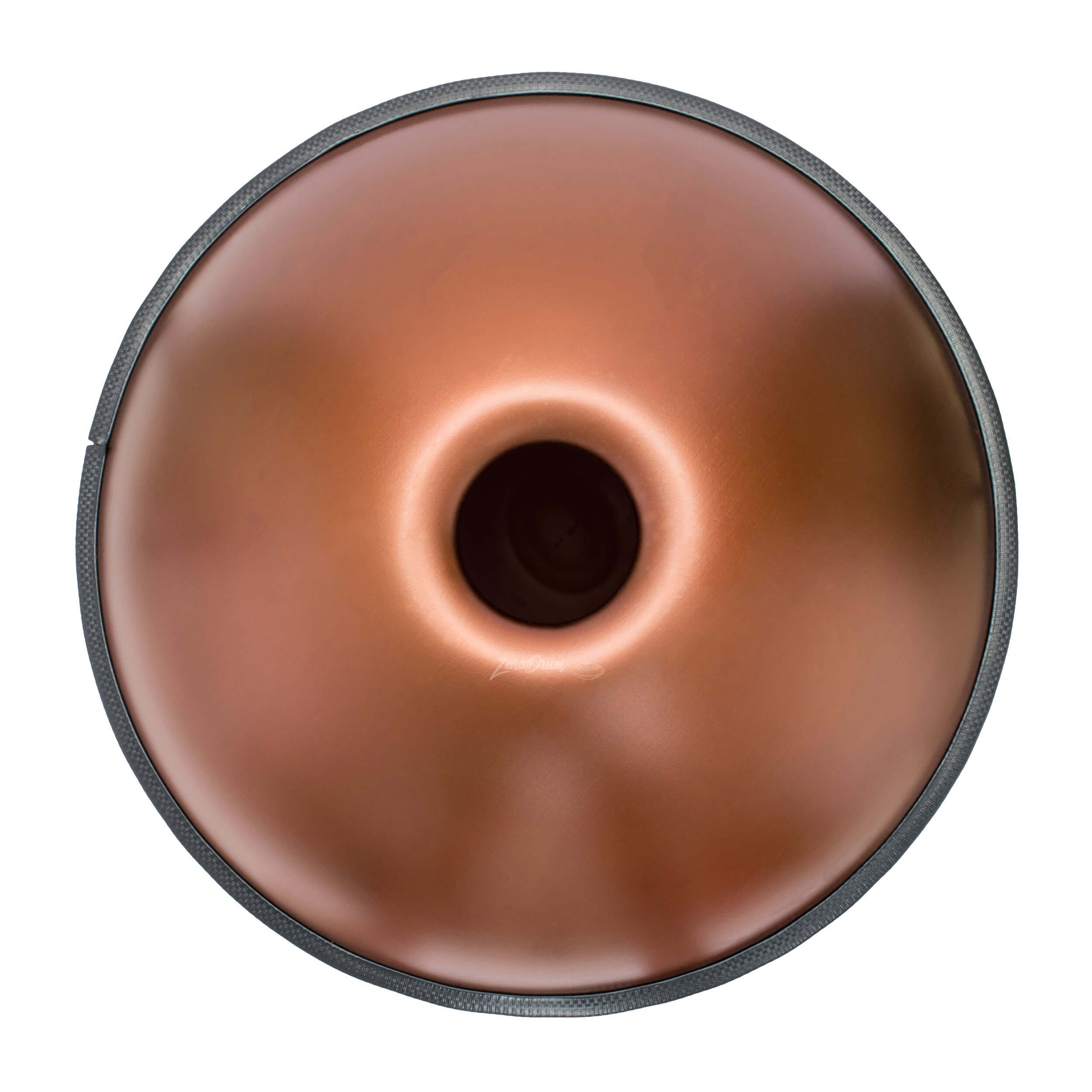
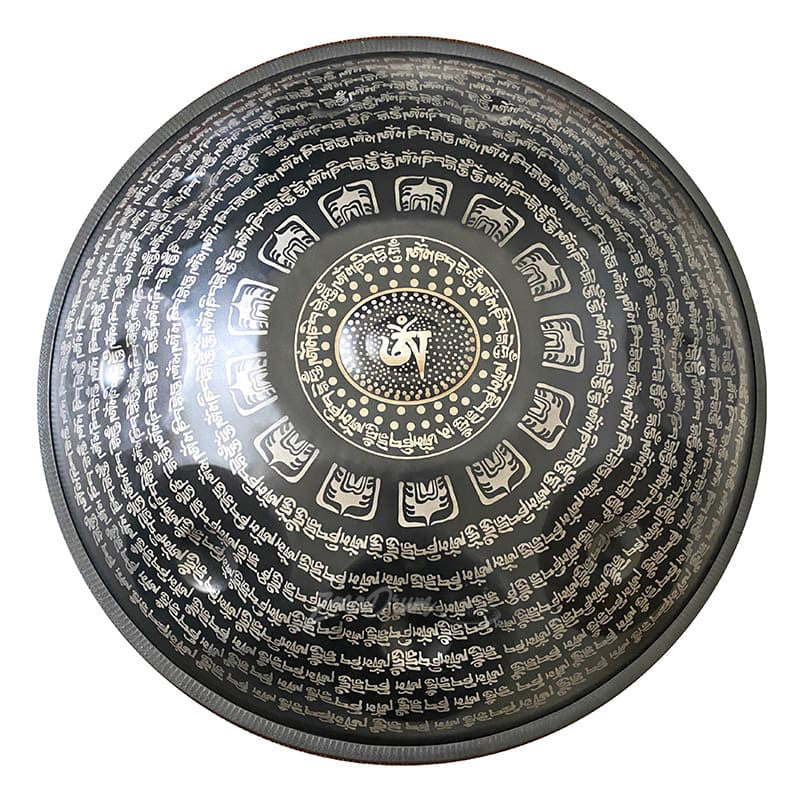
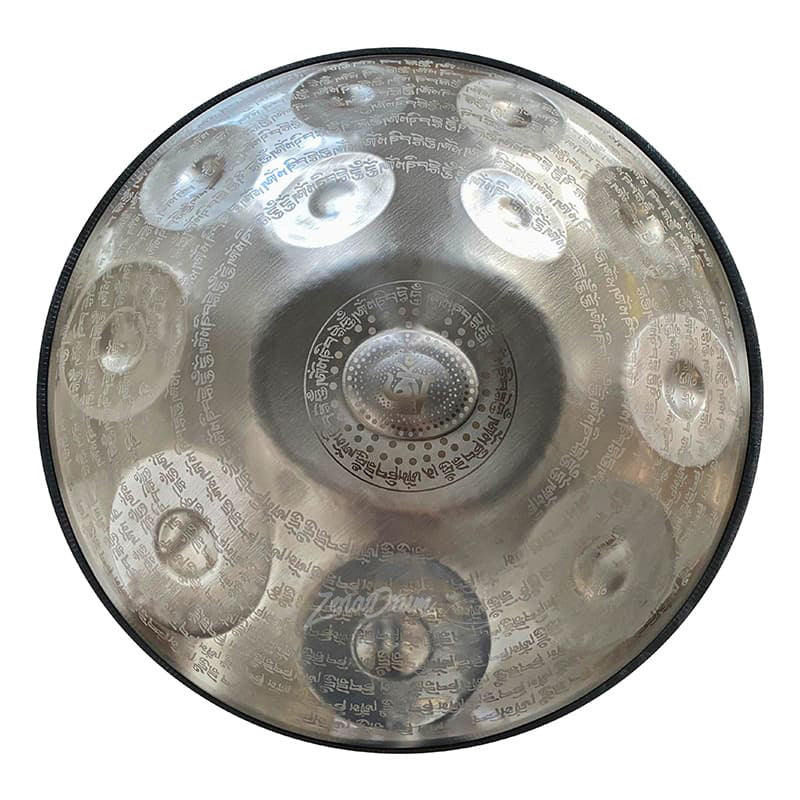
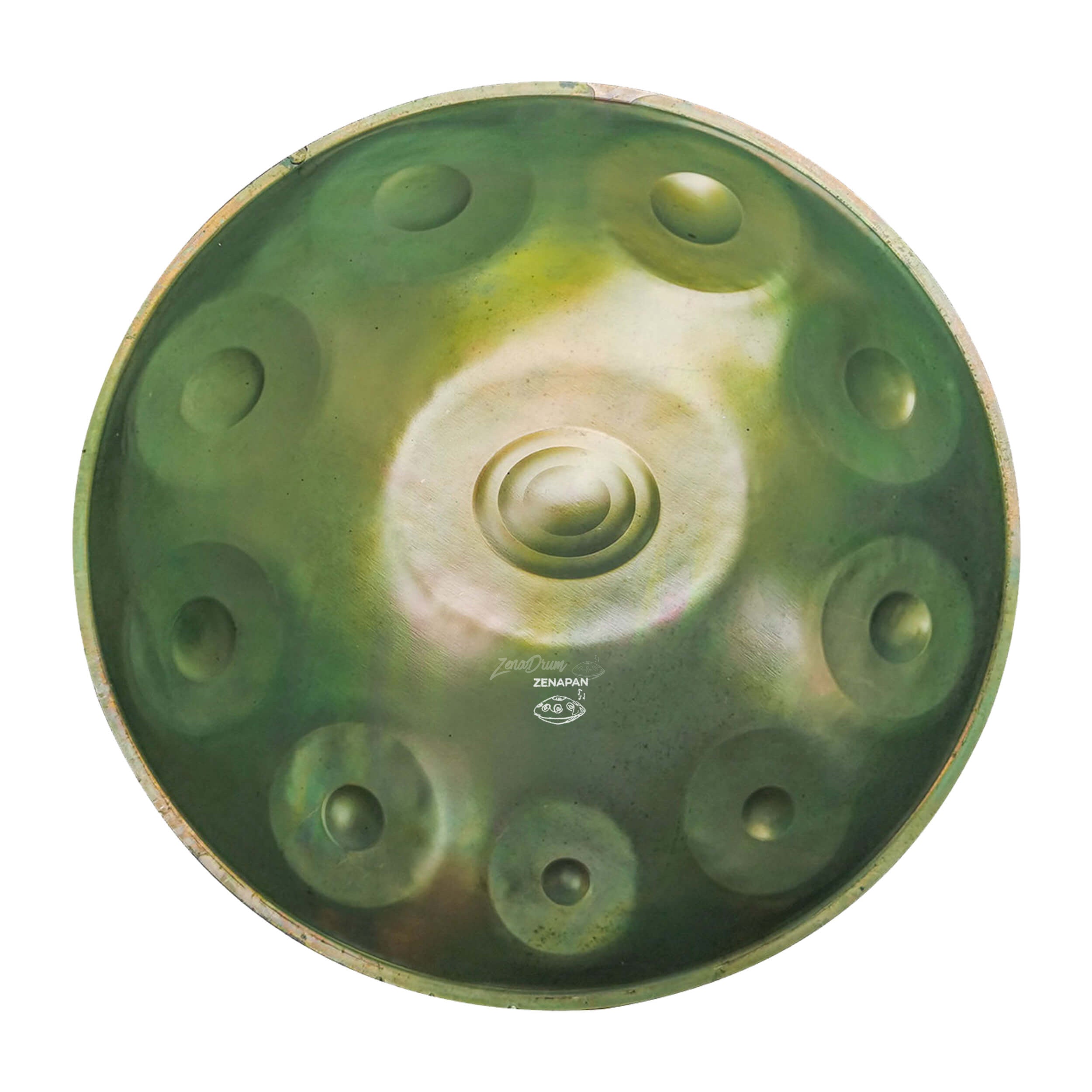
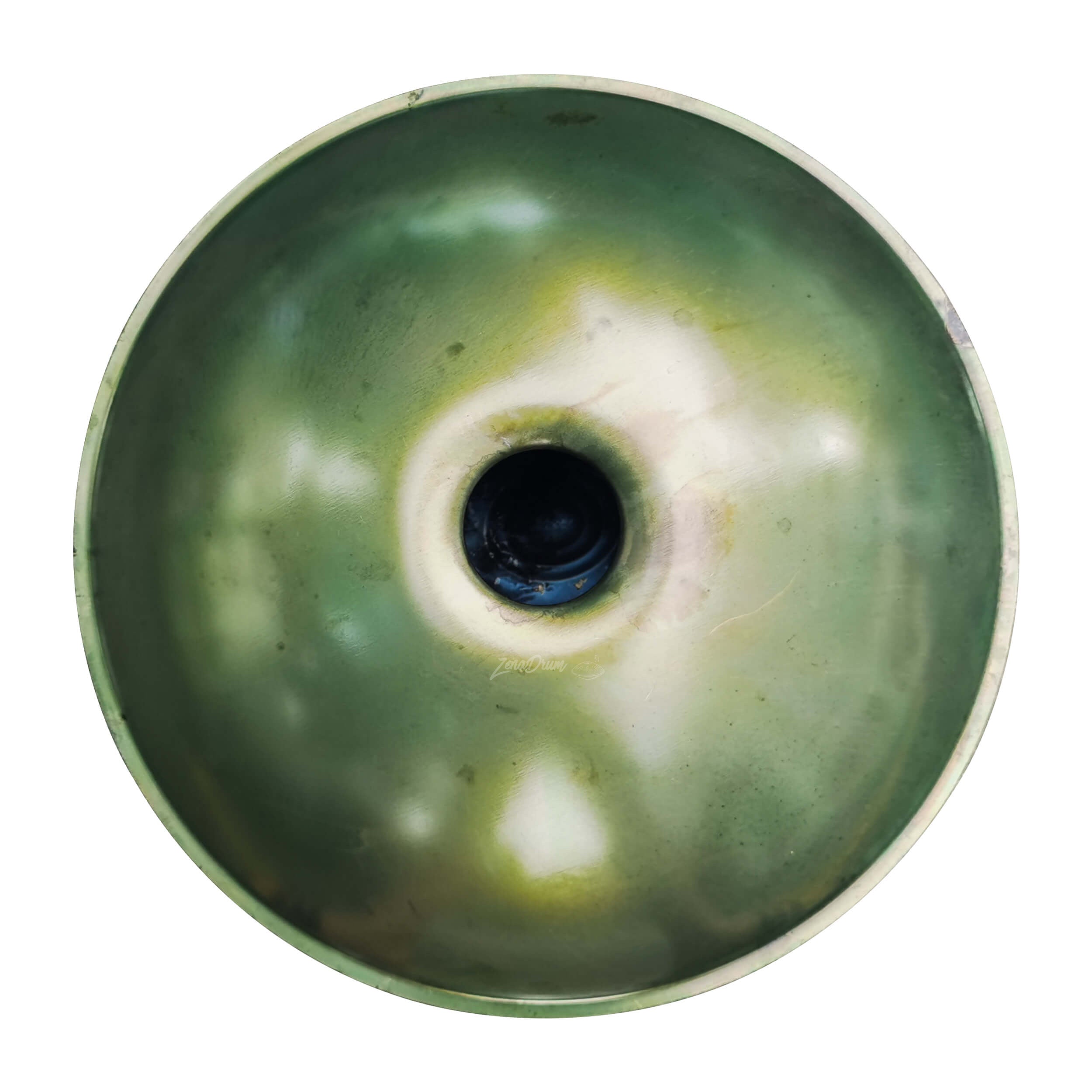
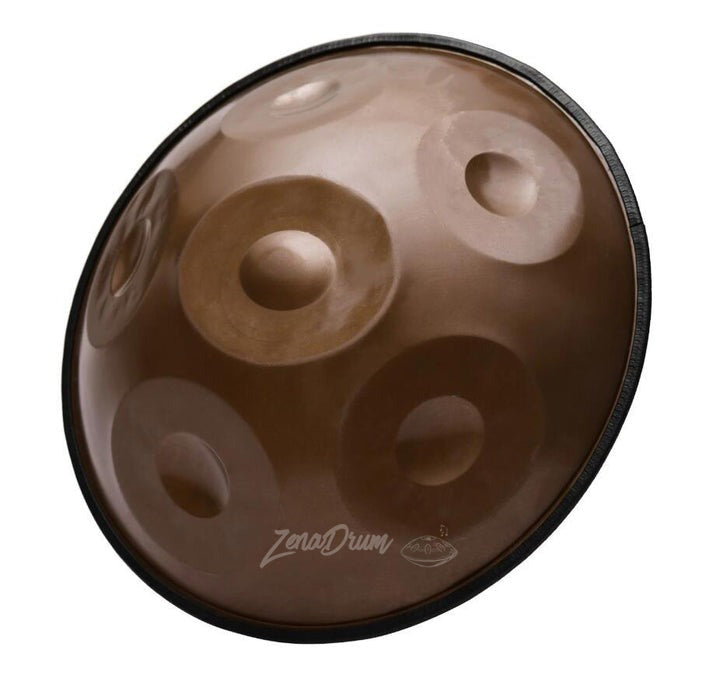
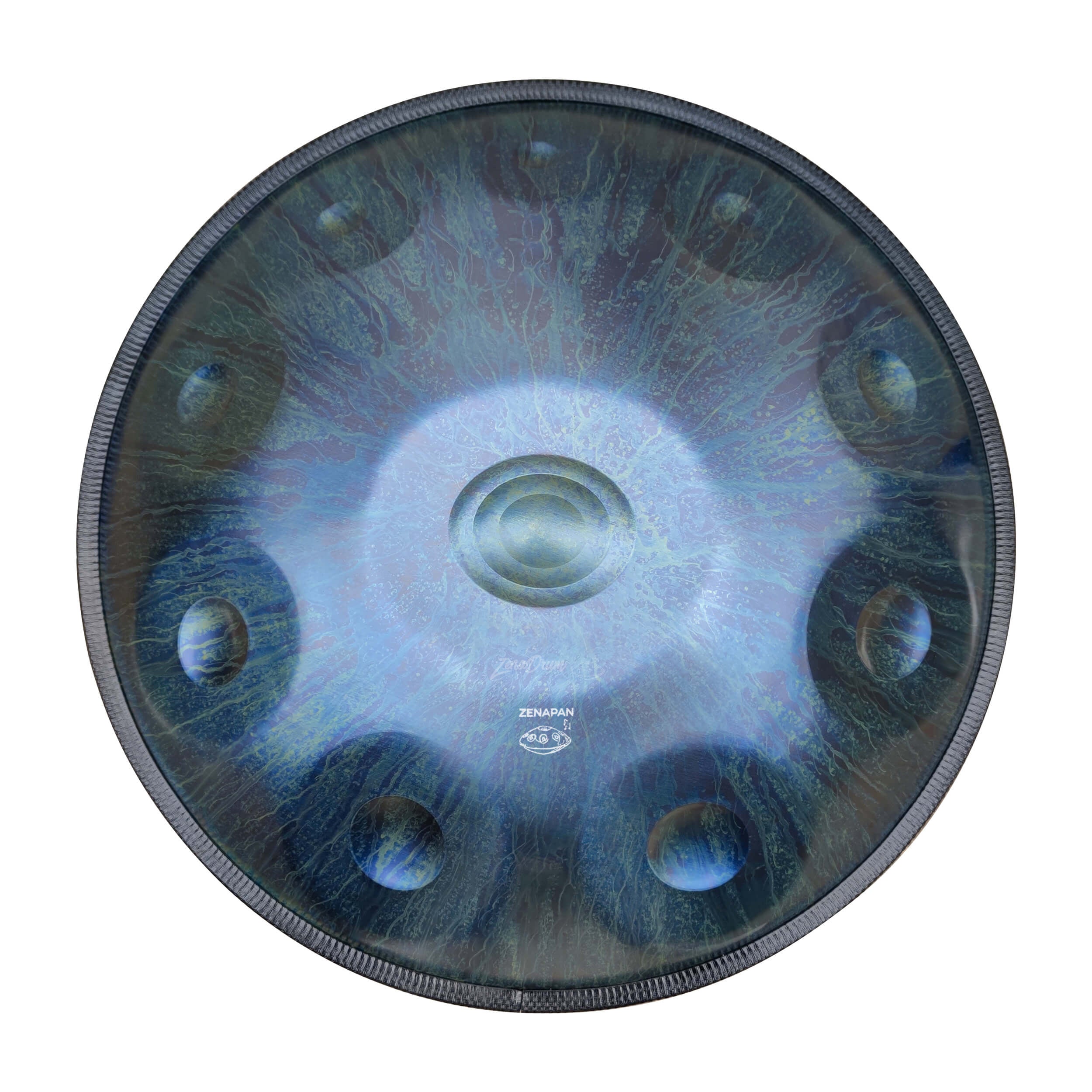
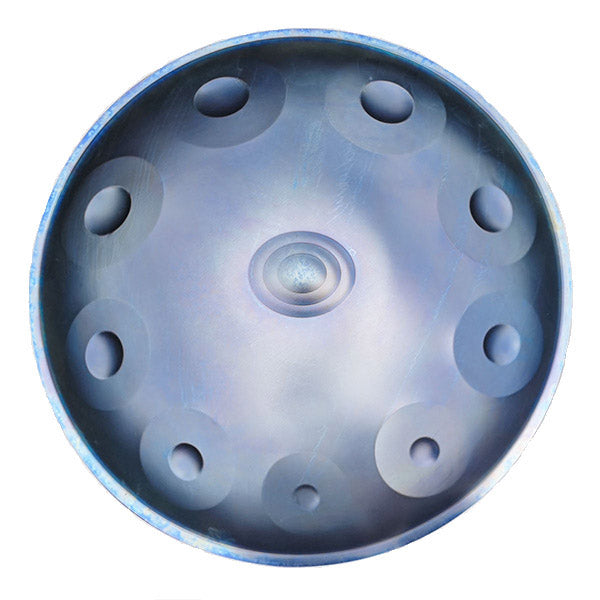
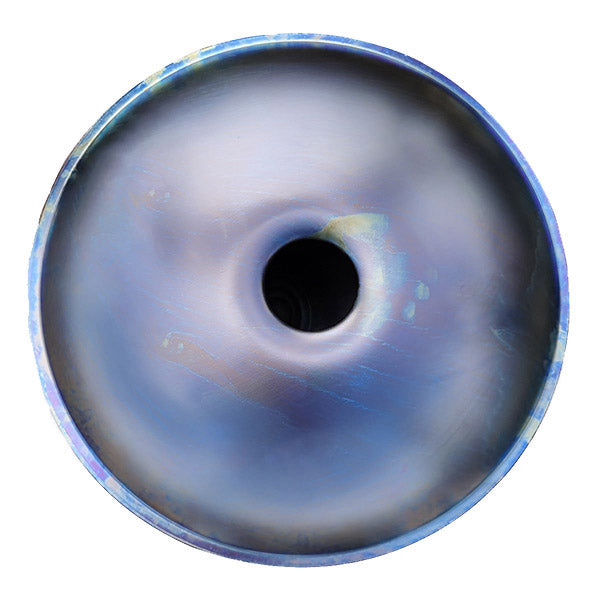
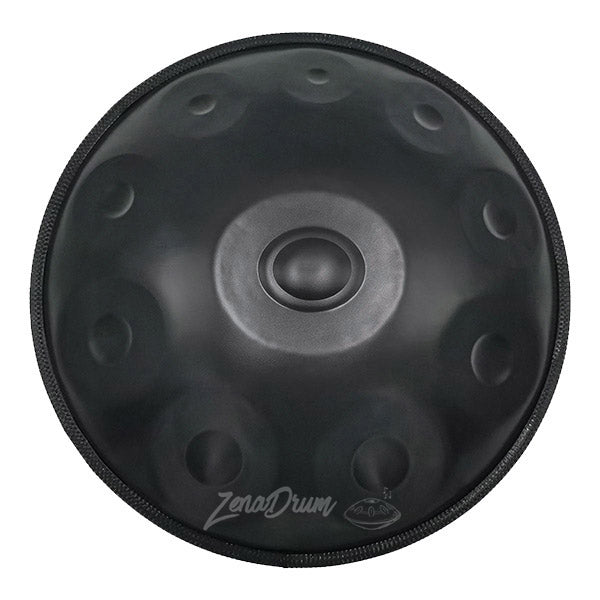
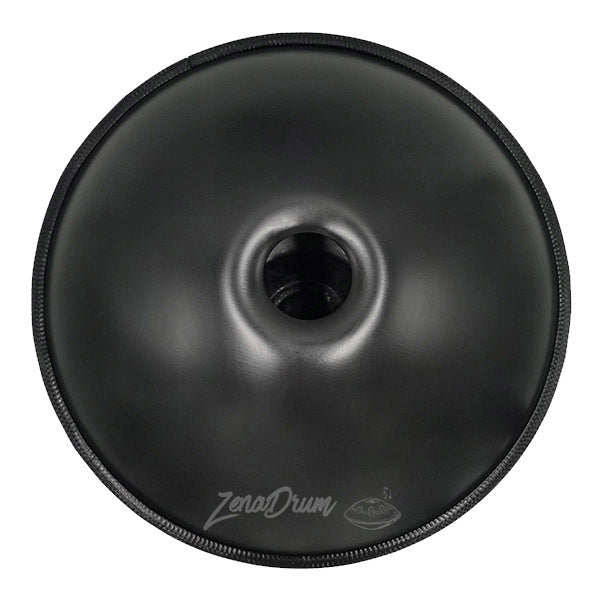
The D Minor handpan is the most widely played and sought-after scale in the entire handpan world. Also referred to as the D Kurd handpan, this scale has earned its legendary reputation because every note combination within its layout produces naturally harmonious results — making it the single most forgiving instrument for new players while offering limitless depth for seasoned musicians. At Healing Sounds, our D Minor collection spans configurations from 9 notes to 17 notes, with prices starting around $930 for entry-level models and reaching $1,890 for professional multi-note instruments, all available in both 432 Hz and 440 Hz tuning standards.
If you have spent any time researching handpans online, you have almost certainly encountered the D Kurd scale in action. It dominates YouTube tutorials, live street performances, and professional studio recordings. The reason is straightforward: the D Minor scale sits in a tonal sweet spot that is neither too bright nor too dark, producing a hauntingly introspective sound that resonates with listeners across every musical background. Whether your goal is solo meditation, busking, studio composition, or group sound healing, a handpan in D Minor delivers the emotional range to serve all of these contexts beautifully.
This page covers everything you need to know before choosing your D Minor or D Kurd handpan — from understanding the note layout and comparing configurations to selecting the right material and note count for your playing level. If you are exploring our full handpan collection for the first time, the D Minor scale is the ideal starting point for your journey into steel percussion.
Understanding the D Minor and D Kurd Scale: Notes, Layout, and Musical Character
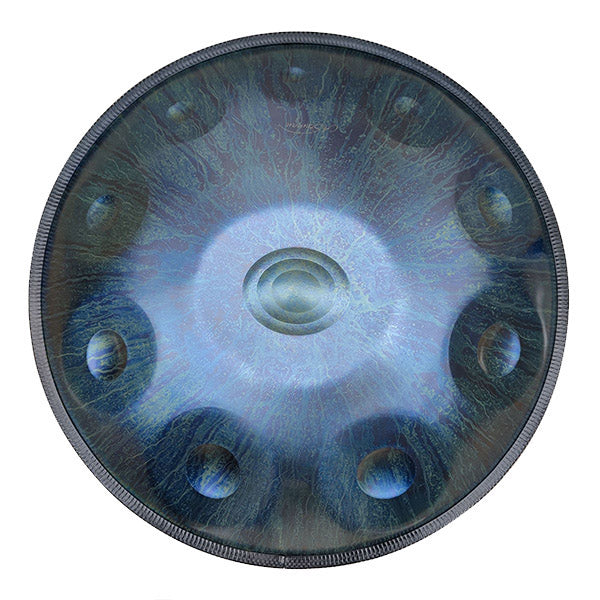
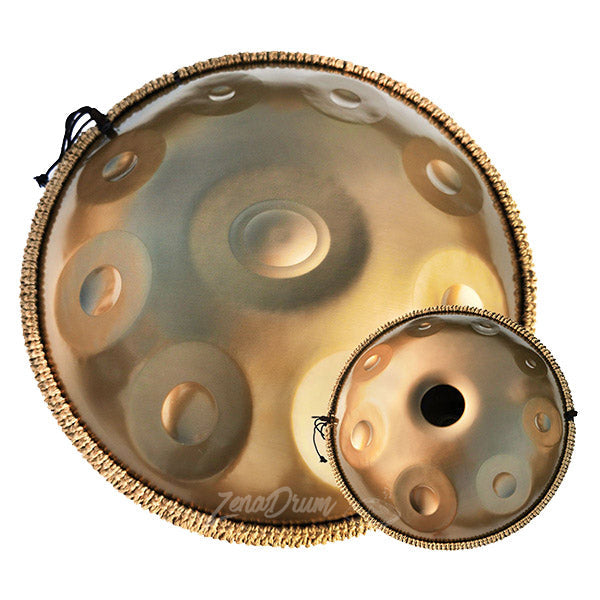
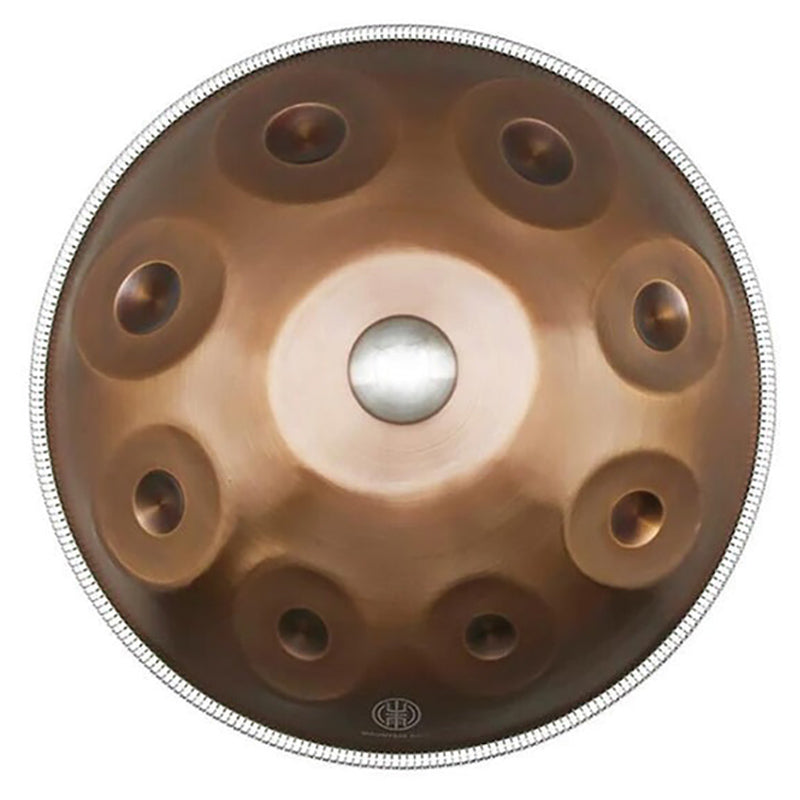
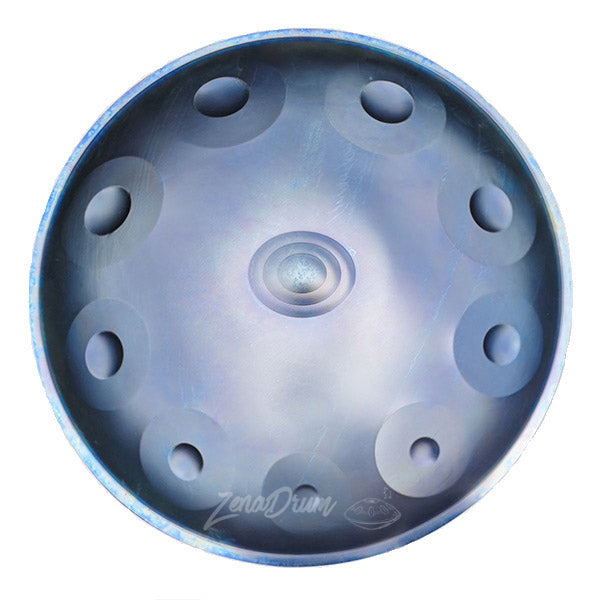
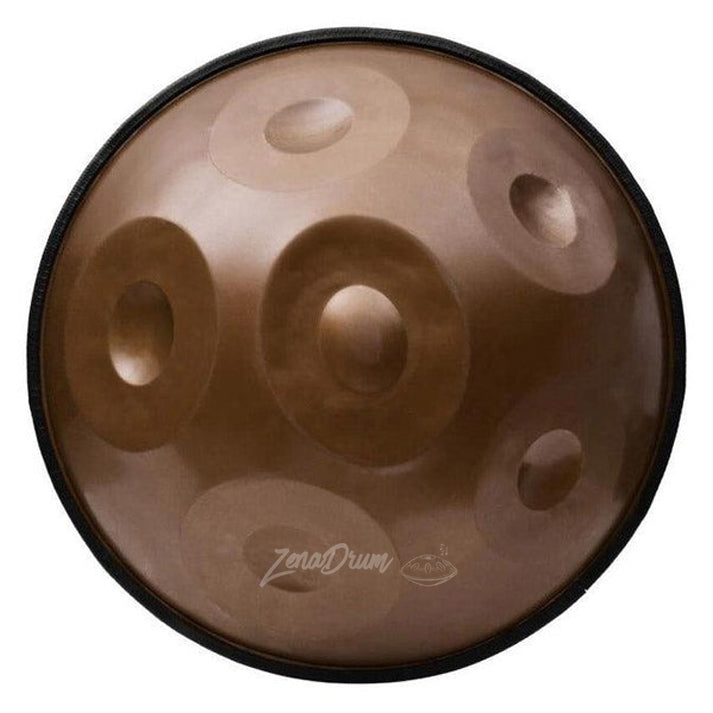
Before selecting a specific model, it helps to understand what defines the D Minor handpan scale and how it relates to the D Kurd designation. The term "Kurd" refers to the specific scale pattern — a natural minor arrangement originating from the earliest handpan makers — while "D Minor" specifies the musical key in which that pattern is played. In practice, most D Kurd handpans share the same foundational note arrangement: the central Ding is tuned to D3, surrounded by tone fields tuned to A3, Bb3, C4, D4, E4, F4, G4, and A4 in a standard 9-note configuration.
This arrangement creates a natural minor tonality that sounds melancholic, contemplative, and emotionally rich without ever veering into dissonance. The intervals between adjacent tone fields are carefully calibrated so that nearly any sequence of strikes produces a musically satisfying phrase. This is why instructors and experienced players consistently recommend the D Kurd handpan as the definitive beginner scale — you can play intuitively from your very first session without understanding a single note of music theory.
The emotional character of the D Minor scale is often described as introspective and meditative. It carries a gentle sadness that many players find deeply therapeutic, making it a preferred choice for sound healing sessions, yoga accompaniment, and personal mindfulness practice. At the same time, skilled players can coax joyful, rhythmic, and energetic phrases from the same instrument — proof of the scale's remarkable versatility. For a deeper exploration of handpan musical theory, visit our complete handpan drums guide.
D Minor vs D Kurd: Are They the Same Scale?
This is one of the most common questions new buyers ask. The short answer is: yes, functionally they are the same. "Kurd" is the traditional name given to this particular minor scale arrangement by early handpan builders, while "D Minor" is the Western music theory classification. Some makers use "D Kurd" on their instruments and product listings, others use "D Minor," and many use both interchangeably. When you see either label, you can expect the same core note arrangement and the same musical character. The only variations between D Minor handpans from different makers are in the number of additional notes, the specific octave extensions, and the steel material used.
Comparing D Minor Handpan Configurations: 9-Note to 17-Note Models
The number of tone fields on your D Minor handpan directly determines how much melodic freedom you have. More notes mean a wider pitch range and more complex compositional possibilities — but they also require greater coordination and musical awareness. Here is how the main configurations compare:
Configuration
Note Range
Best For
Price Range
Complexity
9-Note D Minor
D3 to A4 (1 octave)
Beginners, meditation, simple melodies
$930 - $1,200
Low — ideal starting point
10-Note D Minor
D3 to Bb4 (extended)
Intermediate players, fuller compositions
$1,050 - $1,350
Low-Medium — one extra voice
12-Note D Minor
D3 to D5 (nearly 2 octaves)
Advanced solo play, performance
$1,200 - $1,550
Medium — requires note awareness
14-Note D Minor
D3 to F5 (2 octaves)
Professional performance, studio
$1,400 - $1,700
High — full harmonic range
17-Note D Minor
D3 to A5 (2+ octaves)
Virtuoso players, chromatic exploration
$1,650 - $1,890
Very High — maximum expression
For most first-time buyers, a 9-note or 10-note D Minor handpan provides the perfect balance between melodic range and ease of learning. The 9-note layout gives you a complete octave of the D natural minor scale, which is more than enough to play hundreds of melodies, follow along with online tutorials, and develop solid technique. If you want just a touch more range without a significant price increase, the 10-note model adds one additional upper tone field that extends your high-end possibilities.
Players who already have experience with a handpan or another melodic instrument may prefer to start with a 12-note D Minor, which opens up nearly two full octaves and allows for more sophisticated compositional structures. The 14 and 17-note models are designed for serious performers and recording artists who demand maximum melodic range from a single instrument. These high-note-count handpans require precise tuning across every additional field, which accounts for their higher price point. Browse all note configurations in our dedicated collections: 9-note, 10-note, 12-note, 14-note, and 17-note handpans.
Why the D Minor Handpan Is the Best Choice for Beginners
Several factors combine to make the D Minor handpan the undisputed recommendation for anyone entering the world of steel percussion:
Forgiving note layout — The natural minor intervals mean that random, exploratory playing still produces beautiful music. There are no "wrong" combinations within the scale.
Vast learning resources — More tutorials, lesson plans, sheet music, and YouTube walkthroughs exist for the D Kurd scale than for any other handpan tuning. This means you will never run out of guided material as you progress.
Community support — Because so many players own a D Minor handpan, online communities, forums, and social media groups are filled with D Kurd players sharing tips, compositions, and encouragement.
Versatile emotional range — While the D Minor excels at meditative and contemplative music, skilled players also produce rhythmic, upbeat, and even percussive pieces on the same instrument.
Strong resale value — If you ever decide to sell or trade your handpan, D Minor instruments hold their value better than niche scales because demand remains consistently high.
For a comprehensive beginner buying strategy, read our best handpan for beginners guide, which covers budget planning, essential accessories, and first-day playing tips. If you want to understand how the D Minor fits into the broader landscape of handpan scales, our ultimate guide to buying handpans online compares every major scale option side by side.
Choosing Your Steel Material for a D Minor Handpan
Your choice of steel shapes the tonal personality of your D Minor instrument. Stainless steel delivers bright, crystalline clarity with extended sustain and virtually zero rust risk — perfect if you play outdoors or in humid environments. Nitrided steel produces a warmer, more organic tone with expressive dynamics that many purists prefer for indoor and studio use, though it requires regular oiling. Ember steel splits the difference, offering warm resonance with moderate corrosion resistance. All three materials are available across our D Minor lineup.
Playing Your D Minor Handpan: Techniques, Tuning, and Instrument Pairings
The D Minor handpan responds beautifully to both gentle, meditative touch and assertive, rhythmic playing. Start with soft fingertip strikes on the central Ding to establish your root note, then explore the surrounding tone fields with relaxed, bouncing finger movements. The key to great handpan tone is letting your fingers rebound naturally after each strike — pressing into the metal dampens the vibration and kills the sustain.
As you develop confidence, incorporate ghost notes (light percussive taps between tone fields), harmonics (touching the edge of a field while striking), and bass slaps on the instrument's shoulder for rhythmic punctuation. Our beginner's playing guide walks through each technique step by step, and our intermediate playing tips introduce advanced patterns like polyrhythms and cross-hand sequences.
432 Hz vs 440 Hz for D Minor
We offer D Minor handpans in both 432 Hz and 440 Hz tuning. The 440 Hz standard is universal for ensemble play alongside guitars, keyboards, and other Western instruments. The 432 Hz tuning is slightly lower in pitch and is widely favored by sound healing practitioners who find it more calming and resonant with natural frequencies. If your primary use is solo meditation or therapeutic sessions, 432 Hz is an excellent choice. If you plan to jam with other musicians, 440 Hz ensures compatibility.
Pairing the D Minor Handpan with Other Instruments
The D Minor scale pairs exceptionally well with other healing instruments. Many sound therapists combine a D Minor handpan with Tibetan or crystal singing bowls tuned to complementary frequencies, creating layered soundscapes ideal for group sound baths. Tuning forks in the D or A frequency range add precise harmonic accents. For percussive texture, a tongue drum in a compatible minor key creates a rich rhythmic dialogue. Listen to how professionals blend these instruments by exploring our top handpan artists feature.
Explore more handpan scales and collections to find your ideal instrument:
"D Kurd" and "D Minor" refer to the same handpan scale. "Kurd" is the traditional name assigned by early handpan builders to describe a specific natural minor note arrangement, while "D Minor" is the Western music theory classification for that same tonality. Whether a maker labels their instrument D Kurd or D Minor, you can expect the same foundational notes centered around a D3 Ding with a natural minor scale extending through the tone fields. The only differences between individual D Minor handpans are the total number of notes, the octave extensions, and the steel material used.
The D Minor scale dominates handpan popularity for three interconnected reasons. First, its natural minor intervals make it nearly impossible to produce a dissonant note combination, so beginners sound musical from the first session. Second, more online tutorials, lesson videos, and sheet music exist for D Minor than for any other handpan scale, giving new players an enormous library of guided learning material. Third, the D Minor pitch range sits in a universally appealing tonal zone — warm enough for meditative play, expressive enough for performance, and versatile enough for recording and ensemble work.
For beginners, a 9-note or 10-note D Minor handpan offers the best balance of melodic range and learning ease. The 9-note layout provides a full octave of the natural minor scale, which covers hundreds of melodies and aligns with the majority of online tutorials. A 10-note model adds one extra tone field for slightly more range at a modest price increase. Intermediate players benefit from 12-note configurations that approach two full octaves, while professional performers and recording artists may prefer 14 or 17-note instruments that deliver maximum compositional freedom at a premium price point.
The D Minor handpan is one of the most popular choices for sound healing and meditation applications. Its natural minor tonality produces introspective, calming tones that promote deep relaxation and mindful awareness. The sustained overtones of each tone field create an immersive sonic environment ideal for guided meditations, yoga classes, and therapeutic sound baths. Many practitioners choose the 432 Hz tuning option for healing work, as its slightly lower pitch is considered more harmonically aligned with natural resonance. Pairing a D Minor handpan with singing bowls or tuning forks creates a multi-layered therapeutic soundscape.
Choose 440 Hz if you plan to play alongside other musicians or instruments tuned to standard concert pitch. This ensures harmonic compatibility in jams, recordings, and ensemble performances. Choose 432 Hz if your primary focus is solo meditation, sound healing, or therapeutic applications — many practitioners and listeners find this slightly lower pitch more soothing and naturally resonant. Both tuning standards produce equally beautiful music on the D Minor scale; the decision comes down to whether ensemble compatibility or meditative quality is your higher priority.
Treat yourself to a relaxing moment
With our best instruments. Handcrafted from the finest materials.
Created by healing enthousiasts
We know your needs because we use our products too. We are the first users.
Money-back guarantee
You have 60 days to return your order if it doesn't fit (you'll love it anyway).
100% secured payments
So you can remain in deep peace until you receive your order.