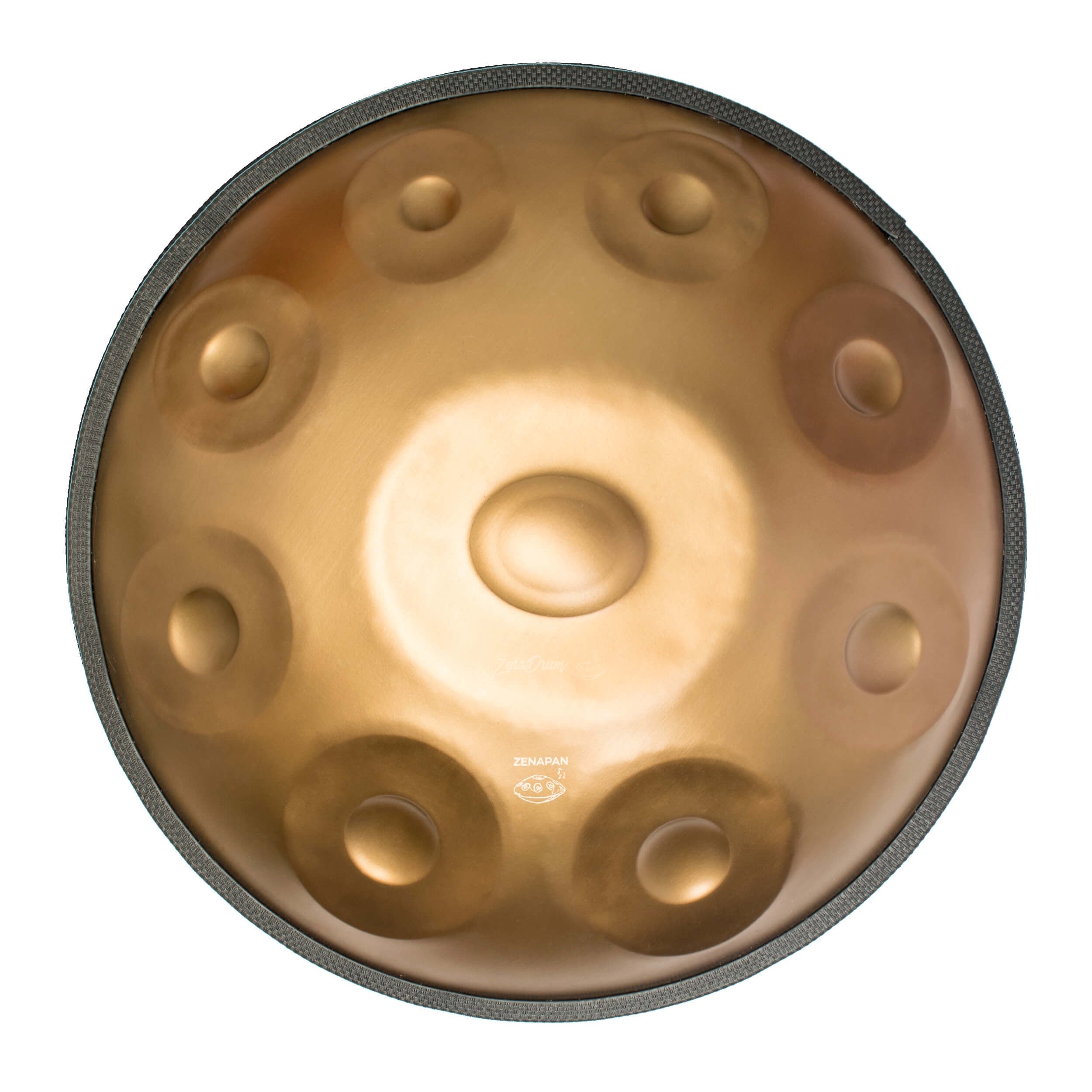
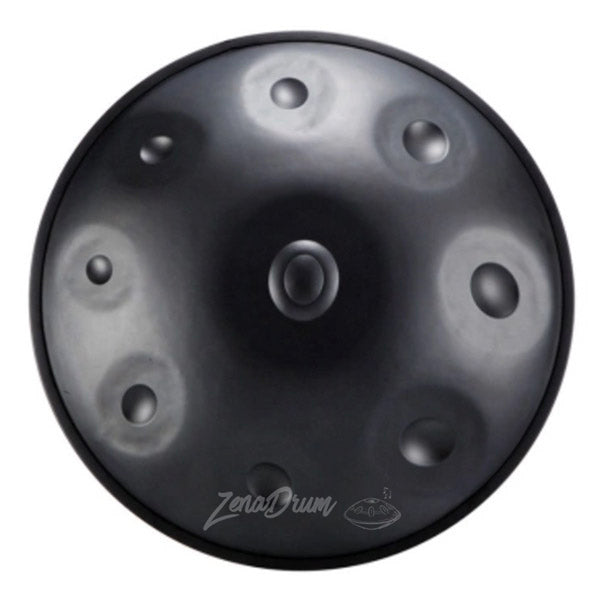
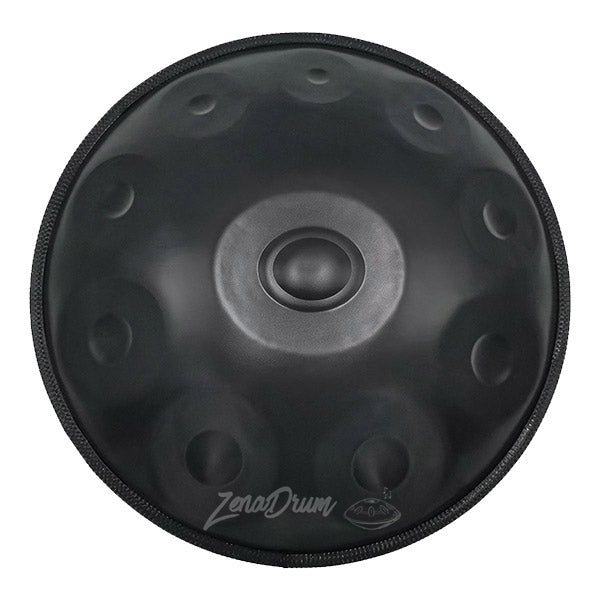
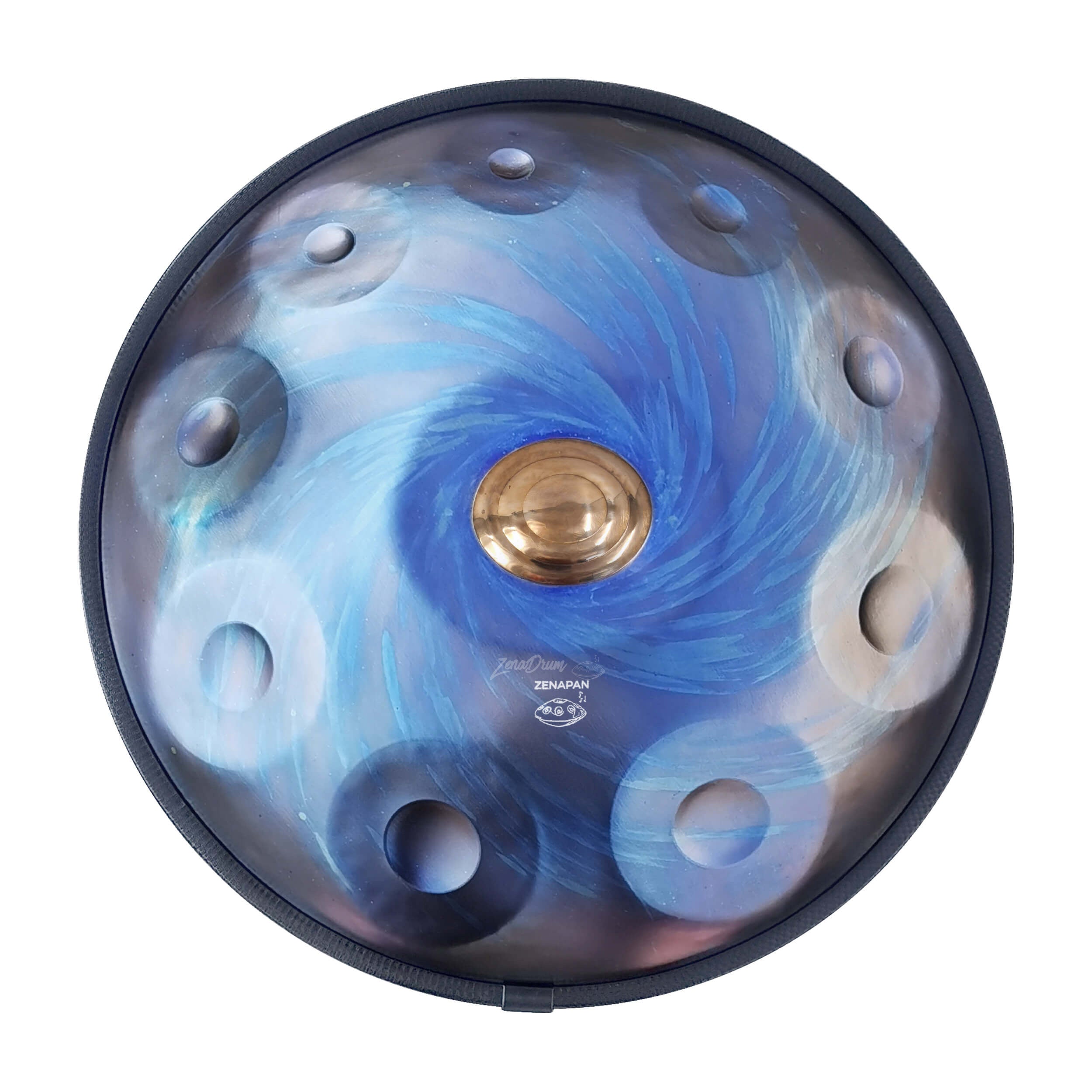
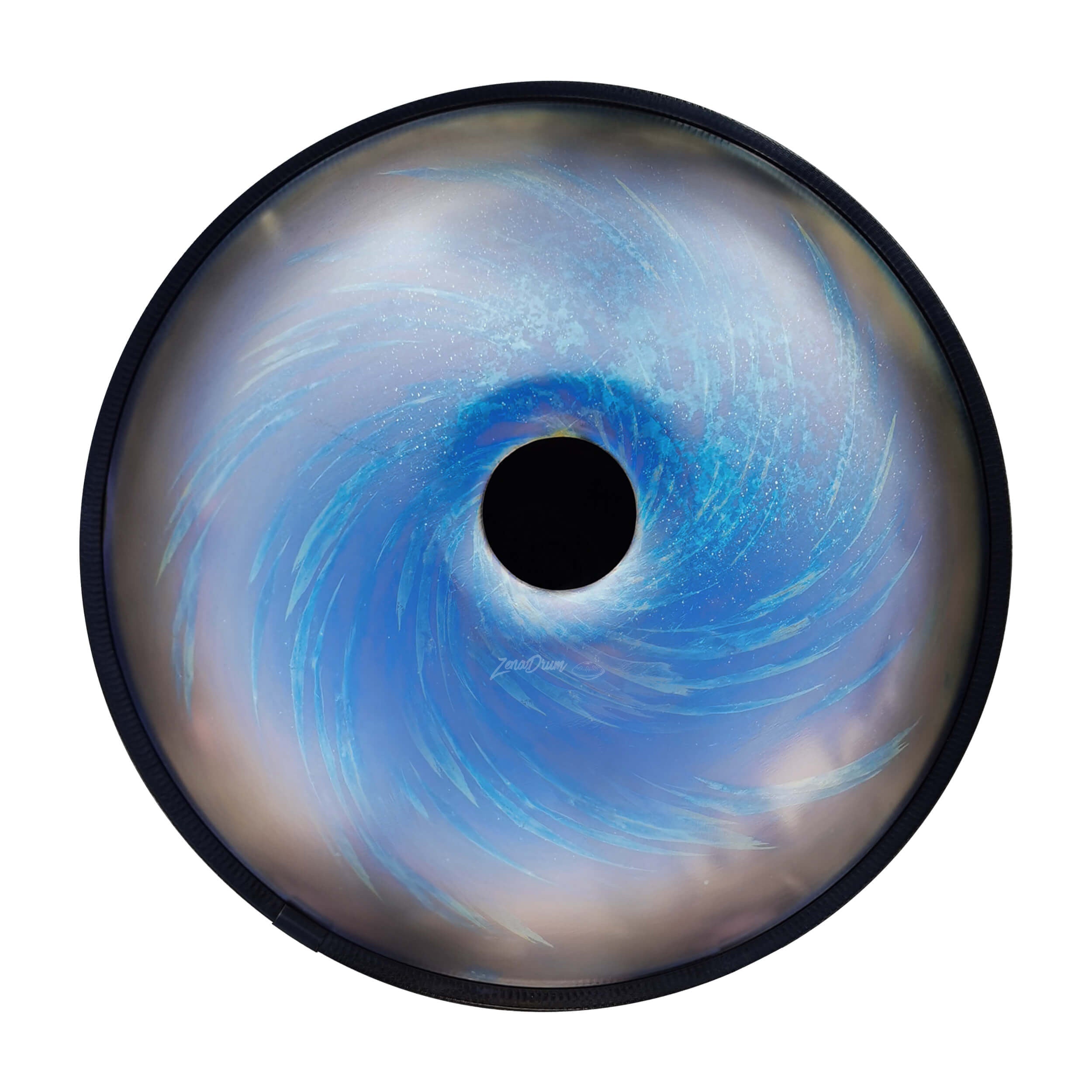
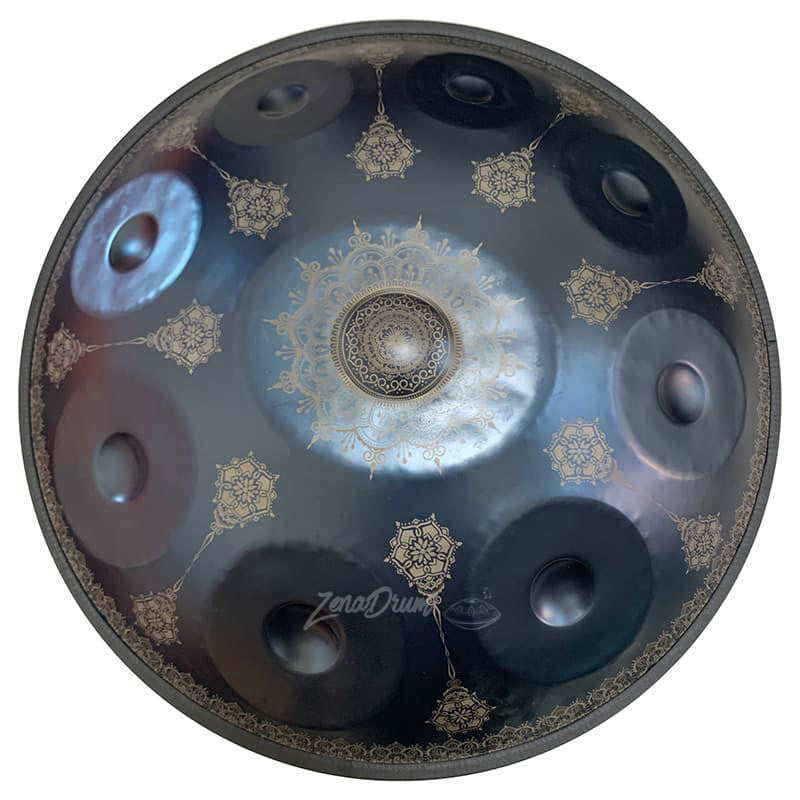
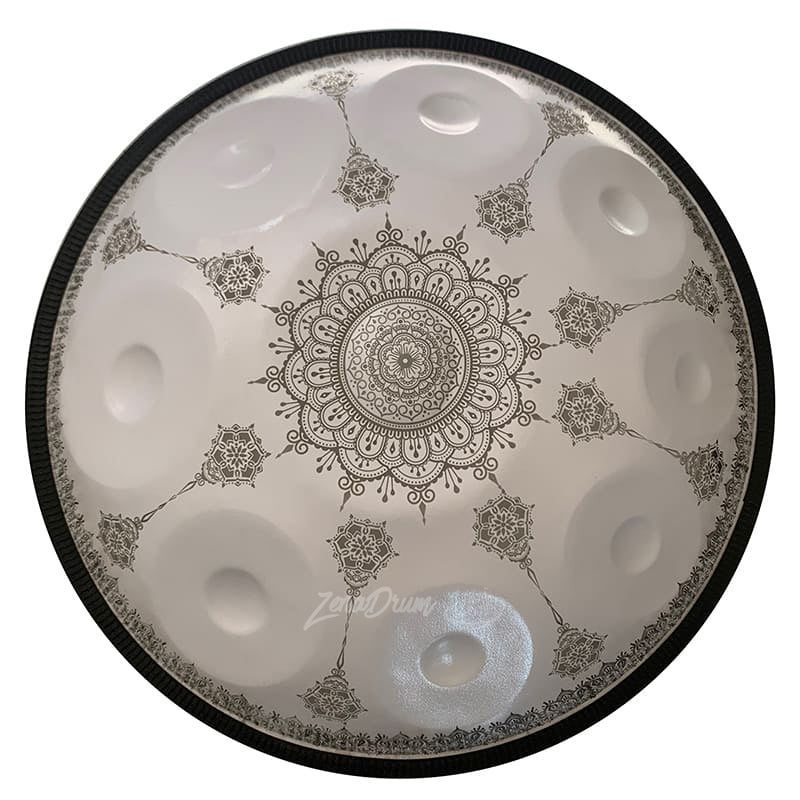
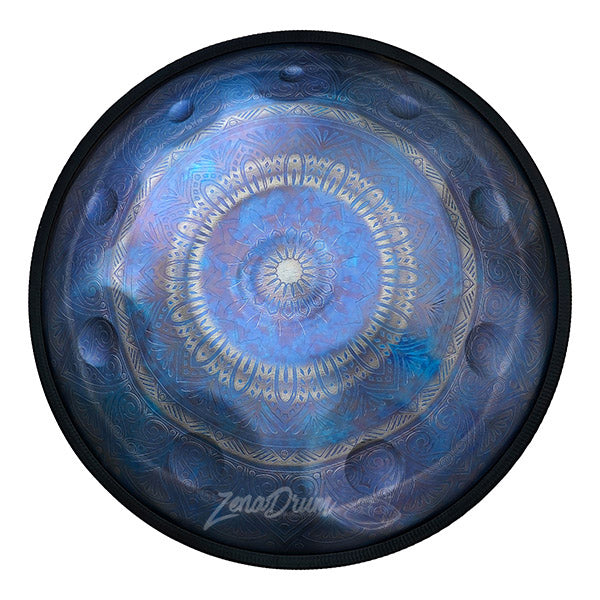
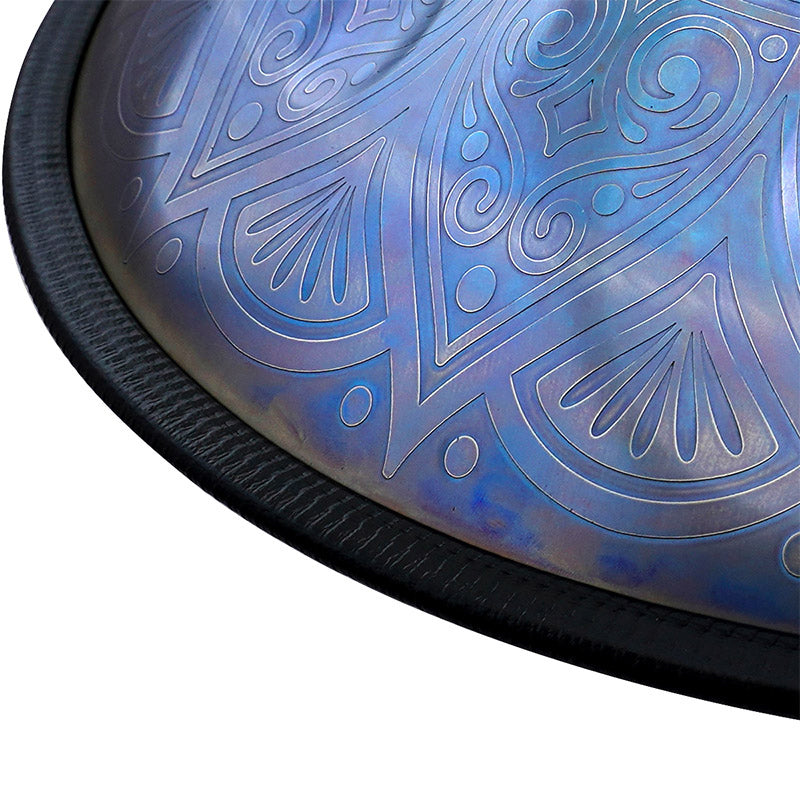
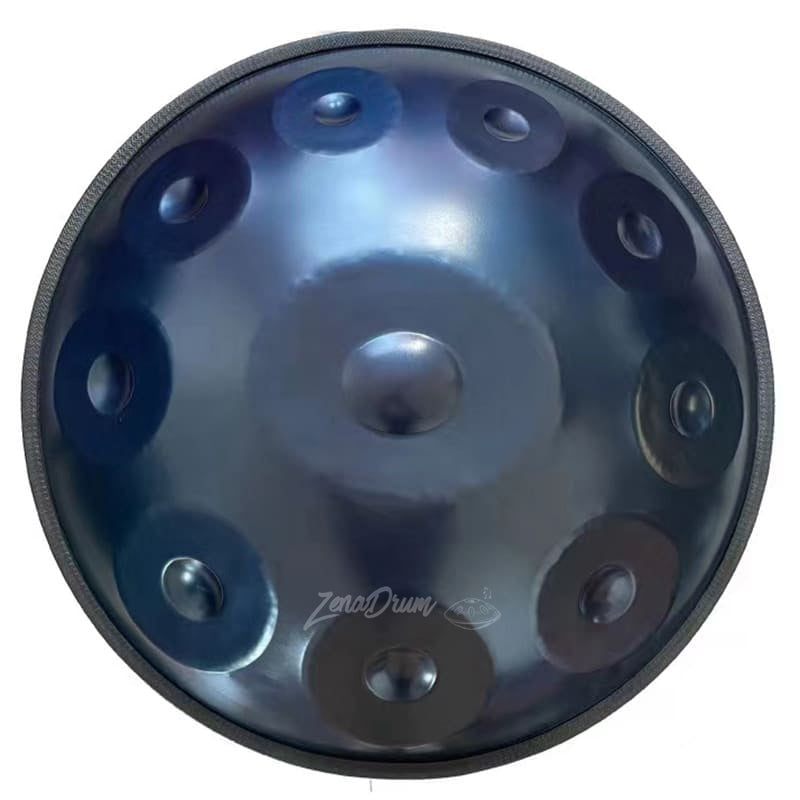
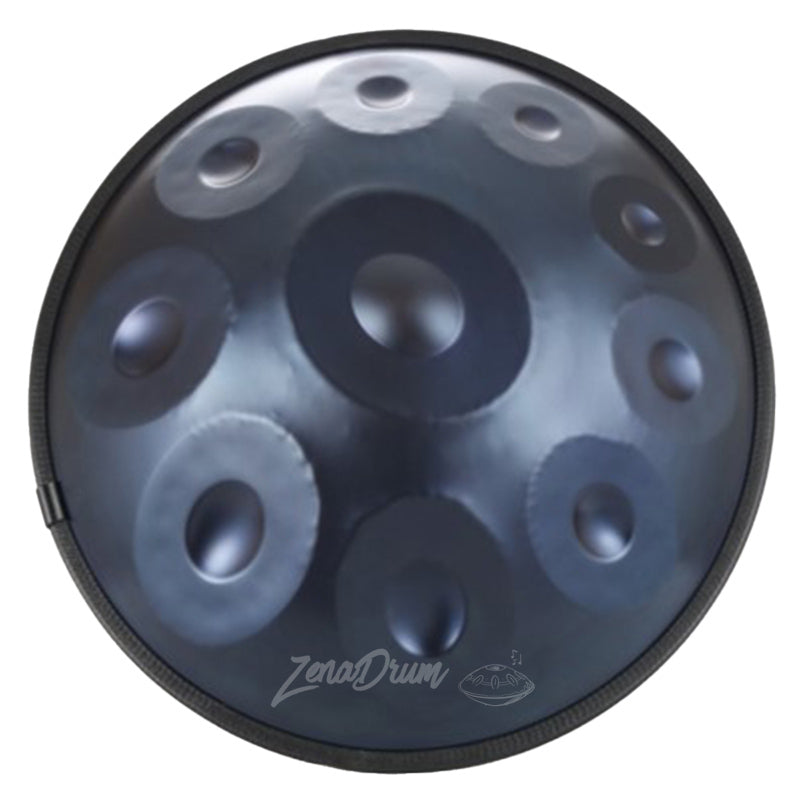
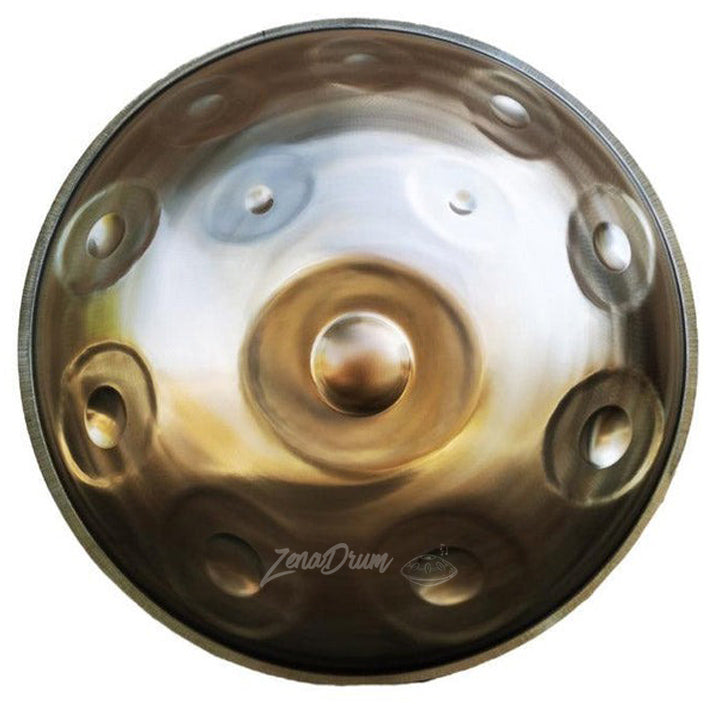
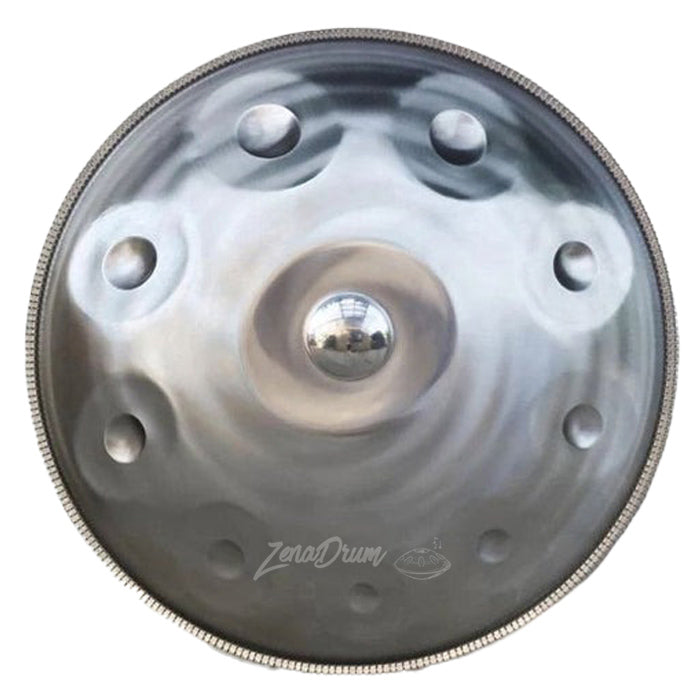
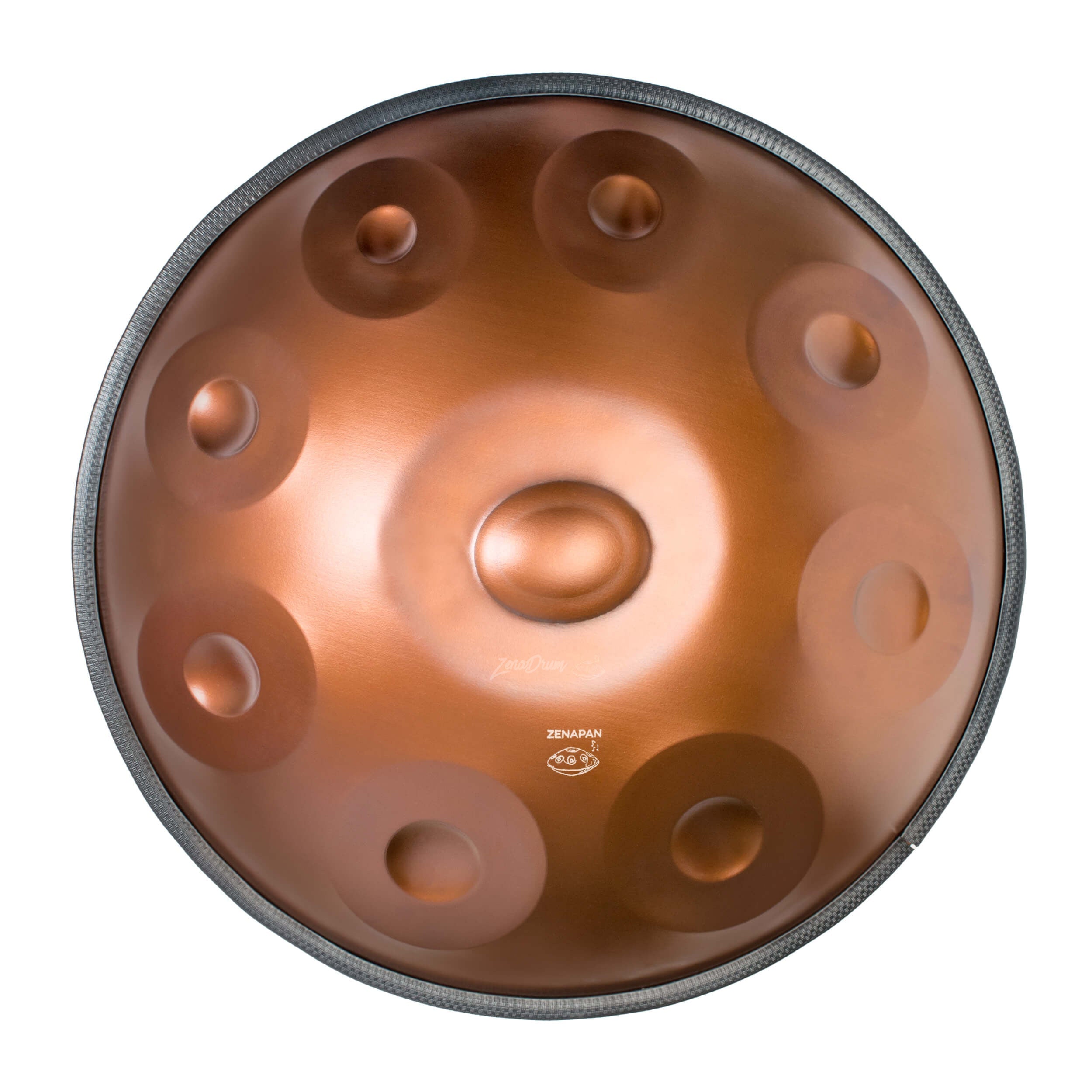
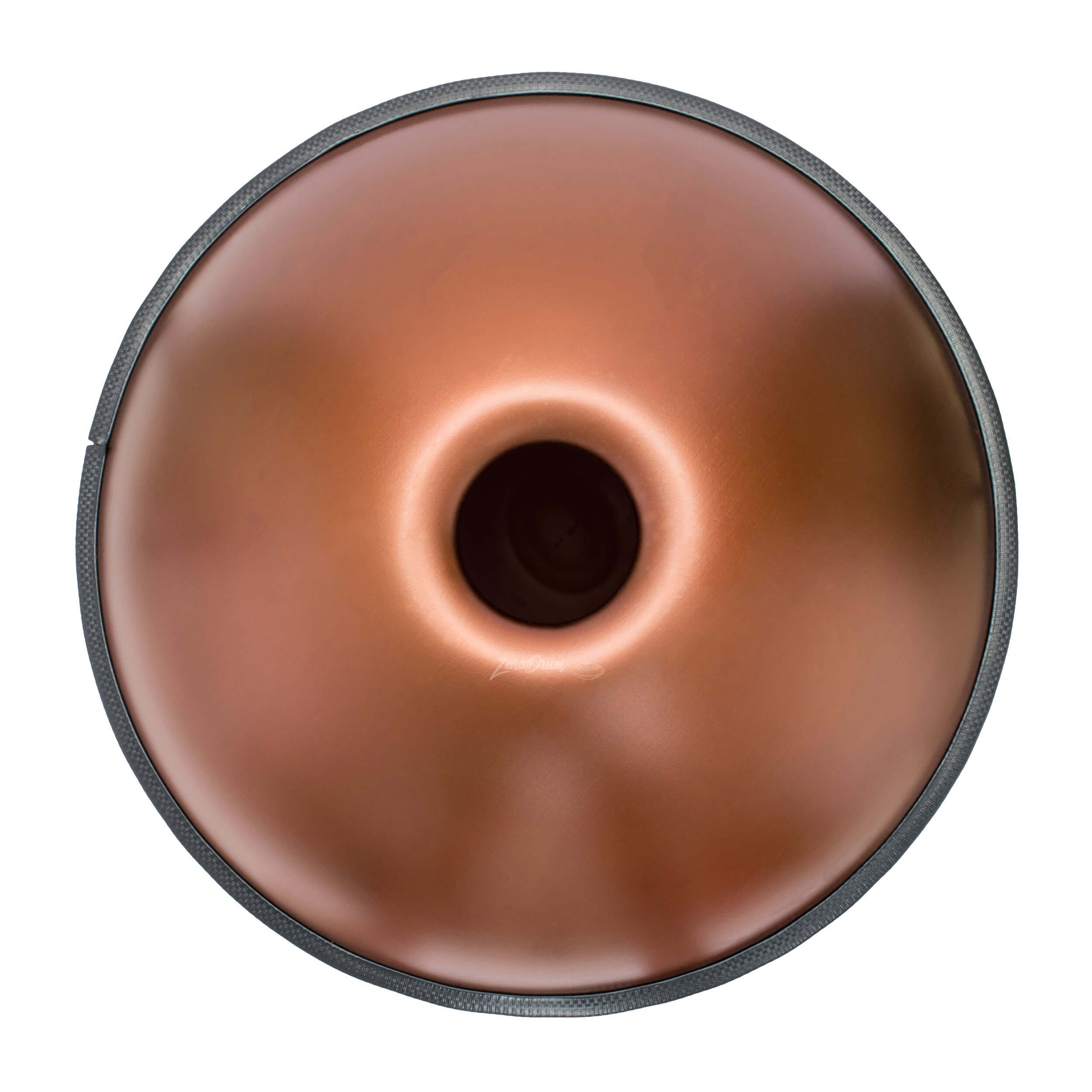
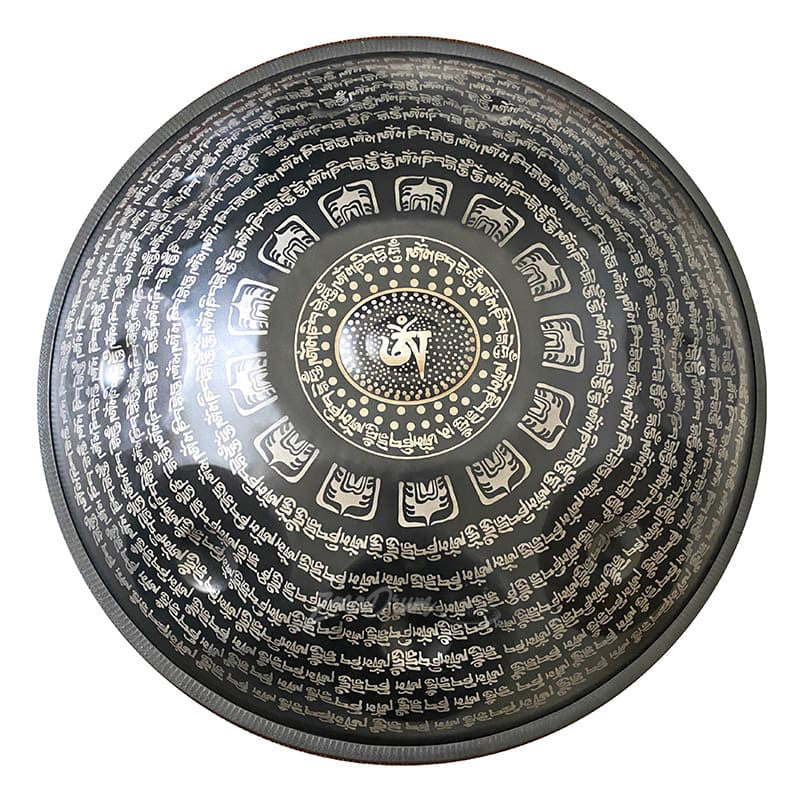
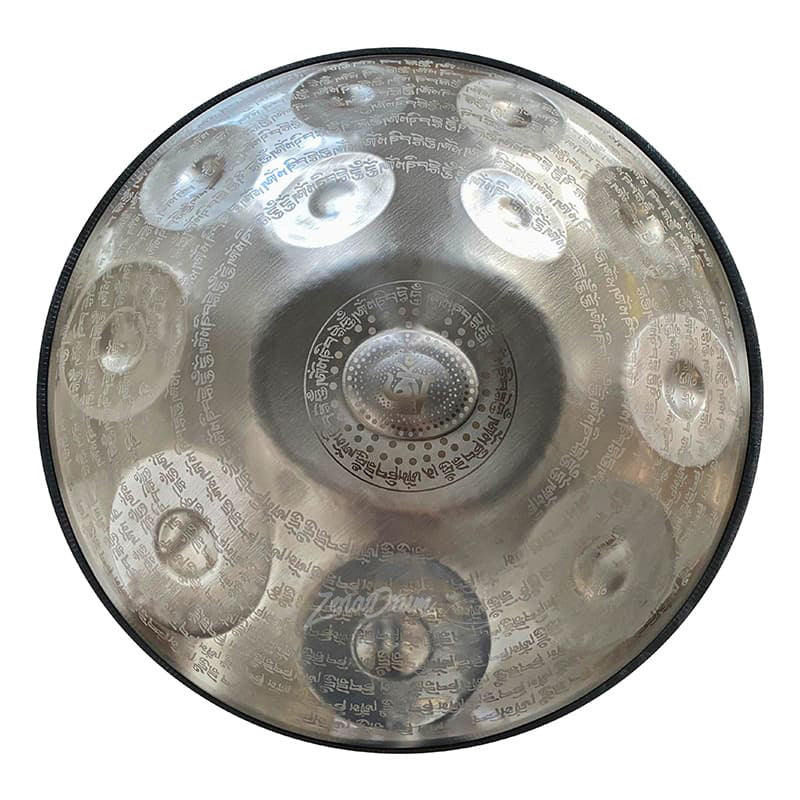
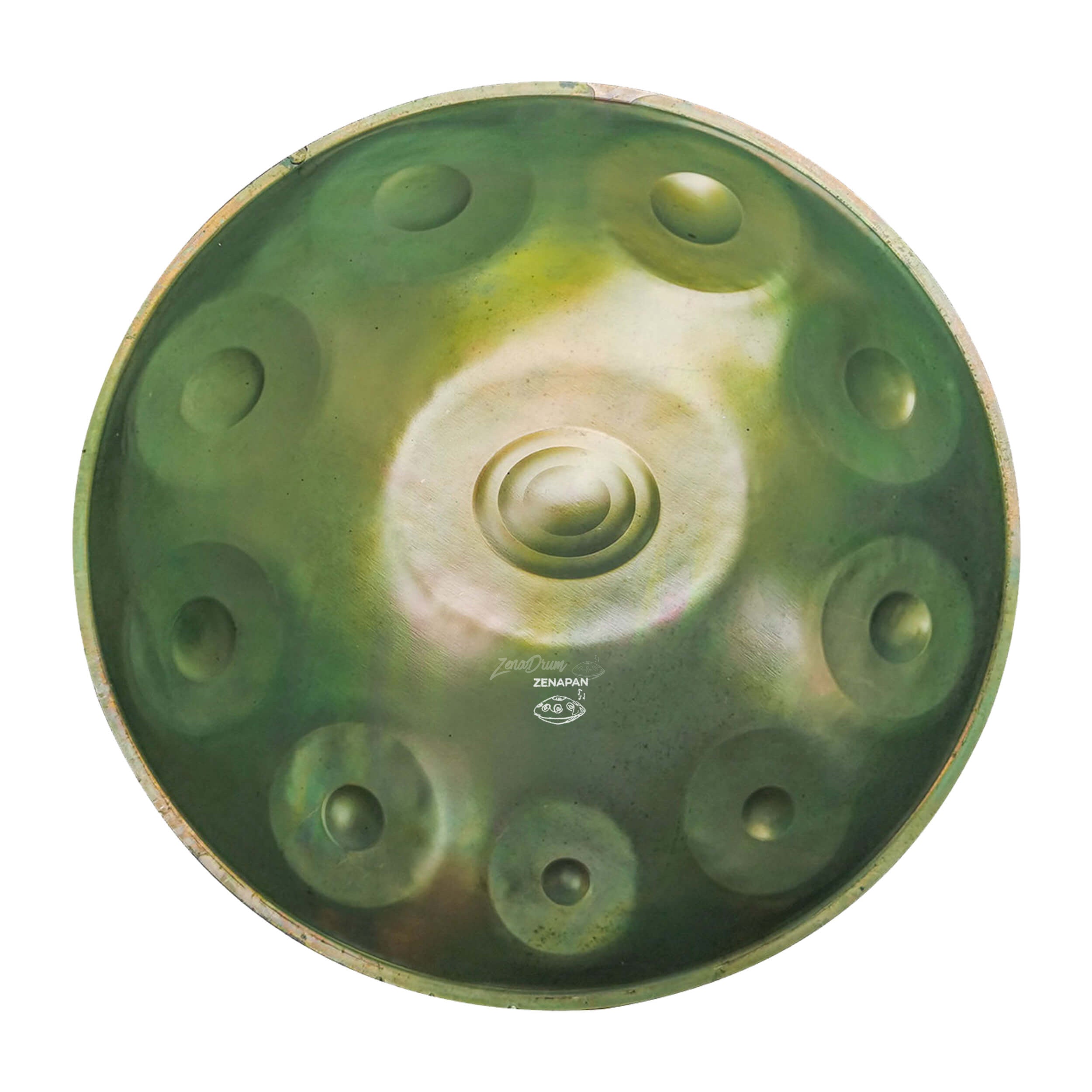
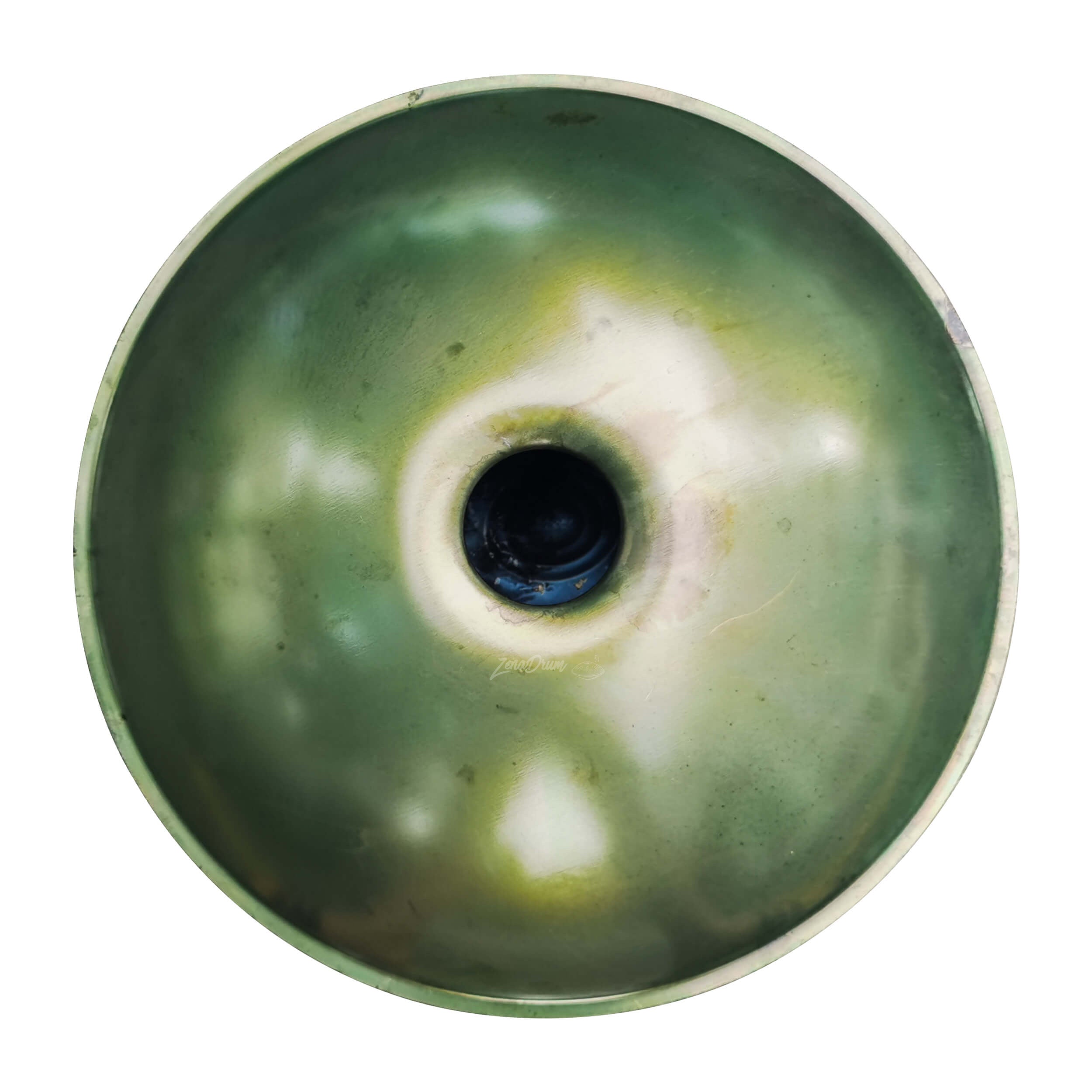
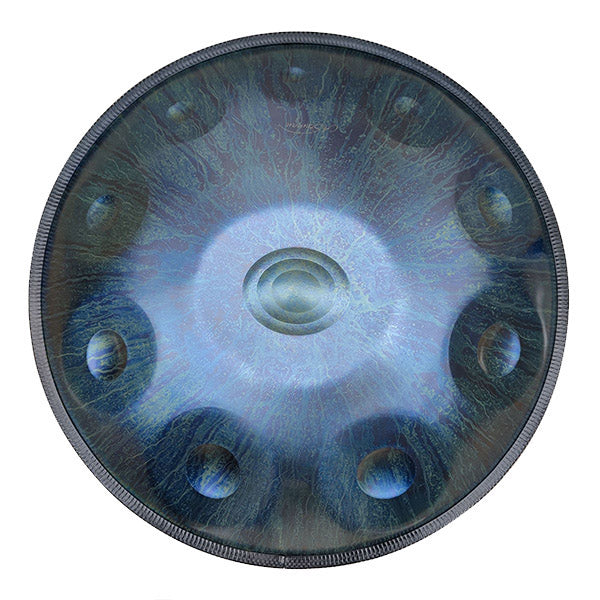
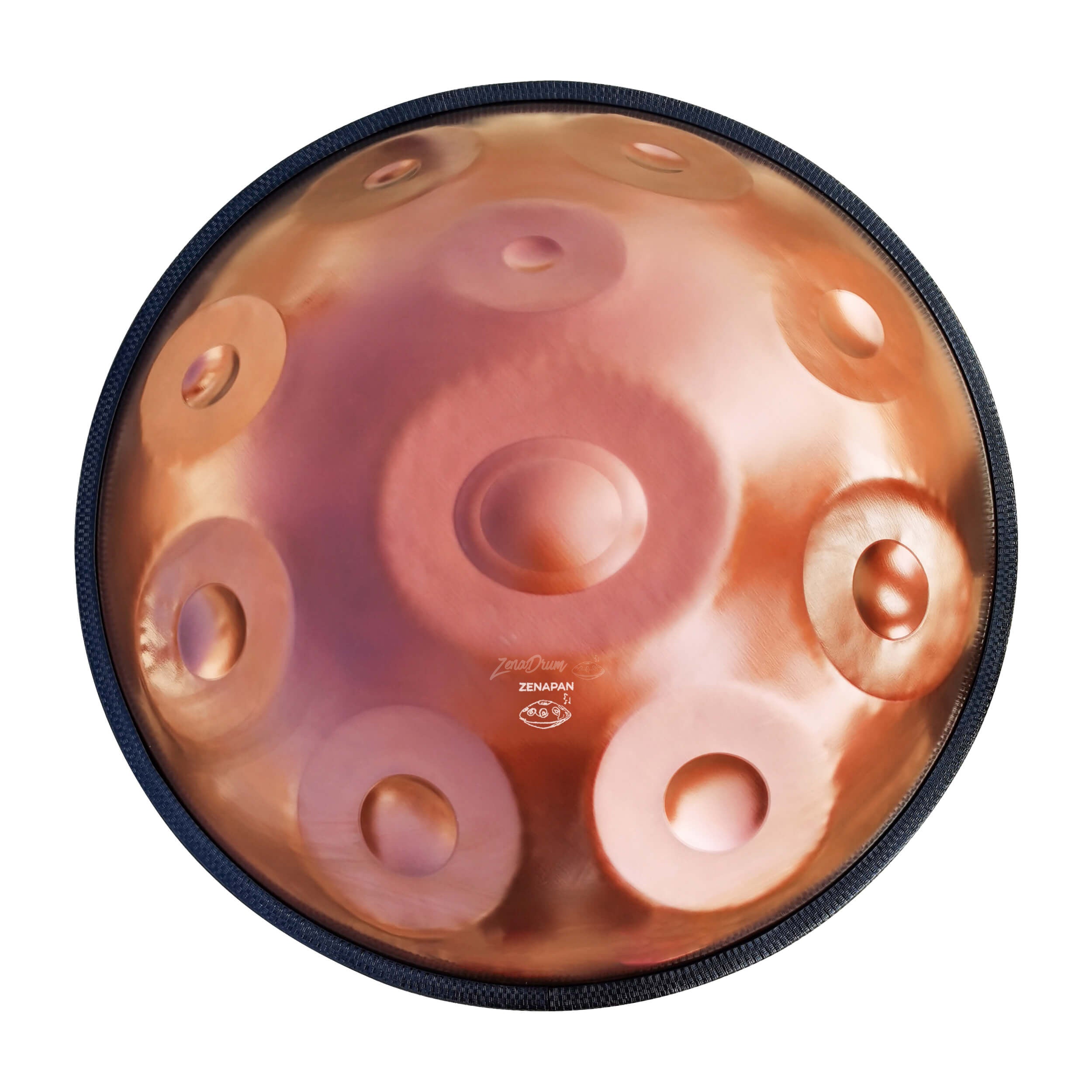
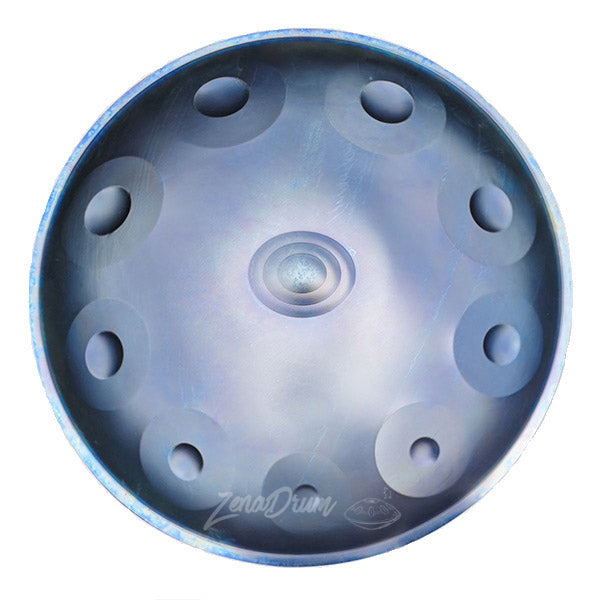
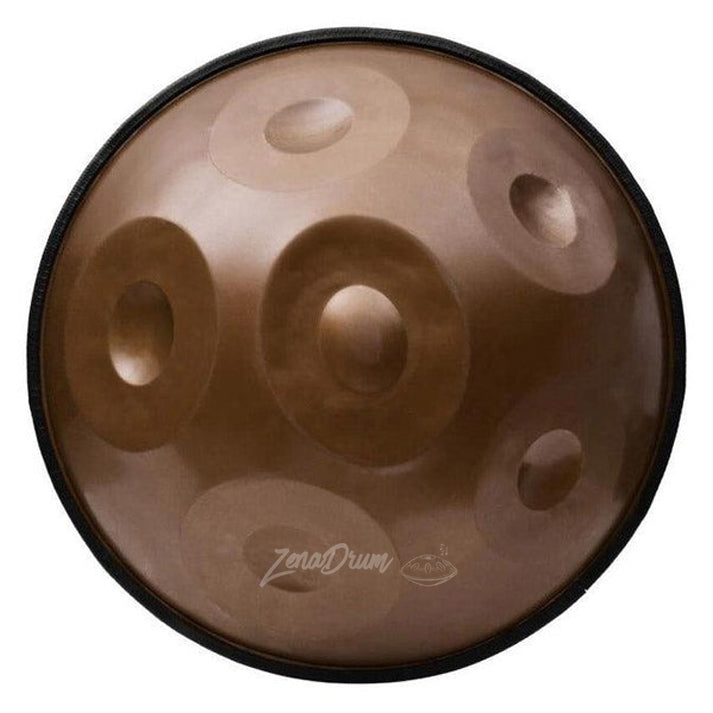
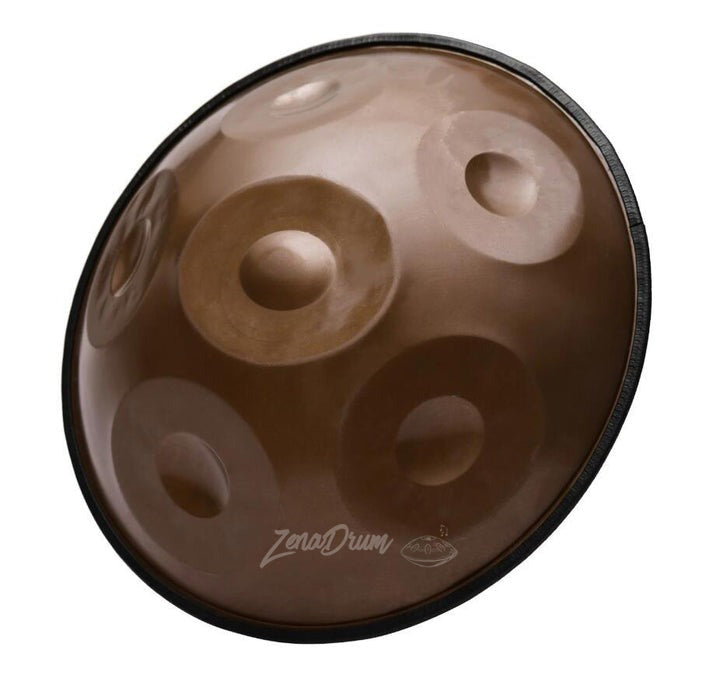
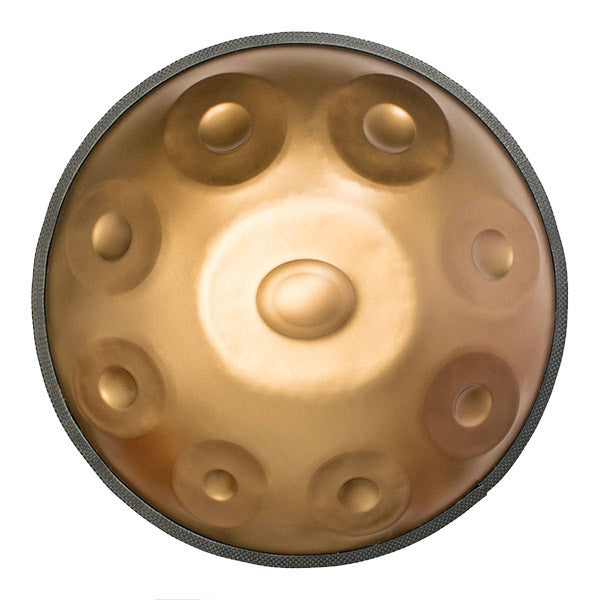
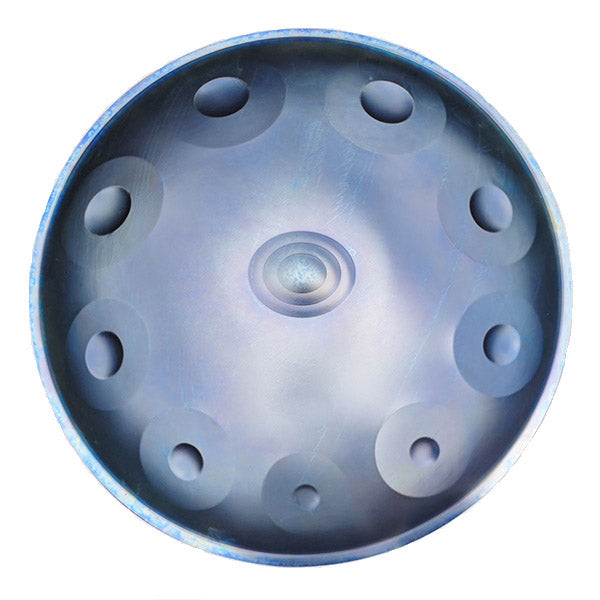
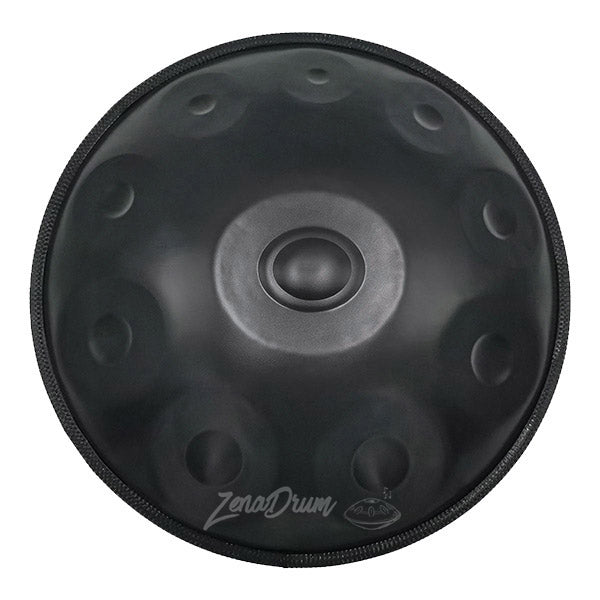
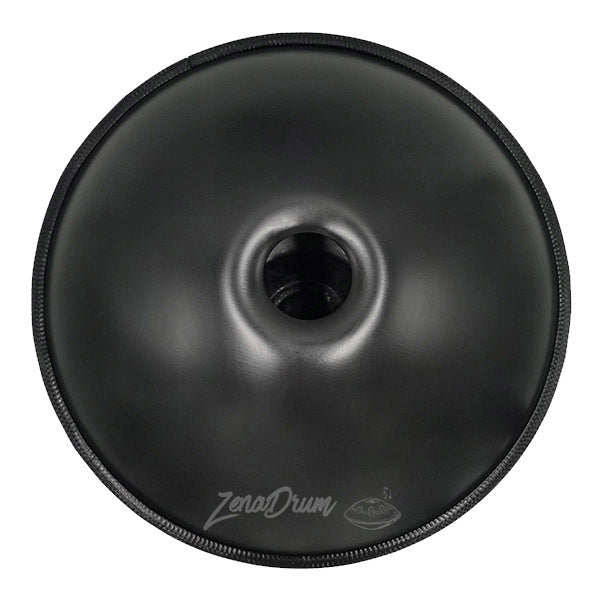
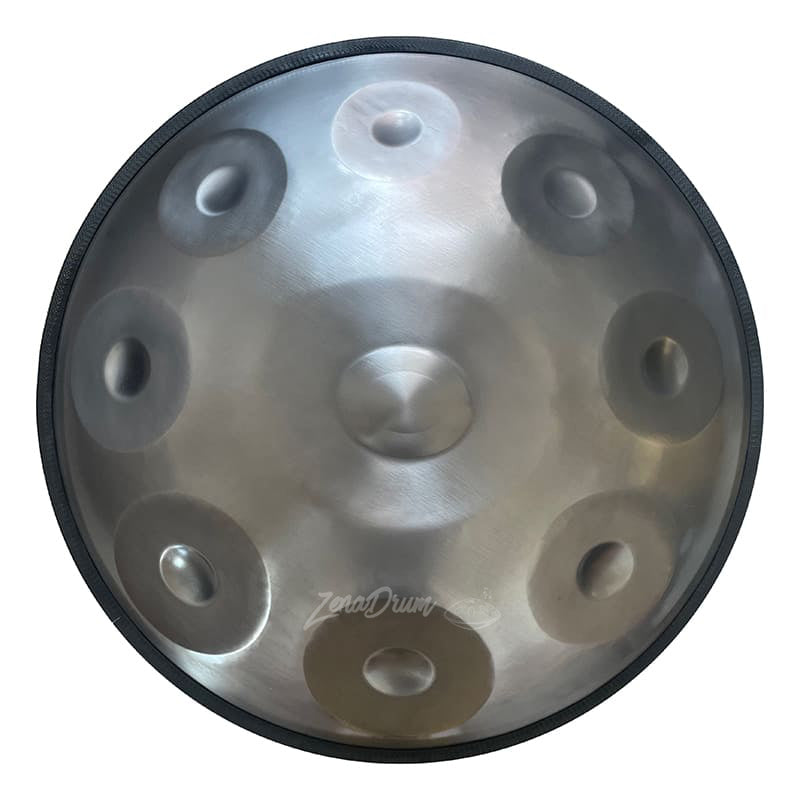
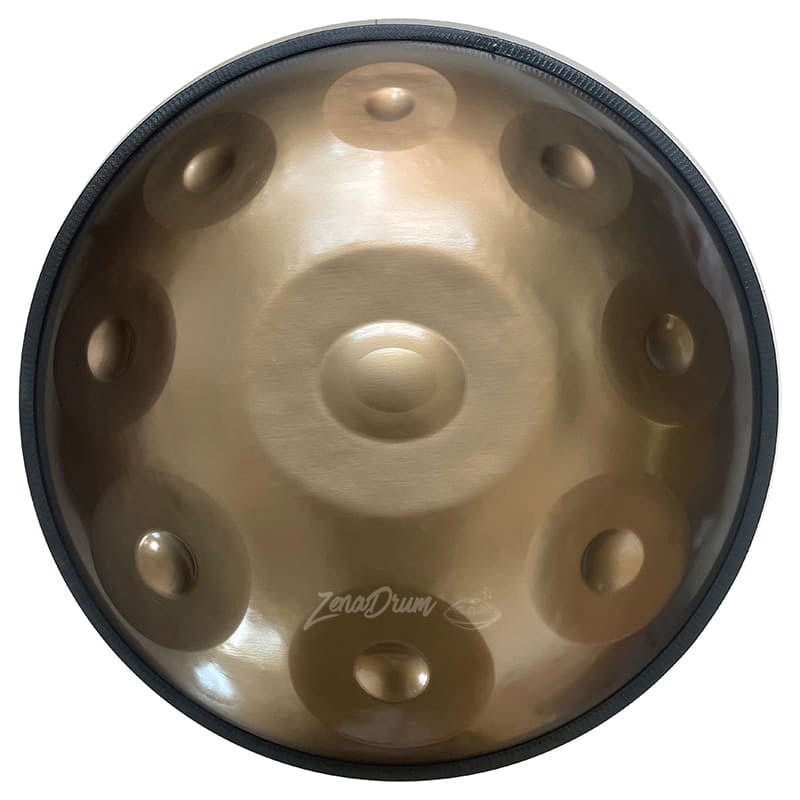
An intermediate handpan is the catalyst that turns familiar patterns into genuine musicianship — the instrument you reach for when your beginner model no longer keeps pace with your imagination. If you have spent six months or more building confidence on a 9-note layout, discovering your personal rhythmic voice and developing the muscle memory that lets your hands move without conscious thought, you have earned the right to explore the expanded creative territory that only a 10 to 12-note instrument can provide. At Healing Sounds, every intermediate handpan in our collection is selected for players who have moved past the discovery phase and are ready to build a serious musical identity.
The shift from beginner to handpan for intermediate players reshapes how you think about the instrument entirely. A beginner handpan teaches you to find notes. An intermediate handpan teaches you to shape sound — to control volume, manipulate sustain, layer rhythms against melodies, and navigate scales that demand more from your ear and your coordination. With 10 to 12 tone fields arranged in scales like Celtic Minor, G Minor, and C Major, you gain access to harmonic combinations that were physically absent from your first instrument, and every one of those new combinations becomes a doorway into unexplored musical expression.
This page is your roadmap for choosing and mastering an intermediate handpan. We cover the markers that signal you are ready to upgrade, break down the ideal note counts and scales for this stage, explain why material choice becomes an artistic decision rather than a practical one, and outline the core techniques that define intermediate-level playing. Whether your goal is performing at drum circles, deepening a sound healing practice, or composing original pieces, the right intermediate instrument will carry you forward with precision and inspiration.
The Anatomy of an Intermediate Handpan Player
There is no exam to pass and no certificate to earn — the transition to intermediate status happens organically as your abilities mature. But understanding the specific skills that define this level helps you assess your readiness honestly and choose an instrument that matches where you are, not where you hope to be in a year.
An intermediate handpan player demonstrates three foundational competencies. First, spatial fluency: you can locate any tone field on your current instrument without looking down, and your strikes land on center consistently rather than glancing off the edges. Second, rhythmic independence: you can sustain a steady tempo while varying your melodic content, rather than losing the beat every time you change the pattern. Third, tonal awareness: you can hear the difference between a clean fundamental strike and a sloppy one that activates unwanted overtones, and you adjust your technique in real time to correct imprecision.
If you recognize yourself in all three descriptions, an intermediate handpan will reward you immediately. If one or two areas still feel shaky, continue developing on your current beginner handpan — our beginner's playing guide offers focused drills for each of these skills. The worst investment you can make is upgrading your instrument before your technique can take advantage of the upgrade.
10 to 12 Notes: The Range That Grows With You
Note count is the first decision most intermediate buyers face, and it deserves careful thought. Adding tone fields does not just extend your range — it changes the geometry of the instrument, the spacing between notes, and the physical patterns your hands must learn. Choosing the right count ensures you stretch your abilities without overextending them.
The 10-Note Configuration: Precision Expansion
A 10-note handpan adds a single tone field to the familiar 9-note architecture. That one additional note might seem insignificant, but its musical impact is disproportionately large. In most scales, the tenth note fills a gap that previously forced your melodies to leap awkwardly over a missing interval. With that gap closed, your phrases flow more naturally, your runs connect seamlessly from low to high register, and transitions between musical ideas feel polished rather than abrupt. The 10-note layout is the least disruptive upgrade available — your hands retain most of their existing spatial map while gaining meaningful new melodic territory.
The 12-Note Configuration: Full Intermediate Power
A 12-note handpan delivers close to two complete octaves of melodic range and represents the upper boundary of intermediate territory. Twelve tone fields enable you to construct complete musical phrases with proper contour — rising from a bass foundation through a midrange melody and resolving at a high-register peak, all within a single instrument. This range also supports true chord construction: you can voice three or four simultaneous notes to create sustained harmonic textures that are impossible on smaller layouts. Sound healing practitioners particularly favor the 12-note configuration because the extended range supports longer, more varied tonal sequences during meditation and therapy sessions.
For players considering an even larger jump, we recommend patience. 14-note and 17-note instruments belong in the professional handpan category and demand a level of cross-hand precision that most intermediate players are still building. Master a 12-note instrument first, and the transition to professional-grade models will feel earned rather than overwhelming.
Scales That Reward the Developing Ear
If your first handpan was a D Kurd — the most common entry point for new players worldwide — your intermediate upgrade is the ideal moment to broaden your tonal vocabulary. Each scale carries a distinct emotional signature, and experiencing multiple tonalities is one of the fastest ways to accelerate your growth as a musician. Playing only one scale is like speaking only one language: functional, but limiting.
Celtic Minor: Where Technique Meets Storytelling
The Celtic Minor scale is our top recommendation for intermediate players seeking their second tonality. Its note intervals are wider and less predictable than D Kurd, which means your ear has to work harder to anticipate where a phrase will resolve — and that active listening builds melodic intelligence far faster than repeating comfortable patterns in a familiar scale. The Celtic Minor also responds exceptionally well to dynamic playing: soft ghost notes carry a haunting, whispered quality, while firm strikes produce a bold, cinematic resonance. For players drawn to world music, folk storytelling, or atmospheric composition, this scale is a revelation.
G Minor: Depth and Grounding Power
The G Minor scale sits in a lower register than D Minor, producing tones you feel in your chest as much as you hear with your ears. This physicality makes G Minor an outstanding choice for outdoor performance, group jam sessions, and sound healing work where a deep, enveloping resonance is more impactful than bright, high-pitched melodies. For intermediate players, G Minor also teaches an important lesson in restraint — the lower frequencies sustain longer and interact more complexly, rewarding slower, more deliberate playing over rapid patterns. Learning to let notes breathe is an intermediate skill that G Minor demands and develops beautifully.
C Major: Brightness, Versatility, and Collaboration
The C Major scale offers a tonal personality that contrasts sharply with any minor scale — bright, optimistic, and emotionally direct. For intermediate players, C Major introduces a valuable compositional challenge: major scales have narrower margins for consonance than minor scales, meaning you must be more intentional about which notes you combine. This added demand on your ear and your timing is exactly the kind of productive difficulty that accelerates growth. C Major is also the most collaboration-friendly scale in Western music, making it the natural choice for players who want to jam with guitarists, pianists, and other instrumentalists without worrying about key conflicts.
For a comprehensive breakdown of how different scales influence mood and composition, read our complete handpan scales guide.
Material Selection: Prioritizing Responsiveness Over Durability
As a beginner, you likely chose stainless steel for its virtually maintenance-free durability — and that was the right call. At the intermediate level, however, the conversation shifts from protecting the instrument to extracting maximum expression from it. Your technique has matured enough to hear and exploit the subtle differences between materials, and the material you choose will either amplify or constrain your developing artistry.
Nitrided Steel: The Instrument That Listens to Your Hands
Nitrided steel is the material most intermediate players gravitate toward once they understand what it offers. The nitriding process creates a hardened surface over a warm, resonant core — and that combination produces an instrument with exceptional dynamic sensitivity. When you whisper a ghost note on nitrided steel, the tone field responds with a delicate, barely-there shimmer. When you strike with confidence, the note blooms with rich overtones and extended sustain. This responsiveness is not just pleasant — it is pedagogically powerful. Nitrided steel teaches you to control your touch because it reflects every variation in force, angle, and finger position back to your ears in real time.
The maintenance cost is real but manageable: a thin coat of instrument oil every two to four weeks and storage in a controlled environment. Our handpan care guide makes this routine straightforward. Most intermediate players who switch to nitrided steel describe the tonal upgrade as transformative and never look back.
Alternatives: Stainless Steel and Ember Steel
Modern stainless steel handpans have closed much of the tonal gap with nitrided steel, and high-grade stainless models now deliver impressive sustain and clarity. If you travel frequently, play outdoors in humid climates, or simply prefer zero-maintenance instruments, stainless steel at the intermediate level is a legitimate choice. Ember steel occupies the middle ground — warmer than stainless, more forgiving than nitrided — and suits players who want expressive tone without committing to a strict maintenance schedule.
Building the Skills That Define Intermediate Mastery
An intermediate handpan is a precision instrument, but it only performs as well as the hands playing it. At this stage, your technical development should focus on three areas that separate casual players from musicians: dynamic storytelling, hand independence, and overtone control.
Dynamic Storytelling Through Volume Control
Every note on your handpan can be played at a spectrum of volumes, and each volume produces a different emotional effect. A pianissimo tap on a nitrided steel tone field creates an intimate whisper that draws listeners closer. A mezzo-forte strike produces the warm, present tone most people associate with the handpan. A fortissimo hit unleashes the full resonance and overtone structure of the note, filling a room with sound. Intermediate players learn to move deliberately through this spectrum within a single musical phrase — building tension by gradually increasing volume, creating space by dropping to near-silence, and punctuating key moments with sudden dynamic shifts. Practice playing a simple four-note pattern at five different volume levels. Your ears will hear five completely different pieces of music from the same notes.
Two-Handed Independence: Playing Rhythm and Melody Simultaneously
The most transformative intermediate skill is the ability to sustain a rhythmic ostinato with one hand while the other improvises melody above it. This technique, adapted from percussion traditions worldwide, turns a single handpan into a self-accompanying instrument. Start by establishing a simple two-note alternating pattern with your non-dominant hand on the lower tone fields. Once that pattern runs on autopilot, add single melodic notes with your dominant hand on the upper fields. The first attempts will feel impossible — your hands will want to synchronize. With daily practice of even ten minutes, the independence develops within two to three weeks. For structured exercises, consult our advanced handpan playing tips.
Overtone Isolation and Harmonic Playing
Every tone field on a well-tuned handpan contains at least three pitches: the fundamental, the first overtone, and the second overtone. Harmonic isolation is the technique of selectively muting the fundamental to let the overtone ring alone — producing a crystalline, bell-like tone that hovers above the instrument's normal register. On a responsive intermediate handpan, this technique unlocks a second melodic voice without adding any tone fields. Strike the center of a note firmly, then immediately touch the edge of the same field with a fingertip. The fundamental dies and the overtone sings. This is one of the handpan's most captivating sounds and a hallmark of intermediate-level artistry. Explore the physics behind these interactions in our handpan origins and evolution guide.
Navigate the Full Handpan Ecosystem
Your journey as an intermediate handpan player connects to every dimension of our catalog. Use the links below to explore instruments, materials, and educational resources that support your continued growth:
Parent Collection:All Handpans — Our complete instrument catalog in one view
Your Questions About Intermediate Handpans, Answered
You are ready for an intermediate handpan when three conditions are met: you can navigate every tone field on your current instrument without looking, you can maintain a steady rhythm while changing melodies, and you consistently feel creatively limited by your current note count or scale. Most players reach this threshold after six to twelve months of regular practice. If you find yourself reaching for notes that do not exist on your instrument, craving a second scale to explore, or wanting to execute techniques like harmonic isolation that require more responsive materials, these are reliable signals that an upgrade will accelerate your development rather than just adding complexity you are not yet ready to use.
We recommend 10 to 12 notes for intermediate players. A 10-note handpan is the gentlest upgrade from a 9-note beginner model — it adds one tone field that fills a critical gap in most scales, enabling smoother melodic runs and more complete phrases while preserving the spatial layout your hands already know. A 12-note handpan offers close to two full octaves of range, opening the door to chord construction, wider intervallic leaps, and the kind of compositional depth that serious players crave. Both configurations allow you to develop advanced techniques without the overwhelming complexity of a 14 or 17-note professional instrument.
Three scales stand out for intermediate players branching beyond D Minor. Celtic Minor introduces wider, less predictable intervals that challenge your ear and reward dynamic expression — it is our top recommendation for a second instrument. G Minor drops into a lower register that produces deep, chest-resonating tones ideal for outdoor performance and sound healing. C Major offers a bright, optimistic character and is the most collaboration-friendly scale in Western music, making it perfect for jam sessions with other instrumentalists. Choosing a scale in a different tonality from your first handpan ensures the broadest possible expansion of your musical vocabulary and prevents creative stagnation.
Upgrading to nitrided steel is one of the most impactful changes an intermediate player can make. Nitrided steel responds to variations in strike force, finger angle, and hand position with far greater sensitivity than stainless steel, meaning your developing technique — ghost notes, dynamic swells, harmonic isolation — translates directly into audible musical nuance. The trade-off is a maintenance routine: a thin coat of instrument oil every two to four weeks and controlled humidity storage. Most intermediate players find this routine simple once established. If maintenance is a concern, high-grade stainless steel and ember steel offer improved tonal warmth with less upkeep, though neither matches the dynamic responsiveness of nitrided steel.
Focus on three pillars: dynamic control, two-handed independence, and overtone isolation. For dynamics, practice playing a single four-note pattern at five distinct volume levels to train your hands to produce consistent, deliberate intensity. For hand independence, establish a repeating rhythmic pattern with your non-dominant hand on the lower tone fields while your dominant hand improvises melodies above — start with ten-minute daily sessions and expect progress within two to three weeks. For overtone isolation, strike a tone field firmly, then immediately touch its edge with a fingertip to mute the fundamental and let the overtone ring. Consistent focused practice of fifteen to twenty minutes per day will produce noticeable results within a month.
Treat yourself to a relaxing moment
With our best instruments. Handcrafted from the finest materials.
Created by healing enthousiasts
We know your needs because we use our products too. We are the first users.
Money-back guarantee
You have 60 days to return your order if it doesn't fit (you'll love it anyway).
100% secured payments
So you can remain in deep peace until you receive your order.