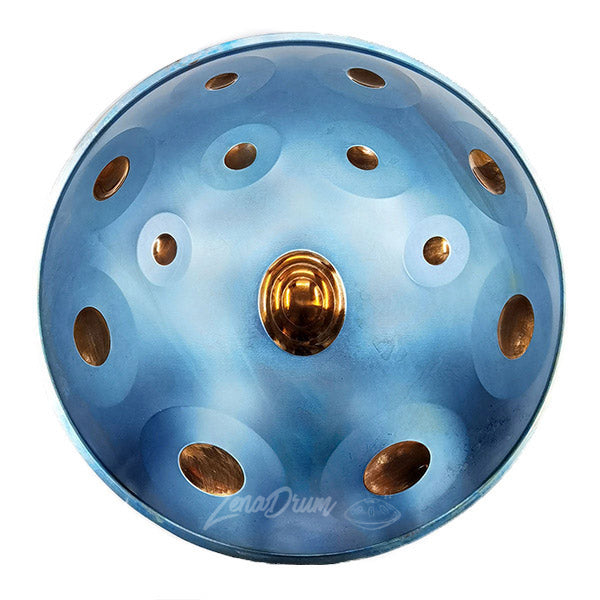
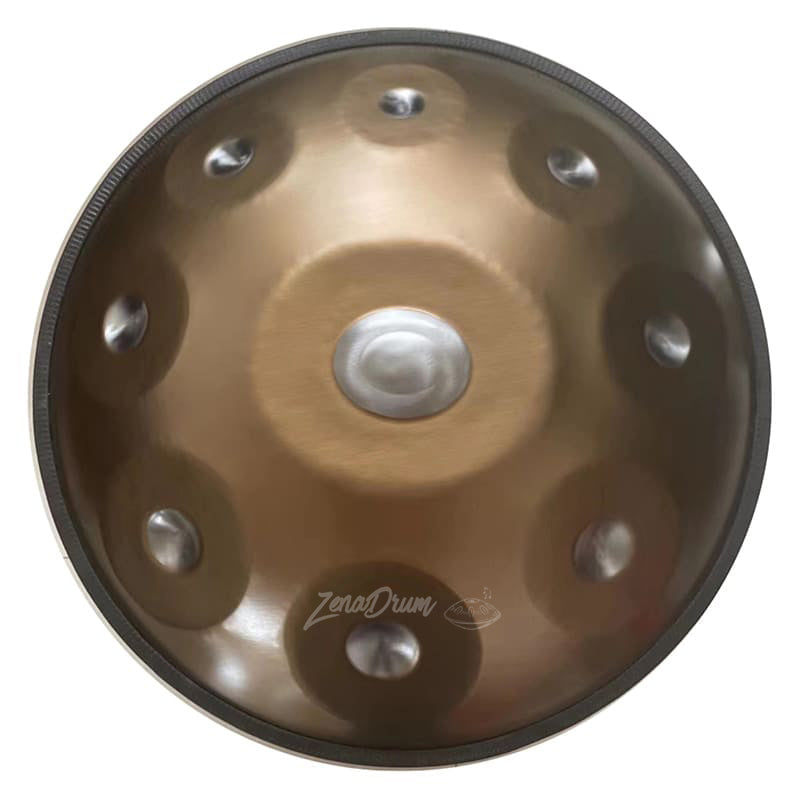
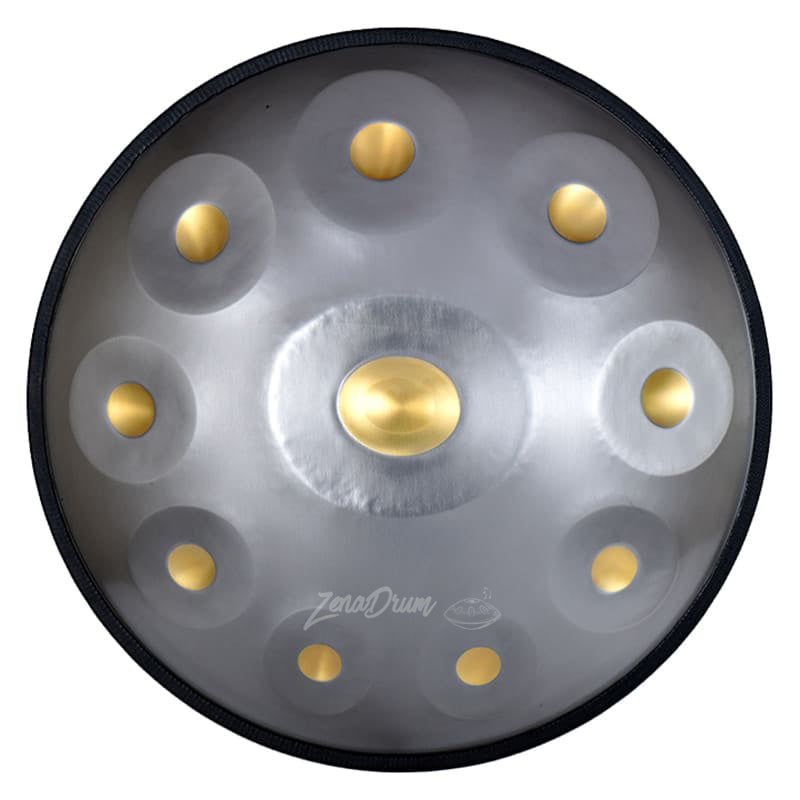
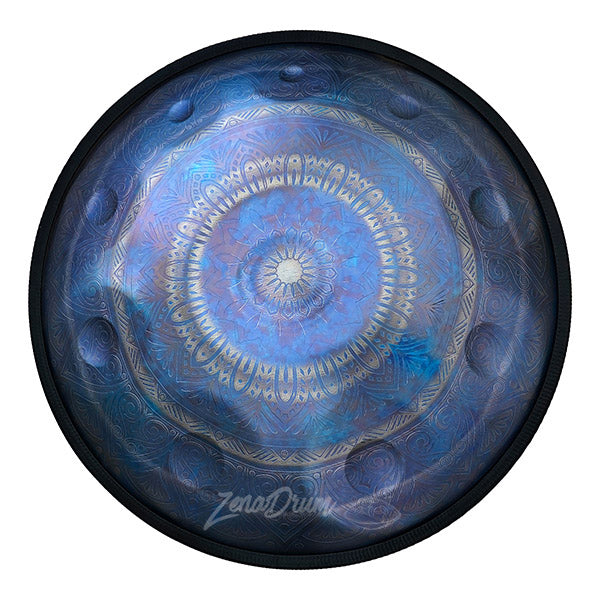
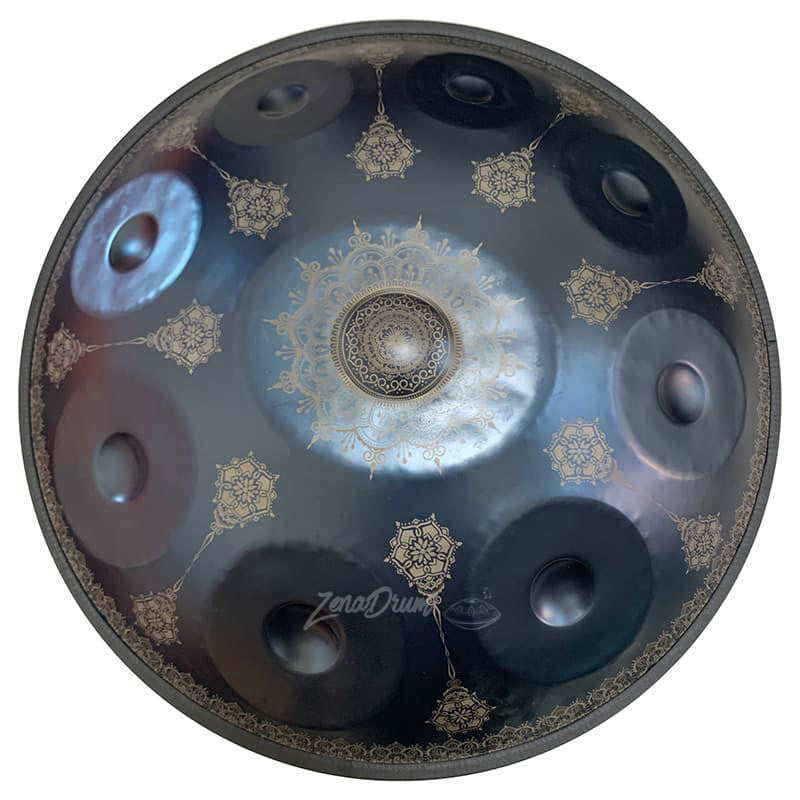
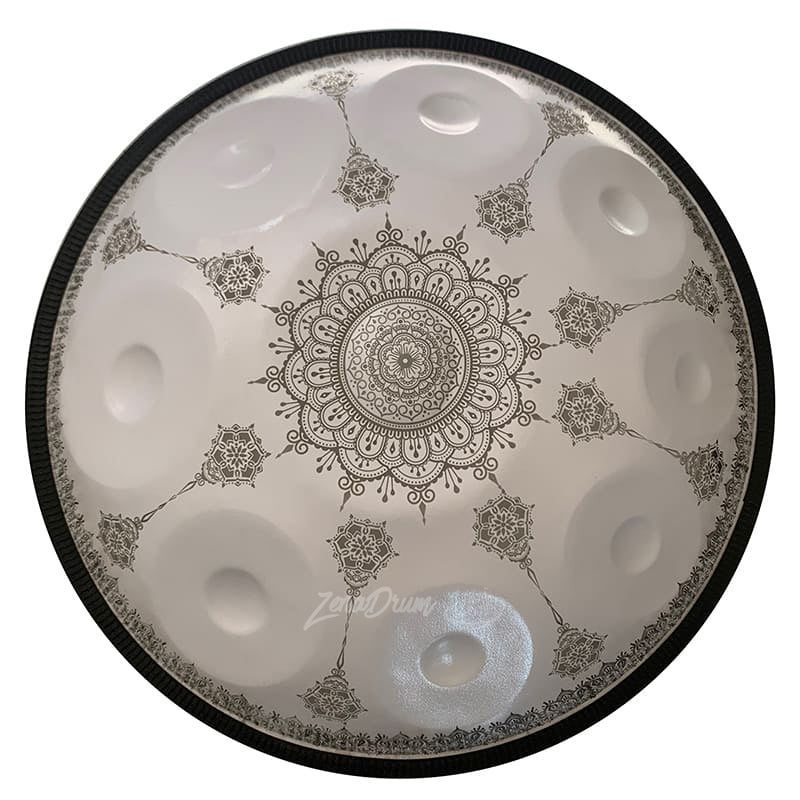
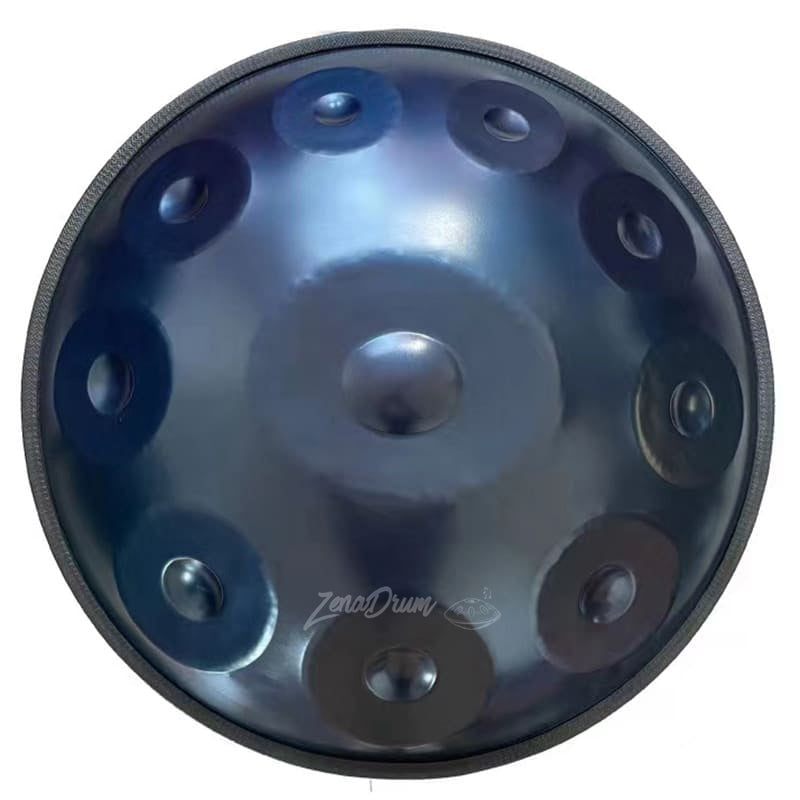
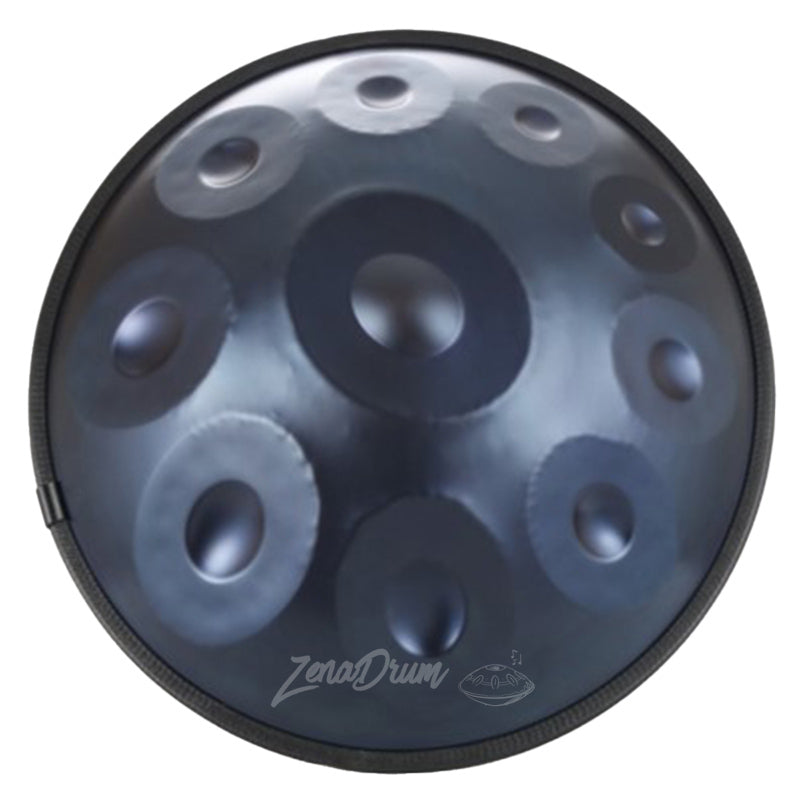
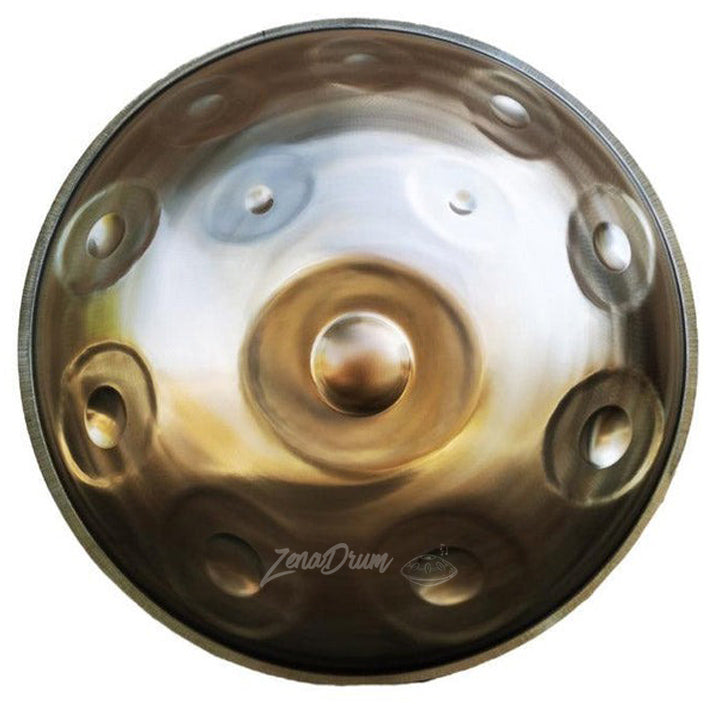
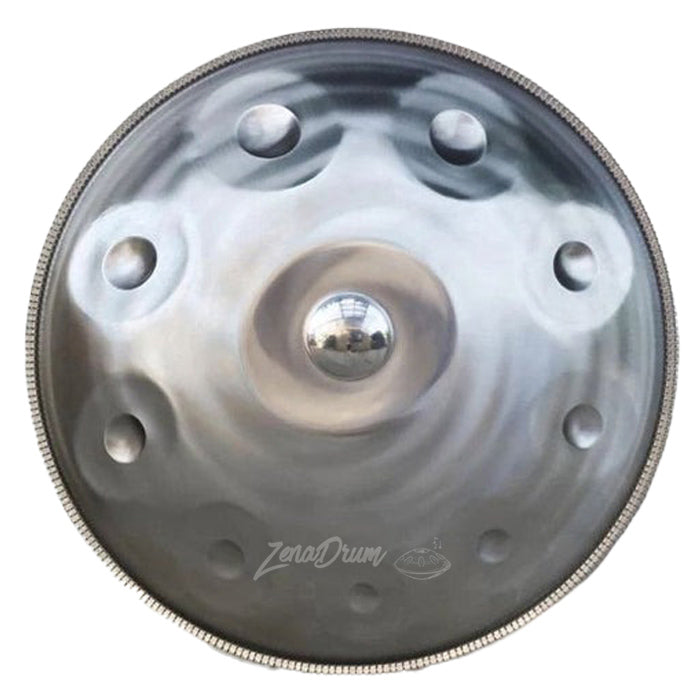
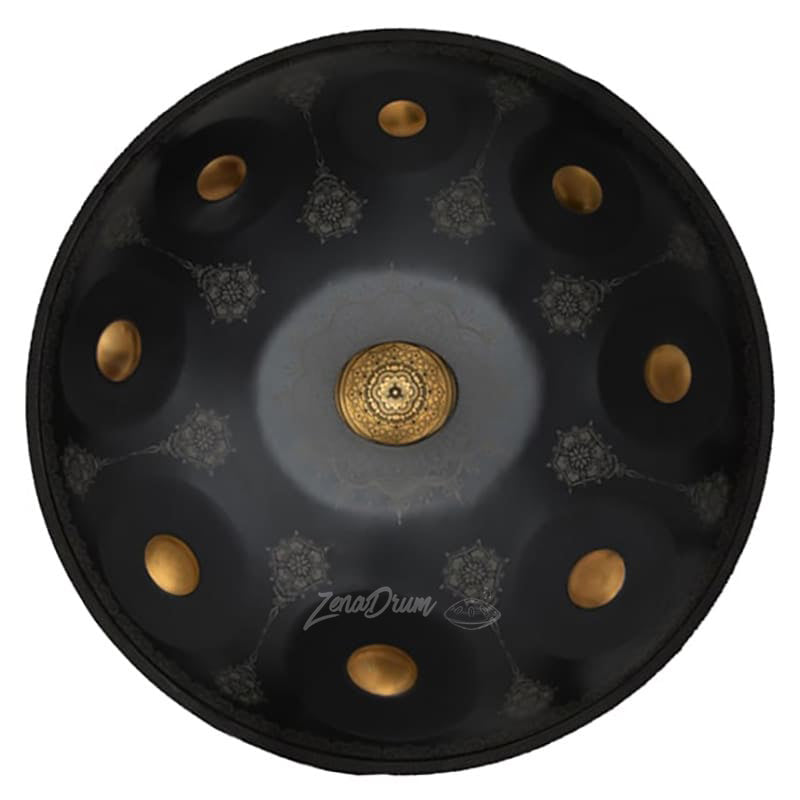
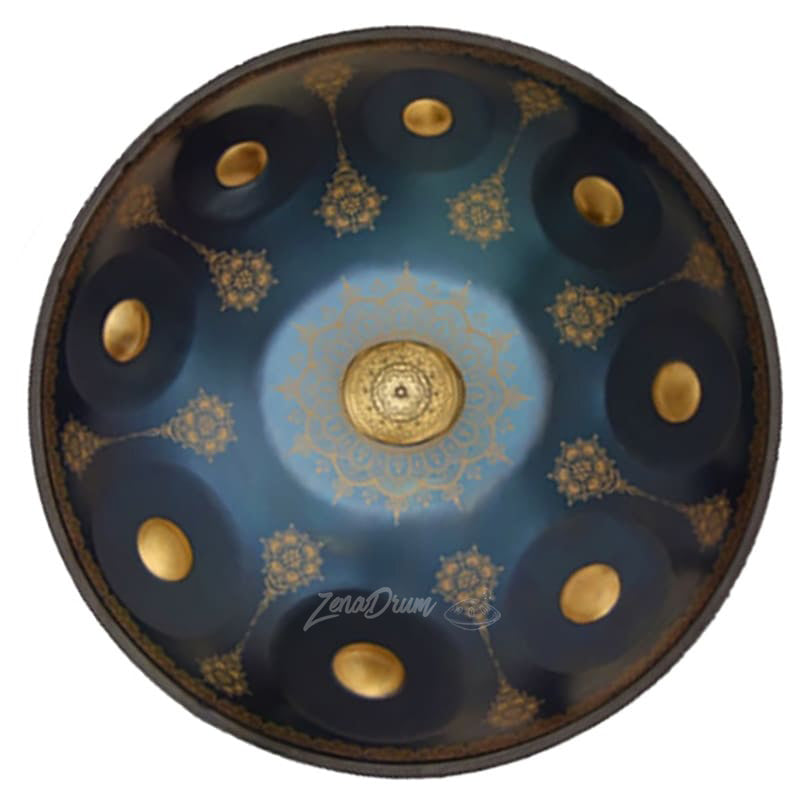
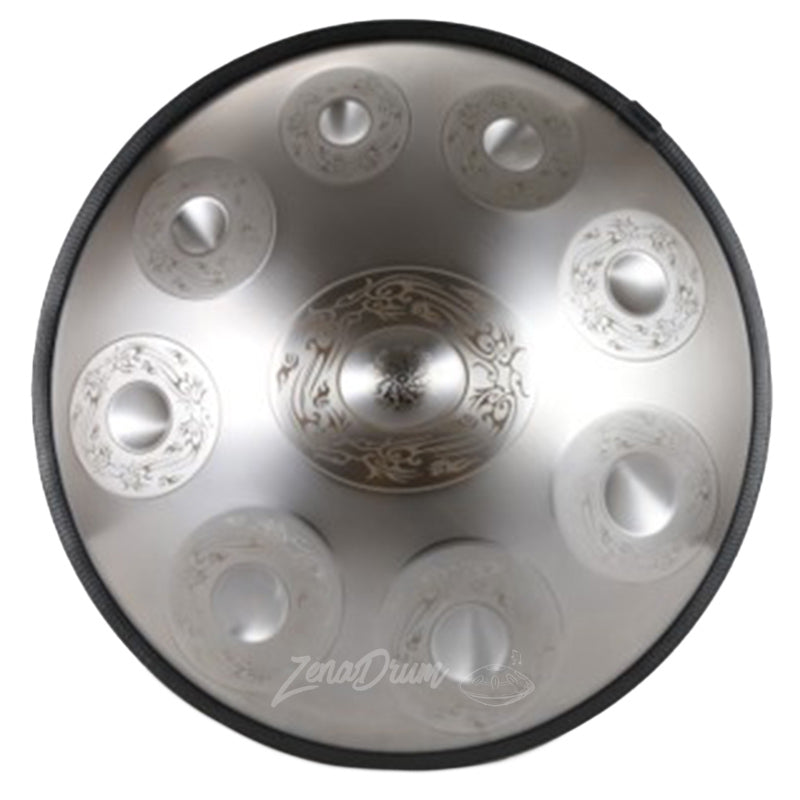
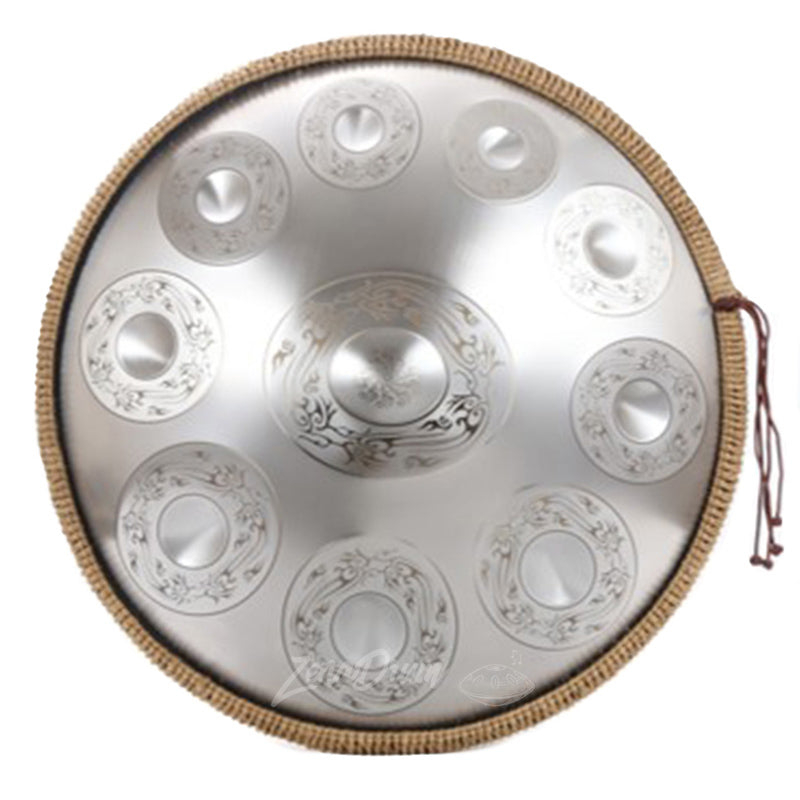
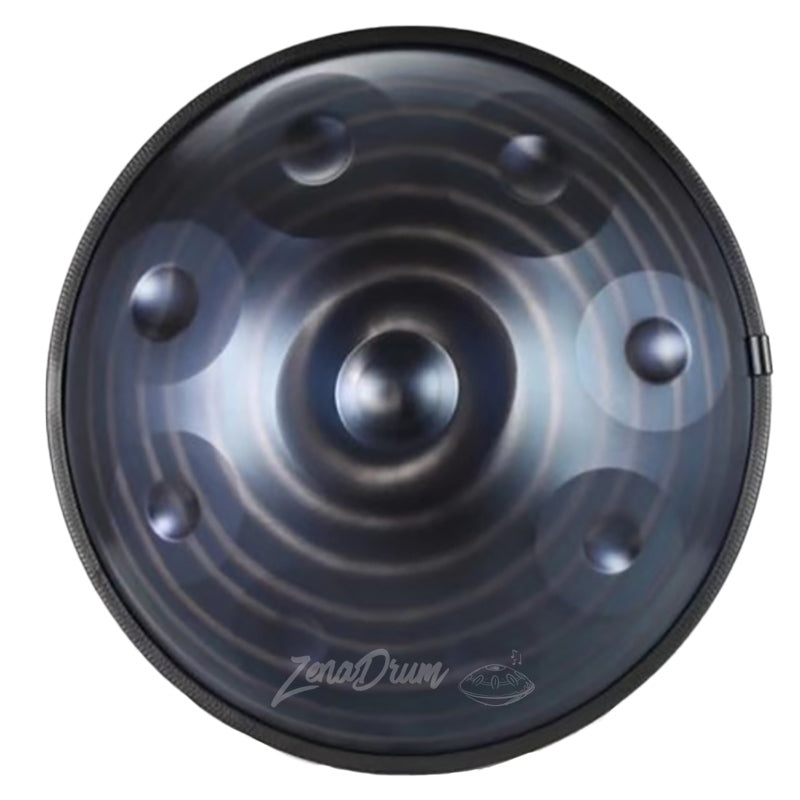
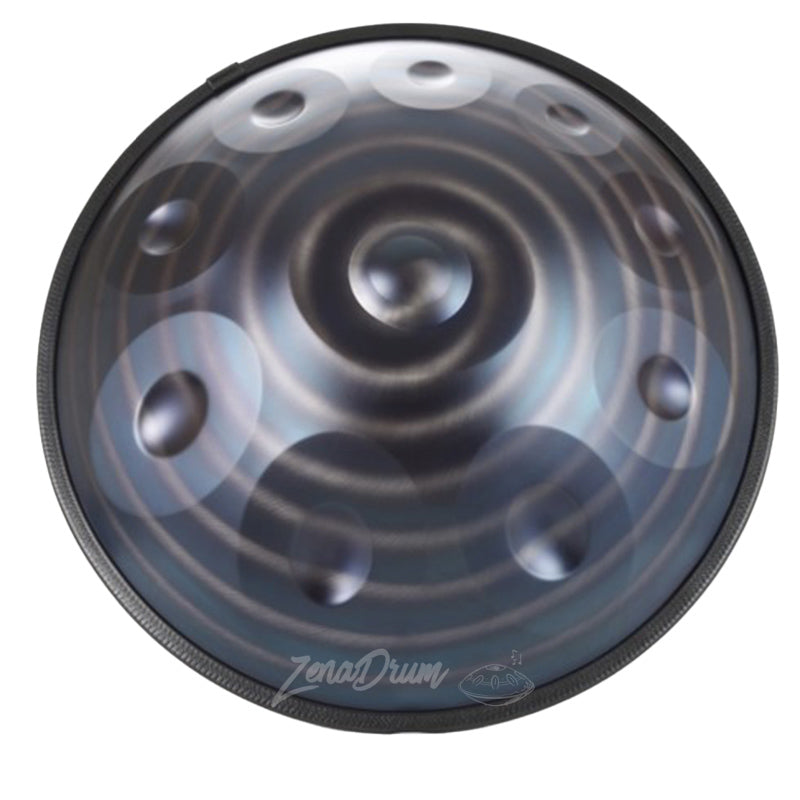
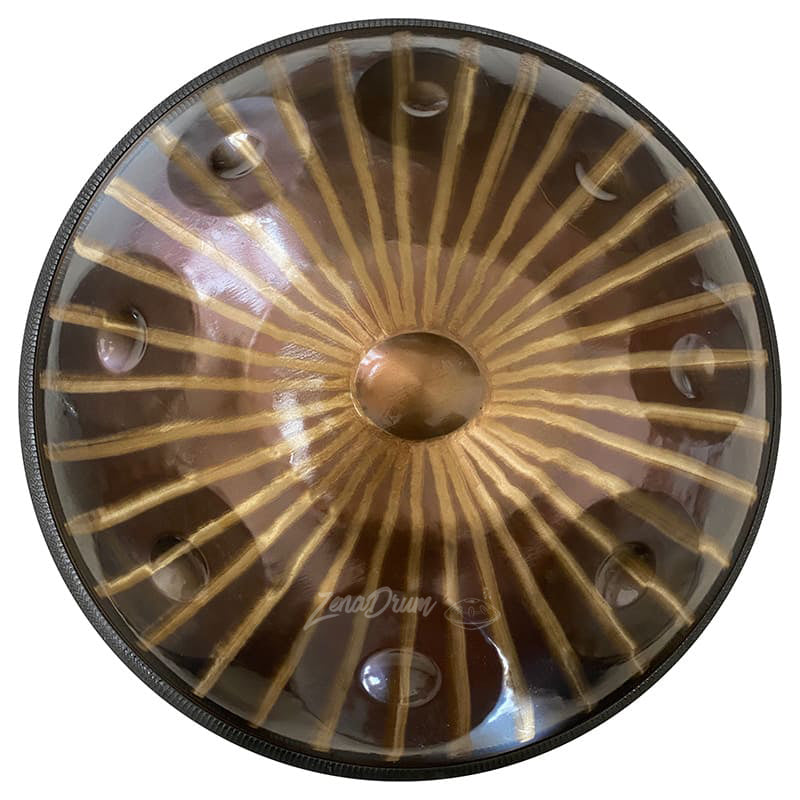
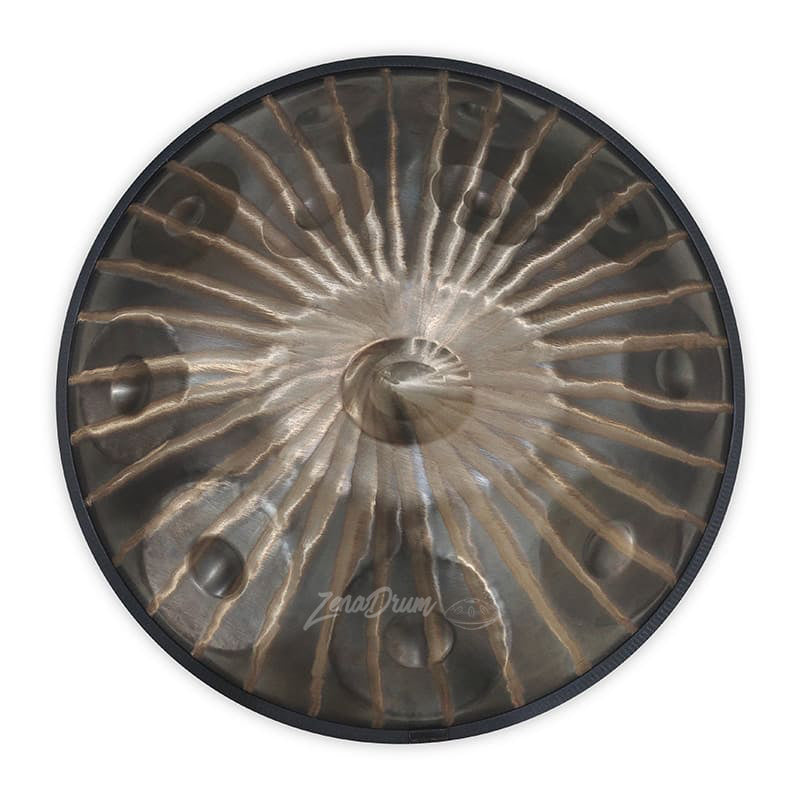
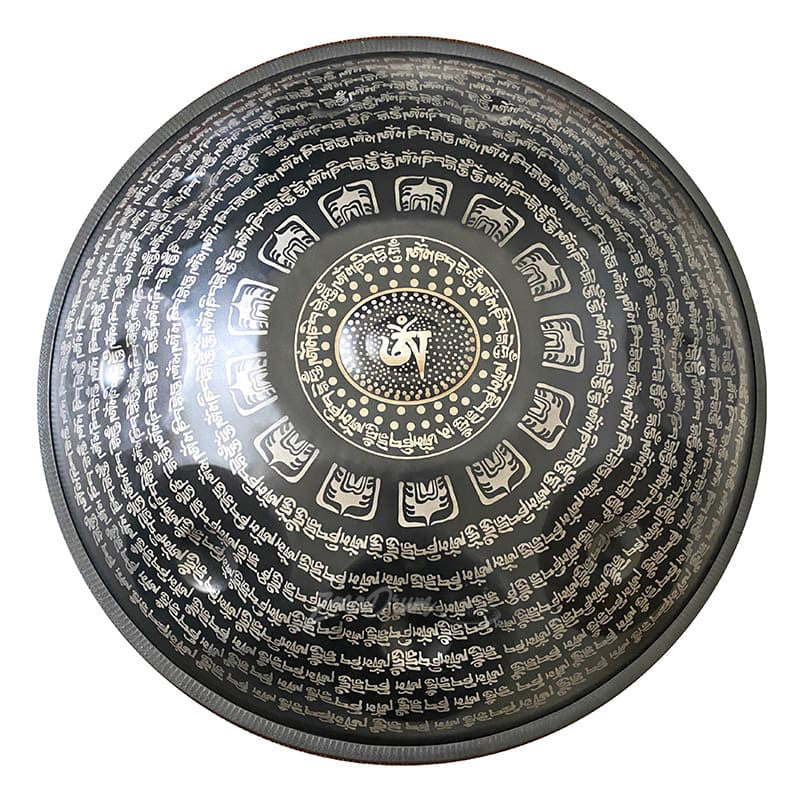
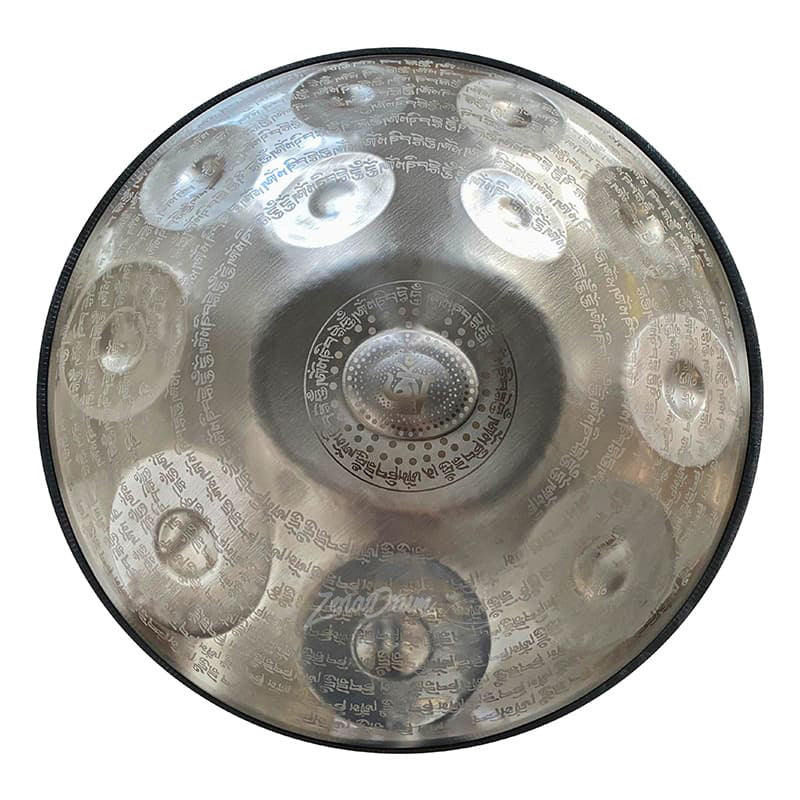
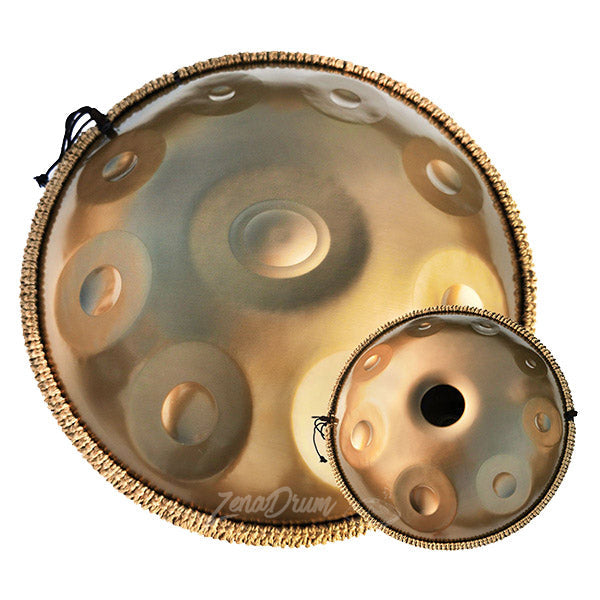
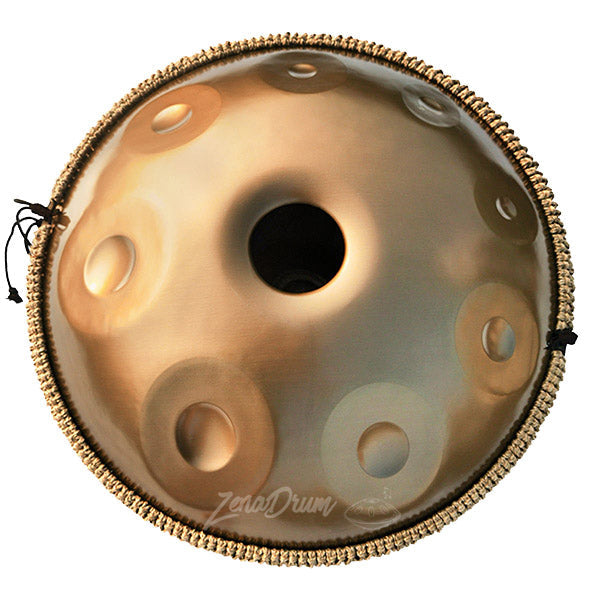
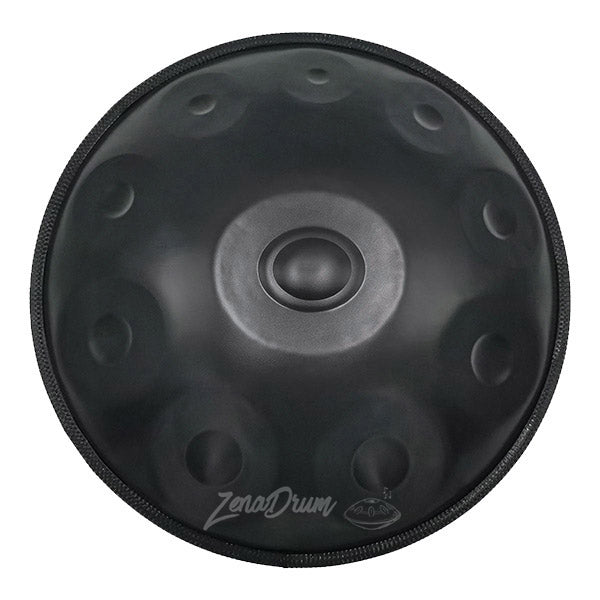
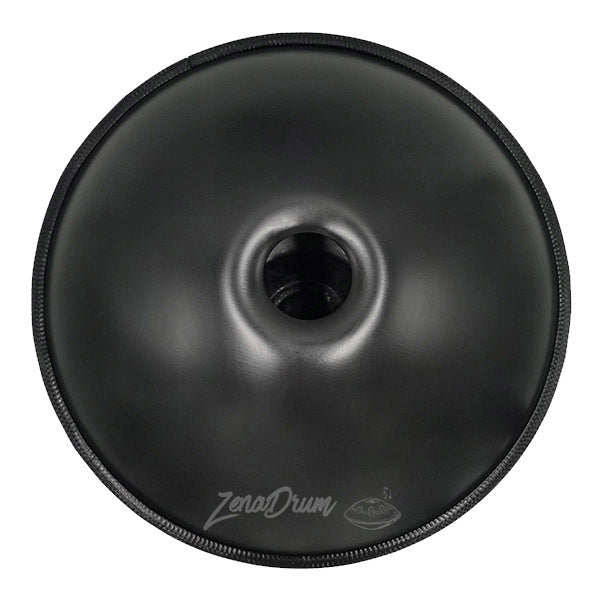
The Kurd handpan is the original, the iconic, and the most widely recognized handpan scale ever created. When the earliest handpan makers designed the note layouts that would define this instrument, the Kurd scale was among the very first — and it has remained the single most popular tuning ever since. At Healing Sounds, our D Kurd handpan collection spans the full spectrum of configurations, from accessible 9-note instruments ideal for first-time buyers to professional-grade 17-note models for advanced performers, all available in stainless steel, nitrided steel, and ember steel with 432 Hz or 440 Hz tuning.
If you have spent time researching handpans online, you have encountered the name "Kurd" repeatedly. Every major handpan maker produces a Kurd model. The overwhelming majority of YouTube tutorials, lesson plans, and instructional videos are written for the Kurd scale. The largest handpan communities and forums are populated primarily by Kurd players sharing compositions, techniques, and advice. This dominance is not accidental — the Kurd scale achieved its position because its note arrangement is the most musically forgiving, emotionally versatile, and universally appealing tuning available on a handpan.
This page provides a comprehensive guide to the Kurd handpan — what defines the scale, how it relates to the D Minor designation, why it remains the top recommendation for beginners, and how to select the ideal Kurd model for your musical goals. If you are exploring our complete handpan collection for the first time, understanding the Kurd scale is the essential first step.
What Is the Kurd Scale? Understanding the Handpan's Most Famous Tuning
The Kurd is a scale name — it describes a specific arrangement of musical intervals in the natural minor (Aeolian mode) pattern. When someone refers to a "Kurd handpan," they are identifying the scale structure of the instrument, not its musical key. The most common key for a Kurd handpan is D, which is why you frequently see the term D Kurd handpan — this specifies both the scale pattern (Kurd/natural minor) and the root note (D).
In a standard D Kurd configuration with 9 notes, the central Ding is tuned to D3, and the surrounding tone fields follow the natural minor pattern: A3, Bb3, C4, D4, E4, F4, G4, and A4. This particular combination of intervals means that virtually any sequence of strikes you play on the instrument produces a harmonious, musical result. There are no harsh dissonances lurking in the layout — the scale is inherently self-consistent, making it the most forgiving handpan tuning for players of all experience levels.
Kurd vs D Minor: The Same Scale, Two Names
The most common question new handpan buyers ask is whether the Kurd and D Minor are different scales. The answer is straightforward: they are the same scale. "Kurd" is the name given to this natural minor note arrangement by the pioneering handpan makers who developed the instrument's earliest tunings. "D Minor" is the standard Western music theory name for the same tonality. When you see a handpan labeled "D Kurd" and another labeled "D Minor," you can expect the same foundational note layout and the same emotional character.
Some makers prefer the traditional "Kurd" label, others use the more universally recognized "D Minor," and many use both interchangeably in their product listings. At Healing Sounds, we maintain separate collection pages for Kurd and D Minor to help you find the instruments most relevant to whichever search term you prefer — but the instruments themselves share the same tonal DNA.
Can the Kurd Scale Be Played in Keys Other Than D?
Yes, though D is by far the most common key. The Kurd scale pattern can theoretically be applied to any root note — an E Kurd, F Kurd, or G Kurd would all follow the same natural minor interval structure transposed to a different fundamental pitch. However, the D Kurd has become so dominant that when players and makers say "Kurd" without specifying a key, they almost always mean D Kurd. The D3 root sits in a tonal sweet spot that most listeners find pleasing — deep enough to feel substantial, high enough to project clearly — which is one reason the D Kurd specifically achieved such widespread popularity.
Why the Kurd Handpan Remains the Top Recommendation for Every Skill Level
The Kurd handpan is recommended more than any other scale for first-time buyers, and the reasons go beyond its forgiving note layout. The Kurd's dominance creates a self-reinforcing ecosystem of resources, community, and support that makes learning faster, troubleshooting easier, and musical growth more sustainable.
The Largest Tutorial Library of Any Handpan Scale
More instructional content exists for the Kurd scale than for all other handpan scales combined. YouTube channels, online course platforms, paid lesson subscriptions, and free tutorial blogs overwhelmingly favor the D Kurd as their teaching scale. This means that when you buy a Kurd handpan, you gain access to hundreds of hours of guided learning material — from absolute beginner exercises to advanced polyrhythmic compositions. No other scale offers this breadth of structured instruction. Start your journey with our beginner's playing guide and progress to our advanced technique tips.
The Largest Player Community
Because so many players own Kurd handpans, online communities — Facebook groups, Reddit threads, Instagram accounts, Discord servers — are heavily populated with fellow Kurd players. This creates an environment where you can easily find:
Playing partners — Other Kurd players in your area for jam sessions and mutual learning
Troubleshooting help — Experienced Kurd players who can diagnose technique issues and offer specific advice
Composition sharing — A vast library of user-created compositions, patterns, and arrangements to learn from
Buying advice — Community members who have tested multiple Kurd handpans from different makers and can share comparative insights
Resale marketplace — If you ever decide to sell your Kurd handpan, the strong demand ensures solid resale value
Unmatched Versatility Across Musical Contexts
The Kurd scale works in virtually every musical context. It is equally at home in solo meditation, street performance, studio recording, sound healing sessions, yoga classes, and ensemble jam settings. This versatility means your investment serves you across multiple use cases rather than being optimized for just one. Compare this to more specialized scales like the Celtic Minor (best for ceremony and folk) or G Minor (best for sound healing) — the Kurd does not specialize, but it does everything well.
How the Kurd Scale Compares to Other Popular Handpan Tunings
Understanding where the Kurd fits within the full landscape of handpan scales helps you confirm whether it is the right choice for your needs — or whether a sibling scale might serve you better:
Scale
Key Quality
Online Resources
Emotional Character
Primary Strength
Kurd / D Minor
Natural minor
Most extensive
Versatile, introspective, warm
All-around excellence
Celtic Minor
Dorian mode
Growing
Mystical, folk-inspired
Ceremony, world music
G Minor
Natural minor
Moderate
Deep, grounding, meditative
Sound healing, relaxation
C Major
Major
Moderate
Bright, cheerful, open
Ensemble play, composition
F Major
Major
Moderate
Warm, radiant, uplifting
Outdoor performance, gatherings
The Kurd's competitive advantage is consistency across all categories rather than dominance in any single one. It does not have the deepest tone (G Minor wins there), the brightest sound (C Major), the most mystical character (Celtic Minor), or the warmest optimism (F Major). Instead, it occupies the center of the emotional and tonal spectrum, making it the safest investment for players who want one instrument that handles everything capably. For buyers with a clear, specific use case, one of the specialized scales may be the stronger choice.
Choosing Your Kurd Handpan: Configuration, Material, and Maintenance
With the Kurd being the most widely produced handpan scale, you have more configuration choices than with any other tuning. This is an advantage, but it also means you need to make informed decisions about steel type, note count, and tuning frequency.
Steel Material for Kurd Handpans
Stainless steel Kurd handpans deliver bright, crystalline clarity with the longest sustain and virtually no rust risk — the practical choice for outdoor players and humid climates. Nitrided steel produces the warmest, most organic Kurd tone with expressive dynamics, preferred by purists and studio players who value tactile responsiveness over corrosion resistance. Ember steel balances warmth and durability, performing well across indoor and outdoor contexts. All three materials are available across our Kurd lineup.
Note Count for Kurd Handpans
The standard 9-note Kurd handpan is the configuration most tutorials are written for and the layout most players begin with. It provides a complete octave of the natural minor scale — sufficient for hundreds of melodies and years of musical exploration. For expanded range, 10 and 12-note Kurd models add upper-register notes that unlock more sophisticated compositions. Professional players and recording artists often choose 14 to 17-note Kurd handpans that span two full octaves, providing the harmonic depth needed for complex arrangements and live performance.
The 440 Hz standard ensures compatibility with other instruments for ensemble playing, recording, and live performance. The 432 Hz tuning is favored by sound healing practitioners and meditators who prefer its subtly warmer, calmer resonance. Because the Kurd scale serves so many different contexts, your choice of tuning standard should align with your primary use case. If you play mostly solo for personal meditation, 432 Hz is excellent. If you collaborate with other musicians regularly, 440 Hz is the safer bet.
Caring for Your Kurd Handpan
Wipe your instrument with a soft microfiber cloth after each session to remove hand oils. Oil nitrided and ember steel models every two to four weeks with Phoenix oil or food-grade coconut oil. Store in a padded case at 40 to 60 percent relative humidity, away from direct sunlight and temperature swings. Our detailed care guide provides step-by-step maintenance instructions. Display and play in comfort with a quality handpan stand.
The Kurd is a natural minor (Aeolian mode) scale pattern that was among the very first tunings developed for handpan instruments. The name "Kurd" was assigned by early handpan makers to identify this specific interval arrangement. In its most common form, the D Kurd features a D3 central Ding with surrounding tone fields tuned to A3, Bb3, C4, D4, E4, F4, G4, and A4. The Kurd remains the most widely produced, most frequently taught, and most universally recommended handpan scale because its note layout produces harmonious results regardless of the playing order.
Yes, a D Kurd handpan and a D Minor handpan are functionally the same instrument. "Kurd" is the traditional name given by handpan makers to a natural minor scale arrangement, while "D Minor" is the Western music theory classification for that same tonality. Both labels describe a handpan with a D3 Ding and tone fields following the natural minor interval pattern. Some manufacturers label their instruments "D Kurd," others use "D Minor," and many use both names interchangeably. The choice of label does not affect the instrument's sound, quality, or playability.
Three factors make the Kurd the top beginner recommendation. First, its natural minor intervals create forgiving note combinations where virtually any sequence of strikes sounds musical — you cannot play a "wrong" note. Second, more online tutorials, video lessons, sheet music, and instructional courses exist for the Kurd than for all other handpan scales combined, giving beginners an enormous library of guided learning material. Third, the Kurd player community is the largest of any handpan scale, providing easy access to advice, composition sharing, playing partners, and a strong resale market if you ever decide to upgrade or change instruments.
The Kurd and Celtic Minor both use a D fundamental, but they differ in one critical note: the sixth degree. The Kurd uses a flat sixth (Bb), creating a standard natural minor tonality that sounds melancholic and introspective. The Celtic Minor uses a natural sixth (B natural), creating a Dorian mode tonality that sounds mystical and folk-inspired. The Kurd is the safer choice for general-purpose playing and learning, while the Celtic Minor appeals to players specifically drawn to spiritual ceremony, world music fusion, and folk-inspired sounds. Many collectors own both for their complementary emotional characters.
The 9-note Kurd is the standard configuration that most tutorials are written for and the layout most players begin with. It provides a complete octave of the natural minor scale — more than enough for beautiful melodies, satisfying practice sessions, and years of musical exploration. A 10-note model adds one extra upper tone field for slightly more range. For intermediate players, 12-note Kurd handpans approach two octaves of melodic freedom. Professional performers and studio musicians often prefer 14 to 17-note configurations that deliver maximum harmonic depth. If in doubt, start with 9 notes — you can always add a second, higher-note-count instrument later.
Treat yourself to a relaxing moment
With our best instruments. Handcrafted from the finest materials.
Created by healing enthousiasts
We know your needs because we use our products too. We are the first users.
Money-back guarantee
You have 60 days to return your order if it doesn't fit (you'll love it anyway).
100% secured payments
So you can remain in deep peace until you receive your order.