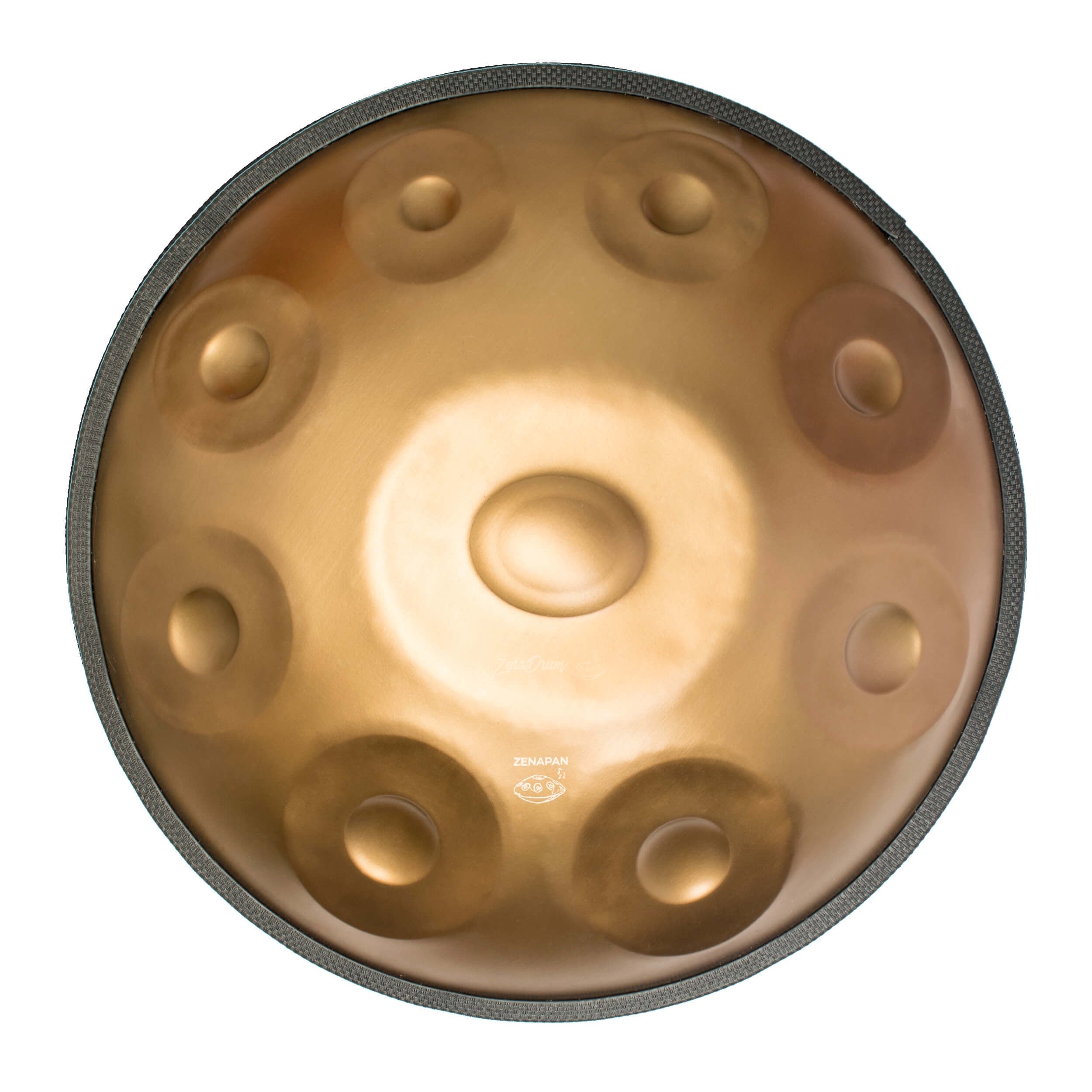
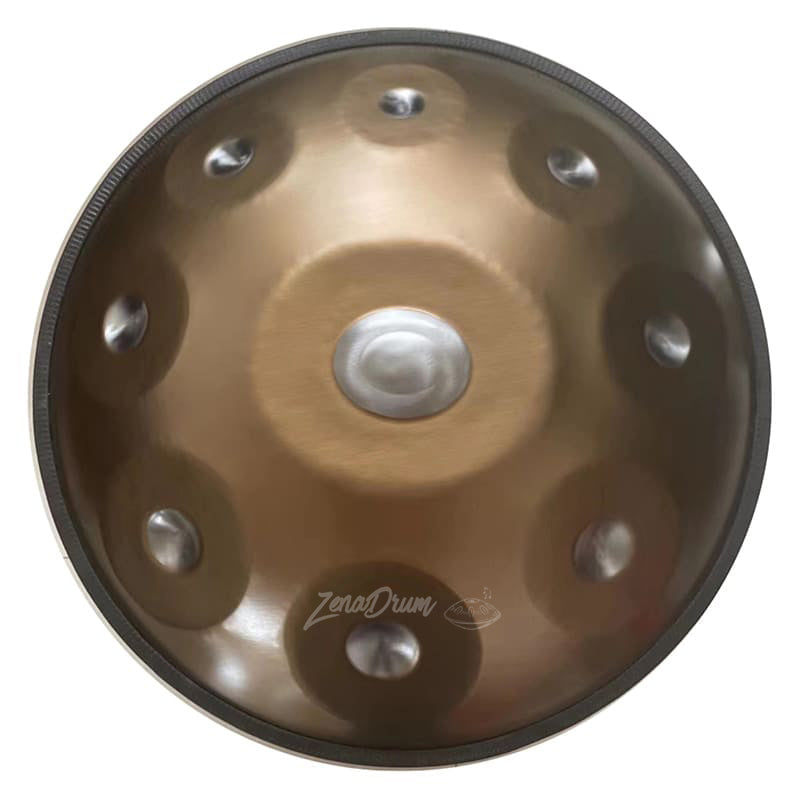
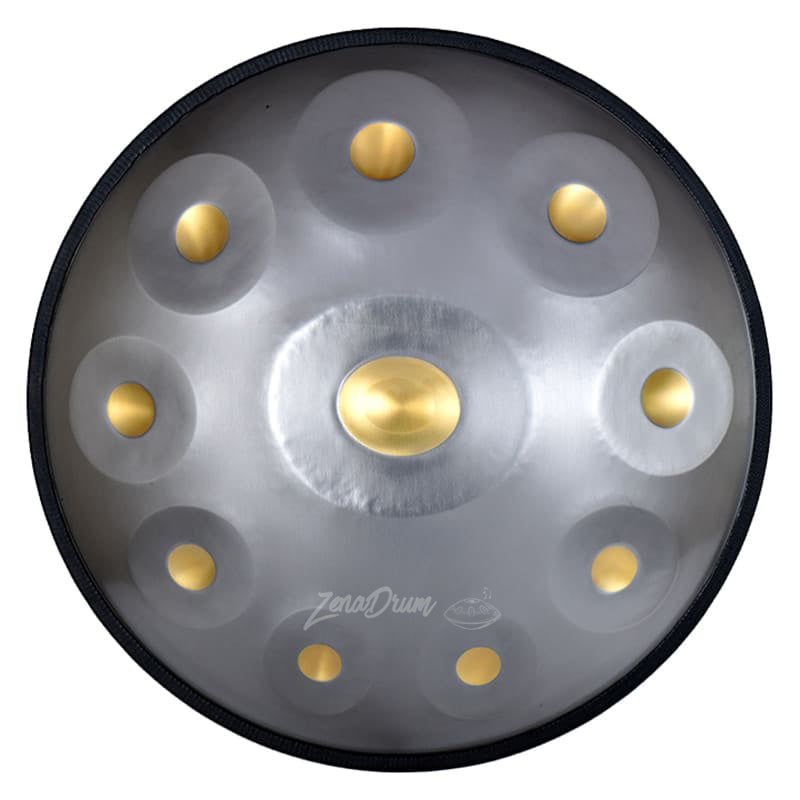
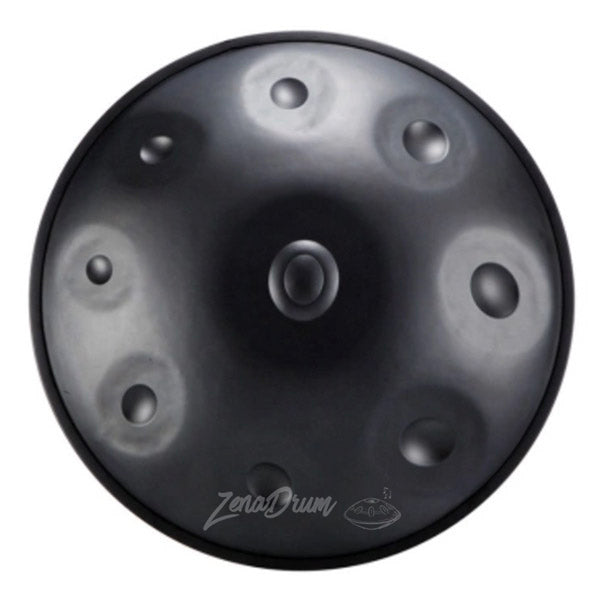
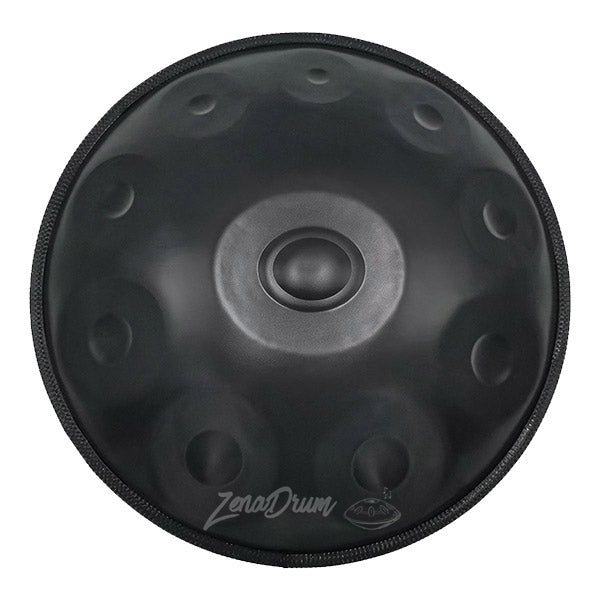
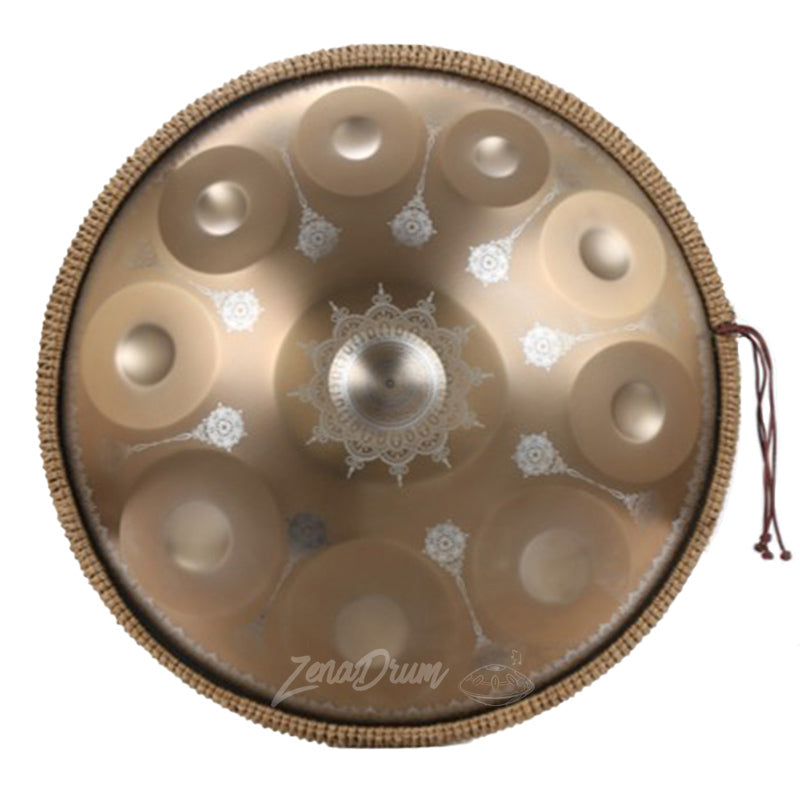
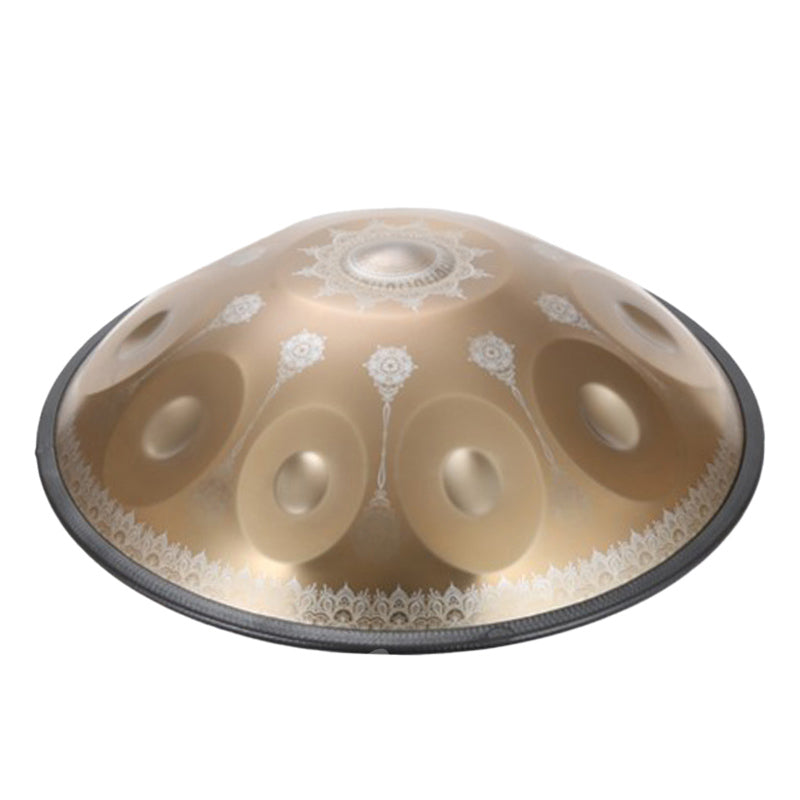
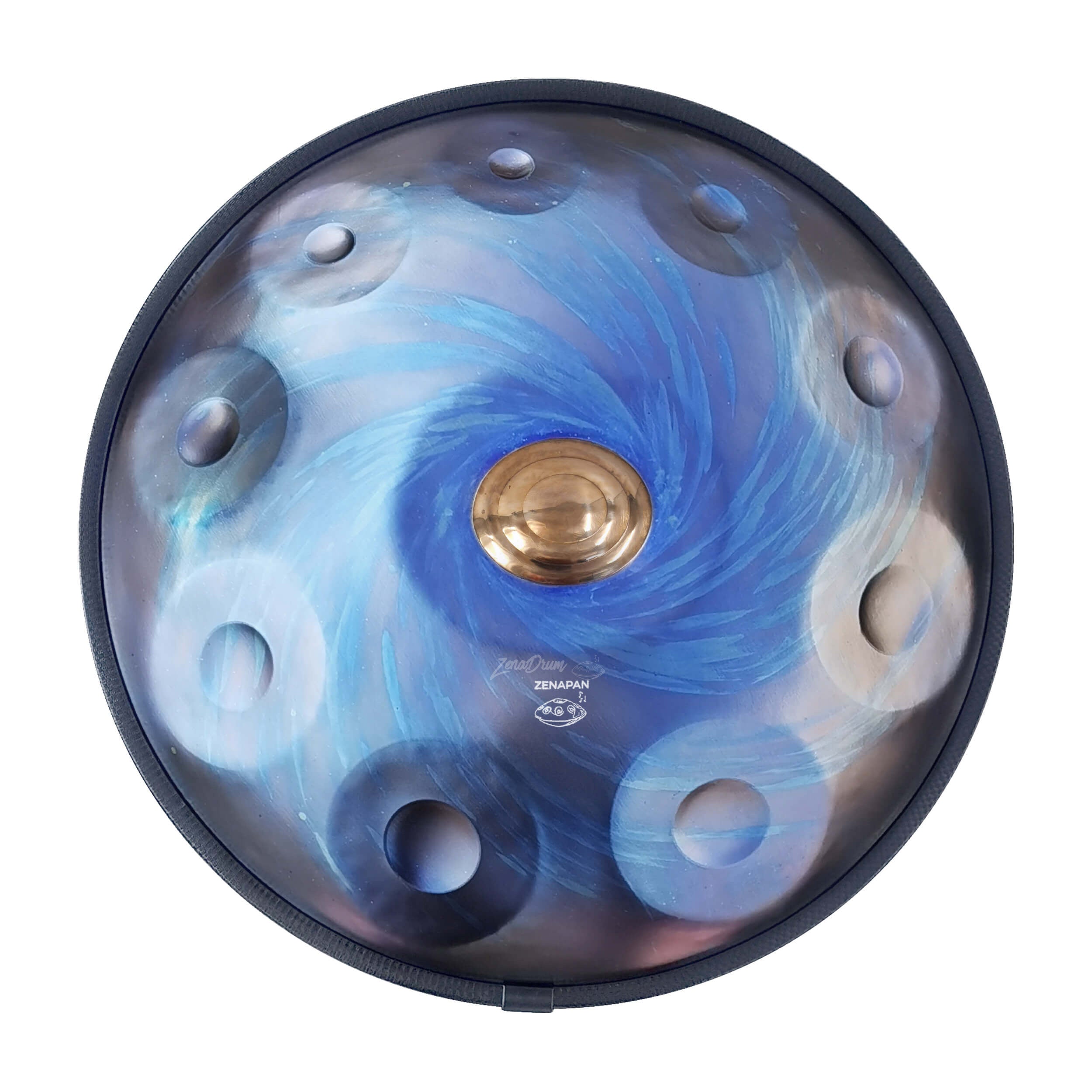
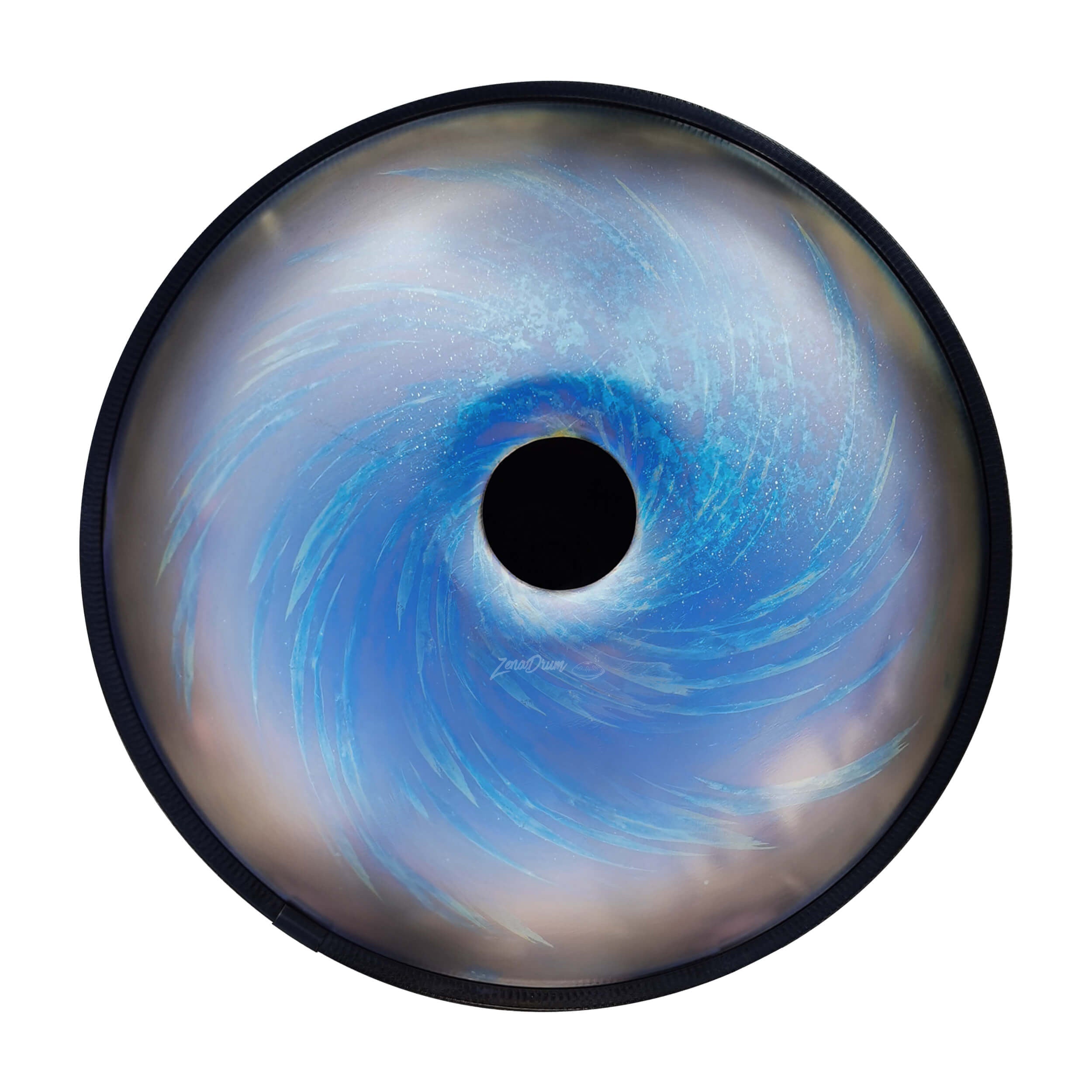
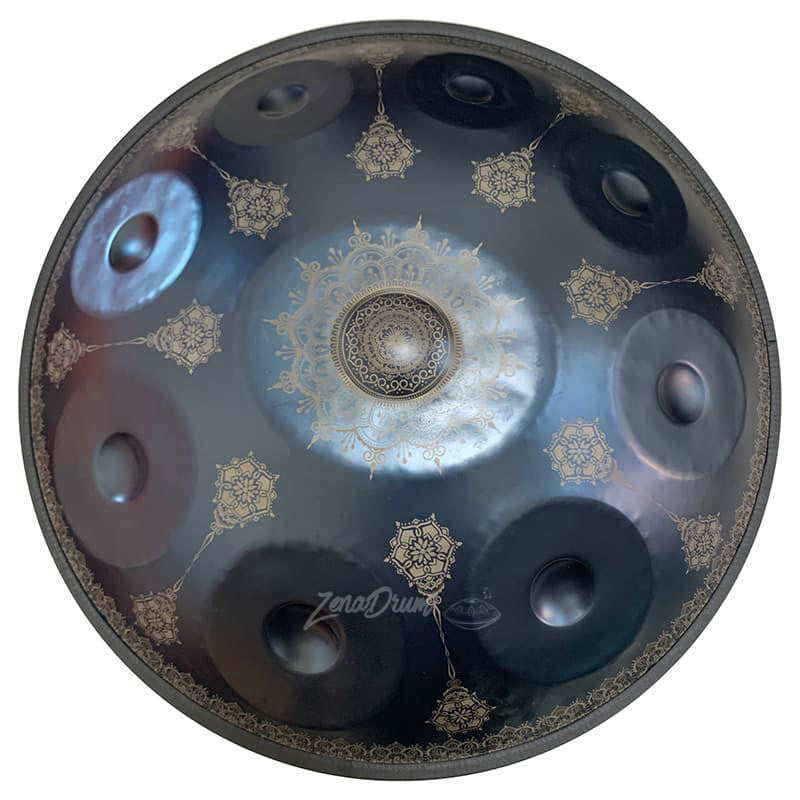
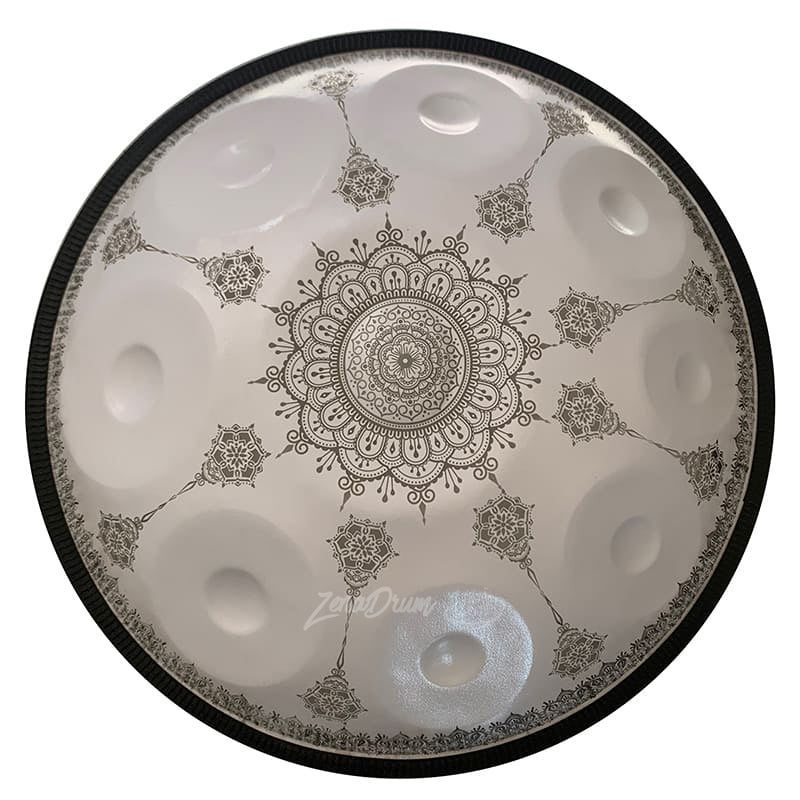
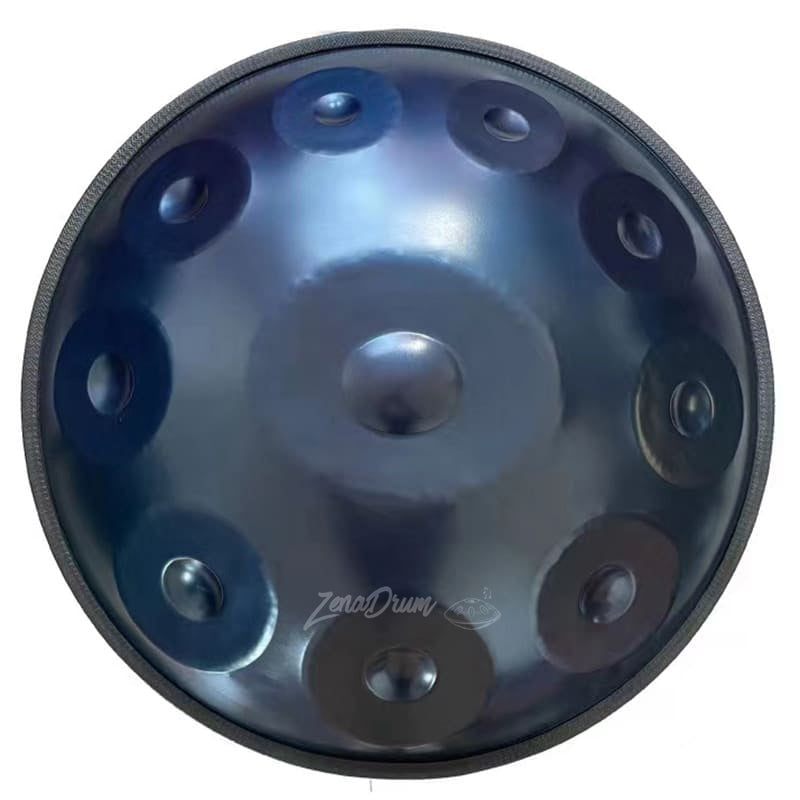
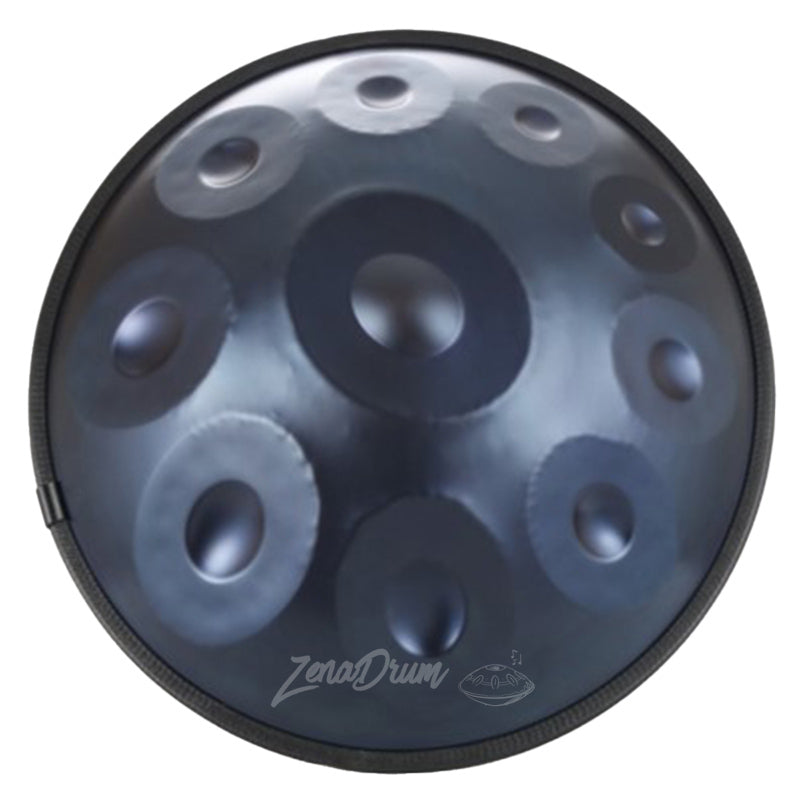
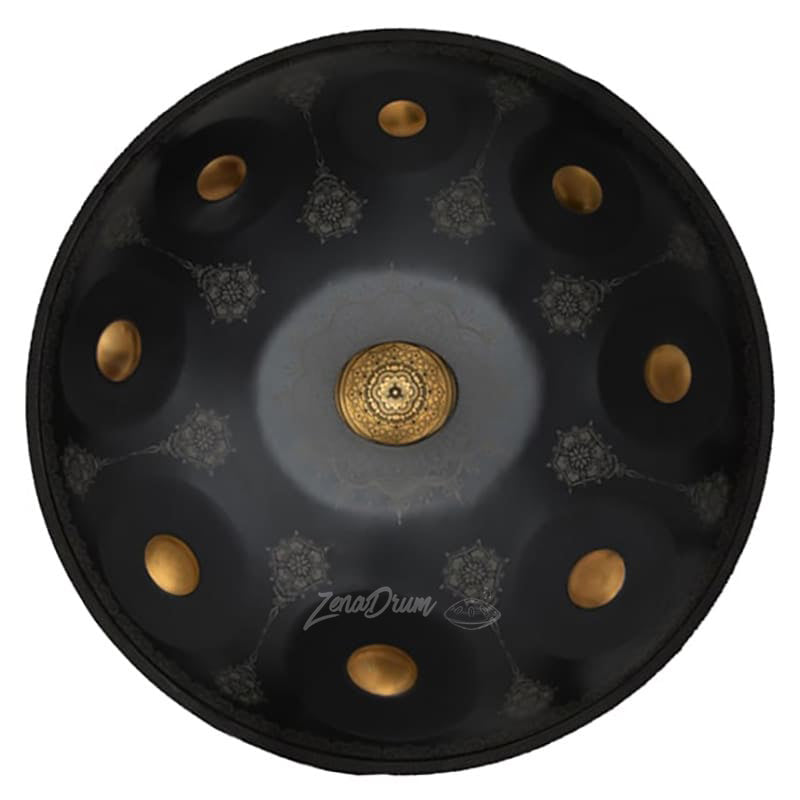
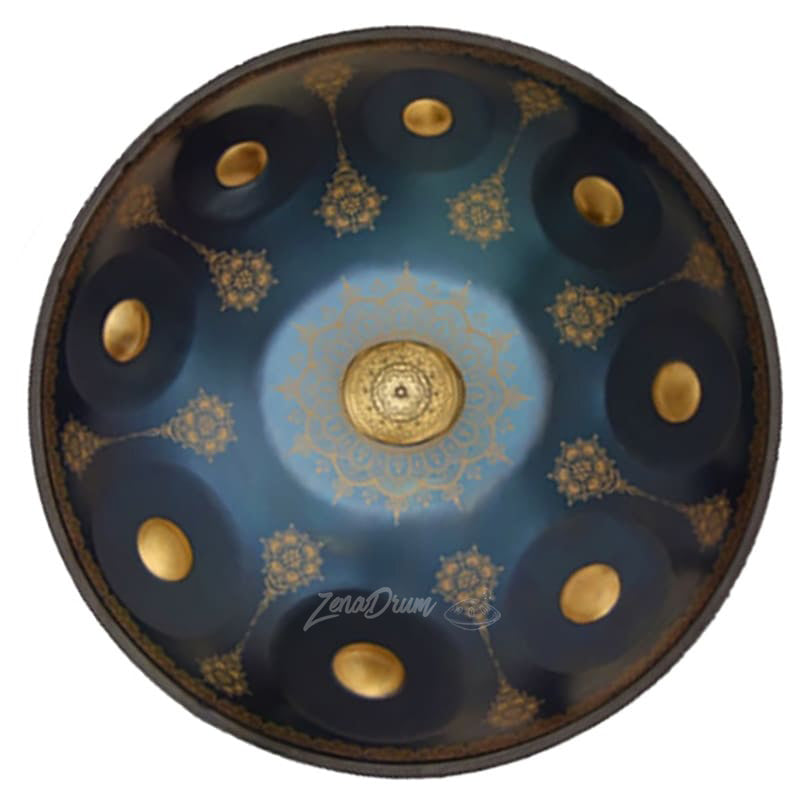
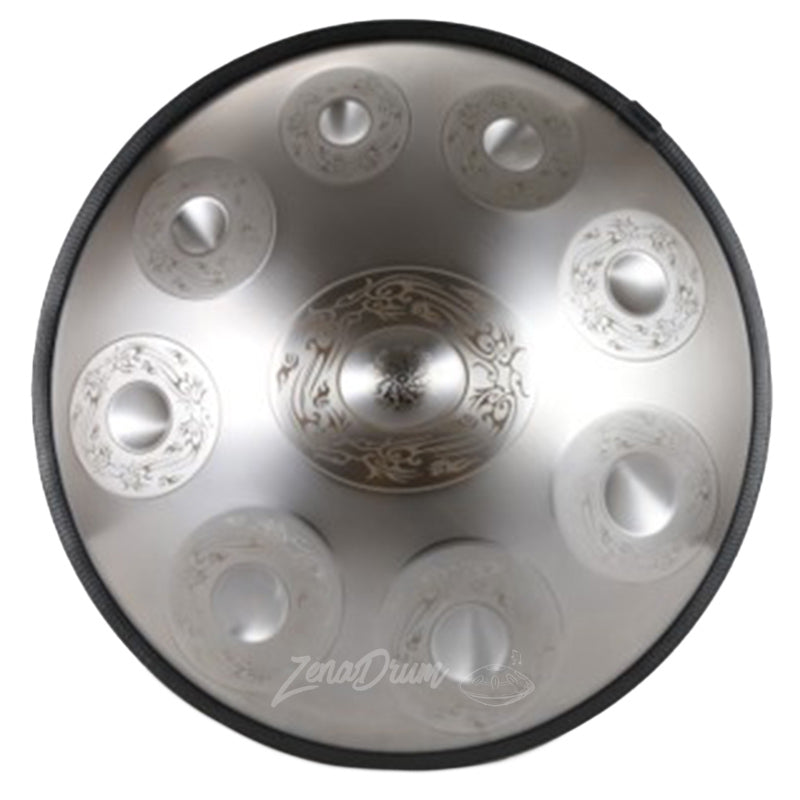
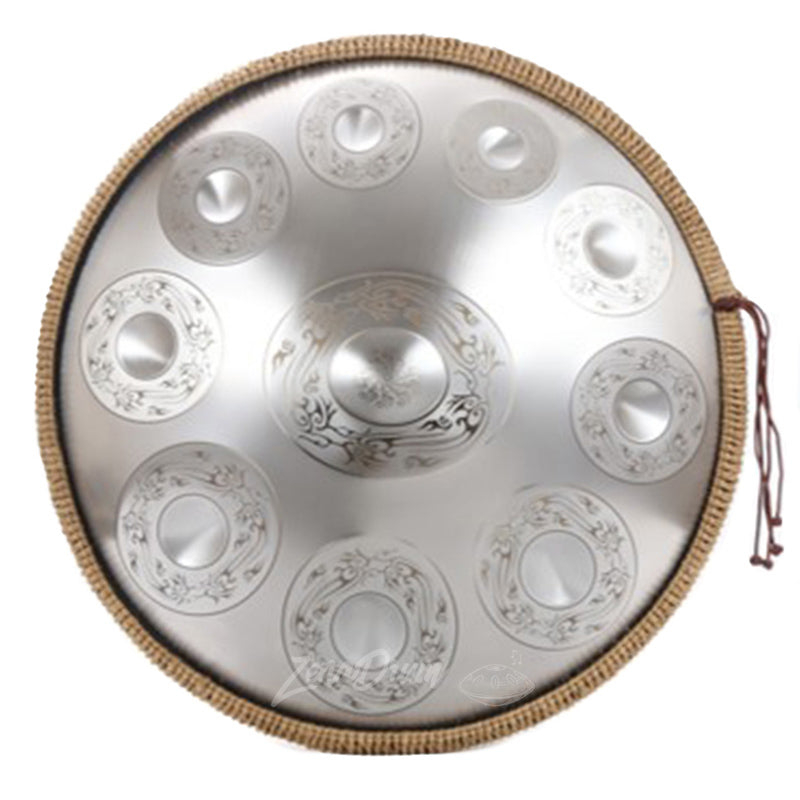
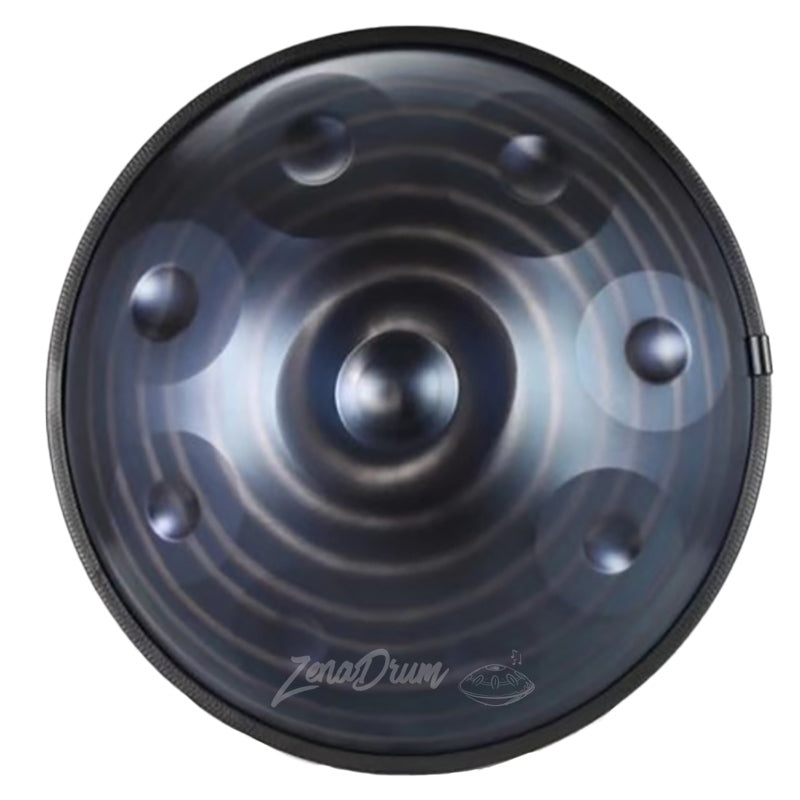
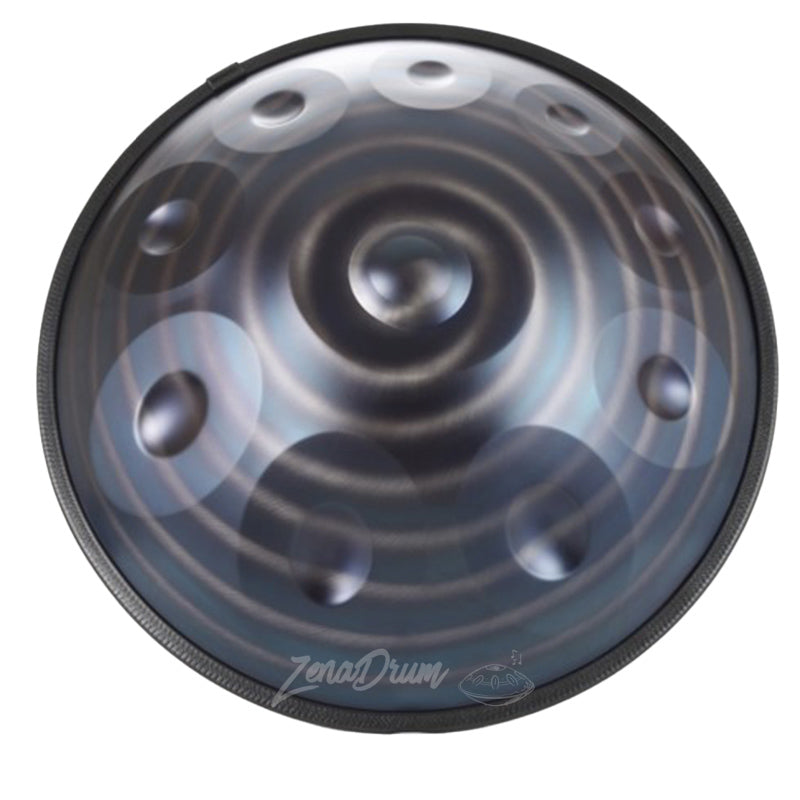
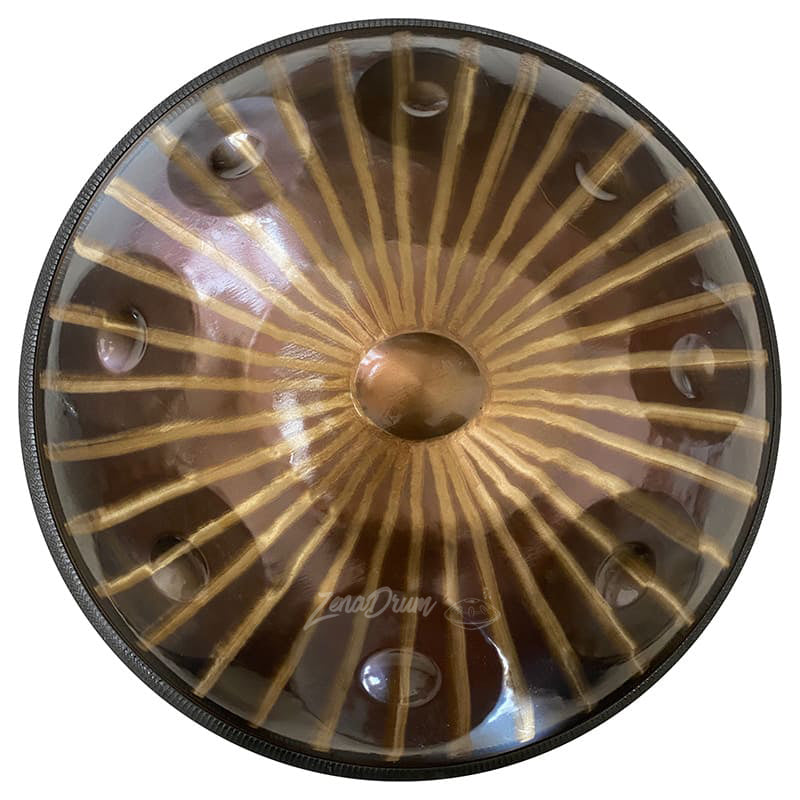
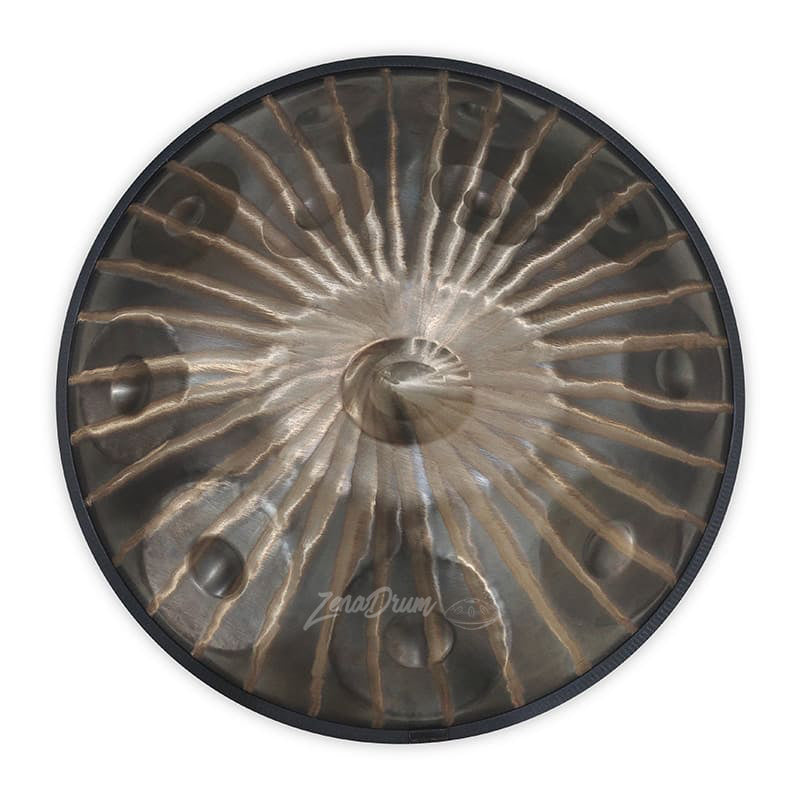
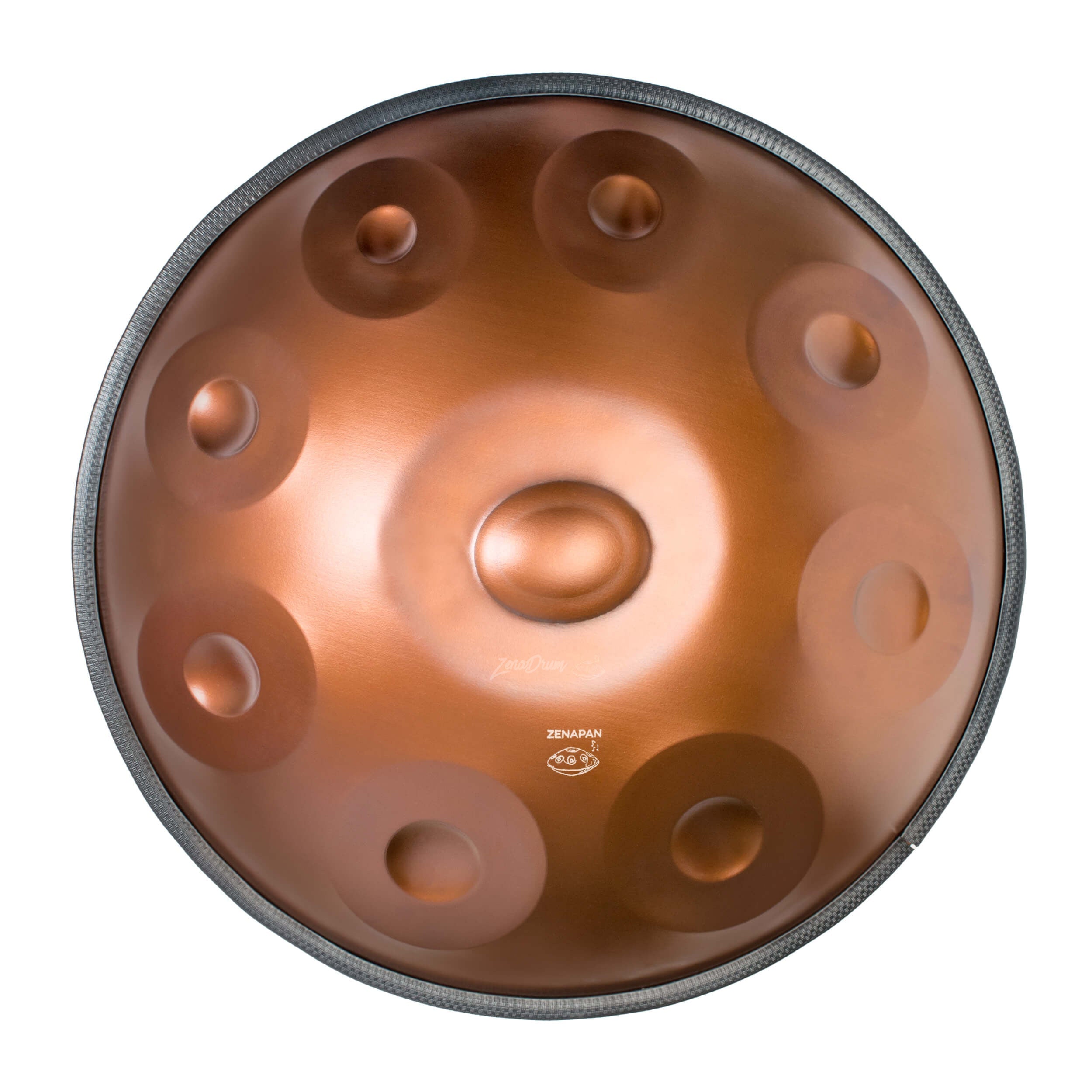
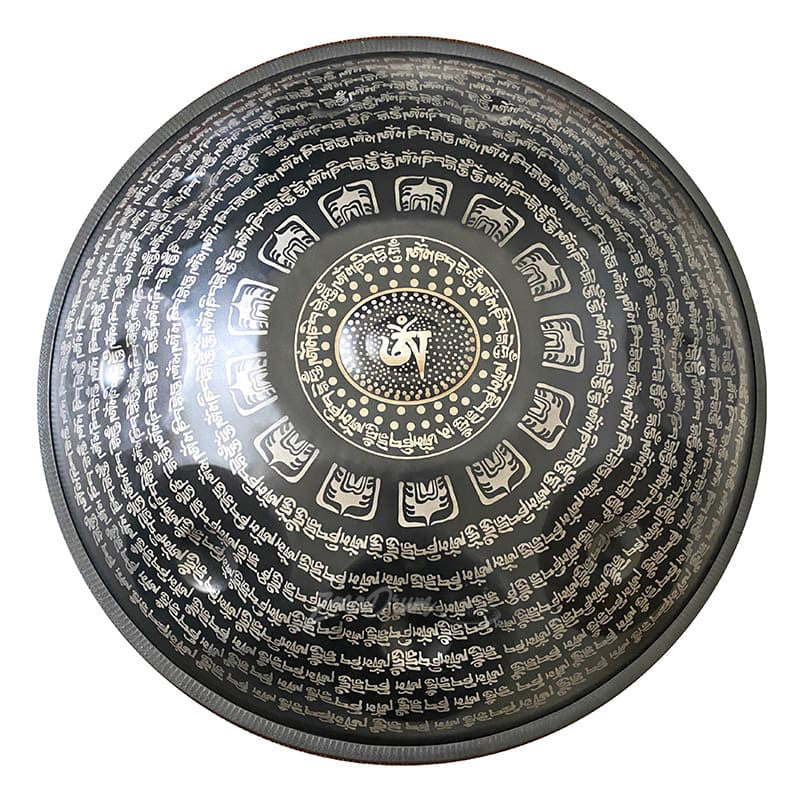
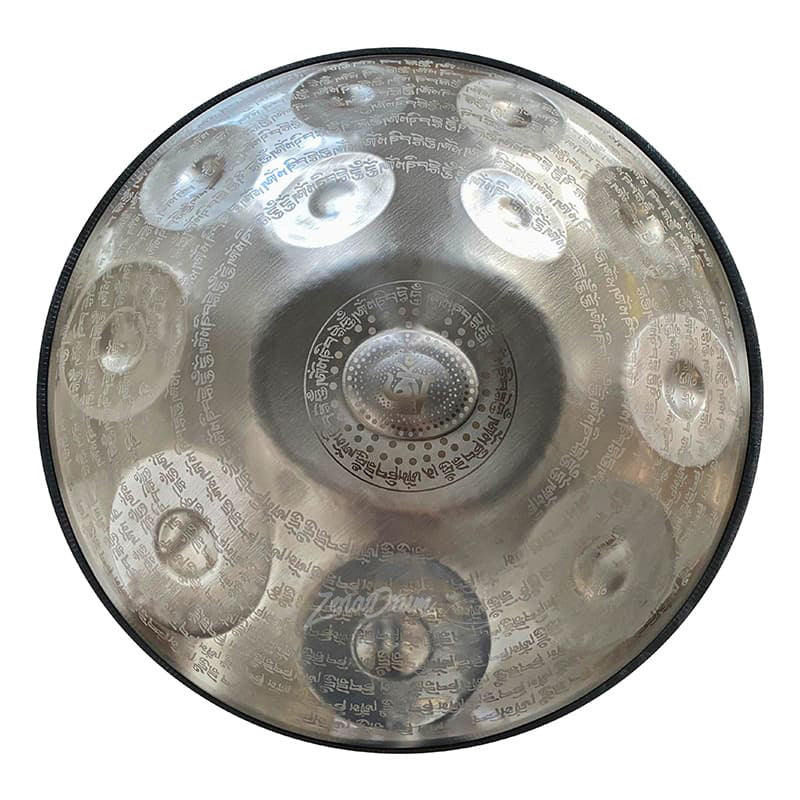
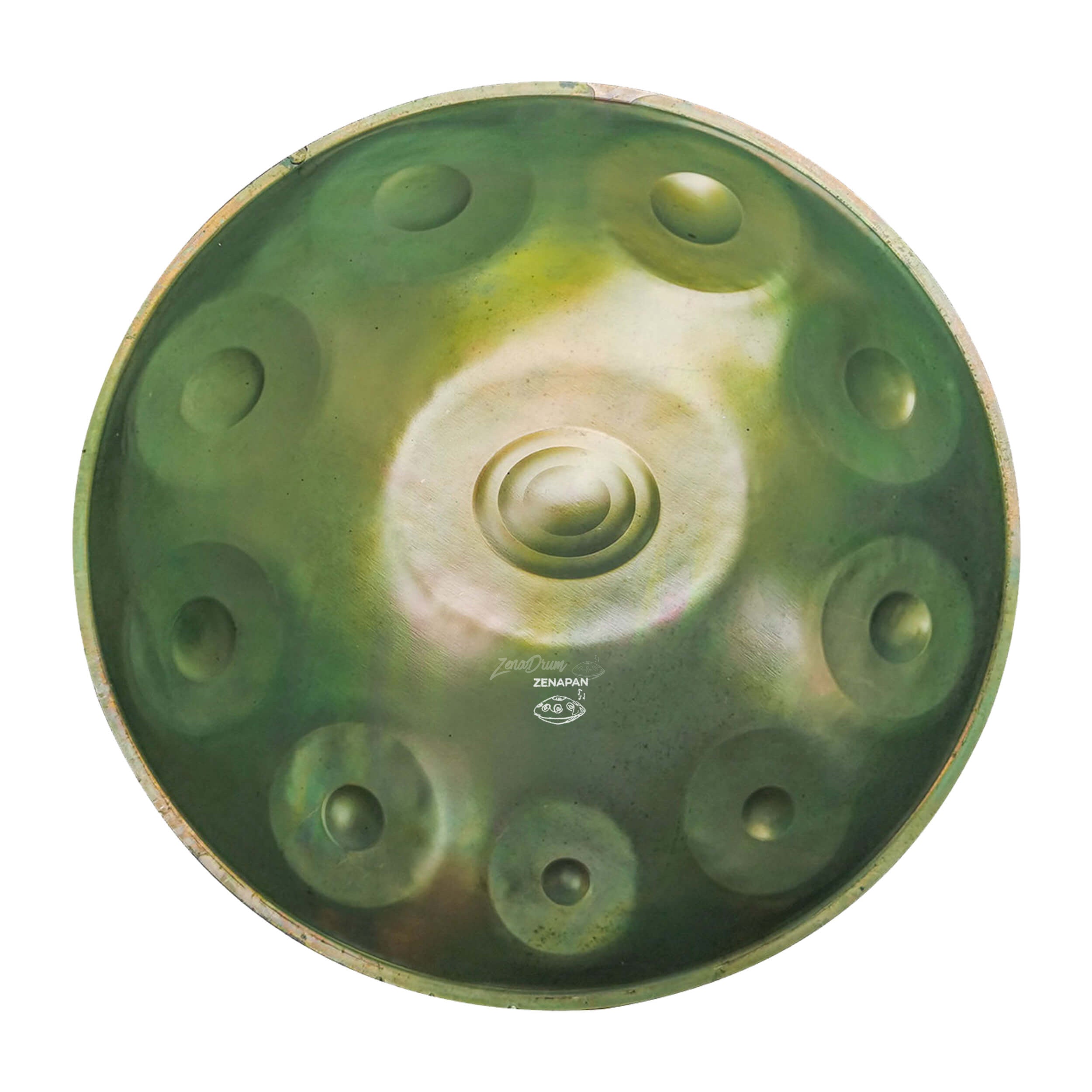
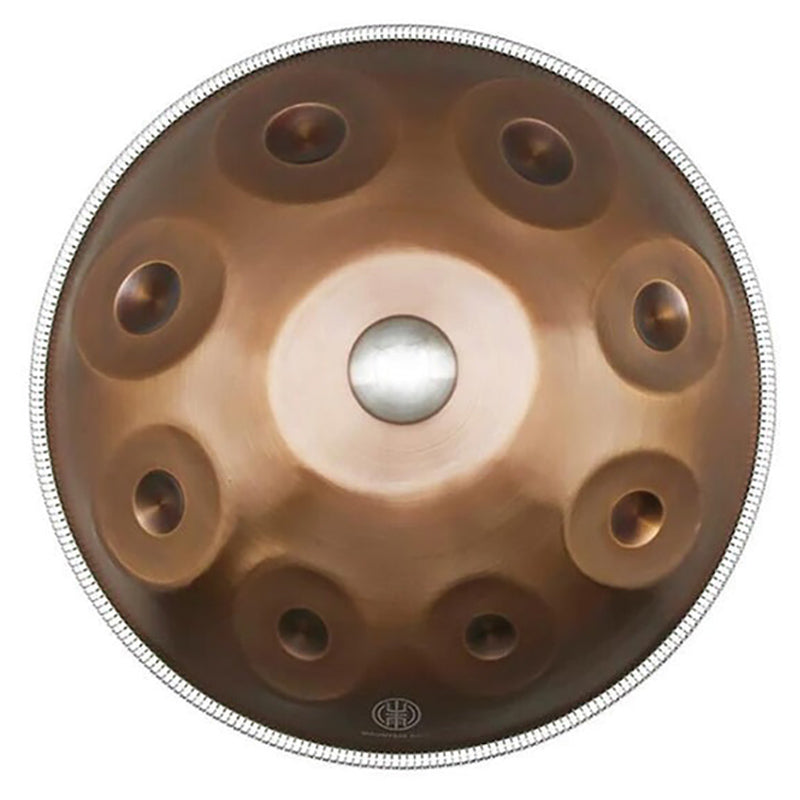
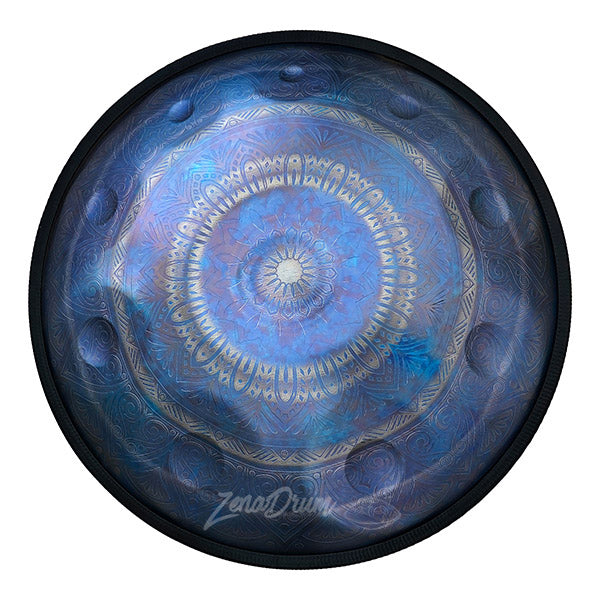
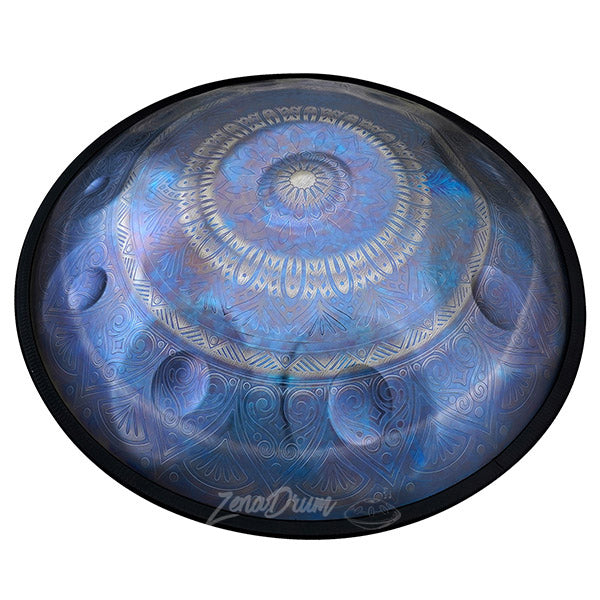
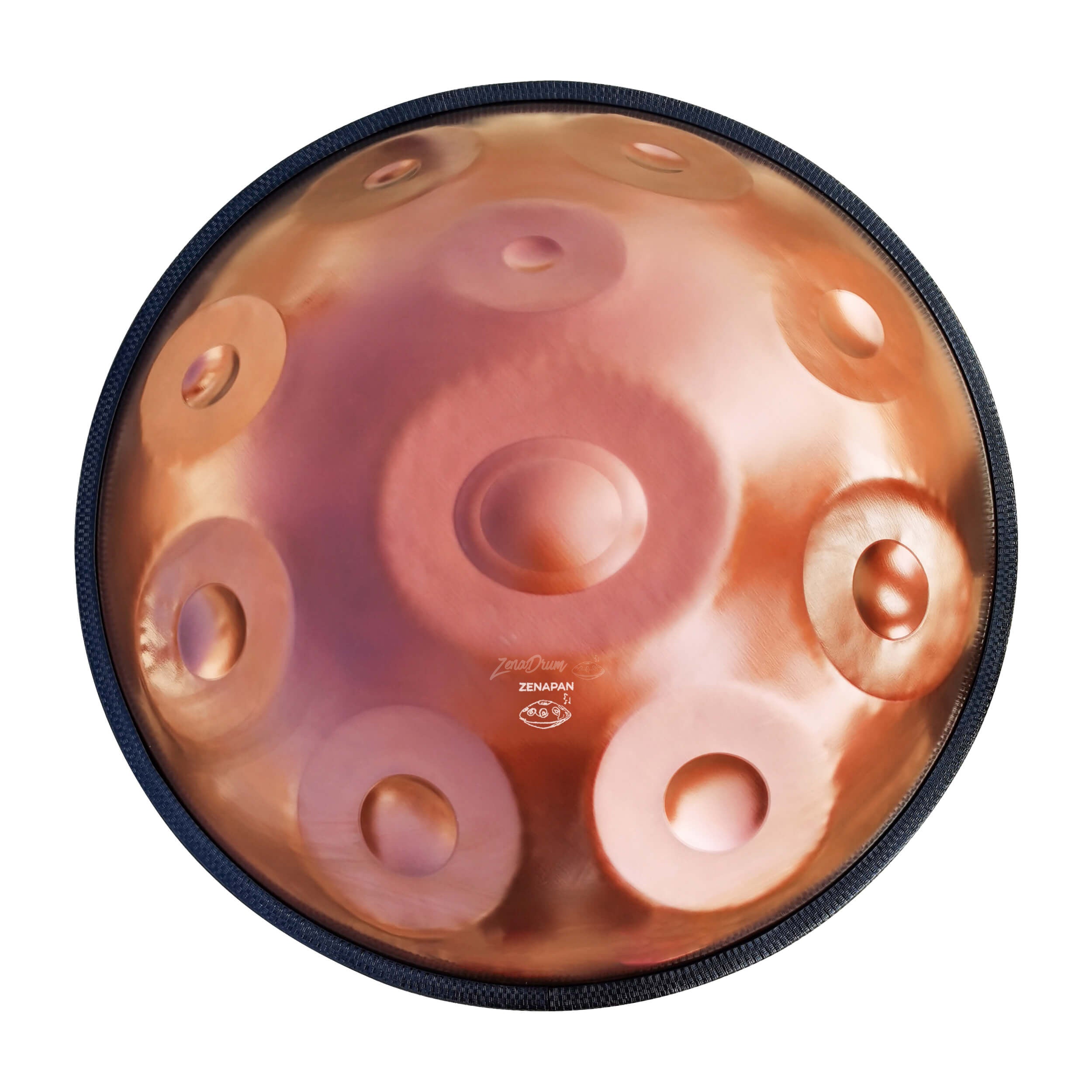
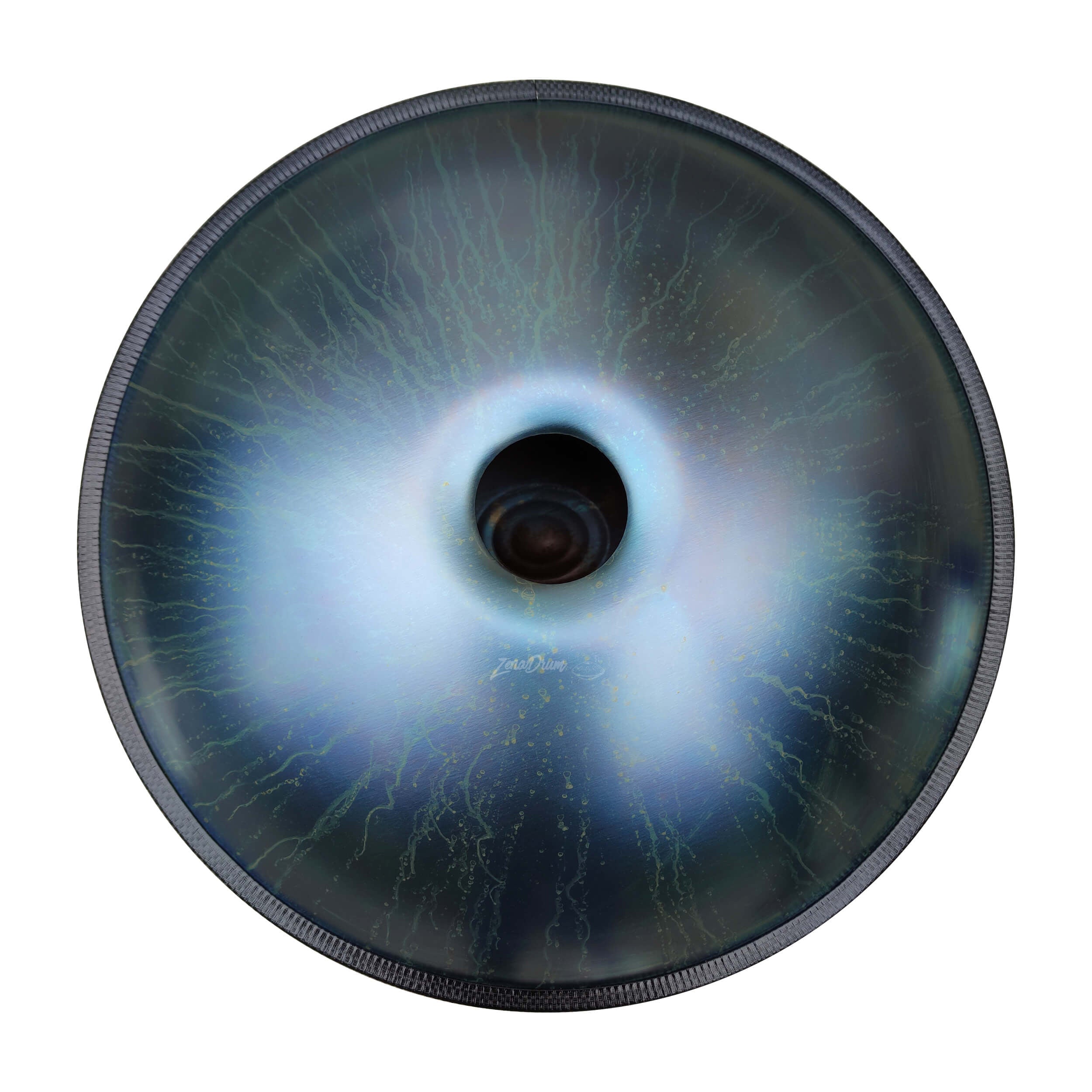
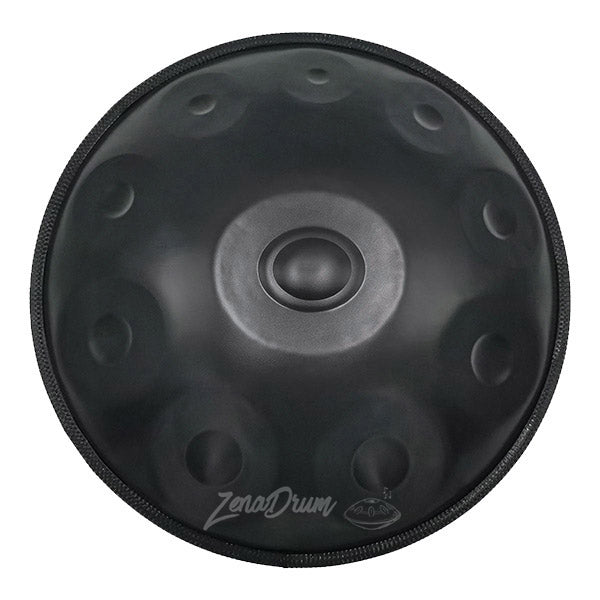
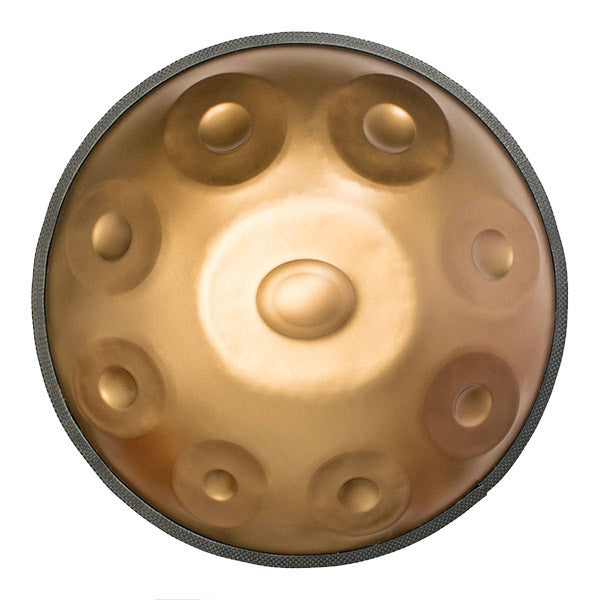
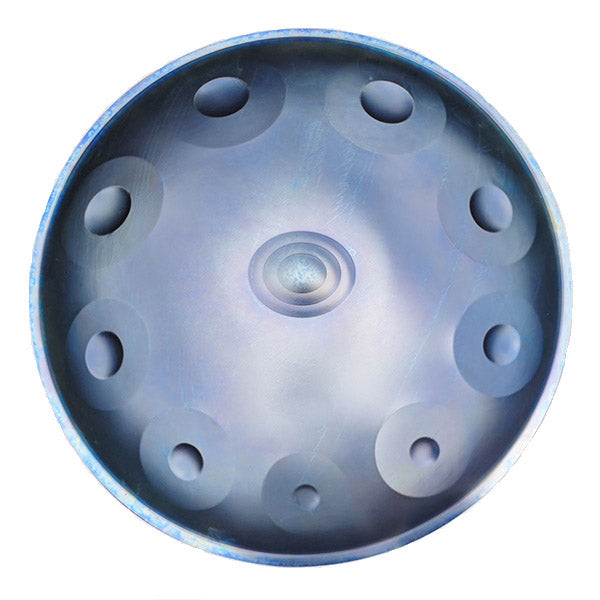
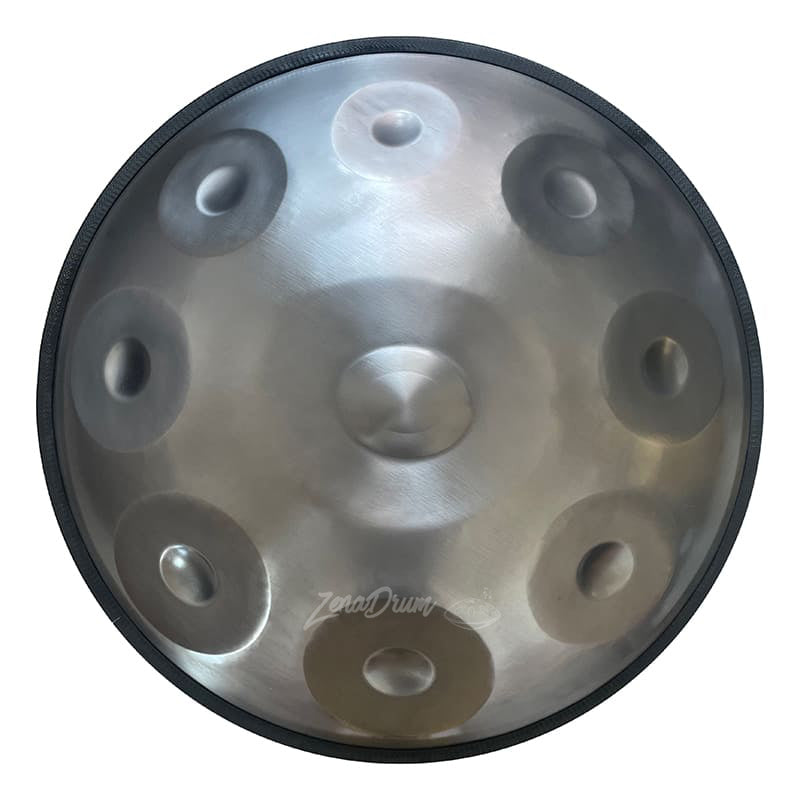
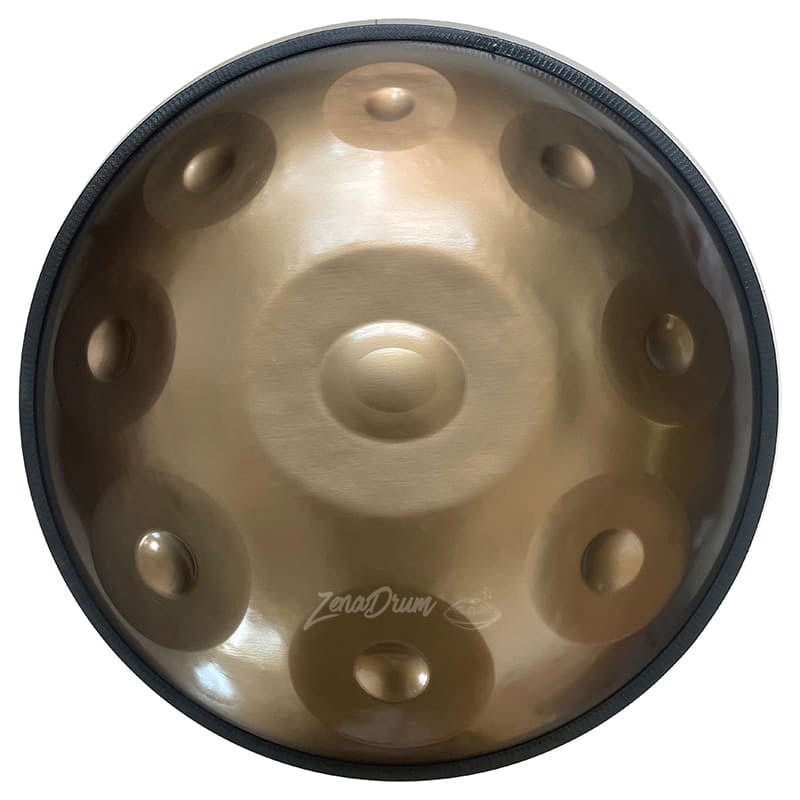
The handpan 9 notes is the gold standard of steel percussion — the configuration that defines the instrument for players at every level worldwide. At Healing Sounds, our 9 note handpan collection features hand-tuned instruments with one central Ding and eight surrounding tone fields, delivering a complete octave of melodic range in the most universally recognized layout. This is the instrument you hear in the vast majority of handpan performances, tutorials, and recordings online, and for good reason: the 9-note configuration strikes a perfect equilibrium between melodic freedom and intuitive playability. Whether you are a first-time buyer or a seasoned percussionist adding to your collection, the 9-note handpan is the safest, most versatile choice you can make.
When handpan makers around the world refined the modern instrument during the 2010s, the 9-note layout emerged as the industry consensus for an all-purpose configuration. With eight tone fields arranged in a circle around the Ding, the player has access to a full diatonic octave — enough range to play complete melodies, build chord-like patterns, and improvise endlessly without running out of musical options. At the same time, eight notes remain easy to memorize and navigate by feel, which is why this layout dominates tutorial content and method books. Our complete handpan guide covers every aspect of selecting, playing, and maintaining these instruments.
Available in every scale from the meditative D Minor to the mystical Celtic, and crafted in stainless steel, nitrided steel, or ember steel, the 9-note handpan offers the widest selection of any note count in our catalog. This configuration is the sweet spot where accessibility meets artistic potential — and it is where most handpan journeys begin.
Why the 9-Note Handpan Became the World Standard
The dominance of the 9-note handpan is not an accident. Several interconnected factors pushed this specific note count to the forefront of the instrument world, and understanding these reasons will help you appreciate why it remains the most recommended configuration for new and experienced players alike.
A Complete Octave in Every Scale
With one Ding and eight tone fields, a 9-note handpan covers a full diatonic octave in any given scale. This means you have access to every degree of the scale — root, second, third, fourth, fifth, sixth, seventh, and octave — which is the minimum range needed to play recognizable melodies and complete musical phrases. Instruments with fewer notes sacrifice one or more scale degrees, limiting melodic possibilities. The 9-note layout gives you everything you need without adding complexity.
Tutorial Compatibility
The vast majority of handpan tutorial videos, online courses, and instructional books are designed around the 9-note configuration. When you learn from YouTube tutorials, paid courses, or community workshops, the note positions referenced will almost always correspond to a 9-note layout. Choosing this configuration means every learning resource is immediately applicable to your instrument — no transposition or adaptation required. Our beginner playing guide follows this same standard layout.
Maker and Scale Availability
Because the 9-note handpan is the most requested configuration globally, instrument makers produce it in the widest variety of scales, materials, and price points. Whether you want a bright C Major for outdoor performances, a haunting D Minor for meditation, or a sparkling G Minor for emotional expression, you will find more 9-note options than any other note count. This abundance also means more competitive pricing — the economies of scale work in the buyer's favor.
Anatomy of a 9-Note Handpan: Understanding the Layout
Every 9-note handpan follows the same fundamental architecture, regardless of scale or maker. Understanding this layout is essential for developing proper technique and choosing the right instrument for your musical goals.
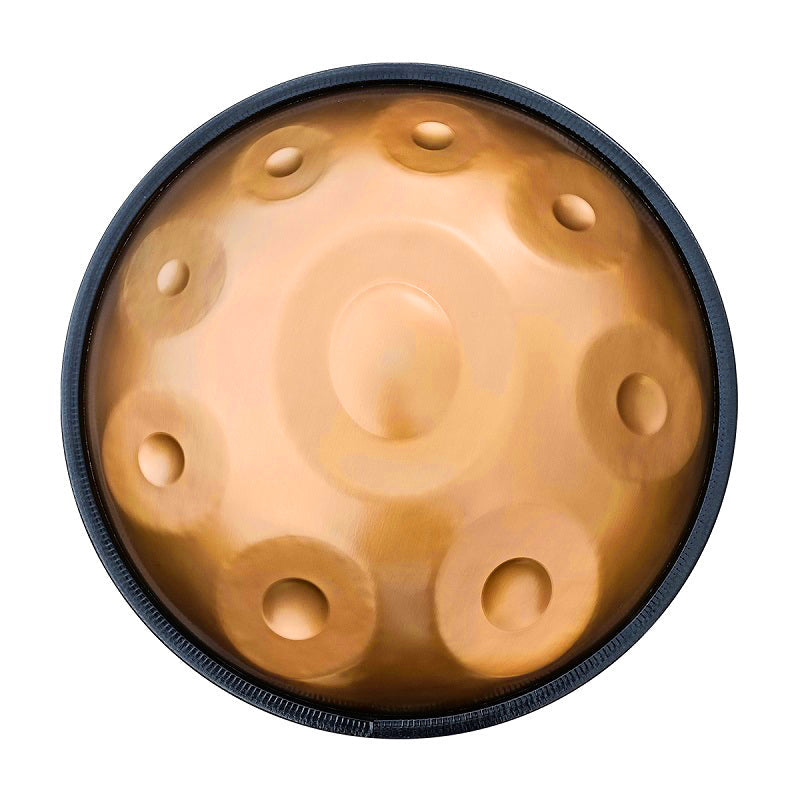
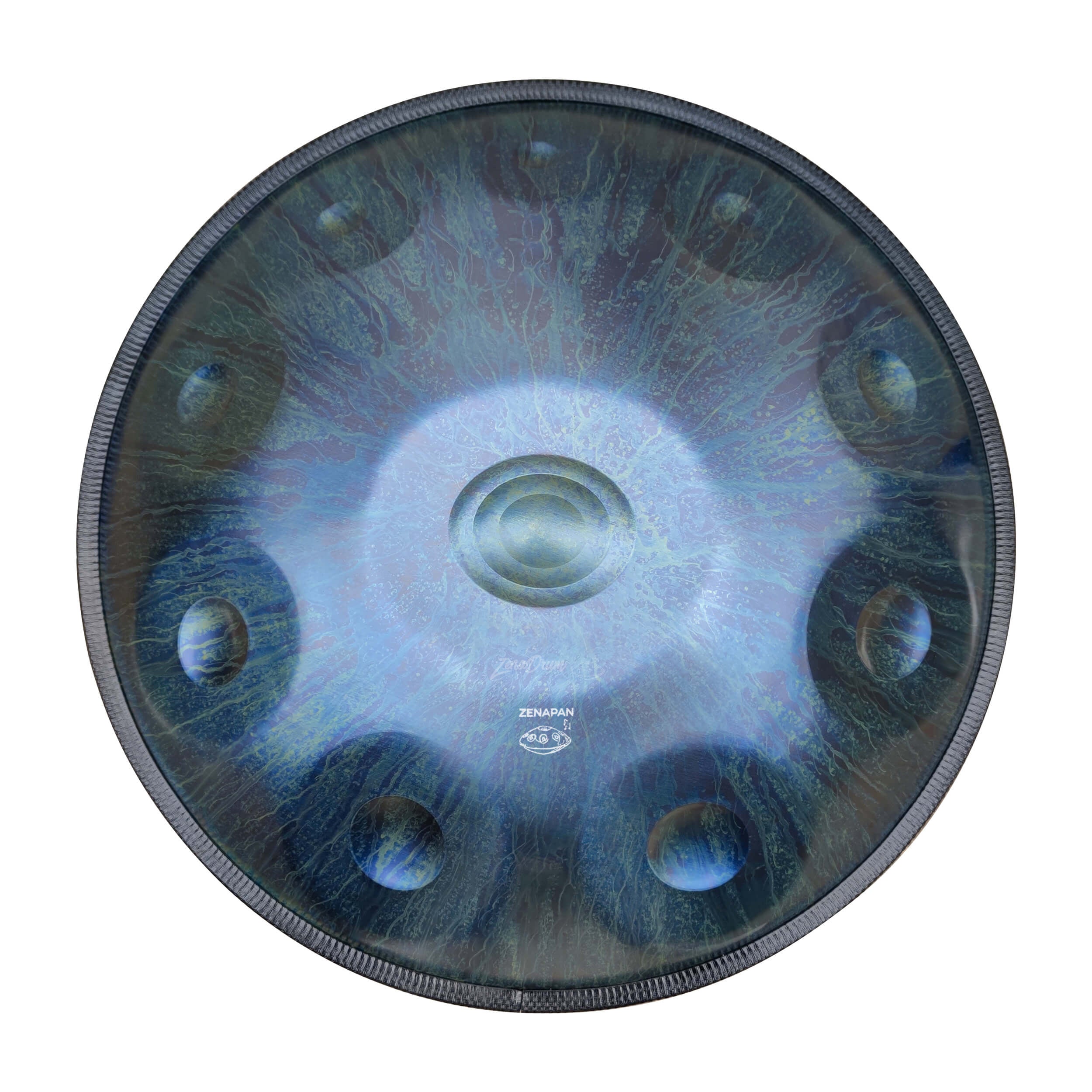
The Ding sits at the center of the top shell — a raised dome that produces the lowest, most resonant note of the instrument. This is both the root note and the anchor point around which the entire scale is built. Surrounding the Ding in a circle are eight tone fields, numbered clockwise from the lowest pitch (closest to the player) to the highest. Each tone field is a carefully hammered and tuned dimple that produces a specific note when struck with the fingertips.
The arrangement follows an alternating left-right pattern, meaning the scale does not simply climb around the circle in one direction. Instead, notes zigzag — the second note is to the right of the first, the third to the left, the fourth to the right, and so on. This zigzag layout ensures that adjacent notes are harmonically related, which means casual playing almost always produces pleasing combinations. This is the core design principle that makes handpans so forgiving for beginners.
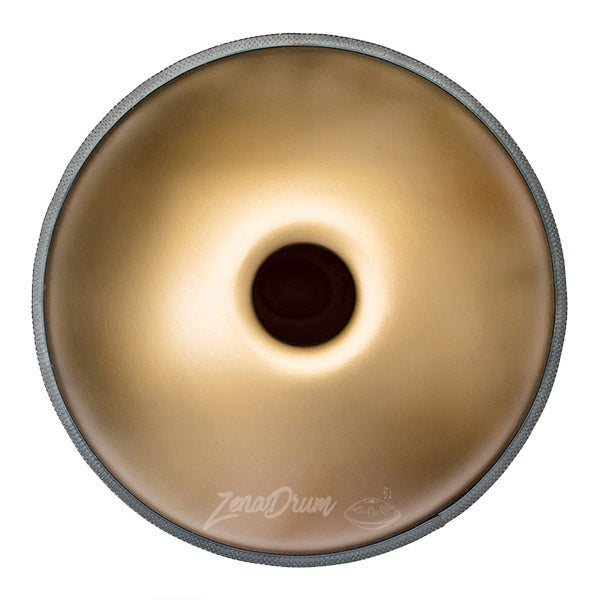
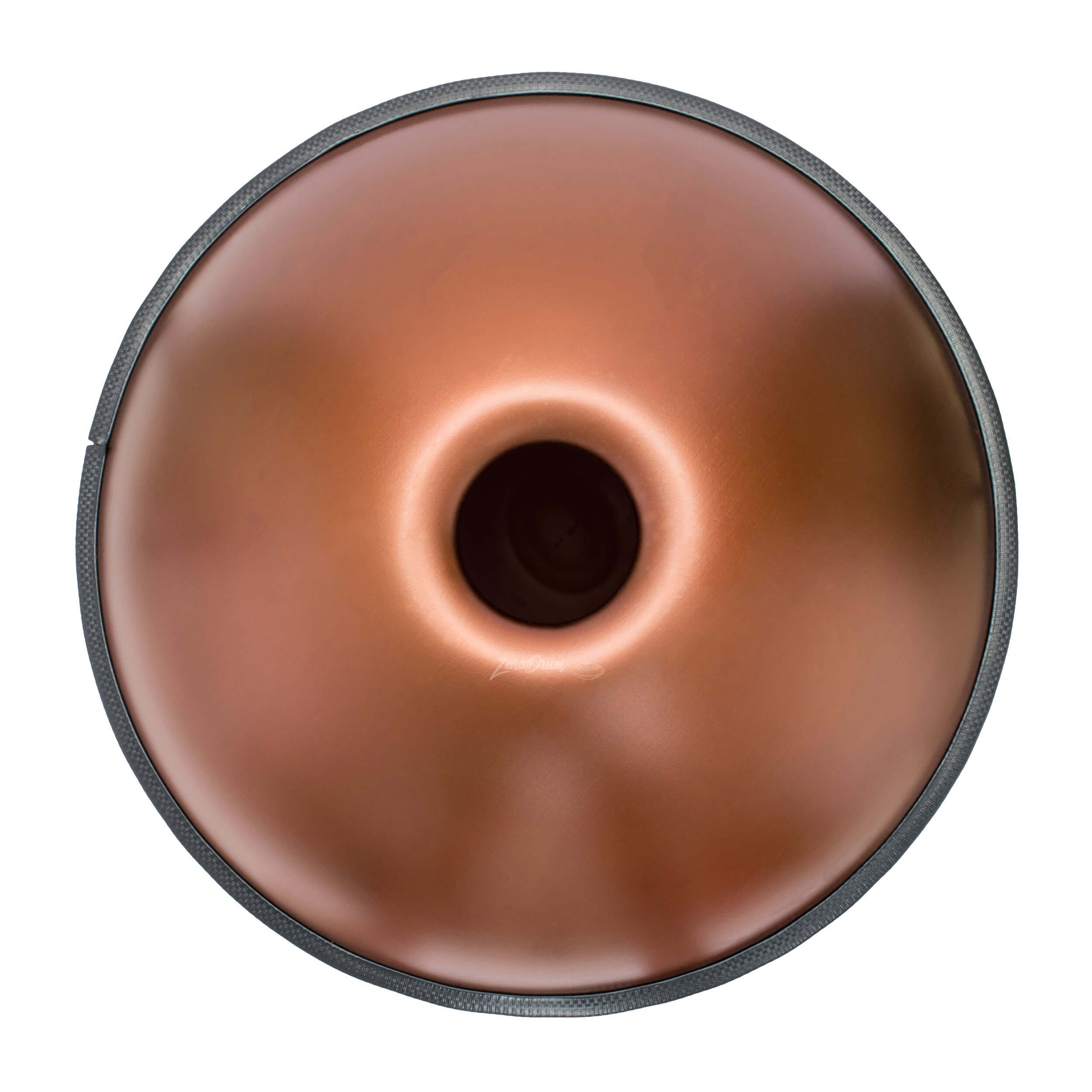
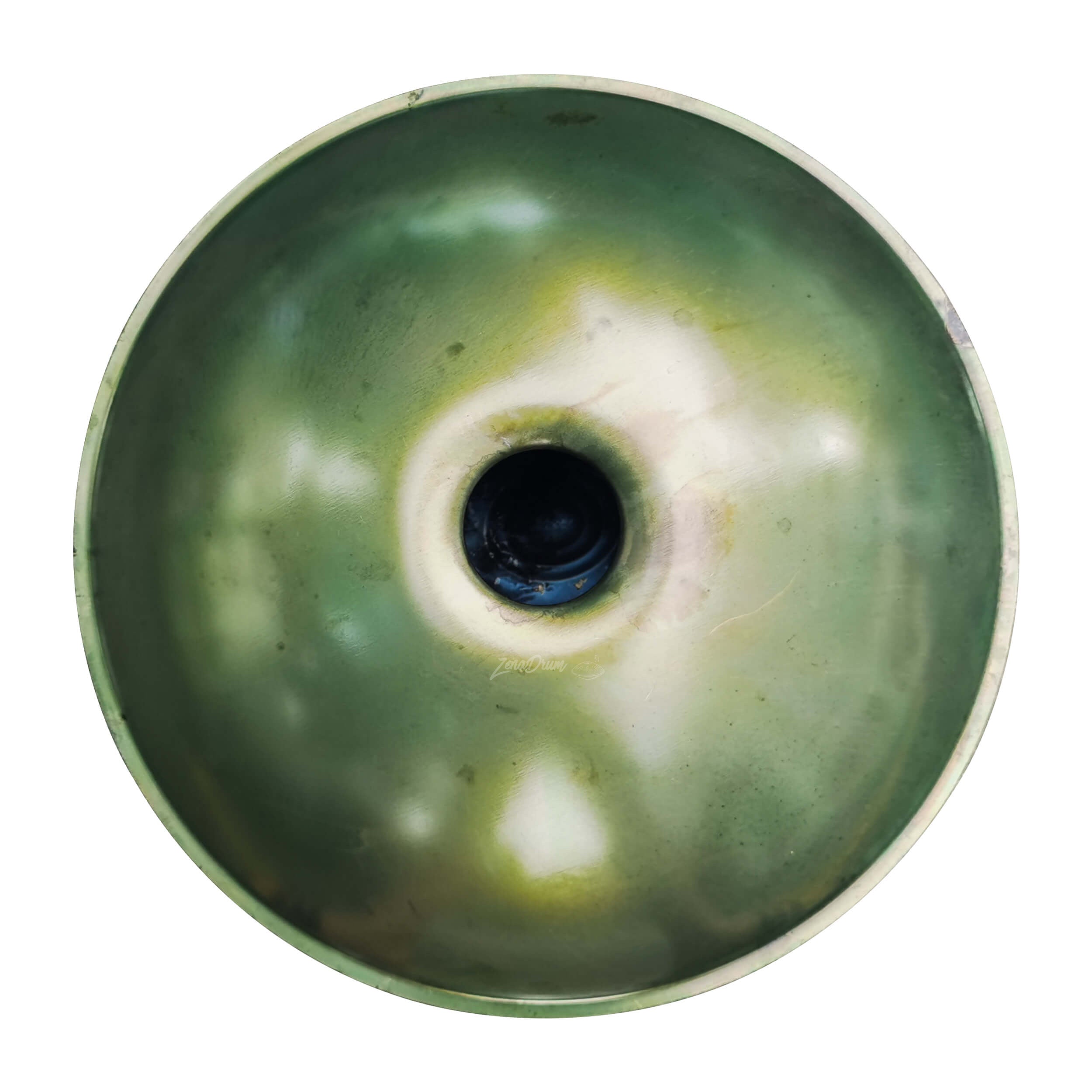
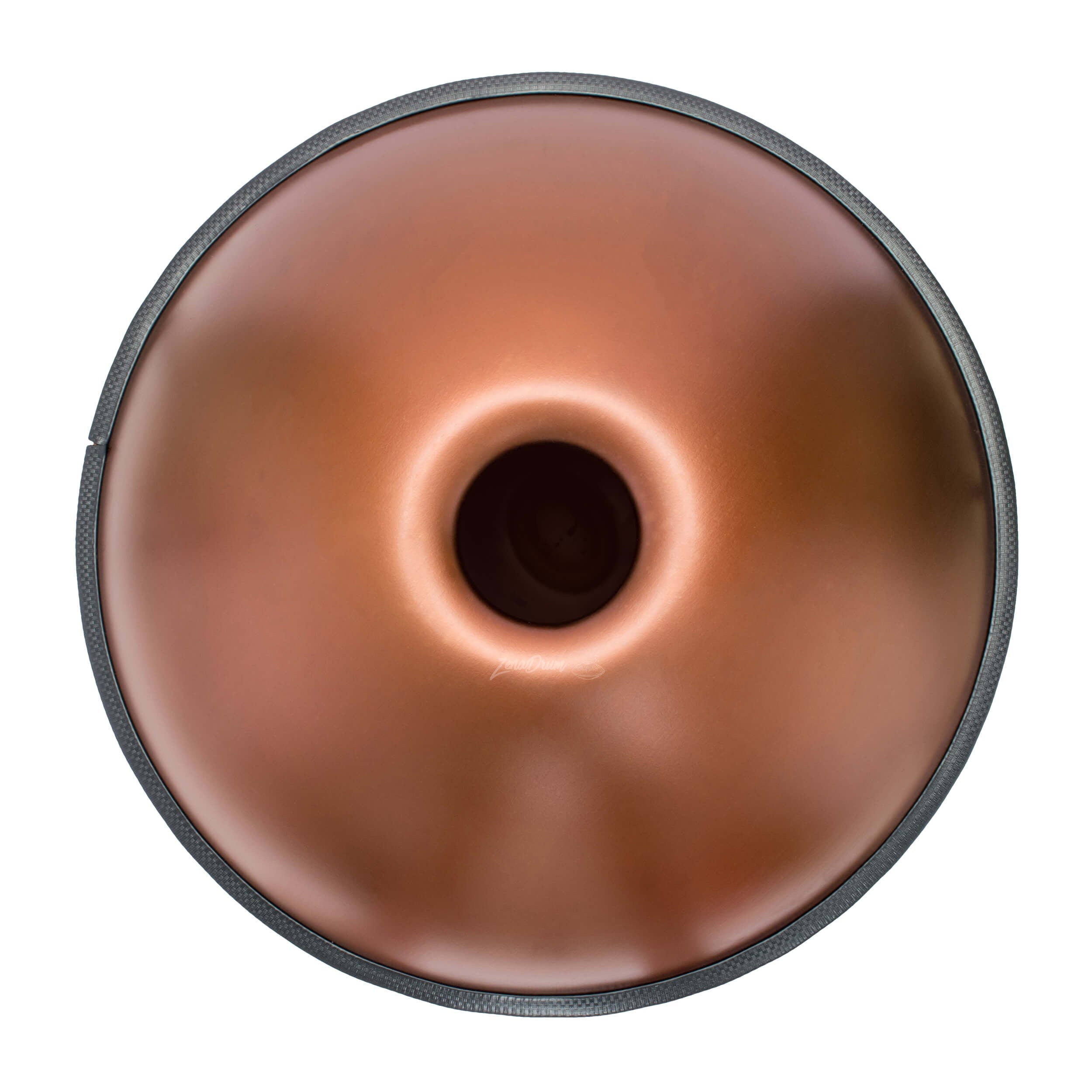
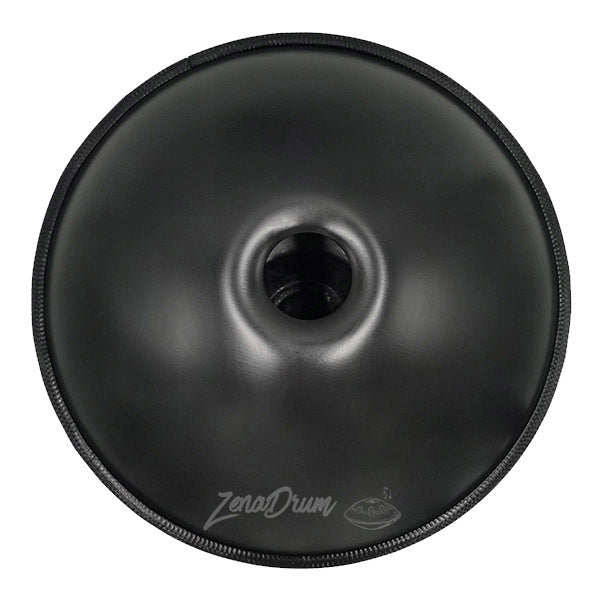
The bottom shell (called the Gu) contains a central sound port that shapes the instrument's resonance. On a standard 9-note handpan, the bottom shell does not carry additional tone fields — all eight notes plus the Ding reside on the top. This distinguishes the 9-note configuration from higher note counts like 12-note or 14-note models, which place extra tone fields on the bottom shell.
Choosing the Right Scale for Your 9-Note Handpan
Scale selection is the single most important decision when buying a 9-note handpan. The scale determines the emotional character of every melody you play, and because handpans are tuned to a fixed scale, you cannot change it after purchase. Here are the most popular scale options and the moods they evoke:
D Minor (Kurd) — The Universal Favorite
The D Minor scale, also known as Kurd, is the most widely played scale in the handpan world. Its warm, melancholic tonality evokes deep introspection and emotional resonance. D Minor is the default recommendation for first-time buyers because it works equally well for meditation, solo practice, accompaniment, and performance. If you are unsure which scale to choose, D Minor is the safest bet.
G Minor — Emotional Depth
The G Minor scale produces a darker, more dramatic soundscape than D Minor. It excels in emotive solo performances and cinematic-style compositions. Players who gravitate toward intense, passionate expression often prefer G Minor as their primary instrument.
C Major — Bright and Uplifting
For players seeking a joyful, optimistic sound, the C Major handpan delivers brightness and clarity. Major scales feel inherently cheerful and work beautifully in group settings, outdoor gatherings, and therapeutic contexts where uplifting energy is the goal.
Celtic Minor — Mystical and Ancient
The Celtic scale infuses each phrase with a folk-inspired mysticism reminiscent of ancient traditions. Its distinctive intervals create an atmosphere of wonder and mystery, making it a favorite among sound healers and spiritual practitioners. For a comprehensive breakdown of all available tunings, read our handpan scales guide.
Material Options for 9-Note Handpans
The steel type used in your 9-note handpan affects tone quality, sustain, maintenance needs, and longevity. Each material has distinct characteristics that suit different playing environments and personal preferences.
Stainless steel 9-note handpans are the most popular choice among our customers because they combine excellent sound quality with near-zero maintenance. If you live in a coastal or humid environment, stainless steel eliminates the worry of rust entirely. Nitrided steel appeals to players who prioritize tonal warmth and are willing to maintain a regular oiling routine. Our care and maintenance guide covers proper oiling techniques, storage recommendations, and cleaning methods for every material.
Essential Techniques for the 9-Note Handpan
The 9-note handpan is the most versatile configuration for exploring a wide range of playing techniques. Its full octave range enables everything from simple meditative patterns to complex rhythmic compositions.
Foundational Strikes
Master these three core strikes before exploring advanced techniques:
Ding Strike — A flat-fingered tap on the center dome, producing the bass root note with full sustain. The foundation of almost every handpan phrase.
Tone Field Strike — A relaxed fingertip strike on the edge of a tone field. Aim for the outer third of the dimple for the clearest, most resonant tone with minimal overtone interference.
Ghost Note — A muted tap on the flat steel between tone fields, producing a percussive click without pitch. Ghost notes add rhythmic texture to melodic patterns.
Intermediate Patterns
Once your foundational strikes are consistent, try these techniques:
Ascending and descending runs — Play the full octave from the lowest tone field to the highest and back. This exercise builds spatial memory and finger independence across all eight notes.
Ding-skip patterns — Alternate between the Ding and non-adjacent tone fields (skip one or two notes) to create melodic intervals that generate harmonic interest.
Bilateral independence — Play a simple repeating pattern with one hand while the other hand improvises a melody over the top. The 9-note layout's zigzag arrangement makes this easier because each hand naturally falls on different scale degrees.
For video demonstrations and structured practice routines, visit our master tips for handpan playing article. If you are building your technique from scratch, our beginner's guide to choosing a handpan includes warm-up exercises specifically designed for the 9-note configuration.
9-Note vs. Other Note Counts: Finding Your Fit
The 9-note handpan occupies the center of the note-count spectrum. Here is how it compares to other configurations so you can determine whether it is the right fit or whether a different note count better suits your needs:
If you want the instrument that works for everything — practice, performance, meditation, therapy, songwriting, and casual jamming — the 9-note handpan is your answer. It is the configuration that grows with you from your first day to your thousandth, and the one that virtually every handpan community recommends as the default starting point.
Protecting Your Investment: 9-Note Handpan Care
A well-maintained 9-note handpan will hold its tuning and acoustic quality for decades. The instrument requires minimal but consistent care to stay in peak condition.
After every session, wipe the playing surface with a clean, soft microfiber cloth to remove oils, sweat, and moisture. These residues accelerate oxidation on nitrided and ember steel surfaces. Every two to four weeks, apply a thin layer of protective oil (phoenix oil or fractionated coconut oil) to nitrided and ember steel instruments. Stainless steel models need oiling far less frequently — once every few months is sufficient.
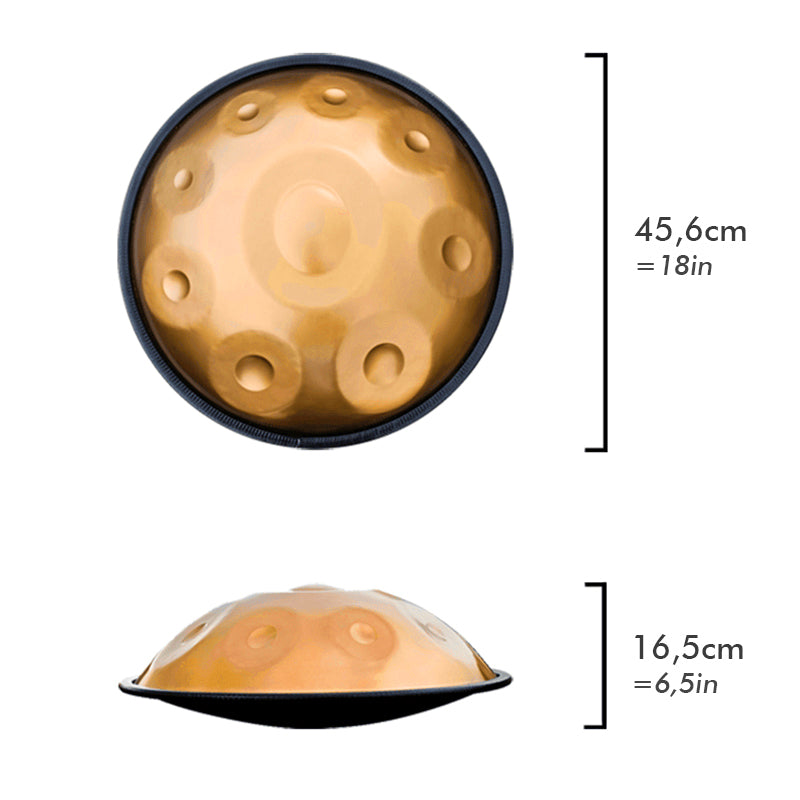
Storage matters as much as cleaning. Keep your handpan in a padded hard-shell or soft-shell case when not in use. Avoid prolonged exposure to direct sunlight, extreme temperatures, and high humidity. The standard 53-centimeter diameter of most 9-note handpans is compatible with the widest selection of cases on the market, so finding quality protection is straightforward. Detailed care instructions are available in our handpan care and maintenance guide.
Browse the Full Handpan Range
Explore other handpan configurations and complementary instruments in our catalog:
The 9-note handpan became the standard because its layout — one Ding plus eight tone fields — provides exactly one full diatonic octave. This gives players access to every degree of a musical scale, which is the minimum range needed for complete melodies and musical phrases. The 9-note configuration also struck the ideal balance between melodic freedom and physical simplicity, making it accessible to beginners while remaining musically satisfying for advanced players. Over time, the majority of tutorial content, method books, and community resources were built around this layout, reinforcing its position as the default recommendation.
Yes, many professional and advanced players perform exclusively on 9-note handpans. The full octave range supports sophisticated techniques including bilateral independence, polyrhythmic patterns, harmonic overtone playing, and complex improvisation. Some of the most acclaimed handpan performers in the world use 9-note instruments for live concerts and studio recordings. Advanced players often find that the constraint of eight tone fields encourages deeper musical creativity rather than relying on additional notes. That said, players who want multi-octave compositions or chromatic passages may prefer a 12-note or 14-note instrument.
The primary difference is one additional tone field. A 10-note handpan has one Ding plus nine surrounding tone fields, giving it one note beyond the full octave. This extra note is typically the ninth degree of the scale or an additional lower note, providing slightly more melodic flexibility. In practice, the difference is subtle — both configurations are played with identical technique, and a 10-note instrument is only marginally heavier and slightly more expensive. If you want maximum tutorial compatibility, choose 9 notes. If you want a bit more range for a small additional investment, consider 10 notes.
For most players, D Minor (Kurd) is the recommended first scale because it is the most versatile and widely played tuning in the handpan world. Its warm, contemplative character works for meditation, solo practice, and performance. If you prefer brighter energy, C Major delivers an uplifting, cheerful sound. For emotional intensity, G Minor offers dramatic, cinematic depth. And for spiritual or folk-inspired playing, Celtic Minor provides a mystical atmosphere. Listen to audio samples of each scale before deciding, and consult our complete scales guide for detailed comparisons.
Quality 9-note handpans typically range from $800 to $1,400 depending on the material, scale, and maker. Nitrided steel models tend to sit at the lower to middle end of this range, while stainless steel and ember steel instruments often command higher prices due to material and manufacturing costs. At Healing Sounds, our 9-note collection spans this full range, ensuring there is an option for every budget. Keep in mind that a well-made handpan at any price point within this range will deliver excellent tone quality — you are primarily paying for material properties and aesthetic finishes, not for differences in musical capability.
Treat yourself to a relaxing moment
With our best instruments. Handcrafted from the finest materials.
Created by healing enthousiasts
We know your needs because we use our products too. We are the first users.
Money-back guarantee
You have 60 days to return your order if it doesn't fit (you'll love it anyway).
100% secured payments
So you can remain in deep peace until you receive your order.