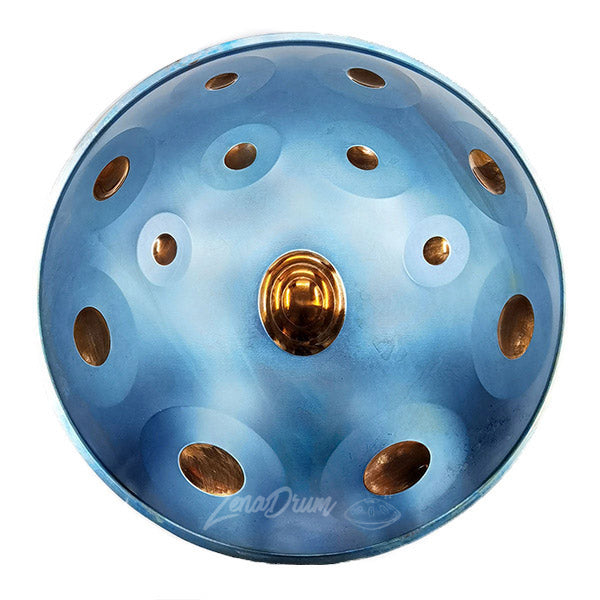
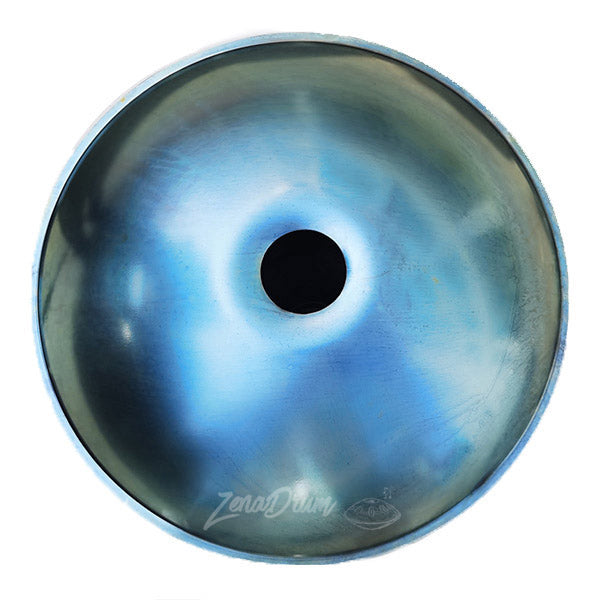
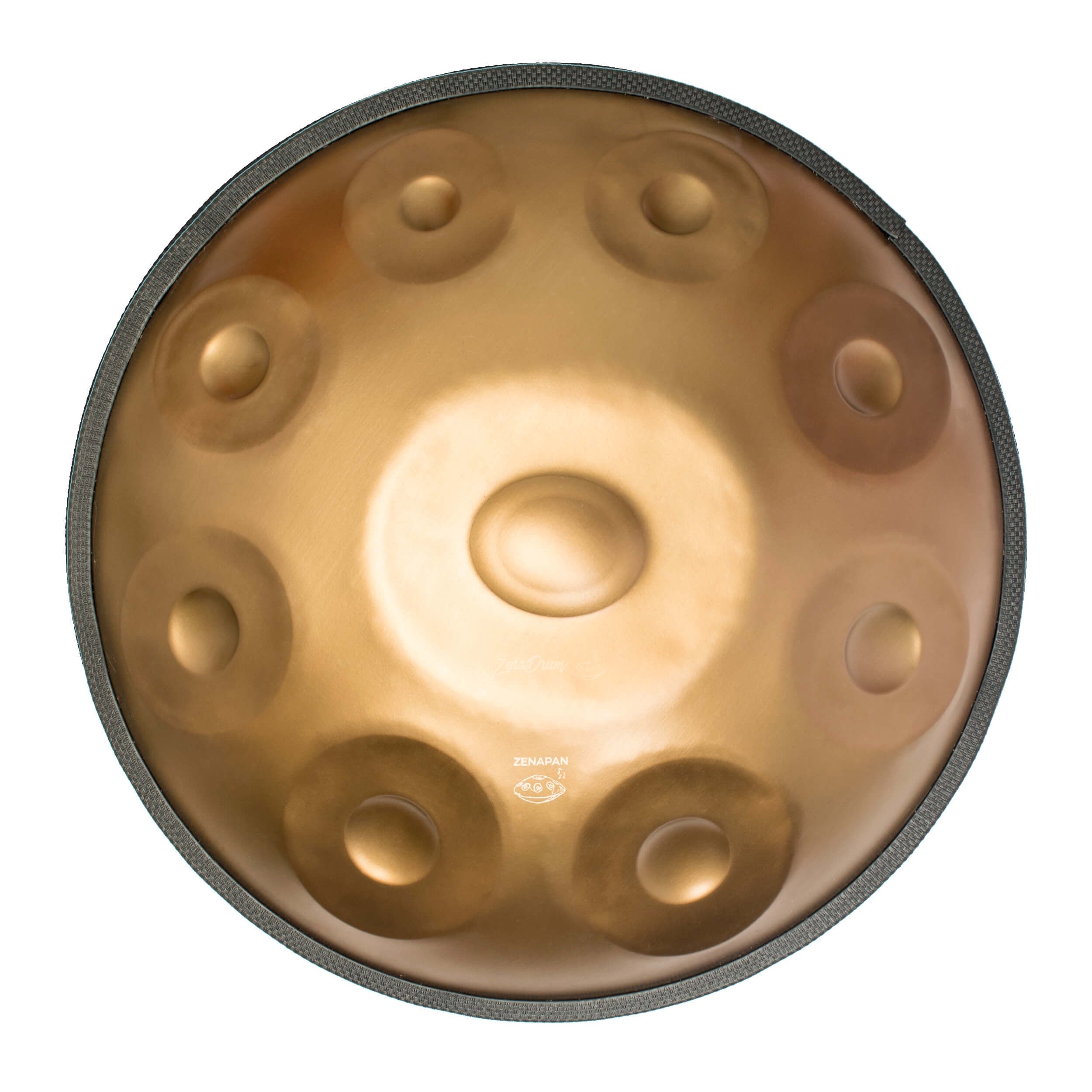
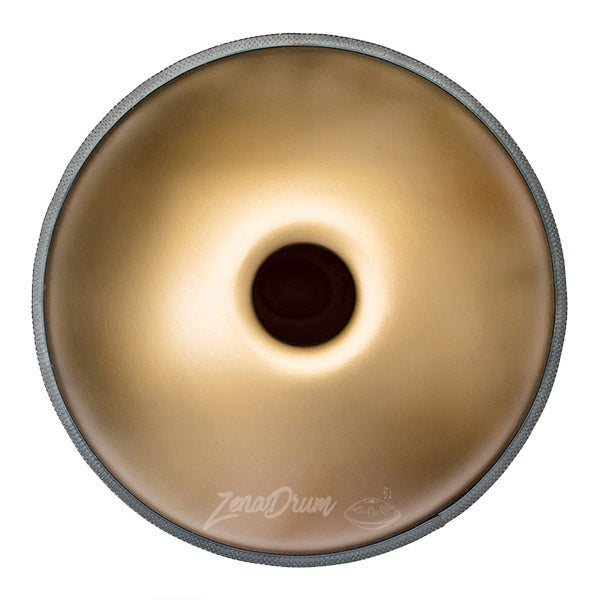
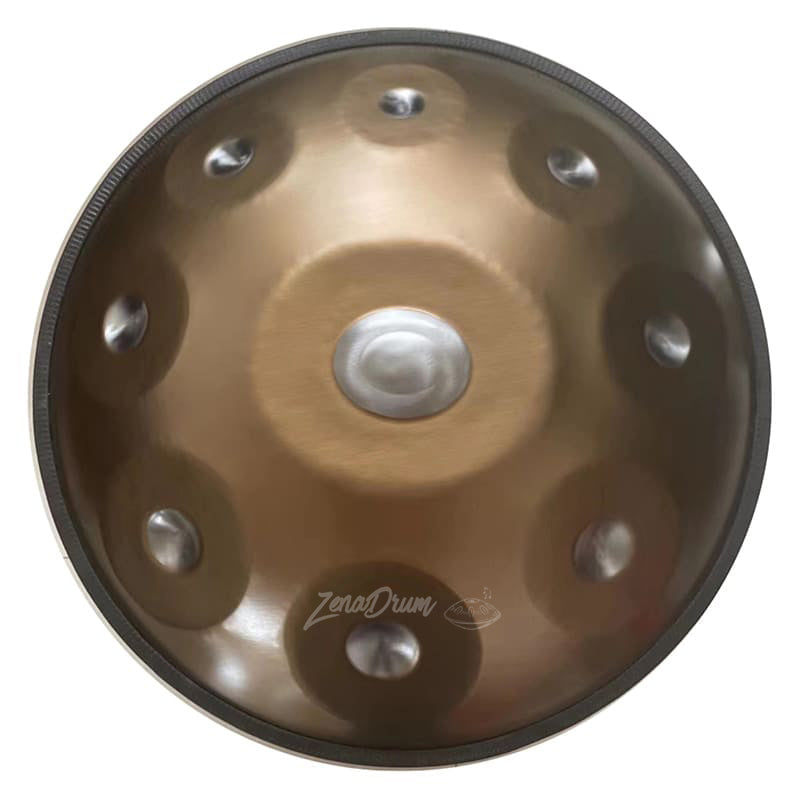
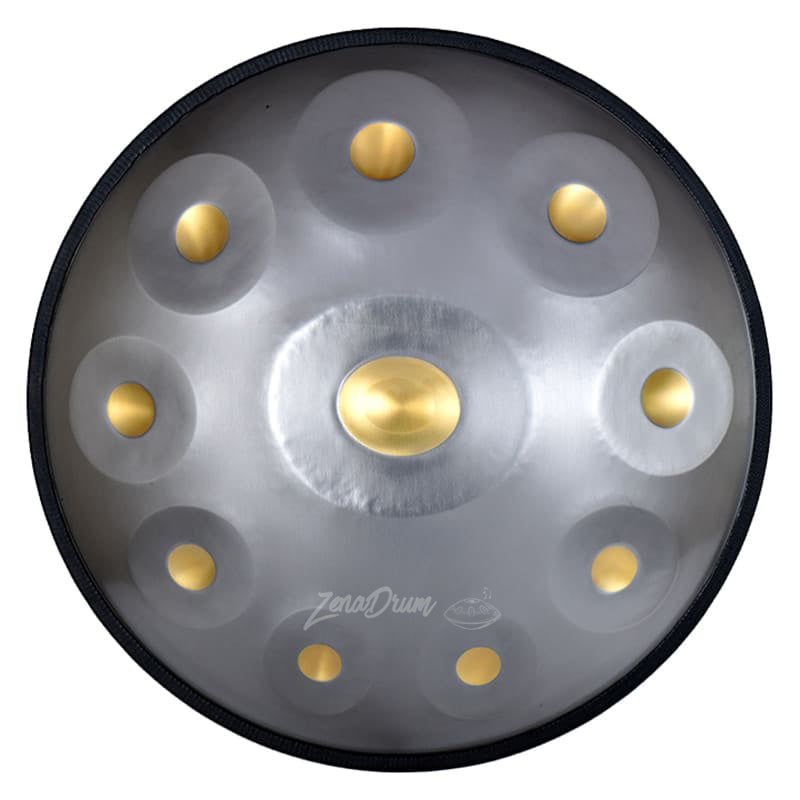
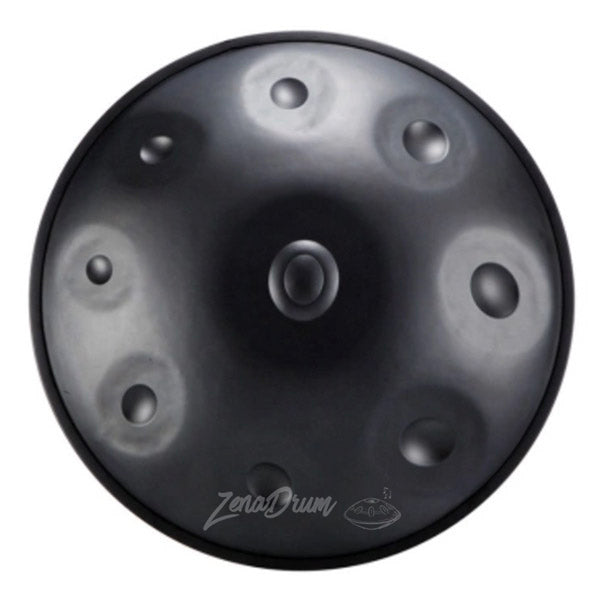
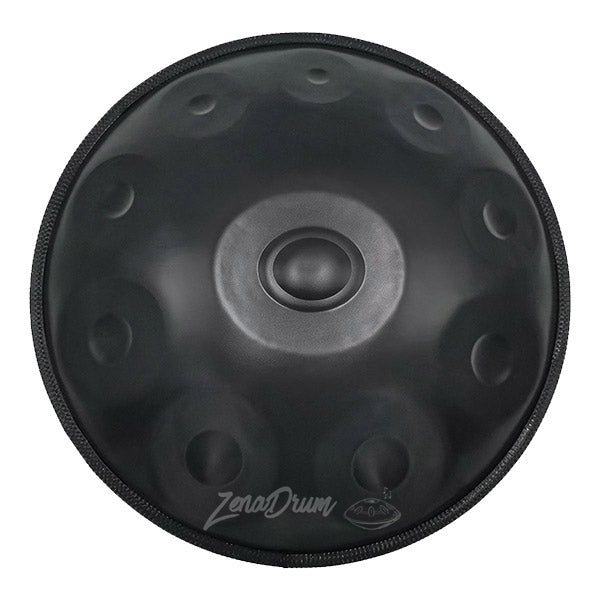
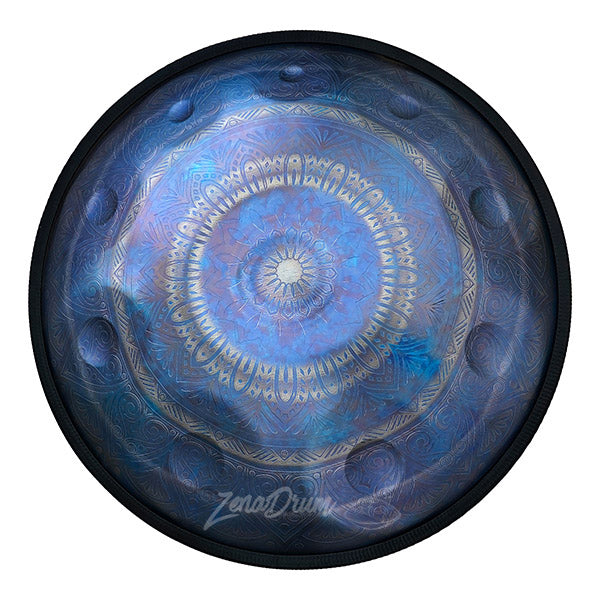
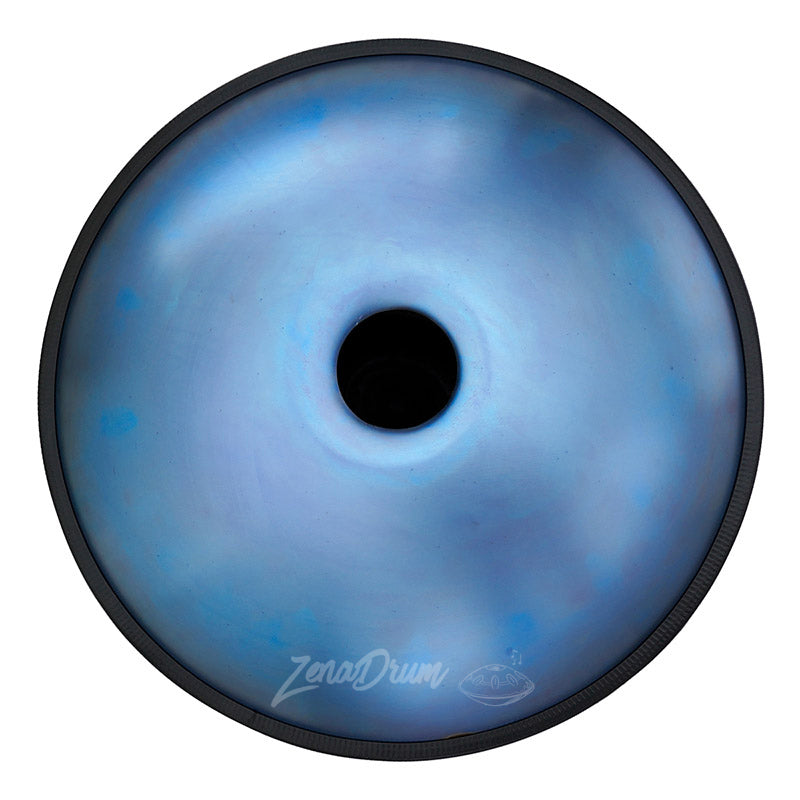
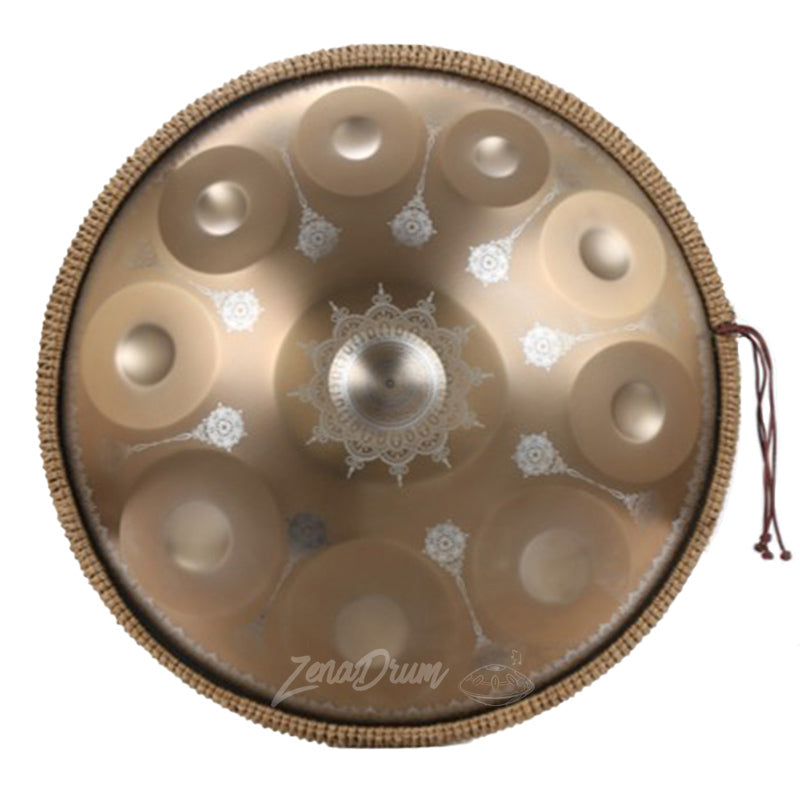
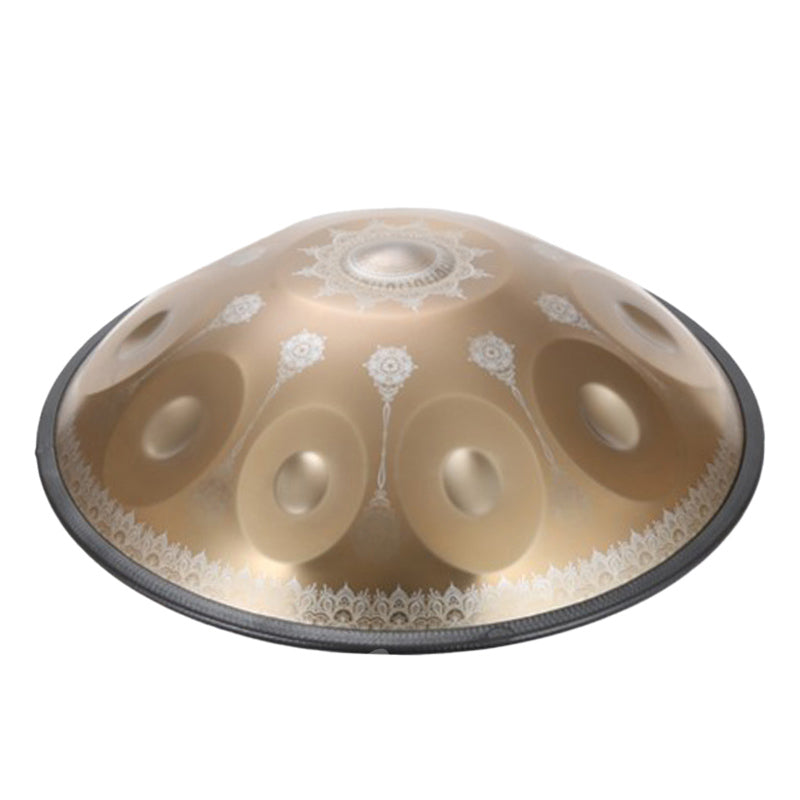
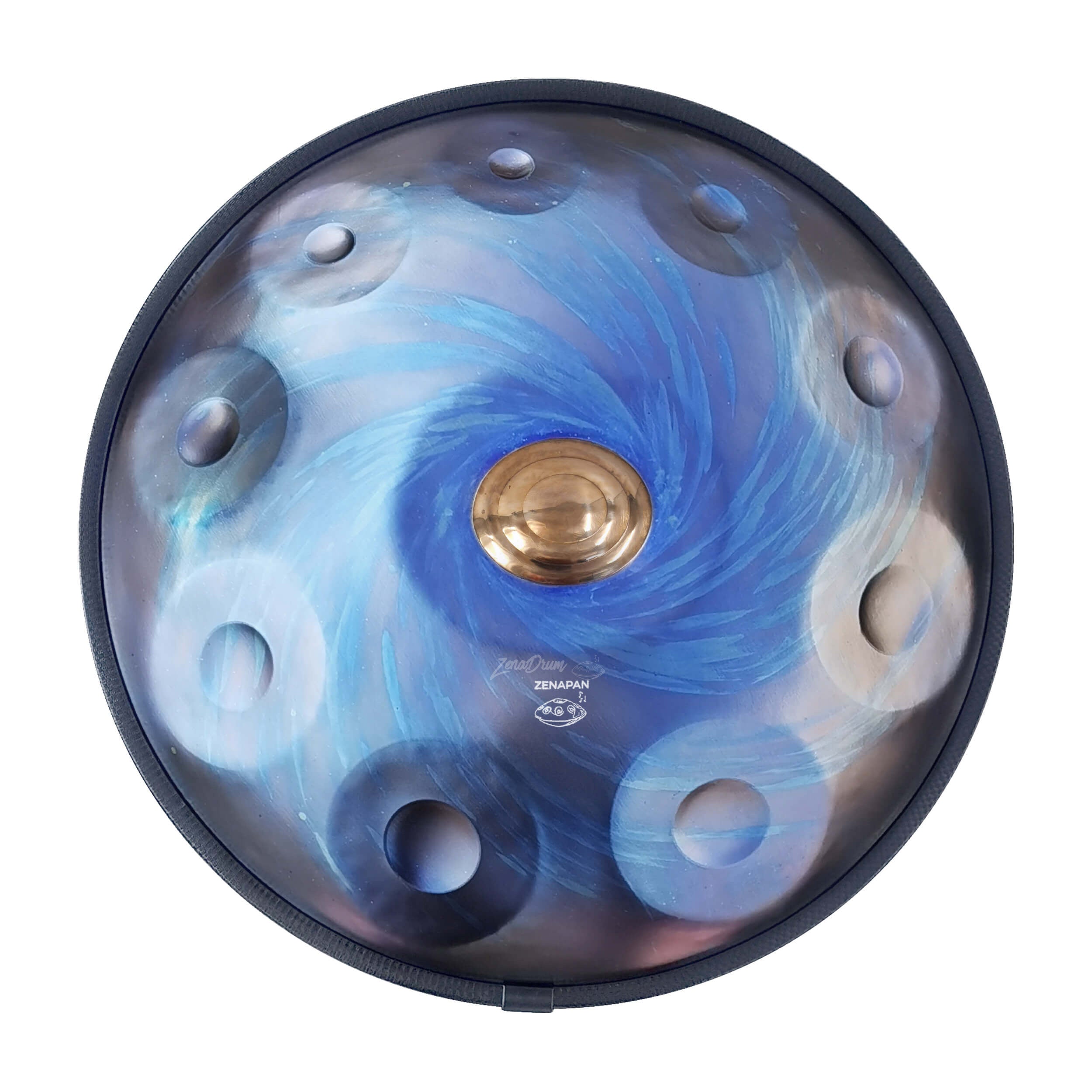
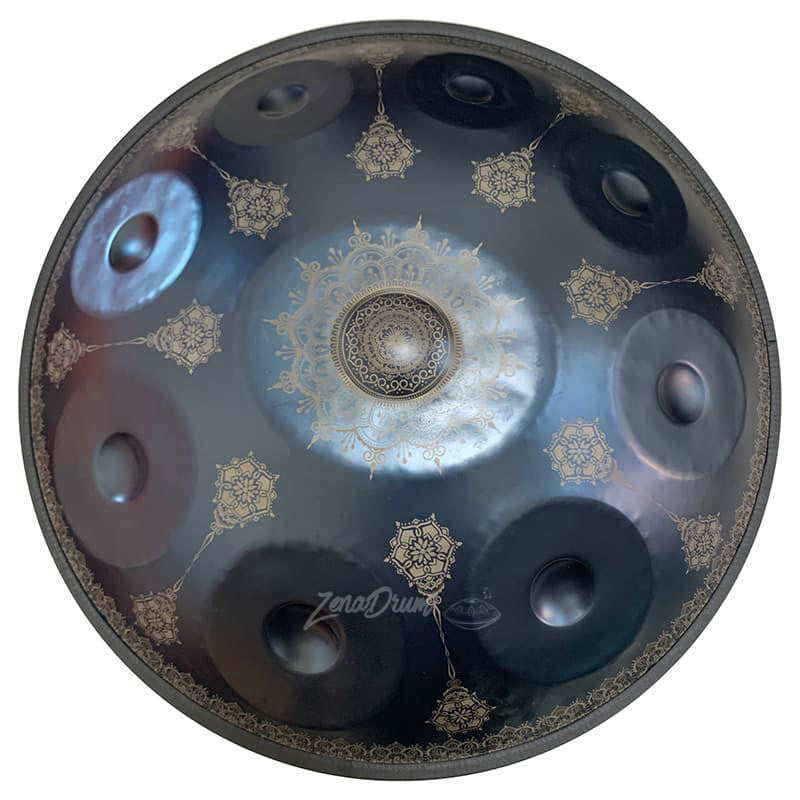
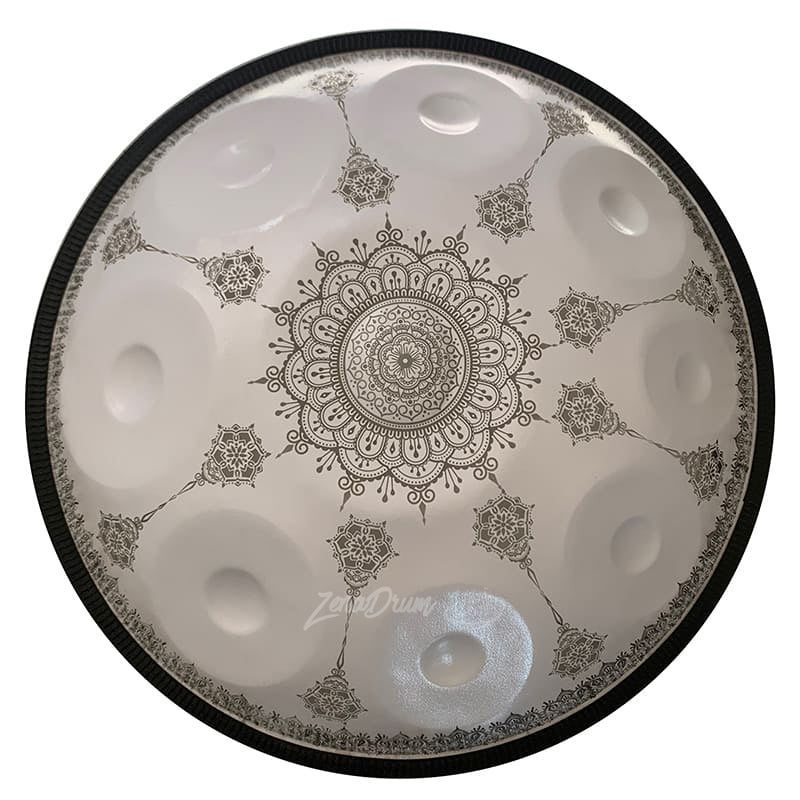
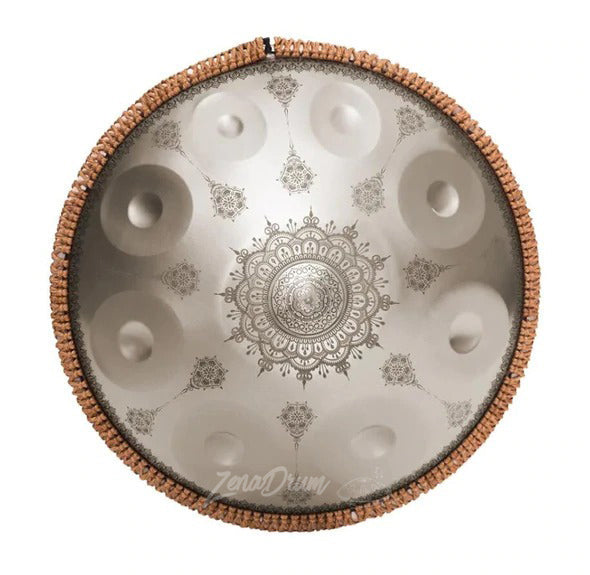
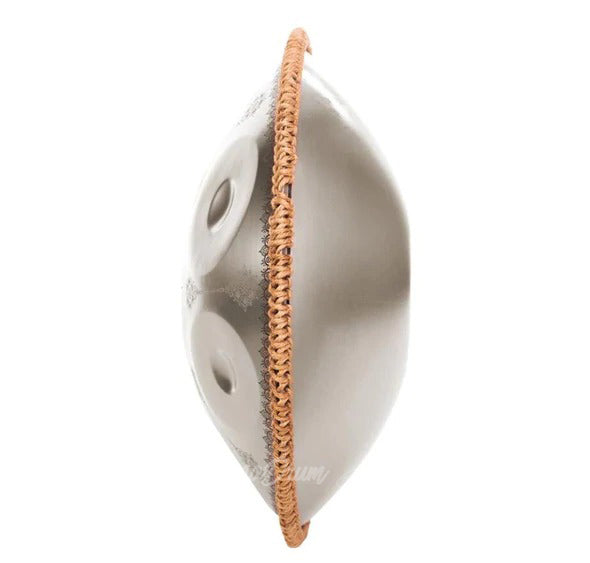
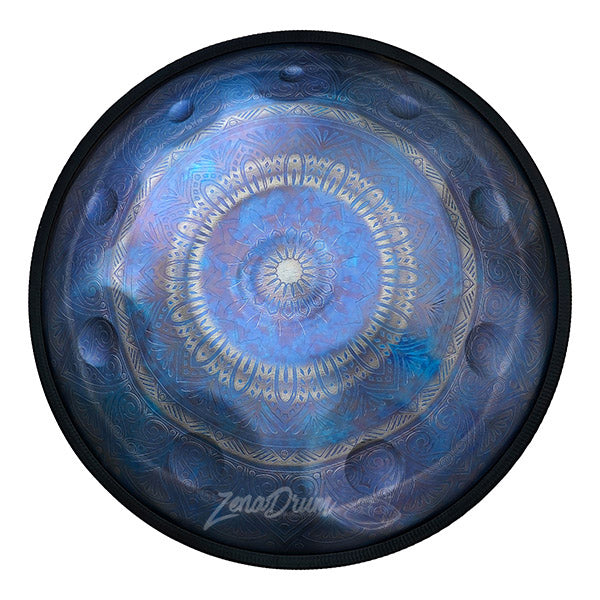
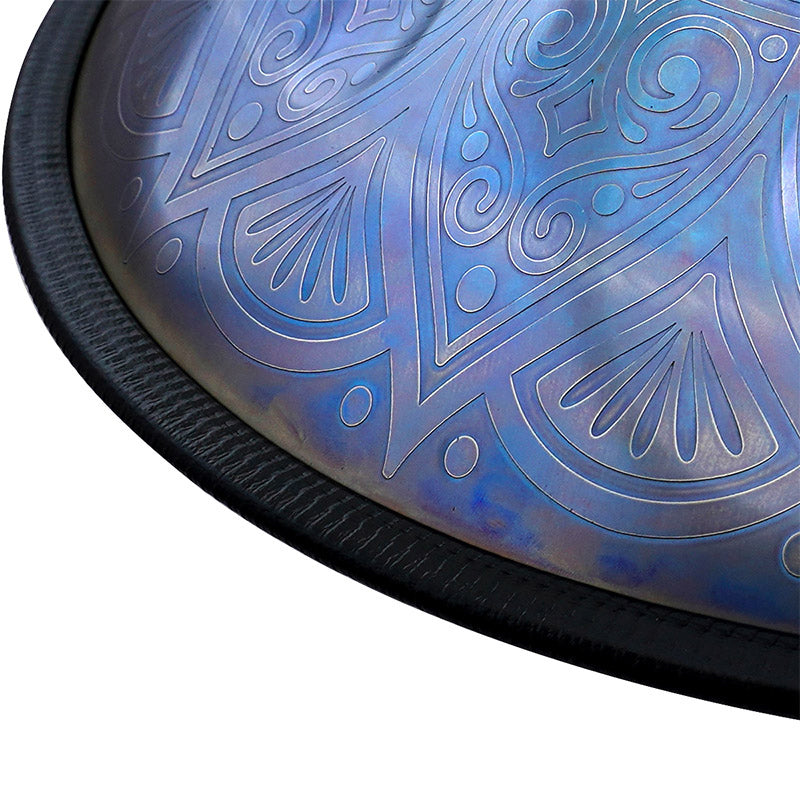
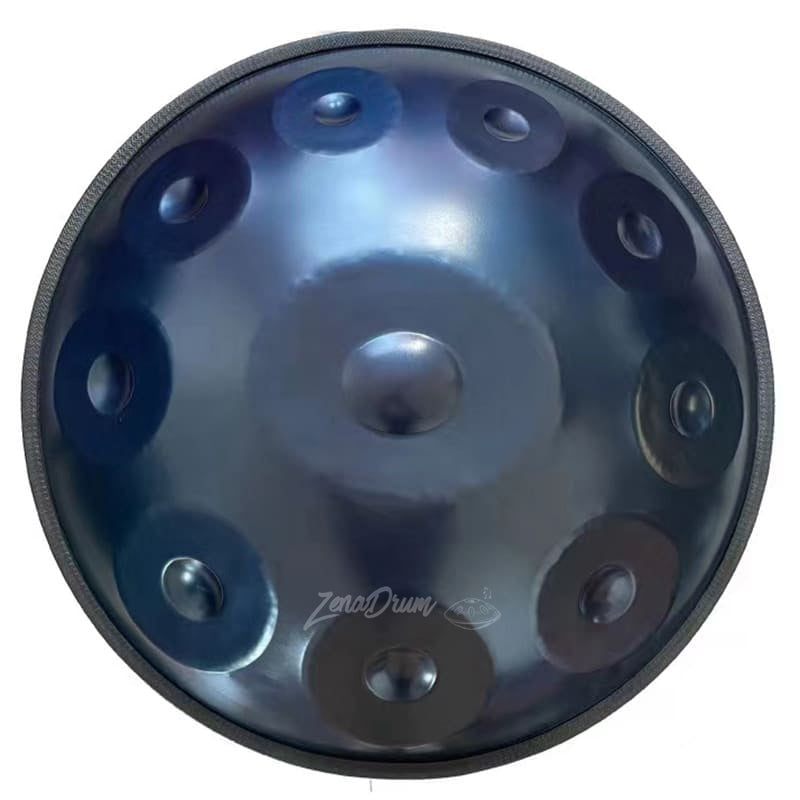
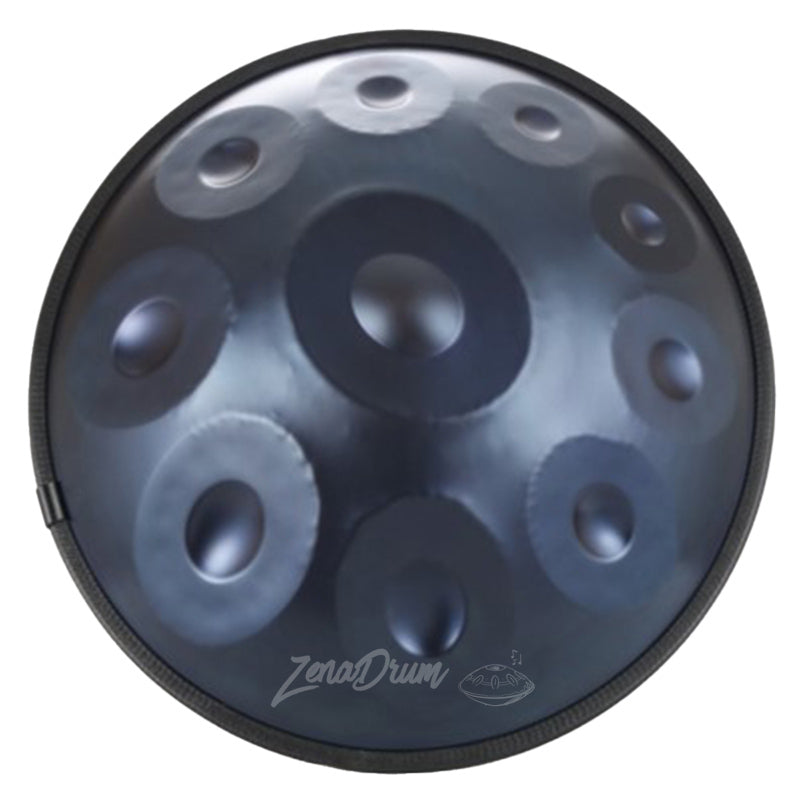
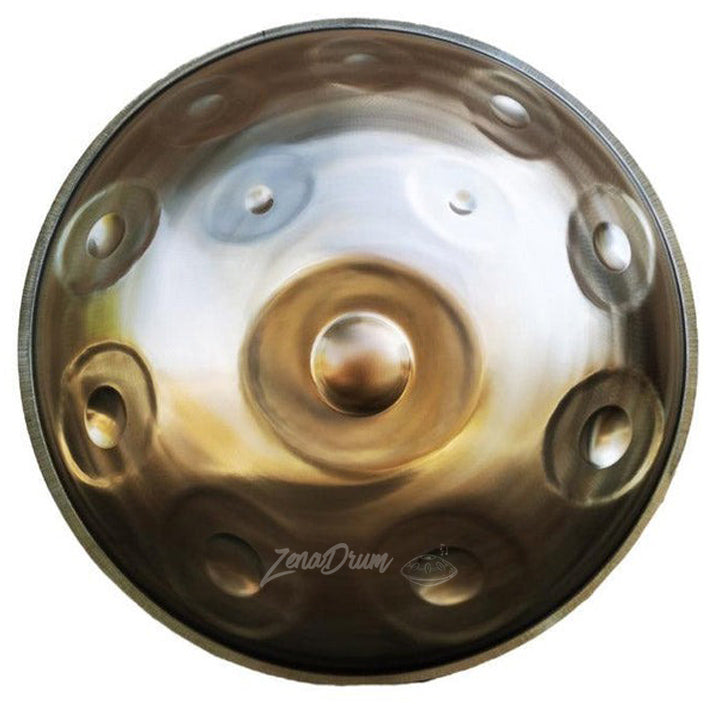
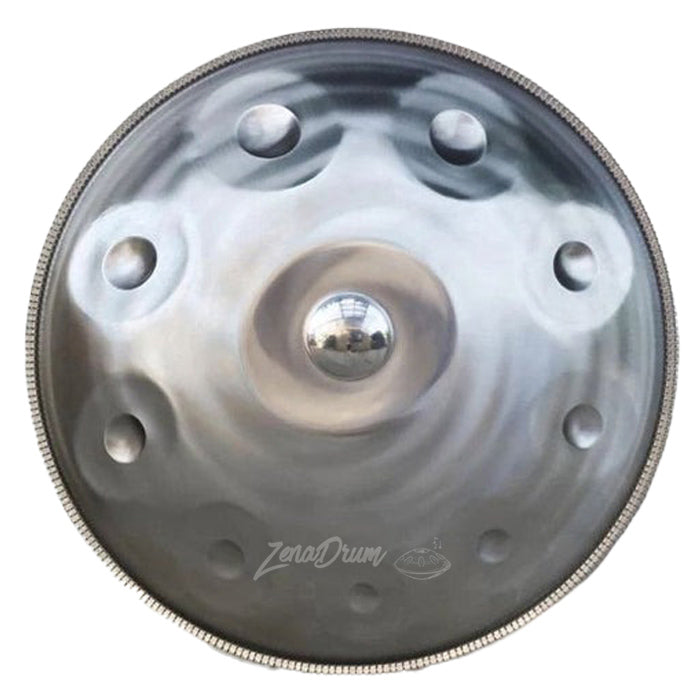
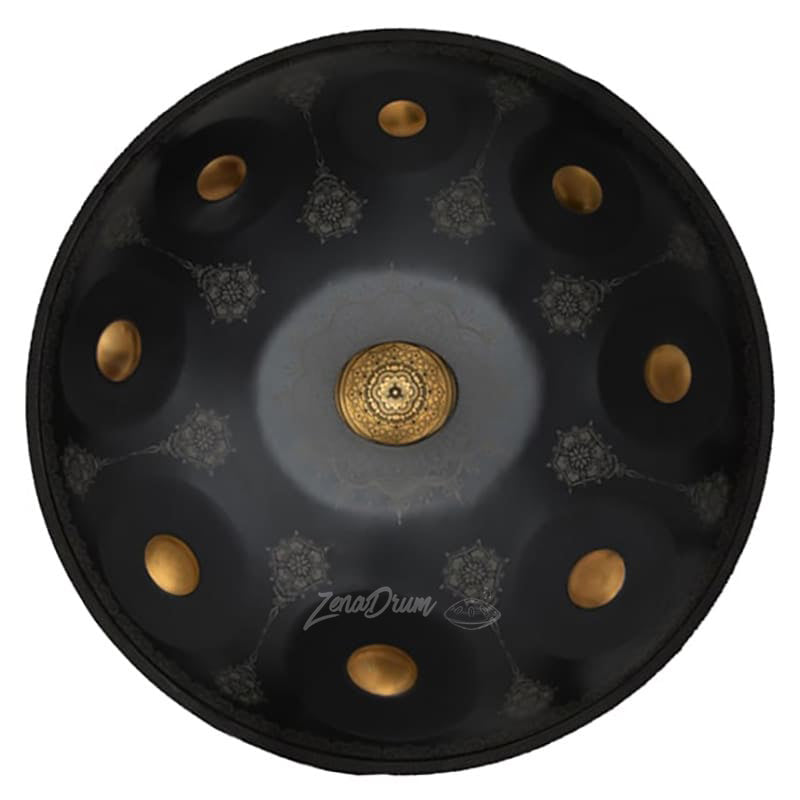
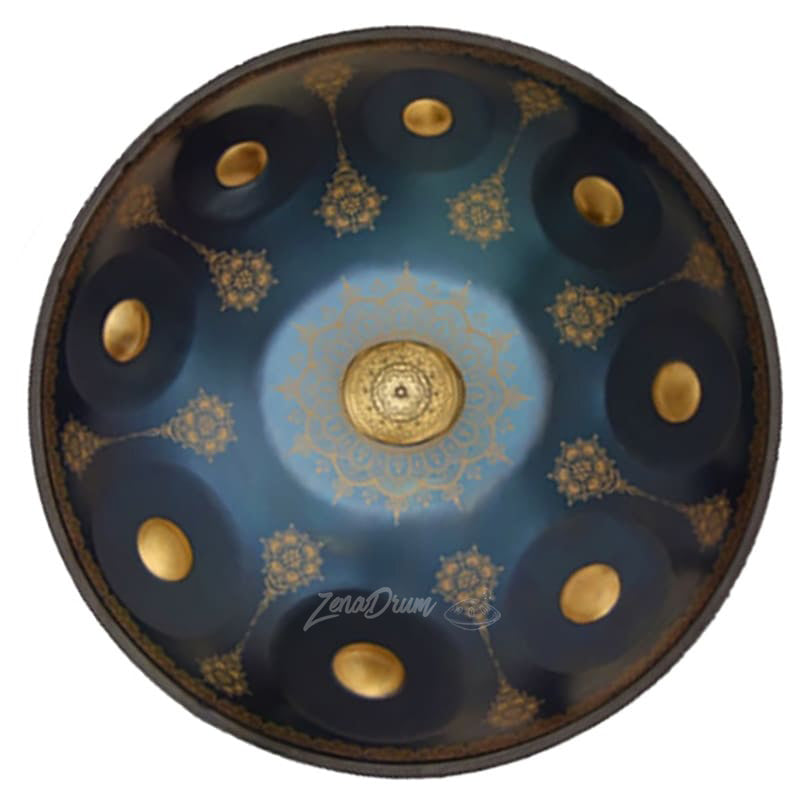
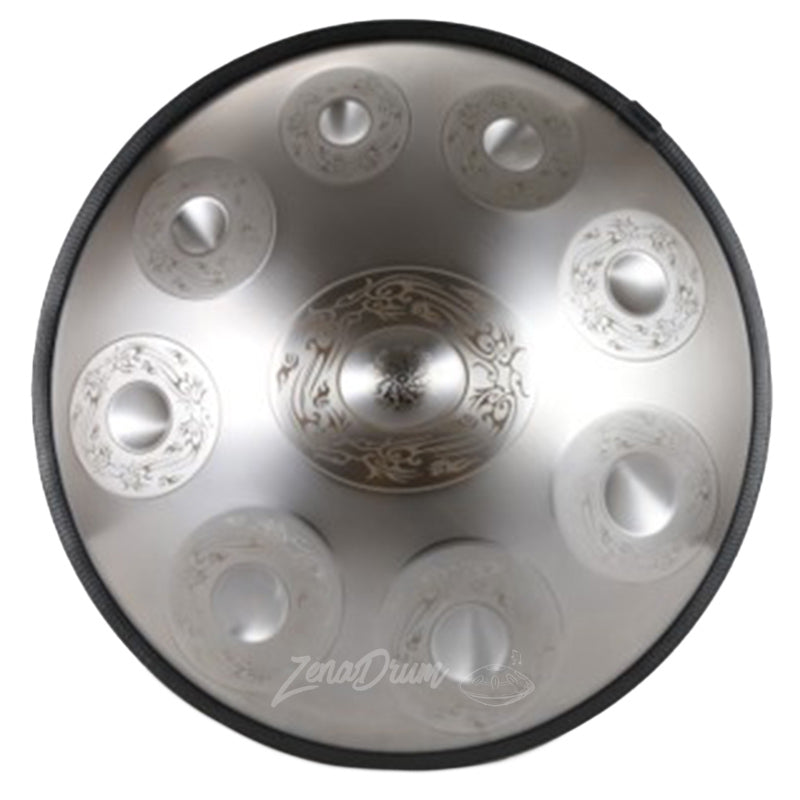
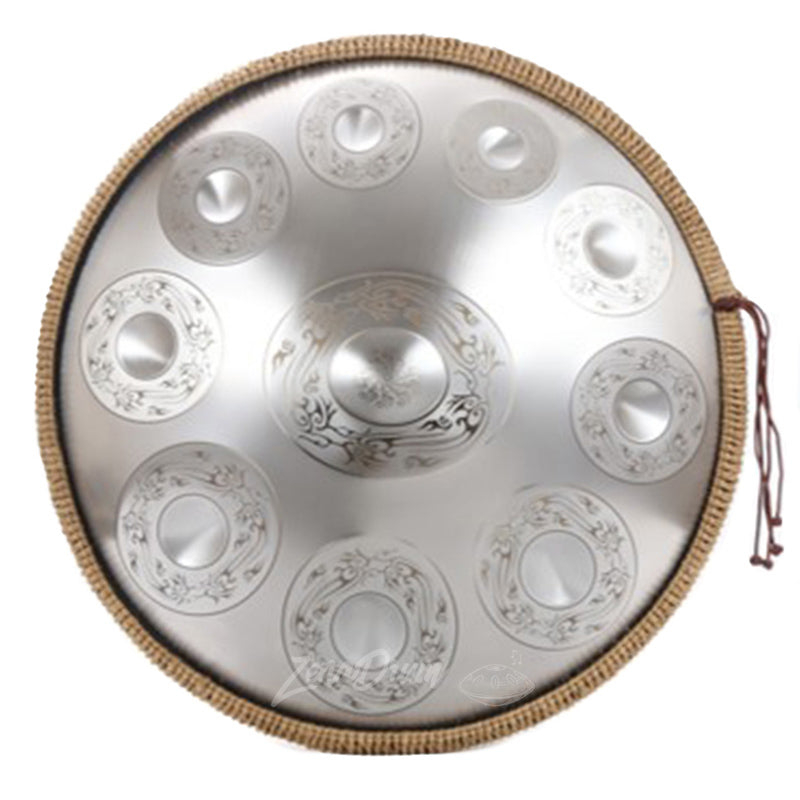
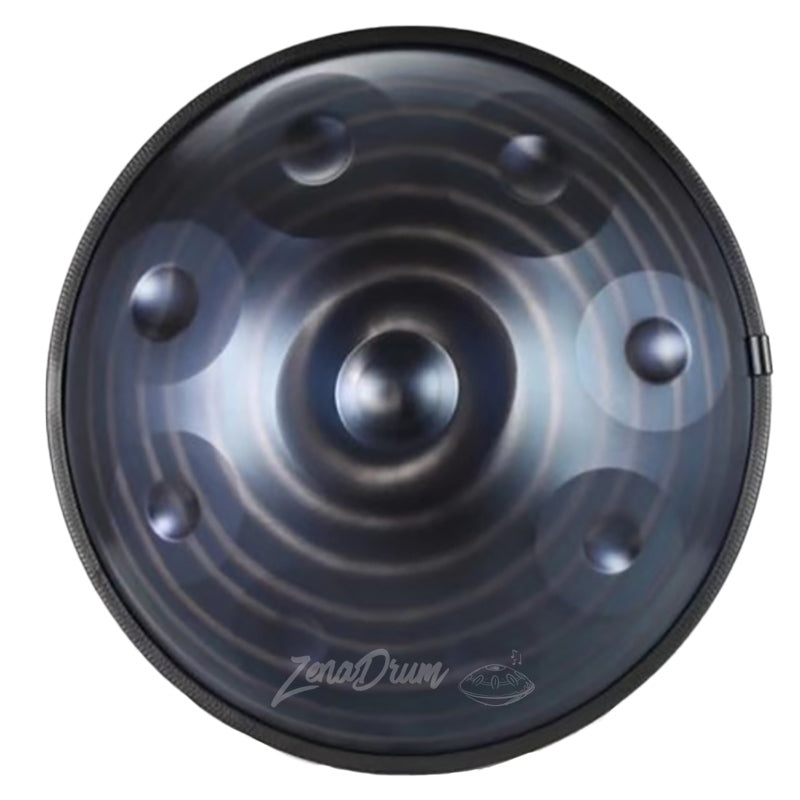
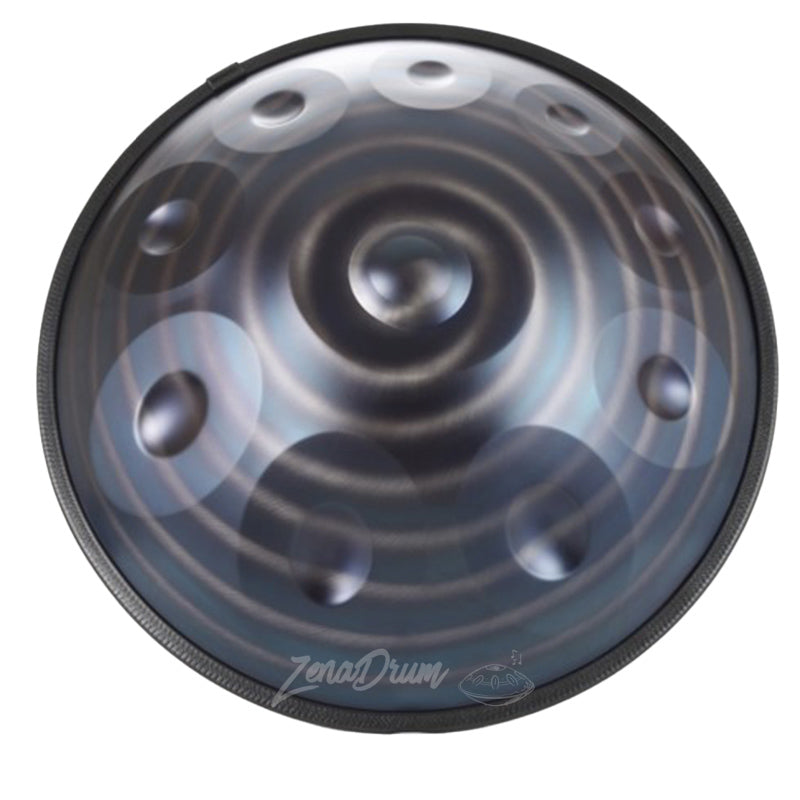
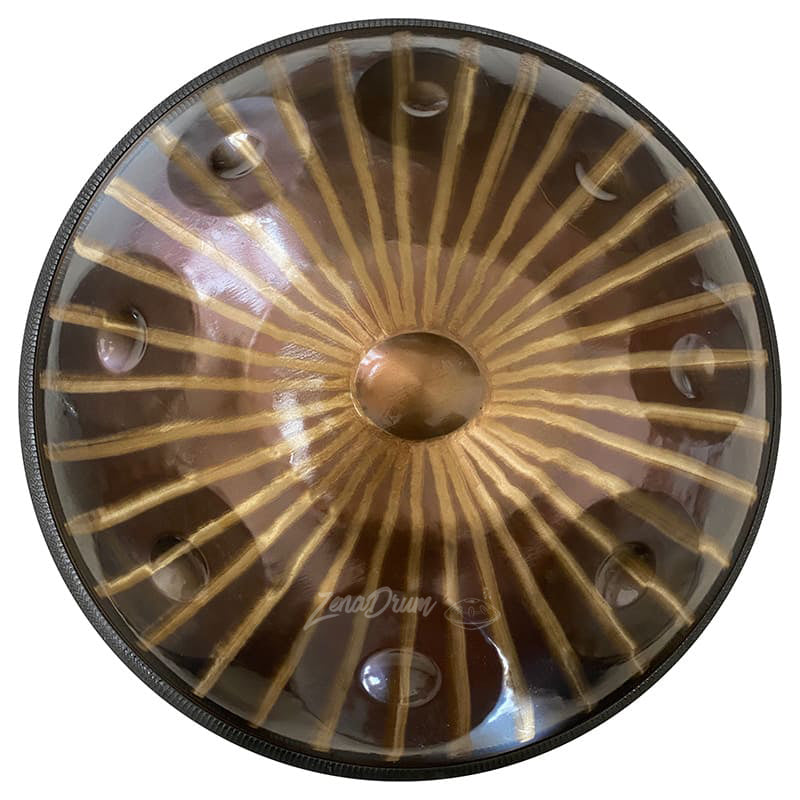
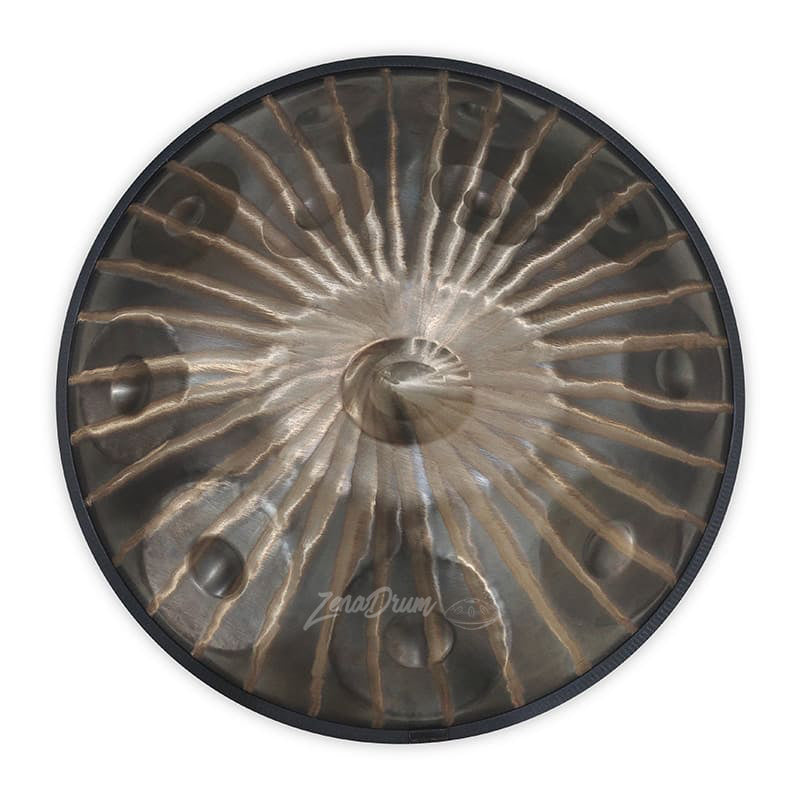
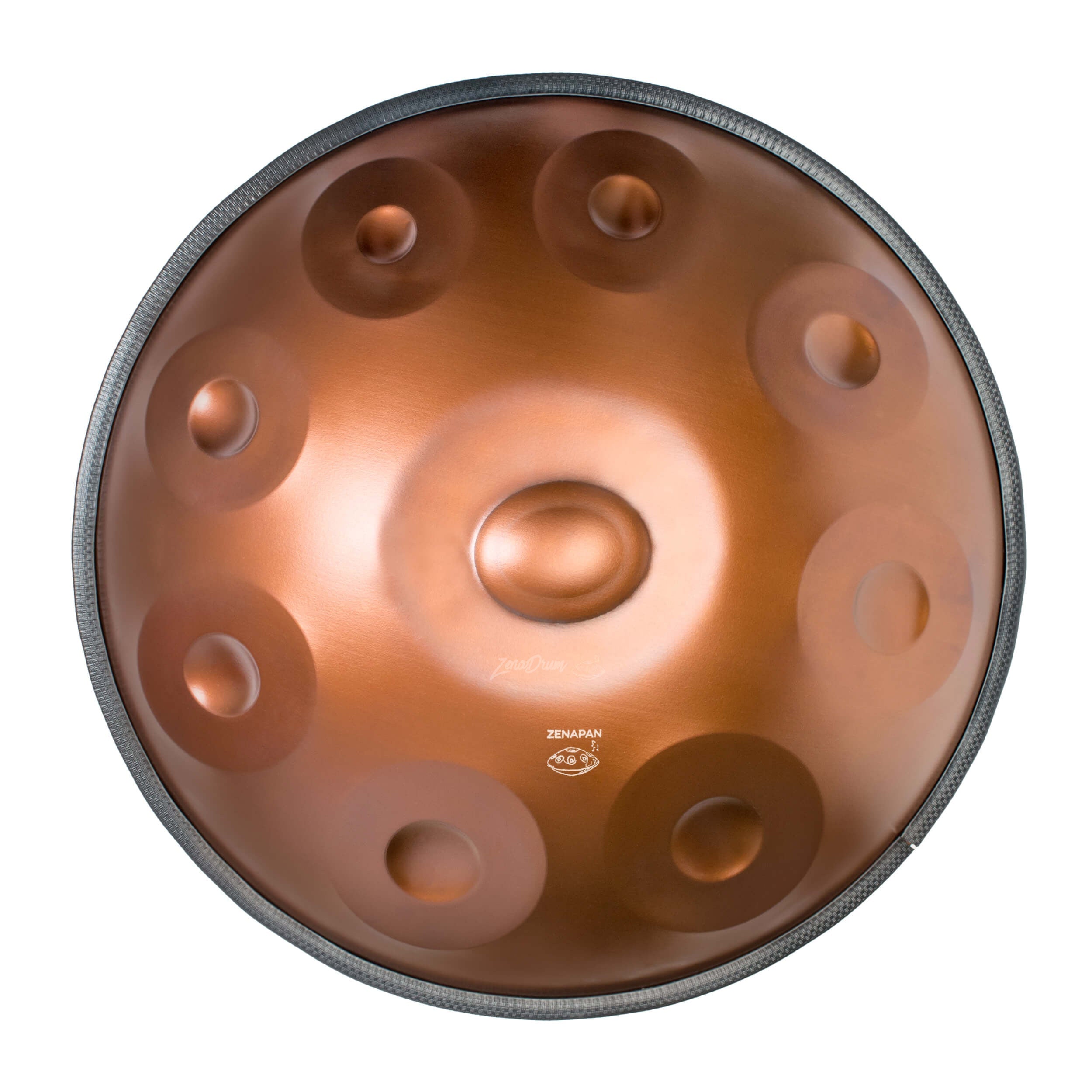
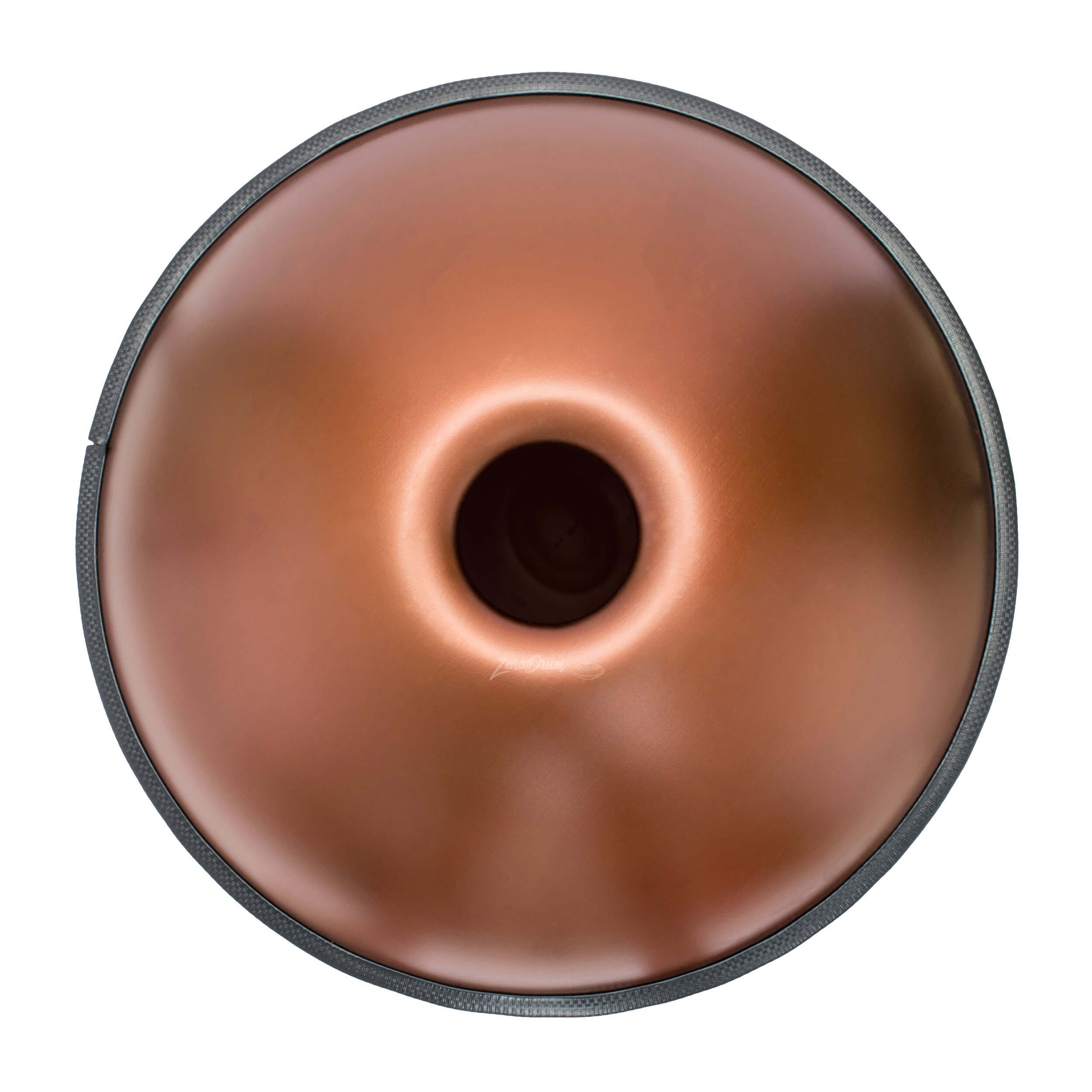
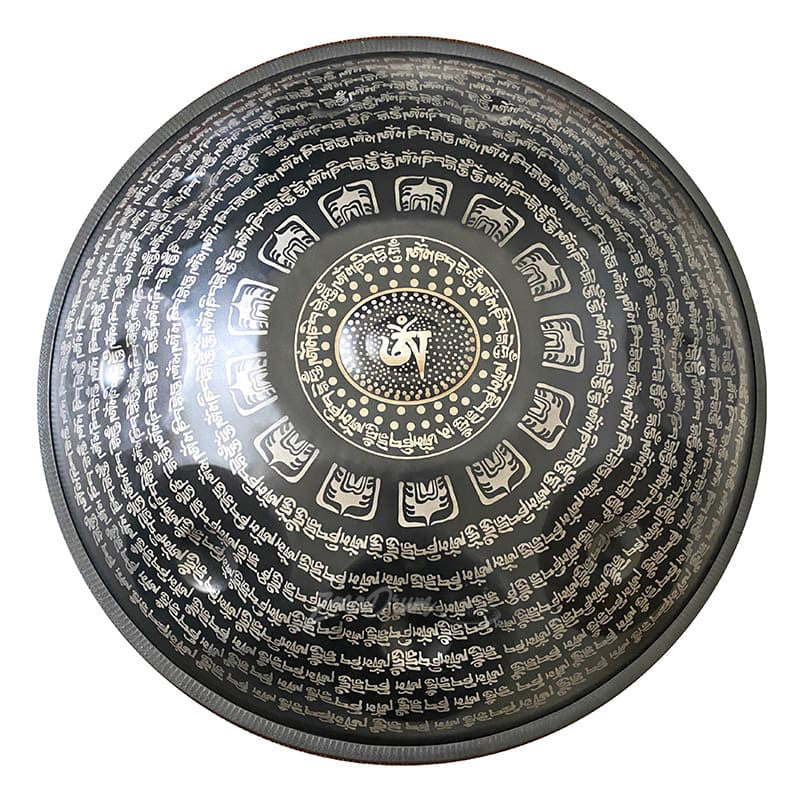
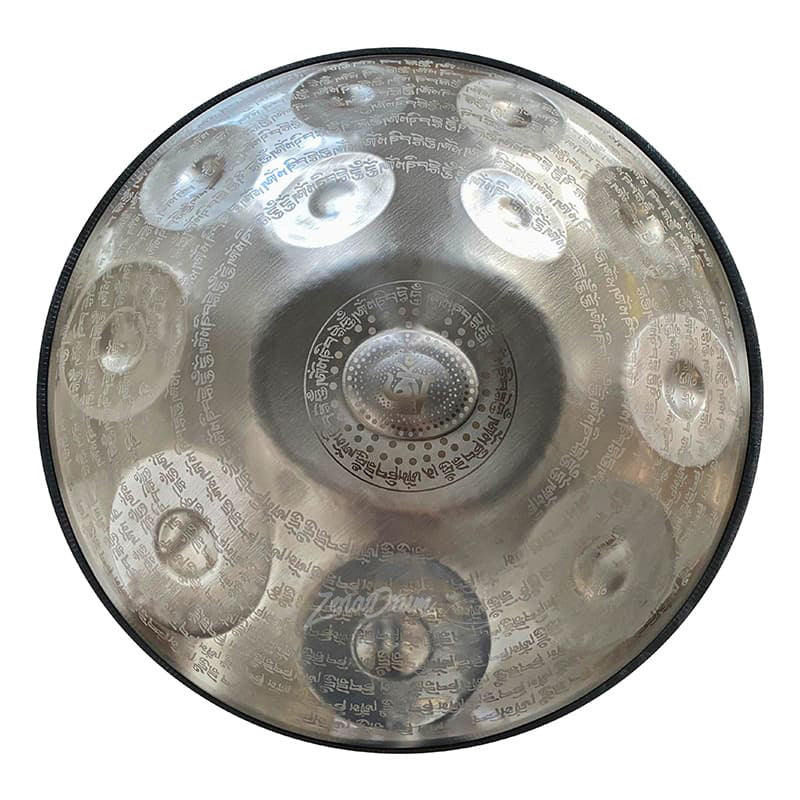
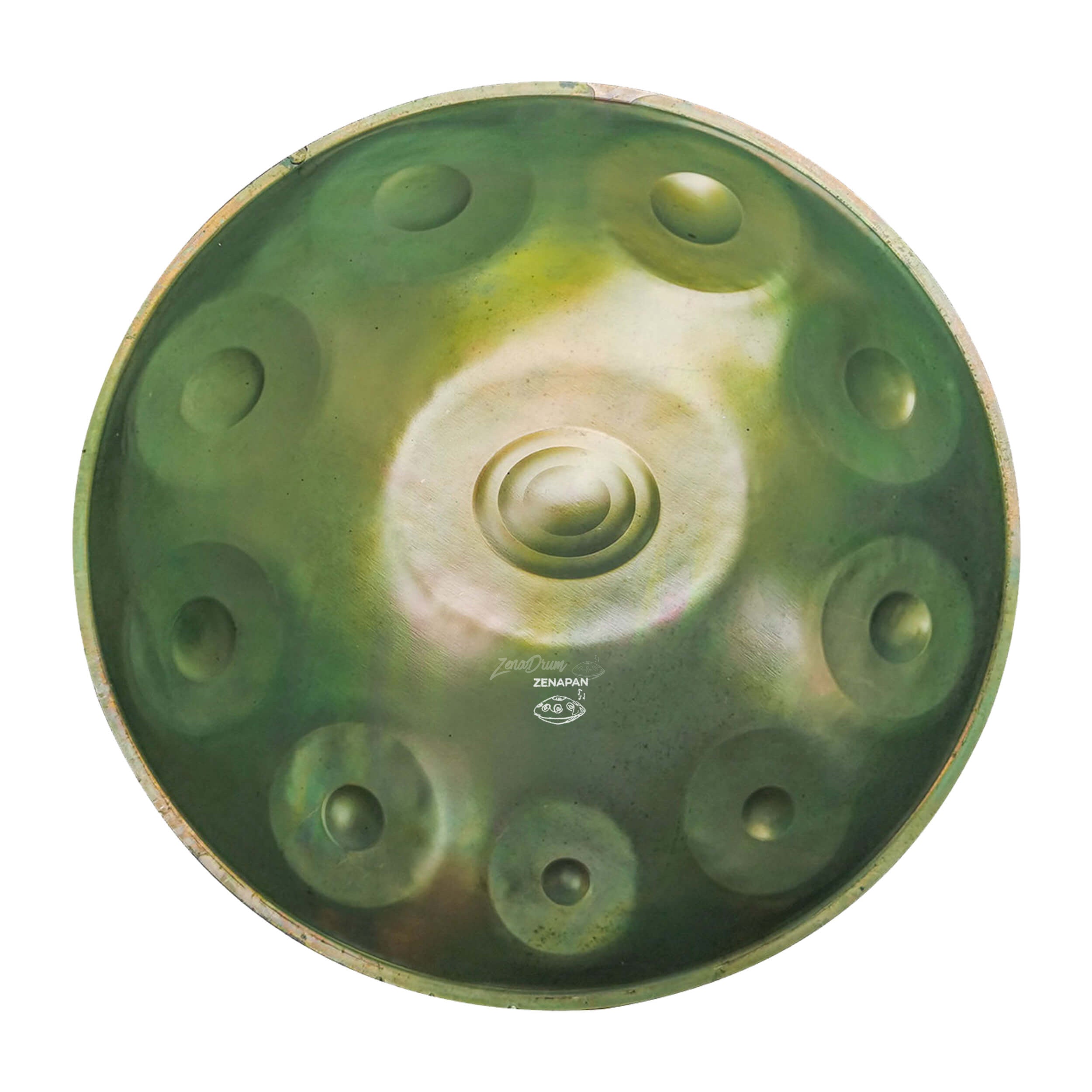
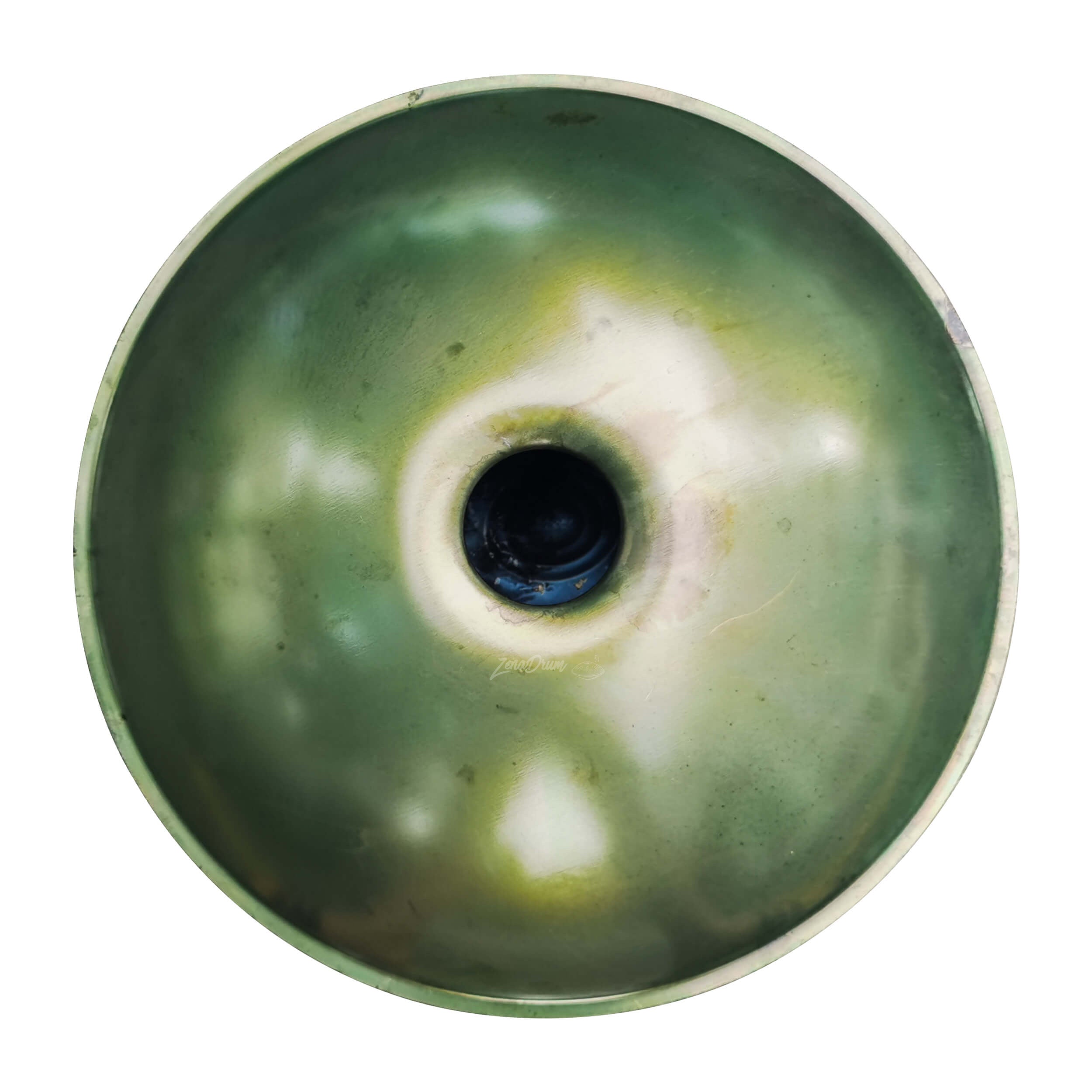
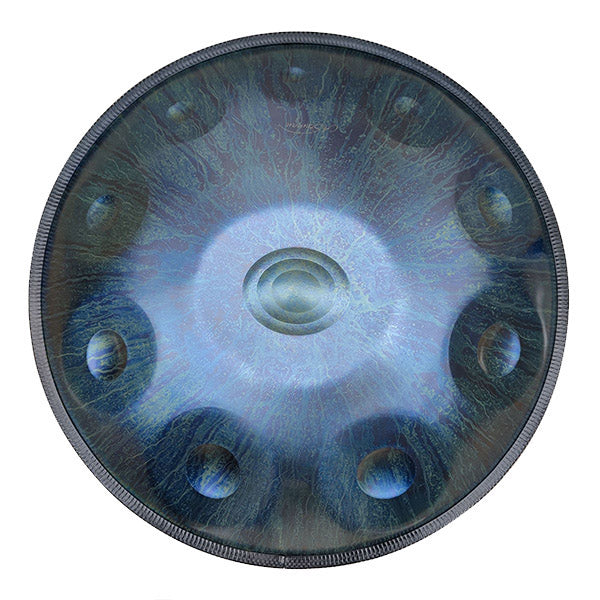
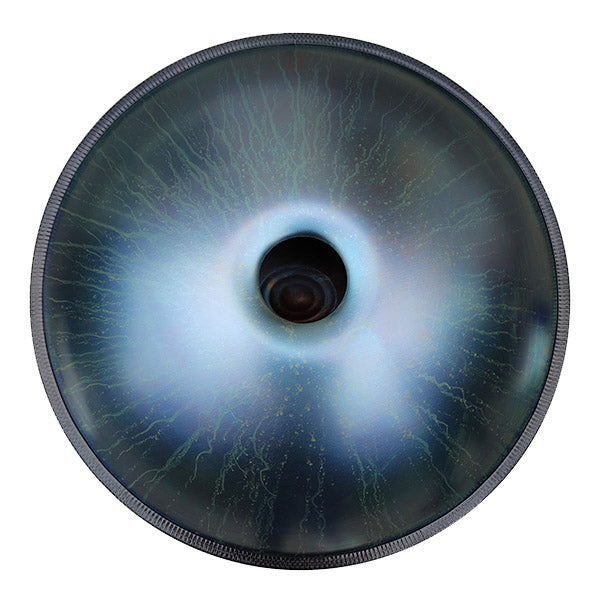
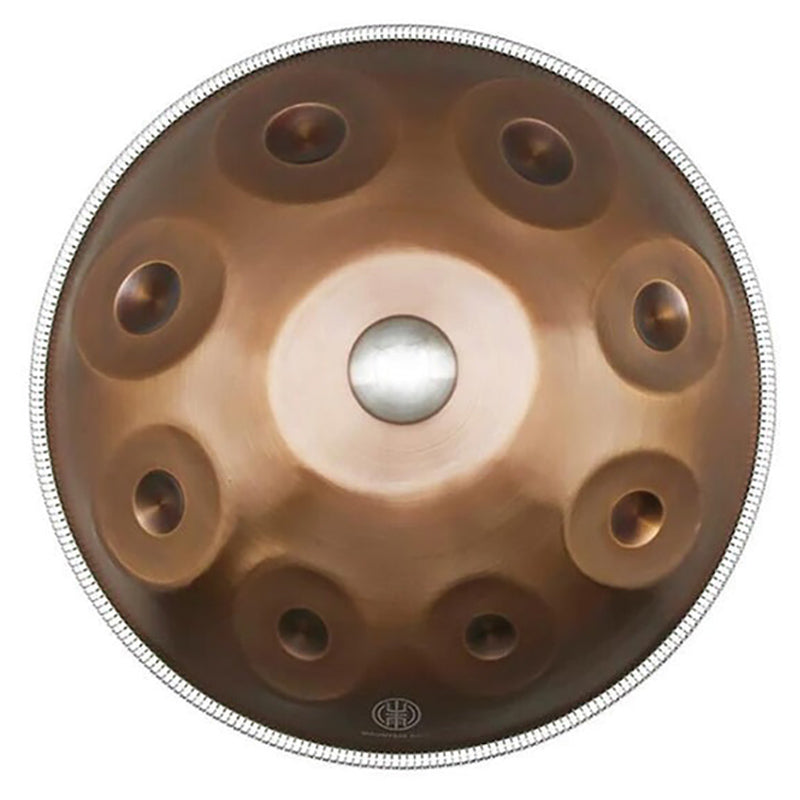
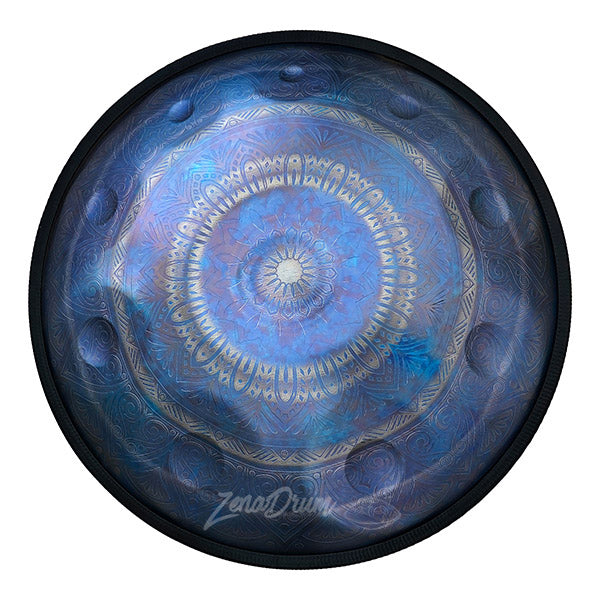
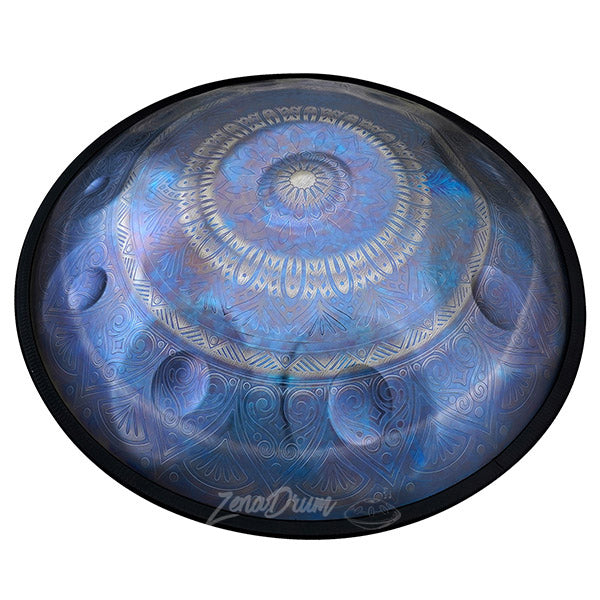
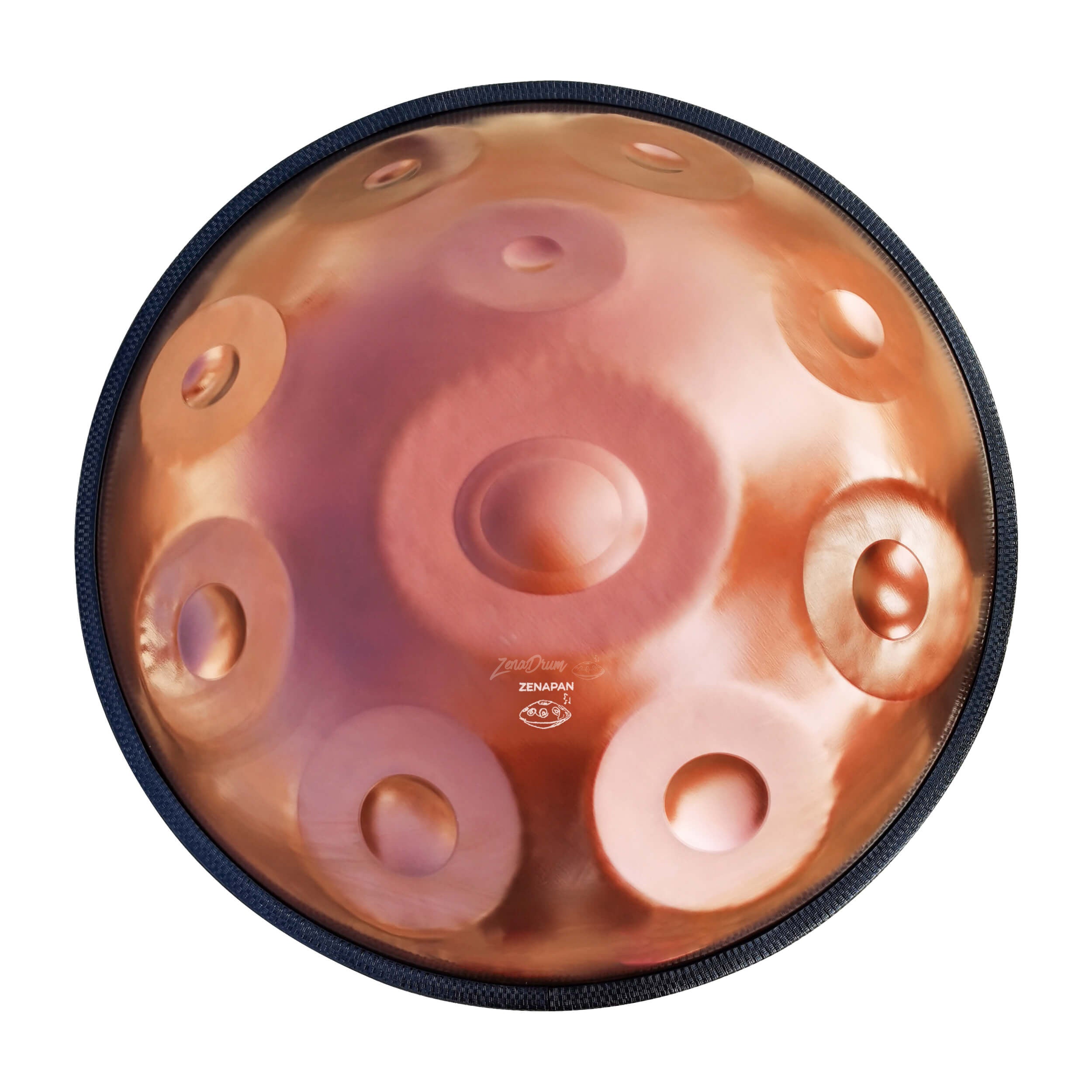
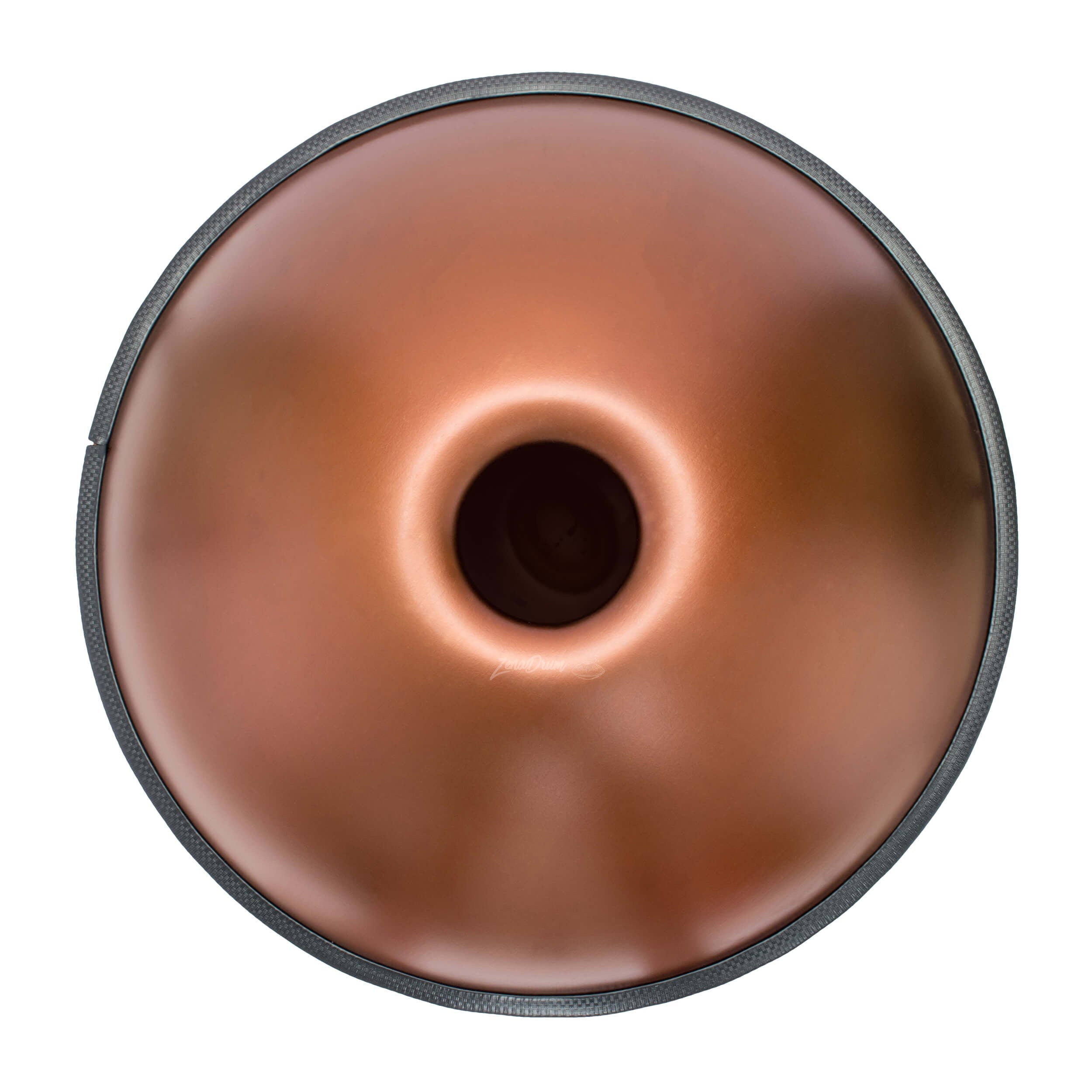
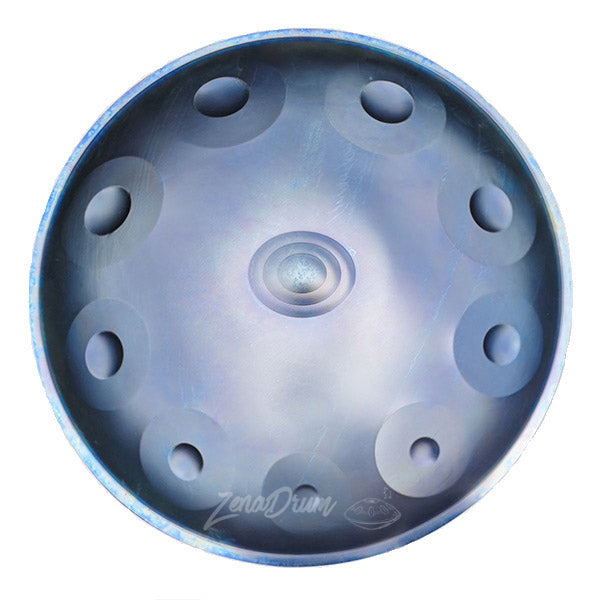
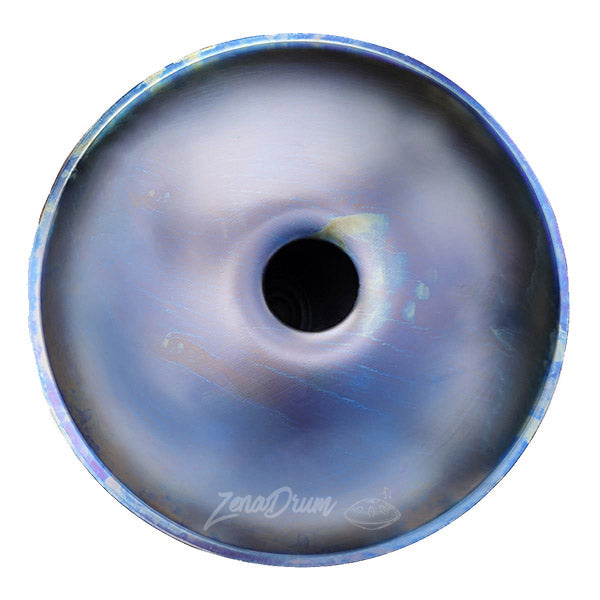
The stainless steel handpan has become the fastest-growing category in the handpan world, prized for its brilliant ceramic-like tone, exceptionally long sustain, and virtually rust-proof surface that demands almost zero maintenance. At Healing Sounds, our stainless steel handpan collection features precision-tuned instruments across every popular scale — from the meditative D Minor and mystical Celtic Minor to the versatile Kurd — with note configurations ranging from compact 6-note beginner models all the way to expansive 17-note professional instruments.
If you have ever hesitated to bring your handpan to a beach jam, a garden gathering, or an outdoor yoga session because of rust concerns, stainless steel eliminates that worry entirely. The chromium-rich alloy forms a self-healing oxide layer that resists corrosion even in salt air and tropical humidity. You can play in the morning dew, wipe down with a cloth, and store without a single drop of oil. That convenience — combined with a distinctive bright, shimmering voice — explains why search interest in stainless steel handpans has surged over 2,000 percent in the past year alone.
Whether you are a first-time player looking for a worry-free instrument or a seasoned professional adding a bright-voiced handpan to your collection, this guide covers everything you need to know about the stainless steel material — its tonal characteristics, how it compares to nitrided steel and ember steel, which scales and note counts pair best with stainless, and how to care for your investment over decades of play.
What Does a Stainless Steel Handpan Sound Like?
Every handpan material shapes the instrument's voice in fundamental ways, and stainless steel delivers the most distinctive tonal signature of the three main options. Here is what to expect when you play a stainless steel handpan:
Bright, ceramic-like clarity — Notes ring with a crystalline shimmer that projects clearly, even in open-air settings where softer tones might get lost in ambient noise.
Longest sustain of any handpan material — Each note continues to sing for several seconds after you lift your finger, creating lush, overlapping harmonies when you play flowing melodies.
Rich overtone spectrum — Stainless steel excites a wider band of harmonic overtones compared to nitrided or ember steel, giving each note a complex, layered quality that sound engineers and recording artists appreciate.
Slightly higher dynamic threshold — The alloy is denser, so you can play with a bit more force before the tone distorts, making stainless steel handpans well suited to percussive, rhythmic playing styles.
Consistent tone across climates — Because stainless steel is less affected by humidity and temperature fluctuations, the instrument maintains its tuning accuracy more reliably than untreated steels.
Players who gravitate toward ambient, reverb-heavy soundscapes and outdoor performances often prefer stainless steel for its ability to fill space with shimmering sustain. If you enjoy recording handpan music, the bright harmonic content captures beautifully through both close-miking and room-miking techniques. For a deeper overview of all handpan tonal options, visit our main handpan collection.
Stainless Steel vs Nitrided Steel vs Ember Steel: Full Comparison
Choosing the right handpan material is one of the most important decisions you will make. The table below offers a side-by-side comparison of all three materials available in our store so you can make an informed choice:
Key takeaway: If you prioritize durability, low maintenance, and a bright projection that cuts through outdoor environments, stainless steel is the clear winner. If you crave warm, intimate tones for quiet indoor sessions and are willing to invest time in regular oiling, explore our nitrided steel handpan collection. For a middle path that blends warmth with brightness and offers decent rust resistance, consider ember steel handpans.
Best Scales and Note Counts for Stainless Steel Handpans
While stainless steel works beautifully in any scale, certain combinations bring out the material's strengths particularly well:
Scales That Shine in Stainless Steel
The bright, resonant character of stainless steel pairs exceptionally well with scales that benefit from clarity and shimmer:
D Minor (D Kurd) — The most popular handpan scale worldwide gains an ethereal, almost bell-like quality in stainless steel. Ideal for beginners and meditation alike.
Celtic Minor — The mystical, folk-inspired character of this scale becomes even more evocative when played on stainless, with overtones that shimmer like morning mist.
Kurd — This versatile minor scale benefits from the extended sustain that allows notes to blend into rich, lingering harmonies.
Stainless steel also excels with major scales for players seeking bright, uplifting tones for performances, community gatherings, and positive-energy settings.
Choosing the Right Number of Notes
The long sustain of stainless steel means that high-note-count instruments produce especially lush, layered soundscapes as multiple notes ring simultaneously. Here is how note count pairs with the material:
6-Note — A focused, meditative experience. Fewer notes allow each tone to ring uninterrupted, showcasing the sustain beautifully.
9-Note and 10-Note — The sweet spot for most players. Enough range for complete melodies with the shimmer that defines stainless steel.
12-Note to 14-Note — Advanced players will enjoy the harmonic density created as overlapping sustained notes build into ambient textures.
17-Note — Maximum melodic freedom. The crystal clarity of stainless steel keeps each note distinct even with 17 tone fields in play.
Who Should Choose a Stainless Steel Handpan?
Stainless steel is the ideal handpan material if any of the following descriptions resonate with your situation:
Outdoor and travel players — You play at beaches, parks, festivals, campfires, or on the road and need an instrument that shrugs off moisture, humidity, and temperature swings without rusting.
Humid climate residents — If you live in a tropical, subtropical, or coastal area where ambient humidity regularly exceeds 60 percent, stainless steel removes the constant anxiety of corrosion management.
Low-maintenance personalities — You want to play your handpan, enjoy the moment, and put it away without a multi-step oiling and drying routine after every session.
Recording musicians — The bright, overtone-rich voice of stainless steel translates beautifully into studio recordings, podcasts, and live-streamed performances.
Sound healers working outdoors — Yoga instructors, wellness retreat leaders, and sound therapists who host sessions in gardens, on rooftops, or at outdoor festivals benefit from the projection and weather resistance.
Beginners seeking longevity — New players who are still developing their care habits get peace of mind knowing their first handpan investment is protected from accidental neglect.
One of the biggest advantages of stainless steel is how little maintenance it demands. That said, a few simple habits will keep your instrument looking and sounding pristine for decades:
Wipe after playing — Use a soft, dry microfiber cloth to remove fingerprints, skin oils, and any moisture. Even though stainless resists rust, sweat residue can leave cosmetic marks over time.
Optional light oiling — While not required for corrosion protection, a very thin application of Phoenix oil or food-grade coconut oil once every few months can enhance the surface sheen and keep the finish looking new.
Store in a padded case — Protect your instrument from dents and scratches during transport and storage. Dents affect tuning regardless of material type.
Avoid prolonged direct sunlight — Stainless steel can get hot in the sun, which may temporarily shift tuning. Let the instrument cool to room temperature before extended playing sessions.
Keep away from abrasive surfaces — Place your handpan on a cushion, stand, or soft surface rather than directly on concrete, gravel, or rough tabletops.
Stainless Steel Handpans for Sound Healing and Meditation
The extended sustain and shimmering overtones of stainless steel make it a compelling choice for sound healing applications. When you strike a tone field, the note continues to resonate for several seconds, creating an enveloping sonic blanket that promotes deep relaxation and meditative states. Sound therapists who work in outdoor or semi-outdoor settings — retreat gardens, open-air studios, rooftop ceremony spaces — find stainless steel indispensable because it performs reliably regardless of weather conditions.
Stainless steel handpans pair beautifully with other healing instruments in our catalog. Consider combining your handpan with singing bowls for layered drone-and-melody textures, tuning forks for targeted frequency work, or tongue drums for rhythmic grounding. To learn more about the therapeutic applications of handpan music, explore our article on handpan music benefits and insights.
Explore More Handpan Collections
Continue browsing our full range of handpan instruments organized by every criterion:
Frequently Asked Questions About Stainless Steel Handpans
No. Stainless steel handpans are virtually rust-proof. The high chromium content in the alloy forms a passive oxide layer on the surface that protects against corrosion, even in humid and coastal environments. Unlike nitrided steel, which requires oiling every 2 to 4 weeks to prevent oxidation, stainless steel needs only a simple wipe-down with a dry microfiber cloth after playing. This makes stainless steel the best material choice for players in tropical climates or anyone who plays outdoors regularly.
Stainless steel is harder and denser than nitrided steel, which makes it significantly more difficult for makers to shape and tune. The hammering process requires more force, specialized tooling, and additional time to achieve precise pitch accuracy across every tone field. The raw material itself also costs more. These combined factors increase the production price, but the trade-off is an instrument that requires virtually no maintenance and resists corrosion for its entire lifetime — potentially saving you money on care products and retuning services over the years.
For most beginners, stainless steel is the more practical choice. New players are still developing care habits and may not remember to oil their instrument regularly — a lapse that can cause rust spots on nitrided steel within weeks in humid conditions. Stainless steel removes this risk entirely, letting you focus on learning to play rather than worrying about maintenance. The bright, forgiving tone also highlights note clarity, which helps beginners hear whether they are striking the tone field accurately. That said, if you primarily play indoors and prefer a warmer, more organic sound, nitrided steel remains an excellent beginner option.
Yes. Stainless steel handpans handle moisture, humidity, and even light rain far better than any other handpan material. The alloy is inherently corrosion-resistant, so brief exposure to water will not cause damage. After playing in damp conditions, simply wipe the surface dry with a microfiber cloth. However, avoid submerging the instrument or leaving it soaking wet for extended periods, as water trapped inside the shell cavity can affect the internal acoustics. Also avoid playing in extreme heat — direct sun can temporarily shift the tuning until the instrument cools.
There is no single best scale — the right choice depends on your musical goals. However, scales that benefit from brightness and long sustain pair especially well with stainless steel. The D Minor (D Kurd) is the most popular all-around choice, combining beginner-friendliness with emotional depth. The Celtic Minor takes on an ethereal, almost bell-like quality in stainless steel that many players find captivating. For uplifting performances and group settings, major scales deliver a joyful character that projects beautifully through the stainless steel material. Explore our complete handpan collection to audition different scales.
Treat yourself to a relaxing moment
With our best instruments. Handcrafted from the finest materials.
Created by healing enthousiasts
We know your needs because we use our products too. We are the first users.
Money-back guarantee
You have 60 days to return your order if it doesn't fit (you'll love it anyway).
100% secured payments
So you can remain in deep peace until you receive your order.