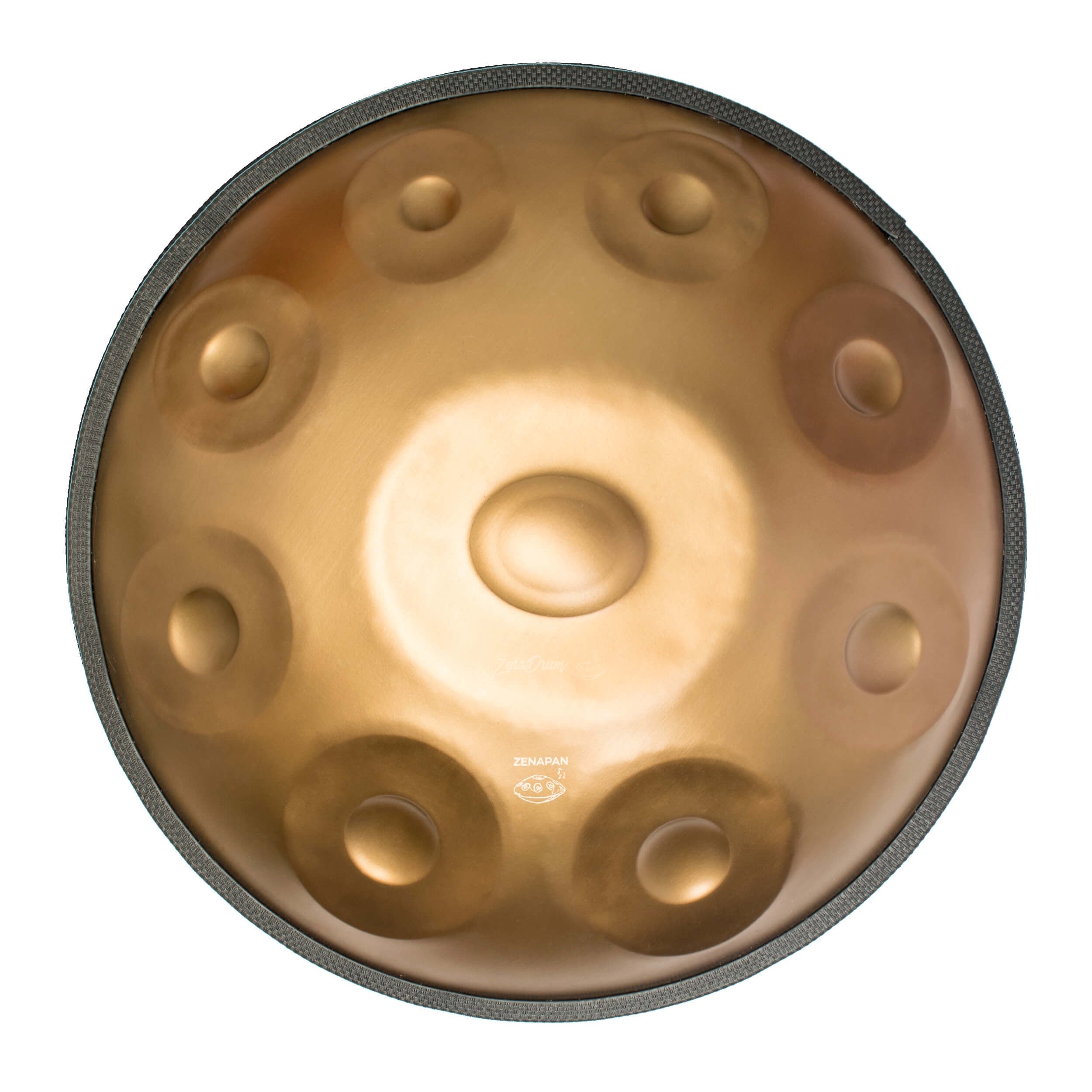
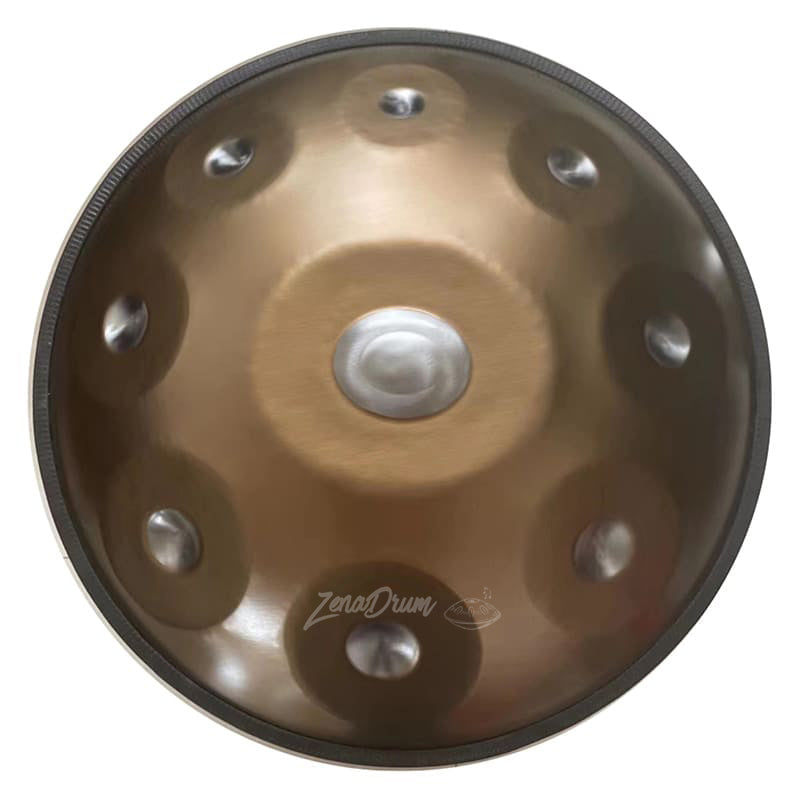
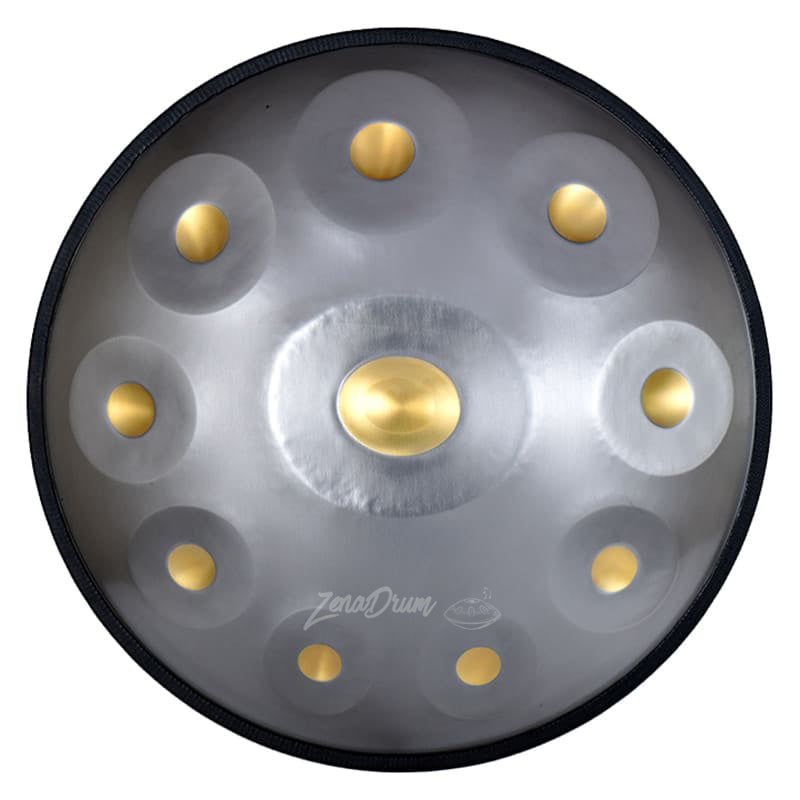
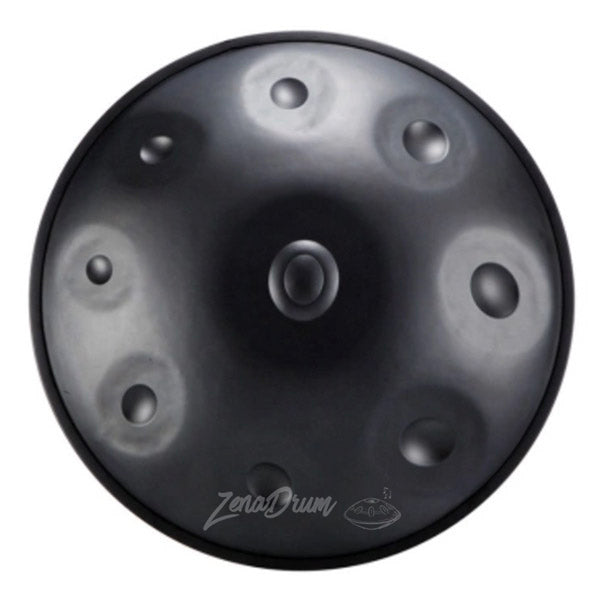
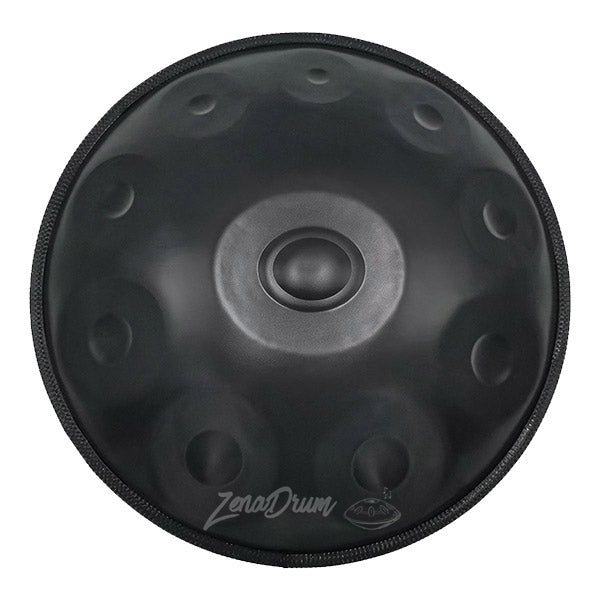
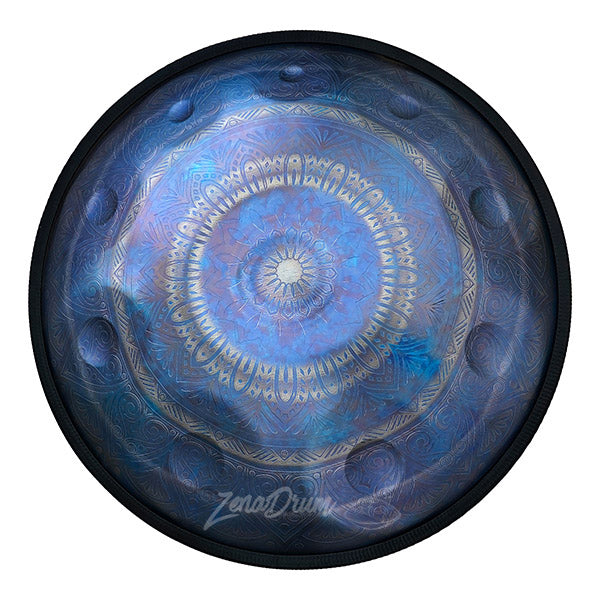
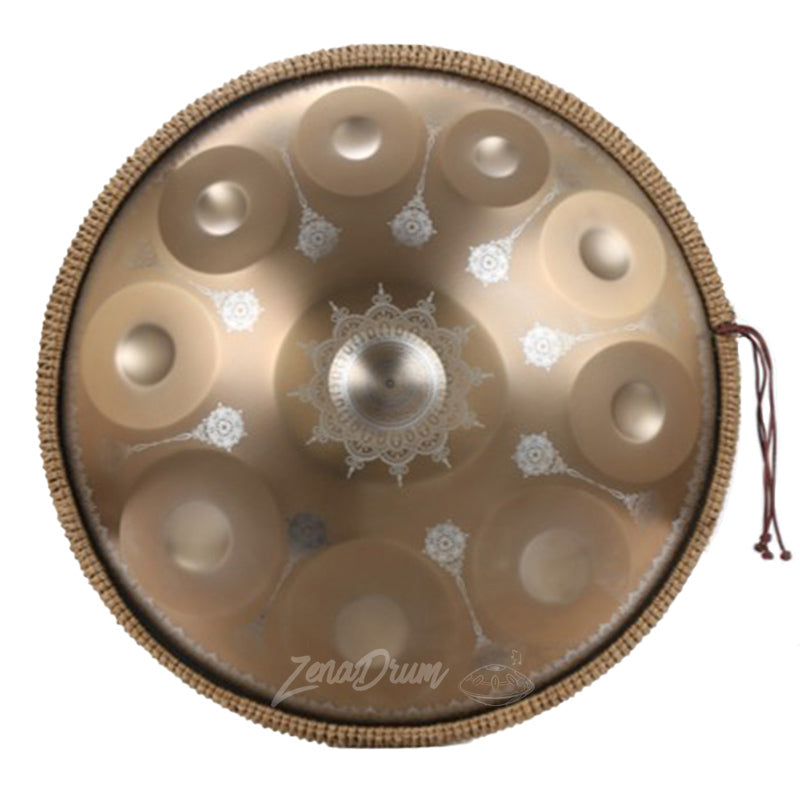
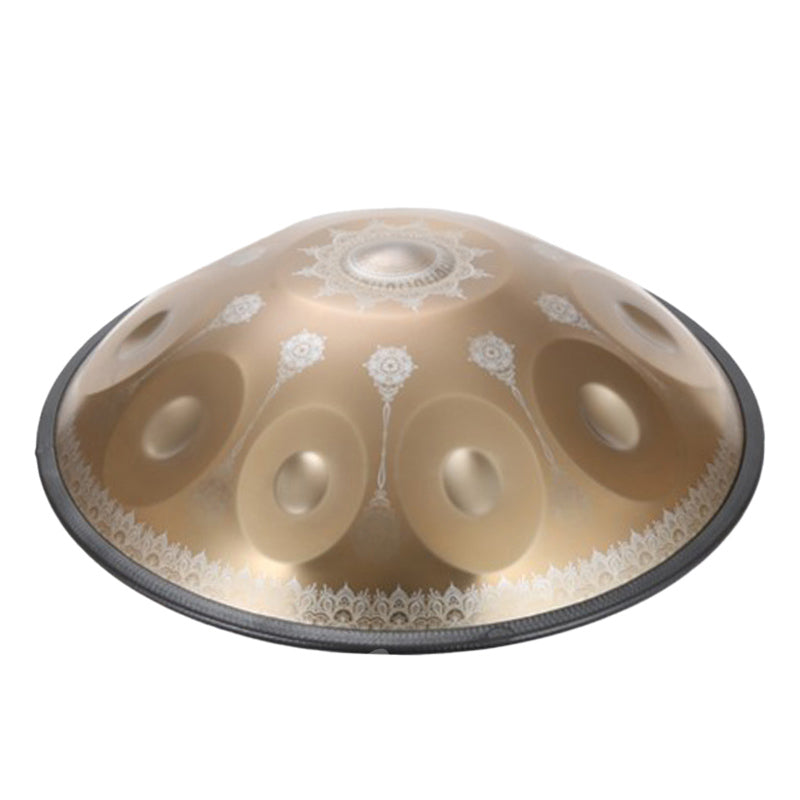
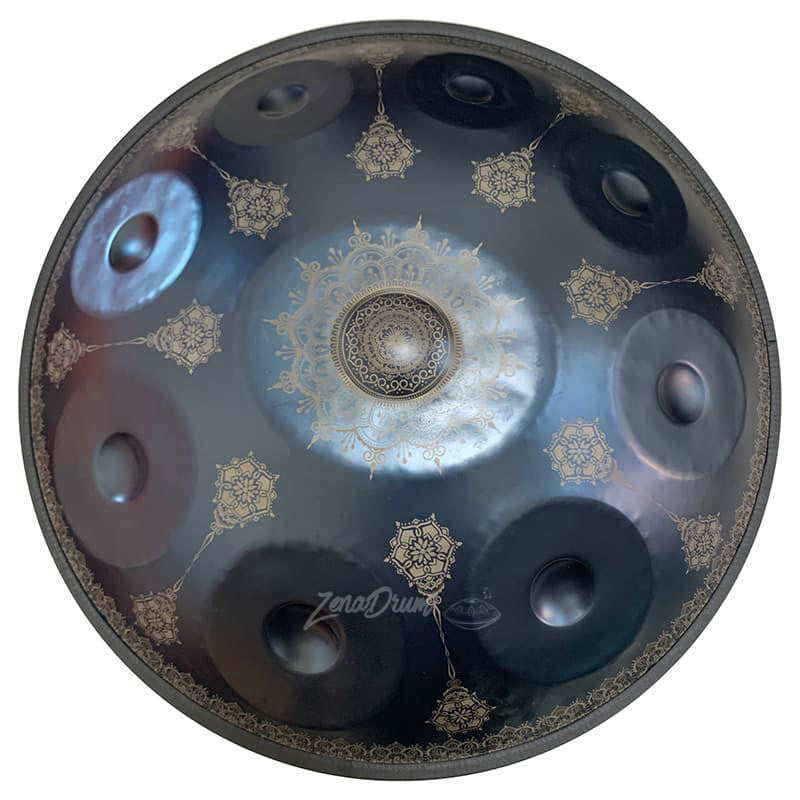
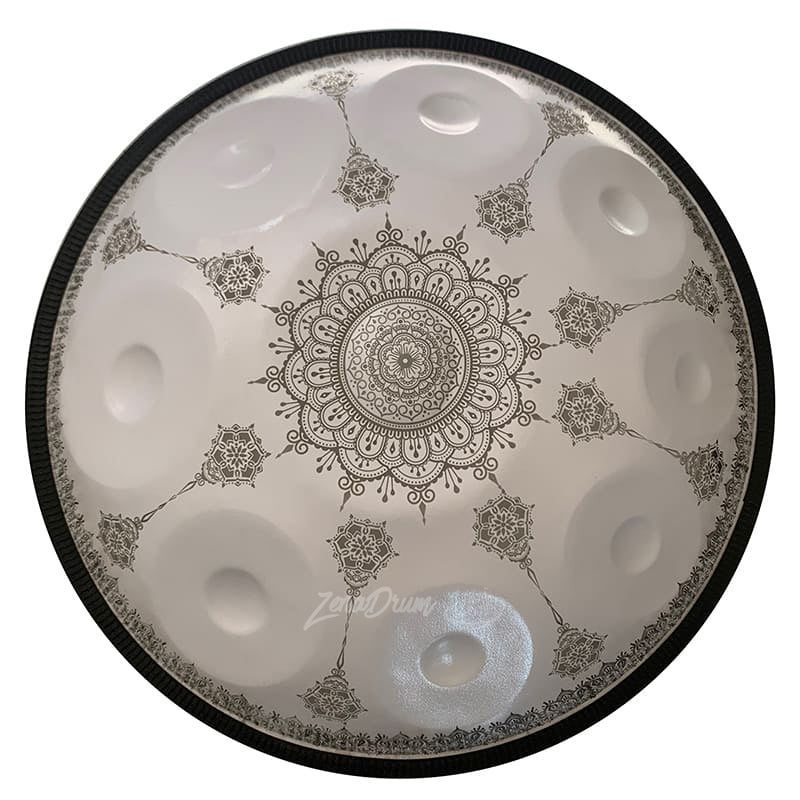
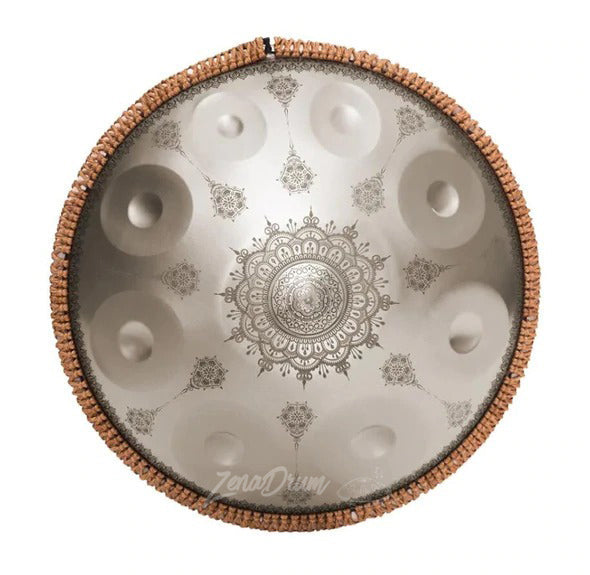
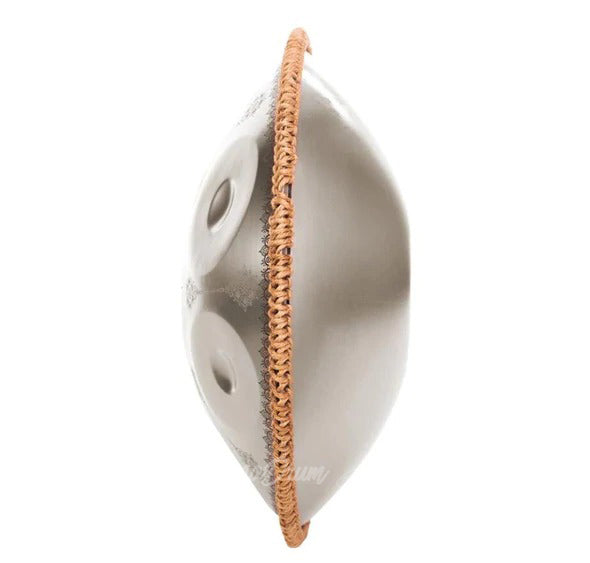
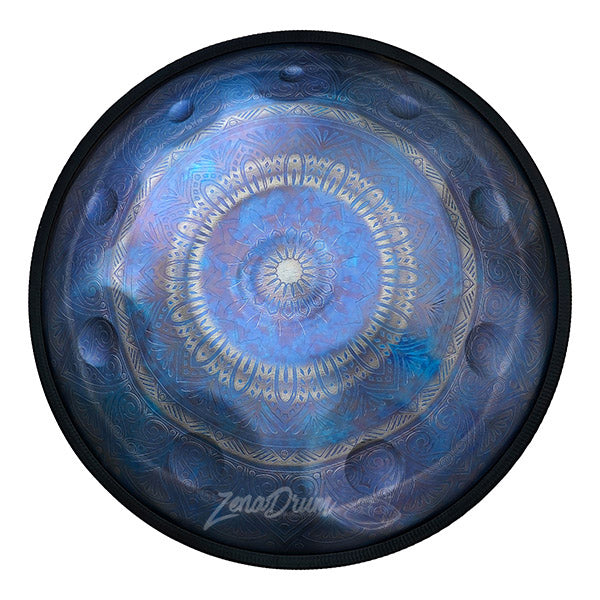
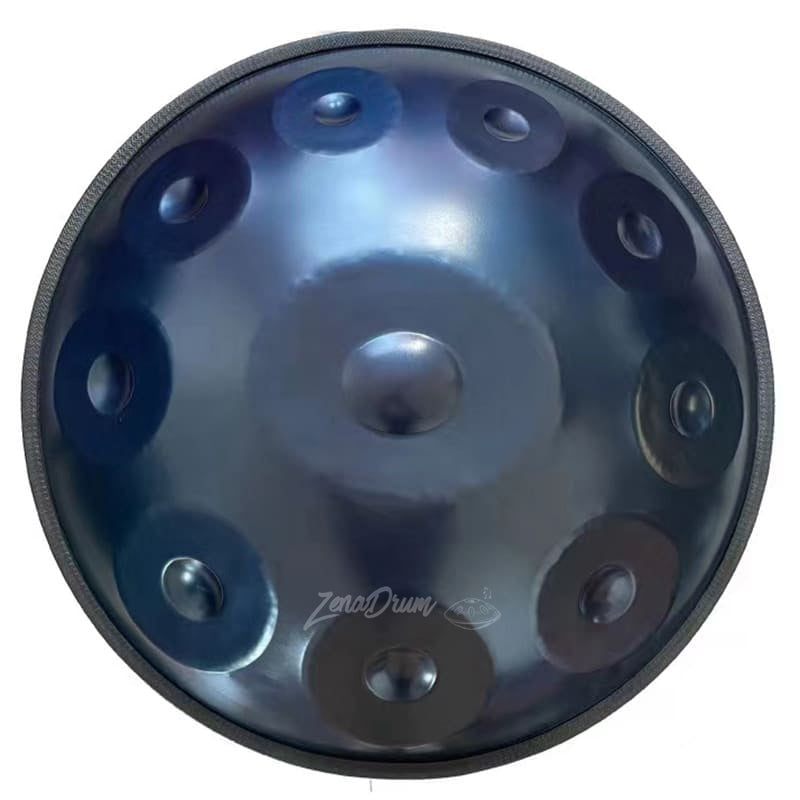
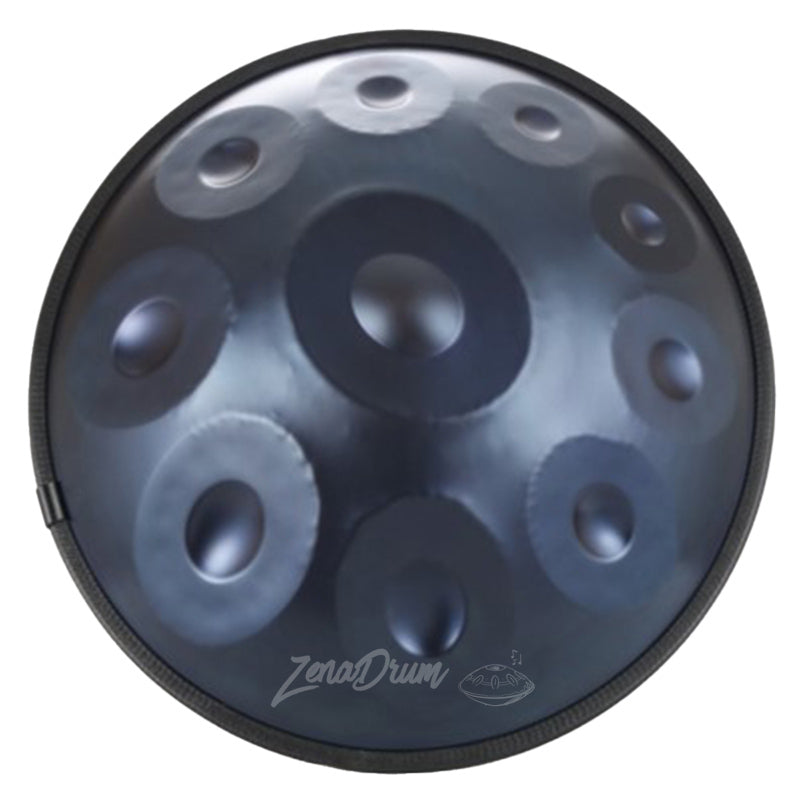
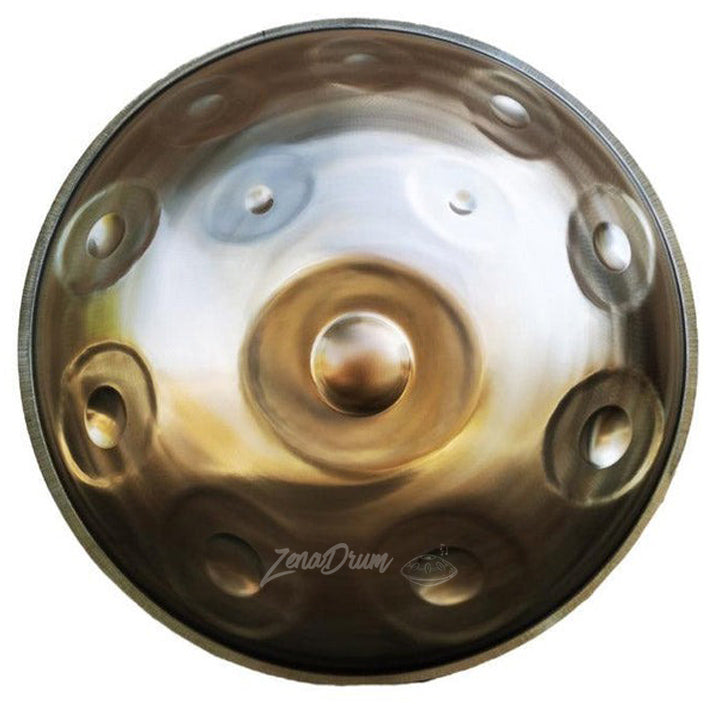
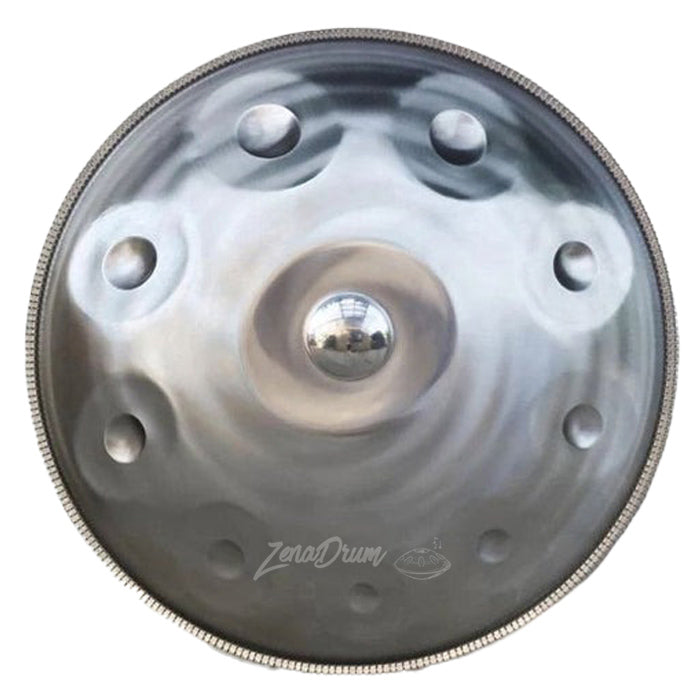
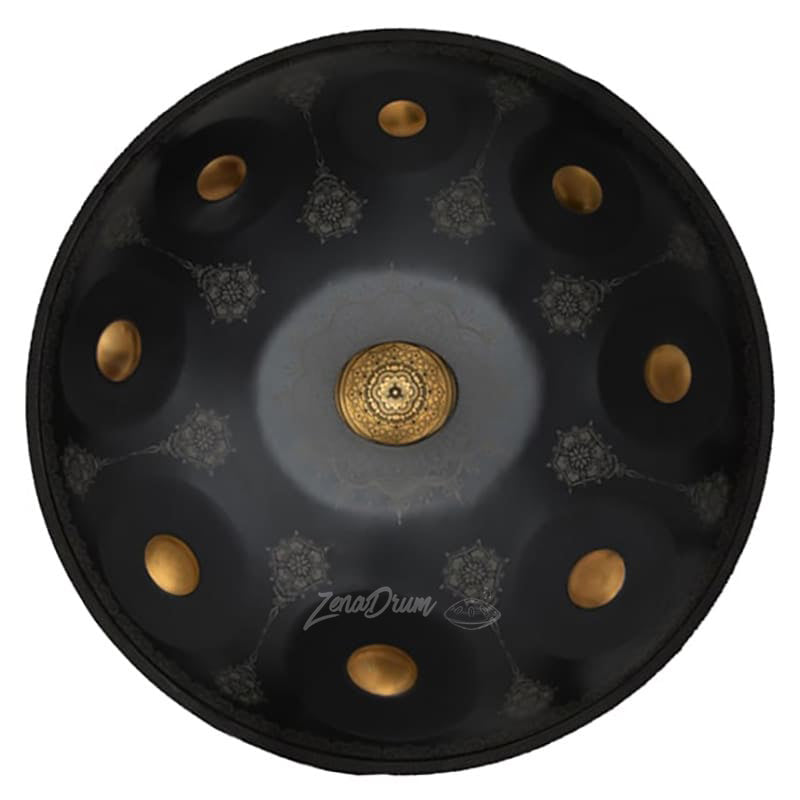
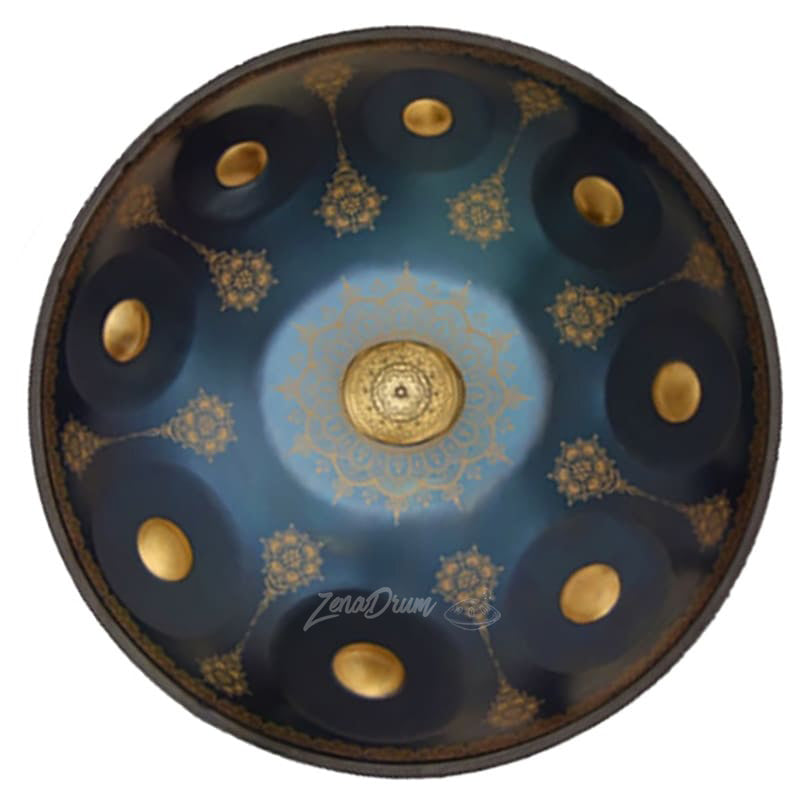
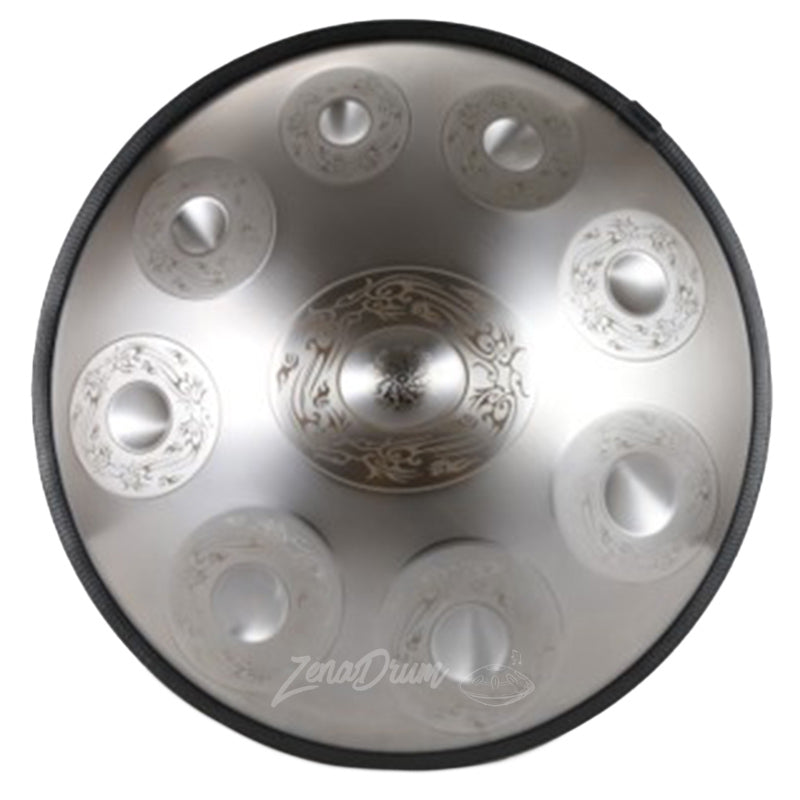
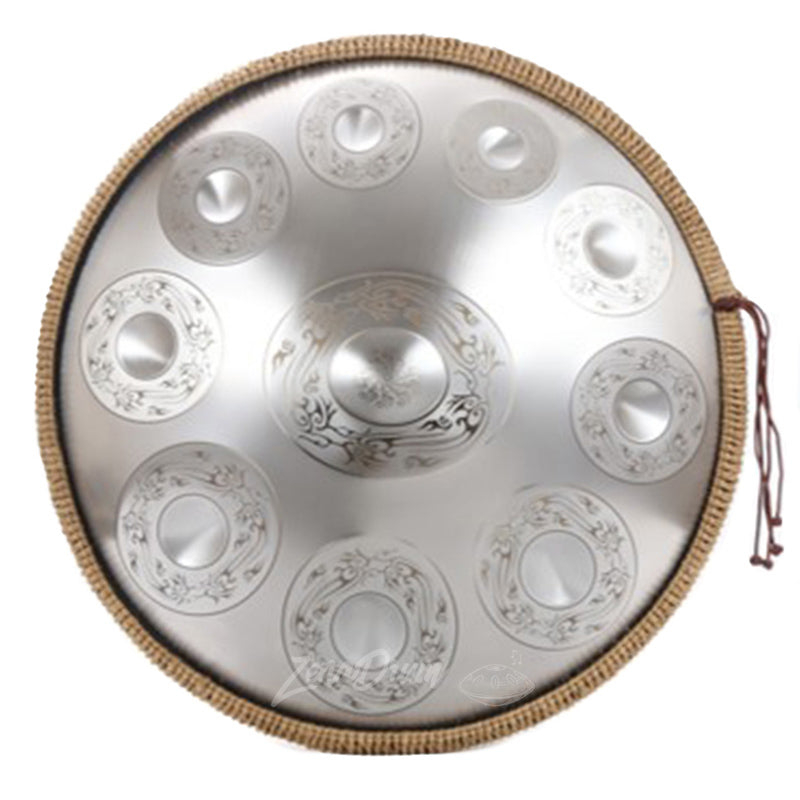
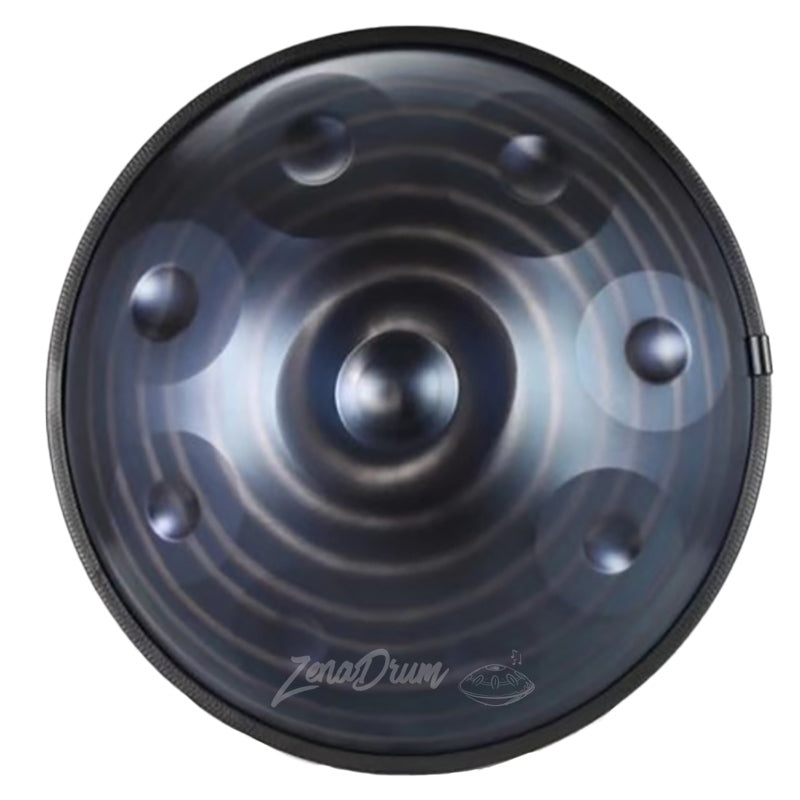
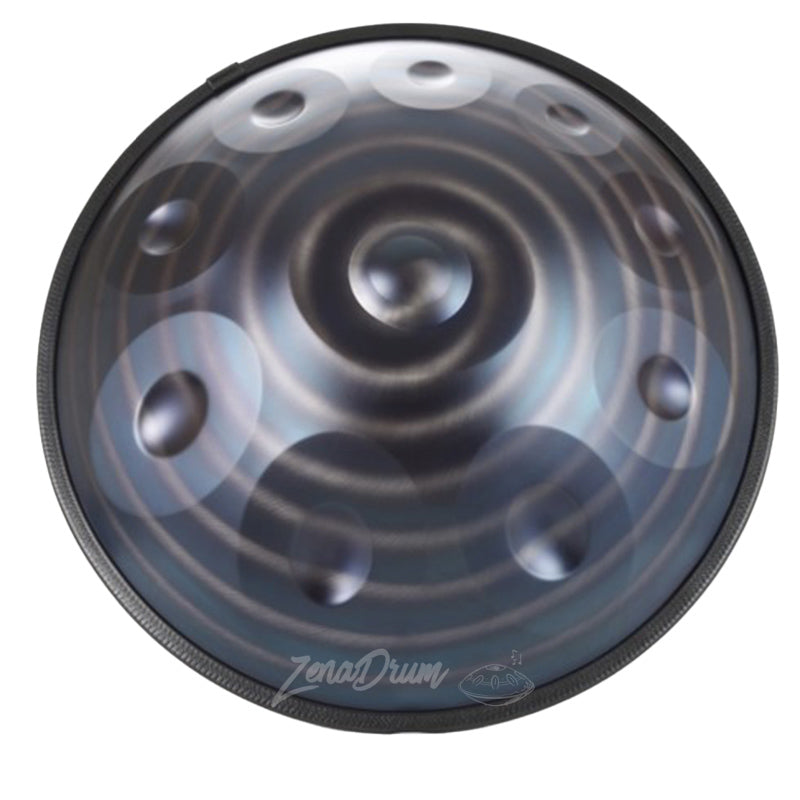
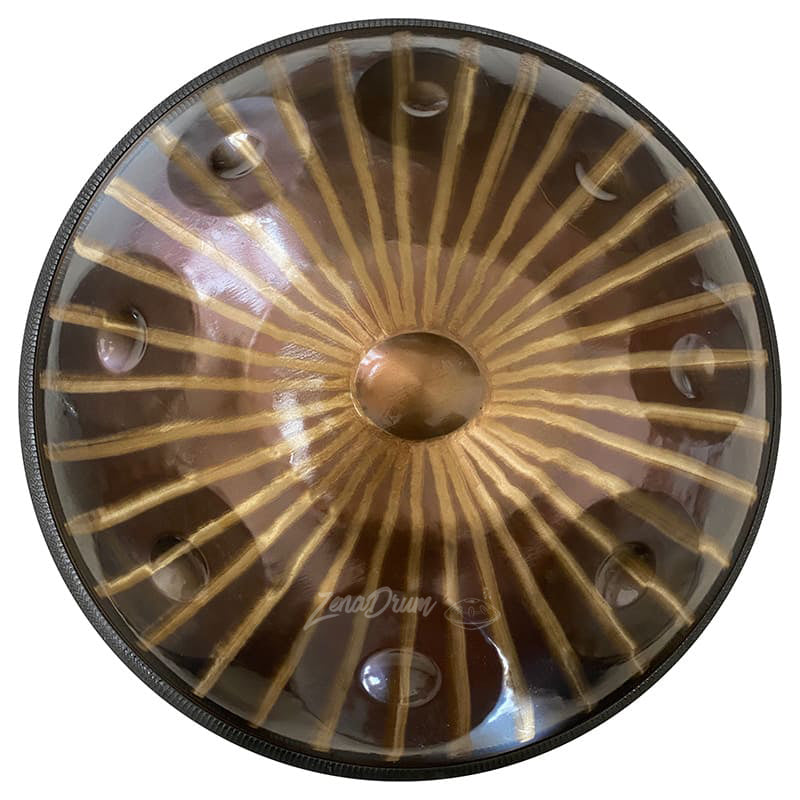
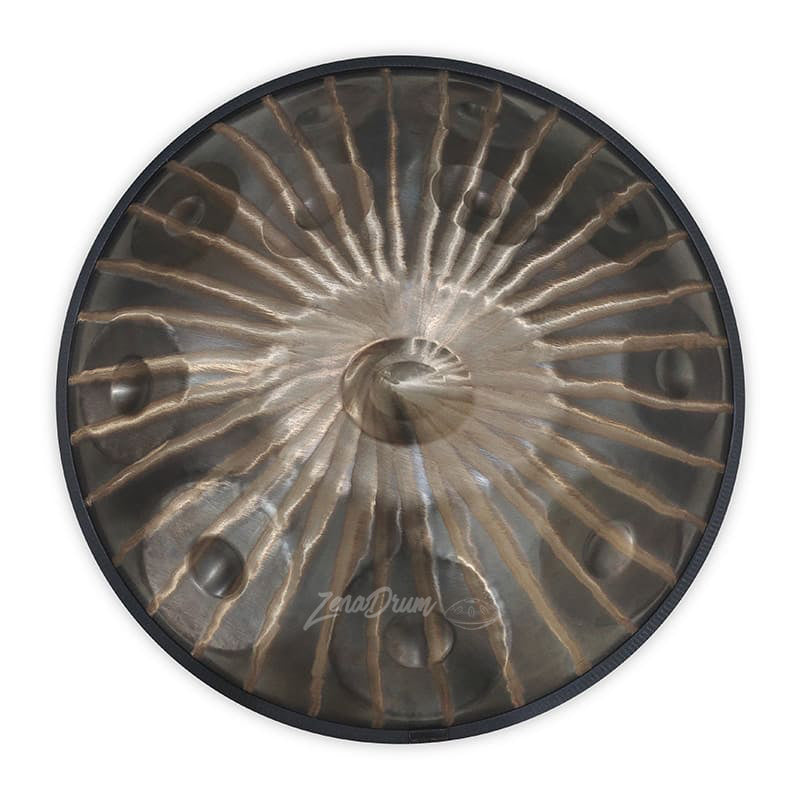
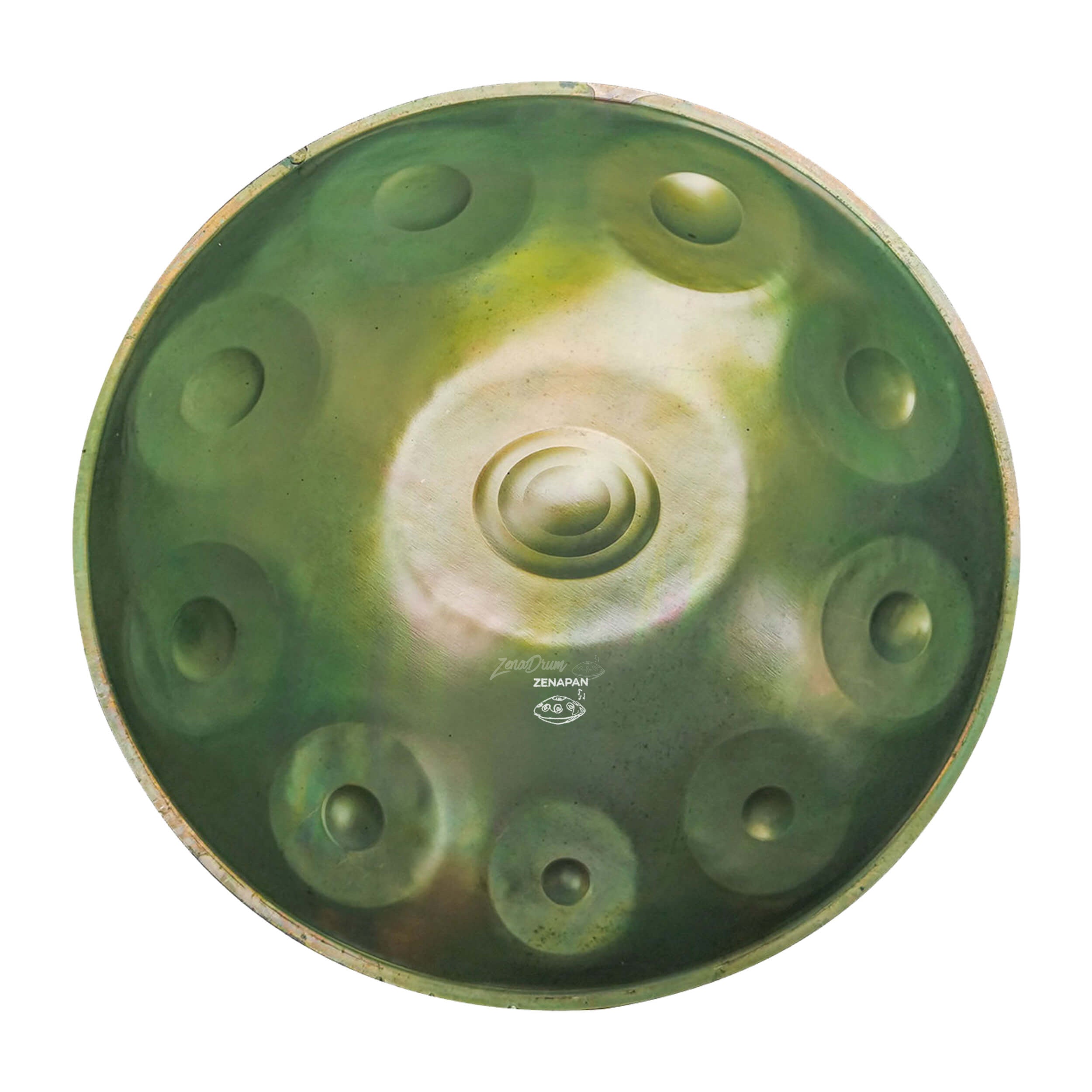
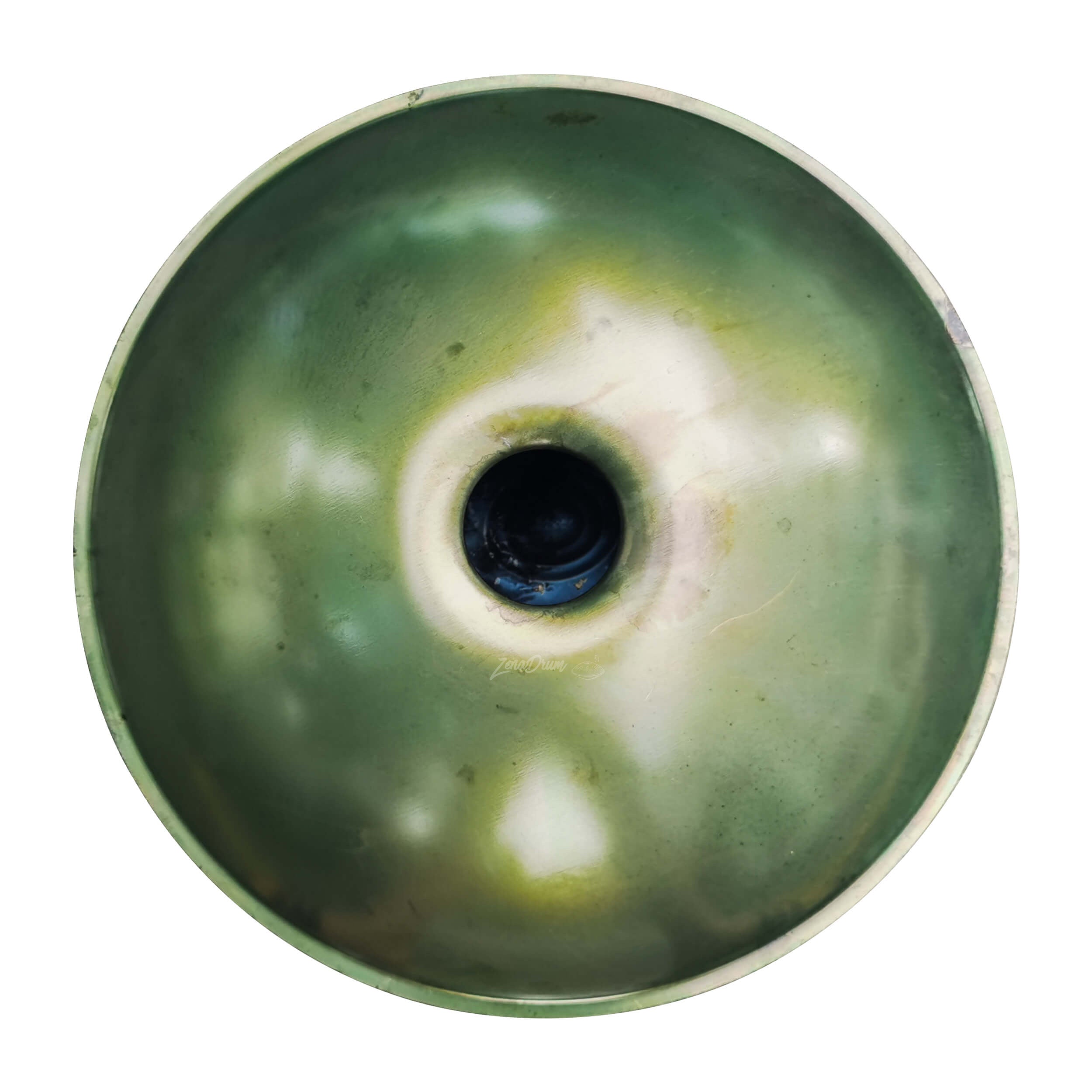
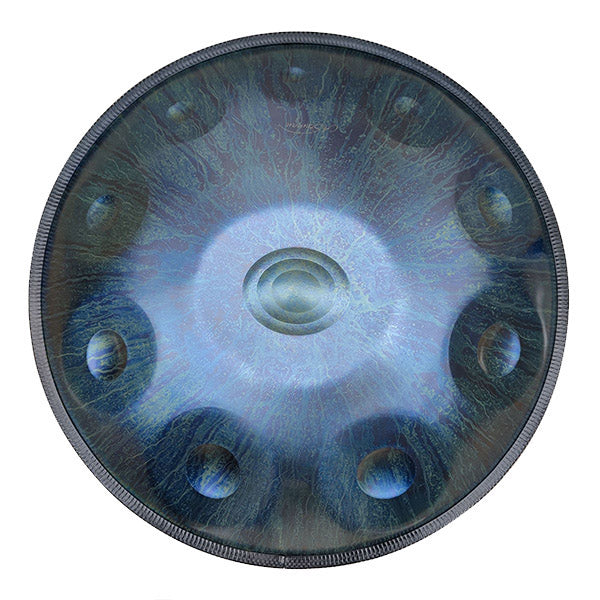
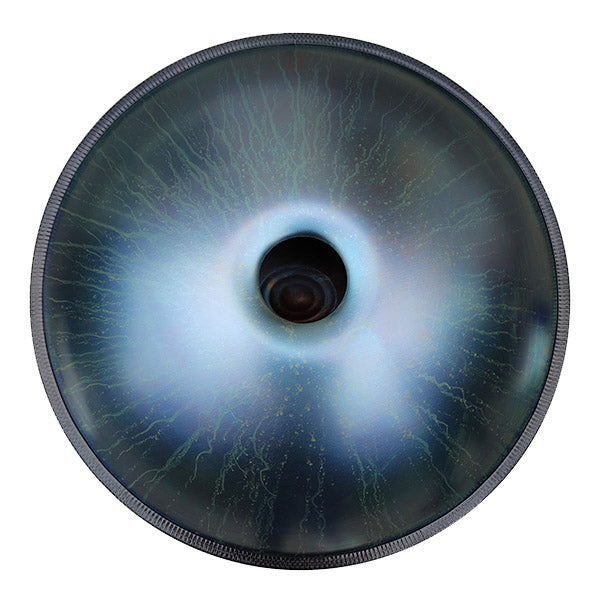
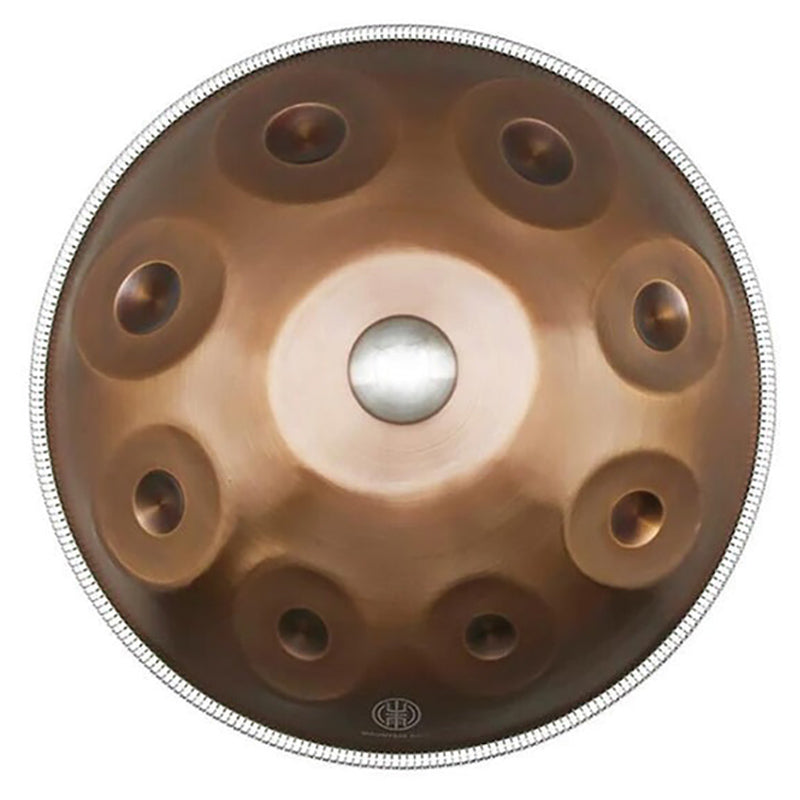
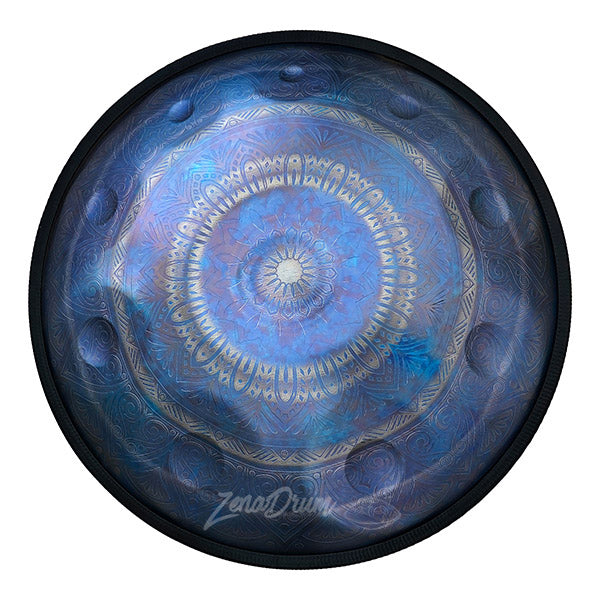
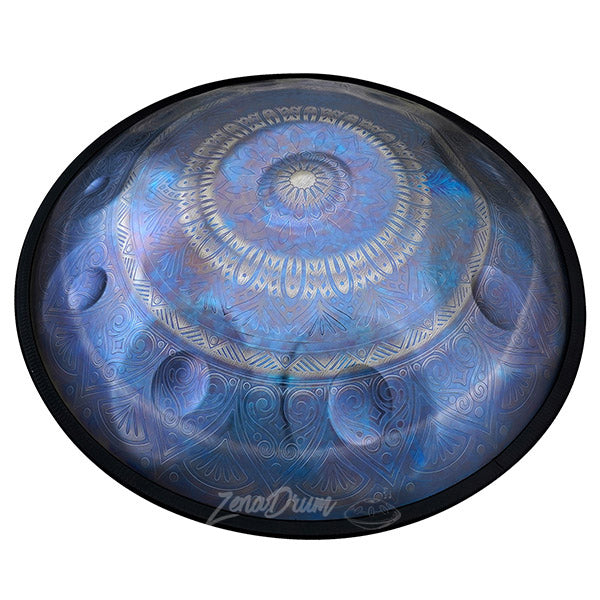
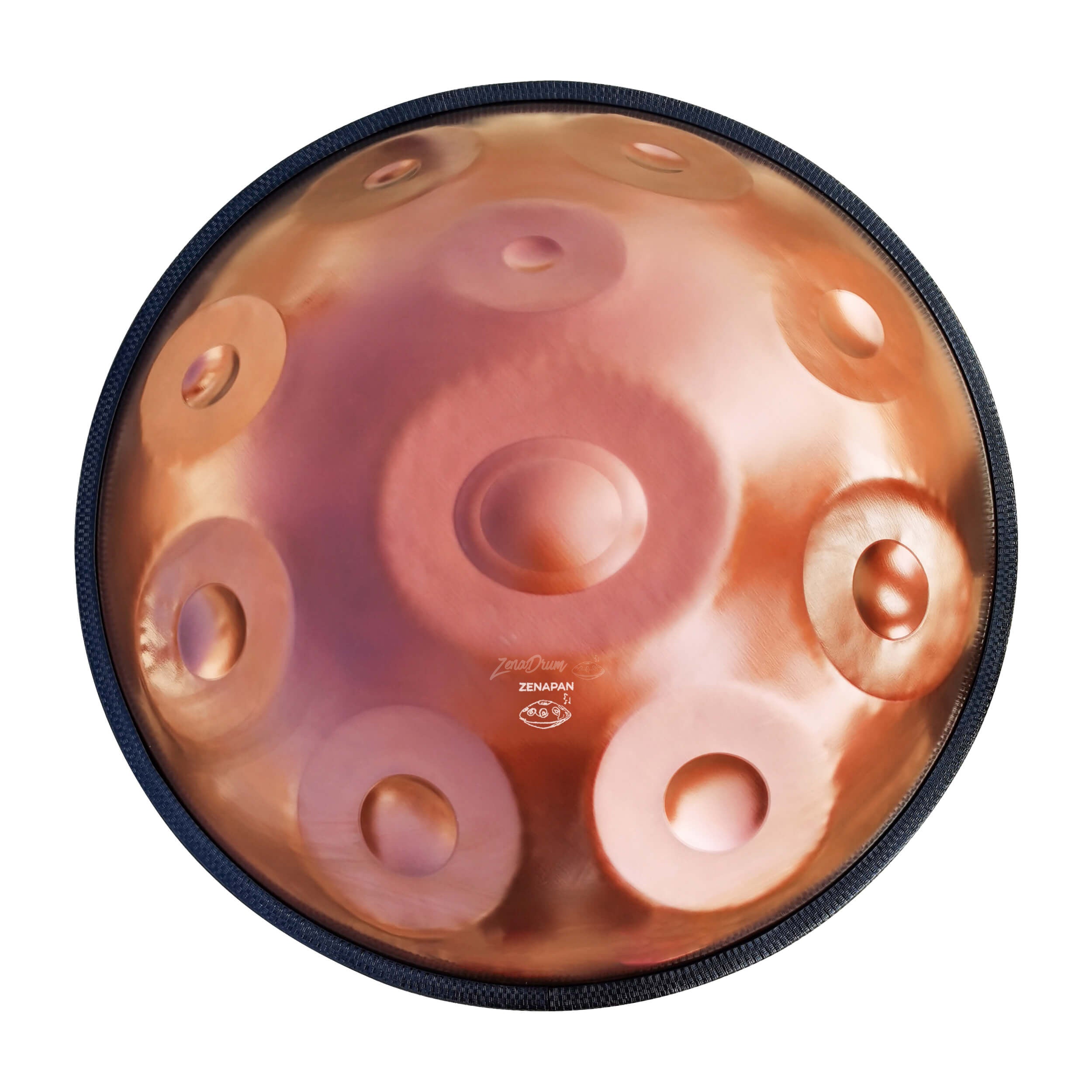
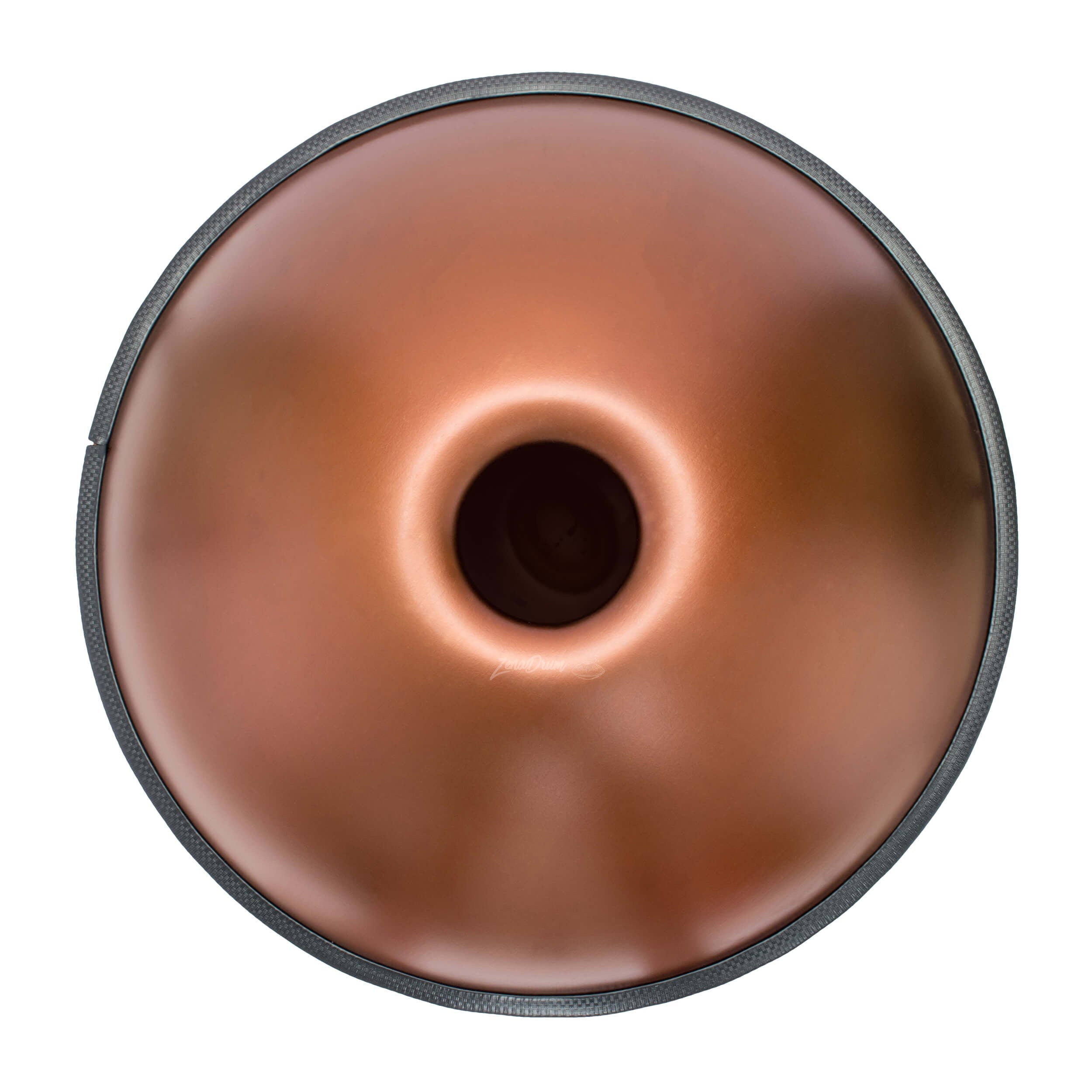
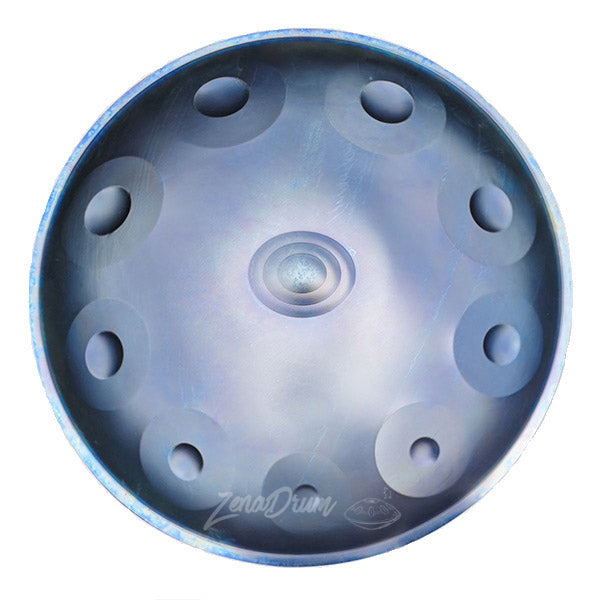
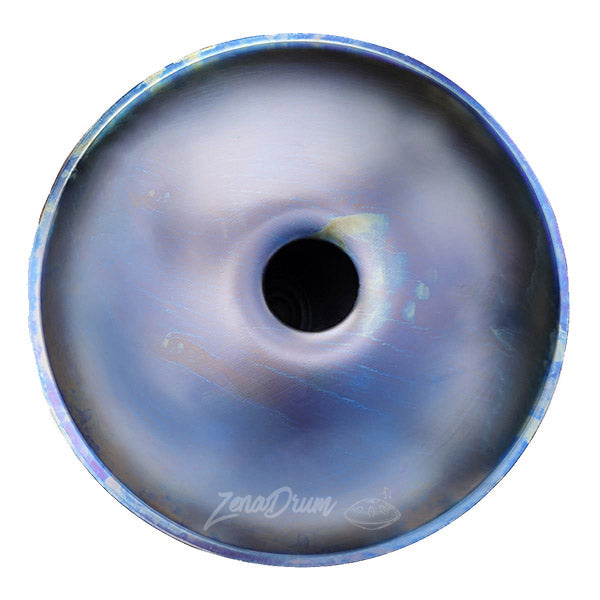
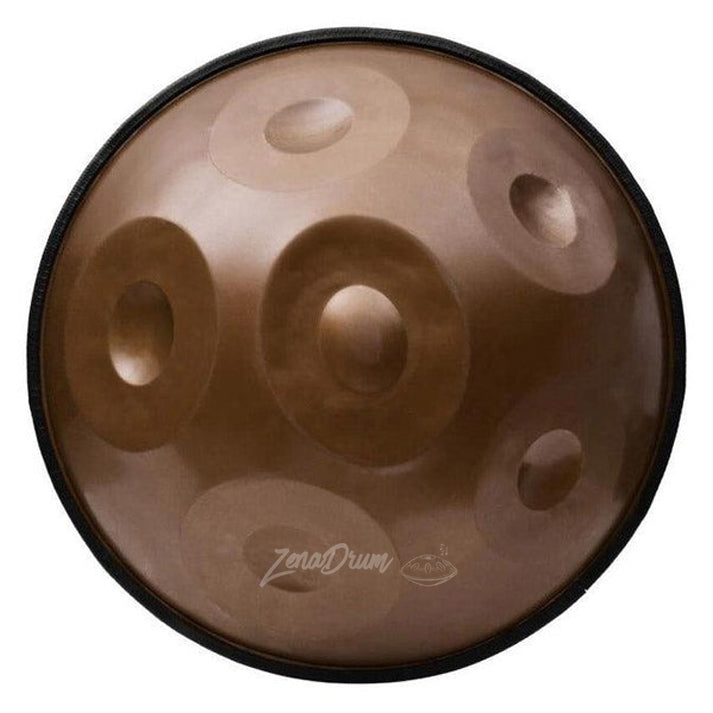
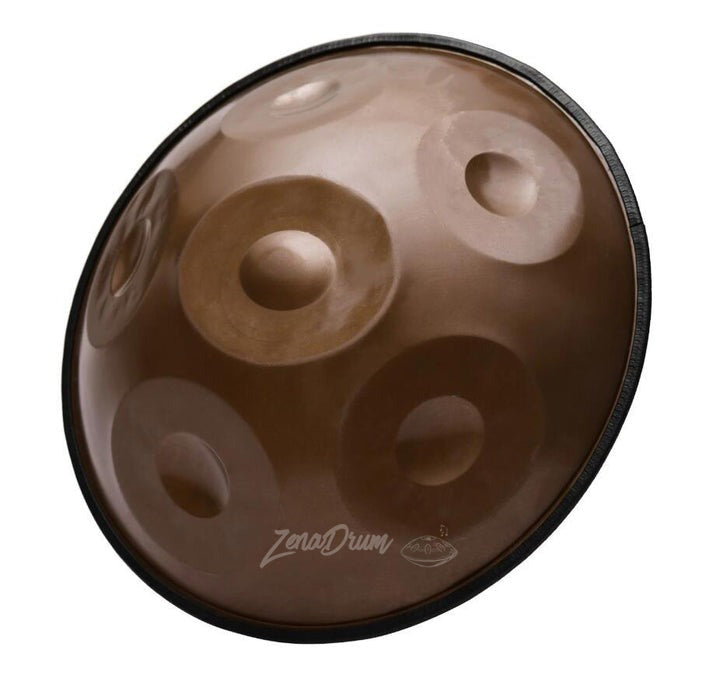
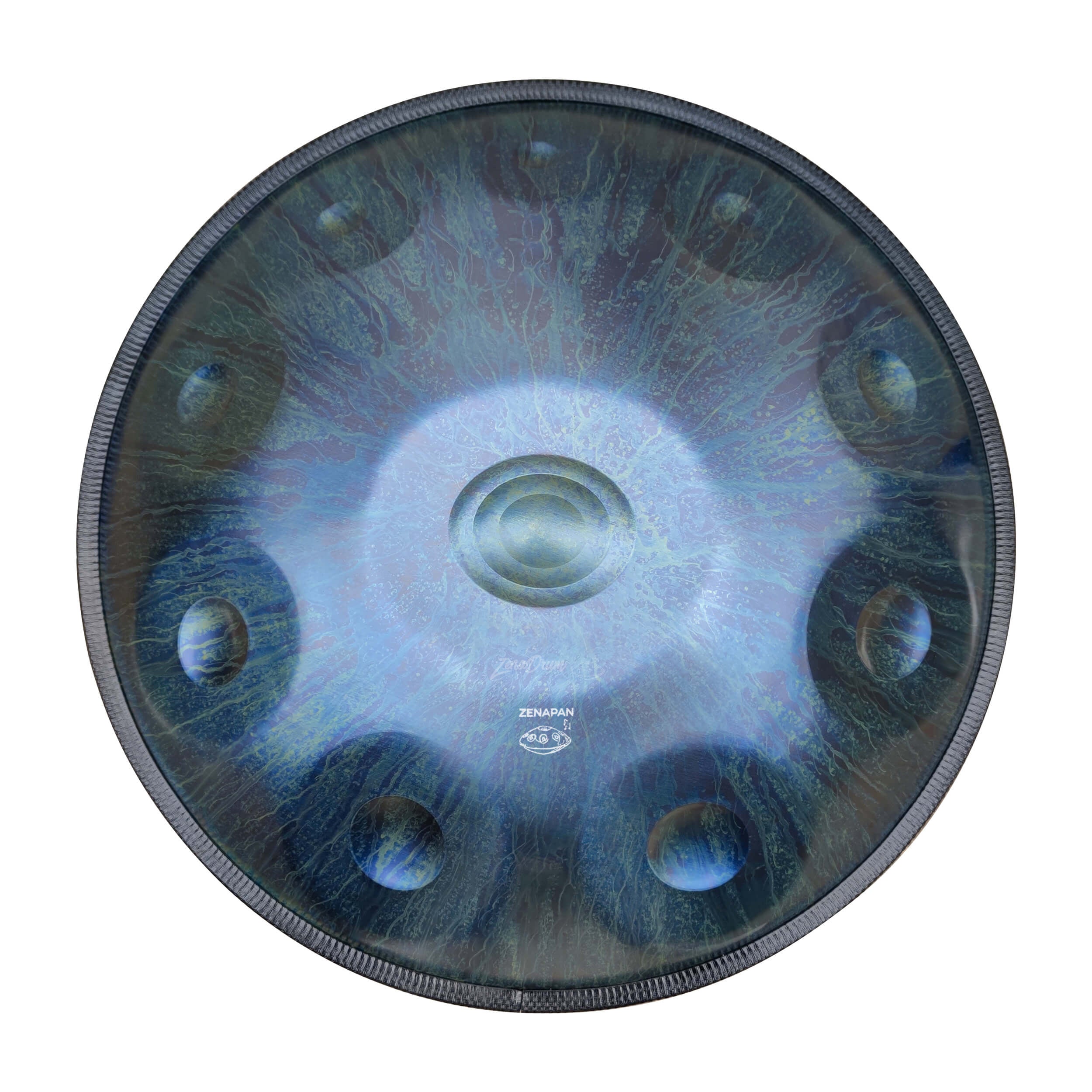
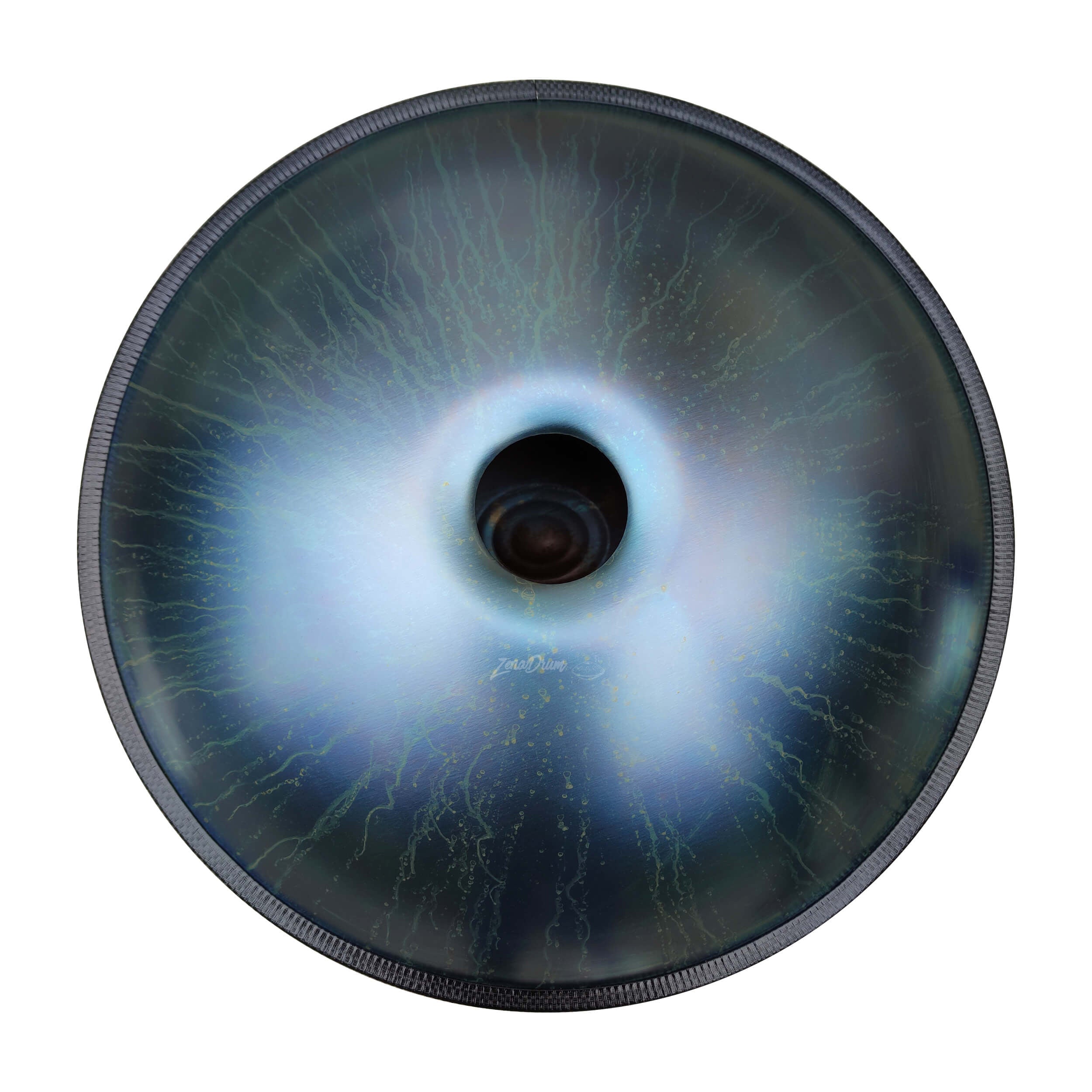
Choosing the right handpan for beginners is the single most important decision you will make on your musical journey — and the good news is that it does not require any prior experience, music theory knowledge, or even a sense of rhythm. At Healing Sounds, our beginner handpan collection is curated specifically for first-time players who want an instrument that sounds beautiful from the very first touch. Every model in this collection features a forgiving scale layout, a manageable note count between 6 and 9 notes, and materials chosen for durability and low maintenance — so you can focus entirely on discovering your sound rather than worrying about upkeep.
The handpan is one of the rare instruments where absolute beginners can produce genuinely moving music within minutes. Unlike a guitar that demands callused fingers and chord memorization, or a piano that requires two-handed coordination from day one, the beginner handpan rewards simple, intuitive exploration. The tone fields are arranged so that nearly any combination of notes you strike will sound harmonious. This is not a limitation — it is a deliberate design feature that makes the handpan the most accessible melodic instrument in the world.
Whether you are a complete newcomer exploring your first instrument, a meditation practitioner seeking a personal sound healing tool, or a parent looking for a creative gift that anyone can enjoy, this guide will walk you through everything you need to know to choose the perfect handpan for beginners. We cover recommended scales, ideal note counts, the best materials for new players, and answer every common concern we hear from first-time buyers.
What Makes a Handpan Beginner-Friendly?
Not every handpan is equally suited to a new player. A beginner-friendly handpan combines three essential qualities: an intuitive scale that minimizes dissonance, a note count that provides enough range without overwhelming the player, and a material that forgives inconsistent technique while requiring minimal maintenance. Understanding these factors will help you invest wisely in an instrument you will enjoy for years.
Recommended Scales for Beginners
The scale of your handpan determines its emotional character — the mood and atmosphere of every melody you create. For beginners, the ideal scale is one where almost any note combination sounds pleasing, giving you freedom to explore without fear of hitting a wrong note.
The D Kurd scale (also labeled D Minor in many catalogs) is universally recommended as the number one beginner handpan scale. Its note arrangement creates natural consonance: play any two or three notes together and they resolve into a beautiful, melancholic harmony. The D Kurd also has the largest library of online tutorials, YouTube lessons, and community resources, making it the easiest scale to find learning material for. Browse our full D Minor handpan collection to see available models.
The Celtic Minor scale is our second recommendation for new players. It shares the forgiving quality of the D Kurd but adds a mystical, folk-inspired flavor that many beginners find deeply inspiring. If you are drawn to Irish or Scottish traditional music, the Celtic scale will feel immediately familiar and emotionally resonant.
For players who prefer brighter, more uplifting sounds, the C Major and F Major scales offer a joyful, open character. Major scales have a slightly smaller margin for error than minor scales — some note combinations can sound mildly tense — but they remain highly accessible for beginners and produce a cheerful tone that works beautifully for outdoor gatherings and positive-energy settings.
Ideal Note Count for Your First Handpan
The number of tone fields on a handpan directly affects how easy it is to learn and how much melodic range you have. For beginners, we recommend starting with a 6 to 9-note handpan:
6-note handpans — The simplest option. Compact, lightweight, and the most affordable entry point. Perfect if you want a focused, meditative experience with zero decision fatigue. The tradeoff is a limited range that some players outgrow within six months.
9-note handpans — The most popular configuration for beginners. Nine notes provide a full octave of range, enough to play complete melodies and simple songs. This is the sweet spot between simplicity and musical potential — most players never feel limited by a 9-note instrument.
We generally advise beginners to avoid 10-note or higher models as a first instrument. While the extra notes add range, they also require more spatial awareness and finger coordination that can slow down the early learning process. Once you have developed confidence on a 9-note model, upgrading to a 10 or 12-note intermediate handpan becomes a natural and exciting next step.
Best Materials for New Players
For beginners, we strongly recommend stainless steel handpans. Stainless steel is virtually rust-proof, requires almost no oiling, and withstands the occasional bump or fingerprint-covered session without consequence. New players tend to touch the instrument more frequently, leave fingerprints on the surface, and sometimes play outdoors or in humid environments — all situations where stainless steel's corrosion resistance provides peace of mind.
Nitrided steel produces a warmer, more organic tone that many experienced players prefer, but it demands regular oiling every two to four weeks and careful humidity control. If you are confident in your ability to maintain a care routine from day one, nitrided steel is a beautiful option — but stainless steel removes one more barrier between you and simply enjoying your instrument.
Recommended Beginner Handpan Models at a Glance
The table below summarizes the configurations we recommend most often to first-time handpan buyers. Each combination has been selected for its playability, tonal beauty, and value for new players:
For a deeper comparison of materials across all skill levels, visit our parent handpan collection page where we break down stainless, nitrided, and ember steel in detail.
Common Beginner Concerns: You Are Ready, We Promise
After helping thousands of first-time buyers choose their handpan, we have heard every question and concern. Let us address the most common ones directly — because we believe the biggest obstacle for most beginners is not talent, budget, or age, but simple hesitation.
Am I Too Old to Start Playing Handpan?
Absolutely not. The handpan has no age requirement and no physical barrier to entry. Unlike instruments that demand fine motor precision from day one (violin, piano) or significant lung capacity (wind instruments), the handpan responds to gentle finger taps. We regularly hear from customers in their 50s, 60s, and 70s who picked up the instrument with zero musical background and were playing enjoyable melodies within their first week. The handpan is also excellent for people with mild arthritis or reduced hand mobility because it requires no gripping, squeezing, or stretching.
Do I Need Lessons to Learn Handpan?
Formal lessons are completely optional. Many handpan players are entirely self-taught, learning through intuitive exploration and free online resources. The instrument's design ensures that random exploration produces pleasing results, so there is no frustrating phase of hitting wrong notes. That said, structured learning can accelerate your progress significantly. Our beginner's handpan playing guide covers fundamental techniques, hand positioning, and your first exercises. For players who want to develop faster, our tips for progressing your handpan playing will help you build on the basics.
Which Scale Should I Choose as My First?
If you are unsure, choose the D Kurd (D Minor). It is the most popular scale for first-time buyers worldwide for good reason: it is the most forgiving, the most tutorial-rich, and the most versatile. You will not regret this choice. If you already know you want a brighter, happier sound, go with C Major or F Major. If you are drawn to mystical, Celtic-inspired atmospheres, the Celtic Minor is ideal. There is no wrong answer — every scale in our beginner handpan collection sounds beautiful.
How Much Should I Spend on My First Handpan?
Our beginner models start at well under $1,000 for 6-note configurations. A 9-note beginner handpan in stainless steel typically falls in the $800 to $1,200 range — a meaningful investment, but one that delivers an instrument you can play for years without needing an upgrade. We strongly advise against purchasing extremely cheap handpans (under $300) from unverified sellers, as poor tuning accuracy will frustrate you and misrepresent what the instrument actually sounds like. Our guide to buying handpans online covers what to look for and what red flags to avoid.
Your First Week with a Beginner Handpan
Congratulations on your purchase — here is how to make the most of your first sessions:
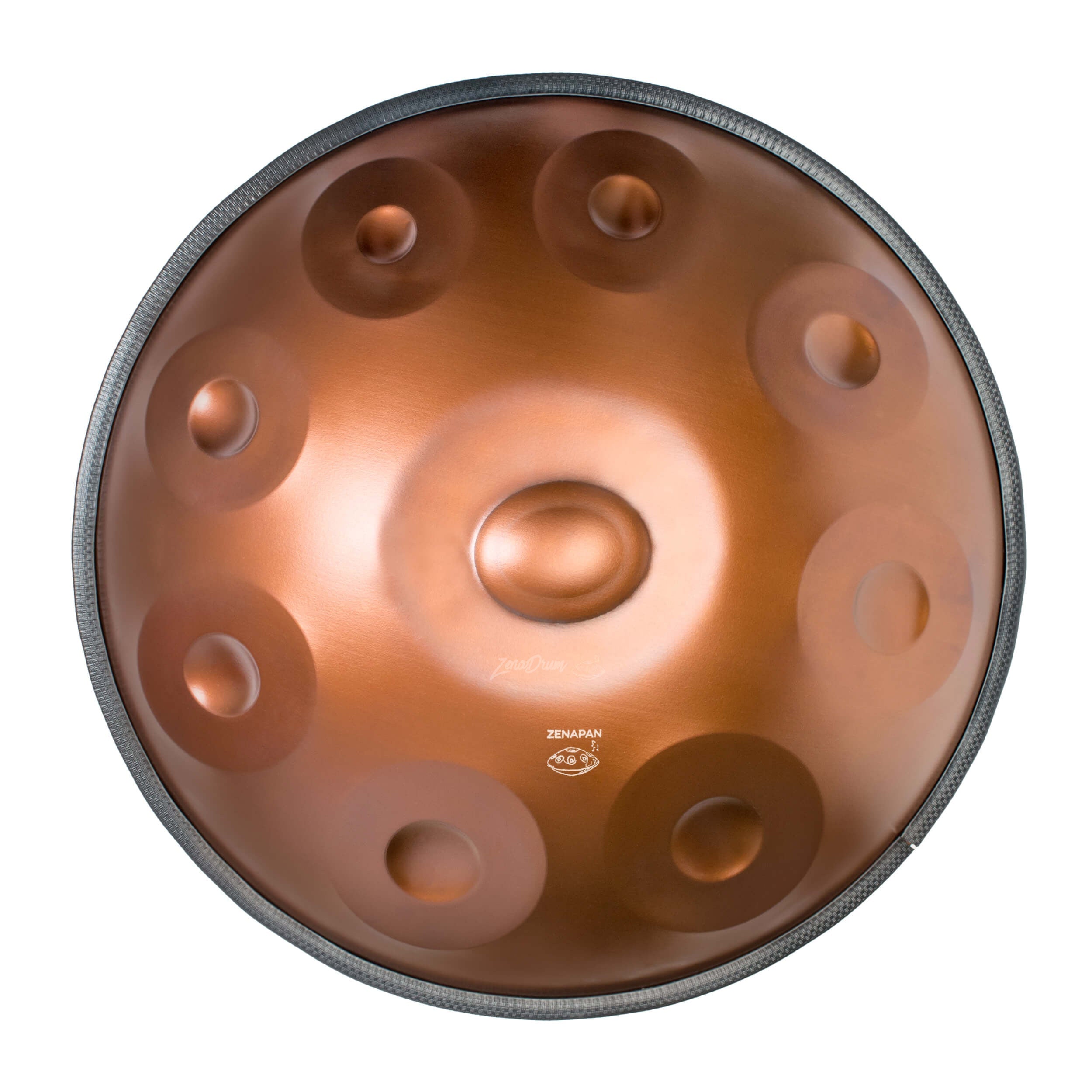
Set up properly — Place the handpan on your lap with the Ding (central dome) facing up, or use a dedicated handpan stand for comfortable seated or standing play.
Start with the Ding — Gently tap the center dome with one finger to hear the root note. This note anchors every melody in the scale.
Explore one note at a time — Move clockwise around the tone fields, striking each one individually. Listen to how each note resonates and fades.
Play pairs — Strike two adjacent notes one after the other. Notice how they naturally harmonize. This is the handpan's magic: adjacent notes are designed to sound good together.
Add rhythm — Once you are comfortable with the notes, start alternating between two or three favorites. Add a light ghost note (a quiet tap between tone fields) for percussive texture.
Record yourself — Even in your first session, record a short clip. You will be surprised at how musical it sounds. Revisiting early recordings later will show you how far you have progressed.
Taking care of your beginner handpan is simpler than most new owners expect — especially if you chose stainless steel. After each playing session, wipe the surface with a dry microfiber cloth to remove finger oils. For nitrided or ember steel models, apply a thin layer of instrument oil every two to four weeks. Store your handpan in a padded case when not in use, and avoid leaving it in direct sunlight or extreme temperatures.
Our complete handpan care and maintenance guide walks through every aspect of keeping your instrument in pristine condition for years to come.
Explore More Handpan Collections
Ready to browse or want to compare options across our full handpan catalog? Here is where to go next:
Explore related healing instruments including tongue drums — another intuitive percussion instrument ideal for beginners — and singing bowls for meditation and sound therapy.
Deepen your handpan knowledge with these articles from our blog:
Frequently Asked Questions About Beginner Handpans
The D Kurd (D Minor) scale is the most recommended scale for complete beginners. Its note arrangement is designed so that virtually any combination of notes you strike will sound harmonious, removing the frustration of hitting wrong notes. The D Kurd scale also has the most extensive library of free tutorials, YouTube lessons, and community resources available online, making it the easiest scale to learn with. Other excellent beginner choices include the Celtic Minor for a mystical, folk-inspired atmosphere and C Major for a bright, uplifting sound.
We recommend a 9-note handpan as the ideal first instrument. Nine notes provide a complete octave of melodic range — enough to play full melodies and simple songs — while remaining easy to navigate with beginner-level coordination. A 6-note model is even simpler and more affordable, making it a great choice for children or players on a tight budget, though some players find the limited range restrictive after a few months. Avoid starting with 10 or more notes, as the added complexity can slow your initial learning curve.
No musical experience is needed. The handpan is specifically designed so that its tone fields produce natural harmonies regardless of which notes you combine. This means you can create beautiful, musical sounds from your very first session without knowing how to read music, understand scales, or keep a beat. Many of our customers have never played an instrument before and report being able to produce enjoyable melodies within their first hour. The handpan is widely considered the most intuitive and accessible melodic instrument available.
For beginners, we recommend stainless steel. It is virtually rust-proof, requires almost no maintenance, and forgives the frequent handling and occasional outdoor play that new owners tend to enjoy. Nitrided steel produces a warmer tone that many experienced players prefer, but it requires oiling every two to four weeks and careful humidity control to prevent corrosion. Starting with stainless steel lets you focus entirely on learning to play rather than worrying about upkeep. You can always add a nitrided steel instrument to your collection later as your skills and preferences develop.
You are never too old to start playing the handpan. Unlike instruments that demand significant finger strength, dexterity, or lung capacity, the handpan responds to gentle taps with the fingertips. It requires no gripping, stretching, or sustained physical effort. We regularly receive feedback from players in their 60s and 70s who started with zero musical background and found the handpan to be the most rewarding instrument they have ever tried. The handpan is also beneficial for cognitive health, as learning new patterns and melodies stimulates memory and coordination in a relaxed, low-pressure setting.
Treat yourself to a relaxing moment
With our best instruments. Handcrafted from the finest materials.
Created by healing enthousiasts
We know your needs because we use our products too. We are the first users.
Money-back guarantee
You have 60 days to return your order if it doesn't fit (you'll love it anyway).
100% secured payments
So you can remain in deep peace until you receive your order.