
handpan C major
4 products
Showing 1 - 4 of 4 products
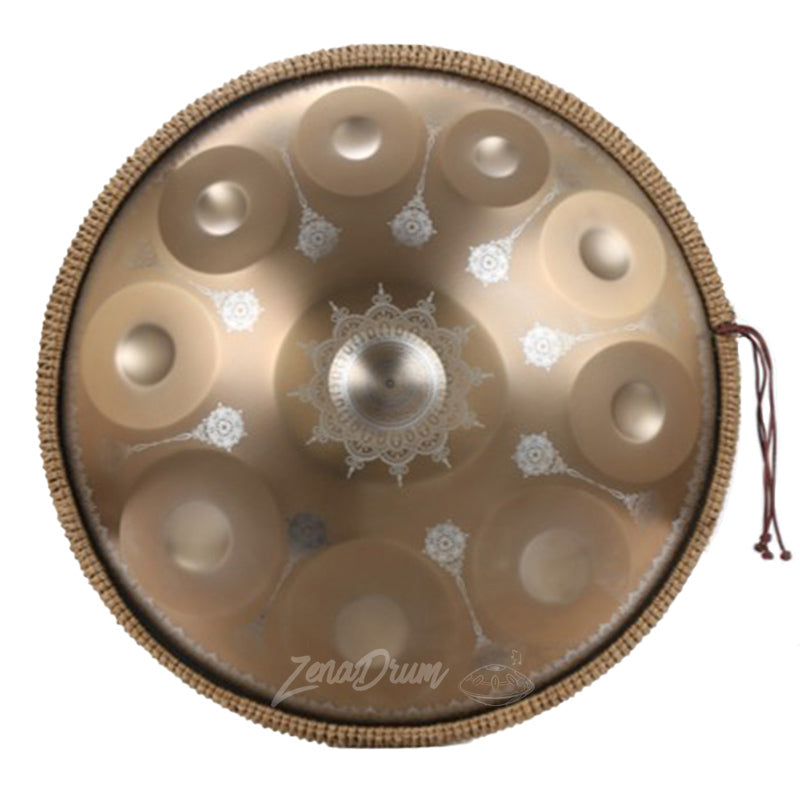
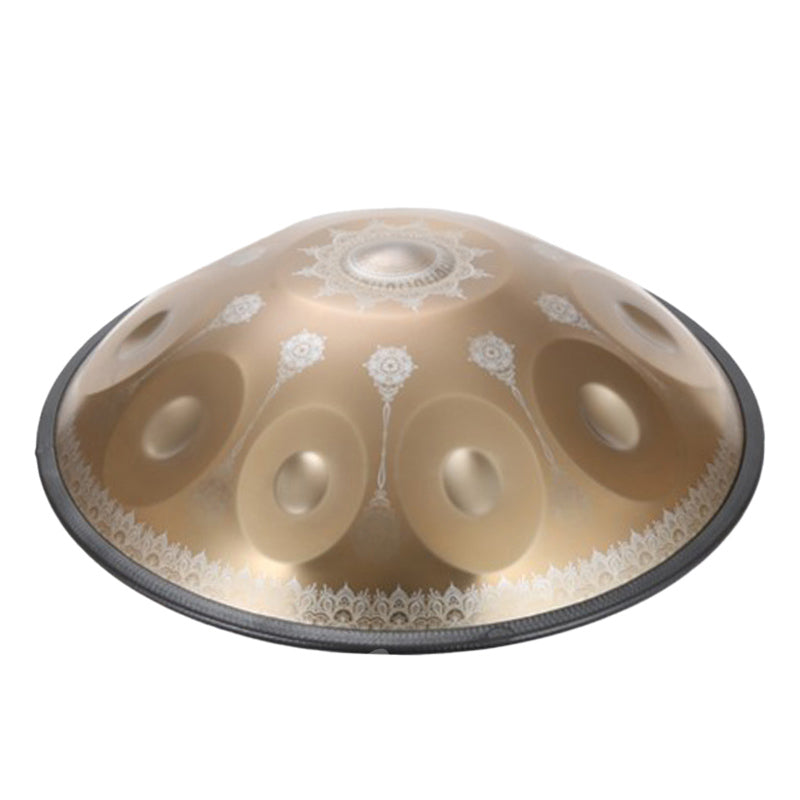
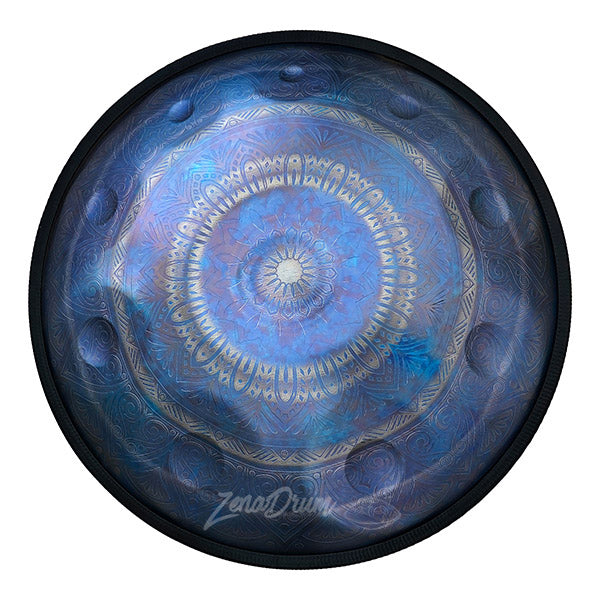
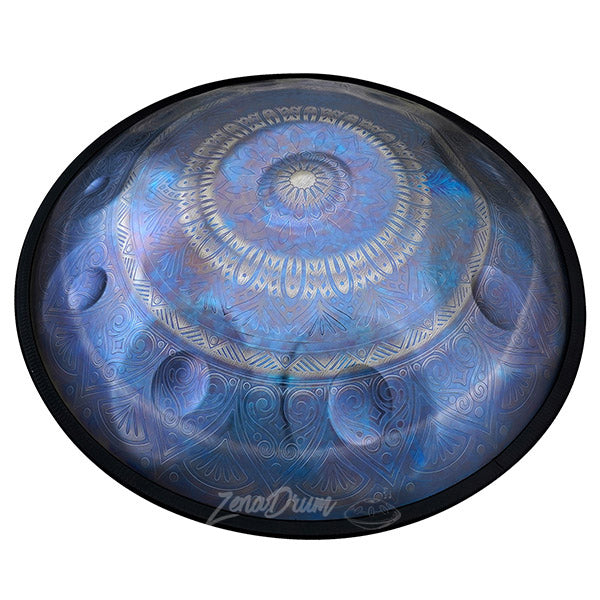
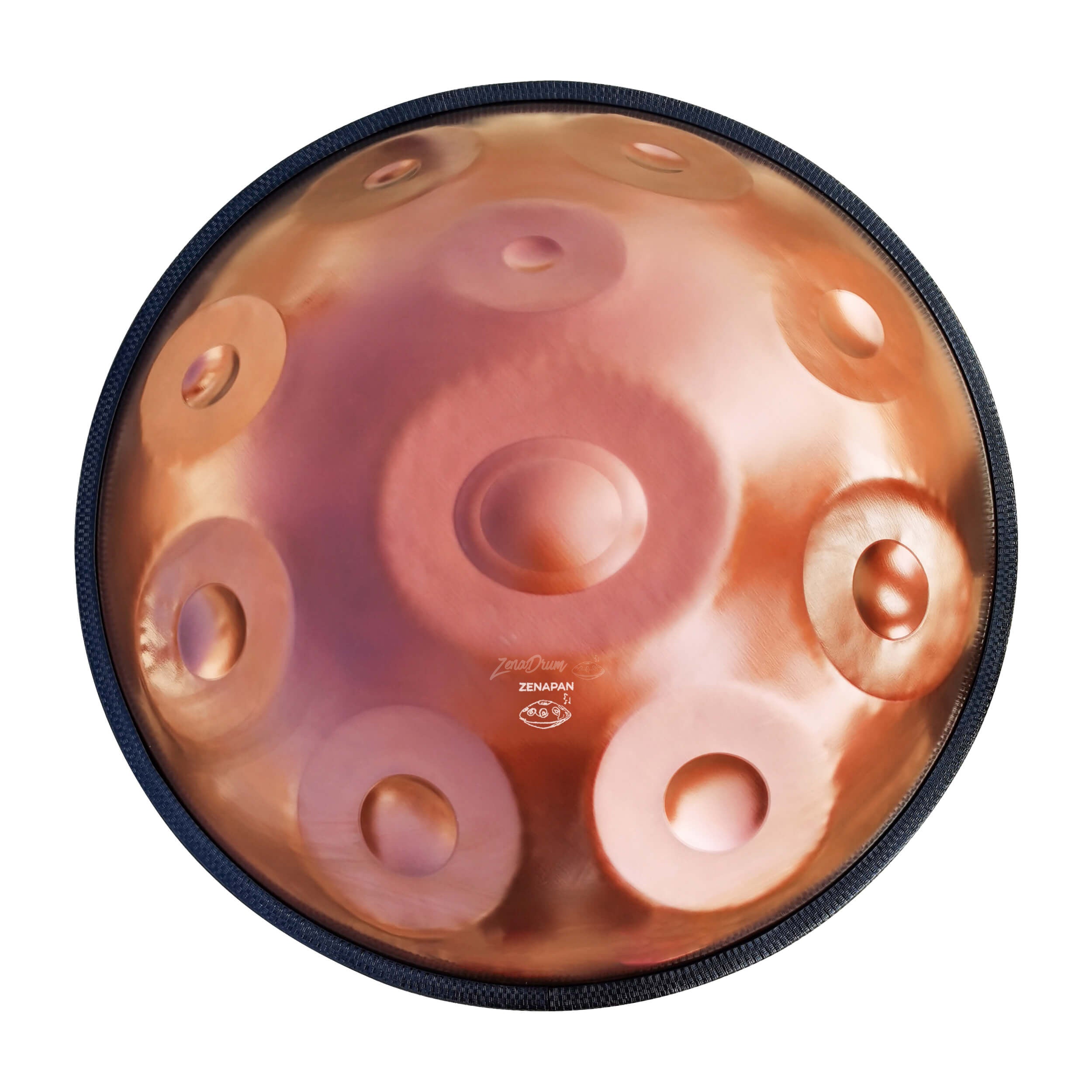
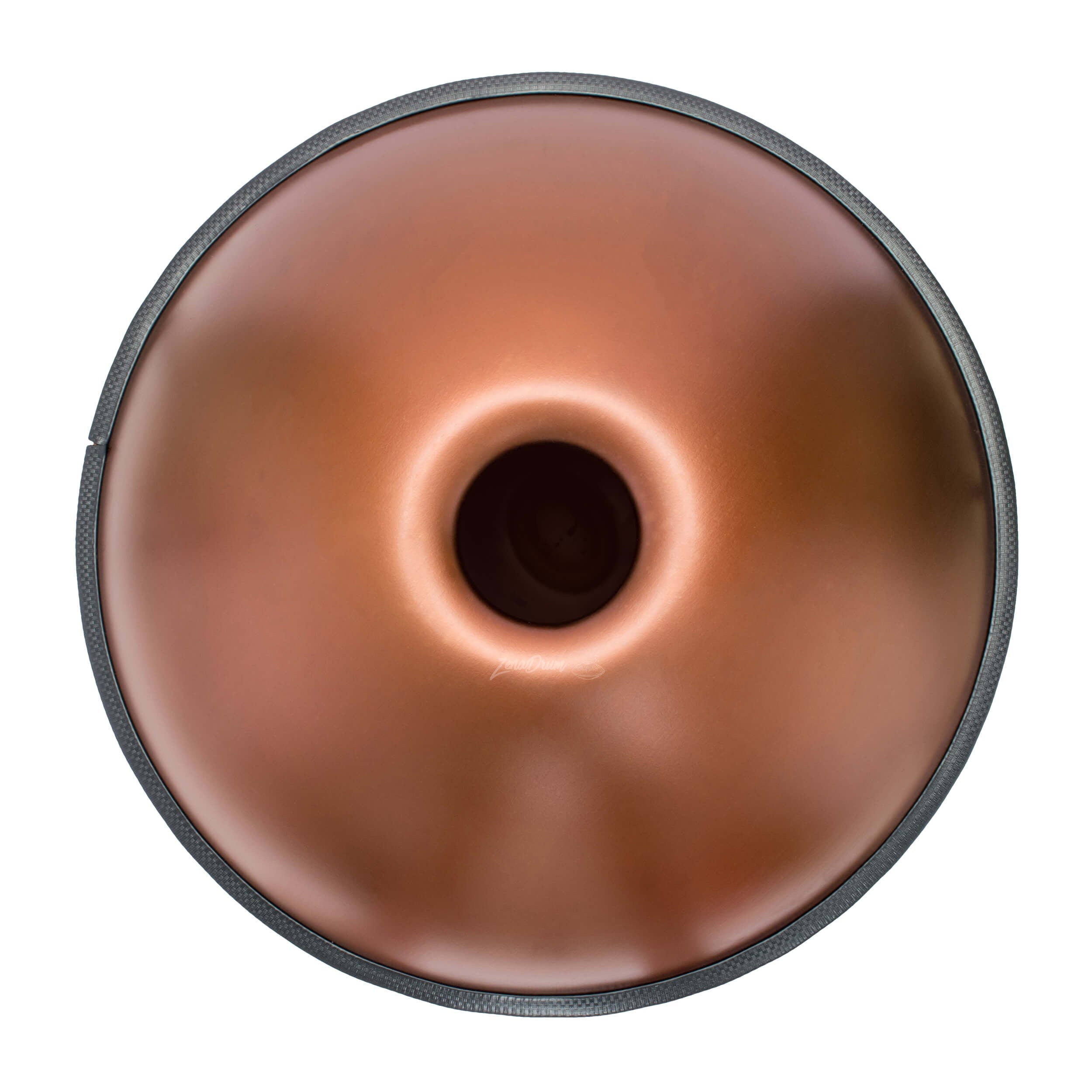
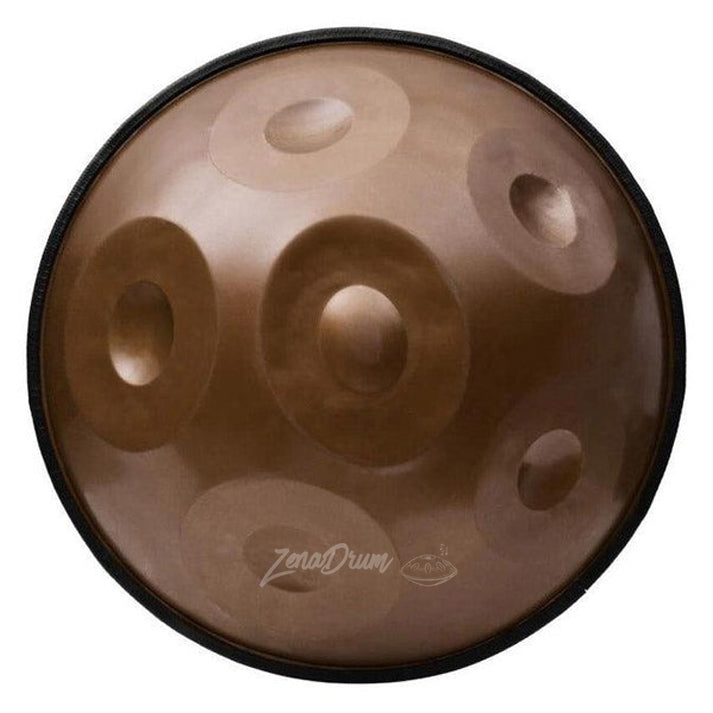
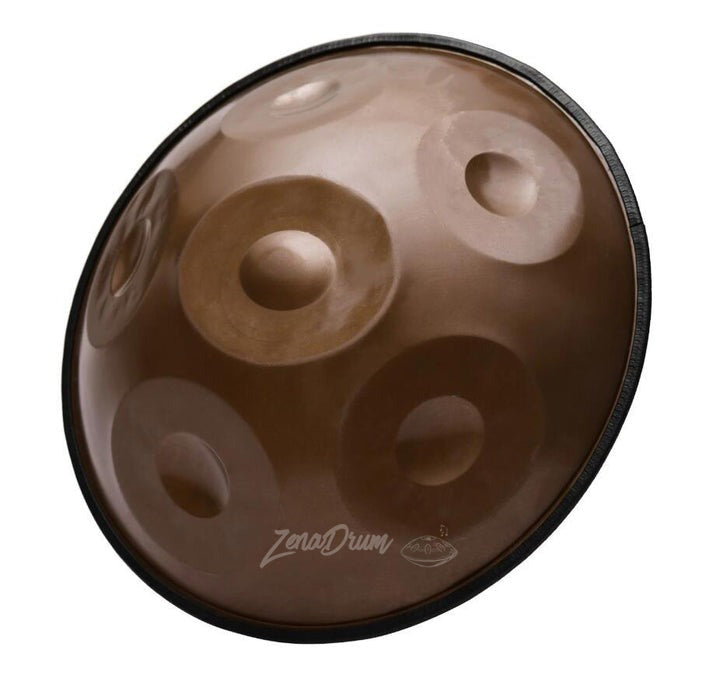
The C Major handpan is the brightest and most universally cheerful scale in the handpan family. Built entirely from the notes of the C natural major scale — the same foundational scale taught in every music classroom worldwide — this instrument radiates pure, open positivity with every strike. At Healing Sounds, our C Major handpan collection features instruments in multiple note configurations and steel materials, all precision-tuned for harmonic clarity and available in both 432 Hz and 440 Hz concert pitch standards.
While minor-key handpans like the D Minor and G Minor excel at introspective, meditative expression, the C Major handpan occupies the opposite end of the emotional spectrum. Its intervals produce melodies that feel uplifting, resolved, and inherently joyful — the musical equivalent of sunlight breaking through clouds. This makes the C Major an outstanding choice for musicians who want their handpan to radiate positive energy, whether performing at festivals, leading group music circles, composing upbeat ambient tracks, or simply starting each day with an instrument that puts a smile on your face.
The C Major scale also holds a unique advantage for players with prior musical training. Because C Major is the default reference key in Western music — the white keys on a piano — musicians transitioning from keyboard, guitar, or wind instruments find the C Major handpan immediately intuitive. There are no sharps or flats to consider, making it the most theoretically transparent scale available. This page covers the C Major handpan's musical character, its applications, and how to select the right model from our complete handpan collection.
The C Major Handpan Scale: Pure Tonality and Universal Appeal
A standard C Major handpan features a central Ding tuned to C3 or C4, with surrounding tone fields arranged in the natural major pattern: C, D, E, F, G, A, B. In a typical 9-note configuration, this covers a full octave plus one additional note, providing enough melodic range for complete compositions while keeping the layout manageable for all skill levels.
The defining quality of the C Major scale is its tonal resolution. Major scales create a sense of completeness and satisfaction that minor scales intentionally leave open. When you play a phrase on a C Major handpan, the natural tendency is for the melody to resolve toward the root note — creating musical statements that feel concluded and emotionally affirming. This resolution quality is why major keys are associated with happiness, triumph, and celebration across virtually every musical culture.
C Major vs Minor Scales: Choosing Your Emotional Palette
The choice between a major and minor handpan scale is fundamentally an emotional one. The table below compares the C Major to the most popular minor scales in our collection:
| Characteristic | C Major | D Minor / D Kurd | Celtic Minor |
|---|---|---|---|
| Emotional Character | Bright, joyful, uplifting | Melancholic, introspective | Mystical, folk-inspired |
| Tonal Feel | Resolved, complete, open | Yearning, contemplative | Spiritual, ancient |
| Best For | Performance, ensemble, composition | Meditation, solo expression | Ceremony, world music |
| Ensemble Compatibility | Excellent — universally compatible | Good — pairs with minor keys | Good — pairs with folk instruments |
| Music Theory Complexity | Simplest — no sharps or flats | Low — one flat (Bb) | Moderate — specific mode |
| Browse Collection | C Major | D Minor | Celtic Minor |
Many experienced handpan players own both a major and a minor instrument, switching between them depending on the mood, audience, or creative intention of each session. The C Major and D Minor pairing is particularly popular because the two scales are harmonically related — they share many common notes — allowing players to alternate instruments within a single performance for dramatic emotional contrast.
Playing the C Major Handpan: Performance, Ensemble Work, and Creative Applications
The C Major handpan truly shines in settings where positive energy, audience engagement, and musical collaboration are the priorities. Its bright, accessible sound connects with listeners immediately — even those with no handpan experience recognize its warmth and feel drawn to its optimistic character.
Live Performance and Street Music
For buskers and live performers, the C Major is an exceptional audience magnet. Its cheerful tonality projects a welcoming atmosphere that attracts passersby and holds their attention. Unlike more contemplative scales that reward quiet, focused listening, the C Major communicates its emotional message instantly — people smile, they stop walking, they stay. This instant connection makes it one of the most commercially effective scales for street performance and festival sets.
Ensemble Playing and Musical Collaboration
Because C Major contains no sharps or flats, it is the easiest handpan scale to integrate into ensemble contexts. Guitarists, keyboard players, flutists, and vocalists can all accompany a C Major handpan without transposing or adjusting their playing. This universal compatibility makes the C Major the go-to handpan for jam sessions, music circles, and studio collaborations where multiple instrumentalists need to find common ground quickly.
The C Major also pairs naturally with other handpan scales. Playing alongside a F Major handpan creates a rich major-key duet with shared tonal territory. Combining a C Major handpan with a D Minor instrument introduces compelling major-minor tension and resolution that can drive emotionally complex compositions. For a complete understanding of ensemble techniques, explore our advanced playing tips guide.
Composition and Music Production
Producers and composers favor the C Major handpan for its recording versatility. Because C is the reference key in music production software, audio samples from a C Major handpan integrate seamlessly into digital audio workstations without pitch correction. The scale's bright harmonic content sits well in mixes alongside piano, strings, synths, and vocals — making it an excellent source instrument for ambient, chill, and world music productions. Learn more about the instrument's creative potential in our handpan music benefits article.
Choosing Your C Major Handpan: Material, Notes, and Tuning
Selecting the right C Major handpan involves balancing three variables: steel material, note count, and tuning frequency. Each choice shapes the instrument's voice and suitability for your intended use.
Steel Material for C Major Handpans
The C Major scale's naturally bright character interacts distinctively with each steel type. Stainless steel amplifies the brightness, producing a sparkling, crystalline tone with long sustain — ideal for outdoor performance where projection matters. Nitrided steel adds warmth and organic texture to the C Major's brightness, rounding out the high frequencies for a more intimate sound preferred by studio players and indoor performers. Ember steel delivers a balanced hybrid voice well suited to versatile players who perform in varied settings.
Note Count Recommendations for C Major
A 9-note C Major handpan covers the complete major scale within one octave, providing a focused melodic palette that suits beginners and performers who value simplicity. For composers and advanced players, 10 to 12-note models extend the range into a second octave, unlocking harmonic layering and wider melodic intervals. The extended range is particularly valuable in the C Major because major scales benefit from octave doubling — playing the same note in two different octaves adds richness and depth to major-key melodies. Browse configurations: 9-note, 10-note, 12-note, 14-note.
432 Hz vs 440 Hz for C Major
For ensemble playing and studio recording, 440 Hz is the clear choice — it ensures your C Major handpan is in tune with every other standard instrument. If your focus is personal practice, meditation, or standalone performance, 432 Hz offers a subtly warmer, calmer quality that some players prefer. The tonal difference between the two standards is less pronounced on major scales than on minor scales, so both options deliver the C Major's signature brightness effectively.
Proper maintenance keeps your C Major handpan sounding pristine. Follow our comprehensive care guide for detailed cleaning, oiling, and storage instructions. A quality handpan stand protects your instrument between sessions and positions it at the ideal playing height.
Explore more handpan scales and resources:
- By Scale: D Minor · G Minor · F Major · Celtic Minor · Kurd
- By Skill Level: Beginner Handpans · Intermediate · Professional
- By Material: Stainless Steel · Nitrided Steel · Ember Steel
Learn more from our handpan blog:
- Best Handpan for Beginners Guide
- Handpan Drums: A Complete Guide
- The Origins and Evolution of the Handpan
- Beginner's Guide to Playing the Handpan
Frequently Asked Questions About C Major Handpans
A C Major handpan sounds bright, cheerful, and emotionally uplifting — in contrast to minor-key handpans like the D Minor or G Minor, which produce more contemplative, melancholic tones. The major scale intervals create a sense of resolution and completeness, so melodies feel concluded and affirming rather than open and yearning. Players often describe the C Major as sounding like sunshine — warm, inviting, and immediately accessible to listeners of all musical backgrounds. The absence of sharps or flats gives it a pure, open tonal quality that projects especially well in live performance and ensemble settings.
C Major and D Minor are fundamentally different emotional instruments. C Major uses the major scale pattern, producing bright, joyful, and resolved-sounding melodies. D Minor uses the natural minor pattern, creating introspective, melancholic, and yearning tonal phrases. C Major excels in performance, ensemble work, and positive-energy contexts. D Minor excels in meditation, sound healing, and contemplative solo play. The two scales are harmonically related (C Major is the relative major of D Minor), which means they share many notes and pair beautifully in dual-handpan performances where emotional contrast is the creative goal.
Yes, the C Major is very beginner-friendly. Like all well-designed handpan scales, its note arrangement produces harmonious combinations regardless of the order in which you strike the tone fields. The C Major holds an additional advantage for players with prior musical training, because it corresponds to the white keys on a piano — making the note layout immediately familiar. However, fewer online handpan tutorials are written specifically for C Major compared to the D Kurd scale, so beginners who rely heavily on guided video lessons may find more material available for D Minor instruments.
A 9-note C Major handpan covers the full major scale in one octave and is ideal for beginners, buskers, and players who prefer a clean, focused instrument. For composers and intermediate-to-advanced players, 10 to 12-note models add a second octave range that unlocks richer harmonic layering and wider melodic possibilities. Major scales benefit especially from octave doubling, where playing the same note in two different registers creates a full, resonant effect. Choose 14 notes or more if you want maximum compositional freedom for recording or advanced performance.
While the C Major is not the traditional first choice for deep meditative sound healing (most practitioners prefer minor scales like D Minor or G Minor for their calming, introspective qualities), it is increasingly used in wellness contexts where the goal is to cultivate joy, positive energy, and emotional uplift. Therapists working with clients who carry heavy emotional burdens sometimes choose the C Major specifically to shift the energetic atmosphere toward lightness and hope. The C Major also works well in active meditation styles, ecstatic movement sessions, and celebratory ceremonies where uplifting vibrations support the healing intention.