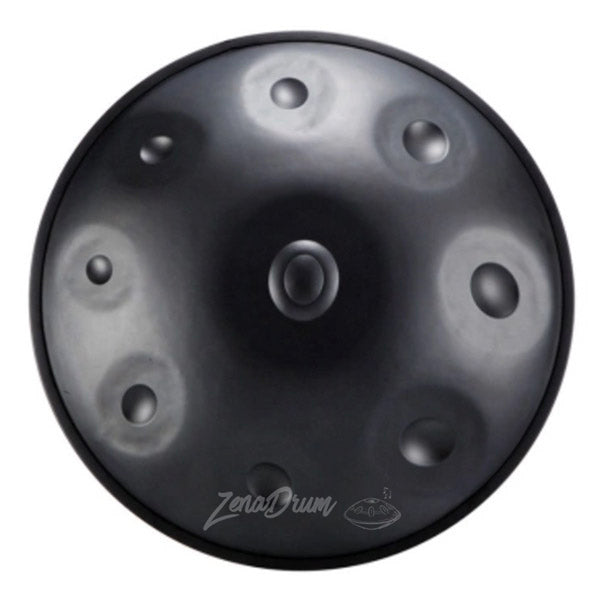
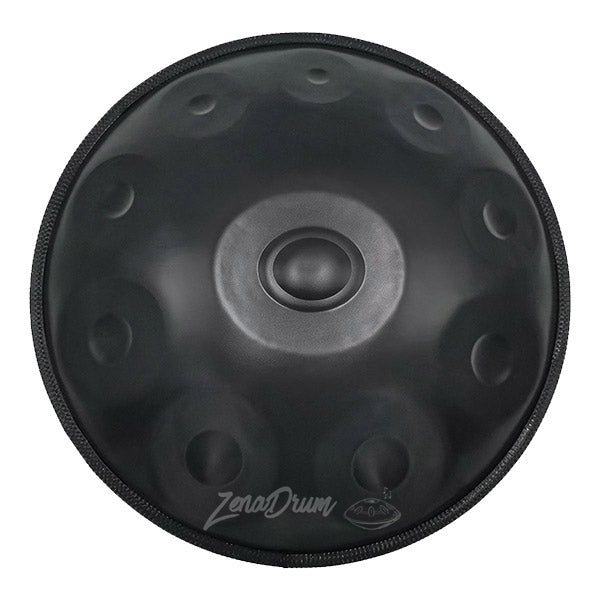
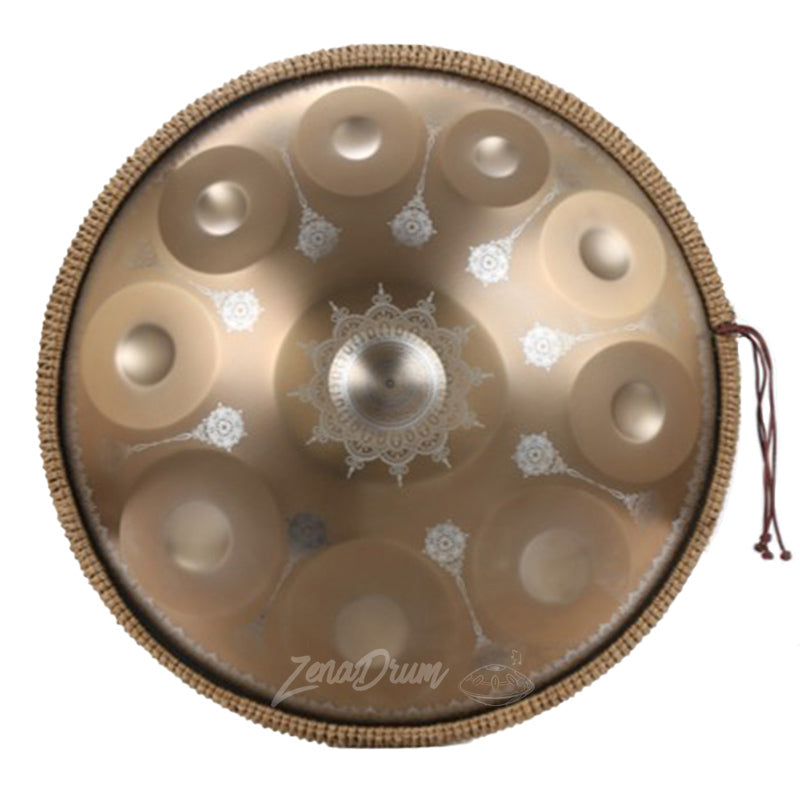
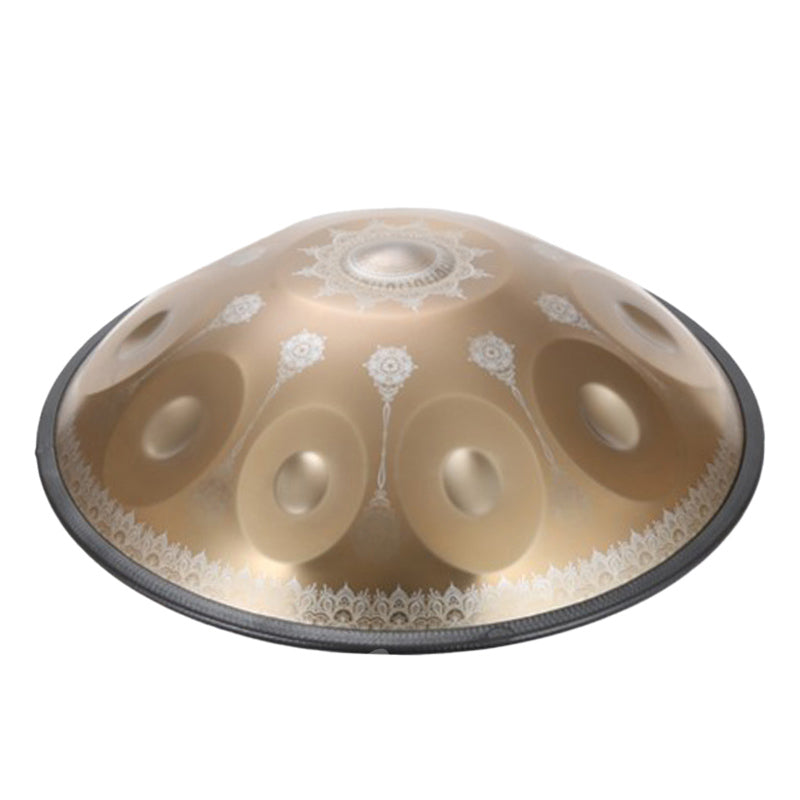
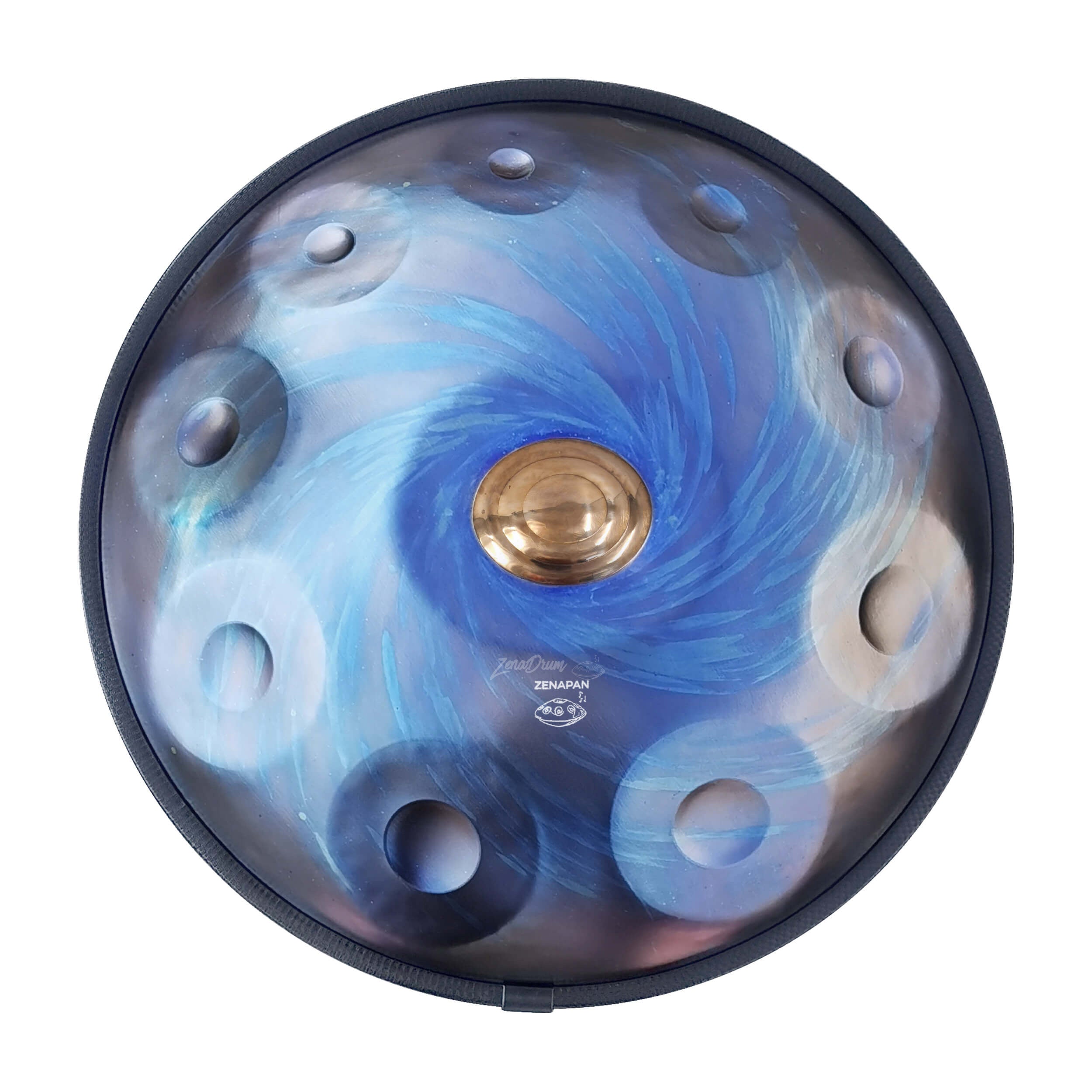
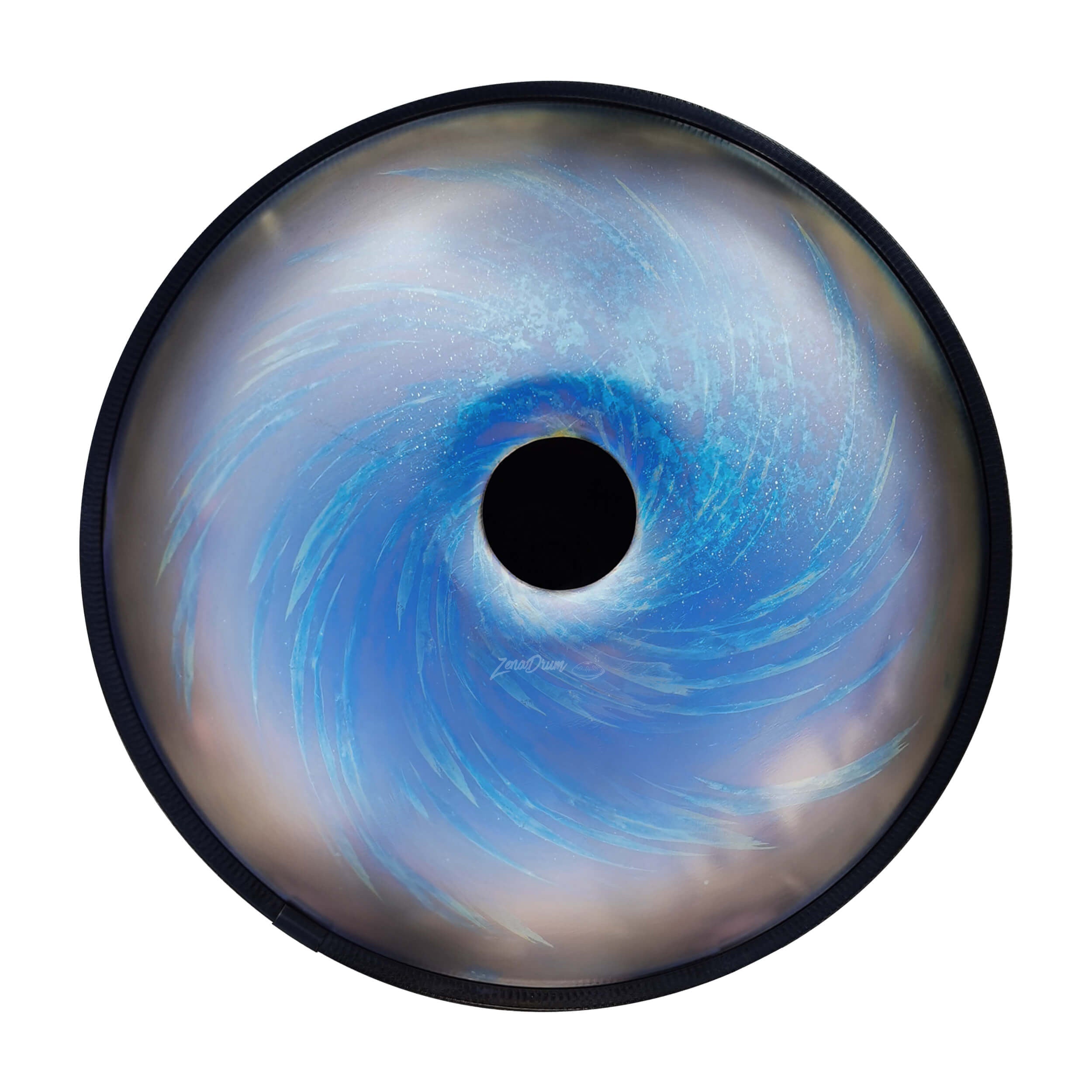
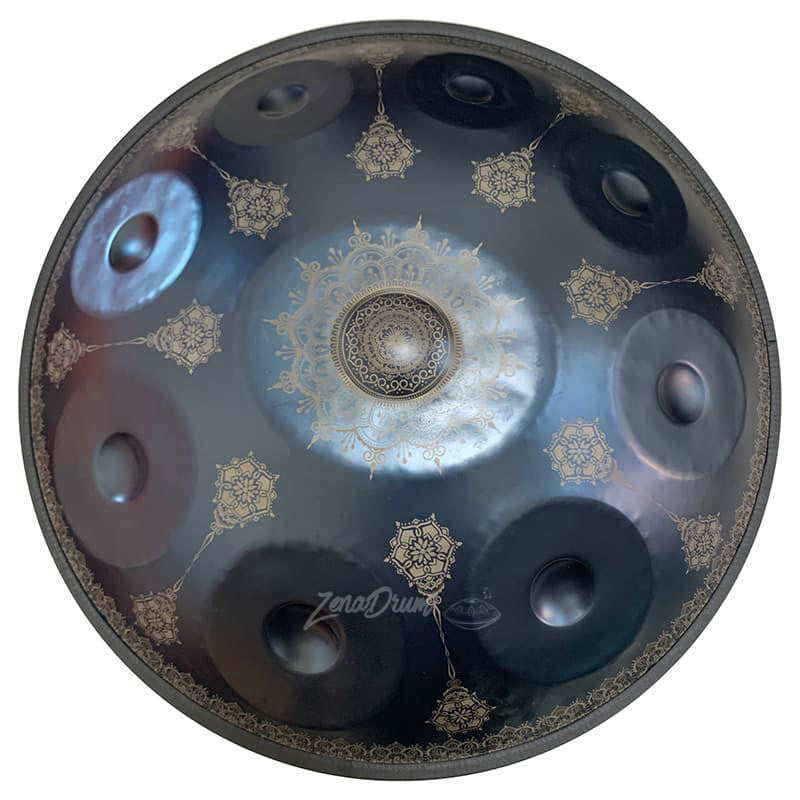
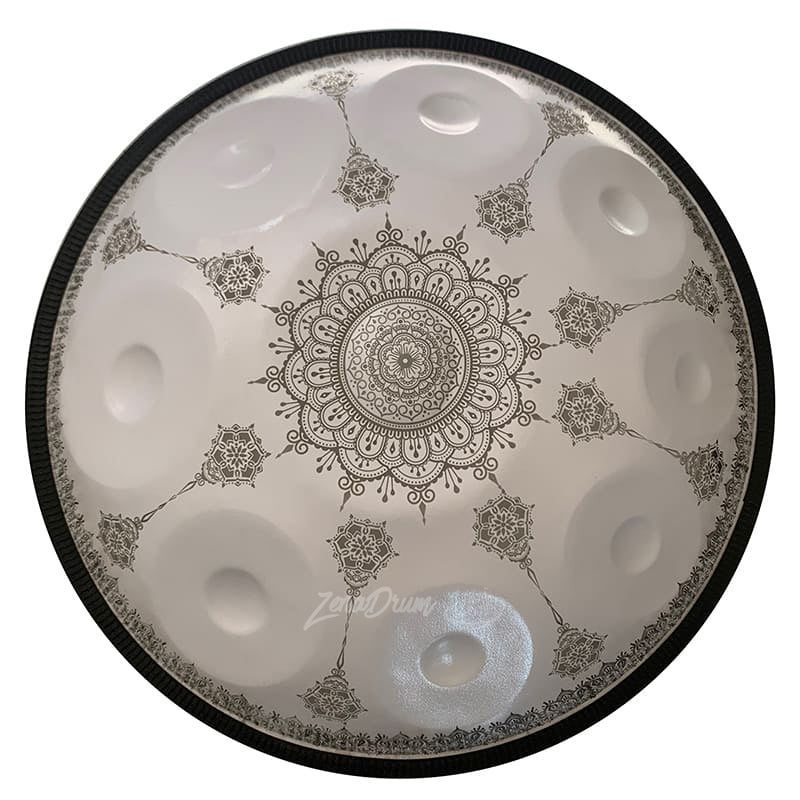
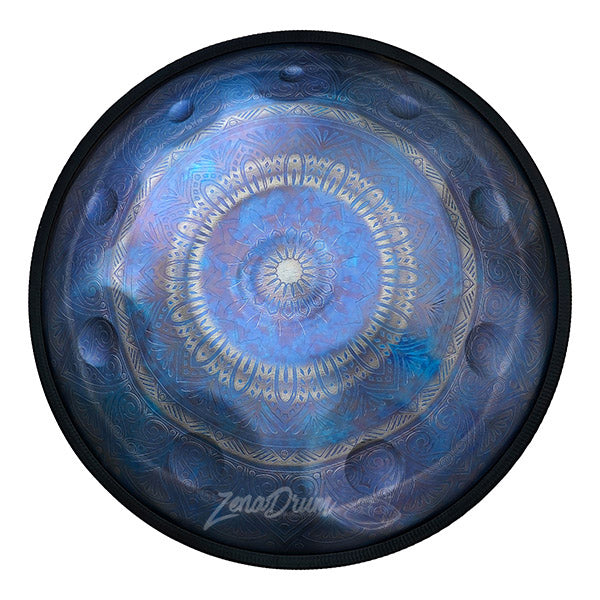
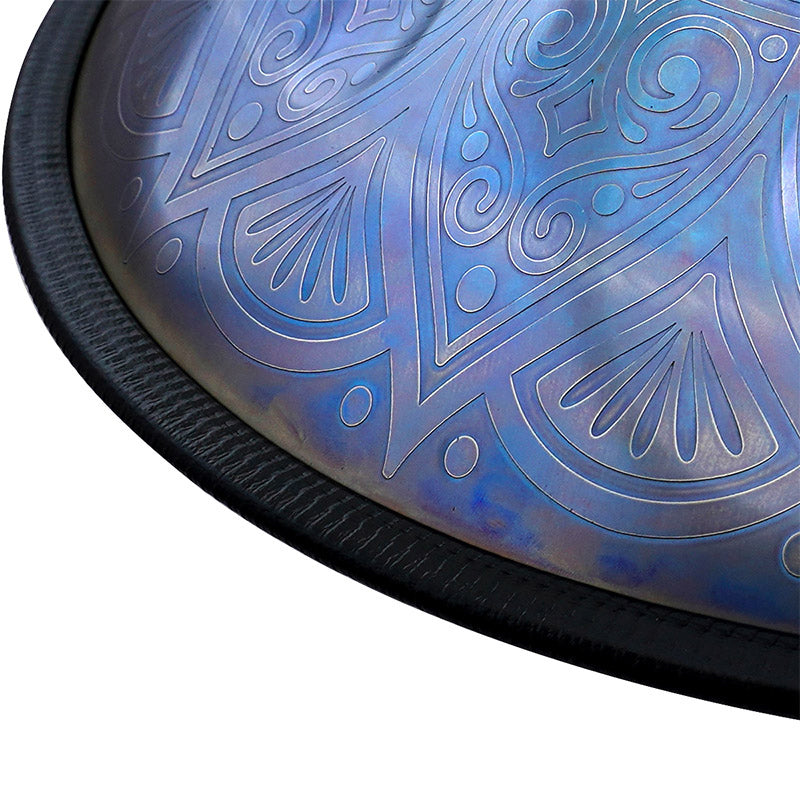
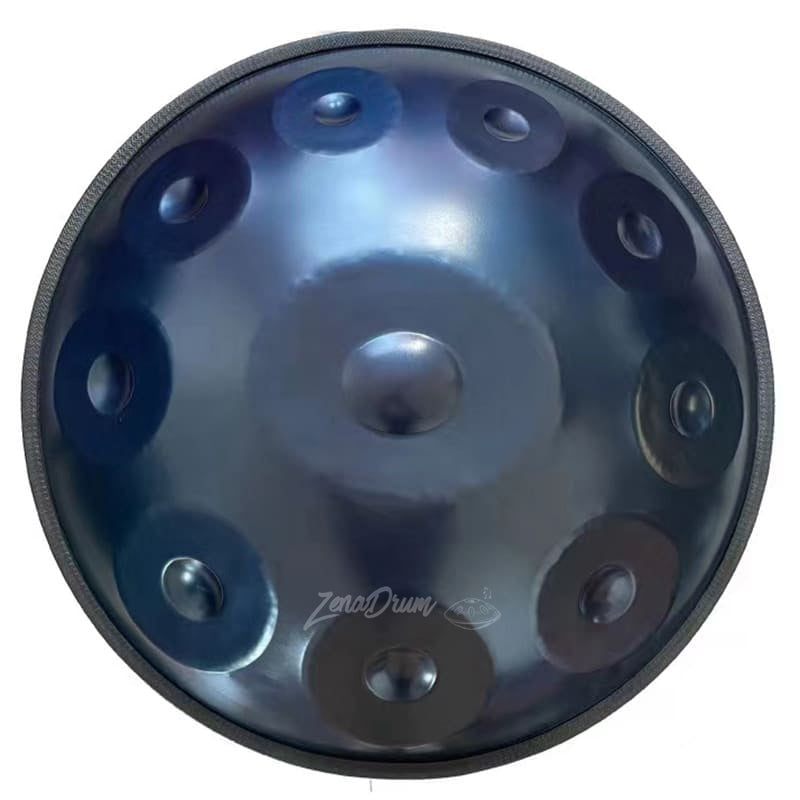
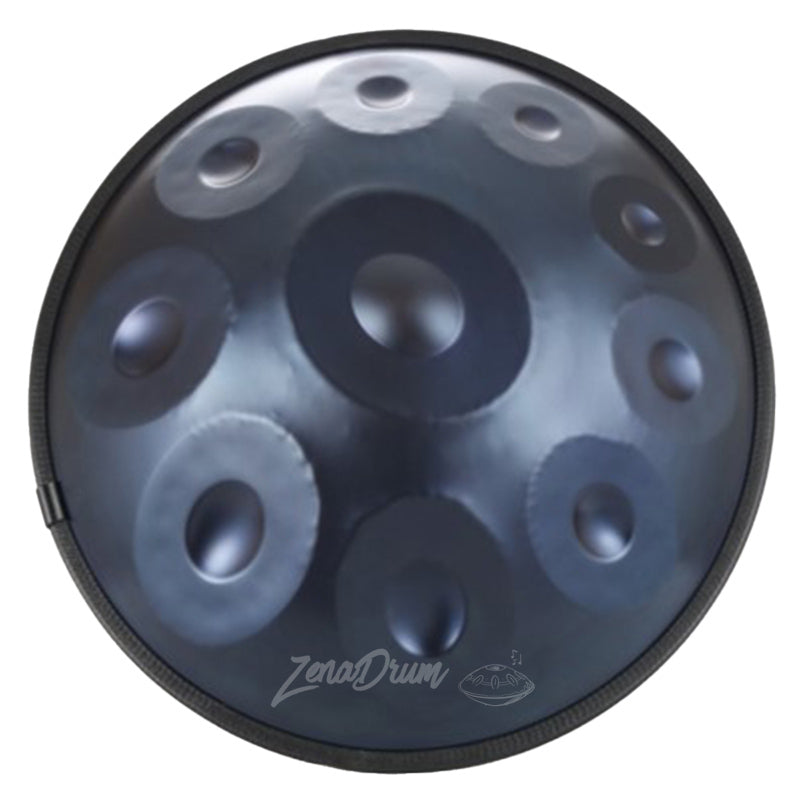
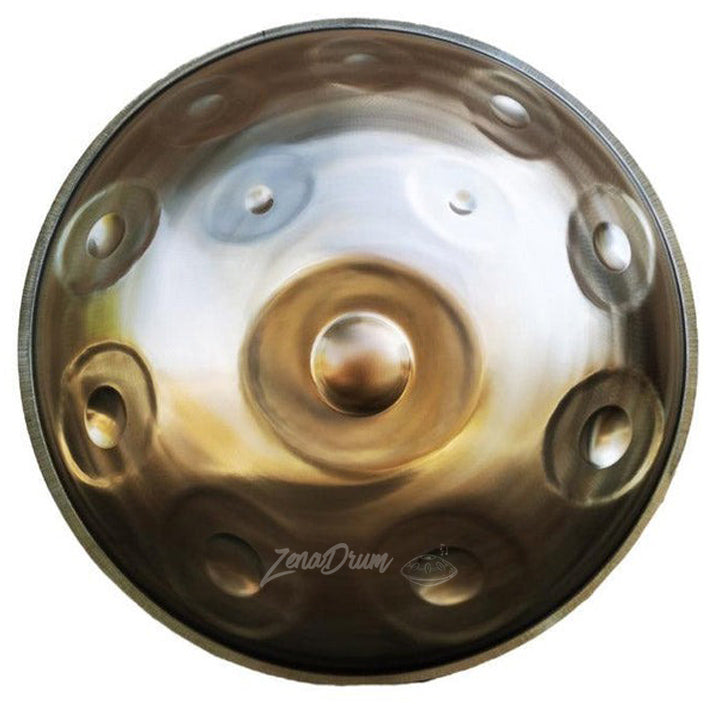
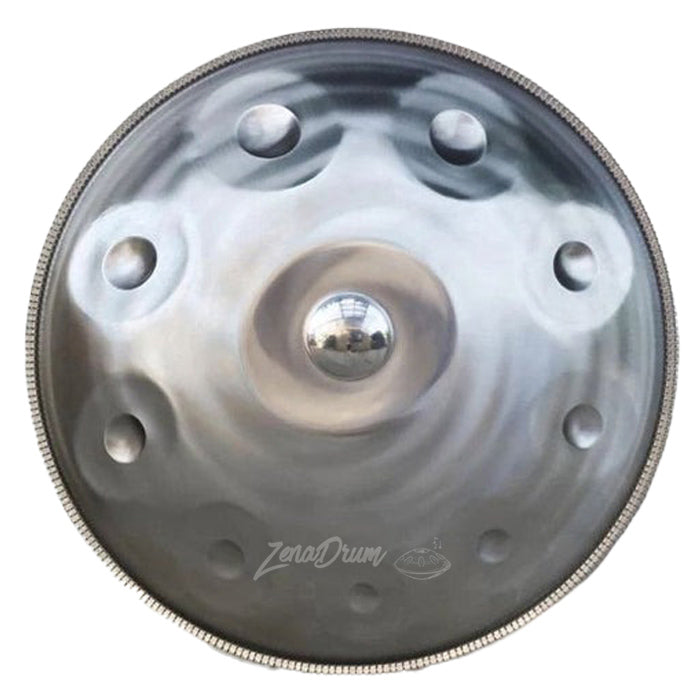
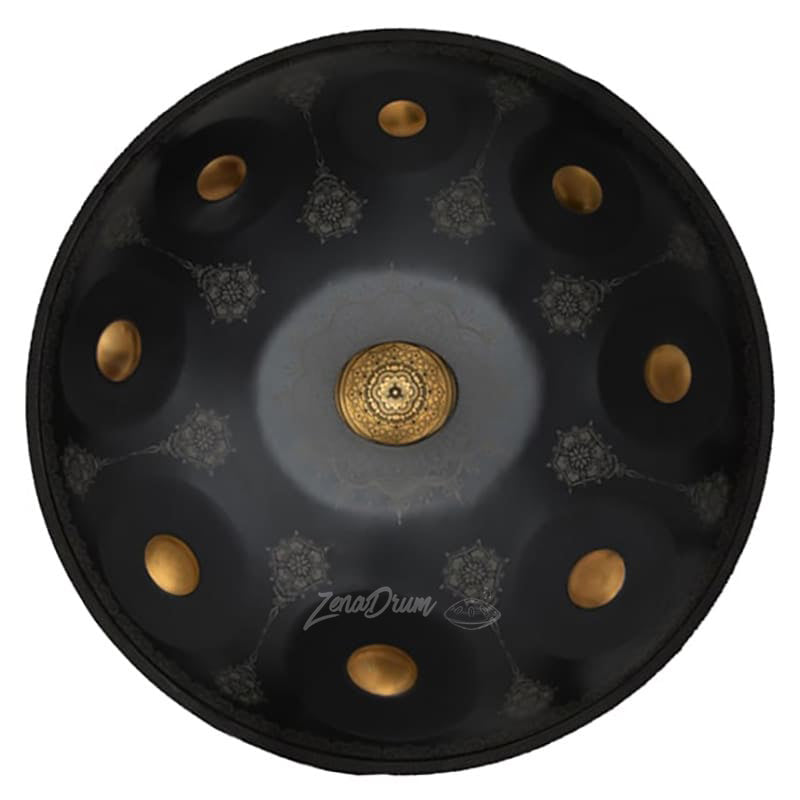
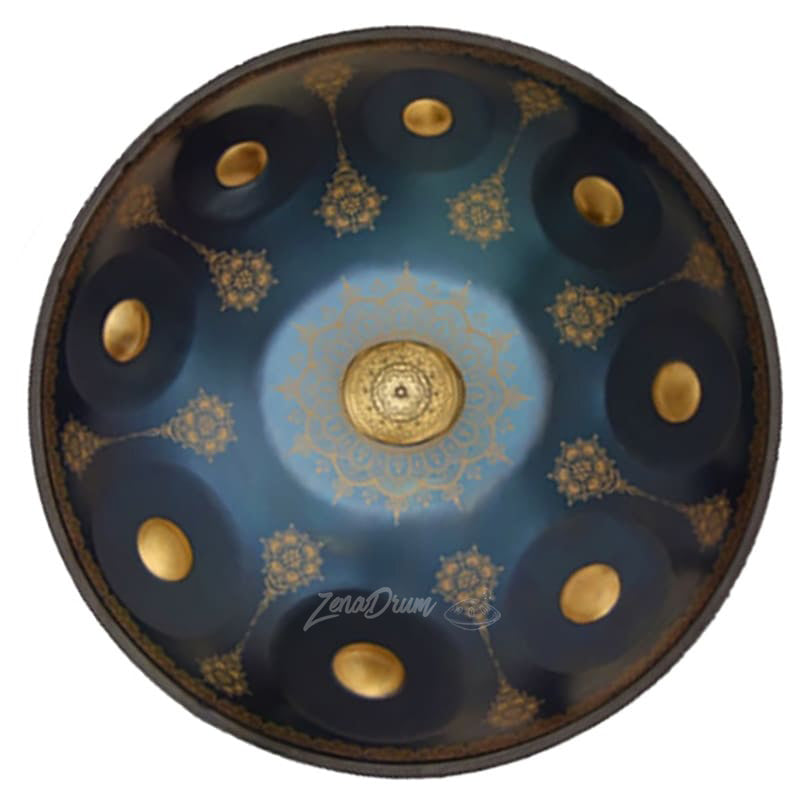
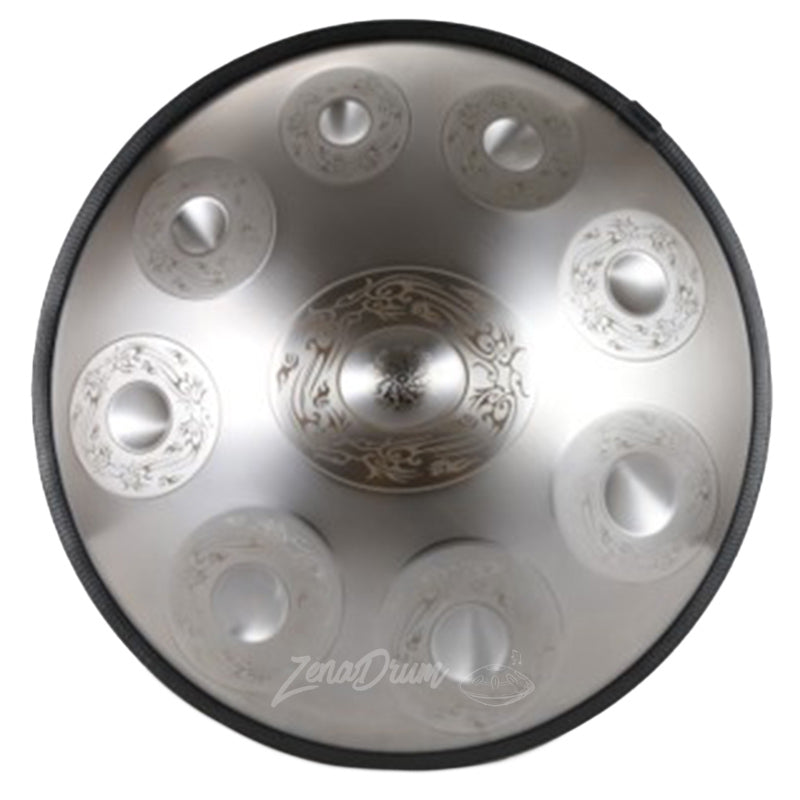
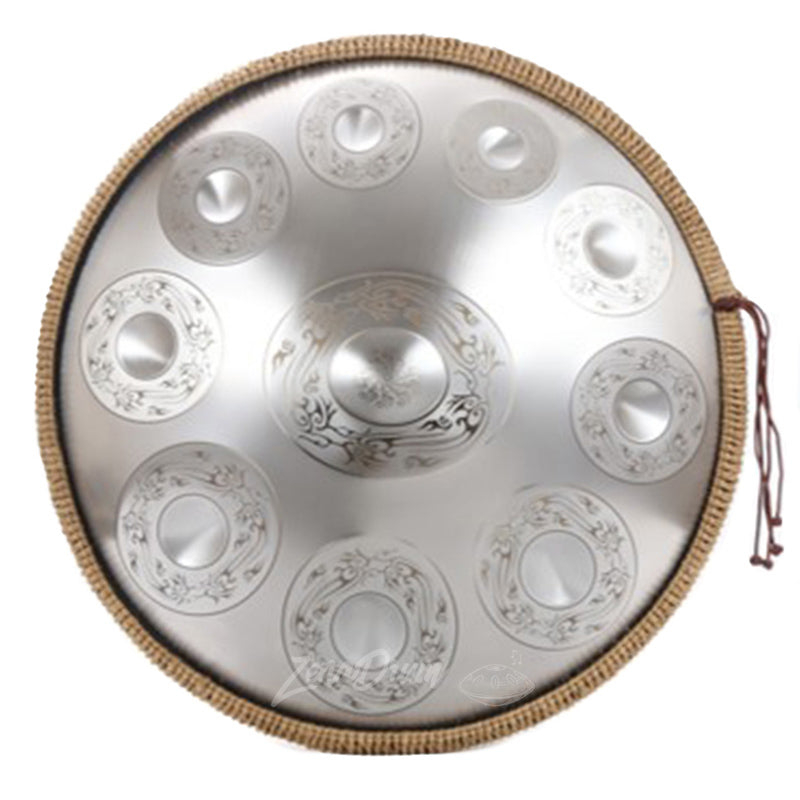
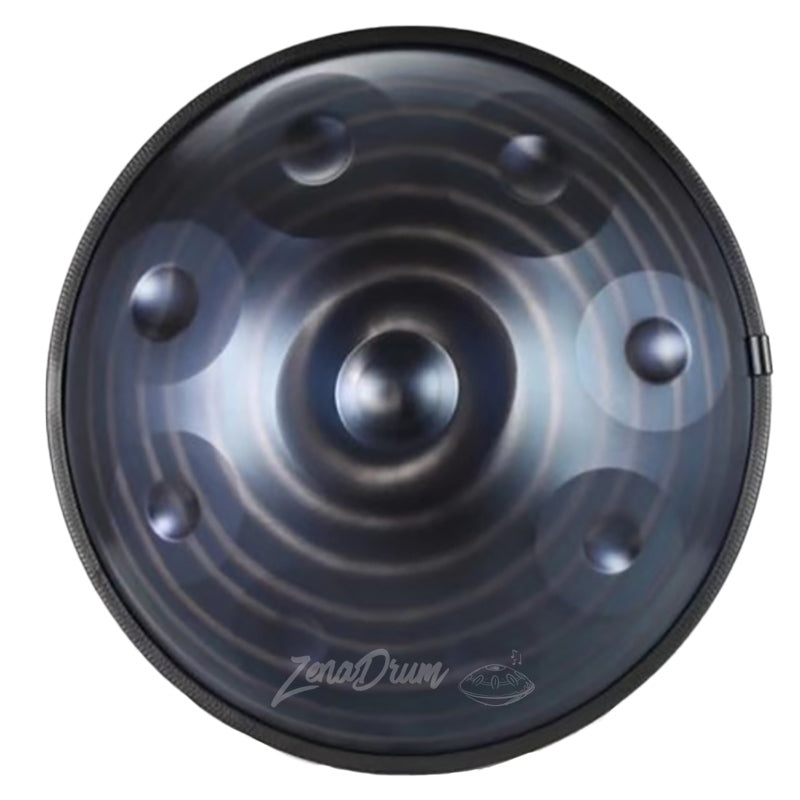
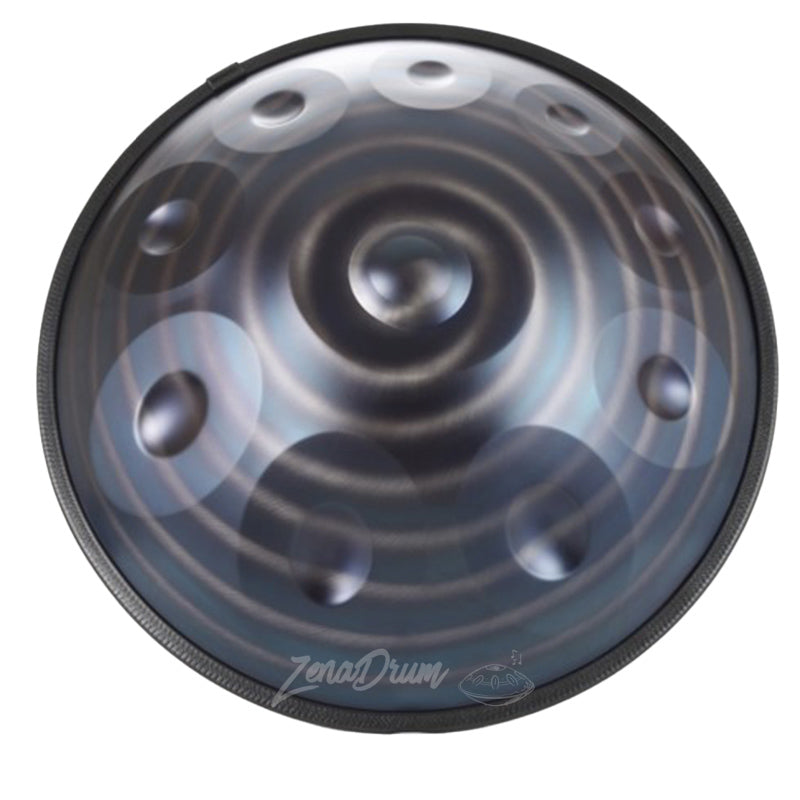
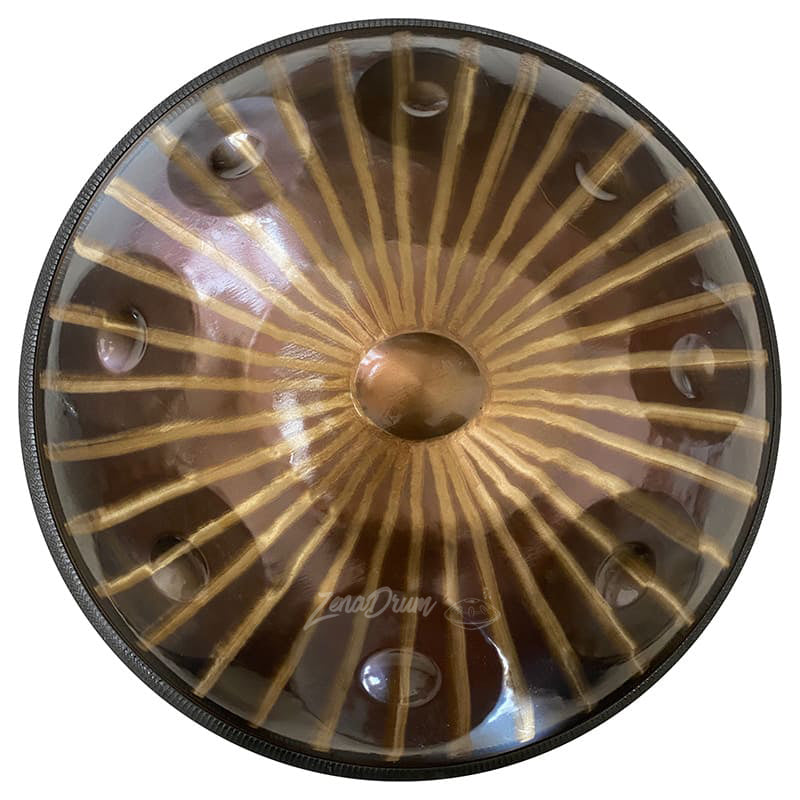
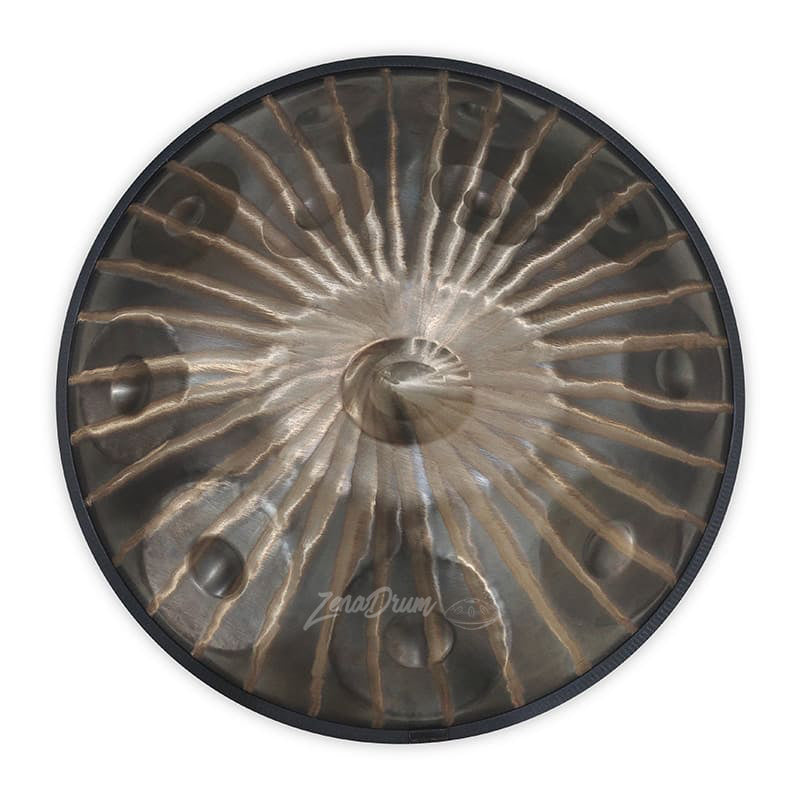
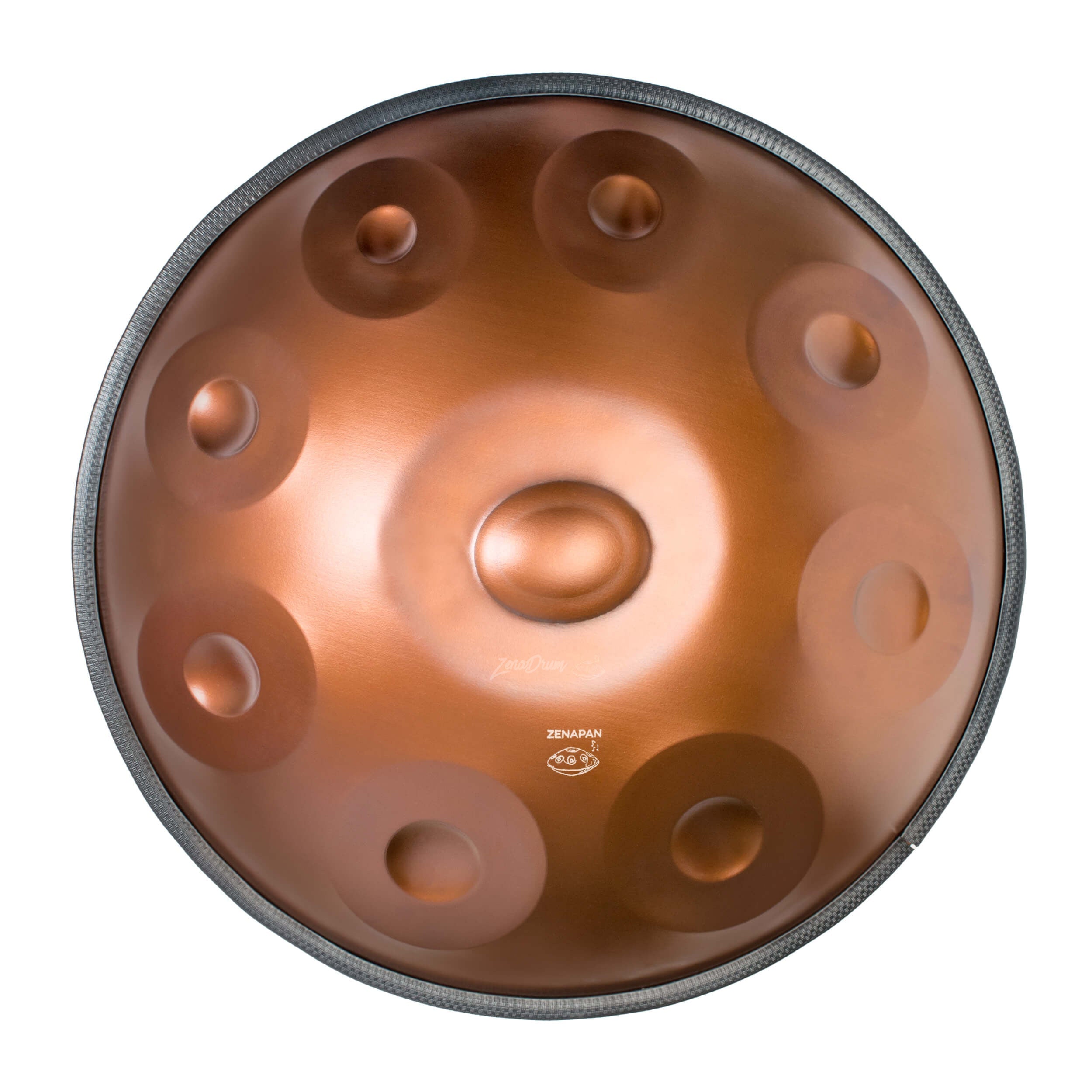
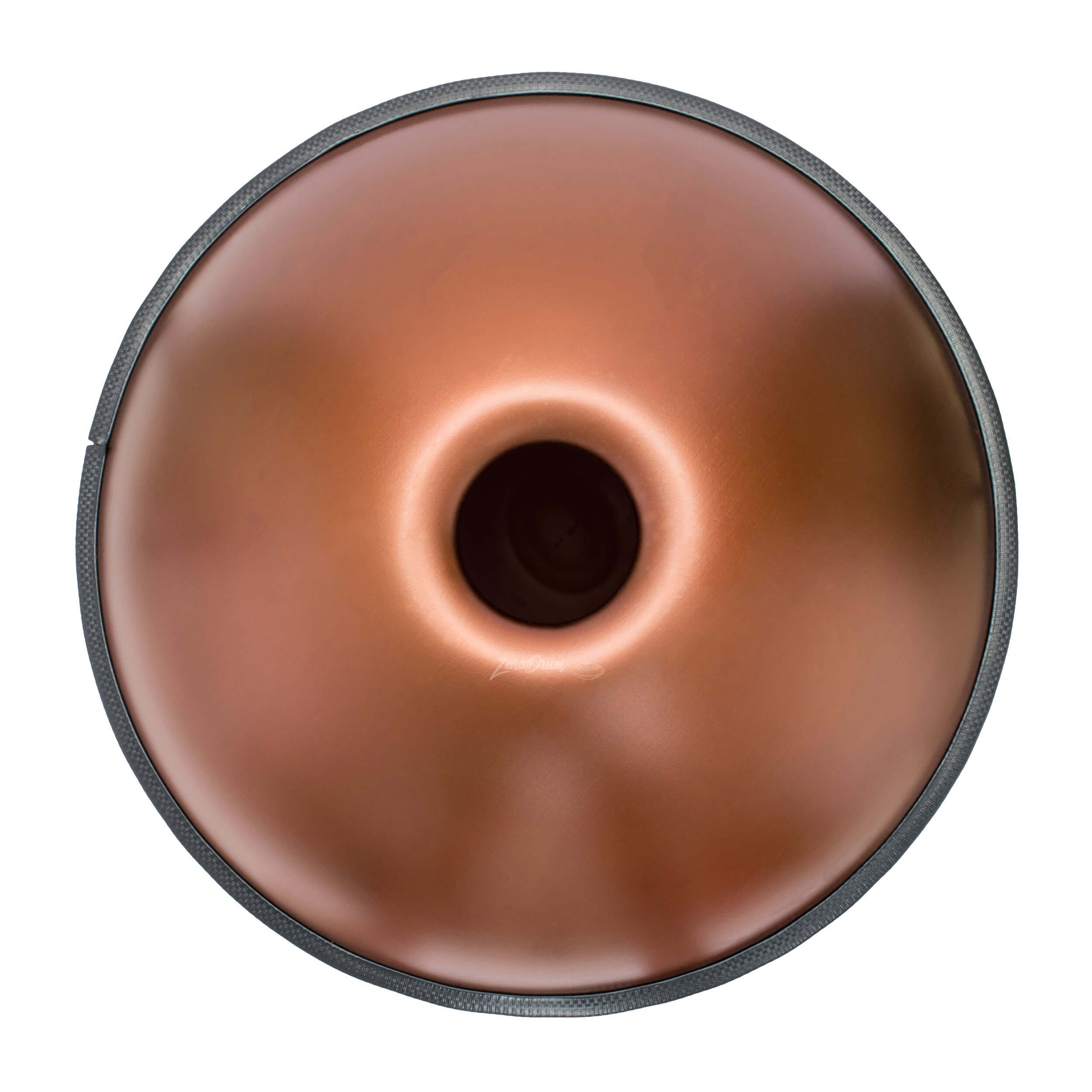
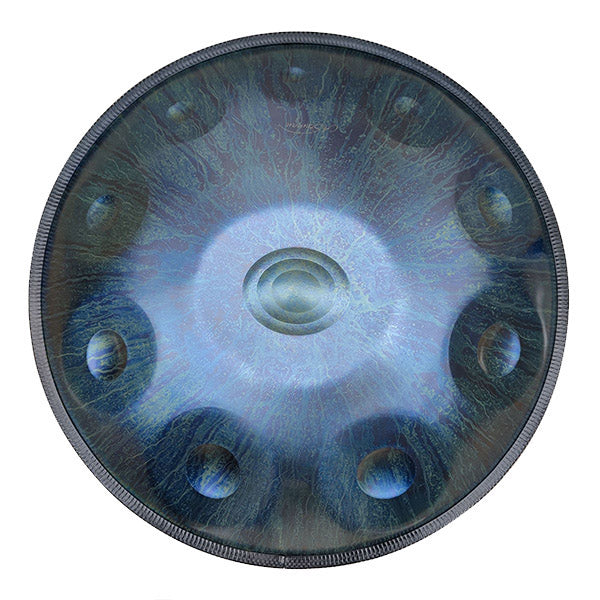
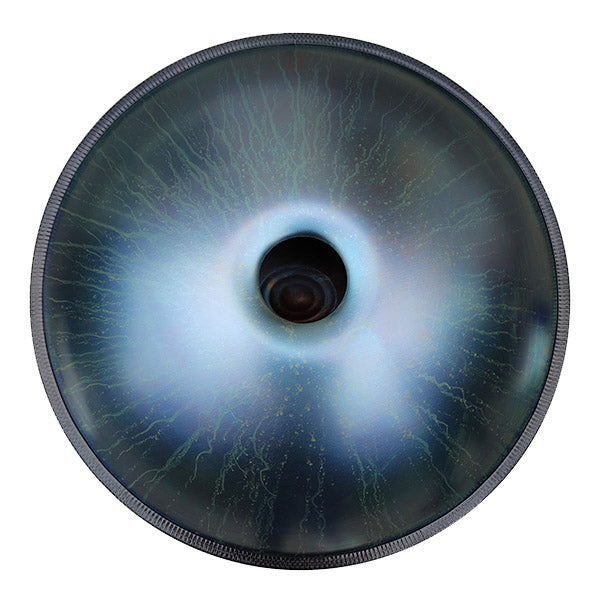
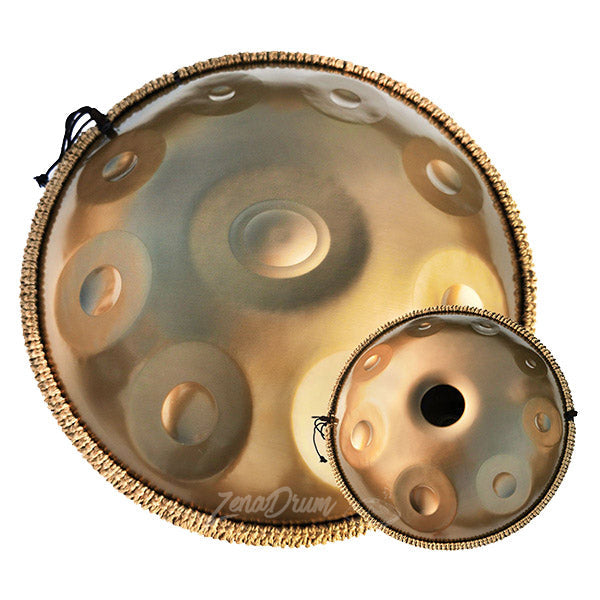
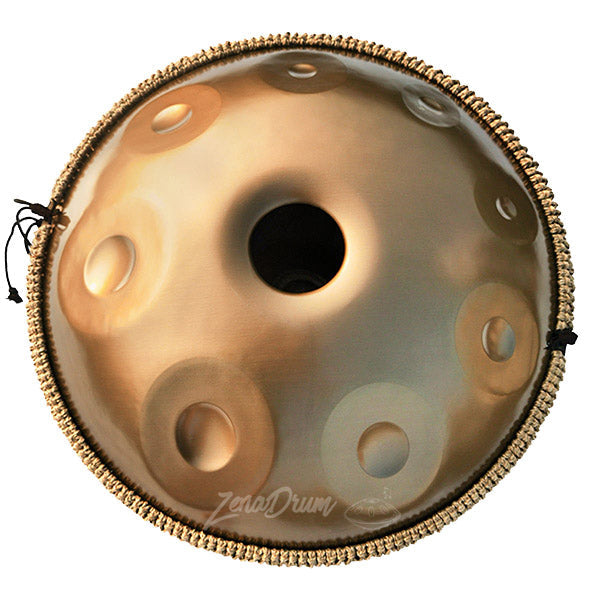
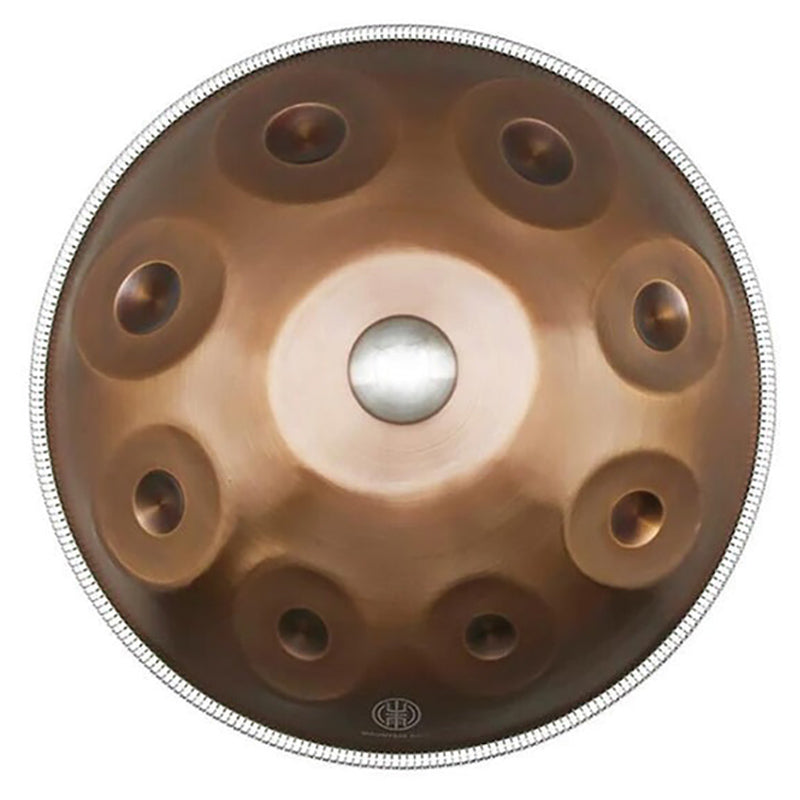
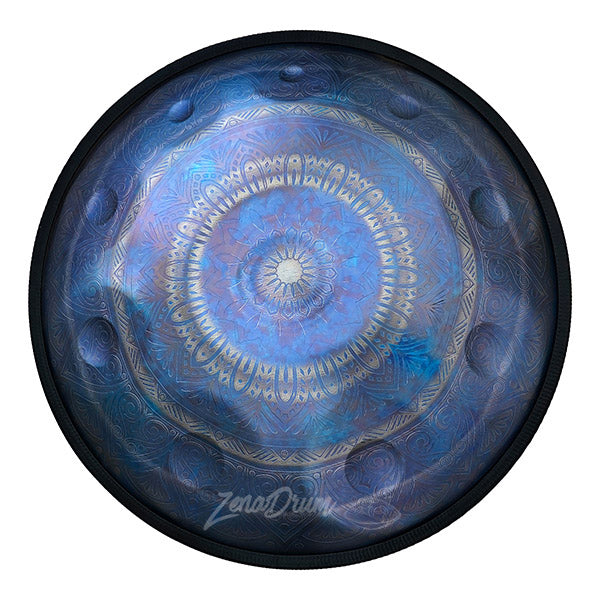
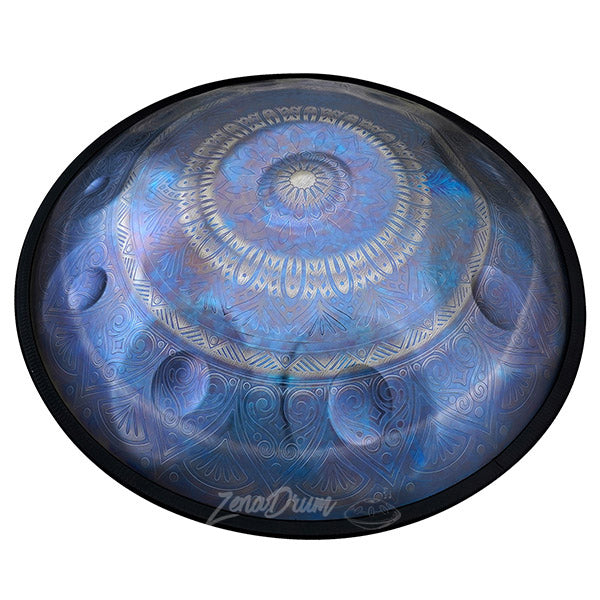
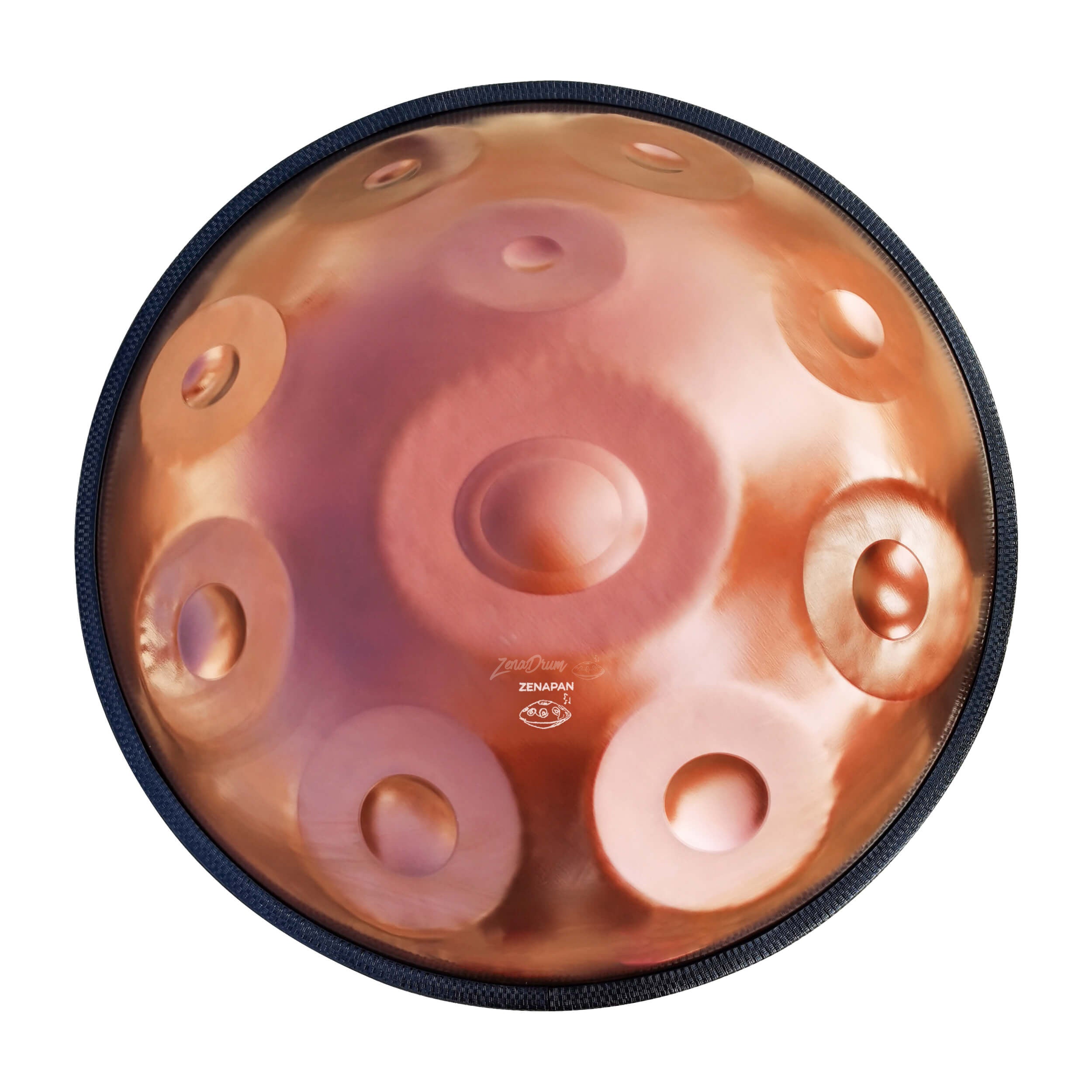
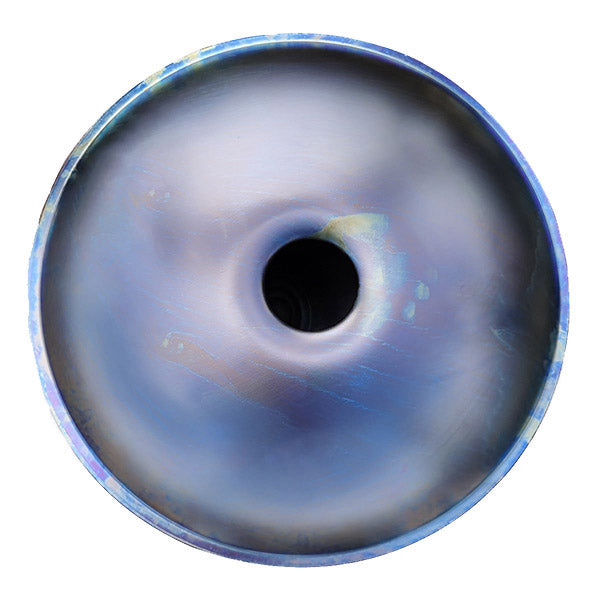
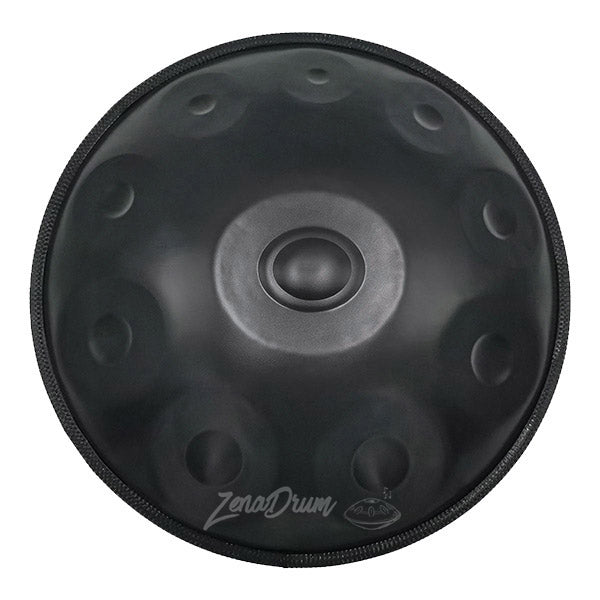
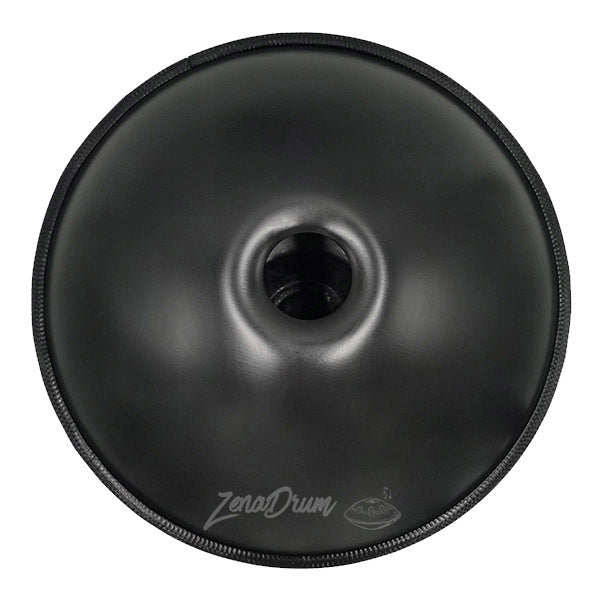
A professional handpan is not simply a larger instrument — it is a precision-crafted sound system engineered for performers, sound therapists, studio musicians, and composers who depend on their instrument to deliver flawless tone under demanding conditions. At Healing Sounds, our professional handpan collection features 12 to 17-note instruments built from premium stainless steel, nitrided steel, and ember steel, with each tone field triple-tuned to exacting harmonic standards. These instruments are designed for players who have moved beyond learning and now rely on the handpan as a central tool in their creative or therapeutic livelihood.
The distinction between a professional grade handpan and a consumer instrument extends far deeper than note count. Every tone field on a professional model undergoes a calibration process where the fundamental pitch, the first overtone, and the second overtone are individually adjusted until they lock into precise harmonic alignment. This triple-tuning creates a sound that is richer, more stable, and more complex than anything a single-tuned or double-tuned instrument can produce — and that complexity is what microphones capture in the studio, what audiences feel in a concert hall, and what participants respond to during a sound healing session. When your reputation depends on the quality of every note, a professional handpan is not a luxury — it is a requirement.
This guide is written for serious players evaluating their first or next professional handpan. We examine what separates professional-grade construction from everything below it, break down note count considerations for performers and healers, analyze material choices through the lens of specific professional applications, discuss the recording and performance characteristics that matter at this level, and address the financial dimension of investing in an instrument built to last a career.
The Craftsmanship Behind a Professional-Grade Instrument
A performance-grade handpan earns its designation through measurable construction standards that directly impact sonic performance. Understanding these standards helps you distinguish genuinely professional instruments from marketing-inflated consumer models.
Triple-Tuned Harmonic Architecture
The hallmark of professional construction is triple-harmonic tuning. Every handpan tone field vibrates at multiple frequencies simultaneously — the fundamental pitch you hear most prominently, a first overtone typically tuned one octave above the fundamental, and a second overtone typically tuned a perfect fifth above the first overtone. On consumer instruments, these overtones are often approximated or left untuned entirely, resulting in a muddy, unfocused sound. On a concert-quality handpan, all three frequencies are precisely calibrated so that they reinforce each other, producing a tone with extraordinary clarity, extended sustain, and the shimmering complexity that defines the instrument at its best.
This precision is not abstract — it has direct practical consequences. In a studio recording environment, microphones are unforgiving. Poorly tuned overtones create dissonance that becomes painfully obvious on playback. In a live performance setting, clean harmonic alignment means adjacent tone fields do not bleed into each other, preserving the clarity of rapid passages and allowing the audience to hear every note distinctly. In sound therapy, harmonically precise instruments produce overtone patterns that are physiologically calming rather than subtly agitating.
Structural Integrity for Extended Use
Professional instruments are built to withstand the rigors of daily multi-hour playing sessions, frequent transport, and performance under stage lighting that generates significant heat. The steel gauge, shell geometry, and rim construction are all engineered for tuning stability — maintaining pitch accuracy even after thousands of hours of use. A well-maintained pro-level instrument should hold its tuning for three to five years of heavy use before requiring professional recalibration, compared to one to two years for many consumer-grade instruments played at similar intensity.
Choosing Your Professional Note Count: 12 to 17 Tone Fields
Note count at the professional level is driven by application rather than aspiration. Unlike the intermediate stage where more notes represent growth, at the professional level each configuration serves a specific purpose. Choosing the right count means understanding how you will use the instrument day to day.
12 Notes: The Professional Starting Point
A 12-note professional handpan delivers nearly two octaves of range in a compact, manageable form factor. This configuration is favored by touring musicians who value portability without sacrificing melodic depth, and by sound healing practitioners who need extended range but want an instrument light enough to hold on the lap during extended sessions. Twelve notes provide enough harmonic material for complete compositions, chord voicings, and sustained improvisations without the added weight and spatial complexity of larger instruments.
14 Notes: The Performer's Instrument
A 14-note handpan delivers a full two-octave range in most scales and represents the preferred configuration for professional concert performers. With fourteen tone fields, you gain access to near-chromatic capability — the ability to play passages that move through half-step intervals, creating tension and resolution patterns that are impossible on smaller instruments. This range supports key modulation within a single piece, enabling the kind of sophisticated compositional structures that distinguish professional performance from advanced hobbyist playing. The 14-note layout is also the most commonly requested configuration for handpan recording sessions in professional studios.
17 Notes: Maximum Expression and Tonal Freedom
A 17-note handpan is the most expansive instrument currently available, with tone fields distributed across both the top shell and the bottom shell (the Gu). The bottom notes provide deep bass tones that no other configuration can produce, creating a frequency range that rivals many traditional orchestral instruments. This is the instrument of choice for virtuoso performers who build their entire concert program around a single handpan, for sound healing specialists who conduct hour-long sessions requiring absolute tonal variety, and for studio musicians who need the flexibility to cover any melodic demand within a single recording take. The 17-note layout demands advanced cross-hand coordination and the ability to tilt the instrument to access bottom-shell notes, making it unsuitable for players who have not fully mastered a 12 or 14-note instrument first.
Material Science for the Working Musician
At the professional level, material selection is a strategic decision driven by your primary performance context. Both stainless steel and nitrided steel are legitimate professional choices — the question is which one serves your specific workflow best.
Nitrided Steel: Studio Precision and Therapeutic Depth
Nitrided steel is the material of choice for professional players who work primarily in controlled environments — recording studios, indoor concert venues, yoga studios, and private sound healing spaces. Its tonal signature is warmer and more harmonically complex than stainless steel, with overtones that bloom gradually and sustain that decays in a smooth, natural curve. In a recording context, nitrided steel captures beautifully through both close-miking and ambient-miking techniques, producing a rich, organic sound that requires minimal post-production processing. For sound therapy, the warmer frequency profile and responsive dynamic range allow practitioners to create immersive sonic environments that shift subtly with every variation in touch.
Stainless Steel: Road-Ready Resilience
Stainless steel is the professional touring standard. Its complete resistance to corrosion means you can perform in tropical humidity, desert dryness, and everything in between without adjusting your care routine. Stainless steel also projects a brighter, more focused tone that cuts through ambient noise in outdoor festivals, street performances, and large-venue concerts where competing sound sources can overwhelm subtler instruments. For professionals who perform more than fifty dates per year, stainless steel's zero-maintenance durability eliminates one variable from an already demanding travel schedule.
Ember Steel: The Versatile Professional Alternative
Ember steel occupies a middle position that appeals to professionals who split their time between studio and stage. It offers much of the warmth and overtone richness of nitrided steel with significantly better corrosion resistance — not quite stainless-level immunity, but enough that occasional outdoor use and moderate humidity exposure do not trigger anxiety. For professionals building a multi-instrument collection, ember steel makes an excellent complement to a primary nitrided or stainless instrument.
Performance and Recording Characteristics That Matter at This Level
High-end handpan players need to understand how their instrument interacts with amplification systems, recording chains, and performance environments. These technical considerations rarely concern beginners or intermediate players, but they are central to professional-level decision-making.
Microphone Response and Crosstalk
In a recording studio, crosstalk — the phenomenon where striking one tone field causes adjacent fields to vibrate sympathetically — is the primary sonic challenge. Premium handpans are constructed to minimize crosstalk through precise tuning and optimized tone-field spacing. This means each note records cleanly in isolation, giving engineers maximum flexibility in the mix. When evaluating an expert-level handpan, listen for notes that sustain clearly without activating neighboring fields. On a well-built professional-grade instrument, you should be able to record a single struck note and hear only that note's fundamental and overtones — not a haze of sympathetic vibration from surrounding fields.
Projection and Venue Scalability
A professional-grade handpan must project consistently across venues ranging from intimate therapy rooms to outdoor amphitheaters. Projection is a function of shell geometry, steel thickness, and tuning precision — not volume. A well-projected handpan does not need to be struck harder to fill a larger space; its tone fields are calibrated to convert finger energy into sustained, directional sound waves efficiently. When playing amplified, professional instruments with clean harmonic separation respond predictably to equalization and effects processing, giving sound engineers a controllable signal rather than a murky wash of overlapping frequencies.
Tuning Standard Selection: 440 Hz vs 432 Hz
Professional players make deliberate choices about tuning standard based on application. 440 Hz is essential for ensemble performance, studio collaboration with other instruments, and any context where pitch matching matters. 432 Hz is increasingly adopted by sound healing professionals and meditation facilitators who prefer its slightly lower, physiologically softer character for therapeutic work. Many serious professionals own instruments in both standards. Our handpan scales guide explores how tuning standard interacts with scale choice to shape the overall tonal experience.
The Long-Term Value of a Professional Handpan Investment
A professional handpan represents a meaningful financial commitment. Understanding the factors that drive pricing — and the factors that protect your investment over time — helps you evaluate cost not as a one-time expense but as a per-year investment in a career-grade tool.
Professional instruments command higher prices because of the intensive labor involved in their construction. A professional 14 to 17-note handpan can require 40 to 60 hours of skilled hand-tuning — each additional tone field increases the tuning complexity exponentially because every note must harmonize not only with itself (fundamental, first overtone, second overtone) but also with every adjacent note on the shell. Premium raw materials, rigorous quality inspection at multiple stages of production, and the expertise of master tuners all contribute to the final price.
The return on that investment is longevity and consistency. A well-maintained advanced handpan retains its tuning precision for three to five years of heavy use, with periodic professional recalibration extending its useful life indefinitely. The instruments hold their value well in the secondhand market — demand for quality professional handpans consistently exceeds supply, and instruments from respected makers often resell at or near their original purchase price. For working musicians, sound therapists, and recording artists, the per-year cost of owning a professional handpan is remarkably low compared to the per-year cost of most other professional-grade instruments.
Protect your investment with proper maintenance. Our handpan care and maintenance guide covers every aspect of preserving a professional instrument, from daily cleaning routines to long-term storage protocols. For a broader understanding of what to evaluate before purchasing, read our guide to buying handpans online.
Explore Our Professional and Complete Handpan Range
Navigate our full catalog to find the professional instrument that matches your application, or explore adjacent collections and educational resources:
Parent Collection:All Handpans — Every instrument we carry, filterable by any attribute
A professional grade handpan is defined by three measurable standards: triple-tuned harmonic precision, where the fundamental pitch, first overtone, and second overtone of every tone field are calibrated to exact intervals; an extended note count of 12 to 17 tone fields providing nearly two to three octaves of melodic range; and premium material construction engineered for tuning stability under heavy use. The triple-tuning process alone can add 10 to 15 hours of additional skilled labor per instrument compared to consumer models. Professional instruments also undergo multi-stage quality inspection to ensure clean sustain, minimal crosstalk between adjacent notes, and consistent dynamic response across all tone fields.
The ideal note count depends on your primary application. 12 notes suit touring musicians who prioritize portability and sound healers who want extended range in a lap-friendly form factor. 14 notes deliver a full two-octave range with near-chromatic capability, making them the preferred choice for concert performers and studio recording artists who need maximum melodic freedom. 17 notes are the ultimate expression instrument, with bass tones on the bottom shell that no smaller configuration can produce — ideal for virtuoso soloists and practitioners who conduct extended therapeutic sessions requiring absolute tonal variety. Choose the configuration that matches your daily workflow rather than defaulting to the highest count.
The choice depends entirely on your performance context. Stainless steel is the professional touring standard — completely corrosion-proof, zero-maintenance, and projecting a bright, focused tone that cuts through ambient noise at outdoor festivals and large venues. Nitrided steel is preferred for studio recording and sound healing because its warmer tonal character translates beautifully through microphones and creates richer overtone textures for therapeutic environments. Many professional players own both: a stainless steel instrument for the road and a nitrided steel instrument for controlled indoor settings. Ember steel offers a versatile middle ground for professionals who split time between stage and studio.
Professional handpans typically range from $1,500 for exceptional 12-note models to $2,290 and above for 15 to 17-note instruments. This pricing reflects the extraordinary craftsmanship involved: a professional handpan can require 40 to 60 hours of skilled hand-tuning, with complexity increasing exponentially for each additional tone field. Premium materials, multi-stage quality inspection, and the expertise of master tuners all contribute to the cost. Consider the investment in per-year terms — a well-maintained professional handpan retains its precision for a decade or more, making the annual cost of ownership remarkably low for a primary professional instrument. Instruments from quality makers also hold their resale value exceptionally well.
Yes — professional handpans are among the best value-retaining instruments in the percussion world. Demand for quality professional-grade instruments consistently exceeds supply, and well-maintained handpans from respected makers routinely resell at or near their original purchase price. Several factors protect your investment: the instrument's tuning precision can be restored through professional recalibration every three to five years, extending its useful life indefinitely; the raw materials (premium stainless and nitrided steel) are inherently durable; and the handpan market continues to grow as more musicians, therapists, and educators adopt the instrument. Proper care — regular cleaning, appropriate oiling for nitrided and ember steel, controlled storage, and rigid case transport — is the single most important factor in preserving long-term value.
Treat yourself to a relaxing moment
With our best instruments. Handcrafted from the finest materials.
Created by healing enthousiasts
We know your needs because we use our products too. We are the first users.
Money-back guarantee
You have 60 days to return your order if it doesn't fit (you'll love it anyway).
100% secured payments
So you can remain in deep peace until you receive your order.