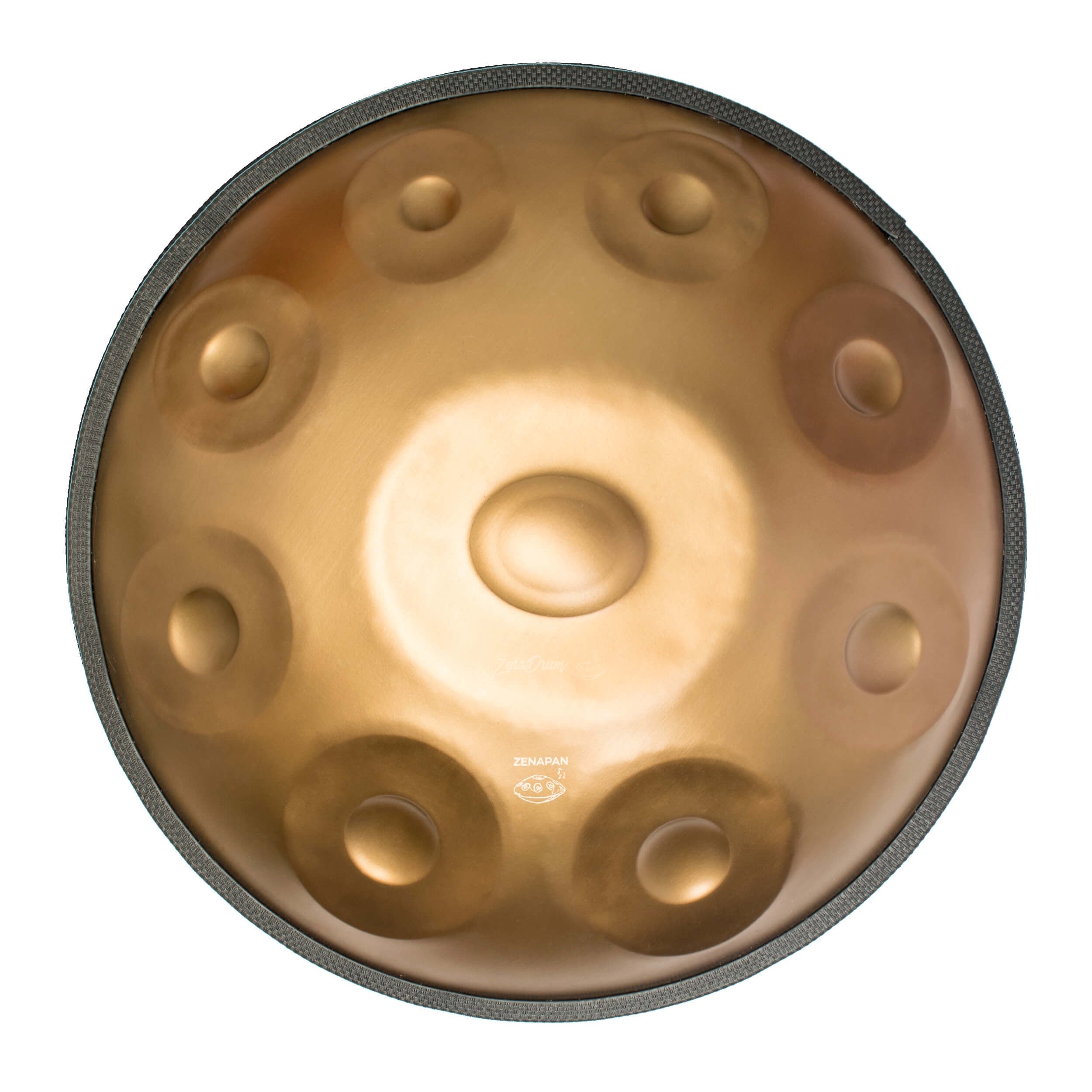
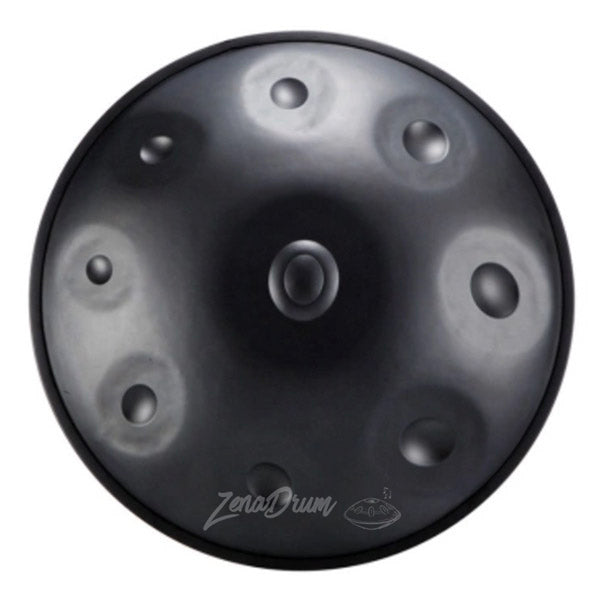
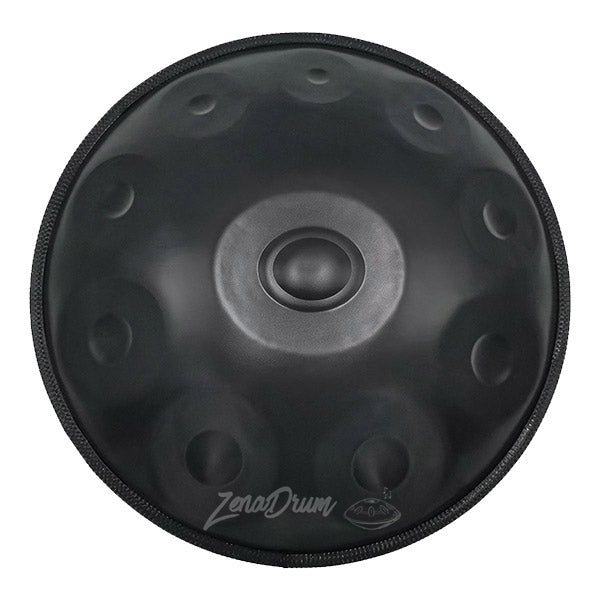
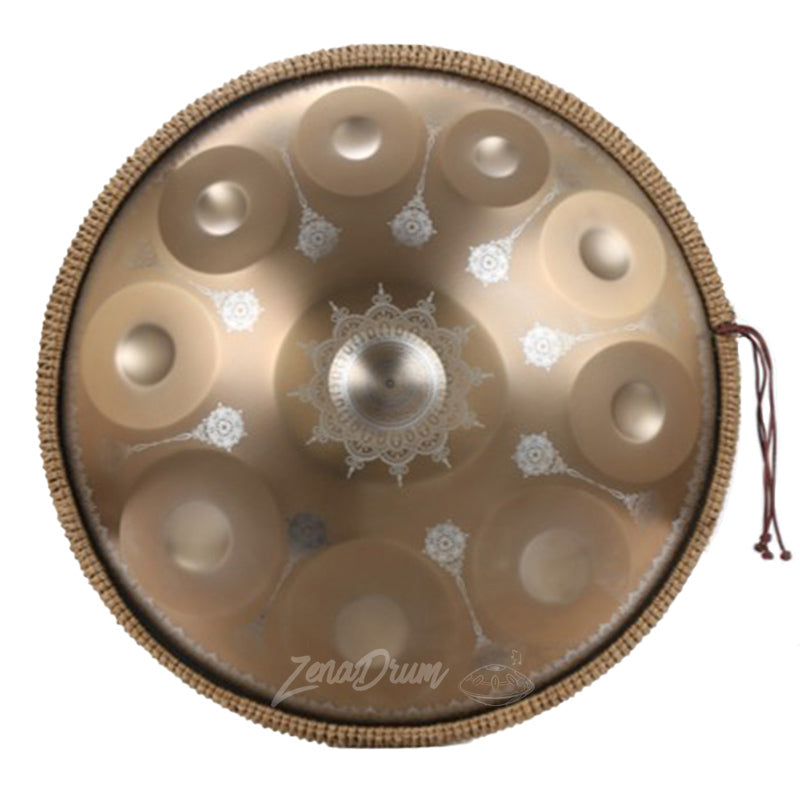
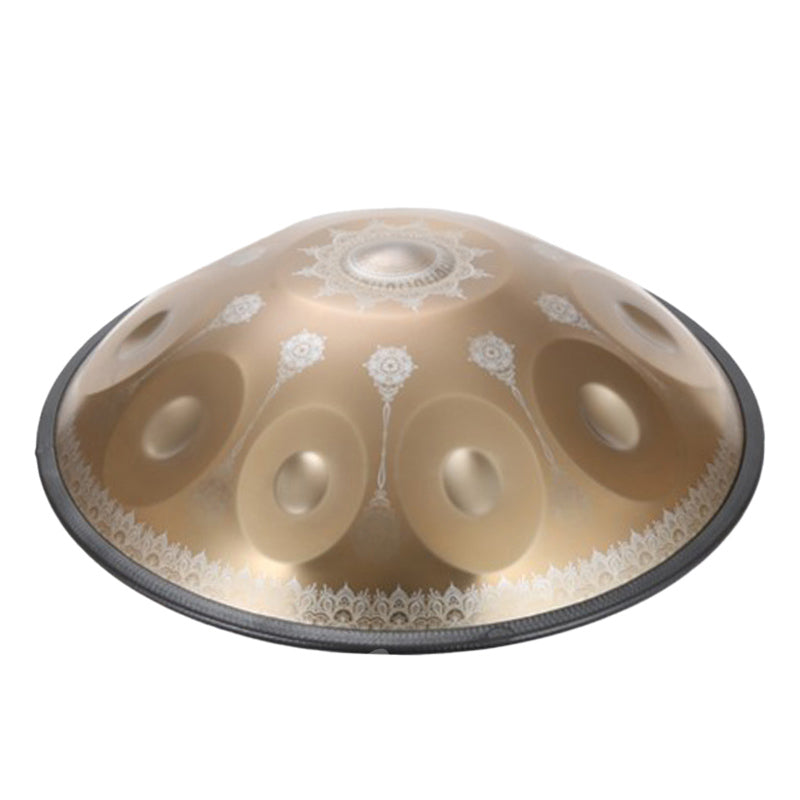
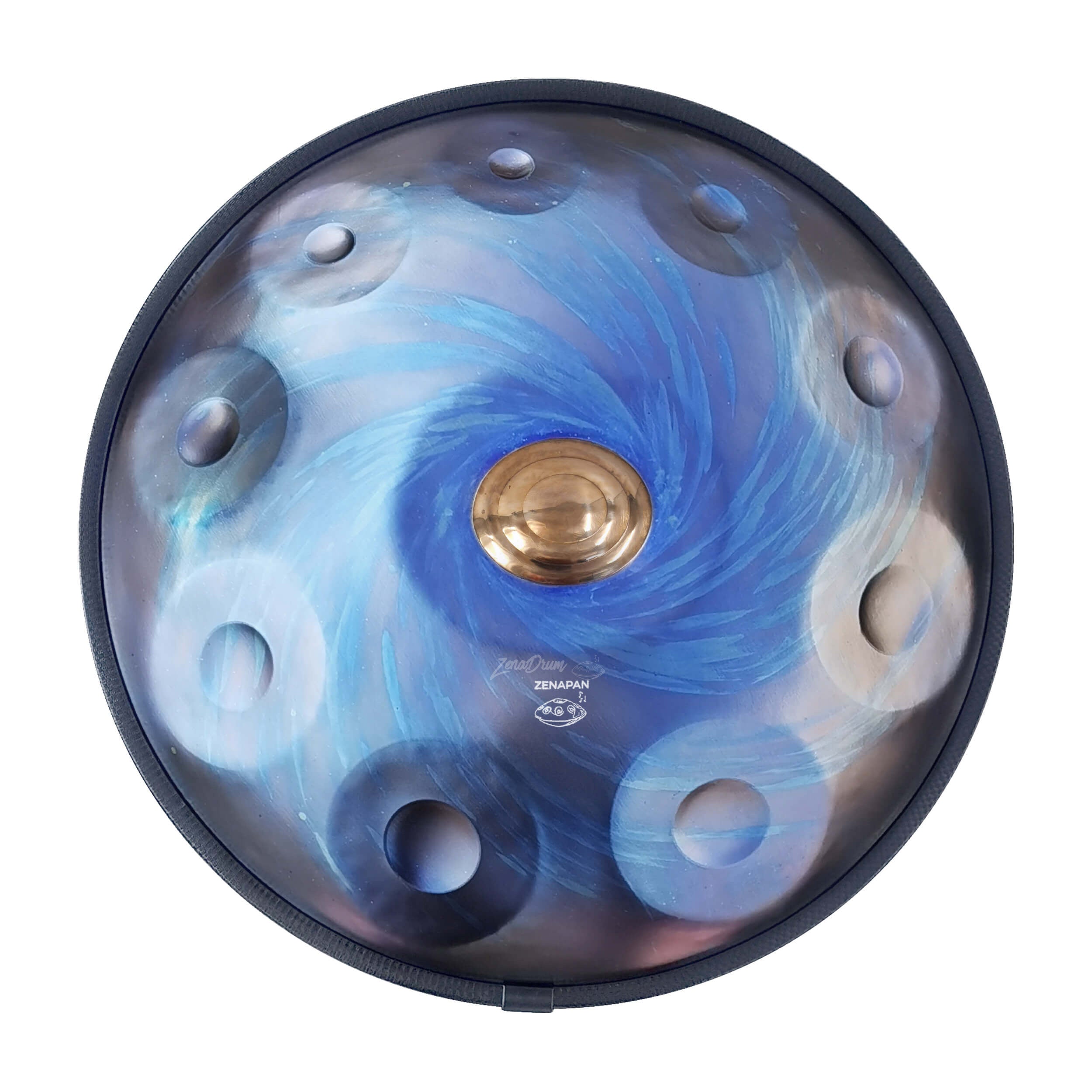
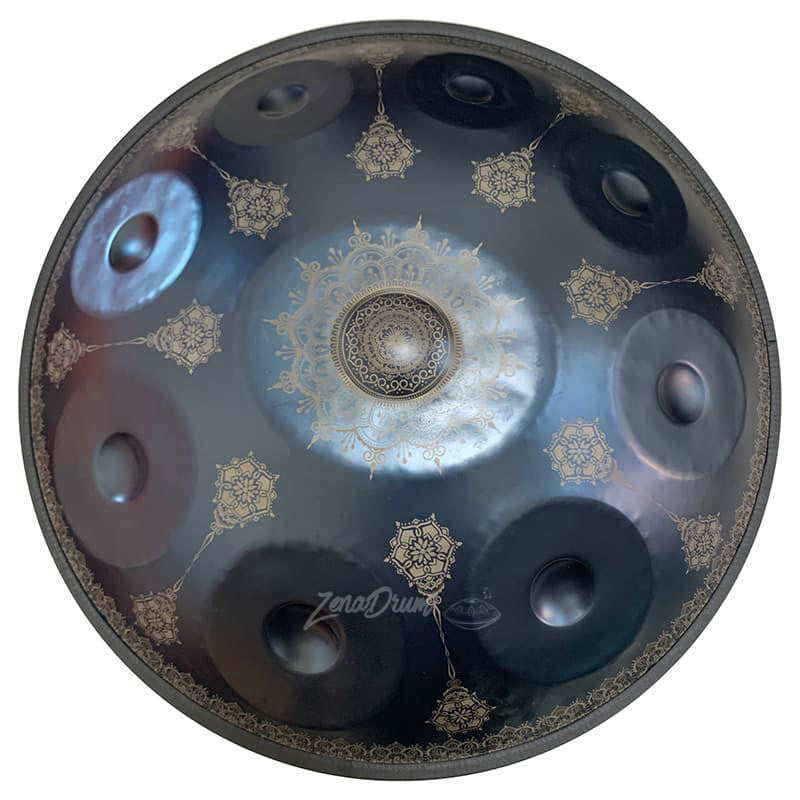
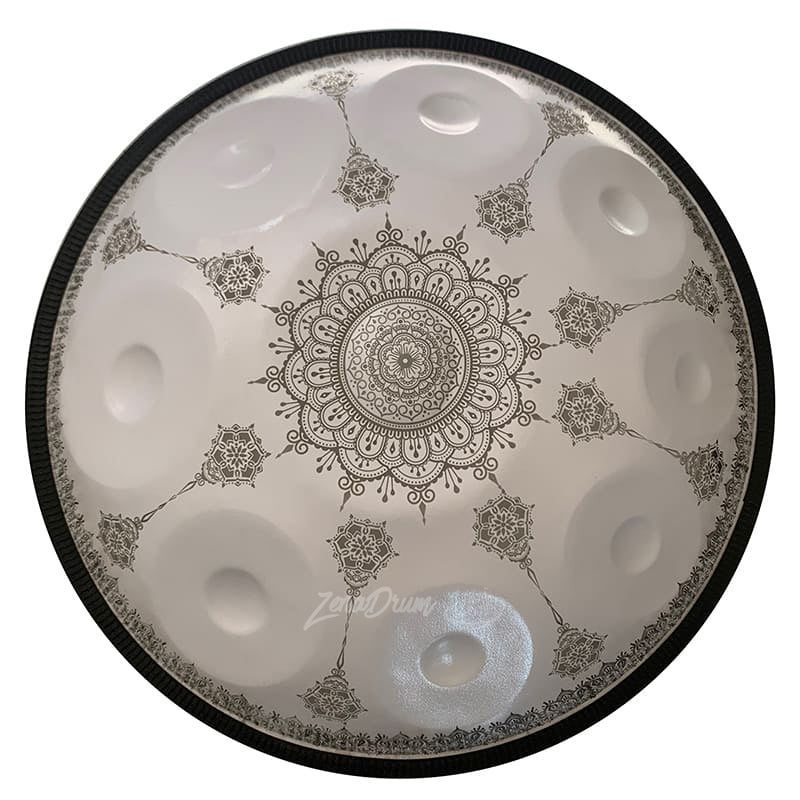
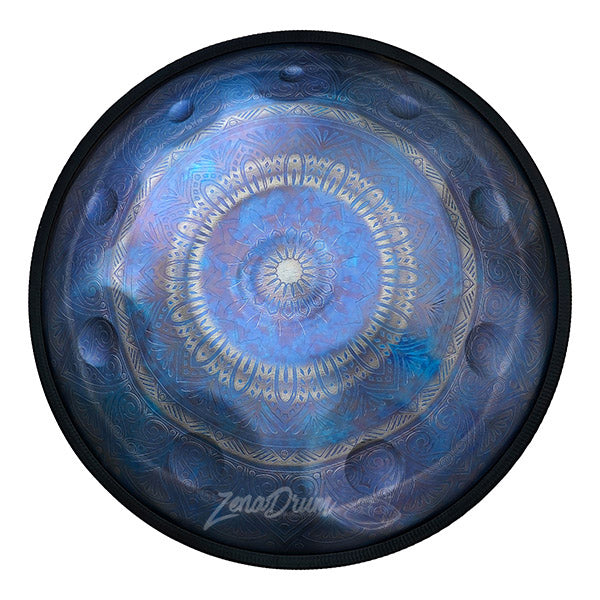
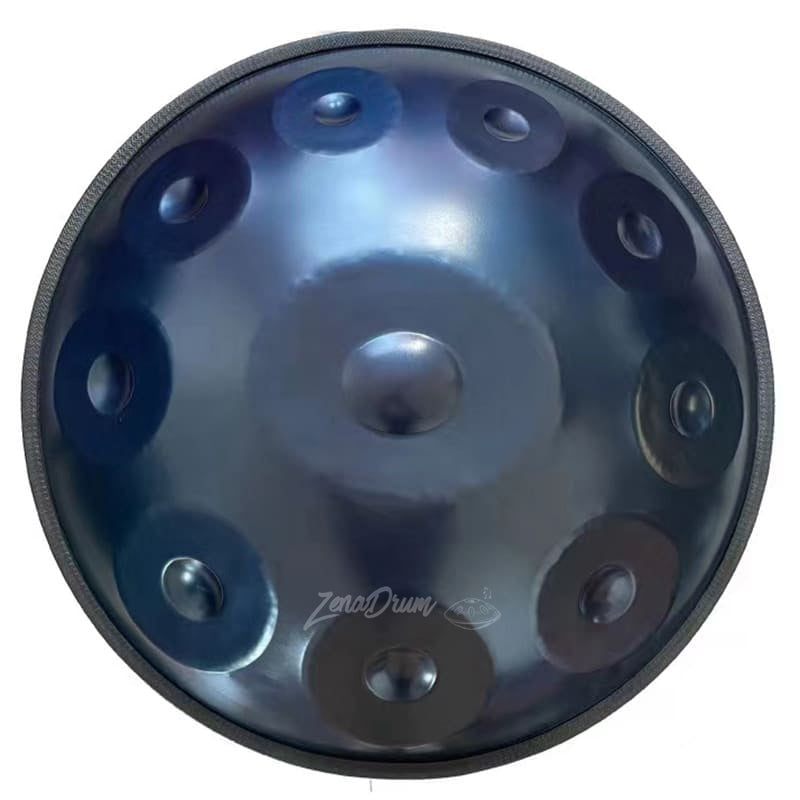
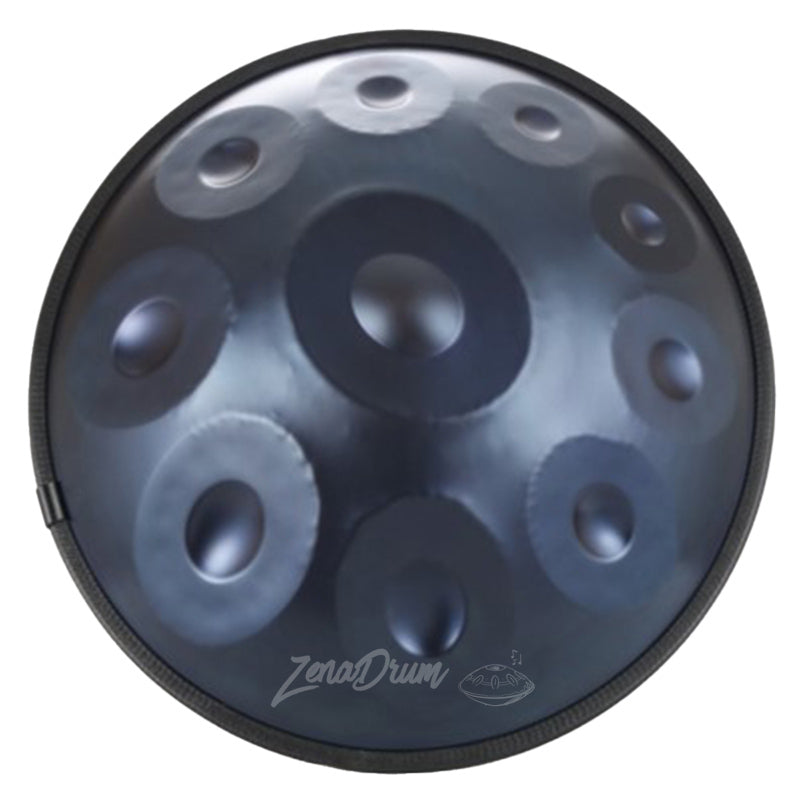
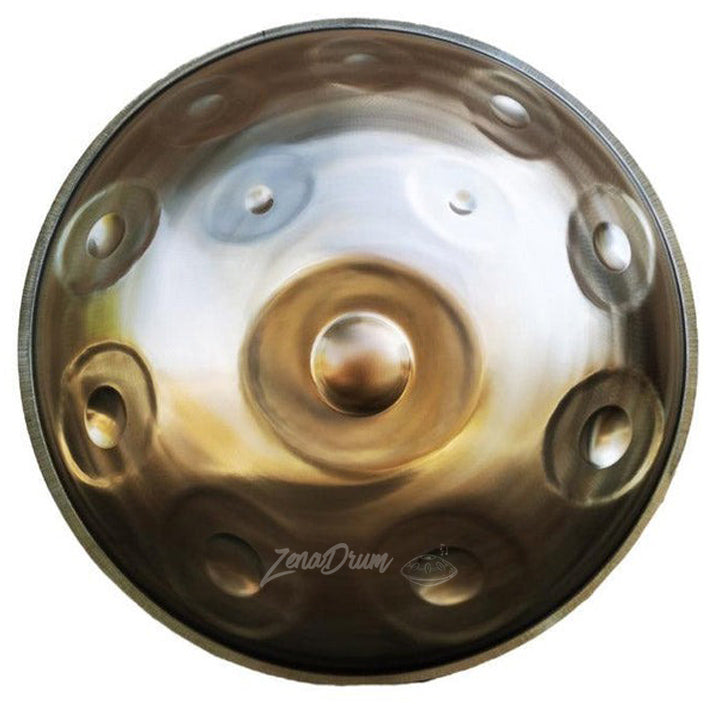
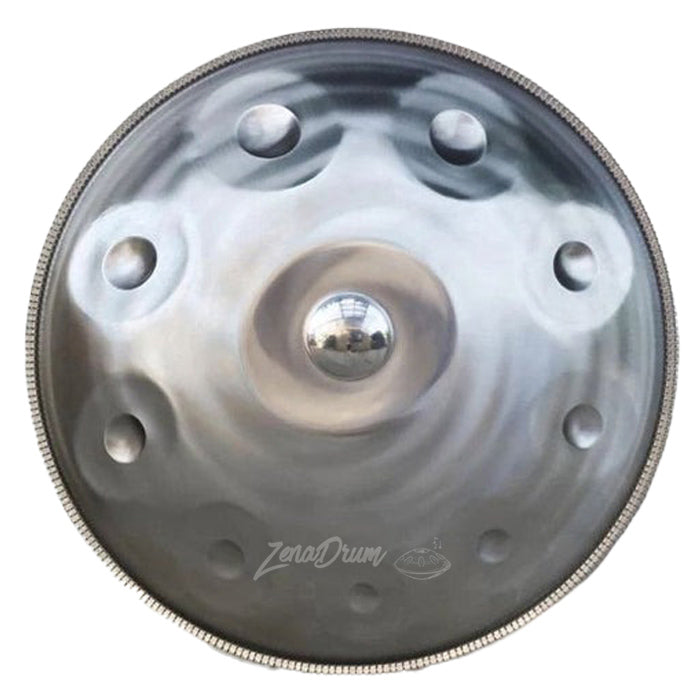
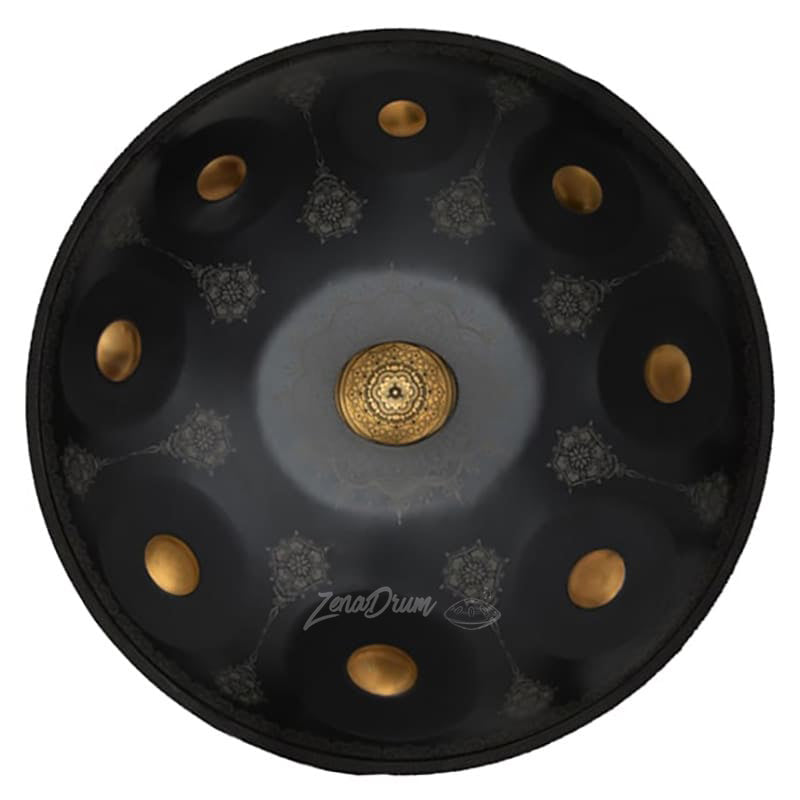
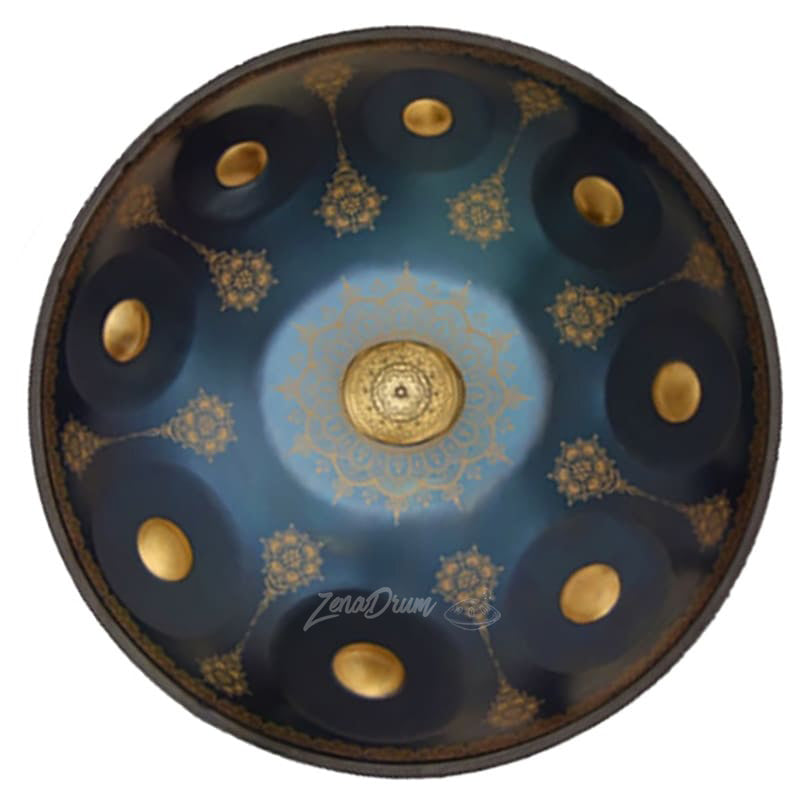
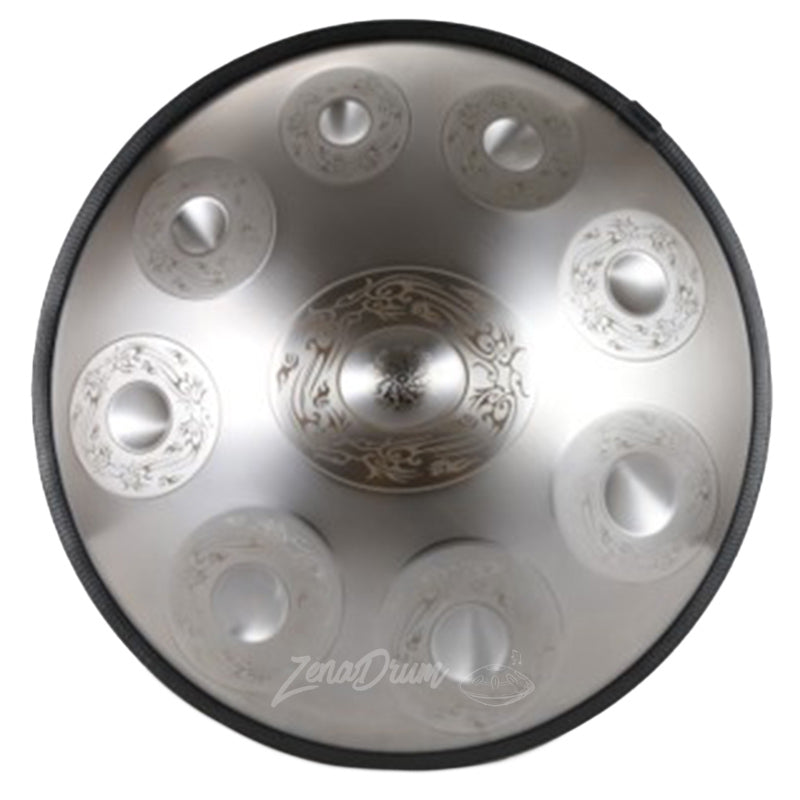
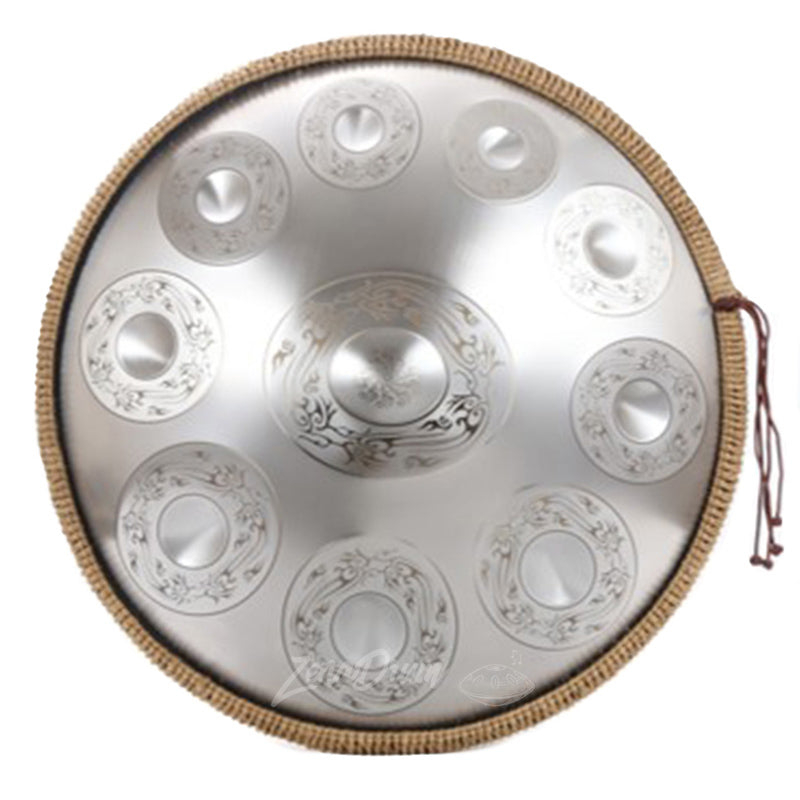
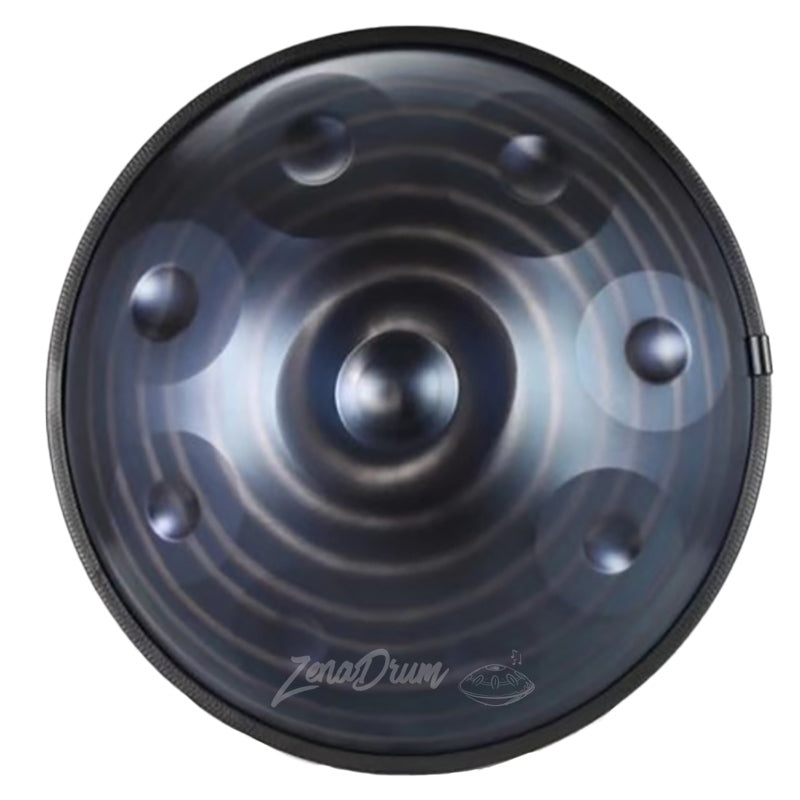
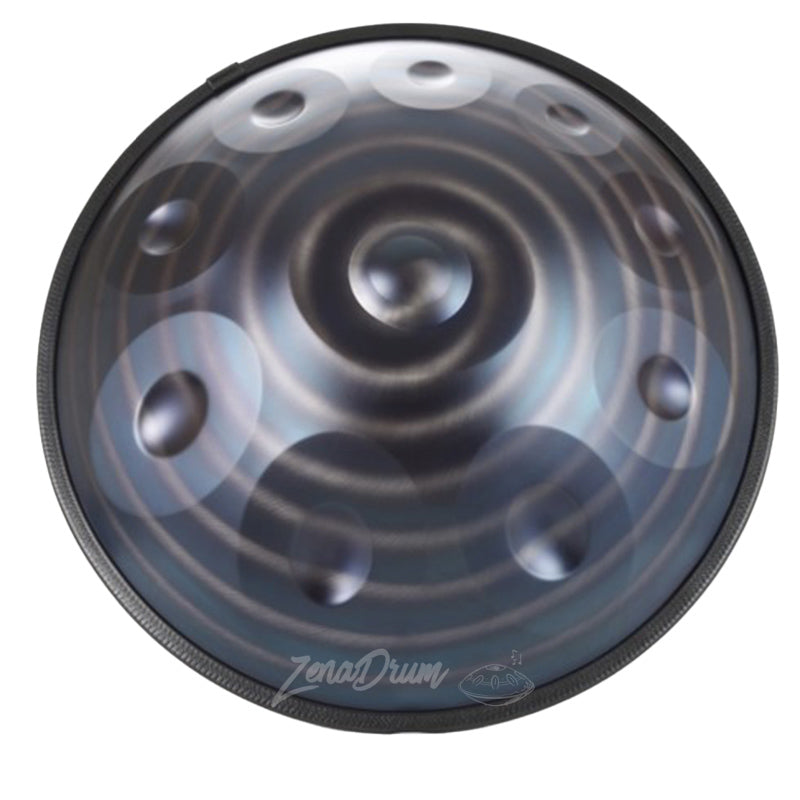
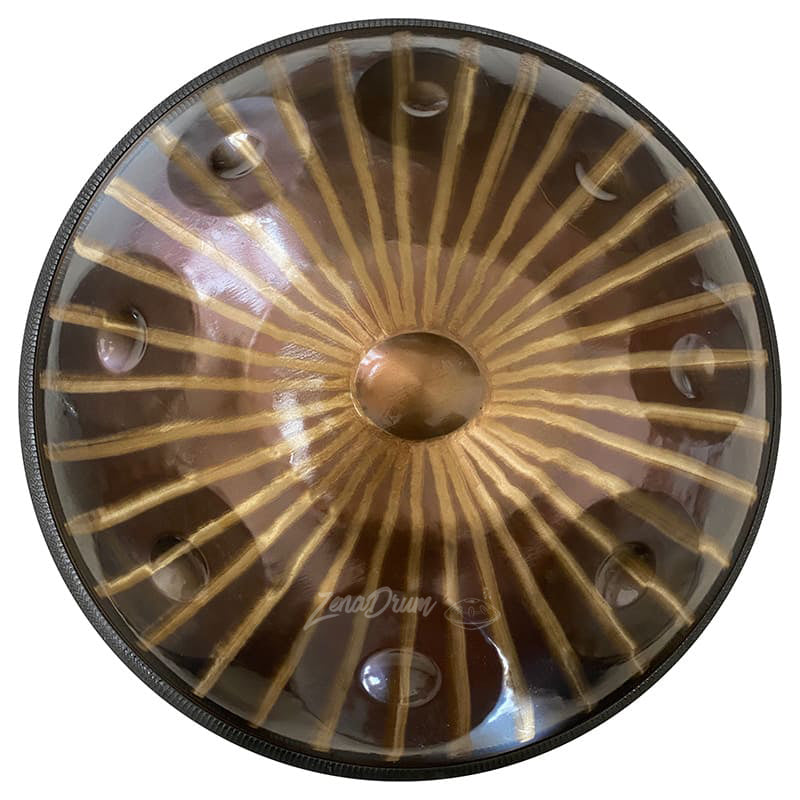
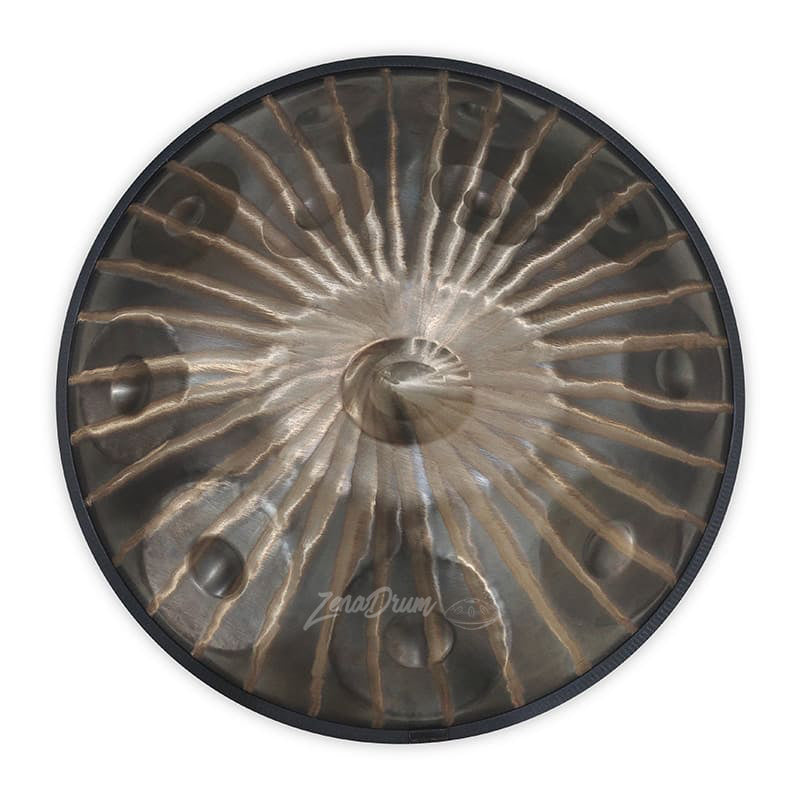
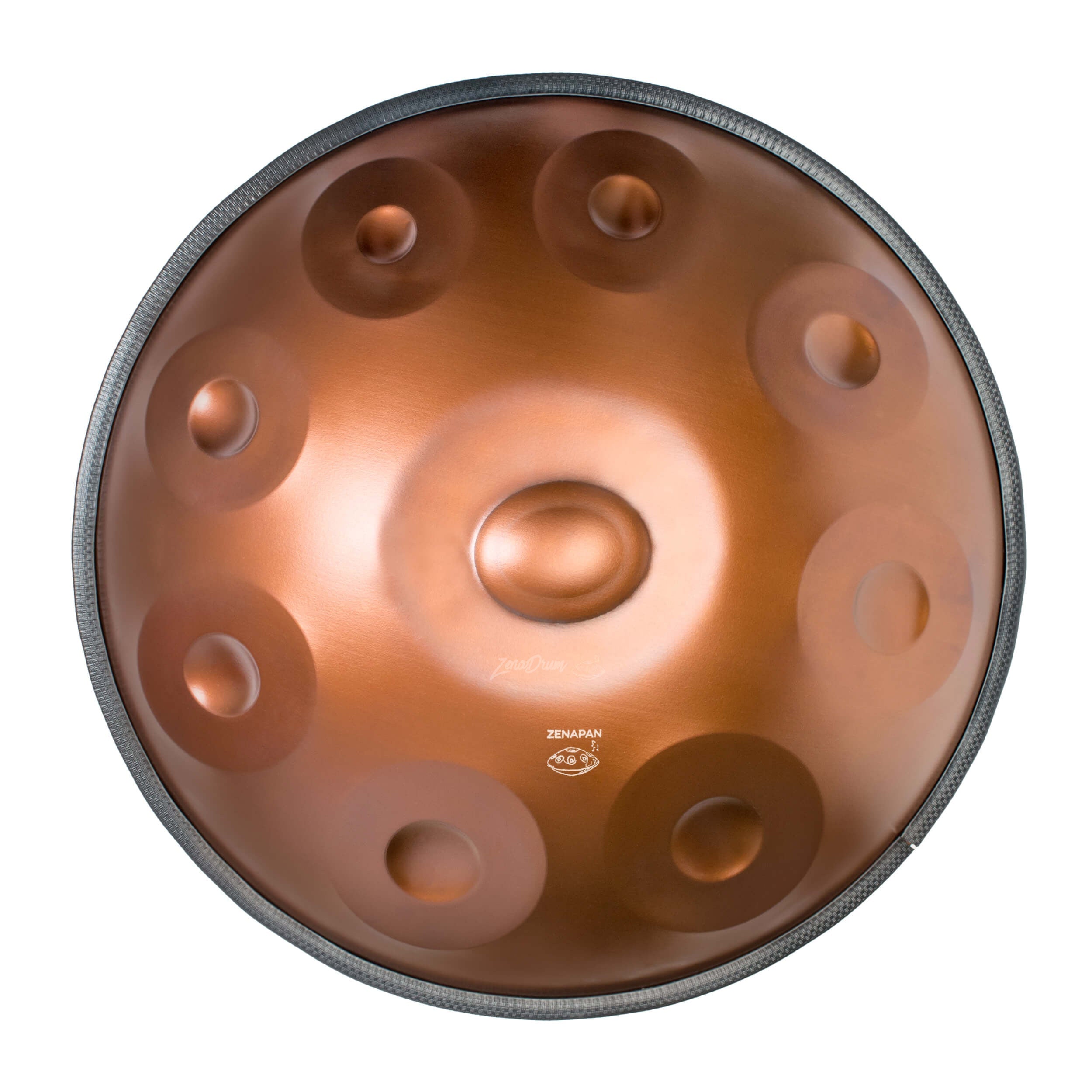
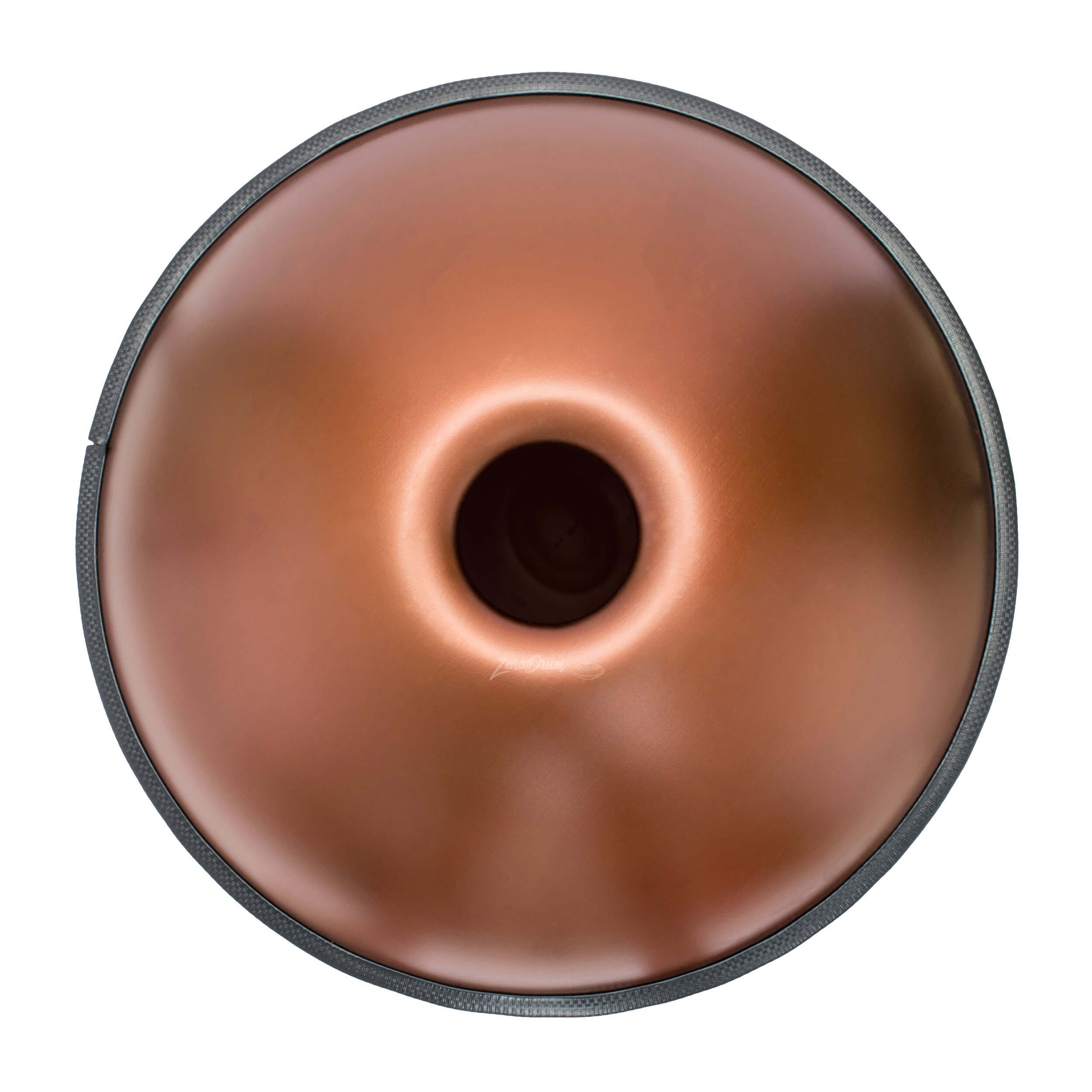
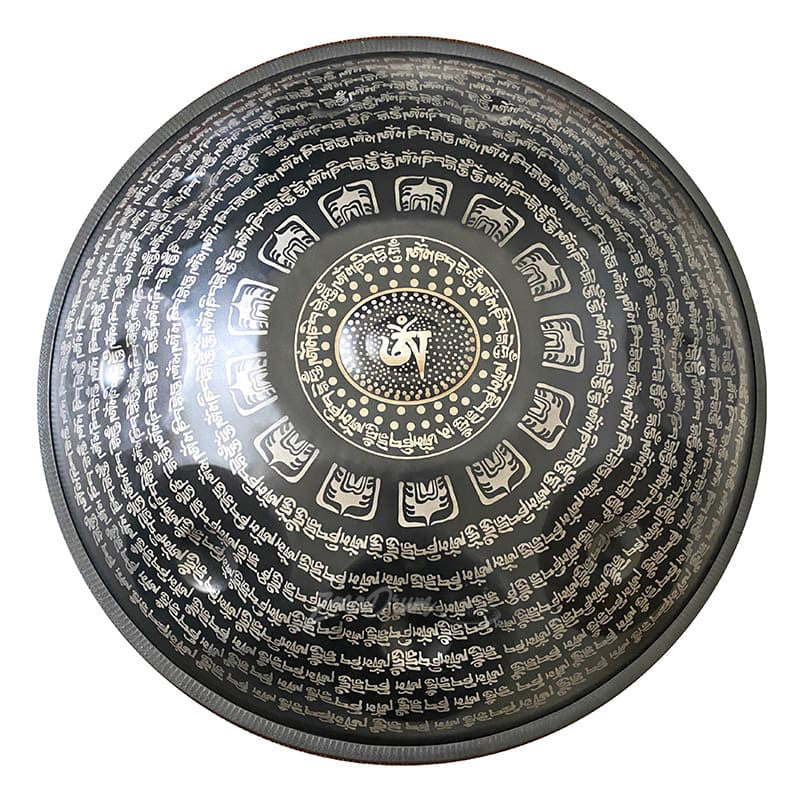
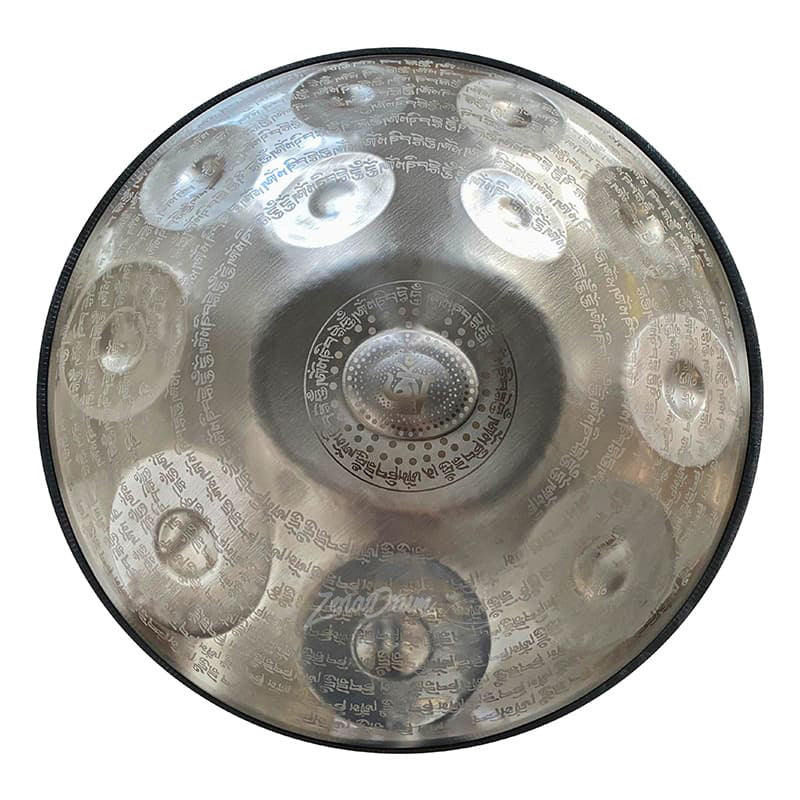
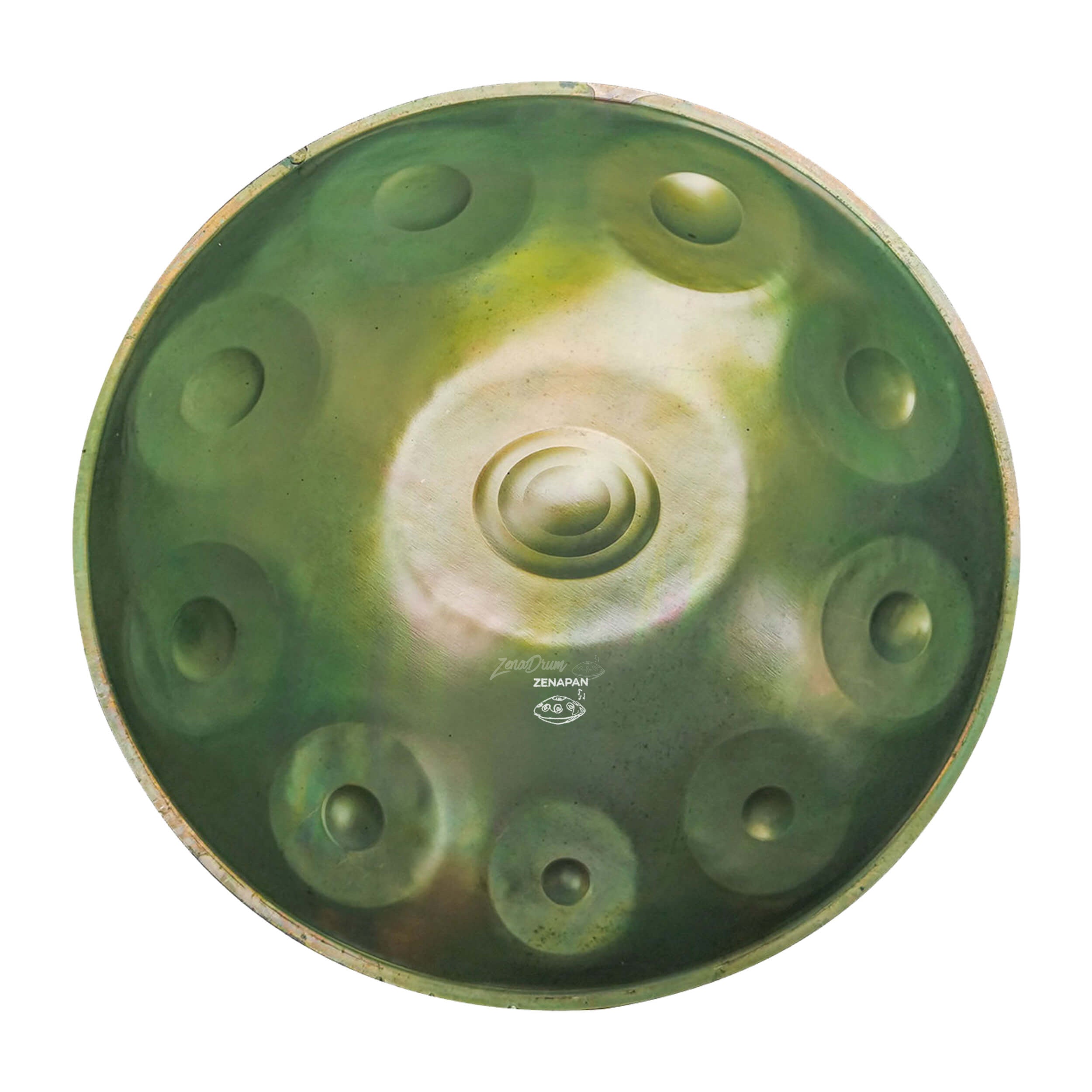
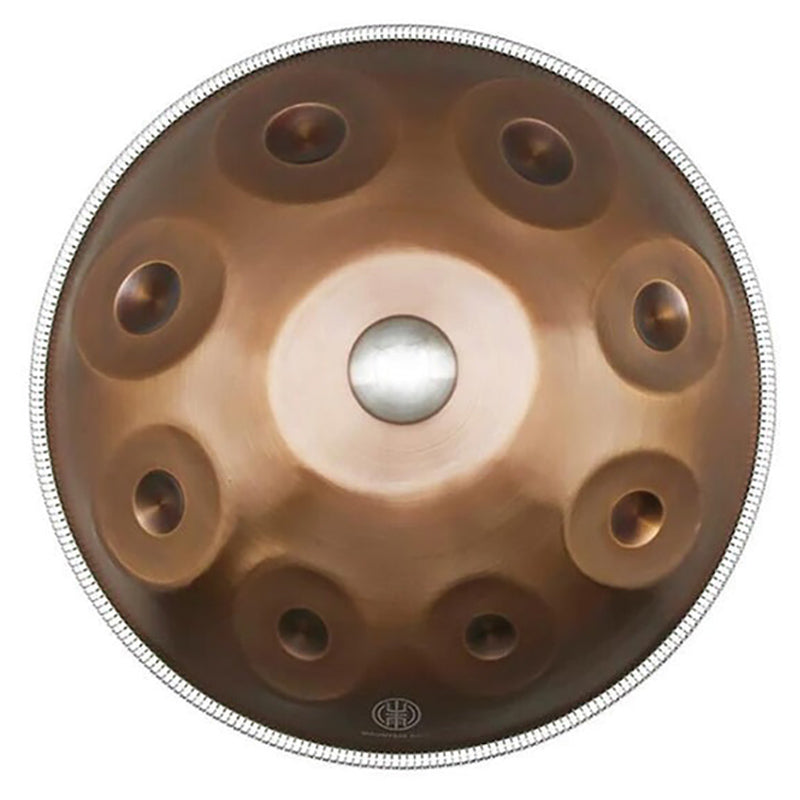
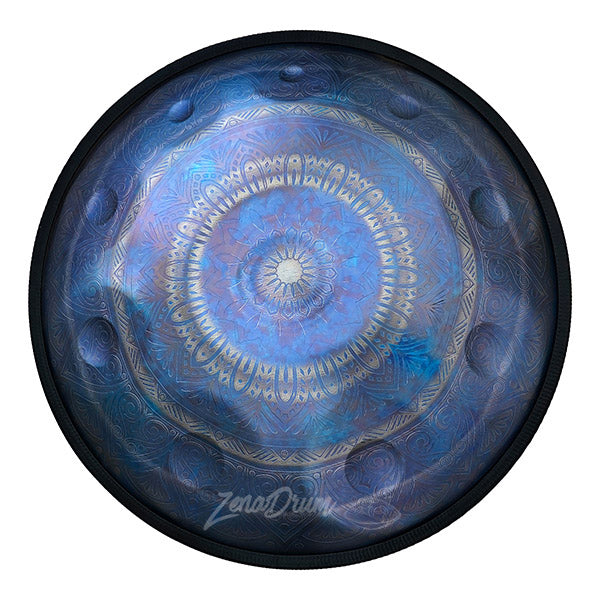
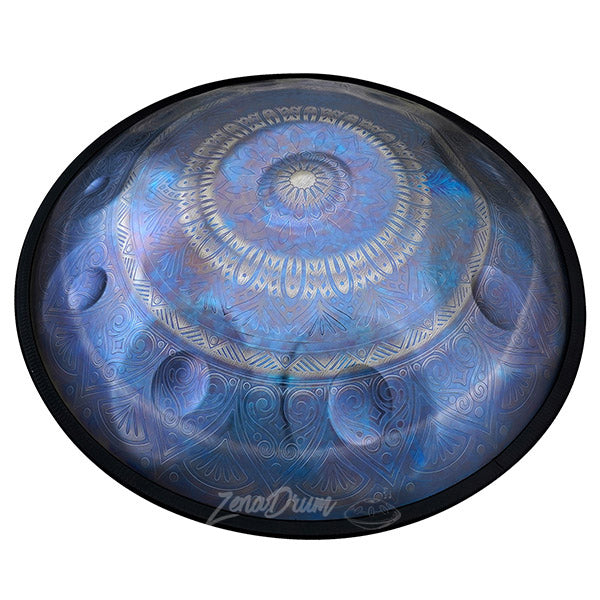
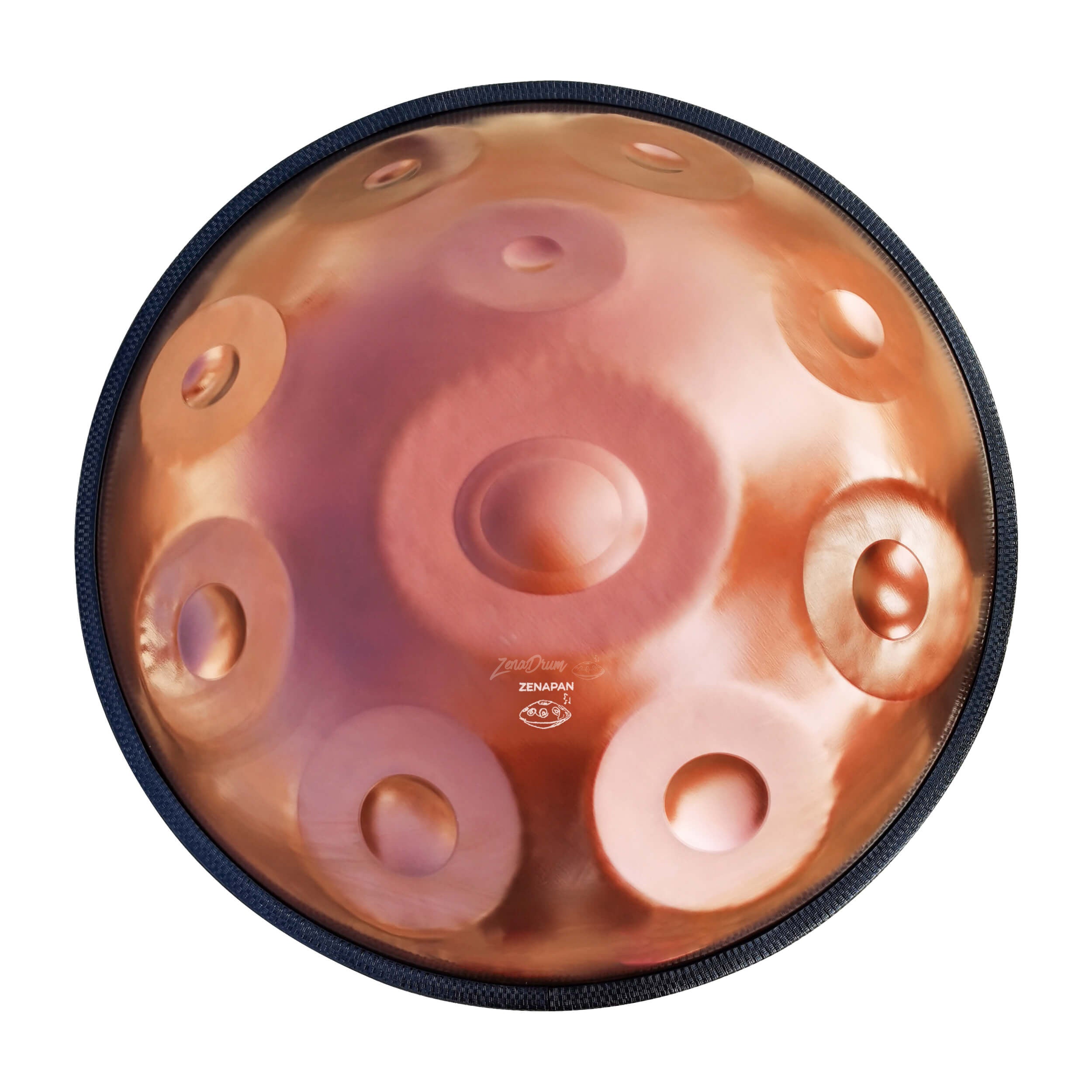
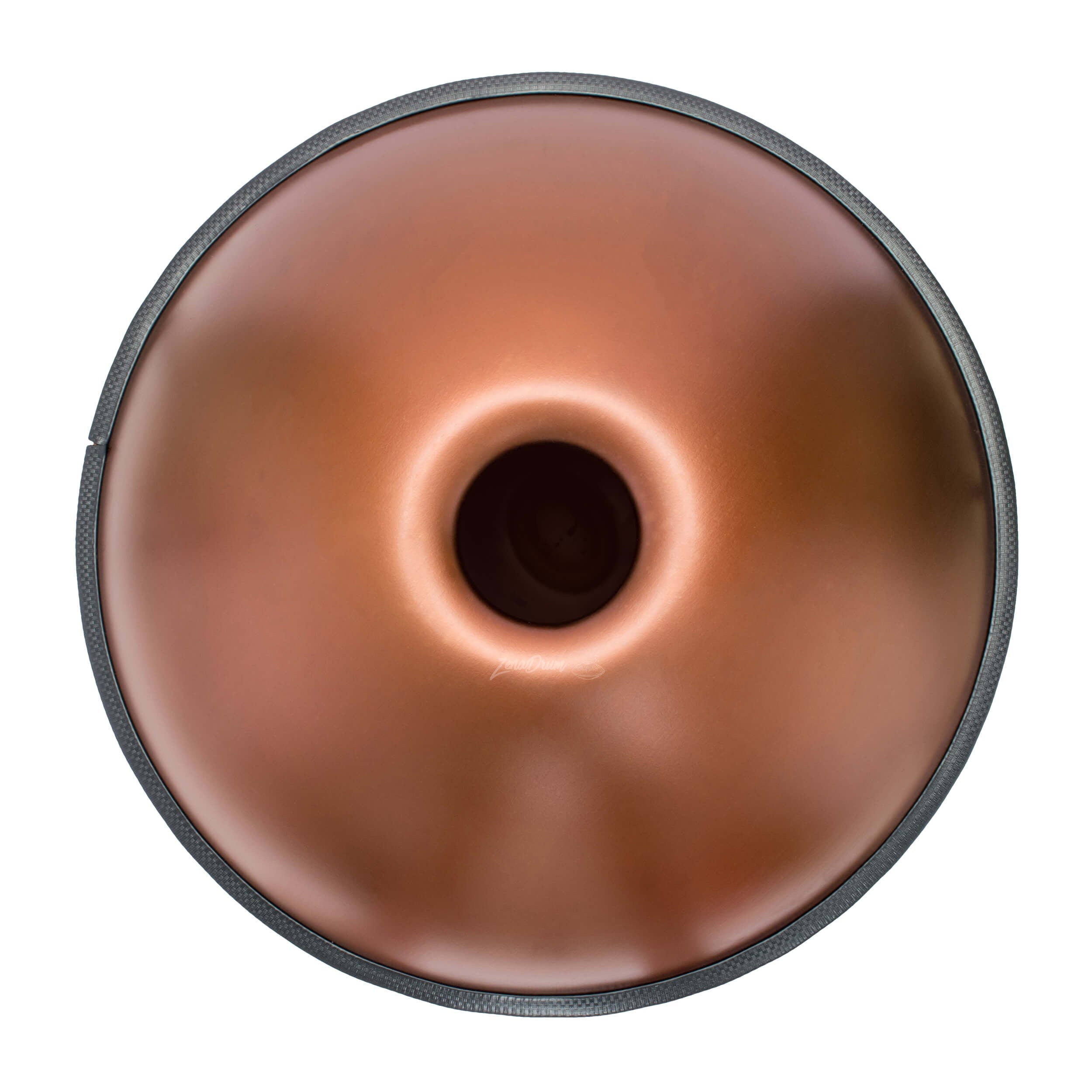
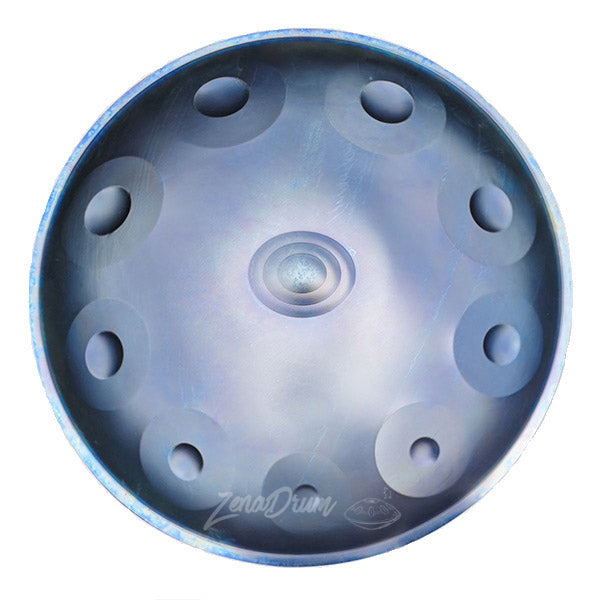
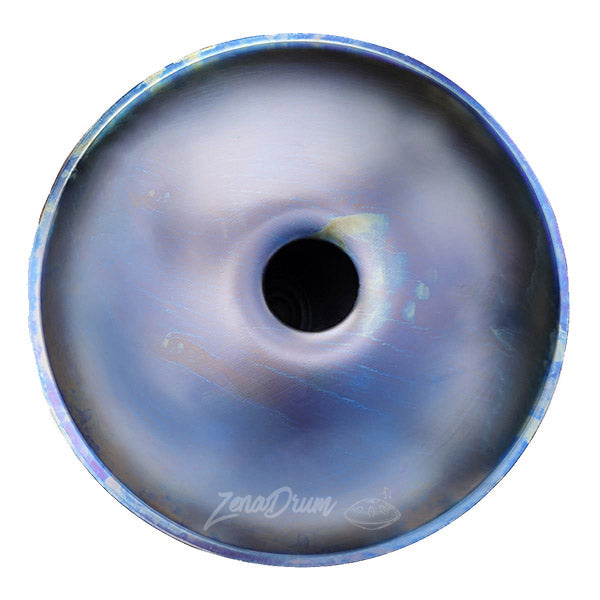
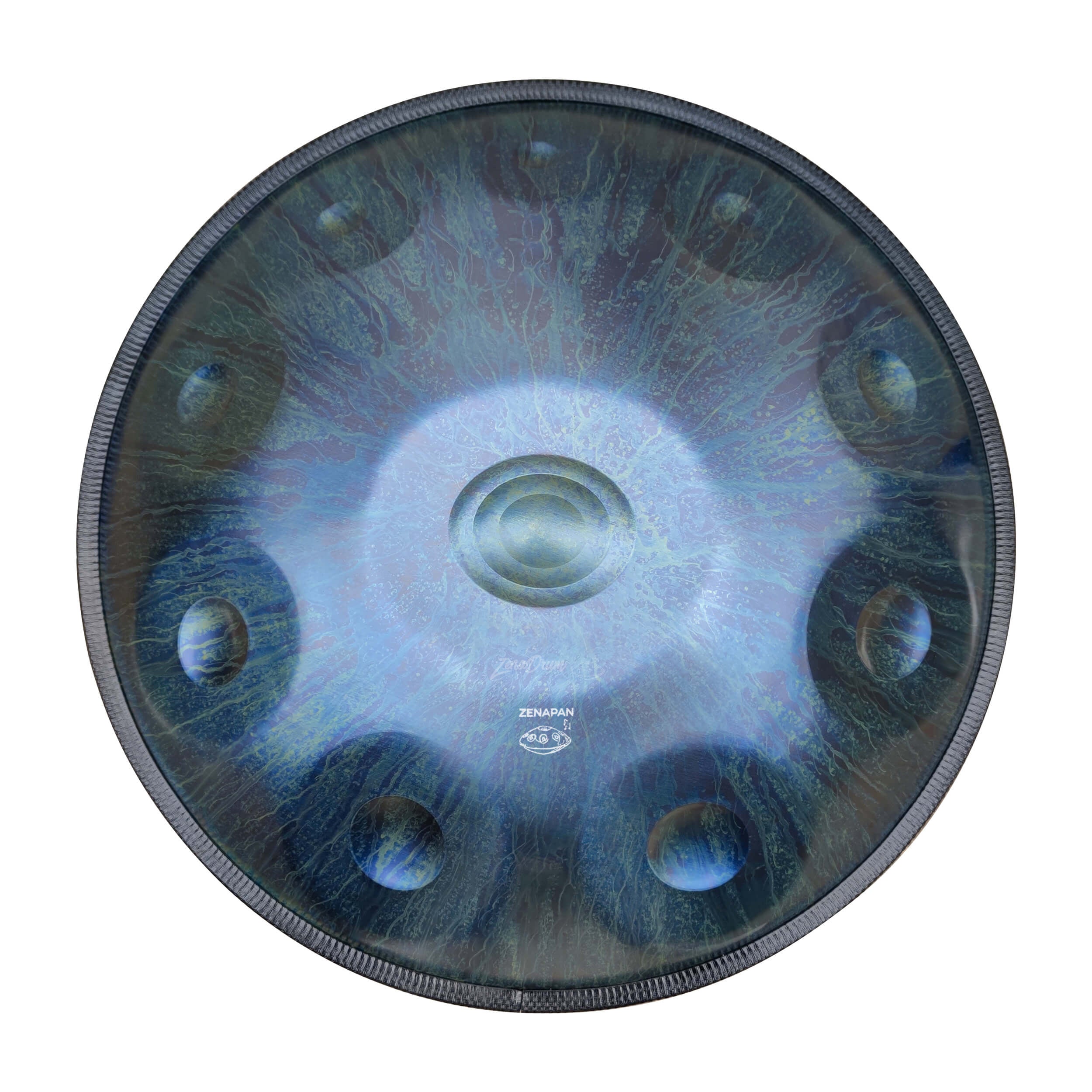
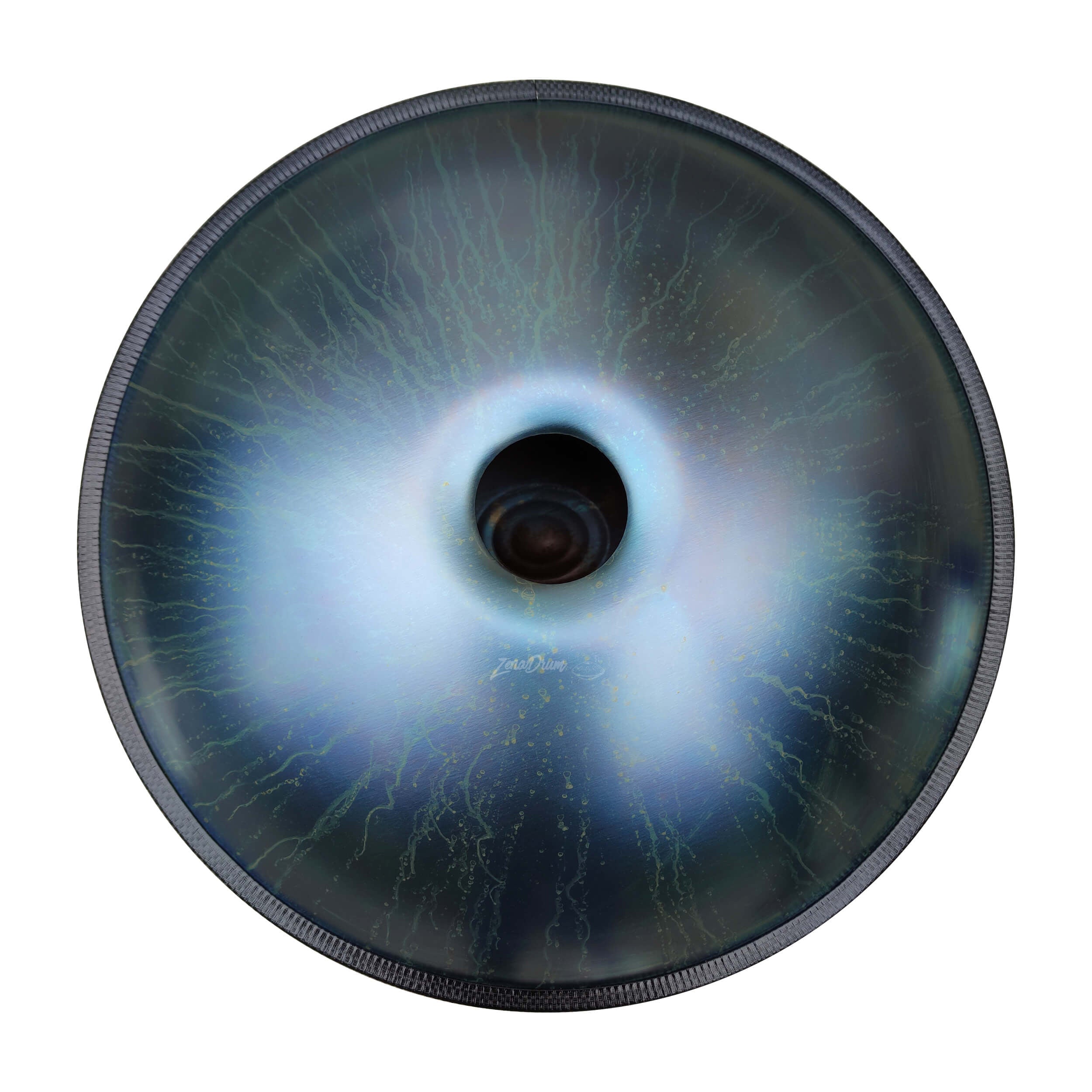
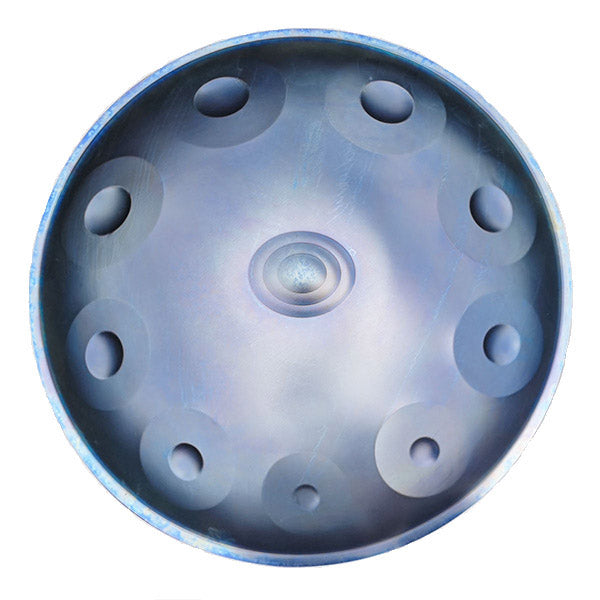
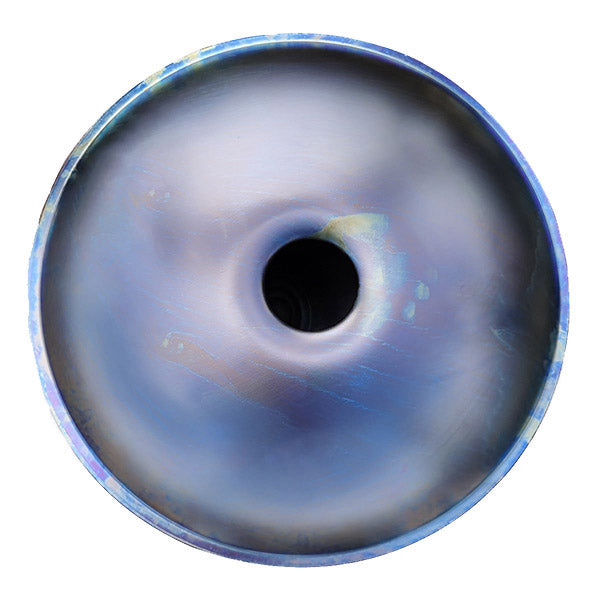
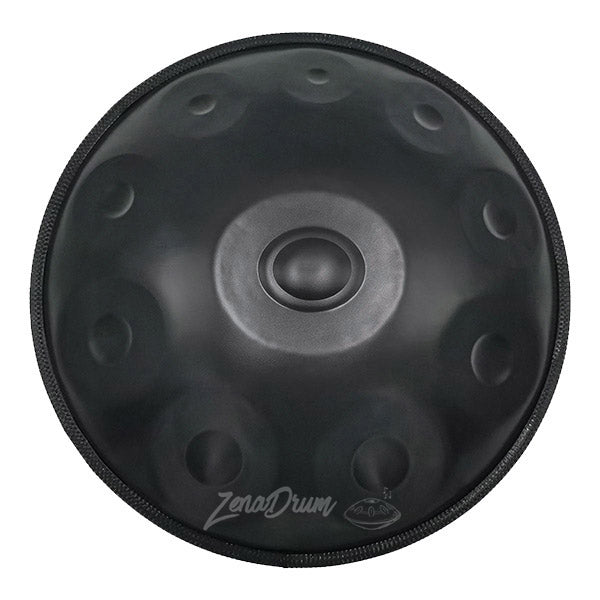
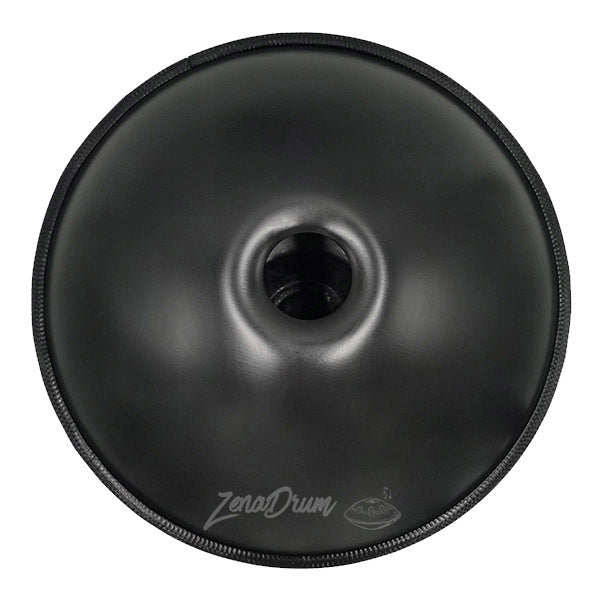
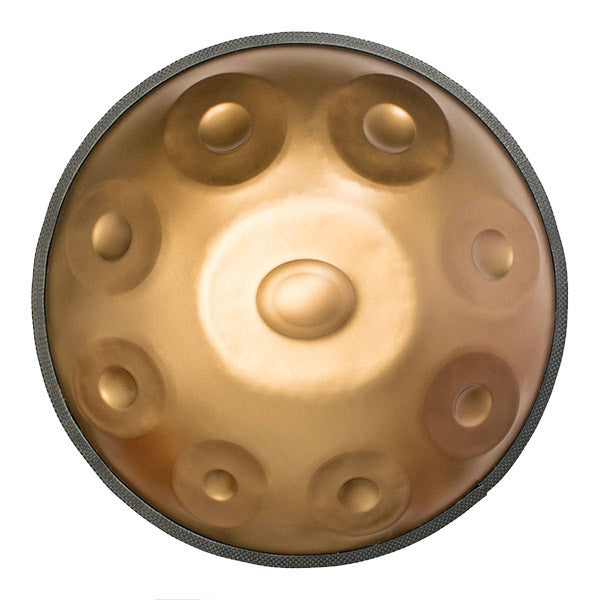
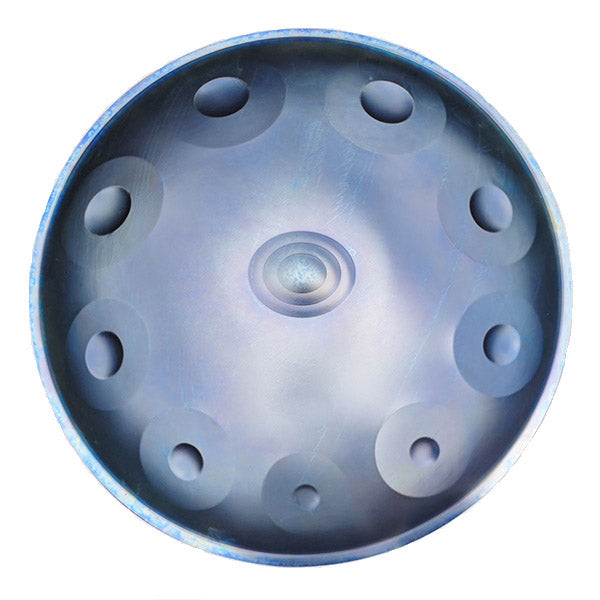
A handpan 10 notes takes the universally loved standard layout and adds one extra tone field — giving you expanded melodic range without a significant jump in complexity or price. At Healing Sounds, our 10 note handpan collection features instruments with one central Ding and nine surrounding tone fields on the top shell, providing one note beyond the standard octave. This additional note opens subtle but meaningful musical doors: an extra interval for richer phrases, a wider canvas for improvisation, and a stepping stone toward the extended-range instruments favored by intermediate and advanced players.
The 10-note handpan has quietly become one of the most popular upgrades in the steel percussion community. Players who started on a 9-note instrument often describe the moment they played a 10-note model as a revelation — that single extra tone field completes certain musical ideas that previously felt just out of reach. The physical difference is negligible: the shell diameter remains virtually identical, the weight increases by only a fraction, and the playing technique is the same. What changes is the range of musical expression available under your fingertips.
Whether you are upgrading from a 9-note or selecting your very first handpan, the 10-note configuration offers a compelling value proposition. Available in popular scales like D Minor, Celtic, and C Major, and crafted from stainless steel, nitrided steel, or ember steel, these instruments deliver everything the 9-note standard offers plus a touch more creative freedom. Visit our complete handpan collection to compare all configurations side by side.
What Does the Extra Note Add to a 10-Note Handpan?
The defining feature of a 10-note handpan is its ninth tone field — the single additional note that extends the instrument beyond the standard octave. Understanding what this note adds musically will help you decide whether the 10-note configuration is the right choice for your playing style.
Extended Melodic Range
On a standard 9-note handpan, you have exactly one octave of a diatonic scale. The tenth note typically adds one scale degree above the octave or one below the root, depending on the specific tuning. This extension allows you to play phrases that climb or descend beyond the boundaries of a single octave, creating more dynamic and expressive melodies. In practical terms, this means your ascending runs do not have to stop abruptly at the octave — they can continue for one more step, producing a more natural, satisfying musical arc.
Richer Harmonic Combinations
With nine tone fields instead of eight, you gain access to additional interval combinations that are impossible on a 9-note instrument. Certain chordal patterns, where you strike two or three notes simultaneously, become available for the first time. These combinations add harmonic depth to your playing without requiring you to learn fundamentally different techniques. The extra note also creates new possibilities for call-and-response patterns between your left and right hands.
Compositional Flexibility
Songwriters and composers find the 10-note layout particularly appealing because the additional note provides one more degree of freedom in melodic construction. Passages that feel slightly constrained on a 9-note instrument suddenly have room to breathe on a 10-note model. This is especially valuable when adapting melodies from other instruments — piano motifs, guitar riffs, or vocal lines that span slightly more than an octave can often be replicated on a 10-note handpan where they could not fit on a 9-note version.
Ideal Players for the 10-Note Configuration
The 10-note handpan occupies a sweet spot that serves several specific player profiles particularly well. Understanding which category you fall into will guide your decision.
Upgrading Players
If you already own and have outgrown a 9-note handpan or a 6-note model, the 10-note is the most natural next step. The playing technique is identical, so there is zero relearning curve. You simply gain one more note to incorporate into patterns you already know. Many experienced players describe the 10-note as the "perfected standard" — everything they loved about 9 notes, refined with a touch more range.
Ambitious Beginners
First-time buyers who know they want more than the bare minimum often gravitate toward the 10-note configuration. The learning curve is virtually identical to a 9-note instrument, and the small additional investment buys you a note you will never have to upgrade to get. Our beginner's buying guide recommends the 10-note layout for players who want room to grow without jumping to the complexity of a 12-note or higher model.
Performers and Recording Artists
For live performance and studio recording, the extra note provides subtle but meaningful creative options. Performers benefit from the additional interval when building setlists, transitioning between pieces, or responding to audience energy in improvised passages. In the studio, the wider pitch range creates a fuller-sounding instrument on recordings, giving producers more melodic material to work with during mixing. Consult our complete handpan guide for recording tips and performance advice.
Scale Selection for 10-Note Handpans
The 10-note handpan is available in all the major scales that define the instrument family. The extra note means each scale has one more degree of expression compared to its 9-note version. Here are the most popular options:
D Minor (Kurd) — The world's most popular handpan scale gains additional depth with a tenth note. In 10-note D Minor, you often get an extended lower register or an upper ninth, adding new musical territory to an already beloved tuning.
G Minor — Dramatic, emotional, and deeply expressive. The tenth note amplifies G Minor's cinematic quality by extending its range into more intense tonal territory.
C Major — Bright and joyful. With ten notes, C Major gains additional cheerful intervals perfect for outdoor performances and therapeutic applications.
Celtic Minor — The mystical folk character of the Celtic scale benefits from the extended range, allowing players to build longer, more elaborate melodic phrases. Our scales guide provides audio comparisons and detailed scale analyses.
10-Note Handpan Pricing: What to Expect
A quality 10-note handpan typically costs between $900 and $1,500, positioning it slightly above the 9-note range ($800 to $1,400) but well below the premium-tier models with 12, 14, or 17 notes. The price difference between a 9-note and a 10-note instrument in the same scale and material is generally modest — often $50 to $150 — making the upgrade remarkably cost-effective for the added musical value.
The exact price depends on three primary factors:
Material — Stainless steel commands the highest premium due to raw material costs and manufacturing complexity. Nitrided steel offers the best value-per-note ratio.
Scale complexity — Some tunings require more precision work during the hammering and tuning process, which may affect the final price.
Finish and aesthetics — Flame-colored, hand-painted, or custom-finished instruments carry premium pricing regardless of note count.
For detailed buying advice and tips on evaluating handpan quality at any price point, read our guide to buying handpans online.
Adapting Your Playing Technique for 10 Notes
If you are coming from a 9-note instrument, adapting to the 10-note handpan is seamless. The fundamental layout — Ding in the center, tone fields in a circle — remains identical. The ninth tone field fits naturally into the existing pattern, and your muscle memory transfers completely. Here are techniques that take particular advantage of the extra note:
Extended Scales and Arpeggios
With a full octave plus one additional degree, you can play longer scale runs that ascend or descend beyond the octave boundary. This creates more natural-sounding phrases because the melody does not have to reverse direction prematurely. Practice ascending and descending through all ten notes until the extra field feels as natural as the original eight.
Wider Interval Leaps
The additional note enables larger melodic intervals — jumps of a ninth or a tenth — that add drama and surprise to your playing. These wide leaps are particularly effective in performances where you want to build tension and release. Strike the Ding, leap to the highest tone field, and let the overtones ring out to create a powerful, resonant statement.
Two-Handed Chord Voicings
The extra tone field gives you access to new simultaneous note combinations. Experiment with striking two non-adjacent tone fields at the same time — the ninth note often creates especially rich combinations when paired with notes in the lower register. Our playing tips guide includes exercises for developing these two-handed voicings on extended-range instruments.
How the 10-Note Compares to Neighboring Configurations
The 10-note handpan is the closest sibling to the 9-note standard. If you are deciding between the two, the question is simple: do you want maximum tutorial compatibility (9 notes) or slightly more creative room for a marginal price increase (10 notes)? Both are excellent instruments — the 10-note simply gives you a bit more canvas to paint on.
Maintaining Your 10-Note Handpan
Care requirements for a 10-note handpan are identical to those of any other handpan configuration. The additional tone field does not change the maintenance routine — the same cleaning, oiling, and storage practices apply.
Wipe the instrument after every session with a soft microfiber cloth. Oil nitrided and ember steel models every two to four weeks using a dedicated handpan oil or fractionated coconut oil. Store in a padded case at a consistent temperature and humidity level. The 10-note's standard diameter means all common handpan cases will fit properly. For a complete maintenance walkthrough, see our handpan care guide.
The extra note on a 10-note handpan is a ninth tone field added to the standard 9-note layout of one Ding plus eight tone fields. Depending on the specific scale and maker, this additional note is typically either the ninth degree of the scale (extending one step above the octave) or an additional lower note below the root. In either case, the extra tone field expands the melodic range beyond one full octave, giving you access to wider intervals, longer scale runs, and richer harmonic combinations that are impossible on a standard 9-note instrument.
A 10-note handpan is nearly identical to a 9-note in terms of size, weight, and playing technique — the only physical difference is one additional tone field on the top shell. The melodic range extends slightly beyond the full octave, providing more compositional freedom and richer interval possibilities. The price difference is typically modest, ranging from $50 to $150 more than an equivalent 9-note model. The main trade-off is tutorial compatibility: most handpan tutorials are designed for the 9-note layout, though all techniques transfer directly to the 10-note configuration with the added benefit of one more note to explore.
Absolutely. A 10-note handpan is an excellent choice for beginners because its learning curve is virtually identical to the standard 9-note layout. One extra tone field does not add meaningful complexity — all the same beginner techniques apply, and the harmonically tuned scale ensures every note combination sounds pleasing. Many first-time buyers choose 10 notes over 9 specifically because the marginal additional investment provides room to grow without needing an upgrade later. If you are new to handpan playing, consult our beginner's playing guide to get started.
The price difference between a 10-note and a 9-note handpan in the same scale and material is typically $50 to $150. This makes the 10-note one of the most cost-effective upgrades in the handpan world — you gain an additional tone field for a modest premium. Quality 10-note handpans generally range from $900 to $1,500 total, compared to $800 to $1,400 for 9-note models. The exact price depends on material (stainless steel costs more than nitrided steel), scale complexity, and finish quality.
The 10-note handpan is available in all major scales offered in the handpan family. The most popular options include D Minor (Kurd), G Minor, C Major, and Celtic Minor. Each scale gains additional expressiveness from the extra tone field — the extended range allows for longer melodic phrases and wider intervals compared to the same scale in 9-note form. Less common scales are also available in 10-note configurations, though availability may vary. Check our handpan scales guide for a complete overview of available tunings and their emotional characteristics.
Treat yourself to a relaxing moment
With our best instruments. Handcrafted from the finest materials.
Created by healing enthousiasts
We know your needs because we use our products too. We are the first users.
Money-back guarantee
You have 60 days to return your order if it doesn't fit (you'll love it anyway).
100% secured payments
So you can remain in deep peace until you receive your order.