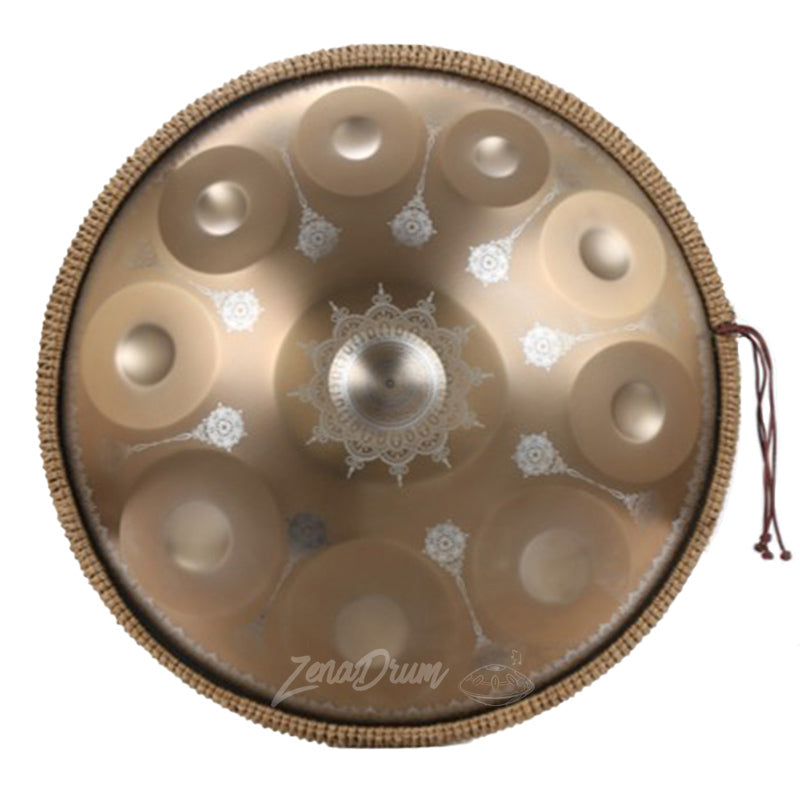
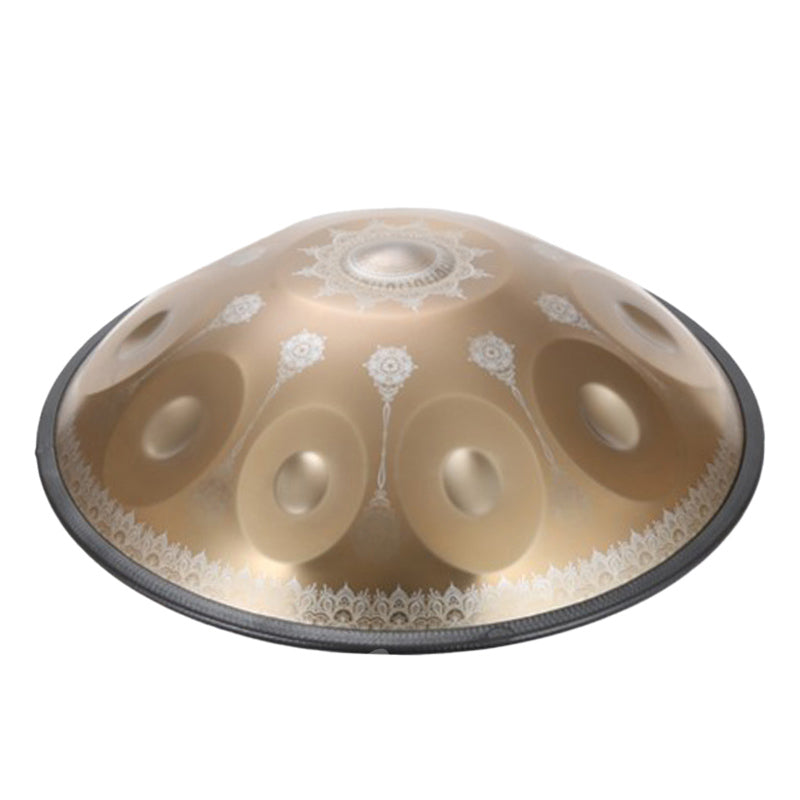
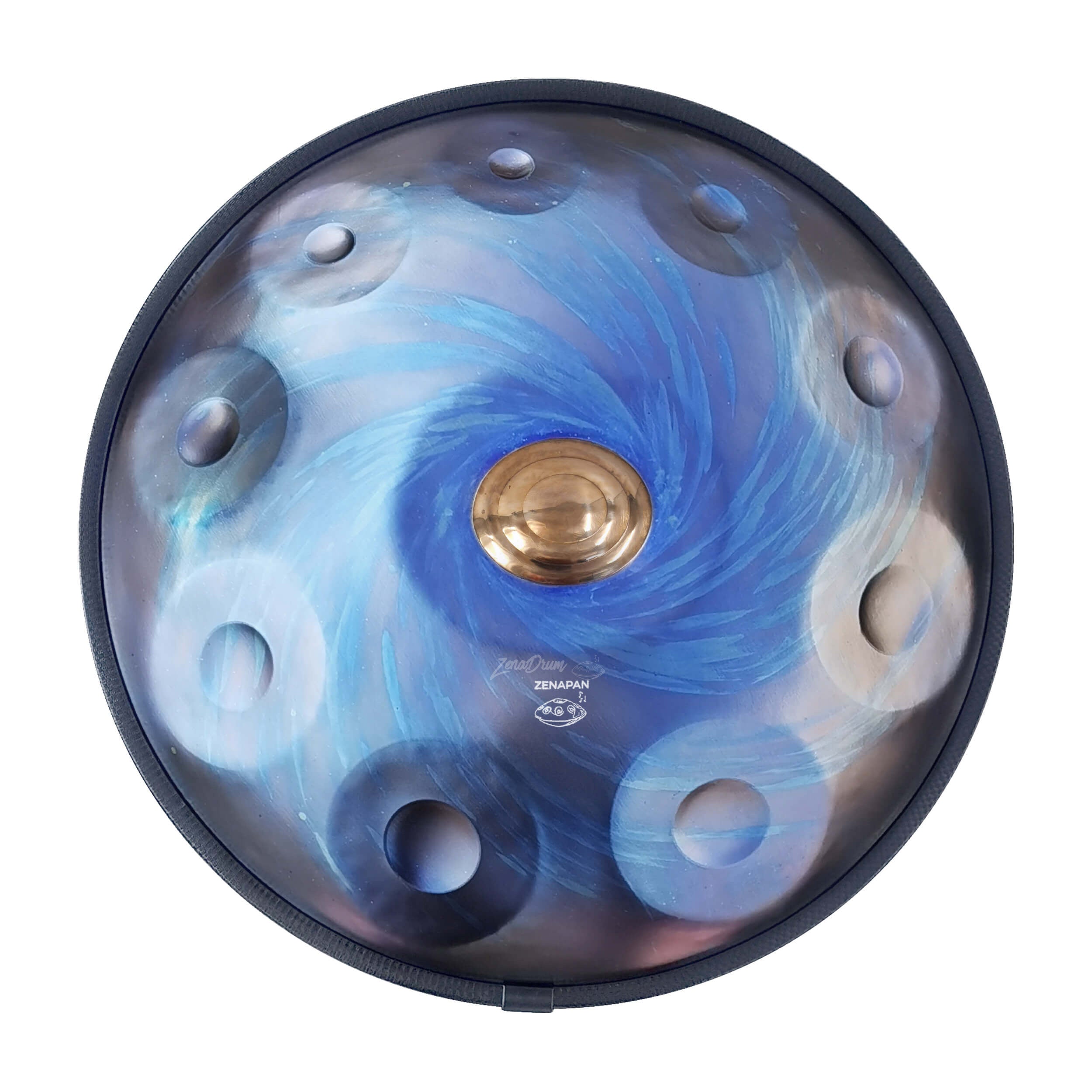
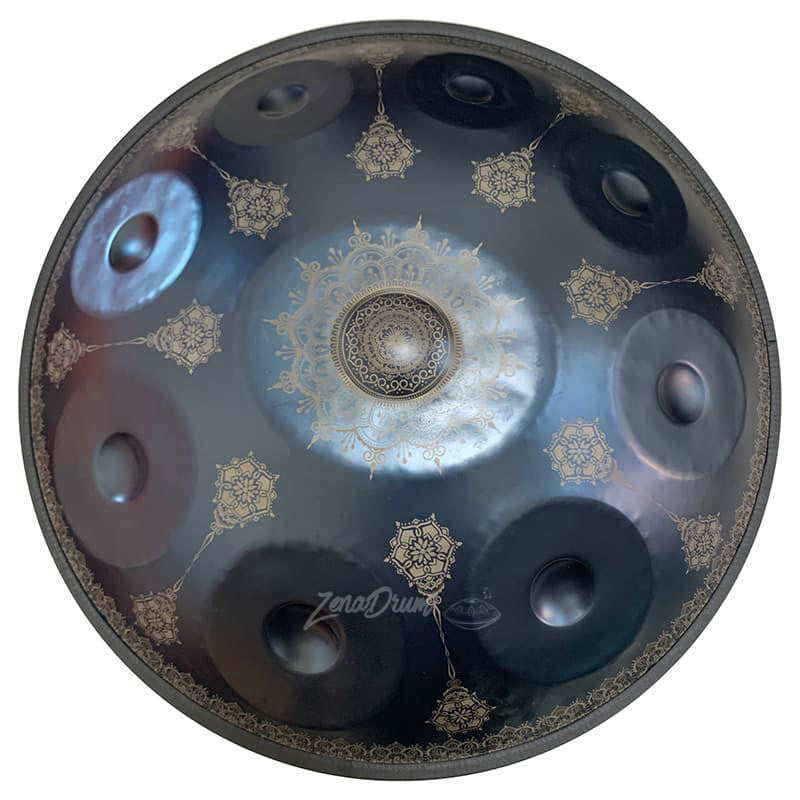
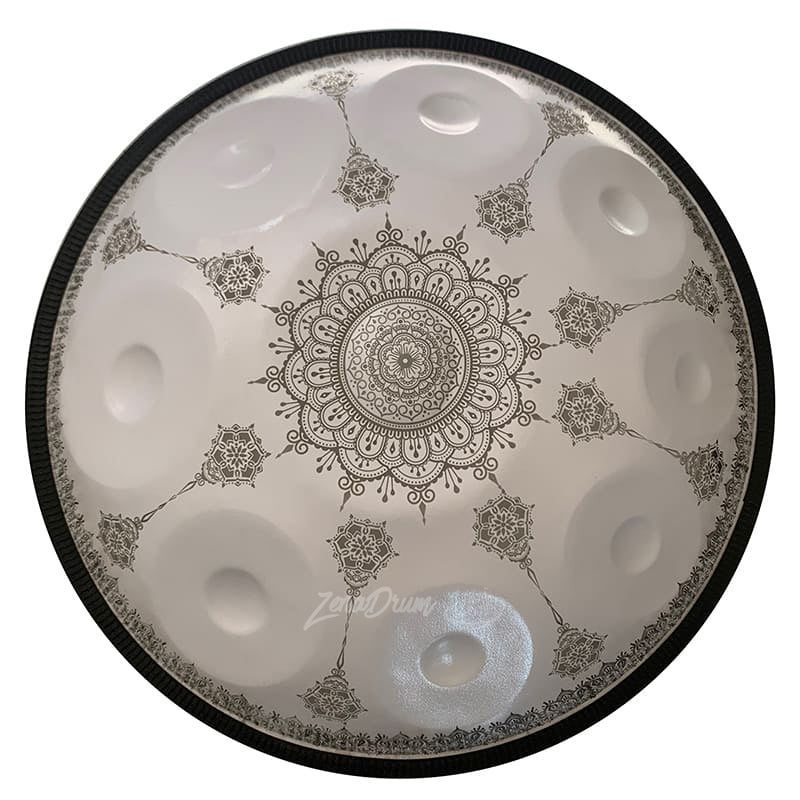
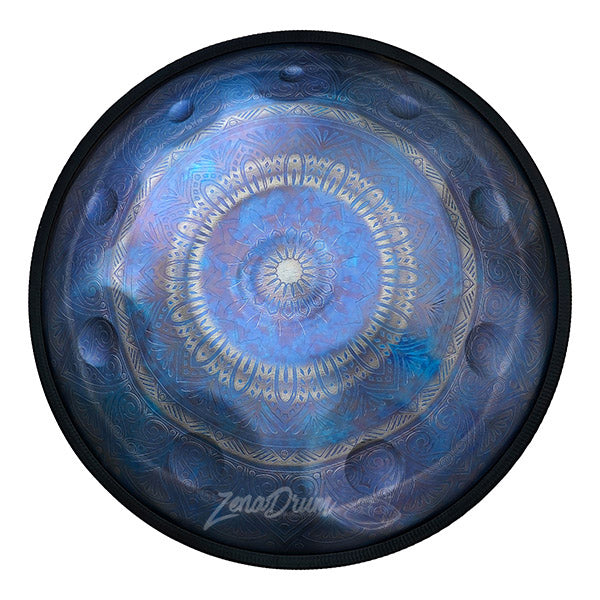
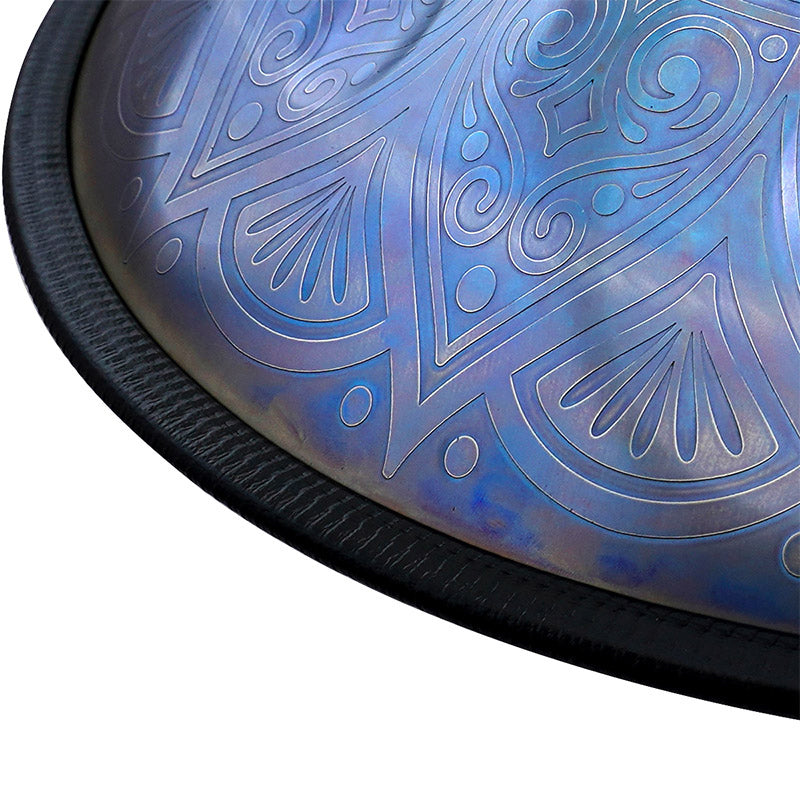
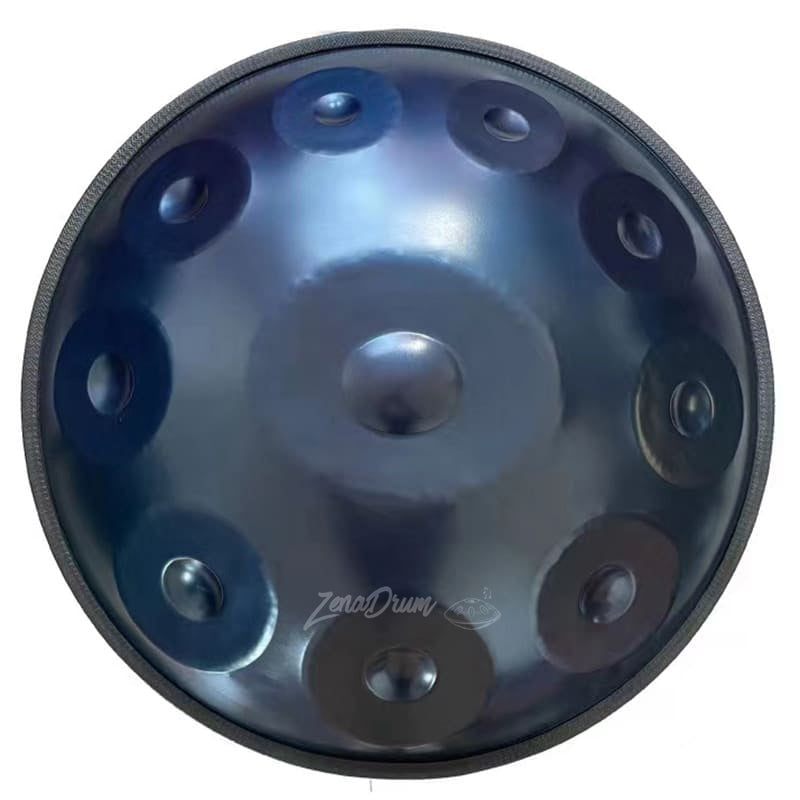
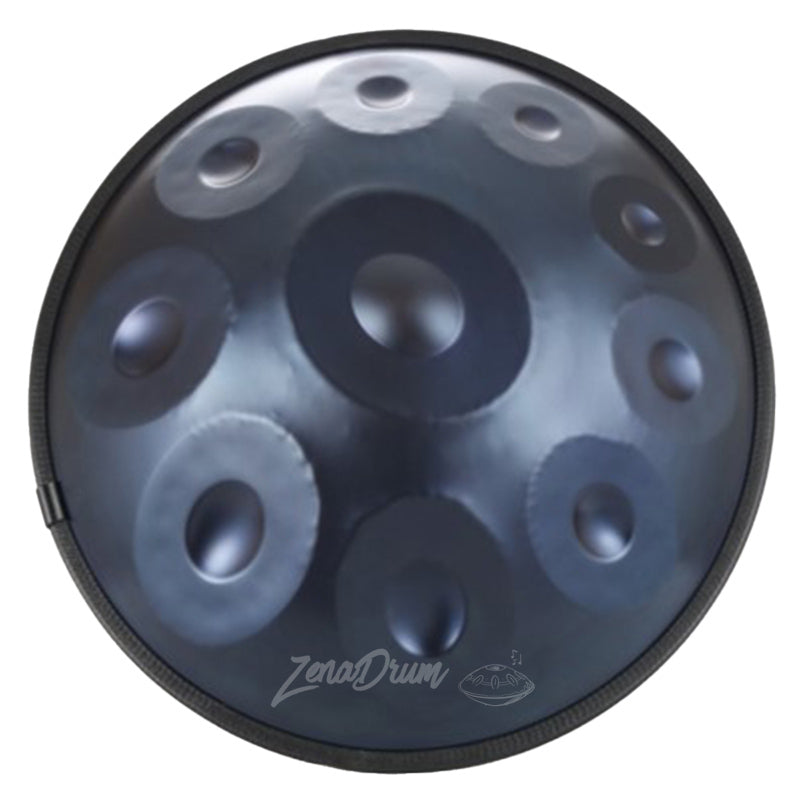
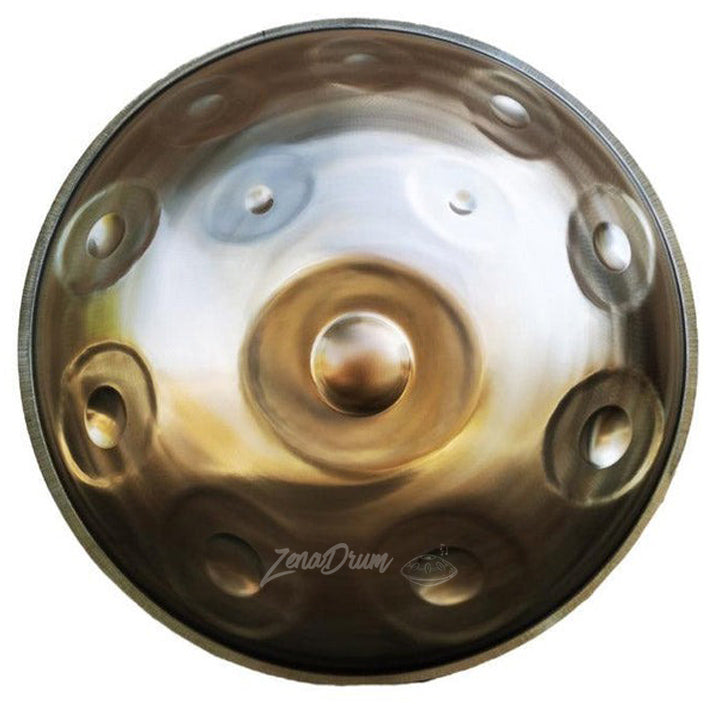
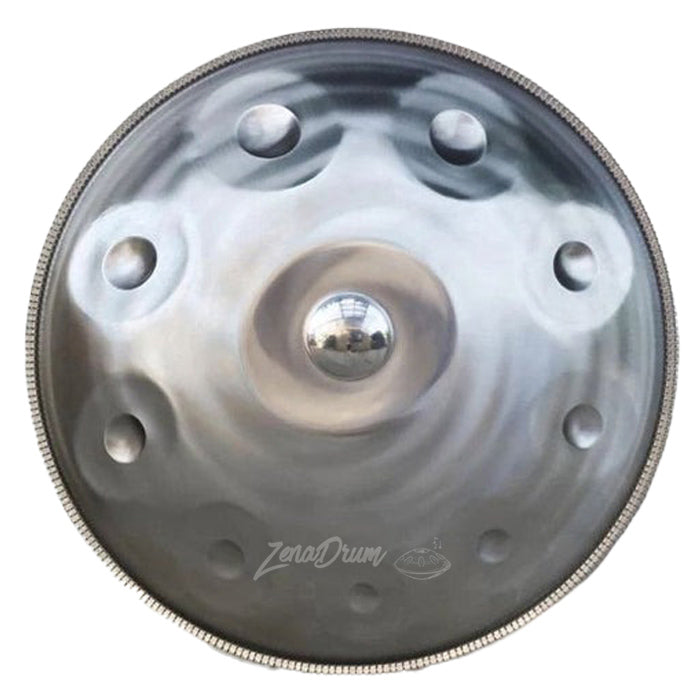
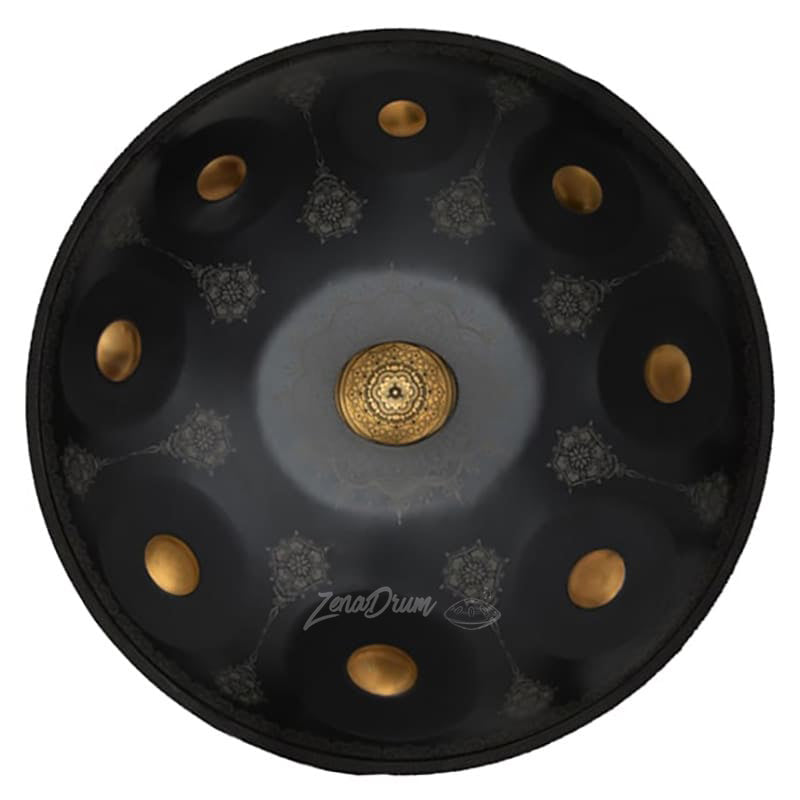
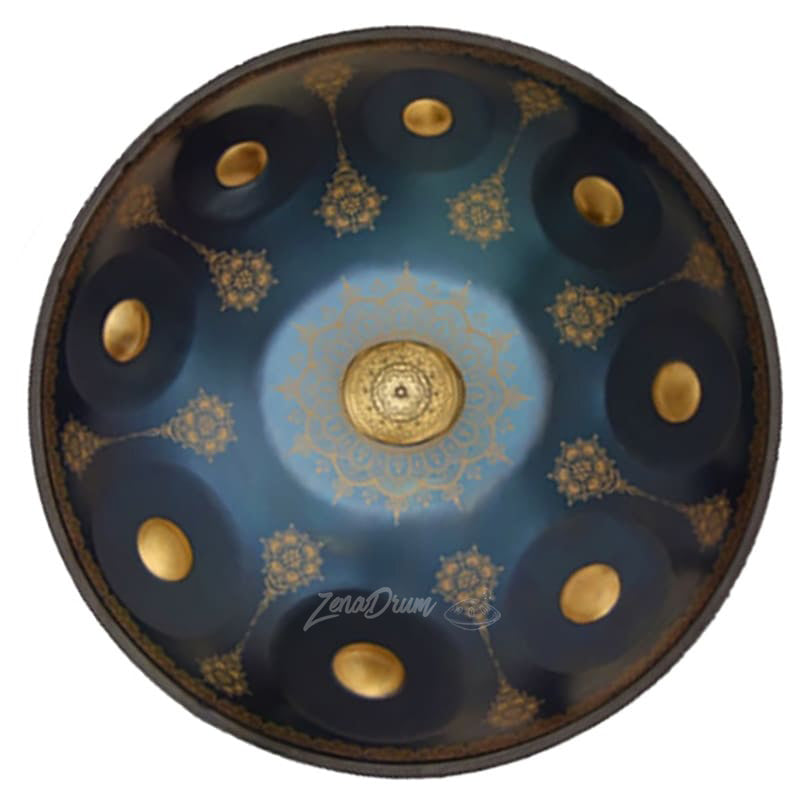
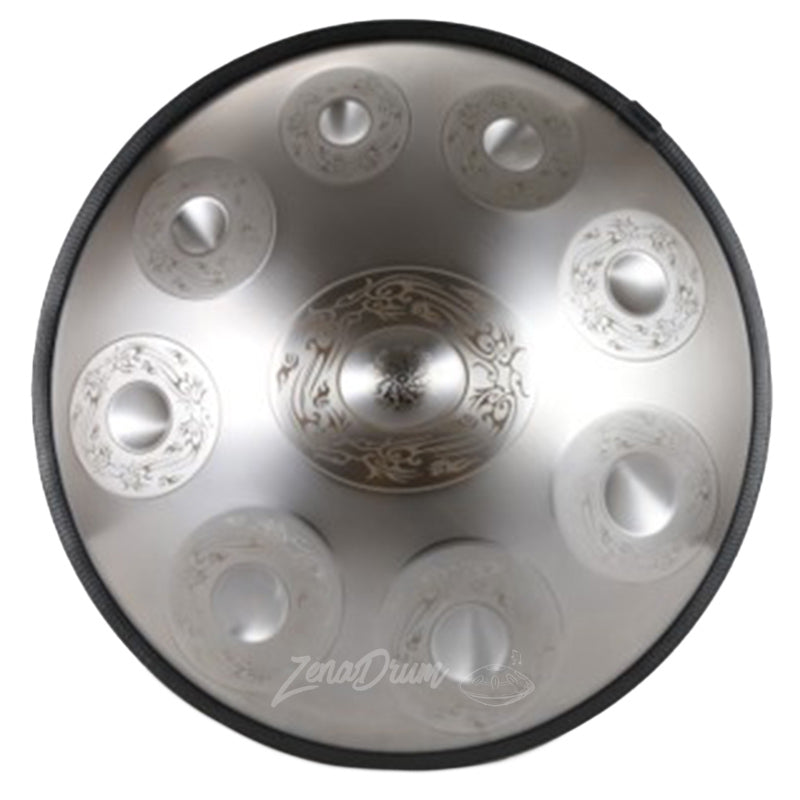
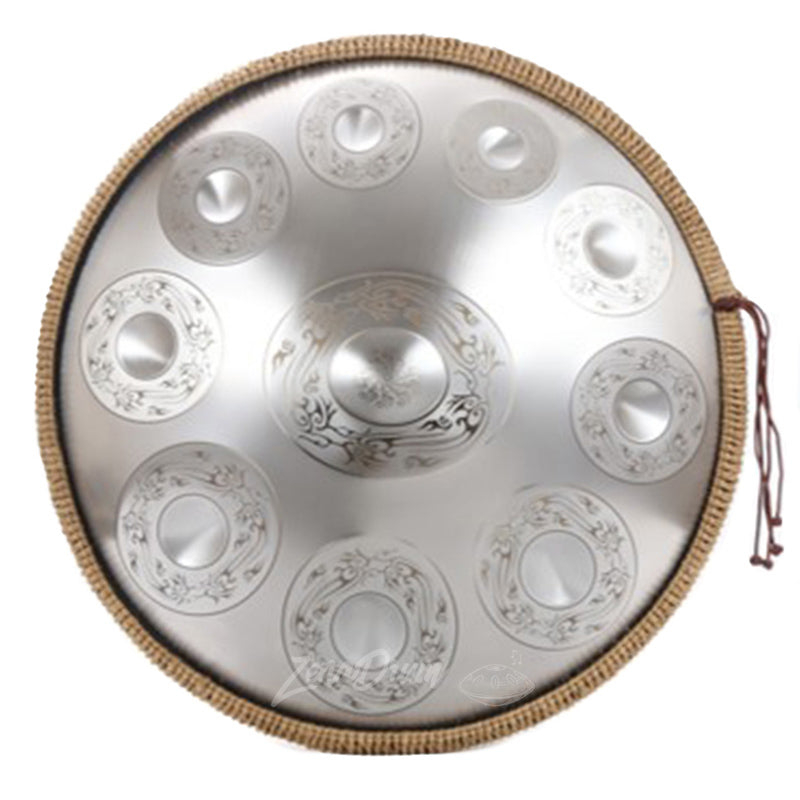
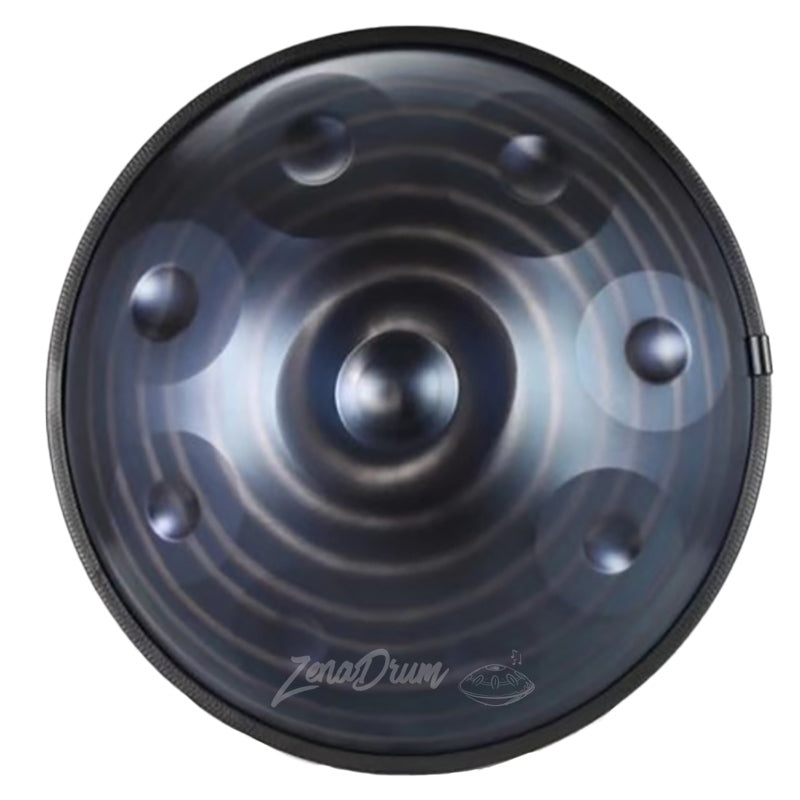
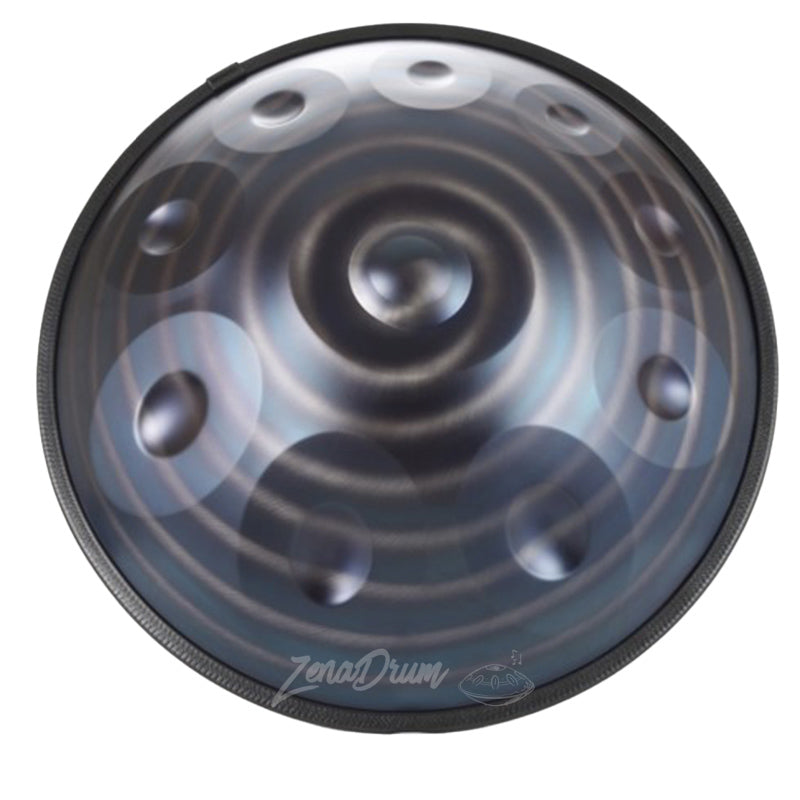
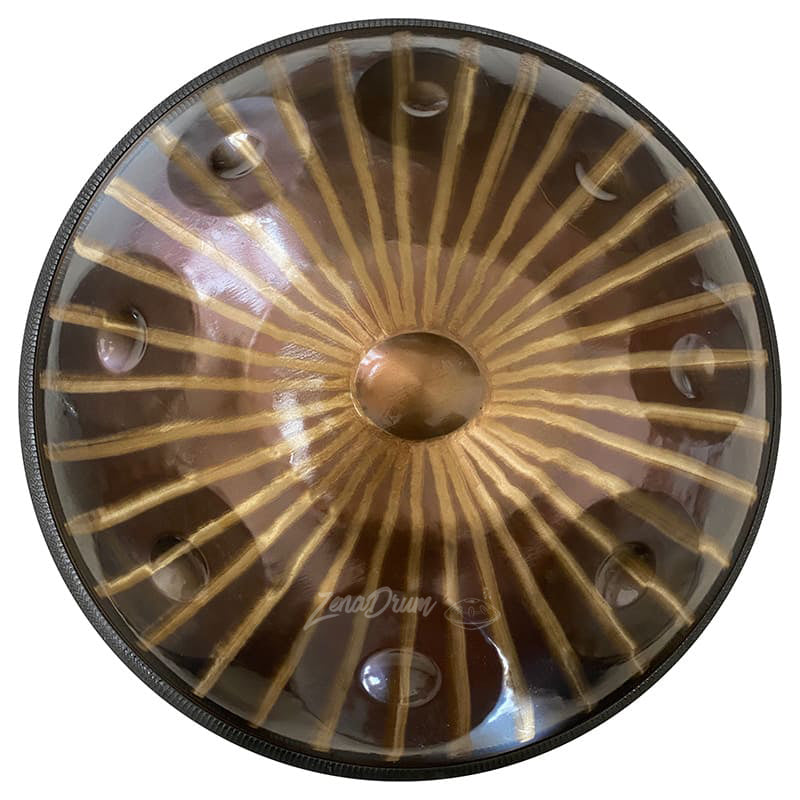
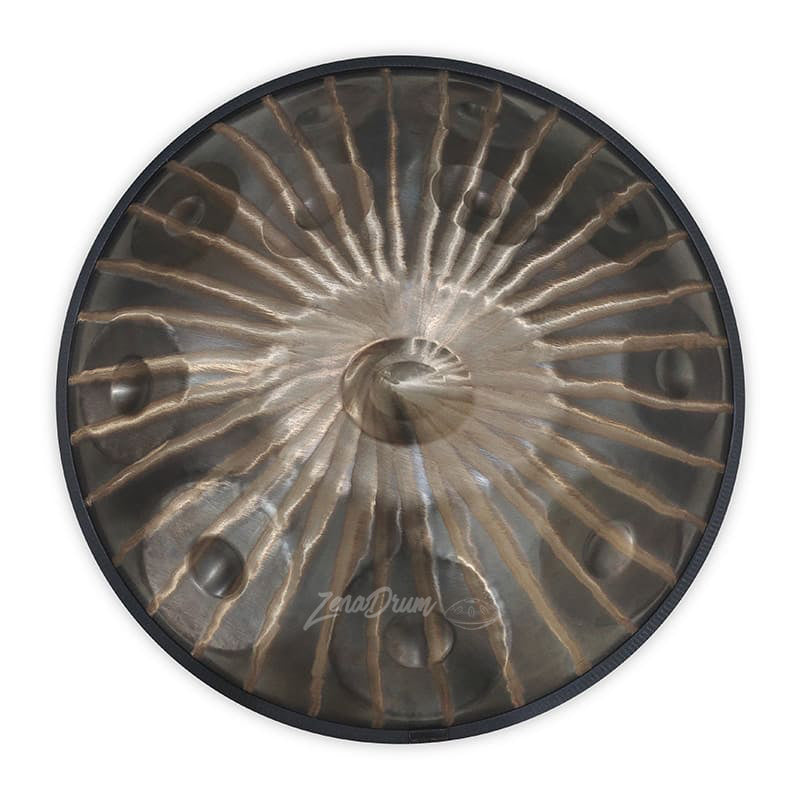
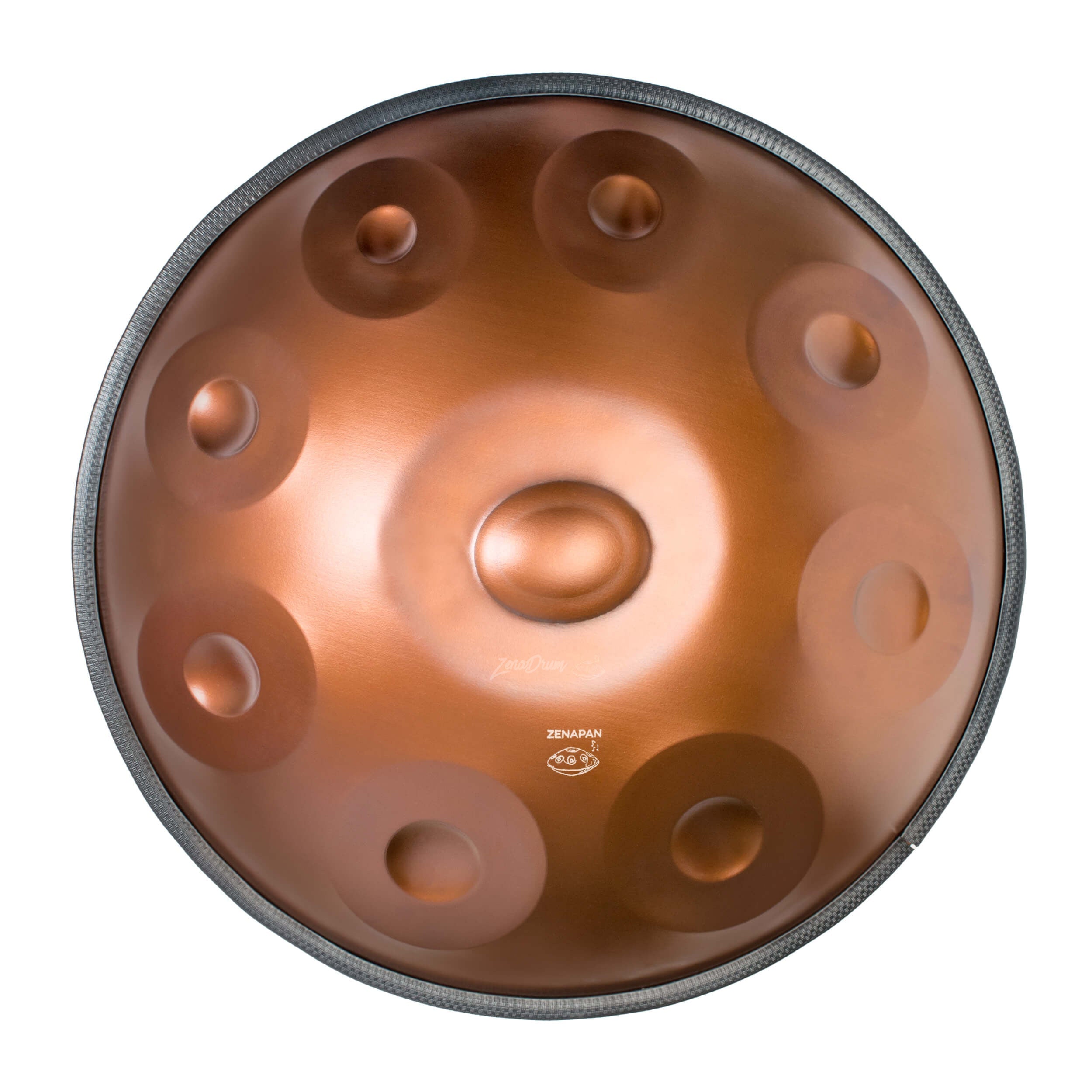
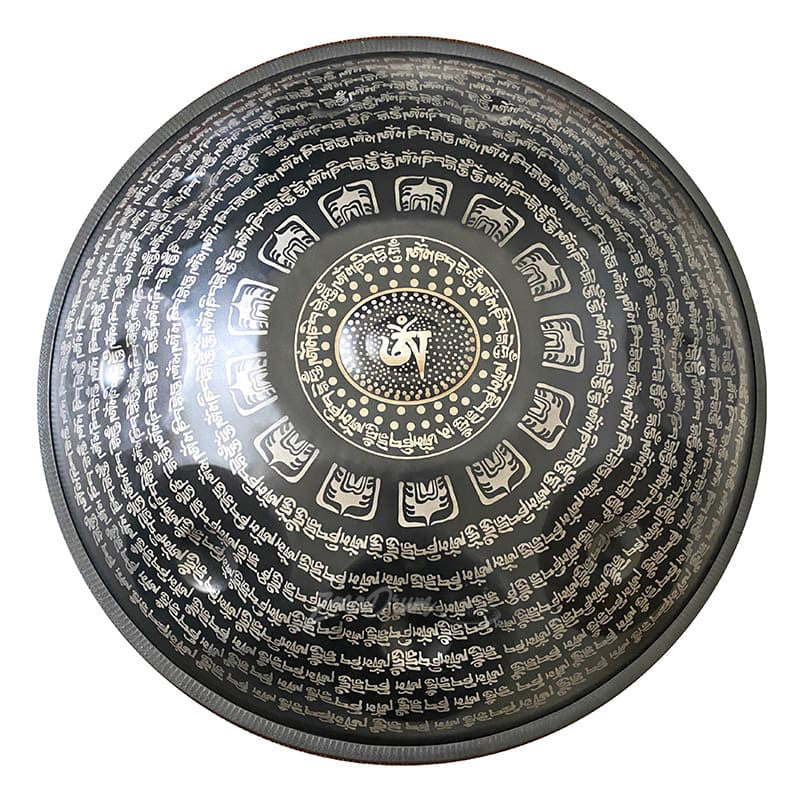
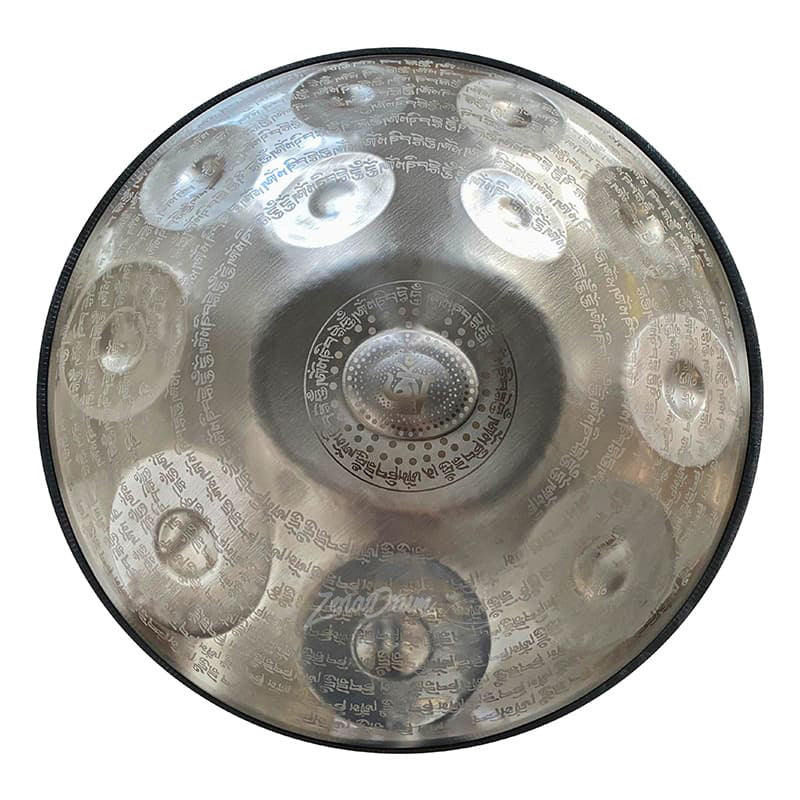
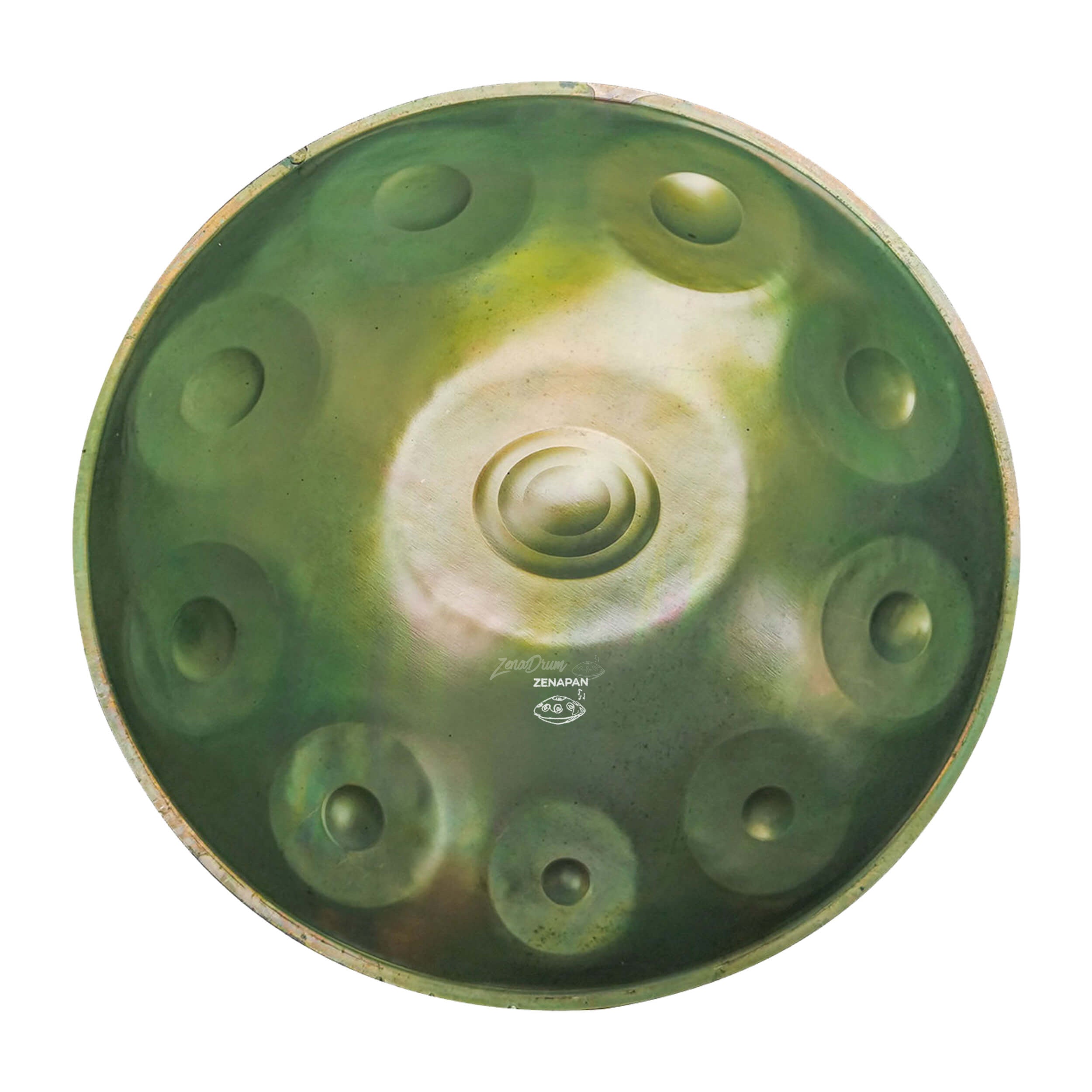
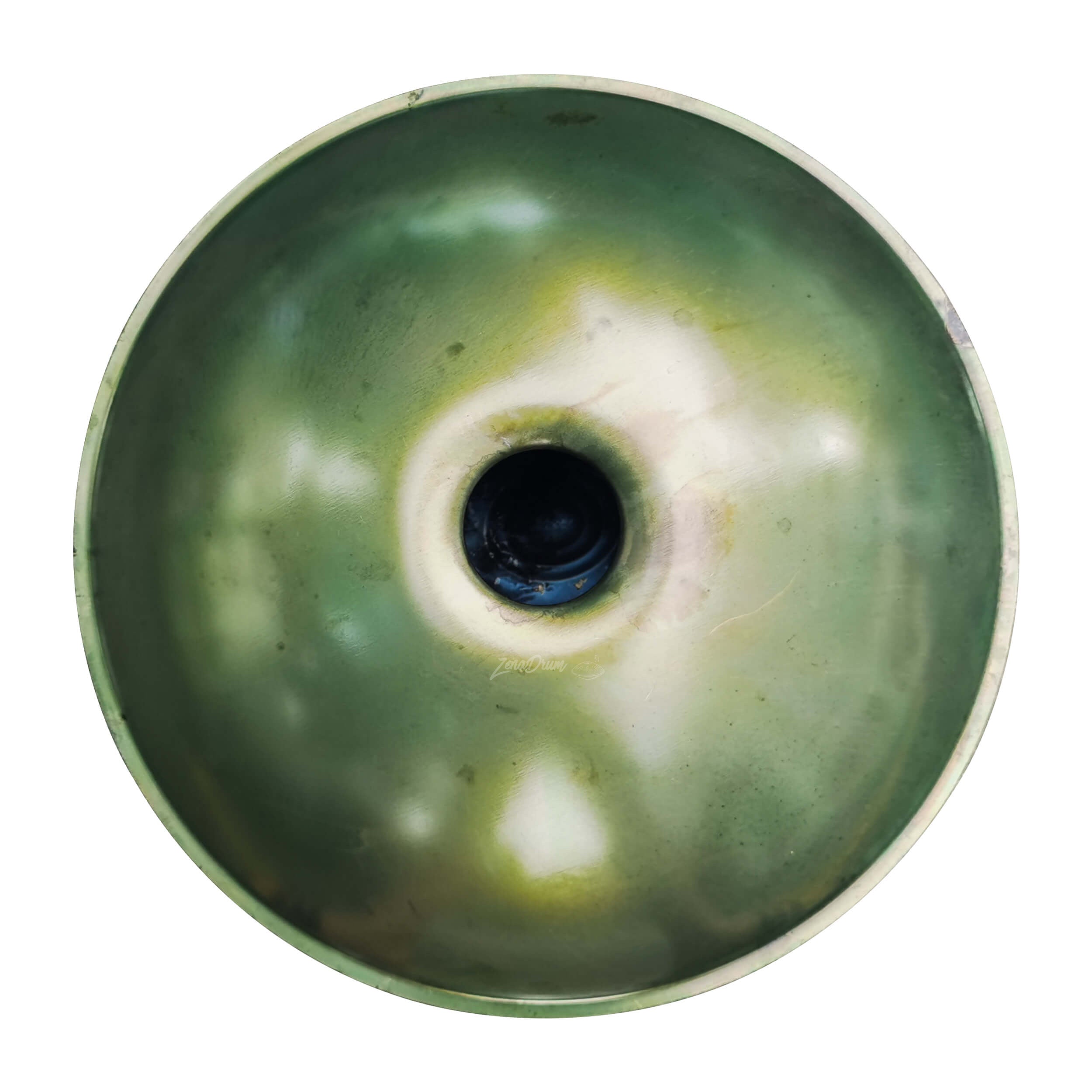
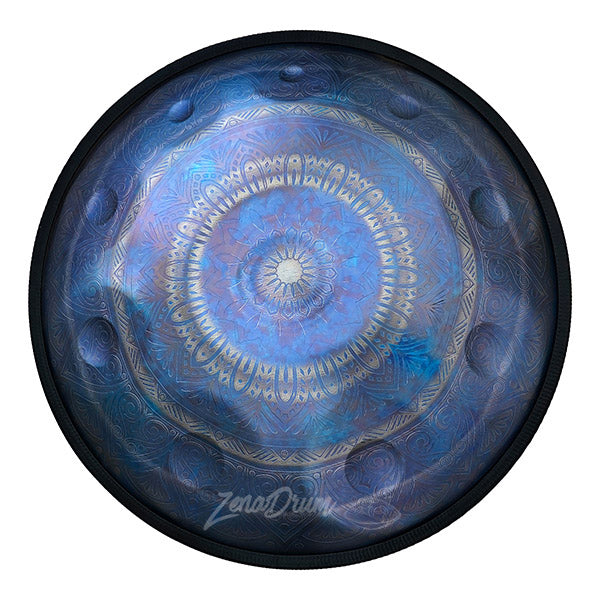
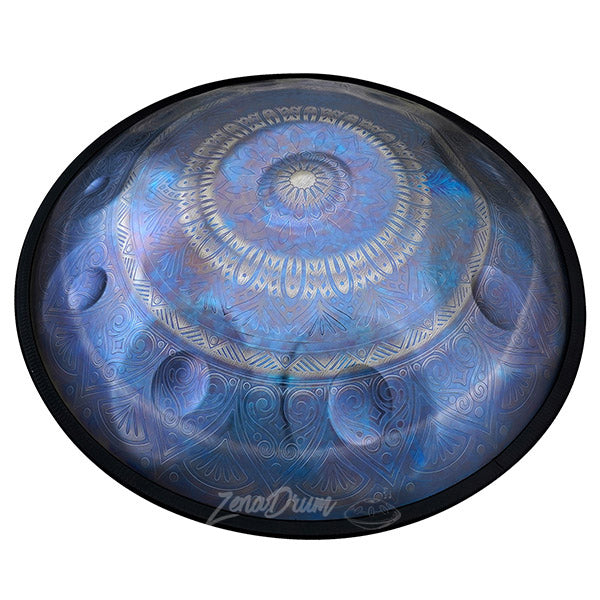
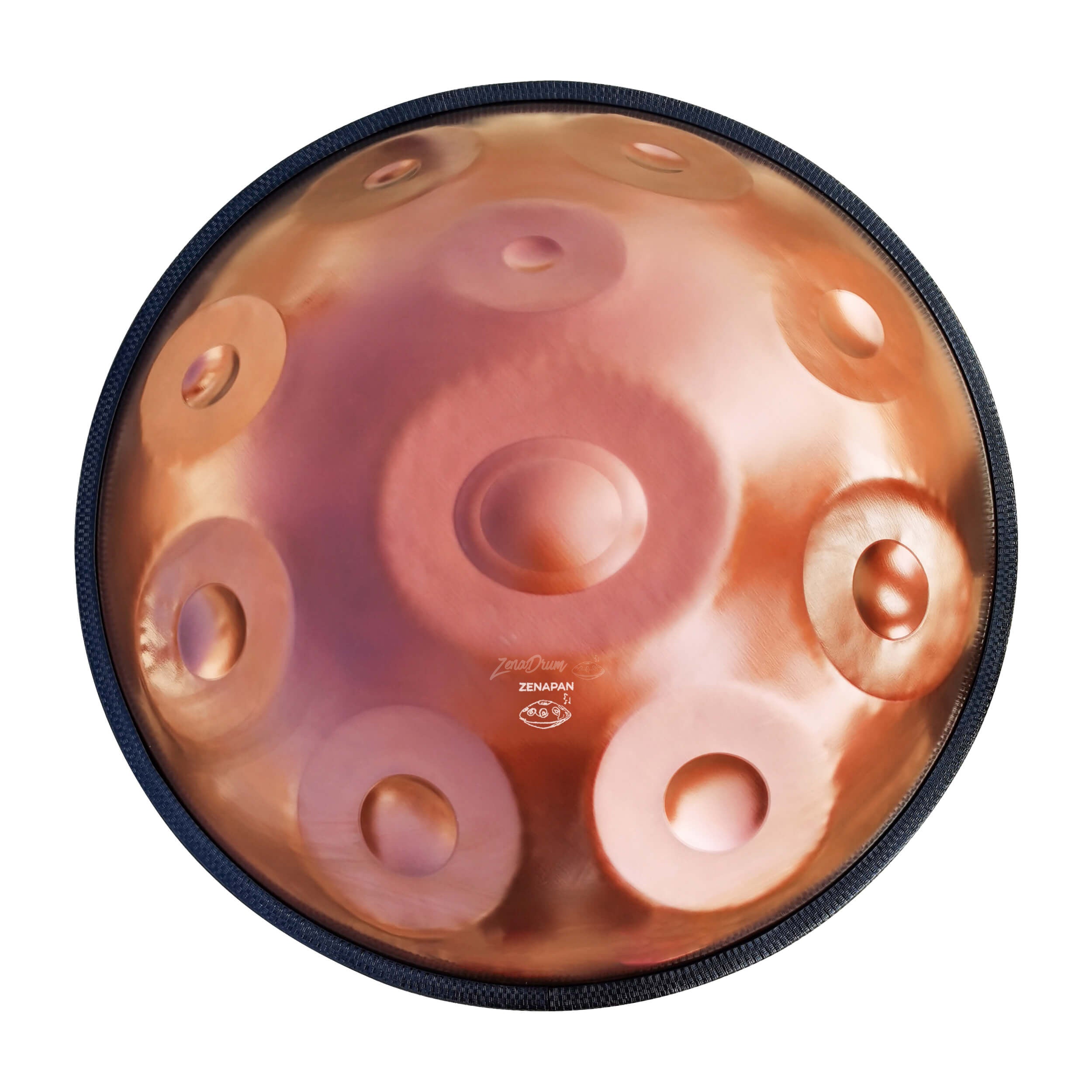
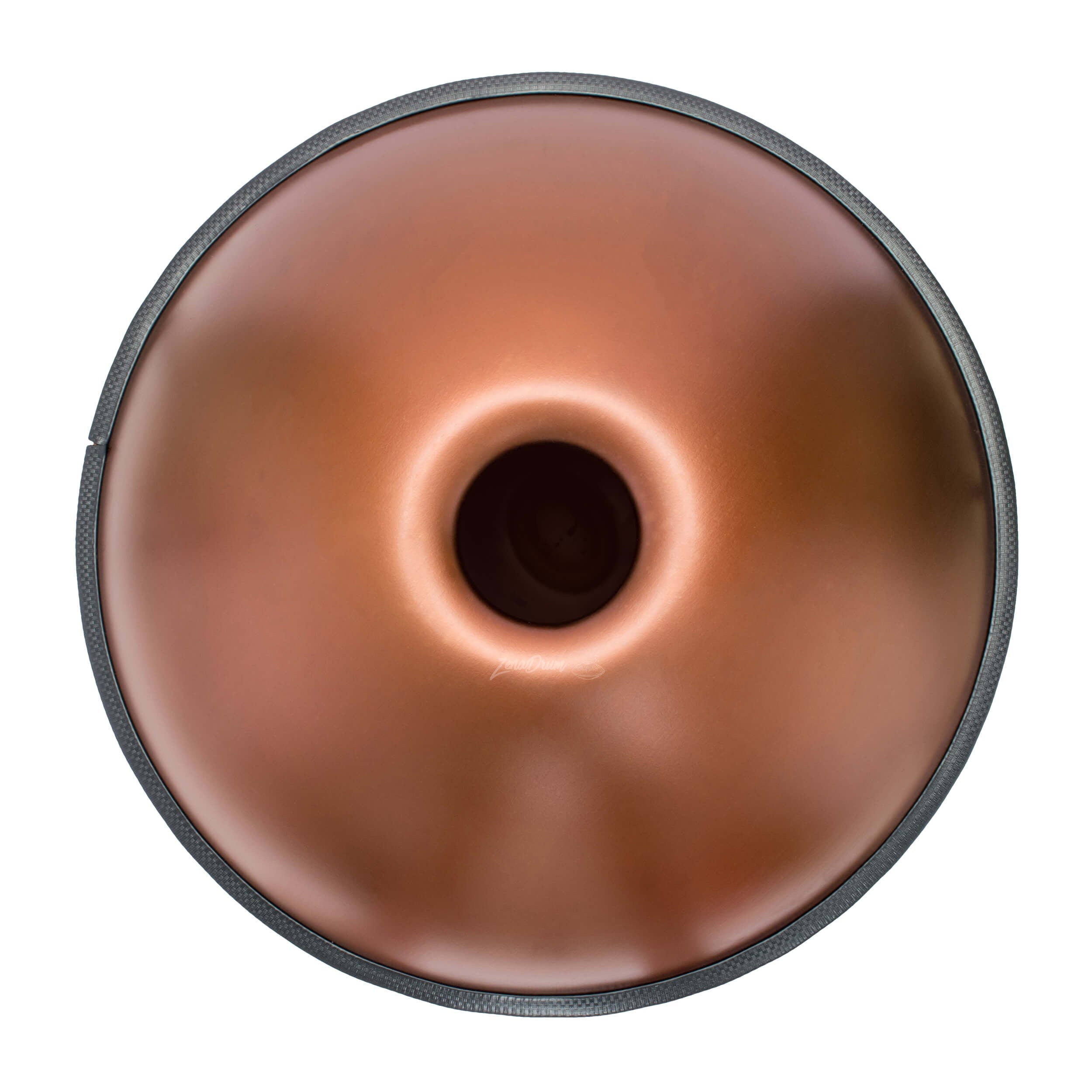
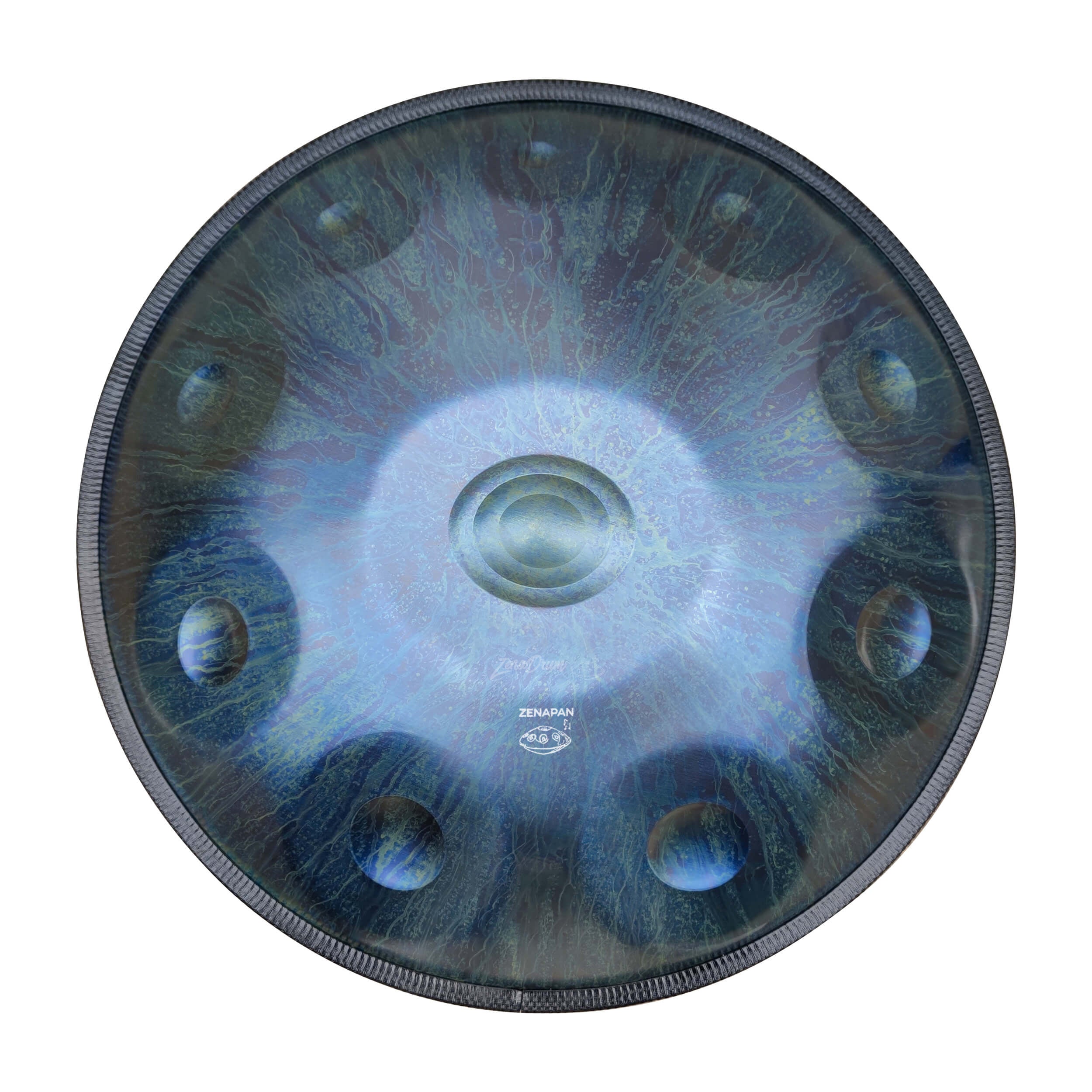
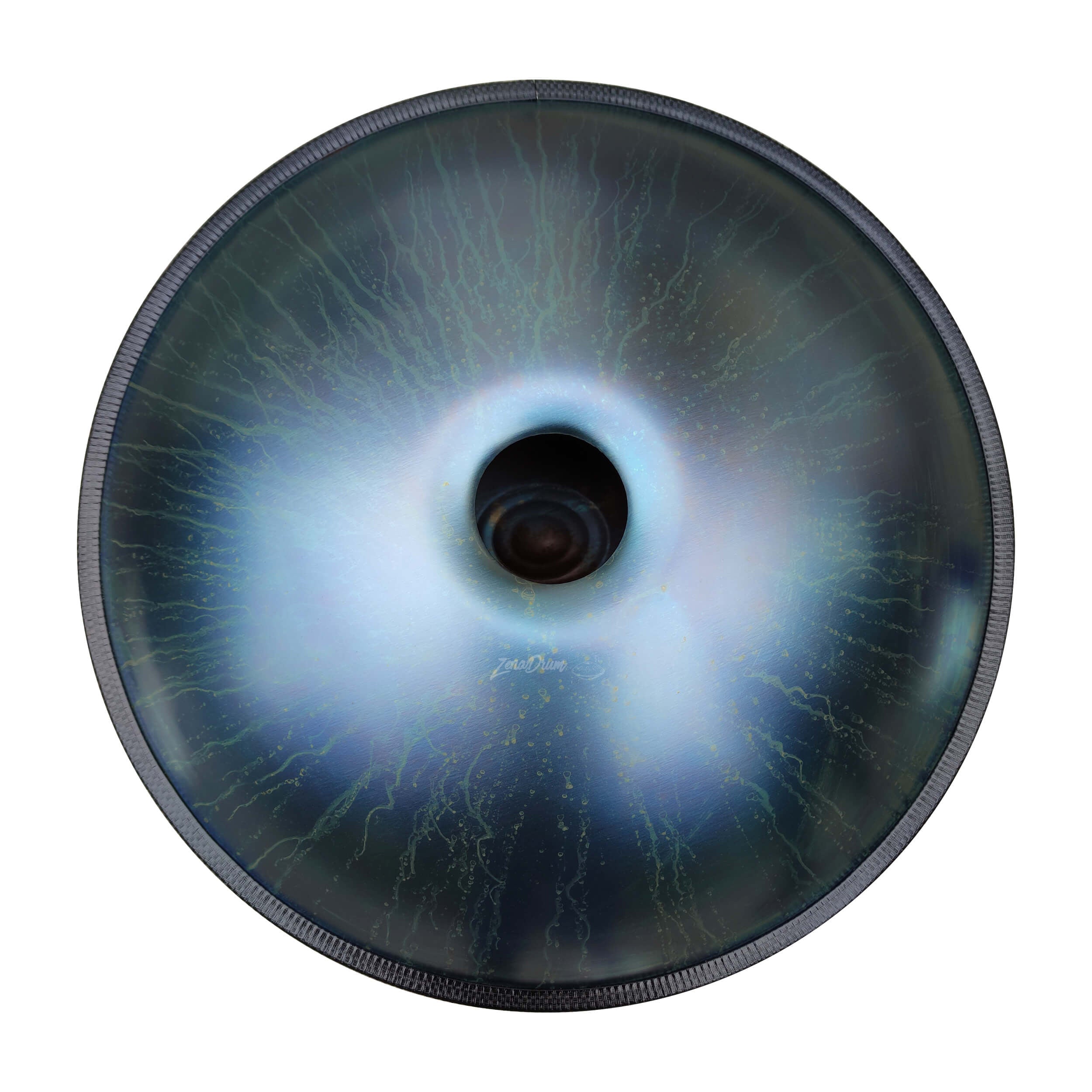
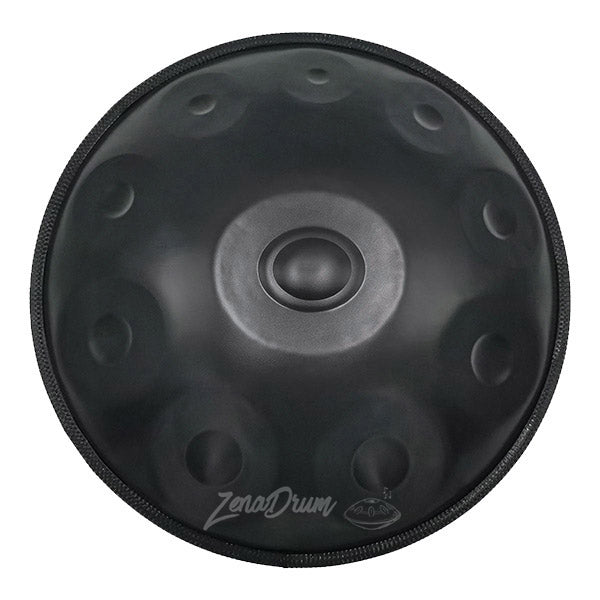
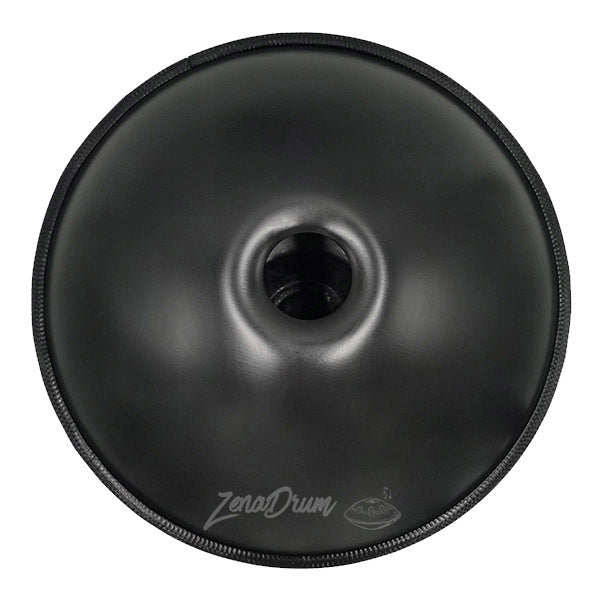
A handpan 12 notes opens the door to advanced musical expression — delivering nearly two full octaves of melodic range across a masterfully tuned instrument that responds to every nuance of your touch. At Healing Sounds, our 12 note handpan collection features instruments with one Ding and eleven tone fields distributed across both the top and bottom shells, creating a wide tonal palette that supports complex compositions, rich harmonic layering, and dynamic performances. This is the configuration where the handpan transcends its reputation as a meditative instrument and becomes a serious compositional tool in its own right.
The 12-note handpan represents a significant step beyond the standard 9-note and 10-note configurations. Where those instruments provide a single octave of range, the 12-note layout spans approximately one and a half octaves — enough to play extended melodies, multi-octave arpeggios, and harmonic intervals that create the impression of two instruments playing at once. The additional tone fields on the bottom shell introduce a new dimension to your playing technique, requiring you to tilt or lift the instrument to access notes beneath it. This added physical element transforms the handpan from a lap instrument into a more theatrical, visually engaging performance piece.
Designed for intermediate to advanced players who have mastered the fundamentals and want deeper musical possibilities, the 12-note handpan rewards dedicated practice with an extraordinary range of expression. Whether you perform live, record in a studio, or compose original music, this configuration provides the tonal breadth to realize ambitious musical ideas. Browse our complete handpan collection to see how the 12-note fits into the broader range of instruments we offer.
Understanding the Dual-Shell Layout of a 12-Note Handpan
The most distinctive feature of a 12-note handpan is its use of both the top and bottom shells for tone fields. This dual-shell architecture is what enables the extended range while maintaining the instrument's characteristic size and shape.
Top Shell: The Primary Playing Surface
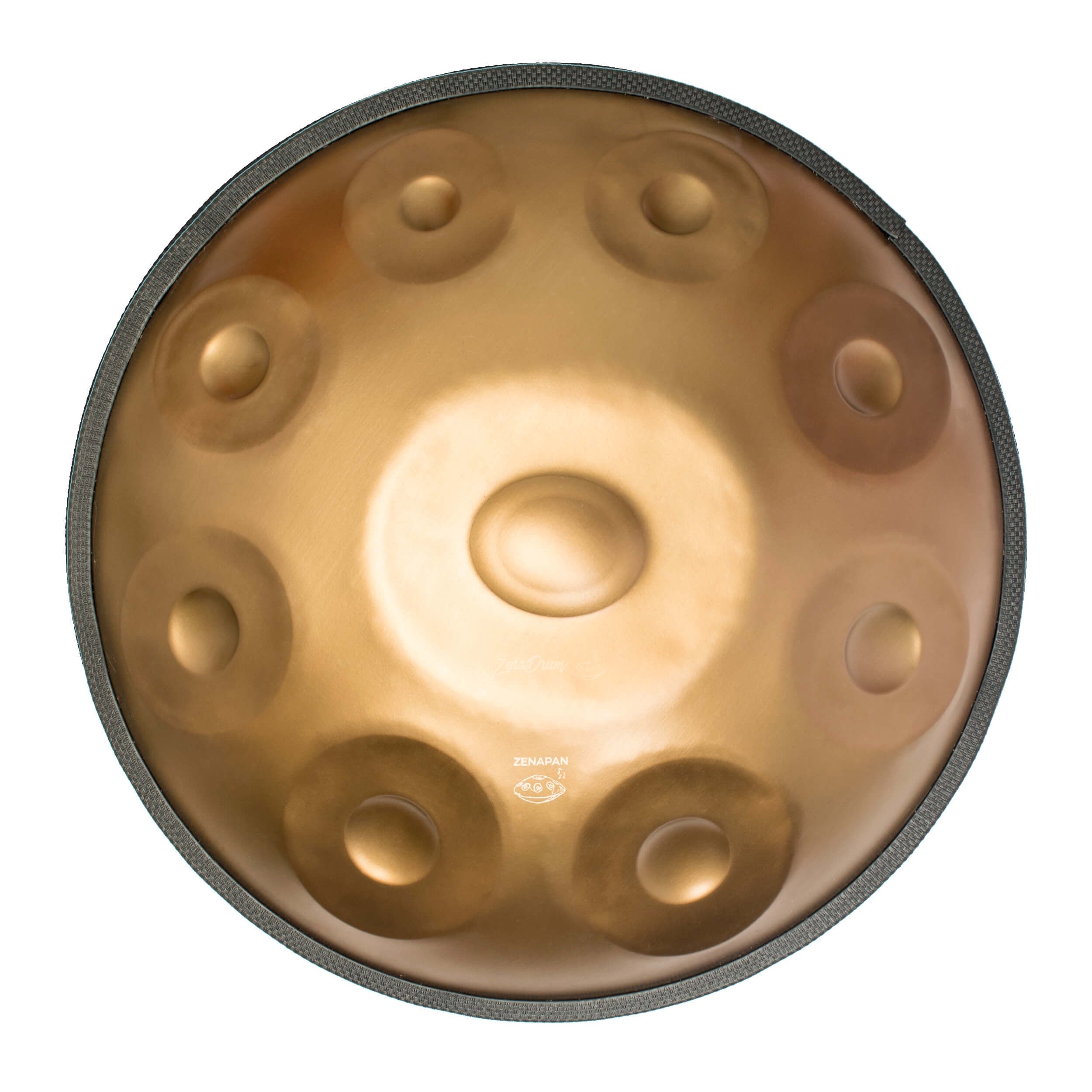
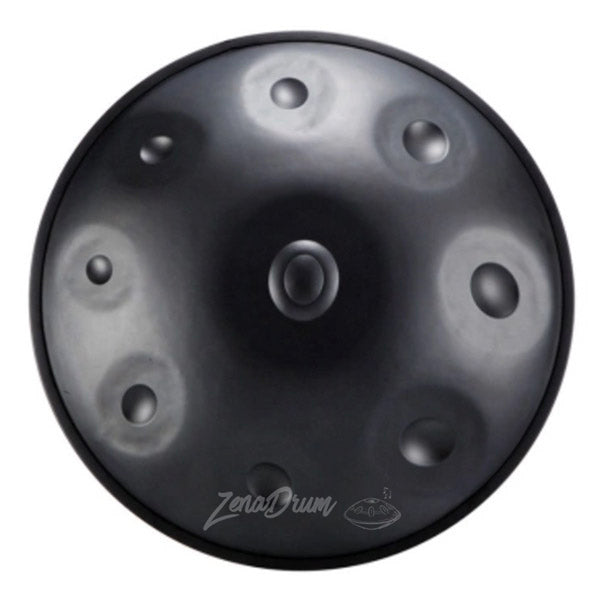
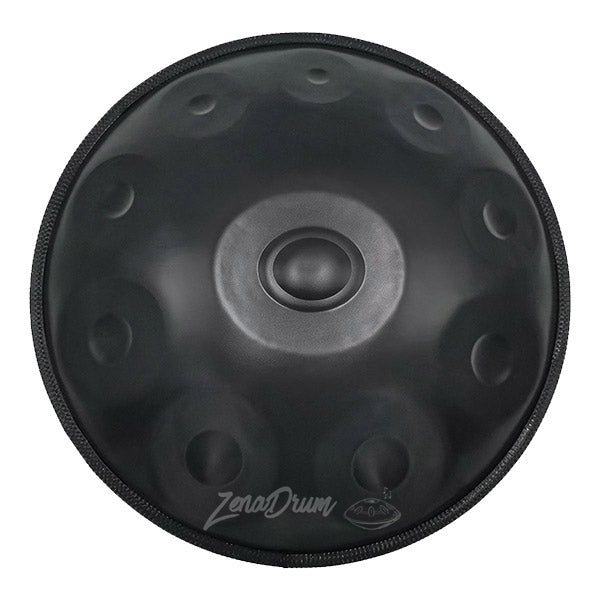
The top shell of a 12-note handpan typically contains the Ding (central dome) and eight or nine tone fields arranged in the familiar circular pattern. This portion of the instrument functions identically to a standard 9- or 10-note handpan — you play it the same way, using the same finger techniques, and the same muscle memory applies. If you are upgrading from a 9-note instrument, the top shell will feel completely familiar from your first touch.
Bottom Shell: The Extended Range
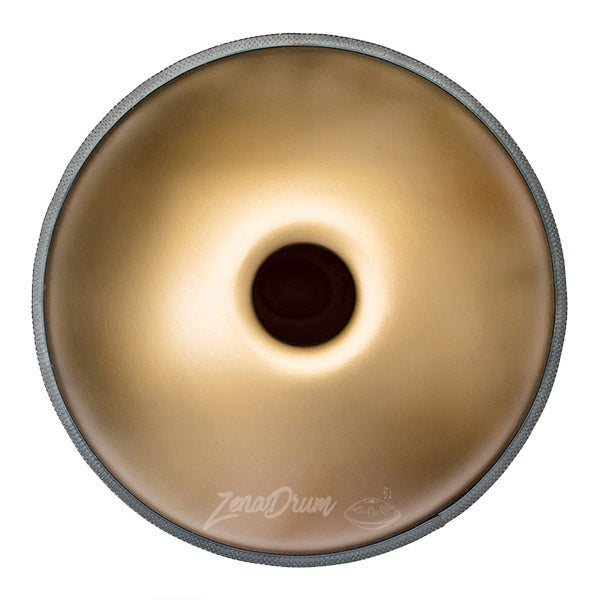
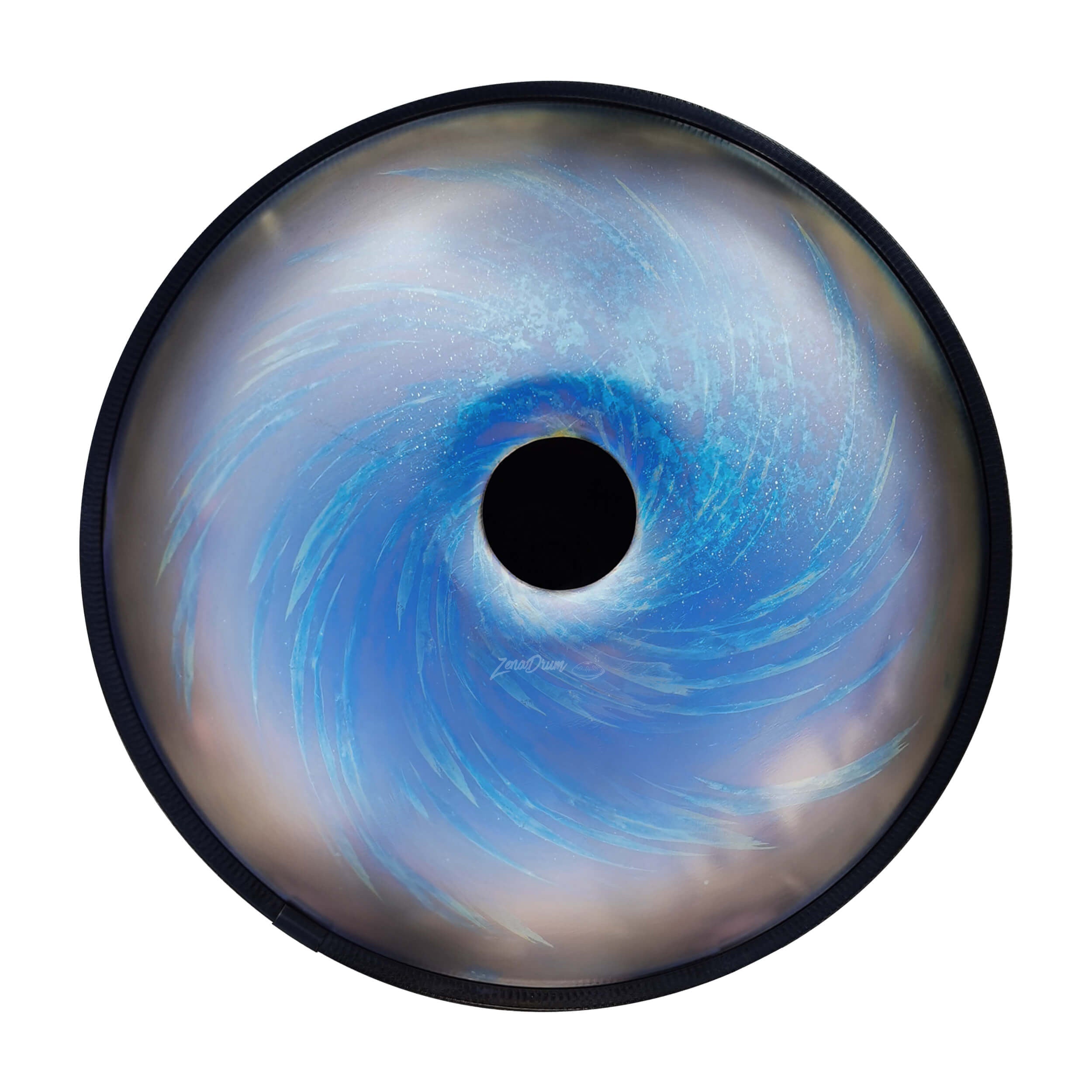
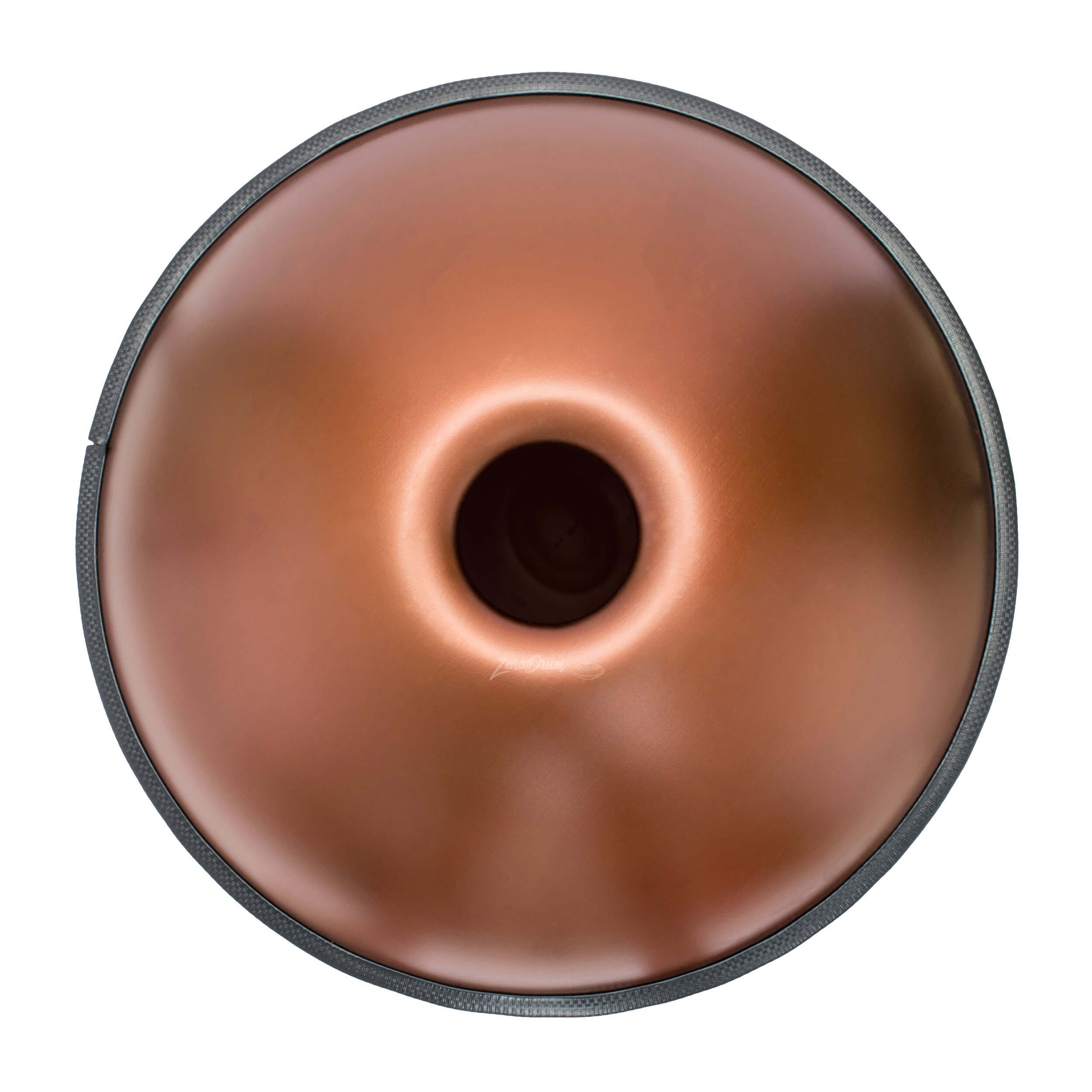
The bottom shell (also called the Gu side) houses two to three additional tone fields arranged around the central sound port. These bottom notes are typically lower in pitch than the top-shell notes, extending the instrument's range downward into a deeper register. Accessing bottom notes requires tilting the handpan on your lap or lifting one edge, which adds a physical, choreographic element to your playing. Some performers mount the instrument on a stand to make bottom notes more accessible during extended performances.
The Sound Port and Its Acoustic Role
The central hole in the bottom shell — the Gu port — serves a dual purpose on 12-note instruments. It functions as the primary resonance chamber opening (shaping the instrument's sustain and bass response) and also acts as a percussive element. Skilled players can produce deep, bass-drum-like tones by striking the air around the Gu port with a cupped hand, adding rhythmic depth to their melodies. The placement of bottom-shell tone fields around this port is carefully calibrated to avoid interfering with the instrument's core resonance.
The Right Player for a 12-Note Handpan
The 12-note handpan is not a beginner instrument — nor should it be. Its extended range and bottom-shell notes require a player who has already developed solid technique, spatial awareness across the tone fields, and comfort with the instrument's weight and balance. Here is who benefits most from this configuration:
Intermediate Players Ready to Advance
If you have been playing a 9- or 10-note handpan for six months or more and feel limited by the single-octave range, the 12-note is your logical next step. You will find that the top shell feels like home, while the bottom notes introduce an exciting new challenge that reignites your creative motivation. Our advanced playing tips include specific exercises for integrating bottom-shell notes into your existing technique.
Performing Musicians
Live performers benefit enormously from the expanded range and visual drama of a 12-note handpan. The physical act of tilting the instrument to reach bottom notes adds choreographic interest to performances, and the wider pitch range keeps audiences engaged through longer sets. The ability to play bass-register notes alongside treble melodies creates a full-band illusion from a single instrument — ideal for solo performers.
Composers and Sound Designers
For original composition, the 12-note layout provides nearly two octaves of diatonic material — enough to construct complex musical narratives with rising tension, climactic peaks, and resolving phrases. Film composers, game audio designers, and ambient music producers find this configuration particularly valuable for creating atmospheric textures and evolving soundscapes.
Scale Options and Tonal Character in 12-Note Handpans
The 12-note handpan is available in a wide range of scales, though the selection may be slightly narrower than for 9-note instruments due to the increased complexity of tuning additional tone fields. Each scale gains significant expressive power from the extended range:
D Minor (Kurd) — Already the most popular handpan scale, D Minor in 12 notes becomes truly cinematic. The additional lower notes add gravitas and emotional weight, while the upper extensions enable soaring melodic climbs.
C Major — A 12-note C Major handpan delivers radiant, orchestral brightness across nearly two octaves. The wide range makes it suitable for adapting classical and folk melodies.
Celtic Minor — The mystical quality of the Celtic scale is amplified by the extended range, enabling haunting bass drones beneath ethereal treble melodies.
G Minor — Deep emotional intensity gains new dimension with lower bass notes and extended upper range for dramatic, sweeping compositions.
For a thorough analysis of how different scales sound across extended-range instruments, read our complete handpan scales guide. Understanding the emotional character of each scale is especially important at the 12-note level, where the extended range amplifies the scale's inherent mood.
Material Considerations for 12-Note Instruments
At the 12-note level, material choice becomes even more important because the additional tone fields increase the demands on tuning stability and resonance management. Here is how each material performs in extended-range configurations:
Stainless steel excels in 12-note handpans because its inherent hardness and density support stable tuning across many tone fields. The bright, crystalline tone quality of stainless steel also ensures that bottom-shell notes remain clear and distinct rather than muddy. For players prioritizing long-term tuning stability and low maintenance, stainless steel is the recommended material at this note count.
Nitrided steel delivers the warm, organic tone character that many players prefer, but requires more attentive maintenance in a 12-note configuration. The additional surface area of tone fields means more steel is exposed to potential oxidation, making a consistent oiling routine essential. Players who value tonal warmth above all else will find nitrided steel 12-note handpans deeply rewarding.
Ember steel offers a compromise between the two — warm enough for intimate sessions, bright enough for clear bottom-note articulation, and reasonably low-maintenance. Read our handpan care guide for material-specific maintenance schedules.
Mastering Bottom-Shell Notes on a 12-Note Handpan
Playing bottom-shell tone fields is the primary new skill you will develop when moving to a 12-note handpan. These notes require a different physical approach than the familiar top-shell playing, and mastering them unlocks the instrument's full potential.
Tilting Technique
The most common method for accessing bottom notes is tilting the instrument on your lap so the bottom shell partially faces you. Tilt the handpan approximately 30 to 45 degrees toward your body, supporting the far edge with your knees or thighs. With the bottom shell angled toward you, the tone fields become accessible to your fingertips using the same striking technique you use on the top shell. This method works well for seated practice and relaxed performances.
Stand-Mounted Playing
For live performances and studio recordings, many 12-note players use a dedicated handpan stand that suspends the instrument at chest height. This positioning makes bottom-shell notes as accessible as top notes and frees both hands for complex bilateral patterns. Stand-mounted playing also enhances the visual presentation — audiences can see the player's hands moving across both surfaces of the instrument.
Integration Exercises
Start by incorporating bottom notes into simple patterns you already know. Play a familiar 9-note melody on the top shell, then add a bottom-note bass line beneath it — striking a bottom tone field on every first beat as a rhythmic anchor. Gradually increase the frequency and complexity of bottom-note integration until moving between shells feels natural. Our playing guide includes progressive exercises for developing dual-shell fluency.
Investing in a 12-Note Handpan: Price Expectations
Quality 12-note handpans typically range from $1,200 to $2,000, reflecting the additional craftsmanship required to tune and balance eleven tone fields across two shells. This positions the 12-note in the mid-to-upper tier of handpan pricing — more expensive than standard 9- and 10-note instruments, but significantly less than the premium 14-note and 17-note configurations.
The price premium over a comparable 9-note instrument (typically $400 to $600 more) reflects several factors: additional material for extra tone fields, significantly more tuning time during manufacturing, and the precision required to ensure all twelve notes interact harmoniously. This is an investment in musical capability — the 12-note handpan is the gateway to professional-level expression.
A 12-note handpan distributes its eleven tone fields across both the top and bottom shells. The top shell holds the Ding (central dome) and typically eight or nine tone fields arranged in the standard circular pattern. The bottom shell contains two to three additional tone fields positioned around the central sound port (Gu). These bottom-shell notes are usually lower in pitch than the top-shell notes, extending the instrument's range downward. The exact distribution between top and bottom varies by maker and scale, but the principle remains consistent: the top shell functions like a standard handpan while the bottom shell provides extended bass range.
Bottom-shell notes require a different physical approach than top-shell playing, but they are not inherently difficult once you adapt. The most common technique is tilting the handpan on your lap at a 30 to 45 degree angle to expose the bottom tone fields. With practice, transitioning between top and bottom shells becomes fluid and natural. Many players also use a stand to make bottom notes as accessible as top notes. The striking technique itself is identical — you use the same fingertip touch on both surfaces. The main adjustment is learning to balance the instrument while accessing the underside, which most players become comfortable with after a few dedicated practice sessions.
The 12-note handpan offers approximately 1.5 octaves of range compared to the single octave of a 9-note model. This additional range enables complex compositions, multi-octave arpeggios, and bass-treble interplay that are impossible on a 9-note instrument. The 12-note is physically larger and heavier (roughly 5 to 5.5 kg versus 4.5 kg), and it costs more ($1,200 to $2,000 versus $800 to $1,400). The biggest practical difference is the addition of bottom-shell tone fields, which introduce a new playing technique. The 12-note is better suited for intermediate-to-advanced players, while the 9-note remains the recommended choice for beginners and all-purpose playing.
The 12-note handpan is exceptionally well-suited for live performance. Its extended range allows performers to sustain audience interest through longer sets by offering more melodic variety and dynamic contrast. The physical act of playing bottom-shell notes — tilting the instrument or using a stand — adds visual drama to performances. The bass notes provide rhythmic anchoring that creates a fuller, more complete sound from a single instrument. Many professional handpan performers choose 12-note instruments as their primary performance tools because they bridge the gap between the accessible charm of a standard handpan and the full-range capability of professional percussion instruments.
Quality 12-note handpans typically range from $1,200 to $2,000. The price depends on material (stainless steel being the most expensive, nitrided steel the most affordable), scale complexity, and finish quality. This price range positions the 12-note in the mid-to-upper tier of handpan instruments — roughly $400 to $600 more than a comparable 9-note model. The premium reflects the additional craftsmanship required to tune eleven tone fields across two shells while maintaining harmonic consistency. For players who have outgrown a standard 9-note instrument, the 12-note represents a meaningful investment in expanded musical capability.
Treat yourself to a relaxing moment
With our best instruments. Handcrafted from the finest materials.
Created by healing enthousiasts
We know your needs because we use our products too. We are the first users.
Money-back guarantee
You have 60 days to return your order if it doesn't fit (you'll love it anyway).
100% secured payments
So you can remain in deep peace until you receive your order.