
handpan 17 notes
1 product
Showing 1 - 1 of 1 product
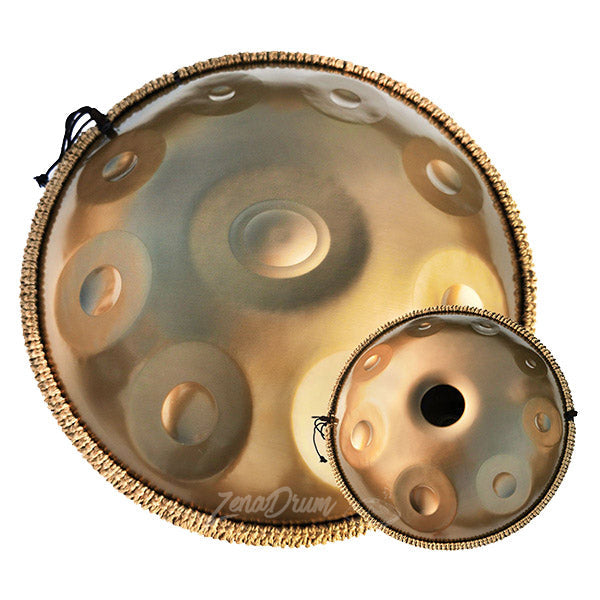
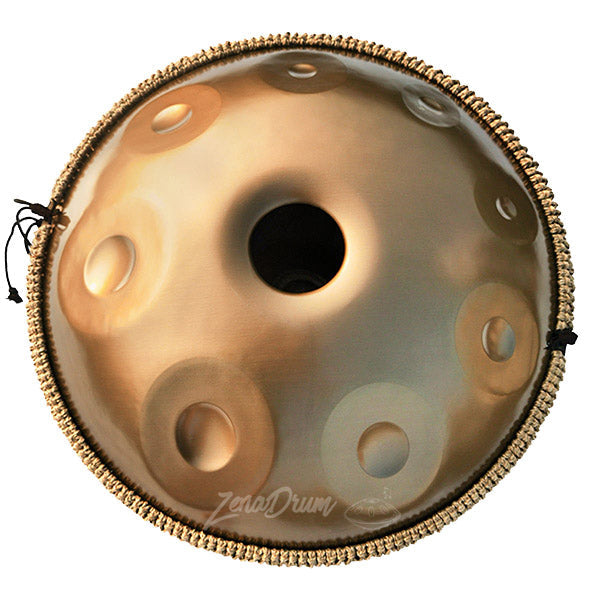
A handpan 17 notes is the pinnacle of steel percussion — the most ambitious, most expressive, and most sonically complete instrument in the handpan family. At Healing Sounds, our 17 note handpan collection represents the absolute top tier of our catalog: instruments with one Ding and sixteen individually tuned tone fields spanning more than two full octaves across both shells. This is the configuration built for virtuoso performers, dedicated composers, and musicians who accept nothing less than maximum melodic freedom. If you have the skill to command sixteen tone fields and the musical vision to fill a two-octave canvas, the 17-note handpan is your ultimate instrument.
With sixteen individually tuned tone fields surrounding the Ding, the 17-note handpan delivers a capability that no other configuration can match: true multi-octave fluency that approaches the range of a keyboard instrument while retaining the organic, resonant warmth that defines the handpan sound. The standard 9-note handpan covers a single diatonic octave. The 14-note model reaches nearly two octaves. The 17-note goes beyond — providing chromatic potential, key modulation capability, and the note density needed for jazz-influenced voicings, classical passages, and genre-crossing compositions that demand pitch-by-pitch precision.
This is not an incremental upgrade from lower note counts. The 17-note handpan is a fundamentally different musical proposition — an instrument that places the full expressive vocabulary of steel percussion under your fingertips. Every scale becomes richer, every composition gains new dimensions, and every performance carries the authority of an instrument with unmatched range. Explore our full handpan collection to compare this flagship configuration with every other note count we offer.
Over Two Octaves: The Musical Scope of 17 Notes
The 17-note handpan provides more than two full octaves of tuned pitches — a range that fundamentally redefines what is possible on a single steel percussion instrument.
Complete Diatonic Coverage
With sixteen tone fields plus the Ding, the 17-note layout covers more than two complete octaves of a diatonic scale. This means every note you might need for a full composition is available without transposition, octave-jumping workarounds, or melodic compromises. You can play ascending and descending phrases that span the entire two-octave range in a single, unbroken line — creating the sweeping, cinematic arcs that audiences associate with orchestral instruments rather than percussion.
Chromatic and Modal Possibilities
The sheer number of tone fields opens the door to chromatic passing tones and modal variations that are impossible at lower note counts. While a standard handpan is locked into a single diatonic mode, the 17-note configuration often includes accidentals or borrowed notes that enable key modulation, chromatic embellishments, and modal interchange. This gives advanced players the tools to perform music from genres that traditionally exclude the handpan — jazz, classical adaptation, world fusion, and contemporary composition all become accessible.
Independent Two-Voice Playing
The extensive range of the 17-note handpan enables truly independent two-voice performance. Your left hand can maintain a bass ostinato on the bottom shell while your right hand plays a complete melody on the top shell — and there are enough notes in each register to create musically distinct, non-overlapping lines. This two-voice independence is the hallmark of professional handpan performance and the primary reason virtuoso players choose the 17-note configuration as their primary concert instrument.
The Virtuoso Player: Who Commands a 17-Note Instrument
The 17-note handpan is designed for a specific tier of musician. It demands advanced technique, developed spatial awareness, and a clear musical vision to fully exploit its capabilities.
Concert Performers and Touring Musicians
Professional performers who play 60- to 90-minute solo sets need an instrument that can sustain musical variety and dynamic contrast across an entire performance. The 17-note handpan provides this by offering enough range for multiple movements, contrasting sections, and encore pieces without repeating melodic ideas. The visual impact of playing across both shells — hands moving between treble and bass surfaces — adds theatrical dimension to stage performances. Consult our comprehensive handpan guide for performance preparation advice.
Studio Composers and Sound Artists
For composers working in film, television, gaming, and ambient music, the 17-note handpan serves as a complete melodic instrument in the studio. Its multi-octave range eliminates the need for overdubbing multiple instruments to achieve tonal breadth — a single 17-note recording pass can provide bass, midrange, and treble content. This efficiency makes the instrument invaluable for producers working under tight deadlines or limited budgets who need a distinctive, organic sound source.
Dedicated Enthusiasts and Collectors
Experienced players who have progressed through 9-note, 12-note, and 14-note instruments sometimes reach a point where only the maximum configuration will satisfy their musical ambitions. The 17-note handpan often becomes the centerpiece of a collection — the instrument reserved for serious practice sessions, special performances, and recording projects where only the best will do. Read our handpan origins and evolution article to appreciate the engineering journey that made this instrument possible.
Craftsmanship and Physical Design of 17-Note Instruments
Manufacturing a 17-note handpan represents the absolute pinnacle of steel instrument craftsmanship. The technical challenges at this note count are formidable, and only the most experienced makers produce consistently excellent results.
Shell Dimensions and Weight
The 17-note handpan typically features a shell diameter of 57 to 60 centimeters and weighs between 5.5 and 6.5 kilograms. These dimensions are necessary to accommodate sixteen tone fields with adequate spacing for clean articulation. While heavier than a standard 9-note instrument (4.5 kg), the weight is manageable for lap playing and well-suited to stand-mounted performance. The larger surface area also provides more real estate for percussive ghost note patterns between tone fields.
Tone Field Density and Precision
With sixteen tone fields packed across two shells, the spacing between notes is tighter than on any other handpan configuration. This density demands extraordinary precision during both manufacturing and playing. Each tone field must be tuned to exact pitch while maintaining clean overtone relationships with every adjacent field — a process that can take days of careful hammering, annealing, and fine-tuning by the maker. For the player, the tight spacing requires refined fingertip control to strike individual notes cleanly without activating neighbors.
Bottom-Shell Architecture
The bottom shell of a 17-note handpan carries six or more tone fields — a substantial portion of the instrument's total note count. These bottom notes form a complete bass register capable of independent melodic and harmonic content. The Gu port is integrated between the bottom tone fields, and the acoustic design ensures that the bass notes project with the same clarity and volume as the top-shell treble notes. This balanced projection is critical for live performance, where bottom notes must be audible alongside top-shell melodies.
Scales and Materials at the Flagship Level
The 17-note handpan offers the widest tonal variety of any configuration, with scale options that take full advantage of the two-octave-plus range.
- D Minor (Kurd) — The definitive handpan scale expressed at maximum range. Two octaves of D Minor produce an immersive, deeply emotional soundscape with bass foundation, midrange warmth, and treble clarity working in concert.
- G Minor — At 17 notes, G Minor becomes a powerful concert instrument. The extended range enables dramatic, sweeping compositions with extreme dynamic contrast between registers.
- Celtic Minor — The mystical folk quality of the Celtic scale reaches its fullest expression at 17 notes, with bass drones and treble ornamentation creating an ancient, hypnotic atmosphere ideal for immersive performances.
- C Major — Two octaves of C Major deliver brilliant, orchestral brightness suitable for concert hall performances and ensemble integration. Our scales guide offers in-depth analysis of each tuning.
At the material level, stainless steel is the dominant choice for 17-note instruments due to its unmatched tuning stability and corrosion resistance. Nitrided steel remains an option for players who prioritize tonal warmth, though maintenance demands increase with the larger number of tone fields. Ember steel provides a balanced alternative. See our care guide for flagship-level maintenance protocols.
The 17-Note Investment: Pricing and Long-Term Value
Flagship 17-note handpans represent the highest price tier in the instrument family, typically ranging from $2,000 to $3,000 or more depending on material, scale, maker, and finish. This pricing reflects the extreme craftsmanship demands of tuning sixteen tone fields to concert accuracy, the premium materials required for stable performance at this note density, and the limited number of makers worldwide capable of producing instruments at this level.
For professional musicians, the 17-note handpan is a career instrument — a tool that enables income through performances, recordings, and teaching. Viewed through this lens, the investment pays returns over years of professional use. For dedicated enthusiasts, the 17-note represents the ultimate expression of their passion for the instrument — the finest configuration available, built to the highest standards.
When comparing the 17-note to the 14-note configuration, the additional $400 to $700 buys three more tone fields and a substantially extended bottom register. For players who need that extra range, the premium is justified. For those whose musical needs are met by near-two-octave coverage, the 14-note may offer better value. Our comprehensive buying guide helps you make this decision based on your specific musical goals and budget.
Preserving Your Flagship Instrument
A 17-note handpan requires the same fundamental care routine as any handpan — cleaning, oiling, and proper storage — but the stakes are higher due to the instrument's value and the complexity of its tuning.
After every session, wipe all tone fields on both shells with a soft microfiber cloth. Pay particular attention to bottom-shell fields, which accumulate sweat and oils from your hands and lap during play. Oil nitrided and ember steel instruments every two weeks — more frequently than standard intervals due to the larger number of exposed tone fields. Stainless steel models require oiling every two to three months. Store in a premium hard-shell case that accommodates the larger diameter, and avoid temperature extremes that could affect tuning stability. Our handpan care guide provides complete instructions for flagship instruments.
Consider scheduling professional tuning checks annually if you perform regularly. The complex harmonic relationships between sixteen tone fields can drift subtly over time, and a professional re-tuning ensures your instrument maintains its concert-level accuracy. Most reputable handpan makers offer tuning services for instruments they have produced.
Explore the Complete Healing Sounds Handpan Range
- Parent Collection: All Handpans
- By Note Count: 6 Notes · 9 Notes · 10 Notes · 12 Notes · 13 Notes · 14 Notes · 17 Notes (You are here)
- By Scale: D Minor · G Minor · C Major · Celtic
- By Material: Stainless Steel · Nitrided Steel · Ember Steel
- By Skill Level: Beginner · Intermediate · Professional
Everything You Need to Know About 17-Note Handpans
A 17-note handpan is the largest and most expressive configuration in the handpan family. It features one central Ding and sixteen individually tuned tone fields distributed across both the top shell (ten or more notes) and the bottom shell (six or more notes). This layout provides more than two full octaves of diatonic range, enabling multi-octave melodies, independent bass-treble voicing, chromatic embellishments, and compositional complexity that smaller instruments cannot achieve. The 17-note handpan is the flagship configuration chosen by virtuoso performers, professional composers, and serious collectors who demand maximum musical capability from a single instrument.
A 17-note handpan typically covers more than two full diatonic octaves, depending on the specific scale and tuning arrangement. This is roughly double the range of a standard 9-note handpan (one octave) and approximately 30 to 40 percent more than a 14-note model (nearly two octaves). The exact range varies by scale — some tunings extend slightly beyond two octaves while others fill exactly two octaves with additional chromatic or modal notes. In practical terms, the two-octave-plus range means you can play complete melodies that span from deep bass to bright treble without repeating notes or running out of range, enabling the sweeping, dynamic compositions that define professional handpan performance.
The value of a 17-note handpan depends entirely on your musical goals and playing level. For professional performers who earn income from concerts, recordings, and teaching, the $2,000 to $3,000+ investment is justified by the instrument's unmatched range, compositional versatility, and concert-quality sound — it is a career tool that enables musical possibilities no other handpan can deliver. For serious enthusiasts with advanced technique who have progressed through lower note counts and feel limited by their current instrument, the 17-note provides the ultimate playing experience. However, for beginners or intermediate players, the investment is premature — you are better served by developing your skills on a 9-note or 12-note instrument before upgrading to the flagship configuration.
Learning handpan on a 17-note instrument is technically possible but strongly discouraged. The tight tone field spacing, heavy weight (5.5 to 6.5 kg), and two-shell playing surface create challenges that will slow your learning and may build frustrating habits. Beginners benefit from the forgiving spacing and lighter weight of a 9-note or 10-note handpan, where developing clean striking technique, spatial memory, and bilateral coordination is simpler and more intuitive. The investment risk is also significant — spending $2,000 or more before confirming that the handpan is your instrument is a substantial financial commitment. Start with a standard configuration, develop your technique over one to two years, and then graduate to the 17-note when your skill level and musical ambitions demand it. Our beginner's guide outlines the recommended progression path.
The 17-note handpan is available in the most popular handpan scales, including D Minor (Kurd), G Minor, C Major, and Celtic Minor. At this note count, each scale is expressed across more than two octaves, giving every tuning dramatically enhanced expressive range compared to its 9- or 12-note version. Some 17-note instruments also incorporate chromatic notes or borrowed tones that enable modal interchange and key modulation — capabilities unique to the highest note counts. Scale availability may be more limited than for standard configurations due to the extreme tuning demands, but the major scales are well-represented. Visit our scales guide for an in-depth analysis of how each scale sounds across the full note-count range.