
handpan 13 notes
10 products
Showing 1 - 10 of 10 products
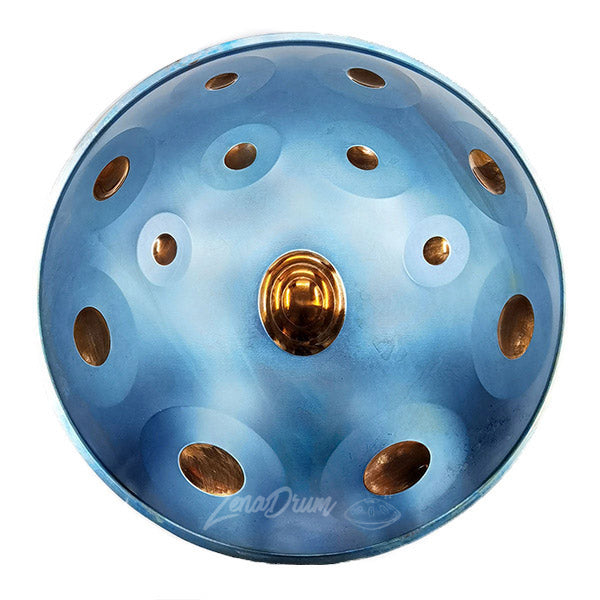
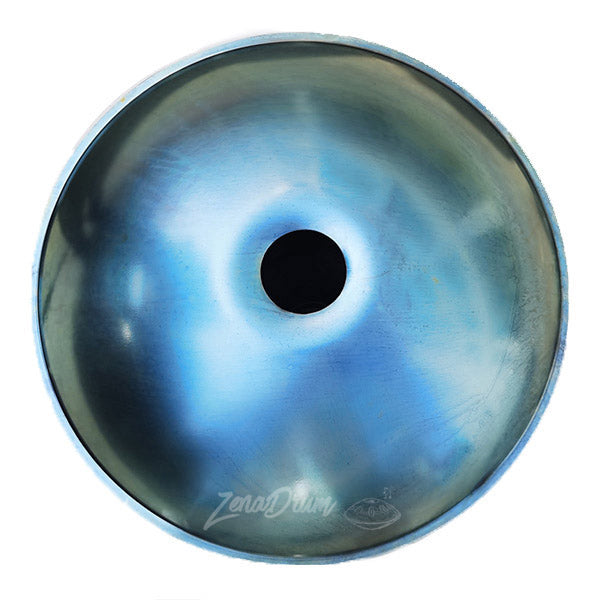
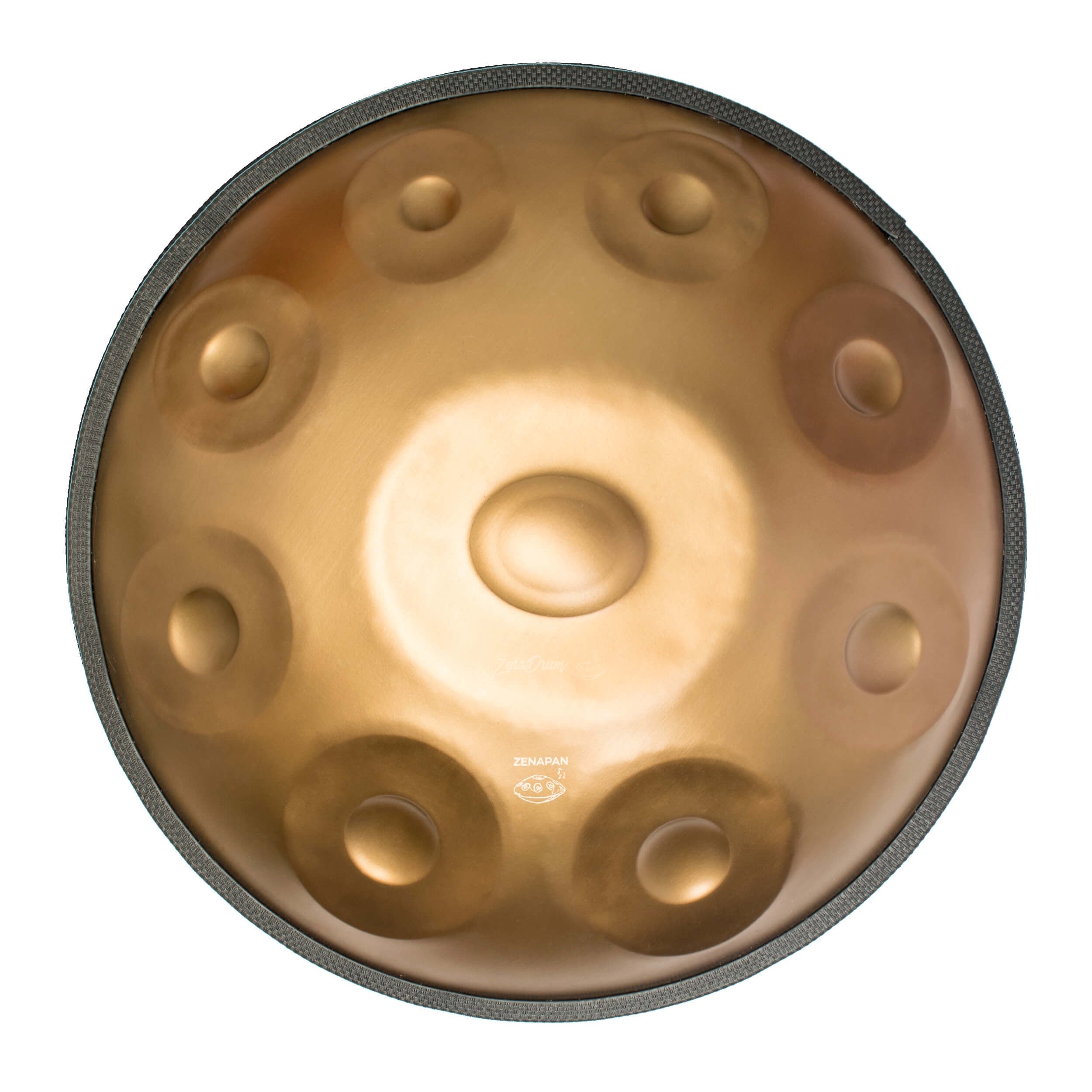
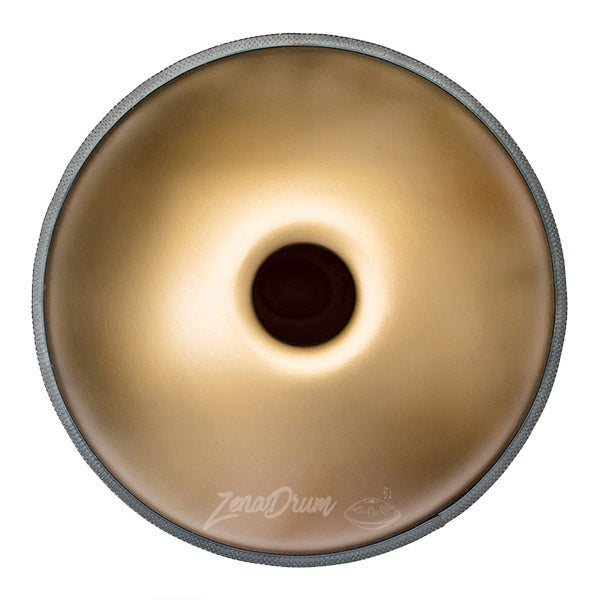
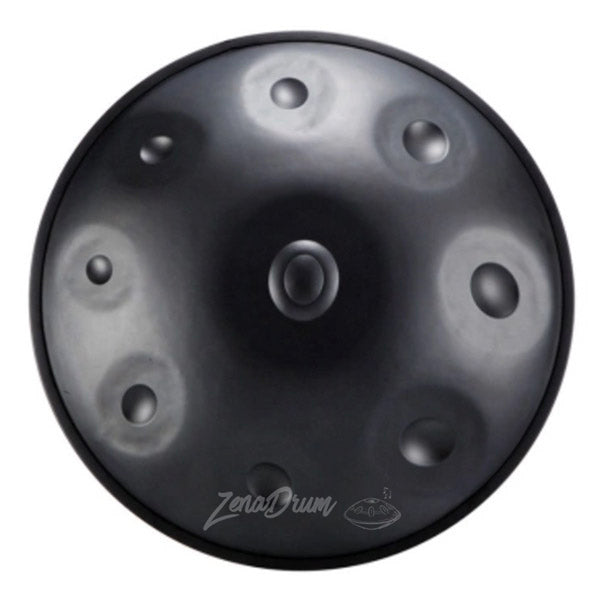
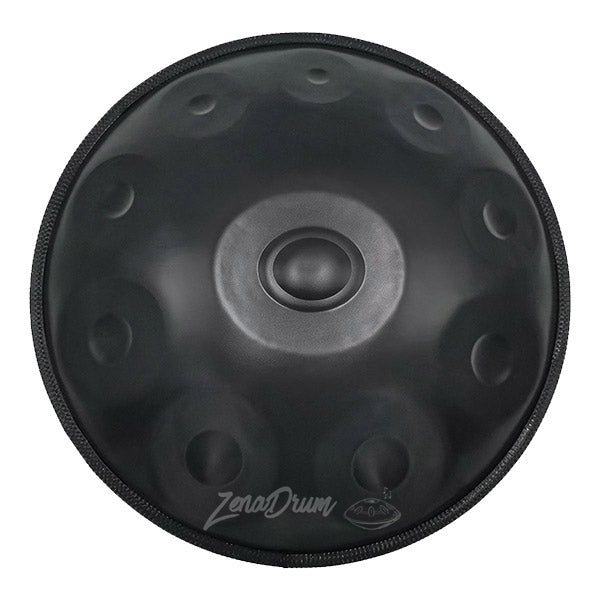
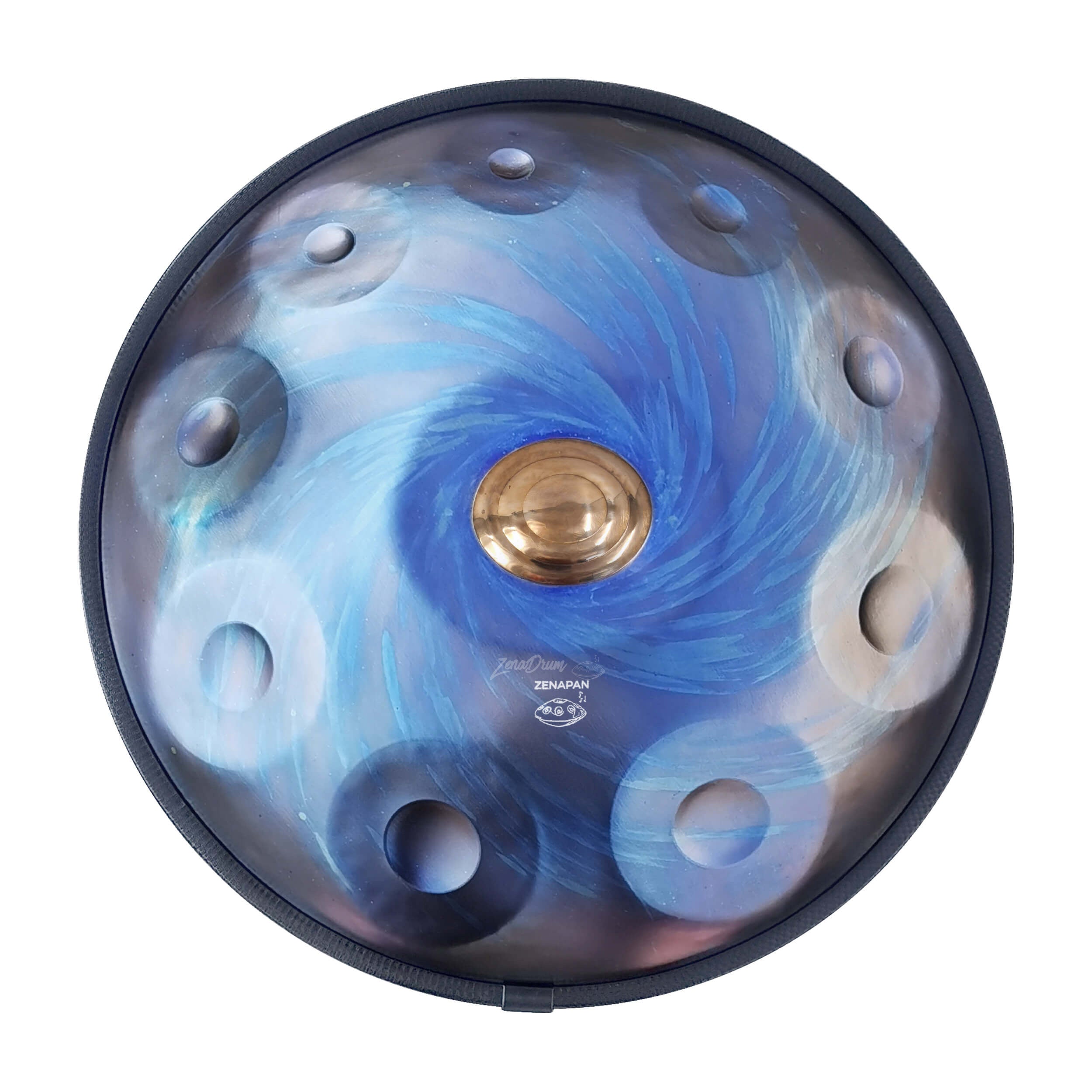
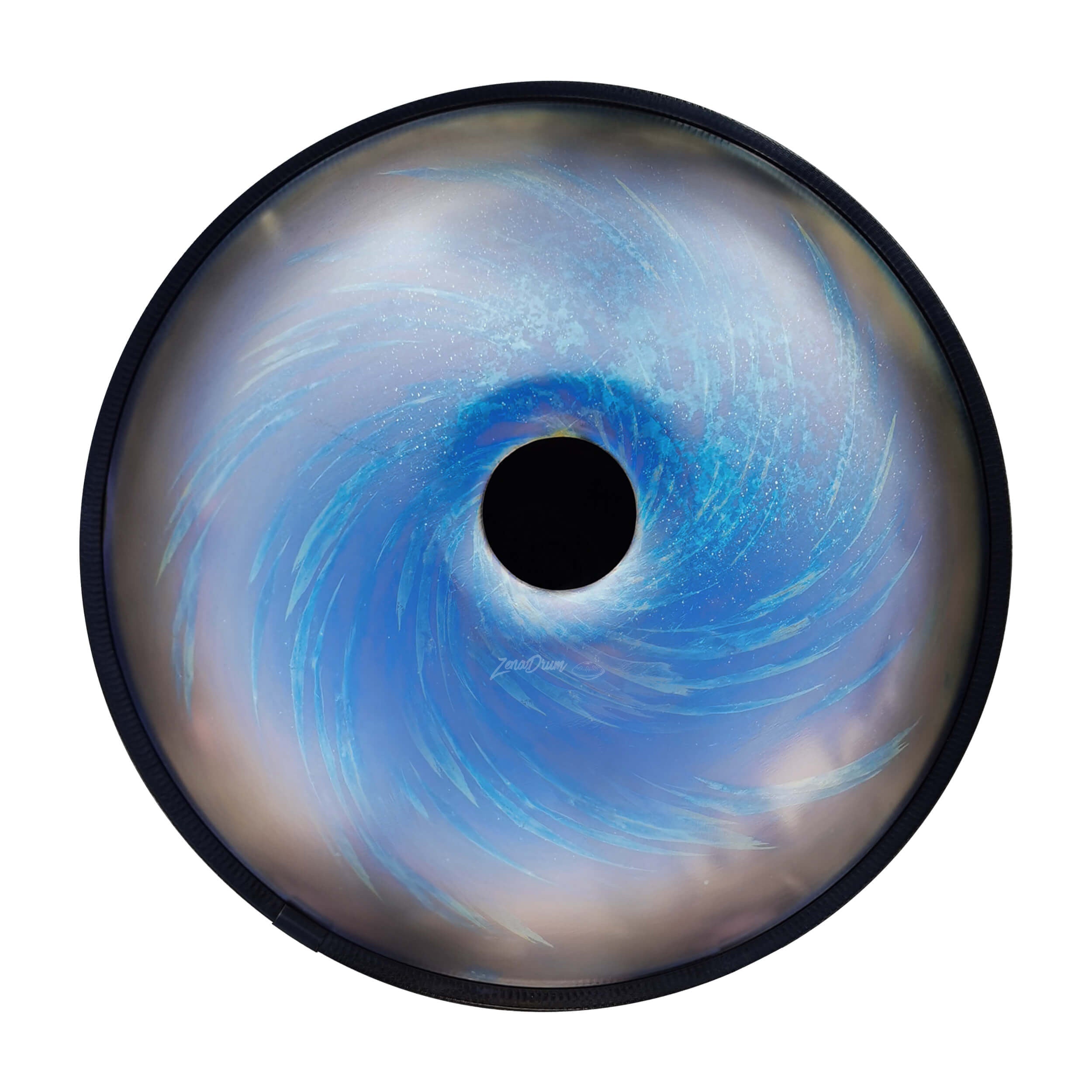
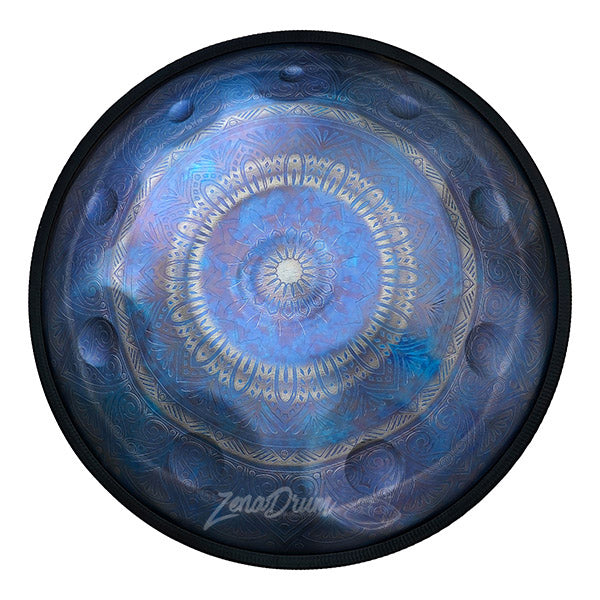
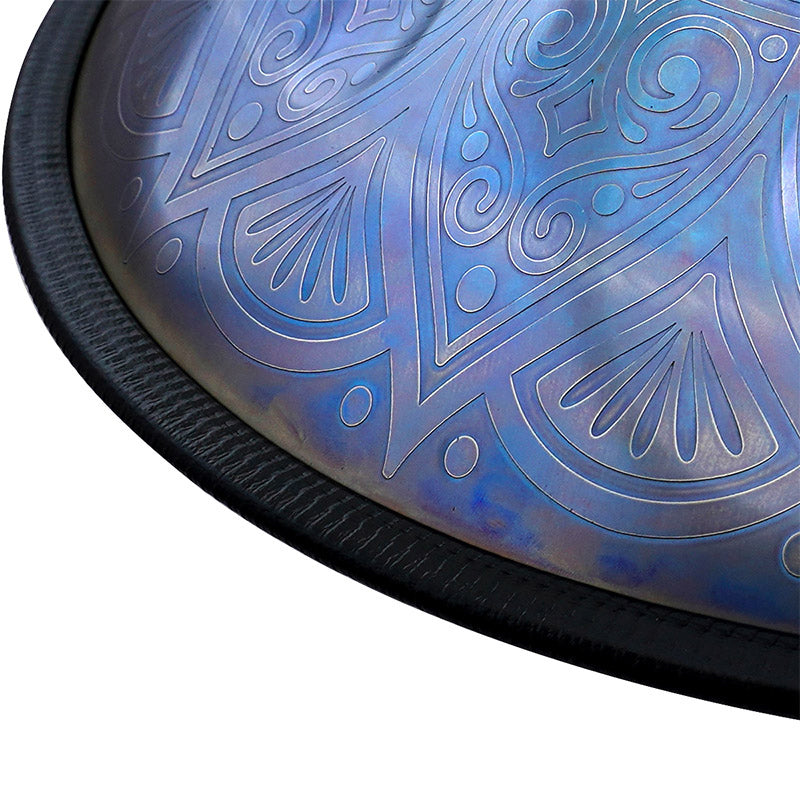
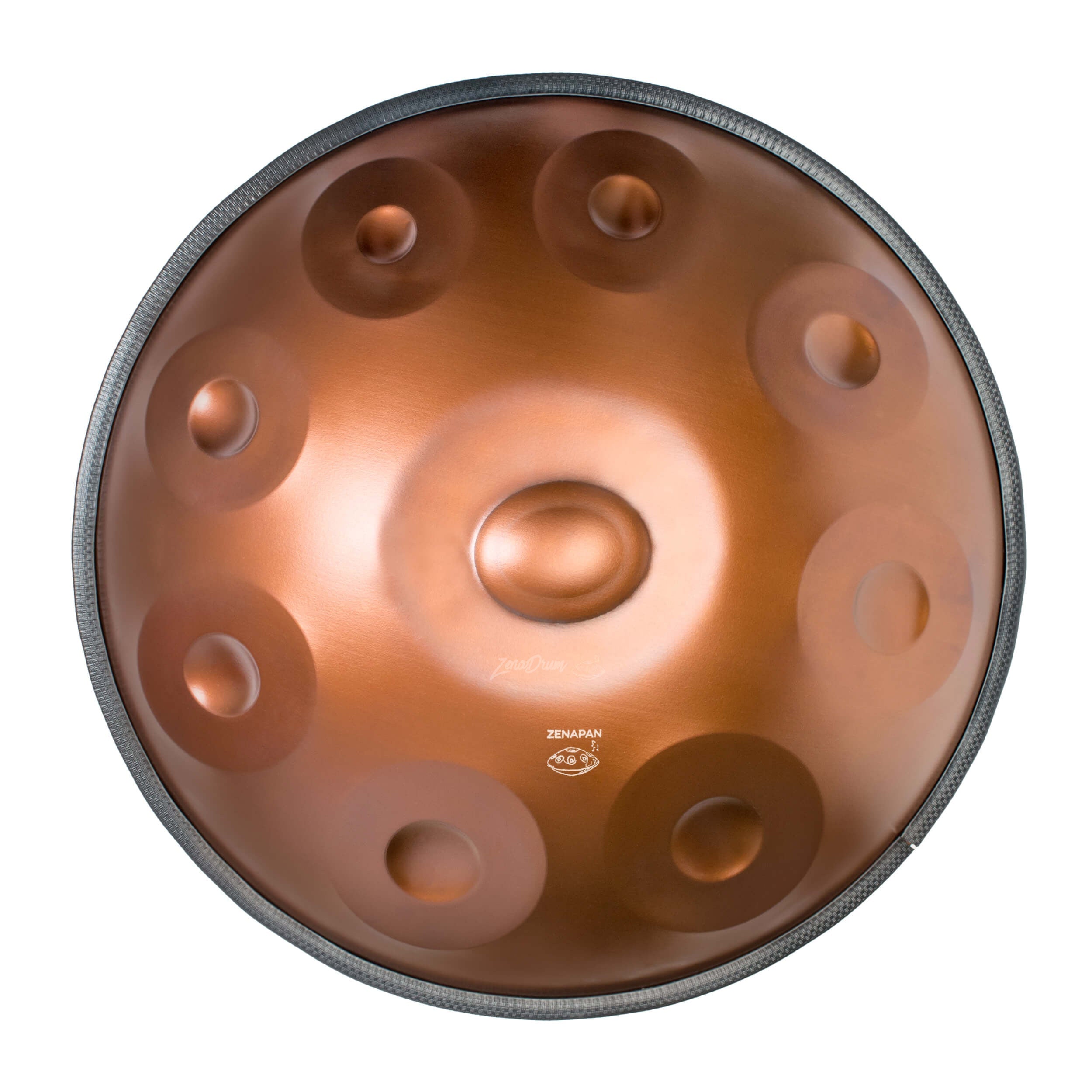
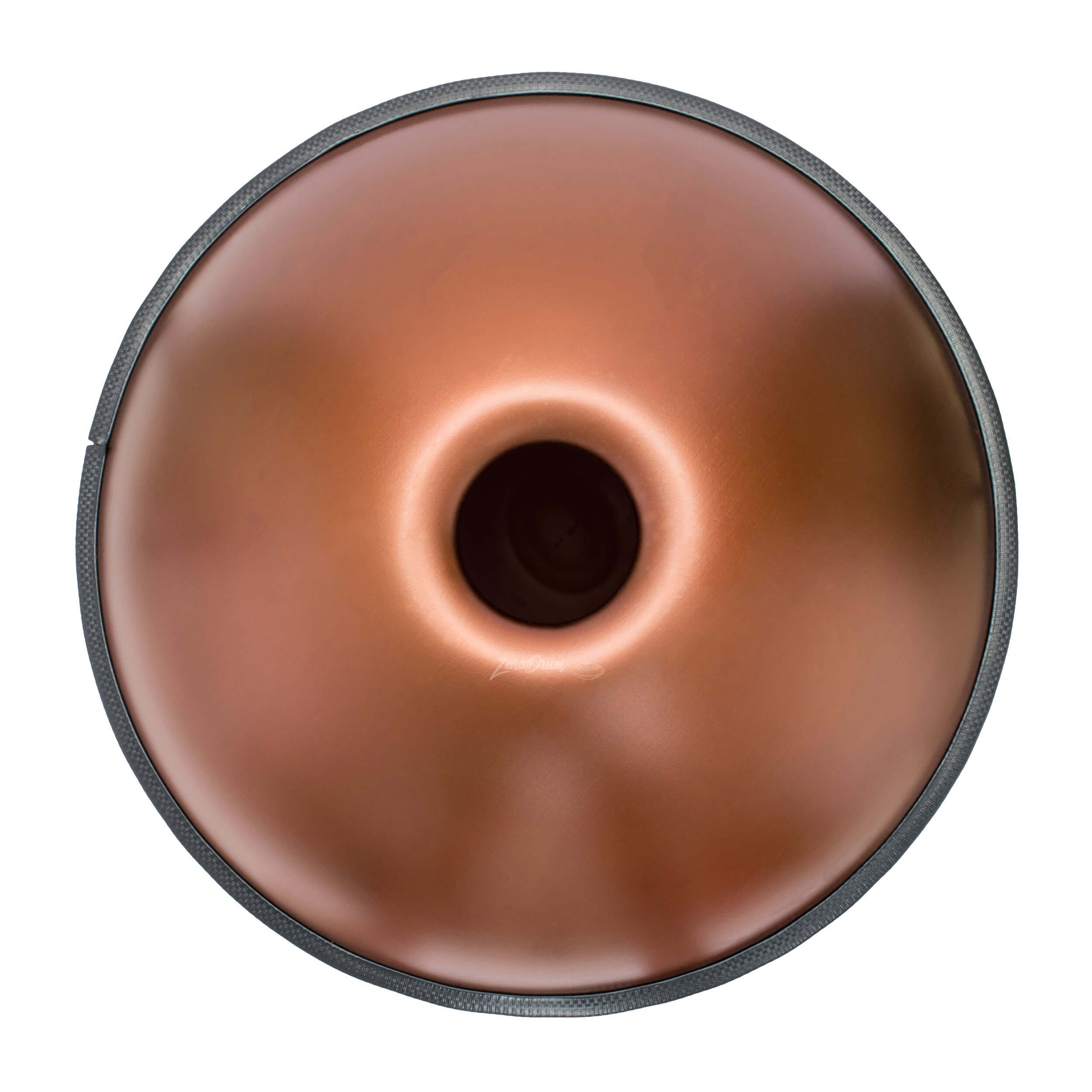
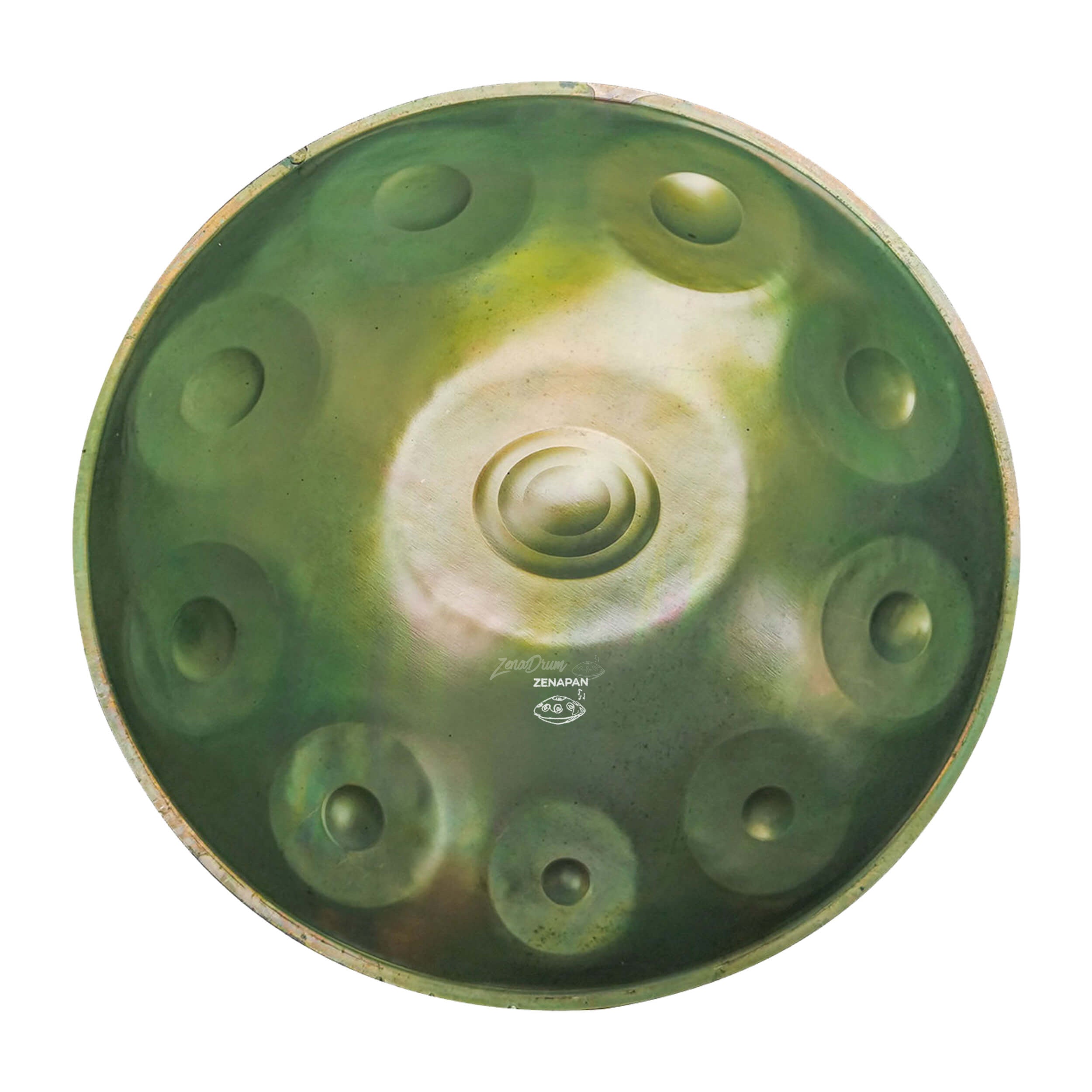
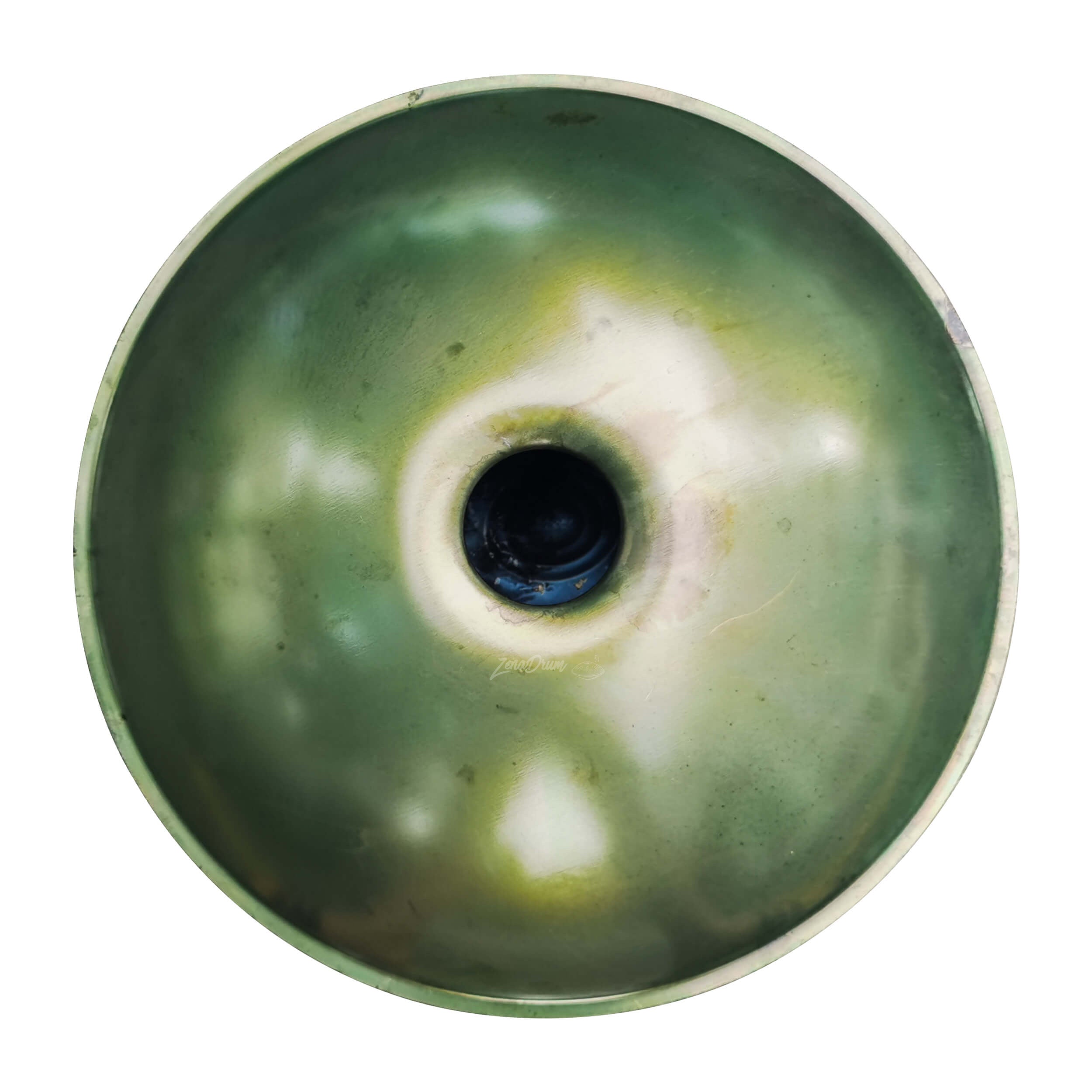
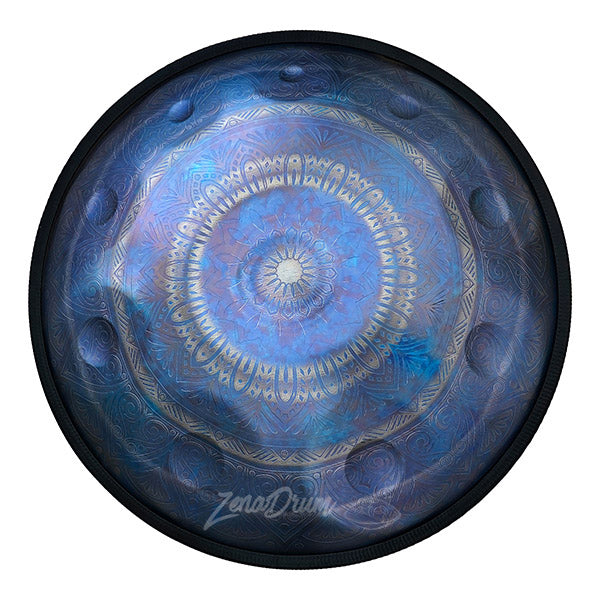
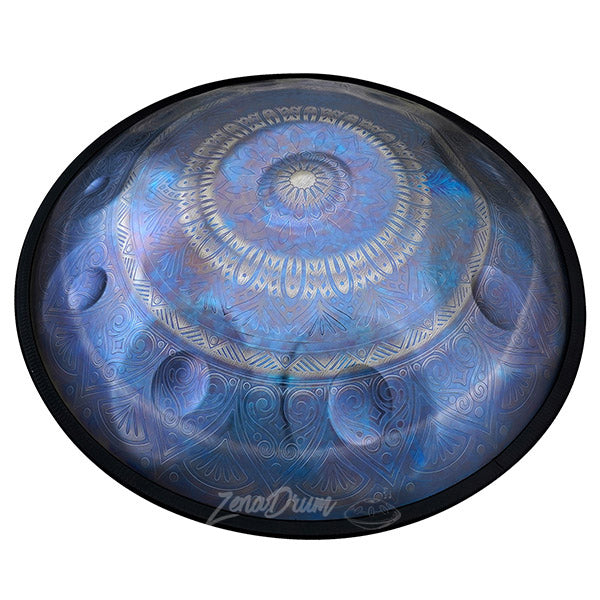
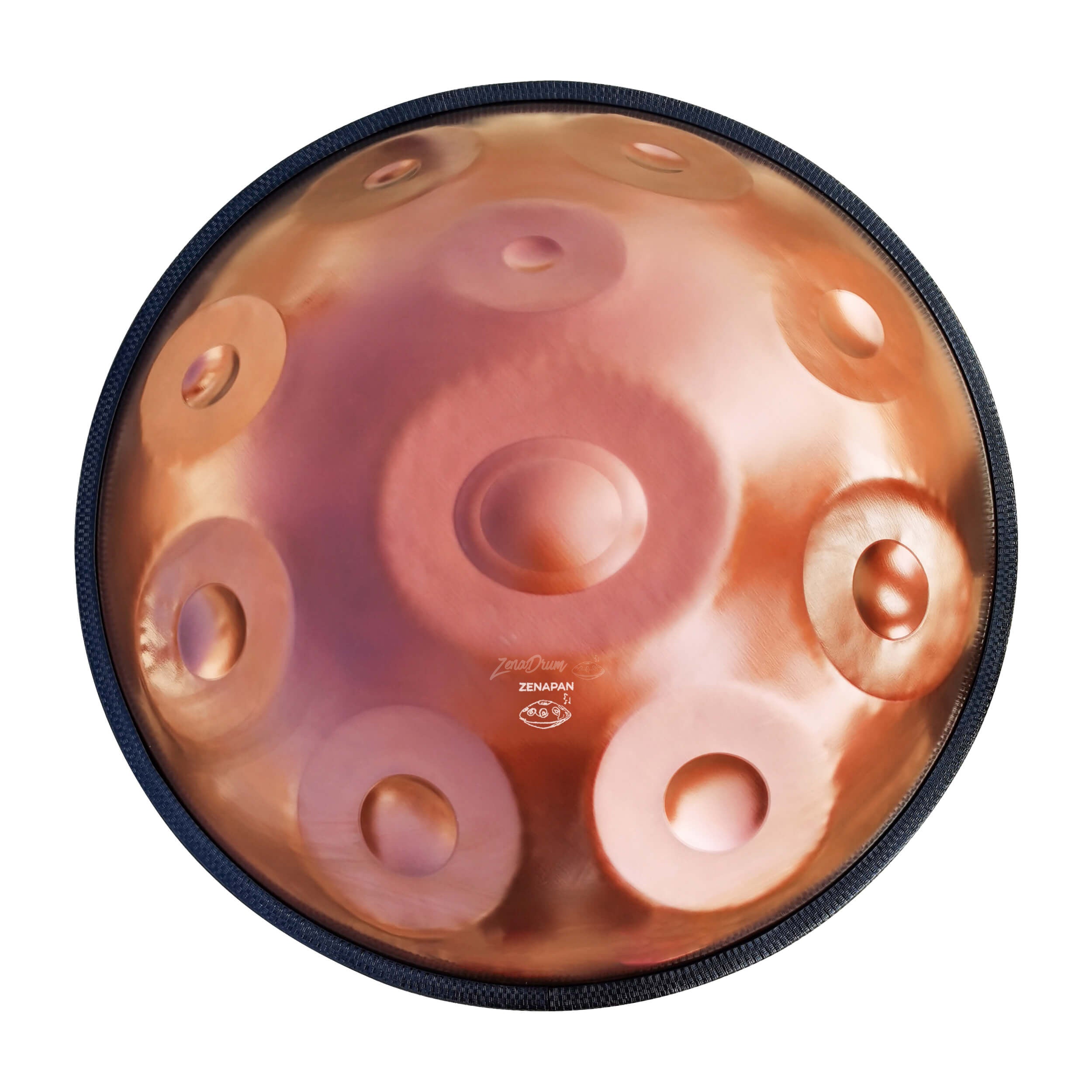
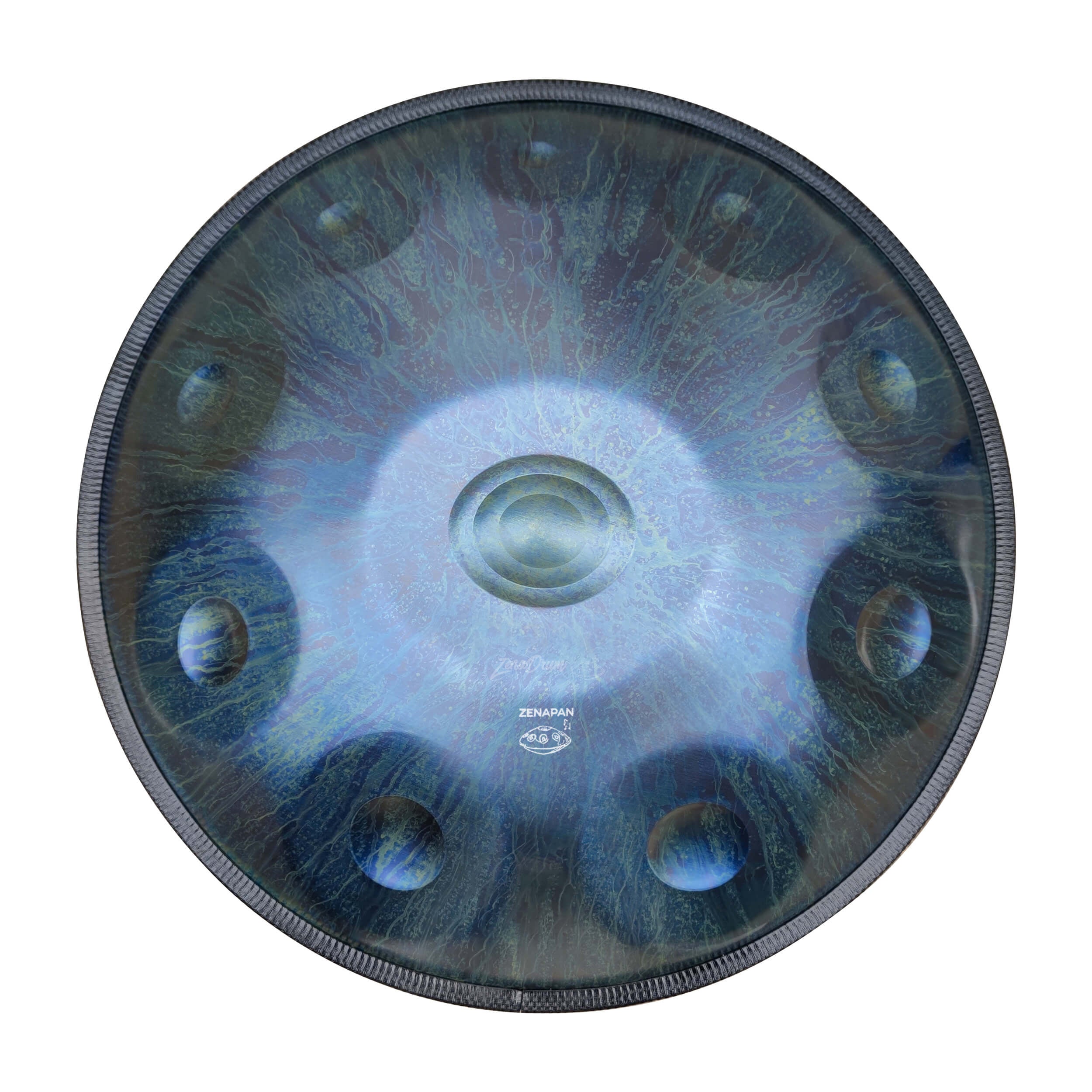
A handpan 13 notes delivers expanded musical expression that bridges the gap between standard extended-range instruments and fully professional configurations. At Healing Sounds, our 13 note handpan collection features precision-tuned instruments with one Ding and twelve tone fields spread across both the top and bottom shells, providing a generous range that covers well over one and a half octaves. This configuration appeals to experienced players who find the 12-note layout slightly limiting but are not yet ready for the investment of a 14-note or 17-note professional model. The 13-note handpan sits in a compelling middle ground where serious musicianship meets practical value.
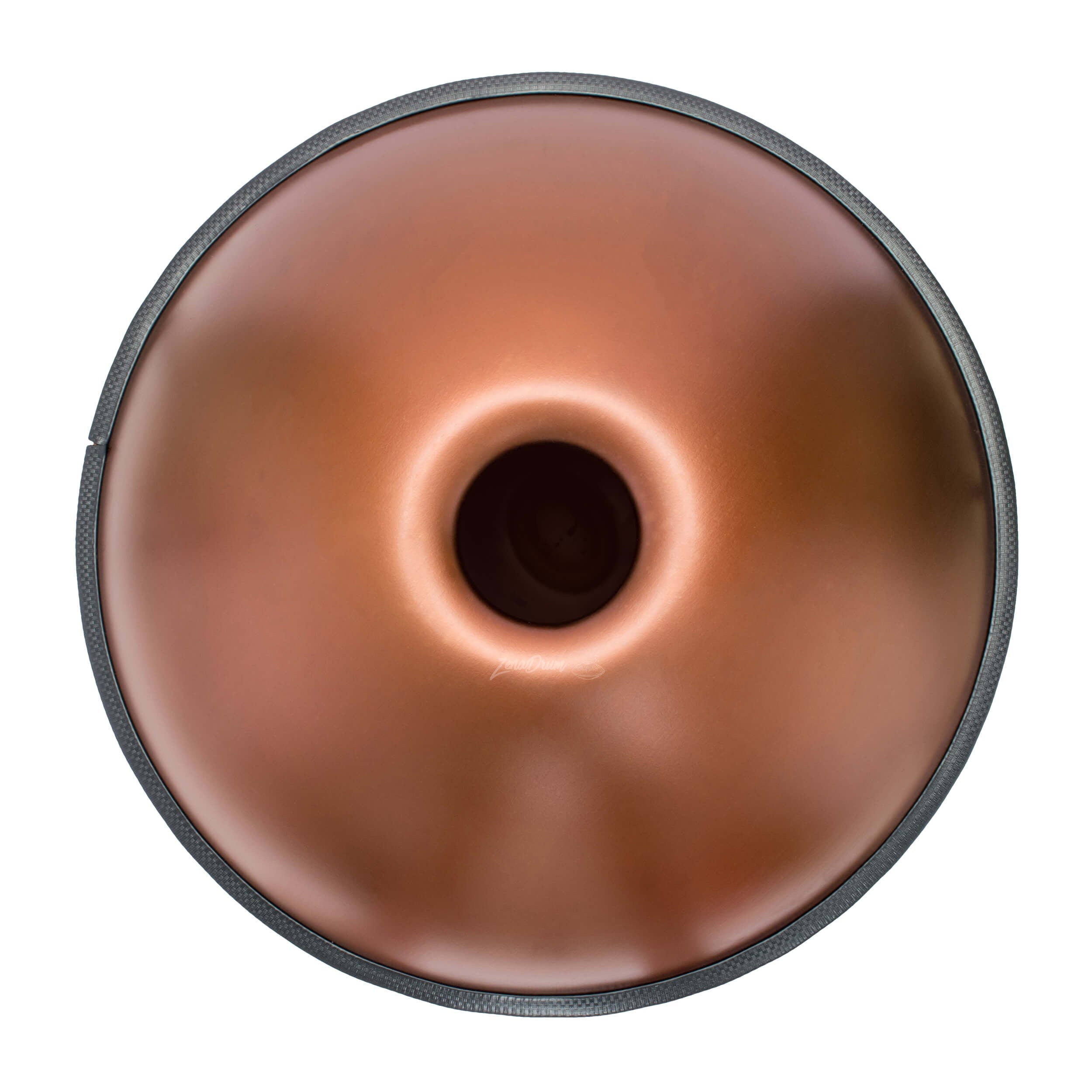
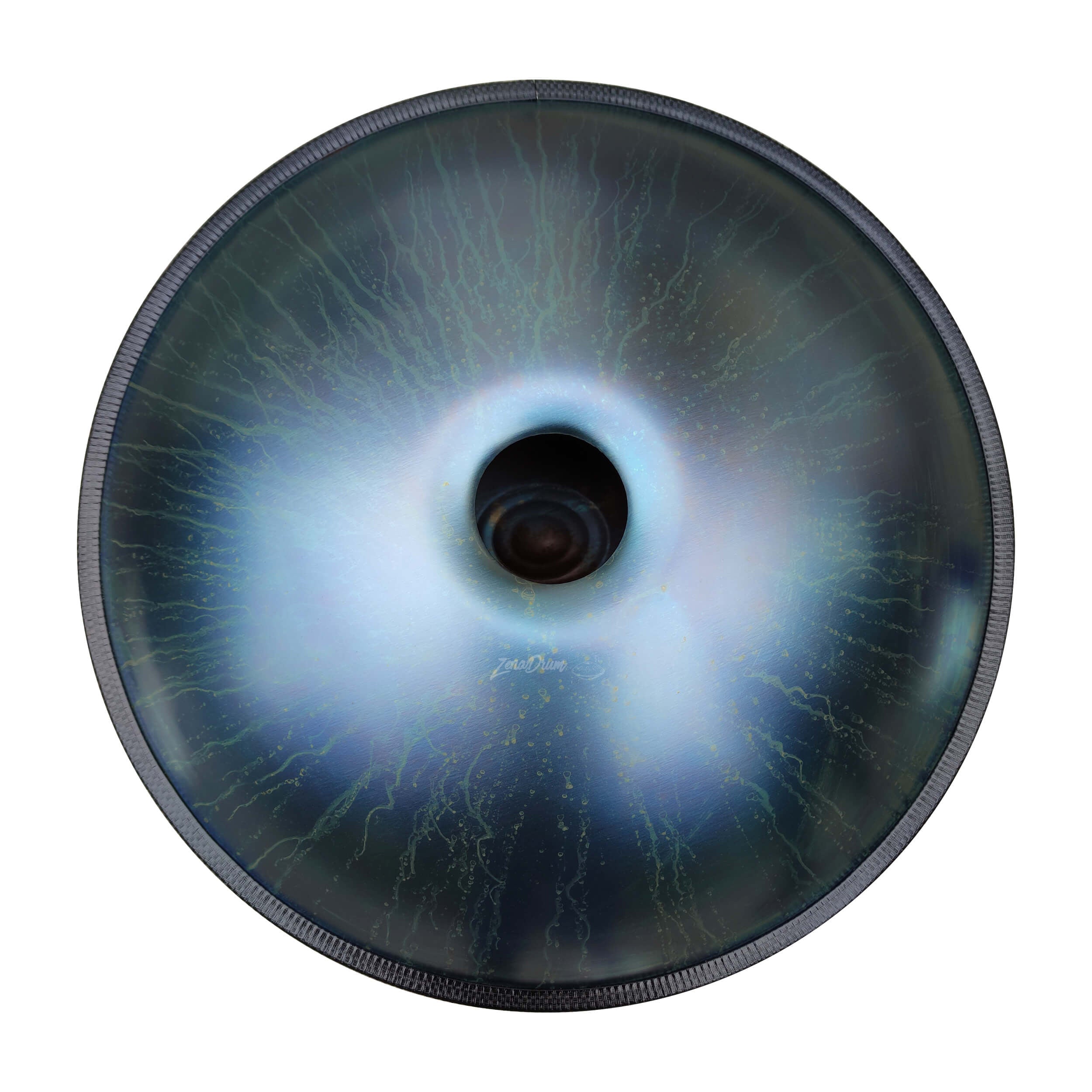
What sets the 13-note handpan apart is the depth of its bottom-shell voicing. While a 12-note instrument typically places two to three tone fields on the Gu side, the 13-note configuration adds three to four, creating a more developed bass register that fundamentally changes the instrument's character. The result is an instrument that feels more complete — melodies on the top shell can be supported by rich bass patterns beneath, producing a layered, orchestral quality that a single-shell handpan cannot achieve. This dual-voice capability makes the 13-note configuration a favorite among players who perform solo and need their instrument to fill the sonic space of a full ensemble.
Built for players with at least a year of dedicated handpan experience, the 13-note handpan rewards technical investment with extraordinary creative returns. Every scale and material in our catalog takes on new dimensions at this note count, offering seasoned players a path to deeper artistic expression. To understand how this configuration fits within the broader family of instruments, visit our complete handpan collection.
The Musical Advantage of Thirteen Tone Fields
Every additional tone field on a handpan exponentially increases the number of possible melodic combinations, harmonic intervals, and rhythmic patterns available to the player. The jump from 12 to 13 notes may seem incremental on paper, but in practice it opens substantial musical territory.
Deeper Bass Foundation
The primary benefit of the thirteenth note is a more developed bottom shell. With three to four tone fields on the Gu side, you gain access to a bass register that can sustain melodic patterns of its own — not just occasional accent notes. This allows you to play walking bass lines, drone patterns, and rhythmic ostinatos on the bottom shell while the top shell carries the melody. The interplay between these two sonic layers creates a polyphonic texture that elevates solo performance to a level approaching multi-instrument arrangements.
Wider Interval Vocabulary
With twelve tone fields surrounding the Ding, the number of available intervals and interval combinations increases significantly. You can play ninths, tenths, and compound intervals that are physically impossible on instruments with fewer notes. These wide intervals add drama, tension, and resolution to your playing — essential tools for storytelling through music. Advanced techniques like contrary motion (one hand ascending while the other descends) become far more expressive with the wider range.
Seamless Octave Transitions
Where a 12-note handpan can feel slightly cramped at the extremes of its range, the 13-note layout provides a more graceful transition between registers. The extra note bridges the gap between the top-shell upper range and the bottom-shell bass, eliminating melodic dead zones and allowing smooth, uninterrupted phrases that flow across the entire instrument.
Construction and Ergonomics of 13-Note Handpans
The 13-note handpan demands exceptional craftsmanship. Fitting twelve tuned tone fields onto a steel shell while maintaining acoustic separation, sustain quality, and harmonic purity across every note requires precision engineering and extensive tuning experience.
Physically, 13-note instruments are slightly larger and heavier than standard 9- or 10-note models. Shell diameters typically range from 55 to 57 centimeters, and weights sit between 5 and 5.5 kilograms. The added mass comes from the denser pattern of tone fields on both shells, which requires slightly thicker steel in some areas to maintain structural integrity. Despite the increased size, the instrument remains comfortable for extended lap playing, though many players at this level use a dedicated stand for practice and performance.
The tone field spacing on a 13-note handpan is tighter than on a 9-note model, which affects playing technique. Strikes must be more precise to avoid activating adjacent notes, and finger control becomes critical for clean articulation. This tighter spacing is one reason why the 13-note configuration is recommended for players who have already developed refined technique on a standard instrument. Our advanced playing techniques guide covers precision striking methods that are essential for extended-range instruments.
Skill Level: Who Should Play a 13-Note Handpan?
The 13-note handpan is designed for players who have moved beyond the beginner and early-intermediate stages. While it is not exclusively for professionals, it requires a baseline level of skill to play effectively and enjoyably.
Experienced Intermediate Players
If you have been playing for at least twelve months, have comfortable command of all fundamental techniques (Ding strikes, tone field hits, ghost notes, harmonics), and feel constrained by the range of your current instrument, you are ready for the 13-note configuration. The transition requires adapting to bottom-shell access and more precise striking on tighter tone field spacing, but both of these skills develop quickly for players with solid fundamentals.
Aspiring Professionals
Musicians working toward professional performance — whether live concerts, busking circuits, studio sessions, or online content creation — will find the 13-note handpan an ideal stepping stone to professional-grade instruments. It provides enough range for serious compositions and performances at a lower price point than 14-note and 17-note models. Many professional performers started their careers on 13-note instruments before eventually expanding to higher note counts.
Handpan Collectors
Players who already own standard 9- or 10-note handpans and want to add a more expressive instrument to their collection often choose the 13-note as their second or third handpan. It fills a different musical role than a standard instrument — the extended range and dual-shell capabilities make it a dedicated composition and performance tool rather than an everyday practice instrument. Read our handpan history and evolution article to understand how extended-range instruments developed and why they have become essential for serious players.
Available Scales and Tuning for 13-Note Instruments
Tuning a 13-note handpan is one of the most demanding tasks in instrument making. The interaction between twelve tone fields and the Ding requires careful harmonic calibration to ensure every note rings true without sympathetic interference from adjacent fields.
- D Minor — The extended range transforms D Minor into a deeply cinematic scale. The additional bass notes provide a foundation for sustained, atmospheric playing that evokes film soundtrack qualities.
- G Minor — Already one of the most emotionally intense handpan scales, G Minor in 13 notes delivers dramatic range spanning from deep bass to bright treble. Ideal for solo performances that demand emotional impact.
- Celtic Minor — The folk-mystical quality of the Celtic scale gains extraordinary depth in 13-note form. The extended bottom register enables haunting bass drones beneath Celtic melody patterns, creating an ancient, storytelling atmosphere.
- C Major — Bright and expansive. A 13-note C Major handpan delivers a near-orchestral brightness that works beautifully for group performances, outdoor events, and therapeutic applications. Consult our handpan scales guide for detailed comparisons.
Choosing the Right Material at the 13-Note Level
Material selection becomes increasingly important as note count rises. At 13 notes, the acoustic demands on the steel are considerable — each tone field must maintain clean fundamental tone, accurate pitch, and proper sustain while being closely surrounded by other tuned fields.
Stainless steel is the top recommendation for 13-note instruments. Its density and hardness provide the best tuning stability across many closely spaced tone fields. The bright, clear tone of stainless steel also ensures that bottom-shell notes project with the same clarity as top-shell notes — essential for balanced dual-shell playing.
Nitrided steel delivers a warmer tonal character that many experienced players prefer, particularly for intimate performances and studio recording. However, the regular oiling schedule becomes especially important on 13-note instruments due to the larger number of tone fields creating more surface area susceptible to oxidation.
Ember steel provides the versatile middle ground — warm enough for emotional expression, bright enough for clear multi-note articulation. For complete material care instructions, visit our care and maintenance guide.
Price Positioning of 13-Note Handpans
The 13-note handpan occupies the upper-middle tier of handpan pricing, typically ranging from $1,400 to $2,200. This positions it above the 12-note models ($1,200 to $2,000) and below the fully professional 14-note ($1,600 to $2,500) and 17-note ($2,000 to $3,000+) configurations.
For the additional investment over a 12-note instrument, you receive one more tone field that significantly enhances the bottom-shell bass register, a wider overall range, and greater compositional flexibility. Many players consider the 13-note the best value proposition in the extended-range category — it delivers the majority of the musical capability of a 14-note instrument at a meaningfully lower price.
Explore Our Extended-Range Handpan Selection
- Parent Collection: All Handpans
- By Note Count: 6 Notes · 9 Notes · 10 Notes · 12 Notes · 13 Notes (You are here) · 14 Notes · 17 Notes
- By Scale: D Minor · G Minor · C Major · Celtic
- By Material: Stainless Steel · Nitrided Steel · Ember Steel
- By Skill Level: Beginner · Intermediate · Professional
13-Note Handpan: Detailed Answers to Key Questions
A 13-note handpan is designed for experienced players who have outgrown the range of standard 9- or 10-note instruments and want expanded musical expression without stepping up to the highest (and most expensive) professional configurations. Typical buyers include intermediate-to-advanced players with at least a year of playing experience, aspiring professional performers who need greater range for live sets, composers who require a wider tonal palette for original music, and collectors adding a specialized performance instrument to their collection. If you can comfortably play a standard handpan and feel limited by its range, the 13-note configuration is the logical next level.
The primary difference is one additional tone field, which is typically placed on the bottom shell. This extra bottom note transforms the bass register from a supplementary accent feature into a more developed melodic voice in its own right. With three to four bottom-shell notes instead of two to three, the 13-note handpan enables walking bass lines, sustained bass drones, and more complex dual-shell interplay. The practical differences include slightly tighter tone field spacing (requiring more precise strikes), a modest weight increase, and a price premium of roughly $200 to $300 over a comparable 12-note model. For players who prioritize bass depth and polyphonic texture, the upgrade to 13 notes is highly worthwhile.
Bottom-shell tone fields on a 13-note handpan are accessed by tilting the instrument on your lap (typically 30 to 45 degrees toward your body) or by mounting it on a dedicated stand. The tilting method works well for seated practice and intimate performances, while stand mounting provides the best accessibility for extended playing sessions and stage performances. The striking technique for bottom notes is identical to top-shell playing — relaxed fingertip strikes on the tone field dimple. The main skill to develop is smooth transitions between top and bottom shells, which requires practice with the instrument's weight distribution and balance. Most experienced players achieve comfortable dual-shell fluency within two to four weeks of dedicated practice.
A 13-note handpan is not the ideal starting instrument for beginners. The tighter tone field spacing requires more precise striking technique than a beginner has typically developed, and the bottom-shell notes add a layer of physical complexity that can be frustrating for new players. The higher price point also makes it a significant investment for someone still discovering whether the handpan is the right instrument for them. We recommend starting with a 9-note or 10-note instrument, building solid fundamentals over six to twelve months, and then upgrading to a 13-note when you feel confident with your technique and ready for expanded range. Our beginner's buying guide provides a detailed path for new players.
The 13-note handpan is available in the major scales of the handpan family, including D Minor (Kurd), G Minor, C Major, and Celtic Minor. The selection may be slightly narrower than for 9-note instruments because not every scale translates optimally to the extended 13-note range — some tunings require specific interval structures that work better at certain note counts. D Minor remains the most popular and widely available option at 13 notes, followed by Celtic Minor and G Minor. Consult our scales guide for detailed analysis of how each scale sounds across different note counts, and contact us if you are looking for a specific scale in 13-note form.