
handpan 14 notes
9 products
Showing 1 - 9 of 9 products
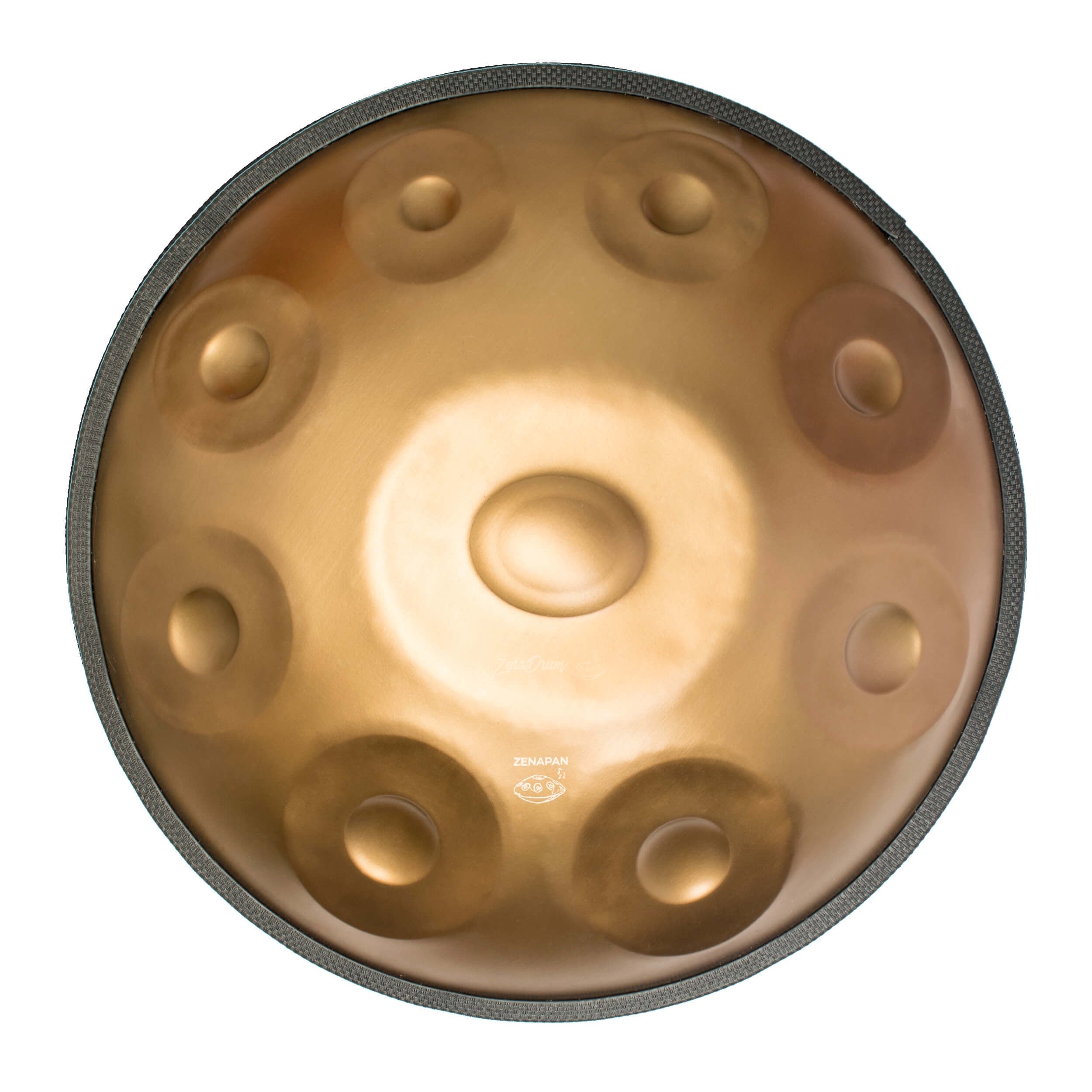
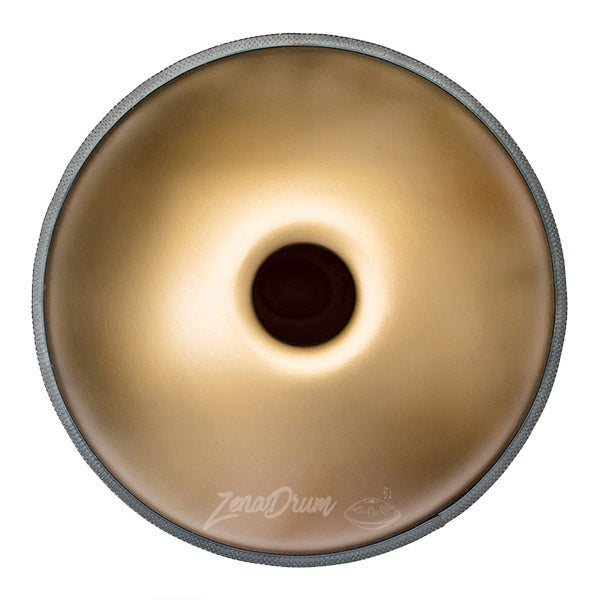
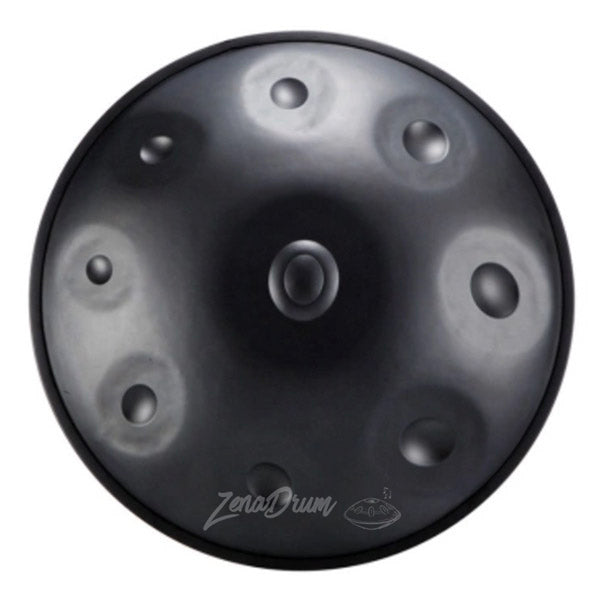
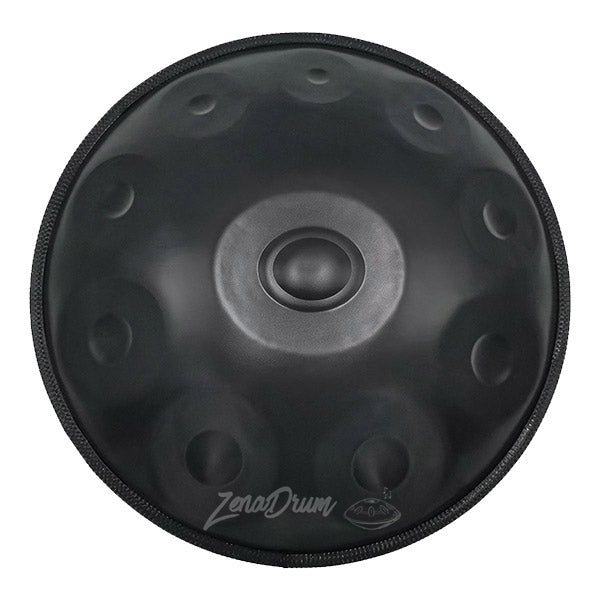
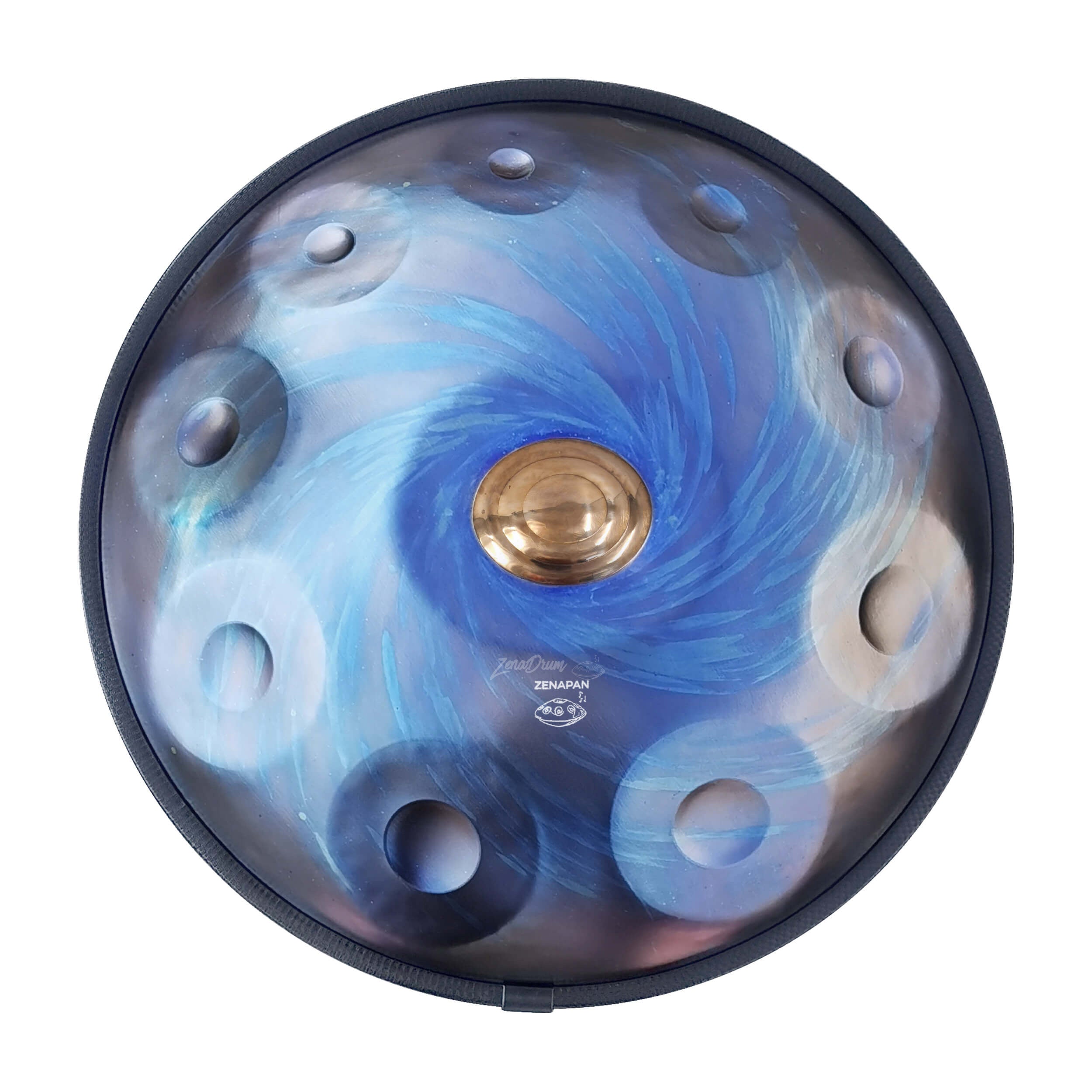


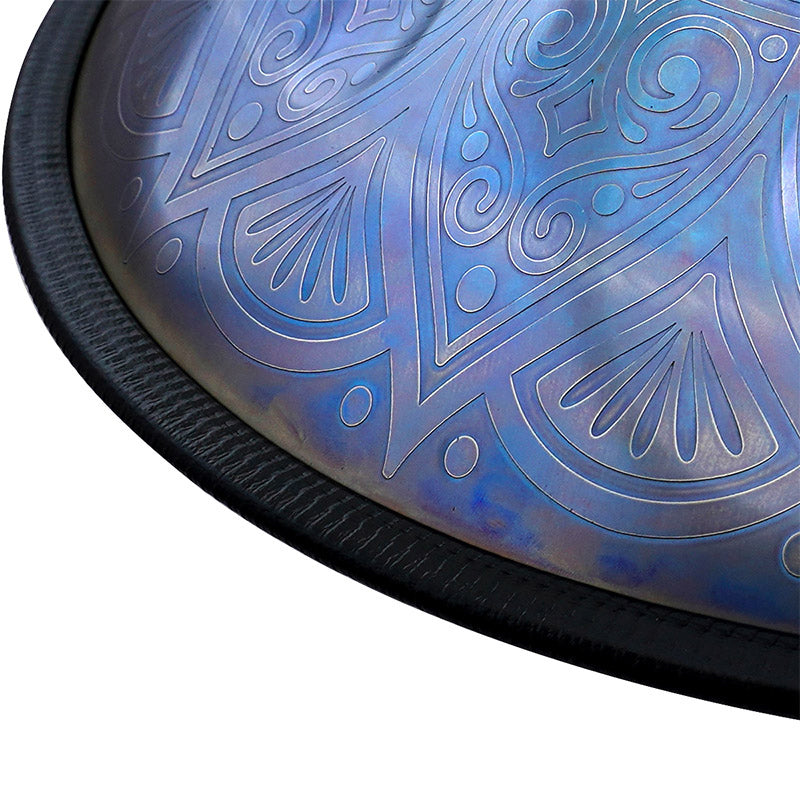
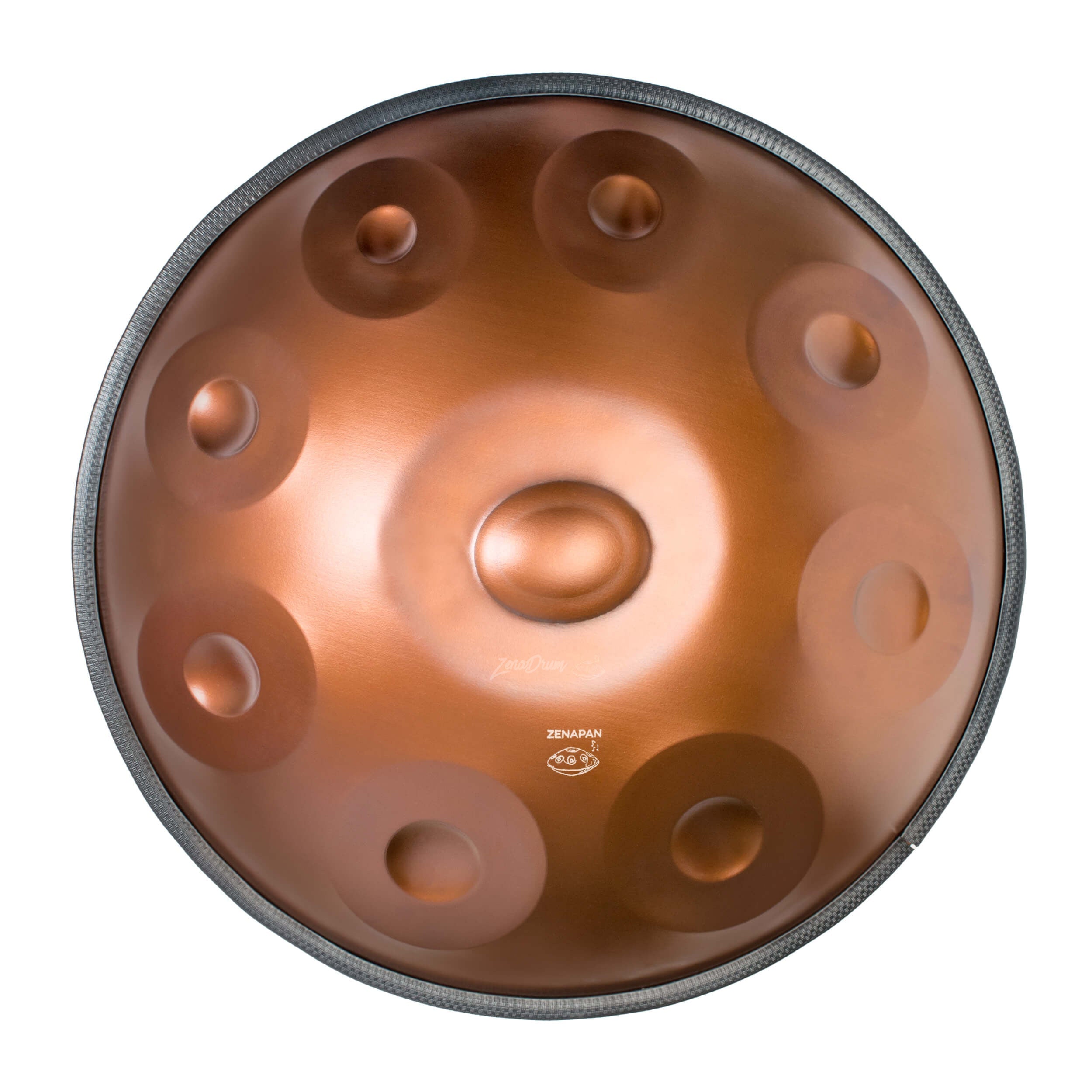
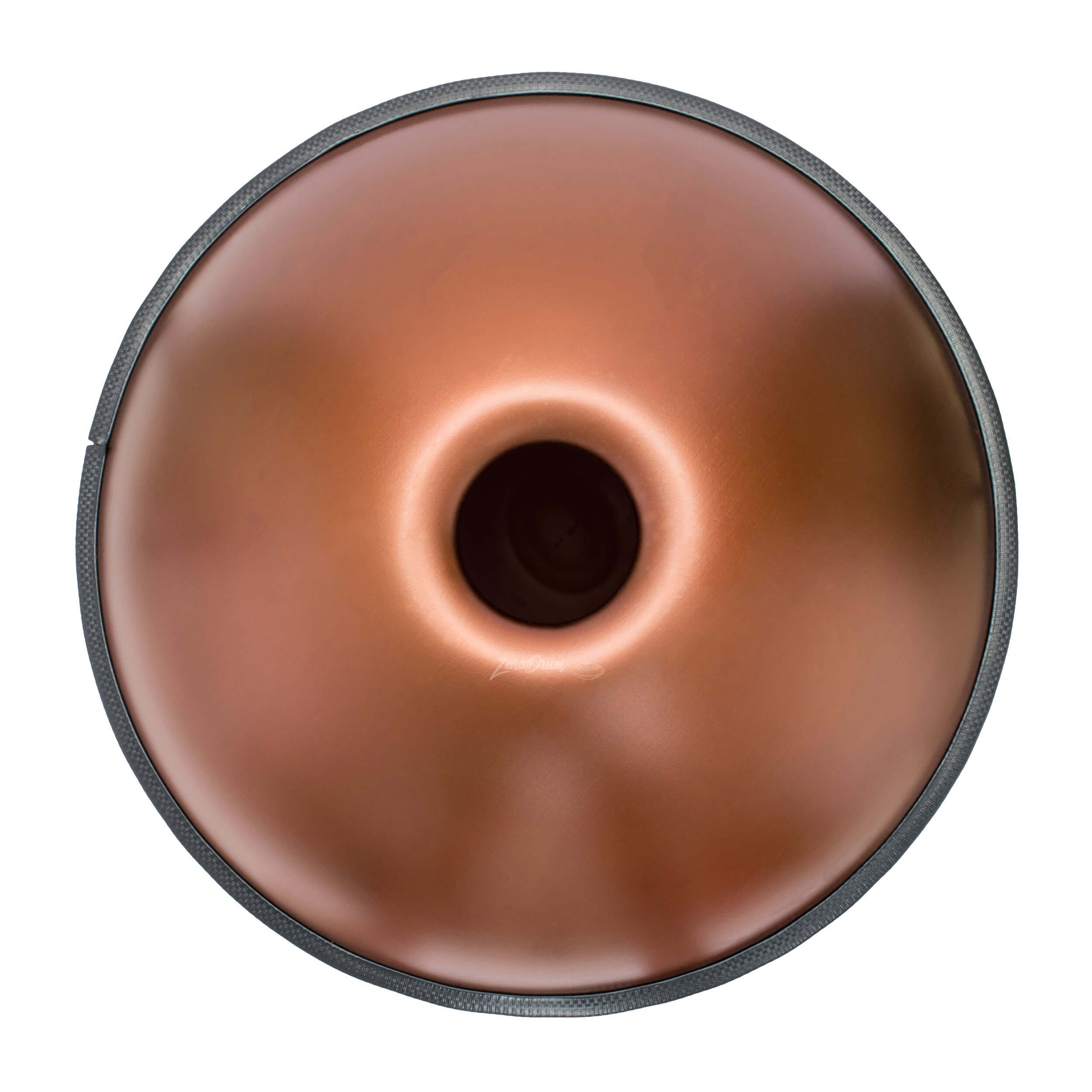
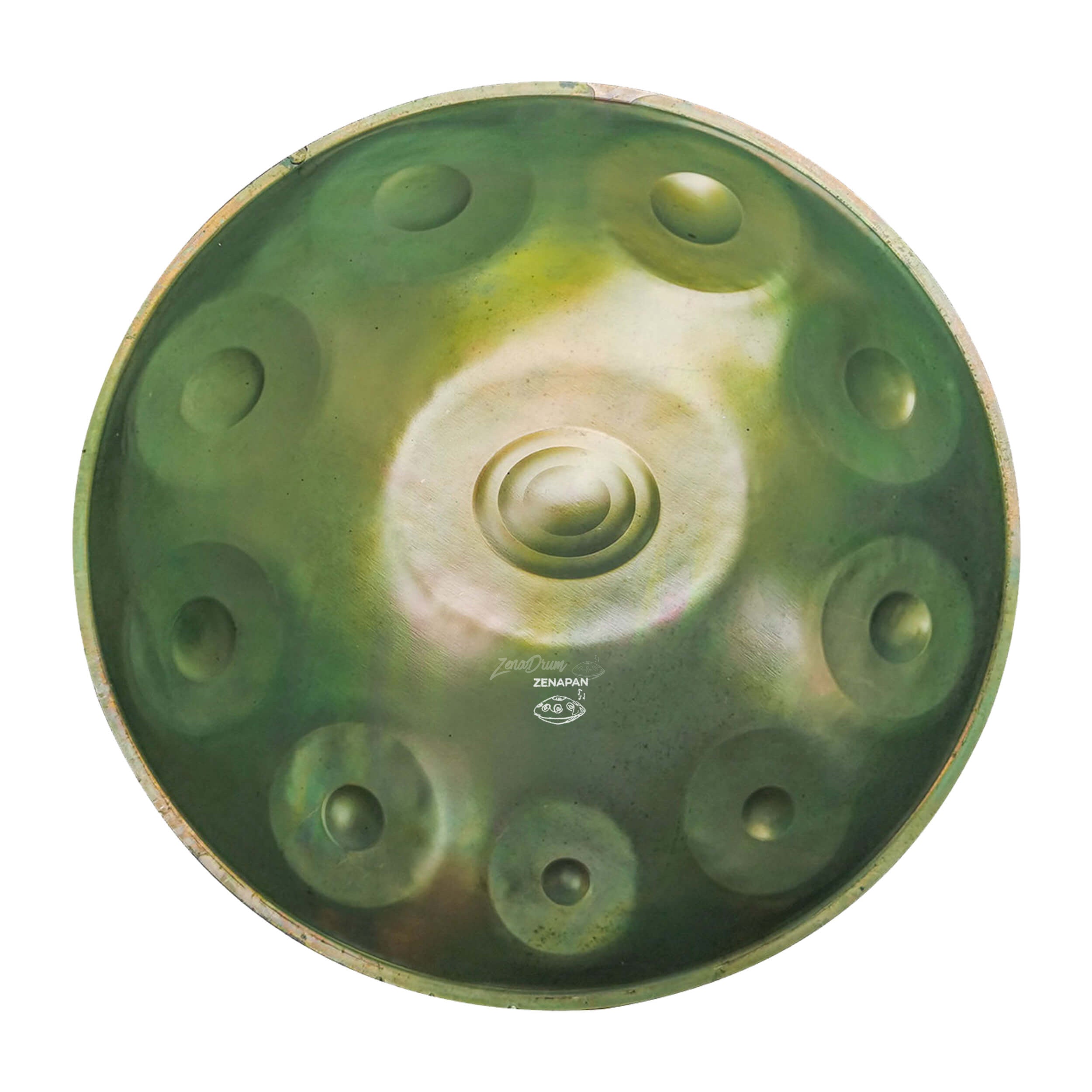

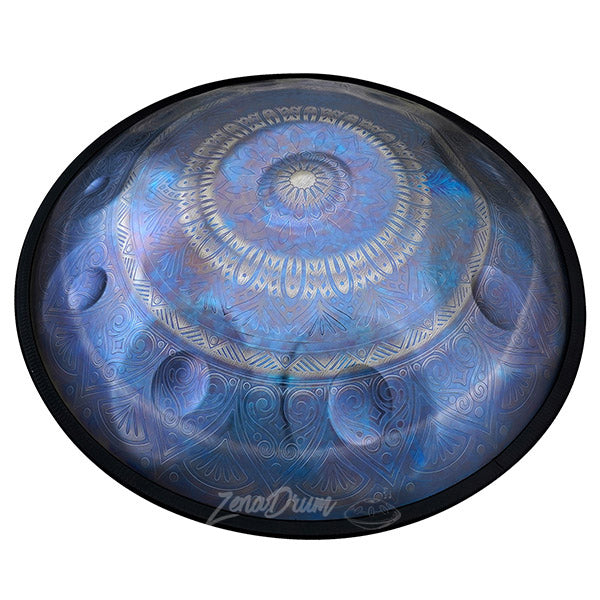
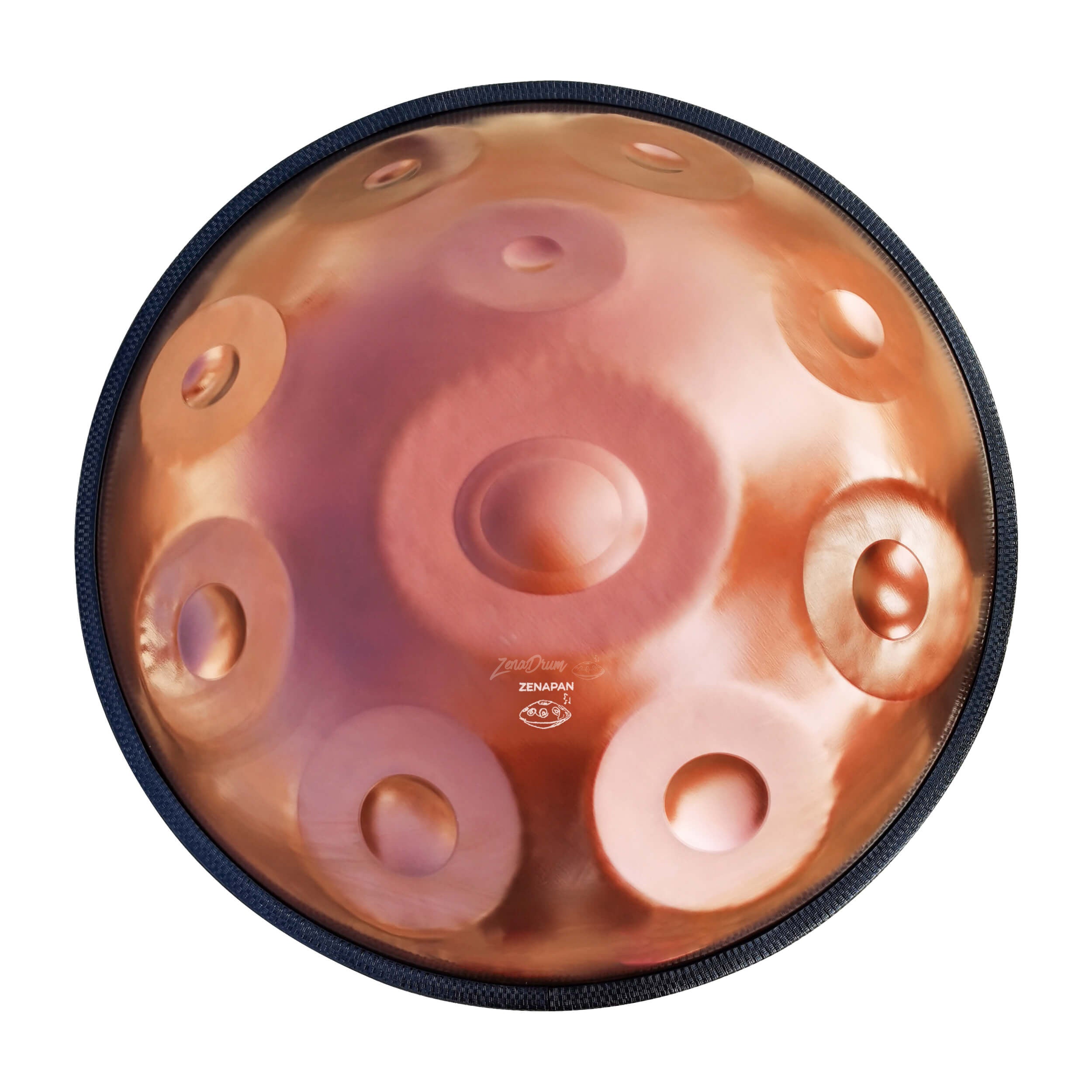
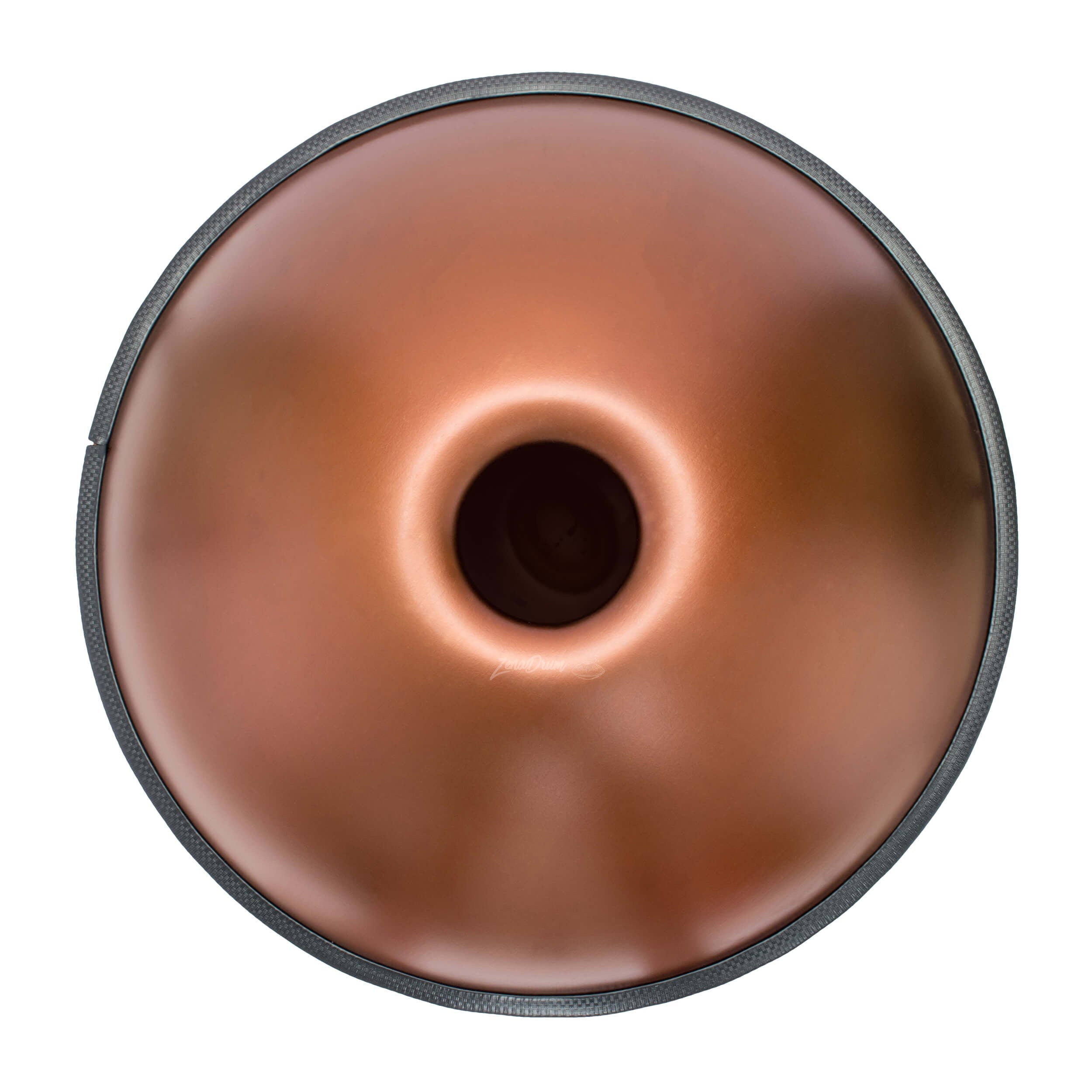
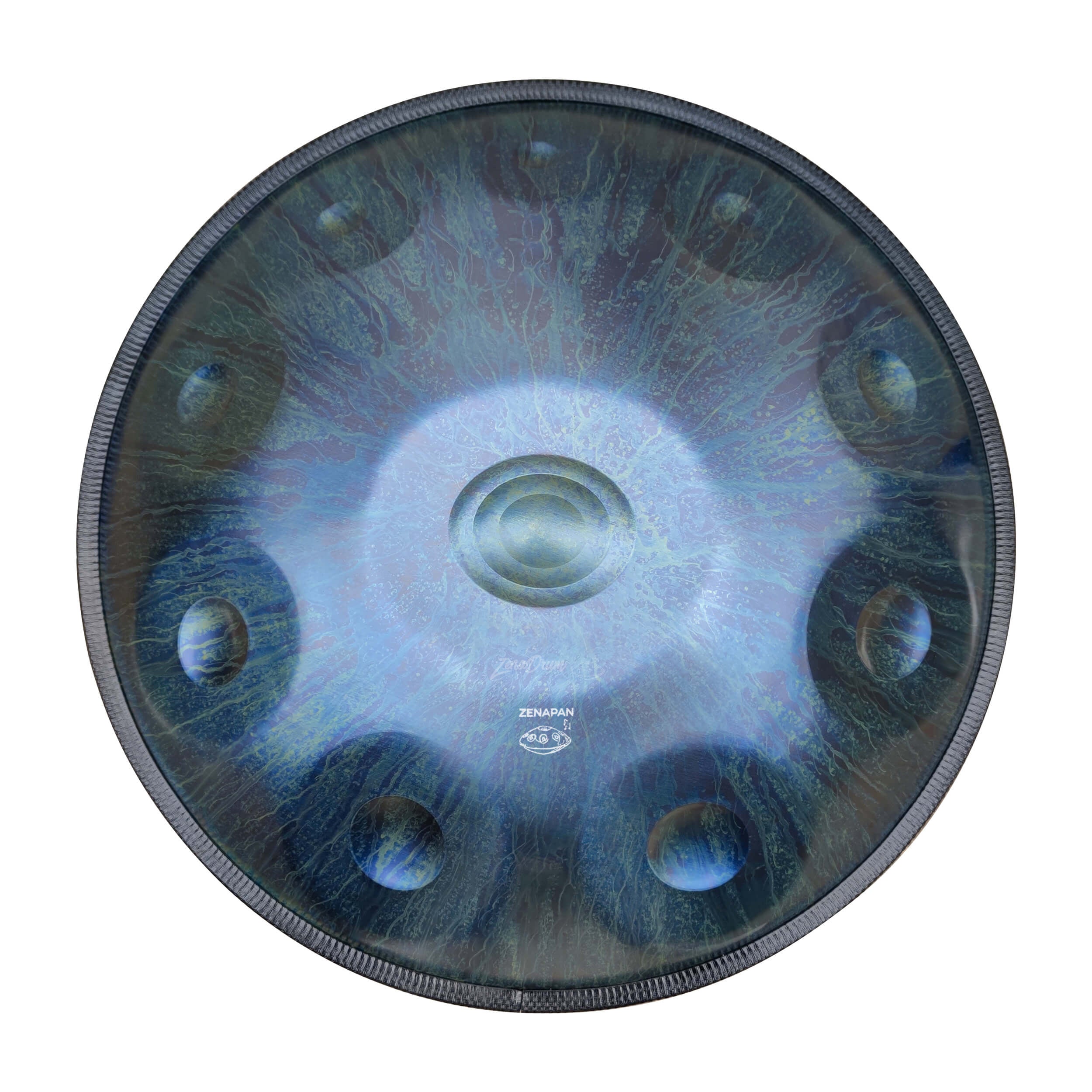
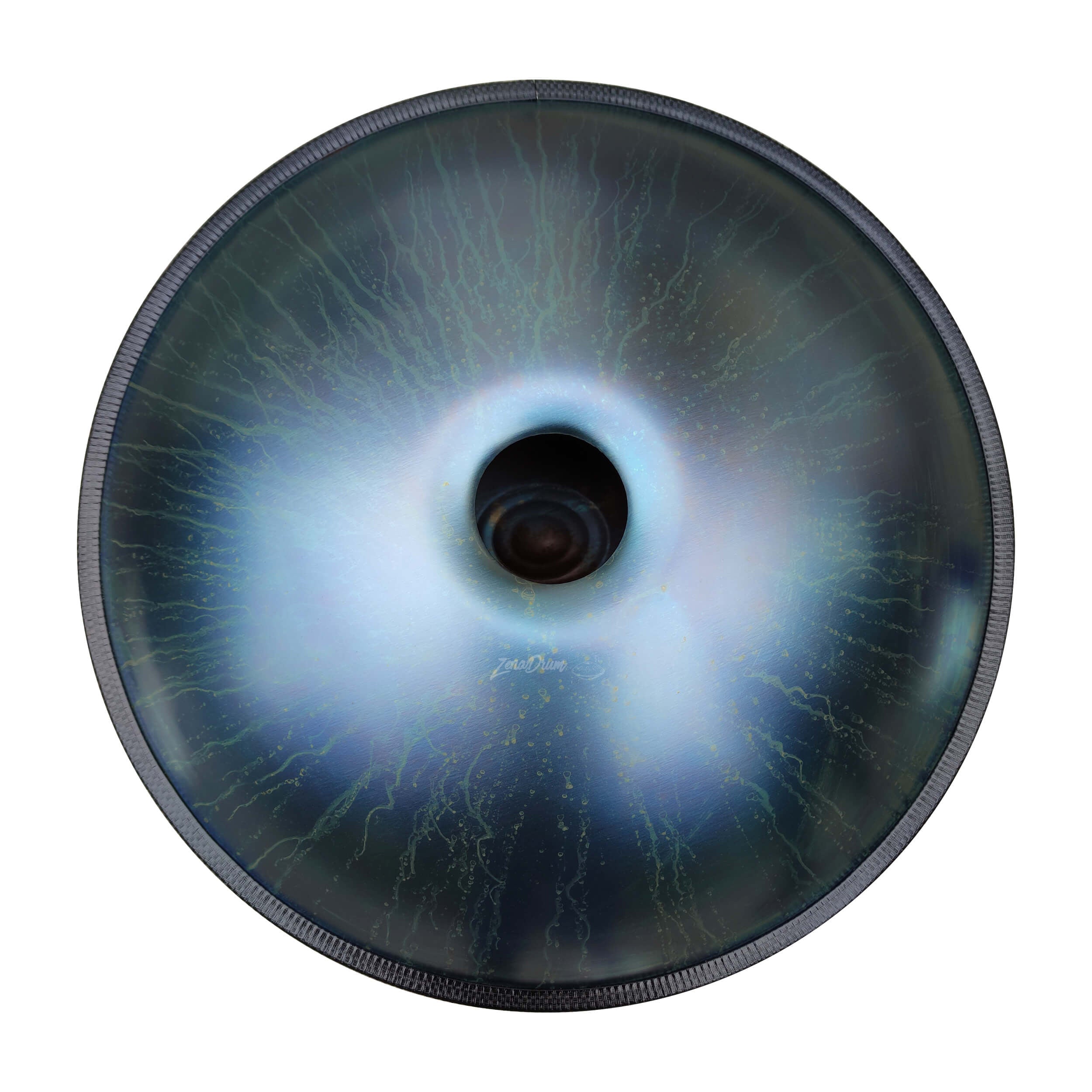
A handpan 14 notes is a professional-grade steel percussion instrument engineered for musicians who demand multi-octave capability, complex harmonic passages, and studio-quality sound from a single handpan. At Healing Sounds, our 14 note handpan collection features elite instruments with one Ding and thirteen tone fields distributed across the top and bottom shells, delivering a range that approaches two full octaves. This is the instrument chosen by touring performers, recording artists, and advanced practitioners who refuse to compromise between range and resonance — every note precisely tuned to concert-level accuracy.
The 14-note handpan occupies a unique position in the instrument family. It provides nearly all of the range of the flagship 17-note model while remaining lighter, more manageable, and considerably less expensive. For professional musicians who need a primary performance instrument capable of executing complete musical compositions — with bass lines, harmonic accompaniment, and lead melodies coexisting on a single surface — the 14-note configuration delivers that capability without the weight and cost premium of the highest note counts.
At this level, the handpan is no longer a simple melodic percussion instrument. It becomes a self-contained musical voice capable of replacing multiple instruments in solo performance contexts. The thirteen tone fields — spanning from deep bass on the bottom shell to crystalline treble on the top — enable chord progressions, counterpoint, dynamic soloing, and atmospheric textures that audiences associate with full bands rather than solo performers. Explore our entire handpan collection to see how the 14-note fits within the broader range of instruments we offer.
What Elevates the 14-Note to Professional Status
The term "professional grade" is not marketing language when applied to a 14-note handpan. Several objective characteristics distinguish this configuration from standard instruments and justify its premium positioning.
Multi-Octave Range
With thirteen tone fields plus the Ding, the 14-note handpan spans nearly two full diatonic octaves. This range is sufficient to play complete melodies, accompany them with bass patterns, and add harmonic texture — simultaneously, from a single instrument. A standard 9-note handpan covers one octave. The 14-note nearly doubles that, opening musical possibilities that are simply inaccessible at lower note counts.
Precision Tuning Across All Fields
Manufacturing a 14-note handpan requires extraordinary tuning precision. Each of the thirteen tone fields must produce an accurate fundamental pitch, a clean first overtone, and a stable second overtone — and these harmonic relationships must hold true not just in isolation but in complex interaction with every other note on the instrument. The acoustic challenge grows exponentially with note count because closely spaced tone fields can create sympathetic vibrations, cross-talk, and unintended resonances. Only experienced makers with refined ears and specialized tools can achieve the harmonic clarity that professional musicians demand at this note count.
Full Dual-Shell Integration
At 14 notes, both the top and bottom shells carry substantial musical content. The top shell typically holds nine to ten tone fields, while the bottom shell carries three to four. Unlike the modest bottom-shell additions found on 12-note instruments, the 14-note layout positions enough bottom notes to create independent bass melodies, walking bass patterns, and rhythmic foundations. This transforms the handpan into a truly two-register instrument — treble on top, bass below — similar in concept to a keyboard player's left and right hands working independently.
| Feature | 12-Note | 14-Note | 17-Note |
|---|---|---|---|
| Note Range | ~1.5 octaves | ~2 octaves | 2+ octaves |
| Bottom Notes | 2 - 3 | 3 - 4 | 6+ |
| Melodic Range | Extended melodies | Full compositions | Near-chromatic freedom |
| Skill Level | Intermediate to Advanced | Advanced to Professional | Professional / Virtuoso |
| Typical Weight | 4.5 - 5.5 kg | 5 - 6.5 kg | 6 - 8 kg |
| Tuning Complexity | High | Very High | Extreme |
| Best For | Touring, sound healing | Concert performance, studio | Virtuoso solos, deep therapy |
| Price Range | $1,200 - $2,000 | $1,600 - $2,500 | $2,000 - $3,000+ |
Tone Field Architecture: Top Shell and Bottom Shell
Understanding how the 14-note handpan distributes its tone fields across both shells is essential for developing an effective playing approach.
The top shell carries the Ding and the majority of tone fields — typically nine or ten — arranged in the standard circular pattern. These notes span the upper portion of the instrument's range and serve as your primary melodic surface. All standard handpan techniques (Ding strikes, tone field hits, ghost notes, harmonics) apply exactly as they do on a 9-note instrument, making the top shell immediately familiar to any experienced player.
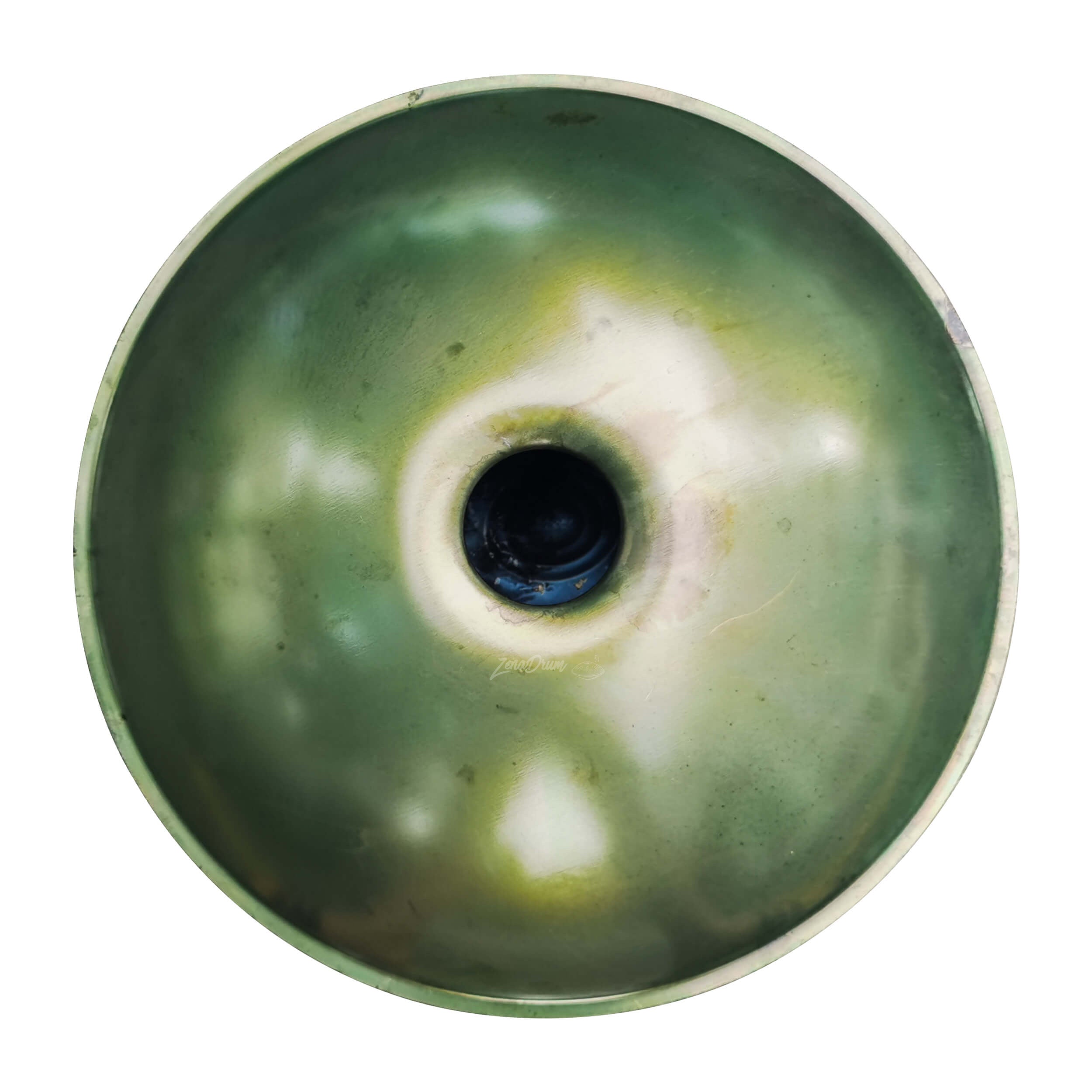
The bottom shell holds three to four tone fields arranged around the Gu port. These notes occupy the lower register and provide the bass voice of the instrument. On a 14-note handpan, the bottom notes are spaced far enough apart to allow clean, independent articulation — you can play distinct bass melodies and rhythmic patterns without notes bleeding into each other. This clarity in the bass register is what distinguishes the 14-note from instruments with fewer bottom notes, where the bass voice serves more as an accent than an independent musical line.
The combined layout creates an instrument with clear register separation: bright melodies on top, deep foundation below. This separation is the foundation of professional-level handpan performance, where the player simultaneously manages melody, harmony, and rhythm across both surfaces. For detailed playing technique instruction, visit our advanced playing guide.
Scale Possibilities in the 14-Note Configuration
The 14-note handpan unlocks scale possibilities that are not available at lower note counts. The nearly two-octave range means each scale can be expressed with fuller harmonic breadth, and certain tunings become viable that would not work on instruments with fewer notes.
- D Minor (Kurd) — The gold-standard scale reaches its full potential at 14 notes. The deep bass extensions create an orchestral, cinematic quality that transforms D Minor from contemplative to epic. This is the configuration many professional handpan performers choose for headlining performances and studio sessions.
- G Minor — At 14 notes, G Minor becomes one of the most emotionally powerful handpan configurations available. The extended bass range adds gravitas and dramatic tension that makes it ideal for concert performances and cinematic composition.
- C Major — A 14-note C Major handpan delivers brilliant, sweeping brightness across nearly two octaves. This configuration excels in ensemble settings, therapeutic applications, and any context where radiant, uplifting energy is desired.
- Celtic Minor — The mystical character of the Celtic scale becomes deeply immersive at 14 notes. Bass drones and treble filigrees combine to create a world-music soundscape that transports listeners. Read our scales guide for comprehensive tuning analyses.
Selecting the Optimal Material for a 14-Note Handpan
Material selection at the 14-note level has a profound impact on the instrument's tone, tuning stability, and long-term performance. The acoustic demands of thirteen closely spaced tone fields make material properties more important than at any lower note count.
Stainless steel is the premier choice for 14-note handpans. Its superior density, hardness, and corrosion resistance provide the ideal foundation for maintaining stable tuning across a large number of tone fields. The bright, articulate tone of stainless steel ensures that every note — from the deepest bass to the highest treble — projects with clarity and definition. For professional performers who need reliable, consistent sound night after night, stainless steel is the default recommendation.
Nitrided steel appeals to players who prioritize tonal warmth and organic resonance over brightness. The warm, earthy character of nitrided steel can produce exceptionally beautiful results at 14 notes, particularly for studio recording where microphones capture the subtle overtone richness. The trade-off is a more demanding maintenance schedule — regular oiling is essential to protect the larger number of tone fields from oxidation.
Ember steel offers a balanced profile that many 14-note buyers find appealing — warm enough for emotional depth, bright enough for clear articulation across both shells. Our care and maintenance guide provides material-specific routines for extended-range instruments.
The 14-Note Handpan in Performance and Recording
The 14-note handpan is purpose-built for high-level musical applications. Here is how it serves professional contexts:
Solo Concert Performance
Solo handpan performers face a unique challenge: they must fill an entire concert's worth of musical space with a single instrument. The 14-note configuration meets this challenge by providing enough range for dynamic variation across a full set. Bass-heavy passages can transition to bright treble melodies, creating the dynamic contrast that sustains audience attention through 45- to 90-minute performances. The visual element of playing both shells adds theatrical impact that smaller instruments cannot match.
Studio Recording
In the studio, the 14-note handpan functions as a versatile compositional instrument. Producers can record bass and treble layers separately, then blend them in the mix for maximum control. The near-two-octave range means the instrument can serve as the primary melodic voice in productions without requiring supplementary instruments. Our complete handpan guide includes recording setup recommendations for extended-range instruments.
Therapeutic and Ceremonial Contexts
Sound healers and ceremonial facilitators at the professional level choose 14-note instruments because the extended bass register adds grounding frequencies that deepen the therapeutic experience. Low-frequency tones promote physical relaxation and energetic centering, while treble notes stimulate focus and awareness. The ability to move between these registers creates a guided sonic journey that smaller instruments cannot replicate with the same depth.
Understanding the Investment: 14-Note Handpan Pricing
Professional-grade 14-note handpans typically range from $1,600 to $2,500. This pricing reflects the exceptional craftsmanship required to tune thirteen tone fields to concert-level accuracy across two playing surfaces.
| Configuration | Typical Price Range | Tone Fields | Range |
|---|---|---|---|
| 9 Notes | $800 - $1,400 | 1 Ding + 8 top | 1 octave |
| 12 Notes | $1,200 - $2,000 | 1 Ding + 8-9 top + 2-3 bottom | ~1.5 octaves |
| 13 Notes | $1,400 - $2,200 | 1 Ding + 8-9 top + 3-4 bottom | ~1.7 octaves |
| 14 Notes | $1,600 - $2,500 | 1 Ding + 9-10 top + 3-4 bottom | ~2 octaves |
| 17 Notes | $2,000 - $3,000+ | 1 Ding + 10+ top + 6+ bottom | 2+ octaves |
For musicians earning income from performances, recordings, or therapeutic sessions, the 14-note handpan is a professional tool that pays for itself through enhanced musical capability. The investment-to-capability ratio is arguably the best in the extended-range category — you receive nearly the full range of a 17-note instrument at a significantly lower price point. For buying guidance, read our guide to purchasing handpans online.
Browse Professional and Extended-Range Handpans
- Parent Collection: All Handpans
- By Note Count: 6 Notes · 9 Notes · 10 Notes · 12 Notes · 13 Notes · 14 Notes (You are here) · 17 Notes
- By Scale: D Minor · G Minor · C Major · Celtic
- By Material: Stainless Steel · Nitrided Steel · Ember Steel
- By Skill Level: Beginner · Intermediate · Professional
Expert Answers: 14-Note Handpan Questions
A 14-note handpan earns its professional designation through three key attributes. First, its near-two-octave range enables complete musical compositions with bass, harmony, and melody — eliminating the limitations that restrict lower note-count instruments. Second, the manufacturing precision required to tune thirteen tone fields to concert-level accuracy across two playing surfaces represents the highest tier of instrument craftsmanship. Third, the dual-shell layout with substantial bottom-shell voicing creates a two-register instrument capable of professional-level solo performance, studio recording, and therapeutic applications. These combined capabilities make the 14-note handpan a serious musical tool rather than a casual percussion instrument.
The 14-note handpan provides approximately two octaves of range compared to 1.5 octaves for a 12-note model. This additional half-octave translates to significantly more compositional freedom — wider melodic arcs, more harmonic interval options, and a deeper bass register. The 14-note also distributes more tone fields on the bottom shell (three to four versus two to three), enabling independent bass melodies rather than occasional bass accents. Physically, the 14-note is slightly heavier and larger. The price premium is meaningful ($1,600-$2,500 versus $1,200-$2,000), but justified by the substantial increase in musical capability. For players at the intermediate-to-advanced transition, the 12-note is often sufficient. For those committed to professional performance, the 14-note is the stronger choice.
While technically possible, a 14-note handpan is not recommended for beginners. The tightly spaced tone fields require precise striking technique to avoid unintended cross-talk between adjacent notes. The bottom-shell notes demand comfort with tilting and balancing the instrument. And the near-two-octave range can be overwhelming for someone still developing basic spatial awareness on the playing surface. Most importantly, the significant investment ($1,600 to $2,500) is difficult to justify before you are certain the handpan is your instrument. We recommend starting with a 9-note or 10-note model, developing your technique over twelve to eighteen months, and then upgrading to a 14-note when your musical ambitions demand the expanded range.
Quality 14-note handpans typically range from $1,600 to $2,500. The exact price depends on material (stainless steel at the top, nitrided steel more affordable), scale complexity, finish quality, and maker reputation. This positions the 14-note in the professional tier — roughly $400 to $500 above a comparable 13-note instrument and $400 to $500 below the flagship 17-note models. Many professionals consider the 14-note the best value in the premium category because it delivers approximately 90 percent of the 17-note's musical capability at 65 to 80 percent of its price.
For most professional applications, stainless steel is the recommended material for a 14-note handpan. Its density and hardness provide the best tuning stability across thirteen closely spaced tone fields, and its corrosion resistance minimizes maintenance demands — critical for touring performers. Nitrided steel is the preferred choice for studio musicians and players who prioritize warm, organic tone over brightness and are willing to maintain a regular oiling schedule. Ember steel offers a balanced alternative with warm-bright hybrid tone and moderate maintenance requirements. Consult our care guide for material-specific maintenance schedules at professional note counts.