
handpan 6 notes
1 product
Showing 1 - 1 of 1 product
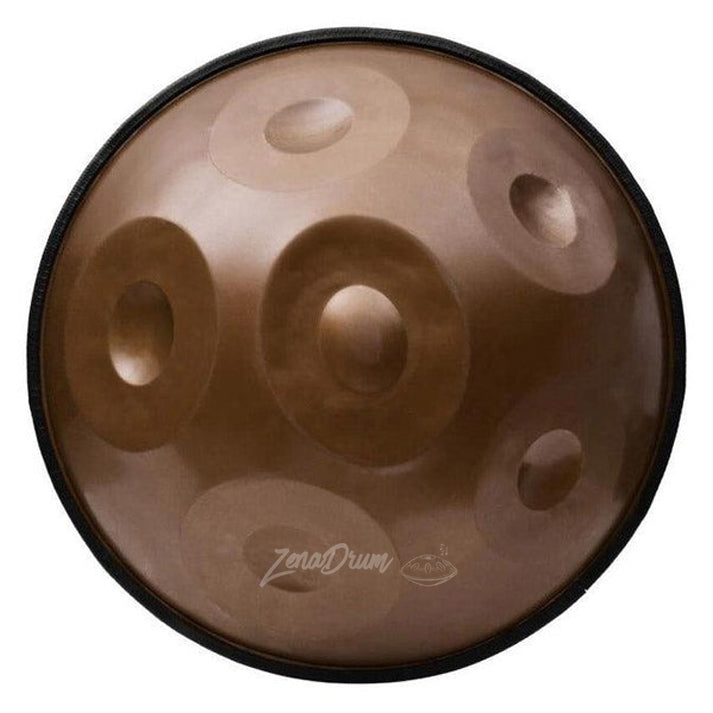
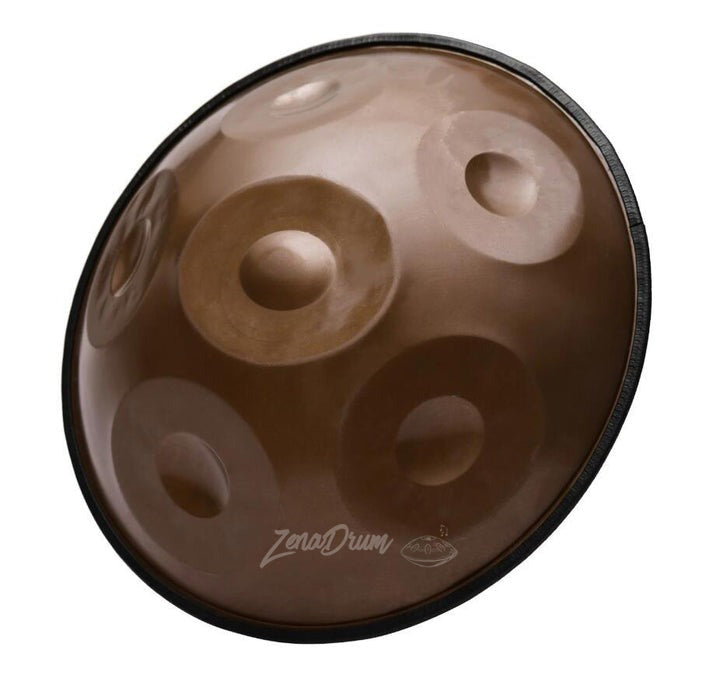
A handpan 6 notes is the most accessible entry point into the world of steel percussion — a compact, lightweight instrument designed to deliver pure melodic beauty without complexity. At Healing Sounds, our 6 note handpan collection features precision-tuned instruments that produce warm, resonant tones across a focused range of six tone fields plus the central Ding. These instruments weigh less and measure smaller in diameter than their higher-note counterparts, making them effortless to hold on your lap, carry to the park, or tuck into a travel bag. If you are searching for a handpan that removes every barrier to making music, the six-note configuration is where your journey begins.
The beauty of a 6-note handpan lies in its elegant simplicity. With only six tone fields arranged around the Ding, every note belongs to the same harmonic family — which means it is virtually impossible to strike a dissonant combination. This forgiving layout makes the instrument ideal for absolute beginners, children, meditation facilitators, and anyone who wants to create soothing melodies without studying music theory first. Many experienced players also keep a 6-note model in their collection for focused meditative sessions where fewer notes encourage deeper listening.
Priced under $1,000 in most configurations, the 6-note handpan represents the most affordable way to own a genuine, hand-tuned steel instrument. Despite the lower note count, these instruments deliver the same rich overtones, long sustain, and resonant warmth that define the handpan family. Whether you choose stainless steel for rust-free durability or nitrided steel for organic warmth, every 6-note model in our shop is inspected for harmonic accuracy before it reaches your hands.
Who Should Choose a 6-Note Handpan?
The 6-note handpan is purpose-built for specific players and situations. Understanding where it excels helps you decide whether this configuration matches your goals — or whether you should consider a model with more notes.
Absolute Beginners and First-Time Players
If you have never touched a handpan before, the 6-note layout offers the gentlest learning curve in the instrument family. With fewer tone fields, your hands naturally find each note without confusion, and muscle memory develops faster. You will learn fundamental techniques — Ding strikes, tone field hits, ghost notes, and harmonics — on an instrument that rewards every touch with a pleasing sound. Our beginner's playing guide walks you through your first session step by step, and every technique it covers translates directly to the 6-note format.
Children and Young Musicians
The compact size and lighter weight of a 6-note handpan make it physically comfortable for younger players. Children as young as six can sit with the instrument on their lap and explore its sounds without straining. Because there are no wrong notes, kids experience immediate creative success — building confidence and enthusiasm for musical exploration. Many music educators use 6-note handpans as introductory instruments in classroom settings and after-school programs.
Meditation, Yoga, and Sound Healing
Sound healing practitioners and yoga instructors often prefer the 6-note configuration for focused sessions. Fewer notes mean fewer melodic decisions, allowing the player to enter a meditative flow state more easily. The limited range also creates a more cohesive sonic environment — each note blends seamlessly with the next, producing a continuous wash of harmonious sound ideal for breathwork, guided meditation, and Shavasana. If you pair your handpan with singing bowls or tuning forks, the 6-note model integrates naturally without overpowering the other instruments.
Portable and Travel-Friendly Playing
Measuring roughly 45 to 48 centimeters in diameter (compared to 53 to 58 centimeters for 9- to 17-note models), the 6-note handpan fits into smaller carry cases and weighs significantly less — typically 3 to 4 kilograms versus 5 to 6 kilograms for larger instruments. This makes it the top choice for buskers, traveling musicians, and anyone who wants to bring their instrument on hikes, camping trips, or beach sessions. Read our guide to buying handpans online for tips on selecting the right carrying case and accessories.
Sound Characteristics: What Does a 6-Note Handpan Sound Like?
Despite having fewer tone fields, the 6-note handpan produces the same warm, bell-like tones and harmonic overtones that define the instrument family. The key difference is range, not quality. A 6-note model typically spans about a fifth or a sixth of a scale, which creates a tightly focused melodic palette. Here is how the 6-note configuration compares to other common note counts:
| Feature | 6 Notes | 9 Notes | 10 Notes | 12+ Notes |
|---|---|---|---|---|
| Melodic Range | Focused (1 Ding + 6 tone fields) | Full octave | Octave + 1 | Extended / chromatic |
| Diameter | ~45-48 cm | ~53 cm | ~53-55 cm | ~55-58 cm |
| Weight | ~3-4 kg | ~4.5 kg | ~4.5-5 kg | ~5-6+ kg |
| Price Range | Under $1,000 | $800-$1,400 | $900-$1,500 | $1,200-$2,300+ |
| Best For | Beginners, meditation, travel | All-around play | Intermediate players | Advanced / professional |
| Browse | You are here | 9 Notes | 10 Notes | 12 · 13 · 14 · 17 |
The limited melodic range of the 6-note handpan is not a weakness — it is a design feature. By constraining the available notes, the instrument naturally guides you toward simple, beautiful phrases that breathe with space and resonance. Many professional musicians describe playing a 6-note handpan as a form of musical meditation, where the constraint itself becomes the creative inspiration.
Available Scales and Materials for 6-Note Handpans
Our 6-note handpans are available in several scales, each creating a distinct emotional atmosphere:
- D Minor (Kurd) — Melancholic, deeply calming, the most popular scale for meditation. Browse D Minor handpans.
- Celtic Minor — Mystical, folk-inspired, ideal for spiritual practice. Browse Celtic handpans.
- D Major — Bright, uplifting, great for positive affirmations and yoga sessions.
- Kurd — Versatile minor mode, one of the most expressive options for any level. Browse Kurd handpans.
When selecting a material, consider how and where you will play. Stainless steel delivers bright, crystalline tones with near-zero maintenance — perfect for outdoor use. Nitrided steel offers warmer, more organic resonance that many players prefer for intimate indoor sessions. Ember steel strikes a balance between the two, with a warm-bright hybrid character. For full material comparisons, visit our parent handpan collection page.
Playing Techniques for a 6-Note Handpan
The reduced note count on a 6-note handpan encourages a relaxed, contemplative playing style. Here are techniques that work particularly well on this configuration:
- Slow ostinato patterns — Repeat a 3- or 4-note sequence and let the sustained overtones overlap, creating a rich, layered drone effect.
- Ding-centered meditation — Alternate between the Ding and a single tone field, focusing on the breath between each strike. This technique is powerful for personal meditation and group sound baths.
- Ghost note percussion — Tap the spaces between tone fields to add rhythm without changing pitch. On a 6-note model, the wider spacing between notes gives you more surface area for percussive expression.
- Harmonic overtones — Touch the edge of a tone field lightly while striking to bring out the higher harmonic. With only six notes, you can methodically explore the overtone of each tone field and weave them into your melodies.
For deeper technique instruction, read our essential playing tips and our complete handpan drums guide. Both resources include exercises that translate naturally to the 6-note layout.
Caring for Your 6-Note Handpan
The maintenance requirements for a 6-note handpan are identical to those of any handpan. Clean the surface after every session with a soft microfiber cloth, oil nitrided and ember steel models every 2 to 4 weeks, and store in a padded case at stable humidity. The smaller diameter of the 6-note model means finding a compact, affordable hard-shell case is easier — and the lighter weight reduces the risk of accidental drops during transport. For a full care walkthrough, consult our handpan care and maintenance guide.
Invest in a quality handpan stand to protect your instrument during practice sessions and performances. Stands keep the handpan stable at a comfortable playing height and prevent accidental slides off furniture or laps.
Growing Beyond the 6-Note: Your Upgrade Path
Many players begin with a 6-note handpan and later expand their collection as their skills and musical ambitions grow. The natural upgrade path moves through the following configurations:
- 9-Note Handpan — The classic standard with a full octave range, perfect for intermediate play.
- 10-Note Handpan — One additional note opens up new melodic possibilities while remaining approachable.
- 12-Note Handpan — Wide range for advanced improvisation and complex compositions.
- 14-Note Handpan — Professional-grade melodic freedom across multiple octaves.
- 17-Note Handpan — Maximum expression for virtuoso performers and composers.
Even after upgrading, most players keep their 6-note model as a dedicated meditation instrument. Its simplicity becomes a feature, not a limitation, when the goal is mindful, unhurried sound creation. If you are ready to invest in your first handpan but unsure about note count, our beginner's buying guide provides a detailed decision framework.
Explore Related Collections
Continue browsing our handpan range and complementary instruments:
- All Handpans: Complete Handpan Collection
- By Skill Level: Beginner · Intermediate · Professional
- By Scale: D Minor · Celtic · Kurd
- By Material: Stainless Steel · Nitrided Steel · Ember Steel
- By Note Count: 9 Notes · 10 Notes · 12 Notes · 13 Notes · 14 Notes · 17 Notes
- Related Instruments: Tongue Drums · Singing Bowls
Frequently Asked Questions About 6-Note Handpans
Yes, a 6-note handpan is one of the best options for beginners. The reduced number of tone fields makes the instrument easier to learn because your hands have fewer positions to memorize. Every note in the scale is harmonically related, so it is virtually impossible to play a dissonant combination. This forgiving layout builds confidence quickly and lets you focus on developing core techniques like Ding strikes, ghost notes, and harmonics before moving to instruments with more notes. The lower price point also makes it an affordable first investment.
Most quality 6-note handpans are priced under $1,000, making them the most affordable instruments in the handpan family. The exact price depends on the steel type and scale. Stainless steel models may sit at the higher end of the range due to material costs, while nitrided steel versions tend to be slightly more affordable. Despite the lower price, these instruments are hand-tuned to the same harmonic standards as larger models — you are paying less for fewer notes, not for lower quality.
A 6-note handpan provides enough range to play simple melodies, meditative patterns, and original compositions. However, the limited note count means you will not be able to replicate songs written for instruments with wider ranges. Think of the 6-note layout as a creative constraint that encourages originality — many players find that the restricted palette inspires deeply focused, atmospheric music. If playing recognizable songs is a priority, consider a 9-note or 10-note handpan for a fuller melodic range.
The D Kurd (D Minor) scale is the most popular choice for 6-note handpans because its naturally harmonious note relationships sound pleasing in any combination. The Celtic Minor is another excellent option, offering a mystical, folk-inspired quality that works beautifully for meditation and spiritual practice. If you prefer brighter tones, a D Major configuration delivers an uplifting, cheerful sound. The best scale ultimately depends on the emotional atmosphere you want to create — listen to audio samples of each scale before deciding.
Absolutely. The 6-note handpan is the most child-friendly option in the handpan family. Its smaller diameter (roughly 45 to 48 centimeters) and lighter weight (3 to 4 kilograms) make it physically comfortable for children as young as six years old. The simplified note layout removes frustration — kids can explore freely and every strike produces a beautiful, musical tone. This immediate positive feedback encourages continued exploration and builds a natural love of music. Many music education programs use 6-note handpans as introductory melodic percussion instruments.