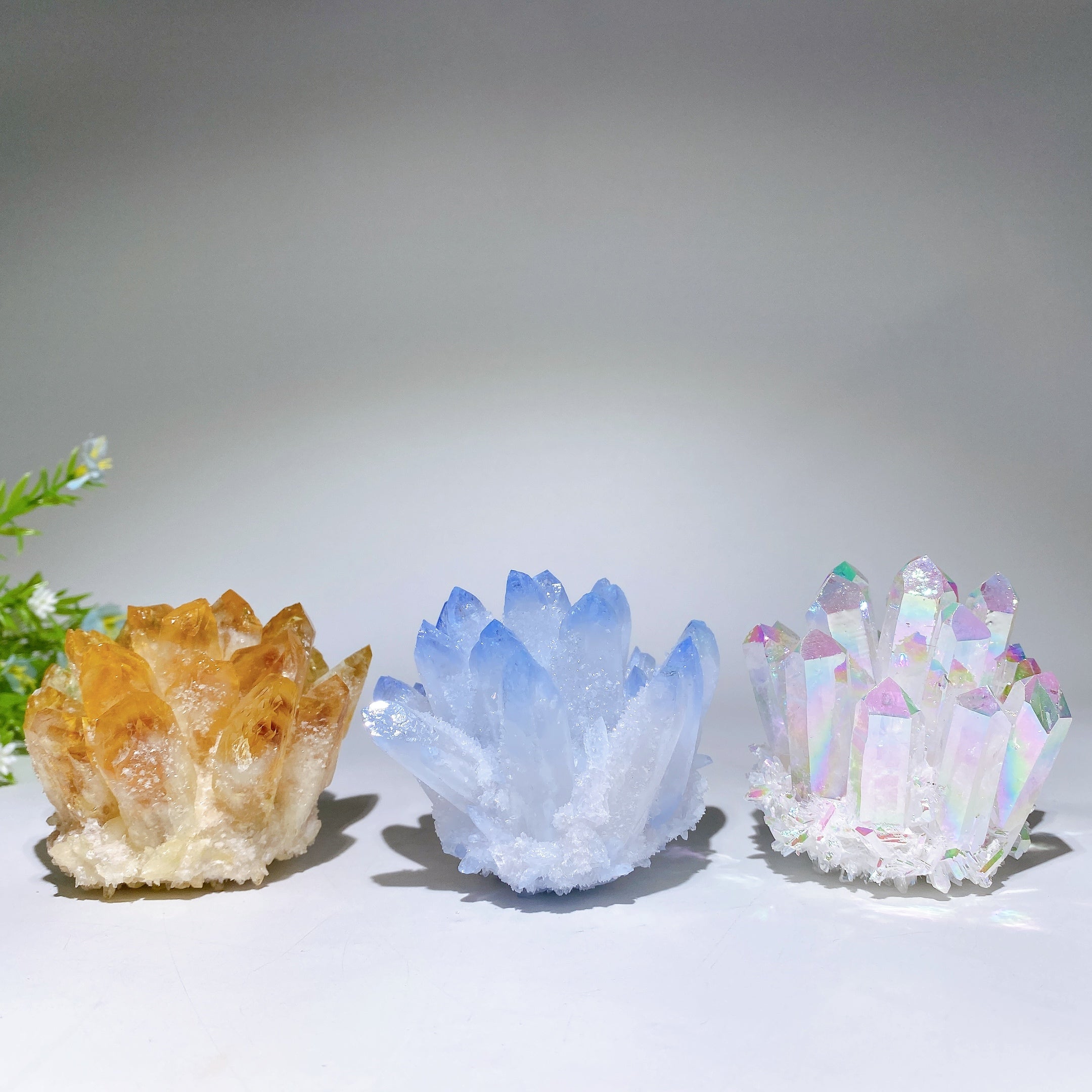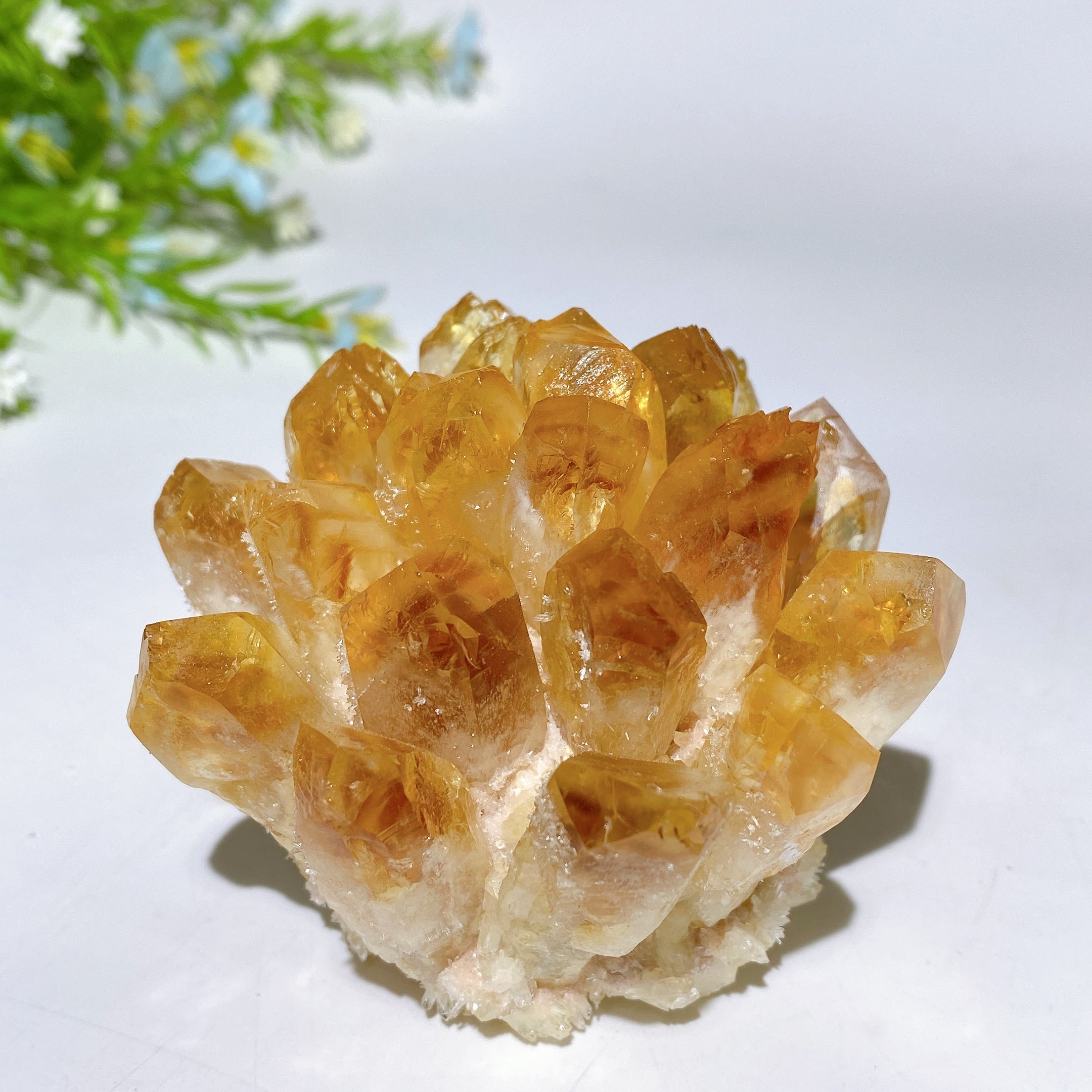
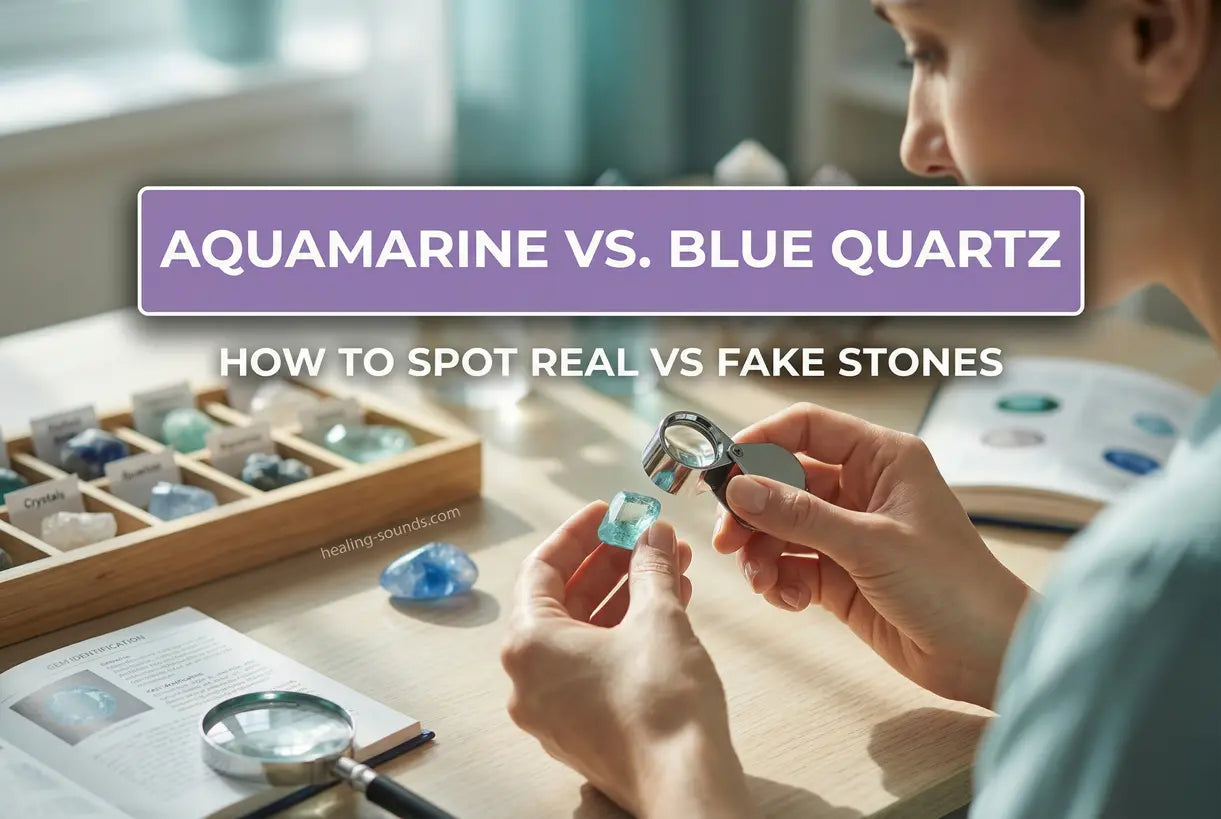
For any crystal enthusiast or collector, few things are more disheartening than realizing a cherished stone isn't what it claimed to be. In the world of healing crystals, the terms aquamarine quartz and blue quartz are frequently used, sometimes interchangeably, which can lead to significant confusion. While both stones possess beautiful blue hues and unique energetic properties, they are fundamentally different minerals with distinct values and vibrational frequencies.
Understanding the nuances between these stones is crucial for your wellness journey. Whether you are seeking the soothing ocean vibes of genuine aquamarine or the throat-chakra balancing energy of blue quartz, knowing how to identify them ensures you receive the healing benefits you intend. This guide is designed to help you spot fakes, decipher marketing terms, and confidently distinguish between aquamarine crystal and its quartz counterparts.
Understanding the Terminology: What is Aquamarine Quartz?
The term "aquamarine quartz" is often a source of confusion in the gem market. Geologically speaking, Aquamarine is a variety of the mineral Beryl, while Quartz is a silicate mineral. Therefore, a stone cannot be both "aquamarine" (beryl) and "quartz" simultaneously. When you see the label aquamarine quartz, it is typically a trade name used to describe blue quartz or, in some cases, glass that has been smelted to resemble the color of aquamarine.
Authentic Aquamarine is a precious gemstone known for its stunning clarity and sea-blue color, caused by traces of iron within the beryl structure. In contrast, natural blue quartz is rarer and often gets its color from inclusions of other minerals like Dumortierite or Tourmaline. Recognizing this distinction is the first step in blue quartz identification and avoiding mislabeled products.
Quick Fact Check
- Aquamarine: Hardness of 7.5-8 on the Mohs scale; Beryl family.
- Blue Quartz: Hardness of 7 on the Mohs scale; Quartz family.
- "Aquamarine Quartz": Often a trade name for blue-colored quartz or fused glass.

Visual Inspection: Clarity, Bubbles, and Inclusions
One of the most effective ways to conduct a real vs fake aquamarine check is through close visual inspection. Natural gemstones carry the fingerprints of mother nature in the form of inclusions. Genuine aquamarine is often eye-clean but may contain long, hollow tubes or liquid inclusions that look like rain. It rarely, if ever, contains perfectly round air bubbles.
If you look at a stone under magnification and see round bubbles, you are likely looking at glass or "smelt quartz," which is a man-made product. Natural blue quartz stone may appear more opaque or translucent rather than transparent and often shows color zoning or fibrous inclusions if the color is derived from other minerals. Synthetic or dyed quartz often has a concentration of dye in the cracks of the stone.
Hardness and Temperature Tests
Physical properties provide another layer of verification. Aquamarine is harder than glass and quartz. It ranks 7.5 to 8 on the Mohs Hardness Scale, meaning it can scratch glass easily. Quartz has a hardness of 7, so while it can also scratch glass, aquamarine will scratch quartz. While scratch tests are not recommended for finished jewelry to avoid damage, understanding these properties helps in assessing raw specimens.
Another tactile method involves temperature. Natural stones, including both aquamarine and quartz, feel cool to the touch when first picked up and take a moment to warm up to body temperature. Plastic or resin fakes will feel room temperature or warm immediately. Glass can feel cool but warms up much faster than crystalline structures like genuine aquamarine crystal.

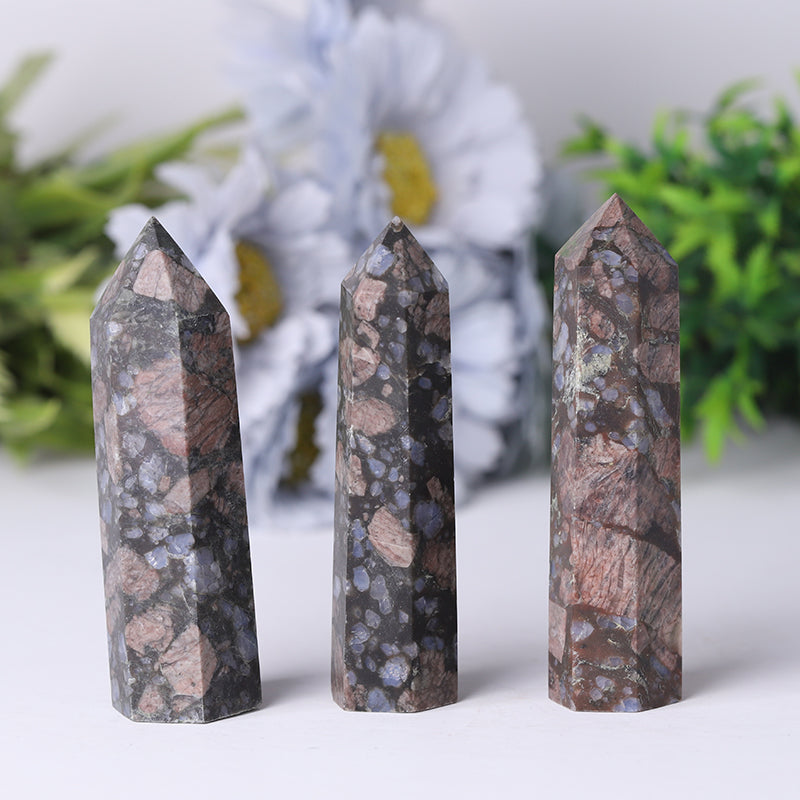
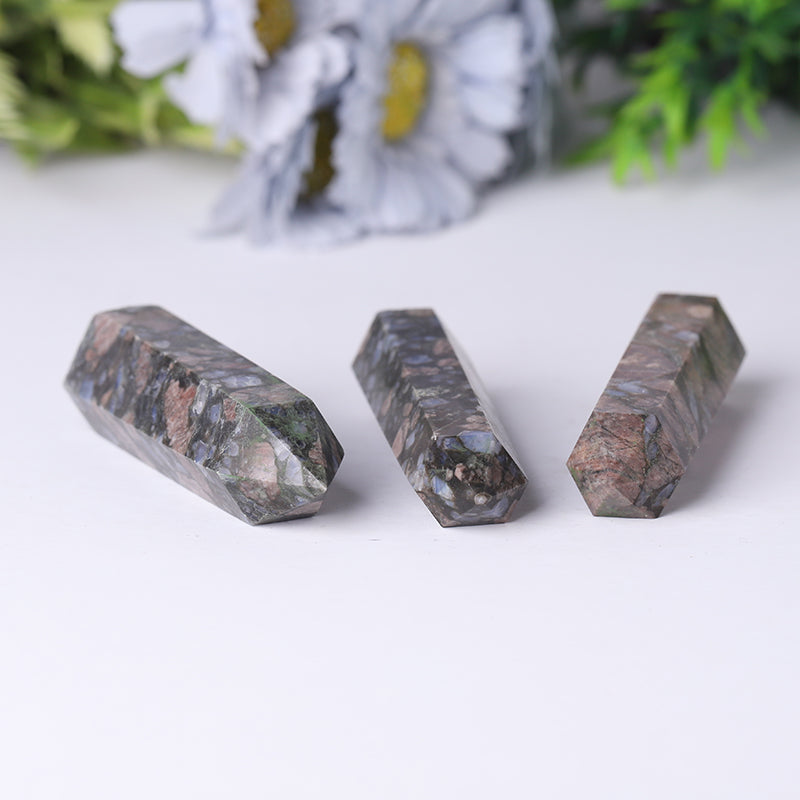
Natural Que Sera Llanite Healing Crystal Tower 2.4-4.5 inches
$21.90 $28.90
Showcase rare blue quartz coloration and learn to spot unique patterns with this Que Sera Llanite tower in your collection.
Explore ProductColor Nuances and Pleochroism
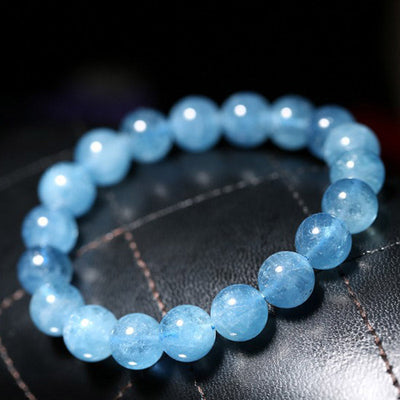
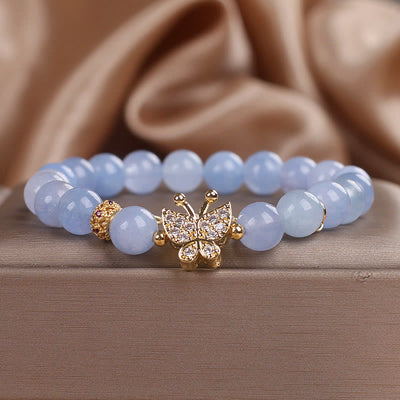
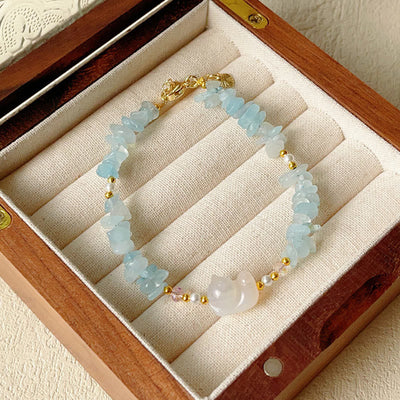
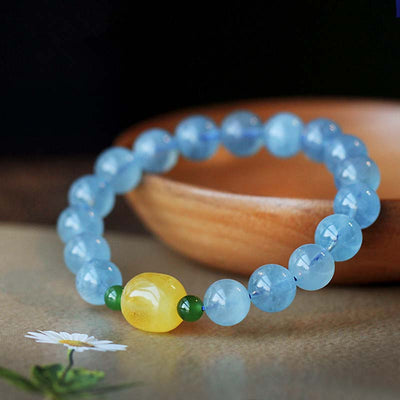
The color of a stone tells a story of its origin. High-quality aquamarine exhibits pleochroism, meaning it can show different shades of blue or clear colors when viewed from different angles. It generally has a pale to medium blue color, sometimes with a greenish tint.
On the other hand, blue quartz tends to have a more uniform or saturated color if it is dyed, or a grayish-blue hue if it is natural (often called Dumortierite Quartz). Beware of stones that are neon blue or unnaturally bright; these are almost certainly dyed or synthetic. Learning these color subtleties is key to how to spot fake aquamarine.


Energetic Differences and Usage
For the wellness-focused individual, the physical authenticity of the stone directly correlates to its metaphysical properties. Aquamarine is the stone of courage and letting go, deeply connected to the throat chakra and cooling calming energies. It is excellent for reducing stress and quieting the mind.
Blue quartz, while also a throat chakra stone, focuses more on communication, creativity, and connecting with others. It is known to alleviate fear and enhance organizational abilities. Using a fake or misidentified stone might not bring harm, but it may not provide the specific energetic frequency you are seeking for your meditation or healing practice.
Enhance Your Collection with Authentic Stones
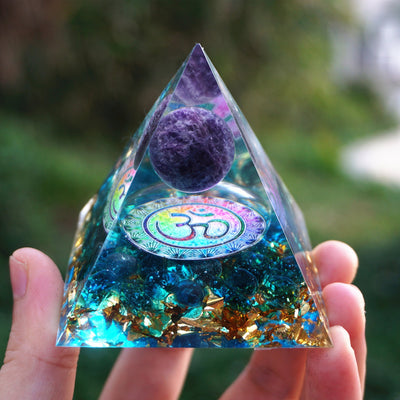
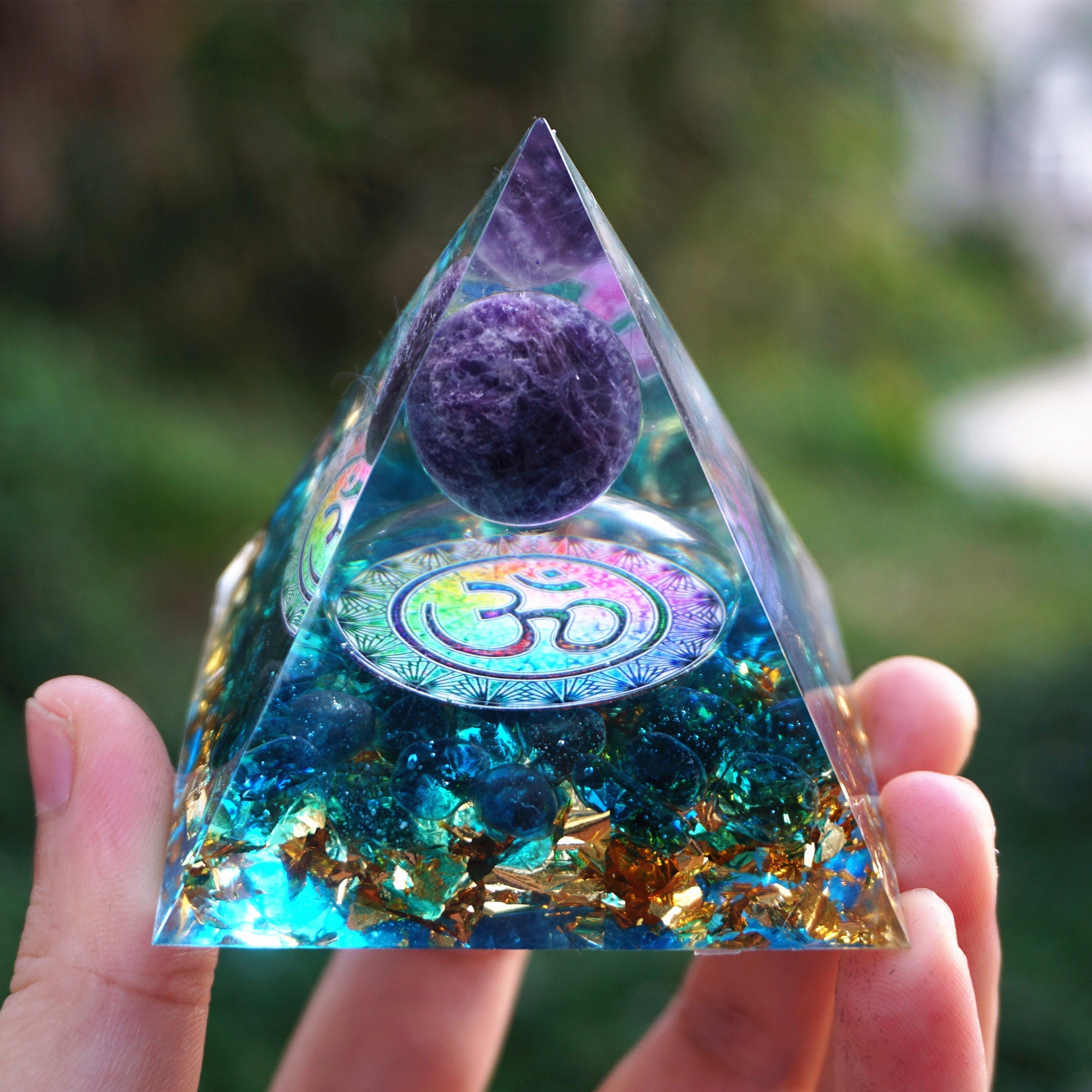
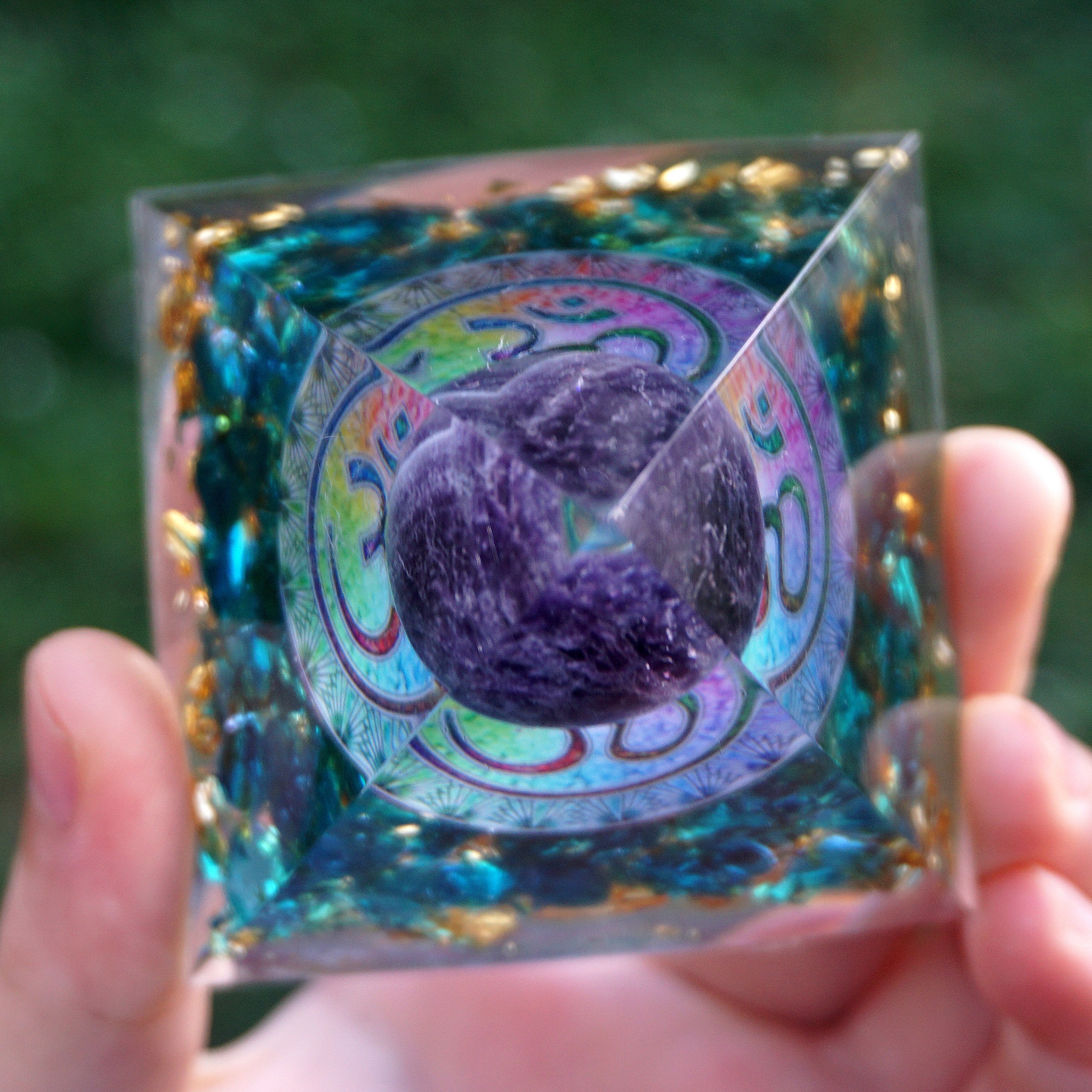
Om Amethyst Sphere Orgone Pyramid for Meditation
$49.99
$59.99
Experience the soothing blend of amethyst and blue quartz—perfect for those studying stone properties and seeking clarity. Learn more ➔

Handle genuine blue quartz clusters to compare color, structure, and authenticity versus imitation stones—ideal for learning. Learn more ➔
Where to Buy Authentic Crystals
To avoid disappointment, always purchase from reputable dealers who are transparent about their sourcing and the nature of their stones. Be wary of prices that seem too good to be true; genuine gem-quality aquamarine is significantly more expensive than quartz. Reputable sellers will label enhanced stones correctly (e.g., "dyed quartz") rather than using misleading terms like "aquamarine quartz" without explanation.
Equipping yourself with knowledge about gemological properties and trusting your intuition are your best defenses against fakes. Whether you are using tools or just your eyes, taking the time to verify your crystals ensures that your collection remains high-vibrational and authentic.

Conclusion
Distinguishing between aquamarine quartz, genuine aquamarine, and blue quartz is a skill that deepens your connection to the mineral kingdom. By observing physical traits like hardness, inclusions, and color nuances, you can navigate the market with confidence. Remember that while "aquamarine quartz" is often a misnomer, both genuine Aquamarine and natural Blue Quartz have unique and valid places in a holistic healing practice.
Authenticity is key to unlocking the true potential of crystal healing. We invite you to explore our carefully curated collection of verified natural stones, ensuring that every piece you bring into your life carries the pure energy you deserve.
Frequently Asked Questions about Aquamarine and Blue Quartz Identification
"Aquamarine quartz" is typically a trade name or marketing term used to describe blue quartz or sometimes blue-colored glass (smelt quartz). It is not a distinct mineral species and is geologically different from genuine Aquamarine, which is a variety of Beryl.
You can identify real aquamarine by checking for inclusions; genuine stones often have internal "rain" or tubes, whereas fakes made of glass often have round bubbles. Additionally, real aquamarine is hard (7.5-8 Mohs) and feels cool to the touch, while plastic fakes feel warm and glass warms up quickly.
The primary difference lies in their mineral composition and hardness. Aquamarine is a Beryl variety with a hardness of 7.5-8, while Blue Quartz is silica with a hardness of 7. Visually, aquamarine is clearer and exhibits pleochroism, whereas blue quartz is often more opaque or has a uniform color if dyed.
Stones labeled as "aquamarine quartz" (blue quartz) are generally much less valuable than genuine aquamarine gemstones. While natural blue quartz has value as a specimen or semi-precious stone, it is abundant compared to gem-quality aquamarine.
To identify dyed quartz, inspect cracks and fractures in the stone under magnification. If the stone is dyed, you will often see concentrations of darker pigment pooling in these crevices. Natural quartz will have a consistent color distribution or natural zoning without dye buildup.