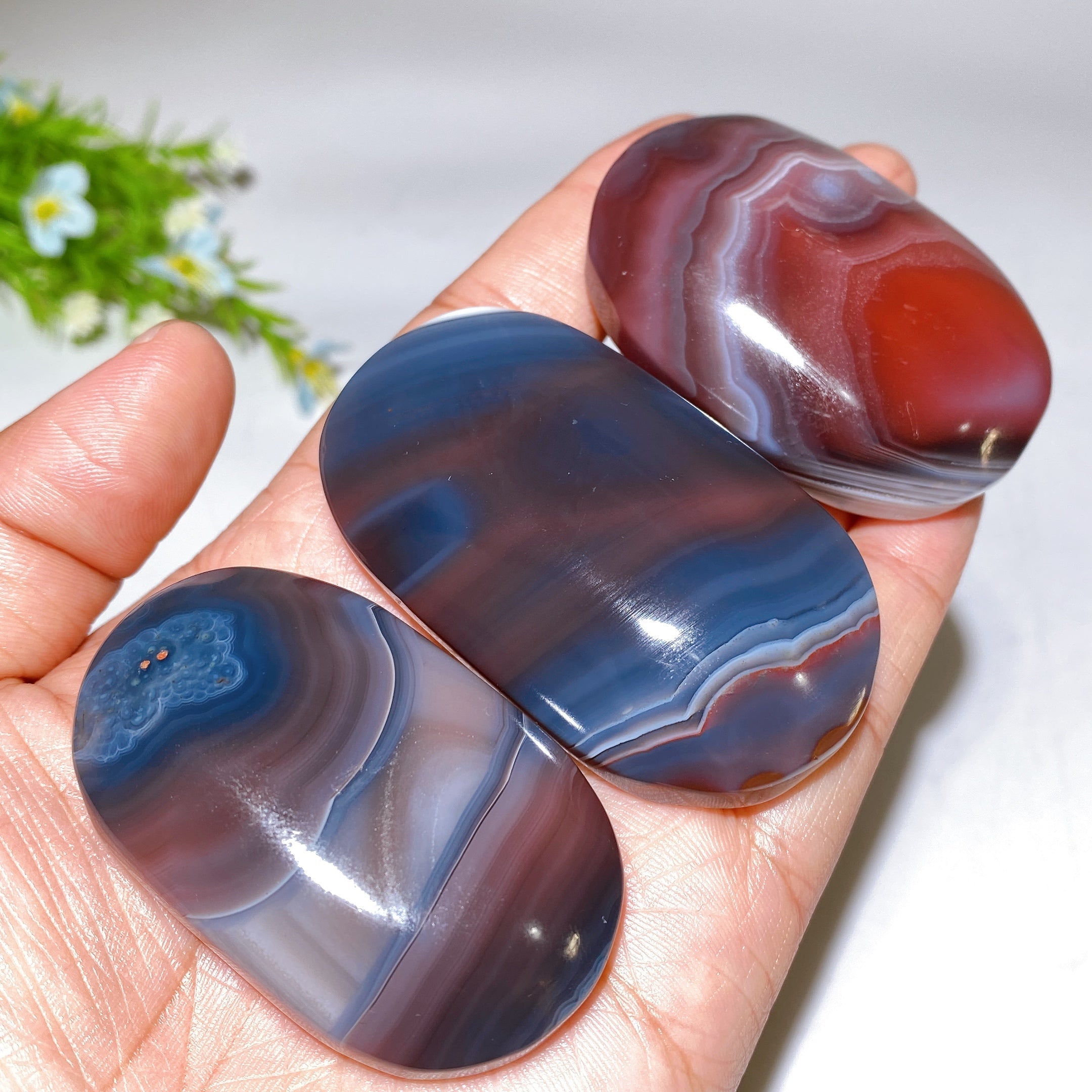

The rhythmic sound of waves crashing against the shore creates a meditative backdrop for one of the most rewarding coastal activities: beach rockhounding. For many nature enthusiasts and wellness seekers, the thrill lies not just in the walk, but in the discovery of hidden gems among the gravel. Among these treasures, beach agates stand out for their mesmerizing beauty, glowing translucency, and unique banding patterns. Whether you are walking the rugged coastline of the Pacific Northwest or exploring the shores of the Great Lakes, finding a glowing agate in the wet sand is a moment of pure connection with the earth.
Embarking on a quest to find agates is more than a hobby; it is a practice of mindfulness and patience. However, distinguishing a valuable gemstone from a common sea stone requires a keen eye and a bit of knowledge. In this guide, we will explore the secrets of agate identification, the best times to search, and how to ethically collect these natural wonders to enhance your personal crystal collection.
What Are Beach Agates?
Agates are semi-precious gemstones formed from microscopic crystals of quartz known as chalcedony. Unlike common rocks, agates are born in the cavities of volcanic rocks, where silica-rich waters deposit layers over millions of years. This process creates the stone's signature characteristic: concentric banding. When these stones eventually erode from their host rock and wash down rivers to the ocean, the tumbling action of the waves polishes them into the smooth, rounded beach agates we seek today.

Key Characteristics for Agate Identification
To master agate identification, you need to look beyond the surface. While dry agates can look like dull, frosted glass, their true beauty is revealed when they are wet or backlit. Here are the primary traits to look for:
- Translucency: This is the golden rule. If you hold the stone up to the sun or a flashlight, light should pass through it. This "glow" separates agates from opaque stones like jasper or basalt.
- Banding: Look for stripes or circular patterns. These layers can be subtle or distinct, ranging in colors from clear and white to honey, red, and brown.
- Conchoidal Fracture: If the stone is chipped, it will show a curved, shell-like fracture pattern rather than a jagged break.
- Waxy Luster: Real agates often feel waxy or oily to the touch, distinct from the gritty texture of sandstone.
Pro Tip: Always hunt with the sun facing you. This natural backlighting makes translucent stones on the beach glow, making them much easier to spot among the dark gravel.
How to Find Beach Agates: Location and Timing
Success in finding these gems often depends on where and when you look. While they can be found worldwide, Oregon agates are particularly famous due to the state's volcanic history and active coastline. Beaches with heavy gravel beds—where stones are sorted by size and weight—are the prime hunting grounds. Sand covers heavier stones, so you want to find areas where the sand has been stripped away.
The best time to find agates is typically after a winter storm. High energy waves churn up the ocean floor and deposit fresh gravel onto the beach. Additionally, hunting at low tide exposes more of the beach, giving you access to gravel bars that are usually submerged. Consult tide tables and aim for a "minus tide" for the best results.

2.0-2.5" Botswana Agate Palm Stone for Crystal Healing
$29.90 $39.90
Experience the soothing energy and unique banding of a natural Botswana agate palm stone—ideal for grounding after a day of beach agate hunting.
Explore ProductVisual Guide: Spotting Agates in the Wild
When you are scanning a gravel bar, it can be overwhelming. Your eyes need to adjust to filter out the noise of grey and black basalt. Focus on warm colors—oranges, yellows, and milky whites. The image below demonstrates exactly what to look for: a stone that seems to hold light within it, contrasting with the opaque pebbles surrounding it.

Exploring Famous Agate Destinations
For those planning a trip, the Oregon Coast is a legendary destination for beach rockhounding. Locations like Oceanside, Agate Beach, and the mouth of rivers are hotspots. The geological forces here constantly replenish the supply. For a deeper look into what this experience entails, watch the video below which captures the essence of exploring these rugged shores.
While the Pacific Northwest is iconic, don't overlook other regions. Lake Superior agates are renowned for their rich red and orange hues, stained by iron in the soil. Wherever you are, the principles remain the same: look for gravel, light, and transparency.





Tools and Techniques for the Modern Rockhound
You don't need expensive equipment to start, but a few simple tools can improve your experience. A sturdy scoop can save your back from constant bending, and a small spray bottle of water helps you check stones for translucency and color if they have dried out. Wearing polarized sunglasses can also cut the glare off wet rocks and water, helping you spot the tell-tale glow of submerged agates.

Ethical Collecting and Mindfulness
Part of the beauty of collecting beach agates is the connection to nature. It is crucial to collect responsibly. Always check local regulations; for instance, many state parks have daily limits on how many pounds of rock you can remove. In Oregon, personal collection is generally permitted, but digging into cliffs or banks is strictly prohibited to prevent erosion and preserve the habitat.
Approach your hunt as a moving meditation. The goal isn't just to fill a bucket, but to appreciate the unique journey of each stone. Whether you find a rare blue agate or a simple piece of quartz, the ocean's energy is imbued in every piece.
Enhance Your Crystal Journey

8mm Crystal Heart Bracelet for Emotional Healing & Love
$17.90
$22.90
Wear this heart-shaped crystal bracelet as a daily reminder of your connection with beach agates and their healing energy. Learn more ➔

20-25mm Apache Tumbled Stones for Healing & Energy
$26.90
$39.90
Carry Apache tumbled stones as portable companions to enhance your crystal collection after a successful beach agate adventure. Learn more ➔
Conclusion
The pursuit of beach agates offers a perfect blend of outdoor adventure and spiritual grounding. By understanding the basics of agate identification—looking for translucency, banding, and that signature waxy luster—you can transform a simple beach walk into an exciting treasure hunt. Remember to respect the environment, follow local laws, and perhaps most importantly, enjoy the peace that comes with searching the shoreline. Whether you return with a pocket full of stones or just the memory of the sea breeze, the experience is the true gem.
Frequently Asked Questions about Beach Agates
The most reliable method is checking for translucency. Hold the stone up to the sun or a light source; if it glows, it's likely an agate or chalcedony. Look for concentric banding patterns, a waxy or oily luster, and a conchoidal (shell-like) fracture if the stone is chipped.
Generally, it is legal for individuals to collect small amounts of agates and non-living items from Oregon ocean beaches for personal, non-commercial use. The typical limit is often cited as one gallon per day per person, up to three gallons per year, but rules can vary by specific site or state park. Always check current regulations posted at beach access points.
Some of the most popular spots include Agate Beach near Newport, Oceanside, Tunnel Beach, and the beaches from Yachats to Florence. Areas near creek mouths or where gravel beds are exposed by winter storms are often the most productive.
In the natural world, blue is often considered one of the rarest colors for agates, specifically the vibrant Ellensburg Blue or Holley Blue. Most beach agates are clear, white, yellow, orange, or brown. Beware of brightly colored pink or purple agates sold in stores, as these are often dyed.
The best spots are gravel beds on beaches where rocks have been sorted by the waves. Look for areas where the sand has been washed away to reveal piles of stones. This often happens near river mouths, rocky points, and along the shoreline after heavy winter storms.