
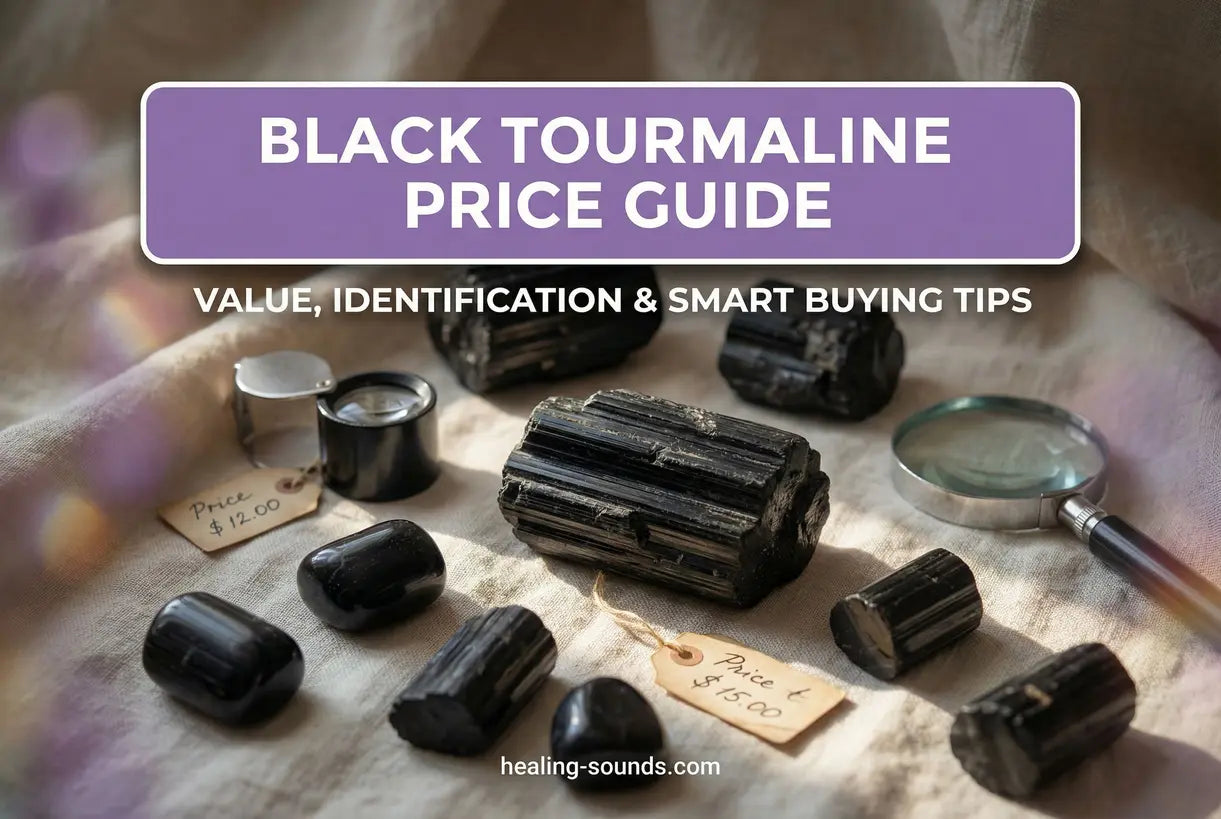
For spiritual wellness seekers and crystal enthusiasts alike, understanding the Black Tourmaline Price is an essential step before expanding a collection. Known as a premier grounding stone, Black Tourmaline is highly sought after for its protective properties. However, because it is relatively abundant, the market is flooded with varying qualities and forms, making it difficult to determine true value.
Whether you are looking for a raw specimen for your altar or a polished piece for jewelry, knowing the fair Black tourmaline cost helps you shop with confidence. This guide dives deep into the factors that influence Black tourmaline value, provides a clear breakdown of pricing per gram or carat, and offers expert tips on Black tourmaline identification so you can spot the real deal.
Factors Influencing Black Tourmaline Value
Unlike rare gemstones such as diamonds or the incredibly expensive Paraiba Tourmaline, Black Tourmaline (Schorl) is generally affordable. However, the Black Tourmaline Price can vary significantly based on several key factors. Understanding these will help you determine if a seller is offering a fair deal.
- Form: Raw stones generally cost less than tumbled or cut stones due to the labor involved in processing.
- Size and Weight: Pricing is often calculated per gram or kilogram for raw chunks.
- Origin: Specimens from specific mines (like those in Brazil or Namibia) known for high energy or unique formations may command higher prices.
- Condition: For raw pieces, the integrity of the natural striations affects value. For polished pieces, a high gloss without cracks is desirable.
While Black tourmaline stone benefits are the primary driver for demand, the physical characteristics define the monetary worth. A massive, intact raw log with clearly defined striations will have a higher Black tourmaline value to collectors than a bag of small, tumbled chips.

Black Tourmaline Price Breakdown
When analyzing the market, it is helpful to look at the Raw black tourmaline price versus the price of finished goods. Because this stone is opaque, it is rarely priced "per carat" in the same way transparent gemstones are, unless it is faceted for high-end jewelry. Instead, it is commonly sold by weight.
Price Per Gram and Kilogram
For bulk buyers and collectors, the Black tourmaline price per kg or per gram is the standard metric. Commercial-grade raw tourmaline can be quite inexpensive, often ranging from $20 to $50 per kilogram for lower quality bulk batches. However, high-quality, terminated crystals can fetch $100+ per kilogram or be priced individually based on aesthetics.
Price Per Carat
If you encounter the term Black tourmaline price per carat, you are likely looking at faceted stones or high-end cabochons used in fine jewelry. In this context, prices remain modest compared to other gems, often sitting between $1 to $5 per carat, though exceptional custom cuts can raise the cost.

Black Tourmaline Identification: Real vs. Fake
Because Black Tourmaline is popular, it is sometimes confused with other black stones like Obsidian, Onyx, or Black Kyanite. More concerningly, it can be faked using dyed glass or plastic. Mastering Black tourmaline identification is crucial to ensure you are getting the energetic properties you are paying for.
Visual Inspection: Striations
One of the most reliable indicators of authentic Black Tourmaline is the presence of striations. These are parallel lines or grooves that run along the length of the crystal. Unlike Obsidian, which breaks with a smooth, curved surface (conchoidal fracture), Tourmaline often looks like a bundle of needles or logs fused together.

Hardness and Texture
Black Tourmaline is relatively hard, scoring 7 to 7.5 on the Mohs scale. This means it can scratch glass but cannot be easily scratched by a knife. However, it can be brittle. In contrast, fake stones made of resin or wax will feel warm to the touch and scratch easily. Real tourmaline feels cool and solid.
For a detailed visual comparison, watch this video on spotting the differences between Black Tourmaline, Obsidian, and other lookalikes.
Comparing Value Across Different Forms
The Black tourmaline cost shifts dramatically depending on how the stone is presented. While raw chunks are great for grid work and home protection, jewelry pieces involve craftsmanship that increases the price.
Raw vs. Polished
Raw Black Tourmaline price is typically lower because it requires less processing. However, raw pieces can be fragile and shed small particles. Polished stones, such as spheres, wands, or tumbled stones, are more durable and pleasant to handle, justifying a slightly higher price point due to the labor of shaping and polishing the hard material.
Jewelry Combinations
When Black Tourmaline is paired with other stones or precious metals, the value reflects the entire piece. For example, a bracelet combining Tourmaline with Hematite not only amplifies the grounding energy but also creates a more durable accessory. In these cases, you are paying for the design and utility as much as the stone itself.
Enhance Your Collection with Authentic Stones
Where to Buy Real Black Tourmaline
Finding a reputable source is the final piece of the puzzle. You can find authentic stones at gem shows, specialized metaphysical shops, or trusted online retailers. When buying online, look for detailed photos that allow you to check for striations and texture. Reputable sellers will often provide information about the stone's origin.

Avoid sellers who use vague terms or offer prices that seem "too good to be true" for large, perfect pieces. While Black Tourmaline is not rare, high-quality, large aesthetic specimens still command a respectable price. Always verify return policies and read reviews to gauge customer satisfaction regarding authenticity.
For more detailed information on mineral properties and authentic sourcing, you can consult resources like the International Gem Society or Mindat.org.
Conclusion
Determining the fair Black Tourmaline Price involves looking at form, weight, and authenticity. While it is an accessible stone for most budgets, knowing how to identify genuine specimens ensures you receive the full protective and grounding benefits associated with this powerful crystal. By paying attention to striations, hardness, and dealer reputation, you can confidently invest in a piece that offers both spiritual value and fair market worth.
Frequently Asked Questions about Black Tourmaline Value
Black Tourmaline is generally considered affordable and abundant compared to precious gems. Its value is driven more by size, aesthetics, and energetic properties than rarity. However, large, terminated museum-quality specimens can be quite valuable.
The worth of tourmaline varies wildly by color. Black Tourmaline (Schorl) is the most common and least expensive, often costing a few dollars per ounce. Rare colors like Paraiba (neon blue) can cost tens of thousands of dollars per carat.
Real Black Tourmaline is hard (7-7.5 Mohs), opaque, and typically has visible vertical striations (lines) running down the crystal. It does not feel waxy or warm like plastic, and it does not have the conchoidal (shell-like) fracture of Obsidian.
The Paraiba Tourmaline, a neon blue-green variety containing copper, is by far the most expensive and rare. Rubellite (red) and Chrome Tourmaline (intense green) are also more valuable than Black Tourmaline.
You can buy real Black Tourmaline from specialized rock shops, mineral shows, and reputable online crystal retailers. Look for sellers who specialize in minerals rather than general decor stores to ensure authenticity.