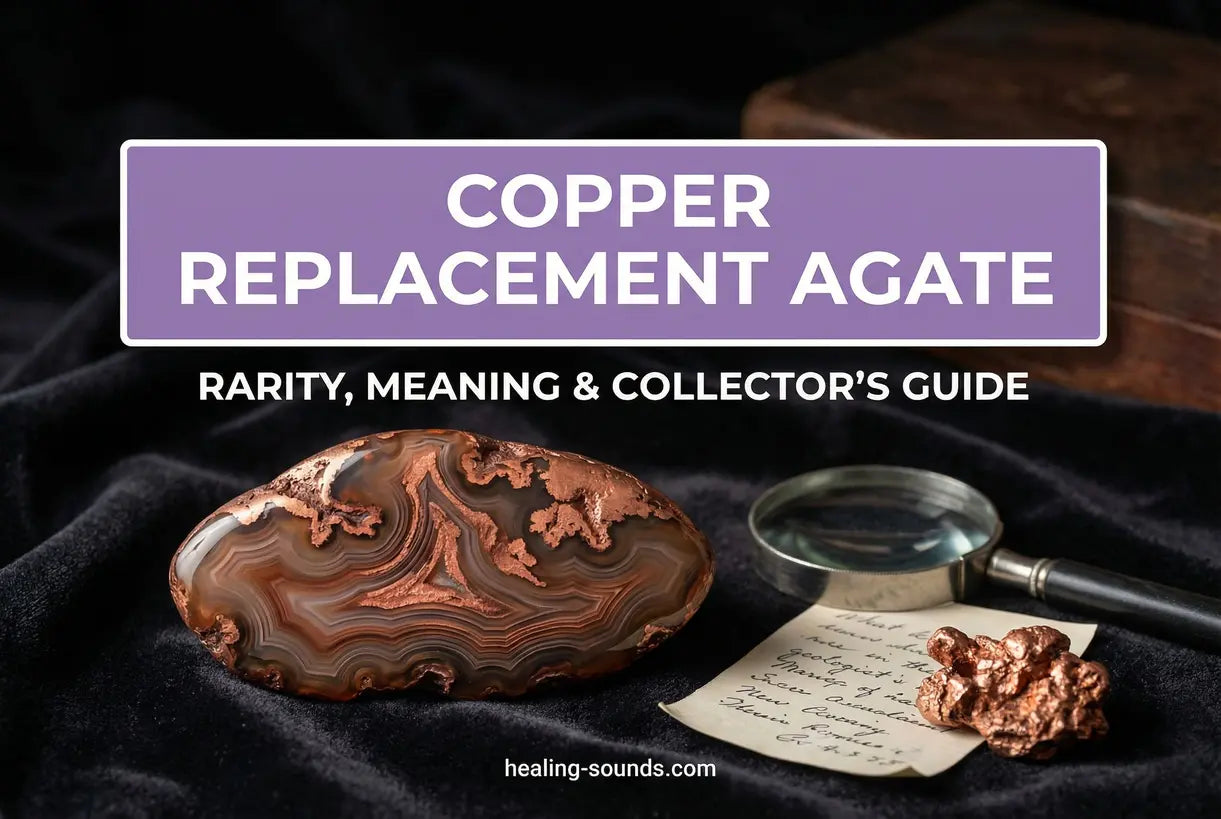
For the discerning collector, few discoveries rival the thrill of finding a copper replacement agate. These geological anomalies are not just stones; they are a rare fusion of native copper and silicate banding, creating a visual masterpiece that captures the rugged spirit of the Earth. Whether you are a mineral enthusiast hunting for the rarest form of agate or a spiritual seeker drawn to the grounding energy of natural copper agate, understanding this unique gemstone opens a door to the fascinating history of the Keweenaw Peninsula.
Unlike traditional agates formed solely of silica, a copper replacement agate represents a complex geological event where copper minerals physically replace the agate banding. This results in a stunning contrast of metallic luster against the classic chalcedony layers. In this guide, we will explore the origins, rarity, and metaphysical copper agate meaning, helping you appreciate why these stones are the crown jewels of Lake Superior agates collections.
What is a Copper Replacement Agate?
A copper replacement agate is a specific type of pseudomorph or alteration where native copper takes the place of the original agate bands within a host rock. Typically found in the basalt flows of Michigan's Copper Country, these stones are a testament to the region's volcanic past.
In a standard agate, silica-rich fluids fill vesicles (gas bubbles) in lava rock, depositing layers of chalcedony. In the case of copper agate, copper-rich hydrothermal fluids entered these cavities. Depending on the timing and chemistry, the copper either filled the void alongside the agate or replaced the existing silica bands entirely. The result is a natural copper agate that displays the geometric banding of an agate but composed of gleaming metallic copper.

The Geological Marvel: Formation and Location
The formation of these stones is intimately tied to the Keweenaw Peninsula in Michigan. This area is famous for containing the largest accumulation of native copper in the world. Approximately one billion years ago, volcanic activity created the rift system that now holds these treasures.
Finding a copper replacement agate raw in the wild is a bucket-list item for many rockhounds. They are most commonly associated with the Kearsarge Lode and other copper-bearing amygdaloidal basalts. Unlike the more common Lake Superior agates found on beaches, high-quality copper replacements are often excavated from old mine dumps or hard rock mining operations.
Why are they so rare?
True replacement is an uncommon geological phenomenon. For copper to replace agate, the chemical conditions must be exact—silica must be dissolved while copper is deposited. This delicate balance makes the best copper replacement agate specimens incredibly scarce and highly valuable compared to standard mineral samples.
Metaphysical Properties and Copper Agate Meaning
For those interested in the spiritual side of geology, copper agate meaning revolves around the synergy of its two primary components. Agate is known as a stabilizer, providing grounding energy and emotional balance. Copper, a powerful conductor of energy, is believed to amplify thoughts and assist in channeling higher vibrations into the physical realm.
Combining these creates a stone of dynamic balance. Many practitioners use copper agate to conduct spiritual energy while remaining grounded. It is often associated with the Root and Sacral chakras, encouraging vitality and physical well-being.
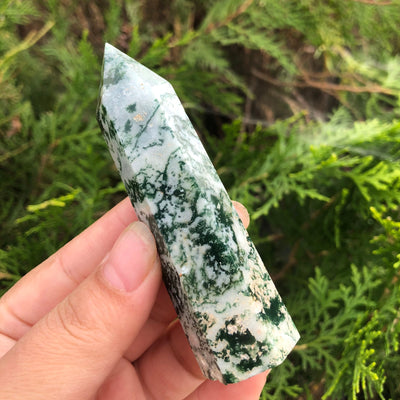
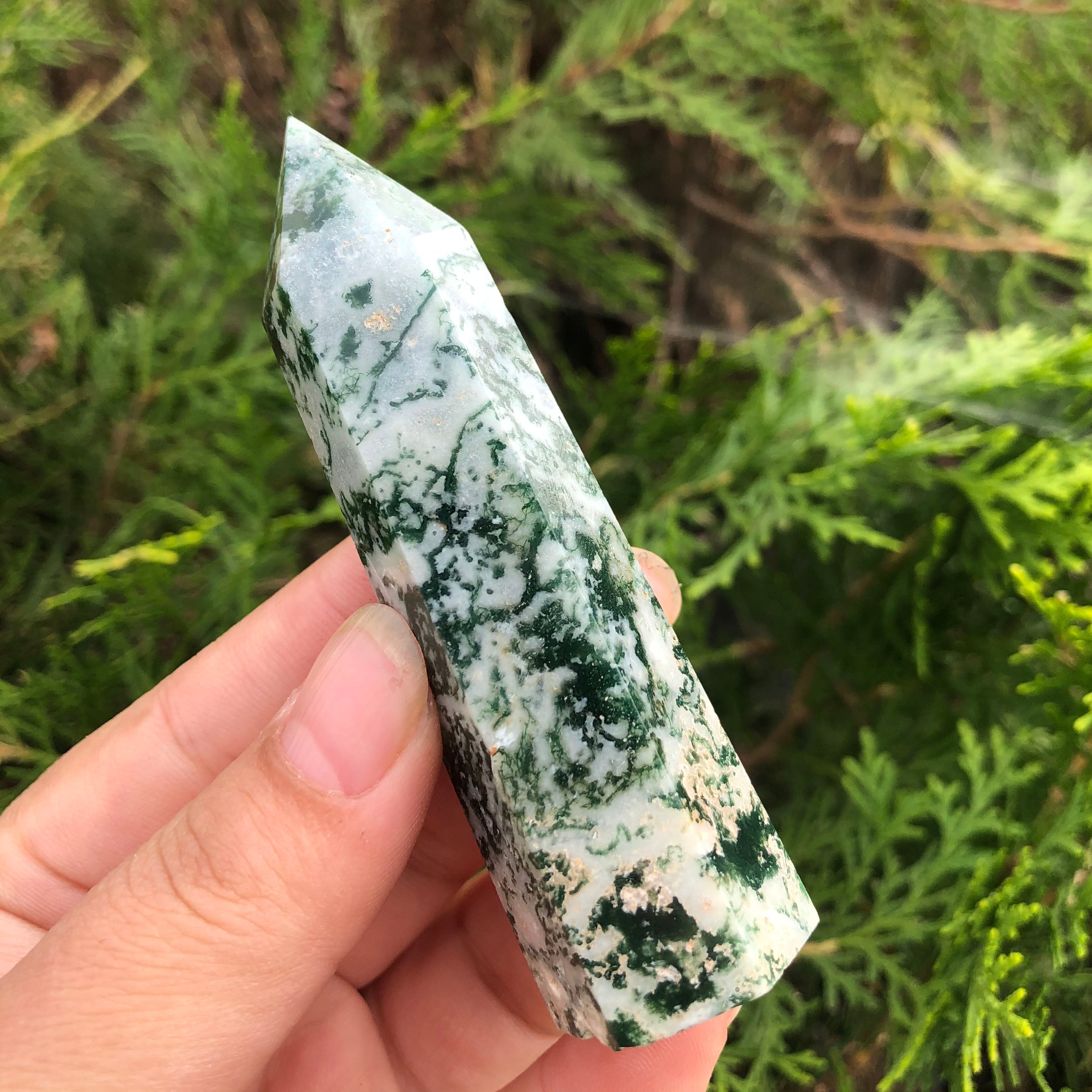
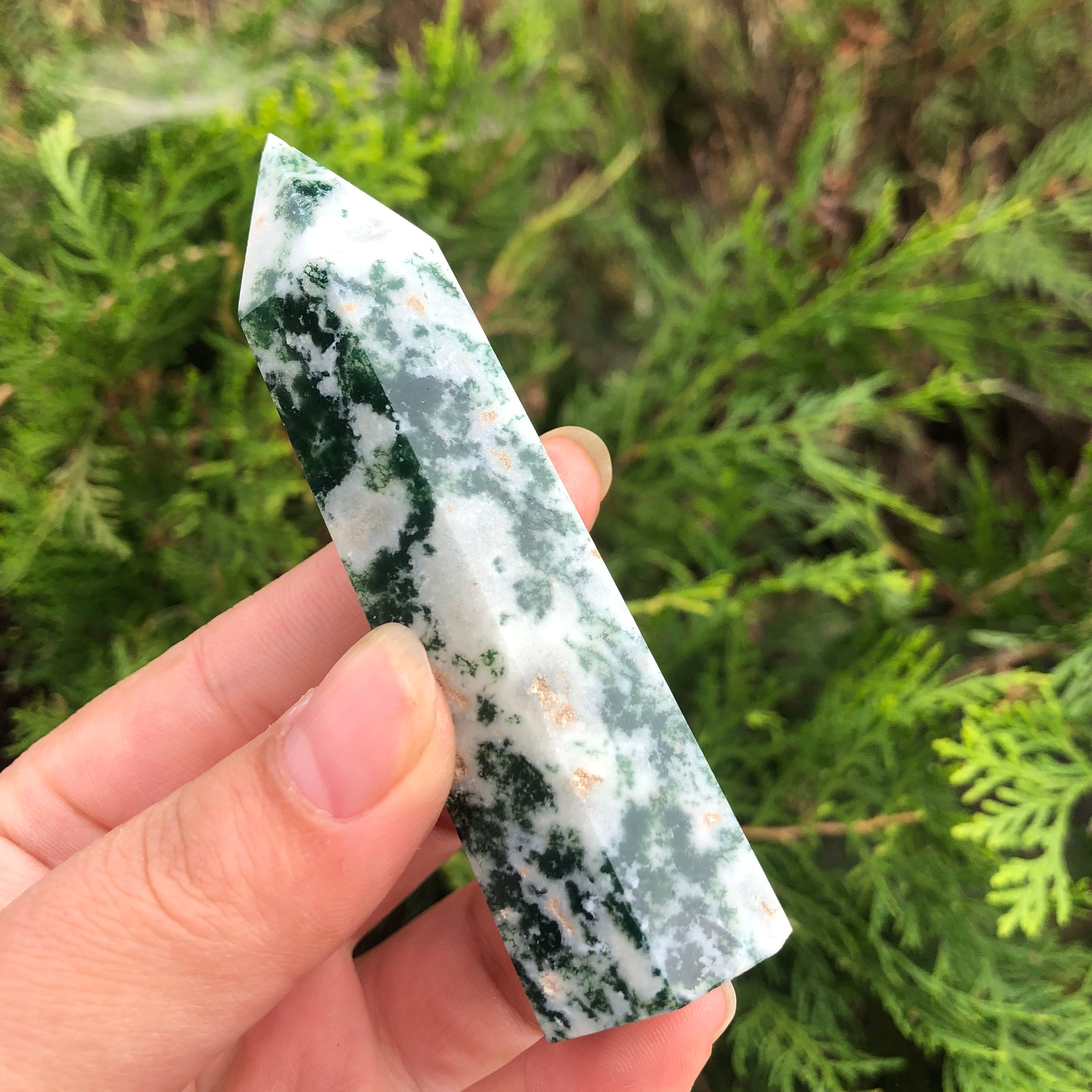
Moss Agate Crystal Tower for Energy Balance
$49.99 $59.99
Balance your energy and bring nature’s tranquility into your home with this Moss Agate crystal tower—ideal for agate enthusiasts.
Explore ProductWhere to Find Copper Replacement Agates
If you are wondering where to find copper replacement agates, your best bet is the Upper Peninsula of Michigan, specifically the waste rock piles from historic copper mines. However, many of these sites are on private property, so permission is essential.
For those who prefer a curated approach, specialized mineral shows and online dealers focusing on "Keweenaw minerals" are excellent resources. When shopping, look for "finely banded" specimens where the copper structure is clear and uncorroded.

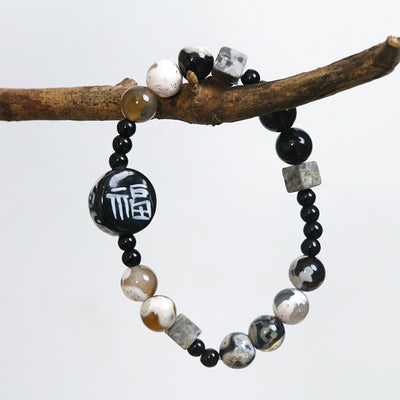


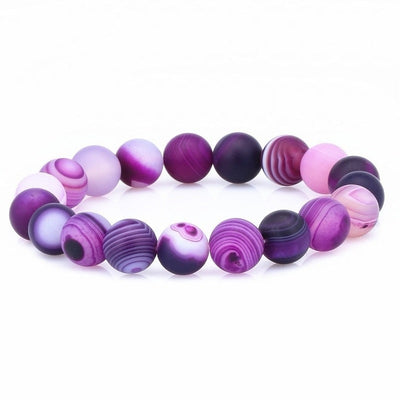

Jewelry and Care: The Copper Agate Ring
Because of their metallic beauty, these stones are increasingly popular in lapidary arts. A polished copper agate ring or pendant is a striking conversation piece. However, because native copper is softer than silica agate (Mohs hardness of 3 vs. 7), these stones require special care.

Can you wear agate every day? Generally, yes, but with copper replacements, you must be mindful of oxidation. Copper naturally tarnishes over time. To maintain the bright metallic luster of a copper replacement agate, keep it dry and occasionally polish it with a jewelry cloth designed for copper or brass. Avoid harsh chemicals that could corrode the metal matrix.
Expanding Your Agate Collection
While copper replacements are the crown jewel for many, a balanced crystal collection often includes various forms of agate to cover different energetic needs. From protection to meditation, integrating different agate structures can enhance your practice.
Enhance Your Crystal Collection

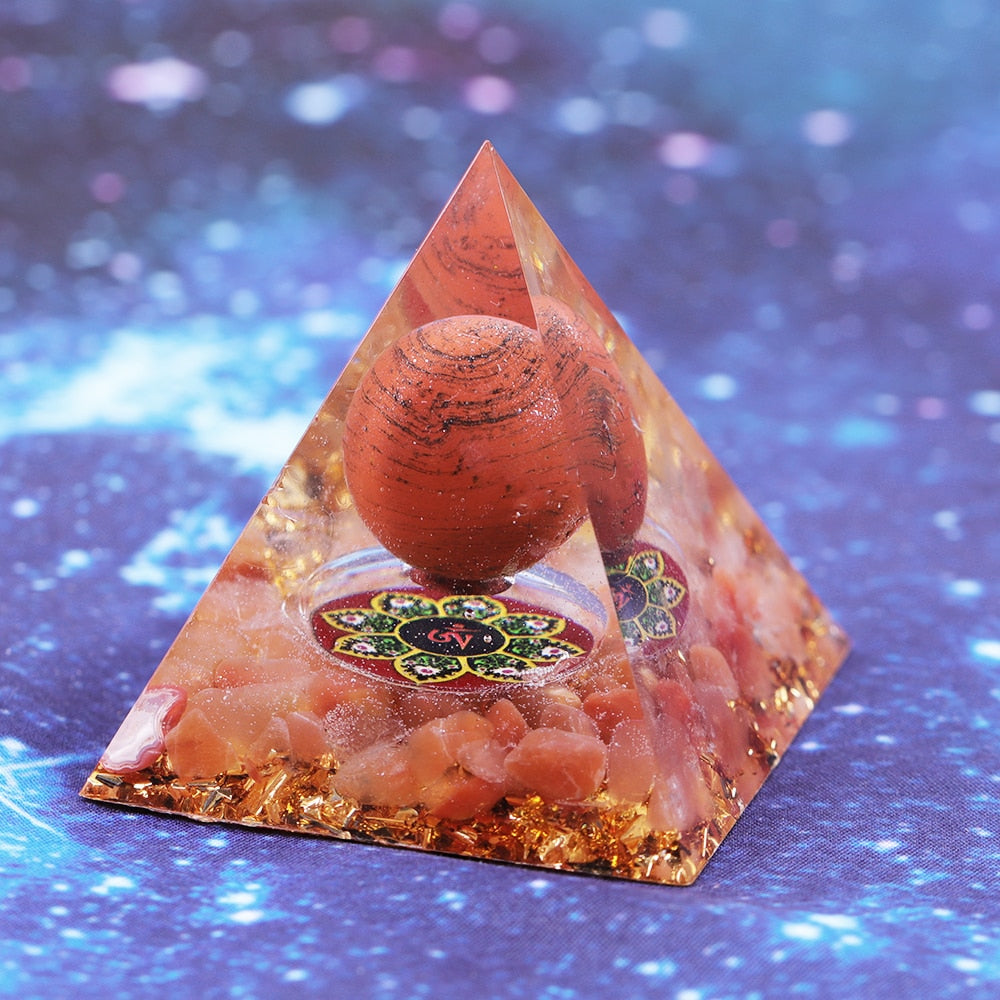
Strength and Courage Agate Pyramid - Meditation Accent
$49.99
$59.99
Focus your meditations with this Red Agate pyramid, crafted to inspire strength, courage, and personal growth on your agate journey. Learn more ➔
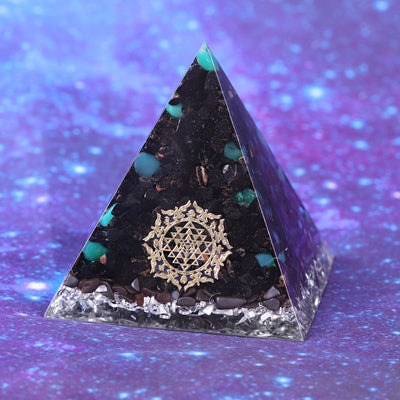
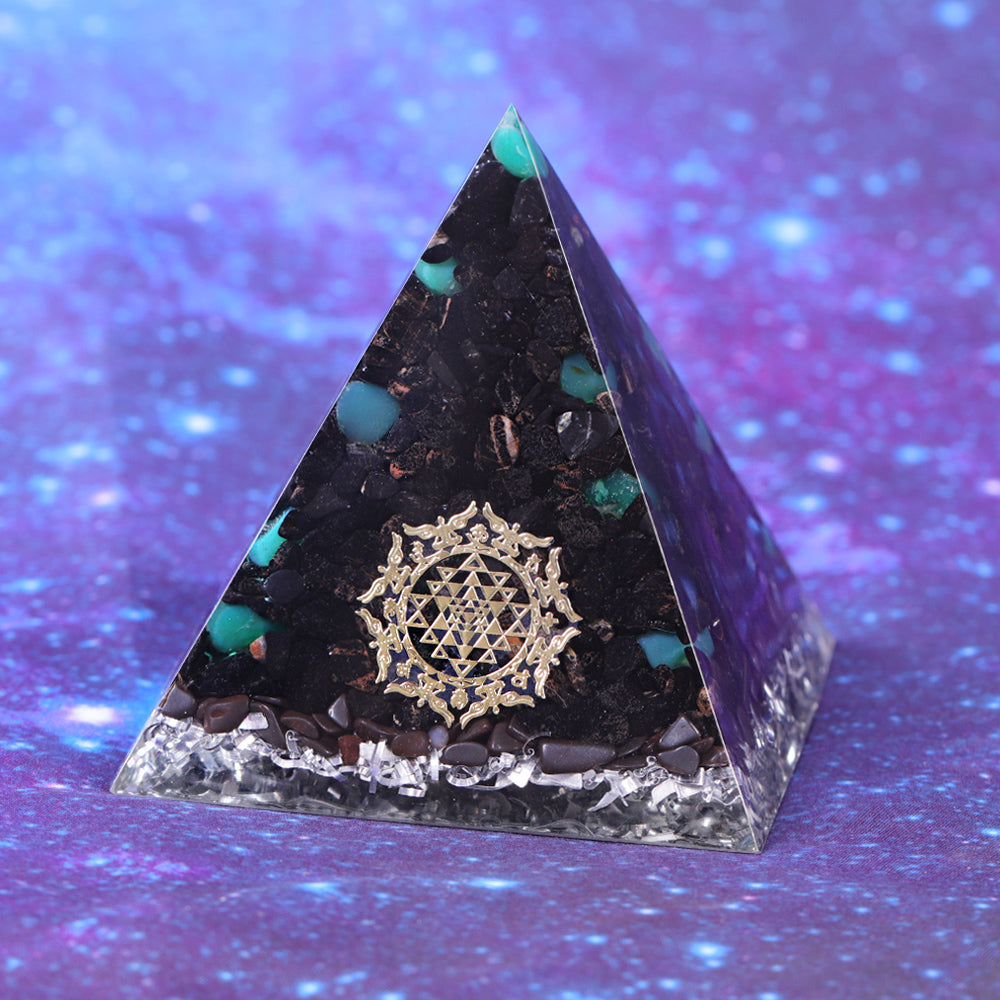
Crystal Protector Orgone Pyramid with Black Tourmaline
$59.99
$79.99
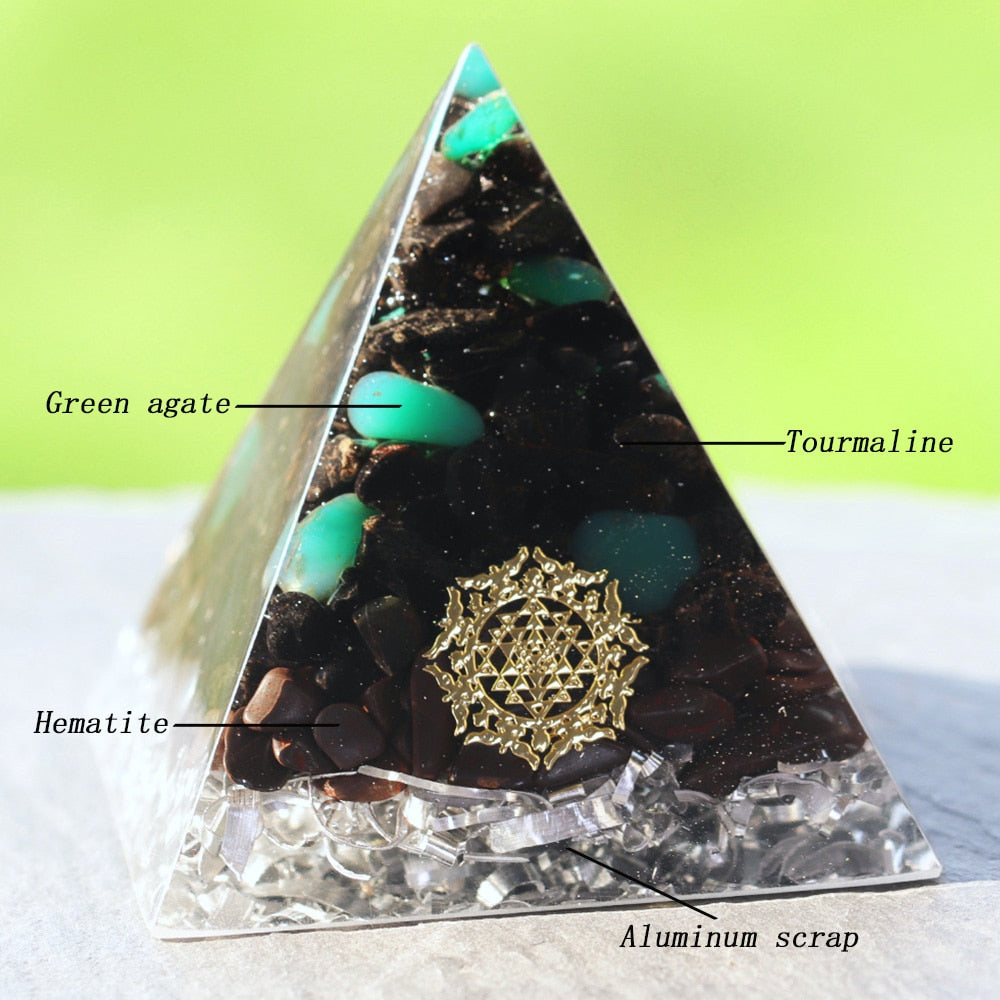
Embrace grounding and protection with this pyramid’s combination of Green Agate and Black Tourmaline—perfect for mindful collectors. Learn more ➔
Conclusion
A copper replacement agate is more than just a mineral; it is a snapshot of violent volcanic history preserved in elegant metallic bands. Whether you are hunting for specimens in the Keweenaw Peninsula or admiring a polished piece in a collection, these stones offer a unique connection to the Earth's fiery past. Their rarity, combined with the grounding and conductive properties of copper and agate, makes them a must-have for serious collectors and spiritual practitioners alike.
Frequently Asked Questions about Copper Replacement Agate
A copper replacement agate is a rare geological formation where native copper minerals have physically replaced the silica bands of an agate, creating a stone that retains the agate's pattern but is composed largely of copper.
In the context of these stones, there is no "replacement" for the copper itself; the copper is the replacement material. In broader industry, materials like aluminum or optical fiber can replace copper wire, but for mineral collectors, the presence of genuine native copper is what defines the value.
Copper replacement agates are considered one of the rarest forms of agate due to the specific and unusual geological conditions required to form them. Other rare types include Ellensburg Blue Agate and specific varieties of Fairburn Agate.
Yes, standard agate is durable (Mohs hardness 7) and suitable for daily wear. However, copper replacement agate jewelry contains softer metal (copper) and may tarnish or scratch more easily, so it is best treated with extra care.
They are primarily found in the Keweenaw Peninsula of Michigan, USA. They are often recovered from copper mine dumps, basalt flows, and occasionally along the shores of Lake Superior.