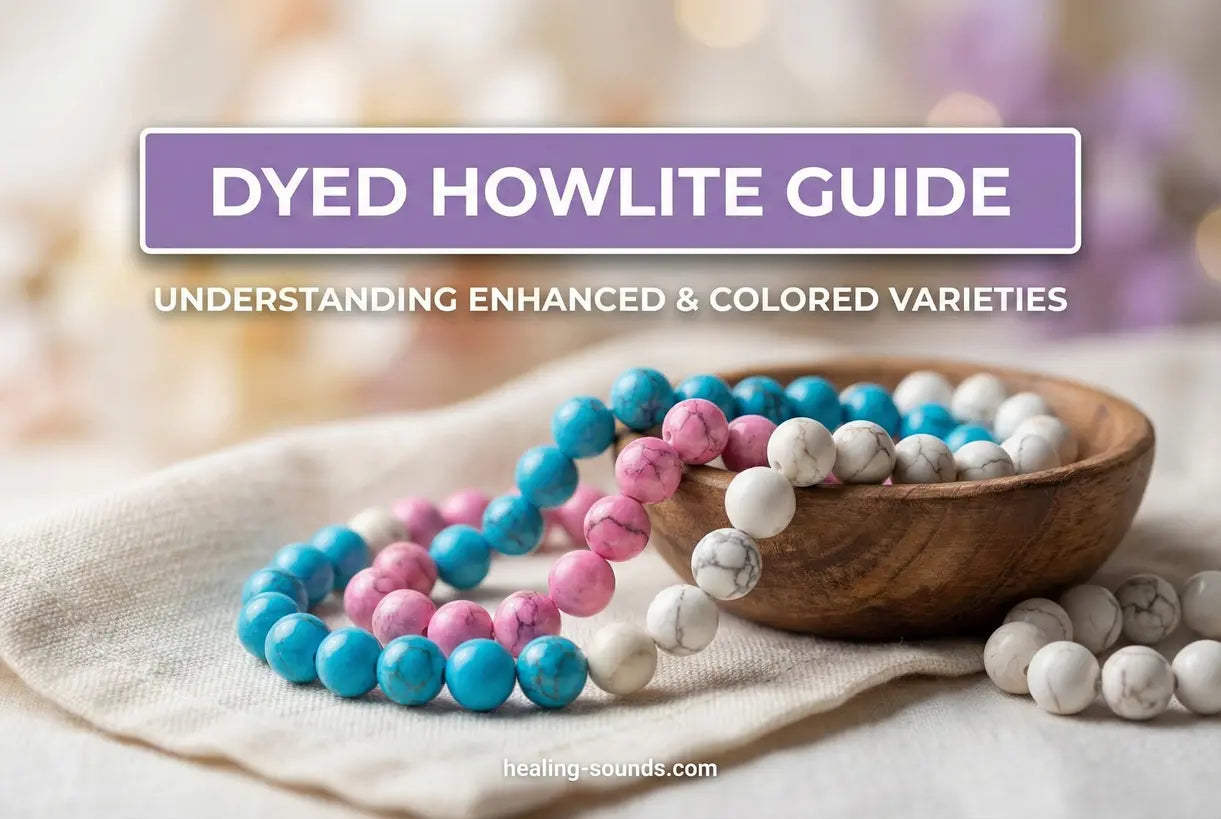
If you have ever explored the world of affordable gemstone jewelry, you have almost certainly encountered dyed howlite. Often found in vibrant shades of turquoise blue, deep red, or purple, this versatile stone is a staple in the crafting and metaphysical community. For many jewelry enthusiasts, the confusion arises when trying to distinguish these enhanced stones from the more expensive minerals they often mimic, such as genuine turquoise or coral.
Understanding the difference between natural and colored howlite is essential for making informed purchases. Whether you are looking for a specific aesthetic or seeking the unique energetic properties of the stone, knowing what is dyed howlite empowers you to build a collection that aligns with your values. In this guide, we will explore the nature of these enhanced stones, how to identify dyed howlite, and why they remain a popular choice for artisans worldwide.
Understanding the Basics: What is Dyed Howlite?
Natural howlite is a borate mineral usually found in evaporite deposits. In its raw form, it appears as a white or creamy-gray nodule with distinct grey or black veining, often resembling a spiderweb. Because of its porous texture, natural howlite accepts dye exceptionally well, allowing it to be transformed into a wide array of colors.

The process of dyeing howlite is generally considered a standard industry treatment rather than a deceptive practice, provided it is disclosed to the buyer. The stone retains its underlying physical structure and hardness (about 3.5 on the Mohs scale) even after color enhancement. While purists may prefer the calming energy of the white original, different types of howlite treatments allow for versatile fashion statements without the high price tag of rare gemstones.
Common Colored Varieties and Imitations
The most famous variation is undoubtedly "Turquoise Howlite" or "Turquenite." This is howlite that has been dyed a bright robin's egg blue to mimic the appearance of genuine turquoise. While it makes for stunning, affordable jewelry, it is crucial to know that this is not a naturally occurring blue stone.
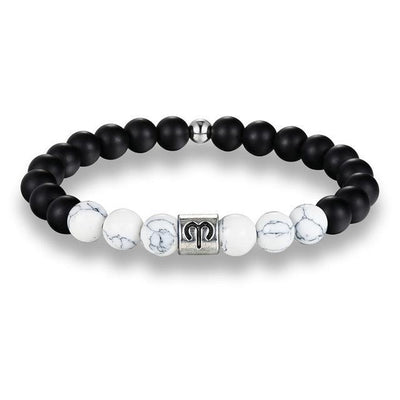
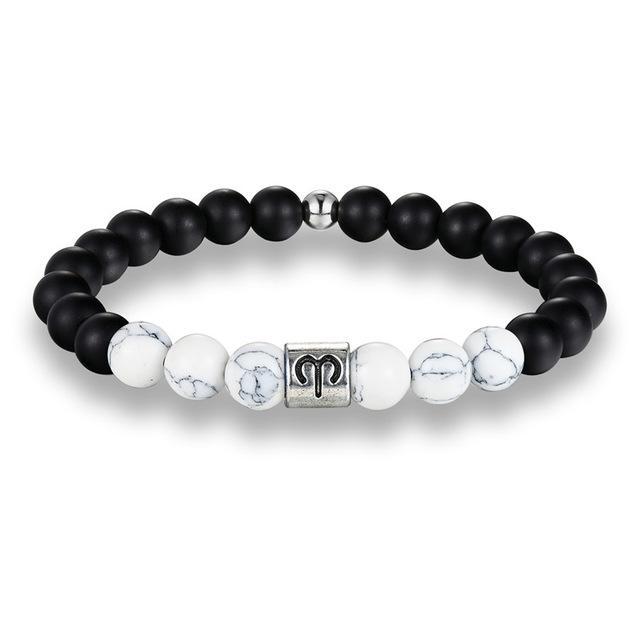
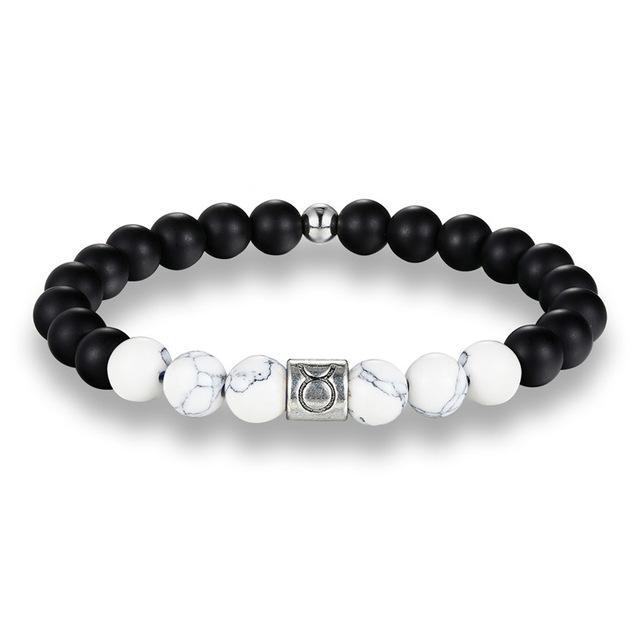
Howlite Zodiac Bracelet for Spiritual Balance
$19.99 $29.99
Wear this Howlite Zodiac Bracelet to explore colored howlite energy and add a personal spiritual touch to your style.
Explore ProductBeyond blue, you will often find dyed howlite beads in red (simulating red coral), purple, green, and yellow. These treatments make the stone accessible for color therapy practitioners who wish to utilize the calming properties of howlite while incorporating specific color energies into their practice.
How to Identify Dyed Howlite vs. Natural Stones
Distinguishing dyed howlite vs turquoise or other natural stones is a valuable skill. Because howlite is significantly softer than turquoise, it scratches more easily, but we don't always want to damage a stone to test it. Instead, you can look for visual clues.
When howlite is dyed, the pigment often accumulates heavily in the natural veins (cracks) of the stone. If you examine the stone closely, you might see that the matrix lines appear much darker or more saturated than the rest of the stone. Additionally, the color may look too uniform or "flat" compared to the natural variations found in untreated turquoise.
For a more practical demonstration on visual identification, watch the video below:
Another common test involves using a cotton swab dipped in acetone or nail polish remover. If you rub it on an inconspicuous area of a colored howlite stone, the blue dye will likely transfer onto the swab. Genuine turquoise will not release color this way. However, be cautious, as some genuine turquoise is stabilized with resins that might react, or the stone may be waxed.

Dyed Howlite vs. Dyed Magnesite
It is also important to note the difference between dyed howlite and dyed magnesite. Both are white, porous, and frequently dyed to imitate turquoise. Magnesite is slightly harder and often has a smoother texture with less defined veining than howlite. However, in the commercial bead market, they are often used interchangeably under the umbrella of "simulated turquoise."
Metaphysical Meaning and Uses
Does dyeing the stone ruin its energy? This is a common question in the holistic community. Generally, dyed howlite meaning retains the core properties of the master stone—calming, patience, and stress reduction. The added color simply brings an additional layer of vibrational frequency. For example, blue dyed howlite can be associated with the throat chakra due to its color, while retaining the soothing energy of the original mineral.
Many artisans and jewelry makers consciously choose these enhanced stones. They offer the durability and feel of natural stone, the aesthetic of high-end gems, and a price point that makes spiritual tools accessible to everyone.
Explore More Enhanced Gemstone Jewelry

Discover the calming strength of dyed quartzite jade, perfect for those exploring enhanced and colored varieties. Learn more ➔

Experience the vibrant beauty of dyed stones in this tiger eye bracelet, designed for strength and confident energy. Learn more ➔

When selecting jewelry, always look for transparency from the seller. A reputable shop will label items as "dyed howlite" or "simulated turquoise" rather than trying to pass them off as expensive rare minerals. This honesty ensures you get exactly what you are paying for—a beautiful, genuine stone that has simply been dressed up in a new color.
Conclusion
Dyed howlite holds a unique place in the world of gemstones. While it often serves as a stand-in for more expensive cousins like turquoise and coral, it is a legitimate and beautiful material in its own right. By understanding how to identify dyed howlite and appreciating its versatility, you can enjoy its calming energy and vibrant aesthetic without fear of deception. Whether you choose it for its affordability, its durability, or its rainbow of colors, howlite remains a beloved choice for mindful jewelry lovers.
Frequently Asked Questions about Dyed Howlite
Dyed howlite is excellent for jewelry making as an affordable, durable alternative to expensive stones like turquoise or coral. Metaphysically, it retains the calming, stress-relieving properties of natural howlite while adding the color therapy benefits associated with its dyed hue.
You can identify dyed howlite by looking for dye concentrations in the cracks (veins) of the stone, which often appear darker than the surface. An acetone rub test can also reveal dye, and a scratch test can distinguish it from harder stones like genuine turquoise.
While both are porous white minerals used to imitate turquoise, magnesite is slightly harder and often has a smoother, porcelain-like texture. Howlite typically features more distinct, web-like grey or black veining compared to magnesite.
Yes, howlite is extremely porous, which makes it one of the easiest stones to dye. It accepts pigments readily, allowing it to be transformed into bright blues, reds, purples, and other vibrant colors for jewelry.
"Turquoise howlite" is a trade name for natural white howlite that has been dyed blue to resemble genuine turquoise. It is not a naturally occurring blue stone but is a popular, cost-effective substitute in the jewelry market.