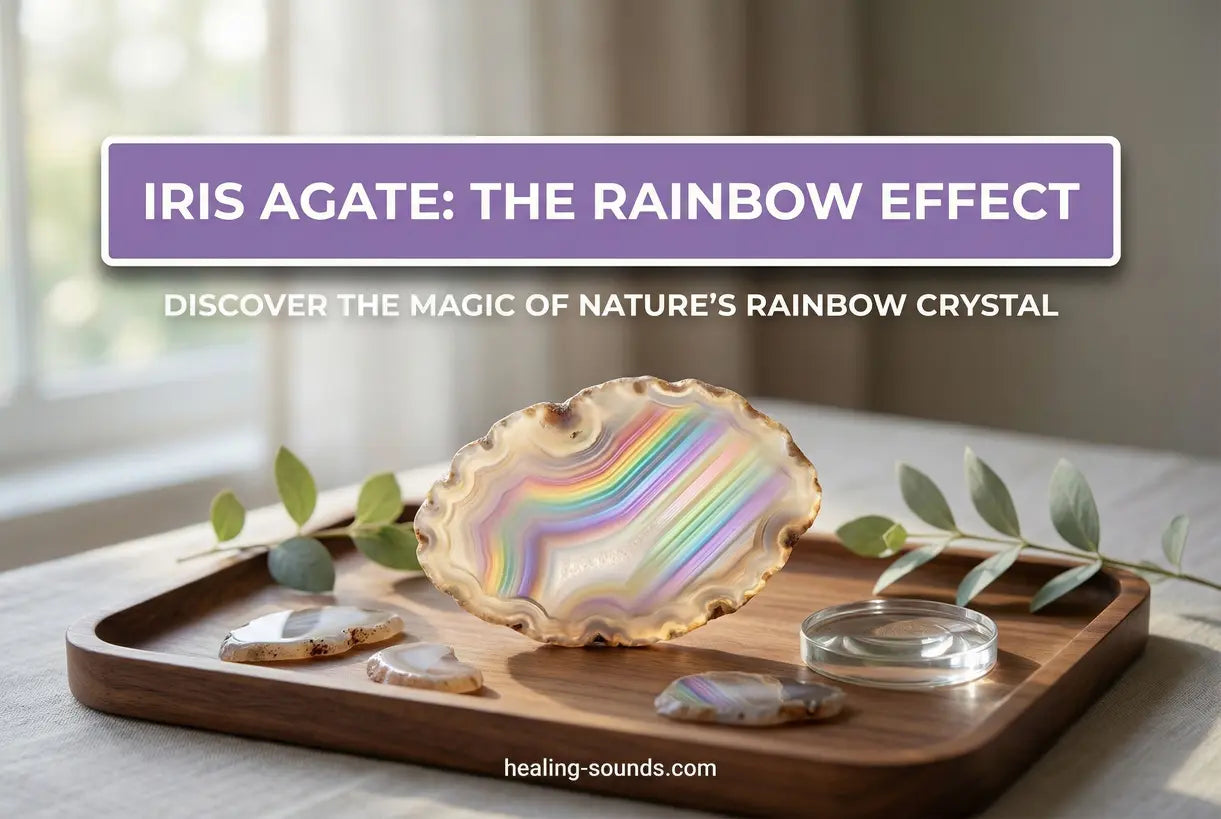
Imagine holding an unassuming stone up to the light and suddenly witnessing a dazzling spectrum of spectral colors dance across its surface. This is the magic of Iris Agate, a rare and captivating variety of chalcedony that hides a secret within its ultra-fine banding. Unlike standard agates, which are prized for their earthy patterns, this gem is sought after for its unique optical phenomenon known as the rainbow effect.
For crystal enthusiasts and collectors, finding an iris agate is like discovering a hidden treasure. It bridges the gap between the physical beauty of natural minerals and the ethereal world of light. In this article, we will explore the fascinating science behind its iridescence, the spiritual iris agate meaning, and why this stone is a must-have for those who appreciate the extraordinary in nature.
What is Iris Agate?
Iris Agate is a specific type of finely banded agate that, when sliced thinly and illuminated from behind, displays a stunning array of spectral colors. While it may look like ordinary clear or milky chalcedony in reflected light, transmitted light reveals its true glory. The name "Iris" comes from the Greek goddess of the rainbow, perfectly fitting for a stone that captures the full spectrum of light.
The defining characteristic of this stone is the rainbow effect. This is not caused by chemical inclusions or surface treatments but is a structural phenomenon. It is one of the few gemstones where the color you see is actually the result of the interaction between light and the stone's physical architecture.
The visual impact of this stone makes it highly desirable for unique iris agate jewelry and collector's cabinets. However, because the effect relies on light passing through the stone, it is most often found sold as thin slices or cabochons designed for open-back settings.

The Science: How the Rainbow Effect is Produced
The mesmerizing colors of iris agate are produced by a phenomenon called diffraction. As the agate forms in cavities within volcanic rock, layers of silica-rich fluids deposit over time. In the case of iris agate, these fluctuations happen rapidly and rhythmically, creating layers that are incredibly thin and uniform.
These microscopic bands act as a natural diffraction grating. When light hits these edges, it bends and spreads out into its component colors—red, orange, yellow, green, blue, indigo, and violet. This is similar to how a prism works or how light reflects off the grooves of a compact disc.
The intensity of the rainbow agate effect depends on the spacing of the bands. If the bands are distorted or too thick, the diffraction will not occur, and the stone will remain opaque or translucent without the spectral display. This precise structural requirement is what makes high-quality specimens so incredibly rare.

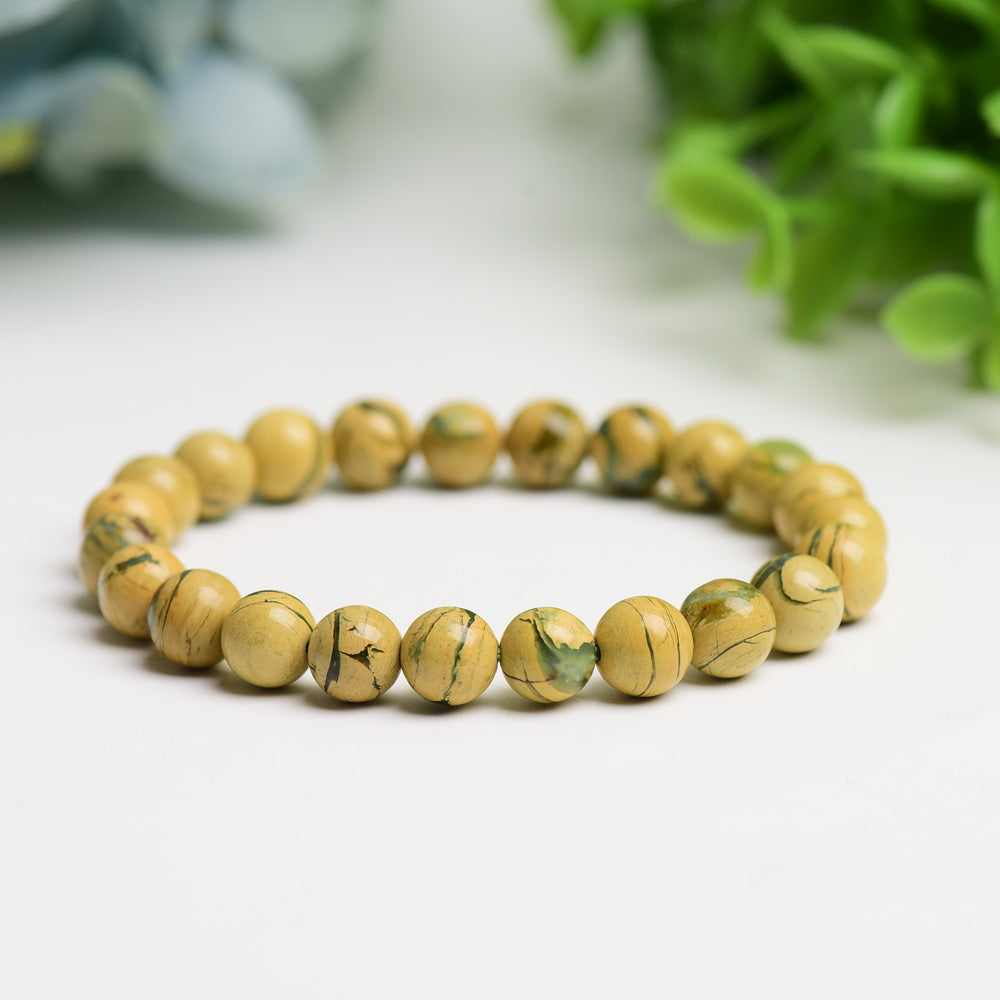
Mixed Crystal Spiritual Healing Bracelet for Energy & Protection
$49.90 $69.90
Experience a spectrum of crystal energies and colors with this unique bracelet, perfect for those drawn to iris agate’s rainbow beauty.
Explore ProductIs Iris Agate Rare and Where is it Found?
The question "is iris agate rare?" has a nuanced answer. While agate itself is a common mineral found globally, the specific conditions required to create the ultra-fine diffraction grating structure are uncommon. Furthermore, even when a raw nodule contains these fine bands, they are invisible until the stone is cut at a precise angle perpendicular to the banding and sliced very thinly.
This means that many potential iris agates may go undiscovered simply because they weren't cut correctly to reveal the rainbow effect. This combination of geological scarcity and the need for expert lapidary work contributes to the higher Iris Agate price compared to standard agates.
Primary Locations
- Indonesia: Currently one of the most prolific sources, producing specimens with vivid, neon-like colors.
- Oregon & Montana (USA): Historically significant sources, particularly along the Yellowstone River, known for subtle and beautiful pastel rainbows.
- Brazil and Argentina: Occasional finds occur in the massive agate fields of South America.
To see exactly how these wonders are discovered and the excitement they generate, watch this video from the field:
Spiritual Meaning and Metaphysical Properties
Beyond its scientific marvel, the spiritual meaning of iris agate is deeply connected to its ability to manifest light from darkness. It is often called the "wish-granting stone" or a stone of energetic transformation. Just as the stone requires light to reveal its hidden colors, it is believed to help the bearer reveal their hidden truths and talents.
Here are some key agate properties associated with the iris variety:
- Hope and Positivity: The rainbow is a universal symbol of hope. Iris agate is thought to lift heavy emotions and bring a sense of optimism.
- Unblocking Energy: Because it diffracts light into all colors of the spectrum, it is associated with balancing all seven chakras. It is particularly useful for breaking through stagnant energy.
- Clarity of Vision: Metaphysically, it encourages seeing the "full picture" or the many facets of a situation, rather than a black-and-white perspective.
For collectors and healers, placing an iris agate slice in a window or on a light box creates a focal point for meditation, reminding us that beauty often requires a shift in perspective to be seen.






Collecting and Displaying Iris Agate
If you are looking for Iris Agate for sale, it is crucial to understand how to display it. An iris agate ring or pendant is beautiful, but the setting must be open at the back to allow light to pass through. Closed-back settings will render the stone indistinguishable from common white chalcedony.
Serious collectors often display slices in custom stands with built-in LED backlighting. This constant illumination ensures the rainbow effect is always visible. When evaluating a piece, look for the intensity of the colors and the clarity of the bands. The more vivid the spectral display, the more valuable the specimen.
Below is a helpful visual guide summarizing the key aspects of this unique mineral:

Enhance Your Energetic Spectrum
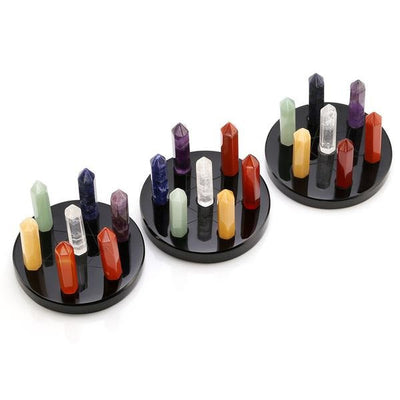
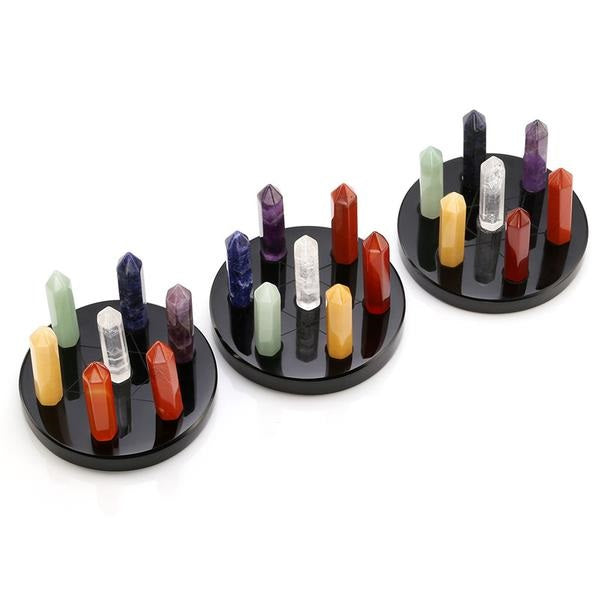
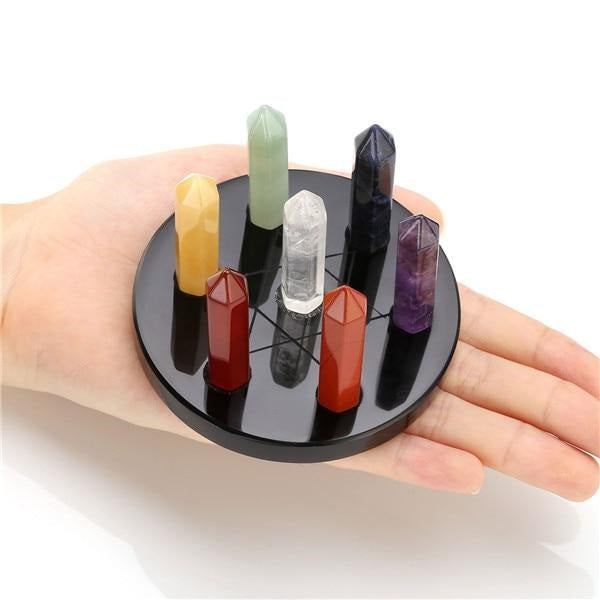
7 Chakra Hexagonal Crystal Wands with Reiki Tradition
$139.99
$179.99
Channel a full range of vibrant energies and colors in your practice, reminiscent of iris agate’s stunning rainbow effect. Learn more ➔

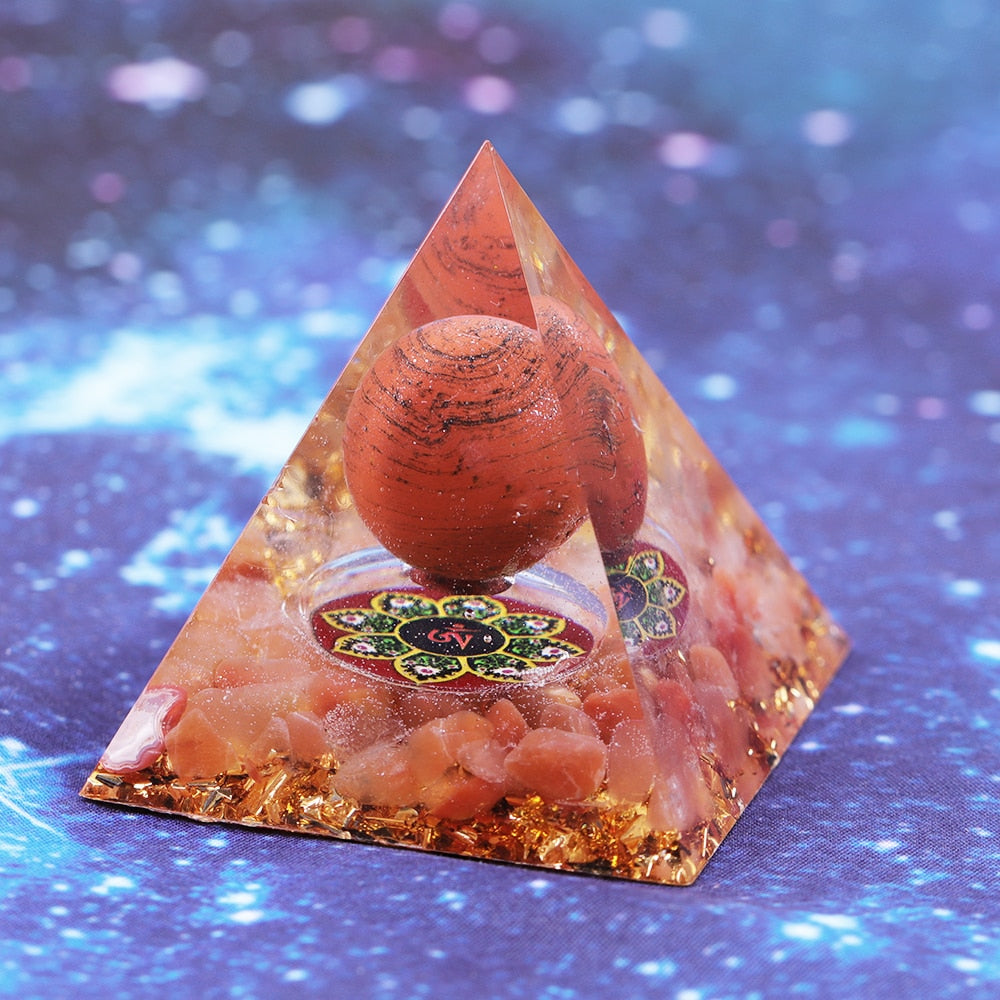
Strength and Courage Agate Pyramid - Meditation Accent
$49.99
$59.99
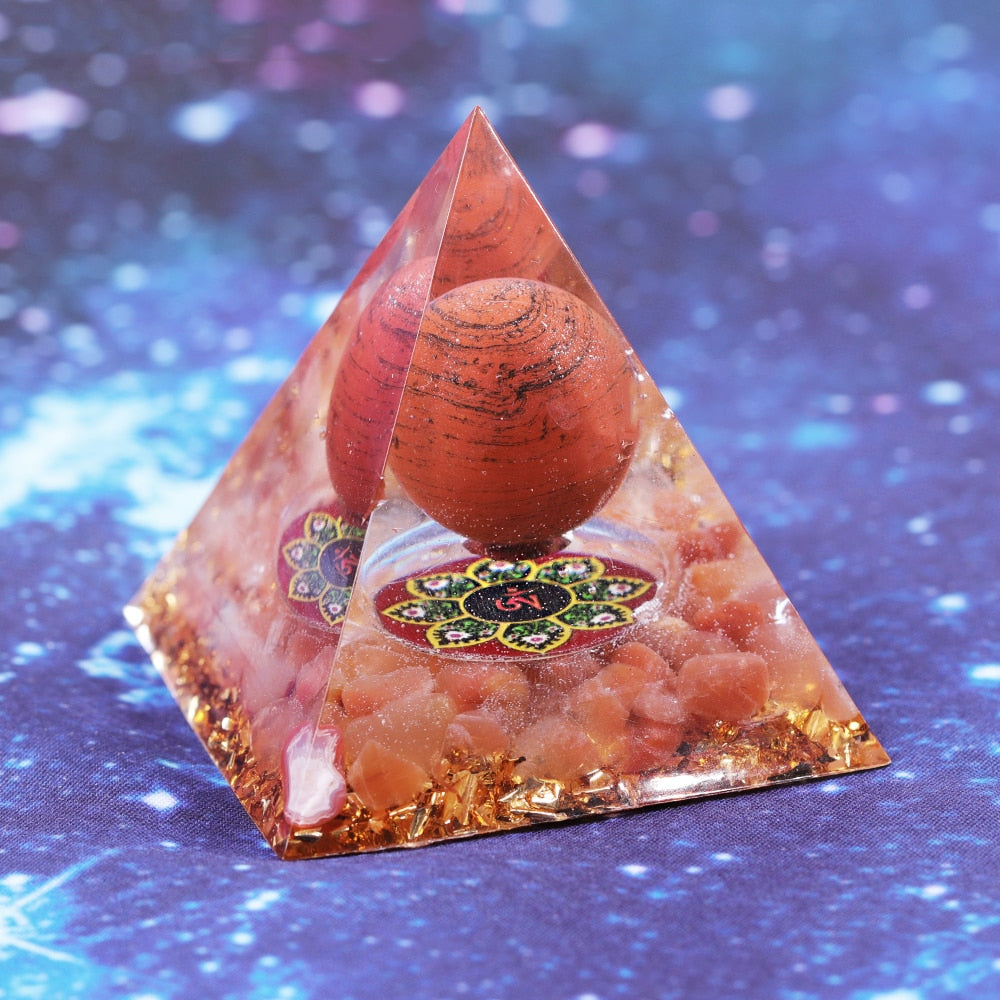
Bring powerful agate symbolism and visual vibrance into your meditation space with this beautifully crafted pyramid accent piece. Learn more ➔
Conclusion
Iris Agate is truly one of nature's most spectacular optical illusions. It reminds us that ordinary things can hold extraordinary beauty if we only look at them in the right light. Whether you are drawn to the iris agate meaning for spiritual healing or simply want to own a piece of this geological rainbow, it is a stone that promises to inspire awe and wonder. By adding elements of the rainbow to your life, whether through this rare agate or other colorful healing crystals, you invite vibrancy and hope into your daily practice.
Frequently Asked Questions about Iris Agate
Iris agate is a finely banded variety of chalcedony that acts as a natural diffraction grating. When light shines through thin slices of this stone, the fine bands split the light into a spectrum of rainbow colors.
Yes, genuine iris agate is considered rare. While agate is common, the specific formation of thousands of ultra-thin, uniform bands required to create the rainbow effect is uncommon. Additionally, the stone must be cut expertly to reveal the phenomenon.
Iris agate is found in several locations globally. Notable sources include Indonesia, which produces vibrant specimens, as well as the United States (specifically Oregon and Montana), Brazil, and Argentina.
Spiritually, iris agate is known as a stone of wish fulfillment, hope, and transformation. Its rainbow colors are believed to unblock stagnant energy, balance the chakras, and help the user see the light or positive aspects in difficult situations.
The rainbow effect is produced by optical diffraction. The agate contains thousands of microscopic layers per inch. When light hits the edges of these thin layers, it bends and separates into spectral colors, similar to how a prism works.