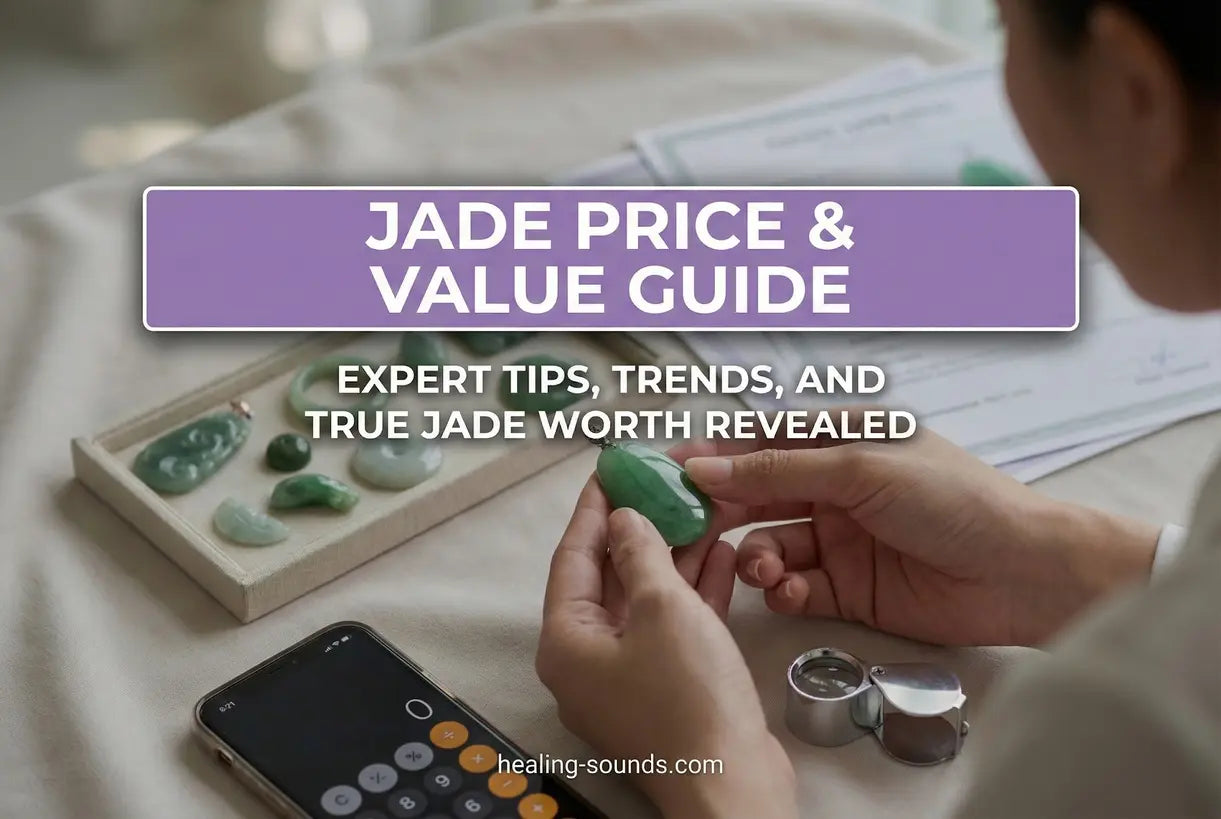
For spiritual wellness seekers and gemstone collectors alike, understanding the true value of a stone is as important as connecting with its energy. Jade has captivated civilizations for millennia, revered not just for its spiritual properties of luck and protection, but as a tangible asset with a complex market. Whether you are looking to invest in a high-quality piece or simply want to ensure you aren't overpaying for a souvenir, navigating jade price requires knowledge.
The market for this gemstone is unique because "jade" actually refers to two distinct minerals with vastly different values. Determining real jade worth isn't as simple as checking the spot price of gold; it involves a nuanced look at color, translucency, texture, and origin. In this guide, we will break down the essential factors that influence jade stone price, helping you distinguish between a priceless heirloom and a common commercial stone.
Jadeite vs. Nephrite: The First Step in Valuation
Before diving into specific price points, it is critical to understand that the term "jade" covers two different mineral species: Jadeite and Nephrite. The distinction between these two is the single most significant factor in determining jade value.
- Jadeite: This is the rarer and more valuable variety, often associated with jewelry-grade stones. Top-quality Jadeite, specifically "Imperial Jade," commands the highest prices in the world, sometimes reaching millions of dollars per carat. It comes in a wide range of colors, including the highly prized emerald green, lavender, and ice-white.
- Nephrite: Historically used in China for thousands of years before Jadeite was introduced, Nephrite is more common and generally less expensive. It is known for its extreme durability and creamy, mutton-fat luster. While usually more affordable, high-quality white "Mutton Fat" Nephrite can still fetch a high jade price.
Most commercial "green jade" sold at accessible price points is Nephrite or lower-grade Jadeite. Understanding which mineral you are holding is the foundation of any jade appraisal.

The 4 Key Factors Influencing Jade Price
Just as diamonds have the "4 Cs," jade has its own set of criteria that experts use to determine value. If you are wondering how expensive is jade, you must evaluate these specific characteristics.
1. Color
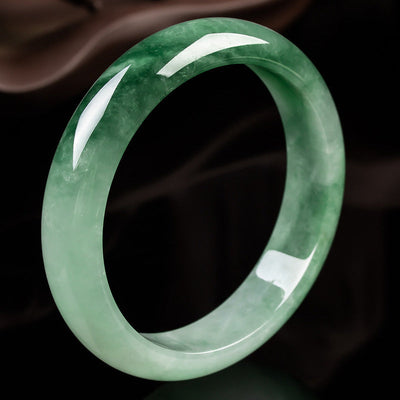
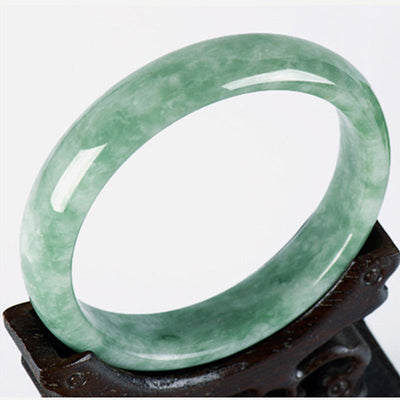
Color is the most obvious and impactful factor. For Jadeite, the most valuable color is a vibrant, intense emerald green (Imperial Green). However, jade comes in purple (lavender), red, yellow, black, and white. The green jade price spikes significantly as the saturation increases and the tone becomes more vivid without being too dark. For Nephrite, a consistent spinach green or a pure white are the most sought-after hues.
2. Translucency (Transparency)
Unlike many other gemstones where clarity (lack of inclusions) is key, for jade, translucency is paramount. Higher quality jade allows light to penetrate the stone, giving it a glowing, watery appearance. Opaque stones are generally less valuable. The more the stone resembles a drop of colored water, the higher the jade value.
3. Texture
Texture refers to the fineness of the crystal structure. High-value jade has a very fine grain, resulting in a smooth, glass-like finish when polished. Coarse-grained jade looks granular and dull, which significantly lowers the jade price per carat.
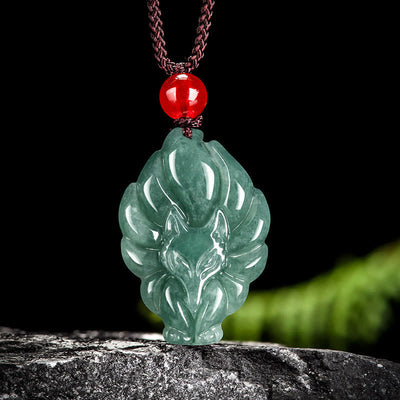
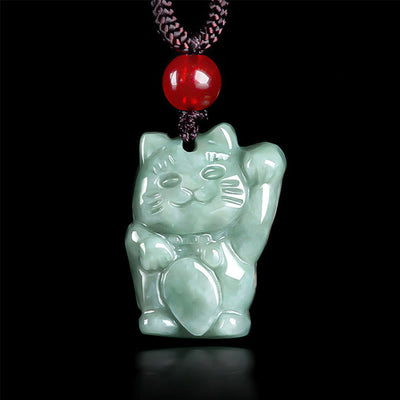
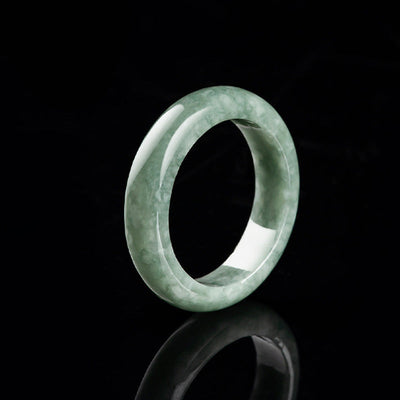

Green Jade Nine Tailed Fox Luck Necklace Pendant
$46.90 $67.90
Wear this genuine green jade pendant for abundant luck while learning about authentic jade value and cultural symbolism.
Explore ProductTreatments and Authenticity: Types A, B, and C
One of the biggest pitfalls for buyers is the prevalence of treated stones. The real jade worth relies heavily on whether the stone is natural or enhanced. The industry classifies Jadeite into three categories:
- Type A (Natural): Untreated, natural jade. It may be waxed for polishing (which is accepted), but the color and structure are 100% natural. This is the only type with investment value.
- Type B (Bleached & Impregnated): The stone has been acid-bleached to remove impurities and then filled with polymer resin to improve stability and transparency. It looks good but is brittle and worth a fraction of Type A.
- Type C (Dyed): The stone is chemically dyed to enhance color. These colors often fade over time.
Buying "cheap" jade often means buying Type B or C. For spiritual work, most practitioners prefer Type A natural stones to ensure the energy remains pure.

Analyzing Market Trends: Price Per Gram and Carat
Unlike gold, which has a fixed spot price, jade price per gram varies wildly based on quality. A gram of industrial-grade nephrite might cost pennies, while a gram of Imperial Jadeite can cost more than gold.
Raw Jade vs. Finished Jewelry
The raw jade price appeals to carvers and investors who can spot potential inside a rough stone. However, for most buyers, the finished piece—be it a bangle, pendant, or cabochon—carries a premium due to the craftsmanship involved. Carving removes weight, so the jade price per carat of a finished gemstone is typically higher than the rough material to account for the loss during cutting.
To understand more about grading and what to look for visually, watch this detailed breakdown of Nephrite value factors:
How to Appraise Jade and Spot Value
If you are looking for a jade appraisal, it is best to consult a certified gemologist, especially for high-value items. However, there are simple observations you can make:
- Check the Sound: Gently tap the jade with a coin (if it's a bangle). Real high-quality jade emits a high-pitched, bell-like chime. Glass or plastic will sound dull (a "clunk").
- Feel the Temperature: Real jade feels cool to the touch and takes a while to warm up in your hand.
- Observe Bubbles: Look closely with a loupe. If you see air bubbles, it is likely glass, not jade.
For reputable information on gemstone standards, organizations like the Gemological Institute of America (GIA) provide extensive resources on quality factors.

Symbolic Jade Pendants for Your Collection

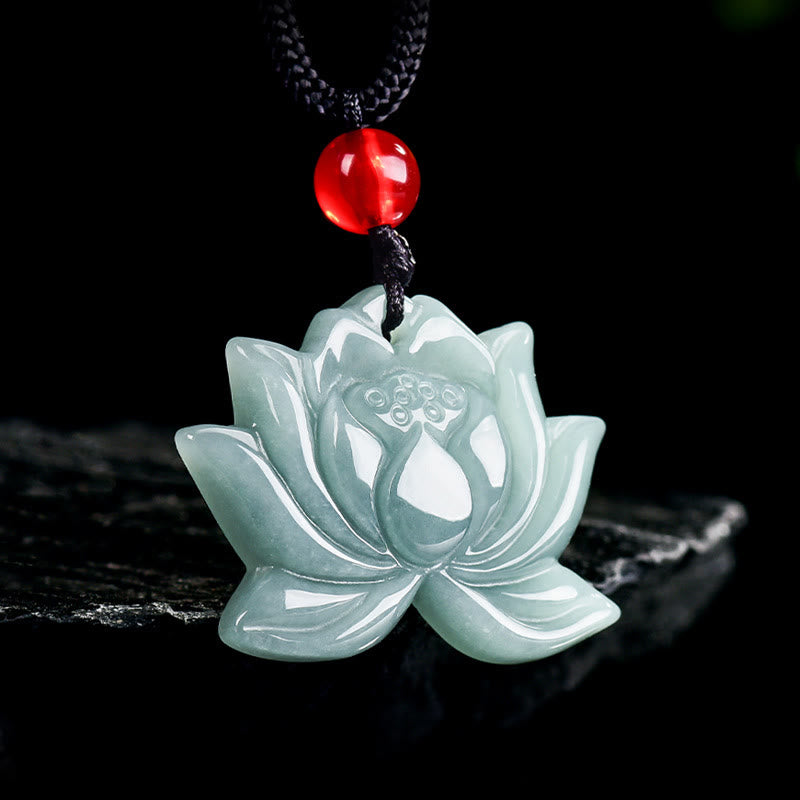
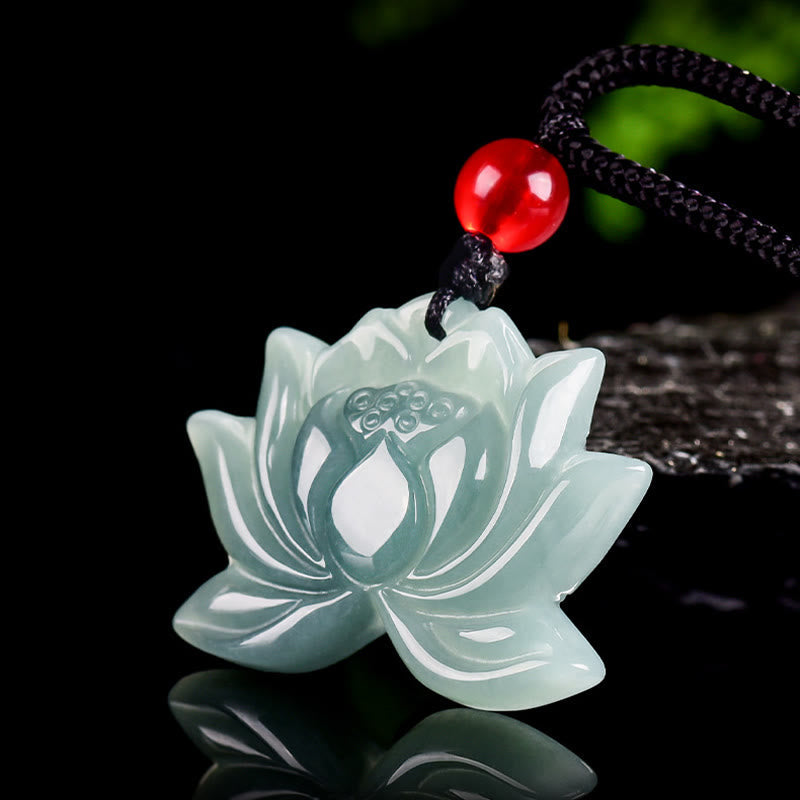
Lotus Carved Jade Prosperity Necklace Pendant 22mm
$24.90
$35.90
Symbolize new beginnings and prosperity with this hand-carved lotus jade pendant, perfect for exploring jade price and meaning. Learn more ➔

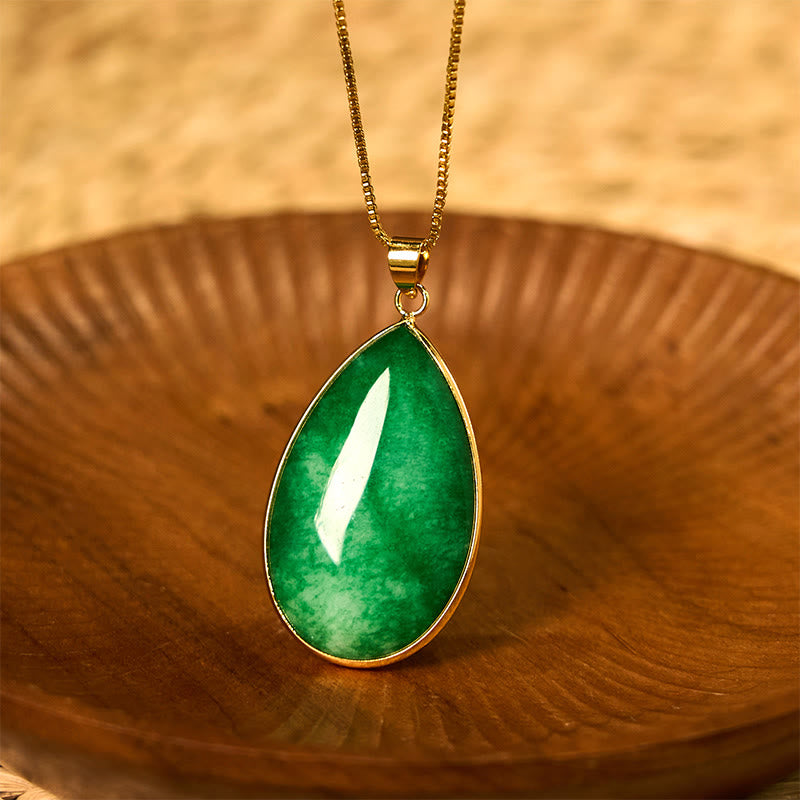
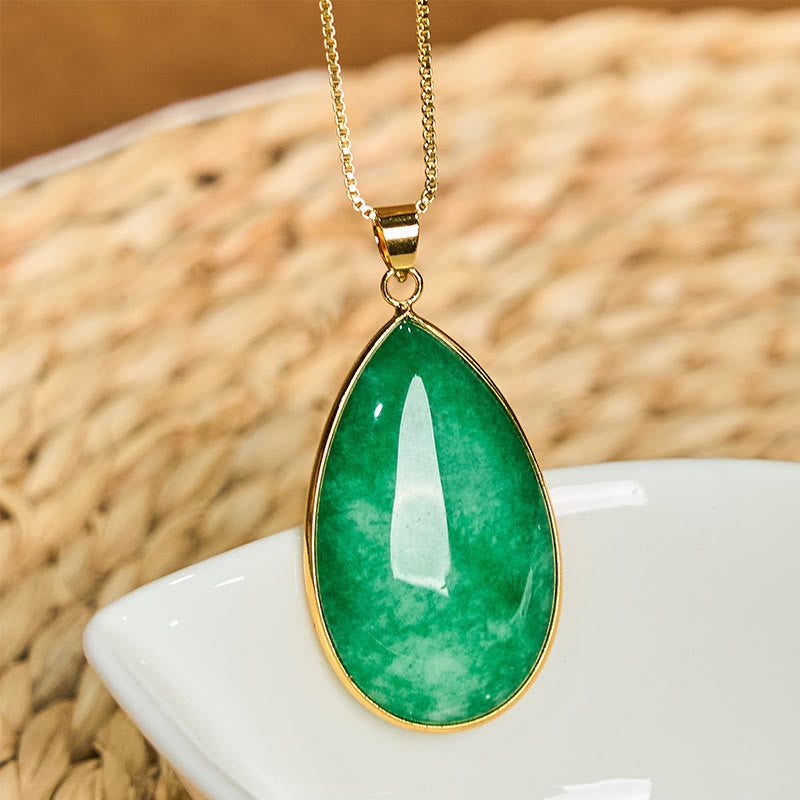
Green Jade Abundance Necklace Pendant | Prosperity Charm
$24.90
$35.90
Invite abundance and harmony into your life with this authentic green jade pendant, a stunning example of valued jade jewelry. Learn more ➔
Conclusion
Navigating the world of jade price requires patience and a keen eye. From distinguishing between Nephrite and Jadeite to recognizing the subtle signs of treatments, understanding jade value protects your investment and deepens your appreciation for this ancient stone. Whether you are drawn to the vibrant greens of a necklace or the creamy texture of a carving, the true worth of jade often lies in how it makes you feel. Explore our collection to find authentic pieces that resonate with your spirit and your style.
Frequently Asked Questions about Jade Price & Value
The worth of real jade varies drastically depending on its type (Jadeite vs. Nephrite) and quality. Common nephrite can cost a few dollars per pound, while top-tier Imperial Jadeite can be worth thousands of dollars per carat.
"1 jade" isn't a standard unit of measurement. Jade is usually priced by weight (carats or grams) or by the piece. A single small bead might cost $1, while a high-quality bangle could cost $10,000 or more.
Jade sold by the ton is typically lower-grade nephrite used for large carvings or industrial purposes. Prices can range from $500 to several thousand dollars per ton, whereas fine jewelry-grade jade is never sold by the ton.
Jade can be incredibly affordable or one of the most expensive gemstones on earth. Treated commercial jade is very cheap, while natural, translucent, vivid green Jadeite is rarer and more expensive than diamonds.
Jade is valuable due to its cultural significance, particularly in Asia where it symbolizes purity and protection. Its value also comes from its extreme durability (toughness) and the geological scarcity of high-quality, translucent Jadeite.