For centuries, jadeite has been revered not just as a gemstone, but as a spiritual conduit for prosperity and harmony. Often confused with its softer counterpart, nephrite, true jadeite jade is the rarer, more valuable mineral historically prized by emperors and collectors alike. Whether you are drawn to its vibrant green hues for their beauty or seeking the renowned jadeite properties for energy work, understanding exactly what you are holding is essential.
Navigating the world of jade can be complex, especially with the high market demand for Burmese jadeite. From identifying authentic textures to understanding the factors that drive jadeite value, this guide is designed to empower spiritual seekers and gemstone enthusiasts. We will explore the scientific identification of this "Stone of Heaven," its deep spiritual resonance, and how to distinguish the real gem from imitations.
What is Jadeite? Understanding the Stone of Heaven
The term "jade" actually refers to two distinct minerals: nephrite and jadeite. While they look similar to the untrained eye, their chemical compositions and internal structures differ significantly. Jadeite is a sodium aluminum silicate belonging to the pyroxene group of minerals. It is harder, denser, and generally rarer than nephrite.
Historically, the finest quality material comes from Myanmar (formerly Burma), which is why you will often hear the term Burmese jadeite used to describe top-tier gemstones. unlike the creamy, fibrous nature of nephrite, jadeite often exhibits a higher gloss and a wider range of vivid colors, including the highly coveted "Imperial Green," lavender, yellow, and ice-white.
Fast Fact: The Two Jades
- Jadeite: Harder (6.5–7 Mohs), vitreous (glassy) luster, often granular texture, rarer.
- Nephrite: Softer (6–6.5 Mohs), greasy/waxy luster, fibrous texture, more common.

Key Jadeite Properties and Identification
Identifying jadeite properties requires a keen eye and sometimes specific tools. Because jadeite identification is critical to determining value, collectors look for specific tell-tale signs that separate natural Type A jadeite from treated stones (Type B or C) or look-alikes like quartz or serpentine.
1. Visual Texture and Luster
One of the primary ways to identify jadeite jade is by examining its surface texture. Under magnification, or sometimes even the naked eye, polished jadeite often exhibits a slight "orange-peel" effect due to its granular crystal structure. This is distinct from the smooth, waxy finish of nephrite. Real jadeite possesses a vitreous luster, meaning it shines like glass when polished, rather than the greasy sheen typical of softer stones.
2. The Temperature Test
Genuine jadeite is an excellent conductor of heat. When you first pick up a piece of jadeite gemstone, it should feel cool to the touch, even in a warm room. It will warm up slowly as you hold it but should feel refreshingly cold initially. This tactile property is a quick, non-destructive way to screen out plastic or resin imitations.
3. Specific Gravity and Sound
Jadeite is dense. If you toss a small piece gently in the air and catch it, it should feel heavier than it looks—a property known as high specific gravity. Additionally, when two pieces of natural jadeite are gently tapped together, they produce a high-pitched, bell-like chime. In contrast, plastic or glass imitations will sound dull or clunky.
For a visual demonstration on distinguishing these stones, watch the comparison below:
Valuing Burmese Jadeite
The jadeite price can vary drastically, ranging from a few dollars for low-quality commercial grade to millions for high-end Imperial Jade. The value is determined by the "3 Ts": Texture, Transparency, and Tone (Color).
- Color: The most important factor. Authentic Burmese jadeite with a vibrant, emerald-green hue (Imperial Jade) commands the highest prices. However, lavender, red, and icy white varieties are also highly prized.
- Transparency: High-quality jadeite is semi-transparent to translucent. The more light that passes through the stone (often called "water" in Chinese terminology), the higher the jadeite value. Opaque stones are generally less valuable.
- Texture: A fine, smooth texture without visible coarse grains increases value.
Authentic jewelry often incorporates these elements to create pieces that are not only beautiful but hold investment value.

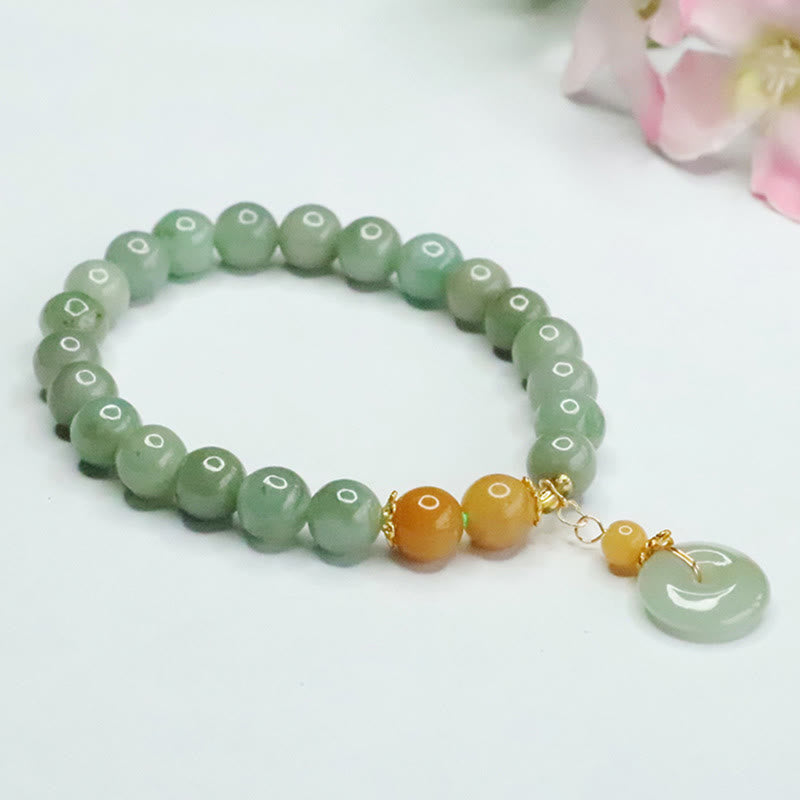
6mm Jade Peace Buckle Bracelet for Prosperity and Abundance
$24.90 $35.90
Enhance your understanding of jadeite with this genuine jade bracelet, symbolizing prosperity and authenticity.
Explore ProductDetailed Identification Techniques
While basic tests are helpful, professional jadeite identification often involves closer inspection. Gemologists use a jeweler's loupe to look for the interlocking fibrous structure characteristic of genuine jade. Unlike glass, which may have air bubbles, or quartz, which has a different fracture pattern, jadeite's internal structure is unique.

When examining a stone, also look for inclusions. Natural jadeite is rarely perfect; slight internal clouds or mineral spots are often signs of authenticity, whereas a perfectly uniform color without any inclusions might indicate a synthetic or dyed stone.
Spiritual Meaning and Benefits
Beyond its physical worth, the spiritual meaning of jadeite is profound. In Feng Shui and crystal healing, it is considered a powerful cleanser for the Heart Chakra. It is believed to bless whatever it touches, serving as a protective talisman that wards off negative energy while attracting good luck and friendship.
Jadeite benefits include promoting harmony within the self and with others. It is said to stabilize the personality, integrating the mind and body. For those seeking abundance, jadeite is one of the premier stones for manifesting wealth, often called the "stone of prosperity." Wearing jadeite jewelry, such as pendants or bracelets, keeps this energy close to the body, serving as a constant reminder of one's intentions for growth and balance.
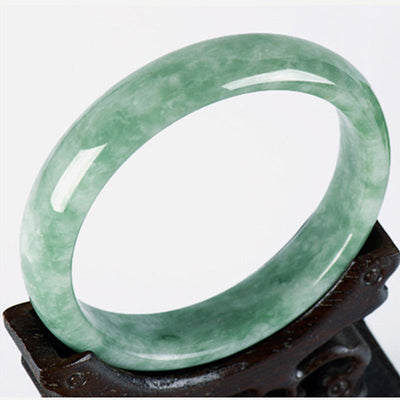
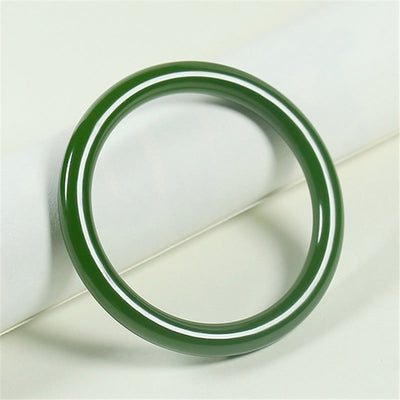
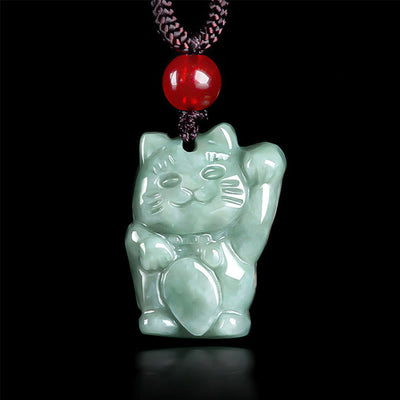

Whether you choose a simple bead bracelet or an intricate carving, the stone connects you to centuries of tradition. Pieces that incorporate symbols like the lotus or heart shapes amplify these metaphysical properties, blending the stone's natural vibration with sacred geometry.
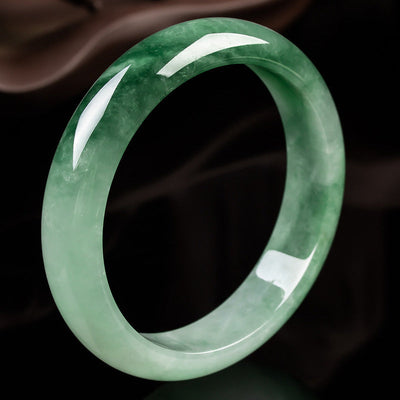
Symbolic Jade Jewelry for Prosperity

Experience traditional jadeite symbolism with this bracelet featuring Hetian jade and auspicious lotus accents. Learn more ➔

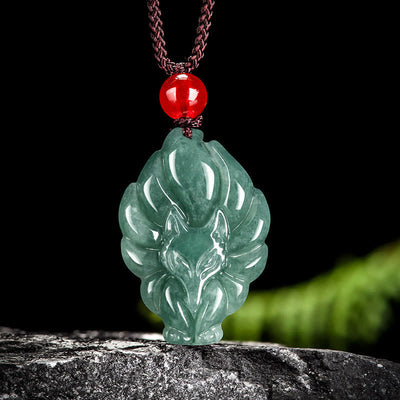
Jade Heart Prosperity Necklace Pendant for Abundance
$24.90
$35.90
Explore jadeite's spiritual and material properties with this elegant pendant, perfect for abundance rituals. Learn more ➔
Conclusion
Understanding jadeite identification and properties deepens your appreciation for this ancient gemstone. From the cool touch of authentic Burmese jadeite to its resonant chime and vibrant colors, real jadeite offers a unique connection to the earth's history. Whether you are collecting for investment or wearing it for its spiritual ability to attract prosperity and calm, ensuring you have genuine jade allows you to fully experience its powerful energy.
Frequently Asked Questions about Jadeite
The value of jadeite varies immensely based on quality. Commercial grade pieces can cost as little as $50, while fine quality jewelry often ranges from $1,000 to $50,000. Rare "Imperial Green" jadeite of top transparency can fetch millions of dollars at auction.
"Jade" is a blanket term for two different minerals: Nephrite and Jadeite. Jadeite is harder, rarer, and comes in a wider variety of vivid colors like bright green and lavender, whereas Nephrite is softer, more common, and typically spinach-green or creamy white.
Yes, often more so. Since "jade" refers to both minerals, jadeite is generally the significantly more valuable variety compared to nephrite. High-quality jadeite is one of the most expensive gemstones in the world, far exceeding the price of standard nephrite jade.
Jadeite is spiritually associated with nobility, longevity, and wealth. It is believed to bridge the gap between the physical and spiritual realms, promoting peace, protecting the wearer from harm, and attracting abundance and prosperity.
The primary source for gem-quality jadeite is Myanmar (Burma), though it is also found in Guatemala, Russia, and Japan. You can identify it by its cold feel, high density (heavier than it looks), vitreous luster, and bell-like chime when tapped.