For centuries, jade has captivated the human spirit, revered not just as a stone but as a bridge between heaven and earth. For the spiritual seeker and the gemstone collector alike, understanding the different types of jade is the first step into a world of profound symbolism and natural beauty. While many visualize a classic green gemstone, the reality is far more diverse and enchanting.
Whether you are drawn to the stone for its renowned healing properties or its historical prestige, knowing the distinction between the main varieties of jade helps you make informed decisions. From the creamy depths of ancient Nephrite to the electric translucency of Jadeite, each type carries its own unique vibration and aesthetic. In this guide, we will explore the spectrum of jade colors, rare classifications like Imperial Jade, and how to distinguish authentic treasures from mere imitations.
The Two Main Pillars: Jadeite vs. Nephrite
When gemologists and collectors discuss this gemstone, they are primarily referring to two distinct mineral species: Nephrite and Jadeite. While they share a common name and a history of reverence, their chemical compositions and physical structures differ significantly.
Nephrite Jade: The Stone of Heaven
Nephrite is the traditional jade used in China for thousands of years, long before Jadeite was introduced from Burma (Myanmar). It is a calcium-magnesium silicate, known for its incredible toughness. Unlike other gemstones that might shatter, Nephrite has a felted, fibrous structure that makes it extremely resistant to breakage. This durability made it the preferred material for ancient tools, weapons, and intricate carvings.
Nephrite typically appears in varying shades of green, from dark spinach to light celadon, as well as white, yellow, and black. The most prized variety is "Mutton Fat Jade," a creamy white Nephrite that is highly sought after by collectors.
Jadeite Jade: The Vivid Gem
Jadeite is a sodium-aluminum silicate and is generally harder and denser than Nephrite, though slightly more brittle. It is best known for its potential for high translucency and vivid coloration. While Nephrite often has a waxy luster, fine Jadeite possesses a vitreous or glassy luster that catches the light beautifully.
Discovered later in history, Jadeite quickly became the favorite of emperors and nobility due to its intense colors, particularly the emerald-green variety known as Imperial Jade. Today, Jadeite is considered the rarer and more commercially valuable of the two types of jade.

Exploring the Spectrum: Jade Colors and Varieties
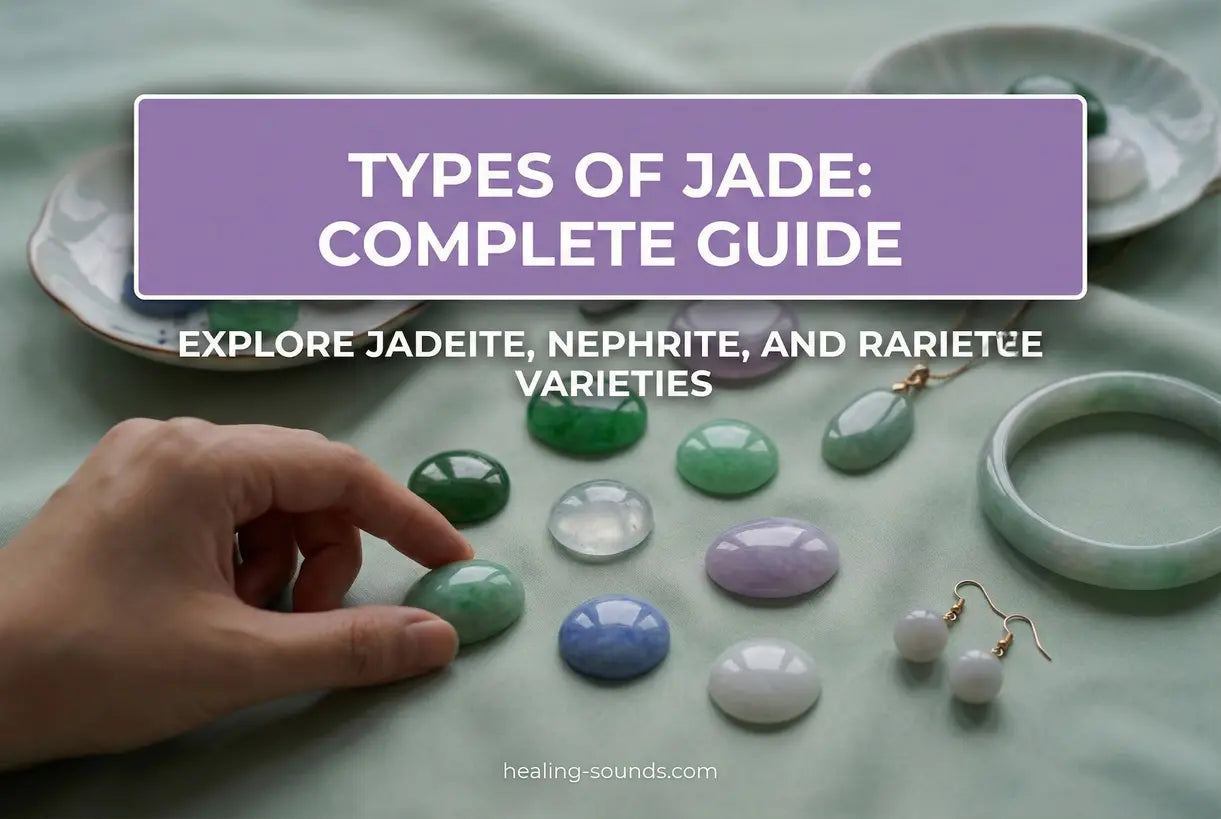
Beyond the scientific classification, jade is often categorized by its color and transparency. The presence of trace elements like chromium, iron, or manganese creates a stunning array of jade colors.
Imperial Jade
Often considered the pinnacle of jadeite, Imperial Jade is famous for its vibrant, emerald-green color and high translucency. It gets its rich hue from chromium, the same element that colors emeralds. This is undoubtedly one of the most expensive and rare types of jade on the market, traditionally reserved for royalty.
Ice Jade
Ice jade refers to a colorless or near-colorless variety of Jadeite that is highly transparent. It resembles a clear block of ice or pure water. Its value lies in its purity and texture; the clearer and more glass-like the stone, the higher its quality. It represents clarity of mind and spiritual purity.
Lavender and Blue Jade
While green is the standard, purple or lavender jade is highly coveted for its soft, feminine hue, often associated with spiritual attunement. Even rarer is blue jade, which requires specific geological conditions to form. These varieties of jade are excellent choices for unique jewelry pieces that stand out from traditional designs.
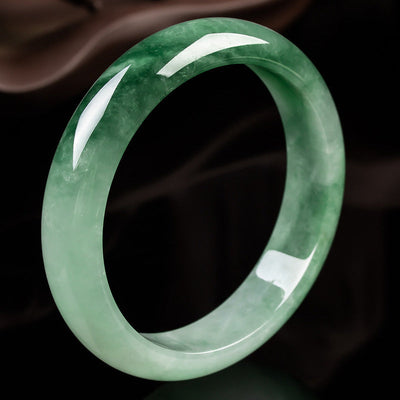
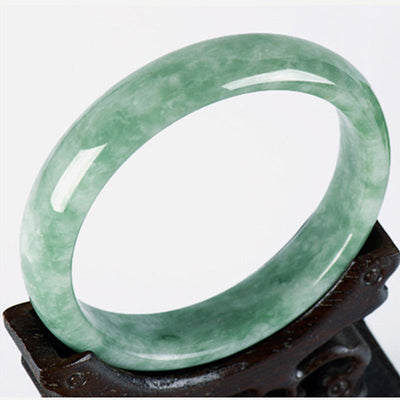
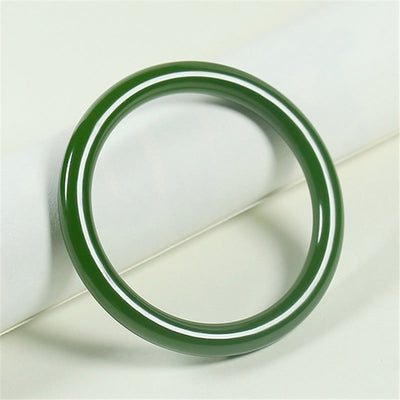
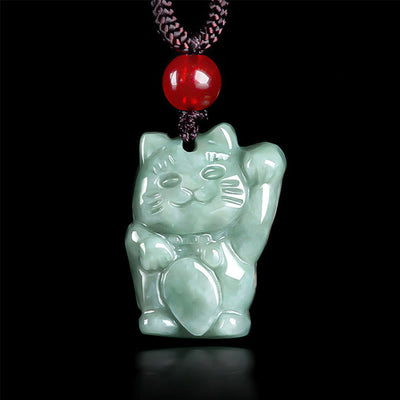

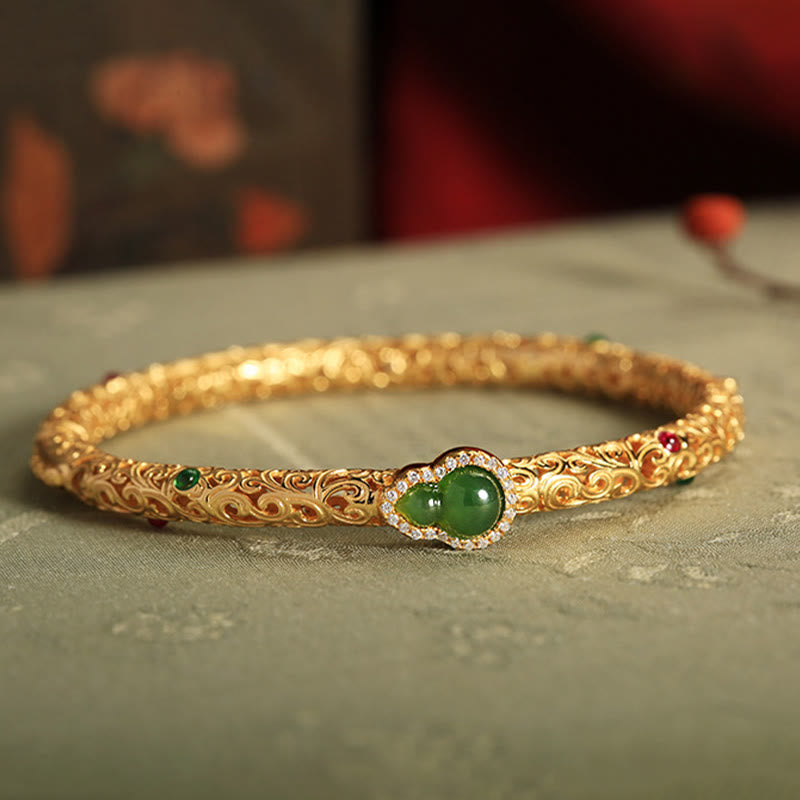
Cyan Jade Copper Plated Gold Bracelet 56mm Luck Harmony
$24.90 $35.90
Experience the stunning beauty and symbolism of cyan jade—explore a rare variety and attract harmony into your life.
Explore ProductRare and Regional Types of Jade
Apart from the broad categories of color, specific regions produce jade with unique characteristics. Understanding these regional distinctions can deepen your appreciation for types of jade jewelry.
Hetian Jade
Named after the Hotan region in Xinjiang, China, Hetian jade is the most famous variety of Nephrite. It is celebrated for its greasy, mutton-fat luster. Historically, this stone was valued more than gold. It embodies the Confucian virtues of wisdom, justice, and compassion.
Tianshan Jade
Mined from the Tianshan mountain range, this variety is often distinct in its texture and patterns. It is frequently used in modern carving and jewelry making, offering a connection to the rugged, majestic energy of the mountains.

Discover Rare Jade Jewelry

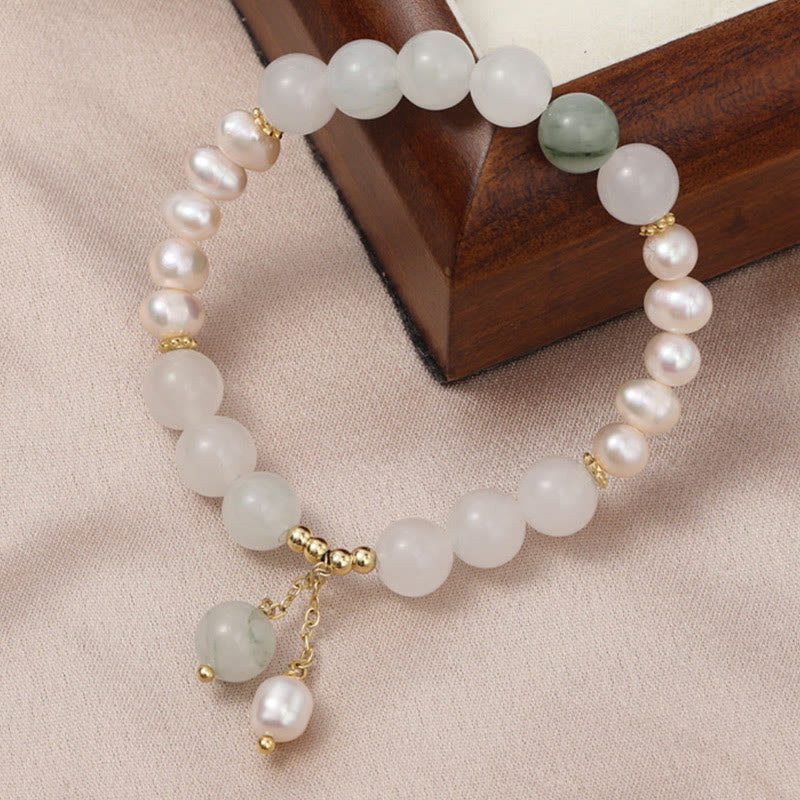
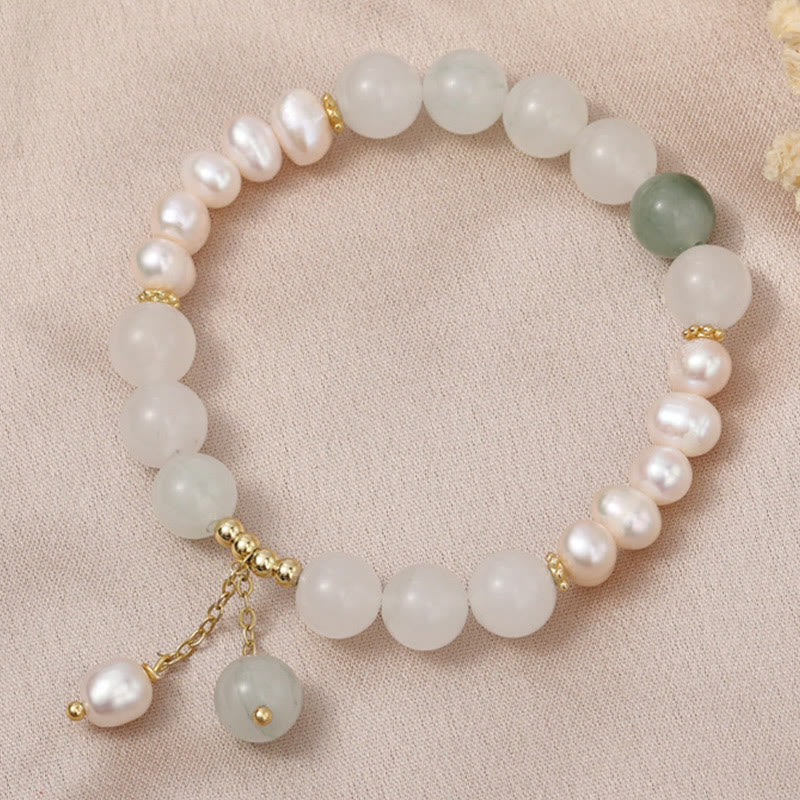
8mm Tianshan Jade and Pearl Abundance Bracelet
$24.90
$35.90
Embrace the balanced qualities of Tianshan jade and pearls—perfect for discovering unique jade varieties and their traditions. Learn more ➔

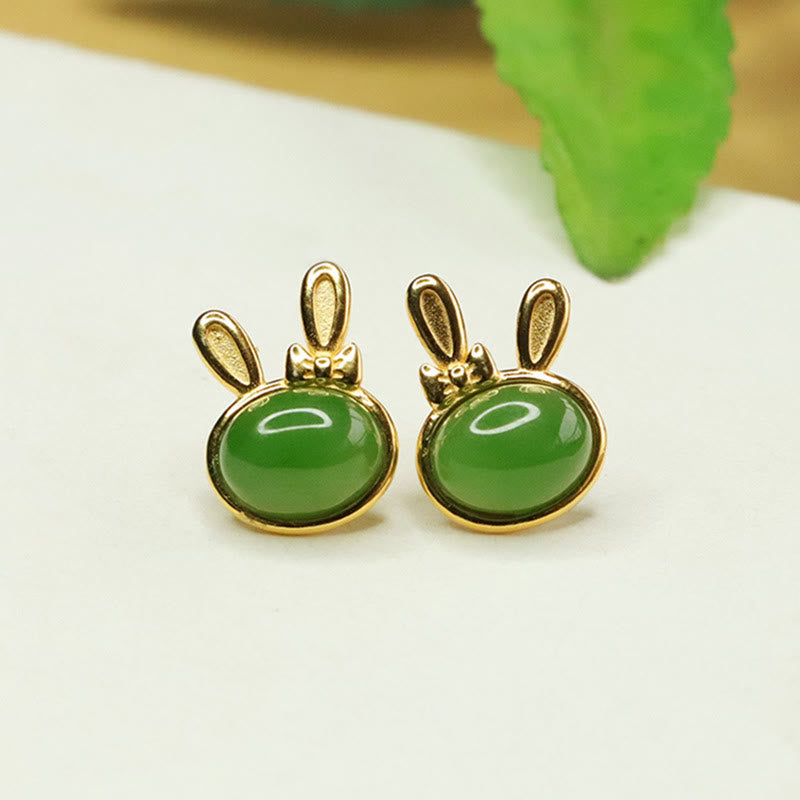
Wear Hetian cyan jade for luck and clarity—an elegant example of prized jadeite for any mindful collection. Learn more ➔
Identifying Authentic Jade
With so many types of jade available, distinguishing the real from the fake is a crucial skill. Authentic jade feels cool to the touch and takes a moment to warm up when held. It is also dense; a real jade bead should feel heavier than a glass bead of the same size. For a more scientific approach, gemologists look at the refractive index and specific gravity, often referencing standards from institutions like the Gemological Institute of America (GIA).
One common visual test is examining the texture. Real jade often has minor inclusions or a fibrous interplay within the stone, whereas fakes (often made of glass or resin) may look too perfect or contain air bubbles. Listening to the sound is another traditional method; when tapped gently with a coin, real jade emits a higher-pitched, resonant chime compared to the dull thud of plastic.
For a detailed visual guide on buying and identifying these stones, watch the video below:
Jade in Jewelry and Healing
Integrating different types of jade into your life via jewelry is not just a fashion statement—it is a practice of mindfulness. In crystal healing, green jade is often associated with the heart chakra, promoting emotional balance and abundance. White jade helps filter distractions and aids in decision-making, while purple jade is believed to purify the aura.
When selecting jade jewelry, consider the intention behind the piece. Are you looking for the protective grounding of black jade or the revitalizing energy of bright green jadeite? The diversity of this stone ensures there is a variety that resonates with every personal journey.

Conclusion
From the ancient riverbeds where Nephrite was first found to the mountains yielding vibrant Jadeite, the world of jade is vast and historically rich. Understanding the different types of jade empowers you to appreciate the stone not just for its surface beauty, but for its deep cultural roots and geological uniqueness. Whether you are seeking a rare piece of Imperial Jade or a comforting Hetian bracelet, each variety offers a distinct pathway to harmony and balance.
Frequently Asked Questions about Types of Jade
The rarest and most valuable color is generally considered to be "Imperial Green," a vibrant, translucent emerald shade found in high-quality Jadeite. Pure lavender and blue jade are also extremely rare varieties.
Jadeite is typically more expensive than Nephrite. Specifically, Imperial Jadeite with high translucency and intense green color commands the highest prices per carat in the global market.
In Chinese tradition, the "Four Great Jades" typically refer to Hetian Jade (from Xinjiang), Xiuyan Jade (from Liaoning), Dushan Jade (from Henan), and Turquoise (from Hubei). These have historically been the most prized carving materials in China.
Real jade feels naturally cool to the touch, is harder than steel (it shouldn't scratch easily with a metal object), and has a unique internal fibrous structure. A common test involves tapping the stone; real jade produces a higher-pitched, resonant sound, whereas plastic or glass sounds dull.
The two main mineralogical types are Nephrite (calcium-magnesium silicate) and Jadeite (sodium-aluminum silicate). While they look similar, Jadeite is harder and comes in brighter colors, whereas Nephrite is tougher and known for its greasy, mutton-fat luster.