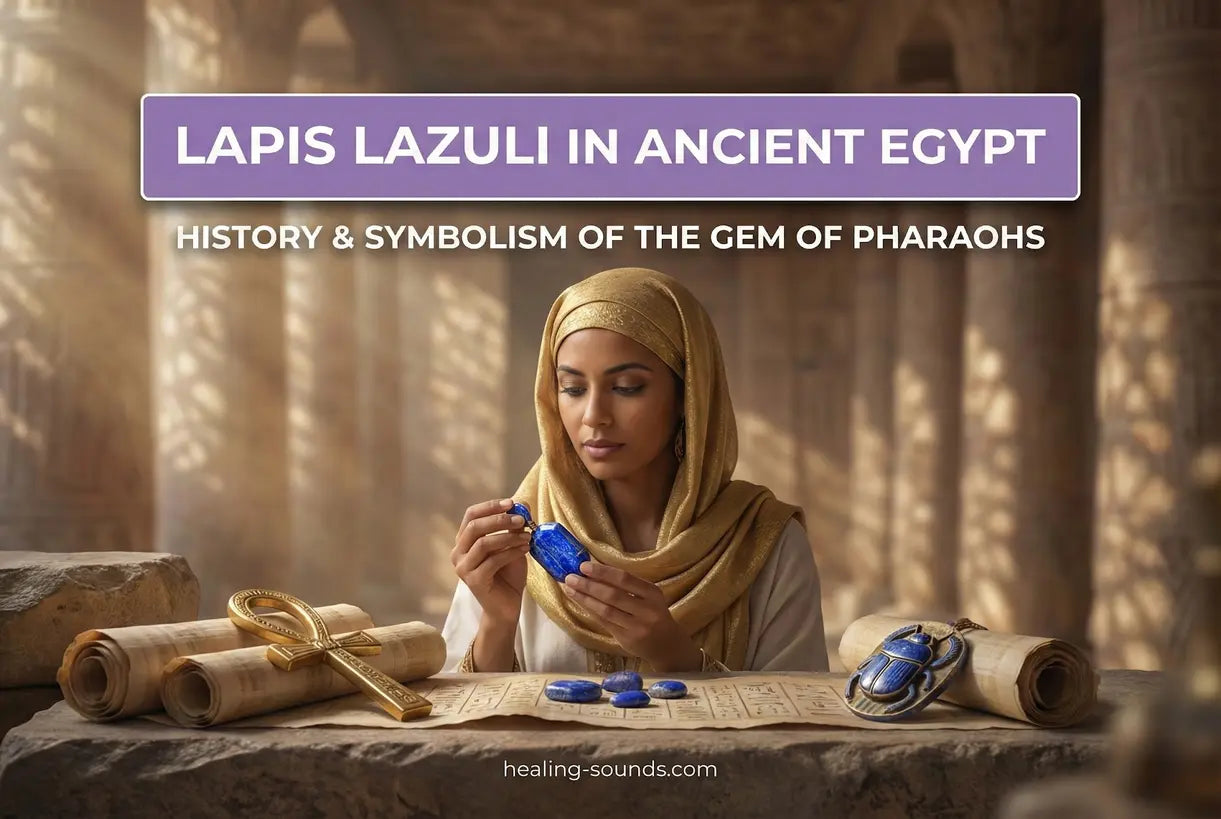
The deep, mesmerizing blue of the night sky has captivated humanity for millennia, but few civilizations revered this celestial hue as deeply as the people of the Nile. When we explore the legacy of Ancient Egypt Lapis Lazuli, we uncover more than just a decorative gemstone; we discover a profound spiritual connection to the heavens, protection, and eternal truth. For the modern seeker drawn to crystal history and ancient wisdom, understanding this stone's role offers a bridge to the sacred practices of the past.
In this guide, we will journey back in time to explore the rich history, powerful symbolism, and enduring mystery of lapis lazuli in the land of the Pharaohs. Whether you are looking to deepen your meditation practice or simply admire the artistry of antiquity, the story of this "Stone of Heaven" reveals why it remains a cornerstone of spiritual healing today.
The Celestial Stone: Why Ancient Egypt Revered Lapis Lazuli
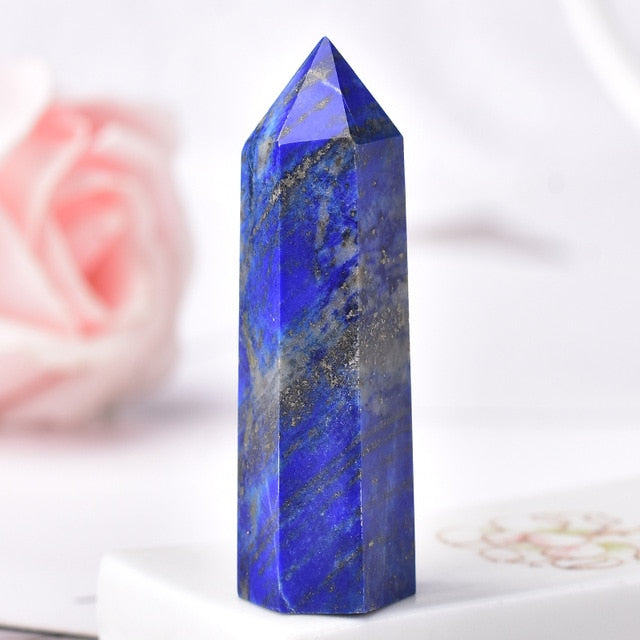
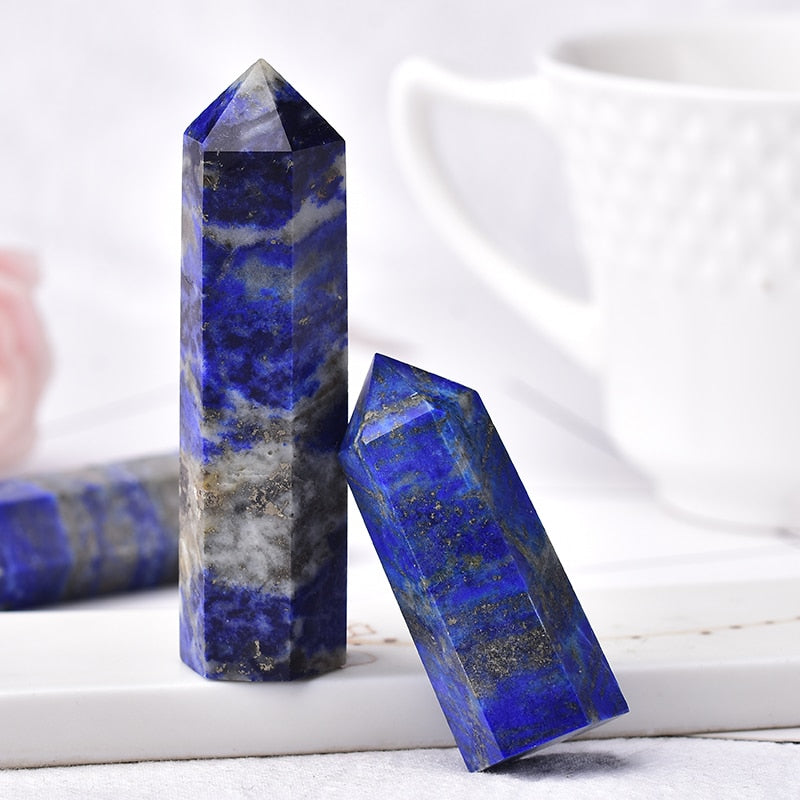
To the ancient Egyptians, lapis lazuli was not merely a rock; it was a reflection of the universe itself. Known as khesbed, this vibrant blue stone speckled with golden pyrite flecks resembled the star-filled night sky. It was believed to contain the life force of the gods, specifically intimately linked to the heavens and the concept of rebirth. While gold was considered the flesh of the gods, lapis lazuli was seen as their hair and bones, making it a material of supreme divine importance.
The value of Ancient Egypt Lapis Lazuli often rivaled or even exceeded that of gold. It was a status symbol, reserved primarily for pharaohs, high priests, and nobility. Its presence in jewelry and amulets wasn't just for ornamentation; it was a deliberate invocation of divine power and royal authority.

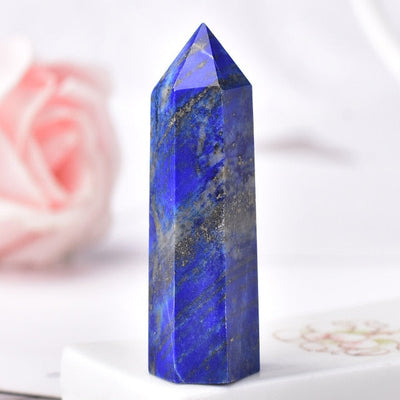
Lapis Lazuli Wisdom and Protection Tower
$29.99 $39.99
Tap into ancient Egyptian wisdom and ritual with this Lapis Lazuli crystal tower for mindful decor and meditation.
Explore ProductDeep Symbolism and Spiritual Meaning
The lapis lazuli symbolism in Egyptian culture is vast and multifaceted. Primarily, it was associated with truth and integrity. The Chief Justice of Egypt traditionally wore a lapis lazuli amulet of the goddess Ma'at—the deity representing truth and order—signifying that their judgments were rooted in cosmic balance.
The Eye of Horus and Protection
One of the most potent uses of this stone was in the crafting of amulets, particularly the Eye of Horus. This symbol represented protection, royal power, and good health. Egyptians believed that lapis lazuli artifacts carved into this shape offered powerful defense against the "evil eye" and negative energies, a belief that persists in many metaphysical traditions today.
- Connection to the Divine and the Afterlife
- Symbol of Truth (Ma'at) and Wisdom
- Protection against psychic attacks
- Enhancement of inner vision and enlightenment
From Pharaohs to the Afterlife: Artifacts and Uses
The most iconic example of Egyptian lapis lazuli jewelry is undoubtedly the death mask of Tutankhamun. The pharaoh's eyebrows and lashes on the golden mask are inlaid with pure lapis lazuli, ensuring his ability to see into the afterlife. The stone was crucial in funerary rites; the Book of the Dead prescribes placing a lapis lazuli amulet in the shape of a heart near the deceased to protect them during their judgment in the Hall of Truth.
Beyond burial masks, the stone was used to create scarabs, pendants, and intricate inlay work on furniture and boxes. While the Egyptians famously invented "Egyptian Blue," the first synthetic pigment, to mimic the stone, true lapis lazuli remained the preferred material for high-sacred objects due to its authentic energetic resonance.
The Long Journey: Sourcing the Stone
It is a testament to the stone's importance that Ancient Egypt Lapis Lazuli was not mined locally. It was imported from the Sar-i Sang mines in Badakhshan (modern-day Afghanistan), thousands of miles away. This ancient trade route is one of the oldest in human history. The immense effort required to transport this heavy, precious stone across deserts and mountains underscores its supreme value to the Egyptian elite. They were willing to go to the ends of their known world to secure this connection to the divine.
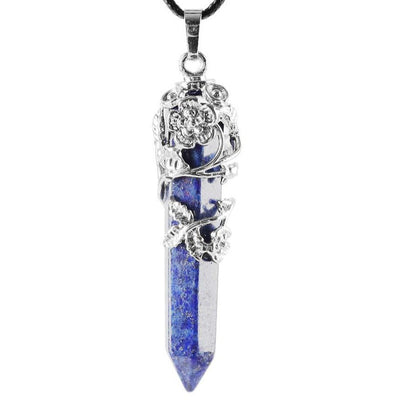
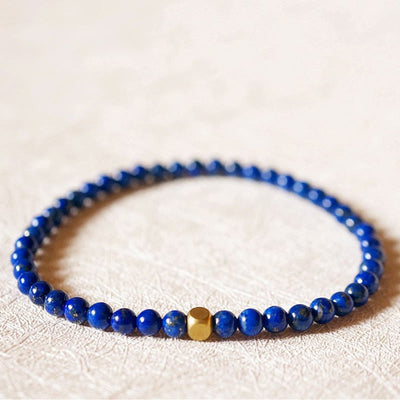
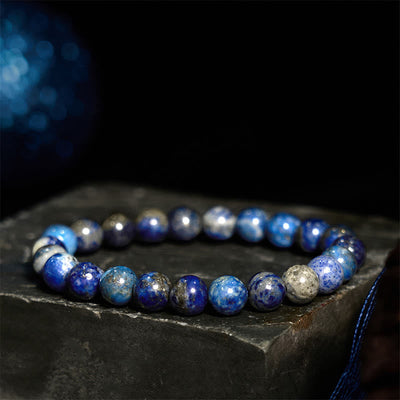
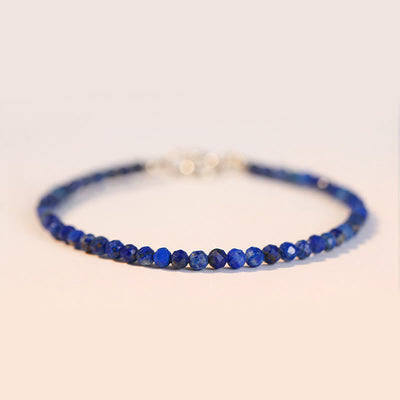
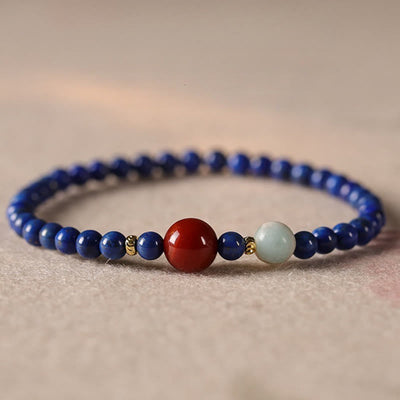
Connecting with Ancient Wisdom Today
For modern spiritual practitioners, the allure of lapis lazuli history lies in its unbroken lineage of use for awakening higher consciousness. Just as the ancients used it to connect with the gods, we can use it to stimulate the Third Eye chakra, enhancing intuition and mental clarity. Holding a piece of lapis during meditation can help bridge the gap between the physical and spiritual realms, invoking that same sense of celestial wonder felt by priests along the Nile.

Incorporating other stones revered in Egypt, such as Obsidian, can create a balanced energy. While Lapis opens the upper chakras, Obsidian grounds the energy, much like the black fertile soil of the Nile grounded the Egyptian civilization.
Bring Ancient Egypt Home
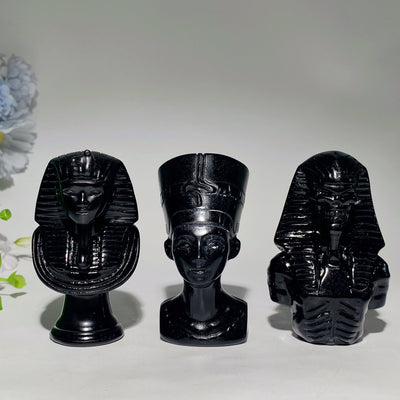
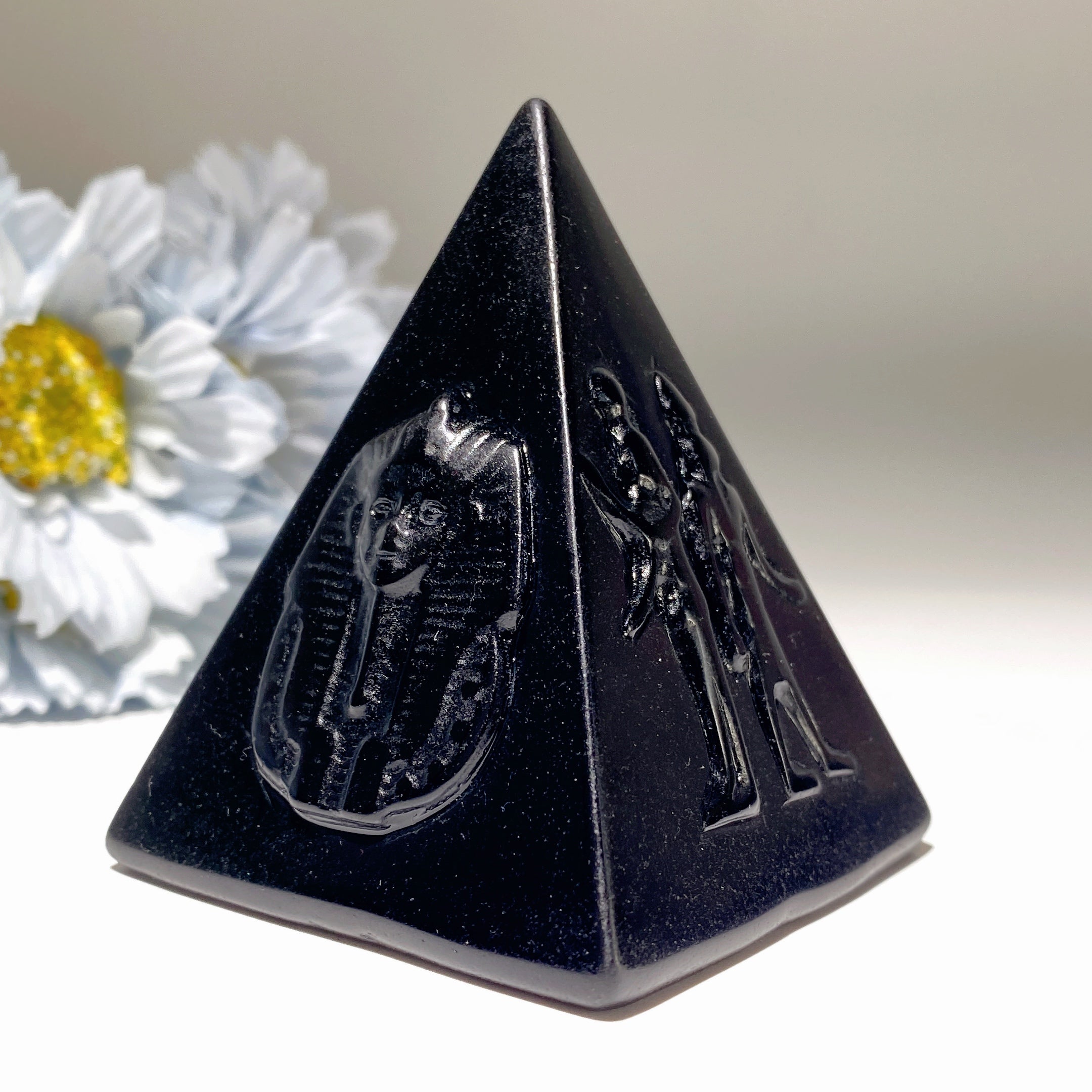
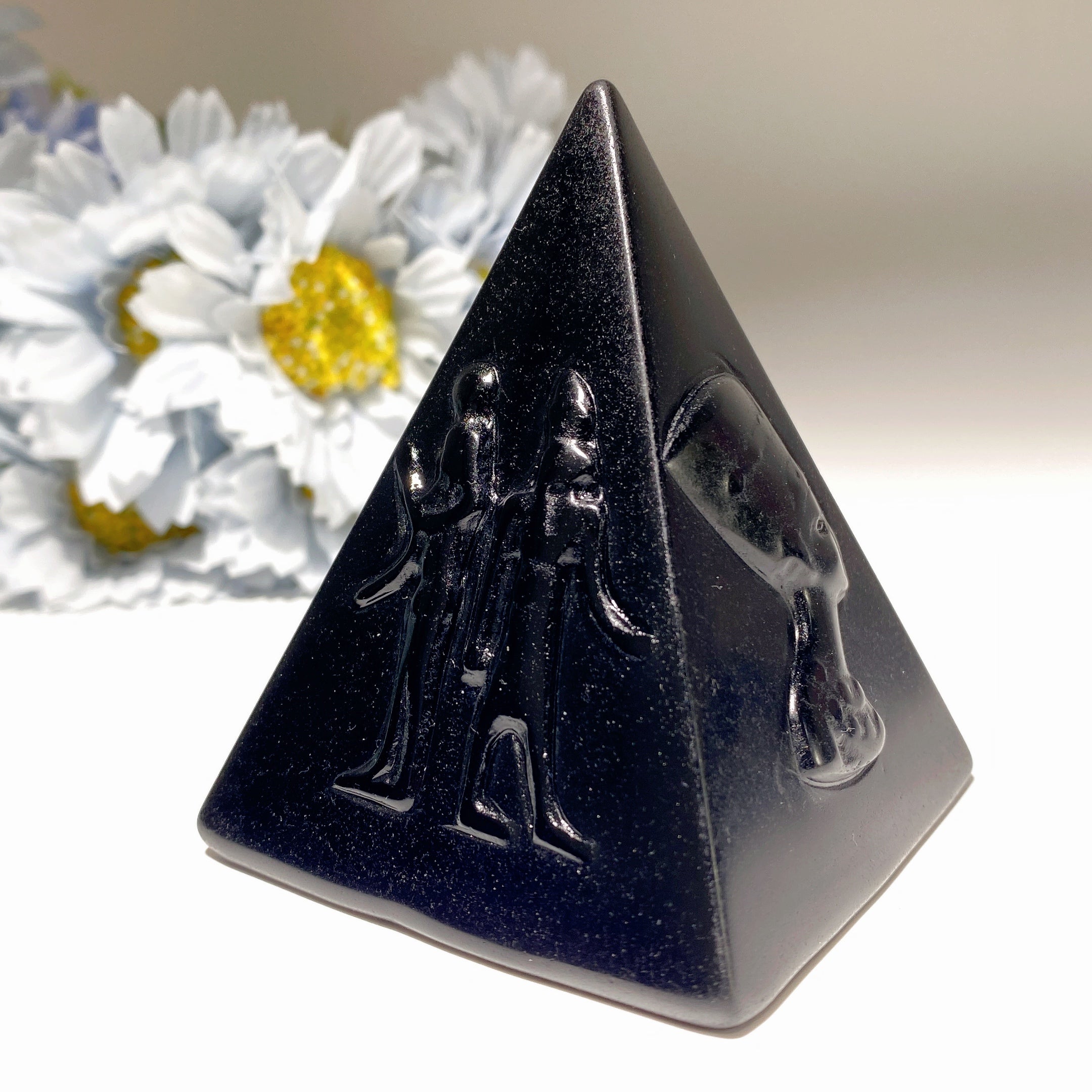
Bring home the mystique of Ancient Egypt with these obsidian figurines carved in iconic Egyptian forms for spiritual connection. Learn more ➔
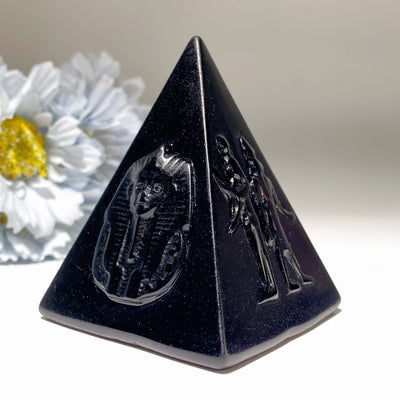
3 Inch Black Obsidian Pyramid with Egyptian Carvings
$29.90
$39.90
Connect to Egypt’s sacred geometry and energy with this carved obsidian pyramid inspired by ancient spiritual traditions. Learn more ➔
Creating an Ancient Egyptian Inspired Altar
You can honor this ancient tradition by creating a sacred space in your home. An altar featuring lapis lazuli royal Egypt imagery serves as a focal point for wisdom and protection. Combine raw or polished lapis lazuli with gold accents, candles, and symbols like the Ankh or Scarab. This physical arrangement helps channel the historical energy of the stone, reminding us that the wisdom of the ancients is never truly lost, but waiting to be rediscovered.

To deepen your understanding of these artifacts, resources like the Metropolitan Museum of Art offer incredible insights into the craftsmanship of the era. Furthermore, studying the mineralogical aspects through trusted sources like Mindat can enhance your appreciation for the stone's physical beauty.
Conclusion
The legacy of Ancient Egypt Lapis Lazuli is a testament to humanity's eternal quest for meaning, truth, and connection to the divine. From the death mask of King Tutankhamun to the amulets worn by high priests, this stone has shaped the spiritual landscape of one of history's greatest civilizations. By bringing lapis lazuli into your life today, you are not just acquiring a crystal; you are holding a piece of history that resonates with the wisdom of the stars.
Frequently Asked Questions about Ancient Egypt Lapis Lazuli
Lapis lazuli was used extensively for jewelry, amulets (like scarabs and the Eye of Horus), inlay work on death masks and furniture, and in religious rituals. It was associated with royalty and the divine.
It was important because it symbolized the heavens, the night sky, and rebirth. Its deep blue color and gold flecks were seen as the image of the universe, and it was believed to possess protective and life-giving powers.
Ancient Egyptians sourced lapis lazuli via long-distance trade routes from the Badakhshan region in modern-day Afghanistan. It was not mined in Egypt itself, making it an extremely valuable import.
Lapis lazuli held symbolism related to truth (Ma'at), royalty, protection, and the afterlife. It was often called the "Sky Stone" and was thought to guide the soul in the afterlife.
Famous artifacts include the funerary mask of Tutankhamun (eyebrows and lashes), numerous scarab amulets, the bracelets of Queen Hetepheres, and various pectoral jewelry pieces found in royal tombs.